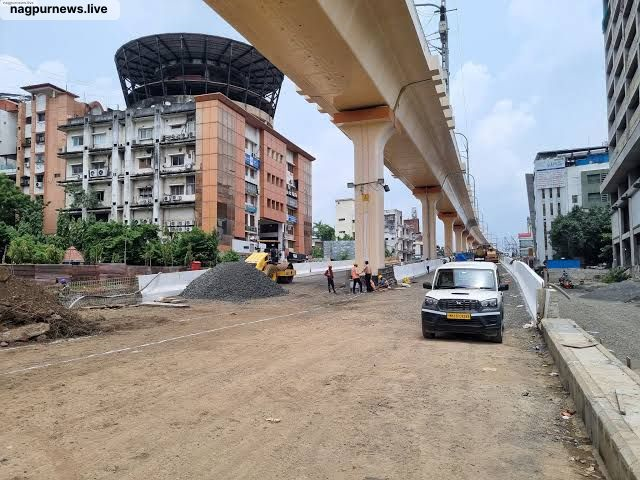
HC to Officials: Don’t Mislead on Samruddhi Vehicle Fitness

Samruddhi Vehicle Fitness | Vehicle Safety Checks: The Nagpur bench of the Bombay High Court recently delivered a stern warning to the Maharashtra State Road Development Corporation (MSRDC) and Regional Transport Office (RTO) officials. This was in response to the submission of false affidavits concerning vehicle fitness and tire pressure inspections at the entry point of the Samruddhi Expressway. The court’s rebuke highlights the critical need for honesty and transparency in matters of public safety.

The Importance of Vehicle Fitness Checks

Vehicle Fitness: A Matter of Life and Death

The fitness of a vehicle isn’t just a formality—it’s a lifesaving measure. Proper vehicle inspections ensure that vehicles on the road are safe for both the passengers and others sharing the road. This process is especially crucial on high-speed expressways like Samruddhi, where the margin for error is minimal.

Why Tire Pressure Matters

Tire pressure may seem like a minor detail (Samruddhi Vehicle Fitness), but it can be the difference between life and death on the road. Underinflated or overinflated tires can cause blowouts, leading to catastrophic accidents, particularly at high speeds.

The Role of MSRDC and RTO

The MSRDC and RTO are responsible for ensuring that vehicles entering the Samruddhi Expressway meet all safety standards. Their role is not only administrative but also a crucial aspect of public safety.

Court’s Stern Warning

The Judges’ Experience

During a recent journey on the expressway by some of the judges, it was observed that vehicle checks were not being conducted as claimed. This discrepancy led to the court questioning the affidavits submitted by the MSRDC and RTO.

The Court’s Rebuke

The division bench, consisting of Justices Nitin Sambre and Abhay Mantri, criticized the MSRDC executive engineer for falsely claiming that all vehicles entering the expressway are regularly checked. The court demanded comprehensive records detailing how many vehicles have been inspected and instructed senior RTO officials to appear in court with these records.

The Consequences of Misleading the Court

The court was clear in its warning: any attempt to deceive the judiciary would not be tolerated. The justices emphasized that misleading the court could lead to severe consequences for the responsible officials.

Public Interest Litigation (PIL)

The Role of PIL in Road Safety

A Public Interest Litigation (PIL) filed by social worker Anil Wadpalliwar has brought attention to the safety (Vehicle Safety Checks) concerns on the Samruddhi Expressway. The PIL calls for a temporary halt to vehicular traffic until essential safety measures and amenities are established.

Statistics Highlighting the Urgency

The petitioner highlighted alarming statistics from the state highway police: since the expressway’s inauguration in December 2022, there have been 39 fatal accidents, resulting in 88 deaths. These numbers underscore the urgent need for stringent safety checks(Vehicle Safety Checks).

The Court’s Response to the PIL

In response to the PIL, the court has taken a proactive stance, demanding that the MSRDC and RTO provide detailed reports on the measures being taken to improve safety on the expressway.

The Way Forward

Ensuring Compliance

Moving forward, it is imperative that the MSRDC and RTO comply with the court’s directives. Regular and thorough vehicle inspections must be conducted to ensure the safety of all road users.

Accountability and Transparency

The authorities must maintain transparency in their operations and be held accountable for any lapses in safety measures. This will not only restore public confidence but also ensure that the expressway is safe for everyone.

The Role of Public Awareness

Public awareness is also crucial in ensuring road safety. Drivers must be educated on the importance of vehicle fitness and tire pressure checks before embarking on long journeys, especially on high-speed expressways.

The Bombay High Court’s stern warning to the MSRDC and RTO officials serves as a wake-up call. Road safety is not just the responsibility of the authorities but also of every individual who uses the roads. By ensuring vehicle fitness and maintaining transparency, we can prevent accidents and save lives.

1. Why is vehicle fitness important on expressways?
Vehicle fitness is crucial on expressways to ensure that vehicles can handle high speeds safely without risking accidents due to mechanical failures.

2. What are the consequences of not checking tire pressure?
Incorrect tire pressure can lead to blowouts, loss of control, and severe accidents, particularly on high-speed roads like expressways.

3. What did the Bombay High Court demand from MSRDC and RTO?
The court demanded comprehensive records of vehicle inspections and warned against submitting false information.

4. What is a Public Interest Litigation (PIL)?
A PIL is a legal action taken in a court of law for the protection of public interest on matters of general importance.

5. How can drivers ensure their vehicles are fit for the road?
Drivers can ensure vehicle fitness by regularly checking tire pressure, brakes, lights, and other critical components before long journeys.

Scrapping Old Vehicles to Buy New: Nitin Gadkari Says You Can Get Big Discounts Now

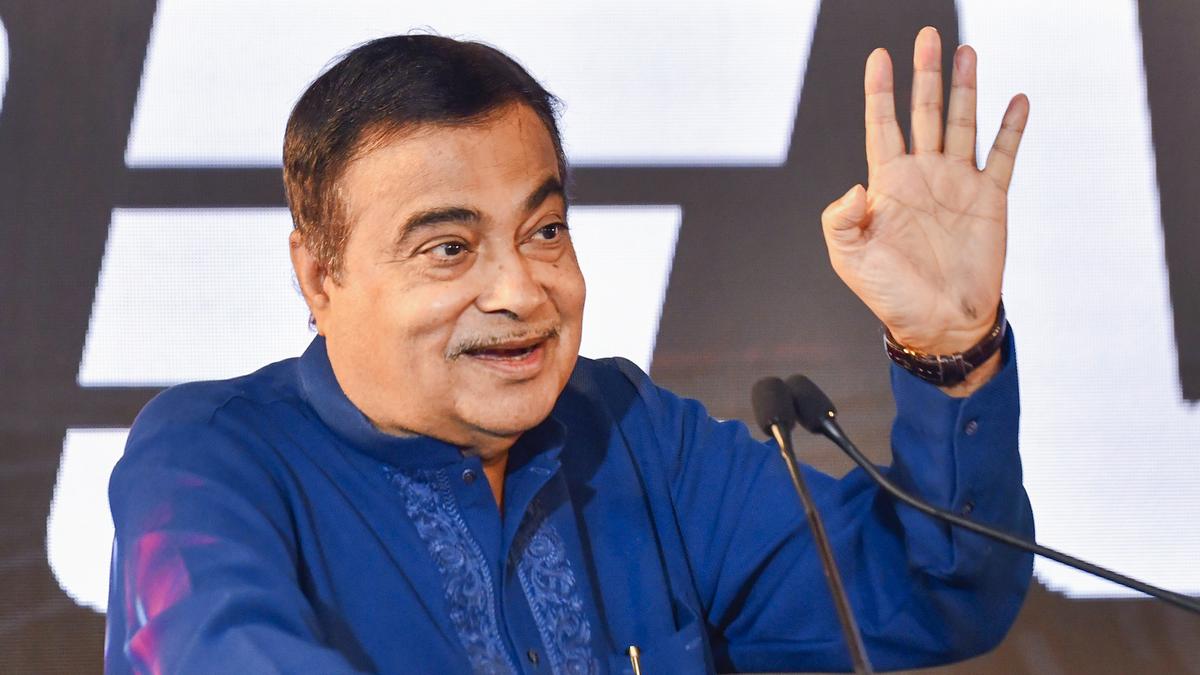
Vehicle Scrapping Discounts: In a recent announcement that has sparked interest among vehicle owners, Nitin Gadkari, the Minister of Road Transport & Highways, revealed that significant discounts are now available for those who scrap their old vehicles and purchase new ones. This initiative, part of a broader effort to promote a Circular Economy, aims to remove older, polluting vehicles from the roads and replace them with cleaner, more efficient models.

Understanding the New Vehicle Scrapping Initiative

The initiative has been welcomed by vehicle manufacturers and consumers alike. According to Gadkari, several commercial and passenger vehicle manufacturers have agreed to offer discounts ranging from 1.5% to 3.5% on the purchase of new vehicles when an old vehicle is scrapped. This discount is available to anyone who provides a valid Certificate of Deposit from an authorized scrapping center.

Why This Initiative Matters

The move is not just about getting a new car; it’s about contributing to a cleaner environment. Old vehicles are often less fuel-efficient and emit more pollutants. By incentivizing the scrapping of these vehicles, the government aims to reduce air pollution(Vehicle Scrapping Discounts), improve road safety, and promote the use of modern, eco-friendly vehicles.

How the Discount Works

Step 1: Scrapping Your Old Vehicle

To take advantage of this offer, the first step is to scrap your old vehicle at an authorized scrapping facility. Upon scrapping, you’ll receive a Certificate of Deposit. This certificate is crucial as it serves as proof that your old vehicle has been responsibly disposed of.

Step 2: Purchasing a New Vehicle

With your Certificate of Deposit in hand, you can approach any participating vehicle manufacturer to purchase a new vehicle. The discount, ranging from 1.5% to 3.5%, will be applied to the price of your new vehicle.

Who Can Benefit?

This initiative is available to both commercial and private vehicle owners. Whether you’re looking to upgrade your personal car or replace a fleet of commercial vehicles (Vehicle Scrapping Discounts), this discount can provide significant savings.

Environmental Impact of Scrapping Old Vehicles

Reducing Air Pollution

Older vehicles are often major contributors to air pollution. They emit higher levels of harmful gases like carbon monoxide, hydrocarbons, and nitrogen oxides. By removing these vehicles from the roads, the initiative is expected to significantly reduce the overall pollution levels, contributing to cleaner air and a healthier environment.

Encouraging the Use of Modern, Fuel-Efficient Vehicles

Newer vehicles are designed with advanced technologies that make them more fuel-efficient and less polluting. By encouraging the purchase of these vehicles, the initiative helps promote a shift towards more sustainable transportation options.

Financial Benefits for Consumers

Cost Savings on New Vehicles

The direct financial benefit for consumers is the discount on the purchase of new vehicles. Depending on the make and model of the vehicle, this discount could translate to substantial savings.

Lower Maintenance Costs

New vehicles come with the added advantage of lower maintenance costs. Older vehicles often require frequent repairs and part replacements, which can be costly over time. A new vehicle, especially one under warranty, will likely require less maintenance, saving you money in the long run.

Enhanced Resale Value

Purchasing a new vehicle also means that you’ll benefit from a higher resale value compared to an older model. This is especially true if the vehicle is well-maintained and adheres to the latest environmental standards.

Circular Economy and Its Role in Vehicle Scrapping

What is a Circular Economy?

A Circular Economy is an economic system aimed at eliminating waste and the continual use of resources. It contrasts with the traditional linear economy, which follows a ‘take, make, dispose’ model. In a Circular Economy, products, materials, and resources are kept in use for as long as possible.

How Vehicle Scrapping Fits In

Vehicle scrapping is a perfect example of the Circular Economy in action. When an old vehicle is scrapped, valuable materials like steel, aluminum, and rubber are recovered and recycled. This not only reduces the need for new raw materials but also minimizes the environmental impact of producing new vehicles.

The Role of Manufacturers

Vehicle manufacturers play a crucial role in this initiative. By offering discounts for scrapping old vehicles, they are incentivizing consumers to participate in the Circular Economy. Additionally, manufacturers are increasingly designing vehicles that are easier to disassemble and recycle at the end of their lifecycle.

Challenges and Opportunities

Challenges in Implementing the Scrapping Policy

While the initiative has many benefits, there are also challenges that need to be addressed. One of the main challenges is the availability of authorized scrapping centers. For the policy to be effective, there needs to be a sufficient number of these centers across the country to handle the volume of vehicles being scrapped.

Opportunities for Growth

Despite the challenges, the vehicle scrapping initiative presents numerous opportunities for growth. The increased demand for new vehicles is likely to boost the automotive industry, leading to job creation and economic growth. Additionally, the recycling industry will benefit from the influx of materials recovered from scrapped vehicles.

What the Future Holds

Expansion of the Scrapping Initiative

As the initiative gains momentum, it’s likely that more vehicle manufacturers will participate, offering even more competitive discounts. There may also be additional incentives introduced by the government to further encourage vehicle scrapping.

Long-Term Environmental Benefits

In the long term, the environmental benefits of this initiative could be significant. By continuously removing older, polluting vehicles from the roads, we can expect to see a steady improvement in air quality and a reduction in greenhouse gas emissions.

Potential for Global Adoption

While this initiative is currently being implemented in India, it has the potential to be adopted globally. Countries around the world are facing similar challenges with old, polluting vehicles, and this model could serve as a blueprint for international efforts to promote cleaner transportation.

 A Win-Win for Consumers and the Environment

The vehicle scrapping initiative announced by Nitin Gadkari represents a win-win situation for both consumers and the environment. By offering substantial discounts on new vehicles, the government is making it easier for people to upgrade to cleaner, safer, and more efficient vehicles. At the same time, the initiative contributes to a broader effort to reduce pollution and promote sustainable practices in the automotive industry.

  1. What is the Vehicle Scrapping Initiative? The initiative allows vehicle owners to receive discounts on new vehicles by scrapping their old ones and providing a valid Certificate of Deposit from an authorized scrapping center.
  2. How much discount can I expect? Discounts range from 1.5% to 3.5% depending on the vehicle manufacturer and the model being purchased.
  3. Is this initiative available for all types of vehicles? Yes, the discount applies to both commercial and private vehicles.
  4. Where can I scrap my old vehicle? Old vehicles can be scrapped at any authorized scrapping facility, which will provide you with a Certificate of Deposit.
  5. What are the environmental benefits of this initiative? The initiative helps reduce air pollution by removing older, more polluting vehicles from the roads and replacing them with newer, more efficient models.

41,858 Mosquito-Breeding Spots Identified in NMC Survey

mosquito breeding spots: In a recent survey conducted by the Nagpur Municipal Corporation (NMC), an alarming number of mosquito-breeding spots were identified across the city. The survey uncovered a staggering 41,858 potential breeding sites within approximately 6.44 lakh households. This article delves into the details of the survey, its implications, and the steps being taken to combat the rising threat of mosquito-borne diseases like chikungunya and dengue.

Survey Overview

Scope and Findings

The NMC’s extensive survey aimed to pinpoint areas contributing to mosquito proliferation. It found that common household items, including earthen plant pots, water storage utensils, tyres, and cooler tanks, were heavily infested with mosquito larvae. Specifically, 41,858 such items were identified as breeding grounds.

Primary Causes of Mosquito Breeding

  • Earthen Plant Pots: These are frequently watered, creating ideal conditions for mosquito larvae.
  • Water Storage Utensils: Steel and iron pans, often used to store water, were found to harbor mosquito larvae in 5,590 instances.
  • Tyres: Accumulated rainwater in old tyres was identified at 3,538 locations.
  • Cooler Tanks: Instances of coolers becoming breeding grounds were found in 1,677 cases.

Impact on Public Health

Rising Cases of Chikungunya and Dengue

The survey’s findings come amid a sharp rise in chikungunya and dengue cases in Nagpur. The Health Department has been proactive in addressing this issue, advising citizens to observe a “dry day” each week to minimize mosquito breeding opportunities.

Survey Methodology

The survey was conducted in three stages:

  1. Initial Inspection: Health teams inspected potential breeding sites such as wells, cooler tanks, and flower pots.
  2. Follow-Up Visits: Asha workers conducted thorough home visits to detect mosquito larvae.
  3. Data Analysis: Statistics were analyzed to gauge the effectiveness of the survey and subsequent interventions.

Steps Taken to Address the Issue

Public Awareness Campaigns

The NMC has launched awareness campaigns to educate citizens on effective mosquito control measures. These include tips on reducing standing water and proper maintenance of household items.

Chemical Treatments

Chemical sprays were applied to identified breeding sites to eradicate mosquito larvae. This step is crucial in breaking the mosquito life cycle and reducing the overall population.

Community Involvement

The survey emphasizes the importance of community involvement in mosquito control efforts. Citizens are encouraged to participate actively in keeping their surroundings clean and free from standing water.

Results and Impact

Decrease in Ailments

The survey has already shown promising results. Initially, around 16,159 individuals exhibited symptoms of mosquito-borne illnesses. By the third round of the survey, this number had significantly reduced to just 507.

Zone-wise Breakdown

  • Dharampeth Zone: Reported the highest number of affected individuals, totaling 1,888.
  • Mangalwari Zone: Followed closely with 1,559 cases.

The NMC’s survey highlights a critical issue regarding mosquito-breeding sites in Nagpur. The significant number of identified spots underscores the need for continuous monitoring and public engagement in mosquito control practices. With ongoing efforts and community cooperation, the city aims to curb the spread of mosquito-borne diseases and improve public health outcomes.

1. What were the main causes of mosquito breeding identified in the NMC survey?

The main causes were earthen plant pots, water storage utensils, tyres, and cooler tanks.

2. How did the NMC address the mosquito-breeding issue?

The NMC addressed the issue through public awareness campaigns, chemical treatments, and community involvement.

3. What was the impact of the survey on mosquito-borne illness cases?

The survey led to a significant decrease in the number of cases, from 16,159 to 507.

4. Which areas were most affected by mosquito-borne illnesses?

Dharampeth Zone and Mangalwari Zone were the most affected, with 1,888 and 1,559 cases respectively.

5. What steps can residents take to prevent mosquito breeding?

Residents should avoid storing water in open containers, regularly clean potential breeding sites, and participate in community cleanup efforts.

{finish}

NMC Installs Iron Mesh on Nullah Bridges to Curb Waste Dumping

NMC Iron Mesh Waste Curb: In a significant move to combat the escalating problem of waste dumping in Nagpur, the Nagpur Municipal Corporation (NMC) has launched an ambitious project to install iron mesh on nullah bridges across the city. This initiative is not just a routine maintenance task but a strategic measure designed to tackle a pressing environmental issue that has been affecting the city’s water systems for years.

The Project Overview

The project aims to install iron mesh on both sides of key bridges throughout Nagpur’s 10 zones. The primary goal is to prevent the dumping of waste into the city’s nullahs and rivers, which has been causing severe blockages in drainage systems and disrupting the flow of water, especially during the monsoon season.

Why Iron Mesh?

Iron mesh is chosen for its durability and effectiveness in blocking waste while allowing water to flow freely. This material is robust enough to withstand various weather conditions and is expected to be a long-term solution to the waste dumping problem.

Inspection and Implementation

Municipal Commissioner and Administrator Abhijeet Chaudhari has been closely monitoring the progress of this initiative. His recent visit to the nullah near the railway underpass at Vijay Talkies in Ward 17 underscores his commitment to the project’s success (NMC Iron Mesh Waste Curb).

Emphasis on Public Awareness

During his inspection, Chaudhari highlighted the importance of public cooperation. To this end, informative messages will be displayed on the mesh, aiming to educate citizens about the impact of waste dumping and encourage responsible behavior.

Progress Across Zones

The installation of iron mesh is underway in several key areas of the city. Here’s a breakdown of the progress by zone:

Laxmi Nagar Zone

In the Laxmi Nagar zone, work is ongoing at five critical locations:

  • Khamla Chowk
  • Sahakar Nagar Ghat

Dharampeth Zone

Dharampeth has identified 11 sites for mesh installation, including:

  • Ambazari Overflow
  • Yashwant Stadium Nag River

Other Zones

Installation efforts are also active in:

  • Hanuman Nagar
  • Dhantoli
  • Nehru Nagar
  • Gandhi Bagh
  • Satranjipura
  • Lakadganj
  • Ashi Nagar
  • Mangalwari

Expected Benefits

The primary benefit of this initiative is the prevention of drainage blockages. By stopping waste from entering the waterways, the iron mesh will help ensure smooth water flow and reduce the risk of flooding, particularly during heavy rains.

Environmental Impact

This project is expected to have a positive impact on the environment by:

  • Reducing Pollution: Preventing waste from contaminating water sources.
  • Improving Water Quality: Ensuring that nullahs and rivers remain clean.

Community Engagement

Public cooperation is crucial for the success of this initiative. The NMC is encouraging residents to:

  • Report Dumping: Notify authorities about illegal dumping activities.
  • Participate in Clean-Up Drives: Engage in local efforts to keep waterways clean.

Technical Details

The installation process involves several key officials:

  • Executive Engineer: Alpana Patne
  • Junior Engineer: Devchand Kakade
  • Assistant Civil Engineer: Kanthawar

Materials Used

The iron mesh is specifically designed to be:

  • Durable: Resistant to weather conditions.
  • Effective: Prevents waste from passing through.

The installation of iron mesh on nullah bridges by the Nagpur Municipal Corporation represents a proactive step towards addressing the city’s waste management challenges. By preventing waste from entering waterways, this project aims to improve the overall cleanliness and functionality of Nagpur’s drainage systems. Public involvement and continued maintenance will be essential in ensuring the long-term success of this initiative.

1. Why is the iron mesh being installed on bridges?

The iron mesh is being installed to prevent waste from being dumped into nullahs and rivers, which causes blockages and pollution.

2. How many locations are being covered by this initiative?

The initiative covers 59 critical locations across Nagpur.

3. What are the benefits of installing iron mesh?

The primary benefits include preventing drainage blockages, reducing water pollution, and improving water flow.

4. Who is overseeing the installation process?

The installation process is overseen by Municipal Commissioner Abhijeet Chaudhari and several key engineers.

5. How can the public contribute to this project?

The public can contribute by reporting illegal dumping and participating in local clean-up efforts.

Bhagwat’s Travel to Have Special Security Protocols

Bhagwat security protocols | RSS chief safety: In recent developments, the Ministry of Home Affairs (MHA) has intensified security measures for Rashtriya Swayamsevak Sangh (RSS) chief Mohan Bhagwat. Categorized as an ‘advance security liaison (ASL) protectee,’ Bhagwat’s movements will now be under stringent security protocols, reflecting the importance and sensitivity of his position. The enhanced security protocols will ensure his safety during travel, whether by road, train, or air, leaving no room for unverified movements or potential threats.

Why the Enhanced Security Measures?

The Importance of Bhagwat’s Role

Mohan Bhagwat is not just a figurehead; he is the ideological leader of one of India’s most influential organizations. His position as the head of the RSS (Bhagwat security protocols), a key player in the socio-political landscape, necessitates heightened security due to potential threats. The central government’s decision to implement advanced security protocols underscores the need to protect such a significant national figure.

Potential Threats and Risks (RSS chief safety)

Given the growing political and social tensions in various parts of the country, individuals in high-profile positions like Bhagwat are at a greater risk. The new security measures are not just a precaution but a necessity to safeguard against potential threats that could arise during his public appearances or travel.

The Structure of the Security Protocols

Advance Security Liaison (ASL) Protectee Status

Bhagwat’s categorization as an ASL protectee places him in a group that receives top-tier security. This status ensures that every aspect of his travel is meticulously planned and secured by both central and local authorities. The ASL status is reserved for individuals whose security cannot be compromised under any circumstances.

Coordinated Efforts Between Agencies

The coordination between local police and central security agencies is a cornerstone of the new protocol. This collaboration ensures that every detail, from route planning to personnel assignments, is handled with precision. By working together, these agencies create a security net that covers all possible vulnerabilities.

Scrutiny of Personnel and Vehicles

Pilots, Escorts, and Drivers

All personnel involved in Bhagwat’s travel (RSS chief safety), including pilots, escorts, and drivers, will undergo thorough scrutiny by central agencies. This vetting process ensures that only the most reliable and trusted individuals are involved in his security detail. The involvement of central agencies adds an additional layer of oversight, minimizing the risk of internal security breaches.

Cavalcade Vehicles and Routes

The vehicles used in Bhagwat’s cavalcade, along with their designated routes, will be subject to stringent checks. These precautions ensure that no unauthorized vehicles or individuals can approach the convoy, thereby preventing any potential threats. The routes are carefully planned and monitored to avoid any unexpected incidents.

Security Measures During Transit

Rail and Air Travel Protocols

When Bhagwat travels by train or air, special security protocols are in place. His compartments or seats will be surrounded by a security cordon, preventing unauthorized access. Any movements within the vicinity will be closely monitored, ensuring no one can get close without proper clearance. These measures are designed to protect Bhagwat from any potential threats during transit.

Helicopter Travel Regulations

For air travel via helicopters, only specially designed choppers will be used. These helicopters are equipped with advanced safety features and are operated under a strict set of protocols. This ensures that Bhagwat’s travel by air is not only swift but also secure, with every possible precaution taken to eliminate risks.

Ground Zero Security Management

Role of Security Commandants

At resting or transit places, designated security commandants will oversee the coordination and execution of security plans. These commandants are responsible for ensuring that the security protocols are followed to the letter, leaving no room for errors. Their role is crucial in managing the security on the ground, especially in unpredictable situations.

Marshalling Security Plans

The security commandants are also tasked with marshalling security plans at Ground Zero. This involves ensuring that all personnel are in their assigned positions and that the area is secure before Bhagwat’s arrival. By doing so, they create a controlled environment where every potential threat is anticipated and neutralized.

The Implications of These Measures

Public Perception

While these enhanced security measures are necessary for Bhagwat’s safety, they also reflect the level of importance the government places on protecting its leaders. The public’s perception of these measures may vary, with some viewing them as a necessary precaution, while others may see them as an indication of the heightened risks faced by political and social leaders in today’s climate.

Political Impact

The decision to step up security for Bhagwat could also have political implications, signaling the government’s commitment to protecting key figures within the RSS. This move may be seen as a message to both supporters and adversaries that the safety of influential leaders is a top priority.

The stepped-up security protocols for RSS chief Mohan Bhagwat are a reflection of the current socio-political climate and the potential risks faced by high-profile leaders in India. By categorizing him as an ASL protectee, the government has taken significant steps to ensure his safety during travel. These measures, involving meticulous coordination between central and local agencies, are designed to mitigate any risks and protect one of the country’s most influential figures.

  1. What does ASL protectee status mean?
    • ASL protectee status is a designation for individuals who require the highest level of security due to potential threats. It involves meticulous planning and coordination between various security agencies.
  2. Why is Mohan Bhagwat receiving enhanced security?
    • Due to his influential position as the RSS chief and potential threats, the government has deemed it necessary to implement stricter security protocols to ensure his safety.
  3. What kind of scrutiny is involved in the security measures?
    • Personnel such as pilots, drivers, and escorts undergo thorough vetting by central agencies. Additionally, all vehicles and routes used in Bhagwat’s travel are carefully checked to prevent any unauthorized access.
  4. How are Bhagwat’s travels by train and air secured?
    • Special protocols are in place that include a security cordon around his compartment or seat, with close monitoring of all movements nearby.
  5. What is the role of security commandants in these protocols?
    • Security commandants are responsible for overseeing the implementation of security plans at Ground Zero, ensuring that all measures are followed precisely to maintain a secure environment.

AIIMS Nagpur: A Crucial Testing Lab for Mpox in the State

The World Health Organization (WHO) has recently sounded the alarm on the spread of Monkeypox (Mpox), urging countries worldwide to take preventive measures. In India, although no cases have been officially reported, preparations are well underway to combat this potential threat. The Virology Lab at AIIMS Nagpur has been designated as a testing center for Mpox, highlighting its importance in the state’s healthcare infrastructure. This article delves into the significance of this development, the nature of the disease, and the precautions being taken.

Understanding Monkeypox (Mpox)

What is Monkeypox?

Monkeypox, often referred to as Mpox, is a viral zoonotic disease that resembles smallpox. It is caused by the Monkeypox virus, a member of the Orthopoxvirus genus. The disease is primarily transmitted from animals to humans but can also spread between humans through close contact.

Symptoms and Transmission

The symptoms of Mpox include fever, intense headache, muscle aches, and a rash that typically starts on the face and spreads to other parts of the body. The virus spreads through direct contact with the blood, bodily fluids, or skin lesions of infected animals or humans. Human-to-human transmission can also occur via respiratory droplets or contaminated objects.

Global Concern and WHO’s Warning

The WHO has expressed concerns about the potential spread of Mpox, particularly in regions where the disease is not endemic. The global organization has emphasized the importance of vigilance and preparedness to prevent a widespread outbreak.

AIIMS Nagpur’s Role in Mpox Testing

Why AIIMS Nagpur?

AIIMS Nagpur has been selected as a testing lab for Mpox due to its state-of-the-art facilities and expertise in virology. The institution’s Virology Lab is equipped with the latest technology, enabling accurate and rapid testing of suspected Mpox cases. This strategic move ensures that the state is well-prepared to identify and respond to any potential outbreaks.

Approval and Preparations

The approval of AIIMS Nagpur as a testing center is a proactive step by the health authorities in India. The lab has undergone rigorous assessments to ensure it meets the necessary standards for handling and testing the Mpox virus. This includes strict biosafety protocols to protect the staff and prevent contamination.

Testing Process at AIIMS Nagpur

At AIIMS Nagpur, the testing process for Mpox involves collecting samples from suspected patients and analyzing them using advanced molecular techniques. The lab is capable of detecting the virus even in its early stages, which is crucial for effective containment and treatment.

Precautionary Measures in India

Government Initiatives

In response to WHO’s warning, the Indian government has implemented several precautionary measures to prevent the spread of Mpox. These include heightened surveillance, public awareness campaigns, and the establishment of testing facilities like AIIMS Nagpur.

Public Awareness and Education

Educating the public about Mpox is a key component of the preventive strategy. Information is being disseminated through various channels, including social media, to ensure that people are aware of the symptoms, modes of transmission, and necessary precautions.

Healthcare Readiness

Healthcare facilities across the country are being equipped with the necessary tools and training to manage potential Mpox cases. This includes the availability of personal protective equipment (PPE) for healthcare workers and the establishment of isolation wards.

The Future of Mpox Testing in India

Expanding Testing Capabilities

As the situation evolves, there may be a need to expand testing capabilities beyond AIIMS Nagpur to other regions of the country. This will ensure a more robust response to any potential outbreaks.

Research and Development

Ongoing research is essential to better understand Mpox and develop effective treatments and vaccines. AIIMS Nagpur is expected to play a significant role in this research, contributing to global efforts to combat the disease.

Collaborations and Partnerships

Collaborations between AIIMS Nagpur, the Indian government, and international health organizations like WHO will be crucial in ensuring a coordinated response to Mpox. These partnerships will facilitate the sharing of information, resources, and expertise.

The designation of AIIMS Nagpur as a testing lab for Mpox is a significant step in India’s efforts to prepare for a potential outbreak. With its advanced facilities and skilled personnel, AIIMS Nagpur is well-equipped to handle the challenges posed by this emerging threat. As the world remains on high alert, continued vigilance and proactive measures will be essential in preventing the spread of Mpox.

1. What makes AIIMS Nagpur a suitable testing lab for Mpox?

AIIMS Nagpur has advanced virology facilities and a highly trained team, making it well-equipped to test for Mpox accurately and efficiently.

2. How does Monkeypox differ from smallpox?

While both diseases are caused by viruses from the Orthopoxvirus genus, Monkeypox is less contagious and generally less severe than smallpox.

3. Can Monkeypox be treated?

There is no specific treatment for Monkeypox, but the symptoms can be managed with supportive care. Vaccines for smallpox may offer some protection against Monkeypox.

4. What should I do if I suspect I have Monkeypox?

If you suspect you have been exposed to Monkeypox, seek medical attention immediately and avoid close contact with others to prevent the spread of the virus.

5. How can I protect myself from Monkeypox?

To protect yourself, avoid contact with animals that could harbor the virus, practice good hygiene, and stay informed about the latest health advisories.

HC Orders NHAI: Cooperate or Fund Katol-Fetri Road Construction

Katol Fetri Road Construction: The Nagpur Bench of the Bombay High Court recently issued a stern directive to the forest department regarding the widening of the Katol Naka to Fetri road. The court emphasized that if the forest department does not cooperate with the National Highways Authority of India (NHAI) by providing necessary data, it should fund the road construction itself. This directive was part of a larger legal battle centered around public interest litigation and the expansion of vital infrastructure in the region.

The Court’s Directive: A Matter of Accountability

Background of the Case (Katol Fetri Road Construction)

The issue began when former High Court Bar Association (HCBA) president Adv Arun Patil filed a public interest litigation concerning the widening of the Katol Naka to Fetri road. This road, crucial for the connectivity between Nagpur and nearby areas, runs through sensitive forest land managed by the Forest Development Corporation of Maharashtra (FDCM). The legal proceedings have brought to light the friction between development goals and environmental concerns.

The Forest Department’s Role

The court criticized the forest department for not providing essential records required by the NHAI to proceed with the widening project. Justice Nitin Sambre and Justice Abhay Mantri made it clear that non-cooperation would result in the forest department being held responsible for funding the entire construction.

NHAI’s Stance

Adv Anish Kathane, representing the NHAI, informed the court that a study was underway to determine whether the road could be widened using bitumen. However, the forest department’s lack of cooperation was stalling the project. The NHAI has proposed a seven-meter widening on each side of the road, but the plan remains in limbo due to the absence of necessary data from the forest department.

The Environmental Concerns

Impact on Gorewada Zoo

One of the primary concerns is the road’s proximity to the Gorewada Zoo, a significant environmental and wildlife conservation area. The court had earlier expressed concerns over the safety risks posed by the existing road structure, particularly for two-wheelers. The potential impact on the zoo’s ecosystem adds another layer of complexity to the issue.

Bitumen vs. Paver Blocks: A Safety Debate

The petitioner’s counsel, senior advocate Firdos Mirza, argued for the road to be developed entirely with bitumen rather than paver blocks. The latter, according to the court, could pose significant safety risks, especially for two-wheeler traffic. The debate over the appropriate material for road construction highlights the broader concerns about safety and durability in infrastructure development.

Wadi Flyover: Progress and Expectations

Current Status

In a related development, the Public Works Department (PWD) informed the court that the Wadi flyover would be operational by September 15. This flyover is another critical infrastructure project aimed at easing traffic congestion and improving connectivity in the region.

Future Developments

The PWD also provided updates on the flyover connecting the RTO to the university campus, which is expected to be completed by March 2025. The court has emphasized the importance of maintaining service roads in good condition to support these major infrastructure projects.

Judges’ On-Site Visit: A Ground Reality Check

Observations from the Amravati Road

During a recent visit to Amravati, five judges from the Nagpur Bench observed that there was no plantation on either side of the road or in the median. This observation raised questions about the implementation of earlier plans for greenery, which were supposed to accompany the road construction.

The Importance of Greenery in Infrastructure Projects

The absence of planned greenery highlights a critical issue in infrastructure development—balancing construction with environmental sustainability. The court’s observations may lead to future directives aimed at ensuring that such projects adhere to environmental standards.

The ongoing legal battle over the Katol Naka to Fetri road widening project underscores the delicate balance between infrastructure development and environmental conservation. The Bombay High Court’s directive to the forest department to either cooperate with the NHAI or fund the construction themselves is a clear message about accountability. As this case progresses, it will serve as a precedent for how similar conflicts between development and environmental protection are resolved in the future.

  1. What is the main issue in the Katol-Fetri road case? The main issue is the lack of cooperation from the forest department in providing necessary data to the NHAI for widening the road, leading the court to order them to either cooperate or fund the construction.(Katol Fetri Road Construction)
  2. Why is the Gorewada Zoo mentioned in this case? The Katol-Fetri road runs through the Gorewada Zoo, raising concerns about the environmental impact of the road widening on the zoo’s ecosystem.
  3. What materials are being debated for the road construction? The court and petitioners are debating whether the road should be constructed using bitumen or paver blocks, with safety concerns being a major factor.
  4. When will the Wadi flyover be operational? The Wadi flyover is expected to be operational by September 15, according to the PWD.
  5. What did the judges observe during their visit to Amravati? The judges observed the lack of planned greenery along the road, raising concerns about the implementation of environmental measures in infrastructure projects.

State’s First Nuclear Medicine Department in GMCH to Launch Soon

Nagpur’s Government Medical College and Hospital (GMCH) is on the brink of a groundbreaking milestone as it prepares to launch the first-ever Nuclear Medicine Department in the state. This department, typically found in private healthcare setups, is now ready to make its debut in a government-run entity. Located on the ground floor of the Super Specialty Hospital (SSH) at GMCH, this new department marks a significant step forward in the region’s healthcare services. After more than seven years of anticipation, the department is now fully equipped, with the staff appointments finalized, and all that remains is the official inauguration.

A Long-Awaited Development

For years, the absence of a Nuclear Medicine Department in GMCH meant that patients from Nagpur and the surrounding regions had to travel to cities like Mumbai, Pune, Delhi, or Bengaluru to access specialized diagnostic and therapeutic services. The establishment of this department is expected to transform the healthcare landscape in Central India. The journey to this point has been long and challenging, with the hospital waiting for over seven years to get this department up and running. Dr. Raj Gajbhiye, Dean of GMCH, has been at the forefront of this initiative, tirelessly following up with the government to secure approval for the department.

A Significant Investment

The Nuclear Medicine Department has been made possible thanks to the efforts of Deputy Chief Minister and Guardian Minister of Nagpur district, Devendra Fadnavis. Recognizing the critical need for this facility, Fadnavis took the lead in securing over Rs 9.5 crore from the District Planning Committee funds for the project. This substantial investment underscores the government’s commitment to enhancing healthcare infrastructure in the region.

A Revolutionary Change in Healthcare

Dr. Gajbhiye is optimistic about the transformative impact of the Nuclear Medicine Department. He believes that the new facility will revolutionize both therapeutic and diagnostic modalities at GMCH, leading to marked improvements in healthcare treatment. The department is expected to benefit a wide range of patients, particularly those suffering from heart and cancer ailments, as well as issues related to endocrinology, thyroid, kidney, and neurological conditions.

Cutting-Edge Diagnostic Tools

At the heart of the Nuclear Medicine Department are specially designed cameras that can create detailed images of the body’s internal structures. These images allow doctors to observe how organs or tissues are functioning, providing critical insights that can guide treatment decisions. The department will utilize advanced imaging modalities, including Single Photon Emission Computed Tomography (SPECT) and Positron Emission Tomography (PET) scans, which are key components of nuclear medicine. These tools are invaluable in diagnosing tumors, infections, organ enlargement, blood circulation problems, and brain disorders, among other conditions.

Improved Cancer Treatment

One of the most significant benefits of the new department will be its role in cancer treatment. Nuclear medicine is particularly effective in detecting the spread of cancer, enabling doctors to develop more targeted and effective treatment plans. The ability to diagnose and treat cancer more efficiently will be a game-changer for patients in Nagpur and the wider region, who previously had to travel long distances to access such care.

A Holistic Approach to Healthcare

The introduction of the Nuclear Medicine Department is not just about adding another facility to GMCH; it represents a shift toward a more holistic approach to healthcare. By providing cutting-edge diagnostic and therapeutic services within the region, the department will help reduce the burden on patients who previously had to seek treatment elsewhere. This development is a testament to GMCH’s commitment to improving healthcare outcomes for all its patients.

What is Nuclear Medicine?

Nuclear medicine is a specialized area of medical imaging that uses small amounts of radioactive material to diagnose and treat a variety of diseases, including many types of cancers, heart disease, and other abnormalities within the body. The technology involves the use of special cameras to create images that show how tissues and organs are functioning, rather than just what they look like structurally.

The Importance of Nuclear Medicine in Modern Healthcare

In modern healthcare, nuclear medicine plays a crucial role. It allows doctors to gain insights into the physiological processes of the body in ways that traditional imaging techniques cannot. For instance, while an X-ray might show the structure of a bone, nuclear medicine can reveal how well that bone is functioning, or if there is any disease affecting it at a cellular level.

Applications of Nuclear Medicine

The applications of nuclear medicine are vast. It is used in the diagnosis and treatment of conditions such as cancer, heart disease, gastrointestinal issues, endocrine problems, and neurological disorders. Nuclear medicine can help detect the early onset of diseases, monitor the progression of conditions, and assess the effectiveness of treatments.

The Role of SPECT and PET Scans

SPECT and PET scans are two of the most common imaging modalities used in nuclear medicine. SPECT scans are particularly useful for evaluating blood flow to organs and detecting abnormalities in organ function. PET scans, on the other hand, are often used in oncology to identify cancerous tissues and to monitor how well a treatment is working. Both types of scans provide detailed, functional information that is critical for accurate diagnosis and treatment planning.

The Impact on Central India’s Healthcare

The establishment of the Nuclear Medicine Department at GMCH is expected to have a profound impact on healthcare in Central India. By providing access to advanced diagnostic and therapeutic services, the department will help bridge the gap between urban and rural healthcare. Patients who once had to travel to major cities for treatment will now be able to receive high-quality care closer to home.

Collaboration with Private Entities

While the Nuclear Medicine Department is a government-run facility, it has also involved collaboration with private entities to ensure that the infrastructure and services meet the highest standards. Independent staff and other manpower have been outsourced, with the agency responsible for managing the department’s operations. This partnership model ensures that the department is equipped with the latest technology and expertise.

A Bright Future for GMCH

The launch of the Nuclear Medicine Department is just the beginning for GMCH. As the hospital continues to expand its services and infrastructure, it is poised to become a leading healthcare provider in the region. The addition of this department is a significant milestone in GMCH’s journey toward providing comprehensive, state-of-the-art medical care to its patients.

The opening of the Nuclear Medicine Department at GMCH marks a new era in healthcare for Nagpur and Central India. With its advanced diagnostic and therapeutic capabilities, the department is set to revolutionize the treatment of a wide range of conditions, particularly cancer and heart disease. This development not only enhances the healthcare services available in the region but also represents a significant step forward in the government’s efforts to improve public health infrastructure. As GMCH continues to grow and evolve, the Nuclear Medicine Department will play a crucial role in its mission to provide the highest quality care to all its patients.

1. What is Nuclear Medicine, and how does it differ from traditional imaging? Nuclear medicine involves using small amounts of radioactive material to diagnose and treat diseases. Unlike traditional imaging, which shows the structure of organs, nuclear medicine provides insights into how organs and tissues function.

2. How will the Nuclear Medicine Department benefit patients at GMCH? The department will offer advanced diagnostic and therapeutic services, particularly for patients with cancer, heart disease, and neurological disorders, reducing the need for them to travel to other cities for treatment.

3. What types of scans will be available at the Nuclear Medicine Department? The department will offer SPECT and PET scans, which are critical for diagnosing and monitoring various conditions, including cancer and heart disease.

4. How long did it take to establish the Nuclear Medicine Department at GMCH? The process took over seven years, with significant efforts from the hospital’s administration and support from the government to secure the necessary funding and approvals.

5. What impact will the new department have on healthcare in Central India? The department is expected to significantly improve healthcare in the region by providing access to advanced diagnostic and therapeutic services, which were previously unavailable in Central India.

Baidyanath Teams Up with Volvo for LNG Truck Promotion

Baidyanath Volvo LNG Trucks: In an era where sustainability and alternative fuels are becoming the cornerstone of modern transportation, Baidyanath LNG Private Limited has taken a significant step forward. The company has signed a memorandum of understanding (MoU) with Volvo-Eicher Commercial Vehicles Private Limited to promote LNG-powered trucks. This collaboration not only marks a pivotal moment for Baidyanath but also represents a substantial push toward cleaner and greener fuel alternatives in India.

Why LNG? The Future of Fuel

Liquefied Natural Gas (LNG) is rapidly gaining traction as a cleaner alternative to traditional diesel and gasoline. Unlike conventional fuels, LNG produces fewer emissions, making it an environmentally friendly option. With the global focus shifting towards reducing carbon footprints, LNG stands out as a promising solution for the transportation industry.

Baidyanath’s Commitment to Sustainability

Baidyanath has long been a proponent of alternative fuels, and this latest partnership with Volvo is a testament to their dedication. By promoting LNG-powered trucks, Baidyanath is not only supporting the environment but also paving the way for a new era in transportation.

The MoU: A Strategic Partnership (Baidyanath Volvo LNG Trucks)

The MoU between Baidyanath and Volvo-Eicher Commercial Vehicles is more than just a business deal. It’s a strategic alliance aimed at promoting 500 LNG trucks to transporters. This joint effort is expected to significantly boost the adoption of LNG as a mainstream fuel in India.

What This Means for the Transportation Industry

The promotion of 500 LNG trucks is no small feat. It represents a substantial shift in the industry, signaling a move away from traditional fuels towards more sustainable options. For transporters, this partnership offers an opportunity to embrace new technology and contribute to a cleaner environment.

Expansion of LNG Infrastructure

In addition to the MoU, Baidyanath has also announced the opening of its third LNG filling station in Nagpur. Located at Umred Road, this station joins two others on the Nagpur-Jabalpur highway and in Wani, Yavatmal district.

Strategic Location of LNG Stations

The location of these LNG stations is crucial. By positioning them on major highways, Baidyanath is ensuring that LNG-powered trucks have easy access to refueling stations, making the transition to LNG more convenient for transporters.

Future Plans: More Stations on the Way

Baidyanath is not stopping at three stations. The company has plans to open two more outlets in Chhatrapati Sambhajinagar (Aurangabad) and Dewas near Indore in Madhya Pradesh. These additional stations will further enhance the LNG infrastructure in India, making it easier for transporters to adopt this cleaner fuel.

The Role of Government in Promoting LNG

The opening of the new LNG filling station was inaugurated by the Union Minister for Road Transport and Highways, Nitin Gadkari. A strong advocate for alternative fuels, Gadkari emphasized the importance of transitioning to cleaner options like LNG, CNG, and hydrogen.

Government Support for Alternative Fuels

Gadkari’s presence at the inauguration highlights the government’s support for alternative fuels. His call to reduce the reliance on petroleum fuels and embrace cleaner alternatives aligns with the global push for sustainability.

LNG vs. Traditional Fuels

When comparing LNG to traditional fuels, the benefits are clear. LNG offers lower emissions, reduced noise levels, and better fuel efficiency. These advantages make LNG an attractive option for the transportation industry, particularly for long-haul trucking.

Environmental Benefits of LNG

One of the most significant advantages of LNG is its environmental impact. Compared to diesel, LNG produces up to 25% less carbon dioxide, which is a major contributor to climate change. This reduction in emissions makes LNG a crucial component in the fight against global warming.

Economic Advantages of LNG

Beyond its environmental benefits, LNG also offers economic advantages. With fluctuating oil prices, LNG provides a more stable and potentially cheaper alternative. This cost-effectiveness is particularly important for transporters who rely on fuel for their operations.

LNG: A Cost-Effective Solution for Transporters

For transporters, the switch to LNG can lead to significant savings in the long run. Lower fuel costs, combined with reduced maintenance expenses due to the cleaner nature of LNG, make it a financially sound choice.

Challenges in Adopting LNG

While the benefits of LNG are clear, there are still challenges to its widespread adoption. The primary hurdle is the initial investment required for LNG-powered vehicles and infrastructure. However, with companies like Baidyanath leading the way, these challenges are gradually being overcome.

Overcoming Infrastructure Challenges

The expansion of LNG filling stations is a crucial step in overcoming infrastructure challenges. By increasing the availability of refueling stations, Baidyanath is making it easier for transporters to make the switch to LNG.

Biofuel: The Next Frontier

In addition to LNG, Baidyanath is also exploring opportunities in biofuel. The company is examining various feedstock options to further diversify its portfolio of alternative fuels.

The Potential of Biofuels

Biofuels offer another avenue for reducing carbon emissions in the transportation industry. By using organic materials as fuel, biofuels provide a renewable and sustainable alternative to fossil fuels.

Baidyanath’s Vision for the Future

Baidyanath’s partnership with Volvo and its expansion into LNG and biofuels (Baidyanath Volvo LNG Trucks) reflect the company’s forward-thinking approach. As the world moves towards cleaner energy, Baidyanath is positioning itself as a leader in the alternative fuels market.

A Sustainable Future

By embracing LNG and biofuels, Baidyanath is not only contributing to a cleaner environment but also setting the stage for a more sustainable future in transportation.

Baidyanath’s collaboration with Volvo to promote LNG trucks is a significant step towards a greener and more sustainable transportation industry in India. With the expansion of LNG infrastructure and the exploration of biofuels, Baidyanath is leading the charge in the transition to alternative fuels. As the company continues to innovate and grow, the future of transportation looks brighter, cleaner, and more sustainable.

1. What is LNG, and why is it important?
LNG, or Liquefied Natural Gas, is a cleaner alternative to traditional fuels like diesel. It produces fewer emissions and is more environmentally friendly, making it a crucial component in the transition to sustainable transportation.

2. How does the Baidyanath-Volvo partnership benefit transporters?
The partnership promotes the adoption of LNG-powered trucks, offering transporters a cleaner, more cost-effective alternative to traditional diesel vehicles.

3. What are the environmental benefits of using LNG?
LNG produces up to 25% less carbon dioxide than diesel, reducing the transportation industry’s carbon footprint and helping combat climate change.

4. What challenges are there in adopting LNG?
The primary challenges include the initial investment in LNG-powered vehicles and the need for more infrastructure, such as refueling stations.

5. What are Baidyanath’s future plans for alternative fuels?
Baidyanath is expanding its LNG infrastructure and exploring opportunities in biofuels, positioning itself as a leader in the alternative fuels market.

Nagpur’s 24×7 Water Supply Crisis: NMC Pushes for OCW Rate Cut

The 24×7 water supply project in Nagpur, initiated with the hope of ensuring round-the-clock access to clean water, is now facing serious challenges. As the Nagpur Municipal Corporation (NMC) enters the 14th year of its ambitious plan, issues with the private operator, Orange City Water (OCW) Works Limited, have prompted the NMC to propose significant rate cuts. Despite previous reductions, the water supply in Nagpur remains inconsistent, with only a fraction of the city receiving the promised 24-hour supply. Let’s delve into the current state of the project and what the future holds for Nagpur’s water supply.

Overview of the 24×7 Water Supply Project

The 24×7 water supply project was designed to provide continuous water access to every household in Nagpur. Launched over a decade ago, the project aimed to address the city’s growing water demands and improve the quality of life for its residents. However, as the project progressed, several challenges emerged, leading to widespread dissatisfaction among the citizens.

The Role of OCW in the Project

Orange City Water (OCW) Works Limited, a private operator, was entrusted with the responsibility of implementing and managing the water supply system. The agreement included provisions for OCW to invest in infrastructure, reduce water wastage, and ensure a consistent water supply at adequate pressure. Unfortunately, the reality has been far from the initial promises.

NMC’s Rate Reductions: A Response to OCW’s Performance

In response to OCW’s underperformance, the NMC took the unprecedented step of reducing the rates paid to the operator by 39% in the previous financial year. The rate was brought down from Rs17.66 per unit to Rs10.81 per unit. However, this reduction did not lead to the expected improvements in water supply, leading the NMC to propose an additional 22% reduction this year, bringing the rate further down to Rs8.47 per unit.

Why Did the NMC Propose Further Rate Cuts?

The NMC’s decision to propose further rate cuts is rooted in several key performance issues. The most glaring problem is the widespread inefficiency in water distribution. Despite the ambitious goals set at the project’s outset, nearly 44.5% of the 700 million liters of water treated daily by the NMC is either wasted or pilfered. This staggering figure highlights the systemic issues plaguing the project.

Water Supply in Nagpur: A Grim Reality

While the 24×7 water supply project was supposed to benefit all of Nagpur, the reality is that the city’s water distribution remains uneven and inadequate.

Current Water Supply Statistics

  • Only 29% of Nagpur’s 499 operational zones receive water for 18 to 24 hours daily.
  • 34% of the city gets water for just 2 to 4 hours per day.
  • 42 zones receive less than two hours of water supply each day.

These statistics paint a troubling picture of a city struggling to provide even basic water access to its residents.

Challenges in Meeting Original Goals

Under the original agreement, OCW was expected to bring down non-revenue water (NRW) to 40% within five years and further reduce it to 25% in the next ten years. Additionally, the city was supposed to achieve a consistent water supply at 2 meters pressure. However, these targets remain unmet, contributing to the current crisis.

Infrastructure Delays and Their Impact

One of the key reasons behind the ongoing issues with Nagpur’s water supply is the delay in commissioning Elevated Storage Reservoirs (ESRs) under the AMRUT scheme. These reservoirs were crucial for ensuring a steady supply of water throughout the city. Although several ESRs have been completed and handed over, including those in areas like Jaitala, Dabha, and Godrej Anandam, there has been no noticeable improvement in water availability.

ESRs Commissioned but Ineffective

Despite the completion of key ESRs, the expected improvements have not materialized. The lack of proper planning and execution has left the city’s water infrastructure in a precarious state, unable to meet the growing demands of its population.

Water Contamination Issues: An Added Concern

In addition to supply issues, several localities in Nagpur have reported water contamination problems. Areas like Sindhi Colony in Khamla, Ratan Colony, and Siraspeth have faced persistent contamination issues, leading to health concerns among residents.

NMC’s Intervention in Contamination Cases

Despite repeated complaints from residents, OCW was slow to address these contamination issues. It was only after the NMC’s direct intervention that remedial actions were taken, albeit with mixed results. This has further eroded public trust in both OCW and the 24×7 water supply project.

The Road Ahead: What Can Be Done?

As Nagpur continues to grapple with these challenges, it is clear that a comprehensive overhaul of the water supply system is needed. The NMC’s proposed rate cuts are a step towards holding OCW accountable, but more needs to be done to ensure the success of the 24×7 water supply project.

Potential Solutions for the 24×7 Water Supply Project

  1. Reevaluation of Contractual Obligations: The NMC should reassess the terms of the contract with OCW and consider alternative solutions if the private operator fails to meet its commitments.
  2. Investment in Infrastructure: Accelerating the completion of pending infrastructure projects, particularly the ESRs, is critical to improving water distribution.
  3. Community Engagement: Involving local communities in monitoring water supply and reporting issues can help ensure timely interventions.
  4. Strengthening Regulatory Oversight: The NMC must enhance its regulatory framework to closely monitor OCW’s performance and take corrective actions as needed.
  5. Innovative Water Management Solutions: Exploring advanced water management technologies, such as smart metering and leakage detection systems, can help reduce water wastage and improve overall efficiency.

The 24×7 water supply project in Nagpur, once seen as a beacon of progress, is now facing significant challenges due to the underperformance of OCW and systemic inefficiencies. The NMC’s decision to propose further rate cuts reflects the urgency of the situation. However, without a comprehensive plan to address the underlying issues, Nagpur’s water woes are likely to persist. The future of the project depends on swift and decisive action from all stakeholders, including the NMC, OCW, and the citizens of Nagpur.

  1. What is the 24×7 water supply project in Nagpur? The 24×7 water supply project aims to provide continuous access to clean water for all residents of Nagpur. However, the project has faced several challenges, leading to inconsistent water supply across the city.
  2. Why is the NMC proposing rate cuts for OCW? The NMC is proposing rate cuts due to OCW’s failure to meet its contractual obligations, including reducing water wastage and ensuring a consistent supply of water.
  3. What are the main issues with Nagpur’s water supply? The main issues include widespread inefficiencies in water distribution, delays in infrastructure projects, and contamination problems in several localities.
  4. How can Nagpur’s water supply be improved? Potential solutions include reevaluating contractual obligations, investing in infrastructure, engaging local communities, strengthening regulatory oversight, and adopting innovative water management technologies.
  5. What role does the NMC play in the water supply project? The NMC is responsible for overseeing the project and ensuring that the private operator, OCW, meets its obligations to provide continuous water supply to Nagpur’s residents.
Exit mobile version