Scheduled Power Outage to Impact Water Supply on Aug 21

Nagpur power outage | water supply disruption: Nagpur residents, brace yourselves for a significant disruption to your daily routine. On Wednesday, August 21, around 70% of the city will experience interruptions in the water supply due to critical electricity maintenance work. The Maharashtra State Electricity Transmission Company Limited (MSETCL) has scheduled this power outage to perform essential maintenance on the 33KV Nagpur Municipal Corporation (NMC) Express Feeder at Navegaon Khairi. This work is crucial for maintaining the reliability of the city’s power infrastructure, but it comes with the side effect of temporarily halting water supply operations in a large portion of the city.

Why is the Maintenance Necessary? (water supply disruption)

Maintenance of the power grid is essential to ensure the smooth functioning of electricity supply across the city. The 33KV NMC Express Feeder, which plays a critical role in delivering power to various parts of Nagpur, requires regular upkeep. This particular feeder is a lifeline for many services, including the operation of water treatment plants that supply water to a majority of Nagpur’s residents. The maintenance work is scheduled from 12 noon to 4 pm, during which time power will be cut off, leading to an interruption in water supply.

Impact on Water Supply (water supply disruption)

The power outage will directly affect the operations at the pumping stations of the Pench-1, Pench-2, Pench-3, and Pench-4 Water Treatment Plants (WTPs). These plants are responsible for treating and supplying water to a significant portion of the city. Without power, these facilities will be unable to pump water, resulting in a temporary suspension of water supply. Residents can expect the water supply to resume by approximately 7 pm, once the power is restored and the pumping stations can resume operations.

Areas Affected by the Outage

The planned outage will have a wide-reaching impact, affecting numerous areas across Nagpur. Key areas likely to experience water supply disruptions include:

  • Laxmi Nagar
  • Gayatri Nagar
  • Pratap Nagar
  • Khamla
  • Jaitala
  • Trimurti Nagar
  • Ram Nagar
  • Civil Lines
  • Seminary Hills
  • Dabha
  • Sitabuldi
  • Dhantoli
  • Chinchbhavan
  • Omkar Nagar
  • Hudkeshwar
  • Narendra Nagar
  • Shankar Nagar
  • Reshimbagh
  • Hanuman Nagar
  • Sakkardara
  • Nara-Nari
  • Jaripatka
  • Gittikhadan
  • Gorewada
  • Sadar

Notably, areas receiving water from the Kanhan River will remain unaffected. Residents in the impacted zones are advised to plan accordingly and make necessary arrangements to manage water usage during this period.

How to Prepare for the Outage

To minimize inconvenience during the scheduled power outage, residents are encouraged to take the following steps:

  1. Store Water in Advance: Ensure that you have an adequate supply of water stored before the outage begins. This will help you manage basic needs until the water supply is restored.
  2. Conserve Water: Use water sparingly during the outage to make your stored supply last longer.
  3. Plan Ahead: If possible, complete tasks that require significant water usage, such as laundry or dishwashing, before the outage.
  4. Stay Informed: Keep in touch with neighbors and stay updated on any changes to the maintenance schedule by checking with the NMC-OCW Helpline or their official website.
  5. Use Helplines for Assistance: The NMC-OCW Helpline is available for any queries or issues during this period. Residents can contact them at 1800 266 9899 or via email at contact@ocwindia.com.

The Importance of Public Cooperation

The successful completion of this maintenance work depends largely on public cooperation. While the temporary disruption may cause some inconvenience, it is essential for the long-term reliability and safety of the city’s power and water supply systems. The Orange City Water (OCW) company has requested that residents remain patient and understanding during this time.

Potential Long-Term Benefits

Although the scheduled maintenance will cause temporary inconvenience, it is expected to provide long-term benefits for the city’s infrastructure. Regular maintenance of the power grid is necessary to prevent more significant, unplanned outages in the future. By addressing potential issues proactively, the MSETCL aims to ensure that Nagpur’s electricity and water supply systems remain stable and efficient.

Alternative Water Sources

For residents who may find themselves in urgent need of water during the outage, there are a few alternatives to consider:

  • Bottled Water: Stock up on bottled water for drinking and cooking purposes.
  • Community Water Tanks: In some areas, community water tanks may be available. Check with your local authorities for the nearest location.
  • Neighboring Areas: If you have friends or family in unaffected areas, consider coordinating with them to secure a temporary water supply.

The Role of Local Authorities

Local authorities, including the Nagpur Municipal Corporation (NMC), are working closely with MSETCL and OCW to ensure that the maintenance work is completed as efficiently as possible. Their collaboration is crucial in minimizing the duration of the outage and ensuring that services are restored promptly.

Emergency Measures in Place (Nagpur power outage)

In the event that the maintenance work extends beyond the scheduled timeframe, emergency measures will be implemented to provide residents with essential services. Tankers may be deployed to supply water to critical areas, and helplines will be available to address any urgent needs.

Staying Connected

During the outage (Nagpur power outage), it’s essential to stay connected with local news outlets and official channels for updates. The situation may evolve, and being informed will help you adapt to any changes.

Post-Outage Considerations

Once the power and water supply is restored, there may be a brief period of time required for the water pressure to normalize. Residents are advised to allow taps to run for a few minutes to clear any air or sediment that may have accumulated in the pipes during the outage.

Looking Ahead

As the city continues to grow and develop, regular maintenance of critical infrastructure like the power grid and water treatment plants will become increasingly important. While temporary outages are inconvenient, they are a necessary part of maintaining the high standards of service that residents expect.

In conclusion, the scheduled power outage on August 21 is a necessary measure to ensure the continued reliability of Nagpur’s power and water supply systems. While it will cause temporary disruptions, careful planning and public cooperation will help minimize the impact on daily life. By storing water in advance, conserving resources, and staying informed, residents can navigate this period with minimal inconvenience. Remember, this short-term sacrifice is for the long-term benefit of everyone in the city.

Nagpur Traffic Police Issues Over 5,000 Challans on 78th Independence Day, Collects ₹25.53 Lakh in Fines

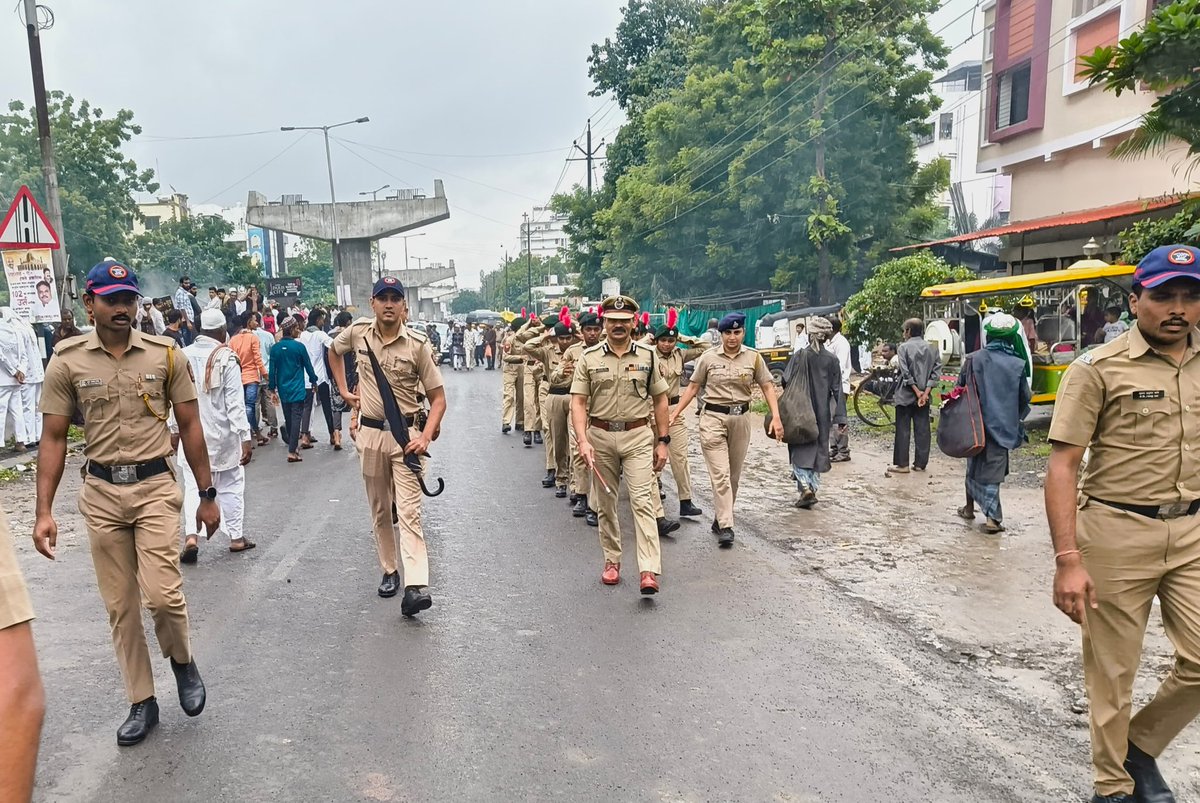
Nagpur Traffic Police Fines | Nagpur Traffic Violations Nagpur Challans: On the occasion of the 78th Independence Day, the Nagpur City Traffic Police launched a rigorous crackdown on traffic violations across the city. This operation, driven by a commitment to enhancing road safety, resulted in the issuance of over 5,000 challans and the collection of ₹25,53,700 in fines. The initiative underscored the city’s determination to uphold traffic regulations and ensure safer roads for all.

A Day of Strict Enforcement (Nagpur Traffic Police Fines)

The Scale of the Crackdown

Independence Day celebrations took a serious turn as the Nagpur Traffic Police rolled out a city-wide crackdown on traffic offenders. The operation wasn’t just a symbolic gesture; it was a full-scale effort aimed at curbing the increasing instances of traffic violations in the city. By the end of the day, over 5,000 challans had been issued, a clear indication of the widespread nature of traffic offenses.

Key Violations Identified ( Nagpur Challans)

Among the various violations recorded, some stood out more prominently than others. Drunk driving, a perennial issue, topped the list with a staggering 2,669 cases. This was followed closely by helmet violations, where 1,897 motorists were fined for failing to comply with the mandatory helmet rule under section 129/177 of the Motor Vehicles Act (MVA).

Mobile Phone Usage While Driving

One of the more alarming violations was the use of mobile phones while driving. Despite numerous awareness campaigns, 266 motorists were caught using mobile communication devices while on the move, leading to penalties under section 184(C) MVA. This highlights a persistent disregard for road safety norms that endangers not just the offenders but also other road users.

Parking and Passenger Violations

Improper parking is another issue that plagues urban areas, and Nagpur is no exception. During the Independence Day operation, 135 cases of parking on roads were registered under section 122/177 MVA. Additionally, carrying excess passengers, a common sight on Indian roads, led to 184 challans under section 194A MVA.

Other Notable Offenses

The crackdown also brought to light several other traffic violations, including:

  • Failure to Stop Before the Stop Line: 51 cases under MMVR 237/177 MVA.
  • Triple Seat Violations: 178 cases under section 128/177 MVA.
  • Fancy Number Plates: 29 cases under section 51/50 CMVR.
  • Seat Belt Violations: 60 drivers were fined for not wearing seat belts.
  • Heavy Vehicles in Restricted Zones: 14 cases were recorded under section 199/177 CMVR.

The Impact of the Crackdown

A Step Towards Safer Roads

The fines collected on Independence Day amounting to ₹25,53,700 are not just a monetary figure; they represent a significant step towards improving road safety in Nagpur. The Traffic Police’s stringent measures serve as a stern reminder to motorists about the importance of adhering to traffic rules. This operation also sends a clear message that the authorities are vigilant and serious about enforcing the law.

Public Response and Awareness

Public response to the crackdown has been mixed. While some appreciate the efforts of the Traffic Police in maintaining order, others view it as an inconvenience. However, the broader goal of such operations is to instill a sense of responsibility among road users, encouraging them to follow traffic rules not out of fear of fines, but out of a commitment to safety.

Long-Term Effects on Traffic Discipline ( Nagpur Challans)

It is expected that such stringent measures, if sustained, will lead to a long-term improvement in traffic discipline in Nagpur. By regularly conducting these operations, the Traffic Police can gradually change the mindset of motorists, making adherence to traffic laws a norm rather than an exception.

The Nagpur Traffic Police’s Independence Day operation was a resounding success in terms of both enforcement and the message it conveyed. With over 5,000 challans issued and ₹25,53,700 collected in fines, the operation highlighted the ongoing issues of traffic violations in the city and underscored the need for continuous vigilance. As Nagpur continues to grow and evolve, ensuring road safety will remain a top priority for the authorities.

RSS Chief Hoists National Flag at Sangh Headquarters: Celebrating 78 Years of Independence

RSS Chief Hoists National Flag: On the auspicious occasion of the 78th Independence Day, RSS Chief Mohan Bhagwat had the honor of hoisting the national flag at the RSS Headquarters. This significant event not only commemorates the country’s long journey to freedom but also serves as a reminder of the sacrifices made by countless individuals who contributed to India’s independence.

A Moment of Reflection

The ceremony was a poignant moment, filled with reflection and pride. Mohan Bhagwat’s (RSS Chief Hoists National Flag) address highlighted the profound impact of independence on the nation and its people. His words served as a tribute to the heroes of the past and a call to uphold the values of freedom and unity.

The Legacy of Independence

In his speech, Bhagwat acknowledged the 78 years of independence that India has enjoyed. He emphasized the sacrifices made by those who fought for freedom and the role of society in shaping the country post-independence. This segment of his address was a tribute to the generations that laid down their lives for the nation, a reminder of the values they stood for, and an appeal for the current generation to continue safeguarding these ideals.

Challenges and Responsibilities

Bhagwat also touched upon the challenges faced by neighboring countries and the impact on the Indian diaspora living there. His comments reflected a deep sense of empathy and responsibility, illustrating India’s role not just as a sovereign nation but as a compassionate global citizen.

Key Points from Bhagwat’s Address

  • Acknowledgment of Sacrifices: The speech honored the sacrifices of freedom fighters.
  • National Responsibility: Emphasis on India’s role in maintaining peace and helping others.
  • Challenges Abroad: Recognition of the struggles faced by Indian communities in neighboring countries.

Reflections on National Security

Bhagwat’s address also included reflections on national security and the ongoing efforts to maintain peace. He reassured the audience that despite global tensions, India remains committed to a stance of non-aggression and aid.

India’s Tradition of Peace

One of the significant aspects of Bhagwat’s speech was the emphasis on India’s tradition of non-aggression. He highlighted how India has consistently refrained from initiating conflict and instead has extended a helping hand to those in need. This historical perspective on India’s foreign policy underscores a commitment to peace and benevolence.

Celebrating Independence Day

The Independence Day ceremony at the RSS Headquarters was more than just a symbolic act; it was a celebration of India’s journey and an affirmation of its values. The event brought together people from various walks of life, united in their pride for their nation and its achievements.

Community and Unity

The ceremony fostered a sense of community and unity among attendees. It was a moment to reflect on the past, celebrate the present, and look forward to the future. Such events play a crucial role in reinforcing national pride and collective responsibility.

The 78th Independence Day celebration at the RSS Headquarters, marked by RSS Chief Mohan Bhagwat’s address and the hoisting of the national flag, was a meaningful tribute to India’s past and a reaffirmation of its future. Bhagwat’s words echoed the values of sacrifice, responsibility, and peace, reminding us all of the importance of preserving the legacy of independence.

  1. What was the main message of Mohan Bhagwat’s speech on Independence Day?
    • The speech focused on honoring the sacrifices of freedom fighters, recognizing India’s role in global peace, and empathizing with challenges faced by neighboring countries.
  2. How does the RSS celebrate Independence Day?
    • The RSS typically celebrates Independence Day with a flag hoisting ceremony and speeches that highlight national pride and reflect on the values of freedom and unity.
  3. What is the significance of the 78th Independence Day?
    • It marks 78 years of India’s independence, celebrating the country’s journey and the values that underpin its freedom and sovereignty.
  4. How does Mohan Bhagwat view India’s role in global affairs?
    • Bhagwat views India as a responsible global citizen committed to peace and aid, refraining from aggression while helping those in need.
  5. What role do events like these play in national unity?
    • Such events foster a sense of community and pride, reinforcing national unity and collective responsibility among citizens.

NMC Plans Food Street Project Near Narendra Nagar Flyover

The Nagpur Municipal Corporation (NMC) is set to enhance the local dining scene with an exciting new initiative—a ‘Food Street’ located near the Hotel Radisson Blue flyover. This project is part of a broader national effort to promote safe and clean food systems, as endorsed by the Government of India. In this comprehensive guide, we’ll dive into the details of the proposed Food Street project, its significance, and what food lovers can expect.

Introduction to the Food Street Project

The Food Street initiative is a groundbreaking project aimed at creating a vibrant, safe, and clean food environment for residents and visitors of Nagpur. As part of the Union Government’s plan to establish 100 such Food Streets across the country, Nagpur is one of the four cities in Maharashtra selected for this development, alongside Pune, Nashik, and Thane.

Objectives of the Food Street Initiative

The primary objectives of the Food Street project include:

  • Promoting Safe Food Practices: Ensuring that food is prepared and served in a hygienic manner.
  • Encouraging Cleanliness: Implementing modern technologies to maintain cleanliness and sanitation.
  • Boosting Local Economy: Providing a platform for local vendors to showcase their culinary delights.
  • Enhancing Urban Experience: Creating a new, appealing destination for both locals and tourists.

Inspection and Selection of the Site

Municipal Commissioner’s Role

On Wednesday, Municipal Commissioner and NMC Administrator Dr. Abhijit Chaudhari, accompanied by a team of experts, inspected various locations in Nagpur to determine the most suitable spot for the Food Street. The chosen location near the Hotel Radisson Blue flyover was selected based on several factors including accessibility, visibility, and potential for high foot traffic.

Key Personnel Involved

The inspection team included:

  • Executive Engineer Alpana Patne
  • Medical Officer Dr. Deepak Selokar
  • Deputy Engineer Pankaj Parashar
  • Rajiv Gautam
  • Architect Rashi Bawankule

Their collective expertise played a crucial role in the decision-making process, ensuring that the selected site would meet all necessary criteria for the successful implementation of the project.

Features of the Proposed Food Street

Modern Infrastructure

The Food Street will boast state-of-the-art infrastructure designed to ensure safety and cleanliness. Key features include:

  • Modern Stall Design: Each stall will be equipped with facilities to maintain hygiene standards.
  • Waste Management Systems: Efficient systems for waste disposal and recycling.
  • Advanced Cleaning Technologies: Use of the latest technology for maintaining cleanliness.

Vendor Participation

A total of 20 food stalls will be set up, offering a diverse range of culinary options to cater to all tastes. Local vendors will have the opportunity to present their specialties, creating a vibrant food culture within the city.

Funding and Budget

Grant Allocation

The project has been allocated a grant of Rs. 1 crore under the National Urban Health Mission (NUHM). This funding will be utilized to cover the costs associated with infrastructure development, stall setup, and other essential aspects of the project.

Financial Planning

The grant will be managed meticulously to ensure that all aspects of the Food Street are completed within budget and on schedule. The focus will be on delivering high-quality facilities that meet the expectations of both vendors and visitors.

Next Steps and Implementation

Proposal Preparation

Dr. Chaudhari has issued directives to prepare a comprehensive proposal for the Food Street. This proposal will outline the detailed plans, timelines, and other critical components necessary for the project’s successful implementation.

Community Involvement

The NMC encourages community involvement in the project. Public feedback and suggestions will be considered to ensure that the Food Street meets the needs and preferences of local residents.

The NMC’s Food Street project near the Narendra Nagar flyover represents a significant step towards enhancing the food culture in Nagpur. By promoting safe and clean food practices, boosting local businesses, and creating a vibrant public space, this initiative promises to be a valuable addition to the city’s urban landscape. With careful planning and execution, the Food Street is set to become a popular destination for food enthusiasts and a model for similar projects across the country.

  1. What is the Food Street project?
    • The Food Street project is an initiative by the NMC to create a dedicated area for safe and clean food vending near the Hotel Radisson Blue flyover in Nagpur.
  2. How many stalls will be available at the Food Street?
    • There will be a total of 20 stalls at the Food Street.
  3. What is the budget for the Food Street project?
    • The project has been allocated a grant of Rs. 1 crore under the National Urban Health Mission (NUHM).
  4. When is the Food Street expected to be completed?
    • The timeline for completion will be detailed in the proposal prepared by Dr. Chaudhari and the NMC team.
  5. Can local vendors participate in the Food Street?
    • Yes, local vendors will have the opportunity to set up stalls and offer their food items at the Food Street.

Free Electricity for Agri Pumps: Empowering 1.63L Farmers in Nagpur and Wardha

Nagpur Farmers: Agriculture is the backbone of India, and its farmers are the lifeblood. In recent developments, the Maharashtra government has introduced a game-changing initiative that promises to uplift the farming community in the Nagpur and Wardha districts. The CM Baliraj Free Electricity Scheme is poised to bring a wave of relief to 1.63 lakh farmers, ensuring free electricity for agricultural pumps up to 7.5 HP capacity. This initiative, announced through a government resolution (GR), is set to be a beacon of hope for farmers struggling with the rising costs of electricity.

The Significance of Free Electricity for Farmers

Electricity is a critical resource for farmers, especially in regions like Nagpur and Wardha, where agriculture is heavily dependent on water pumps for irrigation. The high cost of electricity has long been a burden on the farming community, making it difficult for them to sustain their livelihoods. The CM Baliraj Free Electricity Scheme is a much-needed intervention that will directly benefit 1.63 lakh farmers, reducing their operational costs and allowing them to focus on improving crop yields.

Breaking Down the Numbers

  • Nagpur District: Approximately 90,654 farmers will benefit from this scheme.
  • Wardha District: Around 72,558 farmers will receive free electricity.

This initiative will cover a significant portion of the farming community in these districts, offering them a sustainable way to manage their agricultural activities.

Understanding the CM Baliraj Free Electricity Scheme

The CM Baliraj Free Electricity Scheme is not just about providing free electricity; it’s about empowering farmers to achieve more. By reducing the cost of electricity, the scheme aims to increase the profitability of farming, making it a more viable and attractive profession. But what does this scheme entail, and how will it be implemented?

Eligibility Criteria

The scheme is targeted at farmers who own agricultural pumps up to 7.5 HP capacity. This is a crucial detail, as it ensures that the benefits reach those who need them the most – small and marginal farmers who rely heavily on these pumps for irrigation.

Duration of the Scheme

The free electricity scheme is set to last for five years, offering long-term relief to the farmers in Nagpur and Wardha. This extended period is a significant advantage, as it provides farmers with the stability they need to plan and invest in their agricultural activities.

Impact on the Farming Community

The impact of this scheme on the farming community in Nagpur and Wardha cannot be overstated. By removing the burden of electricity costs, farmers can redirect their resources towards other critical areas, such as purchasing better quality seeds, investing in advanced farming equipment, and improving irrigation infrastructure.

Increased Agricultural Productivity

With free electricity, farmers can run their pumps more frequently and for longer periods, ensuring that their crops receive the water they need. This is particularly important in regions where rainfall is unpredictable, and irrigation is the key to successful farming.

Economic Upliftment

The scheme will also contribute to the economic upliftment of the farming community. By reducing operational costs, farmers will be able to save more money, which can then be reinvested into their farms or used to improve their standard of living. Over time, this will lead to a more prosperous and resilient farming community.

Challenges and Concerns

While the CM Baliraj Free Electricity Scheme is a positive step forward, it is not without its challenges. One of the primary concerns is the potential strain on the state’s electricity infrastructure. With a large number of farmers receiving free electricity, there is a risk of overloading the system, leading to power outages or reduced availability of electricity in other sectors.

Sustainability of the Scheme

Another challenge is the sustainability of the scheme. Providing free electricity for five years is a significant financial commitment for the state government. There are concerns about whether the state can maintain this level of support without compromising other essential services or incurring large debts.

Ensuring Fair Distribution

There is also the question of ensuring fair distribution of benefits. The scheme is designed to benefit small and marginal farmers, but there is a risk that larger landowners or those with more resources could find ways to take advantage of the system. The government will need to implement strict monitoring and verification processes to ensure that the benefits reach the intended recipients.

Government’s Response and Measures

The Maharashtra State Electricity Distribution Company Limited (MSEDCL) has been tasked with the implementation of this scheme. According to the MSEDCL, by the end of March 2024, a cumulative of 47.41 lakh agricultural pump consumers across the state will have been provided electricity under this initiative. This is a massive undertaking, and the MSEDCL has outlined several measures to ensure the smooth execution of the scheme.

Infrastructure Upgrades

To address the potential strain on the electricity infrastructure, the state government has announced plans to upgrade the existing power distribution network. This includes the installation of new transformers, upgrading power lines, and enhancing the capacity of substations to handle the increased load.

Monitoring and Evaluation

The government has also put in place a robust monitoring and evaluation framework to ensure that the scheme is implemented effectively. This includes regular inspections, audits, and feedback mechanisms to identify and address any issues that may arise during the implementation process.

How Farmers Can Benefit

For farmers in Nagpur and Wardha, the CM Baliraj Free Electricity Scheme represents an opportunity to enhance their agricultural productivity and improve their overall quality of life. Here are some ways in which farmers can maximize the benefits of this scheme:

Invest in Modern Farming Techniques

With the cost of electricity no longer a concern, farmers can invest in modern farming techniques that require more energy, such as drip irrigation systems, which can improve water efficiency and crop yields.

Diversify Crops

Farmers can also use the savings from reduced electricity costs to diversify their crops. This not only helps in improving soil health but also provides farmers with a safety net in case one crop fails.

Participate in Government Programs

Farmers should stay informed about other government programs that can complement the benefits of the CM Baliraj Free Electricity Scheme. This includes subsidies for seeds, fertilizers, and farming equipment, which can further reduce the cost of farming.

Long-Term Vision: Empowering the Farming Community

The CM Baliraj Free Electricity Scheme is a part of the state government’s broader vision to empower the farming community. By providing free electricity, the government is not just offering short-term relief but is also laying the foundation for long-term growth and sustainability in the agricultural sector.

Building a Resilient Agricultural Sector

In the long run, the success of this scheme could pave the way for more comprehensive reforms in the agricultural sector. By building a resilient agricultural sector, the government aims to ensure that farmers are not just surviving but thriving in a rapidly changing economic environment.

Strengthening Rural Economies

The ripple effect of this scheme will be felt across rural economies. As farmers become more prosperous, they will have more purchasing power, leading to increased demand for goods and services in rural areas. This, in turn, will create jobs and stimulate economic growth in these regions.

The CM Baliraj Free Electricity Scheme is a transformative initiative that promises to bring significant benefits to the farming community in Nagpur and Wardha. By providing free electricity for agricultural pumps, the scheme will help reduce operational costs, increase agricultural productivity, and contribute to the overall economic upliftment of farmers. However, for the scheme to achieve its full potential, it is essential that the government addresses the challenges related to infrastructure, sustainability, and fair distribution. With careful planning and execution, this scheme can be a model for other states to follow, ultimately leading to a more prosperous and resilient farming community in India.

1. Who is eligible for the CM Baliraj Free Electricity Scheme?

Farmers who own agricultural pumps up to 7.5 HP capacity in the Nagpur and Wardha districts are eligible for this scheme.

2. How long will the free electricity be provided under this scheme?

The scheme provides free electricity for a duration of five years.

3. What is the primary benefit of the CM Baliraj Free Electricity Scheme?

The primary benefit is the reduction in electricity costs, which allows farmers to invest more in their agricultural activities.

4. Are there any challenges associated with this scheme?

Yes, challenges include the potential strain on the electricity infrastructure and the sustainability of the scheme.

5. How can farmers maximize the benefits of this scheme?

Farmers can invest in modern farming techniques, diversify their crops, and participate in other government programs to complement the benefits of this scheme.

Big EV Push: NMC to Double Charging Points Across Nagpur

EV Infrastructure Expansion Nagpur: The Nagpur Municipal Corporation (NMC) is taking significant strides toward bolstering its electric vehicle (EV) infrastructure. With a goal to increase EV penetration dramatically by 2040, NMC plans to expand its public charging points from 150 to 300 by 2027. This initiative is part of the broader Nagpur City EV Readiness Plan, which also includes the establishment of 100 public or semi-public battery-swapping stations by 2025. These efforts aim to support the growing number of EVs on Nagpur’s roads and ensure the city is well-prepared for the future of transportation.

Nagpur’s Growing EV Ecosystem (EV Infrastructure Expansion Nagpur)

Nagpur has witnessed an impressive rise in electric vehicle adoption over recent years. In 2024, EVs made up 22% of new vehicle registrations, a significant leap from just 1% in 2020. This shift reflects the city’s commitment to sustainable transport and the increasing awareness among citizens of the benefits of EVs. With the NMC’s plans to enhance charging infrastructure, Nagpur is set to become a leading example of an EV-friendly city in India.

Key Targets of the Nagpur City EV Readiness Plan

The Nagpur City EV Readiness Plan outlines several ambitious targets to be achieved by 2027. These include:

  • Doubling Public Charging Points: Increasing the number of public charging stations to 300 by 2027, ensuring that EV users have convenient access to charging facilities across the city.
  • Battery Swapping Stations: Establishing 100 battery swapping stations by 2025, offering a quicker and more flexible alternative to traditional charging.
  • Public Transport Electrification: Electrifying 50% of the public bus fleet by 2026, contributing to the reduction of the city’s carbon footprint.

Infrastructure Expansion: A Closer Look

The expansion of charging points and battery swapping stations is a critical component of Nagpur’s EV strategy. Currently, the city has 83 public charging stations, primarily located along metro lines and major roads. The NMC’s plan to double this number is a testament to its forward-thinking approach and dedication to making EVs more accessible to the public.

Charging Points: Meeting the Demand

With the anticipated rise in EV ownership, the demand for charging infrastructure is expected to soar. By 2027, Nagpur aims to have a well-distributed network of charging stations that caters to both two-wheelers and four-wheelers. This will not only support current EV users but also encourage more citizens to make the switch from traditional fuel vehicles.

Battery Swapping: The Future of Quick Refueling

Battery swapping stations represent a revolutionary approach to EV refueling. Instead of waiting for a vehicle to charge, drivers can quickly swap out a depleted battery for a fully charged one. This system is particularly beneficial for commercial vehicles and public transport, where time is a critical factor. NMC’s goal to establish 100 such stations by 2025 is a step towards making this technology a common sight in Nagpur.

CNG Rates Slashed from ₹92 to ₹88/kg in Nagpur: What It Means for You

A Breath of Fresh Air for CNG Users in Nagpur

CNG price cut | Nagpur CNG rates | eco-friendly fuel Nagpur: In a significant move that is expected to have a far-reaching impact on the citizens of Nagpur, HCG Nagpur Private Limited has announced a reduction in the rates of Compressed Natural Gas (CNG) from ₹92.04 to ₹88 per kilogram. This price cut is set to take effect from Independence Day and has been hailed as a positive step towards promoting the use of cleaner energy in the city.

The Decision Behind the Price Cut

Why the Reduction? (CNG price cut)

The decision to slash CNG rates, despite leading to a reduction in profit margins, was made with a vision to encourage the use of CNG among the residents of Nagpur. Deepak Sawant, the President of HCG Nagpur Private Limited, emphasized that this move aims to increase the consumer base, particularly in the automobile sector.

Current Use of CNG in Nagpur (eco-friendly fuel Nagpur)

CNG, which is primarily sourced in liquid form from Gujarat, is predominantly used by the automobile sector in Nagpur. The city currently consumes approximately 12,000 kg of CNG daily, with private vehicles and city buses operated by the Nagpur Municipal Corporation (NMC) sharing an equal portion of this consumption.

The Impact of Reduced CNG Prices

A Boost for the Automobile Sector

The reduction in CNG prices is expected to serve as a catalyst for increased adoption of CNG vehicles in the city. This could potentially lead to a decrease in air pollution levels, as more vehicles switch from petrol and diesel to CNG, a cleaner alternative.

Increased Accessibility

With the current number of CNG filling stations at 10, the company has ambitious plans to increase this number to 28 in the near future. This expansion will make CNG more accessible to a larger portion of the population, further incentivizing the shift towards this eco-friendly fuel.

Long-Term Vision: CNG for Domestic Use

CNG Beyond Automobiles

Interestingly, the plans for CNG in Nagpur do not end with the automobile sector. There is a future vision to expand the use of CNG to domestic cooking, providing households with a cleaner and more cost-effective alternative to traditional cooking fuels.

Environmental and Economic Benefits

The introduction of CNG for domestic use would not only reduce household energy costs but also contribute significantly to reducing the city’s overall carbon footprint. This aligns with broader environmental goals and reinforces Nagpur’s commitment to sustainability.

Challenges and Considerations

Economic Viability

While the price cut is beneficial for consumers, it does pose challenges for HCG Nagpur Private Limited in terms of maintaining profitability. Balancing the reduced profit margins with the goal of increasing the CNG user base will be a key challenge moving forward.

Infrastructure Development

The planned increase in CNG filling stations is a positive development, but it will require significant investment and logistical planning. Ensuring that these stations are well-distributed across the city will be crucial to their success.

The decision to reduce CNG prices in Nagpur is a commendable move that is likely to have multiple benefits for the city’s residents, the environment, and the economy. By making CNG more affordable and accessible, HCG Nagpur Private Limited is paving the way for a cleaner, more sustainable future.

  1. What prompted the reduction in CNG prices in Nagpur?
    • The reduction was aimed at encouraging more people to use CNG, thereby promoting cleaner energy use in the city.
  2. How will the price cut impact the availability of CNG?
    • With plans to increase the number of filling stations from 10 to 28, CNG is expected to become more accessible across Nagpur.
  3. Will the price reduction affect the profitability of HCG Nagpur Private Limited?
    • Yes, the price reduction will lead to a decrease in profit margins, but it is seen as a strategic move to increase the user base.
  4. Is there a plan to use CNG for domestic purposes in Nagpur?
    • Yes, there are plans to expand the use of CNG to domestic cooking, which would offer both economic and environmental benefits.
  5. When will the new CNG prices take effect?
    • The new prices will be effective from Independence Day.

Diversions Around Futala to Ease Traffic on Independence Day in Nagpur

Traffic Diversions Nagpur: The Independence Day celebrations are a grand affair in Nagpur, particularly around the iconic Futala Lake. However, with large crowds flocking to this scenic spot, traffic congestion has become a perennial issue. To mitigate these challenges, the Nagpur traffic police have put in place several diversions and traffic regulations that aim to ensure a smooth and safe flow of vehicles during this busy period.

Why Are Traffic Diversions Necessary?

Every year on August 15, thousands of people gather near Futala Lake to celebrate Independence Day. This influx of visitors, combined with regular vehicular traffic, often leads to significant congestion on the roads surrounding the lake. The resulting gridlock not only causes inconvenience but also poses safety risks for pedestrians and motorists alike.

Historical Traffic Issues Around Futala Lake

Futala Lake, a popular tourist attraction in Nagpur, sees a surge in visitors on Independence Day. In previous years, the absence of adequate traffic management led to chaotic scenes, with vehicles getting stuck for hours and emergency services struggling to navigate through the crowded streets. Recognizing the need for better traffic control, the Nagpur traffic police have introduced specific diversions to prevent these issues from recurring.

Key Traffic Diversions Implemented

To alleviate the traffic woes around Futala Lake on Independence Day, several key routes will be diverted. These diversions are strategically planned to redirect the flow of vehicles away from congested areas while ensuring that access to the lake remains available.

1. Diversion from Ambazari to Futala Lake T-point

  • Route Details: Vehicles coming from Ambazari and heading towards the Futala Lake T-point will be rerouted via the Juna Wadi Naka to Ravi Nagar route. This diversion helps reduce the traffic load on the main road leading directly to the lake.

2. North Futala Bridge to South Futala

  • Route Details: Traffic moving from North Futala Bridge (via Air Force Nagar route) towards South Futala (Banyan Tree) will be redirected through Wadi Naka. This alternative route helps in dispersing traffic that would otherwise converge near the lake.

3. Bharat Nagar to Amravati Road

  • Route Details: Vehicles coming from Bharat Nagar will be diverted via the Amravati Road/Ravi Nagar Mahadev Mandir Air Force Nagar route. This ensures that the traffic from Bharat Nagar does not add to the congestion around Futala Lake.

4. Campus Chowk to Futala Lake

  • Route Details: Traffic from Amravati heading towards Nagpur Road via Campus Chowk and aiming for Futala Lake will be rerouted through Bharat Nagar. This diversion reduces the number of vehicles on the direct route to the lake, easing the overall traffic load.

5. Futala T-point to Air Force Nagar

  • Route Details: Vehicles from Futala T-point moving towards Air Force Nagar will be redirected through Telangkhedi Hanuman Temple or Cycle Chowk, with a left turn onto Ambazari route. This helps in managing the traffic flow more efficiently.

6. Ramgiri to Amravati Road

  • Route Details: Traffic from Ramgiri heading towards Amravati Road will also be diverted via Cycle Chowk with a left turn onto Ambazari route. This diversion is crucial in preventing bottlenecks near Futala Lake.

Timing and Duration of the Traffic Diversions

The traffic diversions will be enforced from midnight (00:01) on August 15 and will remain in effect until 24:00 on August 16. This 24-hour window is critical for managing the expected surge in traffic due to Independence Day celebrations.

Why This Timing?

The chosen time frame for the diversions ensures that the bulk of the traffic is managed during the peak hours of the Independence Day celebrations. By starting at midnight, the traffic police can preemptively reduce congestion, allowing for a smoother flow of vehicles throughout the day.

Public Cooperation and Awareness

The success of these traffic diversions largely depends on public cooperation. The Deputy Commissioner of Police (Traffic), Shashikant Satao, has urged all motorists in Nagpur to adhere to the issued directives and cooperate with the traffic police. By following these guidelines, citizens can help minimize inconvenience and ensure a safe environment for everyone.

How Can Citizens Contribute?

  • Follow the Diversion Signs: Motorists are advised to pay close attention to the diversion signs and follow them as directed.
  • Plan Ahead: Those planning to visit Futala Lake on Independence Day should consider leaving early to avoid peak traffic hours.
  • Use Public Transport: Whenever possible, opt for public transport to reduce the number of vehicles on the road.

Potential Challenges and Solutions

While the traffic diversions are designed to ease congestion, they may also present certain challenges for motorists unfamiliar with the new routes. Here are some common challenges and suggested solutions:

1. Unfamiliarity with Diversion Routes

  • Challenge: Motorists may not be familiar with the alternative routes, leading to confusion and delays.
  • Solution: The traffic police will deploy additional signage and personnel along the diversion routes to assist drivers. Additionally, motorists can use GPS navigation to guide them through the new routes.

2. Increased Traffic on Alternative Routes

  • Challenge: The diverted traffic may lead to congestion on the alternative routes.
  • Solution: The traffic police will monitor the situation in real-time and may implement further diversions or traffic controls as needed to manage the flow.

3. Access for Emergency Services

  • Challenge: Ensuring that emergency vehicles can navigate through the diverted routes without delay.
  • Solution: The traffic police will coordinate with emergency services to ensure that they are aware of the diversion plans and can access all areas quickly.

Looking Ahead: Long-Term Solutions for Traffic Management

The traffic diversions around Futala Lake on Independence Day are a temporary solution to a recurring problem. However, long-term strategies are needed to address the underlying causes of traffic congestion in Nagpur.

1. Improved Infrastructure

  • Proposal: Expanding the road network and improving the infrastructure around key areas like Futala Lake can help manage traffic better in the long term.

2. Enhanced Public Transport

  • Proposal: Encouraging the use of public transport through better services and facilities can reduce the number of private vehicles on the road, thereby easing congestion.

3. Regular Traffic Audits

  • Proposal: Conducting regular traffic audits can help identify problem areas and allow for timely interventions to prevent congestion.

The traffic diversions around Futala Lake on Independence Day are a well-planned effort by the Nagpur traffic police to ensure a smooth and safe celebration for everyone. By following the guidelines, planning ahead, and cooperating with the authorities, citizens can contribute to a hassle-free Independence Day experience.

Nagpur’s Eco-Friendly Ganesha Festival: A Call for Sustainable Celebrations

Eco-Friendly Ganesha Festival | PoP Ban Nagpur: As the auspicious occasion of Lord Ganesha’s arrival on September 7 approaches, the Nagpur Municipal Corporation (NMC) has issued stringent guidelines to ensure an environmentally conscious celebration. These regulations include a complete ban on the production, sale, and purchase of Plaster of Paris (PoP) Ganesh idols within the city. The directive is in alignment with the Central Pollution Control Board guidelines and is aimed at curbing the environmental impact associated with the use of PoP.

Why the Ban on PoP Idols?

The Environmental Impact of PoP

Plaster of Paris, while a popular material for making Ganesh idols, is notorious for its environmental impact. PoP does not dissolve easily in water, leading to the pollution of water bodies during the immersion of idols. This has prompted the NMC to take decisive action against the use of PoP in the making of Ganesh idols.

Compliance with High Court Orders

The NMC’s decision is also in compliance with a high court order, which mandates the prohibition of PoP idols. The court’s ruling was based on the harmful effects of PoP on the environment, particularly the water bodies in and around Nagpur.

Strict Prohibitions and Penalties

Banning the Production and Sale of PoP Idols

The NMC has banned the production, sale, and purchase of PoP idols within the city limits. This ban is being strictly enforced, with violators facing a hefty fine of ₹10,000. This move is part of a broader effort to ensure that the upcoming Ganesh festival is celebrated in an eco-friendly manner.

Immersion Guidelines for Large Idols (Eco-Friendly Ganesha Festival)

In addition to the ban on PoP idols, the NMC has also set guidelines for the immersion of large idols. Idols exceeding 4 feet in height are not permitted to be immersed within city limits. Instead, those installing such idols are required to arrange for their immersion outside the municipal boundaries. This measure is aimed at reducing the strain on the city’s water bodies.

Encouraging the Use of Eco-Friendly Materials

Promoting Clay Idols (PoP Ban Nagpur)

The NMC is encouraging citizens to use clay idols for their Ganesh festivities. Clay is an eco-friendly (Eco-Friendly Ganesha Festival) alternative to PoP and dissolves easily in water, causing minimal environmental harm. Citizens are being urged to choose clay idols for their home installations to contribute to a greener festival.

Limiting the Height of Household Idols

While there are no strict height restrictions for household Ganesh idols, the NMC has recommended a voluntary height limit of 2 feet. This suggestion is in line with the broader goal of reducing the environmental footprint of the festival.

Banning Harmful Materials

Prohibition of Plastic and Thermocol

In addition to the ban on PoP, the NMC has also prohibited the use of plastic and thermocol for idol decoration. These materials are non-biodegradable and contribute to environmental pollution. By banning their use, the NMC is taking a holistic approach to promoting an eco-friendly Ganesh festival.

Guidelines for Idol Makers

Idol makers in Nagpur have been directed to use only eco-friendly materials and colors in their creations. The use of harmful and non-degradable chemicals is strictly prohibited. This ensures that the idols produced are not only beautiful but also environmentally safe.

The Role of Citizens in Ensuring a Green Festival

Adhering to Immersion Guidelines

Citizens are being asked to follow the NMC’s guidelines for idol immersion. The use of city lakes for immersion is strictly prohibited, with citizens being directed to use artificial ponds instead. This measure is designed to protect the city’s natural water bodies from pollution.

Obtaining Necessary Permissions

Mandals (community groups organizing the festival) must notify the concerned police department and obtain the necessary permissions for processions. This ensures that the festival is celebrated in a safe and orderly manner.

Voluntary Compliance for a Better Tomorrow

The NMC has appealed to the citizens of Nagpur to voluntarily comply with these guidelines. (PoP Ban Nagpur) By choosing eco-friendly idols and adhering to the immersion guidelines, citizens can play a crucial role in ensuring that the Ganesh festival is celebrated in a sustainable manner.

Nagpur’s move to ban PoP idols and enforce eco-friendly guidelines for the Ganesh festival is a significant step towards protecting the environment. As citizens, it is our responsibility to support these efforts by choosing sustainable practices and materials. By celebrating in an eco-friendly manner, we not only honor Lord Ganesha but also contribute to the well-being of our planet.

1. Why has the NMC banned PoP Ganesh idols?

The NMC has banned PoP Ganesh idols due to their harmful environmental impact, particularly the pollution of water bodies during immersion.

2. What are the guidelines for the immersion of large idols?

Idols exceeding 4 feet in height are not allowed to be immersed within city limits. These idols must be immersed outside the municipal boundaries.

3. Can I use plastic or thermocol for idol decoration?

No, the use of plastic and thermocol for idol decoration is strictly prohibited by the NMC.

4. What materials should be used for making Ganesh idols?

Idol makers are encouraged to use eco-friendly materials such as clay and natural colors.

5. What is the penalty for violating the NMC’s guidelines?

Violators of the NMC’s guidelines, including the production or sale of PoP idols, face a fine of ₹10,000.

NMC Explores Suitable Sites to Relocate Vivekananda Statue: A Comprehensive Update

The Nagpur Municipal Corporation (NMC) has embarked on a meticulous and strategic initiative to address the potential flood risks posed by the Vivekananda statue situated near a critical spillway. This endeavor involves a collaborative effort with the Central Water and Power Research Station (CWPRS) in Pune, aiming to ensure both public safety and the preservation of the city’s cultural heritage.

Understanding the Context: Why Relocation is Being Considered

The Vivekananda statue, a prominent landmark in Nagpur, has recently come under scrutiny due to concerns regarding its impact on the adjacent spillway’s functionality. The statue is positioned alarmingly close—approximately 4.2 meters—to the spillway’s edge, raising fears that it could obstruct the flow of water, particularly during heavy rainfall or flood events. The spillway channel, which currently measures only 5.7 meters wide, falls short of the 60 square meters required to maintain an adequate water velocity, as stipulated by engineering standards.

Local residents, who suffered devastating losses during the severe flooding of September 2023, have voiced their concerns, leading to a legal battle where the relocation of the statue has become a central demand. With over Rs 300 crore in damages affecting more than 25,000 private properties, the need for effective flood mitigation measures has never been more urgent.

The Role of CWPRS: A Comprehensive Hydrological Study

In response to these concerns, NMC has tasked CWPRS with conducting a thorough hydrological analysis of the spillway and the statue’s current positioning. This study is not just about assessing the present risks but also about identifying the most viable solutions to prevent future disasters. The CWPRS will evaluate various factors, including:

  • Soil Conditions: Understanding the soil’s stability is crucial to determining whether the statue’s current location is safe or if the ground could exacerbate flood risks.
  • Water Levels: By studying the fluctuations in water levels during different seasons, the CWPRS aims to predict how the statue might impact water flow during peak flood periods.
  • Feasibility of Relocation: If the study concludes that the statue poses a significant risk, the CWPRS will recommend alternative sites where the statue could be safely relocated.

Exploring Alternative Locations: Potential New Homes for the Statue

Given the possibility that the statue might need to be relocated, NMC is proactively exploring alternative sites within Nagpur. Two locations that have emerged as strong candidates are:

  • Sakkardara Lake: Known for its scenic beauty and tranquil surroundings, Sakkardara Lake offers a spacious environment that could serve as a fitting new home for the Vivekananda statue. The site’s ample space and serene atmosphere could enhance the memorial’s aesthetic appeal while ensuring it does not interfere with any critical infrastructure.
  • Krazy Castle: Another potential site under consideration, Krazy Castle, is a well-known recreational spot in Nagpur. Its large, open areas provide plenty of room for the statue, making it an ideal location for relocation. The combination of space and accessibility makes Krazy Castle a viable option that could accommodate the statue without compromising public safety.

Legal and Regulatory Considerations

The legal framework surrounding the statue’s current location is also a key factor driving the relocation discussions. According to regulations, there should be a minimum distance of 55 meters between any structure and the spillway to ensure safe water flow. The current positioning of the statue at just 4.2 meters from the spillway falls drastically short of this requirement, making it imperative to reassess its placement.

Moreover, the irrigation department has imposed strict guidelines prohibiting construction within an area equivalent to five times the height of the dam. The statue’s current location violates these regulations, further underscoring the need for immediate action.

Public Sentiment and the High Court Case

The push for relocating the Vivekananda statue is not just a technical or administrative matter; it’s a deeply emotional issue for the residents affected by the 2023 floods. The High Court has become a battleground where flood victims are demanding justice, with the statue’s relocation being a non-negotiable condition for many. The court’s involvement has added a layer of urgency to the situation, compelling the NMC to explore every possible solution to meet both legal and public expectations.

Potential Impacts on the City’s Cultural Landscape

Relocating a statue of such significance is not just a logistical challenge; it also has profound cultural implications. The Vivekananda statue is more than a physical structure—it’s a symbol of inspiration and spirituality for many residents. Moving it to a new location must be done with great sensitivity, ensuring that the statue’s new home reflects its cultural importance while also safeguarding public safety.

The proposed sites at Sakkardara Lake and Krazy Castle are being carefully considered not just for their practicality but also for their ability to maintain the statue’s symbolic presence in the community. The NMC is committed to ensuring that the statue remains a focal point of pride for Nagpur, even if it must be relocated.

Next Steps: Awaiting the CWPRS Report

As the NMC waits for the final report from CWPRS, the city’s administrators are preparing for all possible outcomes. If the report concludes that the statue does not contribute to flooding, it may remain in its current location, subject to any necessary modifications to enhance safety. However, if the statue is found to be a significant risk, NMC is ready to move forward with its relocation plans.

The CWPRS report will be a critical document, guiding the NMC’s decisions and ensuring that any actions taken are backed by solid scientific evidence. In the meantime, the exploration of alternative sites continues, with the goal of finding a location that balances cultural significance with public safety.

The ongoing efforts by the Nagpur Municipal Corporation to assess and potentially relocate the Vivekananda statue are a testament to the city’s commitment to both its residents’ safety and the preservation of its cultural heritage. By working closely with experts from CWPRS and considering every possible factor, the NMC is taking a proactive approach to ensure that Nagpur remains resilient in the face of future challenges.

Exit mobile version