Loss Assessment: Collector Starts Panchnamas of Rain-Affected Areas

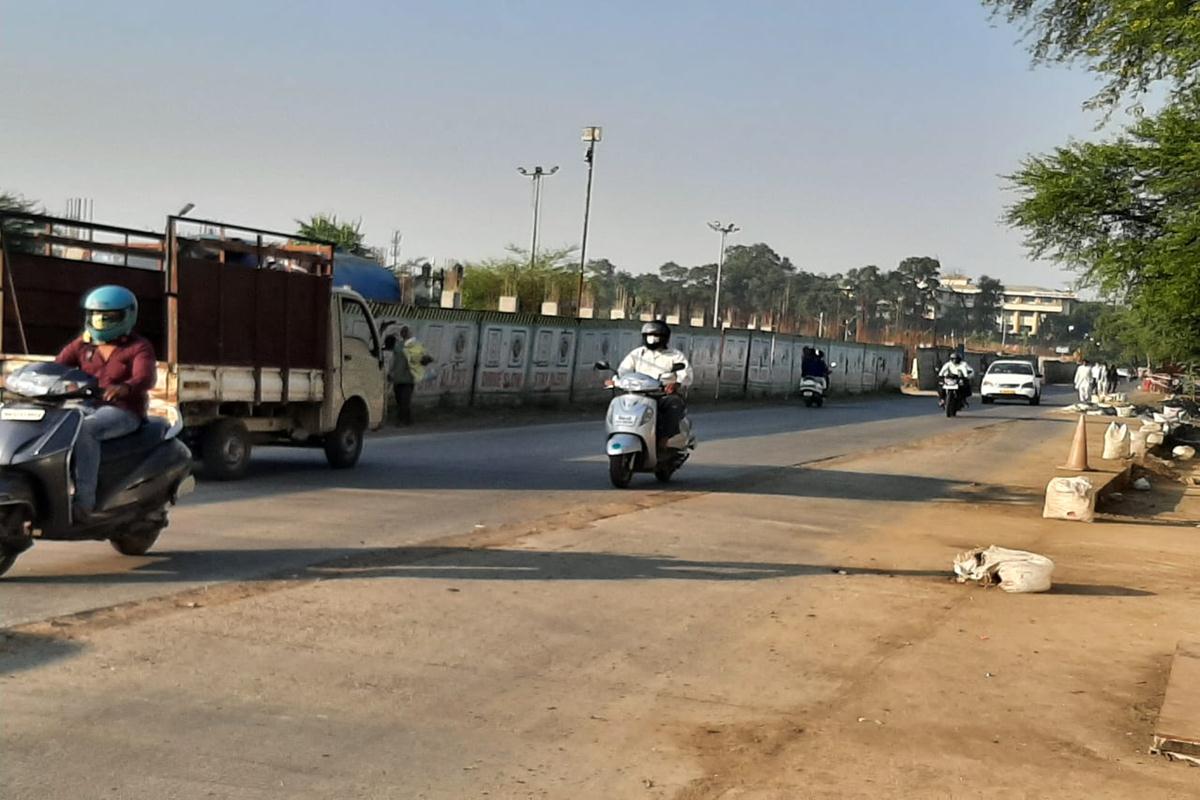
Nagpur Floods: On a rainy Saturday, Nagpur found itself grappling with nature’s fury as torrential rains led to severe flooding across the district. The heavy downpour caused widespread disruption, submerging roads, inundating houses, and bringing normal life to a standstill. In response, the district administration swiftly initiated panchnamas to assess the damage and plan relief measures.

The Panchnama Process Begins (Nagpur Floods)

Collector Vipin Itankar, in collaboration with the Nagpur Municipal Corporation (NMC), has begun the process of conducting panchnamas in the affected areas. The aim is to meticulously document the extent of damage caused by the deluge. Immediate relief of Rs 2,500 will be provided to affected citizens upon completion of these assessments.

Understanding Panchnama

For those unfamiliar, a panchnama is a detailed survey conducted to record the damage or loss incurred due to a specific incident. In this context, it’s being used to gauge the impact of the rain on local infrastructure and residential areas.

Impact on Urban and Rural Areas (Nagpur Floods)

The severe weather affected both urban and rural regions of Nagpur, leading to the submergence of roads and homes. According to initial reports, no houses were completely or partially damaged, but the flooding caused significant inconvenience. Hundreds of homes were breached by water, emphasizing the need for a comprehensive assessment to understand the full scope of the damage.

Preliminary Findings

A preliminary report revealed that the heavy rainfall had damaged items in 72 houses across the district. The breakdown is as follows:

  • Kuhi: 29 houses
  • Bhiwapur: 16 houses
  • Umred: 15 houses
  • Mauda: 9 houses
  • Kalmeshwar: 2 houses
  • Hingna: 1 house

Rescue Operations and Evacuations

In response to the flooding, rescue operations were promptly initiated. A total of 202 people were evacuated, with 160 from Nagpur rural, 5 from Hingna, and 36 from Kamptee area. These operations were crucial in ensuring the safety of residents in the most affected areas.

Relief and Compensation Measures

The district administration has put forth a structured plan for relief and compensation:

  • Immediate Relief: Rs 2,500 for affected citizens after panchnamas.
  • Compensation for Property Damage: Rs 10,000 for house owners and Rs 50,000 for shopkeepers if their properties have suffered damage.
  • Compensation for Fatalities: Families of victims who have died due to the rain will also receive compensation.

Focus of the Survey

The primary objective of the survey is to document the impact of the rainfall on local infrastructure and residential areas. By doing so, the administration can plan appropriate relief measures and ensure that help reaches those who need it the most.

Conducting the Panchnamas

The panchnama process is expected to take about a week. During this time, officials will visit the affected areas, document the damage, and compile the data. This comprehensive assessment is crucial for the administration to understand the extent of the damage and plan effective relief measures.

Challenges in the Assessment

Conducting panchnamas is a challenging task, especially in areas where access is difficult due to flooding. However, the administration is committed to ensuring that every affected area is surveyed, and appropriate relief measures are taken.

Community Response and Support

The community has shown remarkable resilience in the face of this disaster. Neighbors have come together to help each other, providing food, shelter, and support to those in need. This collective effort has been instrumental in mitigating the impact of the floods.

Role of Local Authorities

Local authorities, including the NMC, have played a crucial role in the response efforts. From conducting rescue operations to providing immediate relief, their efforts have been commendable. The administration’s swift action has been pivotal in managing the crisis.

Looking Ahead: Long-Term Measures (Nagpur Floods)

While immediate relief is essential, the administration is also looking at long-term measures to prevent such incidents in the future. This includes improving drainage systems, constructing flood barriers, and implementing better urban planning practices.

Building Resilience

Building resilience against such natural disasters is crucial. This involves not only infrastructural improvements but also community education and preparedness. By equipping residents with the knowledge and resources to deal with such events, the impact of future disasters can be minimized.

The heavy rains in Nagpur have posed significant challenges, but the response from the administration and the community has been swift and effective. The ongoing panchnamas will provide a clear picture of the damage, enabling targeted relief measures. As Nagpur rebuilds and recovers, it is crucial to focus on both immediate relief and long-term resilience to ensure the safety and well-being of its residents.

1. What is a panchnama? A panchnama is a detailed survey conducted to record damage or loss due to a specific incident. In this context, it’s used to assess the impact of the heavy rains on Nagpur.

2. How long will the panchnama process take? The panchnama process is expected to take about a week to complete.

3. What immediate relief is being provided to affected citizens? Affected citizens will receive an immediate relief of Rs 2,500 after the panchnamas are completed.

4. What compensation is available for property damage? House owners can receive Rs 10,000, while shopkeepers can receive Rs 50,000 if their properties have suffered damage.

5. How is the community supporting each other during this crisis? Neighbors are coming together to provide food, shelter, and support to those affected by the floods, showcasing a strong sense of community resilience.

Dhapewada Temple: The Pandharpur of Vidarbha and Its Ashadhi Ekadashi Festivities

Nestled on the banks of the Chandrabhaga river, 50 kilometres west of Nagpur, the Dhapewada temple, also known as the ‘Pandharpur of Vidarbha,’ is abuzz with preparations for the Ashadhi Ekadashi festival on July 17. This temple’s rich history, spiritual significance, and vibrant celebrations make it a cornerstone of cultural heritage in the Vidarbha region.

A Glimpse into the History of Dhapewada Temple

The Legend of Sant Kolba Swami Maharaj

Sant Kolba Swami Maharaj, a revered saint, is central to the temple’s origins. Unable to undertake the pilgrimage to Pandharpur due to old age, he dreamt of Lord Vitthal appearing before him. The deity instructed him to find a self-manifested (Swayambhu) idol in a step-well near the river. This miraculous discovery around 1741 led to the establishment of the Dhapewada temple.

The Kholkute Family’s Contribution

The current temple structure, measuring 42×26 meters, is attributed to the Kholkute family, contemporaries of Kolba Swami Maharaj. Their devotion and efforts have preserved and maintained the sanctum sanctorum, which houses the sacred black stone idol of Lord Vitthal along with Rukmini.

Artistic Splendor of the Temple

The temple is adorned with intricate carvings and paintings depicting various gods and goddesses, adding to its charm. These artistic elements not only enhance the aesthetic appeal but also reflect the rich cultural heritage of the region.

Ashadhi Ekadashi: A Festival of Devotion

Significance of Ashadhi Ekadashi

Ashadhi Ekadashi holds a special place in the hearts of devotees. It is believed that on this day, Lord Vitthal graces the temple, making it an even more auspicious occasion. The festival is marked by grand celebrations, attracting lakhs of devotees from Vidarbha and beyond.

Historical Celebrations

“For the past 300 years, the temple has witnessed a grand celebration on this day,” said Dr. Bhalchandra Hardas, an expert on Vidarbha’s heritage and history. The festivities have become a tradition, with elaborate preparations and a joyous gathering of devotees.

Recent Discoveries and Developments

Dr. Hardas shared that the same ancient step-well in which the self-manifested idols appeared centuries ago was found last year during excavation around the temple for developmental work. “The excavation took place in June 2023. The well is now well maintained,” he said.

The Legacy of Sant Kolba Swami Maharaj

The Ashram and Samadhi Mandir

Sant Kolba Swami, instrumental in establishing the iconic Dhapewada temple, left behind a lasting legacy. His ashram and samadhi mandir are revered by devotees. “Kolba Swami lived for 105 years and attained Samadhi in 1762. Since then, this ashram has been functional with one of his family members as the head,” said Nitin Shete, a youth activist in Dhapewada.

Current Leadership

Presently, Shriharibapu Maharaj Welekar, a direct descendant of Sant Kolaba Swami, heads the ashram. Under his guidance, the ashram continues to uphold the spiritual traditions and serves as a center of devotion and community activities.

Preparations for Ashadhi Ekadashi 2024

Anticipating a Grand Gathering

This year promises to be no different. With preparations in full swing, the Dhapewada temple is all set to welcome devotees for a joyous celebration of Ashadhi Ekadashi. As tradition dictates, a grand gathering of devotees is expected.

Monsoon Preparedness

The temple administration, mindful of the monsoon season, has made all necessary preparations for the week-long festivities. From ensuring adequate shelter to organizing various cultural and religious activities, every detail has been meticulously planned.

Engaging Activities for Devotees

The festivities will include bhajans, kirtans, and spiritual discourses, providing an immersive experience for the devotees. The vibrant atmosphere, filled with devotion and joy, reflects the temple’s spiritual significance and cultural richness.

The Dhapewada temple, with its deep historical roots and vibrant cultural significance, stands as a testament to the enduring devotion and rich heritage of the Vidarbha region. As preparations for the Ashadhi Ekadashi festival continue, the temple is set to welcome a sea of devotees, ensuring an unforgettable spiritual experience.

1. What is the significance of Ashadhi Ekadashi?

Ashadhi Ekadashi is a highly auspicious day believed to be when Lord Vitthal graces the Dhapewada temple, making it a special occasion for devotees.

2. Who established the Dhapewada temple?

The temple was established by Sant Kolba Swami Maharaj, following his dream of Lord Vitthal and the discovery of a self-manifested idol in a step-well near the river.

3. How old is the Dhapewada temple?

The temple dates back to around 1741, making it nearly 300 years old.

4. What recent discoveries were made at the temple?

An ancient step-well, where the self-manifested idols were found, was rediscovered during excavation work in June 2023.

5. Who currently heads the ashram associated with the Dhapewada temple?

Shriharibapu Maharaj Welekar, a direct descendant of Sant Kolba Swami Maharaj, currently heads the ashram.

Nagpur Traffic Police Shortage: Managing Daily Chaos

The Growing Problem of Traffic in Nagpur

Nagpur traffic police shortage: Nagpur, the bustling second capital of Maharashtra, is grappling with severe traffic issues that seem to worsen with each passing day. With a population of around 40 lakh citizens, the city’s infrastructure is under tremendous pressure. The result? Unprecedented traffic jams and a disturbing number of road accidents. But what exactly is causing this chaos?

The Role of Nagpur Traffic Police

The Nagpur Traffic Police play a crucial role in maintaining order on the roads. However, they are currently facing a significant manpower shortage. Out of the 740 allocated positions, 159 remain vacant, leaving only 581 personnel to manage the city’s traffic. With 83 officers on weekly off each day, the actual number of available personnel drops even further.

Daily Manpower Management

To break it down, the available 500 personnel are stretched thin across various duties. VIP movements often require additional deployments, further reducing the number of officers available for regular traffic management. Out of these 500, many are assigned to office duties, leaving only about 400 officers to handle the daily traffic gridlock.

Impact of Manpower Shortage on Traffic Management (Nagpur traffic police shortage)

Increased Traffic Jams

With only 400 officers managing traffic daily, it’s no wonder that traffic jams are becoming more frequent and severe. The limited number of personnel simply cannot cover all the critical junctions, especially during peak hours.

Rising Number of Road Accidents

The shortage of traffic police also contributes to the increasing number of road accidents. Poor road conditions and rash driving exacerbate the problem, but the lack of sufficient enforcement personnel means that many violations go unchecked.

Proposed Solutions to Improve Traffic Management

Increasing Personnel Numbers (Nagpur traffic police shortage)

Adv Rohit Badana suggests that the number of traffic police personnel should be increased to 1,500. This increase would allow for better coverage of the city’s busy junctions, especially during peak hours from 9.30 am to 11.30 am and 5 pm to 8 pm.

Better Deployment Strategies

Strategic deployment of personnel can also help mitigate the impact of the manpower shortage. Ensuring that more officers are available during peak traffic hours can help manage the flow of vehicles more effectively.

Challenges Faced by Nagpur Traffic Police

VIP Movements

VIP movements are a significant challenge for the Nagpur Traffic Police. These movements require additional deployments, which further strain the already limited resources.

Office Duties

Many traffic police personnel are assigned to office duties, reducing the number of officers available on the roads. This allocation of manpower needs to be reevaluated to ensure that more officers are available for traffic management.

Poor Road Conditions

The city’s poor road conditions add another layer of complexity to traffic management. Potholes, uneven surfaces, and ongoing construction work make it difficult for both motorists and traffic police to navigate the roads safely.

The Importance of Efficient Traffic Management

Efficient traffic management is crucial for any city, but it’s especially important for a city like Nagpur, which serves as a major hub in Maharashtra. Proper traffic management can reduce the number of road accidents, improve the flow of vehicles, and make the city a safer place for its residents.

Reducing Road Accidents

By increasing the number of traffic police personnel and improving their deployment, the city can reduce the number of road accidents. More officers on the roads mean more enforcement of traffic rules, which can deter rash driving and other violations.

Improving Traffic Flow

Efficient traffic management can also improve the flow of vehicles, reducing the time spent in traffic jams. This improvement can have a positive impact on the city’s economy, as it reduces the time lost in traffic and increases productivity.

Enhancing Public Safety

Ultimately, the goal of traffic management is to enhance public safety. By ensuring that the roads are safe and well-managed, the city can protect its residents and create a more livable environment.

Community Involvement in Traffic Management

Public Awareness Campaigns

Raising public awareness about the importance of traffic rules and safe driving can also help improve the traffic situation in Nagpur. Public awareness campaigns can educate drivers about the consequences of rash driving and the importance of following traffic rules.

Involving Local Communities

Local communities can play a role in traffic management by reporting traffic violations and unsafe road conditions. Community involvement can help the traffic police identify problem areas and address them more effectively.

Technological Solutions for Traffic Management

Traffic Monitoring Systems

Implementing advanced traffic monitoring systems can help the traffic police manage the flow of vehicles more efficiently. These systems can provide real-time data on traffic conditions, allowing for quicker responses to congestion and accidents.

Automated Traffic Enforcement

Automated traffic enforcement systems, such as speed cameras and red-light cameras, can help deter traffic violations and reduce the burden on traffic police personnel. These systems can operate 24/7, ensuring continuous enforcement of traffic rules.

The traffic situation in Nagpur is dire, with only 400 policemen available daily to manage the city’s busy roads. The shortage of personnel, coupled with poor road conditions and rash driving, has led to unprecedented traffic jams and a series of road accidents. To address this issue, it is crucial to increase the number of traffic police personnel and improve their deployment strategies. Community involvement and technological solutions can also play a role in enhancing traffic management in the city. With the right measures in place, Nagpur can overcome its traffic challenges and create a safer, more efficient road network for its residents.

1. Why is there a shortage of traffic police in Nagpur?

The shortage is due to 159 vacant positions out of the allocated 740, along with additional demands on personnel for VIP movements and office duties.

2. How does the shortage of traffic police affect the city?

The shortage leads to increased traffic jams and a higher number of road accidents due to insufficient enforcement of traffic rules.

3. What solutions have been proposed to address the traffic issues in Nagpur?

Proposals include increasing the number of traffic police personnel to 1,500, better deployment strategies, public awareness campaigns, and the use of advanced traffic monitoring systems.

4. How can local communities help improve traffic management?

Communities can report traffic violations and unsafe road conditions, helping the traffic police identify and address problem areas more effectively.

5. What role can technology play in traffic management?

Technological solutions like traffic monitoring systems and automated traffic enforcement can help manage traffic flow and enforce traffic rules more efficiently.

The Wagh Nakh Returns: A Historic Exhibition in Nagpur

Nagpur Exhibition: In a monumental announcement, Maharashtra’s cultural minister, Sudhir Mungantiwar, revealed that the legendary Wagh Nakh, the tiger claw dagger used by Chhatrapati Shivaji Maharaj to slay the Mughal general Afzal Khan in 1659, will be displayed in Nagpur and across the state over the next three years. This exhibit promises to be a significant event, connecting the present to a rich historical past.

A Legendary Weapon’s Journey

The Wagh Nakh’s Historic Significance

Chhatrapati Shivaji Maharaj, a revered Maratha warrior, used the Wagh Nakh in a strategic and bold move to kill Afzal Khan. This weapon, symbolizing valor and strategic brilliance, has since been an iconic artifact of Indian history.

Current Location

The Wagh Nakh is currently housed at the Victoria and Albert Museum in London. The museum has preserved this artifact, which has attracted numerous visitors interested in the rich history it represents.

The Grand Display in Maharashtra

Arrival in India

The much-anticipated arrival of the Wagh Nakh in India is set for July 19. This marks the beginning of its three-year display across various locations in Maharashtra.

Initial Exhibition in Satara

The inaugural event in Satara will be a grand affair, attended by descendants of Shivaji Maharaj. This event will celebrate the return of a crucial piece of Maratha heritage to its homeland.

Showcase in Nagpur (Nagpur Exhibition)

In Nagpur (Nagpur Exhibition), the Wagh Nakh will be displayed at the Ajab Bangla (Central Museum) in Civil Lines. This museum is preparing to host the artifact, providing visitors a rare glimpse into the past.

Financial Aspects

Cost of the Exhibition

Minister Mungantiwar clarified that the government is not paying any rent for the display of the Wagh Nakh. The expenditure, amounting to ₹14.08 lakh, was solely for travel to London and formalizing the agreement with the museum.

Authenticity and Historical Debates

Historical Verification

There have been rumors regarding the authenticity of the Wagh Nakh. Historian Indrajeet Sawant highlighted communications with the Victoria and Albert Museum, which suggested uncertainty about whether this specific artifact was the one used by Shivaji Maharaj.

Government’s Stand

Mungantiwar addressed these concerns by presenting photo evidence from Maharaj’s followers, indicating that the box at the London museum identified the weapon as the one used to kill Afzal Khan. The coordination involved the Prime Ministers of India and the UK, along with museum authorities, confirming the artifact’s authenticity.

Cultural Impact

Symbol of Maratha Pride

The Wagh Nakh is not just a weapon but a symbol of Maratha pride and heritage. Its display will instill a sense of history and valor among the people of Maharashtra.

Educational Opportunities

The exhibit will serve as an educational tool, enlightening visitors about the historical significance of the Maratha Empire and Shivaji Maharaj’s strategic prowess.

Public Engagement

Visitor Experience

Museums across Maharashtra are gearing up to provide an immersive experience for visitors. Interactive displays, detailed descriptions, and guided tours will enhance the learning experience.

Community Involvement

The exhibit aims to involve the community through various cultural programs, discussions, and activities that celebrate Maratha history.

Future Exhibitions

Statewide Tour

After its display in Nagpur, the Wagh Nakh will tour other parts of Maharashtra, ensuring that people across the state have the opportunity to witness this historical artifact.

International Interest

The display of the Wagh Nakh in India has also garnered international attention, attracting historians, scholars, and enthusiasts from around the world.

The display of the Wagh Nakh in Nagpur and other parts of Maharashtra is a historic event that bridges the past and present. It not only celebrates the valor of Chhatrapati Shivaji Maharaj but also educates and inspires future generations. This exhibition is a testament to the enduring legacy of Maratha pride and heritage.

  1. What is the significance of the Wagh Nakh? The Wagh Nakh symbolizes Chhatrapati Shivaji Maharaj’s bravery and strategic brilliance in defeating Afzal Khan.
  2. Where is the Wagh Nakh currently located? It is currently housed at the Victoria and Albert Museum in London.
  3. When will the Wagh Nakh be displayed in Nagpur? The Wagh Nakh will be displayed in Nagpur starting July 19, at the Ajab Bangla (Central Museum).
  4. Is there any cost associated with displaying the Wagh Nakh? The government has only spent ₹14.08 lakh on travel and formalizing the agreement; no rent is being paid for the display.
  5. How will the exhibit benefit the public? The exhibit will provide educational opportunities, instill a sense of history and pride, and offer an immersive visitor experience.

High Court Intervenes: VNIT Opens Road for 2-Wheelers

Citizens can breathe a sigh of relief as the Visvesvaraya National Institute of Technology (VNIT) has agreed to temporarily open its 1.2 km road, allowing exclusive access for two-wheelers through its campus. This decision follows weeks of legal battles and community outcry over restricted access due to ongoing construction near the Ambazari dam. The initiative was led by Divisional Commissioner Vijaylaxmi Bidari and Commissioner of Police Dr. Ravinder Singal.

The Issue at Hand

Community Outcry and Legal Battles

The local community expressed significant frustration and inconvenience due to the restricted access caused by the construction near the Ambazari dam. The situation led to a legal standoff, compelling the authorities to find a swift resolution.

Role of the High Court

Justice Nitin Sambre and Justice Abhay Mantri of the Nagpur Bench of the Bombay High Court took a firm stance. They instructed the State Government and district administration to exercise their discretionary powers to address the issue.

Meeting and Negotiations

Key Figures in the Decision

Divisional Commissioner Vijaylaxmi Bidari and Commissioner of Police Dr. Ravinder Singal spearheaded the negotiations with VNIT officials. During the meeting, Dr. Singal highlighted the public’s challenges due to the ongoing construction.

VNIT’s Initial Hesitation

VNIT officials were initially reluctant to open the road, citing the internal roads’ unsuitability for heavy traffic. However, the High Court’s intervention expedited their compliance.

Execution of the Decision

Preparations and Timeline

Deputy Commissioner of Police (DCP) Traffic Shashikant Satav informed that it would take a minimum of three days to operationalize the road fully. The process involves demolishing a portion of VNIT’s compound wall near the Indian Oil petrol pump (Ambazari police chowki) to facilitate vehicle entry.

Traffic Management Measures

DCP Satav assured proactive traffic management measures. Barricades and plastic cones will be deployed at each junction to ensure smooth traffic flow and safety. Traffic movement may be briefly halted during student movements to ensure their safety.

Exclusive Access for Two-Wheelers

Restricted Access

The stretch from the demolished compound wall to Gate No. 3 near LAD College will exclusively accommodate two-wheelers. Four-wheelers will remain prohibited to maintain safety and manage traffic effectively.

Safety Concerns

VNIT’s Associate Dean, Mangesh Madurwar, highlighted that the internal roads are not designed for heavy traffic. The exclusive access for two-wheelers is a temporary measure to alleviate the community’s inconvenience while ensuring the campus’s safety.

Community Response

Relief and Reactions

The decision has been met with relief and appreciation from the local community. The temporary solution has eased the commute for many, reducing the frustration caused by the ongoing construction.

Public Sentiment

The community’s response underscores the importance of accessible routes and effective traffic management, especially during construction projects that disrupt daily life.

The High Court’s intervention and the collaborative efforts of local authorities and VNIT have provided a timely resolution to the access issue. By opening the 1.2 km road exclusively for two-wheelers, the authorities have addressed the community’s concerns while ensuring safety within the VNIT campus.

  1. Why was the VNIT road closed initially? The VNIT road was closed due to ongoing construction near the Ambazari dam, causing restricted access and inconvenience for the community.
  2. Who initiated the decision to open the road? The decision was initiated by Divisional Commissioner Vijaylaxmi Bidari and Commissioner of Police Dr. Ravinder Singal, with the High Court’s intervention.
  3. How long will the road remain open for two-wheelers? The road is temporarily opened for two-wheelers until the construction near the Ambazari dam is completed and normal access is restored.
  4. What measures are being taken to ensure safety on the opened road? Traffic police will deploy barricades and plastic cones at each junction, and traffic movement may be briefly halted during student movements to ensure safety.
  5. Why are four-wheelers prohibited on this road? Four-wheelers are prohibited to ensure safety and manage traffic effectively, as the internal roads are not designed for heavy traffic.

LIC Square Fly-over Hurdles Cleared: District Administration Issues Award for Land Acquisition

The path to the completion of the much-anticipated flyover near LIC Square has been cleared, thanks to the District Administration’s recent move. The unresolved land acquisition issues had placed the flyover project in limbo. Now, with the necessary land acquired, the construction can finally proceed, promising relief to the daily commuters and businesses affected by the delay.

The Importance of the LIC Square Flyover

A Vital Infrastructure Project

The LIC Square flyover is a critical infrastructure project designed to ease the traffic congestion in the area. This 5.6 km long flyover, starting from Automotive Square, descends near LIC Square, providing a direct route that bypasses several traffic-heavy intersections.

Historical Delays

Despite the importance of this project, construction had stalled due to unresolved land acquisition issues. While the segment of the flyover up to Naidu Hospital was completed, the stretch between Naidu Hospital and LIC Square remained untouched. This delay has caused significant inconvenience to the local populace.

The Role of the District Administration

Award Issued for Land Acquisition

District Collector Dr. Vipin Itankar played a pivotal role in resolving the land acquisition issues. His office issued an award for the acquisition of 2,700 square meters of land, affecting 17 properties. The estimated compensation for this land acquisition stands at Rs 40 crore.

Compensation and Next Steps

The compensation amount will be disbursed to the affected property owners in the coming days. This move has paved the way for the final phase of construction, with officials from the Maharashtra Metro Rail Corporation Limited (MMRCL) assuring that the remaining ramp work will be completed within two-and-a-half months.

Construction Details

Engineering Specifications

The flyover boasts impressive engineering specifications. The maximum height of the flyover is 11.5 meters, while the minimum height is 5.5 meters. The ramp leading up to LIC Square will be 200 meters long and 19 meters wide, ensuring a smooth flow of traffic beneath it.

Progress and Completion Timeline

According to Maha Metro, more than 80% of the flyover’s construction is already complete. Once the land is handed over, the final segment of the project will be finished within 70 days, bringing much-needed relief to commuters.

Impact on Local Traffic and Businesses

Current Traffic Challenges

Currently, the area around Kasturchand Park and RBI Square has turned into a traffic mess due to the incomplete flyover. The road stretch beyond RBI Square is blocked, causing significant detours and traffic jams.

Business Disruptions

The pending construction work has severely affected local businesses. Shops, schools, hospitals, and even a prominent Gurudwara have been suffering due to the prolonged delays. Some business owners have called for compensation to cover the losses incurred.

Future Traffic Management

Once the flyover is complete, the roads around Kasturchand Park will need to manage traffic from multiple flyovers, including the Katol Road flyover, Automotive flyover, and the Kingsway Y-shaped flyover. Effective traffic management will be crucial to avoid future congestion.

Community Response and Expectations

Public Sentiment

The delay in construction has caused frustration among the citizens. The traffic jams and detours have disrupted daily routines, leading to widespread discontent. However, the recent progress has rekindled hope for a smoother commute.

Business Owners’ Perspective

Local business owners have been vocal about the financial strain caused by the delay. Many are relieved that the project is finally moving forward, but they also seek compensation for the losses they’ve endured over the years.

The clearance of land acquisition hurdles marks a significant milestone in the LIC Square flyover project. With the District Administration’s proactive approach and Maha Metro’s commitment, the final phase of construction is set to proceed swiftly. This development promises to alleviate traffic woes, benefit local businesses, and enhance the overall infrastructure of the area.

1. What caused the delay in the LIC Square flyover construction?

The primary reason for the delay was the unresolved land acquisition issues between Naidu Hospital and LIC Square.

2. How long is the LIC Square flyover?

The flyover spans 5.6 kilometers, starting from Automotive Square and descending near LIC Square.

3. What is the compensation amount for the land acquisition?

The estimated compensation amount for the land acquisition is Rs 40 crore.

4. When will the remaining construction be completed?

The remaining construction is expected to be completed within 70 days once the land is handed over to Maha Metro.

5. How will the completion of the flyover benefit the local community?

The completion of the flyover will ease traffic congestion, improve commute times, and provide relief to local businesses affected by the delays.

Kamptee Road Flyover’s Ramp to Be Ready Soon: Major Milestone for Nagpur

Nagpur is buzzing with excitement as the long-awaited Kamptee Road flyover project inches closer to completion. A significant hurdle has been cleared with the district administration’s approval of land acquisition, paving the way for the construction of the crucial ramp. This development marks a pivotal moment in Nagpur’s infrastructure growth and promises to alleviate traffic congestion significantly.

Nagpur’s Kamptee Road flyover project, a double-decker marvel, is set to transform the city’s traffic dynamics. Spanning nearly 5.6 kilometers, this flyover will be the longest in Nagpur, providing much-needed relief from congestion on one of the city’s busiest roads.

Land Acquisition Approval

The district administration has approved the acquisition of 2,383.36 square meters of land. This approval is a crucial step forward, eliminating a major obstacle that had delayed the project for months. The land acquisition process is scheduled to commence on Monday.

Document Verification Process

According to SDO Suresh Bagale, the document verification for the land acquisition will take place on Monday, July 15, at 11 AM. This process involves thorough checks to ensure all documents are in order before finalizing the acquisition.

Compensation Details

The total compensation for the land acquisition amounts to ₹39.35 crore. This includes ₹37.13 crore for 15 plots and an additional ₹2.22 crore for establishment charges. This fair compensation aims to address the concerns of landowners and facilitate a smooth transition.

Challenges Faced

The construction of the Kamptee Road flyover faced several challenges, primarily due to delays in land acquisition. The Nagpur Municipal Corporation (NMC) initially submitted an erroneous proposal, causing further delays. However, these issues have now been resolved.

NMC’s Role and Revised Proposal

In March, district collector Vipin Itankar requested a revised proposal from the NMC, which was promptly submitted. This proactive step by the NMC has expedited the land acquisition process, ensuring that the project can proceed without further hitches.

Significance of the Flyover

The Kamptee Road flyover is more than just a construction project; it’s a lifeline for Nagpur’s traffic woes. Once operational, it will significantly reduce congestion, particularly around Indora Square and Gaddigodam Road, two of the most traffic-prone areas in the city.

Impact on Traffic Congestion

With the completion of the flyover, Nagpur residents can look forward to smoother commutes. The double-decker design will facilitate better traffic flow, reducing travel time and easing the daily stress of navigating congested roads.

MahaMetro’s Involvement

MahaMetro, the agency responsible for executing the flyover project, has played a crucial role in ensuring its progress. A senior MahaMetro official confirmed that the flyover project, costing ₹572 crore, is being funded by the National Highways Authority of India (NHAI).

Funding and Project Cost

The project is a substantial financial undertaking, with an estimated cost of ₹572 crore. The funding from NHAI underscores the importance of this project for Nagpur’s infrastructure development.

Timeline for Completion

According to MahaMetro officials, the flyover work will be completed within three months from the day the land is acquired. This ambitious timeline reflects the urgency and dedication to finishing the project promptly.

Future Prospects

Looking ahead, the successful completion of the Kamptee Road flyover will set a precedent for future infrastructure projects in Nagpur. It will demonstrate the city’s capacity to overcome challenges and deliver essential public works efficiently.

Community Reactions

The news of the land acquisition approval has been met with widespread approval from the community. Residents are eager to see the project completed and anticipate the positive impact it will have on their daily lives.

The Kamptee Road flyover’s ramp construction is a beacon of progress for Nagpur. With land acquisition hurdles cleared and a clear timeline set, the city is on the brink of a significant transformation. The flyover promises to alleviate traffic congestion, improve daily commutes, and set the stage for future infrastructure advancements.

1. When will the Kamptee Road flyover be completed? The flyover is expected to be completed within three months from the day the land is acquired.

2. How long is the Kamptee Road flyover? The flyover spans nearly 5.6 kilometers, making it the longest in Nagpur.

3. What is the total cost of the Kamptee Road flyover project? The project costs ₹572 crore, funded by the National Highways Authority of India (NHAI).

4. What challenges delayed the Kamptee Road flyover project? The primary challenge was delays in land acquisition due to errors in the initial proposal submitted by the Nagpur Municipal Corporation (NMC).

5. How will the Kamptee Road flyover benefit Nagpur residents? The flyover will significantly reduce traffic congestion, particularly around Indora Square and Gaddigodam Road, making daily commutes smoother and faster.

Ajni Railway Station – Transformation on Track, Project to be Commissioned Before Schedule

Ajni Railway Station Transformation: Ajni Railway Station, serving as a satellite station for Nagpur, is undergoing a major transformation under the auspices of the Rail Land Development Authority (RLDA). This redevelopment project is set to revolutionize passenger experience by providing top-notch facilities, incorporating green building concepts, and ensuring Divyangjan-friendly amenities. Despite the challenges posed by the brownfield nature of the project, all preparatory work and utility shifting have been completed, paving the way for rapid construction progress on both the eastern and western sides of the station. Remarkably, this project is slated to be completed four months ahead of its original schedule.

Key Features of the Redeveloped Station

Enhanced Passenger Capacity

The redeveloped Ajni Station is designed to accommodate a whopping 45,000 passengers daily, significantly boosting its capacity and efficiency.

Arrival and Departure Plazas

The station will boast two dedicated FOBs (10 meters wide each) for arriving passengers, connected with arrival lobbies on either side of the station. These FOBs, along with a 72-meter-wide concourse with a roof plaza, will connect each platform via escalators, lifts, and staircases.

West Side Amenities

On the west side, a G+2 departure and arrival plaza featuring 3,679 square meters of surface parking and a circulating area will be established. This area will include drop-off and pick-up zones to facilitate the smooth movement of taxis, cars, and autos.

East Side Amenities

The east side will feature a G+3 station building with 19,162 square meters of surface parking and a circulating area. Drop-off and pick-up zones will ensure smooth traffic flow on both sides of the station.

Construction Progress

East Side Building (G+3)

The existing utilities, including D-type quarters, have been dismantled to make way for new construction. The construction work on the G+3 station building has reached the third-floor level, with block work and finishing work in progress. Two towers of Type IV quarters (Stilt+7) have been completed, with finishing work ongoing to accommodate the occupants of the demolished quarters.

West Side Building (G+2)

To avoid disrupting passenger movement, a temporary station building has been constructed, and the parking area has been extended towards the Road Over Bridge (ROB) side. With manpower and machinery deployed day and night, 85% of the piling work is completed, and pile cap work is in progress.

Platform Work

Existing cover over platforms (COP) and escalators near the north FOB at the Nagpur end of Platform 1 have been dismantled to facilitate piling work and the movement of construction equipment. Hard barricading work has been done, and safety marshals have been deputed to ensure the safe movement of passengers.

Execution Strategy

The redevelopment project follows a phased approach to minimize disruption to train operations and passenger movement. The initial phase involves relocating the existing west side building offices and starting foundational work after dismantling the existing station building. The construction sequence includes the east side station building, air concourse with the roof plaza and FOBs, followed by the west side building due to space constraints. The foundational work for the North FOB, South FOB, air concourse, and Central FOB is progressing steadily, with 58% progress achieved. Additional work on Platform 2/3 will commence shortly, coordinated to avoid passenger inconvenience. The project, with a cost of Rs. 297 crore, is currently at 30% physical progress and is set to be completed in January 2026, four months ahead of schedule.

Green Building Concepts

The new Ajni Station will incorporate green building concepts, focusing on sustainability and energy efficiency. This approach aligns with the broader goals of reducing the carbon footprint and promoting eco-friendly infrastructure.

Divyangjan-Friendly Amenities

Ensuring inclusivity, the station will feature Divyangjan-friendly amenities. This includes ramps, designated waiting areas, and special assistance to ensure a comfortable travel experience for passengers with disabilities.

Enhanced Safety Measures

Safety is a paramount concern in the redevelopment plan. Hard barricading and the deployment of safety marshals are measures taken to ensure the security of passengers during the construction phase. The new station design will also include advanced safety features to protect passengers once the station is operational.

State-of-the-Art Facilities

The modern Ajni Station will offer state-of-the-art facilities, including high-speed Wi-Fi, modern waiting lounges, food courts, and retail spaces. These additions aim to enhance the overall passenger experience, making their time at the station more comfortable and enjoyable.

Smooth Traffic Flow

To avoid congestion, the station’s design includes well-planned drop-off and pick-up zones. This will facilitate smooth traffic flow on both the eastern and western sides of the station, reducing delays and ensuring a seamless travel experience.

High-Quality Construction

The construction quality is given utmost importance, with the use of high-grade materials and advanced construction techniques. This ensures that the new station will not only be aesthetically pleasing but also durable and resilient.

Timely Completion

Despite the complexity of the project, it is set to be completed four months ahead of its original schedule. This impressive feat is achieved through meticulous planning, efficient execution, and the relentless efforts of the workforce.

Economic Boost

The redevelopment of Ajni Station is expected to provide an economic boost to the region. Improved infrastructure will attract more passengers, increasing footfall and potentially leading to the development of surrounding areas.

Future-Proofing Infrastructure

The new station is designed with future needs in mind, ensuring that it can accommodate increased passenger traffic and evolving technological advancements. This forward-thinking approach ensures the station’s long-term relevance and functionality.

RLDA’s Role

The Rail Land Development Authority (RLDA) is the driving force behind this transformation. As a statutory authority under the Ministry of Railways, RLDA is responsible for the development of railway land across India, including major station redevelopments like Ajni.

The transformation of Ajni Railway Station is a landmark project that promises to elevate passenger experience to new heights. With modern amenities, green building concepts, and Divyangjan-friendly features, the redeveloped station will set a new standard in railway infrastructure. The project’s ahead-of-schedule completion is a testament to the meticulous planning and execution by the RLDA. As Ajni Station nears its new dawn, it stands as a beacon of progress and innovation, heralding a brighter future for railway travel in India.

  1. When is the Ajni Railway Station redevelopment project expected to be completed? The project is set to be completed in January 2026, four months ahead of schedule.
  2. What are the key features of the redeveloped Ajni Railway Station? The redeveloped station will include modern amenities, green building concepts, Divyangjan-friendly features, and a capacity to handle 45,000 passengers daily.
  3. How will the redevelopment project impact passenger movement during construction? The project follows a phased approach to minimize disruption, with safety measures in place to ensure smooth passenger movement.
  4. What role does the RLDA play in the redevelopment of Ajni Station? The RLDA, a statutory authority under the Ministry of Railways, is responsible for the planning and execution of the redevelopment project.
  5. How will the new Ajni Station contribute to the local economy? The improved infrastructure is expected to attract more passengers, increase footfall, and potentially spur the development of surrounding areas, providing an economic boost to the region.

Tadoba Adds 3 Villages to AI-Based System to Curb Man-Animal Conflict

Tadoba expansion: The Tadoba-Andhari Tiger Reserve (TATR) in Chandrapur district has recently taken a significant step to enhance the safety of both humans and wildlife by expanding its AI-based system to three additional villages. This expansion is part of a larger initiative to mitigate man-animal conflict in the region. Partnering with DP World, TATR aims to protect its rich biodiversity and support the local communities through innovative technology.

TATR and Its Importance

Overview of TATR

TATR, spanning 1,727 sq km, is one of India’s largest and most important tiger reserves. With around 625 sq km as the core area and about 1,100 sq km as the buffer area, it is home to a thriving population of tigers, making it a critical stronghold for conservation efforts.

The Growing Tiger Population

The reserve is celebrated for having the fastest-growing tiger population in India. Currently, TATR houses 93 tigers, and the buffer zone supports an additional 150 tigers. This significant population highlights the importance of effective conservation strategies to ensure the safety and coexistence of both humans and wildlife.

The AI-Based Technology Initiative (Tadoba expansion)

The Role of DP World

DP World, a leading provider of worldwide smart, end-to-end supply chain solutions, has partnered with TATR to install an AI-based virtual wall in the buffer villages. This technology aims to curb man-animal conflict by providing timely alerts and enhancing the overall safety of the area.

Implementation in New Villages

The AI-based system has been successfully installed in six buffer villages, and now it is being expanded to Kukadheti, Khatera, and Wasera villages in the Seoni forest range. This expansion marks a significant step in the ongoing efforts to mitigate conflicts between humans and wildlife.

How the AI System Works (Tadoba expansion)

Predictive Analytics

A standout feature of the AI-based system is its predictive analytics, which monitors wildlife behavior and sends early warnings when tigers, bears, or leopards are nearing villages. This proactive approach helps in reducing the risk of attacks on humans and livestock.

Alert Mechanisms

The system triggers a series of alerts, including hooters at village poles, mobile notifications to forest officials, and public address announcements. These comprehensive alerts ensure timely communication and prevent dangerous encounters between humans and wildlife.

Enhancing Firefighting Capabilities

Provision of Advanced Equipment

DP World has also equipped TATR rangers with advanced fire protection tools, including a fire truck, swift-moving mini fire tender, and high-performance fire blowers. These tools are crucial in enhancing the reserve’s firefighting capabilities and ensuring the safety of both the forest and its inhabitants.

Thermal Drones for Surveillance

In addition to firefighting equipment, DP World has provided thermal drones to TATR. These drones significantly boost the reserve’s surveillance capabilities by enabling real-time monitoring of wildlife and habitats, thus contributing to more effective conservation efforts.

Community Involvement and Support

Local Community Safety

The AI-based system and the provision of advanced equipment not only protect wildlife but also enhance the safety and well-being of the local communities living in the buffer zone. By preventing conflicts and ensuring timely alerts, the technology fosters a sense of security among the villagers.

Educational Initiatives

Educational initiatives are also a part of this broader effort. By educating local communities about the importance of wildlife conservation and the functionality of the AI-based system, TATR and DP World are fostering a collaborative environment for effective man-animal conflict mitigation.

The expansion of the AI-based system to additional villages in TATR is a testament to the reserve’s commitment to protecting its rich biodiversity and ensuring the safety of both humans and wildlife. With the support of DP World, TATR is setting a benchmark in innovative conservation strategies. This initiative not only highlights the importance of technological advancements in conservation but also underscores the significance of community involvement in achieving long-term sustainability.

1. What is the main purpose of the AI-based system in TATR?

The primary purpose of the AI-based system is to mitigate man-animal conflict by providing timely alerts and ensuring the safety of both humans and wildlife.

2. How does the AI system provide alerts?

The system uses predictive analytics to monitor wildlife behavior and sends early warnings through hooters, mobile notifications, and public address announcements.

3. What equipment has DP World provided to TATR?

DP World has provided advanced fire protection equipment, including a fire truck, mini fire tender, high-performance fire blowers, and thermal drones for enhanced surveillance.

4. How many tigers are there in TATR?

TATR houses 93 tigers in its core area, and the buffer zone supports an additional 150 tigers.

5. Why is community involvement important in this initiative?

Community involvement is crucial as it fosters a collaborative environment for effective man-animal conflict mitigation and enhances the safety and well-being of the local communities.

150 Families and CRPF Campus Hydrated Under Amrut 2.0 in Nagpur

Amrut 2.0 Nagpur water supply: The Amrut 2.0 project, a significant initiative by the water works department in Nagpur, has made commendable strides in enhancing water accessibility for local residents. This effort is highlighted by the recent installation of 8.3 kilometers of pipeline out of a targeted 230 kilometers, ensuring water supply to 150 households in Jaitala.

The Beginning of a Water Revolution

What is Amrut 2.0? (Amrut 2.0 Nagpur water supply)

Amrut 2.0 is an ambitious project aimed at improving urban water infrastructure across various cities in India. This initiative focuses on laying new pipelines, refurbishing old ones, and expanding water accessibility to underserved areas.

Why Nagpur?

Nagpur, with its expanding urban population, has been grappling with water supply challenges. The Amrut 2.0 project is a targeted effort to address these issues, ensuring that both the central and peripheral areas of the city receive a reliable water supply.

A Closer Look at the Progress (Amrut 2.0 Nagpur water supply)

Pipeline Installation

The installation of 8.3 kilometers of pipeline marks the initial phase of the project. This development is crucial for improving water supply to the Jaitala region, which had been facing water scarcity for years.

Impact on Jaitala

Residents of Jaitala, a locality previously dependent on water tankers, now enjoy a consistent and reliable water supply. This change has significantly improved their quality of life and reduced the dependency on external water sources.

Expanding Services to CRPF Campus

Inclusion of CRPF Campus

The NMC has expanded its services to include the CRPF campus in the south-west assembly constituency. This expansion demonstrates NMC’s commitment to enhancing water infrastructure and ensuring a steady water supply to a larger population.

New Infrastructure for CRPF

To bolster water supply in the CRPF area, the NMC constructed a sump and developed a pump house, equipped with three 60-horsepower pumps. These measures ensure every quarter in the locality receives a steady flow of treated water.

Current Water Supply Network

Overview of Nagpur’s Water Network

Nagpur’s water pipeline network spans approximately 4200 kilometers. The NMC supplies tap water from 84 overhead tanks to around 4.12 lakh residents within the corporation limits.

Financial Backing

The civic body received Rs 320 crore from the central government under the Amrut 2.0 scheme. This funding is instrumental in developing the city’s pipeline network, particularly in its outskirts.

Achieving Milestones

Progress Report

Under the Amrut 2.0 scheme, NMC aims to lay 230 kilometers of pipeline, having already completed 60% of the work. This progress is a testament to the department’s dedication and efficiency.

Future Goals

Once the project is completed, over 50,000 residents deprived of tap water will gain access. Additionally, the NMC will discontinue the services of 122 tankers that currently supply drinking water to the outskirts.

Improving Quality of Life

Consistent Water Supply

The consistent and reliable supply of treated water has eradicated the dependency on water tankers, significantly improving the quality of life for residents in the newly serviced areas.

Health and Hygiene Benefits

Access to clean, treated water ensures better health and hygiene for the residents, reducing waterborne diseases and promoting overall well-being.

Challenges and Solutions

Overcoming Obstacles

The project faced several challenges, including logistical issues and the need to work around existing infrastructure. However, the department’s proactive approach and innovative solutions have helped mitigate these challenges.

Community Engagement

Engaging the community and keeping them informed about the progress and benefits of the project has been crucial in gaining public support and cooperation.

Economic Impact

Job Creation

The project has generated employment opportunities, providing jobs to local workers and contributing to the economic development of the area.

Boost to Local Economy

Improved water supply infrastructure attracts businesses and investments, further boosting the local economy and promoting sustainable development.

Environmental Benefits

Sustainable Water Management

The Amrut 2.0 project emphasizes sustainable water management practices, ensuring efficient use of resources and reducing wastage.

Reduction in Water Tanker Usage

By eliminating the need for water tankers, the project reduces fuel consumption and emissions, contributing to a cleaner and greener environment.

Technological Advancements

Modern Infrastructure

The project incorporates modern technology and infrastructure, ensuring efficient water distribution and management.

Smart Water Management

The use of smart water management systems helps monitor and manage water supply, ensuring timely maintenance and reducing downtime.

Public Response

Community Feedback

Residents have expressed their satisfaction with the improved water supply, appreciating the efforts of the NMC and the benefits of the Amrut 2.0 project.

Long-Term Benefits

The long-term benefits of the project include improved health, economic growth, and sustainable development, contributing to the overall well-being of the community.

A Bright Future

The successful implementation of the Amrut 2.0 project in Nagpur is a significant step towards improving urban water infrastructure. The project not only addresses current water supply challenges but also paves the way for sustainable development and enhanced quality of life for the residents.

Ongoing Commitment

The NMC’s ongoing commitment to improving water infrastructure and services is evident in the progress made so far. As the project continues, more residents will benefit from reliable and consistent water supply, marking a new era of water accessibility in Nagpur.

1. What is the Amrut 2.0 project?

Amrut 2.0 is a government initiative aimed at improving urban water infrastructure across various cities in India, including the development of new pipelines and refurbishment of existing ones.

2. How has the project benefited Nagpur?

The project has significantly improved water accessibility for residents in Nagpur, particularly in the Jaitala region and the CRPF campus, providing a consistent and reliable water supply.

3. What are the environmental benefits of the project?

By reducing the dependency on water tankers, the project minimizes fuel consumption and emissions, promoting a cleaner and greener environment.

4. How does the project contribute to the local economy?

The project has generated employment opportunities and attracted businesses and investments, boosting the local economy and promoting sustainable development.

5. What are the future goals of the Amrut 2.0 project in Nagpur?

The future goals include completing the remaining pipeline installation, providing tap water to over 50,000 residents, and discontinuing the services of water tankers.

Exit mobile version