Bridge Construction: Traffic Route Changes Near Ambazari Road

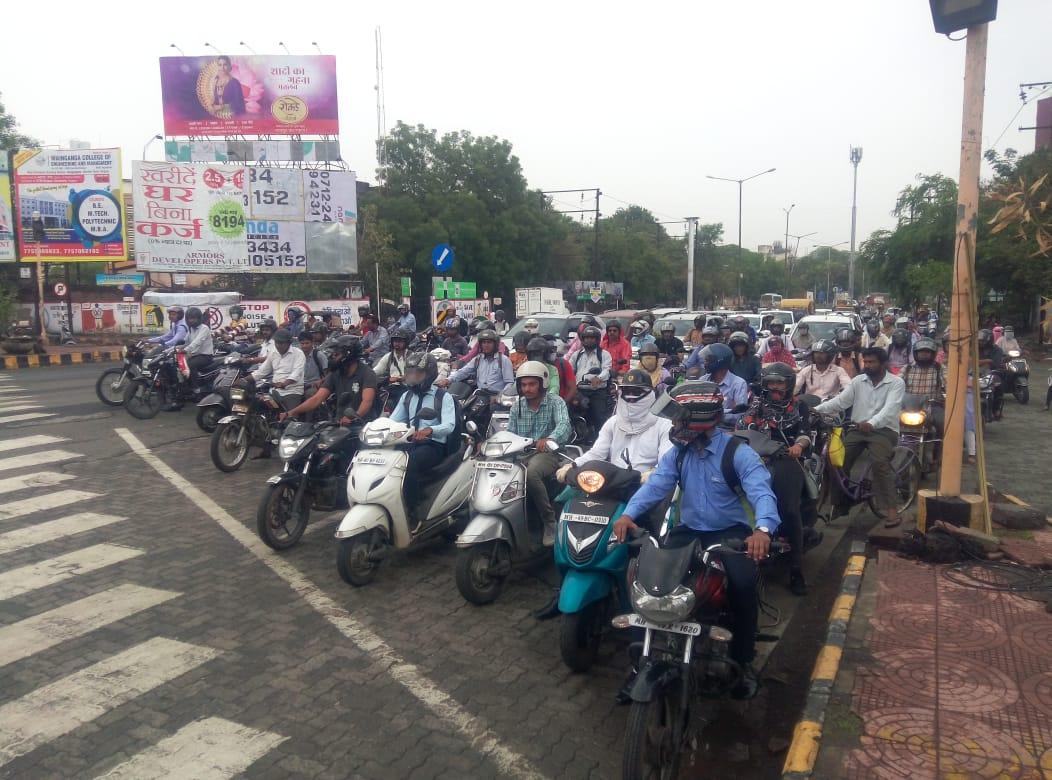
Bridge Construction Traffic Route Changes: Construction on one side of the high bridge near Ambazari Lake is nearly complete, signaling a significant shift in local traffic patterns. As the demolition of the old bridge on the opposite side begins on June 10, new traffic routes have been implemented to ensure smooth transit. Deputy Commissioner of Police (City Traffic) Shashikant Satav has issued a traffic notification detailing these changes. This article will guide you through the revised routes and help you navigate the area with ease.

Understanding the Bridge Construction Near Ambazari Lake

 Overview of the Construction Project

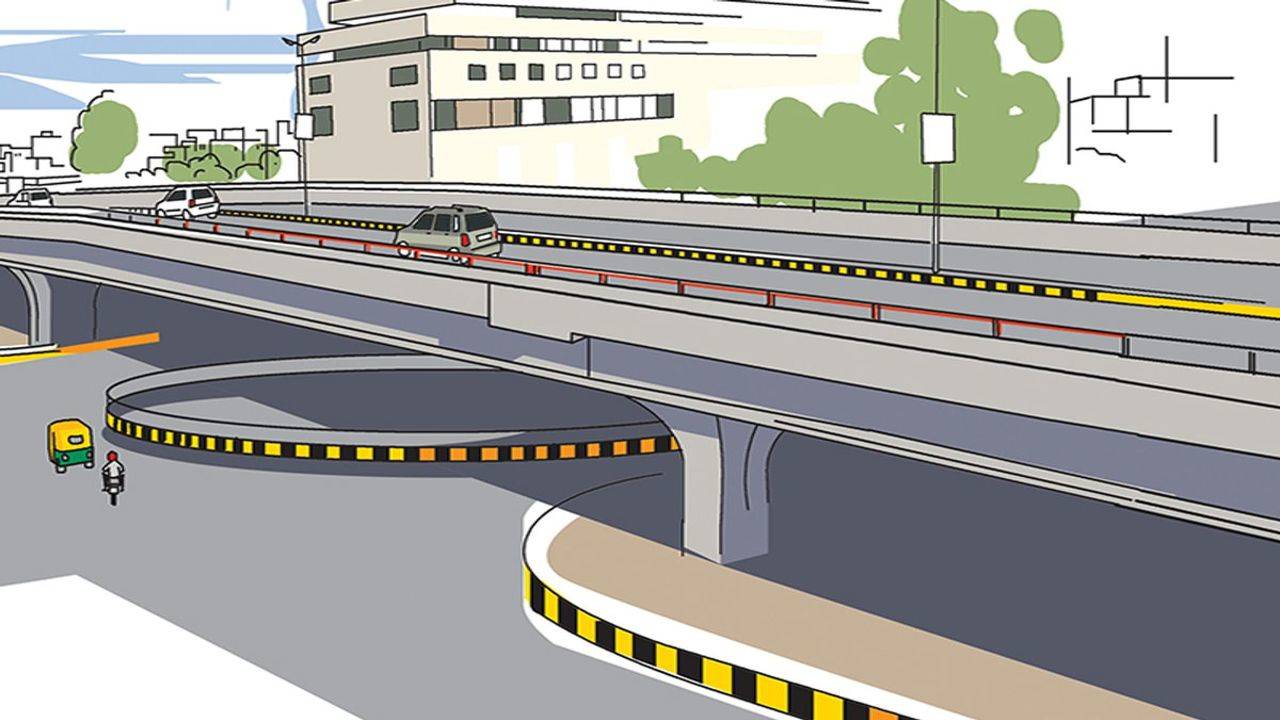
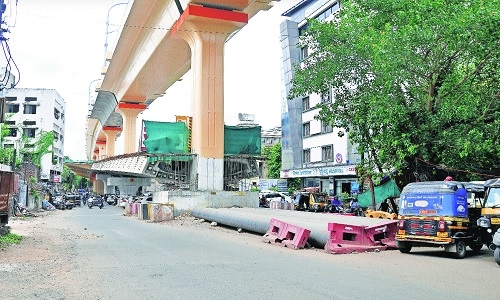
The ongoing bridge construction near Ambazari Lake is a significant infrastructure project aimed at improving traffic flow and safety. The construction on one side of the high bridge is almost complete, and the next phase involves the demolition of the old bridge to make way for a new, modern structure.

 Importance of the Project

This project is crucial for the city as it addresses the increasing traffic congestion in the area. The new bridge will be wider, allowing for smoother traffic flow and reducing bottlenecks that have long plagued commuters.

 Timeline and Phases

  • Phase 1: Completion of one side of the new bridge.
  • Phase 2: Demolition of the old bridge starting June 10.
  • Phase 3: Construction of the remaining side of the new bridge.

 Traffic Route Changes

Route Closures

To accommodate the construction work, several route changes have been implemented:

  • Hingna to Sitabuldi: The route towards Ambazari T-point will be completely closed.
  • Sitabuldi to Hingna: The road towards Ambazari T-point will also be completely closed for traffic.

 Alternative Routes

For Hingna to Sitabuldi

Drivers will need to use the following alternate routes:

  • From Hingna T-point via Wadi Point and University Campus Square.

For Sitabuldi to Hingna

Travelers should proceed:

  • From Subhashnagar T-point to Mate Square, Laxminagar Square, and Bajajnagar Square.

 Detailed Route Guidance

H3: Routes Remaining Open

  • Gajanan Mandir T-point to Mate Square
  • Shradhanandpeth Square to Abhyankar Square
  • LA Square

These routes will remain accessible, ensuring that local traffic can still navigate around the construction zone.

 Navigating Specific Areas

Gajanan Mandir T-point to Mate Square

This route remains open and is an essential alternative for avoiding construction delays. Commuters are advised to use this path to reach their destinations efficiently.

Shradhanandpeth Square to Abhyankar Square

Another vital route that remains unaffected, helping distribute the traffic load and prevent congestion in other areas.

LA Square

LA Square serves as a crucial junction that will help in managing the diverted traffic flow. It’s important for drivers to follow the signs and guidance provided to ensure smooth travel.

 Impact on Daily Commutes

 Increased Travel Time

The construction and subsequent route changes are likely to increase travel time for many commuters. It’s advisable to plan for extra time in your schedule to accommodate these changes.

 Public Transport Adjustments

Public transport routes are also being adjusted to align with the new traffic patterns. Check with local transit authorities for the latest updates on bus and taxi routes.

 Safety Measures and Guidelines

 Adherence to Traffic Rules

To ensure safety, it’s crucial that all drivers adhere to the updated traffic rules and follow the instructions provided by traffic police.

 Pedestrian Safety

Pedestrians should also be cautious and use designated crossing points to avoid accidents in the construction zones.

 Future Benefits of the New Bridge

 Enhanced Traffic Flow

Once completed, the new bridge will significantly enhance traffic flow in the area, reducing congestion and travel time.

 Improved Safety

The new bridge will feature modern safety measures, including better lighting and wider lanes, making it safer for all users.

 Community Feedback

H3: Public Opinions

Local residents and commuters have shared mixed reactions to the construction project. While many appreciate the long-term benefits, some are concerned about the short-term inconveniences.

H4: Addressing Concerns

City officials are working to address these concerns by providing clear communication and updates on the project’s progress.

H2: Staying Updated

 Official Announcements (Bridge Construction Traffic Route Changes)

Keep an eye on official announcements from the city’s traffic department for the latest updates and route changes.

 Real-Time Traffic Apps

Utilize real-time traffic apps to monitor road conditions and find the best routes during the construction period.

The bridge construction near Ambazari Lake is a significant project that will greatly benefit the city once completed. However, the ongoing construction and route changes require careful navigation and adherence to new traffic rules. By staying informed and planning your routes, you can minimize the impact on your daily commute and look forward to the improved infrastructure.

Q1: When will the new bridge construction be completed? A1: The completion date has not been officially announced yet, but updates will be provided as the project progresses.

Q2: Will public transport routes be affected by the construction? A2: Yes, public transport routes will be adjusted. Check with local transit authorities for the latest updates.

Q3: How can I stay updated on traffic changes during the construction? A3: Follow official announcements from the city’s traffic department and use real-time traffic apps.

Q4: What safety measures are in place during the construction? A4: Increased traffic police presence, clear signage, and designated pedestrian crossing points are some of the safety measures implemented.

Q5: Will there be any pedestrian access during the construction? A5: Yes, pedestrian access will be maintained with designated crossing points for safety.

NMC Addresses Parking Woes with 21 New Parking Facilities

NMC Parking: In response to escalating parking problems in the city, the municipal corporation has introduced 21 new parking facilities, approved by the transport department, to alleviate the strain on motorists facing penal action for illegal parking in no-parking zones.

The Critical Situation

Parking congestion in the city has reached critical levels, with motorists frequently facing penalties as traffic police intensify crackdowns on vehicles parked in no-parking zones. This crackdown has compounded the woes of citizens, who are already struggling with the lack of designated parking spaces.

Traffic Police Crackdown

The traffic police’s stringent measures have led to a significant number of penalties for illegal parking. While this has helped reduce traffic obstructions, it has also highlighted the urgent need for more parking facilities.

Municipal Corporation’s Intervention (NMC Parking)

Relief on the Horizon

The municipal corporation has stepped in to tackle the problem head-on. With 21 new parking facilities (NMC Parking) now available across the city, approved by the transport department, motorists can expect much-needed respite from the challenges of finding suitable parking spots.

Survey and Approval Process

A survey conducted by the Nagpur Municipal Corporation identified 75 locations suitable for parking two-wheelers and four-wheelers. However, certain areas like Sitabuldi, Itwari, Gandhibagh, Gokulpeth, Khamla, and Lakadganj were initially overlooked by the traffic control branch, exacerbating parking issues in these densely populated and bustling market areas.

Challenges in Densely Populated Areas

Overlooked Areas

The lack of designated parking spaces in Sitabuldi, Itwari, Gandhibagh, Gokulpeth, Khamla, and Lakadganj has led to chaotic parking situations, often resulting in disputes between shopkeepers and citizens, and clashes during towing and lifting operations.

Disputes and Clashes

The chaotic parking scenarios have frequently resulted in disputes between shopkeepers and citizens, leading to clashes during towing and lifting operations, further complicating the situation.

The Proposal for New Parking Lots

Submission and Approval

The proposal for the establishment of 75 new parking lots was submitted to the traffic police department by the Nagpur Municipal Corporation a year ago for approval. With 21 of them now being realized, motorists grappling with the city’s parking crisis can finally look forward to some relief.

Selection of Locations

The selection of these 21 new parking facilities was based on strategic locations identified in the survey. These locations were chosen to ensure maximum convenience for motorists and to alleviate congestion in the most problematic areas.

Benefits of the New Parking Facilities

Reduced Illegal Parking

The introduction of these new parking facilities is expected to significantly reduce instances of illegal parking in no-parking zones. This will not only help motorists avoid penalties but also contribute to smoother traffic flow.

Enhanced Traffic Management

With designated parking spaces now available, traffic management in the city is likely to improve. This will benefit not only motorists but also pedestrians and other road users.

Economic Impact

The establishment of new parking facilities is also expected to have a positive economic impact. Improved parking conditions can boost business in commercial areas by making it easier for customers to access shops and markets.

Community Reactions

Motorists’ Relief

Motorists across the city have expressed relief at the news of the new parking facilities. Many have faced the frustration of finding a parking spot and the anxiety of potential penalties for illegal parking.

Shopkeepers’ Perspective

Shopkeepers in the previously overlooked areas are hopeful that the new parking facilities will bring an end to the disputes and clashes that have plagued their businesses.

Implementation and Future Plans

Ongoing Development

The municipal corporation is committed to continuously improving parking facilities in the city. The current 21 new parking facilities are just the beginning, with plans for additional locations already in the pipeline.

Future Surveys

Future surveys will focus on identifying more strategic locations for parking facilities, especially in areas that were initially overlooked. This ongoing effort aims to ensure that the parking needs of all city residents are met.

The introduction of 21 new parking facilities by the municipal corporation marks a significant step towards resolving the city’s parking woes. By providing designated parking spaces, the initiative is set to alleviate the strain on motorists and improve overall traffic management. As the city continues to grow, ongoing efforts to expand and enhance parking facilities will be crucial in maintaining order and convenience for all residents.

Q1: What prompted the introduction of the new parking facilities?

The introduction of new parking facilities was prompted by the escalating parking problems in the city, with motorists facing penalties for illegal parking and a lack of designated parking spaces.

Q2: How many new parking facilities have been introduced?

The municipal corporation has introduced 21 new parking facilities (NMC Parking) across the city.

Q3: Which areas were initially overlooked in the parking survey?

Areas like Sitabuldi, Itwari, Gandhibagh, Gokulpeth, Khamla, and Lakadganj were initially overlooked by the traffic control branch.

Q4: What are the expected benefits of the new parking facilities?

The new parking facilities are expected to reduce illegal parking, improve traffic management, and have a positive economic impact by boosting business in commercial areas.

Q5: Are there plans for more parking facilities in the future?

Yes, the municipal corporation has plans for additional parking facilities, with future surveys aimed at identifying more strategic locations to meet the parking needs of city residents.

No Monsoon System Over Vidarbha: RMC Updates

Vidarbha Monsoon Delay | RMC Nagpur Weather: The onset of the monsoon is a crucial event for the Vidarbha region of Maharashtra. Typically, by June 15, the monsoon brings much-needed relief from the scorching summer heat. However, this year, the situation is different. Despite the monsoon advancing into Maharashtra, Vidarbha has only seen scattered rainfall. The Regional Meteorological Centre (RMC) Nagpur has reported that no monsoon system has developed over Vidarbha due to the absence of favorable conditions such as a trough and wind discontinuity.

Current Weather Conditions in Vidarbha (Vidarbha Monsoon Delay | RMC Nagpur Weather)

Scattered Rainfall and Dry Weather

On Monday, while some rural areas experienced scattered rainfall, the city of Nagpur remained predominantly dry. The temperature in Nagpur hovered around 42 degrees Celsius, with Brahmapuri recording the highest temperature at 43 degrees. This has made the heat quite unbearable for the residents.

High Temperatures and Humidity

The lack of a monsoon system has resulted in high temperatures and humidity levels. The weather forecasting officials have noted that the relative humidity is high, and the air temperature is expected to remain around 40 degrees Celsius. This combination of heat and humidity can be quite uncomfortable and even dangerous for vulnerable populations.

Monsoon Advancing Further

According to the Indian Meteorological Department (IMD), the conditions are favorable for the further advancement of the Southwest Monsoon into parts of Maharashtra within the next two days. The northern limit of the monsoon currently passes through Dahanu and Sambhajinagar. This indicates that while Vidarbha is yet to see significant rainfall, other parts of Maharashtra are gradually experiencing the monsoon’s arrival.

Absence of Trough and Wind Discontinuity

The primary reason for the lack of a monsoon system over Vidarbha is the absence of a trough and wind discontinuity. These conditions are essential for the formation of a monsoon system. Without them, cloud formation is scattered, leading to sporadic rainfall in some parts while others remain dry.

Advisories for Gusty Winds and Thunderstorms

The RMC Nagpur has issued advisories for gusty winds, thunderstorms, and rain for Nagpur and other districts in Vidarbha over the next two days. Residents are urged to take precautions during these events. The advisories also indicate generally cloudy skies on June 13 and 14.

Lightning Warnings

The RMC has also issued lightning warnings for several districts, including Wardha, Bhandara, Nagpur, Yavatmal, Gondia, Akola, Washim, and Amravati. During such events, it is crucial to avoid venturing out in the open or taking shelter under trees to prevent lightning strikes.

Impact on Agriculture and Daily Life (Vidarbha Monsoon Delay | RMC Nagpur Weather)

Challenges for Farmers

The delay in the monsoon’s arrival poses significant challenges for farmers in Vidarbha. The agricultural cycle is heavily dependent on timely rainfall, and any delay can affect crop sowing and yield. Farmers are anxiously waiting for consistent rainfall to start their farming activities.

Heat-Related Health Issues

The high temperatures and humidity levels can lead to heat-related health issues such as heat strokes, dehydration, and heat exhaustion. It is essential for residents to stay hydrated, avoid strenuous outdoor activities during peak heat hours, and seek medical attention if they experience symptoms of heat-related illnesses.

Precautionary Measures

Stay Hydrated and Cool

Given the current weather conditions, it is vital to stay hydrated. Drinking plenty of water and consuming electrolyte-rich beverages can help maintain hydration levels. Using fans, air conditioners, or coolers can provide relief from the heat.

Limit Outdoor Activities

Avoiding outdoor activities during the hottest parts of the day can reduce the risk of heat-related illnesses. If outdoor activities are necessary, wearing light, loose-fitting clothing and using sun protection such as hats and sunscreen can help.

Safety During Thunderstorms

During thunderstorms, it is advisable to stay indoors and avoid open fields, tall trees, and water bodies. Electrical appliances should be unplugged to prevent damage from lightning strikes.

Future Weather Predictions

Short-Term Forecast

The IMD has predicted that conditions are favorable for the further advance of the Southwest Monsoon into parts of Maharashtra within the next two days. This could bring some relief to Vidarbha if the monsoon system develops and spreads across the region.

Long-Term Outlook

The long-term weather outlook will depend on the development of favorable conditions such as a trough and wind discontinuity. Meteorological officials will continue to monitor the situation and provide updates as needed.

The delayed monsoon in Vidarbha is a cause for concern, especially for farmers and vulnerable populations. While other parts of Maharashtra are gradually experiencing the monsoon, Vidarbha awaits the development of favorable conditions for consistent rainfall. The RMC Nagpur’s advisories and warnings highlight the importance of taking precautions during this period of high temperatures, humidity, and scattered rainfall. As we wait for the monsoon to establish itself over Vidarbha, it is crucial to stay informed and prepared.

1. When is the normal onset date for the monsoon in Vidarbha?

The normal onset date for the monsoon in Vidarbha is June 15.

2. What are the current weather conditions in Nagpur?

Nagpur is experiencing high temperatures around 42 degrees Celsius with predominantly dry weather and high humidity levels.

3. Why is there no monsoon system over Vidarbha?

The absence of a monsoon system over Vidarbha is due to the lack of favorable conditions such as a trough and wind discontinuity.

4. What precautions should residents take during thunderstorms?

Residents should stay indoors, avoid open fields and tall trees, and unplug electrical appliances during thunderstorms to prevent lightning strikes.

5. How can high temperatures affect health?

High temperatures can lead to heat-related health issues such as heat strokes, dehydration, and heat exhaustion. It is essential to stay hydrated and avoid strenuous outdoor activities during peak heat hours.

State Lost 160 Tigers in Five Years: Road Accidents and Electrocution to Blame

Tiger deaths Maharashtra: The majestic tiger, a symbol of strength and beauty, faces an alarming crisis in Maharashtra. Over the past 5.5 years, a staggering 160 tigers have perished. Disturbingly, many of these deaths are attributed to human-induced factors such as road accidents and electrocution. This article delves into the grim statistics, explores the underlying causes, and discusses the measures needed to mitigate this tragic loss of wildlife.

The Stark Reality of Tiger Deaths in Maharashtra

Tiger Mortality Data Breakdown

From 2019 to the first half of 2024, Maharashtra witnessed the deaths of 160 tigers. Here’s a yearly breakdown:

  • 2019: 17 tigers
  • 2020: 18 tigers
  • 2021: 32 tigers
  • 2022: 29 tigers
  • 2023: 49 tigers
  • 2024 (first five months): 15 tigers

Leading Causes of Death

Out of these 160 deaths, 41 tigers succumbed to either road accidents or electrocution. Specifically, 21 tigers were killed by vehicles on highways, while 20 died due to electrocution. Additionally, 22 tigers fell victim to poisoning and wire snares, highlighting the perilous existence these big cats face.

The Threat of Road Accidents

Highways: Death Traps for Tigers

Road accidents have emerged as a significant threat to tigers. With highways crisscrossing through their natural habitats, the likelihood of fatal encounters increases. Despite the construction of wildlife underpasses and overpasses on crucial corridors like NH-7 and NH-6, many critical stretches remain unaddressed, leaving tigers vulnerable.

Case Study: Tadoba Corridor

The Tadoba landscape, known for its rich tiger population, has been particularly affected. The National Green Tribunal (NGT) directed the construction of 26 underpasses on seven road patches in this area. However, nearly four years later, only one underpass has been completed, underscoring the slow pace of implementation.

Electrocution: A Silent Killer

Illegal Farm Fences

Electrocution, primarily due to illegal electric fences set up by farmers to protect crops, has become another major cause of tiger deaths. These fences are often powered illegally and pose a lethal threat to tigers who inadvertently come into contact with them.

Hidden Dangers and Underreporting

The true extent of tiger electrocution cases might be underreported. Farmers, upon discovering a dead tiger, often destroy evidence to avoid prosecution. This lack of transparency makes it difficult to grasp the full scale of the problem.

Poisoning and Snare Traps

Poaching and Retaliation

Poisoning and snare traps represent another dire threat. Tigers are often poisoned by poachers for their body parts or by locals in retaliation for livestock losses. Wire snares, meant for smaller animals, can inadvertently capture and kill tigers.

Case Highlight: Chandrapur District

In Chandrapur district, several tiger deaths due to electrocution and poisoning have been exposed. Social activists and conservationists, like Abhay Kolarkar and Dinesh Khate, have been pivotal in bringing these cases to light, but much remains hidden.

Efforts to Mitigate Tiger Deaths

Wildlife Mitigation Measures

Efforts to reduce tiger deaths include constructing wildlife underpasses and overpasses, implementing stricter anti-poaching laws, and increasing patrolling in vulnerable areas. However, these measures need to be expedited and expanded to cover all critical areas.

Community Awareness and Involvement

Educating local communities about the importance of tiger conservation and involving them in protection efforts can significantly reduce human-wildlife conflicts. Incentivizing farmers to use non-lethal methods to protect their crops is essential.

The loss of 160 tigers in Maharashtra over the past 5.5 years is a sobering reminder of the challenges faced in wildlife conservation. Road accidents, electrocution, and other human-induced factors are taking a severe toll on these magnificent creatures. It is imperative that immediate and effective measures are taken to protect tigers and ensure their survival for future generations.

1. What are the main causes of tiger deaths in Maharashtra?

The main causes of tiger deaths in Maharashtra include road accidents, electrocution from illegal farm fences, poisoning, and wire snares.

2. How many tigers died due to road accidents and electrocution in the past 5.5 years?

In the past 5.5 years, 21 tigers died in road accidents, and 20 died due to electrocution.

3. What measures are being taken to prevent tiger deaths?

Measures include constructing wildlife underpasses and overpasses, implementing stricter anti-poaching laws, increasing patrolling in vulnerable areas, and educating local communities.

4. Why are illegal farm fences dangerous for tigers?

Illegal farm fences are dangerous because they are often electrified, posing a lethal threat to tigers who inadvertently come into contact with them.

5. How can local communities help in tiger conservation?

Local communities can help by using non-lethal methods to protect crops, reporting illegal activities, and participating in conservation efforts to reduce human-wildlife conflicts.

Repair Roads Before Rains, NMC Directs All 10 Zones

Nagpur road repairs | NMC: With the monsoon just around the corner, the Nagpur Municipal Corporation’s (NMC) hotmix department has taken a proactive stance, directing all 10 zones to repair roads that are narrower than 12 meters. Municipal Commissioner Abhijeet Chaudhari allocated ₹20 lakh to each zone to address pothole-related complaints, according to hotmix department executive engineer Ajay Dahake. Additionally, NMC decided not to extend the contracts of two agencies responsible for repairing potholes within 24 hours of complaints received across the city.

Urgent Road Repairs Before Monsoon

Why the Rush?

The impending monsoon season brings with it the risk of worsening road conditions. Potholes and damaged roads can lead to dangerous driving conditions, especially during heavy rains.

NMC Strategic Allocation

Municipal Commissioner Abhijeet Chaudhari has strategically allocated ₹20 lakh to each zone, ensuring that resources are available to address the most pressing issues. This funding is specifically targeted at repairing roads narrower than 12 meters and those with significant damage.

Targeted Repairs

The hotmix department is focused on repairing roads that are damaged over 50%. From May 27 to June 1, they managed to repair a total of 3,046.51 square meters of potholes across six zones, including Dharampeth, Nehru Nagar, Lakadganj, and Mangalwari.

Significant Progress

This effort marks significant progress in addressing the road conditions, aiming to provide safer and smoother commutes for Nagpur’s residents.

Former Corporators Speak Out (Nagpur road repairs)

Without an NMC general body since March 2022, the tar roads, particularly in residential areas, have deteriorated. Former corporators, including BJP city president Jitendera alias Bunty Kukde and Congress’s Manoj Sangole, have highlighted the grim situation. Areas like Kharbi, Wathoda, Gurunanak Pharmacy College, Tathagat Nagar, and Mhada Colony are riddled with potholes, leading to frequent accidents.

Public Demand for Immediate Attention

Former West Nagpur corporator Kamlesh Chowdhary emphasized the need for immediate attention to several tar roads to avoid inconvenience during the monsoon season.

(NMC Comprehensive Plan Nagpur road repairs)

Phased Approach

NMC’s comprehensive plan involves a phased approach to road repairs, prioritizing the most damaged areas first. This ensures that the most critical sections of the roads are addressed before the rains start.

Public Safety and Convenience

The primary goal is to enhance public safety and convenience, reducing the risk of accidents and ensuring smoother travel during the monsoon.

Challenges Faced

Resource Constraints

Despite the allocated funds, resource constraints remain a challenge. Ensuring that repairs are completed in a timely manner requires effective management and allocation of available resources.

The onset of the monsoon itself can cause delays in repair works. Therefore, it is crucial to complete as many repairs as possible before the heavy rains begin.

Innovative Solutions

Use of Advanced Materials

NMC is exploring the use of advanced materials and technologies to ensure longer-lasting repairs. This includes the use of durable hotmix asphalt, which is more resilient to weather changes.

Community Involvement

Engaging the community in reporting potholes and damaged roads through dedicated helplines and apps can help NMC respond more swiftly to new issues.

Long-Term Strategy

Regular Maintenance

A long-term strategy for road maintenance involves regular inspections and timely repairs to prevent the deterioration of roads. This proactive approach can save costs in the long run and ensure safer roads year-round.

Partnership with Private Agencies

Partnering with private agencies for road repairs can bring in additional expertise and resources, ensuring high-quality and timely completion of roadworks.

The NMC’s directive to repair roads before the monsoon season is a crucial step towards ensuring safer and more reliable road infrastructure in Nagpur. By addressing the most damaged areas first and utilizing advanced materials, NMC aims to mitigate the risks associated with the rainy season. While challenges remain, the concerted efforts of the hotmix department, along with community involvement, promise significant improvements. The focus on regular maintenance and strategic partnerships will be key to sustaining these improvements in the long term.

  1. Why is it important to repair roads before the monsoon?
  2. What areas are being prioritized for road repairs?
    • Roads narrower than 12 meters and those with significant damage, particularly those with over 50% damage, are being prioritized.
  3. How much funding has been allocated for these repairs?
    • ₹20 lakh has been allocated to each of the 10 zones for addressing pothole-related complaints.
  4. What materials are being used for the repairs?
    • Advanced materials such as durable hotmix asphalt are being used to ensure longer-lasting repairs.
  5. How can residents report potholes or damaged roads?
    • Residents can report potholes and damaged roads through dedicated helplines and apps set up by NMC for swift response.

Nagpur Constituency: BJP Gets Highest Votes in East Nagpur, Congress in North

Nagpur election results 2024: The 2024 Lok Sabha elections have been a whirlwind, particularly in Nagpur, where the Bharatiya Janata Party (BJP) candidate, Nitin Gadkari, celebrated a hat-trick of victories. Despite the victory, the margin of his win has notably dipped. This article delves into the details of the election results, breaking down the performance of both BJP and Congress across various Assembly segments in Nagpur.

Nagpur Constituency Overview

Nagpur, a significant constituency in Maharashtra, witnessed a considerable increase in voter turnout this year, with 1.80 lakh new voters. This rise in voter engagement has led to intriguing shifts in voting patterns across the constituency’s six Assembly segments.

BJP’s Performance in Nagpur

BJP’s performance in Nagpur remains strong, particularly in the East Nagpur Assembly segment, where they garnered 1,41,313 votes. This was the highest among all segments, maintaining their top position from the 2019 polls. Here’s a breakdown of BJP’s performance across the segments:

  • East Nagpur: 1,41,313 votes (an increase of 5,862 votes from 2019)
  • Central Nagpur: An increase of 559 votes
  • North Nagpur: An increase of 2,410 votes

Central Nagpur: A Comparative Analysis

Central Nagpur saw a modest increase in BJP’s votes. However, Congress experienced a decrease in this segment, which contrasts with their overall performance in other areas.

Congress’ Performance in Nagpur

Congress showed significant improvements in several segments, especially North Nagpur, where they polled the highest votes. Below is a detailed look at Congress’ performance:

  • South-West Nagpur: An increase of 14,987 votes
  • South Nagpur: An increase of 11,324 votes
  • East Nagpur: An increase of 7,871 votes
  • West Nagpur: An increase of 16,174 votes
  • North Nagpur: An impressive increase of 25,715 votes

Key Figures in Nagpur Politics

Nagpur’s political landscape is shaped by several key figures. For BJP, leaders like Vikas Kumbhare (Central), Devendra Fadnavis (South-West), Krishna Khopde (East), and Mohan Mate (South) play pivotal roles. On the Congress side, Vikas Thakre (West) and Dr. Nitin Raut (North) are significant players.

Nitin Gadkari: The Hat-Trick MP

Nitin Gadkari’s third consecutive victory is noteworthy, although his margin of victory has decreased. This suggests changing dynamics and voter sentiment in Nagpur, highlighting the need for continuous engagement and addressing voter concerns.

Election Statistics and Insights

Voter Turnout

The 2024 elections saw a rise in voter turnout, with an additional 1.80 lakh voters compared to the previous elections. This increased engagement reflects a growing political awareness and interest among the populace.

BJP’s Vote Increase

BJP’s overall vote tally increased in several segments, reflecting their robust campaign strategy and voter base in East Nagpur, Central Nagpur, and North Nagpur.

Congress’ Vote Surge

Congress, despite facing a challenging political environment, managed to significantly boost their vote count in five out of six segments. Their most notable improvement was in North Nagpur, showcasing their effective campaign efforts and voter outreach.

Assembly Segment Breakdown

East Nagpur: BJP’s Stronghold

East Nagpur remains a BJP bastion, with the party securing the highest votes in this segment. The consistent support in this area is a testament to BJP’s strong presence and influence.

Central Nagpur: A Mixed Bag

Central Nagpur presented a mixed result, with BJP slightly increasing their vote count while Congress experienced a decrease. This area continues to be a battleground for both parties.

North Nagpur: Congress’ Resurgence

North Nagpur emerged as a significant success story for Congress, with a remarkable increase of 25,715 votes. This area has historically been challenging for BJP, and the trend continues with Congress making substantial inroads.

South-West Nagpur: Competitive Dynamics

In South-West Nagpur, Congress saw a substantial increase in votes, which highlights the competitive nature of this segment. BJP’s established leadership here, particularly with Devendra Fadnavis, faces a strong challenge.

South Nagpur: Gains for Congress

South Nagpur also witnessed gains for Congress, although the BJP maintains a solid presence. This segment reflects the dynamic political engagement between the two major parties.

West Nagpur: A Key Contest

West Nagpur, represented by Vikas Thakre from Congress, saw an increase in votes. This segment continues to be a focal point for both parties, with strong campaigns and voter interactions.

Political Analysis and Future Implications

Changing Voter Sentiments

The 2024 election results in Nagpur highlight shifting voter sentiments and the evolving political landscape. While BJP maintains strongholds in several segments, Congress’ gains indicate growing support and changing dynamics.

Impact of New Voters

The influx of new voters has played a crucial role in the election outcomes. Engaging with these voters and addressing their concerns will be vital for future electoral success for both parties.

Strategic Campaigns

Both BJP and Congress have demonstrated the importance of strategic campaigning and voter outreach. The varied results across segments underscore the need for tailored approaches to address the unique concerns of each area.

The 2024 Lok Sabha elections in Nagpur have been a testament to the vibrant democratic process and the dynamic political environment. Nitin Gadkari’s third victory, despite a reduced margin, and the significant gains made by Congress across various segments highlight the evolving political landscape. As voter engagement continues to rise, the importance of addressing voter concerns and maintaining strong connections with the electorate cannot be overstated.

1. How did BJP perform in the 2024 Nagpur elections? BJP performed strongly in East Nagpur, Central Nagpur, and North Nagpur, with significant vote increases in these segments.

2. What was the highlight of Congress’ performance in Nagpur? Congress saw notable improvements in five segments, especially in North Nagpur, where they increased their vote count by 25,715.

3. Who are the key political figures in Nagpur? Key figures include BJP’s Nitin Gadkari, Devendra Fadnavis, Vikas Kumbhare, Krishna Khopde, Mohan Mate, and Congress’ Vikas Thakre and Dr. Nitin Raut.

4. What impact did new voters have on the 2024 elections in Nagpur? The addition of 1.80 lakh new voters significantly influenced the election outcomes, reflecting increased political engagement and shifting dynamics.

5. What are the future implications of the 2024 election results in Nagpur? The results indicate changing voter sentiments and the need for both BJP and Congress to continuously engage with the electorate and address their concerns.

Nagpur Gears Up for Vote Counting: Meticulous Preparations at Kalamna Market Yard

Nagpur vote counting security: Nagpur’s district administration is leaving no stone unturned for the upcoming vote counting at Kalamna market yard. With more than 3,000 administrative personnel and around 8,000 security officers on duty, this event promises to be a well-orchestrated exercise. Let’s dive into the meticulous preparations and key aspects surrounding this significant event.

The Venue: Kalamna Market Yard

(Nagpur vote counting security) Strategic Choice of Location

Kalamna market yard has been chosen as the counting center for Nagpur and Ramtek Lok Sabha constituencies. Its strategic location and ample space make it an ideal spot for managing such a crucial task.

State-of-the-Art Facilities

The venue is equipped with state-of-the-art facilities, ensuring a smooth and secure counting process. This includes the installation of over 250 CCTV cameras to monitor every inch of the counting area.

Robust Manpower Deployment

A formidable team of over 3,000 district administration personnel will be on duty, supported by approximately 8,000 security personnel working in shifts. This robust deployment underscores the administration’s commitment to maintaining order and security.

Role of Observers and AROs

Trained observers and Assistant Returning Officers (AROs) will oversee the counting process. Their role is crucial in ensuring transparency and adherence to guidelines.

Enhanced Security Measures

Extensive CCTV Coverage

To ensure the highest level of security, more than 250 CCTV cameras have been installed. These cameras will provide live feeds to a central monitoring station, enabling real-time surveillance.

Special Waterproof Tunnel

In response to unpredictable weather conditions, a special waterproof tunnel has been set up between the strong room and the counting center. This 120-meter tunnel will protect the EVMs and ballot boxes from any adverse weather conditions during their transfer.

Logistics and Transportation

Secure Transfer of EVMs and Ballot Boxes

The EVMs and postal ballot boxes will be transferred from the strong room to the counting center using 28 specially equipped vehicles. Each vehicle is fitted with CCTV cameras to ensure a secure and monitored transfer.

Transportation Team

A dedicated team of 250 officials per polling center has been appointed to oversee the transportation of EVMs and VVPAT machines. This team is trained to handle the equipment with care and precision.

Counting Process (Nagpur vote counting security)

Assembly-Wise Counting

Counting will be conducted assembly-wise, with 20 tables allocated for each constituency. This organized approach ensures a streamlined and efficient counting process.

Allocation of Counting Tables

There are 120 tables assigned for Nagpur and Ramtek constituencies, along with an additional 10 tables dedicated to postal ballot counting. Each table will have a counting supervisor, a counting assistant, and a police constable.

Timing and Target Completion

The counting process will commence at 8:30 AM with an aim to complete by 4 PM. This timeline is designed to ensure a thorough and efficient counting process without unnecessary delays.

New Rules for Recounting

Recounting Provision

As per the new rule framed by the Election Commission of India (ECI), candidates who finish first and second can now apply for a recount of votes in 5% of the total EVMs. This provision adds a layer of transparency and fairness to the election process.

Recounting Fee

Candidates seeking a recount must pay Rs. 40,000 per EVM. This fee is a measure to ensure that recount requests are made responsibly and not frivolously.

Nagpur’s district administration has indeed left no stone unturned in preparing for the counting of votes at Kalamna market yard. With meticulous planning, robust security measures, and a dedicated team, the process is set to be conducted smoothly and transparently. The enhanced measures, including the special waterproof tunnel and extensive CCTV coverage, reflect the administration’s commitment to a secure and efficient counting process. As we await the results, it’s clear that every effort has been made to ensure fairness and accuracy.

1. What is the significance of the Kalamna market yard for vote counting?

The Kalamna market yard is strategically chosen for its ample space and accessibility, making it ideal for managing the vote counting process efficiently.

2. How many personnel are involved in the vote counting process?

Over 3,000 district administration personnel and around 8,000 security officers are involved, ensuring a well-organized and secure counting process.

3. What are the security measures in place?

Security measures include the installation of over 250 CCTV cameras, the use of 28 vehicles equipped with CCTV for transporting EVMs, and a special waterproof tunnel for protecting the equipment from adverse weather.

4. How will the counting process be conducted?

Counting will be done assembly-wise with 20 tables per constituency. There are 120 tables for Nagpur and Ramtek constituencies, and 10 additional tables for postal ballots, each staffed by a supervisor, assistant, and constable.

5. What is the new rule for recounting votes?

The new rule allows the first and second runners-up to apply for recounting votes in 5% of the total EVMs by paying Rs. 40,000 per EVM, enhancing transparency and fairness in the election process.

NHAI Increases Toll Fees on Expressways by 5% Starting June 3

NHAI toll hike 2024: The National Highways Authority of India (NHAI) has announced an average toll hike of 5 percent starting Monday. This adjustment, initially scheduled for April 1 but deferred due to the Lok Sabha elections, will be implemented from June 3, 2024. The revised rates align with changes in the wholesale price index (CPI)-based inflation, which influences the user fee adjustments.

Navigating India’s extensive national highway network is about to become a bit more expensive. The National Highways Authority of India (NHAI) has increased toll fees by 5 percent, an adjustment that was postponed due to the recent elections. This annual revision in toll rates is a regular exercise designed to keep pace with inflationary trends. In this article, we’ll dive into the details of this toll hike, what it means for daily commuters, and the broader implications for India’s road infrastructure.

Understanding the Toll Hike

What is the Toll Hike About?

The NHAI has announced a 5 percent increase in toll fees across its extensive network of expressways. This decision, which was supposed to take effect in April, was pushed to June 3 due to the Lok Sabha elections. The delay was a strategic move to avoid any electoral impact.

Why the Increase?

The primary reason behind this toll hike is the adjustment to the wholesale price index (CPI)-based inflation. As inflation rates rise, so do the costs of maintaining and operating these highways. This annual increase is a standard practice under the National Highways Fee (Determination of Rates and Collection) Rules, 2008, ensuring that toll rates remain in line with economic conditions.

Impact on Commuters

Daily Commuters’ Perspective

For daily commuters, a 5 percent increase might seem minor, but it adds up over time. Regular users of these expressways will notice the difference in their monthly expenses, prompting some to reconsider their travel routes or modes of transport.

Long-Distance Travelers

For long-distance travelers, especially those covering significant miles, this hike could lead to a noticeable increase in travel costs. While the percentage might be small, the cumulative effect over long distances can be substantial.

Economic Implications

Revenue Generation for NHAI (NHAI toll hike 2024)

This toll hike is expected to generate additional revenue for the NHAI. This revenue is crucial for the maintenance and development of India’s highway infrastructure. With approximately 855 toll plazas under its jurisdiction, the incremental funds will support ongoing and future projects.

Inflation and Economic Stability

Adjusting toll fees in line with inflation helps maintain economic stability. By ensuring that toll revenues keep pace with rising costs, the NHAI can continue to provide quality infrastructure without compromising on maintenance standards.

Breakdown of Toll Plazas

Public-Funded Toll Plazas

Out of the 855 toll plazas, around 675 are public-funded. These toll plazas are directly managed by the NHAI, and the toll fees collected are used for the maintenance and development of the highways.

Concessionaire-Operated Toll Plazas

The remaining 180 toll plazas are operated by concessionaires. These are private entities that have agreements with the NHAI to manage specific sections of the highway network. The toll hikes also apply to these plazas, ensuring uniformity in toll rates across the board.

Annual Revision Process

Determination of Rates (NHAI toll hike 2024)

The annual revision of toll rates is a meticulous process governed by the National Highways Fee (Determination of Rates and Collection) Rules, 2008. This process considers various economic indicators, primarily the wholesale price index (CPI)-based inflation, to determine the new toll rates.

Implementation and Monitoring

Once the rates are determined, they are implemented across all toll plazas. The NHAI monitors the collection and usage of these funds to ensure transparency and accountability in the process.

Public Response and Concerns

Mixed Reactions

As expected, the public reaction to this toll hike has been mixed. While some understand the necessity of such adjustments, others are concerned about the rising cost of travel.

Voices of Commuters

Many commuters have expressed their concerns through various platforms. Social media has seen a surge in discussions about the toll hike, with users sharing their thoughts and experiences.

The NHAI’s decision to increase toll fees by 5 percent starting June 3, 2024, reflects the need to align with economic realities and ensure the sustainability of India’s highway infrastructure. While this hike may pose a slight burden on commuters, it is a necessary step to maintain and develop the extensive network of expressways that connect the nation. By understanding the reasons behind this increase and its implications, commuters can better navigate the changes and plan their travels accordingly.

  1. Why did the NHAI increase the toll fees?
    • The increase is due to adjustments based on the wholesale price index (CPI)-based inflation, ensuring that toll revenues keep pace with rising maintenance and operation costs.
  2. When will the new toll rates take effect?
    • The new toll rates will be implemented from June 3, 2024.
  3. How many toll plazas are affected by this hike?
    • Approximately 855 toll plazas across India will see the toll fee increase.
  4. What is the average percentage increase in the toll fees?
    • The average increase in toll fees is 5 percent.
  5. How will this toll hike impact daily commuters?
    • Daily commuters will experience a slight increase in their travel costs, which can accumulate over time, potentially affecting their monthly budget.

Businessman Karan Tuli Accused of Molesting Female Doctor and Making Kidnapping Threats

Karan Tuli Molestation Case: A troubling case has emerged involving businessman Karan Tuli, who allegedly molested a female doctor and threatened to kidnap her. Based on the victim’s complaint, the Sadar police have registered a case against Tuli for molestation and intimidation. This incident has sent shockwaves through the city’s medical community.

The Incident Unfolds

Hospital Admission and Departure

The victim, a 44-year-old doctor, runs a hospital in Sadar with her husband. Karan Tuli, a regular patient at the hospital, was admitted for treatment on May 22 and left on May 25 without notifying the staff or settling his bill.

Unpaid Bills and Broken Promises

Upon discovering the unpaid bill, the doctor’s husband contacted Tuli, who promised to have his brother pay the amount within a few days. However, instead of fulfilling his promise, Tuli began harassing the female doctor with late-night phone calls.

Harassment Begins

Inappropriate Late-Night Calls

According to the victim’s complaint, Tuli made inappropriate comments during these calls. On the night of June 1, he called her on WhatsApp, expressing a desire to be readmitted to the hospital.

Escalating Threats

The harassment didn’t stop there. Tuli’s calls grew more frequent and menacing, culminating in threats of kidnapping, causing immense distress to the doctor and her family.

Impact on the Medical Community

Raising Awareness

This case has raised serious concerns among the city’s doctors, highlighting the need for stronger measures to protect healthcare professionals from such threats and harassment.

Support from Medical Associations

Medical associations have rallied behind the victim, demanding justice and better protection for healthcare workers. They emphasize the vulnerability of doctors to such abuses and the pressing need for systemic changes.

Case Registration

Based on the victim’s complaint, the Sadar police have registered a case against Tuli for molestation and intimidation. The investigation is ongoing, with authorities gathering evidence and testimonies to build a robust case.

Community Outcry

The incident has sparked outrage within the community, with calls for swift and strict action against Tuli. Many argue that leniency in such cases only emboldens perpetrators.

Strengthening Security in Hospitals

One of the primary concerns is the need for enhanced security measures in hospitals. Ensuring the safety of medical professionals is paramount to maintaining trust in healthcare institutions.

Training and Awareness Programs

Regular training and awareness programs can empower healthcare workers to handle such situations more effectively. Knowing how to respond to threats and harassment can make a significant difference.

The Psychological Toll

Impact on the Victim (Karan Tuli Molestation Case)

The psychological impact on the victim cannot be understated. Such incidents can lead to long-term trauma, affecting both personal and professional lives.

Support Systems

Establishing strong support systems, including counseling and peer support, is crucial in helping victims recover and continue their vital work without fear.

Community Response

Public Support

Public support for the victim has been overwhelming, with many expressing their solidarity and calling for justice. This collective voice is essential in driving change and ensuring accountability.

Social Media Campaigns

Social media has played a pivotal role in amplifying the victim’s story, drawing attention to the broader issue of harassment in the medical field. Campaigns and hashtags have kept the conversation alive, pushing for real action.

Moving Forward

There is a growing demand for legal reforms to provide better protection for healthcare professionals. Clearer laws and stricter enforcement are necessary to deter such incidents.

Community Involvement

Community involvement is key to addressing and preventing harassment. By fostering a culture of respect and support, we can create safer environments for everyone.

The case of Karan Tuli allegedly molesting a female doctor and making kidnapping threats has shed light on the vulnerabilities faced by healthcare professionals. As the legal process unfolds, it is crucial to address the systemic issues that allow such incidents to occur. Strengthening security, providing support, and advocating for legal reforms are steps in the right direction. The medical community and the public must stand united in ensuring justice and safety for all healthcare workers.

1. What are the charges against Karan Tuli?

Karan Tuli has been charged with molestation and intimidation based on the complaint filed by the victim.

2. How has the medical community responded to this incident?

The medical community has expressed outrage and called for stronger measures to protect healthcare professionals from such threats and harassment.

3. What steps can hospitals take to prevent similar incidents?

Hospitals can enhance security measures, conduct regular training and awareness programs, and establish robust support systems for their staff.

4. How can the public support the victim and other healthcare professionals?

The public can show support by raising awareness, participating in social media campaigns, and advocating for legal reforms to protect healthcare workers.

5. What are the long-term effects of such incidents on victims?

Victims can suffer from long-term psychological trauma, impacting their personal and professional lives. Strong support systems and counseling are essential for their recovery.

Central Railway’s Nagpur Division Achieves Rs 472 Crore Freight Earnings in May, Marking a 1.3% Increase from Last Year

Central Railway Nagpur Division Earnings: The Central Railway has proudly announced that its Nagpur Division has reported significant freight earnings of Rs 472.03 crore in May by loading 1,142 rakes. This achievement highlights a 1.3% increase compared to the same period last year, showcasing the division’s unwavering dedication to delivering value to its stakeholders.

Overview of Freight Earnings

In the context of freight transportation, earnings figures serve as crucial indicators of performance and operational success. The Central Railway’s recent announcement underscores the division’s robust freight operations and strategic planning.

Detailed Breakdown of Earnings

Cumulative Earnings from April 24 to May 24

The period from April 24 to May 24 has been particularly fruitful for the Nagpur Division, with cumulative earnings reaching Rs 892.18 crore. This sustained momentum is a testament to the efficiency and reliability of the division’s freight transportation services.

Significant Milestones

  • Cumulative Earnings: Rs 892.18 crore
  • Consistent Growth: Demonstrated by the division’s ability to maintain high earnings

Coal Traffic Earnings Surge

Coal traffic has been a significant contributor to the division’s earnings. Specifically, the earnings from coal traffic amounted to Rs 386.02 crore, with 910 rakes loaded. This marks a 15% increase over the same month last year, which saw earnings of Rs 335.48 crore with 869 rakes loaded.

Key Statistics

  • Coal Traffic Earnings: Rs 386.02 crore
  • Number of Rakes Loaded: 910
  • Year-on-Year Increase: 15%

Technological Advancements: Electronic Interlocking at CSMT

In addition to impressive earnings, the Central Railway has made strides in technological advancements. The commissioning of Electronic Interlocking at Chhatrapati Shivaji Maharaj Terminus (CSMT) in Mumbai and the widening of platforms at Thane station were completed ahead of schedule.

Details of the Project

  • Electronic Interlocking at CSMT: Successfully commissioned
  • Platform Widening at Thane Station: Completed ahead of schedule

Benefits of Electronic Interlocking

Electronic Interlocking is a critical upgrade that enhances the safety and efficiency of train operations. This system allows for more precise control of train movements, reducing the risk of human error and improving overall operational reliability.

Advantages

  • Enhanced Safety: Reduced risk of accidents
  • Increased Efficiency: More precise control of train movements
  • Operational Reliability: Improved train scheduling and management

Impact on Passenger Experience

The upgrades at CSMT and Thane station are not just technical achievements; they also significantly improve the passenger experience. The widening of platforms at Thane station ensures smoother and more comfortable travel for commuters.

Passenger Benefits

Future Prospects for Central Railway

The recent achievements of the Nagpur Division and the successful technological upgrades at key stations reflect the Central Railway’s commitment to continuous improvement and innovation. These efforts are expected to pave the way for future successes and sustained growth in freight earnings.

Strategic Goals

  • Sustained Growth: Continued focus on enhancing freight earnings
  • Technological Innovation: Ongoing investment in advanced technologies
  • Stakeholder Value: Commitment to delivering value to stakeholders

The Central Railway’s Nagpur Division has demonstrated remarkable performance with Rs 472.03 crore in freight earnings in May, reflecting a 1.3% increase from the previous year. The division’s cumulative earnings from April 24 to May 24 reached Rs 892.18 crore, showcasing sustained momentum. Significant contributions from coal traffic and successful technological advancements at CSMT and Thane station further highlight the division’s dedication to excellence and innovation.

1. What contributed to the increase in freight earnings for the Nagpur Division?

The increase in freight earnings was primarily driven by significant coal traffic earnings and the efficient loading of rakes.

2. How much did the coal traffic earnings amount to in May?

The coal traffic earnings amounted to Rs 386.02 crore, marking a 15% increase from the previous year.

3. What technological advancements were implemented at CSMT?

The Central Railway successfully commissioned Electronic Interlocking at CSMT, which enhances safety and efficiency in train operations.

4. How does the widening of platforms at Thane station benefit passengers?

The widening of platforms at Thane station reduces overcrowding and improves accessibility, making travel more comfortable for commuters.

5. What are the future prospects for the Central Railway?

The Central Railway aims for sustained growth in freight earnings, continued investment in technological innovations, and a commitment to delivering value to stakeholders.

Exit mobile version