Graduates, Post-grads, Transgenders Apply for 347 Posts of Police Constables

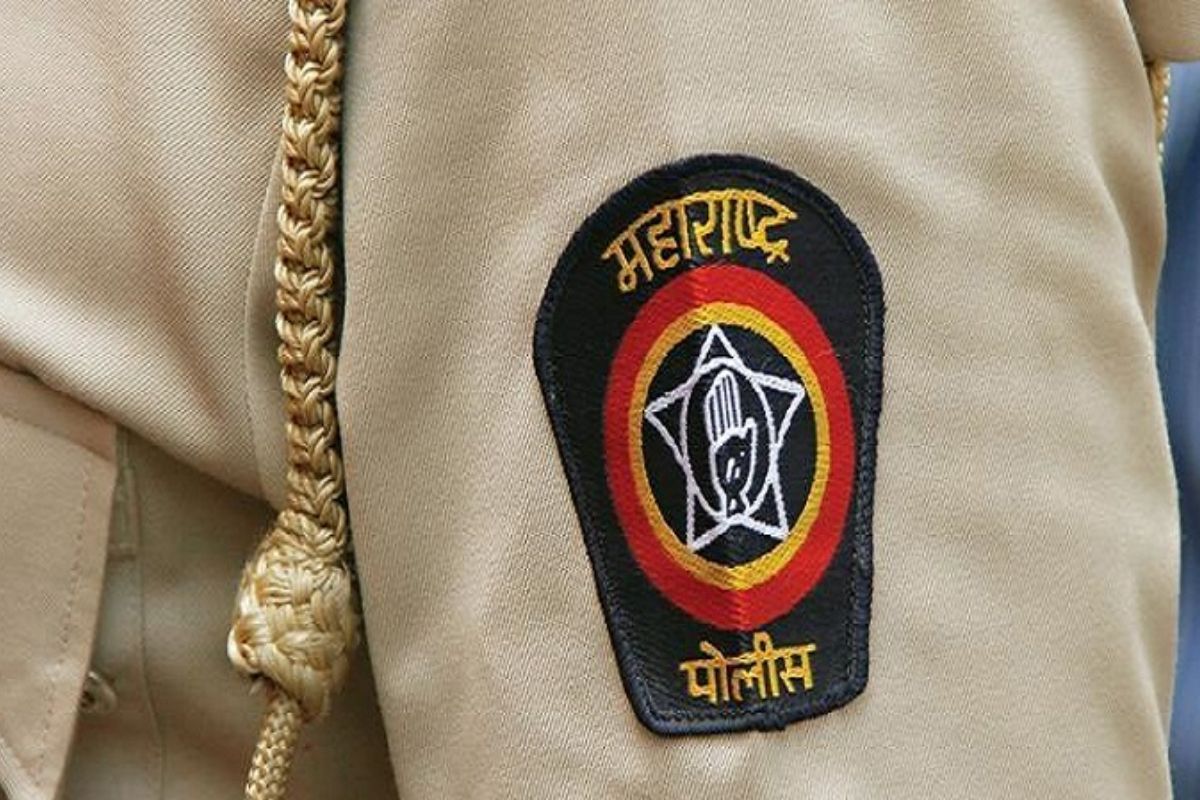
Police Constable Recruitment Nagpur: The Nagpur Police Commissionerate has announced a recruitment drive for 347 posts of constables, receiving an overwhelming 29,987 applications. The recruitment process, set to begin on June 19, 2024, at the Police Headquarters in Takli, has seen applications from a diverse pool of candidates, including 7,713 women and five transgender individuals. This article explores the details of this extensive recruitment drive, shedding light on the inclusive approach and meticulous planning involved.

Understanding the Recruitment Drive

Huge Turnout for Police Constable Positions

The sheer volume of applications for the 347 police constable positions highlights the enthusiasm and readiness of candidates to join the police force. With graduates and post-graduates forming the bulk of the applicants, the competition promises to be fierce.

Biometric Screening for Authenticity

To ensure the integrity of the recruitment process, biometric details of each candidate are being recorded. This measure aims to prevent impersonation during the written and physical tests, ensuring a fair selection process.

Vigilance Against Unfair Practices

The police units are on high alert to detect and deter any unfair means. Officers are instructed to be extra vigilant during the physical fitness and written exams. Additionally, the Anti-Corruption Bureau is actively monitoring the process to maintain transparency and fairness.

The Role of Key Officials

Commissioner of Police and Joint Commissioner’s Roles (Police Constable Recruitment Nagpur)

Commissioner of Police Dr. Ravinder Singal and Joint Commissioner of Police Aswati Dorje are at the helm of this massive recruitment drive. Their leadership is crucial in overseeing the entire process, ensuring that it runs smoothly and efficiently.

Additional CP and Recruitment of Jail Sepoys

Additional CP (Crime) Sanjay Patil is responsible for the recruitment of jail sepoys. With 55,297 applications for 252 sepoy posts at Nagpur Central Jail, including 15,618 from women and five from transgender individuals, this segment of the recruitment is equally significant. The drive for these posts will commence on July 11 and continue until August 17.

Ensuring Security and Transparency

Extensive CCTV Surveillance

To maintain a transparent and secure environment, more than 250 CCTV cameras will be installed to monitor the recruitment process. This extensive surveillance aims to deter and detect any misconduct, ensuring a smooth operation.

Deployment of Police Personnel

A substantial number of police personnel, including two deputy commissioners, three assistant commissioners, 46 police inspectors, assistant police inspectors, and 261 constables, will be deployed. This deployment ensures that the recruitment drive is well-managed and that any issues are promptly addressed.

Inclusive Approach in Recruitment

Encouraging Diversity

The inclusion of transgender individuals in the recruitment process marks a significant step towards diversity and inclusion within the police force. This move not only provides equal opportunities but also enriches the force with varied perspectives and experiences.

Opportunities for Women

With a notable number of women applicants, the recruitment drive underscores the growing interest and participation of women in law enforcement. This trend is encouraging for the future of gender diversity in the police force.

Preparation and Participation

Physical and Written Exams

Candidates are required to undergo rigorous physical and written exams. These tests are designed to assess their physical fitness and academic knowledge, ensuring that only the most capable individuals are selected.

Role of ACP (Headquarters)

The ACP (Headquarters) serves as the nodal officer, coordinating various aspects of the recruitment process. This role is pivotal in ensuring that the process is seamless and that all logistical aspects are handled efficiently.

Community and Family Considerations

Avoiding Conflicts of Interest

To avoid any potential conflicts of interest, police personnel with family members, relatives, or close friends applying for the posts have been kept away from the recruitment drive. This measure ensures impartiality and fairness.

Engaging the Community

The recruitment drive has garnered significant interest from the community, reflecting the respect and aspiration the public holds for the police force. This engagement is vital for building trust and cooperation between the police and the community.

Technical and Logistical Aspects

Advanced Biometric Systems

The use of advanced biometric systems exemplifies the commitment to a transparent and tamper-proof recruitment process. These systems are essential in maintaining the integrity of the exams and selections.

Effective Communication Channels

Clear and effective communication channels have been established to keep all stakeholders informed. This includes updates on the recruitment stages, exam schedules, and any changes in procedures.

Challenges and Solutions

Managing High Application Volumes

Handling the high volume of applications is a significant challenge. However, meticulous planning and efficient resource allocation have been implemented to manage this effectively.

Ensuring Fairness and Transparency

Ensuring fairness and transparency remains a top priority. Continuous monitoring and the involvement of multiple oversight bodies help in maintaining the highest standards.

The Nagpur Police Commissionerate’s recruitment drive for 347 police constable posts is a monumental task, reflecting the aspirations of thousands of candidates. With a robust system in place, led by dedicated officials and supported by advanced technology, the process aims to be fair, transparent, and inclusive. The inclusion of diverse candidates, including women and transgender individuals, marks a progressive step towards a more representative police force.

1. What measures are in place to ensure a fair recruitment process?

The recruitment process includes biometric screenings, extensive CCTV surveillance, and active monitoring by the Anti-Corruption Bureau to ensure fairness and transparency.

2. How many applications were received for the police constable positions?

The Nagpur Police Commissionerate received 29,987 applications for 347 police constable positions.

3. When does the recruitment drive start?

The recruitment drive for police constables starts on June 19, 2024, and for jail sepoys, it begins on July 11, 2024.

4. How are conflicts of interest being avoided?

Police personnel with family members, relatives, or close friends applying for the posts are kept away from the recruitment process to ensure impartiality.

5. What is the significance of including transgender individuals in the recruitment?

Including transgender individuals promotes diversity and inclusion within the police force, providing equal opportunities and enriching the force with varied perspectives.

Deadline for Free Aadhaar Updates Extended to September 14, 2024

Free Aadhaar Updates Deadline | Aadhaar Update Centre | Biometric Aadhaar Update: The Indian government has extended the deadline for citizens to update their Aadhaar card (Aadhaar Update Online) details free of charge until September 14, 2024. Announced by the Unique Identification Authority of India (UIDAI), this extension gives residents an extra three months to update their Aadhaar information accurately without any fees.

What is Aadhaar? (Biometric Aadhaar Update)

Aadhaar is a 12-digit unique identification number issued to Indian residents based on their biometric and demographic data. This system aims to eliminate duplicate and fake identities, ensuring a more transparent and secure process for accessing various government and financial services.

Why is it Important to Update Aadhaar?

Keeping Aadhaar details current is essential for uninterrupted access to government services and financial systems. As a primary tool for identity verification, regular updates help prevent identity duplication and detect fraud, enhancing security and service efficiency.

Regulations for Aadhaar Updates

Updating Aadhaar is mandatory under the Aadhaar Enrolment and Update Regulations, 2016. Individuals are required to update their Proof of Identity (POI) and Proof of Address (POA) documents every ten years from their Aadhaar enrollment date. This ensures the database remains accurate and reflects any changes in personal information, such as address, name, or marital status. Additionally, children’s biometric details must be updated at ages 5 and 15 to maintain record integrity.

Steps for Biometric Updates

For biometric updates like facial photographs, iris scans, or fingerprints, a visit to the nearest Aadhaar Enrolment Centre is necessary. You can track your request status via SMS using the Update Request Number (URN).

Locating the Nearest Aadhaar Centre

You can use the UIDAI website to locate the nearest enrolment centre. At the centre, provide your biometric information, follow the authentication instructions, and submit the required documents for verification. After completing the process, you will receive an acknowledgment receipt with a URN to track the status of your biometric update.

How to Update Aadhaar Card Online

Updating Aadhaar details online is a straightforward process. Here are the steps:

  1. Visit the UIDAI Website: Go to uidai.gov.in and select your preferred language.
  2. Access the Update Section: Click on the “My Aadhaar” tab and choose “Update Your Aadhaar” from the dropdown menu.
  3. Update Aadhaar Details (Online): Click on “Document Update.”
  4. Login: Enter your Aadhaar number and the Captcha code, then click “Send OTP” to receive a one-time password on your registered mobile number.
  5. Enter OTP: Enter the OTP and click “Login.”
  6. Choose Demographic Details: Select the demographic details you want to update, such as name, address, or date of birth, and fill in the new information accurately.
  7. Upload Documents: Click “Submit” and upload scanned copies of the required documents to support your update request.
  8. Submit Request: You will receive an Update Request Number (URN) via SMS to track the status of your request.

Required Documents for Aadhaar Update

To update your Aadhaar details, you will need to provide valid proof of identity and address. Here is a list of acceptable documents:

  • Proof of Identity: Passport, Driving Licence, PAN card, Voter ID, Government-issued ID cards, Marksheet, Marriage certificate, Ration card.
  • Proof of Address: Recent bank statements, electricity or gas bills, passport, marriage certificate, ration card, property tax receipts, government-issued ID cards.

Additional Information for Biometric Updates

For updates involving biometric information such as facial photographs, iris scans, or fingerprints, you must visit the nearest Aadhaar Enrolment Centre (Aadhaar Update Centre). You can use the UIDAI website to locate the nearest centre. At the centre, provide your biometric information, follow the authentication instructions, and submit the required documents for verification. After completing the process, you will receive an acknowledgment receipt with a URN to track the status of your biometric update.

Benefits of Updating Aadhaar 

Updating your Aadhaar ensures that your information is always accurate and up-to-date, which is crucial for various reasons:(Biometric Aadhaar Update)

  • Access to Government Services: Many government services require Aadhaar for verification.
  • Financial Services: Banks and financial institutions use Aadhaar for KYC (Know Your Customer) processes.
  • Preventing Fraud: Regular updates help in preventing identity theft and fraud.

Key Points to Remember

  • Free Update Deadline: The deadline for free updates is now extended to September 14, 2024.
  • Mandatory Updates: Update your details every ten years.
  • Biometric Updates: Children’s biometrics need updating at ages 5 and 15.
  • Document Submission: Ensure you have valid documents for updates.

With the deadline for free Aadhaar updates extended to September 14, 2024, it’s crucial for residents to take advantage of this opportunity to ensure their details are current. Regular updates not only facilitate smooth access to various services but also enhance security and prevent fraud. Visit the UIDAI website or the nearest enrolment centre (Aadhaar Update Centre) to update your Aadhaar today.

1. What is the new deadline for free Aadhaar updates? The new deadline for free Aadhaar updates is September 14, 2024.

2. Why should I update my Aadhaar details? Updating Aadhaar ensures your information is accurate and helps in accessing various government and financial services without interruption.

3. Can I update my Aadhaar details online? Yes, you can update your Aadhaar details online by visiting the UIDAI website and following the steps mentioned.

4. What documents are required for Aadhaar update? You will need valid proof of identity and address. Examples include a passport, driving license, bank statements, and utility bills.

5. Do I need to visit an enrolment centre for biometric updates? Yes, for biometric updates like facial photographs, iris scans, or fingerprints, you must visit the nearest Aadhaar Enrolment Centre.

Nagpur’s Divya Deshmukh Wins World Junior Girls Chess Championship 2024 Title

Nagpur’s International Master (IM) Divya Deshmukh has emerged victorious, adding another prestigious title to her name by winning the World Junior Girls’ Chess Championship 2024. This monumental win, held at the Gift City Club in Gandhinagar, saw the talented 18-year-old triumph over Grand Master Beloslava Krasteva of Bulgaria in the final round. Her exceptional performance in the tournament further solidifies her standing in the world of chess.

Divya Deshmukh’s Journey to the Top

A Determined Champion

Divya Deshmukh’s determination and hard work have been key factors in her success. She expressed her joy after winning the championship, stating, “I was determined to win the World Junior Championship. I had prepared well for the competition and my hard work paid off.” Her recent victory at the Sharjah Challengers in Sharjah was a testament to her continuous effort and focus.

Unbeaten Streak

Divya’s performance in the World Junior Girls’ Chess Championship was nothing short of spectacular. She remained unbeaten throughout the tournament, finishing with 10 points out of a possible 11. This included nine wins and two draws, demonstrating her dominance and consistency.

Strong Competition

The championship saw participation from over 100 players representing 27 countries. Despite the tough competition, Divya’s strategic gameplay and unwavering focus helped her maintain the lead from start to finish.

The Final Rounds

Dominant Performance

Divya’s lead was evident after seven rounds, where she was half a point ahead of Mariam Mkrtchyan of Armenia. Her penultimate round victory against fellow Indian Sachi Jain further secured her position at the top.

A Memorable Tournament

For Divya, this tournament was particularly special. It marked her maiden World Junior Girls’ Chess Championship title, a milestone in her already impressive career. Her parents, Dr. Jitendra and Namrata, surely take immense pride in their daughter’s accomplishments.

The Advantage of Playing at Home

Home Ground Advantage

Playing in Gandhinagar provided Divya with the comfort of being at home. She acknowledged the advantage but also highlighted the challenges, stating, “Yes, playing at home is always helpful but yes I had to fight for this crown.”

Building Confidence

Divya’s confidence soared after her victory in the sixth round against WIM Allahverdiyeva Ayan of Azerbaijan. This win boosted her morale and set the tone for the rest of the tournament.

The Final Showdown

Starting Strong

In the final round, Divya, playing with white pieces, started brilliantly. Her Queen Pawn opening set the stage for a better middle game against Beloslava Krasteva.

Strategic Gameplay

Divya’s constant pressure weakened her opponent’s pawn structure. In the ensuing Queen and Rook endgame, Divya secured a pawn, making Krasteva’s king vulnerable. This tactical play led to a winning position, forcing the Bulgarian to concede.

Joining the Elite

Historic Achievement

Divya Deshmukh’s victory places her among the elite group of Indian women chess players who have won the Under-20 world titles. She is now the fourth Indian woman to achieve this feat, following in the footsteps of Koneru Humpy (2001), Dronavalli Harika (2008), and Soumya Swaminathan (2009).

Divya Deshmukh’s triumph at the World Junior Girls’ Chess Championship 2024 is a testament to her dedication, skill, and strategic prowess. Her unbeaten run and exceptional performance have not only brought pride to Nagpur but also to India. As she continues to rise in the world of chess, her future looks incredibly bright.

1. Who is Divya Deshmukh?

Divya Deshmukh is an 18-year-old International Master from Nagpur, India, who recently won the World Junior Girls’ Chess Championship 2024.

2. How did Divya Deshmukh perform in the World Junior Girls’ Chess Championship 2024?

Divya Deshmukh remained unbeaten throughout the tournament, finishing with 10 points out of a possible 11, including nine wins and two draws.

3. Who did Divya Deshmukh defeat in the final round of the championship?

Divya Deshmukh defeated Grand Master Beloslava Krasteva of Bulgaria in the final round to win the championship.

4. What other notable achievement did Divya Deshmukh recently accomplish?

Divya Deshmukh recently won the Sharjah Challengers in Sharjah before her victory at the World Junior Girls’ Chess Championship 2024.

5. Who are the other Indian women chess players who have won the Under-20 world titles?

The other Indian women chess players who have won the Under-20 world titles are Koneru Humpy (2001), Dronavalli Harika (2008), and Soumya Swaminathan (2009).

Zero Funds for Zero Mile Upkeep: HC Seeks Reply from District Collector

Zero Mile monument maintenance funds: The Zero Mile monument, a Grade-1 heritage structure in Nagpur, has found itself in a state of neglect due to the lack of necessary funds for its maintenance. Recently, the Nagpur bench of the Bombay High Court stepped in, questioning the district collector on the unavailability of funds that has led to the public works department (PWD) halting any restoration work. This article delves into the details surrounding this issue, exploring the legal, administrative, and cultural aspects of the situation.

Understanding the Significance of Zero Mile Monument

Historical Importance

The Zero Mile monument is not just a geographical marker but a symbol of Nagpur’s rich heritage. Erected by the British, this monument marks the geographical center of colonial India, making it a significant historical landmark.

Architectural Beauty

This Grade-1 heritage structure boasts unique architectural features that reflect the colonial era’s grandeur. The monument comprises a stone pillar, a beautiful garden, and four horses made of sandstone, representing the meticulous craftsmanship of the time.

The Issue at Hand: Lack of Maintenance Funds

Role of the Public Works Department

The PWD is responsible for the upkeep of this heritage site. However, due to the absence of allocated funds from the district collectorate, no maintenance work has been initiated, leaving the monument in a state of disrepair.

High Court’s Intervention

In a recent hearing, the High Court, led by Justices Nitin Sambre and Abhay Patil, sought an explanation from the district collector regarding the delay in providing the necessary funds. The court emphasized the importance of preserving the monument and suggested that if the district collectorate is unable to provide the funds, the matter should be escalated to the state government.

Legal Directives and Obligations

The HC highlighted the provisions under the directive principles, particularly Article 51A of the Constitution, which mandates the state to protect its cultural heritage. This legal framework underscores the state’s duty to ensure the preservation of historical sites like the Zero Mile monument.

Challenges in Preservation Efforts

Lack of a Functioning Heritage Conservation Committee

Advocate Gemini Kasat, representing the Nagpur Municipal Corporation (NMC), pointed out that the Heritage Conservation Committee has not been reconstituted for a long time. The committee’s inactivity has further stalled any restoration efforts, as all permissions related to heritage sites must come from this body.

Expired Tenures and Interim Orders

The tenure of some committee members has expired, and some members have passed away. Currently, the remaining members are serving based on an interim court order, which is not a sustainable solution for long-term heritage conservation.

Previous Attempts and Setbacks

Sub-committee Formation and Initial Plans

In an earlier court directive, a sub-committee under the heritage committee was to be established to oversee the restoration and maintenance of the Zero Mile monument. In 2020, the PWD presented a timeline for a structural audit and restoration, but these plans were never realized.

Intervention by Builders Association

A builders association had offered to assist in the restoration, receiving permission from the heritage committee. However, this initiative fell through, leaving the monument’s future uncertain.

Financial Hurdles

In 2022, the PWD requested Rs 25 lakh from the district collectorate for restoration work. With no funds allocated, the restoration project remains in limbo, highlighting the financial challenges faced in preserving heritage structures.

The Way Forward

High Court’s Expectations

The High Court has made it clear that the district collector must provide the necessary funds or escalate the matter to the state government. The court’s directive aims to ensure that the monument receives the attention and resources it deserves.

Reconstitution of the Heritage Conservation Committee

The reconstitution of the Heritage Conservation Committee is crucial. The state Urban Development Department has been tasked with addressing this issue, which is essential for any future restoration efforts.

Community and Government Collaboration

A collaborative approach involving the local community, government bodies, and private entities could be the key to successfully restoring the Zero Mile monument. Public awareness and support can also play a significant role in heritage conservation.

The Zero Mile monument stands as a testament to Nagpur’s historical and cultural heritage. However, its current state of neglect underscores the urgent need for funds and a functional heritage committee. The intervention by the High Court has brought this issue to the forefront, urging the district collector and state government to act swiftly. By addressing the financial and administrative challenges, there is hope that this iconic landmark can be preserved for future generations to appreciate.

1. Why is the Zero Mile monument important?

The Zero Mile monument marks the geographical center of colonial India and is a significant historical and architectural landmark in Nagpur.

2. What is the current issue with the Zero Mile monument?

The monument is in a state of neglect due to the lack of allocated funds for its maintenance, causing the PWD to halt any restoration work.

3. What role does the Heritage Conservation Committee play?

The committee is responsible for granting permissions related to heritage sites. Its inactivity has stalled restoration efforts for the Zero Mile monument.

4. How has the High Court intervened in this matter?

The High Court has asked the district collector to explain the delay in providing funds and suggested escalating the matter to the state government if necessary.

5. What are the possible solutions for preserving the Zero Mile monument?

Reconstituting the Heritage Conservation Committee, allocating necessary funds, and fostering collaboration between the community and government can help in preserving the monument.

With Swastik Model, Oxygen Man Aims to Nurture 8cr Trees

Tree Plantation| Oxygen Man | Nagpur: ‘Oxygen Man’ AS Nathan’s innovative ‘Swastik’ model of plantation is rapidly gaining popularity across the state, providing a strategic method to combat heat waves and the impacts of climate change. This model involves planting saplings of multiple species in a 100×100 ft plot arranged in the shape of a ‘Swastik,’ a design that has proven to be both unique and sustainable for afforestation.

The Genesis of the Swastik Model

The ‘Swastik’ model was first implemented on June 5, 2022, in Kapshi (Akola) by then district collector Nima Arora and CEO Sourabh Katyar. Since its inception, the model has been adopted in various districts including Washim, Latur, Buldhana, Amravati, and Pune.

A Vision Rooted in Research

“I developed the concept after extensive research,” says Nathan. “The aim is to create a diverse ecosystem by planting various tree species, including fruit-bearing, medicinal, and timber-yielding trees, in a pattern resembling the auspicious ‘Swastik’ symbol. This approach not only increases the green cover but also ensures the long-term sustainability of the plantation.”

How the Swastik Model Works (Tree Plantation)

The Swastik model involves planting saplings in a specific pattern, which offers numerous ecological and practical benefits.

Diversity and Sustainability

The model emphasizes planting a diverse range of tree species, enhancing the overall biodiversity of the area. This diversity attracts various species of birds, insects, and small animals, creating a thriving ecosystem.

Optimal Space Utilization

The Swastik pattern allows for the optimal use of space and resources. Each tree (Tree Plantation) receives adequate sunlight, water, and nutrients, promoting healthy growth. Additionally, the spaces between the plantations can be utilized as children’s play areas, making the model community-friendly.

Nathan’s Journey: From Film Industry to Forestry

Nathan, originally from Port Blair, was an assistant film director and a film production manager with a firm owned by playback singer Udit Narayan. His transition from the film industry to forestry was inspired by India’s computer scientist Dr. Vijay Bhatkar.

A Call to Action

“Dr. Bhatkar, who hails from Akola where heat waves are severe, appreciated my model and encouraged me to implement it in Akola. I left the film industry in 2015 and relocated to Akola. Since then, I’ve been organizing workshops and promoting schemes like ‘one student, one tree’ and ‘one birth, one tree’,” Nathan shares.

Achievements and Future Goals

Nathan has successfully implemented 70,000 Swastik plantations on government land and dreams of planting 8,000 crore trees. “The country has over 460 lakh hectares of wasteland, which can be utilized for plantations. I’m in touch with district collectors and CEOs to implement the model on government department lands. I work without any commercial interest,” says Nathan.

Community Involvement and Local Adaptation

One of the key strengths of the Swastik model is its adaptability to local environments. The selection of tree species can be tailored to suit the local climate and soil conditions.

Building a Sense of Ownership

The involvement of local communities in the plantation process fosters a sense of ownership and responsibility towards the trees, ensuring their long-term care and protection.

Statewide Promotion and Implementation

The success of the Swastik model in Kapshi, Akola, has inspired other districts and organizations to adopt this innovative approach. The state government actively promotes the implementation of the model.

A Green Future

Akola collector Ajit Kumbhar plans to plant 10 lakh saplings this monsoon, reflecting the growing commitment to afforestation across the state.

AS Nathan’s Swastik model offers a promising solution to the pressing issues of deforestation and climate change. By combining traditional symbols with modern ecological principles, Nathan’s approach not only enhances biodiversity but also engages communities in sustainable practices. As more districts adopt this model, the dream of nurturing 8 crore trees seems well within reach, marking a significant step towards a greener future.

1. What is the Swastik model of plantation?
The Swastik model involves planting saplings in a 100×100 ft plot in the shape of a Swastik, promoting biodiversity and optimal space utilization.

2. Who is AS Nathan?
AS Nathan, known as the ‘Oxygen Man,’ is the creator of the Swastik plantation model and a former film industry professional dedicated to afforestation.

3. How does the Swastik model benefit the environment?
The model enhances biodiversity, ensures sustainable growth of trees, and optimally utilizes space and resources.

4. Where has the Swastik model been implemented?
The model has been implemented in several districts, including Akola, Washim, Latur, Buldhana, Amravati, and Pune.

5. What are Nathan’s future goals?
Nathan aims to plant 8,000 crore trees across the country, utilizing wasteland and engaging local communities in the process.

Bigg Boss OTT 3: Dolly Chaiwala and Vada Pav Girl to Participate!

Bigg Boss OTT 3 Contestants |Dolly Chaiwala: Bigg Boss OTT 3 is gearing up to be one of the most entertaining seasons yet, with an intriguing mix of contestants and the charismatic Anil Kapoor as the host. Set to stream on JioCinema from June 21, the show promises to deliver the drama, excitement, and unexpected twists that fans have come to love. Let’s dive into what we can expect from this season and get to know the contestants who will be vying for the spotlight.

Anil Kapoor: The New Host

A Fresh Face for Bigg Boss OTT

Anil Kapoor, a veteran actor known for his evergreen charm and dynamic acting skills, is all set to bring his energy to the Bigg Boss OTT house. In a recent promo, Anil assured fans of an exciting experience, promising to bring his unique flair to the show. “Bigg Boss OTT and I are a dream team! We’re both young at heart; people often say – jokingly – that I’m reverse ageing, but Bigg Boss is – seriously – timeless,” he said.

Meet the Contestants

Harshad Chopda and Shehzada Dhami

Actors Harshad Chopda and Shehzada Dhami from “Yeh Rishta Kya Kehlata Hai” have been confirmed as contestants. Their entry follows recent controversies, including Harshad’s creative disagreements with the show’s producer and Shehzada’s dismissal due to allegations of unprofessional conduct.

Cheshta Bhagat and Nikhil Mehta

Winners of “Temptation Island,” Cheshta Bhagat and Nikhil Mehta, are also set to join the Bigg Boss OTT house. The duo has been in the spotlight recently due to a defamation case filed by Nikhil against Cheshta.

Special Contestants (Bigg Boss OTT 3 Contestants)

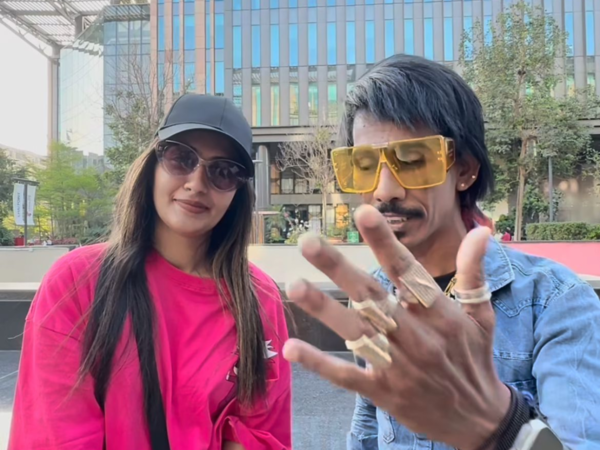
Delhi’s Vada Pav Girl: Chandrika Dixit

Chandrika Dixit, famously known as Delhi’s Vada Pav Girl, gained viral fame for her Vada Pav stall in Sainik Vihar. Her emotional video with a Delhi Municipal Corporation representative struck a chord with many, making her a beloved figure.

Maxtern: The YouTube Sensation

YouTuber Maxtern, also known as Sagar Thakur, is another exciting addition to the contestant list. Known for his skills as a professional Esports athlete and PUBG commentator, Maxtern rose to fame after being challenged by Bigg Boss OTT Season 2 winner Elvish Yadav.

Dolly Chaiwala

Dolly Chaiwala, renowned for her tea stall and the buzz created when Bill Gates tried her tea, is set to bring her unique charm to the Bigg Boss house.

The Big Surprise

The makers of Bigg Boss OTT 3 are in negotiations with a well-known Bollywood celebrity for a surprise entry. This mystery contestant is expected to add an extra layer of excitement and drama to the show.

Streaming Details

Bigg Boss OTT 3 will stream on JioCinema starting June 21. This season continues the tradition of being a spin-off of the popular Bigg Boss franchise, which initially debuted on Voot with Karan Johar as the host and later saw Salman Khan taking over for the second season.

Anil Kapoor’s Excitement

Anil Kapoor expressed his enthusiasm for hosting the show, saying, “It feels a bit like going back to school, trying something new and exciting. Having said that, I’ve always approached all my projects with sincerity and a commitment to hard work, and I’m going to bring that same energy (times 10!) to Bigg Boss!”

What to Expect from Bigg Boss OTT 3

Drama and Entertainment

Fans can look forward to the usual blend of laughter, drama, and surprising twists that Bigg Boss is known for. With a diverse mix of contestants from various backgrounds, the interactions and conflicts are sure to be captivating.

Unscripted Reality

Unscripted reality shows like Bigg Boss offer something for everyone. Whether it’s the unexpected alliances, intense arguments, or heartwarming moments, viewers are always kept on the edge of their seats.

Why Anil Kapoor is the Perfect Host

Experience and Charisma

Anil Kapoor’s extensive experience in the entertainment industry and his charismatic personality make him an ideal choice for hosting Bigg Boss OTT. His ability to connect with audiences and contestants alike will bring a fresh dynamic to the show.

Bringing a New Energy

With Anil Kapoor at the helm, viewers can expect a new energy and vibe. His dedication to his projects and commitment to delivering his best will undoubtedly elevate the Bigg Boss OTT experience.

A Closer Look at the Contestants

Harshad Chopda: The Heartthrob

Harshad Chopda, known for his roles in popular TV shows, brings a massive fan following. His presence in the Bigg Boss house is sure to create a buzz, especially with his recent controversies.

Shehzada Dhami: The Controversial Star

Shehzada Dhami’s entry into Bigg Boss OTT comes amid allegations of unprofessional conduct. How he handles the scrutiny and interacts with fellow contestants will be interesting to watch.

Cheshta Bhagat: The Bold Diva

Cheshta Bhagat, with her bold personality, is likely to be a strong contender. Her past experiences and the ongoing legal battle with Nikhil Mehta add an intriguing layer to her participation.

Nikhil Mehta: The Underdog

Nikhil Mehta, despite the controversies, is determined to make his mark in the Bigg Boss house. His journey and interactions with Cheshta will be one of the highlights of the season.

Chandrika Dixit: The Vada Pav Sensation

Chandrika Dixit’s humble beginnings and viral fame make her a relatable and beloved contestant. Her journey in the Bigg Boss house will inspire many.

Maxtern: The Gamer

Maxtern’s popularity as a gamer and YouTuber will bring a unique perspective to the show. His strategies and gameplay will be closely watched by fans and fellow contestants.

Dolly Chaiwala: The Tea Queen

Dolly Chaiwala’s story of making it big with her tea stall and the international recognition she received will make her a fascinating contestant. Her warmth and charm are sure to win hearts.

The Impact of Bigg Boss OTT

Cultural Phenomenon

Bigg Boss OTT has become a cultural phenomenon, with its blend of entertainment, drama, and real-life situations. It reflects the diverse fabric of Indian society and offers a platform for contestants to showcase their personalities and talents.

Viewer Engagement

The interactive nature of Bigg Boss OTT, with live streaming and audience participation, keeps viewers engaged and invested in the show. The addition of Anil Kapoor as the host is expected to further enhance viewer engagement.

Bigg Boss OTT 3 promises to be a rollercoaster ride of emotions, drama, and entertainment. With Anil Kapoor as the host and a fascinating mix of contestants, this season is set to be unforgettable. Whether you’re a long-time fan or a newcomer, there’s something for everyone in Bigg Boss OTT 3. So, get ready to dive into the excitement and enjoy the ride!

1. When does Bigg Boss OTT 3 start?

Bigg Boss OTT 3 will stream on JioCinema from June 21.

2. Who is hosting Bigg Boss OTT 3?

Veteran actor Anil Kapoor is hosting the third season of Bigg Boss OTT.

3. Who are some of the confirmed contestants?

Confirmed contestants include Harshad Chopda, Shehzada Dhami, Cheshta Bhagat, Nikhil Mehta, Chandrika Dixit, Maxtern, and Dolly Chaiwala.

4. What is unique about this season?

This season features a diverse mix of contestants, including viral sensations like Chandrika Dixit and Dolly Chaiwala, and is hosted by the charismatic Anil Kapoor.

5. Where can I watch Bigg Boss OTT 3?

You can watch Bigg Boss OTT 3 on JioCinema.

Statue 4.2m from Ambazari Dam: Flood Risks and Legal Concerns

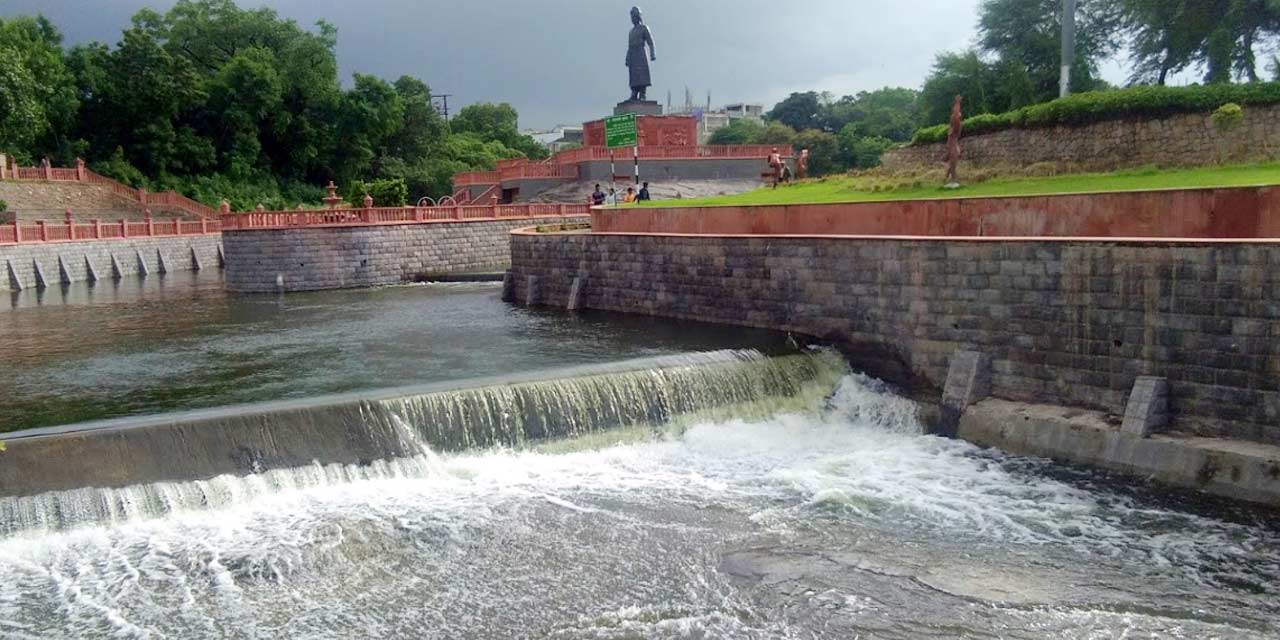
Ambazari Dam flood risk: Floods have become a recurrent nightmare for the residents near Ambazari Dam in Nagpur. Recently, they discovered a startling fact: the Swami Vivekananda statue, standing a mere 4.2 meters from the dam’s spillway, is significantly closer than the legally required 55 meters. This revelation has stirred debates on safety, legal adherence, and urban planning. Let’s dive into the complexities and implications of this situation.

Historical Context of Ambazari Dam

The Importance of Ambazari Dam

The Ambazari Dam, an 11-meter-high structure, plays a crucial role in managing Nagpur’s water resources. Constructed with the primary aim of controlling floodwaters and providing irrigation, it has been a cornerstone of the region’s water management strategy.

Legal Framework and Construction Norms

According to the directives from the irrigation department, no construction is allowed within an area equivalent to five times the height of the dam. This rule is in place to ensure safety and manage flood risks efficiently. With Ambazari Dam standing at 11 meters, any structure should be at least 55 meters away.

Discovery of the Statue’s Proximity

Residents’ Investigation

Flood-affected residents, led by retired civil engineer Yeshwant Khorgade, measured the distance between the spillway and the statue. To their surprise, they found it to be only 4.2 meters—far less than the legally required distance.

Violation of Construction Rules

Khorgade highlighted this significant breach of regulations, emphasizing the potential hazards. The construction of the statue so close to the dam not only violates legal norms but also poses a substantial flood risk.

Flood Risks Posed by the Statue

Obstruction of Water Flow

The spillway, designed to discharge 320 cubic meters of water per second, faces obstruction due to the statue’s proximity. The adjacent spillway channel is only 5.7 meters wide, further constricting water flow.

Required Spillway Area

Experts estimate that an area of 60 square meters is needed to maintain optimal water velocity. The statue, occupying crucial space, disrupts this requirement, thereby increasing the risk of overflow and flooding.

Residents’ Concerns and Actions

Exposure of the Issue

Residents have been vocal about the narrow width of the Nag river, especially within the Krazy Castle premises, where it narrows down to a mere 9 meters. They fear that heavy rains could lead to flash floods, exacerbated by the statue’s obstruction.

Legal and Administrative Measures

An affidavit submitted to the Nagpur bench of Bombay High Court by Divisional Commissioner Vijaylaxmi Bidari reveals that the Central Water and Power Research Station (CWPRS) in Pune is studying the situation. This study will help ascertain whether the statue significantly contributes to flood risks.

Government and Administrative Response (Ambazari Dam flood risk)

CWPRS Study

Bidari has requested nine months for CWPRS to complete their study. This period will be used to gather data, analyze the situation, and provide a comprehensive report on the statue’s impact on flood risks.

Preparations for Possible Relocation

The Nagpur Municipal Corporation (NMC) is preparing to relocate the statue if the CWPRS report indicates a flood risk. This includes searching for an alternative location, assessing technical feasibility, estimating costs, and preparing tender documents.

Recent Developments

Dredging and Desilting Efforts

Bidari, along with other officials, recently inspected dredging and desilting work on the Nag river between Ambazari Ghat and NIT skating rink. This initiative aims to improve water flow and reduce flood risks.

Removal of Obstructions

MahaMetro officials have committed to removing eight bridges and other obstructions within the Krazy Castle premises. These efforts, scheduled for completion within eight weeks, are expected to significantly improve water flow and mitigate flood risks.

Broader Implications (Ambazari Dam flood risk)

Urban Planning and Safety

This situation underscores the importance of adhering to construction norms and considering environmental and safety implications in urban planning. The violation at Ambazari Dam is a stark reminder of the consequences of neglecting these aspects.

Community Involvement

The proactive stance of residents in exposing this issue highlights the crucial role of community involvement in urban governance. Their efforts have not only brought attention to the problem but also spurred administrative action.

The discovery of the Swami Vivekananda statue’s proximity to Ambazari Dam raises significant safety and legal concerns. With the potential to obstruct water flow and exacerbate flood risks, this situation demands immediate attention and action. As we await the results of the CWPRS study, it is imperative for the authorities to prioritize safety and legal compliance in urban planning.

1. What is the legal distance for constructions near Ambazari Dam?

The law requires a minimum distance of 55 meters from the dam, calculated as five times its height.

2. How does the statue affect flood risks?

The statue obstructs the spillway, reducing water flow capacity and increasing the risk of flooding.

3. What actions are being taken to address the issue?

The CWPRS is conducting a study to assess flood risks, and the NMC is preparing to relocate the statue if necessary.

4. What role do residents play in this issue?

Residents have been instrumental in highlighting the problem and pushing for administrative action.

5. What are the broader implications of this situation?

This issue highlights the importance of adhering to construction norms and the need for community involvement in urban planning.

Ambazari Bridge Totally Shut, Entire West Nagpur Gridlocked

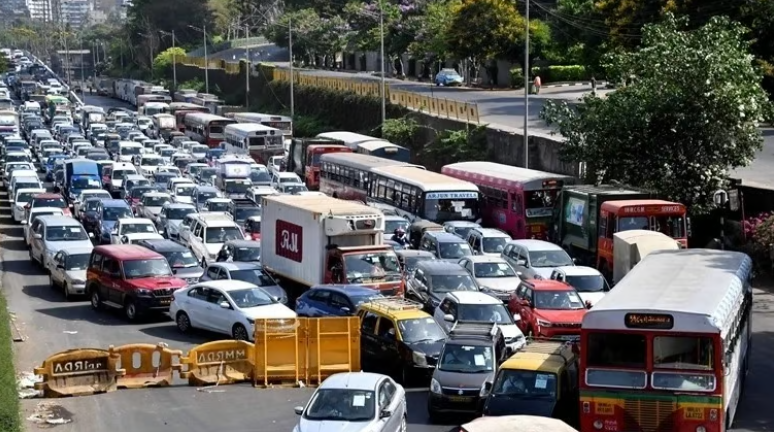
Ambazari Bridge Traffic: Nagpur has always been a bustling city, but recently, the traffic situation in West Nagpur has reached unprecedented levels of chaos. The closure of the Ambazari Bridge has created a ripple effect, causing gridlock in various parts of the city. Let’s dive into the specifics of this traffic nightmare and explore possible solutions.

 The Traffic Conundrum in West Nagpur

 Shankar Nagar Square: A Traffic Hotspot

Shankar Nagar Square, typically a busy junction, has become a focal point of frustration for motorists. The closure of the Ambazari Bridge has rerouted significant traffic through this square, causing severe congestion.

 LAD Square: Pipeline Work Adding to Woes

To make matters worse, ongoing pipeline work at LAD Square is exacerbating the situation. With half the road cordoned off and large machinery in place, navigating through this area has become a herculean task.

 Abhyankar Nagar Square: A Bottleneck

Abhyankar Nagar Square is another area feeling the brunt of the traffic diversion. Long queues of vehicles are now a common sight, with motorists enduring prolonged delays.

 The Root of the Problem: Ambazari Bridge Closure

 Why the Closure?

The Ambazari Bridge has been closed by the state public works department to dismantle the structure over the Nag River. While necessary, this closure has significantly disrupted the usual traffic flow.

 Proposed Alternative Routes

The traffic police proposed alternative routes, such as the road via Subhash Nagar-Mate Square-Abhyankar Nagar-Shankar Nagar for those traveling from Hingna to Sitabuldi, and the route from Hingna T-point to Wadi T-Point via MIDC to reach Amravati Road. However, these alternatives have proven insufficient in alleviating the congestion.

 Impact on Daily Life

 Commuter Frustration

Motorists have expressed immense frustration with the current traffic situation. Daily commutes that once took minutes now extend to over an hour, significantly impacting productivity and quality of life.

 Emergency Services Hampered

The gridlock has also posed serious challenges for emergency services. Ambulances and fire trucks struggle to navigate through the congested roads, risking lives in urgent situations.

 Role of Roadside Eateries and Vendors

 The Encroachment Issue

Roadside eateries and vendors have further compounded the traffic woes by occupying significant portions of the roads. Despite alerts and efforts to curb these encroachments, the situation persists.

 Lack of Enforcement

Motorists have criticized the Nagpur Municipal Corporation (NMC) and zone officials for their lax enforcement of anti-encroachment laws. Many believe there is collusion between officials and unauthorized vendors.

 Steps Taken by Authorities

 Deployment of Additional Manpower

Deputy Commissioner Shashikant Satao, upon returning from leave, assured the deployment of additional manpower to manage the traffic better. However, the effectiveness of this measure remains to be seen.

 Traffic Signal Control

Efforts to control traffic signals and alleviate congestion during peak hours have been implemented. Yet, the sheer volume of vehicles makes it a daunting task.

 The Effect on Businesses

 Economic Impact

Local businesses in the affected areas are suffering due to decreased customer footfall. The prolonged traffic jams deter shoppers and clients, leading to a decline in revenue.

 Vendor Struggles

While roadside vendors contribute to the congestion, they too are struggling as the traffic deters potential customers. It’s a vicious cycle impacting the local economy.

 Commuter Adaptations

 Two-Wheeler Riders on Footpaths

In desperation, many two-wheeler riders have taken to using footpaths to navigate through the traffic jams. This not only poses safety risks but also highlights the severity of the situation.

 Carpooling and Public Transport

Some commuters have started carpooling or using public transport to avoid the hassle of driving through the gridlocked roads. While this helps to some extent, it is not a comprehensive solution.

 Long-Term Solutions

 Improved Infrastructure

To tackle such issues in the future, there’s a dire need for improved infrastructure. Expanding roads, constructing flyovers, and improving public transportation could be viable solutions.

 Better Planning and Coordination

Better planning and coordination among various governmental departments can prevent such chaos. Proactive measures and timely communication with the public are crucial.

The traffic situation in West Nagpur, exacerbated by the closure of the Ambazari Bridge, calls for immediate and effective action. While temporary measures can offer some relief, long-term solutions focusing on infrastructure and enforcement are essential. The authorities must address the root causes of congestion and ensure smoother vehicular movement to alleviate the daily struggles of the city’s residents.

Q1: Why was the Ambazari Bridge closed?

The Ambazari Bridge was closed by the state public works department to dismantle the structure over the Nag River.

Q2: What are the alternative routes suggested by the traffic police?

The traffic police suggested routes via Subhash Nagar-Mate Square-Abhyankar Nagar-Shankar Nagar for those traveling from Hingna to Sitabuldi and the route from Hingna T-point to Wadi T-Point via MIDC to reach Amravati Road.

Q3: How long is the pipeline work at LAD Square expected to last?

The pipeline work at LAD Square is expected to persist for the next 15 to 20 days.

Q4: How has the traffic situation impacted emergency services?

The gridlock has significantly hampered emergency services, with ambulances and fire trucks struggling to navigate through the congested roads.

Q5: What long-term solutions can address the traffic congestion in Nagpur?

Long-term solutions include improving infrastructure, expanding roads, constructing flyovers, enhancing public transportation, and better planning and coordination among governmental departments.

Rs 37 Lakh Gold, Gadgets, Banned Cigarettes Seized at Nagpur Airport

 Gold, Gadgets, Cigarettes Seized: In a significant breakthrough, customs officials at Dr. Babasaheb Ambedkar International Airport in Nagpur intercepted a smuggling attempt involving gold bars, high-end electronic gadgets, and foreign-origin cigarettes. This notable seizure has drawn attention due to the high value of the confiscated items, totaling over Rs 37 lakh. The operation, executed with precision, underscores the vigilance and efficiency of the Air Intelligence Unit (AIU) and Air Customs Unit (ACU) of Nagpur Customs.

Details of the Seizure

Gold Bars Seized

On a routine Sunday morning, officials discovered 200 grams of 24k gold valued at Rs 14,20,000/-. The gold was concealed meticulously by two passengers, Mohammad Tarique Shaikh and Sunny Bhola Yadav, both residents of Mumbai. These gold bars, each weighing 100 grams, were cleverly hidden but eventually unearthed by the alert customs team.

Electronic Gadgets Confiscated

Alongside the gold, an array of high-end electronic gadgets was seized. This included:

  • 20 iPhone 15 Pro Max devices valued at Rs 18,61,930/-
  • 8 refurbished Dell laptops valued at Rs 2,59,992/-
  • One iPad Air valued at Rs 42,022/-

The total value of these electronic devices amounted to Rs 21,63,944/-. The smugglers aimed to bypass customs duties, which significantly increase the retail prices of such imported gadgets in India.

Banned Cigarettes Intercepted

Adding to the haul, the officials also seized 14,400 cigarette sticks of foreign origin, valued at Rs 1,98,000/-. The import of these cigarettes is heavily regulated, and they often find their way into the country through illegal channels, avoiding hefty import duties.

The Smuggling Attempt ( Gold, Gadgets, Cigarettes Seized)

The Passengers Involved

The operation spotlighted two individuals: Mohammad Tarique Shaikh and Sunny Bhola Yadav. These passengers arrived from Sharjah on Air Arabia Flight No. G9-415. The duo’s plan to smuggle these items was thwarted by the combined efforts of the AIU and ACU.

Operational Tactics

The customs officials employed a mix of intelligence and advanced screening techniques to identify and intercept the contraband. The vigilance of the officials and the use of sophisticated technology played a pivotal role in this successful operation.

Key Personnel

The operation was conducted under the guidance and supervision of Sanjay Kumar, Commissioner of Customs, Nagpur, and Peeyoush Bhati, Additional Commissioner of Customs, Nagpur. The direct execution was handled by Anjum Tadvi, Assistant Commissioner (AC) of AIU, with substantial support from V Laxminarayana, AC of ACU, and other dedicated officials including Alexander Lakra, Manish Pandharpurkar, Rajesh Khapre, Prakash Kapse, Vishal Bhopte, Shubham Kori, Yogita Mulani, Aditya Bairwa, Krishna Kant Dhakar, and Priyanka Meena.

Team Effort

The coordinated effort of the entire team was crucial. Each member played a significant role in ensuring the smuggling attempt was foiled. This collaborative approach highlights the strength and efficiency of Nagpur Customs in dealing with complex smuggling operations.

Impact of the Seizure ( Gold, Gadgets, Cigarettes Seized)

Economic Implications

This seizure is not just about preventing illegal goods from entering the market; it has broader economic implications. By intercepting these items, customs officials prevented significant revenue loss in the form of unpaid import duties and taxes.

Market Regulations

The confiscation of these items helps maintain market stability. Illegally imported goods often flood the market at lower prices, undercutting legitimate businesses and affecting the overall economy.

Public Safety and Health

Banned cigarettes pose a significant health risk. Their unregulated entry into the market can lead to increased public health issues. This seizure helps in controlling the availability of such harmful products.

The recent operation by Nagpur Customs at Dr. Babasaheb Ambedkar International Airport exemplifies the effectiveness of diligent and coordinated efforts in combating smuggling. The seizure of gold, high-end electronics, and banned cigarettes worth over Rs 37 lakh is a testament to the vigilance and commitment of customs officials. Their success in this operation not only protects economic interests but also ensures public safety and market regulation.

1. What was the total value of the seized items at Nagpur Airport?

  • The total value of the seized items was Rs 37,81,944/-.

2. Which electronic gadgets were confiscated during the operation?

  • The confiscated gadgets included 20 iPhone 15 Pro Max devices, 8 refurbished Dell laptops, and one iPad Air.

3. How much gold was seized and what was its value?

  • 200 grams of 24k gold valued at Rs 14,20,000/- was seized.

4. Who were the passengers involved in the smuggling attempt?

  • The passengers involved were Mohammad Tarique Shaikh and Sunny Bhola Yadav, both residents of Mumbai.

5. How did the customs officials manage to intercept the smuggled goods?

  • The officials used a combination of intelligence and advanced screening techniques to identify and intercept the contraband.

Ram Jhula Accident: Dinesh Malu Arrested for Tampering with Evidence, Ritu Malu Still at Large

Ram Jhula accident: The Ram Jhula incident has shaken the community and drawn significant attention to the actions of Dinesh Malu and his wife, Ritu Malu. Here’s an in-depth look into the case, its repercussions, and the ongoing search for justice.

The Incident on Ram Jhula

On the night of February 24, a tragic accident occurred on Ram Jhula involving a Mercedes car driven by Ritu Malu. Under the influence of alcohol, Ritu lost control of the vehicle, resulting in the deaths of two young men, Mohd Hussain Gulam Mustafa (34) and Mohd Atif Mohd Jiya (32).

Victims of the Tragedy

Mohd Hussain Gulam Mustafa

  • Age: 34
  • Residence: Naal Sahab Square, Mominpura
  • Background: Hussain was a well-respected member of his community, known for his kind nature and willingness to help others.

Mohd Atif Mohd Jiya

  • Age: 32
  • Residence: Jafar Nagar
  • Background: Atif was a beloved friend and family member, whose untimely death left a significant void in the lives of those who knew him.

Immediate Aftermath

Following the accident, Ritu Malu and her companion, Madhuri Shishir Sarda, fled the scene. The community was left in shock and grief, demanding swift justice for the lives lost.

Charges Against Ritu Malu

The Tehsil Police swiftly registered a case against Ritu under several sections of the Indian Penal Code (IPC) and the Motor Vehicle Act:

  • Section 279: Rash driving or riding on a public way.
  • Section 338: Causing grievous hurt by act endangering life or personal safety of others.
  • Section 304(a): Causing death by negligence.
  • Section 184 of the Motor Vehicle Act: Driving dangerously.

The Arrest of Dinesh Malu

Accusations of Evidence Tampering

On Monday, Dinesh Bajranglal Malu, Ritu’s husband, was arrested by the Tehsil Police on charges of tampering with evidence. The police alleged that Dinesh had interfered with the investigation to protect his wife.

Court Proceedings

The police presented Dinesh before the court and requested custody to further aid in the search for Ritu. However, the court rejected the plea and granted Dinesh bail, raising questions about the handling of the case.

Ritu Malu: Still at Large

Despite the arrest of Dinesh, Ritu Malu remains at large. The police are actively searching for her, urging the public to come forward with any information that might lead to her capture.

Community Reaction

Public Outcry

The incident has sparked outrage within the community. Residents have organized rallies and social media campaigns, demanding justice for the victims and harsher penalties for those involved in such reckless behavior.

Family Statements

The families of Hussain and Atif have publicly expressed their grief and frustration, calling for immediate action to bring Ritu Malu to justice.

Impact on Road Safety Awareness

The Ram Jhula accident has brought to light the critical issue of road safety and the consequences of driving under the influence. Advocacy groups are using this incident to push for stricter enforcement of traffic laws and better education on the dangers of drunk driving.

Legal Implications and Responsibilities

Responsibilities of Vehicle Owners

The case highlights the legal responsibilities of vehicle owners and drivers. Under Indian law, those who own and operate vehicles must ensure they are not used negligently or recklessly.

Potential Legal Repercussions for Tampering

Tampering with evidence in a legal investigation is a serious offense, potentially resulting in significant penalties, including imprisonment.

Search for Ritu Malu

The ongoing search for Ritu Malu involves multiple police departments and community efforts. Authorities are confident that with continued pressure and public assistance, they will soon locate and apprehend her.

The Ram Jhula accident is a tragic reminder of the dangers of reckless driving and the far-reaching consequences of such actions. The arrests and ongoing search efforts underscore the importance of accountability and justice. As the community mourns the loss of two young lives, the call for justice grows louder, and the hope remains that those responsible will be held accountable.

1. What charges were filed against Ritu Malu?

Ritu Malu was charged under Sections 279, 338, and 304(a) of the Indian Penal Code, along with Section 184 of the Motor Vehicle Act.

2. Why was Dinesh Malu arrested?

Dinesh Malu was arrested on charges of tampering with evidence related to the investigation of the Ram Jhula accident.

3. What are the implications of tampering with evidence?

Tampering with evidence can lead to serious legal repercussions, including fines and imprisonment, as it obstructs the judicial process.

4. How has the community responded to the incident?

The community has responded with outrage and demands for justice, organizing rallies and social media campaigns to raise awareness and pressure authorities.

5. What steps are being taken to find Ritu Malu?

The police are actively searching for Ritu Malu, involving multiple departments and seeking public assistance to locate her.

Exit mobile version