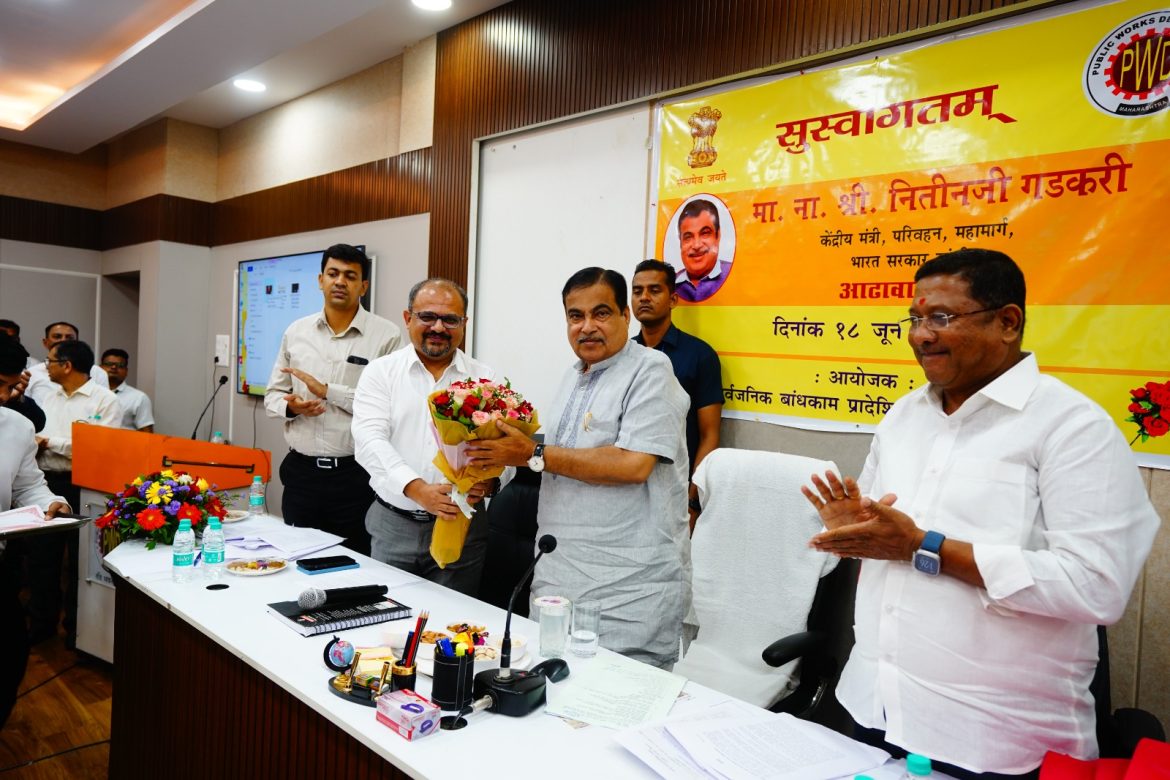
Nagpur Smart City Project Date Extended Again Till March 2025

Nagpur’s Journey Towards a Smarter Future

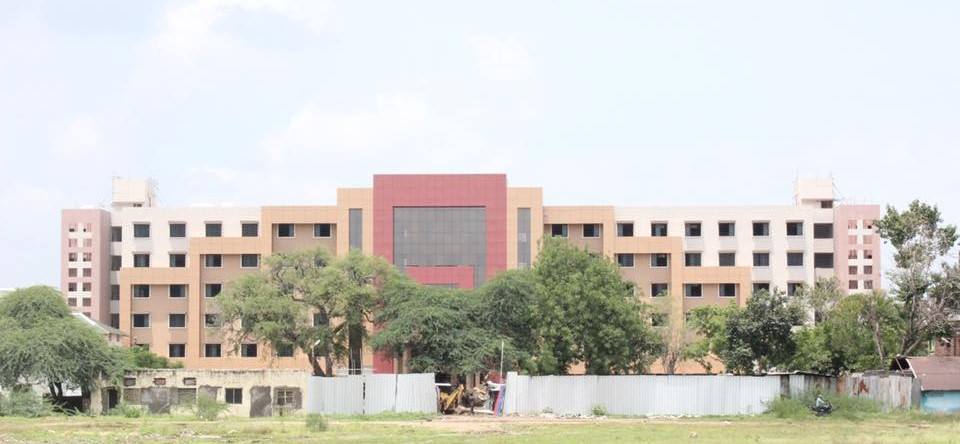
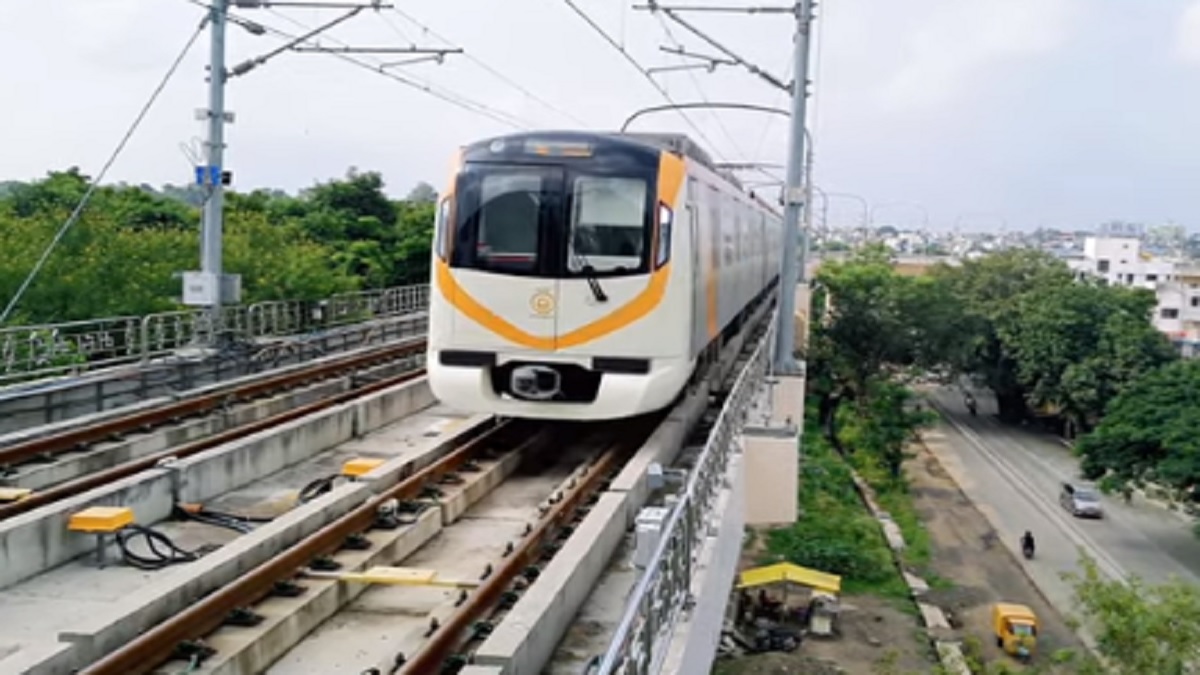
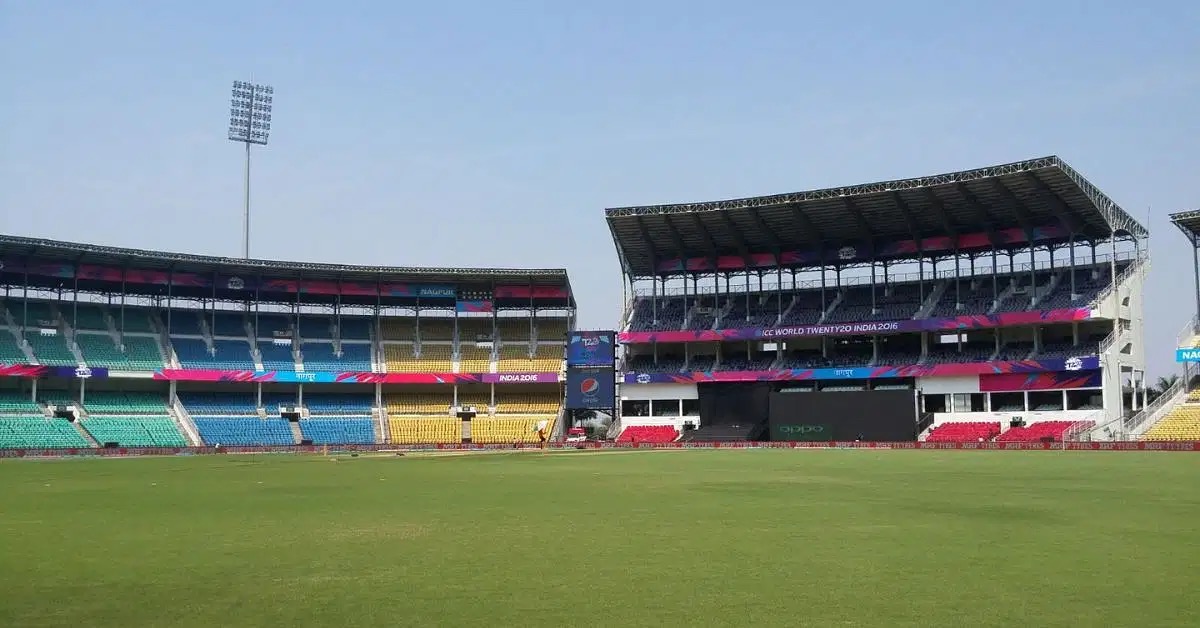
Nagpur Smart City Project: Nagpur has been on a transformative journey since it was selected under the Smart Cities Mission in 2016. This ambitious project aims to revolutionize urban living by integrating cutting-edge technology and sustainable practices. However, the road to becoming a smart city has been fraught with delays and challenges.

A History of Deadlines

Initially, the deadline for the Nagpur Smart City Project was set for June 2021. This was later extended to June 2023, and then to June 2024. Now, just a day before the June 30 deadline, the Ministry of Housing and Urban Affairs has once again pushed the date to March 31, 2025.

The Role of NSSCDCL

The Nagpur Smart and Sustainable City Development Corporation Limited (NSSCDCL) is the special purpose vehicle (SPV) created to oversee this project. NSSCDCL has been pivotal in managing the funds and ensuring the project’s components are executed efficiently.

Funding and Financials

Central Government’s Contribution

The central government has allocated a significant sum of ₹741.63 crore to the project. This funding is divided into two main components: the Smart and Safe City Project and area-based development.

State Government’s Support

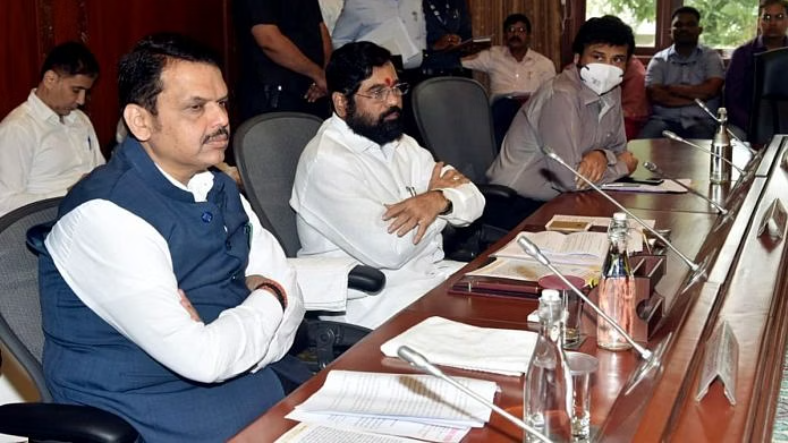
Former Chief Minister Devendra Fadnavis played a crucial role by approving an additional ₹400 crore from the state exchequer. This was supplemented by ₹124 crore from the Smart Cities Mission, bringing the total funding to ₹524 crore for the Smart and Safe City Project.

Components of the Smart City Project

Smart and Safe City Project

This component, worth ₹524 crore, includes 17 different types of smart solutions. These solutions aim to enhance the safety, security, and efficiency of urban living. Remarkably, this part of the project is already complete.

Technological Innovations

The Smart and Safe City Project incorporates advanced technologies such as integrated traffic management systems, smart street lighting, and enhanced surveillance systems. These innovations are designed to create a safer and more efficient urban environment.

Area-Based Development

The second component focuses on developing 1,743 acres in Pardi, Bharatwada, Bhandewadi, and Punapur in east Nagpur. This initiative aims to create sustainable and livable urban spaces.

Sustainable Urban Planning

The area-based development plan emphasizes sustainable urban planning, including green spaces, efficient waste management systems, and eco-friendly infrastructure. The goal is to create a model for future urban development in India.

Challenges and Delays

Unforeseen Obstacles

Several unforeseen obstacles have contributed to the repeated extensions of the project deadline. These include administrative delays, logistical challenges, and the impact of the COVID-19 pandemic.

Community Involvement

One of the critical challenges has been ensuring community involvement and acceptance. Effective communication and collaboration with local residents are essential for the successful implementation of the project.

Looking Ahead: March 2025

Renewed Commitment

The new deadline of March 31, 2025, provides an opportunity for renewed commitment and focused efforts. The additional time will allow for the resolution of existing challenges and the completion of pending tasks.

Future Prospects

The successful completion of the Nagpur Smart City Project holds immense potential for the city’s future. It promises to improve the quality of life for residents, attract investments, and set a benchmark for other cities in India.

The Nagpur Smart City Project is a testament to the city’s ambition and resilience. Despite the delays, the commitment to transforming Nagpur into a smart and sustainable city remains unwavering. With the extended deadline, there is renewed hope and determination to realize this vision.

  1. Why has the Nagpur Smart City Project deadline been extended again? The deadline has been extended to address administrative delays, logistical challenges, and the impact of the COVID-19 pandemic.
  2. What are the main components of the Nagpur Smart City Project? The project consists of two main components: the Smart and Safe City Project and area-based development.
  3. How much funding has the project received? The project has received ₹741.63 crore from the central government and additional support from the state government, totaling ₹524 crore for the Smart and Safe City Project.
  4. What technological innovations are included in the Smart and Safe City Project? The project includes integrated traffic management systems, smart street lighting, and enhanced surveillance systems.
  5. What areas are being developed under the area-based development component? The area-based development component focuses on Pardi, Bharatwada, Bhandewadi, and Punapur in east Nagpur.

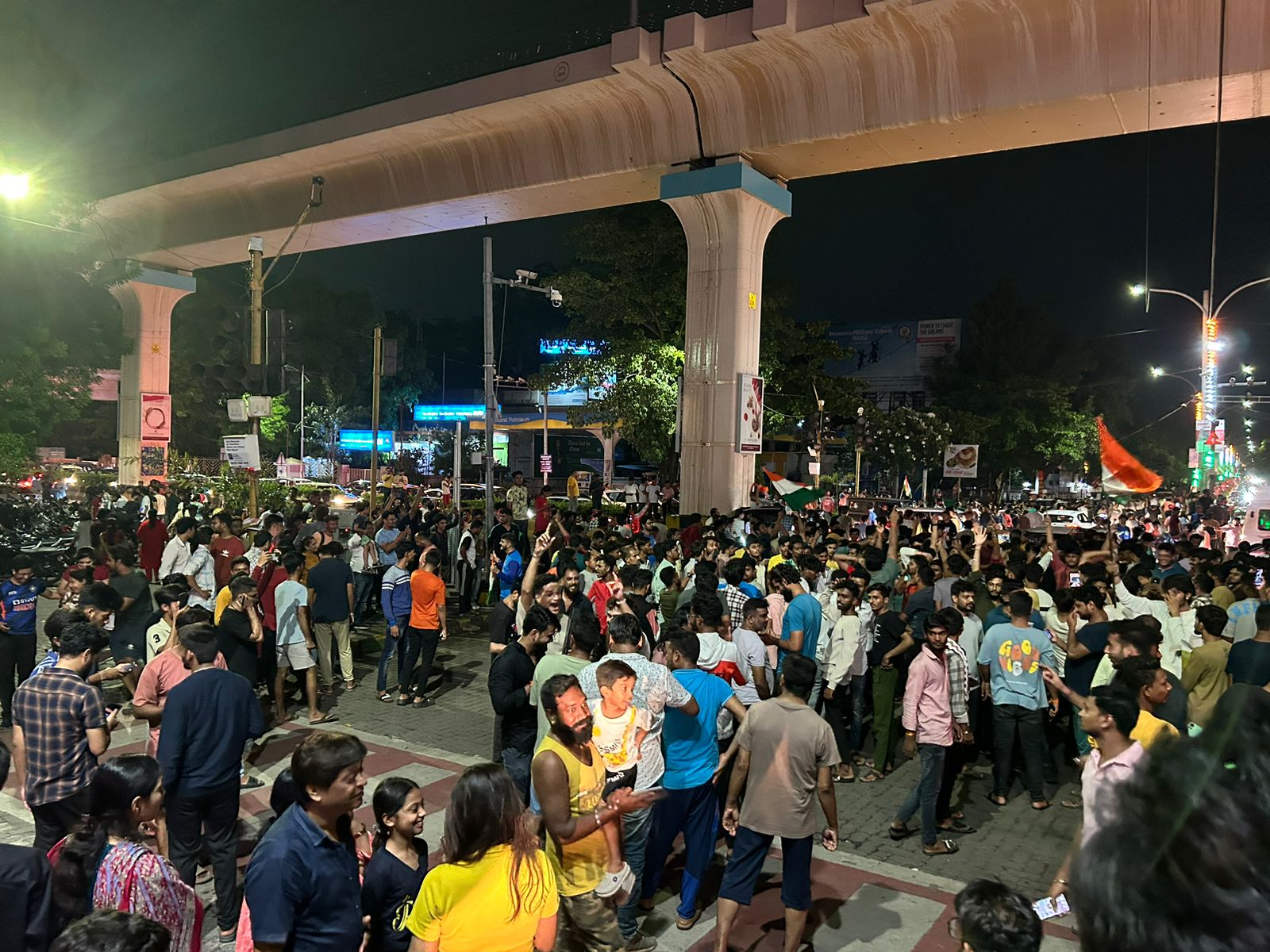
India Wins T20 World Cup: Nagpur Celebrates

India T20 World Cup 2024: The long wait for an ICC title ended for Team India as the Men in Blue clinched the T20 World Cup 2024 by defeating South Africa. Emotions ran high among the players and over 150 crore Indians, and Nagpurians were no exception! Nagpurians thronged the Dharampeth area to celebrate India’s T20 World Cup victory over South Africa. Crackers were burst and citizens danced to the tunes of “Chak De India” and “Lehra Do.” Celebrations are still ongoing as of the filing of this news.

A Historic Win for India

The Road to Victory

India’s journey to the T20 World Cup 2024 was nothing short of spectacular. The team faced numerous challenges but emerged victorious through sheer determination and skill.

Key Players and Their Performances

Virat Kohli: The Captain’s Knock

Virat Kohli led from the front, with his exceptional leadership and batting prowess. His performance in the final was crucial to India’s success.

Jasprit Bumrah: The Bowler Extraordinaire

Jasprit Bumrah’s bowling spells were game-changers throughout the tournament. His ability to take wickets at critical moments was a major asset for the team.

Memorable Matches Leading Up to the Final

India vs. Pakistan: The Nail-Biter

The match against Pakistan was one of the most thrilling encounters, with India narrowly securing a win in the last over.

India vs. England: The Dominant Display

In the semi-finals, India showcased a dominant performance against England, setting the stage for the final showdown.

Nagpur’s Unmatched Enthusiasm

The Heart of Celebrations: Dharampeth

Dharampeth became the epicenter of celebrations in Nagpur. The streets were filled with jubilant fans, fireworks, and music.

Street Performances and Flash Mobs

Local artists and dance groups performed spontaneous flash mobs, adding to the festive atmosphere.

The Role of Social Media

Social media played a significant role in spreading the joy. Live videos, photos, and updates kept everyone connected and engaged.

Community Spirit and Unity

Local Heroes and Their Contributions

Community Leaders and Volunteers

Local leaders and volunteers ensured that the celebrations were safe and well-organized. Their efforts were instrumental in managing the large crowds.

Businesses Joining the Festivities

Shops and Restaurants Offering Discounts

Many local businesses joined in the celebrations by offering discounts and special deals to customers.

The Emotional High

Stories from the Streets

Personal Anecdotes

Residents shared personal stories and memories of previous cricket victories, adding to the emotional high.

Fan Reactions

Fans of all ages expressed their joy and pride in India’s achievement, with many shedding tears of happiness.

Family Gatherings and Community Feasts

Families and communities came together to celebrate with feasts and gatherings, strengthening bonds and creating lasting memories.

Looking Ahead: Future Prospects

The Next Generation of Cricketers

Youth Programs and Initiatives

The victory has inspired many young aspiring cricketers. Local sports academies have seen a surge in enrollments.

Sustaining the Momentum

Continuous Support and Development

Maintaining this momentum is crucial for the future. Continued support and development programs will help nurture the next generation of talent.

Global Reactions

International Praise and Congratulations

Messages from Other Teams

Teams and players from around the world sent their congratulations and praised India’s performance.

Media Coverage and Highlights

Global News Outlets

The victory was covered extensively by international media, highlighting the significance of the win.

Nagpur’s Unique Celebration Traditions

Cultural Performances and Events

Traditional Dances and Music

Nagpur’s rich cultural heritage was on full display, with traditional dances and music performances adding to the celebrations.

Community Parades

Local Floats and Decorations

Parades featuring decorated floats and local artists were organized, showcasing the city’s creativity and spirit.

Safety and Order During Celebrations

Police and Security Measures

Ensuring Public Safety

Local authorities and police worked tirelessly to ensure that the celebrations were safe and orderly.

Emergency Services on Standby

Quick Response Teams

Emergency services were on standby to handle any potential issues, ensuring that the festivities could continue without disruption.

Economic Impact of the Victory

Boost to Local Businesses

Increased Sales and Revenue

The celebrations brought a significant boost to local businesses, with increased sales and revenue.

Tourism and Hospitality

Attracting Visitors

Nagpur saw an influx of visitors, boosting the tourism and hospitality sectors.

India’s T20 World Cup victory has brought immense joy and pride to the nation, and Nagpur’s celebrations have been a testament to the city’s vibrant spirit. The unity, enthusiasm, and community spirit displayed during the celebrations have made this victory even more special. As the celebrations continue, the focus now shifts to nurturing the next generation of cricketers and sustaining this momentum for future successes.

  1. What was the key factor in India’s victory in the T20 World Cup 2024? The key factor was the exceptional performances of both the batsmen and bowlers, along with strategic leadership by the captain.
  2. How did Nagpur celebrate India’s T20 World Cup win? Nagpur celebrated with street parties, fireworks, music, and dance, particularly in the Dharampeth area.
  3. What impact did social media have on the celebrations? Social media played a significant role by connecting people, sharing live updates, and spreading the joy of the victory.
  4. How has this victory inspired the next generation of cricketers? The victory has inspired many young aspiring cricketers to pursue their dreams, leading to increased enrollments in local sports academies.
  5. What measures were taken to ensure safety during the celebrations? Local authorities and police ensured public safety through security measures and emergency services on standby.

Rs 131 Crore Boost to IGGMCH Expansion Plan

IGGMCH Expansion Plan: The Indira Gandhi Government Medical College and Hospital (IGGMCH) has finally received approval for a substantial expansion after a five-year wait. The approval includes the construction of a new 500-bed hospital within its premises. Union Minister Nitin Gadkari recently performed the ceremonial ‘bhoomipujan’ for this project. Now, the hospital is seeking an additional Rs 131 crore to further enhance its expansion plans. Initially proposed in 2019 during the Fadnavis government, the plan faced some deficiencies which were later rectified. Deputy Chief Minister Devendra Fadnavis played a crucial role in pushing the proposal, which has now been sanctioned. This expansion is poised to significantly enhance the healthcare facilities at IGGMCH.

Significance of the Expansion (IGGMCH Expansion Plan)

Healthcare Needs and Bed Shortage

Dr. Ravi Chavan, the Dean of IGGMCH, highlighted the pressing need for additional beds. The new beds will not only accommodate more patients but also strengthen the hospital’s case for increased Post Graduation seats. For every five beds, the hospital can gain one PG student. This expansion is also set to include a new Occupational Therapy and Physiotherapy College with 50 seats, enhancing the hospital’s educational offerings.

Advanced Treatment Facilities

One of the notable additions to the new building will be a Hyperbaric Oxygen Therapy setup. This advanced treatment can heal damaged tissue by supplying patients with 100% oxygen inside a special chamber. This setup will be particularly beneficial for the burn ward, which has been lying unused due to the lack of such facilities. With this new setup, treating wounds and other medical conditions will become significantly more effective.

Neurology and Neurosurgery Departments

IGGMCH plans to dedicate an entire floor to neurologists and neurosurgeons. This will improve the hospital’s capacity to treat neurological conditions and perform complex surgeries. The expansion will also address the critical shortage of nurses by demanding over 300 additional nursing staff.

Specialized Units and Wards

The new building will house several specialized units, including a Respiratory Intermediate Care Unit and a 30-bed geriatric ward. Departments of skin and psychiatry will also receive dedicated units, enhancing the hospital’s ability to provide comprehensive care for various medical conditions.

Upgraded Outpatient Department (OPD)

Digitalization and Efficiency

IGGMCH has made significant strides in updating its Outpatient Department (OPD) with advanced systems. Over 170 computers have been procured to digitalize the OPD, making the registration process faster and reducing waiting times for patients. This upgrade ensures a smoother and more efficient experience for both patients and staff.

Upcoming Projects: Dr. Ambedkar Hospital

Ambitious Plans and Timeline

The bhoomipujan for the 615-bed Dr. Ambedkar Hospital at Indora is expected to take place in August. This hospital will be constructed on a 7-acre plot where the current OPD setup exists. The project, spearheaded by ex-minister Dr. Nitin Raut, has received administrative approval of Rs 572 crore for the first phase. The Nagpur Improvement Trust has submitted a revised plan for Rs 807 crore, with the remaining work to be completed in the second phase.

Strategic Importance and Community Impact (IGGMCH Expansion Plan)

Dr. Ambedkar Hospital’s development is crucial for providing better healthcare services to the Indora region. The new hospital will address the growing medical needs of the community and reduce the burden on existing medical facilities.

The approval and subsequent expansion of IGGMCH mark a significant milestone in enhancing healthcare facilities in the region. With the addition of new beds, advanced treatment facilities, specialized units, and increased educational opportunities, IGGMCH is poised to become a leading medical institution. The upcoming Dr. Ambedkar Hospital will further bolster healthcare services, ensuring better access and quality care for the community. These developments reflect a strong commitment to improving healthcare infrastructure and meeting the evolving needs of the population.

1. What is the significance of the additional Rs 131 crore for IGGMCH?

The additional Rs 131 crore will fund further expansion and enhancements at IGGMCH, including more beds, specialized units, and advanced treatment facilities.

2. How will the expansion impact Post Graduation seats at IGGMCH?

The addition of new beds will strengthen the hospital’s case for increasing Post Graduation seats, as more beds correlate with the eligibility for more PG students.

3. What advanced treatment will be introduced in the new building?

A Hyperbaric Oxygen Therapy setup will be introduced, allowing for advanced treatment of wounds and medical conditions through 100% oxygen supply in a special chamber.

4. What are the key features of the new Dr. Ambedkar Hospital?

The new Dr. Ambedkar Hospital will have 615 beds and is expected to significantly improve healthcare services in the Indora region. It has received administrative approval for Rs 572 crore for its first phase.

5. How has IGGMCH’s OPD been improved?

IGGMCH’s OPD has been digitalized with over 170 new computers, making the registration process faster and reducing waiting times for patients.

₹49.5cr Property Tax Collected; 84% Owners Yet to Pay

Property Tax Nagpur: The Nagpur Municipal Corporation (NMC) has received property tax from 15.71% of property owners as of June 20. Deputy Municipal Commissioner (Revenue) Milind Meshram stated that if full property tax for the current fiscal year is paid online before June 30, the civic body will provide a 15% discount on the amount. For those paying offline before June 30, a 10% discount will be provided.

In a bustling city like Nagpur, managing property taxes is a crucial aspect of maintaining the city’s infrastructure and services. Recently, the Nagpur Municipal Corporation (NMC) has made significant strides in collecting property taxes, yet a large percentage of property owners are still pending. Let’s dive into the current scenario of property tax collection in Nagpur and understand the implications and benefits for property owners.

Current Tax Collection Status

Overview of Collection

As of June 20, the NMC has successfully collected ₹49.5 crore in property taxes from 1.10 lakh property owners. This accounts for only 15.71% of the total 7 lakh property owners in the city. This means a staggering 84.29% of property owners are yet to pay their dues.

Incentives for Early Payment

To encourage timely payments, the NMC has offered substantial discounts:

  • 15% Discount: Available for those who pay their full property tax online before June 30.
  • 10% Discount: Available for those who pay offline before June 30.

Savings Achieved

These discounts have already helped property owners save a total of ₹2.45 crore. It’s a clear indication of how strategic incentives can boost early payments and provide relief to taxpayers.

Zone-wise Tax Collection

Highest Tax Collections

Among the various zones in Nagpur, the Laxmi Nagar zone has recorded the highest tax collection with ₹8.48 crore. Following closely are:

  • Mangalwari zone: ₹6.08 crore
  • Hanuman Nagar zone: ₹5.95 crore
  • Nehru Nagar zone: ₹5.35 crore

Other Significant Collections

Other zones have also contributed significantly:

  • Dharampeth zone: ₹4.97 crore
  • Lakadganj zone: ₹4.09 crore
  • Ashi Nagar zone: ₹3.98 crore
  • Dhantoli zone: ₹3.28 crore
  • Gandhibagh zone: ₹2 crore
  • Satranjipura zone: ₹1.39 crore

Government Properties Contribution

Government properties have contributed ₹3.90 crore to the total collection, showcasing their compliance and support in the city’s financial health.

Importance of Property Tax

Property taxes are vital for the development and maintenance of city infrastructure, including roads, public amenities, and services. The collected taxes are reinvested into the community, ensuring the city’s growth and development.

Benefits of Timely Tax Payment

Discounts and Savings

The primary benefit of paying property taxes on time is the financial savings through available discounts. Paying online offers a higher discount, making it a preferred choice for many.

Avoiding Penalties

Timely payments help property owners avoid penalties and interest on late payments, which can accumulate over time and become a significant financial burden.

Contributing to City Development

By paying property taxes on time, property owners contribute to the overall development and maintenance of the city, ensuring better infrastructure and services.

Challenges in Tax Collection

Low Awareness

One of the significant challenges is the lack of awareness among property owners about the importance and benefits of paying property taxes on time.

Economic Constraints

Economic constraints and financial difficulties faced by property owners can also lead to delayed payments.

Administrative Issues

Administrative inefficiencies and bureaucratic hurdles can sometimes slow down the tax collection process, leading to delays and complications.

Strategies to Improve Collection

Enhancing Awareness

The NMC can launch awareness campaigns to educate property owners about the benefits of timely tax payments and the available discounts.

Simplifying the Process

Simplifying the tax payment process, especially online, can encourage more property owners to pay their taxes promptly.

Providing Support

Offering support and assistance to property owners facing financial difficulties can also improve the tax collection rate.

The current property tax collection scenario in Nagpur highlights both achievements and challenges. With ₹49.5 crore collected from 15.71% of property owners, the city is on its way to achieving better compliance. However, with 84% of property owners yet to pay, there is still a long way to go. Timely tax payments not only offer financial benefits to property owners but also contribute significantly to the city’s development.

1. What is the deadline for availing discounts on property tax payments in Nagpur?

The deadline for availing a 15% discount on online payments and a 10% discount on offline payments is June 30.

2. How much property tax has been collected from government properties?

Government properties have contributed ₹3.90 crore to the total property tax collection.

3. Which zone recorded the highest property tax collection in Nagpur?

The Laxmi Nagar zone recorded the highest property tax collection with ₹8.48 crore.

4. What percentage of property owners have paid their taxes as of June 20?

As of June 20, 15.71% of property owners have paid their property taxes.

5. How can property owners benefit from paying their taxes on time?

Property owners can benefit from timely payments through discounts, avoiding penalties, and contributing to the city’s development.

Nagpur Metro: Beginning Monday Trains Every 10 Mins from 8 am to 8 pm

Nagpur Metro Train Schedule: With the new academic session kicking off in Nagpur, Maha Metro is stepping up to ensure that students, office-goers, and the general public have access to frequent and reliable transportation. Starting June 24th, Nagpur Metro will increase its train frequency to every 10 minutes between 8 am and 8 pm from the four terminal stations: Khapri, Automotive Square, Prajapati Nagar, and Lokmanya Nagar.

The New Schedule: What You Need to Know

Increased Train Frequency

Nagpur Metro has revamped its schedule to better serve the community. From Monday, trains will run every 10 minutes from 8 am to 8 pm. This increase from the previous 15-minute intervals aims to accommodate the growing number of commuters, especially with the academic session in full swing.

Terminal Stations Covered

The four terminal stations that will see this increased frequency are:

  • Khapri
  • Automotive Square
  • Prajapati Nagar
  • Lokmanya Nagar

These stations are crucial hubs for students, office workers, and other daily commuters.

Benefits for Students and Parents

Aligning with School Schedules

With schools and colleges resuming, the new schedule aligns perfectly with school timings. Students can now rely on the Metro to get to and from school safely and on time, without the hassle of road traffic.

Extended Hours for Extra Classes

Recognizing that many students attend extra classes that run until 6 pm or later, the Metro’s operational hours have been extended to 8 pm, ensuring that students have a safe and reliable way to get home.

Nagpur Metro Train Schedule: Fare Rationalization: A Boon for Commuters

Reduced Fares

Nagpur Metro has rationalized its fare structure, leading to a 33% reduction in train fares. This move makes daily commutes more affordable for everyone.

Student Discounts

Students benefit even more with a 30% discount on the Maha Card, effectively reducing the fare for school and college students by about 50% compared to pre-rationalization days.

Increased Ridership

The fare reduction has positively impacted Metro ridership, as more people are opting for this economical and efficient mode of transport.

Safety and Convenience: Why Choose Nagpur Metro?

Safe Travel

In light of recent road mishaps, traveling by Metro is a safer alternative. The Metro ensures a secure journey, minimizing the risks associated with road travel.

Bicycle-Friendly

Students can carry their bicycles inside the Metro at no extra charge, providing seamless connectivity and encouraging eco-friendly transportation.

WhatsApp Ticketing: A Smart Move

Hassle-Free Ticketing

Nagpur Metro’s introduction of WhatsApp ticketing is a game-changer. Commuters can now book their tickets via WhatsApp, eliminating the need to stand in long queues.

Eco-Friendly

This digital ticketing system saves paper, contributing to environmental conservation.

Multiple Ticketing Options

Nagpur Metro offers various ticket purchasing methods to cater to different commuter preferences:

  • Ticket Window Cash
  • Ticket Vending Machines
  • Maha Metro Ticket Booking App
  • Maha Card (10% Discount)
  • Student Maha Card (30% Discount)
  • WhatsApp Ticketing

Operational Hours

While the increased frequency from 8 am to 8 pm primarily targets students and office-goers, the Metro services operate from 6 am to 10 pm, benefiting the entire community, including the trading and business sectors.

Encouraging Metro Travel

With the academic activity ramping up, Nagpur Metro urges students and their parents to prioritize Metro travel. It offers a comfortable, economical, and secure journey, ideal for daily commutes.

Nagpur Metro’s decision to increase train frequency and rationalize fares is a significant step towards enhancing urban mobility in the city. This initiative not only caters to the needs of students but also benefits office-goers, traders, and the broader community. The emphasis on safety, convenience, and affordability makes Nagpur Metro an excellent choice for daily travel.

  1. What are the new operational hours for Nagpur Metro?
    • The Metro operates from 6 am to 10 pm, with increased frequency from 8 am to 8 pm.
  2. How often will trains run starting June 24th?
    • Trains will run every 10 minutes from 8 am to 8 pm.
  3. Are there any discounts available for students?
    • Yes, students can avail a 30% discount on the Maha Card.
  4. Can students carry bicycles on the Metro?
    • Yes, students can carry bicycles inside the Metro at no extra charge.
  5. What ticketing options does Nagpur Metro offer?
    • Ticket Window Cash, Ticket Vending Machines, Maha Metro Ticket Booking App, Maha Card, Student Maha Card, and WhatsApp Ticketing.

India vs England One Day Series: The First Match of the Series Will Be Played in Nagpur on Feb 6

The Board of Control for Cricket in India (BCCI) has officially released the much-anticipated schedule for the India vs England one-day series. Cricket enthusiasts are eagerly waiting for the thrilling matches that are set to unfold. The excitement kicks off with the first one-day match scheduled for February 6, 2025, at the Vidarbha Cricket Stadium (VCA) in Nagpur.

Introduction to the Series

Cricket fans around the world are on the edge of their seats as India gears up to host England in a gripping one-day series. This series promises to deliver high-octane action, nail-biting finishes, and unforgettable cricketing moments. Let’s delve into the details and see what we can expect from this epic showdown.

Overview of the India vs England Rivalry

A Historic Rivalry

India and England share a long-standing cricket rivalry that dates back to the early days of the sport. Both teams have had their fair share of victories and defeats, making their encounters always unpredictable and exciting.

Recent Performances

In recent years, both teams have shown formidable performances in various formats of the game. India’s dominance at home and England’s aggressive style of play make this series particularly interesting.

Schedule of the Series

Match Dates and Venues

  • First ODI: February 6, 2025, at Nagpur Vidarbha Cricket Stadium (VCA)
  • Second ODI: February 9, 2025, at Pune Maharashtra Cricket Association Stadium
  • Third ODI: February 12, 2025, at Mumbai Wankhede Stadium

Key Fixtures to Watch

Each match in this series is crucial, but the opening game in Nagpur will set the tone for the series. Fans will be looking forward to seeing how both teams start off and what strategies they employ.

Venue Spotlight: Nagpur Vidarbha Cricket Stadium (VCA)

History and Significance

The Vidarbha Cricket Stadium in Nagpur is known for its state-of-the-art facilities and has hosted several important matches over the years. Its pitch has a reputation for being balanced, offering something for both batsmen and bowlers.

Pitch Report

The Nagpur pitch is expected to be batting-friendly, with some assistance for spinners as the game progresses. This could lead to high-scoring encounters, keeping the spectators entertained.

India’s Squad and Key Players

Captain’s Role

India’s captain will play a pivotal role in strategizing and leading the team. The choice of playing XI, field placements, and bowling changes will be crucial in determining the outcome of the match.

Star Players to Watch

  • Virat Kohli: Known for his aggressive batting and leadership skills.
  • Rohit Sharma: The ‘Hitman’ is famous for his big scores and consistency.
  • Jasprit Bumrah: A lethal fast bowler who can turn the game with his exceptional skills.

England’s Squad and Key Players

Leadership and Strategy

England’s captain will be equally important in setting the tone for the series. Their approach, which often includes aggressive batting and innovative bowling strategies, will be fascinating to observe.

Players to Keep an Eye On

  • Joe Root: A dependable batsman with the ability to anchor the innings.
  • Jos Buttler: Known for his explosive batting and quick scoring.
  • Jofra Archer: His pace and accuracy make him a key bowler for England.

Head-to-Head Statistics

Previous Encounters

India and England have faced each other numerous times in ODIs, with each team having its moments of glory. Analyzing past matches can provide insights into what to expect in the upcoming series.

Statistical Highlights

  • Overall Wins: India and England have a competitive record against each other.
  • Top Performers: Players from both teams have set records and achieved significant milestones in their encounters.

Strategies and Predictions

India’s Game Plan

India might focus on leveraging their strong batting lineup and utilizing spin bowlers in the middle overs to control the game. Fielding will also be a critical aspect.

England’s Approach

England’s strategy could involve aggressive batting right from the start and employing pace bowlers to exploit any weaknesses in the Indian batting order.

Fan Expectations and Reactions

Anticipation Levels

The excitement among fans is palpable. Both Indian and English supporters are known for their passionate following, and the atmosphere is expected to be electric.

Social Media Buzz

The series has already created a buzz on social media platforms, with fans and cricket experts sharing their predictions and thoughts.

Broadcasting and Live Streaming

Where to Watch

The matches will be broadcasted live on major sports channels. Additionally, live streaming will be available on various online platforms, ensuring fans don’t miss a single moment.

Commentary Teams

Expert commentators and former cricketers will provide in-depth analysis and insights, adding to the viewing experience.

Impact on ICC Rankings

Potential Changes in Rankings

The outcome of the series could have significant implications for the ICC ODI rankings. Both teams will be keen to improve their standings.

Key Players’ Rankings

Individual performances could also impact player rankings, making each player’s contribution crucial.

Historical Moments from Past Series

Memorable Matches

Several matches between India and England have gone down in history as classics. These games are remembered for their intense competition and unforgettable performances.

Record-Breaking Performances

Records have been set and broken in past encounters, highlighting the high level of cricket played by both teams.

Training and Preparation

Pre-Series Camps

Both teams have undergone rigorous training camps to prepare for the series. These camps focus on fitness, strategy, and team bonding.

Practice Matches

Practice matches provide an opportunity for players to fine-tune their skills and adapt to the conditions.

Key Battles to Watch

Batsman vs Bowler Showdowns

Certain player matchups, such as Virat Kohli vs Jofra Archer, are particularly intriguing and could be pivotal in the series.

Spin vs Pace

The battle between spinners and pace bowlers will also be a critical aspect of the series, influencing the overall outcome.

As the countdown to the India vs England one-day series begins, the excitement continues to build. Both teams are strong contenders, and the matches promise to be thrilling from start to finish. The opening game in Nagpur on February 6, 2025, is just the beginning of what is sure to be an unforgettable series. Cricket fans, mark your calendars and get ready for some top-class cricketing action!

1. When and where is the first match of the India vs England one-day series?

The first match will be played on February 6, 2025, at Nagpur Vidarbha Cricket Stadium (VCA).

2. Who are the key players to watch in the series?

Key players include Virat Kohli, Rohit Sharma, and Jasprit Bumrah for India; Joe Root, Jos Buttler, and Jofra Archer for England.

3. How can I watch the matches live?

The matches will be broadcasted on major sports channels and available for live streaming on various online platforms.

4. What impact will the series have on ICC rankings?

The series could significantly impact both team and individual player rankings in the ICC ODI standings.

5. What are the expectations from the Nagpur pitch?

The Nagpur pitch is expected to be batting-friendly with some assistance for spinners, leading to potentially high-scoring matches.

Rs 507 Crore for Health Facilities: Fadnavis’ Mission Nagpur

Mission Nagpur Health Funding: It was only ‘Mission Nagpur’ that Deputy Chief Minister Devendra Fadnavis focused on during his review meeting at Sahyadri Guest House in Mumbai on Wednesday. He assured that Rs 507 crore would be given immediately for the healthcare facilities of the city. On Tuesday, the Bharatiya Janata Party (BJP) High Command refused to accept the resignation of Fadnavis and asked him to continue, after which the Deputy Chief Minister swung into action. In his first meeting post-decision, he cleared his vision for Nagpur, also taking stock of the progress of various development projects in the city.

A Comprehensive Plan for Nagpur’s Healthcare

A detailed plan amounting to Rs 639 crore has been prepared for the Government Medical College and Hospital (GMCH), Indira Gandhi Government Medical College and Hospital (IGGMCH), and other healthcare units in Nagpur. While some funds have already been allocated, Fadnavis directed that the remaining Rs 507 crore be released immediately to expedite the ongoing projects.

Key Projects and Their Progress (Mission Nagpur Health Funding)

During the review, Fadnavis emphasized several critical projects and their current status:

Dr. Babasaheb Ambedkar Hospital and Research Center

The Deputy Chief Minister announced that the bhoomipujan (groundbreaking ceremony) for the 612-bed Dr. Babasaheb Ambedkar Hospital and Research Center at Indora would be conducted soon. This project aims to enhance the healthcare infrastructure significantly.

300-Bed Hospital at Wathoda

Another major initiative is the construction of a 300-bed hospital at Wathoda. Fadnavis stressed that the construction work should commence immediately to meet the growing healthcare needs of the region.

Radiotherapy Department at GMCH

The ongoing construction of the Radiotherapy Department at GMCH is crucial for creating advanced facilities for cancer treatment. Fadnavis assured that necessary funds are being provided to expedite this project.

Multispecialty Hospital at Wathoda

Additionally, the construction of a 300-bed multispecialty hospital at Wathoda, on land belonging to the Nagpur Improvement Trust (NIT), is set to gain momentum under Fadnavis’ directive.

Broader Development Initiatives

In his extensive meeting, Fadnavis touched upon various issues related to Nagpur’s development beyond healthcare:

Funding for the Collectorate

Fadnavis highlighted the immediate allocation of Rs 60 crore for the work of the Collectorate, ensuring that bureaucratic processes do not hinder the overall progress.

Tender Processes and New Projects (Mission Nagpur Health Funding)

The Deputy Chief Minister instructed the immediate initiation of tender processes for several significant projects:

  • Shree Mahalakshmi Jagdamba Sansthan at Koradi
  • Mahatma Jyotiba Phule Research and Training Institute
  • Mahajyoti Institute and Research Center at Sitabardi
  • Construction of an administrative building

Important Officials Present

The meeting saw participation from key officials, including Principal Secretary to Deputy Chief Minister Shrikar Pardeshi, Principal Secretary of Finance Department O. P. Gupta, and others from various departments.

Momentum for Ongoing Projects

Fadnavis underscored the need to accelerate several ongoing projects:

  • Rehabilitation of brick kiln owners in Mauja Bharatwada, Punapur under Smart City
  • Releasing tenders for NIT’s Rs 716 crore sewage project
  • Construction of the Indus Art Gallery at Indora

Review of Proposed Projects

Fadnavis also reviewed proposed projects aimed at enhancing Nagpur’s infrastructure and cultural heritage:

  • OBC Bhavan
  • Sant Savatamali Bhawan
  • Shiv Srishti
  • Bakht Buland Shah Memorial beautification
  • Tekdi Ganesh Pilgrimage Development
  • Visarjan Kund
  • Nandagram Project
  • Pohra River Purification
  • Naganadi Pollution Abatement Project
  • Devdia Hospital
  • Prabhakarrao Datke Hospital
  • Ram Jhula

He emphasized the need for detailed project reports to develop playgrounds across Nagpur city, ensuring the city’s holistic growth.

Deputy Chief Minister Devendra Fadnavis’ ‘Mission Nagpur’ is a comprehensive initiative aimed at transforming the healthcare infrastructure and overall development of the city. By allocating Rs 507 crore immediately and pushing forward numerous projects, Fadnavis is steering Nagpur towards significant growth and modernization. The proactive approach and detailed planning underscore a commitment to the city’s future, ensuring that Nagpur emerges as a model for urban development.

1. What is the primary focus of Mission Nagpur? Mission Nagpur primarily focuses on enhancing the healthcare infrastructure in Nagpur, with an immediate allocation of Rs 507 crore for various projects.

2. Which major healthcare projects are included in Mission Nagpur? Key projects include the construction of Dr. Babasaheb Ambedkar Hospital and Research Center, a 300-bed hospital at Wathoda, and the Radiotherapy Department at GMCH.

3. How much total funding has been allocated for Nagpur’s healthcare facilities? A total of Rs 639 crore has been allocated, with Rs 507 crore to be released immediately.

4. What other development projects are being prioritized? Other projects include the rehabilitation of brick kiln owners, sewage projects, cultural heritage sites, and infrastructure enhancements like the Collectorate and administrative buildings.

5. Who are the key officials involved in these projects? Key officials include Principal Secretaries from various departments, the Divisional Commissioner of Nagpur, the Municipal Commissioner, and senior officials from Nagpur Improvement Trust and Nagpur Metropolitan Region Development Authority.

CCTVs Show Maloo Drove 3.8km in Less Than 3 Minutes, HC Told

Nagpur: After consuming liquor at two restaurants in the same club, Ritika Maloo drove 3.8km in less than 3 minutes just before her Mercedes rammed the scooter of the two victims on Ram Jhula on February 25, government pleader Devendra Chauhan informed the Nagpur bench of Bombay high court on Wednesday. The HC bench of justice Urmila S Joshi-Phalke was hearing Maloo’s anticipatory bail plea.

Maloo has also written a letter to the police saying her friend Madhuri Sarda was driving the car in question and not her, the court was informed (see box). The court closed the matter for order after hearing both sides in a packed courtroom. Chauhan, arguing for Ritika’s arrest, gave the high court minute-to-minute details with the help of CCTV footage of the 2.56 minutes it took for Maloo’s car to travel 3.8km from a private club at Civil Lines to Ram Jhula bridge. The CCTV footage was played before court for reference.

The Incident Unfolded

A Night Out Ends in Tragedy

It all began with an evening out at a club. Ritika Maloo, after enjoying drinks at two restaurants within the same establishment, found herself behind the wheel of her Mercedes. The sequence of events that followed led to a devastating collision on Ram Jhula.

The Collision on Ram Jhula

On February 25, the night took a tragic turn as Maloo’s car collided with a scooter. The scooter, carrying two victims, was struck by the speeding vehicle. The aftermath was severe, and the incident quickly caught the attention of authorities and the public alike.

High-Speed Journey Caught on Camera

CCTV Evidence Presented in Court

The prosecution, led by government pleader Devendra Chauhan, provided compelling evidence to the Nagpur bench of the Bombay high court. The minute-by-minute breakdown of the journey was meticulously detailed, aided by CCTV footage that showed Maloo’s car covering 3.8km in just under 3 minutes.

Details from the CCTV Footage

The footage revealed a clear picture of the events. From the club at Civil Lines to the Ram Jhula bridge, every moment was captured. This evidence was crucial in piecing together the timeline and speed at which Maloo was driving.

Legal Proceedings and Anticipatory Bail

Courtroom Drama

The courtroom was packed as Justice Urmila S Joshi-Phalke presided over the anticipatory bail plea of Ritika Maloo. The arguments presented by both sides were intense, with Chauhan pushing for Maloo’s arrest based on the detailed evidence from the CCTV footage.

Maloo’s Defense

Ritika Maloo’s defense included a letter she wrote to the police, stating that her friend, Madhuri Sarda, was actually driving the car at the time of the accident. This claim added another layer of complexity to the case, as the court had to consider this new piece of information.

The Impact of the Collision

Victims and Their Families

The collision had a profound impact on the victims and their families. The scooter riders, who were innocently commuting, faced severe consequences due to the high-speed crash. Their families are left grappling with the aftermath and seeking justice.

Public Reaction

The incident sparked widespread public reaction. The severity of the crash and the details of the high-speed journey shocked many, leading to calls for stricter enforcement of traffic laws and accountability for reckless driving.

The Role of Alcohol

Influence of Alcohol on Driving

Alcohol consumption and driving are a dangerous mix. In Maloo’s case, the fact that she had been drinking at two different restaurants before the incident played a significant role in the events that unfolded. This serves as a stark reminder of the risks associated with drinking and driving.

Legal Implications of DUI

Driving under the influence (DUI) carries severe legal consequences. The court had to consider not only the reckless driving but also the influence of alcohol, which significantly impaired Maloo’s ability to drive safely.

The Legal Framework

Anticipatory Bail Explained

Anticipatory bail is a legal provision that allows an individual to seek bail in anticipation of an arrest. In this case, Maloo’s plea for anticipatory bail was a critical aspect of the legal proceedings, as it would determine whether she could avoid immediate arrest.

Court’s Considerations

The court had to weigh various factors in deciding on the anticipatory bail plea. These included the evidence presented, the severity of the incident, and Maloo’s defense claiming that she was not driving the car.

CCTV Footage as Key Evidence

Importance of Video Evidence

CCTV footage has become a vital tool in legal proceedings. In this case, the footage provided a clear and unbiased account of the events, helping the court to understand the timeline and actions leading up to the collision.

Accuracy and Reliability

The reliability of the CCTV footage was crucial. It offered a precise and accurate representation of the journey, leaving little room for doubt about the speed and path taken by Maloo’s car.

Arguments from Both Sides

Prosecution’s Stance

The prosecution argued strongly for Maloo’s arrest. They highlighted the speed at which the car was driven and the influence of alcohol as significant factors that contributed to the collision. The detailed timeline from the CCTV footage bolstered their case.

Defense’s Argument

The defense, on the other hand, focused on Maloo’s claim that her friend was driving the car. This introduced a new angle to the case, challenging the prosecution’s narrative and requiring the court to consider this possibility.

Court’s Deliberation and Decision

Judicial Process

The judicial process involved careful deliberation of the evidence and arguments presented. The court’s role was to ensure a fair hearing, considering all aspects before making a decision on the anticipatory bail plea.

Awaiting the Verdict

After hearing both sides, the court closed the matter for order. The anticipation of the verdict added to the tension in the courtroom, as all parties awaited the judge’s decision on Maloo’s plea.

Public and Media Attention

Media Coverage

The case received significant media attention. News outlets closely followed the proceedings, providing regular updates and keeping the public informed about the developments in the case.

Public Opinion

Public opinion was divided. While some empathized with the victims and called for strict punishment for Maloo, others were intrigued by the defense’s claim and awaited the court’s decision.

Legal and Social Implications

Precedent for Future Cases

The outcome of this case could set a precedent for future cases involving DUI and reckless driving. The court’s decision on the anticipatory bail plea would be closely watched for its implications on legal proceedings in similar cases.

Awareness and Prevention

The incident also highlighted the need for greater awareness and prevention measures against drunk driving. It served as a reminder of the dangers and the importance of responsible behavior behind the wheel.

The case of Ritika Maloo’s high-speed journey and subsequent collision is a complex one, involving legal, social, and personal dimensions. The evidence from CCTV footage, the arguments from both sides, and the court’s deliberation all play a crucial role in determining the outcome. As we await the court’s decision, the incident serves as a stark reminder of the dangers of reckless driving and the severe consequences it can have.

  1. What was the speed at which Ritika Maloo drove?
    • Ritika Maloo drove 3.8km in just under 3 minutes, indicating a high speed that contributed to the severity of the collision.
  2. What evidence was presented in court?
    • The prosecution presented CCTV footage that showed Maloo’s car traveling from a club at Civil Lines to Ram Jhula bridge, detailing the journey and the speed.
  3. Who did Maloo claim was driving the car?
    • Maloo claimed that her friend Madhuri Sarda was driving the car at the time of the collision, a claim that was considered by the court.
  4. What are the legal implications of DUI in this case?
    • Driving under the influence significantly impairs judgment and reaction time, and it is a critical factor in this case, potentially leading to severe legal consequences for Maloo.
  5. What is anticipatory bail?
    • Anticipatory bail is a legal provision that allows an individual to seek bail in anticipation of an arrest, which was a key aspect of Maloo’s legal strategy in this case.

Metro Plans WhatsApp Services for Booking Auto-Rickshaws Too

Metro WhatsApp Auto-Rickshaw Booking: The Nagpur Metro has taken a significant leap in digital convenience by launching a new WhatsApp ticketing system. This initiative, in collaboration with Billeasy, aims to revolutionize the way commuters book tickets and stay informed about their travel. Akash Patil, the founder and CEO of Billeasy, highlights the system’s multifaceted functionality, which includes not just ticket booking but also updates on metro schedules and maintenance. The goal is to extend this service to auto-rickshaws, creating a seamless travel experience for commuters from the metro station to their final destination.

A New Era of Ticketing

Introduction to WhatsApp Ticketing

The WhatsApp ticketing system is a groundbreaking move by MahaMetro to integrate digital solutions into public transportation. This service enables commuters to book their metro tickets through WhatsApp, making the process quick, easy, and accessible.

How It Works

  • Step 1: Scan the QR code available at all Nagpur Metro stations or send a “Hi” to +918624888568 on WhatsApp.
  • Step 2: You will be directed to the official WhatsApp account where you can initiate the booking process.
  • Step 3: Click on “Book Now” to access the list of stations.
  • Step 4: Select your departure and destination stations.
  • Step 5: Choose your preferred payment method, whether it’s online payment or UPI.
  • Step 6: Complete your payment, and you will receive a QR code ticket on WhatsApp.
  • Step 7: Scan this QR code at the metro gate to enter.

Expanding the Service to Auto-Rickshaws

Future Plans

Akash Patil has announced plans to extend the WhatsApp booking service to auto-rickshaws. This addition will allow commuters to book feeder services seamlessly, ensuring they can travel from the metro station to their final destination without any hassle.

Expected Adoption Rates

Initially, it is anticipated that 10% to 15% of commuters will use the WhatsApp ticketing facility. As awareness and familiarity with the service grow, these numbers are expected to increase significantly.

Current Adoption and Usage

Multiple Digital Options

Currently, around 40% of metro passengers use various digital options such as mobile apps, online payments, and MahaCards to book their tickets. The introduction of the WhatsApp ticketing system is expected to enhance these digital options, providing more convenience and flexibility to commuters.

MahaCard and QR Codes

Over 85,000 citizens have already received the MahaCard, with an average of 100 cards being issued daily. QR codes are also extensively used for making payments, further streamlining the ticketing process.

Inauguration and Support Metro WhatsApp Auto-Rickshaw Booking

Launch Event

The new WhatsApp ticketing system was launched by Union Minister for Road Transport and Highways, Nitin Gadkari. The event was attended by several dignitaries including MLA Mohan Mate, Collector Dr. Vipin Itankar, NMC Commissioner Abhijit Chaudhary, Director of Strategic Planning MahaMetro Anil Kokate, and Director of Projects Rajiv Tyagi.

Encouraging Digital Transactions

The number of metro passengers is on the rise, and with it, the adoption of cashless transactions. The WhatsApp ticketing system is a part of MahaMetro’s initiative to encourage digital mediums for buying tickets.

Discounts and Promotions

Weekend and Holiday Discounts

MahaMetro is offering a 30% discount on metro travel during weekends (Saturday and Sunday) and on gazetted holidays. This initiative is aimed at promoting the use of metro services and encouraging more commuters to switch to cashless transactions.

Ease of Payment

The WhatsApp ticketing system supports various payment methods, including debit cards, online payments, and UPI. This flexibility ensures that commuters can choose the payment option that suits them best.

The introduction of the WhatsApp ticketing system by MahaMetro marks a significant advancement in the digitalization of public transportation in Nagpur. By offering a convenient, fast, and user-friendly way to book metro tickets and stay informed, MahaMetro is setting a new standard for urban mobility. With plans to extend this service to auto-rickshaws, the future looks promising for seamless, integrated travel solutions.

1. How do I book a metro ticket using WhatsApp?

To book a metro ticket using WhatsApp, simply scan the QR code at any Nagpur Metro station or send a “Hi” to +918624888568. Follow the prompts to complete your booking and payment.

2. What payment methods are available for WhatsApp ticketing?

You can choose from various payment methods including online payment, UPI, and debit card options.

3. Will the WhatsApp ticketing system be extended to other services?

Yes, there are plans to extend the WhatsApp ticketing system to include auto-rickshaw bookings, providing a seamless travel experience from the metro station to your final destination.

4. Are there any discounts available for metro travel?

Yes, MahaMetro offers a 30% discount on metro travel during weekends (Saturday and Sunday) and on gazetted holidays.

5. How many people are currently using the MahaCard?

Over 85,000 citizens have received the MahaCard, with an average of 100 cards being issued daily.

NMC Sets Saturday Deadline for Ambazari Lake Cleanup

NMC lake drive | Ambazari lake cleanup: The Nagpur Municipal Corporation (NMC) is doubling down on its efforts to clear the rapidly spreading water hyacinth from Ambazari Lake. The civic body has set a Saturday deadline for this extensive cleanup, aiming to restore the lake’s health and beauty. This rigorous drive, involving heavy machinery and substantial manpower, highlights the severity of the pollution issue at one of Nagpur’s most significant water bodies.

Understanding the Problem: Water Hyacinth Invasion (Ambazari lake cleanup)

What is Water Hyacinth?

Water hyacinth is an aquatic plant known for its rapid growth and ability to cover large water surfaces quickly. While it might look beautiful, this invasive species can cause significant ecological and economic damage. It blocks sunlight, depletes oxygen levels in the water, and disrupts aquatic ecosystems.

Impact of Industrial Pollution

The unchecked industrial pollution in Nagpur has exacerbated the growth of water hyacinth in Ambazari Lake. Pollutants from nearby factories have increased the nutrient levels in the water, creating an ideal breeding ground for these plants. This not only hampers the lake’s natural flora and fauna but also poses a threat to water quality.

The Cleanup Operation: A Herculean Task

Deploying Heavy Machinery

To tackle this massive problem, the NMC has deployed heavy machinery, including poclain machines, JCBs, and dredging equipment. Over 100 personnel are working tirelessly to remove the hyacinth. The operation is methodical and extensive, beginning at 6 AM and continuing until 2 PM daily.

Progress So Far (Ambazari lake cleanup)

In just two days, significant progress has been made. Large areas of the lake previously choked with hyacinth are now cleared. An NMC official reported, “We are working with full force to remove the hyacinth from the lake, and in two days, we have removed many weeds.”

The Role of Monsoon

Interestingly, the monsoon season is aiding the cleanup efforts. The rains have loosened the hyacinth, making it easier to remove. The water currents are pushing the hyacinth towards the banks, allowing the cleanup crew to collect and dispose of it more efficiently.

Community Involvement: A Collective Effort

Citizen Participation

On Sunday, the NMC called on citizens to assist in the cleanup, and the response was overwhelming. Hundreds of Nagpurians volunteered, demonstrating a strong community spirit. Their involvement not only accelerated the cleanup but also raised awareness about the importance of maintaining the lake’s health.

Ongoing Community Support

The NMC plans to continue engaging the community in future cleanup drives. Regular participation from citizens is crucial in ensuring that Ambazari Lake remains free from such invasive species and pollutants.

Long-term Solutions: Beyond Temporary Measures

Collaborating with NEERI (NMC lake drive)

While the current cleanup is vital, the NMC recognizes that it’s only a temporary fix. To find a permanent solution, the NMC has enlisted the help of the National Environmental Engineering Research Institute (NEERI). NEERI is conducting a detailed study to understand why the hyacinth is growing so rapidly and to develop strategies to prevent it in the future.

Addressing Industrial Pollution

A critical aspect of the long-term solution is addressing the root cause: industrial pollution. The NMC is working with local industries to implement stricter pollution controls and ensure that wastewater is treated before being discharged into the lake. This proactive approach aims to reduce the nutrient load in the water, thus preventing the excessive growth of hyacinth.

The Importance of Ambazari Lake

Ecological Significance

Ambazari Lake is not just a picturesque spot in Nagpur; it’s an essential part of the city’s ecosystem. The lake supports a variety of plant and animal species, contributing to biodiversity. It also acts as a natural water reservoir, playing a crucial role in groundwater recharge.

Recreational and Cultural Value

The lake is a popular recreational spot for Nagpurians. It’s a place where families come to relax, jog, or enjoy boat rides. Historically, it has been a cultural hub, hosting various events and festivals. Maintaining its cleanliness and health is vital for preserving these aspects.

The Path Forward: Sustainable Lake Management

Regular Maintenance and Monitoring

Post-cleanup, the NMC plans to implement a regular maintenance schedule for the lake. This includes routine checks for water quality, timely removal of any emerging hyacinth, and continuous monitoring of pollution levels.

Public Awareness Campaigns

Educating the public about the importance of keeping the lake clean is another critical strategy. The NMC aims to launch campaigns that inform citizens about the harmful effects of pollution and the ways they can contribute to maintaining a healthy lake environment.

The NMC’s ambitious drive to clear Ambazari Lake of water hyacinth is a commendable effort, reflecting the city’s commitment to preserving its natural resources. However, this is just the beginning. Long-term solutions involving strict pollution control, community involvement, and scientific research are essential to ensure that Ambazari Lake remains a vibrant and healthy ecosystem for future generations.

1. Why is water hyacinth a problem for lakes?

Water hyacinth grows rapidly, covering the water surface and blocking sunlight. It depletes oxygen levels, harming aquatic life and disrupting the ecosystem.

2. How is the NMC (NMC lake drive) removing water hyacinth from Ambazari Lake?

The NMC is using heavy machinery like poclain machines and JCBs, along with a large workforce, to remove the hyacinth. They are also involving the community in cleanup efforts.

3. What role does pollution play in the growth of water hyacinth?

Pollution, particularly from industrial sources, increases nutrient levels in the water, creating ideal conditions for the rapid growth of water hyacinth.

4. What long-term solutions are being considered for Ambazari Lake?

The NMC is collaborating with NEERI to study the problem and find permanent solutions. This includes addressing industrial pollution and implementing regular maintenance and monitoring.

5. How can citizens contribute to keeping Ambazari Lake clean?

Citizens can participate in cleanup drives, avoid polluting the lake, and spread awareness about the importance of maintaining a clean and healthy lake environment.

Exit mobile version