Nagpur Central Railway’s Effective Measures to Reduce Wagon Rejections and Boost Revenue

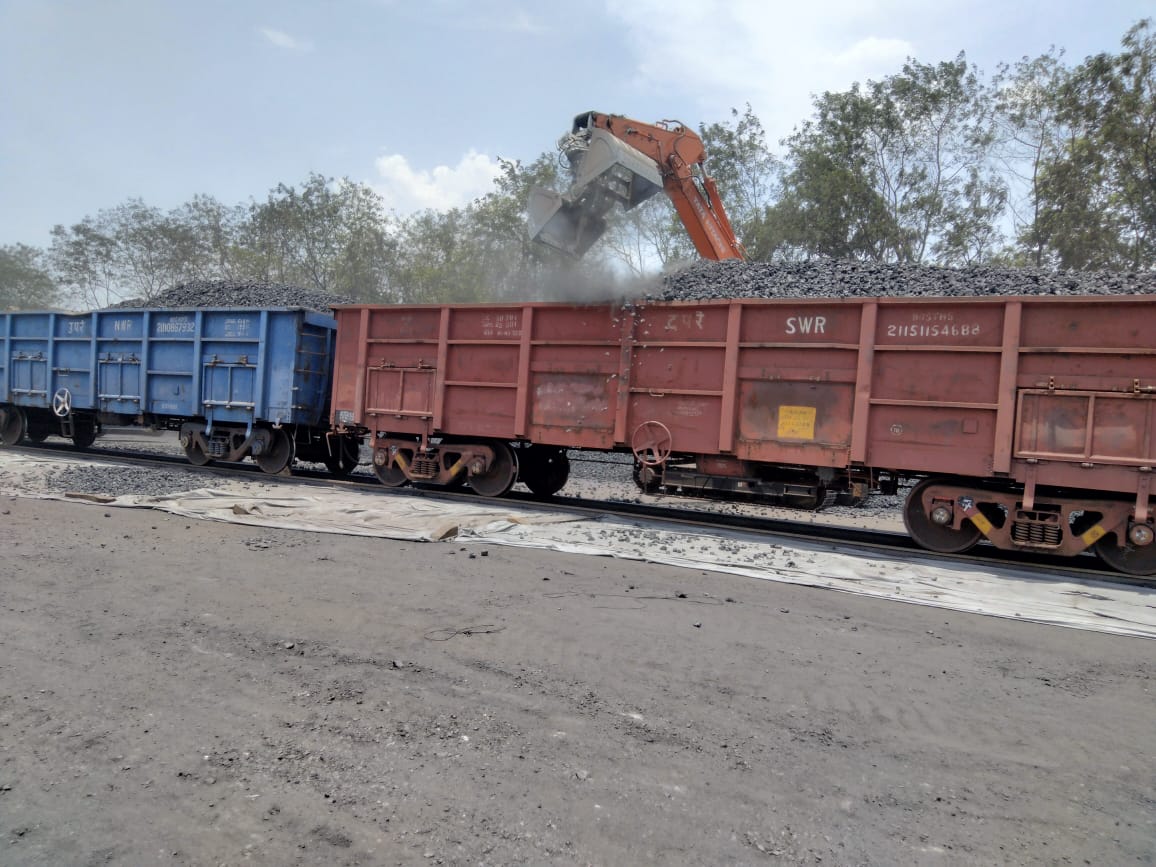
Wagon Rejections Revenue Boost: The Nagpur division of Central Railway has embarked on an impressive journey to tackle wagon rejections, a significant issue causing revenue loss. By addressing the damage to the floor, door, and body of wagons, the division’s mechanical department has made commendable strides. In the fiscal year 2023-24, over 1.55 lakh wagons were reported as unloadable due to these issues. Remarkably, 96% of these wagons were attended to and made fit for loading through in-situ repairs. This initiative generated an additional revenue of Rs986 crore, marking a 33% improvement in wagon attention compared to the previous year.

Wagon Rejections: A Persistent Problem

Understanding the Causes of Wagon Rejections

Wagon rejections occur due to various damages, primarily to the floor, doors, and body. These damages can make wagons unloadable, leading to significant revenue loss and logistical challenges for the railway division.

The Impact on Revenue (Wagon Rejections Revenue Boost)

The financial implications of wagon rejections are substantial. With over 1.55 lakh wagons reported as unloadable in the 2023-24 fiscal year alone, the potential revenue loss was alarming. However, through targeted efforts, the division managed to turn this challenge into an opportunity for revenue enhancement.

Effective Measures Implemented

In-Situ Repairs: A Game Changer

Outsourcing In-Situ Repair Services

The Nagpur division outsourced in-situ repair services at sidings with a high number of unloadable wagons. This strategy ensured prompt and efficient repairs on-site, significantly reducing downtime and improving wagon availability for loading.

Identifying Critical Coal Loading Sidings

Critical coal loading sidings with the highest number of rejected wagons were identified. These included Umred, Makardhokda, Ghugus, Wani, Majri, Chandrapur, and Balharshah. By focusing on these hotspots, the division could streamline its repair efforts and maximize impact.

Stringent Brake Power Certificate Examinations

Targeting High Rejection Rate Depots

Depots responsible for Brake Power Certificate (BPC) examinations of rakes with high rejection rates were targeted. Regular reminders and stringent examination protocols were implemented to ensure compliance and reduce wagon rejections.

Wagon Rejections Revenue Boost: A Tangible Outcome

Revenue Generation through Repair Initiatives

The focused repair initiatives led to a significant revenue boost. The in-situ repair strategy alone contributed an additional Rs986 crore, marking a notable 33% improvement compared to the previous year. This success underscores the effectiveness of the measures taken by the division.

Detailed Look at Key Sidings

Umred Siding

Challenges and Solutions

Umred siding faced frequent wagon rejections due to floor and body damages. By outsourcing repair services, prompt in-situ repairs were carried out, reducing unloadable wagon counts significantly.

Makardhokda Siding

Impact of In-Situ Repairs

At Makardhokda, the introduction of on-site repair services addressed door and body damages efficiently, improving the overall operational efficiency of the siding.

Ghugus Siding

Enhancing Wagon Availability

Ghugus siding, another critical point, saw a marked reduction in wagon rejections due to focused repair efforts. This improvement enhanced wagon availability, supporting higher loading volumes.

Wani and Majri Sidings

Collaborative Repair Efforts

Both Wani and Majri sidings benefited from collaborative repair efforts. By pooling resources and expertise, these sidings saw significant improvements in wagon fitness and reduced rejection rates.

Chandrapur and Balharshah Sidings

Strategic Repair Implementation

Strategic implementation of in-situ repairs at Chandrapur and Balharshah ensured that even minor damages were promptly addressed. This proactive approach minimized wagon rejections and supported consistent revenue generation.

The Role of the Mechanical Department

Proactive Measures

The mechanical department played a crucial role in this success story. By proactively addressing common damage issues and implementing efficient repair protocols, the department ensured the sustained fitness of wagons.

Continuous Monitoring and Improvement

Continuous monitoring of wagon conditions and regular updates to repair strategies ensured that the division could adapt to emerging challenges promptly. This dynamic approach was key to maintaining high standards of wagon fitness.

Collaborative Efforts and Outsourcing

Partnering with Repair Service Providers

Outsourcing repair services to specialized providers brought in expert knowledge and efficient repair techniques. This partnership was instrumental in reducing wagon rejection rates and improving overall operational efficiency.

Leveraging Technology for Better Outcomes

Technological advancements were leveraged to streamline the repair process. Digital monitoring and reporting tools ensured that repairs were carried out efficiently and that all stakeholders were kept informed of progress.

Stringent Compliance and Regular Reminders

Ensuring BPC Examination Compliance

Regular reminders and stringent examination protocols for BPC examinations ensured that wagons met the necessary standards before being cleared for loading. This preventive measure significantly reduced rejection rates.

Training and Development Programs

Training programs for staff involved in wagon examinations and repairs ensured that they were equipped with the latest knowledge and skills. This investment in human resources paid off in the form of higher operational efficiency.

The Nagpur division of Central Railway has set a benchmark with its proactive and efficient measures to reduce wagon rejections. By addressing the root causes of damages and implementing strategic repairs, the division has not only mitigated revenue loss but also boosted overall revenue significantly. The success of these initiatives highlights the importance of continuous improvement, collaboration, and technological integration in achieving operational excellence.

1. What are the main causes of wagon rejections?

Wagon rejections primarily occur due to damages to the floor, doors, and body of the wagons. These damages make the wagons unloadable, leading to operational inefficiencies and revenue loss.

2. How has the Nagpur division addressed wagon rejections?

The Nagpur division has implemented several measures, including outsourcing in-situ repair services, identifying critical coal loading sidings, and ensuring stringent Brake Power Certificate examinations to reduce wagon rejections.

3. What is the significance of in-situ repairs?

In-situ repairs allow for prompt and efficient repairs on-site, reducing downtime and ensuring that wagons are quickly made fit for loading, thereby minimizing revenue loss.

4. How much additional revenue was generated through these initiatives?

The initiatives led to an additional revenue generation of Rs986 crore in the fiscal year 2023-24, marking a 33% improvement in wagon attention compared to the previous year.

5. What role did the mechanical department play in this success?

The mechanical department was instrumental in identifying and addressing common damage issues, implementing efficient repair protocols, and continuously monitoring and improving wagon fitness.

Innovative Mist Cooling System at Nagpur Railway Station

In response to the extreme summer heat that can make waiting at railway platforms unbearable, Nagpur Railway Station has unveiled a state-of-the-art mist cooling system on platforms 1, 2, and 3. This innovative solution aims to enhance passenger comfort during the hottest months, from April to June, when temperatures soar above 45 degrees Celsius.

Summer in Nagpur can be relentless, with temperatures often rising above 45 degrees Celsius. This extreme heat makes waiting on railway platforms a daunting experience. However, Nagpur Railway Station has introduced an innovative solution to tackle this issue—a mist cooling system designed to reduce the ambient temperature and provide relief to passengers.

How the Mist Cooling System Works

The Technology Behind the Cooling

The mist cooling system works by dispersing fine droplets of water through specialized nozzles. These droplets evaporate quickly, absorbing heat from the air and thereby cooling the surrounding area. The primary components of this system include a high-pressure pump, micro filters, a control system, piping, fittings, and the nozzles themselves.

Key Components

High-Pressure Pump

The high-pressure pump is the heart of the mist cooling system. It ensures that water is delivered at the necessary pressure to create a fine mist.

Micro Filters

Micro filters play a crucial role by preventing impurities from clogging the nozzles. This ensures that the system operates efficiently and requires minimal maintenance.

Control System

The control system allows for precise regulation of the mist output, ensuring optimal cooling without wasting water.

Specialized Nozzles

The nozzles are strategically placed around the platforms to maximize the cooling effect. They are designed to disperse water in a way that enhances evaporation and cooling.

Benefits of the Mist Cooling System

Effective Outdoor Cooling

The mist cooling system provides a practical solution for cooling open-air platforms where traditional air conditioning is not feasible. By reducing the ambient temperature by 6 to 8 degrees Celsius, it makes waiting more comfortable for passengers.

Cost-Effective Maintenance

Designed for easy and affordable upkeep, the mist cooling system ensures long-term operation without significant costs. The use of micro filters reduces the likelihood of nozzle blockages, minimizing the need for frequent maintenance.

Energy Efficiency

Consuming minimal energy, the mist cooling system is an environmentally friendly option. It uses significantly less power compared to traditional cooling methods, making it a sustainable choice for large, open areas like railway platforms.

Improved Air Quality

In addition to cooling, the mist cooling system enhances air quality by reducing dust, smoke, and other respirable particles. This creates a cleaner and healthier environment for passengers.

Space-Saving Installation

The system integrates seamlessly into the existing platform infrastructure without requiring additional space. This makes it an ideal solution for busy railway stations where space is at a premium.

Installation and Implementation

Strategic Placement of Nozzles

The nozzles are strategically installed on platforms 1, 2, and 3 to ensure even distribution of the mist. This placement is critical to achieving the maximum cooling effect.

Ease of Operation

The control system is user-friendly, allowing railway staff to easily adjust the mist output based on the ambient temperature and passenger load.

Passenger Feedback and Satisfaction

Immediate Relief

Passengers have reported immediate relief from the scorching heat upon entering the mist-cooled areas. The reduction in temperature makes waiting for trains a more pleasant experience.

Positive Impact on Health and Well-being

The improved air quality and cooler temperatures contribute to better health and well-being for passengers, particularly those who are elderly or have respiratory issues.

Environmental and Economic Impact

Sustainability

The mist cooling system’s low energy consumption makes it a sustainable solution for reducing heat on railway platforms. It aligns with environmental goals by lowering energy use and reducing the carbon footprint.

Economic Efficiency

By reducing the need for high-energy cooling systems, the mist cooling system offers significant cost savings. Its minimal maintenance requirements further enhance its economic viability.

Future Prospects

Expansion Plans

Given the success of the mist cooling system on platforms 1, 2, and 3, there are plans to expand the installation to other platforms at Nagpur Railway Station. This expansion could further improve passenger comfort across the station.

Potential for Other Stations

The success at Nagpur Railway Station sets a precedent for other railway stations facing similar challenges. The mist cooling system could be implemented at other locations to provide relief from extreme heat.

Nagpur Railway Station’s innovative mist cooling system is a game-changer in combating extreme summer heat. By significantly reducing ambient temperatures and improving air quality, it enhances passenger comfort and well-being. This sustainable and cost-effective solution underscores the station’s commitment to passenger satisfaction and environmental responsibility.

1. How much does the mist cooling system reduce the temperature?

The mist cooling system reduces the ambient temperature by 6 to 8 degrees Celsius.

2. Is the mist cooling system energy-efficient?

Yes, the system consumes minimal energy, making it an environmentally friendly option.

3. Does the mist affect visibility on the platforms?

No, the mist is fine enough that it does not affect visibility while providing effective cooling.

4. How often does the system require maintenance?

Thanks to the use of micro filters, the system requires minimal maintenance, ensuring long-term reliability.

5. Can the mist cooling system be installed at other railway stations?

Yes, the success of the system at Nagpur Railway Station suggests it could be implemented at other stations to provide relief from extreme heat.

Nagpur: The Sessions Court’s Rejection of Ritika Maloo’s Pre-Arrest Bail in the Ram Jhula Accident Case

Ram Jhula Accident Case | Nagpur Sessions Court: The recent decision by the Nagpur Sessions Court to reject the pre-arrest bail application of Ritika Maloo has sparked significant attention. The court’s strong observations highlighted the gravity of the alleged offence, shedding light on the intricacies of the case and the legal proceedings that followed.

The Ram Jhula Accident: A Brief Overview

On the day of the incident, Ritika Maloo was involved in a tragic accident at Ram Jhula, Nagpur. The accident resulted in the loss of life, bringing forth severe charges against Maloo.

Details of the Accident

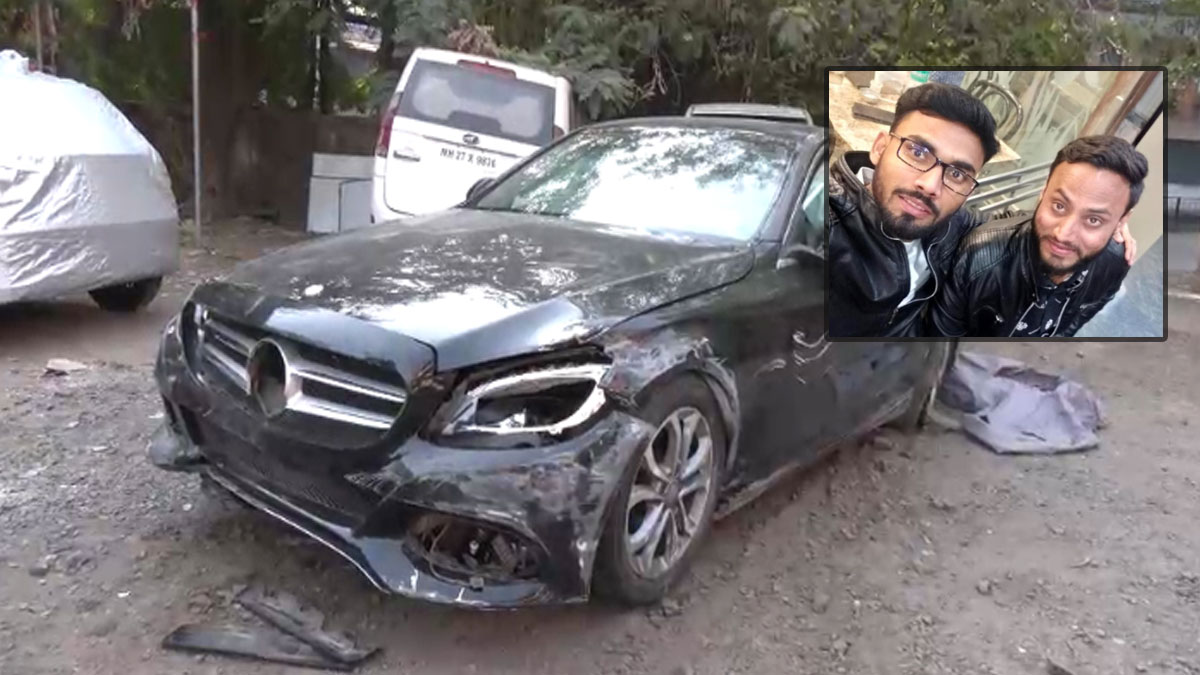
According to the police, Ritika Maloo was driving her car (No. MH49/AS-6111) at a high speed in a rash and negligent manner. The vehicle reportedly collided with pedestrians, leading to fatal consequences.

Charges Filed

Ritika was arrested under Section 304 of the Indian Penal Code (IPC), which pertains to causing death due to negligence. Other charges included rash driving and driving under the influence of alcohol.

Initial Arrest and Bail

Despite being a bailable offence, the gravity of the situation prompted the Tehsil police to take swift action, arresting Ritika on the same day. However, she sought anticipatory bail to avoid re-arrest.

Court’s Strong Observations

Prima Facie Evidence

The Sessions Court, while rejecting the anticipatory bail, made strong observations. It stated that Ritika drove in a high-speed, rash, and negligent manner without considering the road conditions, under the influence of alcohol.

Consideration of Circumstances

The court emphasized that Ritika, being intoxicated, should have been aware that her actions could result in an accident, potentially causing death or injuries.

Rejection of Bail

Given the severity of the alleged offence, the court deemed it unjust and improper to grant anticipatory bail to Ritika Maloo at this stage.

Tehsil Police’s Next Steps

Approaching JMFC Court

Following the rejection of the anticipatory bail, the Tehsil police plan to approach the Judicial Magistrate First Class (JMFC) court to seek an order for Ritika’s re-arrest.

Withdrawal of Revision Petition

The police also intend to request permission from the Sessions Court to withdraw a revision petition previously filed against the JMFC’s order.

Impact on Ritika Maloo

The rejection of bail significantly impacts Ritika’s legal standing. She is required to surrender before the JMFC court and seek fresh bail.

Public and Media Response

The case has garnered widespread media coverage and public interest, highlighting issues related to road safety and the legal system’s handling of such incidents.

Expert Opinions

Legal experts have weighed in on the court’s decision, noting the importance of adhering to legal guidelines and ensuring justice is served.

Supreme Court Guidelines

The decision aligns with the Supreme Court’s guidelines on handling cases involving severe negligence and accidents under the influence of alcohol.

The Nagpur Sessions Court’s rejection of Ritika Maloo’s pre-arrest bail in the Ram Jhula accident case underscores the seriousness of the charges against her. The court’s observations and subsequent legal actions reflect a stringent approach to addressing negligence and ensuring accountability.

  1. What charges were filed against Ritika Maloo?
    • Ritika Maloo was charged under Section 304 of IPC for causing death due to negligence, among other charges like rash driving and driving under the influence of alcohol.
  2. Why did the court reject Ritika’s anticipatory bail?
    • The court rejected the bail due to the severity of the alleged offence, noting her high-speed, negligent driving under the influence of alcohol.
  3. What are the next steps for the Tehsil police?
  4. How does this case align with Supreme Court guidelines?
    • The case follows Supreme Court guidelines on handling severe negligence and intoxication-related accidents.
  5. What is the public reaction to the case?
    • The case has drawn significant media attention and public interest, focusing on road safety and the legal proceedings involved.

DCPs Go Undercover, Find Violations Galore at Pubs

Nagpur Police Crack Down on Pub Violations: A Deep Dive

Pub violations: In an effort to ensure public safety and adherence to legal norms, Nagpur police officers, including deputy commissioners and assistant commissioners, went undercover on a Saturday night to investigate several pubs and lounges in the city. This covert operation, inspired by the recent Pune Porsche accident case, revealed numerous violations, including the illegal serving of liquor and hookah to minors. The operation’s findings are expected to lead to significant repercussions for the establishments involved.

The Undercover Operation

Initiation and Objectives (Pub violations)

The undercover operation was initiated to uncover violations related to safety and licensing norms at various pubs and lounges. Senior officers disguised as customers aimed to gather concrete evidence to present to Commissioner of Police (CP) Ravinder Singal.

Methods and Tactics

To blend in, the officers drove private vehicles, paid entry charges, and mingled with weekend revelers. They also collected evidence from parking lots, adding to the comprehensive nature of the investigation.

Findings of the Operation

Minors Served Alcohol and Hookah

One of the most alarming discoveries was that some establishments were serving alcohol and hookah to minors without verifying their ages. This practice poses severe risks to young individuals and is a blatant violation of legal norms.

Lack of Age Verification

Despite regulations requiring age verification before serving alcohol, many pubs and lounges failed to adhere to this rule. This negligence has significant legal and ethical implications.

Concealment of Illegal Activities

To evade detection during police raids, several establishments had watchers and CCTV cameras at entry and exit points. These measures allowed them to quickly hide hookah pots and other illegal items when alerted to police presence.

Ignoring Licensing Norms

Many of the inspected pubs and lounges were found to be ignoring licensing norms. Such disregard not only undermines regulatory authority but also jeopardises the safety and well-being of patrons.

Inadequate Safety Measures

The investigation revealed that safety measures, such as the installation of CCTV cameras, were either inadequate or non-existent in some places. Proper surveillance is crucial for maintaining order and ensuring patron safety.

Impact of the Pune Porsche Accident Case

A Wake-Up Call

The Pune Porsche accident case, where a teenager, after leaving a pub, caused a fatal accident, served as a catalyst for the undercover operation. It highlighted the need for stricter enforcement of existing laws and better monitoring of establishments serving alcohol.

Deputy Chief Minister’s Response

Deputy Chief Minister Devendra Fadnavis emphasised the importance of age verification and the installation of CCTV cameras to prevent such tragedies. His statements underscored the urgency of the Nagpur police’s undercover operation.

Consequences for Violating Establishments

The collected evidence will be presented in court and to revenue authorities, with recommendations for cancelling the licences of the violating establishments. This action aims to enforce accountability and ensure compliance with legal standards.

Long-Term Plans for Regulation

CP Ravinder Singal mentioned that a long-term plan is being developed to regulate pubs and lounges more effectively. This plan will likely include periodic inspections and stricter enforcement of licensing and safety norms.

Public Reaction and Future Implications

Public Support

The undercover operation has garnered significant public support. Citizens appreciate the police’s proactive approach to ensuring safety and upholding the law.

Implications for Other Cities

Nagpur’s initiative could serve as a model for other cities facing similar issues. By demonstrating the effectiveness of undercover operations, it sets a precedent for enhanced regulatory measures nationwide.

The undercover operation by Nagpur police has exposed serious violations in the city’s pubs and lounges, particularly concerning the serving of alcohol and hookah to minors. The evidence gathered is set to lead to legal actions, including the cancellation of licences for the offending establishments. This operation not only underscores the importance of regulatory compliance but also highlights the need for continued vigilance to ensure public safety.

FAQs

1. What prompted the Nagpur police to go undercover?

The undercover operation was inspired by the Pune Porsche accident case, which highlighted severe safety and regulatory lapses in pubs and lounges.

2. What violations did the undercover officers find?

The officers found several violations, including the serving of alcohol and hookah to minors and a lack of proper age verification and safety measures.

3. What will happen to the establishments that violated regulations?

The evidence will be presented to court and revenue authorities, with recommendations to cancel the licences of the violating establishments.

4. How did the pubs and lounges try to evade detection?

Many establishments had watchers and CCTV cameras at entry and exit points to alert them to police presence, allowing them to quickly hide illegal items.

5. What long-term measures are being planned by the Nagpur police?

A long-term plan is being developed to regulate pubs and lounges more effectively, including periodic inspections and stricter enforcement of safety and licensing norms.

MPCB to Install Four Noise Monitoring Stations Soon

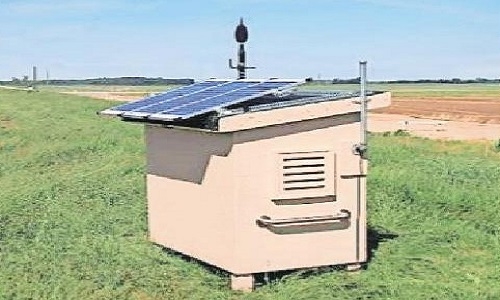
In an ambitious stride towards combating noise pollution, the Maharashtra Pollution Control Board (MPCB) has announced the installation of four Continuous Noise Monitoring Stations (CNMS) in Nagpur. This is the first time such an initiative is being undertaken in the city, promising a significant leap in environmental monitoring and pollution control.

Significance of Noise Monitoring

Noise pollution is an often overlooked but critical environmental issue. Prolonged exposure to high noise levels can lead to numerous health problems, including stress, hearing loss, and cardiovascular diseases. Therefore, continuous monitoring is essential for timely intervention and mitigation.

Real-Time Data Collection

The CNMS will provide real-time data on noise levels throughout the city, functioning 24 hours a day. This continuous data flow will be automatically uploaded to the MPCB website, offering transparency and accessibility for researchers, policymakers, and the general public.

Locations for the CNMS

The four CNMS will be strategically placed at key locations in Nagpur to ensure comprehensive coverage:

  1. Town Hall in Mahal
  2. Visvesvaraya National Institute of Technology (VNIT) near IT Park
  3. Laxminarayan Institute of Technology (LIT) at Amravati Road
  4. MPCB Office in Civil Lines

These locations were chosen due to their existing infrastructure, which includes Continuous Ambient Air Quality Monitoring Stations (CAAQMS).

Integration with Existing Infrastructure

By installing the CNMS alongside the CAAQMS, the MPCB aims to create a more integrated and efficient environmental monitoring network. This integration will facilitate the simultaneous tracking of both air and noise pollution, providing a more holistic view of the city’s environmental health.

Challenges and Solutions

Human Interference

One of the challenges highlighted by Hema Deshpande, Regional Officer, MPCB, is the increased human interference near the CAAQMS in Town Hall, Mahal. To address this, the MPCB plans to relocate the CAAQMS and CNMS to a new site provided by the Nagpur Municipal Corporation (NMC).

Tendering Process

The tendering process for the installation of the CNMS is currently underway. Ensuring that the process is completed efficiently and transparently is crucial for the timely deployment of these stations.

Current Noise Monitoring Practices

At present, the MPCB conducts manual noise monitoring during major festivals like Diwali and Ganesh Chaturthi. These efforts, though valuable, provide only a snapshot of the noise levels in the city. The CNMS will enhance these efforts by offering continuous data, thereby enabling more accurate and comprehensive analysis.

Advantages of Continuous Monitoring

Continuous noise monitoring offers several advantages over periodic manual monitoring:

  • Detailed Data Collection: Continuous monitoring captures fluctuations in noise levels throughout the day and night.
  • Timely Interventions: Real-time data allows for prompt actions to mitigate noise pollution.
  • Policy Formulation: Accurate data supports the development of effective noise control policies.

Mitigation Measures

No Honking Rule

The police department in Nagpur has implemented a ‘No Honking’ rule on city roads as a measure to reduce noise pollution. This rule, coupled with data from the CNMS, will help in identifying and addressing the primary sources of noise pollution in the city.

Public Awareness

Raising public awareness about the impacts of noise pollution and the importance of reducing it is crucial. Educational campaigns and community engagement can play a significant role in fostering a more noise-conscious society.

Future Prospects

The installation of the CNMS is a significant step towards better noise pollution management in Nagpur. However, this is just the beginning. The MPCB plans to extend this initiative to other parts of the state, aiming for a wider and more effective noise monitoring network.

Technological Advancements

Leveraging advancements in technology will be key to the success of these initiatives. Future plans may include the use of advanced sensors, data analytics, and machine learning to predict and mitigate noise pollution more effectively.

Collaboration and Research

Collaboration with academic institutions, research organizations, and other stakeholders will be essential for the continuous improvement of noise pollution management strategies. These partnerships can provide valuable insights and innovative solutions to tackle noise pollution.

The installation of four Continuous Noise Monitoring Stations in Nagpur marks a significant milestone in the fight against noise pollution. By providing real-time data, these stations will enable more effective monitoring, analysis, and mitigation of noise pollution in the city. As the MPCB continues to expand and enhance its noise monitoring capabilities, Nagpur can look forward to a quieter, healthier environment.

1. What are Continuous Noise Monitoring Stations (CNMS)?

CNMS are advanced systems designed to monitor noise levels continuously in real-time. They provide 24/7 data, which is essential for effective noise pollution management.

2. Why is noise pollution monitoring important?

Noise pollution can lead to various health issues, including stress, hearing loss, and cardiovascular problems. Monitoring helps in identifying noise sources and implementing measures to mitigate them.

3. Where will the CNMS be installed in Nagpur?

The CNMS will be installed at Town Hall in Mahal, VNIT near IT Park, LIT at Amravati Road, and MPCB Office in Civil Lines.

4. How will the CNMS data be used?

The real-time data from CNMS will be uploaded to the MPCB website, aiding researchers, policymakers, and the public in understanding and managing noise pollution.

5. What other measures are being taken to reduce noise pollution in Nagpur?

Apart from installing CNMS, the police department has implemented a ‘No Honking’ rule, and public awareness campaigns are being conducted to educate citizens about the impacts of noise pollution.

Nagpur’s Battle Against Garbage: Iron Mesh Installation on Bridges

Nagpur garbage prevention: In an ambitious bid to combat the persistent issue of garbage dumping into water bodies, the Nagpur Municipal Corporation (NMC) has launched a project to install iron meshes on bridges over the Nag River and various canals. This initiative aims to enhance the city’s sanitation and prevent the adverse effects of waste accumulation in water channels. Under the guidance of Municipal Commissioner Abhijit Chaudhary, this project will cover 58 bridges across all ten NMC zones.

Why Iron Meshes?

The Garbage Problem

Nagpur has been grappling with rampant dumping of garbage from bridges into the water bodies. This practice not only hampers water flow but also poses significant environmental and health risks. The waste obstructs the natural flow of water, leading to frequent flooding during the monsoon season.

Environmental Impact

The accumulation of waste in water channels can lead to severe pollution, affecting aquatic life and the quality of water. Moreover, stagnant water becomes a breeding ground for mosquitoes, increasing the risk of vector-borne diseases.

Project Scope and Coverage (Nagpur garbage prevention)

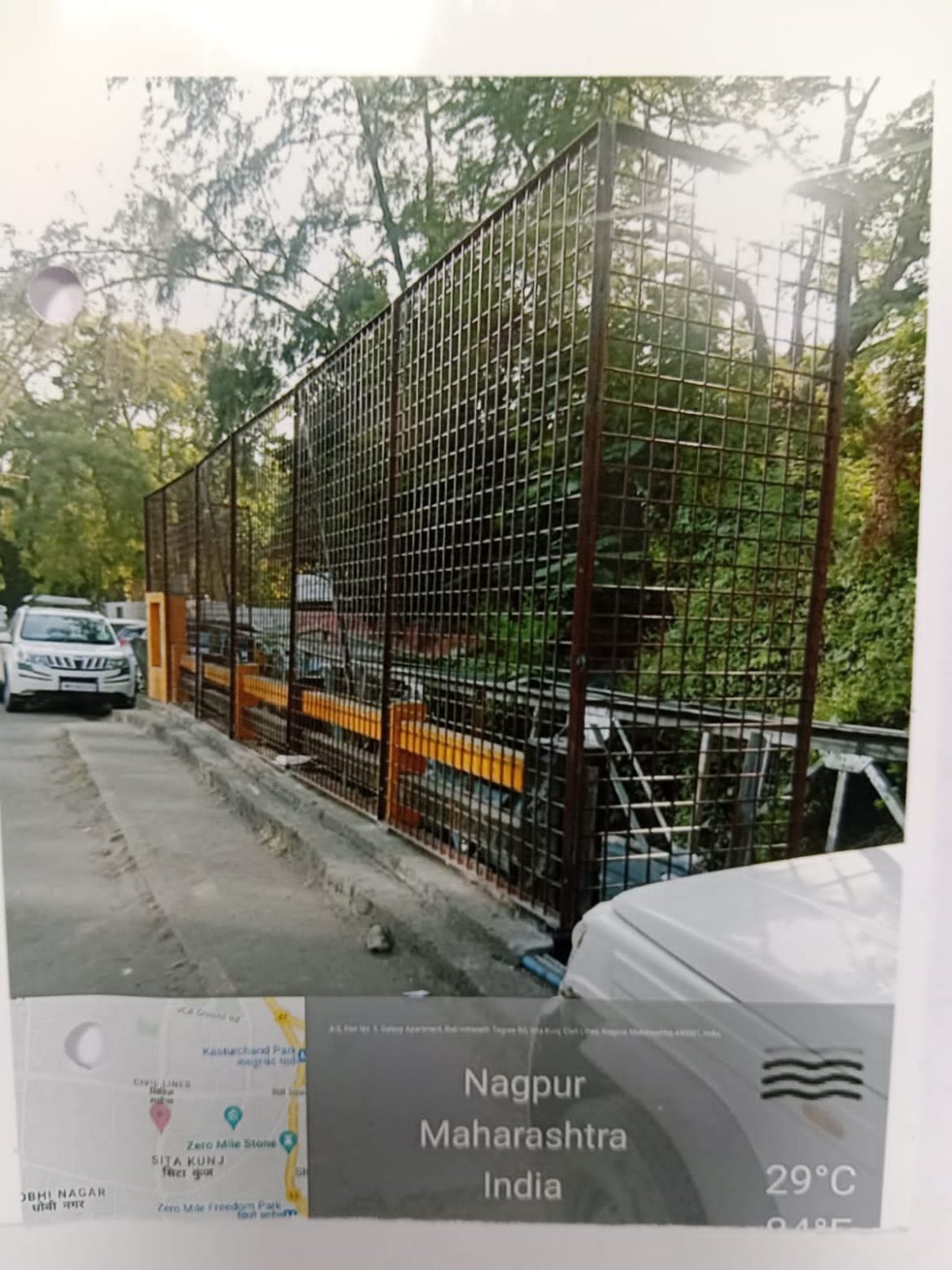
The NMC has identified 58 bridges for the installation of iron meshes. These safety grilles will be placed on both sides of the bridges, ensuring that no garbage can be thrown into the water bodies.

Zones and Specific Locations

  • Laxmi Nagar Zone: Khamla Chowk, Sahakar Nagar Ghat
  • Dharampeth Zone: Ambazari overflow point, Yashwant Stadium Nag Nadi, Nala near Bhole petrol pump
  • Hanuman Nagar Zone: Manewada Ghat, Besa Road
  • Dhantoli Zone: Narendra Nagar Square, Sardar Patel Square, Ghat Road
  • Nehru Nagar Zone: Jaganade Chowk nullah
  • Gandhibagh Zone: Gangabai Ghat bridge
  • Satranjipura Zone: Shanti Nagar nullah near Jain Temple
  • Ashi Nagar Zone: Ashok Chowk
  • Zone X: Police Line Talao

Implementation Process

Step-by-Step Approach (Nagpur garbage prevention)

  1. Assessment and Planning: Initial assessment of the bridges and planning the installation process.
  2. Fabrication of Iron Meshes: Custom fabrication of meshes to fit the specific dimensions of each bridge.
  3. Installation: Systematic installation of iron meshes on both sides of the bridges.
  4. Monitoring and Maintenance: Regular monitoring to ensure the integrity of the meshes and timely maintenance.

Expected Outcomes

The primary goal is to significantly reduce the amount of waste dumped into the water bodies. This initiative is expected to improve water flow, reduce flooding, and enhance the overall environmental health of Nagpur.

Community Involvement and Awareness

Public Awareness Campaigns

The success of this project heavily relies on community participation and awareness. The NMC plans to launch extensive public awareness campaigns to educate citizens about the importance of keeping water bodies clean.

Engaging Schools and Colleges

Educational institutions will play a crucial role in spreading awareness. Workshops and seminars will be conducted to instill a sense of responsibility among students.

Long-term Benefits

Environmental Conservation

By preventing waste from entering water bodies, this project will contribute significantly to environmental conservation. Cleaner water channels will support aquatic life and improve the quality of life for the city’s residents.

Enhanced Urban Aesthetics

The installation of iron meshes will not only serve a functional purpose but also enhance the visual appeal of the city’s infrastructure.

Challenges and Solutions

Potential Challenges

  1. Vandalism and Damage: There is a risk of the meshes being vandalized or damaged.
  2. Initial Resistance: Some residents may initially resist the change due to inconvenience.

Proposed Solutions

  1. Regular Maintenance: Establishing a maintenance team to address any damage promptly.
  2. Community Engagement: Continuous community engagement to address concerns and emphasize the benefits.

The installation of iron meshes on bridges in Nagpur is a crucial step towards a cleaner and safer environment. This project, led by the NMC under the direction of Municipal Commissioner Abhijit Chaudhary, aims to mitigate the adverse effects of garbage dumping in water bodies. By involving the community and raising awareness, Nagpur can set a precedent for other cities to follow. Together, we can work towards a cleaner, healthier, and more sustainable future.

  1. What is the main objective of installing iron meshes on the bridges in Nagpur? The primary objective is to prevent the dumping of garbage into the water bodies, ensuring smoother water flow and reducing environmental pollution.
  2. How many bridges will have iron meshes installed? Iron meshes will be installed on 58 bridges across all ten NMC zones.
  3. Who is overseeing this project? The project is being overseen by Municipal Commissioner Abhijit Chaudhary.
  4. What are the benefits of this project? The benefits include improved water flow, reduced flooding, enhanced environmental health, and better urban aesthetics.
  5. How can the community contribute to this initiative? The community can contribute by participating in awareness campaigns, adhering to waste disposal regulations, and educating others about the importance of keeping water bodies clean.

Securing the Vote: Kalamna Market Transforms into a Fortress Ahead of Counting Day

Preparing for the Big Day

Nagpur election: With the Lok Sabha election’s counting day looming closer, the district administration in Nagpur is leaving no stone unturned in ensuring a smooth and secure process. Kalamna Market has been transformed into a stronghold, ready to handle the influx of ballots and the scrutiny that follows.

Assembly-wise Arrangements

To streamline the process, counting will be conducted assembly-wise, with meticulous planning evident in the allocation of resources. Each assembly constituency will have 20 tables dedicated to counting, ensuring efficiency and organization.

Comprehensive Security Measures

Recognizing the significance of security, a robust system has been put in place. The administration has reserved 120 tables, with each manned by a counting supervisor, a counting assistant, and a police constable. This ensures not only accuracy but also a secure environment for the process.

Training and Preparation

Under the guidance of Collector Vipin Itankar, poll officials have undergone rigorous training sessions to familiarize themselves with the intricate procedures involved. From counting methodologies to media management and logistics, every aspect has been meticulously planned and rehearsed.

Logistical Readiness

Acknowledging the importance of medical facilities, provisions for first aid and medical assistance have been made available on-site. Additionally, special arrangements have been devised for the handling of postal ballots and electronic voting machines (EVMs), ensuring a seamless transition from one phase to the next.

Stringent Security Protocols

EVMs are stored securely in the Kalamna market area, safeguarded by a three-layered security system. Police, State Reserve Police Force (SRPF), and Central Armed Police Forces (CAPF) form concentric circles of protection around the strong rooms, ensuring unauthorized access is prevented.

As the district administration in Nagpur gears up for the pivotal task of counting votes, their meticulous planning and comprehensive security measures promise a transparent and efficient process. The transformation of Kalamna Market into a fortress underscores their commitment to upholding the integrity of the electoral process.

  1. Why is Kalamna Market chosen as the counting center?
    • Kalamna Market offers ample space and strategic location for efficient handling of the counting process.
  2. How many tables are reserved for counting in each constituency?
    • A total of 20 tables are allocated for each assembly constituency, ensuring a systematic approach to counting.
  3. What measures are in place for security during the counting process?
    • A three-layered security system, comprising police, SRPF, and CAPF, ensures the safety and integrity of the counting process.
  4. Are medical facilities available at the counting center?
    • Yes, provisions for first aid and medical assistance have been made to address any emergencies during the process.
  5. How are EVMs transported from the strong room to the counting center?

All Heavy Vehicles to be Barred Near Ambazari Bridge to Ease Congestion

Ambazari bridge traffic congestion: Nagpur’s traffic woes are about to be eased, as heavy vehicles will soon be barred from traversing the Ambazari bridge. The decision comes in the wake of ongoing bridge dismantling works and the associated risks. This move, orchestrated by the state Public Works Department (PWD) in collaboration with the traffic department, aims to mitigate congestion and enhance safety.

The Current Situation: An Overview

The Ambazari bridge serves as a crucial connection between the Ambazari lake overflow point and the Ambazari T-point. However, with the bridge undergoing dismantling, only one side remains open, causing significant traffic congestion.

Challenges Faced

Heavy vehicles plying on the half-dismantled bridge pose a serious risk. Excavation activities for the new foundation might destabilise the soil under the open side, making it unsafe for heavy traffic.

The PWD’s Strategic Measures

Dismantling Process

Currently, about 70% of one side of the bridge has been dismantled. The remaining work is on hold pending the relocation of MSEDCL cables, which is crucial to avoid power disruptions for around 2 lakh consumers, mainly from Amravati Road.

Height Barriers Installation

To enforce the ban on heavy vehicles, the PWD will install height barriers within the next few days. This measure will prevent heavy vehicles from accessing the bridge, thereby reducing the risk and congestion.

Collaboration with Traffic Department

The PWD has coordinated with the traffic department to ensure smooth execution of these plans. DCP (Traffic) Shashikant Satav confirmed that the road will be closed to heavy vehicles once the height barriers are in place.

The Financial Implications

Project Cost Escalation

The cost of dismantling the Ambazari bridge has risen from an estimated ₹8 crore to ₹10.38 crore. The increase is attributed to the additional ₹2.50 crore demanded by MSETCL for cable damages and ₹38 lakh for temporary shifting of MSEDCL cables.

Future Costs

Relocating the MSEDCL cables permanently after the bridge’s reconstruction is expected to cost another ₹80 lakh, bringing the total project cost to approximately ₹11.18 crore.

Impact on Local Traffic

Temporary Traffic Solutions

PWD officials are devising temporary solutions to manage the traffic chaos expected between the Ambazari overflow point and Mate Square. The situation is likely to worsen once both sides of the road are closed.

Meeting to Address Issues

A meeting between PWD and city police is scheduled for May 27 to discuss long-term traffic management solutions for the area.

Safety Concerns

Soil Stability Risks

Excavation for the new bridge foundation might loosen the soil under the operational side, posing a danger to vehicles, especially heavy ones. Hence, the barring of heavy vehicles is a precautionary measure to ensure safety.

Temporary Power Solutions

MSEDCL is erecting poles to temporarily shift the cables, ensuring minimal disruption to the power supply during the dismantling process.

Community Impact

Consumer Power Supply

Around 2 lakh consumers are at risk of power cuts unless the MSEDCL cables are shifted promptly. This makes the timely relocation of cables critical.

Long-Term Benefits

Despite the immediate inconveniences, the barring of heavy vehicles and subsequent bridge reconstruction will ultimately ease traffic congestion and enhance safety for all road users.

Public Communication

PWD’s Transparency

PWD officials, including Executive Engineer Chandrashekhar Giri, have been transparent about the progress and challenges of the project. Regular updates are provided to keep the public informed.

Traffic Department’s Role

The traffic department is actively involved in implementing measures to mitigate congestion and ensure public safety during the bridge dismantling and reconstruction phases.

The decision to bar heavy vehicles from the Ambazari bridge is a necessary step to ensure safety and ease traffic congestion. While the process involves significant logistical and financial challenges, the long-term benefits for Nagpur’s commuters will be substantial. The collaboration between the PWD and the traffic department is crucial in navigating this complex project, promising a safer and more efficient traffic flow in the future.

  1. Why are heavy vehicles being barred from the Ambazari bridge? Heavy vehicles are being barred to reduce congestion and ensure safety during the bridge dismantling and reconstruction.
  2. What are the financial implications of the bridge project? The project cost has increased to approximately ₹11.18 crore due to additional expenses for cable damages and relocation.
  3. How will the barring of heavy vehicles affect local traffic? It will help ease congestion, though temporary traffic management solutions are being devised to handle the disruption.
  4. What measures are being taken to ensure power supply continuity? MSEDCL is temporarily shifting cables to prevent power cuts for around 2 lakh consumers.
  5. When will the height barriers be installed? The height barriers are expected to be installed within two to three days to enforce the ban on heavy vehicles.

NMC: 58 Illegal Hoardings on Railway Properties

illegal hoardings: The Nagpur Municipal Corporation (NMC) has embarked on a crucial mission to inspect and audit the structural integrity of hoardings across the city. This initiative was propelled by a tragic incident in Mumbai, where a hoarding collapse resulted in the loss of 16 lives. Amid these inspections, a startling revelation came to light: 58 unauthorised hoardings were discovered on railway properties. This article delves into the findings, implications, and the steps taken by the NMC to address this pressing issue.

The Mumbai Tragedy: A Catalyst for Change

The unfortunate incident in Mumbai served as a wake-up call for municipal corporations across India. The collapse of a hoarding, which claimed 16 lives, underscored the dire need for stringent checks and regulations. It highlighted the potential dangers posed by unauthorised and structurally unsound hoardings.

Nagpur’s Response: A Comprehensive Audit

In response, the NMC initiated a thorough audit of hoardings within the city. The focus was not only on ensuring compliance with existing regulations but also on assessing the structural integrity of these advertising structures.

Statistics at a Glance

  • Total authorised hoardings in Nagpur: 1,054
  • Hoardings inspected: 825
  • Unauthorised hoardings identified: 58 (on railway properties)
  • Unauthorised hoardings removed: 5 (in the initial phase)

Railway Properties: A Hotspot for Unauthorised Hoardings

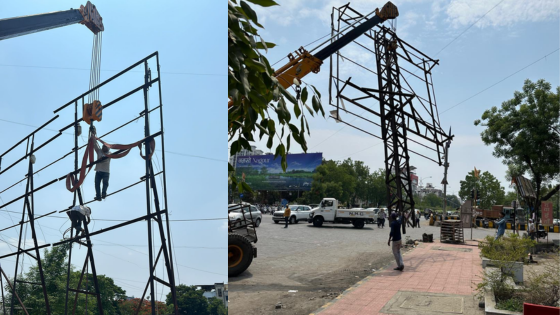
A significant portion of the unauthorised hoardings was found on railway properties. These included areas such as Cotton Market, Kadbi Chowk, Tadasi, Indora Road, and Dahi Bazar Road. The railway administration had erected these hoardings without seeking permission from the NMC, leading to a breach of municipal regulations.

Key Locations with Unauthorised Hoardings

  • Cotton Market
  • Kadbi Chowk
  • Tadasi
  • Indora Road
  • Dahi Bazar Road

Inspection Criteria: Ensuring Safety and Compliance

The NMC’s inspections covered several critical aspects:

Structural Strength

The primary concern was the structural integrity of the hoardings. Weak or poorly constructed hoardings pose a significant risk, especially in adverse weather conditions.

Size and Dimensions

Hoardings need to conform to specified size limits. Oversized hoardings not only violate regulations but also increase the risk of structural failure.

Location and Placement

The placement of hoardings should not obstruct visibility or pose a hazard to pedestrians and vehicles. Unauthorised hoardings often fail to meet these safety criteria.

The discovery of unauthorised hoardings on railway properties has legal and administrative ramifications. The railway administration’s failure to obtain necessary permissions is a violation of municipal laws, necessitating corrective actions.

Steps Taken by NMC

  1. Identification of Unauthorised Hoardings: An ongoing effort to identify and list unauthorised hoardings.
  2. Immediate Removal: Five unauthorised hoardings were removed within five days of identification.
  3. Legal Notices: Issuance of legal notices to entities responsible for erecting unauthorised hoardings.
  4. Coordination with Railways: Engaging with the railway administration to ensure compliance and prevent future violations.

Public Safety: The Paramount Concern

The primary goal of the NMC’s drive is to ensure public safety. Unauthorised hoardings, particularly those lacking structural integrity, pose a significant threat to public safety. By addressing this issue, the NMC aims to prevent tragedies similar to the one in Mumbai.

Community Involvement

Engaging the community in reporting unauthorised hoardings is crucial. Citizens can play a vital role in identifying and reporting illegal structures, aiding the NMC in its efforts.

Future Steps: Ensuring Compliance and Safety

Moving forward, the NMC plans to:

  1. Expand Inspections: Continue the inspection drive to cover all hoardings in the city.
  2. Stricter Regulations: Implement stricter regulations and penalties for non-compliance.
  3. Regular Audits: Conduct regular audits to ensure ongoing compliance and safety.

The discovery of 58 unauthorised hoardings on railway properties in Nagpur highlights a significant regulatory oversight. The NMC’s proactive approach in auditing and removing these hoardings underscores its commitment to public safety. As the city moves forward, stricter regulations and community involvement will be key to preventing such violations and ensuring a safer environment for all.

1. Why did the NMC start inspecting hoardings in Nagpur?

The NMC began inspecting hoardings following a tragic incident in Mumbai where a hoarding collapse resulted in 16 fatalities. This prompted a city-wide audit to ensure the structural integrity and legality of hoardings.

2. How many hoardings have been inspected so far?

Out of 1,054 authorised hoardings in Nagpur, 825 have been inspected for structural strength, size, and other compliance factors.

3. Where were the unauthorised hoardings found?

The 58 unauthorised hoardings were found on railway properties in areas like Cotton Market, Kadbi Chowk, Tadasi, Indora Road, and Dahi Bazar Road.

4. What steps is the NMC taking against unauthorised hoardings?

The NMC is identifying and listing unauthorised hoardings, issuing legal notices, removing illegal structures, and coordinating with the railway administration to ensure compliance.

5. How can citizens help in this initiative?

Citizens can report unauthorised hoardings to the NMC, aiding in the identification and removal of illegal structures and enhancing public safety.

Schools to Kick Off Campaign Against Underage Driving in Nagpur

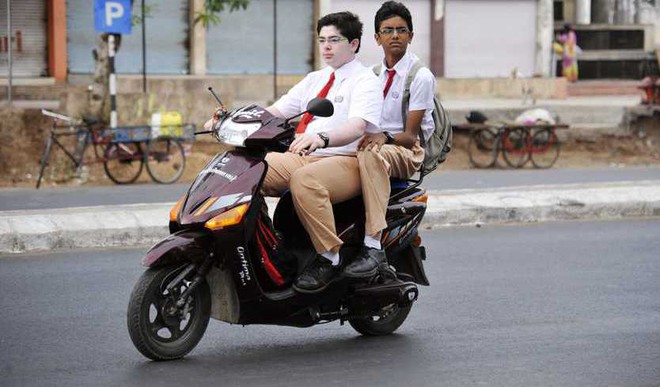
underage driving campaign Nagpur schools: Nagpur’s schools and junior colleges are launching a significant campaign to combat underage driving. This initiative comes in the wake of a tragic accident in Pune, where an ultra-luxury car driven by an alleged teenager resulted in the death of two youths. The School Headmasters Charitable Association (SHCA) has taken the lead in this movement, recognising the pressing need to bolster awareness and enforcement in collaboration with the police department.

The Tragic Backdrop: Pune Accident

The recent accident in Pune has shocked communities and underscored the dangers of underage driving. A teenager behind the wheel of a high-end car caused a fatal crash, bringing the issue to the forefront of public consciousness. This tragic event has highlighted the urgent need for preventative measures to protect young lives and ensure road safety.

Role of the School Headmasters Charitable Association (SHCA)

SHCA’s Mission (underage driving campaign Nagpur schools)

The SHCA is committed to addressing the issue of underage driving through comprehensive awareness campaigns. Founder-president Zafar Khan has expressed the association’s dedication to collaborating with the police to enhance the effectiveness of these initiatives.

Collaboration with Police

The SHCA plans to invite police officers to school assemblies to speak directly to students about the consequences of underage driving. The presence of uniformed officers can have a profound impact, reinforcing the gravity of the message and encouraging students to adhere to traffic laws.

Current Measures in Nagpur Schools

Strict Policies on Campus (underage driving campaign Nagpur schools)

Nagpur’s CBSE and state board schools already enforce strict rules regarding vehicles on campus. Students are prohibited from bringing any motorised vehicles to school, ensuring a safer environment.

Previous Actions

In the past, Nagpur schools have taken decisive action against students who violated these rules. For instance, a CBSE school in Koradi confiscated a motorbike brought by a student, returning it to the parents only after addressing the issue. Similarly, another CBSE school in Wardhaman Nagar suspended six students for a week for riding bikes they were not legally allowed to drive.

The Importance of Awareness Campaigns

Impact of Education

Awareness campaigns are crucial in educating students about the risks and legal repercussions of underage driving. By understanding the potential consequences, students are more likely to make responsible choices.

Involving the Community

These campaigns also extend to parents and the broader community. Engaging everyone in the dialogue about road safety creates a supportive network that reinforces the message.

Detailed Strategies for the Campaign

Seminars and Workshops

Schools will host seminars and workshops featuring experts in road safety and law enforcement. These sessions will provide students with valuable insights and practical advice.

Interactive Sessions

Interactive sessions, including role-playing and scenario-based discussions, will help students understand the real-life implications of underage driving. These activities make the learning experience engaging and memorable.

Visual Aids and Demonstrations

Using visual aids, such as videos and presentations, can effectively illustrate the dangers of underage driving. Demonstrations by police officers can further drive home the message.

The Role of Parents and Guardians

Parental Responsibility

Parents play a crucial role in preventing underage driving. By setting a good example and enforcing rules at home, they can influence their children’s behaviour.

Open Communication

Encouraging open communication about the dangers of underage driving can help parents address any concerns their children might have. It’s essential for parents to be approachable and supportive.

Engaging the Wider Community

Community Events

Community events focused on road safety can help spread awareness beyond the school environment. These events provide an opportunity for the entire community to come together and discuss solutions.

Partnerships with Local Organisations

Partnering with local organisations, such as driving schools and road safety advocacy groups, can enhance the reach and impact of the campaign.

Measuring the Success of the Campaign

Feedback Mechanisms

Implementing feedback mechanisms will help schools assess the effectiveness of their campaigns. Surveys and questionnaires can provide valuable insights into what is working and what needs improvement.

Monitoring and Evaluation

Regular monitoring and evaluation of the campaign’s progress will ensure that it remains on track and achieves its goals. Adjustments can be made based on the findings to enhance its impact.

The Road Ahead: Sustaining Efforts

Long-term Commitment

Sustaining these efforts requires a long-term commitment from all stakeholders. Continuous education and enforcement are key to maintaining road safety awareness among students.

Building a Culture of Safety

By consistently promoting safe driving practices, schools can help build a culture of safety that extends beyond the school gates and into the broader community.

The campaign against underage driving in Nagpur’s schools is a vital step towards ensuring the safety of young people on the roads. By combining education, enforcement, and community involvement, these initiatives aim to prevent tragedies and promote responsible behaviour. The collaborative efforts of the SHCA, police, parents, and the community are essential in making this campaign a success.

1. Why is the campaign against underage driving important?

The campaign is crucial because underage driving poses significant risks to the safety of young drivers and others on the road. Educating students about these dangers can prevent accidents and save lives.

2. How will schools enforce the rules against underage driving?

Schools will continue to implement strict policies prohibiting students from bringing vehicles to campus. They will also involve police officers to reinforce the message during school assemblies.

3. What role do parents play in preventing underage driving?

Parents are vital in setting a good example and enforcing rules at home. Open communication and being supportive can help prevent underage driving.

4. How will the effectiveness of the campaign be measured?

The campaign’s effectiveness will be measured through feedback mechanisms such as surveys and questionnaires, along with regular monitoring and evaluation.

5. What can the community do to support the campaign?

The community can support the campaign by participating in road safety events, partnering with local organisations, and fostering a culture of safety through continuous education and awareness efforts.

Exit mobile version