Rain, Thunderstorms for 3 Days in City, Scorcher to Make a Return by May-End

A Welcome Change in Nagpur’s Weather

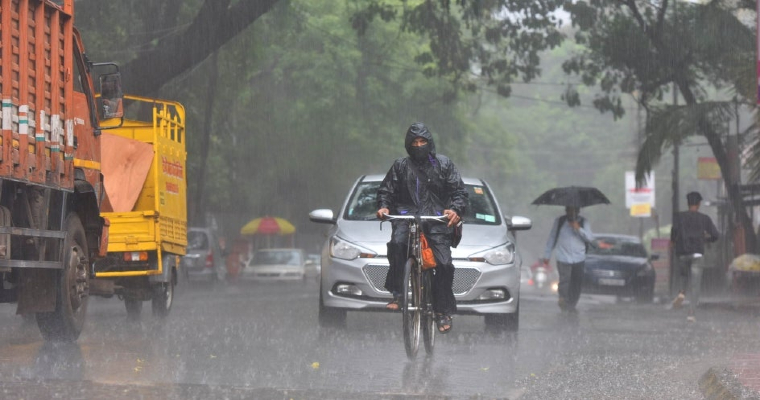
Rain Thunderstorms Nagpur Weather | Nagpur, renowned for its blistering May temperatures, is experiencing a welcome shift. The India Meteorological Department (IMD) has issued a yellow alert for rain and thunderstorms until May 20. This development has brought relief to residents, offering a temporary escape from the typical heat.

Cooler Temperatures and Cloudy Skies

In a surprising turn of events, Nagpur recorded a high of only 34.1°C on May 17. The city has been under a blanket of clouds, with sporadic showers keeping the maximum temperatures significantly lower than usual. This reprieve from the heat is evident across most of Vidarbha, with only Akola and Yavatmal districts seeing highs above 40°C recently.

Impact on Minimum Temperatures

Not only have maximum temperatures dropped, but minimum temperatures have also been lower than normal. This combination has created a generally comfortable climate for residents. The trend of below-average temperatures has been a pleasant surprise for many, making this May less scorching than in previous years.

Rainfall Across the Region

Scattered rainfall has been reported throughout the region. Gadchiroli received the most rain in the last 24 hours with 19mm, followed by Chandrapur (9mm), Amravati (4.4mm), and Yavatmal (1.2mm). These showers have contributed to the cooler weather, providing much-needed moisture to the dry land.

Rainfall Statistics

  • Gadchiroli: 19mm
  • Chandrapur: 9mm
  • Amravati: 4.4mm
  • Yavatmal: 1.2mm

IMD’s Yellow Alert (Rain Thunderstorms Nagpur Weather)

The IMD’s yellow alert signifies a cautionary notice for residents to be prepared for the adverse weather conditions. This alert remains in effect until May 20, urging people to stay safe during thunderstorms and heavy rainfall.

Preparing for the Heatwave’s Return

While the current weather brings relief, Nagpurians should brace for the return of high temperatures. The IMD forecasts that after May 20, temperatures will begin to climb, potentially exceeding 40°C once again. This rise in temperature is expected to bring back the typical scorching heat of late May.

Fire and Emergency Services on High Alert

The recent storms and fierce winds have kept the fire and emergency services busy. In the past 24 hours, they have responded to 21 emergency calls related to uprooted trees and storm damage across the city. The prompt response of these services has been crucial in managing the impact of the weather.

Weather Patterns in Vidarbha

The entire Vidarbha region has seen a pattern of lower-than-usual temperatures and scattered rainfall. This change has provided a break from the relentless heat, making the weather more bearable for residents.

District-wise Weather Observations

  • Akola and Yavatmal: Highs above 40°C
  • Other Districts: Maximum temperatures between 33.5°C to 39°C

The Science Behind the Weather Change

The shift in weather can be attributed to various meteorological factors, including changes in wind patterns and atmospheric pressure. These factors have combined to bring about the cooler, wetter conditions currently experienced in the region.

Long-term Weather Forecast

As we approach the end of May, the IMD predicts a gradual rise in temperatures. This trend indicates a return to the usual heatwave conditions that Nagpur is known for. Residents should be prepared for this change and take necessary precautions to stay cool and hydrated.

Tips for Coping with Heatwaves

  1. Stay Hydrated: Drink plenty of water throughout the day.
  2. Avoid Peak Sun Hours: Try to stay indoors during the hottest part of the day.
  3. Wear Light Clothing: Choose loose, light-coloured clothing to stay cool.
  4. Use Fans and Air Conditioners: Keep your living spaces cool using fans or air conditioning.
  5. Check on Vulnerable Individuals: Ensure that the elderly and young children are staying cool and hydrated.

Nagpur’s brief respite from the scorching May heat has been a relief for its residents. The rain and thunderstorms, accompanied by lower temperatures, have provided a welcome change. However, with the IMD forecasting a return to high temperatures after May 20, it’s crucial for everyone to prepare for the heatwave that lies ahead.

1. What is the current weather situation in Nagpur? Nagpur is experiencing cooler temperatures with rain and thunderstorms expected until May 20.

2. How much rain has been recorded in the region? Gadchiroli recorded 19mm, Chandrapur 9mm, Amravati 4.4mm, and Yavatmal 1.2mm in the past 24 hours.

3. When is the heatwave expected to return? The IMD forecasts that the heatwave will return after May 20, with temperatures rising above 40°C.

4. What precautions should residents take during the heatwave? Residents should stay hydrated, avoid peak sun hours, wear light clothing, use fans or air conditioners, and check on vulnerable individuals.

5. What is the IMD’s yellow alert? The yellow alert is a cautionary notice for adverse weather conditions, urging residents to stay safe during rain and thunderstorms.

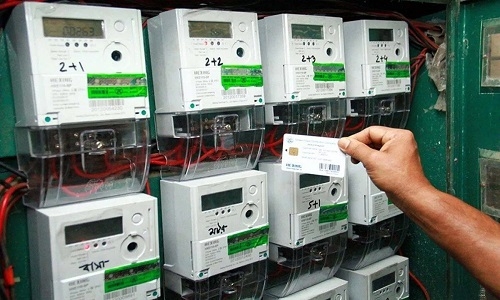
Smart Prepaid Power Meter: Installation after Lok Sabha Poll Results

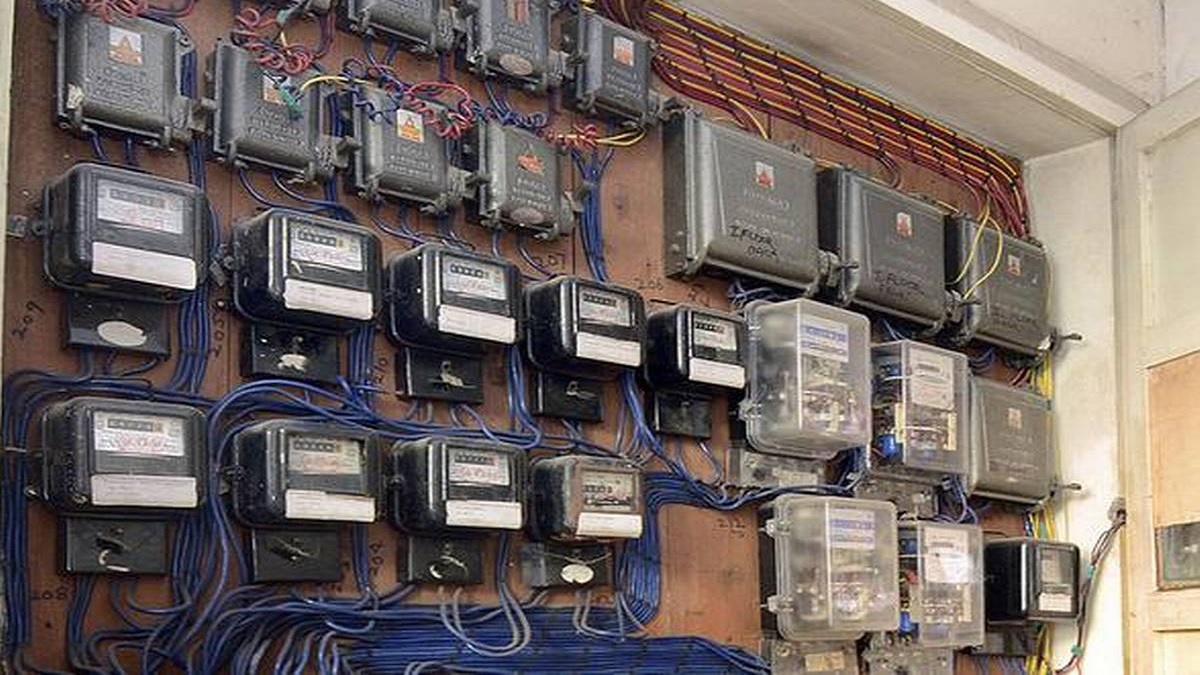
Smart prepaid power meter: The Maharashtra State Electricity Distribution Company Limited (MSEDCL) is preparing to roll out ‘smart prepaid electricity meters’ following the Lok Sabha (LS) poll results. This move aims to mitigate any negative consumer reactions. Currently, not a single meter has been installed, with ongoing work for installing communication Gateways on electric poles cited as the reason. The state-run distribution company plans to begin this process after June 4. This initiative is set to benefit a staggering 6,84,00,000 electricity consumers in Maharashtra, including 57,95,865 in Vidarbha alone. In the Nagpur circle, approximately 9,45,623 consumers will have smart meters installed. The delay in installation has been attributed to the ongoing Lok Sabha polls, as uncertainties linger over consumer reactions during this period. These smart meters promise various conveniences, including online bill recharge akin to mobile phones.

Overview of Smart Prepaid Power Meters

What Are Smart Prepaid Power Meters?

Smart prepaid power meters are advanced devices that allow consumers to pay for electricity before consumption, similar to a prepaid mobile phone service. These meters provide real-time data on electricity usage and enable users to manage their consumption more efficiently.

Benefits of Smart Prepaid Power Meters

Smart meters offer numerous advantages:

  • Real-time Monitoring: Consumers can track their power usage in real-time via a mobile app.
  • Cost Management: Helps in managing electricity expenses better by avoiding unexpected high bills.
  • Convenient Recharging: Bills can be recharged online, similar to topping up a mobile phone.
  • Reduction in Power Theft: The technology helps in identifying and reducing power theft.
  • Automatic Disconnection: Power supply is cut off automatically once the prepaid amount is exhausted.

The Implementation Plan (Smart prepaid power meter)

Phased Rollout Strategy

The installation of smart prepaid meters will be carried out in phases:

  • Phase 1: Focuses on customers experiencing over 15% technical and commercial losses.
  • Phase 2: Targets areas with power losses below 15%.

Government Funding and Support

The Central Government has allocated Rs 15,000 crore for this initiative. This substantial funding underscores the importance of the project and aims to ensure smooth implementation without directly passing the cost onto consumers.

Tender Process for AMI Service Providers

MSEDCL has initiated the tender process for selecting Advanced Metering Infrastructure (AMI) service providers. These providers will play a crucial role in the deployment and maintenance of the smart meters.

Technological Infrastructure (Smart prepaid power meter)

Installation of Gateways

Gateways, which are communication devices installed on electric poles, are integral to the functioning of smart meters. These devices facilitate the transmission of data from the meters to the main server.

Data Communication Centre

A high-tech data communication centre is being established at the Gandhibagh Zone office of MSEDCL. This centre will handle the data flow between the meters and the central server. Delays in setting up this centre have contributed to the postponement of the entire process.

Financial Aspects

Cost of Smart Meters

The cost of each smart meter is Rs 11,000. However, thanks to the Central Government’s financial aid, this expense will not be directly imposed on consumers.

Expected Financial Benefits

Officials anticipate several financial benefits from the smart meter rollout:

  • Increased Revenue: Enhanced billing efficiency and reduced power theft will boost revenue.
  • Cost Savings: Improved monitoring and management of power consumption will lead to cost savings.

Consumer Impact and Reaction

Potential Consumer Concerns

Consumers may have concerns regarding the transition to smart meters, including:

  • Cost Implications: Despite government aid, there may be apprehensions about potential hidden costs.
  • Technological Adaptability: Some consumers may find it challenging to adapt to the new technology.

Consumer Education and Support

To address these concerns, MSEDCL plans to:

  • Educate Consumers: Provide comprehensive information about the benefits and usage of smart meters.
  • Offer Support: Establish helplines and support centres to assist consumers with the transition.

Environmental and Social Benefits

Environmental Impact

Smart meters contribute to environmental conservation by promoting efficient energy use, thereby reducing carbon footprints and supporting sustainable energy practices.

Social Impact

The rollout of smart meters is expected to have positive social implications:

  • Empowerment: Consumers gain more control over their electricity usage.
  • Transparency: Enhanced transparency in billing and consumption patterns.

Future Prospects

Long-term Goals

The introduction of smart meters is part of a broader vision to modernise India’s electricity infrastructure. Long-term goals include:

  • Nationwide Coverage: Expand the installation of smart meters across the country.
  • Integration with Renewable Energy: Facilitate the integration of renewable energy sources into the grid.

Technological Advancements

Future advancements may include:

  • Enhanced Features: Development of more advanced smart meters with additional features.
  • Smart Grid Integration: Integration of smart meters into a comprehensive smart grid system.

The introduction of smart prepaid power meters in Maharashtra post-Lok Sabha poll results marks a significant step towards modernising the state’s electricity infrastructure. With substantial government support and a phased rollout strategy, the initiative promises numerous benefits, including improved billing efficiency, reduced power theft, and enhanced consumer empowerment. While challenges such as consumer adaptability and initial delays exist, the long-term prospects of this project are promising, paving the way for a more efficient and sustainable energy future.

1. What are smart prepaid power meters?

Smart prepaid power meters are advanced devices that allow consumers to prepay for electricity, providing real-time data on usage and enabling better management of power consumption.

2. How much does a smart meter cost?

Each smart meter costs Rs 11,000, but this expense will not be directly passed on to consumers due to government funding.

3. When will the installation of smart meters begin?

The installation is expected to commence after June 4, following the Lok Sabha poll results.

4. What are the benefits of smart meters?

Smart meters offer real-time monitoring, cost management, convenient online recharging, reduction in power theft, and automatic disconnection when the prepaid amount is exhausted.

5. How will smart meters impact power theft?

Smart meters help identify and reduce power theft by providing accurate and real-time data on electricity consumption.

41% Drop In Aapli Bus Accidents, All Thanks to ADAS Technology

Nagpur has seen a significant decline in Aapli Bus accidents, thanks to the Advanced Driver Assistance System (ADAS) technology. The Nagpur Municipal Corporation (NMC) reported a 41% decrease in accidents involving ADAS-equipped buses from January 2023 to August 2023. This remarkable improvement underscores the effectiveness of ADAS in enhancing road safety.

Introduction to ADAS Technology

ADAS, or Advanced Driver Assistance Systems, are a suite of safety technologies designed to improve driver, passenger, and pedestrian safety. These systems use sensors, cameras, and advanced algorithms to assist drivers in making safer decisions on the road. In Nagpur, the iRASTE project has integrated ADAS into Aapli Buses to reduce accidents and improve overall road safety.

What is the iRASTE Project?

The iRASTE (Intelligent Solutions For Road Safety Through Technology and Engineering) project aims to enhance road safety through innovative technological solutions. By equipping Aapli Buses with ADAS, iRASTE has managed to significantly lower accident rates, showcasing the potential of technology in mitigating road mishaps.

Impact of ADAS on Aapli Bus Safety

Significant Reduction in Accidents

The introduction of ADAS in Aapli Buses has led to a 41% drop in accidents, a testament to the system’s effectiveness. This reduction is based on data collected from January to August 2023, comparing buses with and without ADAS.

Enhanced Driver Awareness

ADAS technology continuously monitors the road and provides real-time alerts to drivers about potential hazards. This constant vigilance helps drivers adopt safer driving practices, significantly reducing the risk of accidents.

Lowering Driver Risk Scores

Since the implementation of ADAS, monthly driver risk scores have decreased by 30%. These scores measure the likelihood of a driver being involved in an accident, and the reduction indicates that drivers are becoming more cautious and responsible on the road.

Addressing Road Safety Concerns

Identifying and Mitigating Blackspots

The iRASTE project has also focused on addressing road safety concerns at identified blackspots in Nagpur. Blackspots are areas with a high incidence of accidents. The project team proposed geometric design plans for 38 such locations, submitting these plans to relevant road-owning agencies for implementation.

Predicting and Preventing Greyspots

For the first time in India, the iRASTE project has introduced a technique to predict greyspots – potential future blackspots. By combining ADAS data with static road parameters, the team identified 16 greyspots and proposed measures to mitigate risks.

Community Involvement and Emergency Response

Trystander Cells for Immediate Aid

To enhance community-based emergency response, iRASTE established ‘Trystander cells’ at eight blackspot locations. These cells are equipped with first aid resources and have saved 36 road crash victims so far. Local volunteers are trained to provide immediate assistance, significantly improving the chances of survival and recovery for accident victims.

Behavioural Changes Among Drivers

The efforts of iRASTE have also contributed to behavioural changes among Aapli bus drivers. Continuous monitoring and feedback have encouraged drivers to adopt safer driving habits, further reducing the risk of accidents.

Challenges and Future Plans

Interagency Coordination

While the iRASTE project has achieved significant success, challenges remain. One major issue is the coordination between various road-owning agencies, which can delay the implementation of safety measures at identified blackspots.

Expansion to Other Regions

Building on the success in Nagpur, similar projects are being implemented on intercity national highway corridors in Telangana. This expansion aims to replicate the success of ADAS technology in improving road safety across India.

The introduction of ADAS technology in Nagpur’s Aapli Buses has proven to be a game-changer for road safety. With a 41% reduction in accidents and a notable decrease in driver risk scores, ADAS has demonstrated its potential to create safer roads. The success of the iRASTE project highlights the importance of leveraging innovative technologies to enhance public safety and reduce road mishaps.

1. What is ADAS technology?

ADAS stands for Advanced Driver Assistance Systems. It includes safety features like collision avoidance, lane departure warnings, and automated braking to assist drivers and enhance road safety.

2. How has ADAS impacted Aapli Buses in Nagpur?

ADAS has significantly reduced accidents involving Aapli Buses by 41% from January to August 2023. It has also lowered driver risk scores by 30%, indicating safer driving practices.

3. What is the iRASTE project?

iRASTE (Intelligent Solutions For Road Safety Through Technology and Engineering) is a project aimed at improving road safety through technological solutions like ADAS. It has successfully reduced accident rates in Nagpur.

4. What are blackspots and greyspots?

Blackspots are locations with a high incidence of road accidents. Greyspots are potential future blackspots identified using predictive analysis. The iRASTE project addresses both to enhance road safety.

5. What challenges does the iRASTE project face?

The main challenge is coordinating between various road-owning agencies, which can delay the implementation of safety measures. However, efforts are ongoing to streamline these processes.

Unauthorized Hoardings on Nagpur Railway Premises: A Growing Concern

Nagpur Railway station: The bustling city of Nagpur, known for its rich cultural heritage and historical significance, is facing a modern-day issue that is causing quite a stir: unauthorized hoardings on railway premises. Despite numerous letters from the Nagpur Municipal Corporation (NMC) to the Divisional Railway Manager (DRM), the railway administration has failed to address the issue. The NMC has identified around 150 hoardings in the city (Nagpur Railway station) that are illegal, having been erected without the necessary permissions. Let’s delve into the details of this issue and understand why it’s causing such a controversy.

Table of Contents

Sr# Headings
1 Introduction
2 What Are Hoardings and Why Do They Matter?
3 The Rise of Unauthorized Hoardings in Nagpur
4 NMC’s Stance on Unauthorized Hoardings
5 Railway Administration’s Response
6 Regulations Governing Hoardings
7 The Notification of May 2022
8 Documentation Required for Hoarding Permissions
9 Impact on Urban Aesthetics and Safety
10 Legal Implications and Consequences
11 Public Opinion on Unauthorized Hoardings
12 Steps Taken by NMC to Curb Unauthorized Hoardings
13 The Role of Citizens in Addressing the Issue
14 Conclusion
15 Frequently Asked Questions (FAQs)


Nagpur, a city known for its orderly charm and civic pride, is currently grappling with an issue that many residents find both troubling and perplexing: the proliferation of unauthorized hoardings on railway premises (Nagpur Railway station). These hoardings, which have sprung up without the necessary permissions from the NMC, pose several problems, from visual pollution to potential safety hazards. In this article, we’ll explore the nuances of this situation, examining the roles of various stakeholders, the regulations in place, and what steps can be taken to resolve this issue.

What Are Hoardings and Why Do They Matter?

Hoardings, commonly known as billboards, are large outdoor structures used for advertising. They are strategically placed in high-traffic areas to capture the attention of pedestrians and motorists alike. Hoardings are an effective marketing tool, but when they are erected without proper authorization, they can become a significant issue. Unauthorized hoardings not only deface the city’s landscape but also raise safety and regulatory concerns.

The Rise of Unauthorized Hoardings in Nagpur

In recent years, Nagpur has seen a noticeable increase in the number of hoardings, particularly around the railway station . Many of these structures have been put up without the necessary permissions from the NMC, leading to a growing problem of visual clutter and regulatory defiance. The sheer number of these unauthorized hoardings, estimated to be around 150, highlights the extent of the issue.

NMC’s Stance on Unauthorized Hoardings

The Nagpur Municipal Corporation has been vocal about its disapproval of these unauthorized hoardings. According to the NMC, any hoardings within the city limits require explicit permission from their office, following a stringent documentation process. The NMC has reiterated that the rules laid out in the Urban Development Department’s notification from May 2022 must be adhered to by all parties, including the railway administration.

Railway Administration’s Response

Despite multiple communications from the NMC, the railway administration has largely ignored the issue. This lack of response has only exacerbated the problem, leading to frustration among city officials and residents alike. The railway administration’s failure to comply with municipal regulations undermines the authority of the NMC and sets a poor precedent for other entities.

Regulations Governing Hoardings

The regulations governing hoardings are designed to ensure that these structures are safe, aesthetically pleasing, and do not contribute to urban chaos. The NMC requires 13 types of documents from applicants before granting permission for hoardings. These documents include structural safety certificates, site plans, and no-objection certificates from various departments.

The Notification of May 2022

On May 9, 2022, the Urban Development Department issued a notification that laid out specific rules for municipal corporations regarding hoarding permissions. This notification mandates that all hoardings within city (Nagpur Railway station) limits must have NMC’s approval, irrespective of the land on which they are erected. This rule applies to railway premises as well, thus making the railway administration’s unauthorized hoardings illegal.

Documentation Required for Hoarding Permissions

To get permission for erecting a hoarding, applicants must submit 13 different types of documents to the NMC. These documents include:

  1. Structural safety certificates
  2. Detailed site plans
  3. No-objection certificates from landowners
  4. Fire safety clearances
  5. Environmental clearances
  6. Approval from traffic authorities
  7. Proof of ownership or lease agreements
  8. Aesthetic and design approvals
  9. Payment of fees and charges
  10. Public liability insurance
  11. Electrical safety clearances (if illuminated)
  12. Waste management plans
  13. Compliance with advertising standards

These stringent requirements are in place to ensure that all hoardings are safe, legal, and in line with the city’s aesthetic values.

Impact on Urban Aesthetics and Safety

Unauthorized hoardings can significantly impact the urban aesthetics of a city. They contribute to visual clutter, detract from the city’s beauty, and can even pose safety hazards if not constructed properly. For instance, poorly erected hoardings can fall during heavy winds or rains, endangering lives and property.

The legal implications of erecting unauthorized hoardings are serious. Entities found guilty of violating these regulations can face heavy fines, legal action, and the forced removal of the hoardings. Additionally, such violations tarnish the city’s image and can deter potential investors and tourists.

Public Opinion on Unauthorized Hoardings

The general public’s opinion on unauthorized hoardings is largely negative. Many residents feel that these structures spoil the city’s appearance and reflect poorly on the authorities’ ability to enforce regulations. Public sentiment strongly favours strict action against those responsible for erecting unauthorized hoardings.

Steps Taken by NMC to Curb Unauthorized Hoardings

In response to the growing issue, the NMC has stepped up its efforts to curb unauthorized hoardings. These steps include:

  • Regular inspections and monitoring of hoardings
  • Issuing notices and fines to violators
  • Collaborating with other departments to ensure compliance
  • Increasing public awareness about the regulations and the importance of adhering to them

The Role of Citizens in Addressing the Issue

Citizens play a crucial role in addressing the issue of unauthorized hoardings. By staying informed about the regulations, reporting violations, and supporting the NMC’s efforts, residents can help ensure that Nagpur remains a beautiful and orderly city. Civic engagement and community vigilance are key to tackling this problem effectively.

The issue of unauthorized hoardings on railway premises in Nagpur is a matter of significant concern. Despite repeated efforts by the NMC to address the problem, the railway administration’s non-compliance has led to a proliferation of illegal structures. This situation not only affects the city’s aesthetics but also poses safety and regulatory challenges. It’s crucial for all stakeholders, including the railway administration, to adhere to the regulations and work towards maintaining Nagpur’s charm and safety. Collective efforts and strict enforcement are essential to resolve this issue and preserve the city’s integrity.

1. Why are unauthorized hoardings a problem?

Unauthorized hoardings pose several issues, including visual clutter, safety hazards, and regulatory non-compliance. They detract from the city’s aesthetics and can endanger public safety if not constructed properly.

2. What are the consequences of erecting unauthorized hoardings?

Entities responsible for unauthorized hoardings can face legal action, heavy fines, and the forced removal of the structures. Such actions also damage the city’s image and can deter investment and tourism.

3. What documentation is required for hoarding permissions?

The NMC requires 13 types of documents, including structural safety certificates, site plans, and no-objection certificates from various departments, to ensure the hoardings are safe, legal, and aesthetically pleasing.

4. How can citizens help in addressing the issue of unauthorized hoardings?

Citizens can help by staying informed about the regulations, reporting any violations they observe, and supporting the NMC’s enforcement efforts. Public awareness and community involvement are crucial for tackling this issue effectively.

5. What steps has the NMC taken to curb unauthorized hoardings?

The NMC has increased inspections, issued fines to violators, collaborated with other departments for compliance, and raised public awareness about the importance of adhering to hoarding regulations.

High Court Reduces Kedar’s Fine from ₹5 Lakh to ₹50,000

Nagpur: In a significant decision, the Nagpur bench of the Bombay High Court granted partial relief to former Congress MLA Sunil Kedar by reducing the fine imposed on him from ₹5 lakh to ₹50,000. The fine was initially levied by Justice (retired) JN Patel, who was appointed by the Nagpur District Central Cooperative Bank (NDCCB) to conduct an inquiry under Section 88 of the Maharashtra Co-operative Societies Act, 1960, to investigate a ₹170 crore scam.

Background of the Case

The ₹170 Crore Scam

In 2002, a substantial financial irregularity amounting to ₹170 crore surfaced at the NDCCB. At that time, Sunil Kedar was serving as the chairman of the bank. The scam involved multiple disputed transactions that raised serious questions about the management and financial practices within the bank.

Appointment of Inquiry Officer

Justice (retired) JN Patel was appointed to conduct an inquiry under Section 88 of the Maharashtra Co-operative Societies Act, 1960. His role was to investigate the scam and bring to light the facts and circumstances surrounding the irregularities.

Kedar’s Summoning and Response

Summoning for Evidence

As part of the investigation, Justice Patel summoned Sunil Kedar to provide evidence and present documents related to the disputed transactions. This was a crucial step to ensure transparency and accountability in the inquiry process.

Objection to Oral Evidence

Kedar objected to providing oral evidence. He was then directed to file an affidavit explaining the facts and circumstances related to the transactions mentioned in the charge-sheet dated March 27, 2003. This affidavit was expected to shed light on Kedar’s involvement and his perspective on the matter.

Adjournment and Fine Imposition

Application for Adjournment

On December 1, 2023, Kedar filed an application for adjournment. This was a formal request to delay the proceedings, allowing him more time to prepare his defence and gather the necessary documentation.

₹5 Lakh Fine

Justice Patel granted the adjournment but imposed a hefty fine of ₹5 lakh on Kedar. This decision was based on the belief that the adjournment would cause a significant delay in the investigation process, warranting a financial penalty to discourage unnecessary delays.

High Court’s Intervention

Challenge in High Court

Kedar challenged the ₹5 lakh fine in the Nagpur bench of the Bombay High Court. He argued that the fine was excessive and not justified, especially given his objections to providing oral evidence.

High Court’s Verdict

Justice Anil Pansare of the Bombay High Court reviewed the case and provided partial relief to Kedar. The fine was reduced from ₹5 lakh to ₹50,000. Justice Pansare stated, “The government’s argument that to give a fair chance, the petitioner has been called upon to provide evidence is beyond the scope of granting a fair opportunity. Providing a fair opportunity does not include compelling a person to give evidence, particularly when he has chosen not to testify.”

Implications of the High Court’s Decision

This decision sets a significant legal precedent regarding the imposition of fines in cases where individuals choose not to provide oral evidence. It underscores the importance of ensuring that fines and penalties are proportionate and justifiable.

Impact on Future Inquiries

The ruling could influence how future inquiries under the Maharashtra Co-operative Societies Act are conducted. It highlights the need for inquiry officers to consider the rights of individuals who choose to provide written affidavits instead of oral testimony.

Relief for Kedar

For Sunil Kedar, the reduction in the fine provides substantial relief. It acknowledges his right to challenge decisions that he perceives as unfair while still holding him accountable to a certain extent.

Understanding Section 88 of the Maharashtra Co-operative Societies Act

Purpose of Section 88

Section 88 of the Maharashtra Co-operative Societies Act, 1960, empowers authorities to conduct inquiries into the affairs of cooperative societies. This is to ensure transparency and accountability in the functioning of these societies.

Scope of Inquiries

Inquiries under Section 88 can cover a wide range of issues, including financial irregularities, management practices, and compliance with legal norms. The aim is to protect the interests of the members and ensure the proper functioning of cooperative societies.

The Role of the NDCCB

NDCCB’s Responsibility

The Nagpur District Central Cooperative Bank has a significant role in the local financial ecosystem. It is responsible for managing and safeguarding the funds of its members, ensuring ethical practices, and maintaining financial stability.

Impact of the Scam

The ₹170 crore scam had a profound impact on the NDCCB’s credibility and financial health. It underscored the need for stringent oversight and robust management practices to prevent such incidents in the future.

Justice (Retired) JN Patel’s Role

Inquiry Officer’s Responsibilities

As the appointed inquiry officer, Justice Patel’s responsibilities included gathering evidence, interviewing witnesses, and reviewing documents to uncover the truth behind the financial irregularities.

Decision to Impose Fine

Justice Patel’s decision to impose a fine on Kedar was based on his assessment of the delay caused by the adjournment. This was intended to maintain the momentum of the investigation and ensure timely resolution.

Justice Anil Pansare’s Perspective

Review of the Fine

Justice Anil Pansare’s review of the fine focused on the principles of fairness and proportionality. He considered Kedar’s objections to providing oral evidence and the impact of the fine on ensuring a fair inquiry process.

Reduction of the Fine

By reducing the fine to ₹50,000, Justice Pansare aimed to balance the need for accountability with the importance of a fair and justifiable penalty. This decision reflects a nuanced understanding of the legal and procedural complexities involved.

The reduction of Sunil Kedar’s fine from ₹5 lakh to ₹50,000 by the Nagpur bench of the Bombay High Court marks a significant development in the ongoing investigation into the ₹170 crore scam at the NDCCB. This decision underscores the importance of fairness and proportionality in legal proceedings, setting a precedent for future inquiries. It also highlights the critical role of inquiry officers and the judiciary in ensuring justice while respecting the rights of individuals involved.

1. What was the original fine imposed on Sunil Kedar?

The original fine imposed on Sunil Kedar was ₹5 lakh.

2. Why was the fine imposed on Kedar?

The fine was imposed as a penalty for seeking an adjournment during the inquiry into the ₹170 crore scam at the NDCCB.

3. What was the basis for reducing the fine?

The fine was reduced based on the argument that compelling Kedar to provide oral evidence was beyond the scope of granting a fair opportunity.

4. Who reduced the fine, and to what amount?

The fine was reduced by Justice Anil Pansare of the Bombay High Court to ₹50,000.

5. What is Section 88 of the Maharashtra Co-operative Societies Act?

Section 88 empowers authorities to conduct inquiries into the affairs of cooperative societies to ensure transparency and accountability.

Nagpur Central Jail: Transforming Lives and Generating Revenue through Inmate Production

Empowering Inmates for a Brighter Future

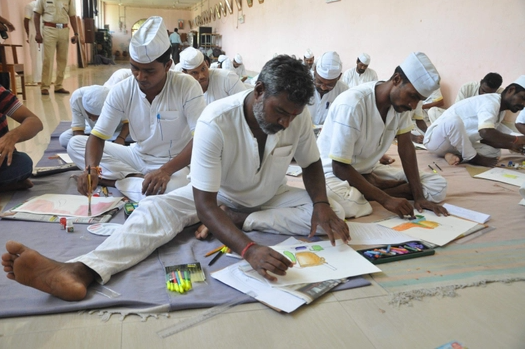
At Central Jail Nagpur, the dedication and hard work of inmates have led to remarkable achievements, with the prison administration witnessing a surge in productivity. This surge has translated into a substantial financial contribution of nearly Rs 2.5 crore by the inmates. Under the theme of ‘Reformation and Rehabilitation,’ the prison administration is committed to enhancing the lives of inmates through various skill-based training programs. These programs equip inmates with the necessary skills to reintegrate into society successfully after completing their sentences. Moreover, the items produced by inmates not only facilitate personal development but also serve as a crucial source of financial support for their families, covering daily needs and legal fees.

Record-breaking Productivity

Last year marked a record-breaking achievement for Central Jail Nagpur as 166 jail inmates showcased their skilled work, resulting in a substantial income for the institution. In addition to manufacturing, the prison engages in agriculture, further diversifying its revenue streams. From April 2023 to March 2024, the institution generated an impressive income of Rs 29.50 lakh from agricultural activities. The quality and durability of goods manufactured within the prison walls have garnered recognition, especially within judicial circles.

Showcasing Superior Craftsmanship

An annual sale and exhibition of prison-produced goods, held during Diwali, have become a significant event, attracting many for their superior craftsmanship. Wooden and iron furniture, in particular, have gained popularity and are increasingly becoming the preferred choice for courts. Products from Nagpur Jail are highly sought after in courts across neighbouring districts such as Arvi, Washim, Bhandara, and throughout the Vidarbha region. Notably, Central Jail Nagpur has received numerous orders to supply furniture to various government offices, including four courts in Vidarbha.

The success story of Nagpur Central Jail is a testament to the transformative power of rehabilitation and skill development. Through meaningful engagement and training, inmates are not only preparing for a better future but also making significant contributions to society. Central Jail Nagpur serves as a beacon of hope, demonstrating that with the right support and opportunities, individuals can rebuild their lives and positively impact their communities.

  1. How does Central Jail Nagpur support the families of inmates? Central Jail Nagpur’s inmate production program provides a source of income for inmates, enabling them to support their families financially.
  2. Are the products manufactured by inmates of high quality? Yes, the products manufactured within Central Jail Nagpur are known for their quality and durability, garnering recognition within judicial circles.
  3. What types of products are popular from Nagpur Jail? Wooden and iron furniture are particularly popular, with their superior craftsmanship making them sought after in courts and government offices.
  4. How does Central Jail Nagpur celebrate the achievements of its inmates? The institution organizes an annual sale and exhibition of prison-produced goods during Diwali, showcasing the skills and craftsmanship of its inmates.
  5. Does Central Jail Nagpur engage in activities other than manufacturing? Yes, in addition to manufacturing, the prison also engages in agriculture, diversifying its revenue streams and providing further opportunities for inmate participation.

Unveiling the Legacy of Shivaji Maharaj’s ‘Wagh Nakh’ at Central Museum

Shivaji Maharaj, the legendary Maratha warrior king, continues to mesmerize the world even centuries after his reign. Among the treasures of his era, one artifact stands out — the formidable ‘Wagh Nakh’. This knuckle-duster adorned with metallic nails, reminiscent of tiger claws, holds a significant place in history. And now, it’s set to captivate the public eye at the Central Museum, Nagpur.

A Glimpse into History

Dating back to the 17th century, the ‘Wagh Nakh’ symbolizes the valor and indomitable spirit of Chhatrapati Shivaji Maharaj. It was wielded by the king himself during the historic encounter with Afzal Khan, the ruthless General of the Bijapur Adilshahi empire, in 1659. This lethal weapon served as a tool of liberation, enabling Shivaji Maharaj to defend his people against tyranny.

A Journey from Across the Seas

In a remarkable initiative, Maharashtra Cultural Affairs Minister Sudhir Mungantiwar initiated the retrieval of the ‘Wagh Nakh’ from the prestigious Victoria & Albert Museum, London. Through a Memorandum of Understanding signed with Dr Tristram Hunt, the Director of the museum, Maharashtra secured the opportunity to showcase this invaluable relic on home soil for three years. The tireless efforts of the Maharashtra Government, in collaboration with British authorities, culminated in the return of this historic artifact.

The Story of Retrieval

The journey to reclaim the ‘Wagh Nakh’ was laden with diplomatic intricacies and historical significance. Correspondence between Maharashtra officials and representatives of the Victoria & Albert Museum marked the beginning of this endeavor. Notably, during a pivotal meeting with Imogen Stone and Alan Gammell, key figures in British-Indian relations, the groundwork for repatriation was laid. The tiger claw weapon, once in the possession of James Grant Duff, eventually found its way back to its roots, courtesy of a descendant’s benevolence.

An Iconic Display

Mayuresh Khadke, the Curator of the Central Museum, expressed enthusiasm about the forthcoming exhibition. He confirmed Nagpur’s inclusion in the list of venues where the ‘Wagh Nakh’ will be showcased, offering visitors a glimpse into the rich heritage of Maharashtra. Moreover, the State Government’s endeavor to retrieve ‘Jagdamba,’ the ceremonial sword of Shivaji Maharaj, underscores their commitment to preserving and promoting cultural legacy.

As the ‘Wagh Nakh’ prepares to grace the halls of the Central Museum, it serves as a poignant reminder of Shivaji Maharaj’s enduring legacy. This historic artifact not only embodies the valor of the Maratha warrior but also signifies the resilience of a people in the face of oppression. Through concerted efforts, Maharashtra celebrates its heritage and invites the world to embark on a journey through time.

1. What is the significance of the ‘Wagh Nakh’?

The ‘Wagh Nakh’ symbolizes the valor and martial prowess of Chhatrapati Shivaji Maharaj, particularly during his encounter with Afzal Khan.

2. How long will the ‘Wagh Nakh’ be displayed at the Central Museum?

The artifact will be on display for a period of three years, allowing ample opportunity for visitors to appreciate its historical significance.

3. Who initiated the retrieval of the ‘Wagh Nakh’ from the Victoria & Albert Museum?

Maharashtra Cultural Affairs Minister Sudhir Mungantiwar played a pivotal role in securing the return of this iconic artifact.

4. Are there any other artifacts associated with Shivaji Maharaj being brought back to Maharashtra?

Efforts are underway to retrieve ‘Jagdamba,’ the ceremonial sword of Shivaji Maharaj, from the United Kingdom, showcasing the State Government’s commitment to preserving cultural heritage.

5. How can visitors learn more about Shivaji Maharaj’s legacy?

In addition to the ‘Wagh Nakh’ exhibition, visitors can explore various museums across Maharashtra, including those in Satara, Kolhapur, and Mumbai, to delve deeper into the life and times of the Maratha warrior king.

Gridlock Alert: NMC To Concretize 9 More Roads in Nagpur

Brace Yourself for Traffic: NMC Initiates Road Concretization

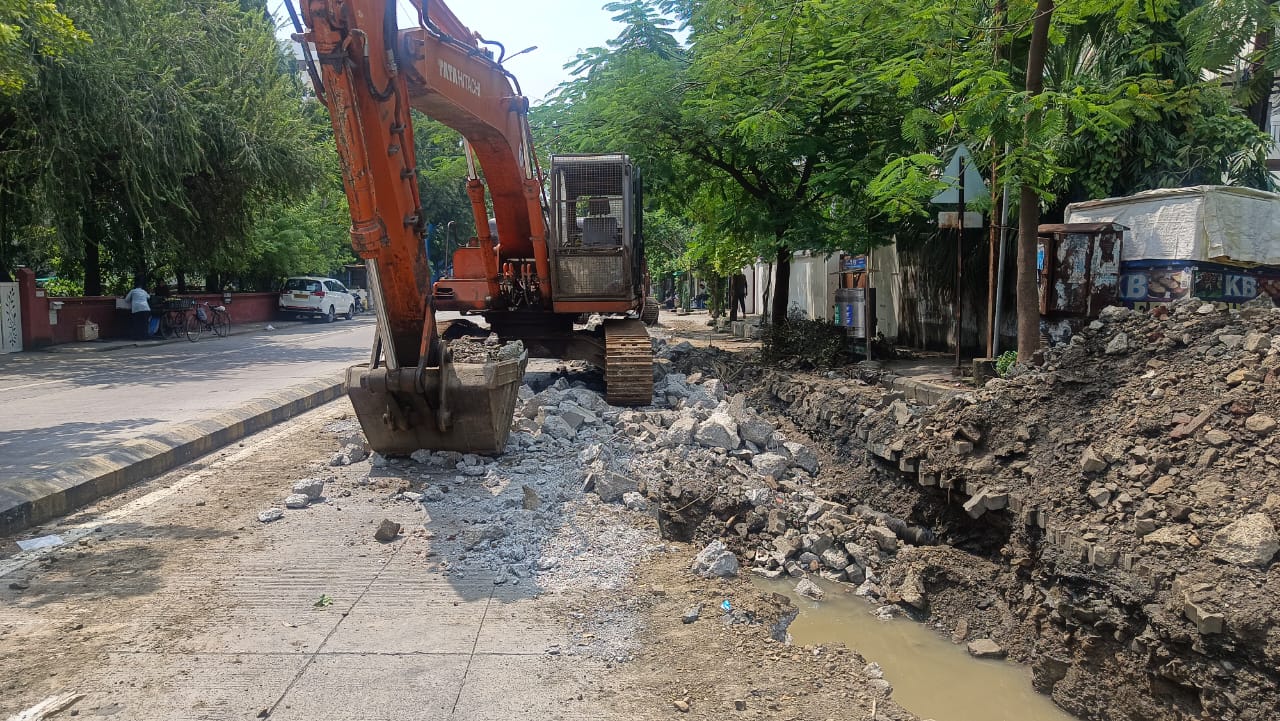
Concretize-Nagpur-Roads | Nagpur Traffic: Living in Nagpur? You might be accustomed to the perpetual symphony of honking horns and bumper-to-bumper traffic. Well, gear up because there’s more to come. The Nagpur Municipal Corporation (NMC) has set its sights on concretizing nine additional tar roads, a move that could stir up some serious gridlock across the city.

What’s Happening?

Chief engineer Rajiv Gaikwad, in a tête-à-tête, spilled the beans. The Phase-IV of the cement concrete project is about to kick off, encompassing a grand total of 33 roads. These roads, spread across zones like Laxmi Nagar, Dharampeth, Dhantoli, and more, are about to undergo a major facelift.

The Budget Crunch

With the state government chipping in a hefty Rs300 crore, the plan is to concretize a staggering 34.5 km of tar roads. Gaikwad revealed, “We’re looking at a timeline of four months to complete the nine roads, spanning a total length of 4.73 kilometers.” 

Roadblocks Ahead

Sure, the end goal is improved infrastructure, but let’s not overlook the inconvenience this might cause. Already, 29 sections of the city are feeling the pinch due to ongoing construction works by various agencies. With the monsoon looming, the chaos might just intensify.

Light at the End of the Tunnel

Fear not, fellow motorists! Gaikwad assures us that while the construction may disrupt traffic for a while, alternate routes will be made available. 

The Nitty-Gritty Details

Wondering how these roads were cherry-picked? Gaikwad sheds light on the selection criteria. Roads boasting a width between 12 meters and 24 meters made the cut.

The wheels of progress are turning, albeit slowly. While Nagpur braces itself for more traffic snarls, let’s keep our eyes on the prize: smoother, sturdier roads.

1. Will my daily commute be affected?

Absolutely. Expect delays and diversions as the construction work unfolds.

2. How long will the disruptions last?

The chief engineer estimates a couple of months, so buckle up for the long haul.

3. Can I still access my destination during the construction?

Yes, alternate routes will be provided to ensure minimal disruption to your journey.

4. Is there a plan in place for emergency services?

Rest assured, arrangements will be made to prioritize emergency vehicles.

5. What’s the long-term benefit of this project?

Improved road infrastructure promises smoother and safer travels for all Nagpurians.

NMC’s Initiative: Ensuring Safety in Hoarding Structures

Nagpur hoarding safety assessment | NMC safety survey hoardings: In response to the tragic incident in Mumbai, where 14 lives were lost due to a hoarding collapsing during a storm, the Nagpur Municipal Corporation (NMC) has taken proactive measures to ensure the safety of hoardings erected across the city. Led by municipal commissioner Abhijeet Chaudhary and deputy commissioner Milind Meshram, the NMC has initiated a comprehensive survey aimed at assessing the structural integrity and compliance of hoarding installations.

Understanding the Urgency

The recent catastrophe in Mumbai underscores the critical importance of rigorous safety measures regarding hoarding structures. The NMC’s swift response reflects a commitment to preventing similar tragedies in Nagpur. By promptly launching a survey, the municipality demonstrates its dedication to proactive risk mitigation.

Organizational Preparedness

Under the guidance of Commissioner Chaudhary and Deputy Commissioner Meshram, the NMC has mobilized two teams within the sky signs licensing department. Each team comprises three skilled employees tasked with meticulously inspecting hoardings throughout the city.

Survey Parameters (NMC safety survey hoardings)

The survey teams are mandated to assess several key aspects of hoarding installations:

  1. Compliance with Approved Size: Ensuring that hoardings adhere to the size specifications sanctioned by the department.
  2. Authorization Verification: Verifying the legality of each hoarding installation, identifying any unauthorized structures.
  3. Structural Stability Audit: Conducting a thorough evaluation of the structural stability of hoardings to prevent potential collapses.

Enforcement Measures

In cases where violations are identified, the NMC is prepared to take decisive action in accordance with established regulations. Any agencies found to have erected hoardings without proper authorization or in violation of terms and conditions will face stringent penalties.

Commissioner Chaudhary has set a deadline of 15 days for completing the survey, highlighting the municipality’s commitment to swift and effective action.

The NMC’s initiative to conduct a safety survey of hoardings (Nagpur hoarding safety assessment) exemplifies responsible governance and a proactive approach to public safety. By prioritizing preventative measures and enforcement, the municipality seeks to safeguard its residents from potential hazards associated with hoarding structures.

Discom Revolution: Powering Up Nagpur & Wardha with Over 84k New Connections

Illuminating Growth: Nagpur’s Power Surge

In a bold move towards progress, the Maharashtra State Electricity Distribution Company Limited (MSEDCL) has electrified Nagpur and Wardha districts, providing a staggering 84,672 new low-voltage power connections in the last fiscal year. This surge marks a significant leap from the previous 5,000 to 6,000 connections per month, now averaging around 7,000 monthly connections.

Diverse Connections for Every Need

Diving into the statistics, the provided connections encompass various sectors, with 65,027 catering to domestic needs, 10,507 serving commercial purposes, 1,349 facilitating industrial operations, and 5,551 supporting agricultural endeavors. Additionally, MSEDCL has taken a step towards the future by installing connections for 42 E-vehicle charging stations, indicating a growing adoption of electric vehicles in urban and rural landscapes.

Urban vs. Rural: Bridging the Gap

Within the 84,672 connections, Nagpur city takes the lead with 47,462 connections, followed by Nagpur Rural (22,915) and Wardha district (14,295). The distribution within Nagpur city illustrates 38,858 domestic connections, 6,670 commercial, and 613 industrial connections. This strategic allocation ensures equitable access to power, bridging the urban-rural divide.

Empowering Ease of Living

Lokesh Chandra, Chairman, and Managing Director of MSEDCL, champions the cause of enhancing customer service by accelerating new power connections. Emphasizing the concept of ‘Ease of Living’, Chandra highlights the remarkable increase in connections, surpassing 84,500 in the last fiscal year, compared to the previous average of 60,000 to 70,000 connections annually.

Streamlining Processes: A Commitment to Efficiency

Efforts towards efficiency are evident through department-wise reviews led by Suhas Rangari, the regional director, and Dilip Dodke, the chief engineer of the Nagpur Zone. Their vigilance ensures the swift provision of electricity meters for new connections, streamlining the process and enhancing overall service delivery.

Accelerated Pace: Fueling Progress

Yogesh Vitankar, MSEDCL PRO, notes a significant increase in the pace of new connections, rising from 6,000 connections per month to a commendable 7,000 connections monthly. This acceleration reflects the organization’s dedication to keeping pace with growing demands and fostering continued development.

The surge of over 84,000 new connections by MSEDCL heralds a new era of progress and accessibility in Nagpur and Wardha districts. With a steadfast commitment to efficiency and customer satisfaction, MSEDCL paves the way for a brighter, more connected future.

  1. How has the number of new connections in Nagpur and Wardha changed over time?
  2. What sectors do the new connections cater to?
    • The connections serve diverse needs, including domestic, commercial, industrial, and agricultural sectors.
  3. How does the distribution of connections vary between urban and rural areas?
  4. What initiatives are in place to enhance customer service?
    • Department-wise reviews and swift provision of electricity meters for new connections ensure efficient service delivery.
  5. What is the significance of the increase in E-vehicle charging stations?
    • It reflects a growing adoption of electric vehicles, signaling a shift towards sustainable transportation solutions.
Exit mobile version