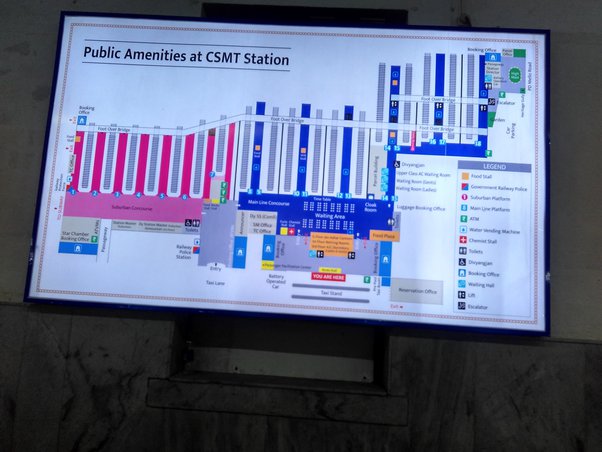
Unlocking Convenience: Nagpur Division’s Digital Access Map

Passenger Amenities: In a groundbreaking move aimed at revolutionizing the passenger experience within the Indian Railways network, Nagpur Railway Station, a pivotal hub, has introduced an innovative Digital Access Map. Spearheaded by the Nagpur Division of Central Railway, this initiative marks a significant leap towards enhancing passenger convenience and accessibility across 25 key railway stations in the division.

Navigating Convenience: Understanding the Digital Access Map

The Digital Map stands as a trailblazing pictographic representation, illustrating the precise locations of various passenger amenities across the station premises. Its intuitive design provides passengers with comprehensive guidance, mapping out essentials such as waiting rooms (reserved and unreserved), Divyang (specially-abled) ticket counters, lavatories, water taps and coolers, lifts, foot over bridges, entry and exit points, and the RPF Thana (Railway Protection Force Station). Moreover, the setup is thoughtfully back-lit, ensuring clear visibility even during nighttime.

Empowering Passengers: The Utility of the Digital Map

Crafted with the passenger’s convenience in mind, this digital map emerges as an indispensable tool for efficient navigation of the railway infrastructure. Offering clear visual cues and precise information about amenities available on different platforms and within the station area, it empowers passengers to make informed decisions and swiftly access the facilities they require, thereby streamlining their travel experience.

Current Implementation and Future Expansion

Presently operational at 25 stations across the Nagpur Division, the Digital Access Map is slated for swift implementation at the remaining stations. This proactive approach ensures that every passenger within the division benefits from this innovative solution. Among the stations where the Digital Access Map is already operational are Nagpur, Wardha Sewagram, Chandrapur, Ballarshah, Warora, Hinganghat, Bhnadak, Katol, Narkher, Pulgaon, Dhamangaon, Chandur, Pandhurna, Multai, Amla, and Betul.

In conclusion, Nagpur Division’s introduction of the Digital Map stands as a testament to its commitment to enhancing passenger convenience and accessibility. With its user-friendly design and comprehensive coverage, this initiative promises to redefine the passenger experience within the Indian Railways network.

1. How does the Digital Access Map benefit passengers?

  • The Digital Map provides clear guidance on the locations of various passenger amenities, streamlining the navigation process for travelers.

2. Is the Digital Map available at all railway stations within the Nagpur Division?

  • While currently operational at 25 stations, plans are underway to implement the Digital Access Map at all stations within the division.

3. Can visually impaired passengers utilize the Digital Access Map?

  • Efforts are being made to ensure accessibility for all passengers, including those with visual impairments, through alternative formats and technologies.

4. Are there plans to incorporate additional features into the Digital Access Map in the future?

5. How can passengers provide feedback or suggestions regarding the Digital Access Map?

  • Passengers can share their feedback and suggestions through designated channels such as customer service desks or online platforms provided by the railway authorities.

Electrifying Vanbala: A Journey into the Future

Toy Train Nagpur | Balodyan: The enchanting allure of ‘Vanbala’, the beloved toy train of ‘Balodyan’, is set to undergo a transformative upgrade by the year’s end. Steaming ahead with plans, the Forest Department is poised to propose the acquisition of a new electric locomotive in the upcoming District Planning Development Council (DPDC) meeting. Resurrecting after 2016, the beloved toy train recommenced its chug through Balodyan’s verdant landscapes in December last year. However, the Forest Department’s attempts to reignite its charm in 2019 were thwarted by the onset of the Covid-19 pandemic, and prior to that, by intermittent technical glitches. Yet, undeterred by setbacks, the Forest Department remains resolute in its commitment to perpetuate the legacy of this iconic train, ensuring continued joy for visitors to ‘Balodyan’. Dr. Bharat Singh Hada, Deputy Conservator of Forest, Nagpur, affirmed, “We have shared the plan with the District Collector Dr. Vipin Itankar, who too has shown keen interest. The plan is likely to be deliberated upon in the forthcoming DPDC meeting.”

A New Dawn: Electrifying Vanbala (Toy Train Nagpur | Balodyan)

“For this endeavor, we seek the expertise and assistance of the Central Railway for the procurement and installation of the new electric locomotive along the 1.8 km route. Hence, we are actively engaged in discussions with the Central Railway. A decision shall be reached during the imminent DPDC meeting,” added Dr. Hada. Although the diesel locomotive currently powering ‘Vanbala’ may have aged gracefully and retains its robustness, the Department envisages a grander vision by transitioning to an electric locomotive. This strategic move aims to elevate the train’s allure, offering visitors a mesmerizing nocturnal journey. Dr. Hada elucidated, “The concept of nighttime rides is in its nascent stages. Electrifying the entire route and adorning it with luminous embellishments will captivate our young riders.”

The Enthralling Journey Ahead

“Vanbala stands as the centerpiece of Balodyan’s attractions. We are diligently working towards adorning the entire route with lush greenery, captivating sculptures of tigers and wild fauna, and insightful information about the flora and fauna. Thus, visitors can embark on an immersive experience,” revealed Dr. Hada. The procurement of the new electric locomotive is estimated to incur costs around Rs 80 lakh, funded by the DPDC. Meanwhile, the retired diesel engine will find a new home as a display near the Vanbala station, preserving its legacy. Notably, approximately Rs 1.20 crore has already been invested in the comprehensive renovation project of Vanbala. Celebrating its 45th anniversary, this iconic toy train, spanning a 1.8 km circuit, commenced its inaugural journey in December 1978 under the stewardship of former chief minister Sharad Pawar.

Pioneering Progress

In a bid to perpetuate the enchantment of ‘Vanbala’, the Forest Department’s visionary initiatives underscore a commitment to preserving cherished memories while embracing the future of sustainable transportation. As the wheels of progress turn, ‘Vanbala’ stands poised to embark on a renewed journey, weaving unforgettable tales for generations to come.

  1. Why opt for an electric locomotive over the existing diesel one?
    • The transition to an electric locomotive aligns with our vision of sustainability and enhanced visitor experiences, offering quieter rides and reducing environmental impact.
  2. Will the nighttime rides impact the train’s schedule?
    • While nighttime rides are under consideration, they will be implemented in a manner that ensures minimal disruption to the train’s regular schedule, prioritizing safety and visitor satisfaction.
  3. How will the renovation project enhance the visitor experience?
    • The renovation project aims to create a holistic experience by integrating elements of natural beauty, wildlife sculptures, and informative displays, enriching the journey aboard ‘Vanbala’.
  4. What measures are in place to ensure the safety of passengers during the electrification process?
    • Stringent safety protocols and expert supervision will accompany the electrification process, ensuring the seamless transition to an electrified route while prioritizing passenger safety.
  5. Can visitors expect any special events or celebrations commemorating ‘Vanbala’s’ transformation?
    • As ‘Vanbala’ embarks on its electrified journey, the Forest Department plans to organize special events and celebrations to mark this historic milestone, inviting visitors to join in the festivities.

BharatPe One: Revolutionizing Merchant Payments

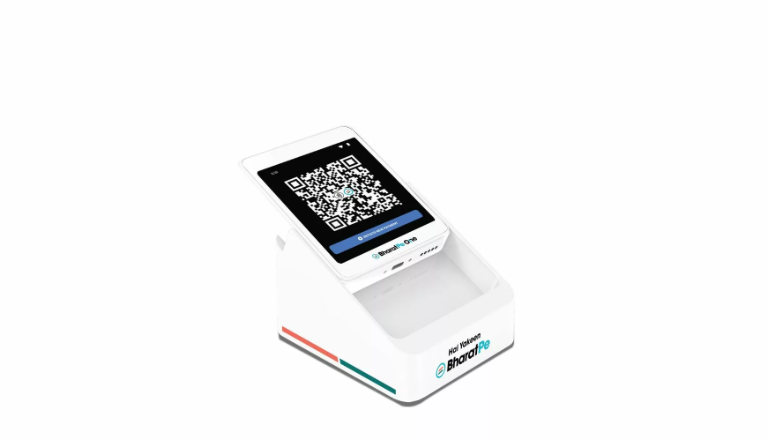
payment device: In a move set to transform the landscape of merchant transactions, BharatPe, a leading fintech company in India, has unveiled ‘BharatPe One,’ an innovative all-in-one payment solution. This groundbreaking device amalgamates Point of Sale (POS), QR code, and speaker functionalities into a singular, streamlined unit, promising unparalleled convenience for merchants.

Introducing BharatPe One

BharatPe One represents a paradigm shift in how merchants conduct transactions. By consolidating multiple payment features into a single device, BharatPe aims to simplify the payment process, optimize efficiency, and enhance the overall merchant experience.

The Features That Matter

High-Definition Touchscreen Display

Equipped with a high-definition touchscreen display, BharatPe One offers merchants a visually intuitive interface, ensuring smooth navigation and interaction during transactions.

Seamless Connectivity

With both 4G and Wi-Fi connectivity options, BharatPe One ensures uninterrupted access to payment networks, enabling swift and hassle-free transactions.

Enhanced Security

Powered by the latest Android operating system, BharatPe One prioritizes security, safeguarding sensitive transaction data and providing merchants with peace of mind.

Catering to Merchant Needs

BharatPe One is meticulously crafted to cater to the diverse needs of offline merchants. Its portable design, coupled with comprehensive transaction dashboards, ensures adaptability and ease of use in various business environments.

Versatile Payment Acceptance Options

From dynamic and static QR codes to tap-and-pay and traditional card payments, BharatPe One offers a comprehensive range of payment acceptance options. This versatility enables merchants to accept payments seamlessly, regardless of the customer’s preferred method.

The Vision Behind BharatPe One

BharatPe CEO, Nalin Negi, underscores the company’s commitment to empowering small and medium businesses across diverse sectors. By consolidating multiple functionalities into a cost-effective device, BharatPe aims to deliver a holistic solution tailored to the evolving needs of merchants.

With the launch of BharatPe One, BharatPe has ushered in a new era of convenience and efficiency in merchant transactions. By combining cutting-edge technology with user-centric design, BharatPe One promises to revolutionize the way merchants accept payments, ultimately driving growth and prosperity in India’s business landscape.

1. How does BharatPe One simplify transactions for merchants?

BharatPe One streamlines transactions by consolidating multiple payment functionalities into a single device, offering merchants a seamless and efficient payment experience.

2. What payment options does BharatPe One support?

BharatPe One supports a wide array of payment options, including dynamic and static QR codes, tap-and-pay, and traditional card payments, ensuring versatility and convenience for merchants.

3. Is BharatPe One secure?

Yes, BharatPe One prioritizes security with top-notch features and the latest Android operating system, safeguarding sensitive transaction data and providing merchants with peace of mind.

4. How does BharatPe One benefit small and medium businesses?

BharatPe One offers small and medium businesses a cost-effective, all-in-one payment solution tailored to their diverse needs, empowering them to enhance efficiency and drive growth.

5. Where can I purchase BharatPe One?

For information on purchasing BharatPe One, please visit the official BharatPe website or contact their customer support.

Revolutionizing Waste Management: The First Garbage Transfer Station in NMC’s Mangalwari Zone

Garbage Transfer Station | Mangalwari Zone: In an era where technology is the driving force behind innovation, Nagpur Municipal Corporation (NMC) is taking a significant step forward in waste management by approving the establishment of the city’s first Transfer Station. Situated at Mangalwari Bazar within the Mangalwari Zone of NMC, this station marks a pivotal moment in the city’s efforts to streamline its waste disposal processes.

A Leap Towards Efficiency

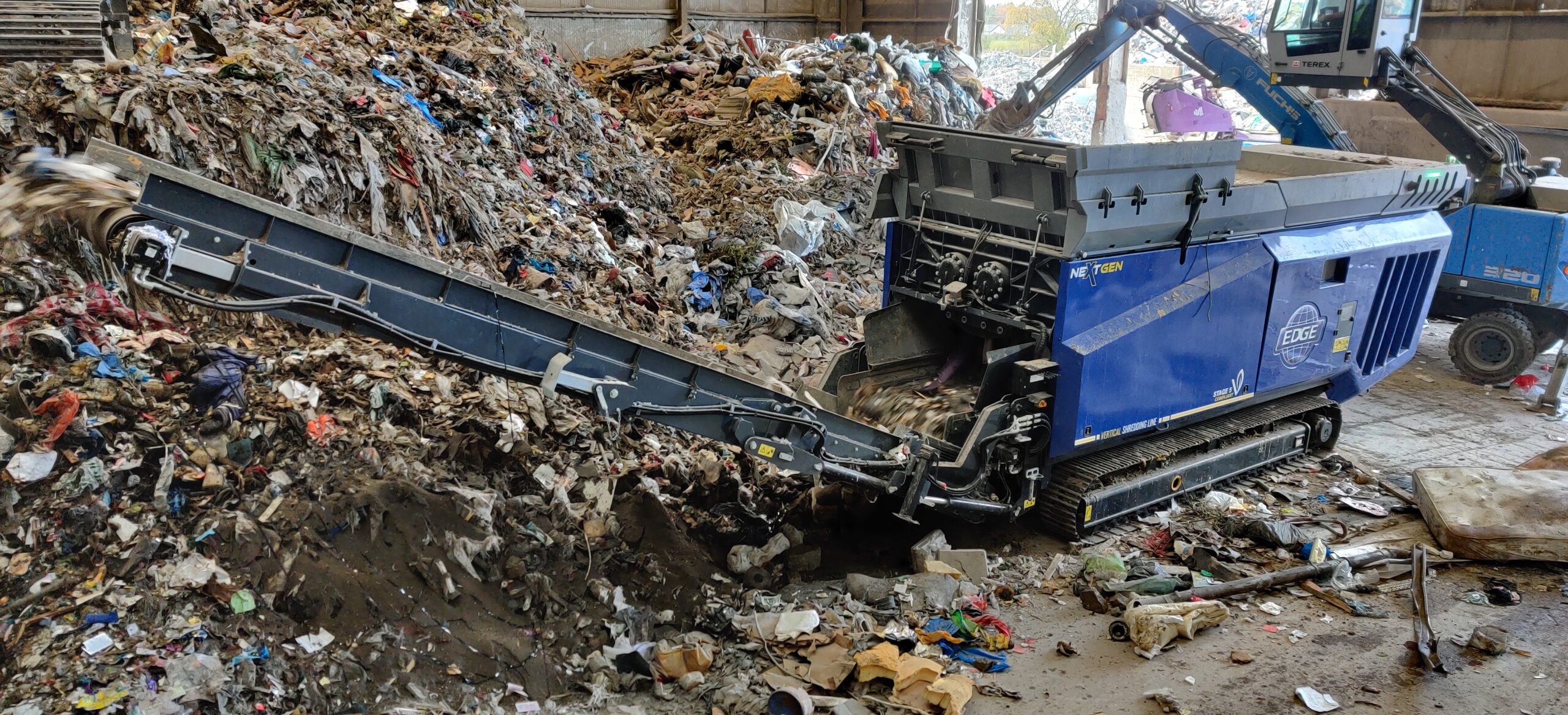
The Transfer Station serves as an intermediary hub where raw garbage collected from homes and markets undergoes initial processing before being transported to the Bhandewadi Dumping Yard. This strategic move not only enhances the efficiency of waste transportation but also aligns with NMC’s commitment to improving its Swachh Bharat Abhiyan ranking.

A Long-Awaited Initiative

The conception of the Transfer Station has been in the pipeline for several years, with the project gaining momentum prior to the onset of the COVID-19 pandemic. Spearheaded by the Nagpur Smart and Sustainable City Development Corporation Limited (NSSCDCL), the initiative faced setbacks when the former Municipal Commissioner halted its progress. However, recent developments have reignited the city’s determination to address its waste management challenges head-on.

Insights from the Executive Engineer

Rajesh Dufare, Executive Engineer of the Mangalwari Zone, shed light on the station’s operational mechanics. With a compactor machine at its core, the station efficiently compresses garbage into manageable bundles, ready for transportation. Continuous water supply facilitates this process, ensuring the seamless operation of the facility, which is poised to handle 15 to 16 tonnes of garbage daily.

Embracing Best Practices

Transfer Stations are a prevalent feature in major cities across the country, including Pune. By introducing this concept to Nagpur, the city aims to alleviate the burden on the Bhandewadi Dumping Yard, reducing the unsightly sight and foul odors associated with traditional waste transportation methods.

A Promising Future

Looking ahead, NMC anticipates a twelve-month timeline for the completion and commissioning of the Transfer Station. Beyond enhancing waste management practices, this initiative also paves the way for repurposing land currently used for waste dumping. Already, the transformation is underway, with educational institutes poised to occupy these reclaimed spaces, symbolizing a shift towards sustainable urban development.

The establishment of Nagpur’s first Garbage Transfer Station signifies a significant milestone in the city’s journey towards efficient waste management. By leveraging technology and strategic planning, NMC is not only addressing immediate challenges but also laying the groundwork for a cleaner, greener future.

  1. How will the Transfer Station improve waste management in Nagpur?
    • The station will streamline the processing and transportation of garbage, reducing logistical challenges and improving overall efficiency.
  2. What role does technology play in the operation of the Transfer Station?
    • Technology, such as compactor machines and continuous water supply systems, enhances the station’s capabilities, ensuring smooth operations.
  3. Will the Transfer Station impact the city’s Swachh Bharat Abhiyan ranking?
    • Yes, by improving waste management practices, the station is expected to positively influence the city’s ranking in the Swachh Bharat Abhiyan initiative.
  4. How does the Transfer Station contribute to sustainable urban development?
    • By repurposing land used for waste dumping, the station facilitates the transformation of urban spaces into more productive and sustainable environments.
  5. What are the long-term benefits of establishing Transfer Stations in cities like Nagpur?

Ramdeobaba College of Engineering Transforms into Ramdeobaba University: A New Chapter in Educational Excellence

A Momentous Transformation

In a monumental leap towards academic excellence and comprehensive development, Shri Ramdeobaba College of Engineering and Management (RCOEM) proudly declares its evolution into a self-financed Ramdeobaba University (RBU), commencing from the academic year 2024-25. This groundbreaking announcement was made by Dr. S S Mantha, a distinguished academician and visionary leader in education, and former Chairman of the All India Council for Technical Education (AICTE), who now assumes the role of the founding President/Chancellor of Ramdeobaba University (RBU). Dr. Mantha, renowned for his expertise in Robotics and a PhD in Combustion Modeling from the University of Mumbai, brings a wealth of experience and a commitment to innovation to his new position.

Upholding Tradition, Embracing Transformation

“We are thrilled to venture into this new chapter in our institution’s legacy. Ramdeobaba College has consistently excelled, and attaining the status of a University will further augment its reputation,” affirmed Chancellor Prof. Mantha.

Expanding Horizons: New Courses and Initiatives

RCOEM, as an autonomous institution offering technical education, has continually enhanced its offerings. The transition to RBU marks the inclusion of emerging fields such as Artificial Intelligence, Machine Learning, Data Analytics, and more, reflecting the evolving demands of the industry. Additionally, undergraduate programs in Cyber Security, Computer Science, Cloud Computing, and various specialized MBAs have been introduced, broadening the academic spectrum.

Fostering Excellence in Education

In line with its commitment to academic excellence, RBU pledges to prioritize student performance and elevate teaching standards. Prof. Mantha emphasized, “We are not in competition with other institutions; we are charting our unique path.” The University will conduct its own Common Entrance Test (CET) for admissions while accommodating students from government-conducted CETs, ensuring accessibility without compromise.

Aligning with National Educational Policy (NEP)

With a focus on embracing the National Education Policy (NEP), RBU is prepared to implement 4-year programs, flexible entry and exit systems, and introduce interdisciplinary courses, nurturing well-rounded graduates equipped for the challenges of the future.

Embracing Technology: Online Learning Portal

Recognizing the needs of working professionals, RBU will launch an online portal offering courses tailored to their schedules. This initiative aims to facilitate continuous learning, with lectures delivered by both in-house faculty and external experts.

Celebrating Achievements and Innovation

Satyanarayan Nuwal, Chairman of the sponsoring body Shri Ramdeobaba Sarvajanik Samiti, highlighted the institute’s exceptional placement records and the enthusiastic response to admissions. The emphasis on research is evident, with a substantial number of patents secured and numerous others in the pipeline.

Conclusion: A New Era of Excellence

The transformation of Ramdeobaba College of Engineering into Ramdeobaba University marks a significant milestone in the journey of academic excellence. With a commitment to innovation, inclusivity, and academic rigor, RBU is poised to make profound contributions to the realms of education and research.

1. Will the existing courses at RCOEM be discontinued after the transformation?

No, the existing courses will continue alongside the newly introduced programs at RBU, ensuring a seamless transition for current students.

2. How will the admission process change with the introduction of RBU?

RBU will conduct its own Common Entrance Test (CET) for admissions, in addition to accommodating students from government-conducted CETs, ensuring equitable access to education.

3. What measures will RBU take to enhance teaching quality?

RBU is committed to elevating teaching standards by providing specialized training to faculty members and implementing innovative pedagogical approaches.

4. How can working professionals benefit from RBU’s online portal?

The online portal will offer flexible learning options tailored to the schedules of working professionals, enabling them to pursue higher education without disrupting their careers.

5. What sets RBU apart from other institutions?

RBU distinguishes itself through its commitment to innovation, interdisciplinary learning, and a student-centric approach, ensuring holistic development and readiness for the future.

Unraveling the Traffic Chaos on South Ambazari Road

Understanding the Traffic Nightmare

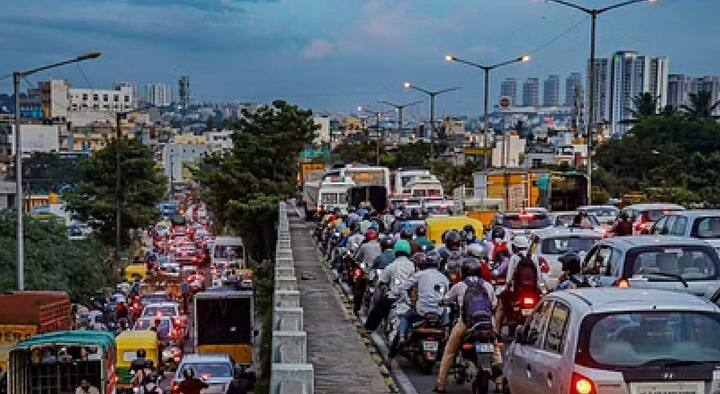
Navigating through South Ambazari Road has become akin to traversing a maze of chaos and frustration for daily commuters. The recent escalation in traffic disruptions, particularly highlighted during Tuesday evening’s Hanuman Jayanti celebrations, has unveiled a pressing issue plaguing this arterial road. From IT Park to Laxmi Nagar Square, the stretch has transformed into a hotspot for traffic snarls, leaving citizens stranded for hours due to mismanagement and a lack of enforcement.

The Culprit: Unauthorised Food Stalls

At the heart of this chaos lie the unauthorised food stalls that line the road, operating with apparent impunity. Despite regulations, footpaths are commandeered by these vendors, obstructing pedestrian pathways and encroaching on the road space. With over a hundred such stalls dotting the street, the situation exacerbates as workers from nearby IT companies and customers alike contribute to the parking mayhem.

A Recipe for Disaster

These food vendors, often setting up shop in mini trucks, extend their encroachments onto the footpaths, providing seating arrangements for customers. The influx of four-wheelers further compounds the issue, leaving scant space for other vehicles to maneuver. Consequently, the daily commute transforms into a grueling ordeal, with traffic congestion becoming the norm rather than the exception.

Hanuman Jayanti: The Tipping Point

Tuesday evening’s festivities for Hanuman Jayanti served as the tipping point, amplifying the existing chaos to unprecedented levels. With a stage erected on the main road, blaring music, and throngs of revelers, the traffic gridlock reached its crescendo. Shockingly, the authorities, including officials from Bajaj Nagar, Rana Pratap Nagar, and Ambazari Police Stations, appeared oblivious to the severity of the situation.

Urgent Call to Action

Residents and commuters, besieged by the perpetual traffic chaos, demand immediate intervention from the authorities. The need of the hour is stringent measures to rein in undisciplined parking practices and ensure smoother traffic flow for all stakeholders. Failure to address these issues promptly risks exacerbating an already untenable situation.

1. What is causing the traffic chaos on South Ambazari Road?

  • The unauthorised food stalls lining the road, coupled with rampant parking violations, are the primary contributors to the traffic chaos.

2. How many food stalls operate on South Ambazari Road?

  • Over a hundred food stalls operate along the stretch, further exacerbating the traffic congestion.

3. What exacerbated the traffic situation during Hanuman Jayanti celebrations?

  • The festivities, including a stage set up on the main road, amplified the traffic gridlock to unprecedented levels.

4. Are the authorities aware of the severity of the traffic chaos?

  • Shockingly, officials from various police stations seemed oblivious to the severity of the situation, adding to the frustration of residents and commuters.

5. What measures are needed to address the traffic issues on South Ambazari Road?

  • Urgent measures to curb undisciplined parking practices and ensure smoother traffic flow are imperative to alleviate the ongoing chaos.

हनुमान जन्मोत्सव पर जामसांवली में लाखों श्रद्धालुओं ने किए दर्शन

जामसांवली के चमत्कारिक हनुमान मंदिर में मंगलवार को हनुमान जन्मोत्सव पर मध्यप्रदेश, महाराष्ट्र और विभिन्न राज्यों से लाखों की संख्या में श्रद्धालुओं ने हनुमानजी के दर्शन किए। मध्य रात्रि 2 बजे से हनुमान जी की श्रीमूर्ति का रुद्राभिषेक,महापूजा के बाद महाआरती की गई। सुबह 5 बजे से हनुमान जी की श्री मूर्ति के दर्शन के लिए श्रद्धालुओं का तांता लगा रहा। मंदिर के गर्भगृह को फूलों से सजाया गया था। प्रशासन द्वारा कड़ी सुरक्षा व्यवस्था की गई थी। कई भक्त पदयात्रा कर गदा अर्पण करने पहुंचे। मंदिर ट्रस्ट कमेटी ने अयोध्या में विराजे राम लला की हूबहू प्रतिकृति मंदिर परिसर में स्थापित की ,जो श्रद्धालुओं के लिए आकर्षण का केंद्र रही। मंदिर ट्रस्ट कमेटी और विभिन्न सामाजिक संगठनों ने जगह-जगह महाप्रसाद और पेयजल वितरित किया। ग्रामीण आदिवासी समाज विकास संस्थान के कार्यकर्ताओं ने श्रद्धालुओं को मानसिक स्वास्थ्य की जानकारी दी।

विश्राम अवस्था में विराजमान हैं श्रीमूर्ति
भारतीय जीवन में श्रीराम के सुपात्र पवन पुत्र हनुमान जी का अत्यंत विशिष्ट स्थान है। पवन सुत के प्रति इस अगाध श्रद्धा का केंद्र है जामसांवली का हनुमान मंदिर, जहां पीपल के पेड़ के नीचे लेटी हुई अवस्था में हनुमानजी की प्रतिमा विराजमान है। प्रतिमा की नाभि से पवित्र जल आता है। पांढुर्णा जिले के सौंसर तहसील मुख्यालय से 7 किमी और नागपुर-छिंदवाड़ा नेशनल हाईवे पर बजाज चौक से पांढुर्ना मार्ग पर एक किमी दूर जामसांवली का हनुमान मंदिर श्रद्धा व आस्था का केंद्र है। किवदंतियों के अनुसार हनुमान जी की श्रीमूर्ति पीपल के पेड़ के नीचे स्वयंभू प्रकट हुई है। पीपल के पेड़ के नीचे विराजमान हनुमानजी की श्रीमूर्ति ऊर्ध्वमुखी है। संपूर्ण भारत वर्ष में इस तरह की ऊर्ध्वमुखी श्रीमूर्ति कहीं और नहीं है। मान्यता हैं कि यहां श्रीमूर्ति के नाभि से निकले जल से असाध्य बीमारियां ठीक होती है।

Pench Tiger Reserve: A Haven for Wildlife Enthusiasts

Pench Tiger Reserve (PTR), located in Maharashtra, stands as a beacon of wildlife conservation and adventure. In 2023, it experienced an unprecedented surge in tourism, hosting over one lakh visitors, marking the highest footfall in five years. This surge reflects the enduring allure of PTR, drawing nature lovers and adventure seekers alike.

Unraveling the Numbers

The data from PTR over the past five years paints a vivid picture of its growing popularity. In 2023 alone, 1,07,000 tourists explored the reserve, embarking on a staggering 23,472 safaris. This surge contrasts sharply with 2019-20, where the shadow of the Covid-19 pandemic loomed large, halving the tourist numbers to 53,000. However, in 2023, PTR rebounded robustly, recording a remarkable increase in both footfall and safari activities.

The PTR Experience

Post-Covid-19, tourists flock to PTR for its rejuvenating jungle safaris. Since 2022, with the resumption of all activities, PTR has witnessed a steady rise in visitors. Established as a National Park in 1975, PTR attained Tiger Reserve status in 1999, a testament to its ecological significance. As it celebrates its silver jubilee in 2024, PTR stands as the 25th Tiger Reserve in India.

Biodiversity at its Finest

PTR is not just about tigers; it’s a thriving ecosystem teeming with diverse wildlife. With over 40 tigers, 71 mammal species, 367 bird species, 53 reptiles, and 170 butterfly species, PTR offers a captivating glimpse into nature’s bounty. Seven tourism routes crisscross the reserve, each offering a unique perspective of its natural splendor.

Accommodation and Adventure

Tourists can immerse themselves in the wilderness while enjoying the comforts of Amaltas Tourism Complex in Sillari, Minko Tourism Complex in Kolitmara, or Dhanesh Tourism Complex in Surewani. Adventure enthusiasts can now soar above the canopy with para-motoring or experience the serenity of a hot air balloon ride, recently introduced at Kolitmara.

Dark Sky Sanctuary: A Celestial Delight

PTR’s latest accolade as India’s first ‘Dark Sky Sanctuary’ by the International Dark Sky Organisation elevates its allure. This initiative beckons stargazers and nature enthusiasts alike, offering unobstructed views of the cosmos. Moreover, the upcoming boat safari along the Pench River promises to be a captivating addition to PTR’s offerings.

Pench Tiger Reserve stands as a testament to India’s rich biodiversity and commitment to conservation. Its recent surge in tourism underscores its enduring appeal, offering visitors a harmonious blend of adventure and ecological immersion.

1. How can I book a safari at Pench Tiger Reserve?

Booking a safari at PTR is easy. You can either book online through the official website or inquire at the tourism complexes within the reserve.

2. Is Pench Tiger Reserve safe for solo travelers?

Yes, PTR is considered safe for solo travelers. However, it’s always advisable to follow the guidelines provided by the reserve authorities and exercise caution while exploring the wilderness.

3. What is the best time to visit Pench Tiger Reserve?

The best time to visit PTR is during the winter months, from October to February, when the weather is pleasant, and wildlife sightings are frequent.

4. Are there any accommodation options inside Pench Tiger Reserve?

Yes, PTR offers accommodation options within its premises, ranging from eco-friendly lodges to luxury resorts, catering to various preferences and budgets.

5. Can I engage in birdwatching at Pench Tiger Reserve?

Absolutely! With its rich avian diversity, PTR is a paradise for birdwatchers. Make sure to carry your binoculars and camera to capture the mesmerizing avian species that call PTR home.

Nagpur Lok Sabha Elections 2024: Understanding the Dynamics of Voter Turnout

The recently concluded Nagpur Lok Sabha elections witnessed a noteworthy phenomenon – while the total number of voters increased, there was a slight dip in the percentage of voters who cast their ballots. This intriguing trend has sparked discussions and analysis across various sectors. In this article, we delve into the intricacies of this electoral scenario, examining the factors contributing to this marginal drop in voting percentage.

Mission Distinction: A Vision for Increased Voter Participation

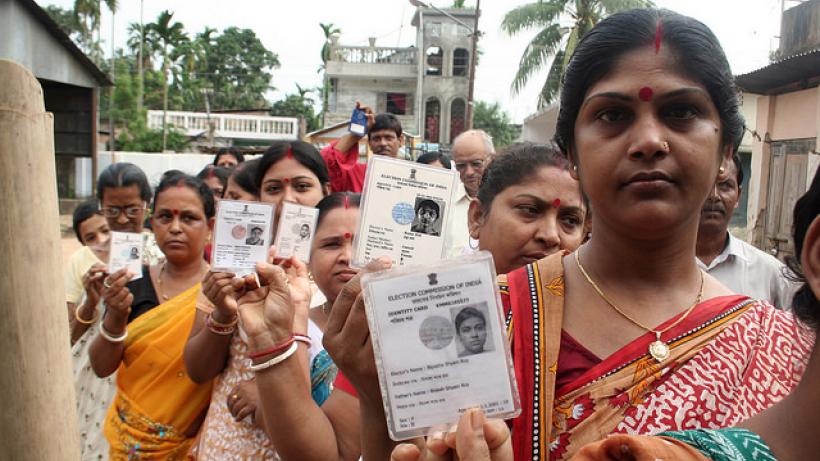
The District Administration embarked on a mission termed ‘Mission Distinction’ with the ambitious goal of achieving a voter turnout of over 70%. To realize this vision, extensive efforts were undertaken, including voter awareness programs conducted by various organizations and institutions. Business groups also joined the initiative, emphasizing the significance of exercising one’s franchise as a vital aspect of democracy.

Analyzing the Numbers: Comparing 2019 and 2024

District Collector and District Returning Officer, Dr. Vipin Itankar, shed light on the statistical comparison between the 2019 and 2024 elections. While acknowledging a decrease in the percentage of voters from 54.74% in 2019 to 54.30% in 2024, Dr. Itankar highlighted a notable increase in the total number of voters. In 2019, 11,82,507 voters participated, whereas, in 2024, the voter turnout surged to 12,07,344, indicating a rise of 24,837 voters.

Understanding the Decline: Insights into Last-Minute Voter Turnout

One significant factor contributing to the marginal drop in voting percentage was the observed dip in last-minute voter turnout. Traditionally, polling centers witness a gradual increase in voter numbers throughout the day, with a surge observed towards the end of voting hours. However, in the 2024 elections, this trend deviated as the expected late surge in voter turnout did not materialize. Instead, after peaking in the morning hours, voter numbers steadily declined post-1:30 pm, continuing until the end of voting time.

To gain a comprehensive understanding, it’s crucial to analyze the voter turnout trends over the years. Looking back at the data from 2004 to 2019, a fluctuating pattern emerges. The lowest turnout was recorded in 2009, followed by an improvement in 2014, only to witness another decline in 2019. In comparison, the decrease in percentage from 2019 to 2024 remains relatively minimal, indicating a stable trend despite the fluctuating historical data.

Conclusion: Navigating the Complexities of Electoral Dynamics

In conclusion, the Nagpur Lok Sabha elections of 2024 offer valuable insights into the dynamics of voter participation. Despite a marginal drop in voting percentage, the increase in the total number of voters underscores a growing engagement with the democratic process. As we reflect on the various factors influencing voter turnout, it becomes evident that addressing these complexities requires a multifaceted approach encompassing both awareness initiatives and structural reforms.

1. Why did the voting percentage decrease despite an increase in the total number of voters?

  • The decrease in voting percentage can be attributed to various factors such as changes in voter behavior, last-minute turnout dynamics, and external influences affecting participation.

2. How effective were the voter awareness programs conducted by different organizations?

  • While these programs played a crucial role in encouraging voter participation, their effectiveness varied depending on factors such as outreach strategies and engagement levels within communities.

3. What measures can be taken to address the issue of declining voter turnout?

  • Addressing declining voter turnout requires a combination of strategies including enhancing accessibility to polling centers, implementing technology-driven solutions for voter registration, and fostering a culture of civic engagement from an early age.
  • Analyzing demographic trends can provide valuable insights into voting behavior, highlighting patterns related to age, gender, socioeconomic status, and educational background.

5. How can individuals contribute to increasing voter participation in their communities?

  • Individuals can contribute to increasing voter participation by actively engaging in voter awareness initiatives, encouraging friends and family to vote, and advocating for policies that promote electoral accessibility and transparency.

Wadi Flyover: Clearing the Path with Monopoles

A Milestone in Wadi Flyover Construction

In the bustling city of Nagpur, progress is underway for the completion of the Wadi flyover project. The National Highway division of the state Public Works Department (PWD) has achieved a significant milestone by erecting three monopoles. These structures aim to raise the height of the high-tension (HT) wires, which have been posing a hindrance to the construction work along the busy Amravati Road.

Overcoming Obstacles: Raising the Height of HT Lines

The next phase of the project involves the stringing of cables, which is slated to commence shortly. By May 2, it is anticipated that the height of the 132KV lines will be successfully raised. This endeavor is being spearheaded by a team of experts from the Maharashtra State Electricity Transmission Company Limited (MSETCL) and the NH division, under the leadership of junior engineer Umair Inamdar.

Swift Action for Swift Progress

Inamdar highlights the efficiency of the operation, stating that the erection of the monopoles was accomplished in a record time of just three days. This feat is pivotal for the completion of the first of two flyovers on Amravati Road, stretching from the Ambajhari Ordnance factory gate to Wadi Naka Gurdwara.

Financial Commitment to Progress

The endeavor to raise the height of the 132KV lines comes at a cost of Rs7.22 crore. With the completion of the monopole installation, the focus now shifts to cable stringing. The first line stringing is scheduled to take place during the first mega outage on April 24, followed by the stringing of the second line on May 2 under the second mega outage.

Clearing the Path Ahead

Upon the successful charging of both new 132 KV lines on the monopoles, tentatively scheduled for May 2, the launching of segments can commence on May 3. This marks a significant advancement, considering that work on a 100-meter stretch of the 2.46 km flyover had been stalled near Wadi junction for seven months due to the low height of the high-tension wires.

Fulfilling a Vision of Progress

The Wadi flyover project is part of the larger Amravati Road traffic improvement initiative, with a budget of Rs478 crore sanctioned by the Ministry of Road Transport and Highways (MoRTH). While construction of the flyover on one side of Amravati Road has been completed within the deadline of March 31, the focus now shifts to the timely completion of the remaining stretch.

Anticipated Completion and Opening

Inamdar expresses confidence in meeting the timeline, assuring that the flyover will be completed and opened for motorists by the end of May. This milestone will not only alleviate traffic congestion but also enhance connectivity and facilitate smoother travel for commuters.

The installation of three monopoles to raise the height of high-tension wires marks a crucial phase in the Wadi flyover project. With concerted efforts from various stakeholders, including government agencies and engineering experts, significant progress has been made towards overcoming obstacles and achieving project milestones.

1. What is the purpose of erecting monopoles in the Wadi flyover project?

The monopoles are erected to raise the height of high-tension wires, facilitating the smooth progress of construction work along Amravati Road.

2. How long did it take to complete the installation of the monopoles?

The installation of the monopoles was accomplished in a record time of three days.

3. What is the estimated cost of raising the height of the 132KV lines?

The endeavor to raise the height of the 132KV lines is being undertaken at a cost of Rs7.22 crore.

4. When is the completion of the Wadi flyover expected?

The flyover is anticipated to be completed and opened for motorists by the end of May.

5. How will the completion of the Wadi flyover benefit commuters?

The completion of the flyover will alleviate traffic congestion, enhance connectivity, and facilitate smoother travel for commuters along Amravati Road.

Exit mobile version