Air Quality Concerns: Inconsistent Readings Raise Several Questions

Air Quality Nagpur: Nagpur has recently been in the spotlight for concerning and inconsistent air quality readings. Four continuous ambient air quality monitoring stations (CAAQMS) in the city have shown confusing trends, with a wide range of AQI results even before the much-anticipated Diwali festivities kicked off. So, what’s causing these variations, and why are these stations showing such puzzling readings?

What’s the Issue with Nagpur’s Air Quality Readings?

Nagpur’s air quality readings have taken an erratic turn. The CAAQMS at Ambazari started off with a poor air quality index (AQI) well before any Diwali fireworks were even lit. Strangely, this trend persisted throughout the festival day. Then there’s Ram Nagar, which also displayed high levels of pollution on Sunday evening. Mahal, known for being a commercial and residential mix, strangely stayed in the “moderate” AQI category despite the loud bursts of firecrackers.

What’s Causing the Confusion?

Here’s where things get interesting. The readings don’t quite add up to what we observe with our own eyes and ears. Ambazari, an area full of lush green spaces and relatively less congestion, showed worrying AQI levels. Activists and officials are questioning the accuracy and calibration of these stations. Is it a malfunction? Or are there underlying factors at play?

Experts Weigh In: The Green Cracker Debate

Are Green Crackers Really “Green”?

Environmental activist Kaustav Chatterjee has voiced his skepticism. He believes the supposed benefits of “green crackers” are misleading. Sure, they may cut emissions by 30%, but what about the other 70%? Are we truly making a dent in pollution levels? Chatterjee highlights the lack of regulatory checks on these crackers, leaving citizens feeling deceived.

Misaligned Observations and Data

Why don’t the CAAQMS readings reflect common observations? Despite bursts of firecrackers in densely populated areas, the stations display contradictory data. According to Chatterjee, it’s not just about the pollution from crackers; the stations themselves may need recalibration.

MPCB Officials Respond to Concerns

Why Dismiss Malfunctioning Allegations?

MPCB (Maharashtra Pollution Control Board) officials have ruled out equipment failure. They claim that various factors contribute to pollution readings, such as:

  • Wind direction: Pollutants may disperse differently, impacting readings.
  • Traffic congestion: An uptick in vehicles leads to higher AQI.
  • Construction activities: Dust and debris elevate pollution levels.
  • Local blockades: Physical barriers can concentrate pollutants.

The Impact of Weather Conditions

Officials also highlight an unusual factor: above-normal minimum temperatures. These conditions speed up the dispersal of pollutants, making the air seem cleaner, even when pollutants are present.

Key Factors Influencing Air Quality in Nagpur

1. Vehicular Pollution

Nagpur’s increasing number of vehicles is a major culprit. Emissions from cars, trucks, and buses significantly impact AQI levels. The more traffic congestion, the worse the air quality.

2. Construction Dust

Urbanization comes at a cost. Construction activities release fine particulate matter, which easily makes its way into the atmosphere. This dust worsens air quality, especially in developing areas.

3. Industrial Emissions

Although Nagpur isn’t as industrially dense as some major cities, factories and manufacturing units still contribute to air pollution. Even low emission levels can add up.

4. Waste Burning

Open waste burning near monitoring stations might also skew AQI readings. The smoke from these fires releases harmful pollutants into the air, exacerbating the problem.

Are Air Quality Monitors Reliable?

How Do CAAQMS Work?

CAAQMS stations continuously measure and report the levels of pollutants like PM2.5, PM10, nitrogen dioxide, sulfur dioxide, and ozone. They aim to provide real-time data to inform the public about air quality.

Calibration and Maintenance Concerns

For accurate data, these stations need regular calibration and maintenance. Any lapse can lead to misleading readings, which is why the MPCB must ensure they are in top shape.

Why Wind Patterns and Microclimates Matter

Understanding Wind Direction

Wind plays a critical role in dispersing pollutants. A change in wind patterns can either alleviate or exacerbate pollution in an area. Ambazari’s poor air quality, despite its greenery, might be due to pollutants being blown in from elsewhere.

Microclimates Affect Pollution Levels

Nagpur’s diverse landscape creates microclimates. Urban heat islands, where temperatures are higher than surrounding rural areas, can trap pollutants and make AQI levels spike in unexpected places.

Citizen Activism: Making a Difference

How Can Residents Help Improve Air Quality?

  • Switch to Public Transport: Reducing the number of cars on the road is a simple yet effective step.
  • Plant More Trees: Green spaces act as natural air purifiers.
  • Reduce, Reuse, Recycle: Proper waste management can curb open burning.

Engaging the Community

Educational campaigns and community clean-up drives can inspire change. Awareness is the first step toward action.

Nagpur’s air quality issues are multifaceted, involving everything from green crackers to vehicular emissions and changing weather patterns. The inconsistent AQI readings raise valid concerns about monitoring practices. As citizens, understanding these factors can help us contribute to solutions. We must hold authorities accountable while doing our part to reduce pollution.

  1. Why are CAAQMS readings inconsistent? The readings may vary due to factors like wind direction, microclimates, or equipment calibration issues.
  2. Do green crackers actually reduce pollution? Green crackers reduce emissions by only 30%. The remaining 70% still contributes significantly to pollution.
  3. Can weather conditions affect AQI readings? Yes, temperature and wind patterns play a major role in how pollutants disperse or accumulate.
  4. What can citizens do to improve air quality? Use public transportation, plant trees, and manage waste responsibly to make a difference.
  5. Are air quality monitors reliable? Generally, they are, but they need regular maintenance and calibration for accuracy.

Air Quality in Ambazari Hits Poor Zone: What Nagpur Residents Should Know

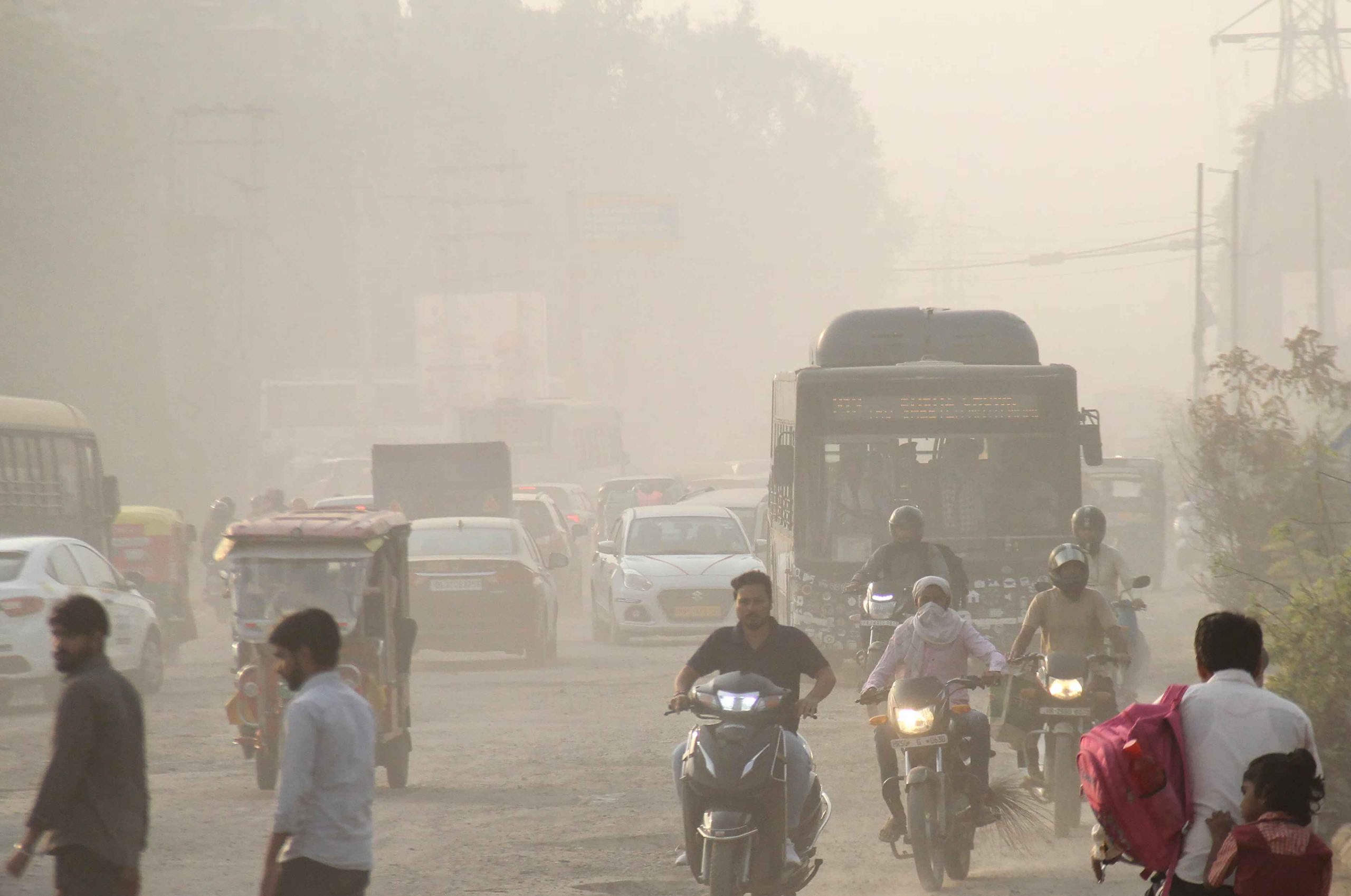
Nagpur Air Quality | AQI Ambazari: As urban centers grow, air quality becomes a critical concern. Recently, Nagpur’s Ambazari area has seen a concerning dip in air quality, registering an Air Quality Index (AQI) of 209. This places the area’s air quality in the “poor” category, posing potential health risks to residents. In this article, we’ll discuss the factors behind this decline, the impact of high particulate levels, and practical steps for mitigating exposure.

Understanding AQI: What Does It Mean for Nagpur?

The Air Quality Index (AQI) is a numerical scale used to indicate the level of pollution in the air. It helps individuals understand the risk of exposure based on real-time air quality data. Here’s how Nagpur’s recent AQI numbers break down:

  • Ambazari: AQI 209 (Poor)
  • Mahal: AQI 125 (Moderate)
  • Civil Lines: AQI 103 (Moderate)
  • Ram Nagar: AQI 136 (Moderate)

While other areas remain within moderate levels, Ambazari has shifted into a category with health implications, especially for vulnerable groups.

Why Has Ambazari’s AQI Reached Dangerous Levels?

1. Seasonal Temperature Drop

As winter approaches, cooler air traps pollutants closer to the ground, resulting in higher concentrations of harmful particles.

2. Open Burning of Waste

An increase in the open burning of waste, including yard and plastic waste, adds substantial amounts of particulate matter (PM2.5 and PM10) to the air, which are primary contributors to the AQI spike.

3. Traffic and Industrial Emissions

Urban traffic congestion and industrial emissions add to the mix, particularly in densely populated or commercial areas like Ambazari.

Breaking Down the Pollutants: PM2.5 and PM10 (Nagpur Air Quality)

PM2.5 and PM10 are the primary pollutants affecting air quality in Ambazari. Here’s a closer look:

  • PM2.5: Fine particles with a diameter of less than 2.5 micrometers, which can deeply penetrate the respiratory system.
  • PM10: Slightly larger particles that, although less invasive than PM2.5, still pose serious health risks.

Health Implications of Poor Air Quality

Poor air quality can lead to a range of health problems, including respiratory issues, aggravated asthma, and cardiovascular disease. For sensitive individuals, exposure to high AQI levels may cause immediate symptoms such as:

  • Shortness of Breath
  • Irritation in Eyes, Nose, and Throat
  • Coughing and Wheezing

Who is Most Affected by the Poor Air Quality?

1. Children and the Elderly

Young children and elderly individuals are highly susceptible to the effects of poor air quality. Their respiratory systems are either not fully developed or may have weakened defenses.

2. People with Pre-existing Conditions

Individuals with conditions like asthma or cardiovascular disease face heightened risks during high AQI periods.

3. Outdoor Workers

Those who work outdoors, including street vendors and construction workers, are at increased risk of prolonged exposure.

Comparative AQI Data Across Nagpur

  • Ambazari: AQI 209 (Poor) | PM2.5: 329 | PM10: 401
  • Mahal: AQI 125 (Moderate) | PM2.5: 287 | PM10: 325
  • Civil Lines: AQI 103 (Moderate) | PM2.5: 199 | PM10: 250
  • Ram Nagar: AQI 136 (Moderate) | PM2.5: 251 | PM10: 297

Government and Community Measures to Improve Air Quality

1. Regulating Open Waste Burning

Local authorities can implement stricter measures to prevent open burning of waste by raising awareness and providing alternative disposal options.

2. Increasing Green Cover

Trees absorb CO2 and other pollutants, acting as natural air purifiers. Increasing green cover around Ambazari and other high-pollution areas could improve air quality.

3. Reducing Vehicle Emissions

Promoting public transport, carpooling, and electric vehicles can significantly cut down vehicle emissions, a major contributor to AQI in urban centers.

Personal Steps to Reduce Exposure

1. Use Air Purifiers Indoors

Indoor air purifiers with HEPA filters can reduce PM2.5 and PM10 levels inside homes, providing a cleaner environment.

2. Wear Masks Outdoors

Masks can help reduce inhalation of fine particles, especially for those who must spend time outdoors in high AQI areas.

3. Avoid Outdoor Exercise

During high AQI periods, it’s best to avoid strenuous outdoor activities that could increase pollutant inhalation.

Nagpur, like many other growing cities, faces air quality challenges as urbanization and industrial activities increase. Ambazari’s recent AQI readings serve as a reminder of the importance of environmental responsibility and the need for both government and community action. By taking preventive steps and supporting policies aimed at reducing air pollution, residents can contribute to a healthier, more sustainable Nagpur.

1. What are the main causes of poor air quality in Ambazari? The primary causes include open waste burning, vehicular emissions, and seasonal temperature drops that trap pollutants closer to the ground.

2. How can I protect myself from poor air quality? Using air purifiers, wearing masks, and staying indoors during high AQI periods can help reduce exposure to pollutants.

3. What are PM2.5 and PM10, and why are they harmful? PM2.5 and PM10 are fine particles that, when inhaled, can penetrate deep into the lungs and bloodstream, causing health issues.

4. How does air pollution affect children and the elderly? Children and the elderly are more susceptible to respiratory issues, asthma attacks, and cardiovascular problems due to weaker immune and respiratory systems.

5. What steps can the government take to improve air quality? Measures like regulating open waste burning, promoting electric vehicles, and increasing urban green spaces can contribute to better air quality.

Chinese Firecrackers Continue to Flood Nagpur Markets Despite Ban

The illegal sale of Chinese firecrackers in Nagpur is raising safety and health concerns, as these products are openly available in bustling market areas despite a ban. With a high potassium perchlorate content, these firecrackers are extremely dangerous, posing significant risks for both vendors and customers. Wholesale suppliers funnel these hazardous products to retailers, who then sell them on to smaller shops, increasing the likelihood of accidents.

Illegal Firecracker Trade in Nagpur Markets

In heavily populated regions like Gandhi-bagh, Jaripatka, and Lalimli in Itwari, Chinese firecrackers are readily accessible. Vendors are even offering “firecracker guns” loaded with these banned products, intensifying the chances of accidents. Reports indicate that some shopkeepers are storing Chinese firecrackers in homes or rented spaces to elude law enforcement, potentially turning residential areas into powder kegs.

New Dangers: Larger, More Explosive Firecrackers

This year has seen the introduction of even more dangerous Chinese firecrackers in the market. While previous products like “Poppop” were relatively small, newer versions have grown in both size and risk factor. These firecrackers detonate upon impact with a hard surface, and some, referred to as “missiles,” can be launched from toy guns. The most alarming addition is a firecracker resembling a “hand grenade,” complete with a pullable hook. When triggered, it emits smoke before exploding within seconds, imitating the mechanism of a real grenade. These products escalate the risk of severe injuries and property damage, making the crackdown on such items an urgent priority.

Banned Chemicals: What Makes Chinese Firecrackers So Hazardous?

Chinese firecrackers commonly contain potassium chlorate, which is inexpensive but highly dangerous. This powder costs roughly ₹50 per kilogram, compared to the safer compounds used in Indian-made firecrackers, which are priced at around ₹300 per kilogram. The cost differential pushes demand for these cheaper yet illegal products, despite the dangers they pose. Potassium perchlorate, one of the ingredients in Chinese firecrackers, is explicitly banned in India due to its explosive properties and health risks.

Health Hazards of Chinese Firecrackers

Beyond the threat of explosions, Chinese firecrackers pose serious health risks. The chemicals used in these products release toxic smoke that can impact respiratory health, especially in children and the elderly. Exposure to the fumes may lead to headaches, nausea, and respiratory issues, worsening air quality during peak festival seasons. These health risks underline the urgent need to restrict and monitor the sale of these harmful firecrackers.

Prioritising Safety Over Dangerous Shortcuts

The sale of Chinese firecrackers in Nagpur continues to endanger both public safety and health, despite the existing ban. It is crucial for authorities to intensify monitoring and enforcement efforts to prevent these dangerous products from entering local markets. Public awareness about the risks posed by these firecrackers, from their chemical makeup to the harm they cause, can further aid in reducing demand and keeping communities safe.

4.2 Magnitude Earthquake Hits Amravati District: No Major Damage Reported

4.2 magnitude earthquake Amravati: On Monday afternoon, residents of Maharashtra’s Amravati district experienced mild tremors as a 4.2 magnitude earthquake struck the region. While the event startled many, the good news is that no significant damage or casualties have been reported. The National Center for Seismology and State Disaster Management authorities are closely monitoring the situation, ensuring that safety protocols are in place for any further developments.

What Happened?

At precisely 1:37 PM on Monday, September 30th, a mild earthquake was recorded in Amravati district. The epicenter of this quake was located in the Melghat region, with tremors felt across multiple areas in the district, including:

  • Chikhaldara
  • Katkumbh
  • Churni
  • Pachdongri Talukas
  • Paratwada City
  • Dharni
  • Akot

Local residents reported the shaking, which lasted only a few seconds but caused alarm in several communities. However, as confirmed by Amravati’s Resident Deputy Collector, Anil Bhatkar, no immediate damage to infrastructure or loss of life was reported.

Magnitude and Impact: Understanding the Richter Scale

The earthquake, measuring 4.2 on the Richter scale, is classified as a “light” earthquake. Typically, earthquakes with a magnitude between 4.0 and 4.9 are known to cause minimal to no damage, though they are often felt by people in the affected area.

What is the Richter Scale?

The Richter scale is a numerical scale used to quantify the energy released during an earthquake. Each whole number increase on the scale represents a tenfold increase in amplitude. This means that while a 4.2 magnitude quake is significant enough to be felt, it doesn’t pack the destructive force of a more powerful quake, such as those that measure 7.0 or higher.

What Areas Were Affected?

Several areas within Amravati district were impacted by the tremors:

Chikhaldara and Melghat

These regions, known for their hilly terrain and forests, experienced noticeable shaking. Chikhaldara is a popular tourist destination, and the local authorities were quick to reassure visitors and residents that no damage to the area’s infrastructure or environment had been reported.

Katkumbh and Churni

The rural areas of Katkumbh and Churni also felt the tremors. These areas, primarily agricultural, saw no reported disruption to farming activities or infrastructure damage, providing relief to local farmers.

Paratwada, Dharni, and Akot

Tremors were felt in these urban and semi-urban areas. However, local officials confirmed that there was no major damage to buildings or utilities, allowing life to resume as normal shortly after the quake.

Emergency Response and Public Communication

The State Disaster Management team acted swiftly, providing real-time updates through social media platforms such as X (formerly Twitter). Their message to the public was clear: stay calm and remain vigilant for any further updates.

Authorities urged residents to follow earthquake safety guidelines, especially in the aftermath of the tremors, to prevent panic or injury from possible aftershocks.

What Causes Earthquakes in Amravati?

Amravati district, though not located near major tectonic plate boundaries, is occasionally subject to mild seismic activity. The reason lies in the underground fault lines that exist throughout the Earth’s crust. These fault lines, when subjected to stress, release energy in the form of earthquakes.

Understanding Fault Lines

Fault lines are fractures in the Earth’s crust where sections of rock can slip past each other. The sudden movement of these sections causes the ground to shake, resulting in an earthquake. While Amravati is not as seismically active as other regions of India, such as the Himalayas or Gujarat, the occasional tremor can still occur.

How Do Earthquakes Affect Local Communities?

Even mild earthquakes can cause a wave of concern in local communities. Many residents in the affected areas reported feeling a sense of unease, especially as the tremors were unexpected. However, local authorities have assured the public that no serious risks were posed by the quake.

Psychological Impact

The psychological effects of experiencing an earthquake, even a mild one, can be significant. Feelings of anxiety, fear, and uncertainty can arise, particularly for those unfamiliar with seismic activity.

Preparation is Key

The event serves as a reminder of the importance of earthquake preparedness. Even in regions that are not prone to frequent seismic activity, residents should have an emergency plan in place and be aware of safety measures to follow in the event of an earthquake.

No Major Damage Reported

While there were initial concerns about the potential damage caused by the tremors, inspections carried out by local authorities have confirmed that there were no serious impacts on infrastructure. Buildings in Amravati district remained intact, and essential services like water, electricity, and communications were unaffected.

Citizens Urged to Stay Calm

In their public statement, officials reiterated the importance of staying calm during such events. Panic can often lead to accidents or injuries, even in situations where the earthquake itself does not cause harm.

The State Disaster Management also reminded citizens to follow any instructions issued by local authorities and to stay updated through reliable news sources.

Earthquake Safety Tips

To ensure public safety, the State Disaster Management shared the following earthquake safety tips:

  1. Stay Indoors: If you’re inside during an earthquake, stay indoors. Seek shelter under sturdy furniture like a table or desk to protect yourself from falling debris.
  2. Move to Open Areas: If you’re outdoors, move to an open area away from buildings, trees, and power lines.
  3. Avoid Elevators: During tremors, avoid using elevators as they may malfunction or become stuck.
  4. Keep Emergency Supplies: It’s always a good idea to have a basic emergency kit, including water, food, and first aid supplies.
  5. Stay Informed: Follow updates from local authorities and emergency services to stay informed of any changes in the situation.

Is Amravati Prepared for Larger Earthquakes?

While Monday’s earthquake did not result in major damage, the incident raises questions about the region’s preparedness for potentially stronger seismic events.

Amravati’s infrastructure, while designed for typical weather conditions, may not be equipped to handle severe earthquakes. Ongoing discussions about updating building codes and improving emergency response protocols are essential for ensuring the safety of residents in the event of larger quakes.

A Timely Reminder to Stay Prepared

The 4.2 magnitude earthquake that hit Amravati serves as a timely reminder of the importance of preparedness, even in regions that don’t frequently experience seismic activity. Fortunately, no major damage was reported, and local authorities responded quickly to ensure public safety. While this event may not have caused significant harm, it highlights the unpredictability of nature and the need to stay alert.

  1. What was the magnitude of the earthquake in Amravati? The earthquake had a magnitude of 4.2 on the Richter scale.
  2. Were there any casualties reported? No, there were no casualties or major damage reported.
  3. Which areas were affected by the earthquake? The tremors were felt in Chikhaldara, Katkumbh, Churni, Pachdongri Talukas, Paratwada, Dharni, and Akot.
  4. What should I do if I experience an earthquake? Seek shelter under sturdy furniture if indoors, and if outdoors, move to an open area away from buildings.
  5. Is Amravati prone to earthquakes? Amravati occasionally experiences mild seismic activity but is not located near major fault lines.

Bird Flu Outbreak in Nagpur: A Deep Dive into the Crisis

Rapid Response Team: The recent outbreak of bird flu in Nagpur has sent shockwaves through the poultry industry, with more than 8,500 birds culled and stringent measures implemented to contain the spread. In this comprehensive article, we’ll explore the details of the situation, the actions taken by the authorities, and the potential implications for both the local community and the broader region.

Understanding the Gravity of the Situation

The Regional Hatchery Centre, managed by the state animal husbandry department in Seminary Hills, became the epicenter of the crisis when carcasses of recent mortalities tested positive for avian influenza, commonly known as bird flu. This prompted the Rapid Response Team (RRT) to take immediate action, scientifically destroying over 8,500 poultry birds, 16,700 eggs, and 400kg of bird feed.

Swift Response by the Rapid Response Team (RRT)

Led by dedicated professionals, the RRT acted swiftly to mitigate the potential spread of the disease. Sarfaraz Ahmed reports that the team’s prompt actions have helped contain the outbreak within the confines of the Regional Hatchery Centre. Thankfully, there are no reports of avian influenza among other farms in and around Nagpur at this time.

Assessing the Contagious Nature of Avian Influenza

Avian influenza is a zoonotic disease, meaning it can be transmitted from animals to humans. However, doctors assure the public that the chances of infected humans passing it to others are currently rare. This offers a measure of reassurance in the face of a disease that can have severe consequences for both poultry populations and human health.

District Collector’s Decree: Containment and Surveillance Zones

District collector Vipin Itankar, recognizing the urgency of the situation, declared a 1km area around the hatchery as a restricted zone. Additionally, a 10km area was designated as a surveillance zone for the next 21 days. These measures aim to prevent the potential spread of the virus and protect the surrounding communities.

The Unseen Threat: Balancing Perplexity and Burstiness

The situation in Nagpur serves as a stark reminder of the delicate balance between perplexity and burstiness in dealing with such crises. While the details of the outbreak may seem perplexing, the swift and decisive actions of the RRT demonstrate the burstiness needed to address unexpected challenges effectively.

The Human Touch in Crisis Management

In times of crisis, the human touch becomes crucial. The collective efforts of professionals, authorities, and the community contribute to managing the situation. This collaborative approach is essential for not only addressing the immediate concerns but also developing sustainable strategies for preventing future outbreaks.

Navigating Through Crisis with Unity and Resilience

The bird flu outbreak in Nagpur is a testament to the unpredictability of zoonotic diseases. However, it also highlights the resilience and unity displayed by the community in the face of adversity. By understanding the gravity of the situation, appreciating the swift response of the RRT, and recognizing the importance of collective action, we can navigate through this crisis with determination and emerge stronger on the other side.

Frequently Asked Questions (FAQs)

  1. Q: Can avian influenza be transmitted to humans?
    • A: While avian influenza is a zoonotic disease, the chances of transmission to humans are currently rare, according to medical experts.
  2. Q: What measures are being taken to contain the outbreak in Nagpur?
    • A: The Rapid Response Team has scientifically destroyed infected birds and implemented restricted and surveillance zones to prevent further spread.
  3. Q: How long will the surveillance zones be in place?
  4. Q: Are other farms in and around Nagpur affected by avian influenza?
    • A: As of now, there are no reports of avian influenza among other farms in the vicinity.
  5. Q: What is the role of the Regional Hatchery Centre in the crisis?
    • A: The centre became the epicenter of the outbreak, with the Rapid Response Team taking immediate action to contain and address the situation.


Nagpur’s Battle Against Avian Influenza: A Comprehensive Report

Nagpur bird flu: In a recent development at the Regional Hatchery Centre in Seminary Hills, Nagpur, the Rapid Response Team (RRT) has undertaken a critical task – the scientific destruction of over 8,500 poultry birds, 16,700 eggs, and 400kg of bird feed. Sarfaraz Ahmed’s report sheds light on the alarming situation where the carcasses of these birds tested positive for avian influenza, commonly known as bird flu.

Unveiling the Incident

The Regional Hatchery Centre, managed by the state animal husbandry department, has become the focal point of this crisis. The RRT, in a swift response, initiated the disposal process after confirming the presence of avian influenza among the recent mortalities. The severity of the situation prompted immediate action to curb the potential spread of the disease.

Containment Measures (Nagpur bird flu)

District collector Vipin Itankar, on Wednesday, announced a series of measures to contain the outbreak. A 1km radius around the hatchery is now declared a restricted zone, while a broader 10km area falls under surveillance for the next 21 days. These steps aim to prevent the further transmission of the avian influenza within Nagpur and its surrounding areas.

The Contagious Nature of Avian Influenza

Avian influenza is a zoonotic disease, meaning it can transmit from animals to humans. While the contagious nature of the virus is a cause for concern, doctors reassure the public that the chances of infected humans passing it to others are currently rare. Understanding this crucial aspect can help alleviate fears and guide preventive measures.

No Reports Beyond Nagpur

As of now, there are no reports of avian influenza among other farms in and around Nagpur (Nagpur bird flu). This is a crucial point to note, indicating that the immediate focus is on containment and preventing the further spread of the disease beyond the identified zone.

The Human Perspective

In the face of this crisis, it’s essential to recognize the human aspect. Doctors emphasize the rarity of infected humans transmitting the virus, providing a level of reassurance to the community. The use of formal language underscores the seriousness of the situation while maintaining a connection with the reader.

Understanding the Risk

While avian influenza is contagious, understanding the specific risks and transmission mechanisms is vital. The article aims to provide clarity on the current situation, ensuring that readers can make informed decisions about their safety and the safety of their communities.

the Regional Hatchery Centre incident in Nagpur demands immediate attention and decisive action (Nagpur bird flu). The containment measures undertaken by District Collector Vipin Itankar underscore the seriousness of the situation. As the community comes together to address this challenge, staying informed and following recommended guidelines becomes paramount.

FAQs

  1. Is avian influenza deadly to humans?
    • Currently, the chances of infected humans passing the virus to others are rare, according to doctors.
  2. What are the symptoms of avian influenza in birds?
    • Birds infected with avian influenza may show signs of lethargy, respiratory distress, and a drop in egg production.
  3. How can I protect myself from avian influenza?
    • Following hygiene practices, avoiding contact with sick birds, and staying informed about the outbreak are essential preventive measures.
  4. Are other farms in Nagpur affected?
    • As of now, there are no reports of avian influenza on other farms in and around Nagpur.
  5. What should I do if I suspect avian influenza in my poultry?
    • Report any unusual symptoms in your poultry to the local animal health authorities immediately.

नागपुरात ढग दाटून आले, IMD ने व्यक्त केली येत्या दोन दिवसांत मुसळधार पावसाची शक्यता, जाणून घ्या हवामानाची ताजी स्थिती

नागपूर शहरात मेघगर्जनेसह पाऊस पडत आहे. त्याचवेळी नागपूरसह अनेक जिल्ह्यांमध्ये येत्या दोन दिवसांत मुसळधार पाऊस पडण्याची शक्यता हवामान खात्याने व्यक्त केली आहे. नागपुरातही पावसाच्या सरी बरसत आहेत. मंगळवारीही शहरात जोरदार पावसाची नोंद झाली. विशेष म्हणजे मंगळवारी नागपुरात ६.३ मिमी पावसाची नोंद झाली. त्याचवेळी हवामान खात्याच्या अंदाजानुसार शहरात पुढील दोन दिवस मुसळधार पाऊस सुरू राहणार आहे. यासोबतच पुरासारखी परिस्थिती उद्भवू नये यासाठी जिल्हा प्रशासनाला सज्ज राहण्याचे निर्देशही हवामान खात्याने दिले आहेत. त्याचवेळी, आम्ही तुम्हाला सांगतो की, सोमवारी नागपुरात या मोसमातील आतापर्यंतच्या सर्वाधिक पावसाची नोंद झाली आहे. प्रत्यक्षात सोमवारी २४ तासांत एकूण ४०.१ मिमी पाऊस झाला.

हवामान खात्याने पूर धोक्याचा इशारा दिला आहे

दरम्यान, IMD ने पुढील 24 तासांत विदर्भ प्रदेशासाठी फ्लॅश फ्लड रिस्क (FFR) स्टेटमेंट जारी केले आहे. त्यानंतर राष्ट्रीय आपत्ती प्रतिसाद दल (NDRF) आणि राज्य आपत्ती प्रतिसाद दल (SDRF) ची प्रत्येकी एक टीम पूरसारख्या परिस्थितीला तोंड देण्यासाठी नागपुरात तैनात आहे.

नागपूरसह अनेक जिल्ह्यांमध्ये येत्या दोन दिवसांत मुसळधार पावसाची शक्यता आहे

मात्र, प्रादेशिक हवामान केंद्राच्या (आरएमसी) अधिकाऱ्यांच्या म्हणण्यानुसार, नागपूर शहरात पावसाने आतापर्यंत एकही विक्रम मोडला नाही. गेल्या वर्षी जुलै महिन्यात सर्वाधिक पाऊस 9 जुलै रोजी 100.3 मिमी एवढा झाला असल्याचे आकडेवारीवरून दिसून येते. त्याच वेळी, 2020 मध्ये सर्वाधिक पावसाची नोंद 15 जुलै रोजी 100.8 मिमी इतकी झाली. त्याचवेळी हवामान खात्याच्या अंदाजानुसार नागपूर, चंद्रपूर, यवतमाळसह विदर्भातील काही जिल्ह्यांमध्ये येत्या दोन दिवसांत मुसळधार पाऊस पडण्याची शक्यता आहे. इतर काही जिल्ह्यांमध्ये मध्यम आणि तुरळक पावसाची अपेक्षा आहे.

शुक्रवार हा नागपूरचा या हंगामातील सर्वात उष्ण दिवस होता, कमाल तापमान ४६.२ अंश सेल्सिअसपर्यंत पोहोचले.

नागपूर: शुक्रवार हा नागपूरचा या हंगामातील सर्वात उष्ण दिवस होता, कमाल तापमान ४६.२ अंश सेल्सिअसवर पोहोचले. विदर्भातील दुसऱ्या क्रमांकाचे सर्वाधिक उष्ण शहर होते. 46.4 अंश सेल्सिअस तापमानात चंद्रपूर विभागातील सर्वात उष्ण ठरले. गोंदिया आणि वर्धा येथेही पारा वाढला असून कमाल तापमान ४५.४ आणि ४५.२ अंश सेल्सिअसपर्यंत पोहोचले.

“8 आणि 9 जून 2014 रोजी दुसऱ्या क्रमांकाचे सर्वोच्च तापमान 47.3 अंश सेल्सिअस नोंदवले गेले,” असे अधिकाऱ्यांनी सांगितले. वरच्या बाजूला असूनही नागपूरच्या या तापमानाने कोणताही विक्रम मोडला नाही. प्रादेशिक हवामान केंद्र (RMC), नागपूरच्या अधिकाऱ्यांच्या म्हणण्यानुसार, शहरात जून महिन्यातील आतापर्यंतचे सर्वाधिक कमाल तापमान 5 जून 2003 रोजी 47.7 अंश सेल्सिअस नोंदवले गेले होते.

हवामान खात्याने नागरिकांना विशेष काळजी घेण्याचा सल्ला दिला आहे आणि कमालीच्या उष्णतेमध्ये बाहेरची कामे टाळावीत. “वृद्ध, मुले, आजारी किंवा जास्त वजन असलेल्यांची विशेष काळजी घ्या कारण ते अति उष्णतेचे बळी ठरण्याची शक्यता असते. कामगारांना थेट सूर्यप्रकाश टाळण्याची आणि दिवसाच्या थंड वेळेसाठी कठोर नोकर्‍या शेड्यूल करण्याची खबरदारी द्या,”.

ऐतिहासिक आकडेवारीवरून असे दिसून आले आहे की, नागपूरमध्ये आतापर्यंत 23 मे 2013 रोजी हंगामातील सर्वाधिक तापमान 47.9 अंश सेल्सिअस नोंदवले गेले आहे. हवामान खात्याने शनिवारी बहुतांश जिल्ह्यांमध्ये उष्णतेच्या लाटेचा इशारा दिला आहे. कमाल तापमान उच्च राहण्याचा अंदाज आहे आणि 6 जून नंतर त्यात किंचित घट होण्याची शक्यता आहे. सध्या विदर्भात मान्सून सुरू होण्याची कोणतीही माहिती नाही.

नागपूरमध्ये जयंत तांदुळकर यांनी पक्षांना उन्हाळ्यात सुसह्य करण्यासाठी खास पक्षी अभयारण्य

नागपूरमध्ये जयंत तांदुळकर यांच्याकडून पक्षांना उन्हाळा सुसह्य खास पक्षी अभयारण्य स्वागत करण्यासाठी जात आहे. या पक्षांना पाणी आणि अन्न ठेवलं जातं. निसर्ग त्यांना जपण्यासाठी हा प्रयत्न केला आहे असे त्यांनी स्पष्ट केले आहे.पक्षीप्रेमी जयंत तेंडुलकर त्यांच्या व्यस्त वेळापत्रकातून वेळ काढून त्यांच्या पंख असलेल्या पाहुण्यांसाठी खास डिझाईन केलेल्या भांड्यांमध्ये अन्न आणि पाण्याची व्यवस्था करतात.

विविध प्रजातींचे पक्षी आमच्या ठिकाणी येतात. ते जीर्ण झाले होते म्हणून आम्ही पक्ष्यांना आमच्या पर्यावरणासाठी वाचवण्याच्या उद्देशाने पाणी आणि अन्न ठेवण्यास सुरुवात केली.

नागपूर शहरातील “काँक्रीट जंगल” मध्ये त्यांचे मिनी-बर्ड अभयारण्य 1,200 चौरस फुटांचे हिरवेगार नंदनवन असल्याचेही त्यांनी सांगितले.“मी माझे स्वतःचे काम संपवण्यासाठी सकाळी 6 वाजता उठतो आणि मग माझ्या पाहुण्यांची काळजी घेतो. मी त्यांच्यासाठी बांबू आणि नारळापासून वाट्या तयार केल्या आहेत. तेंडुलकर म्हणाले,

मी त्यांना बाजरी, कांकी आणि रळा (गवताच्या बिया) सह पाणी आणि अन्न भरतो. पक्ष्यांच्या विविध प्रजातींच्या सोयीनुसार हे विशिष्ट उंचीवर वेगवेगळ्या झाडांवर टांगले जातात. सुमारे 40-45 भारतीय सिल्व्हरबिल्स (व्हाइट-थ्रोटेड मुनिया) यांचा कळप अन्नासाठी अभयारण्यात पोहोचणारा पहिला आहे. त्यांच्यामागे लवकरच घरातील चिमण्या, मॅग्पी रॉबिन, ग्रीन बी-इटर, कॉपरस्मिथ बार्बेट आणि रेड-व्हेंटेड बुलबुल यांच्यासह विविध प्रकारचे पक्षी येतात.तेंडुलकर पुढे म्हणाले की गिलहरी आणि फुलपाखरे देखील मोठ्या संख्येने दिसतात. विशेष म्हणजे, बागेत अनेक मधमाश्या आहेत, ज्यामुळे संपूर्ण परिसरात क्रॉस-परागीकरण होण्यास मदत झाली आहे.“पक्षी चांगल्या दर्जाचे अन्न पसंत करतात आणि विशेषत: पावसाळ्यात त्यांना विशेष काळजी घ्यावी लागते कारण ते ओले अन्न खात नाहीत. कोरडे अन्न देण्यासाठी मी भांडी झाकून ठेवतो. मला पक्ष्यांबद्दलचे माझे प्रेम सांगू इच्छिणाऱ्या लोकांना बांबू आणि नारळाची भांडी दान करायलाही आवडते, ते पुढे म्हणाले की त्यांच्या बागेत सकाळ घालवणे हे पक्षी अभयारण्याला भेट देण्याइतकेच चांगले आहे आणि ते पुढे म्हणाले की यामुळे त्याला आणि त्याच्या कुटुंबाला आनंद मिळतो, जो पैशाने विकत घेता येत नाही.

नागपूरसह विदर्भात अतिउष्णतेची लाट, एप्रिलच्या सुरवातीला 45 अंशावर जाणार पारा

एप्रिल महिना सुरू होण्यापूर्वीच विदर्भातील सर्वच जिल्ह्यांमध्ये तापमान ४० अंश सेल्सिअसच्या पार गेले आहे. केवळ विदर्भातच नाही तर संपूर्ण राज्यात तापमानाचा पारा चढला आहे. नागपूरसह विदर्भात अक्षरशः सूर्य तळपायला सुरुवात झाल्याने मुख्य रस्त्यांवरील वर्दळ कमी झाली आहे. तापमानाचा पारा वाढल्याने नागरिकांना उन्हाचे चटके सहन करावे लागत आहेत.विदर्भात पुढील काही दिवसांत तापमानात आणखी वाढ होणार असल्याचा इशारा प्रादेशिक हवामान विभागाने दिला आहे.

राजस्थानकडून येणाऱ्या उष्ण वाऱ्यांमुळे विदर्भात उष्णतेची लाट आली असल्याची माहिती हवामान विभागाच्या तज्ज्ञांनी व्यक्त केली आहे. केवळ नागपूर आणि विदर्भातचं नाही तर संपूर्ण राज्यात तापमानाचा पारा वर चढलेला दिसून येत आहे. विदर्भातील सर्वच जिल्ह्यांचे तापमान हे चाळीस अंशापर्यंत पोहोचले आहे.

विदर्भात अचानक तापमान वाढण्यामागे राजस्थान कडून येणारे उष्ण वारे कारणीभूत असल्याची माहिती प्रादेशिक हवामान विभागाचे संचालक मोहनलाल शाहू यांनी दिली आहे. पुढील काही दिवस अशीच परिस्थिती कायम राहणार आहे.

एप्रिलच्या सुरवातीला 45 अंशावर जाईल तापमान

विदर्भात सूर्य तळपायला सुरुवात झाली आहे. विदर्भातील सर्वच शहरांचे तापमान चाळीशीच्या पार गेले आहे. एप्रिल महिन्याच्या सुरुवातीला तापमान ४५ अंश सेल्सिअसपर्यंत जाण्याचा अंदाज हवामान विभागाने व्यक्त केला आहे. यंदा मार्च महिन्यातच पारा ४० अंशाच्या पुढे गेलामुळे एप्रिल महिन्यात उन्हाचा तडाखा आणखीन वाढणार हे आता स्पष्ट झाले आहे.

Exit mobile version