Minister Nitin Gadkari Inaugurates Horiba’s Greenfield Manufacturing Plant in Nagpur

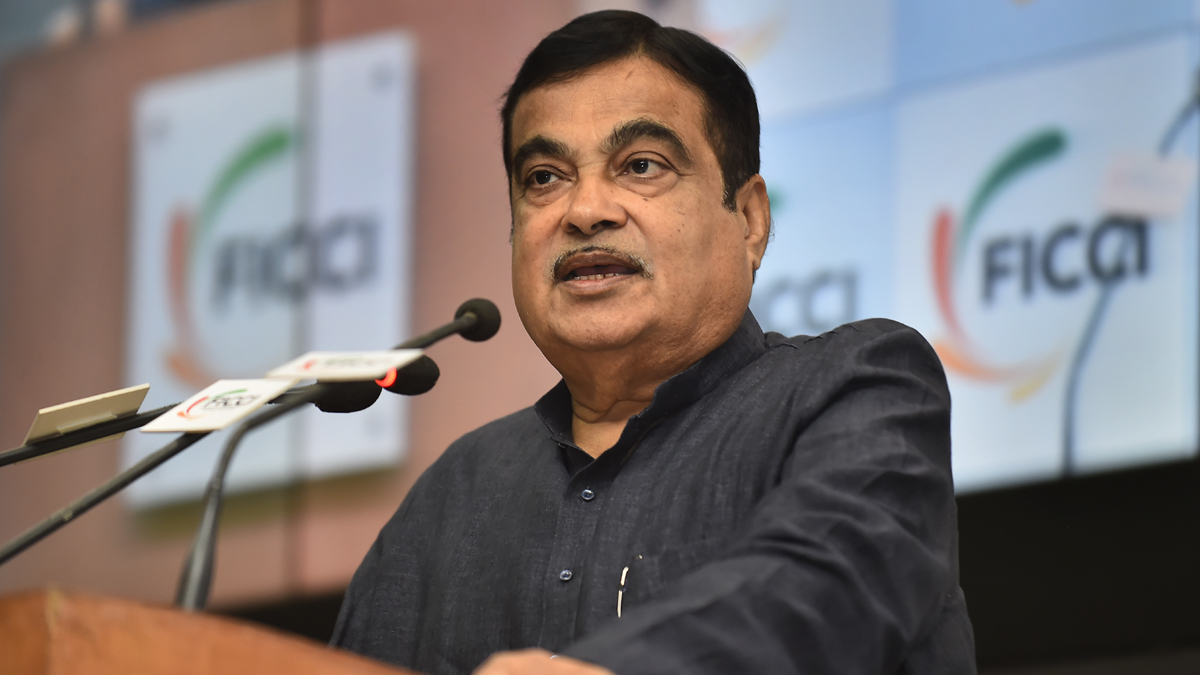
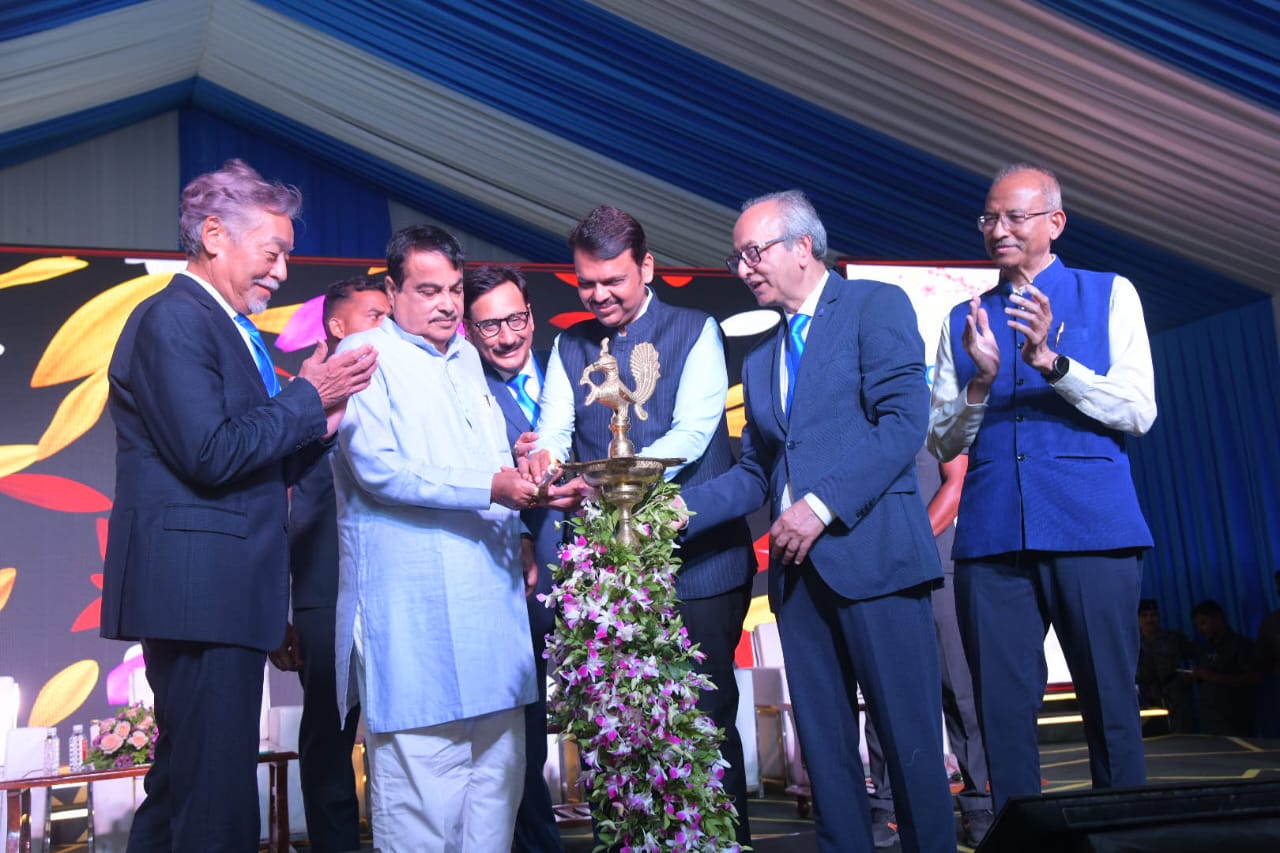
Nitin Gadkari | HORIBA manufacturing plant: In a significant boost to the “Make in India” initiative, Union Minister of Road and Transport, Nitin Gadkari, inaugurated one of India’s largest medical equipment and hematology reagent manufacturing units by HORIBA India in Butibori, Nagpur. This event marks a major milestone in India’s journey towards becoming a global manufacturing hub.

A New Era for Medical Manufacturing in India (HORIBA manufacturing plant)

HORIBA Group, a Japan-headquartered conglomerate, has established its third manufacturing facility in India with this new plant in Nagpur. This state-of-the-art facility, sprawling over 50,000 square meters, is set to revolutionize the medical equipment industry in India.

Significance of the New Facility

“The futuristic vision with futuristic technology. India is the fastest growing economy in the world, and that’s why we want to bring the latest technology here. India is the perfect place for development, with its trained manpower and young talent,” said Gadkari during the inauguration.

Investment and Economic Impact

With an investment of Rs 200 crore, the Nagpur facility is poised to serve over 30,000 diagnostic labs and hospitals across India. This substantial investment underscores HORIBA’s commitment to the Indian market and the broader “Make in India” initiative.

The Vision Behind the Inauguration

Deputy Chief Minister of Maharashtra, Devendra Fadnavis, who also attended the event, highlighted the rapid growth of the medical devices sector in India. “India, once a net importer of medical devices, is now a significant exporter. Our exports in the sector are nearing USD 10 billion with an annual growth rate of around 10 percent. India is also emerging as a top medical tourism destination,” he said.

Facility Features and Capabilities

The Nagpur plant includes production units for blood diagnostics, clinical chemistry equipment, and medical consumables. It also houses the HORIBA India Technical Institute, offering biomedical learning programs through a partnership with Nagpur University, and the HORIBA Experience Zone, showcasing the full range of HORIBA healthcare equipment.

Educational and Training Initiatives

The facility features an international training center and a central warehouse. Currently employing 100 people, this number is expected to nearly double in the next five years, creating significant employment opportunities in the region.

Localization and Export Plans (Nitin Gadkari)

This facility will serve as an export hub to neighboring countries, starting with a target of 50% localization, which will later increase to around 80-90%. This strategic move will play a crucial role in reducing turnaround time and minimizing costs by promoting local production.

Supporting Government Initiatives

“The facility will support the Government’s initiative to enhance ‘Make in India’ and Self-Reliance. It aims to become a one-stop solution for India, initially catering to the Bio & Healthcare segment, with future plans to expand into the Materials & Semiconductor and Energy & Environment sectors,” said Jai Hakhu, Board of Directors, HORIBA Ltd., Japan and Chairman, HORIBA India.

A Step Towards Self-Reliance (Nitin Gadkari)

This initiative is a significant step towards reducing India’s dependency on imported medical devices, fostering innovation, and boosting the local economy. The state-of-the-art manufacturing processes and the focus on localization will ensure high-quality products at competitive prices.

Economic and Social Benefits

The establishment of the Nagpur facility is not just a business expansion for HORIBA but a monumental stride in India’s journey towards self-reliance. By leveraging local talent and resources, HORIBA is setting a benchmark for other global companies to follow.

Future Expansion Plans

HORIBA’s commitment to India is evident through its continuous investments and future expansion plans. The company aims to diversify its product portfolio and enter new segments, including Materials & Semiconductor and Energy & Environment sectors.

The inauguration of HORIBA’s Greenfield manufacturing plant in Nagpur is a testament to India’s growing prominence in the global medical manufacturing landscape. It aligns with the government’s vision of “Make in India” and showcases the potential of Indian talent and innovation. This facility is set to not only cater to the domestic market but also position India as a key player in the global medical equipment industry.

1. What is the significance of the new HORIBA facility in Nagpur?

The new HORIBA facility in Nagpur is significant as it is one of India’s largest medical equipment and hematology reagent manufacturing units, supporting the “Make in India” initiative and aiming to serve over 30,000 diagnostic labs and hospitals across the country.

2. How does the new facility support the “Make in India” initiative?

The facility supports the “Make in India” initiative by promoting local production, reducing turnaround time, minimizing costs, and fostering self-reliance in the medical equipment sector.

3. What are the future plans for the HORIBA facility in Nagpur?

The future plans for the HORIBA facility include increasing localization to 80-90%, serving as an export hub, and expanding into new segments such as Materials & Semiconductor and Energy & Environment sectors.

4. How will the new facility impact employment in Nagpur?

The new facility currently employs 100 people, with plans to nearly double this number in the next five years, significantly boosting employment opportunities in the region.

5. What educational initiatives are associated with the HORIBA facility?

The facility includes the HORIBA India Technical Institute, which offers biomedical learning programs through a partnership with Nagpur University, and the HORIBA Experience Zone, which showcases the full range of HORIBA healthcare equipment.

PWD to Reinstall Height Bars on Shahid Gowari Flyover

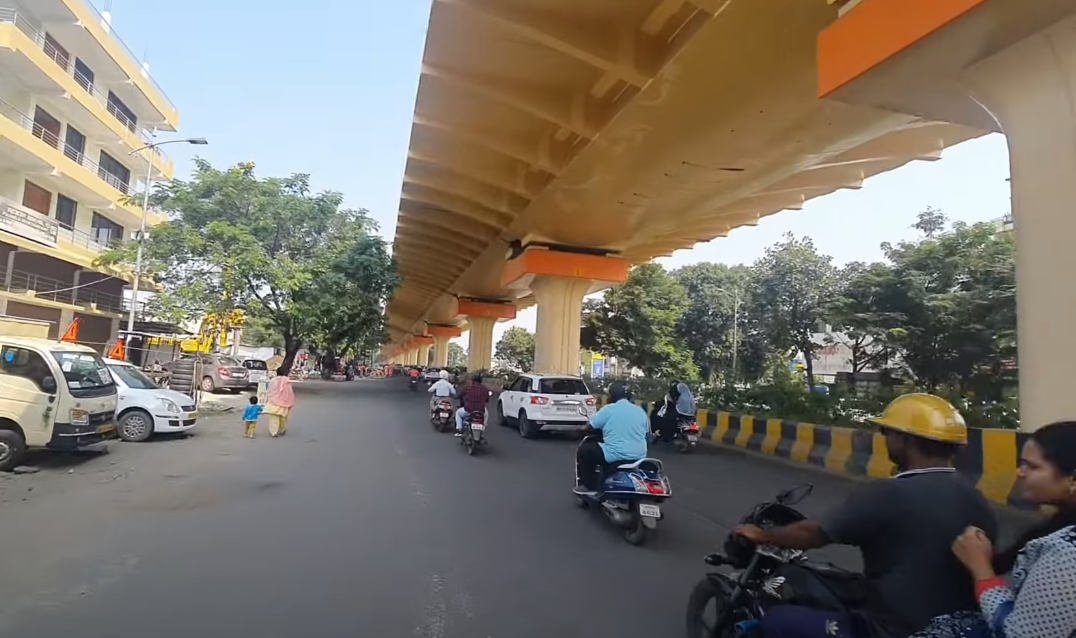
The Public Works Department (PWD) is gearing up to reinstall height bars on both ends of the Shahid Gowari flyover. The department has completed the tender process, and the installation work is set to begin within a week. These height bars will be placed at Rahate Colony Square and Morris College T-point, marking a renewed effort to restrict the movement of heavy vehicles on the flyover.

Background of Shahid Gowari Flyover

The Shahid Gowari flyover, a crucial infrastructure piece, was initially designed to facilitate smooth vehicular movement while preventing heavy vehicle traffic. However, miscreants have previously damaged the height bars, allowing heavy vehicles such as private travel buses, huge trucks, and JCBs to use the flyover, which poses significant risks.

Government and Engineer Concerns

Prohibited Heavy Vehicle Movement

From the flyover’s inception, government agencies have clearly prohibited the movement of heavy vehicles. Engineers had emphasized that heavy vehicles would drastically reduce the lifespan of the bridge.

Deputy Commissioner’s Statement

Deputy Commissioner of Police (Traffic) Shashikant Satav stated, “The movement of heavy vehicles on this bridge is a cause for concern. Our policemen caught the violators and action was taken, but the movement did not stop.”

The Damage and Risks

Impact on Flyover’s Structure

Structural engineers have noted the development of cracks on the bridge, with the primary cause being the heavy vehicle movement. These vehicles significantly increase the load on the bridge, causing wear and tear.

Executive Engineer’s Admission

Krusha Gharde, Executive Engineer of the World Bank Division, PWD, confirmed that the department received a letter from the Traffic Police regarding this issue. “Acting on the letter, we have started the process to erect height bars. The estimated cost was chalked out with the completion of tendering. In a week’s time, the work will begin.”

Previous Measures and Challenges

Previous Installations

PWD had previously installed height bars, but these were broken by truckers to enable their movement across the flyover. Such activities often occurred during late night hours, making it difficult for police to catch the culprits.

Enhanced Vigilance

This time, the police have decided to maintain strict vigilance after the height bars are installed. This measure aims to ensure compliance and prevent further damage.

Speed and Overtaking Violations

Speed Limit Enforcement

Despite a speed limit of 40 kmph and a prohibition on overtaking, these rules are not strictly followed. The police have conducted speed checks using speed guns, imposing fines on violators, but the issue persists.

Challenges with Enforcement

Even senior police officers’ vehicles have been observed violating speed rules. Overtaking is a common occurrence on the flyover, contributing to the ongoing issues.

Solutions and Future Steps

Height Bars as a Solution

The reinstallation of height bars is seen as the only viable solution to restrict heavy vehicles from using the flyover, thereby protecting its structure and extending its lifespan.

Coordination Between Departments

Close coordination between the PWD and the Traffic Police is crucial. This cooperation aims to ensure the height bars remain intact and effective in preventing heavy vehicle traffic.

Community Awareness

Raising awareness within the community about the importance of adhering to these restrictions is also essential. Public cooperation can significantly enhance the effectiveness of these measures.

The PWD’s initiative to reinstall height bars on the Shahid Gowari flyover is a critical step towards preserving the structure and ensuring its longevity. With strict vigilance and community cooperation, the movement of heavy vehicles can be effectively curtailed, safeguarding this vital infrastructure.

  1. Why are height bars being reinstalled on the Shahid Gowari flyover? Height bars are being reinstalled to prevent heavy vehicles from using the flyover, which could damage the structure and reduce its lifespan.
  2. Where will the height bars be placed? The height bars will be erected at Rahate Colony Square and Morris College T-point.
  3. What issues have arisen from heavy vehicles using the flyover? Heavy vehicles have caused structural damage to the flyover, including the development of cracks, which compromise its integrity.
  4. What measures are being taken to enforce the height bar restrictions? The police will maintain strict vigilance and enforce speed limits and overtaking prohibitions to ensure compliance with the height bar restrictions.
  5. How can the community help in preserving the flyover? By adhering to the traffic rules and respecting the height bar restrictions, the community can play a significant role in preserving the flyover’s structure.

132-Seater Bus, Food And Hostesses: Nitin Gadkari’s Pilot Project For Nagpur

132-seater bus | Nagpur pilot project | Nitin Gadkari: Pollution has become a significant issue in India, and the government is focusing on promoting non-polluting energy sources for personal and public transportation. Nitin Gadkari, the Road Transport and Highways Minister, recently discussed an innovative pilot project in Nagpur during the NDTV Infrashakti Awards. This project features a 132-seater bus with airplane-like seating and a “bus hostess,” running on non-polluting energy sources and being cheaper than regular diesel buses. The government aims for India to become a net energy exporter instead of an importer.

The Challenge of Pollution in India

Air Pollution: A Pressing Concern

Air pollution is a critical problem in India, especially in cities like Delhi. The harmful effects on health and the environment necessitate immediate action. The government is looking for solutions that are import-substitute, cost-effective, pollution-free, and indigenous.

Water and Sound Pollution

Water and sound pollution are also significant issues that need addressing. Innovative solutions are required to combat these problems effectively.

Nitin Gadkari Vision for Sustainable Transportation

Electric Vehicles and Ethanol Pumps

The government is promoting electric vehicles as a clean alternative to traditional fuel vehicles. Indian Oil is installing 300 ethanol pumps, and automobile companies are introducing flex-fuel vehicles. Ethanol, being cheaper and cleaner than petrol, is a promising alternative.

Cost Reduction in Public Transportation

Reducing the cost of public transportation is another focus. Diesel buses are expensive to run, costing ₹115 per km, while AC electric buses cost ₹41 per km and non-AC buses cost ₹37 per km with subsidies. Even without subsidies, electric buses will still be more economical, potentially lowering ticket prices by 15-20%.

The 132-Seater Bus Project in Nagpur

Airplane-like Seating and Bus Hostesses

The pilot project in Nagpur involves a 132-seater bus with features similar to an airplane. Comfortable seating, air-conditioning, and space for laptops are part of the design. Additionally, bus hostesses will provide fruits, packed food, and beverages to passengers.

Non-Polluting Energy Sources

The bus will run on non-polluting energy sources, making it environmentally friendly. The cost to run the bus is estimated at ₹35-40 per km, significantly lower than diesel buses. Using solar power could further reduce costs.

Charging Efficiency

The bus will travel 49 km on the ring road, halting at bus stops every 40 km to recharge in just 40 seconds. This efficient charging process ensures minimal downtime.

Innovative Uses of Ethanol

Construction Equipment and Tractors

JCB has developed construction equipment using 50% ethanol and 50% CNG. Tractor manufacturers are also working on machines running on ethanol, methanol, and CNG. These innovations will help reduce pollution and increase farmers’ income.

Ethanol from Stubble

A project by Indian Oil is producing 1 lakh litres of ethanol from stubble, nearly complete and expected to yield 76,000 tonnes of bio aviation fuel. This initiative will also produce bio bitumen.

Reducing Waste and Generating Energy

Ghazipur Landfill and Contaminated Water Purification

The ministry has successfully reduced the height of the Ghazipur landfill in Delhi by seven metres and achieved similar results in Ahmedabad. Contaminated water from sewage is being purified for use in power generation.

Organic Waste for Biofuels

Organic waste can be converted into bio CNG, bio LNG, or hydrogen, providing alternative clean energy sources.

Future Innovations in Transportation

Drones and Ropeways

Drones and ropeways are being explored as part of the ministry’s focus on innovative transportation solutions.

Funicular Railways

Funicular railways, which are rope-propelled trains used on steep cliffs, are being considered for hilly regions like Uttarakhand, Himachal, and Ladakh to reduce pollution and improve transportation.

GPS-Based Tolling System

Implementation within Three Months

The government will implement a GPS-based tolling system on 5,000 km of roads within three months. This system ensures drivers only pay for the distance traveled, with toll amounts deducted directly from bank accounts, eliminating the need to stop at toll booths.

Promoting a Green Revolution in Agriculture

Investor Interest and Financial Stability

Nitin Gadkari aims for a “green revolution” in agriculture, with ample funds and investor interest due to the ministry’s lucrative projects.

Rupee-Based Financing

Gadkari emphasizes rupee-based financing for foreign investors, avoiding risks associated with currency fluctuations.

Nitin Gadkari’s pilot project for a 132-seater bus in Nagpur represents a significant step towards sustainable and cost-effective public transportation. By focusing on non-polluting energy sources, efficient designs, and innovative technologies, the government aims to address pollution and reduce transportation costs. This project, along with other initiatives, marks a promising move towards a cleaner, greener future for India.

  1. What is the main goal of the 132-seater bus project in Nagpur? The main goal is to provide a cost-effective, non-polluting transportation solution with airplane-like seating and amenities.
  2. How will the bus be powered? The bus will run on non-polluting energy sources, potentially including solar power.
  3. What are the benefits of using ethanol as a fuel? Ethanol is cheaper, cleaner, and helps reduce pollution, with the added benefit of increasing farmers’ income.
  4. What is GPS-based tolling, and how will it work? GPS-based tolling charges drivers based on the distance traveled, with amounts deducted directly from bank accounts.
  5. How will the bus project contribute to reducing pollution? By using non-polluting energy sources and reducing reliance on diesel, the project will significantly lower emissions.

Nagpur Smart City Project Date Extended Again Till March 2025

Nagpur’s Journey Towards a Smarter Future

Nagpur Smart City Project: Nagpur has been on a transformative journey since it was selected under the Smart Cities Mission in 2016. This ambitious project aims to revolutionize urban living by integrating cutting-edge technology and sustainable practices. However, the road to becoming a smart city has been fraught with delays and challenges.

A History of Deadlines

Initially, the deadline for the Nagpur Smart City Project was set for June 2021. This was later extended to June 2023, and then to June 2024. Now, just a day before the June 30 deadline, the Ministry of Housing and Urban Affairs has once again pushed the date to March 31, 2025.

The Role of NSSCDCL

The Nagpur Smart and Sustainable City Development Corporation Limited (NSSCDCL) is the special purpose vehicle (SPV) created to oversee this project. NSSCDCL has been pivotal in managing the funds and ensuring the project’s components are executed efficiently.

Funding and Financials

Central Government’s Contribution

The central government has allocated a significant sum of ₹741.63 crore to the project. This funding is divided into two main components: the Smart and Safe City Project and area-based development.

State Government’s Support

Former Chief Minister Devendra Fadnavis played a crucial role by approving an additional ₹400 crore from the state exchequer. This was supplemented by ₹124 crore from the Smart Cities Mission, bringing the total funding to ₹524 crore for the Smart and Safe City Project.

Components of the Smart City Project

Smart and Safe City Project

This component, worth ₹524 crore, includes 17 different types of smart solutions. These solutions aim to enhance the safety, security, and efficiency of urban living. Remarkably, this part of the project is already complete.

Technological Innovations

The Smart and Safe City Project incorporates advanced technologies such as integrated traffic management systems, smart street lighting, and enhanced surveillance systems. These innovations are designed to create a safer and more efficient urban environment.

Area-Based Development

The second component focuses on developing 1,743 acres in Pardi, Bharatwada, Bhandewadi, and Punapur in east Nagpur. This initiative aims to create sustainable and livable urban spaces.

Sustainable Urban Planning

The area-based development plan emphasizes sustainable urban planning, including green spaces, efficient waste management systems, and eco-friendly infrastructure. The goal is to create a model for future urban development in India.

Challenges and Delays

Unforeseen Obstacles

Several unforeseen obstacles have contributed to the repeated extensions of the project deadline. These include administrative delays, logistical challenges, and the impact of the COVID-19 pandemic.

Community Involvement

One of the critical challenges has been ensuring community involvement and acceptance. Effective communication and collaboration with local residents are essential for the successful implementation of the project.

Looking Ahead: March 2025

Renewed Commitment

The new deadline of March 31, 2025, provides an opportunity for renewed commitment and focused efforts. The additional time will allow for the resolution of existing challenges and the completion of pending tasks.

Future Prospects

The successful completion of the Nagpur Smart City Project holds immense potential for the city’s future. It promises to improve the quality of life for residents, attract investments, and set a benchmark for other cities in India.

The Nagpur Smart City Project is a testament to the city’s ambition and resilience. Despite the delays, the commitment to transforming Nagpur into a smart and sustainable city remains unwavering. With the extended deadline, there is renewed hope and determination to realize this vision.

  1. Why has the Nagpur Smart City Project deadline been extended again? The deadline has been extended to address administrative delays, logistical challenges, and the impact of the COVID-19 pandemic.
  2. What are the main components of the Nagpur Smart City Project? The project consists of two main components: the Smart and Safe City Project and area-based development.
  3. How much funding has the project received? The project has received ₹741.63 crore from the central government and additional support from the state government, totaling ₹524 crore for the Smart and Safe City Project.
  4. What technological innovations are included in the Smart and Safe City Project? The project includes integrated traffic management systems, smart street lighting, and enhanced surveillance systems.
  5. What areas are being developed under the area-based development component? The area-based development component focuses on Pardi, Bharatwada, Bhandewadi, and Punapur in east Nagpur.

Rs 131 Crore Boost to IGGMCH Expansion Plan

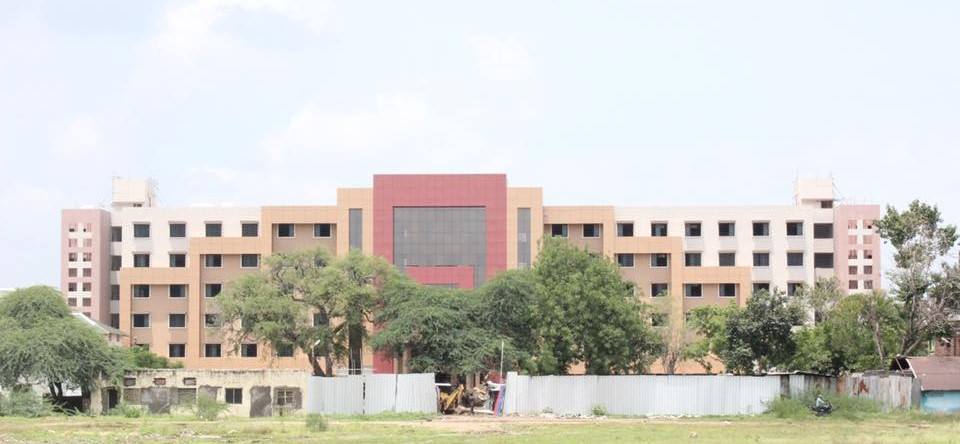
IGGMCH Expansion Plan: The Indira Gandhi Government Medical College and Hospital (IGGMCH) has finally received approval for a substantial expansion after a five-year wait. The approval includes the construction of a new 500-bed hospital within its premises. Union Minister Nitin Gadkari recently performed the ceremonial ‘bhoomipujan’ for this project. Now, the hospital is seeking an additional Rs 131 crore to further enhance its expansion plans. Initially proposed in 2019 during the Fadnavis government, the plan faced some deficiencies which were later rectified. Deputy Chief Minister Devendra Fadnavis played a crucial role in pushing the proposal, which has now been sanctioned. This expansion is poised to significantly enhance the healthcare facilities at IGGMCH.

Significance of the Expansion (IGGMCH Expansion Plan)

Healthcare Needs and Bed Shortage

Dr. Ravi Chavan, the Dean of IGGMCH, highlighted the pressing need for additional beds. The new beds will not only accommodate more patients but also strengthen the hospital’s case for increased Post Graduation seats. For every five beds, the hospital can gain one PG student. This expansion is also set to include a new Occupational Therapy and Physiotherapy College with 50 seats, enhancing the hospital’s educational offerings.

Advanced Treatment Facilities

One of the notable additions to the new building will be a Hyperbaric Oxygen Therapy setup. This advanced treatment can heal damaged tissue by supplying patients with 100% oxygen inside a special chamber. This setup will be particularly beneficial for the burn ward, which has been lying unused due to the lack of such facilities. With this new setup, treating wounds and other medical conditions will become significantly more effective.

Neurology and Neurosurgery Departments

IGGMCH plans to dedicate an entire floor to neurologists and neurosurgeons. This will improve the hospital’s capacity to treat neurological conditions and perform complex surgeries. The expansion will also address the critical shortage of nurses by demanding over 300 additional nursing staff.

Specialized Units and Wards

The new building will house several specialized units, including a Respiratory Intermediate Care Unit and a 30-bed geriatric ward. Departments of skin and psychiatry will also receive dedicated units, enhancing the hospital’s ability to provide comprehensive care for various medical conditions.

Upgraded Outpatient Department (OPD)

Digitalization and Efficiency

IGGMCH has made significant strides in updating its Outpatient Department (OPD) with advanced systems. Over 170 computers have been procured to digitalize the OPD, making the registration process faster and reducing waiting times for patients. This upgrade ensures a smoother and more efficient experience for both patients and staff.

Upcoming Projects: Dr. Ambedkar Hospital

Ambitious Plans and Timeline

The bhoomipujan for the 615-bed Dr. Ambedkar Hospital at Indora is expected to take place in August. This hospital will be constructed on a 7-acre plot where the current OPD setup exists. The project, spearheaded by ex-minister Dr. Nitin Raut, has received administrative approval of Rs 572 crore for the first phase. The Nagpur Improvement Trust has submitted a revised plan for Rs 807 crore, with the remaining work to be completed in the second phase.

Strategic Importance and Community Impact (IGGMCH Expansion Plan)

Dr. Ambedkar Hospital’s development is crucial for providing better healthcare services to the Indora region. The new hospital will address the growing medical needs of the community and reduce the burden on existing medical facilities.

The approval and subsequent expansion of IGGMCH mark a significant milestone in enhancing healthcare facilities in the region. With the addition of new beds, advanced treatment facilities, specialized units, and increased educational opportunities, IGGMCH is poised to become a leading medical institution. The upcoming Dr. Ambedkar Hospital will further bolster healthcare services, ensuring better access and quality care for the community. These developments reflect a strong commitment to improving healthcare infrastructure and meeting the evolving needs of the population.

1. What is the significance of the additional Rs 131 crore for IGGMCH?

The additional Rs 131 crore will fund further expansion and enhancements at IGGMCH, including more beds, specialized units, and advanced treatment facilities.

2. How will the expansion impact Post Graduation seats at IGGMCH?

The addition of new beds will strengthen the hospital’s case for increasing Post Graduation seats, as more beds correlate with the eligibility for more PG students.

3. What advanced treatment will be introduced in the new building?

A Hyperbaric Oxygen Therapy setup will be introduced, allowing for advanced treatment of wounds and medical conditions through 100% oxygen supply in a special chamber.

4. What are the key features of the new Dr. Ambedkar Hospital?

The new Dr. Ambedkar Hospital will have 615 beds and is expected to significantly improve healthcare services in the Indora region. It has received administrative approval for Rs 572 crore for its first phase.

5. How has IGGMCH’s OPD been improved?

IGGMCH’s OPD has been digitalized with over 170 new computers, making the registration process faster and reducing waiting times for patients.

Rs 507 Crore for Health Facilities: Fadnavis’ Mission Nagpur

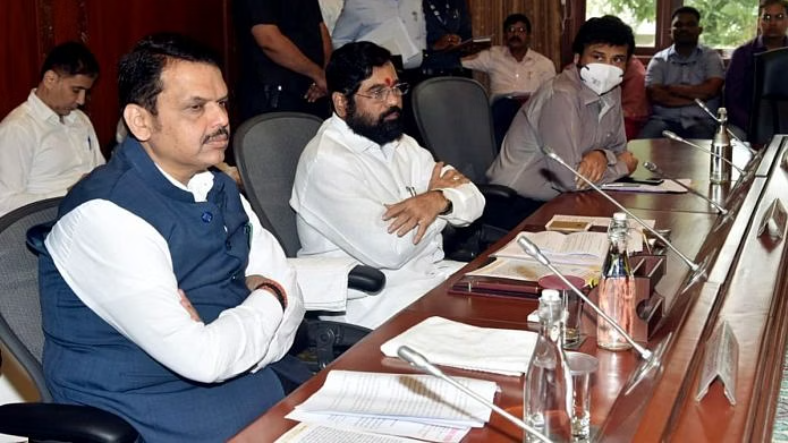
Mission Nagpur Health Funding: It was only ‘Mission Nagpur’ that Deputy Chief Minister Devendra Fadnavis focused on during his review meeting at Sahyadri Guest House in Mumbai on Wednesday. He assured that Rs 507 crore would be given immediately for the healthcare facilities of the city. On Tuesday, the Bharatiya Janata Party (BJP) High Command refused to accept the resignation of Fadnavis and asked him to continue, after which the Deputy Chief Minister swung into action. In his first meeting post-decision, he cleared his vision for Nagpur, also taking stock of the progress of various development projects in the city.

A Comprehensive Plan for Nagpur’s Healthcare

A detailed plan amounting to Rs 639 crore has been prepared for the Government Medical College and Hospital (GMCH), Indira Gandhi Government Medical College and Hospital (IGGMCH), and other healthcare units in Nagpur. While some funds have already been allocated, Fadnavis directed that the remaining Rs 507 crore be released immediately to expedite the ongoing projects.

Key Projects and Their Progress (Mission Nagpur Health Funding)

During the review, Fadnavis emphasized several critical projects and their current status:

Dr. Babasaheb Ambedkar Hospital and Research Center

The Deputy Chief Minister announced that the bhoomipujan (groundbreaking ceremony) for the 612-bed Dr. Babasaheb Ambedkar Hospital and Research Center at Indora would be conducted soon. This project aims to enhance the healthcare infrastructure significantly.

300-Bed Hospital at Wathoda

Another major initiative is the construction of a 300-bed hospital at Wathoda. Fadnavis stressed that the construction work should commence immediately to meet the growing healthcare needs of the region.

Radiotherapy Department at GMCH

The ongoing construction of the Radiotherapy Department at GMCH is crucial for creating advanced facilities for cancer treatment. Fadnavis assured that necessary funds are being provided to expedite this project.

Multispecialty Hospital at Wathoda

Additionally, the construction of a 300-bed multispecialty hospital at Wathoda, on land belonging to the Nagpur Improvement Trust (NIT), is set to gain momentum under Fadnavis’ directive.

Broader Development Initiatives

In his extensive meeting, Fadnavis touched upon various issues related to Nagpur’s development beyond healthcare:

Funding for the Collectorate

Fadnavis highlighted the immediate allocation of Rs 60 crore for the work of the Collectorate, ensuring that bureaucratic processes do not hinder the overall progress.

Tender Processes and New Projects (Mission Nagpur Health Funding)

The Deputy Chief Minister instructed the immediate initiation of tender processes for several significant projects:

  • Shree Mahalakshmi Jagdamba Sansthan at Koradi
  • Mahatma Jyotiba Phule Research and Training Institute
  • Mahajyoti Institute and Research Center at Sitabardi
  • Construction of an administrative building

Important Officials Present

The meeting saw participation from key officials, including Principal Secretary to Deputy Chief Minister Shrikar Pardeshi, Principal Secretary of Finance Department O. P. Gupta, and others from various departments.

Momentum for Ongoing Projects

Fadnavis underscored the need to accelerate several ongoing projects:

  • Rehabilitation of brick kiln owners in Mauja Bharatwada, Punapur under Smart City
  • Releasing tenders for NIT’s Rs 716 crore sewage project
  • Construction of the Indus Art Gallery at Indora

Review of Proposed Projects

Fadnavis also reviewed proposed projects aimed at enhancing Nagpur’s infrastructure and cultural heritage:

  • OBC Bhavan
  • Sant Savatamali Bhawan
  • Shiv Srishti
  • Bakht Buland Shah Memorial beautification
  • Tekdi Ganesh Pilgrimage Development
  • Visarjan Kund
  • Nandagram Project
  • Pohra River Purification
  • Naganadi Pollution Abatement Project
  • Devdia Hospital
  • Prabhakarrao Datke Hospital
  • Ram Jhula

He emphasized the need for detailed project reports to develop playgrounds across Nagpur city, ensuring the city’s holistic growth.

Deputy Chief Minister Devendra Fadnavis’ ‘Mission Nagpur’ is a comprehensive initiative aimed at transforming the healthcare infrastructure and overall development of the city. By allocating Rs 507 crore immediately and pushing forward numerous projects, Fadnavis is steering Nagpur towards significant growth and modernization. The proactive approach and detailed planning underscore a commitment to the city’s future, ensuring that Nagpur emerges as a model for urban development.

1. What is the primary focus of Mission Nagpur? Mission Nagpur primarily focuses on enhancing the healthcare infrastructure in Nagpur, with an immediate allocation of Rs 507 crore for various projects.

2. Which major healthcare projects are included in Mission Nagpur? Key projects include the construction of Dr. Babasaheb Ambedkar Hospital and Research Center, a 300-bed hospital at Wathoda, and the Radiotherapy Department at GMCH.

3. How much total funding has been allocated for Nagpur’s healthcare facilities? A total of Rs 639 crore has been allocated, with Rs 507 crore to be released immediately.

4. What other development projects are being prioritized? Other projects include the rehabilitation of brick kiln owners, sewage projects, cultural heritage sites, and infrastructure enhancements like the Collectorate and administrative buildings.

5. Who are the key officials involved in these projects? Key officials include Principal Secretaries from various departments, the Divisional Commissioner of Nagpur, the Municipal Commissioner, and senior officials from Nagpur Improvement Trust and Nagpur Metropolitan Region Development Authority.

Zero Funds for Zero Mile Upkeep: HC Seeks Reply from District Collector

Zero Mile monument maintenance funds: The Zero Mile monument, a Grade-1 heritage structure in Nagpur, has found itself in a state of neglect due to the lack of necessary funds for its maintenance. Recently, the Nagpur bench of the Bombay High Court stepped in, questioning the district collector on the unavailability of funds that has led to the public works department (PWD) halting any restoration work. This article delves into the details surrounding this issue, exploring the legal, administrative, and cultural aspects of the situation.

Understanding the Significance of Zero Mile Monument

Historical Importance

The Zero Mile monument is not just a geographical marker but a symbol of Nagpur’s rich heritage. Erected by the British, this monument marks the geographical center of colonial India, making it a significant historical landmark.

Architectural Beauty

This Grade-1 heritage structure boasts unique architectural features that reflect the colonial era’s grandeur. The monument comprises a stone pillar, a beautiful garden, and four horses made of sandstone, representing the meticulous craftsmanship of the time.

The Issue at Hand: Lack of Maintenance Funds

Role of the Public Works Department

The PWD is responsible for the upkeep of this heritage site. However, due to the absence of allocated funds from the district collectorate, no maintenance work has been initiated, leaving the monument in a state of disrepair.

High Court’s Intervention

In a recent hearing, the High Court, led by Justices Nitin Sambre and Abhay Patil, sought an explanation from the district collector regarding the delay in providing the necessary funds. The court emphasized the importance of preserving the monument and suggested that if the district collectorate is unable to provide the funds, the matter should be escalated to the state government.

Legal Directives and Obligations

The HC highlighted the provisions under the directive principles, particularly Article 51A of the Constitution, which mandates the state to protect its cultural heritage. This legal framework underscores the state’s duty to ensure the preservation of historical sites like the Zero Mile monument.

Challenges in Preservation Efforts

Lack of a Functioning Heritage Conservation Committee

Advocate Gemini Kasat, representing the Nagpur Municipal Corporation (NMC), pointed out that the Heritage Conservation Committee has not been reconstituted for a long time. The committee’s inactivity has further stalled any restoration efforts, as all permissions related to heritage sites must come from this body.

Expired Tenures and Interim Orders

The tenure of some committee members has expired, and some members have passed away. Currently, the remaining members are serving based on an interim court order, which is not a sustainable solution for long-term heritage conservation.

Previous Attempts and Setbacks

Sub-committee Formation and Initial Plans

In an earlier court directive, a sub-committee under the heritage committee was to be established to oversee the restoration and maintenance of the Zero Mile monument. In 2020, the PWD presented a timeline for a structural audit and restoration, but these plans were never realized.

Intervention by Builders Association

A builders association had offered to assist in the restoration, receiving permission from the heritage committee. However, this initiative fell through, leaving the monument’s future uncertain.

Financial Hurdles

In 2022, the PWD requested Rs 25 lakh from the district collectorate for restoration work. With no funds allocated, the restoration project remains in limbo, highlighting the financial challenges faced in preserving heritage structures.

The Way Forward

High Court’s Expectations

The High Court has made it clear that the district collector must provide the necessary funds or escalate the matter to the state government. The court’s directive aims to ensure that the monument receives the attention and resources it deserves.

Reconstitution of the Heritage Conservation Committee

The reconstitution of the Heritage Conservation Committee is crucial. The state Urban Development Department has been tasked with addressing this issue, which is essential for any future restoration efforts.

Community and Government Collaboration

A collaborative approach involving the local community, government bodies, and private entities could be the key to successfully restoring the Zero Mile monument. Public awareness and support can also play a significant role in heritage conservation.

The Zero Mile monument stands as a testament to Nagpur’s historical and cultural heritage. However, its current state of neglect underscores the urgent need for funds and a functional heritage committee. The intervention by the High Court has brought this issue to the forefront, urging the district collector and state government to act swiftly. By addressing the financial and administrative challenges, there is hope that this iconic landmark can be preserved for future generations to appreciate.

1. Why is the Zero Mile monument important?

The Zero Mile monument marks the geographical center of colonial India and is a significant historical and architectural landmark in Nagpur.

2. What is the current issue with the Zero Mile monument?

The monument is in a state of neglect due to the lack of allocated funds for its maintenance, causing the PWD to halt any restoration work.

3. What role does the Heritage Conservation Committee play?

The committee is responsible for granting permissions related to heritage sites. Its inactivity has stalled restoration efforts for the Zero Mile monument.

4. How has the High Court intervened in this matter?

The High Court has asked the district collector to explain the delay in providing funds and suggested escalating the matter to the state government if necessary.

5. What are the possible solutions for preserving the Zero Mile monument?

Reconstituting the Heritage Conservation Committee, allocating necessary funds, and fostering collaboration between the community and government can help in preserving the monument.

Statue 4.2m from Ambazari Dam: Flood Risks and Legal Concerns

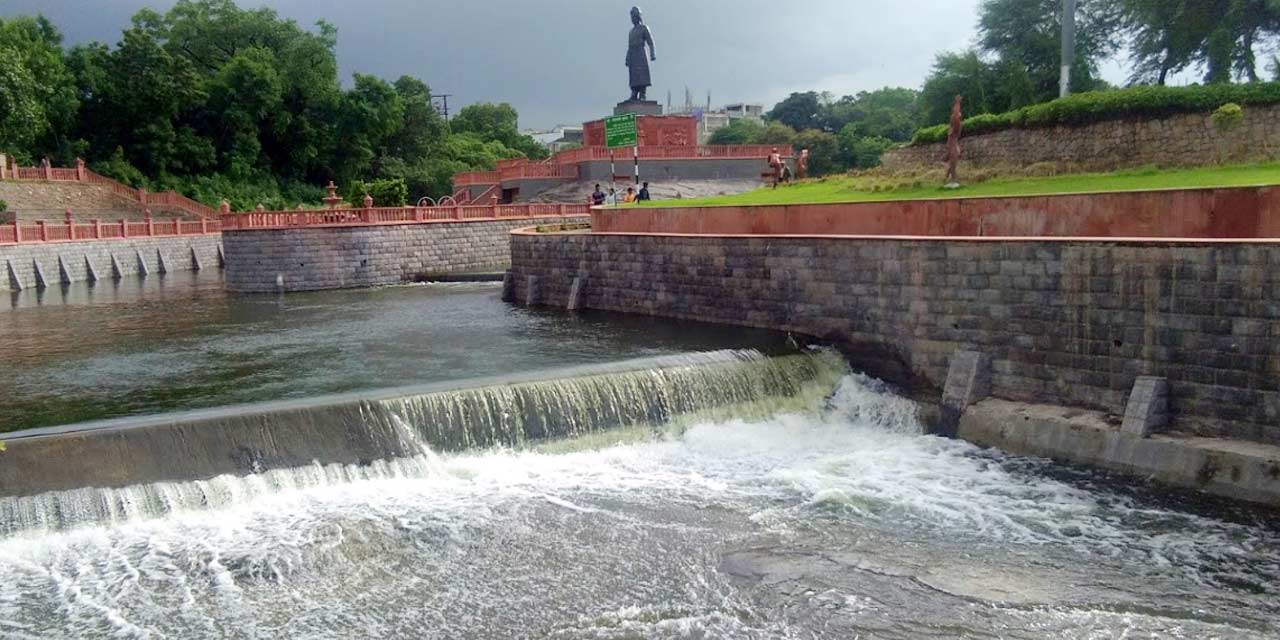
Ambazari Dam flood risk: Floods have become a recurrent nightmare for the residents near Ambazari Dam in Nagpur. Recently, they discovered a startling fact: the Swami Vivekananda statue, standing a mere 4.2 meters from the dam’s spillway, is significantly closer than the legally required 55 meters. This revelation has stirred debates on safety, legal adherence, and urban planning. Let’s dive into the complexities and implications of this situation.

Historical Context of Ambazari Dam

The Importance of Ambazari Dam

The Ambazari Dam, an 11-meter-high structure, plays a crucial role in managing Nagpur’s water resources. Constructed with the primary aim of controlling floodwaters and providing irrigation, it has been a cornerstone of the region’s water management strategy.

Legal Framework and Construction Norms

According to the directives from the irrigation department, no construction is allowed within an area equivalent to five times the height of the dam. This rule is in place to ensure safety and manage flood risks efficiently. With Ambazari Dam standing at 11 meters, any structure should be at least 55 meters away.

Discovery of the Statue’s Proximity

Residents’ Investigation

Flood-affected residents, led by retired civil engineer Yeshwant Khorgade, measured the distance between the spillway and the statue. To their surprise, they found it to be only 4.2 meters—far less than the legally required distance.

Violation of Construction Rules

Khorgade highlighted this significant breach of regulations, emphasizing the potential hazards. The construction of the statue so close to the dam not only violates legal norms but also poses a substantial flood risk.

Flood Risks Posed by the Statue

Obstruction of Water Flow

The spillway, designed to discharge 320 cubic meters of water per second, faces obstruction due to the statue’s proximity. The adjacent spillway channel is only 5.7 meters wide, further constricting water flow.

Required Spillway Area

Experts estimate that an area of 60 square meters is needed to maintain optimal water velocity. The statue, occupying crucial space, disrupts this requirement, thereby increasing the risk of overflow and flooding.

Residents’ Concerns and Actions

Exposure of the Issue

Residents have been vocal about the narrow width of the Nag river, especially within the Krazy Castle premises, where it narrows down to a mere 9 meters. They fear that heavy rains could lead to flash floods, exacerbated by the statue’s obstruction.

Legal and Administrative Measures

An affidavit submitted to the Nagpur bench of Bombay High Court by Divisional Commissioner Vijaylaxmi Bidari reveals that the Central Water and Power Research Station (CWPRS) in Pune is studying the situation. This study will help ascertain whether the statue significantly contributes to flood risks.

Government and Administrative Response (Ambazari Dam flood risk)

CWPRS Study

Bidari has requested nine months for CWPRS to complete their study. This period will be used to gather data, analyze the situation, and provide a comprehensive report on the statue’s impact on flood risks.

Preparations for Possible Relocation

The Nagpur Municipal Corporation (NMC) is preparing to relocate the statue if the CWPRS report indicates a flood risk. This includes searching for an alternative location, assessing technical feasibility, estimating costs, and preparing tender documents.

Recent Developments

Dredging and Desilting Efforts

Bidari, along with other officials, recently inspected dredging and desilting work on the Nag river between Ambazari Ghat and NIT skating rink. This initiative aims to improve water flow and reduce flood risks.

Removal of Obstructions

MahaMetro officials have committed to removing eight bridges and other obstructions within the Krazy Castle premises. These efforts, scheduled for completion within eight weeks, are expected to significantly improve water flow and mitigate flood risks.

Broader Implications (Ambazari Dam flood risk)

Urban Planning and Safety

This situation underscores the importance of adhering to construction norms and considering environmental and safety implications in urban planning. The violation at Ambazari Dam is a stark reminder of the consequences of neglecting these aspects.

Community Involvement

The proactive stance of residents in exposing this issue highlights the crucial role of community involvement in urban governance. Their efforts have not only brought attention to the problem but also spurred administrative action.

The discovery of the Swami Vivekananda statue’s proximity to Ambazari Dam raises significant safety and legal concerns. With the potential to obstruct water flow and exacerbate flood risks, this situation demands immediate attention and action. As we await the results of the CWPRS study, it is imperative for the authorities to prioritize safety and legal compliance in urban planning.

1. What is the legal distance for constructions near Ambazari Dam?

The law requires a minimum distance of 55 meters from the dam, calculated as five times its height.

2. How does the statue affect flood risks?

The statue obstructs the spillway, reducing water flow capacity and increasing the risk of flooding.

3. What actions are being taken to address the issue?

The CWPRS is conducting a study to assess flood risks, and the NMC is preparing to relocate the statue if necessary.

4. What role do residents play in this issue?

Residents have been instrumental in highlighting the problem and pushing for administrative action.

5. What are the broader implications of this situation?

This issue highlights the importance of adhering to construction norms and the need for community involvement in urban planning.

Indora Square Metro Station Set to Open in June: A New Commuting Solution for Nagpur Residents

The anticipation for the opening of the Indora Square Metro station in Nagpur has been met with a slight delay. Originally scheduled for April, the station’s completion has been pushed to mid-June due to ongoing construction and other related works. This article delves into the reasons behind the delay, the progress made, and what commuters can expect once the station is operational.

The Indora Square Metro station is part of Nagpur’s Orange Line, a crucial segment of the city’s north-south corridor. Its inclusion was slated for Phase 1 of the Metro project, which achieved full operational status in December 2022. However, delays in land acquisition posed significant obstacles to the timely commencement of construction.

Challenges and Progress

According to a senior official from MahaMetro, the process of acquiring land for Phase 1 began in 2016, but it wasn’t until October 2022 that the necessary land for the Indora Square station was secured. Construction commenced in November 2022, with an initial completion deadline set for April 2024.

Despite efforts to expedite the process, the station’s location along a bustling thoroughfare presented challenges. Ensuring progress while minimizing disruptions to traffic flow proved to be a daunting task. Nevertheless, recent efforts have propelled the project forward, and it is now on track to meet the revised timeline.

Anticipated Benefits

Once operational, the Indora Square station will offer commuters a more convenient travel option, especially for those residing nearby. Its strategic location, situated two stations before Automotive Square, will enhance connectivity and streamline transportation within the city.

For many residents eagerly awaiting its opening, such as the daily commuter quoted, the station represents not just a mode of transportation but also a significant improvement in accessibility.

While the delay in the opening of the Indora Square Metro station may have tested the patience of Nagpur’s commuters, the progress made signifies a step closer to realizing a more efficient and accessible public transportation network. With completion expected by mid-June, residents can soon enjoy the benefits of this long-awaited addition to the city’s infrastructure.

1. When was the land acquisition process for Phase 1 of the Metro project initiated?

The land acquisition process for Phase 1 commenced in 2016, laying the groundwork for subsequent construction efforts.

2. What factors contributed to the delay in the construction of the Indora Square station?

Challenges in acquiring the necessary land and navigating logistical hurdles along the busy roadway significantly impacted the project timeline.

3. What is the significance of the Indora Square station in Nagpur’s Metro network?

As part of the Orange Line’s north-south corridor, the station enhances connectivity and offers commuters a more convenient travel option.

4. How will the completion of the Indora Square station benefit residents?

Residents, particularly those in the vicinity, can expect improved accessibility and streamlined transportation options upon the station’s opening.

5. What is the expected timeline for the completion of the station?

Construction is projected to be completed by mid-June, with the station becoming operational shortly thereafter.

Mor Bhavan Bus Stop Platforms Revamped to Combat Waterlogging Woes

In the heart of Nagpur, the bustling cityscape is often met with challenges during the rainy season. Among the areas affected, the Mor Bhavan extension in Sitabuldi, serving as a hub for Aapli Bus vehicles, faced significant hurdles due to waterlogging. However, recent developments by the Nagpur Municipal Corporation (NMC) have aimed to mitigate these issues, ensuring smoother transit operations and enhanced commuter experiences.

Addressing the Issue

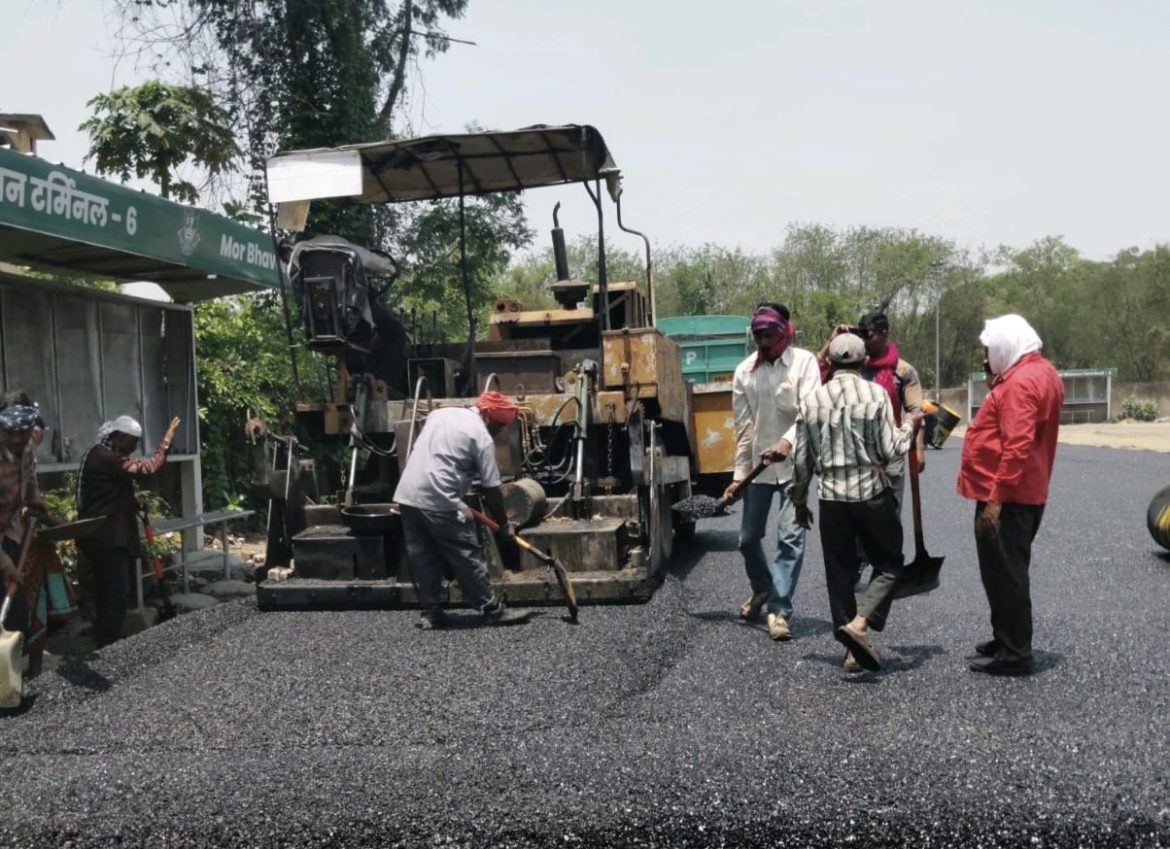
Amid intermittent rainfall, the extended bus terminus area at Mor Bhavan became muddy, impeding the efficient operation of the Aapli Bus fleet. Recognizing the urgency, municipal commissioner Abhijeet Chaudhari took proactive steps, directing the hotmix department to undertake measures to level and harden the depot ground. This directive was crucial in ensuring the seamless functioning of the transit system.

The Renovation Initiative

The NMC’s initiative to renovate the Mor Bhavan bus terminus is a testament to its commitment to improving urban infrastructure. With plans to develop a bus terminus on a 7-acre plot within Mor Bhavan, congestion along Amravati Road and North Ambazari Road is expected to reduce significantly. The current constraints, including limited space and platform availability, have prompted this strategic move to optimize transit operations.

Collaborative Efforts

Effective coordination between the hot mix department and the transport department has been instrumental in expediting renovation efforts. By swiftly executing the leveling and hardening of the depot area, the teams have facilitated smoother traffic flow and enhanced commuter safety.

Infrastructure Upgrades

Recent developments include the completion of a 12-meter wide internal road at the southern entrance of the depot, with plans for additional roads and stormwater networks underway. These infrastructure upgrades aim to address waterlogging concerns and ensure the longevity of the renovated bus terminus.

The renovation of Mor Bhavan bus stop platforms marks a significant milestone in Nagpur’s urban development agenda. By addressing waterlogging issues and optimizing transit infrastructure, the NMC is poised to enhance commuter experiences and streamline transit operations in the city.


  1. Why were the Mor Bhavan bus stop platforms renovated?
    • The renovation aimed to combat waterlogging issues and optimize transit operations in Nagpur.
  2. What measures were taken to prevent waterlogging at the bus terminus?
  3. How will the renovation benefit commuters in Nagpur?
    • By improving infrastructure and reducing congestion, commuters can expect smoother transit experiences and enhanced safety.
  4. Who spearheaded the renovation initiative at Mor Bhavan?
    • Municipal commissioner Abhijeet Chaudhari played a pivotal role in directing renovation efforts to address waterlogging concerns.
  5. What future plans does the NMC have for enhancing urban infrastructure in Nagpur?
    • The NMC aims to continue upgrading transit facilities and infrastructure to meet the growing demands of the city.
Exit mobile version