Manewada, Mhalgi Nagar Flyovers on Inner Ring Road to Ease Congestion in South Nagpur

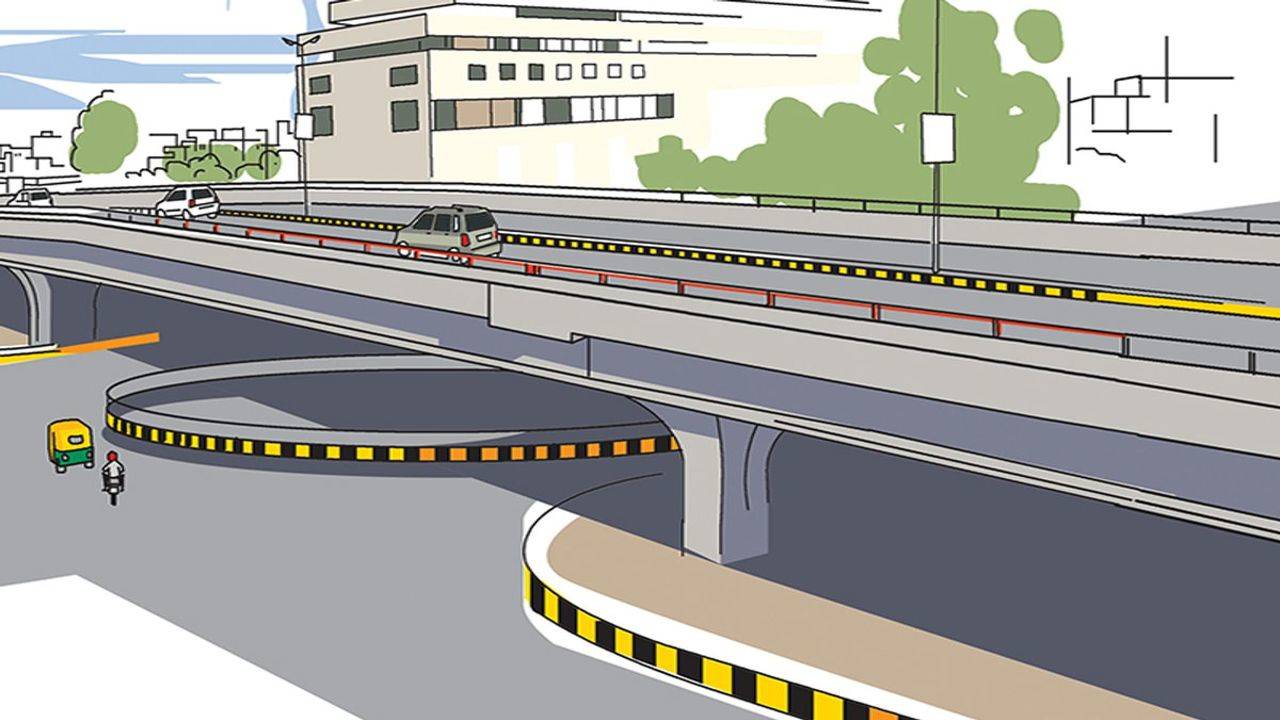
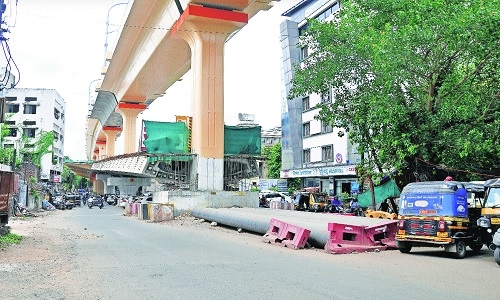
Manewada Mhalgi Nagar Flyovers: Nagpur is set to witness a significant improvement in its traffic management with the construction of two new flyovers on Inner Ring Road in South Nagpur. These infrastructure projects, each with an impressive budget of ₹73 crore, aim to alleviate the longstanding congestion issues at Manewada and Mhalgi Nagar Squares.

Breaking Ground for Progress (Manewada Mhalgi Nagar Flyovers)

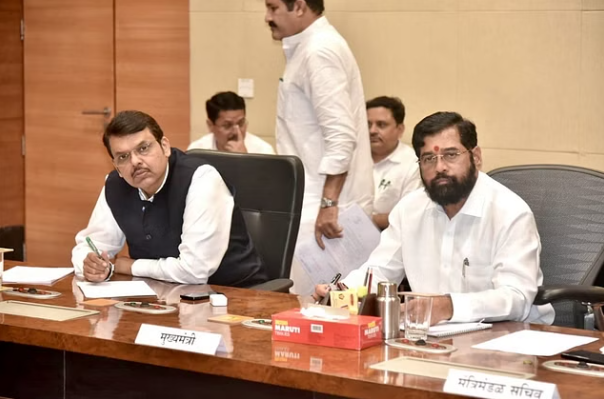
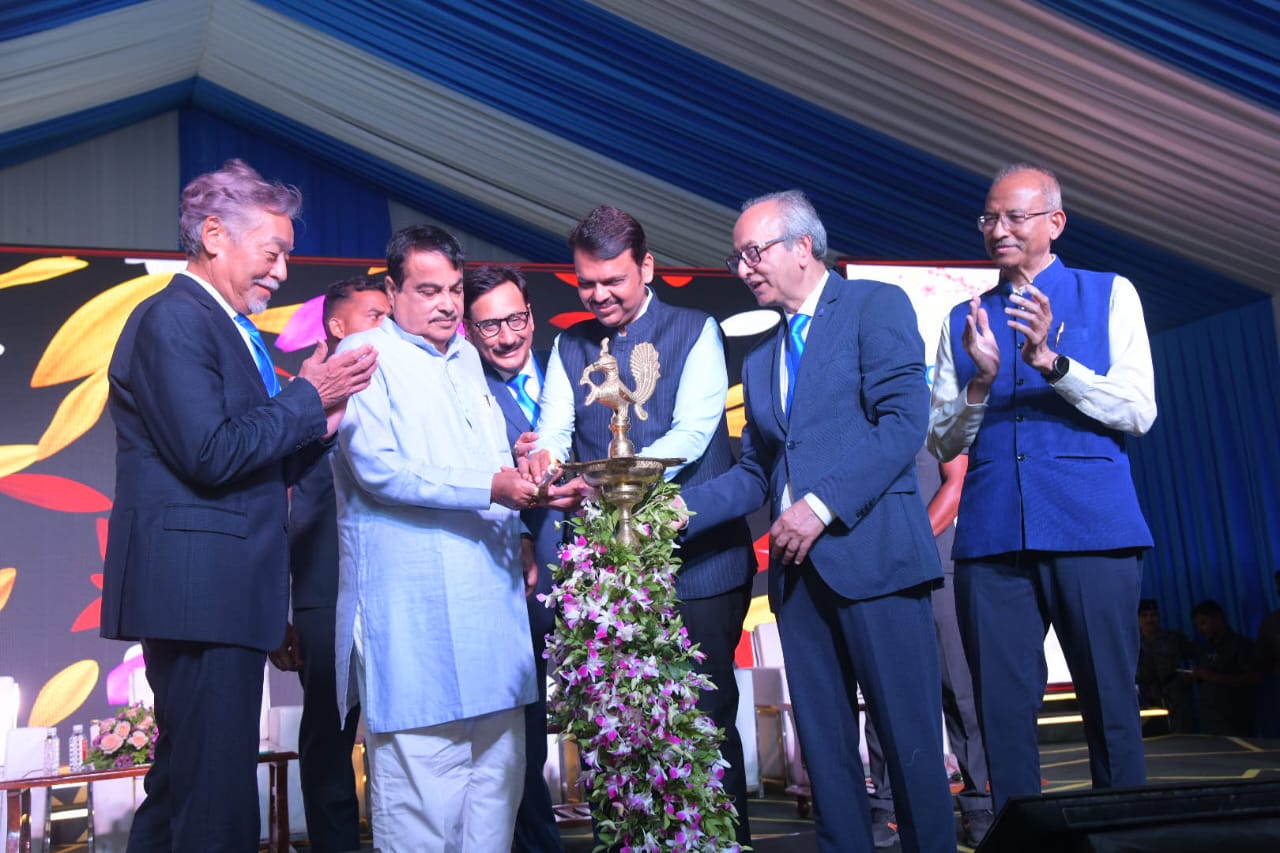
Deputy Chief Minister Devendra Fadnavis and Union Minister Nitin Gadkari will mark the groundbreaking ceremony, symbolizing the beginning of a new era for Nagpur’s traffic system. This event underscores the government’s commitment to enhancing urban infrastructure.

Key Details of the Project

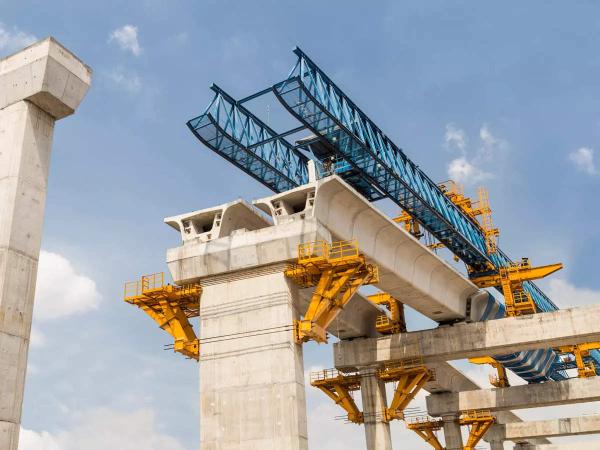
The flyovers are being developed by the World Bank division of the state public works department (PWD) and are expected to be completed within 24 months. These projects promise to transform the traffic scenario in South Nagpur by providing seamless connectivity and reducing commute times.

Manewada Square Flyover: A Solution to Daily Chaos

Current Traffic Woes

Manewada Square is notorious for its heavy traffic congestion and frequent accidents. The new flyover aims to address these issues by providing an elevated route for vehicles, thus reducing the burden on the existing roads.

Financial Aspects and Approval

The project received administrative approval of ₹73.14 crore in 2023. The technical approval followed with a budget of ₹51.32 crore, and the work order was awarded for ₹46.75 crore to a reputable Nagpur company. This meticulous planning ensures the efficient use of resources for maximum impact.

Mhalgi Nagar Square Flyover: Enhancing Connectivity

A Strategic Location

Mhalgi Nagar Square, another critical junction facing severe traffic problems, will benefit immensely from the new flyover. This infrastructure will streamline the flow of vehicles, reducing delays and accidents caused by heavy traffic.

Project Funding and Execution

Similar to the Manewada project, the Mhalgi Nagar flyover has an administrative approval of ₹73.14 crore. The work order has been issued, and construction will commence shortly. This project is a testament to the government’s proactive approach to solving urban traffic challenges.

Technical Insights and Construction Timeline

Initial Investigations and Foundation Work

Currently, zero technical investigations are in progress. However, pile foundation work will start soon, laying the groundwork for these monumental structures. This phase is crucial as it ensures the stability and durability of the flyovers.

Anticipated Benefits

PWD officials highlight several benefits of the flyovers, including reduced traffic jams, fewer accidents caused by heavy vehicles, and significant time savings for commuters. These improvements will enhance the overall quality of life for residents in South Nagpur.

Impact on Local Businesses and Residents

Boost to Local Economy

The construction of the flyovers is expected to boost the local economy by providing job opportunities and stimulating business growth in the surrounding areas. Improved traffic flow will attract more customers to local businesses, fostering economic development.

Enhanced Quality of Life

Residents will enjoy a better quality of life with reduced travel times and safer roads. The flyovers will also contribute to lower pollution levels by minimizing stop-and-go traffic, promoting a healthier environment.

Community Engagement and Feedback

Involving the Public

The government has made efforts to involve the community in the planning process. Public consultations and feedback sessions have been conducted to ensure that the projects meet the needs and expectations of local residents.

Addressing Concerns

Common concerns such as noise pollution during construction and potential disruption to daily life have been addressed. Measures are in place to minimize inconvenience, ensuring a smooth construction process.

Future Prospects and Developments

A Model for Future Projects

The success of these flyovers could set a precedent for future infrastructure projects in Nagpur and other cities. It showcases the potential of well-planned urban development initiatives in solving complex traffic issues.

Long-term Vision

The government’s long-term vision includes expanding the flyover network to other congested areas, further improving the city’s traffic management system. This strategic approach aims to create a more efficient and sustainable urban environment.

The Manewada and Mhalgi Nagar flyovers represent a significant step forward in addressing Nagpur’s traffic congestion issues. With meticulous planning, substantial investment, and community engagement, these projects promise to enhance the quality of life for residents and boost the local economy. As construction progresses, Nagpur looks forward to a future with smoother traffic flow and safer roads.

  1. What is the main purpose of the Manewada and Mhalgi Nagar flyovers? The main purpose is to alleviate traffic congestion and reduce accidents at these busy intersections.
  2. How long will the construction of the flyovers take? The construction is expected to be completed within 24 months.
  3. What is the total budget for the flyover projects? Each flyover has a project cost of ₹73 crore.
  4. Who are the key officials involved in the groundbreaking ceremony? Deputy Chief Minister Devendra Fadnavis and Union Minister Nitin Gadkari will be leading the ceremony.
  5. How will the flyovers benefit local residents and businesses? The flyovers will reduce travel times, enhance road safety, and boost the local economy by improving traffic flow.

Ambazari Bridge Reconstruction Faces Delays, August 31 Deadline in Doubt

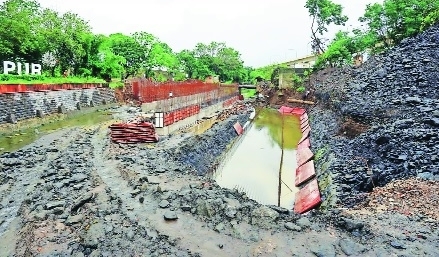
Ambazari Bridge Reconstruction: For Maharashtra’s second capital, September 23, 2023, is a date that many families near Ambazari Lake and along the Nag River will not forget. The devastating flash floods that occurred have left a lasting impact on the community. As the monsoon season begins again this year, there is growing concern that heavy rainfall could lead to a repeat of last year’s tragic events.

The Aftermath of the Flash Floods

The government’s response to last year’s disaster has been slow and inadequate. Despite warnings from the Visvesvaraya National Institute of Technology (VNIT) in 2018 about the deteriorating condition of Ambazari Bridge, the authorities have been sluggish in implementing necessary mitigation measures.

Public Outcry and Inadequate Compensation

The primary focus of public discussion has been on the distress of flood-affected individuals and the inadequate compensation they received. It wasn’t until individuals stepped forward and courts issued directives that any action was taken. A high-powered committee (HPC) was formed following a High Court reprimand, which eventually led to the authorities starting to prepare and execute a plan several months after the disaster.

Disruption to Public Life

The closure of the road from Gajanan Mandir near Ambazari Lake to Dharampeth Science College has significantly disrupted public life. This prompted court intervention, and as a short-term measure, the road through VNIT has been opened. However, the administration’s plan to partially reopen the road, where a bridge is under construction, by August 31 is clearly unattainable as the work only began earlier this month.

Legal Challenges and Delays

Advocate Tushar Mandlekar, representing the petitioners, accused the government of endangering lives. He emphasized that the six-month delay is unacceptable and pointed out that the work should have started in 2018 when VNIT first made the suggestion. Mandlekar stated, “These corrective measures are six years overdue! The authorities should have acted swiftly to reconstruct the bridge and open the road for the public.”

VNIT’s Recommendations and Government Procrastination

VNIT had suggested strengthening the bridge to prevent water overflow. However, government procrastination led to public frustration and legal battles. The court repeatedly criticized the authorities, questioning why the ambitious Ambazari Lake Plan, initiated in 2018, had not been completed within the stipulated five-year period.

Reconstruction Efforts and Weather Challenges

The dismantling of the original bridge began in June 2024, with reconstruction starting in July. Recent heavy rainfall has dampened hopes of meeting the August 31 deadline. Water accumulation has slowed work, and often, construction halts entirely as laborers are unable to proceed.

Involvement of Multiple Departments

The Public Works Department (PWD) is responsible for the dismantling and reconstruction of the bridge, with involvement from Maha Metro, Nagpur Municipal Corporation, Water Resources Department, Maharashtra Engineering Research Institute (MERI), and Nagpur Improvement Trust. The collaboration of these entities is crucial for the project’s success.

Impact of Rainfall on Reconstruction

Given that the work is being affected by rainfall, the deadline for completing the bridge reconstruction is almost certain to be missed. This bridge reconstruction is just one part of the overall project, and other tasks may also require more time.

The Need for Effective Coordination

It is hoped that all the involved authorities will coordinate effectively and adhere to a realistic timeline. This will ensure that people in the flood-affected areas can live without fear.

Public Reaction and Expectations

The public’s patience is wearing thin, and there is an urgent need for the authorities to show visible progress. The community’s trust in the government has been severely shaken, and only through swift and effective action can it be restored.

The reconstruction of Ambazari Bridge is a critical project for the safety and well-being of Maharashtra’s second capital. The delays and slow progress have caused significant disruption and concern among the residents. It is imperative that the authorities expedite the work and ensure that such disasters are prevented in the future.

1. Why is the Ambazari Bridge reconstruction delayed?

The reconstruction has been delayed due to government procrastination, legal challenges, and recent heavy rainfall, which has hampered progress.

2. What impact has the delay had on the local community?

The delay has caused significant disruption to public life, especially with the closure of major roads, and has heightened concerns about potential future floods.

3. What measures were suggested by VNIT to prevent water overflow?

VNIT recommended strengthening the bridge to prevent water overflow, a measure that has not been promptly implemented by the authorities.

4. Who is responsible for the reconstruction of Ambazari Bridge?

The Public Works Department (PWD) is leading the reconstruction, with involvement from Maha Metro, Nagpur Municipal Corporation, Water Resources Department, Maharashtra Engineering Research Institute (MERI), and Nagpur Improvement Trust.

5. What is the new expected timeline for the completion of the bridge?

Given the current delays, it is unclear when the bridge will be completed. Authorities are urged to coordinate effectively and set a realistic timeline to prevent further disruption.

Advantage Vidarbha: Maha Nod to ₹40k Cr Nagpur Investments

Nagpur investments | Vidarbha projects: The state cabinet sub-committee on industries has recently approved proposals worth over ₹40,000 crore for various projects, ranging from alternate energy to alcohol, all set to be established in Nagpur. These investments are anticipated to generate over 14,000 employment opportunities, promising a significant boost to the region’s economy. With the state offering an exceptionally competitive package of incentives, Maharashtra aims to attract a multitude of industries to Vidarbha and Marathwada.

Massive Investments to Transform Nagpur

Lithium Iron Battery Plant by JSW Energy PSP

The most substantial investment involves a ₹25,000 crore lithium iron battery plant by JSW Energy PSP, expected to create 5,000 jobs. This project marks a significant step towards advancing alternative energy solutions and fortifying the region’s industrial base.

Solar PV Modules and Electrolyzers Plant by AWAADA Electro Limited

Following closely is AWAADA Electro Limited’s ₹13,000 crore investment in a plant for manufacturing solar PV modules and electrolyzers. This initiative underscores the state’s commitment to renewable energy, aligning with global trends towards sustainability.

Pernod Ricard’s Malt Spirit Production

Pernod Ricard India Pvt Ltd is set to invest ₹1,785 crore in a malt spirit production facility. This venture will not only enhance the local manufacturing landscape but also generate significant employment opportunities.

Competitive Incentives to Attract Industries

Incentives Up to 110%

To lure industries, the state is offering incentives that can go up to 110% of the invested amount, with additional benefits reserved for projects in Vidarbha and Marathwada. These include a State Goods and Services Tax (SGST) refund on a gross basis, unlike the net basis provided by other states.

Capital Subsidy and Interest Subvention

State Principal Secretary Harshadeep Kamble highlighted that the incentives comprise a capital subsidy ranging from 30% to 35% and an interest subvention of 4%. These financial benefits are designed to reduce the overall project costs and make investments more attractive.

Enhanced SGST Refund

Maharashtra offers a unique SGST refund mechanism that includes input tax credit as a refund, further enhancing the financial viability of these projects. This policy is expected to significantly benefit companies investing in the region.

Government’s Strategic Move

Addressing Past Criticisms

The Mahayuti government has faced criticism for losing investments and performing poorly in Vidarbha and Marathwada during the Lok Sabha elections. The approval of these investment proposals is a strategic move to address these issues and demonstrate the state’s commitment to regional development.

Immediate Action by Investors

With the approval of the sub-committee, investors are expected to promptly begin work on their respective projects. This swift action underscores the confidence that the state’s competitive incentive package has instilled in potential investors.

Vidarbha’s Share of Investments

Half of State’s Total Proposals

Vidarbha has secured half of the total investment proposals cleared for the entire state, marking a significant milestone in its development journey. This influx of investments is set to transform the region’s economic landscape.

Offer Letters and Next Steps

Following the sub-committee’s approval, the state government will extend offer letters to the companies, enabling them to proceed with the remaining processes, such as land acquisition and other formalities.

Impact on Employment and Economy

14,000 Employment Opportunities

The collective investment proposals are expected to generate over 14,000 employment opportunities, providing a much-needed boost to the local job market and enhancing the overall economic health of the region.

Long-term Economic Growth

These investments are poised to drive long-term economic growth, making Vidarbha a hub for various industries and fostering a vibrant business ecosystem.

The state government’s approval of over ₹40,000 crore in investment proposals for Nagpur represents a monumental step towards regional development. With substantial projects in alternative energy and manufacturing, coupled with a highly competitive incentive package, Maharashtra is set to transform Vidarbha and Marathwada into industrial powerhouses. The creation of thousands of jobs and the influx of significant capital will undoubtedly boost the local economy and pave the way for sustained growth.

Q1: What types of projects are included in the ₹40,000 crore investment?
The investment includes projects in alternate energy, alcohol production, and more, with notable investments in lithium iron battery manufacturing, solar PV modules, and malt spirit production.

Q2: How will these investments impact employment in Nagpur?
The investments are expected to generate over 14,000 employment opportunities, significantly boosting the local job market.

Q3: What incentives is the Maharashtra government offering to attract these investments?
Incentives include up to 110% of the invested amount, SGST refunds on a gross basis, a capital subsidy of 30%-35%, and an interest subvention of 4%.

Q4: Why is the state focusing on Vidarbha and Marathwada for these projects?
Vidarbha and Marathwada are receiving additional incentives to stimulate economic growth and address past criticisms of underdevelopment in these regions.

Q5: When are the projects expected to commence?
Investors are expected to begin work on their projects promptly following the state government’s issuance of offer letters.

Deekshabhoomi Parking Lot Pit to be Leveled by September 20

Deekshabhoomi Restoration Project: The historic site of Deekshabhoomi in Nagpur is set for a significant transformation as the Nagpur Improvement Trust (NIT) commits to restoring the land by September 20. This initiative is in preparation for Dhammachakra Pravartan Din, an event that attracts lakhs of devotees annually. The decision to level the parking lot pit follows considerable controversy and public outcry regarding the underground parking project. Here’s a comprehensive look into the developments and their implications.

The Restoration Plan

Commitment to Deadlines

NIT chairman Sanjay Meena has assured that the restoration will be completed in time for Dhammachakra Pravartan Din. This assurance comes amid intense pressure from various Ambedkarite organizations, who have been vocal in their demands for the land to be restored before the event.

Financial Implications

NIT officials have pointed out that halting the project has significant financial ramifications. The state exchequer is expected to incur costs between ₹25-28 crore due to the extent of work already undertaken. The remaining work includes the completion of the slab, while other structures like the museum and auditorium are nearly finished. The restoration alone is estimated to cost about ₹3 crore.

Background of the Controversy

Protests and Backlash

The decision to halt the underground parking project was influenced by widespread protests. On July 1, thousands of people from various Ambedkarite organizations gathered at Deekshabhoomi, opposing the construction. They argued that the project endangered the sanctity of the stupa and the Bodhi tree, both of which hold immense cultural and historical significance.

Political Involvement

The issue also gained traction in the Maharashtra assembly, where opposition members, led by Maha Vikas Aghadi (MVA) constituents, demanded an immediate stop to the construction activities. This political pressure added another layer to the controversy, compelling NIT to reconsider their plans.

Legal and Administrative Actions

High Court Involvement

Advocate Shailesh Narnaware, who filed a Public Interest Litigation (PIL) in the Nagpur bench of Bombay High Court, has been a pivotal figure in the legal battle for the beautification and development of Deekshabhoomi. He requested additional land for expansion, specifically 3.84 acres from the Cotton Research Institute (CRI) and 16.44 acres from the public health department. The High Court has asked the Maharashtra government and other relevant parties to provide explanations regarding this plea.

High-Powered Committee Proposal

In response to the demands, a proposal has been submitted to the Maharashtra government’s high-powered committee (HPC). This committee is now tasked with evaluating the feasibility and implications of restoring the land and possibly reallocating additional land as requested.

Current Status of the Project

Rainwater Removal

As part of the restoration efforts, NIT has begun the process of removing accumulated rainwater from the pit. This is a critical step to ensure that the land is ready for the planned leveling and restoration activities.

Project Abandonment

Despite significant progress in the construction, the decision to abandon the project was made after a crucial meeting with Dr. Ambedkar Smarak Samiti (DASS). This move reflects NIT’s acknowledgment of the public sentiment and the cultural sensitivity surrounding Deekshabhoomi.

Community and Cultural Impact

Significance of Deekshabhoomi

Deekshabhoomi is not just a historic site but a symbol of social justice and equality. It is where Dr. B.R. Ambedkar, the architect of the Indian Constitution, embraced Buddhism along with thousands of his followers in 1956. The site holds immense spiritual and cultural importance for millions of people.

Dhammachakra Pravartan Din

The annual celebration of Dhammachakra Pravartan Din is a major event, drawing lakhs of devotees to Deekshabhoomi. It commemorates the day Dr. Ambedkar converted to Buddhism, marking a significant moment in Indian history. Ensuring that the site is in pristine condition for this event is of paramount importance.

Future Prospects and Development Plans

Beautification and Expansion

Looking ahead, the focus will be on the beautification and expansion of Deekshabhoomi. The proposed additional land from CRI and the public health department will play a crucial role in this development. These plans aim to enhance the site’s capacity to accommodate the growing number of visitors and improve the overall visitor experience.

Sustainable Development

Any future development plans will need to consider sustainable and environmentally friendly practices. Preserving the sanctity of the site while accommodating modern infrastructure requirements will be a challenging but essential task.

The restoration of Deekshabhoomi’s parking lot pit by September 20 marks a significant step in addressing the concerns of devotees and preserving the cultural heritage of the site. The decision to halt the underground parking project reflects a sensitive approach to the historical and spiritual significance of Deekshabhoomi. As the NIT works towards restoring and enhancing this iconic landmark, the involvement of various stakeholders, including the public, political entities, and legal bodies, underscores the collective effort required to honor and maintain the legacy of Dr. B.R. Ambedkar.

1. Why was the underground parking project at Deekshabhoomi controversial?

The project faced backlash because it was perceived as a threat to the sanctity of the stupa and the Bodhi tree, both of which are culturally and historically significant.

2. What are the financial implications of halting the project?

Halting the project is expected to cost the state exchequer ₹25-28 crore due to the work already completed, with an additional ₹3 crore estimated for restoration.

3. Who is advocating for the restoration and expansion of Deekshabhoomi?

Various Ambedkarite organizations, advocate Shailesh Narnaware, and the Dr. Ambedkar Smarak Samiti are key advocates for the restoration and expansion.

4. What is Dhammachakra Pravartan Din?

Dhammachakra Pravartan Din commemorates the day Dr. B.R. Ambedkar converted to Buddhism. It is a major event that attracts lakhs of devotees to Deekshabhoomi annually.

5. What future developments are planned for Deekshabhoomi?

Future plans include the beautification and expansion of the site, with proposals to acquire additional land from the Cotton Research Institute and the public health department.

Traffic Chaos in Sitabuldi: Hydraulic Parking System Fails as Street Vendors Block Roads

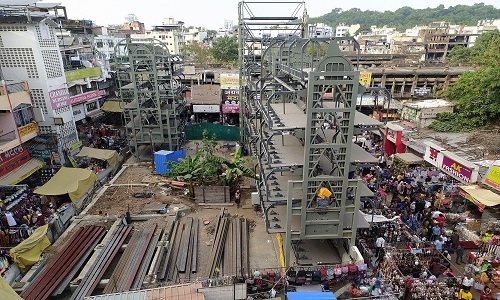
Traffic Chaos Sitabuldi Hydraulic Parking Sitabuldi: Heavy rains on Saturday led to widespread waterlogging throughout the city, causing considerable inconvenience to residents. The city’s (Nagpur) streets transformed into rivers, further complicating the situation in the central Sitabuldi market area, which features a hydraulic parking system. Despite this facility, residents are struggling with challenges due to encroachments and deteriorating road conditions.

Introduction

The hydraulic parking system in Sitabuldi was expected to revolutionize parking in this bustling market area. Instead, it has turned into a symbol of urban chaos. With street vendors encroaching on the roads and continuous rains worsening the situation, navigating Sitabuldi has become a nightmare for residents and visitors alike.

The Initial Impact of the Hydraulic Parking System

Hopes and Expectations

The hydraulic parking system was introduced with high hopes. It was designed to maximize parking space in the crowded Sitabuldi market area, offering a modern solution to the age-old problem of parking in busy urban centers.

Challenges Faced by Local Shopkeepers

However, the installation of this system initially impacted local shopkeepers. The construction process caused disruptions, and many were concerned about the long-term effects on their businesses.

Encroachment by Street Vendors

Street Vendors Taking Over

Despite the presence of the hydraulic parking facility, street vendors have encroached on the roads, leaving no room for vehicles and two-wheelers to navigate. This has created a chaotic environment where pedestrians also face unnecessary difficulties due to the poor condition of the roads.

Impact on Traffic Flow

The presence of street vendors has narrowed the roads in Sitabuldi, affecting all types of vehicle drivers and customers. This bottleneck has made traffic management a herculean task.

The Role of Continuous Rains

Weather Woes

Continuous rains in Nagpur have further worsened the condition of the roads. The already narrow streets have become filled with potholes and mud, adding to the woes of the residents.

Waterlogging Issues

Heavy rains on Saturday led to widespread waterlogging throughout the city, causing considerable inconvenience to residents. The city’s streets transformed into rivers, further complicating the situation in Sitabuldi.

Pedestrian Challenges

Navigating Through Obstacles

Pedestrians are finding it increasingly difficult to navigate through the crowded and deteriorating roads. The combination of street vendors, potholes, and waterlogged streets has turned a simple walk through the market into an obstacle course.

Safety Concerns

The poor condition of the roads and the encroachment by street vendors have raised significant safety concerns. Accidents and injuries have become more common, and residents are demanding immediate action.

The Need for Immediate Action

Possible Solutions

Addressing the traffic chaos in Sitabuldi requires a multifaceted approach. Solutions may include stricter enforcement of anti-encroachment laws, improved road maintenance, and better management of the hydraulic parking system.

Government Intervention

Local authorities need to step in and take decisive action to restore order. This could involve relocating street vendors to designated areas and upgrading the infrastructure to handle heavy rains more effectively.

The situation in Sitabuldi is a classic example of how urban planning and infrastructure can fail when not properly managed. The hydraulic parking system, intended to ease parking woes, has been rendered ineffective due to street vendor encroachments and deteriorating road conditions. Immediate action is needed to address these issues and restore normalcy to this vital market area.

Unique Aircraft-Themed Fine Dining Restaurant to Open in Nagpur

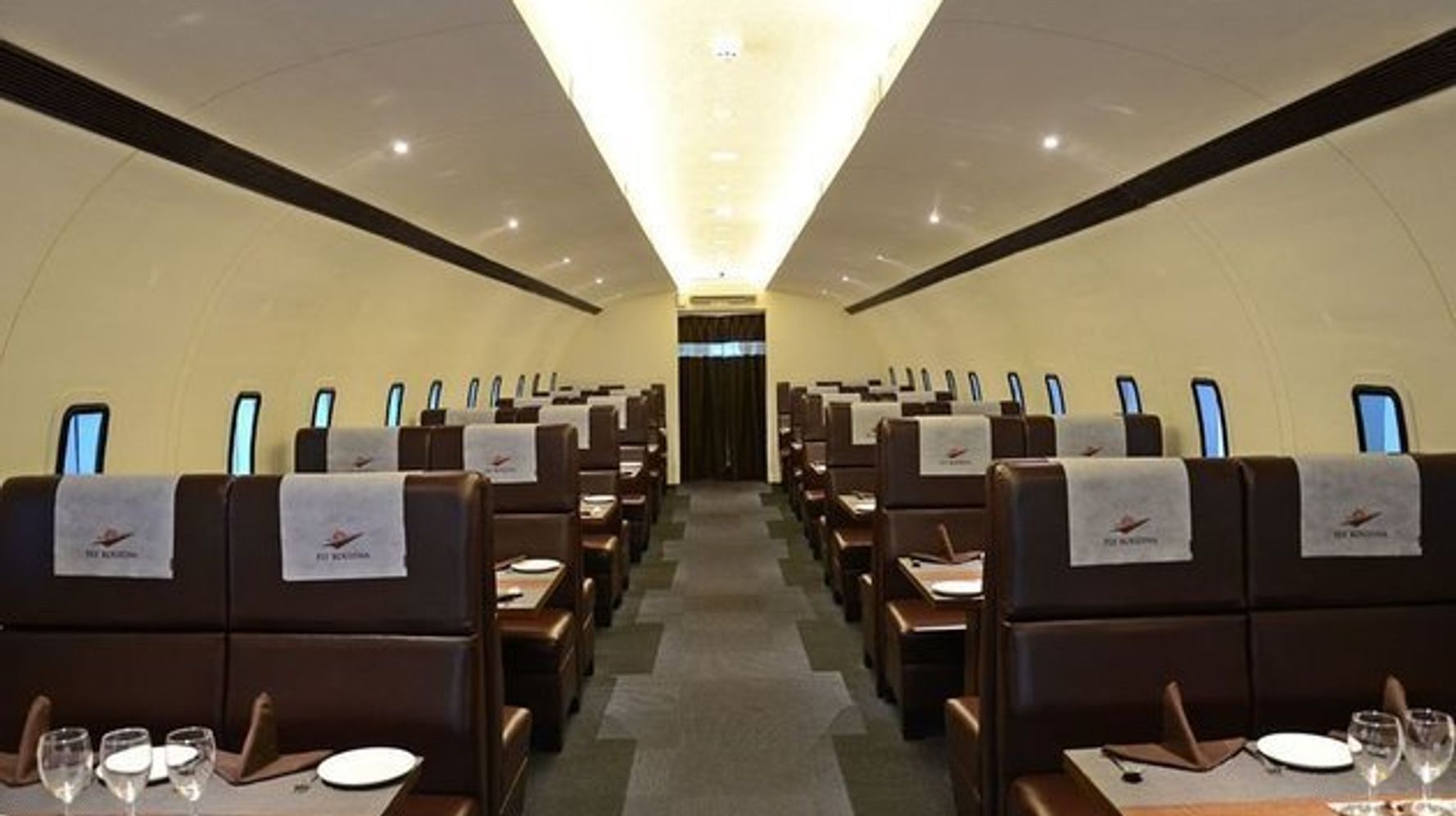
Haldiram Project | Aircraft-Themed Fine Dining to Open in Nagpur: Excitement brews in Nagpur as a distinctive fine dining experience prepares to take flight within the shell of a decommissioned Air India aircraft near Butibori. Set to replicate the allure of luxury in-flight dining, this innovative restaurant promises a novel culinary adventure in an airplane-themed setting.

As reports suggest, the upcoming establishment will offer the facility to dine inside a meticulously refurbished airplane. Although grounded, the restaurant aims to recreate the ambiance and comfort of first-class air travel, offering patrons a unique dining experience unlike any other in the region.

The brainchild of renowned food chain Haldiram, the project is set to transform the Butibori area into a hub for gastronomic innovation. Construction efforts, temporarily paused due to the monsoon season, are scheduled to resume shortly. Once complete, the restaurant is expected not only to cater to culinary enthusiasts but also to stimulate local economic growth by generating employment opportunities.

For those eager to savor gourmet cuisine in a one-of-a-kind setting, this airplane-themed restaurant is poised to become a must-visit destination in Nagpur’s vibrant culinary scene.

A Journey Through Culinary Innovation

The Concept Behind the Restaurant (Aircraft-Themed Fine Dining to Open in Nagpur)

The idea of turning a decommissioned aircraft into a restaurant is both unique and ambitious. It reflects a trend of transforming unusual spaces into dining venues, creating a memorable experience for customers. This concept marries the thrill of aviation with the sophistication of fine dining, appealing to a broad audience.

The Allure of In-Flight Dining

First-class in-flight dining is synonymous with luxury and exclusivity. This restaurant aims to bring that experience to the ground, offering patrons a taste of the high life. With meticulous attention to detail, the ambiance will replicate the comfort and elegance of an aircraft’s first-class section.

Renovation and Refurbishment

Transforming an old airplane into a fine dining establishment is no small feat. The refurbishment process involves stripping the aircraft’s interior and redesigning it to accommodate dining tables, a kitchen, and other necessary facilities. The result will be a blend of aviation history and modern culinary art.

Dining Experience (Aircraft-Themed Fine Dining to Open in Nagpur)

Menu and Cuisine

The menu promises to be as unique as the setting. It will feature a blend of international and local cuisines, prepared with the finest ingredients. Expect gourmet dishes that tantalize the taste buds and leave a lasting impression.

Ambiance and Decor

Every detail of the restaurant’s interior will contribute to an authentic in-flight experience. From the seating arrangements to the lighting, everything is designed to mimic the luxurious feel of first-class air travel. The decor will be a nod to aviation history, with elements that reflect the glory days of Air India.

Service and Hospitality

Service is a crucial part of the dining experience. The staff will be trained to provide impeccable service, ensuring that every guest feels pampered. The goal is to offer an experience that rivals the best first-class airlines.

Economic Impact

Boost to Local Economy

The restaurant is expected to be a significant boost to the local economy. By attracting diners from Nagpur and beyond, it will generate revenue for the area. Moreover, it will create jobs, from construction workers during the refurbishment phase to staff once the restaurant opens.

Tourism and Attraction

This unique dining venue is poised to become a major attraction in Nagpur. It will draw food enthusiasts, aviation buffs, and tourists, putting Nagpur on the map as a culinary destination.

Community Engagement

Haldiram’s initiative reflects a commitment to community engagement. By investing in this project, they are supporting local businesses and fostering a sense of pride in the community.

Challenges and Solutions

Weather and Construction Delays

Monsoon season has temporarily halted construction, but plans are in place to resume as soon as possible. The project team is working diligently to ensure that the restaurant opens on schedule.

Maintaining Authenticity

One of the biggest challenges is maintaining the authenticity of the in-flight experience. This involves sourcing the right materials, designing the layout accurately, and training the staff to provide top-notch service.

Sustainability Efforts

Sustainability is a priority for the project. Efforts are being made to use eco-friendly materials and practices wherever possible (Haldiram Project), ensuring that the restaurant is not only unique but also environmentally responsible.

Customer Experience

Reservations and Seating

To manage the expected high demand, the restaurant will implement a reservation system. This will ensure that guests can enjoy their meal without long waits. The seating arrangement will be carefully planned to offer privacy and comfort.

Special Events and Promotions

The restaurant will host special events and promotions to keep the dining experience exciting. From themed nights to seasonal menus, there will always be something new to look forward to.

Feedback and Improvement

Customer feedback will be crucial in refining the dining experience. The management will actively seek and incorporate suggestions to continually improve the service and offerings.

The upcoming aircraft-themed fine dining restaurant in Nagpur is more than just a place to eat; it is a destination that promises a unique blend of luxury, history, and culinary excellence. As anticipation builds, it is clear that this innovative project will leave a lasting impact on Nagpur’s culinary landscape and offer a dining experience like no other.

1. When is the restaurant expected to open? The exact opening date has not been announced, but construction (Haldiram Project) is set to resume soon after the monsoon season.

2. Can we make reservations in advance? Yes, the restaurant will have a reservation system to manage high demand and ensure a seamless dining experience.

3. What type of cuisine will be served? The menu will feature a blend of international and local cuisines, prepared with the finest ingredients to create a gourmet dining experience.

4. Is the restaurant suitable for special events? Absolutely. The restaurant will host special events and promotions, making it an ideal venue for celebrations and gatherings.

5. How does the restaurant contribute to the local economy? By generating employment opportunities and attracting tourists, the restaurant will provide a significant boost to the local economy.

LIC Square Fly-over Hurdles Cleared: District Administration Issues Award for Land Acquisition

The path to the completion of the much-anticipated flyover near LIC Square has been cleared, thanks to the District Administration’s recent move. The unresolved land acquisition issues had placed the flyover project in limbo. Now, with the necessary land acquired, the construction can finally proceed, promising relief to the daily commuters and businesses affected by the delay.

The Importance of the LIC Square Flyover

A Vital Infrastructure Project

The LIC Square flyover is a critical infrastructure project designed to ease the traffic congestion in the area. This 5.6 km long flyover, starting from Automotive Square, descends near LIC Square, providing a direct route that bypasses several traffic-heavy intersections.

Historical Delays

Despite the importance of this project, construction had stalled due to unresolved land acquisition issues. While the segment of the flyover up to Naidu Hospital was completed, the stretch between Naidu Hospital and LIC Square remained untouched. This delay has caused significant inconvenience to the local populace.

The Role of the District Administration

Award Issued for Land Acquisition

District Collector Dr. Vipin Itankar played a pivotal role in resolving the land acquisition issues. His office issued an award for the acquisition of 2,700 square meters of land, affecting 17 properties. The estimated compensation for this land acquisition stands at Rs 40 crore.

Compensation and Next Steps

The compensation amount will be disbursed to the affected property owners in the coming days. This move has paved the way for the final phase of construction, with officials from the Maharashtra Metro Rail Corporation Limited (MMRCL) assuring that the remaining ramp work will be completed within two-and-a-half months.

Construction Details

Engineering Specifications

The flyover boasts impressive engineering specifications. The maximum height of the flyover is 11.5 meters, while the minimum height is 5.5 meters. The ramp leading up to LIC Square will be 200 meters long and 19 meters wide, ensuring a smooth flow of traffic beneath it.

Progress and Completion Timeline

According to Maha Metro, more than 80% of the flyover’s construction is already complete. Once the land is handed over, the final segment of the project will be finished within 70 days, bringing much-needed relief to commuters.

Impact on Local Traffic and Businesses

Current Traffic Challenges

Currently, the area around Kasturchand Park and RBI Square has turned into a traffic mess due to the incomplete flyover. The road stretch beyond RBI Square is blocked, causing significant detours and traffic jams.

Business Disruptions

The pending construction work has severely affected local businesses. Shops, schools, hospitals, and even a prominent Gurudwara have been suffering due to the prolonged delays. Some business owners have called for compensation to cover the losses incurred.

Future Traffic Management

Once the flyover is complete, the roads around Kasturchand Park will need to manage traffic from multiple flyovers, including the Katol Road flyover, Automotive flyover, and the Kingsway Y-shaped flyover. Effective traffic management will be crucial to avoid future congestion.

Community Response and Expectations

Public Sentiment

The delay in construction has caused frustration among the citizens. The traffic jams and detours have disrupted daily routines, leading to widespread discontent. However, the recent progress has rekindled hope for a smoother commute.

Business Owners’ Perspective

Local business owners have been vocal about the financial strain caused by the delay. Many are relieved that the project is finally moving forward, but they also seek compensation for the losses they’ve endured over the years.

The clearance of land acquisition hurdles marks a significant milestone in the LIC Square flyover project. With the District Administration’s proactive approach and Maha Metro’s commitment, the final phase of construction is set to proceed swiftly. This development promises to alleviate traffic woes, benefit local businesses, and enhance the overall infrastructure of the area.

1. What caused the delay in the LIC Square flyover construction?

The primary reason for the delay was the unresolved land acquisition issues between Naidu Hospital and LIC Square.

2. How long is the LIC Square flyover?

The flyover spans 5.6 kilometers, starting from Automotive Square and descending near LIC Square.

3. What is the compensation amount for the land acquisition?

The estimated compensation amount for the land acquisition is Rs 40 crore.

4. When will the remaining construction be completed?

The remaining construction is expected to be completed within 70 days once the land is handed over to Maha Metro.

5. How will the completion of the flyover benefit the local community?

The completion of the flyover will ease traffic congestion, improve commute times, and provide relief to local businesses affected by the delays.

Kamptee Road Flyover’s Ramp to Be Ready Soon: Major Milestone for Nagpur

Nagpur is buzzing with excitement as the long-awaited Kamptee Road flyover project inches closer to completion. A significant hurdle has been cleared with the district administration’s approval of land acquisition, paving the way for the construction of the crucial ramp. This development marks a pivotal moment in Nagpur’s infrastructure growth and promises to alleviate traffic congestion significantly.

Nagpur’s Kamptee Road flyover project, a double-decker marvel, is set to transform the city’s traffic dynamics. Spanning nearly 5.6 kilometers, this flyover will be the longest in Nagpur, providing much-needed relief from congestion on one of the city’s busiest roads.

Land Acquisition Approval

The district administration has approved the acquisition of 2,383.36 square meters of land. This approval is a crucial step forward, eliminating a major obstacle that had delayed the project for months. The land acquisition process is scheduled to commence on Monday.

Document Verification Process

According to SDO Suresh Bagale, the document verification for the land acquisition will take place on Monday, July 15, at 11 AM. This process involves thorough checks to ensure all documents are in order before finalizing the acquisition.

Compensation Details

The total compensation for the land acquisition amounts to ₹39.35 crore. This includes ₹37.13 crore for 15 plots and an additional ₹2.22 crore for establishment charges. This fair compensation aims to address the concerns of landowners and facilitate a smooth transition.

Challenges Faced

The construction of the Kamptee Road flyover faced several challenges, primarily due to delays in land acquisition. The Nagpur Municipal Corporation (NMC) initially submitted an erroneous proposal, causing further delays. However, these issues have now been resolved.

NMC’s Role and Revised Proposal

In March, district collector Vipin Itankar requested a revised proposal from the NMC, which was promptly submitted. This proactive step by the NMC has expedited the land acquisition process, ensuring that the project can proceed without further hitches.

Significance of the Flyover

The Kamptee Road flyover is more than just a construction project; it’s a lifeline for Nagpur’s traffic woes. Once operational, it will significantly reduce congestion, particularly around Indora Square and Gaddigodam Road, two of the most traffic-prone areas in the city.

Impact on Traffic Congestion

With the completion of the flyover, Nagpur residents can look forward to smoother commutes. The double-decker design will facilitate better traffic flow, reducing travel time and easing the daily stress of navigating congested roads.

MahaMetro’s Involvement

MahaMetro, the agency responsible for executing the flyover project, has played a crucial role in ensuring its progress. A senior MahaMetro official confirmed that the flyover project, costing ₹572 crore, is being funded by the National Highways Authority of India (NHAI).

Funding and Project Cost

The project is a substantial financial undertaking, with an estimated cost of ₹572 crore. The funding from NHAI underscores the importance of this project for Nagpur’s infrastructure development.

Timeline for Completion

According to MahaMetro officials, the flyover work will be completed within three months from the day the land is acquired. This ambitious timeline reflects the urgency and dedication to finishing the project promptly.

Future Prospects

Looking ahead, the successful completion of the Kamptee Road flyover will set a precedent for future infrastructure projects in Nagpur. It will demonstrate the city’s capacity to overcome challenges and deliver essential public works efficiently.

Community Reactions

The news of the land acquisition approval has been met with widespread approval from the community. Residents are eager to see the project completed and anticipate the positive impact it will have on their daily lives.

The Kamptee Road flyover’s ramp construction is a beacon of progress for Nagpur. With land acquisition hurdles cleared and a clear timeline set, the city is on the brink of a significant transformation. The flyover promises to alleviate traffic congestion, improve daily commutes, and set the stage for future infrastructure advancements.

1. When will the Kamptee Road flyover be completed? The flyover is expected to be completed within three months from the day the land is acquired.

2. How long is the Kamptee Road flyover? The flyover spans nearly 5.6 kilometers, making it the longest in Nagpur.

3. What is the total cost of the Kamptee Road flyover project? The project costs ₹572 crore, funded by the National Highways Authority of India (NHAI).

4. What challenges delayed the Kamptee Road flyover project? The primary challenge was delays in land acquisition due to errors in the initial proposal submitted by the Nagpur Municipal Corporation (NMC).

5. How will the Kamptee Road flyover benefit Nagpur residents? The flyover will significantly reduce traffic congestion, particularly around Indora Square and Gaddigodam Road, making daily commutes smoother and faster.

Ajni Railway Station – Transformation on Track, Project to be Commissioned Before Schedule

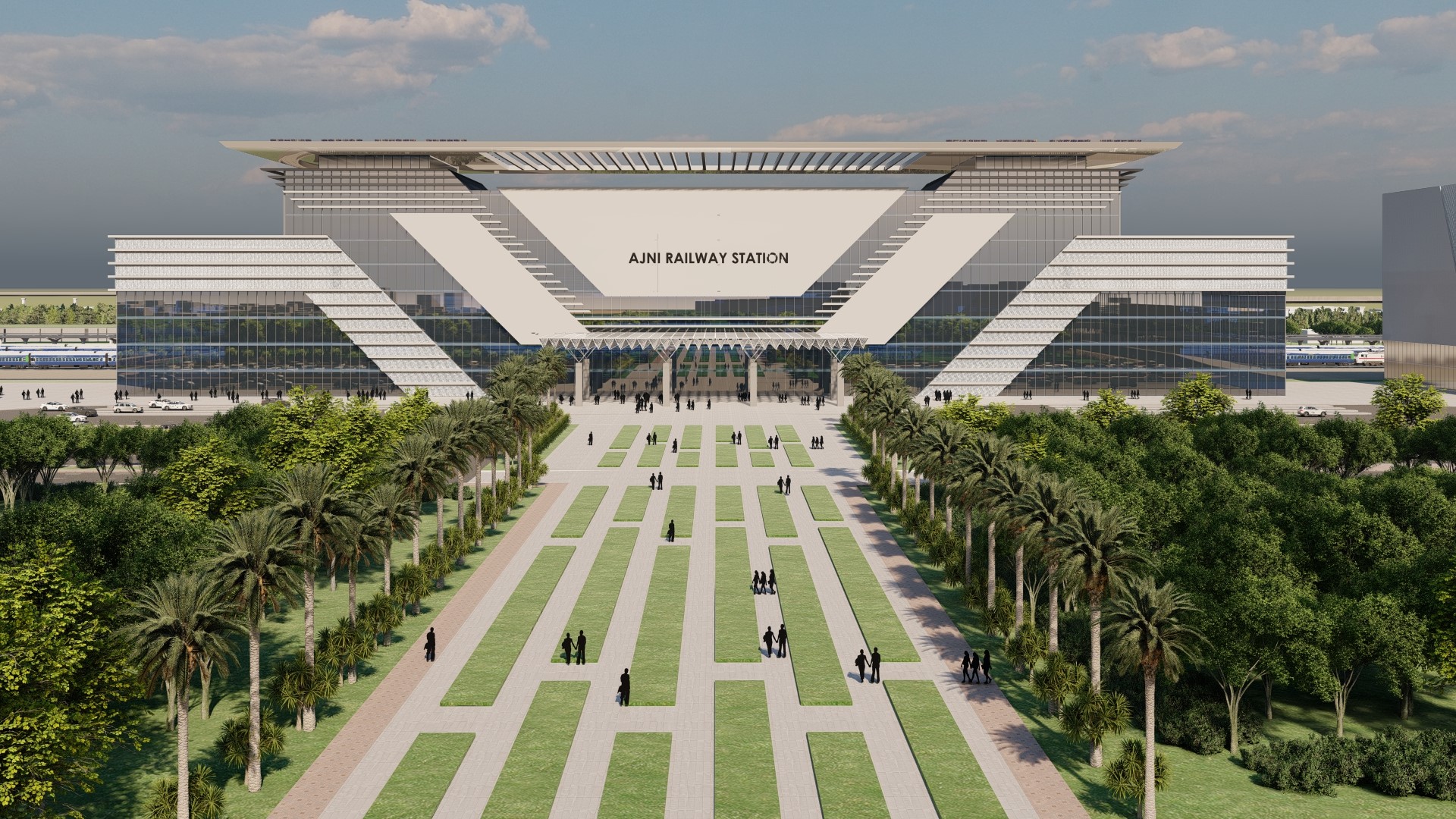
Ajni Railway Station Transformation: Ajni Railway Station, serving as a satellite station for Nagpur, is undergoing a major transformation under the auspices of the Rail Land Development Authority (RLDA). This redevelopment project is set to revolutionize passenger experience by providing top-notch facilities, incorporating green building concepts, and ensuring Divyangjan-friendly amenities. Despite the challenges posed by the brownfield nature of the project, all preparatory work and utility shifting have been completed, paving the way for rapid construction progress on both the eastern and western sides of the station. Remarkably, this project is slated to be completed four months ahead of its original schedule.

Key Features of the Redeveloped Station

Enhanced Passenger Capacity

The redeveloped Ajni Station is designed to accommodate a whopping 45,000 passengers daily, significantly boosting its capacity and efficiency.

Arrival and Departure Plazas

The station will boast two dedicated FOBs (10 meters wide each) for arriving passengers, connected with arrival lobbies on either side of the station. These FOBs, along with a 72-meter-wide concourse with a roof plaza, will connect each platform via escalators, lifts, and staircases.

West Side Amenities

On the west side, a G+2 departure and arrival plaza featuring 3,679 square meters of surface parking and a circulating area will be established. This area will include drop-off and pick-up zones to facilitate the smooth movement of taxis, cars, and autos.

East Side Amenities

The east side will feature a G+3 station building with 19,162 square meters of surface parking and a circulating area. Drop-off and pick-up zones will ensure smooth traffic flow on both sides of the station.

Construction Progress

East Side Building (G+3)

The existing utilities, including D-type quarters, have been dismantled to make way for new construction. The construction work on the G+3 station building has reached the third-floor level, with block work and finishing work in progress. Two towers of Type IV quarters (Stilt+7) have been completed, with finishing work ongoing to accommodate the occupants of the demolished quarters.

West Side Building (G+2)

To avoid disrupting passenger movement, a temporary station building has been constructed, and the parking area has been extended towards the Road Over Bridge (ROB) side. With manpower and machinery deployed day and night, 85% of the piling work is completed, and pile cap work is in progress.

Platform Work

Existing cover over platforms (COP) and escalators near the north FOB at the Nagpur end of Platform 1 have been dismantled to facilitate piling work and the movement of construction equipment. Hard barricading work has been done, and safety marshals have been deputed to ensure the safe movement of passengers.

Execution Strategy

The redevelopment project follows a phased approach to minimize disruption to train operations and passenger movement. The initial phase involves relocating the existing west side building offices and starting foundational work after dismantling the existing station building. The construction sequence includes the east side station building, air concourse with the roof plaza and FOBs, followed by the west side building due to space constraints. The foundational work for the North FOB, South FOB, air concourse, and Central FOB is progressing steadily, with 58% progress achieved. Additional work on Platform 2/3 will commence shortly, coordinated to avoid passenger inconvenience. The project, with a cost of Rs. 297 crore, is currently at 30% physical progress and is set to be completed in January 2026, four months ahead of schedule.

Green Building Concepts

The new Ajni Station will incorporate green building concepts, focusing on sustainability and energy efficiency. This approach aligns with the broader goals of reducing the carbon footprint and promoting eco-friendly infrastructure.

Divyangjan-Friendly Amenities

Ensuring inclusivity, the station will feature Divyangjan-friendly amenities. This includes ramps, designated waiting areas, and special assistance to ensure a comfortable travel experience for passengers with disabilities.

Enhanced Safety Measures

Safety is a paramount concern in the redevelopment plan. Hard barricading and the deployment of safety marshals are measures taken to ensure the security of passengers during the construction phase. The new station design will also include advanced safety features to protect passengers once the station is operational.

State-of-the-Art Facilities

The modern Ajni Station will offer state-of-the-art facilities, including high-speed Wi-Fi, modern waiting lounges, food courts, and retail spaces. These additions aim to enhance the overall passenger experience, making their time at the station more comfortable and enjoyable.

Smooth Traffic Flow

To avoid congestion, the station’s design includes well-planned drop-off and pick-up zones. This will facilitate smooth traffic flow on both the eastern and western sides of the station, reducing delays and ensuring a seamless travel experience.

High-Quality Construction

The construction quality is given utmost importance, with the use of high-grade materials and advanced construction techniques. This ensures that the new station will not only be aesthetically pleasing but also durable and resilient.

Timely Completion

Despite the complexity of the project, it is set to be completed four months ahead of its original schedule. This impressive feat is achieved through meticulous planning, efficient execution, and the relentless efforts of the workforce.

Economic Boost

The redevelopment of Ajni Station is expected to provide an economic boost to the region. Improved infrastructure will attract more passengers, increasing footfall and potentially leading to the development of surrounding areas.

Future-Proofing Infrastructure

The new station is designed with future needs in mind, ensuring that it can accommodate increased passenger traffic and evolving technological advancements. This forward-thinking approach ensures the station’s long-term relevance and functionality.

RLDA’s Role

The Rail Land Development Authority (RLDA) is the driving force behind this transformation. As a statutory authority under the Ministry of Railways, RLDA is responsible for the development of railway land across India, including major station redevelopments like Ajni.

The transformation of Ajni Railway Station is a landmark project that promises to elevate passenger experience to new heights. With modern amenities, green building concepts, and Divyangjan-friendly features, the redeveloped station will set a new standard in railway infrastructure. The project’s ahead-of-schedule completion is a testament to the meticulous planning and execution by the RLDA. As Ajni Station nears its new dawn, it stands as a beacon of progress and innovation, heralding a brighter future for railway travel in India.

  1. When is the Ajni Railway Station redevelopment project expected to be completed? The project is set to be completed in January 2026, four months ahead of schedule.
  2. What are the key features of the redeveloped Ajni Railway Station? The redeveloped station will include modern amenities, green building concepts, Divyangjan-friendly features, and a capacity to handle 45,000 passengers daily.
  3. How will the redevelopment project impact passenger movement during construction? The project follows a phased approach to minimize disruption, with safety measures in place to ensure smooth passenger movement.
  4. What role does the RLDA play in the redevelopment of Ajni Station? The RLDA, a statutory authority under the Ministry of Railways, is responsible for the planning and execution of the redevelopment project.
  5. How will the new Ajni Station contribute to the local economy? The improved infrastructure is expected to attract more passengers, increase footfall, and potentially spur the development of surrounding areas, providing an economic boost to the region.

Minister Nitin Gadkari Inaugurates Horiba’s Greenfield Manufacturing Plant in Nagpur

Nitin Gadkari | HORIBA manufacturing plant: In a significant boost to the “Make in India” initiative, Union Minister of Road and Transport, Nitin Gadkari, inaugurated one of India’s largest medical equipment and hematology reagent manufacturing units by HORIBA India in Butibori, Nagpur. This event marks a major milestone in India’s journey towards becoming a global manufacturing hub.

A New Era for Medical Manufacturing in India (HORIBA manufacturing plant)

HORIBA Group, a Japan-headquartered conglomerate, has established its third manufacturing facility in India with this new plant in Nagpur. This state-of-the-art facility, sprawling over 50,000 square meters, is set to revolutionize the medical equipment industry in India.

Significance of the New Facility

“The futuristic vision with futuristic technology. India is the fastest growing economy in the world, and that’s why we want to bring the latest technology here. India is the perfect place for development, with its trained manpower and young talent,” said Gadkari during the inauguration.

Investment and Economic Impact

With an investment of Rs 200 crore, the Nagpur facility is poised to serve over 30,000 diagnostic labs and hospitals across India. This substantial investment underscores HORIBA’s commitment to the Indian market and the broader “Make in India” initiative.

The Vision Behind the Inauguration

Deputy Chief Minister of Maharashtra, Devendra Fadnavis, who also attended the event, highlighted the rapid growth of the medical devices sector in India. “India, once a net importer of medical devices, is now a significant exporter. Our exports in the sector are nearing USD 10 billion with an annual growth rate of around 10 percent. India is also emerging as a top medical tourism destination,” he said.

Facility Features and Capabilities

The Nagpur plant includes production units for blood diagnostics, clinical chemistry equipment, and medical consumables. It also houses the HORIBA India Technical Institute, offering biomedical learning programs through a partnership with Nagpur University, and the HORIBA Experience Zone, showcasing the full range of HORIBA healthcare equipment.

Educational and Training Initiatives

The facility features an international training center and a central warehouse. Currently employing 100 people, this number is expected to nearly double in the next five years, creating significant employment opportunities in the region.

Localization and Export Plans (Nitin Gadkari)

This facility will serve as an export hub to neighboring countries, starting with a target of 50% localization, which will later increase to around 80-90%. This strategic move will play a crucial role in reducing turnaround time and minimizing costs by promoting local production.

Supporting Government Initiatives

“The facility will support the Government’s initiative to enhance ‘Make in India’ and Self-Reliance. It aims to become a one-stop solution for India, initially catering to the Bio & Healthcare segment, with future plans to expand into the Materials & Semiconductor and Energy & Environment sectors,” said Jai Hakhu, Board of Directors, HORIBA Ltd., Japan and Chairman, HORIBA India.

A Step Towards Self-Reliance (Nitin Gadkari)

This initiative is a significant step towards reducing India’s dependency on imported medical devices, fostering innovation, and boosting the local economy. The state-of-the-art manufacturing processes and the focus on localization will ensure high-quality products at competitive prices.

Economic and Social Benefits

The establishment of the Nagpur facility is not just a business expansion for HORIBA but a monumental stride in India’s journey towards self-reliance. By leveraging local talent and resources, HORIBA is setting a benchmark for other global companies to follow.

Future Expansion Plans

HORIBA’s commitment to India is evident through its continuous investments and future expansion plans. The company aims to diversify its product portfolio and enter new segments, including Materials & Semiconductor and Energy & Environment sectors.

The inauguration of HORIBA’s Greenfield manufacturing plant in Nagpur is a testament to India’s growing prominence in the global medical manufacturing landscape. It aligns with the government’s vision of “Make in India” and showcases the potential of Indian talent and innovation. This facility is set to not only cater to the domestic market but also position India as a key player in the global medical equipment industry.

1. What is the significance of the new HORIBA facility in Nagpur?

The new HORIBA facility in Nagpur is significant as it is one of India’s largest medical equipment and hematology reagent manufacturing units, supporting the “Make in India” initiative and aiming to serve over 30,000 diagnostic labs and hospitals across the country.

2. How does the new facility support the “Make in India” initiative?

The facility supports the “Make in India” initiative by promoting local production, reducing turnaround time, minimizing costs, and fostering self-reliance in the medical equipment sector.

3. What are the future plans for the HORIBA facility in Nagpur?

The future plans for the HORIBA facility include increasing localization to 80-90%, serving as an export hub, and expanding into new segments such as Materials & Semiconductor and Energy & Environment sectors.

4. How will the new facility impact employment in Nagpur?

The new facility currently employs 100 people, with plans to nearly double this number in the next five years, significantly boosting employment opportunities in the region.

5. What educational initiatives are associated with the HORIBA facility?

The facility includes the HORIBA India Technical Institute, which offers biomedical learning programs through a partnership with Nagpur University, and the HORIBA Experience Zone, which showcases the full range of HORIBA healthcare equipment.

Exit mobile version