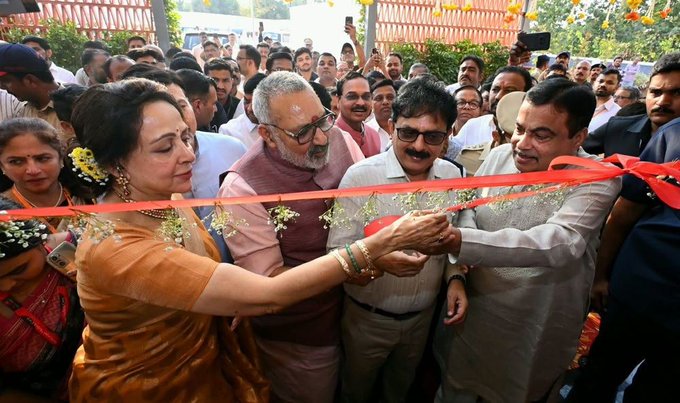
Koradi Theme Park Nagpur: Rs 10 Crore Tourism Push Approved — Here Is What Is Being Built

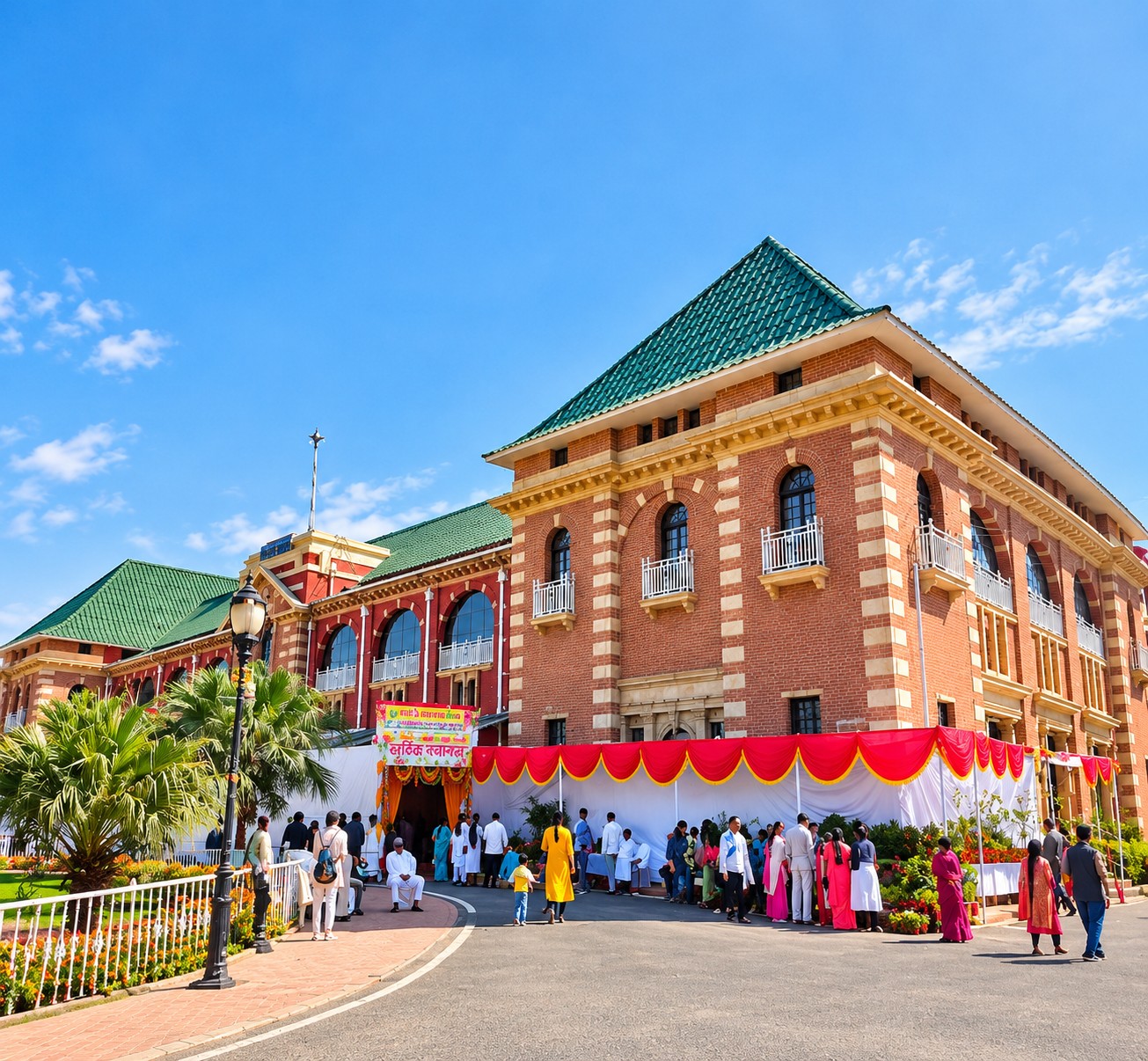
Koradi — home to one of Nagpur’s most revered temples — is getting a major tourism upgrade. The Maharashtra Tourism and Cultural Affairs Department has approved two new projects for Koradi under the Regional Tourism Development Scheme 2026-27. Furthermore, the total investment is close to Rs 10 crore across both projects. As a result, Koradi is set to become a genuine multi-attraction tourism destination rather than purely a religious pilgrimage site.

The first project is a theme park at Koradi in Kamptee taluka. Moreover, a tourist centre with water-based recreational facilities is planned at Jakhapur, Koradi. Both projects were proposed by the Nagpur District Collector. Therefore, the initiative comes with strong district administrative backing.

What Is Being Built — The Two Projects Explained

Project 1 — Theme Park at Koradi

The theme park has been sanctioned Rs 4.99 crore. Furthermore, the government has directed authorities to appoint architects with expertise in theme-based projects. As a result, this will not be a basic park — it will be a professionally designed, theme-based attraction.

The government has also specified that construction must be carried out through reputed contractors. Moreover, supervision and quality-control measures will apply throughout the project. Therefore, both design quality and construction quality are being monitored from the start.

Project 2 — Tourist Centre at Jakhapur, Koradi

Rs 4.97 crore has been allocated for the tourist centre at Jakhapur, Koradi. The projects include water-based recreational facilities. Furthermore, the developments are aimed at adding new attractions and visitor amenities in Koradi and strengthening the area’s potential as a tourism destination.

The area, previously known as Jakhapur, has historical significance linked to the temple premises. This region was once under the rule of King Jholan. Therefore, the tourist centre at Jakhapur adds a historically meaningful dimension to the tourism development.

Strict Financial Accountability — No Extra Funds

The Maharashtra government has set a strict financial discipline condition on both projects. The government has specified that the expenditure on either project must remain within the sanctioned amount. If the project cost exceeds the approved allocation, the additional expenditure will have to be borne by the Nagpur district collector. The government will not provide any additional grant to cover the excess cost.

This is an important accountability measure. Furthermore, it prevents the cost overruns that have plagued many government tourism projects across Maharashtra. As a result, the Nagpur District Collector has a direct financial incentive to manage costs carefully.

Moreover, the district administration will also be required to submit monthly updates on the physical progress of the projects and expenditure incurred to the Directorate of Tourism by the 10th of every month. Therefore, the tourism department will track progress in real time — not just check in at the end of the project.

Immediate Operationalisation — No Delay After Completion

One of the most important conditions in the government’s approval is about what happens after construction ends. The facilities are expected to be planned in a manner that allows them to become operational immediately after completion.

Furthermore, once the projects are completed, their upkeep and maintenance will be the responsibility of the implementing agencies and the institutions concerned.

This condition directly addresses a common failure in government tourism projects — where infrastructure is built but then left unmanaged, deteriorating rapidly without proper maintenance. As a result, the Koradi projects will have a defined maintenance responsibility from day one.

Why Koradi Is the Right Place for Tourism Development

Koradi already attracts enormous footfall. The Shree Mahalaxmi Jagdamba Temple — one of the most important Shakti Peeths in Maharashtra — draws lakhs of devotees every year. Furthermore, the temple is especially busy during Navratri and Dussehra when crowds arrive from across Vidarbha and beyond.

The temple is dedicated to Goddess Durga and remains busiest during Dussehra and Navratri celebrations. It is one of the Shakti Peeths and as the temple is located beside Koradi Lake, the place is often visited by tourists holidaying in the city. Koraditemple

However, despite this massive footfall, Koradi has lacked the supporting tourism infrastructure — recreational facilities, family entertainment options, quality rest areas — that would encourage visitors to spend more time and money in the area. Moreover, most devotees arrive, visit the temple and leave within a few hours.

The theme park and tourist centre change this equation. Furthermore, families with children will now have a reason to spend a full day at Koradi rather than just a few hours. As a result, the economic benefit to local businesses, vendors and service providers will multiply significantly.

The Bigger Koradi Vision — 162-Foot Hanuman Idol and Amusement Park

The government’s Rs 10 crore investment is part of an even larger development vision for Koradi. Furthermore, multiple major projects are already planned or underway in this area.

A monumental addition to the spiritual and cultural landscape of Nagpur, this project features the installation of India’s tallest Lord Hanuman idol, standing at an impressive height of 162 feet. The development is being undertaken by the Nagpur Metropolitan Region Development Authority at the revered Mahalakshmi Jagdamba Mandir in Koradi.

Moreover, a landmark tourism and entertainment project is proposed in the vicinity of Koradi Mandir in Nagpur, to be developed through NMRDA. This project aims to create a world-class Amusement Park and Dinosaur Park, combining entertainment, education, tourism and family recreation within a beautifully landscaped environment.

Therefore, the theme park and tourist centre approved this week are pieces of a much larger puzzle. Furthermore, when all these projects come together — the Hanuman idol, the amusement park, the dinosaur park, the new theme park and tourist centre — Koradi will be transformed from a single-temple pilgrimage stop into a multi-day tourism destination.

What This Means for Kamptee Taluka’s Economy

Kamptee taluka is already seeing significant investment. Furthermore, we recently reported on Maharashtra’s approval of a Rs 100 crore District Sports Complex in Kamptee — one of the largest sports infrastructure investments in Vidarbha’s history.

The Koradi tourism projects add an economic dimension to this investment pattern. Moreover, tourism creates a different type of economic activity compared to sports or industrial investment — it directly benefits small businesses, food vendors, transport operators, accommodation providers and local artisans.

As a result, the combination of sports infrastructure at Kamptee and tourism infrastructure at Koradi creates a complementary economic development strategy for the taluka. Furthermore, visitors coming for the Koradi temple and theme park may also visit the sports complex. Athletes and teams coming for sports events may extend their stay to visit the Koradi temple and its new attractions.

How to Visit Koradi from Nagpur

Koradi is located approximately 15 kilometres north of Nagpur city on Chhindwara Road. Furthermore, it is easily accessible by road from Nagpur’s city centre in 20 to 30 minutes. Auto-rickshaws, cabs and city buses all serve the Koradi route regularly.

Moreover, Koradi is well connected to Kamptee town and can be combined with a visit to the Narrow Gauge Rail Museum at Kamptee for a full-day heritage and pilgrimage outing. As a result, the area already has the makings of a full-day trip from Nagpur for families and tourists.

Mayo Hospital Nagpur Helipad: Critical Patients from Central India Can Now Arrive by Air

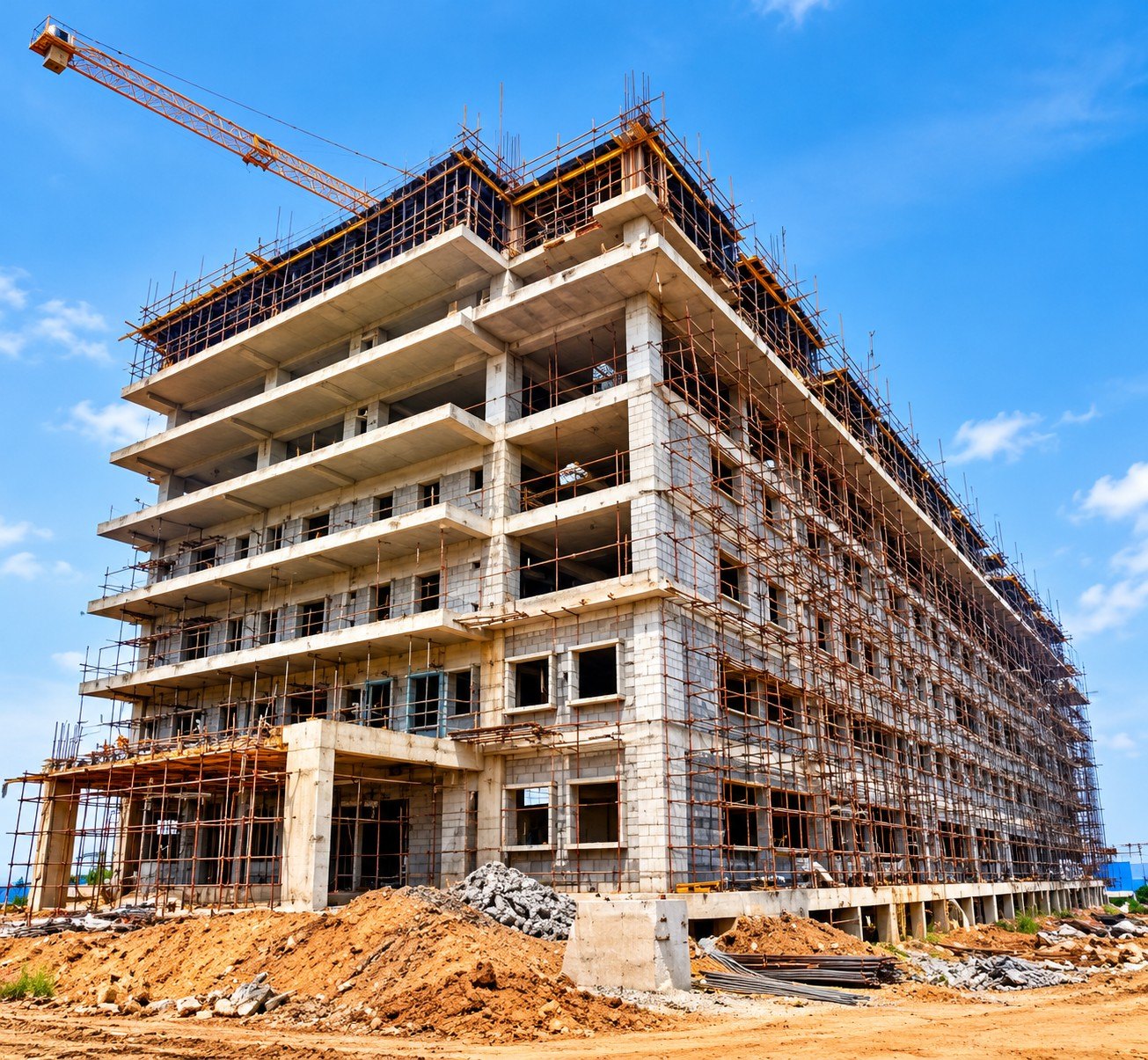
Mayo Hospital in Nagpur is getting a rooftop helipad. The helipad will be built on top of the new 11-storey medical complex under construction at the Indira Gandhi Government Medical College and Hospital (IGGMCH) premises. Furthermore, it will allow critical patients from remote areas of central India to be brought directly by air to Nagpur. As a result, life-saving treatment within the golden hour will become possible for patients who previously had no option but slow road transport.

The 11-storey medical complex is being built at a cost of approximately Rs 146 crore. Moreover, the entire building is expected to be handed over to Mayo Hospital administration by 2027. Therefore, Nagpur’s oldest and most important government hospital is on the verge of a major transformation.

What the Helipad Will Do — The Golden Hour Angle

The golden hour is the most critical concept in emergency medicine. Furthermore, it refers to the first 60 minutes after a traumatic injury or medical emergency — the period during which prompt treatment most significantly improves survival chances.

For patients suffering brain disorders, heart attacks or other life-threatening conditions in remote areas of central India — Gadchiroli, Gondia, Chandrapur, Balaghat, Yavatmal — reaching Nagpur by road can take two to four hours or more. Moreover, road conditions in remote tribal and forest areas further extend this travel time. As a result, many critical patients arrive at Nagpur hospitals long after the golden hour has passed.

The rooftop helipad on Mayo Hospital’s new building directly solves this problem. Furthermore, a helicopter can cover the same distance in 30 to 45 minutes. Therefore, patients who would previously arrive too late for optimal intervention will now have a genuine fighting chance.

Officials confirmed that the helipad is specifically designed to avoid delays in road transport. Moreover, it will be particularly valuable for brain disorder cases — where every minute of delayed treatment increases the risk of permanent neurological damage — and heart patients where early intervention is critical.

The 11-Storey Medical Complex — What Is Being Built

The new medical complex at Mayo Hospital is a major infrastructure investment. Furthermore, it started as a seven-storey building proposal. However, a revised plan added four more floors. As a result, the final structure will be 11 storeys tall.

The complex is being built within the existing Mayo Hospital premises at a cost of approximately Rs 146 crore. Moreover, Union Minister Nitin Gadkari performed the groundbreaking ceremony for various development works at Mayo Hospital in February 2024. Therefore, work on the medical complex has gained significant pace since then.

The building will be a modern, purpose-built medical facility. Furthermore, it will add substantial new capacity to one of central India’s most important government hospitals. The rooftop helipad will sit at the apex of this 11-storey structure — giving arriving helicopters direct access to the hospital facility without any ground-level transport delay.

How Mayo Hospital’s Capacity Will Grow

The new medical complex will dramatically expand Mayo Hospital’s capacity. Furthermore, this is one of the most significant upgrades to Nagpur’s public healthcare infrastructure in decades.

Currently, Mayo Hospital operates with a certain bed capacity that has long been insufficient for the volume of patients it serves. Moreover, the hospital draws patients not just from Nagpur but from across Vidarbha and even neighbouring states like Chhattisgarh and Madhya Pradesh. As a result, overcrowding has been a persistent challenge.

The new 11-storey complex initially planned for approximately 500 beds. However, efforts are now underway to increase this to approximately 600 beds. Furthermore, once the entire project is complete, Mayo Hospital’s total bed capacity is expected to reach approximately 1,350.

Moreover, there is also a possibility of increasing seats for postgraduate medical education at the institution. Therefore, the expansion benefits not just patients but also the next generation of medical professionals training at this historic institution.

Why Mayo Hospital Matters — Its Role in Central India’s Healthcare

Mayo Hospital — officially the Indira Gandhi Government Medical College and Hospital — is one of the oldest and most significant government medical institutions in central India. Furthermore, it serves as the primary referral centre for government healthcare across Vidarbha’s six districts and beyond.

For millions of patients across Vidarbha, Marathwada and parts of Madhya Pradesh and Chhattisgarh, Mayo Hospital is where the most complex government healthcare is available. Moreover, it provides free or highly subsidised treatment to patients from economically weaker backgrounds who cannot afford private hospital costs.

Therefore, every upgrade to Mayo Hospital’s infrastructure has an impact that extends far beyond Nagpur city. Furthermore, the helipad specifically addresses the healthcare gap for patients in the most remote and underserved areas — tribal communities in Gadchiroli, farmers in Yavatmal, residents of forest areas in Gondiya — who are furthest from quality medical care and most vulnerable to the consequences of delay.

Gadkari’s Role in Mayo Hospital’s Modernisation

Union Minister Nitin Gadkari’s involvement in Mayo Hospital’s development is significant. Furthermore, the February 2024 groundbreaking ceremony he performed gave the hospital’s modernisation visible political momentum.

Gadkari has consistently used his position to direct development resources toward Nagpur’s public infrastructure — from roads and flyovers to the Futala Musical Fountain and now Mayo Hospital. Moreover, his involvement signals that the hospital’s development trajectory has support at the central government level as well as state level.

As a result, the Rs 146 crore investment in the new medical complex — and the additional cost of the helipad infrastructure — is part of a sustained and politically backed effort to make Nagpur’s government healthcare system worthy of the city’s growing status as central India’s most important urban centre.

What the 2027 Timeline Means for Nagpur Patients

The entire 11-storey medical complex is expected to be handed over to Mayo Hospital administration by 2027. Furthermore, this is approximately 12 to 18 months from now.

For patients and their families, this timeline means that the helipad, the additional bed capacity and the new facilities will be operational within the next year and a half. Moreover, the expansion to 1,350 total beds will significantly reduce the overcrowding that currently forces patients to wait or be turned away.

However, the handover timeline is dependent on construction progress remaining on schedule. Furthermore, government construction projects in India frequently face delays due to contractor issues, material supply problems or administrative hurdles. Therefore, Nagpur Updates will monitor construction progress and report on any updates to the 2027 timeline.

What This Means for Nagpur as a Medical Hub

The Mayo Hospital helipad is one more piece in a larger picture of Nagpur developing as central India’s premier medical destination. Furthermore, the city already has a strong network of government and private hospitals — GMCH, Lata Mangeshkar Hospital, AIIMS Nagpur and various super-speciality private facilities.

The addition of air emergency capability at Mayo Hospital — a government institution accessible to all income levels — fills a specific and important gap. Moreover, it positions Nagpur as a city where even the most remote and critically ill patient can reach world-class government medical care within the golden hour.

Furthermore, as GMR expands Nagpur Airport with increased flight capacity and better infrastructure, the overall air connectivity of the city improves — which also benefits air ambulance operations. Therefore, the helipad at Mayo Hospital and the airport expansion are complementary developments that together strengthen Nagpur’s role as central India’s emergency medical hub.

चिखलदरा ग्लास स्काईवॉक 2026: लगभग तैयार — बस दो मंजूरियां बाकी.

विदर्भ की सबसे बहुप्रतीक्षित पर्यटन परियोजना अब अपने अंजाम के करीब है। चिखलदरा का 407 मीटर लंबा ग्लास स्काईवॉक लगभग तैयार हो चुका है। इसके अलावा, यह एशिया का तीसरा सबसे बड़ा स्काईवॉक है। अब केवल दो अंतिम मंजूरियां बाकी हैं। इसलिए, जिसे “विदर्भ का स्वर्ग” कहा जाता है वह चिखलदरा जल्द ही भारत के एडवेंचर टूरिज्म मानचित्र पर एक बड़ा नाम बनने वाला है।

यह परियोजना वर्षों से बन रही है। इसके अलावा, कोविड-19 की देरी और कई क्लियरेंस की बाधाओं को पार करते हुए यह यहां तक पहुंची है। इसलिए, यह खबर कि यह लगभग तैयार है — विदर्भ के लिए एक ऐतिहासिक उपलब्धि है।

चिखलदरा ग्लास स्काईवॉक क्या है — पूरी जानकारी

चिखलदरा स्काईवॉक केवल एक पुल नहीं है। यह एक विश्व स्तरीय इंजीनियरिंग चमत्कार है। इसके अलावा, यह महाराष्ट्र के सबसे संवेदनशील पारिस्थितिक और दृश्य रूप से शानदार स्थान पर बना है।

स्काईवॉक की लंबाई 407 मीटर है। बीच में 100 मीटर का ग्लास डेक होगा। इसके अलावा, यह दुनिया का पहला सिंगल-केबल रोप सस्पेंशन ब्रिज होगा। यह संरचना घाटी की सतह से लगभग 100 मीटर यानी 328 फीट ऊपर है। इसलिए, ग्लास सेक्शन पर चलते समय आप सीधे 100 मीटर नीचे गहरी घाटी देखेंगे।

स्काईवॉक चिखलदरा के दो प्रसिद्ध व्यूपॉइंट — हरिकेन पॉइंट और गोरेघाट पॉइंट — को जोड़ता है। इसके अलावा, यह मेलघाट टाइगर रिजर्व के बफर जोन के ऊपर से गुजरता है। इसलिए, पर्यटक सीधे ऊपर से टाइगर रिजर्व के जंगल, वन्यजीव गलियारे और घाटियां देख सकेंगे।

यह स्विट्जरलैंड के 397 मीटर और चीन के 360 मीटर लंबे स्काईवॉक से भी लंबा है। इसलिए चिखलदरा का स्काईवॉक इन दोनों से आगे निकल जाएगा।

इसे कौन बना रहा है और लागत कितनी है

सिटी एंड इंडस्ट्रियल डेवलपमेंट कॉर्पोरेशन (CIDCO) इस परियोजना को ₹34.34 करोड़ की लागत से विकसित कर रही है। इसके अलावा, CIDCO ने यह ठेका Apicon Construction Company को दिया है जिसने फरवरी 2019 में काम शुरू किया था।

परियोजना मूल योजना से काफी अधिक समय लेकर आई है। मूल लक्ष्य फरवरी 2021 था। हालांकि, कोविड-19 महामारी और कई मंजूरियों में देरी की वजह से समयसीमा कई साल आगे खिसक गई। लेकिन अब परियोजना अंतिम चरण में है। इसलिए, एक लंबे इंतजार का अंत वाकई सामने दिख रहा है।

कौन सी दो मंजूरियां अभी बाकी हैं

स्काईवॉक संरचनात्मक रूप से लगभग पूरा हो चुका है। हालांकि, सार्वजनिक रूप से खोलने से पहले दो अंतिम मंजूरियां अभी बाकी हैं।

पहली मंजूरी संरचनात्मक सुरक्षा प्रमाणीकरण है। इसके अलावा, इस ऊंचाई और पैमाने पर बने स्काईवॉक के लिए — जहां सैकड़ों पर्यटक एक साथ ग्लास फर्श पर चलेंगे — कठोर स्वतंत्र सुरक्षा सत्यापन जरूरी है। इसलिए, इस प्रक्रिया में लोड टेस्टिंग, केबल तनाव जांच और ग्लास पैनल की मजबूती का आकलन शामिल है।

दूसरी मंजूरी मेलघाट टाइगर रिजर्व से संबंधित है। इसके अलावा, वन और वन्यजीव अधिकारियों को यह सुनिश्चित करना है कि स्काईवॉक की संरचना और संचालन वन्यजीव आवाजाही और पारिस्थितिक अखंडता को प्रभावित न करें।

दोनों मंजूरियां कुछ हफ्तों में मिलने की उम्मीद है। इसके अलावा, अधिकारी इस बात को लेकर आश्वस्त हैं कि इस अंतिम चरण में कोई बाधा नहीं आएगी। इसलिए, चिखलदरा ग्लास स्काईवॉक का खुलना अब केवल “कब” का सवाल है — “अगर” का नहीं।

विदर्भ पर्यटन के लिए यह क्यों महत्वपूर्ण है

विदर्भ में हमेशा से असाधारण प्राकृतिक पर्यटन संपदा रही है। इसके अलावा, चिखलदरा खुद एक अनोखा गंतव्य है — विदर्भ का एकमात्र हिल स्टेशन जो 1,088 मीटर की ऊंचाई पर है। यहां वन्यजीव, व्यूपॉइंट, झीलें और झरने भरपूर हैं।

हालांकि, विदर्भ की पर्यटन क्षमता हमेशा कम आंकी गई है। इसके अलावा, यह क्षेत्र पश्चिम महाराष्ट्र के महाबलेश्वर, लोनावाला, माथेरान जैसे हिल स्टेशनों की तुलना में हमेशा पीछे रहा है।

ग्लास स्काईवॉक इस समीकरण को पूरी तरह बदल देगा। इसके अलावा, अधिकारियों को उम्मीद है कि स्काईवॉक पूरा होने से चिखलदरा और मेलघाट क्षेत्र को अंतरराष्ट्रीय पहचान मिलेगी। इसलिए, चिखलदरा एक राष्ट्रीय और अंतरराष्ट्रीय एडवेंचर टूरिज्म डेस्टिनेशन बन सकता है।

पर्यटकों का अनुभव कैसा होगा

पर्यटक ग्लास फर्श वाले सस्पेंडेड प्लेटफॉर्म पर चल सकेंगे। इसके अलावा, 100 मीटर के ग्लास सेक्शन में पूरे नाटकीय अनुभव का असर महसूस होगा।

ग्लास पर चलना मनोवैज्ञानिक रूप से बेहद रोमांचक होता है। इसके अलावा, 100 मीटर ऊपर से मेलघाट टाइगर रिजर्व के घने जंगल और घाटियां देखना मध्य भारत में कहीं भी उपलब्ध नहीं है। इसके अलावा, सिंगल-केबल सस्पेंशन डिजाइन से ब्रिज में स्वाभाविक लचीलापन होगा जो रोमांच को और बढ़ाएगा।

नागपुर से चिखलदरा कैसे पहुंचें

चिखलदरा नागपुर से लगभग 250 किलोमीटर दूर है। इसके अलावा, सबसे सुविधाजनक रास्ता नागपुर-मुंबई समृद्धि महामार्ग से अमरावती और फिर NH53 से चिखलदरा है। सड़क मार्ग से लगभग तीन से चार घंटे लगते हैं।

इसके अलावा, अमरावती से चिखलदरा लगभग 100 किलोमीटर है। हालांकि, नागपुर से आने वाले पर्यटकों के लिए रात रुकने की सलाह दी जाती है। इसलिए, गोरेघाट पॉइंट के पास MTDC हॉलिडे रिसॉर्ट या स्थानीय रिसॉर्ट में अग्रिम बुकिंग करें।

स्काईवॉक खुलने के बाद सप्ताहांत में चिखलदरा में आवास बुकिंग काफी मुश्किल हो जाएगी। इसलिए, पहले से योजना बनाएं और जल्दी बुकिंग करें।

Chikhaldara Glass Skywalk 2026: Almost Ready — Only Two Final Approvals Stand Between Vidarbha and Its Biggest Tourism Revolution

Vidarbha’s most anticipated tourism project is finally within reach. The 407-metre glass skywalk at Chikhaldara — Asia’s third-largest skywalk and potentially the most spectacular — is nearing completion. Furthermore, only two final approvals now stand between this world-class attraction and its opening to the public. As a result, the hill station that has long been called the “heaven of Vidarbha” is about to become a major destination on India’s adventure tourism map.

The project has been years in the making. Moreover, it has survived pandemic-related delays, multiple clearance hurdles and construction challenges in a remote hill station location. Therefore, the news that it is almost ready represents a genuine milestone — not just for Chikhaldara and Amravati district, but for all of Vidarbha.

What the Chikhaldara Glass Skywalk Is — The Full Picture

The Chikhaldara skywalk is not simply a bridge. Furthermore, it is a world-record-level engineering achievement built in one of Maharashtra’s most ecologically sensitive and visually stunning locations.

The skywalk is 407 metres long and will have a 100-metre glass deck section in the middle. Furthermore, it will be the world’s first single-cable rope suspension bridge — a structural innovation that has never been attempted before at this scale anywhere in the world. The bridge stands 328 feet — approximately 100 metres — above the valley floor. Therefore, walking on the glass section will mean standing 100 metres above a deep valley with an unobstructed view directly below your feet.

The skywalk connects two of Chikhaldara’s most famous viewpoints — Hurricane Point and Goreghat Point. Moreover, the bridge passes over the buffer zone of the Melghat Tiger Reserve. As a result, visitors will be able to see the tiger reserve’s forests, wildlife corridors and valleys from directly above — an experience that exists nowhere else in India.

The structure is expected to be among the tallest and most impressive skywalks in Asia. Furthermore, it is Asia’s third-largest skywalk. The longest glass skywalks currently operational are in Switzerland at 397 metres and China at 360 metres. Therefore, at 407 metres, Chikhaldara’s skywalk surpasses both.

Who Is Building It and What It Costs

The City and Industrial Development Corporation (CIDCO) is developing the project at a cost of Rs 34.34 crore. Furthermore, CIDCO has given the contract to Apicon Construction Company, which started work in February 2019.

The project has taken significantly longer than originally planned. Moreover, the original completion target was February 2021. As a result of the Covid-19 pandemic and multiple clearance delays, the timeline stretched by several years. However, the project is now in its final stage. Therefore, the end of a very long wait is genuinely in sight.

The Two Approvals That Are Still Pending

The skywalk is structurally near-complete. However, two final approvals are still awaited before it can open to the public.

The first is a structural safety certification. Furthermore, a skywalk at this height and scale — carrying hundreds of visitors at a time on a glass floor over a deep valley — requires rigorous independent safety verification. This is not a bureaucratic formality. It is a genuine engineering necessity. Moreover, the certification process involves load testing, cable tension verification and glass panel integrity assessment. Therefore, it takes time to complete properly.

The second approval involves clearances related to the Melghat Tiger Reserve. Furthermore, the skywalk passes over the reserve’s buffer zone. As a result, forest and wildlife authorities need to confirm that the structure and its operations do not adversely affect wildlife movement, noise levels in the reserve or the ecological integrity of the area.

Both approvals are expected to be received within weeks. Moreover, officials are confident that no substantive objection will arise at this late stage of the project. As a result, Chikhaldara’s glass skywalk opening is now a matter of when — not if.

Why This Project Matters for Vidarbha Tourism

Vidarbha has always had extraordinary natural tourism assets. Furthermore, Chikhaldara itself is a unique destination — the only hill station in the Vidarbha region, located at 1,088 metres above sea level, offering abundant wildlife, viewpoints, lakes and waterfalls.

However, Vidarbha’s tourism potential has historically been underutilised. Moreover, the region has always played second fiddle to western Maharashtra’s more famous hill stations — Mahabaleshwar, Lonavala, Matheran — in terms of tourist arrivals and infrastructure investment.

The glass skywalk changes this equation fundamentally. Furthermore, officials expect that the completion of the skywalk will provide international recognition to tourism in the Chikhaldara and Melghat regions. Moreover, the project is expected to attract visitors from across India and international travellers eager to walk on the world’s longest glass bridge.

As a result, Chikhaldara could shift from a niche destination for Nagpur and Amravati residents into a nationally and internationally recognised adventure tourism spot. Furthermore, the Melghat Tiger Reserve backdrop adds a wildlife dimension that no other glass skywalk in India can offer.

What the Experience Will Be Like for Visitors

Visitors will be able to walk on a suspended platform with glass floors, offering an unobstructed view of the valleys below. Furthermore, the 100-metre glass section in the centre of the bridge is where the full dramatic impact of the experience hits.

Walking on glass is psychologically intense even when the structure is completely safe. Moreover, at 100 metres above a deep forested valley, with the Melghat Tiger Reserve stretching to the horizon in every direction, the sensory experience is unlike anything available at any other tourism site in central India. Furthermore, the single-cable suspension design means the bridge has a natural flex and movement that adds to the thrill.

The experience promises to be thrilling yet safe, with expert design and engineering ensuring that the skywalk is both a secure and memorable experience for all. Moreover, the skywalk connects two specific viewpoints — Hurricane Point and Goreghat Point — that are already among Chikhaldara’s most visited scenic spots. Therefore, even visitors who choose not to walk the glass section can access spectacular views from both ends of the bridge.

How to Reach Chikhaldara from Nagpur

Chikhaldara is approximately 250 kilometres from Nagpur. Furthermore, the most convenient route is via the Nagpur-Mumbai Samruddhi Mahamarg expressway to Amravati and then northwest on NH53 toward Chikhaldara. The journey takes approximately three to four hours by road.

Moreover, Chikhaldara can also be reached from Amravati city — approximately 100 kilometres away — making it a viable day trip for Amravati residents. However, for visitors coming from Nagpur or farther, an overnight stay in Chikhaldara is recommended. Therefore, booking accommodation at the MTDC Holiday Resort near Goreghat Point or at private resorts in the area is advisable.

As a result of the skywalk’s impending opening, accommodation in Chikhaldara is expected to become significantly harder to book on weekends. Therefore, plan ahead and book early.

What Nagpur Updates Will Report Next

Nagpur Updates will report immediately when the two pending approvals are received and an official opening date is announced. Furthermore, we will publish a complete visitor guide — including ticket prices, visiting hours, booking process and travel tips — as soon as details are officially released.

Nagpur Water Sports Tourism: 9 Lakes Are Ready — Now the City Needs the Political Will to Act

Nagpur has always been known as the city of lakes. However, its lakes have always been used for just one thing — looking at them. That is now about to change. The city has more than 9 major lakes including Gorewada, Ambazari, Futala, Shukrawari, Sonegaon, Naik, Sakkardara, Lendi and Baradwari near Pardi. Furthermore, years of cleaning, deepening and beautification work have transformed several of them. As a result, Nagpur is ready for water sports tourism. What it needs now is political and administrative will.

What Has Already Been Done — The Foundation Is Ready

Significant work has already been completed on Nagpur’s lakes. Furthermore, Union Minister Nitin Gadkari and Chief Minister Devendra Fadnavis have both actively pushed for lake restoration across the city.

Ambazari Lake has been freed from water hyacinth. Furthermore, the lake’s surface is now cleaner and more accessible than it has been in years. Moreover, Gadkari has already announced that boating will begin at Ambazari Lake. Therefore, the groundwork for water sports at this lake is already being laid.

Futala Lake is getting a Musical Fountain with a viewing gallery for more than 1,200 spectators. Furthermore, the Italian RGBA LED lighting system is already installed. As a result, Futala is transforming into Nagpur’s premier evening entertainment destination — and a perfect base for water-based tourism activities.

Sonegaon and Shukrawari lakes have undergone years of cleaning and deepening. Moreover, the water in both lakes is visibly cleaner than it was five years ago. Therefore, both are now suitable for water activities that were not previously possible.

Why These Lakes Are Perfect for Water Sports

Most of Nagpur’s lakes do not supply drinking water. Furthermore, Gorewada Lake is the only exception — its water goes into the city’s water supply system. Therefore, all other major lakes are free from the restrictions that apply to drinking water reservoirs.

This is the key fact that makes water sports tourism viable in Nagpur. Moreover, these lakes are located within or very close to the city. As a result, they are accessible to both Nagpur residents for regular recreation and tourists visiting the city for a short trip.

Furthermore, the lakes vary in size and character. Larger lakes like Ambazari and Gorewada can support bigger water sports events. Smaller lakes like Sakkardara and Lendi are suitable for gentler water activities and family recreation.

The Kerala Model — Mini Snake Boat Race for Nagpur

One of the most exciting proposals emerging from the water sports tourism discussion is inspired by Kerala’s famous Vallam Kali — the traditional snake boat race held on Kerala’s backwaters every year. Moreover, the Kerala snake boat race draws lakhs of tourists from across India and abroad every year.

Nobody is suggesting that Nagpur can replicate the scale of Kerala’s 100-metre-long snake boats on its lakes. However, a mini version of a boat race — designed specifically for the size and conditions of Nagpur’s lakes — is entirely achievable. Furthermore, it could create exactly the kind of unique annual event that puts Nagpur on the tourism calendar.

Ambazari Lake, with its significant surface area and scenic surroundings, is the most obvious candidate for such an event. Moreover, Gadkari’s announcement of boating at Ambazari provides the perfect foundation on which a structured boat racing event can be built. As a result, combining the boating infrastructure with a competitive event would multiply the tourism value significantly.

What Water Sports Activities Are Possible at Each Lake

Different lakes suit different water sports activities. Here is how Nagpur’s lakes can be matched to specific activities.

Ambazari Lake — the largest and most accessible lake in the city — is ideal for rowing, kayaking, pedal boating and competitive boat races. Furthermore, the scenic Ambazari Garden surrounding the lake creates a natural spectator space for events.

Futala Lake — already being developed as an entertainment hub with the Musical Fountain — is perfect for evening pedal boating and leisure water activities that complement the fountain shows. Moreover, the 1,200-seat viewing gallery can double as a spectator area for water events.

Gorewada Lake — while restricted from water sports due to its drinking water status — has the Gorewada International Zoo on its shores. Therefore, the zone around Gorewada can support water-adjacent tourism such as wildlife boat safaris on the zoo’s water bodies.

Sonegaon and Shukrawari Lakes — cleaned and deepened in recent years — are suitable for kayaking, water cycling and small boat activities. Furthermore, their proximity to residential areas makes them ideal for regular weekend recreational water sports.

Sakkardara, Naik, Lendi and Baradwari Lakes — smaller but revitalized — can support local community water sports events and youth training programmes. Moreover, using these lakes for water sports creates local economic activity in the surrounding neighbourhoods.

The Tourism Case — What Water Sports Can Do for Nagpur

Nagpur is a city that has invested heavily in infrastructure over the past decade. Metro rail, the GMR airport expansion, MIHAN, the new Vidhan Bhavan — these are all major investments. However, leisure tourism infrastructure has lagged behind.

Water sports tourism fills this gap directly. Furthermore, it creates a category of visitor activity that Nagpur currently cannot offer. A tourist visiting Nagpur for a weekend — attending a cricket match at VCA Stadium or exploring Tadoba — has very limited leisure options within the city itself.

Add water kayaking at Ambazari, an evening boat ride at Futala after the Musical Fountain show, and a snake boat race event at Sonegaon — and Nagpur suddenly has a leisure tourism offering that competes with much larger cities. Moreover, water sports tourism creates employment for local boat operators, safety staff, equipment suppliers and event organizers.

What Gadkari Has Said — The Political Signal

Union Minister Nitin Gadkari’s announcement of boating at Ambazari Lake is not just an infrastructure commitment. Furthermore, it is a political signal that water-based tourism in Nagpur has arrived at the agenda of the city’s most powerful political figure.

Gadkari has consistently connected infrastructure investment with economic development. Moreover, his track record of turning announced projects into completed infrastructure — from Nagpur’s outer ring road to the MIHAN expressway to the upcoming Futala fountain — gives his water sports announcement credibility that similar announcements from other politicians might not carry.

Therefore, the political will that observers say is the only missing ingredient for Nagpur’s water sports tourism push may already be present. What is now needed is for the civic and tourism administration to translate that political signal into a concrete project plan — with timelines, budgets and an events calendar.

What Needs to Happen Next

Three specific steps would unlock Nagpur’s water sports tourism potential quickly. First, the Ambazari boating project needs a formal launch with licensed operators, safety infrastructure and a defined tariff structure. Furthermore, this should happen before the end of 2026.

Second, a Nagpur Lakes Water Sports Policy should be drafted by NMC in consultation with the Maharashtra Tourism Development Corporation. Moreover, this policy should define which water sports are permitted at which lakes, the licensing process for operators and the environmental safeguards required.

Third, an annual Nagpur Water Festival — centred on a mini boat race at Ambazari Lake — should be planned for 2027. Furthermore, this event should be promoted at the national level through Maharashtra tourism channels. As a result, it could draw visitors from across Vidarbha, Maharashtra and beyond.

Nagpur has the lakes. Nagpur has the infrastructure investment. Nagpur has the political support. The water sports tourism revolution is ready to begin.

Babulkheda Nature Tourism Nagpur: ₹14.61 Crore Approved for 12 Development Works Near Panchmukhi Hanuman Temple

Nagpur district is getting a major nature tourism boost. The Maharashtra government has approved ₹14.61 crore for 12 development works at the Babulkheda Nature Tourism zone. Furthermore, this area is located near the famous Panchmukhi Hanuman Temple in Patansawangi, Saoner tehsil. The Forest Department will implement all 12 approved works.

This development will benefit both religious tourists and nature lovers. Moreover, Babulkheda is already a popular destination for Nagpur and nearby district residents. As a result, better infrastructure here will attract even more visitors throughout the year.

Where Is Babulkheda and Why It Matters

Babulkheda is located in Patansawangi village in Saoner tehsil of Nagpur district. Furthermore, it sits adjacent to the well-known Panchmukhi Hanuman Temple. This temple draws large numbers of devotees every day from Nagpur and surrounding areas.

However, despite high footfall, the area has lacked basic amenities for years. Permanent parking, rest houses and proper pathways have been missing. Moreover, the temple committee chairperson Dilip Kukde confirmed that demands for these facilities have been pending with the government for a long time. Therefore, the ₹14.61 crore approval is a significant breakthrough for this pilgrimage and tourism destination.

The 12 Development Works — Full Details

The Maharashtra government has approved 12 specific works under this project. Here is what will be built at the Babulkheda Nature Tourism zone.

First, metal fencing for the vehicle parking area will receive ₹1.04 crore. This will create a structured and secure parking zone for the large number of vehicles that arrive daily. Second, metal fencing and public toilet construction at other locations will also receive ₹1.04 crore. Furthermore, clean public toilets are a basic need that devotees have long complained is missing.

Third, a boundary wall for the parking area will receive approximately ₹4.91 crore. This is the single largest individual allocation in the project. Moreover, a proper boundary wall will prevent encroachment and create a defined, organised entry zone for tourists and devotees.

Fourth, and most exciting for adventure tourists, land stabilisation work for 8 trekking trails, an All Terrain Vehicle (ATV) track and a bamboo walking trail will receive approximately ₹27.50 lakh. Furthermore, these adventure facilities will give younger visitors and nature enthusiasts a completely different experience from the temple visit. As a result, Babulkheda will attract both spiritual and adventure tourism simultaneously.

What ATV Track and Trekking Trails Mean for Visitors

The inclusion of an ATV track and trekking trails is significant. Moreover, it signals that the government is positioning Babulkheda as more than just a religious site.

An ATV track allows visitors to ride all-terrain vehicles through the natural landscape. Furthermore, 8 separate trekking trails of varying difficulty levels mean both casual walkers and serious trekkers will find suitable paths. In addition, the bamboo walking trail is an eco-friendly addition that allows visitors to experience the forest environment closely.

However, before these facilities open, land stabilisation work is essential. Uneven terrain must be levelled and reinforced. As a result, the trails will be safe and accessible for visitors of all fitness levels.

Why Forest Department Is Implementing This Project

The Maharashtra Forest Department is the executing agency for all 12 works. This is appropriate for a nature tourism zone. Furthermore, the Forest Department has experience developing eco-tourism infrastructure across Maharashtra’s forest areas.

Moreover, Forest Department implementation ensures that development work follows ecological guidelines. As a result, the natural character of the Babulkheda zone is protected even as tourism infrastructure improves. This balance between development and nature conservation is central to any successful eco-tourism project.

What the Temple Committee Is Still Demanding

Despite the ₹14.61 crore approval, the Panchmukhi Hanuman Temple committee says more is still needed. Committee chairperson Dilip Kukde told reporters that devotees continue to face significant challenges. Specifically, the committee is demanding three facilities that are not yet included in the current approval.

First, a permanent, well-designed parking facility separate from the nature tourism parking. Second, a yatri niwas — a rest house — where devotees travelling from distant areas can stay overnight. Third, a sabhagruha — an auditorium — for large religious events and gatherings that the temple regularly hosts.

Therefore, while today’s ₹14.61 crore approval is a major step forward, the temple committee considers it the beginning rather than the end of the development process.

What This Means for Saoner and Nagpur Tourism

Babulkheda’s development fits into a broader pattern of tourism infrastructure investment around Nagpur. The city’s tourism potential extends well beyond the city limits. Furthermore, areas like Babulkheda, Pench, Tadoba and Umred-Karhandla form a ring of natural and religious tourism destinations around Nagpur.

Moreover, better infrastructure at Babulkheda makes it an easier day-trip destination for Nagpur residents. The Saoner tehsil location means it is within an hour’s drive from central Nagpur. As a result, families, youth groups and religious organisations from the city will find Babulkheda a convenient and enriching outing option.

In addition, the combination of religious tourism at the Panchmukhi Hanuman Temple and adventure tourism at the ATV track and trekking trails makes Babulkheda a unique multi-purpose destination. Furthermore, this dual character will help attract a wider age range of visitors.

What Happens Next

The Forest Department will now begin the tendering process for all 12 approved works. Furthermore, construction timelines will be finalised once contractors are appointed. Nagpur Updates will track the progress of these works and report on when each facility is ready for public use.

Kamptee Is Getting a ₹100 Crore World-Class Sports Complex — And the Facilities List Will Surprise You

Kamptee Sports Complex: Kamptee taluka in Nagpur district is about to get a major upgrade. The Maharashtra government has approved a special grant of ₹100 crore for the development of the District Sports Complex in Kamptee. This approval goes beyond the existing grant limit set under state policy. It signals a serious commitment to building world-class sports infrastructure in the Nagpur region.

The state cabinet gave its final administrative approval on June 25, 2026. A Government Resolution has since been released detailing the full scope of the project. The facilities planned under this project are impressive. They cover athletics, shooting, hockey, basketball, archery, kabaddi, kho-kho, volleyball, football and even golf.

For young sportspersons across Nagpur and Vidarbha, this complex could be a game-changer.


Why ₹100 Crore — The Policy Background

First, it is important to understand why this grant is significant. Maharashtra has a standard grant limit for district sports complexes. Under revised norms issued in March 2022, a newly approved District Sports Complex is eligible for a maximum grant of ₹25 crore.

However, Kamptee’s project is receiving ₹100 crore. That is four times the normal limit. The state approved this additional amount specifically outside the prescribed grant ceiling. This decision came after a detailed proposal submitted by the Directorate of Sports and Youth Services.

The proposal went before the high-level secretaries committee first. That committee cleared it on May 20, 2026. The state cabinet then granted administrative approval on June 25, 2026. Therefore, this is a fully approved, GR-backed project — not just a plan on paper.


The Full Facilities List — Everything Being Built

This is where the project gets exciting. The ₹100 crore grant will fund a comprehensive set of facilities. Here is everything that will be built at the Kamptee District Sports Complex.

Athletics: A 400-metre synthetic athletics track will be the centrepiece of the outdoor facilities. Synthetic tracks significantly reduce injury risk. They also allow athletes to train in all weather conditions. For Nagpur’s runners and field athletes, this is a facility they currently have to travel to Pune or Hyderabad to access.

Shooting Ranges: The complex will have both a 20-metre indoor shooting range and a 50-metre outdoor shooting range — both fully equipped. Shooting is one of India’s strongest Olympic sports. However, quality shooting infrastructure outside Mumbai and Pune is rare in Maharashtra. Kamptee’s ranges will give Vidarbha shooters a home base.

Hockey: A full hockey astroturf field with player facilities is part of the plan. Astroturf is mandatory for modern hockey competitions. Furthermore, the inclusion of player support facilities means this ground can host district and state-level tournaments.

Basketball: A synthetic basketball court with fencing will be built. The fencing allows year-round use without interference from other activities. In addition, it provides a structured training environment for competitive players.

Archery: A dedicated 70-metre archery range is included. Archery has produced some of India’s top international performers. Therefore, a purpose-built range at district level creates a proper development pathway for young archers.

Kabaddi and Kho-Kho: Two kabaddi grounds and two kho-kho grounds are planned. These traditional Indian sports have seen a major revival through professional leagues. Dedicated grounds at a district sports complex support grassroots development of both sports.

Volleyball: One volleyball ground will be developed. Volleyball remains one of the most widely played sports in Maharashtra’s rural and semi-urban areas. A proper ground at the complex gives local players structured training space.

Football: The football ground will receive a sprinkler irrigation system. This keeps the ground surface in good condition throughout the year — including Nagpur’s harsh summer months. Moreover, a well-maintained ground reduces the injury risk for players.


The Hostel — 300 Beds Each for Boys and Girls

One of the most important elements of this project is residential infrastructure. The complex will include separate 300-bed hostels for boys and girls. That is 600 beds in total.

This is significant for a specific reason. Sports talent in Vidarbha is widely spread across rural areas — Amravati, Yavatmal, Wardha, Bhandara, Gondia, Chandrapur and Gadchiroli. Young athletes from these districts who show promise at the district level currently have no affordable place to stay if they want to train seriously in Nagpur.

A 600-bed residential facility changes this entirely. It allows sportspersons from across Vidarbha to relocate to Kamptee for training without the financial burden of private accommodation. Furthermore, residential training environments produce better athletes — they allow coaches to monitor and structure training schedules more effectively.

The hostel buildings are planned as G+1 structures — ground floor plus one upper floor. This design keeps construction costs manageable while providing adequate capacity.


Mini Golf on the Terrace — The Unique Feature

Perhaps the most unusual element of this project is the proposed mini golf facility. It will be built on the terrace of the hostel building.

Mini golf is not a mainstream sport in India. However, its inclusion at a district sports complex reflects a broader trend in Indian sports policy — exposing young athletes to a wider range of sports from an early stage. International sports programmes have consistently shown that multi-sport exposure at the youth level produces better athletes overall. Athletes who develop coordination, focus and spatial awareness through a variety of sports tend to perform better in their primary discipline as well.

Moreover, a rooftop mini golf facility is a creative use of space. It utilises area that would otherwise sit unused and adds a recreational element to what is primarily a high-performance training environment.


What This Means for Kamptee and Nagpur

Kamptee has a strong military history. It has been a cantonment town for generations. However, it has historically lacked the kind of civilian sports infrastructure that its population deserves.

Furthermore, Kamptee taluka’s young population has significant sporting potential. School and college-level competitions in the area regularly produce talented athletes. However, without proper facilities, most of this talent disperses — athletes either migrate to Nagpur city or simply stop pursuing sports seriously after their school years.

The new sports complex addresses this directly. It keeps talent in the area. It provides the infrastructure that converts potential into performance. In addition, the residential hostel means that athletes from across the district can come to Kamptee and train systematically — not just attend occasional competitions.

For Nagpur district overall, the Kamptee complex complements the massive ₹746.99 crore upgrade of the Divisional Sports Complex at Mankapur. Together, these two projects represent the most significant investment in sports infrastructure in the Nagpur region in decades.


When Will Construction Begin?

The Government Resolution has been issued. Administrative approval has been granted by the state cabinet. The next steps are tendering the construction work and appointing a contractor.

However, the specific construction timeline has not yet been officially announced. Nagpur Updates will track and report the tender process, contractor appointment and construction progress as information becomes available.

Mominpura Bridge Nagpur Inauguration in 1-2 Months: Gadkari Confirms — All Details Inside

Mominpura ROB Nagpur: Nagpur’s Mominpura bridge is finally close to opening. Union Minister Nitin Gadkari has confirmed the news. He said the bridge will be inaugurated within one to two months.

This is big news for lakhs of commuters. The area around Mominpura, Kadbi Chowk, and Santra Market is one of the most congested in Nagpur. This bridge will bring major relief.


What Is the Mominpura Bridge?

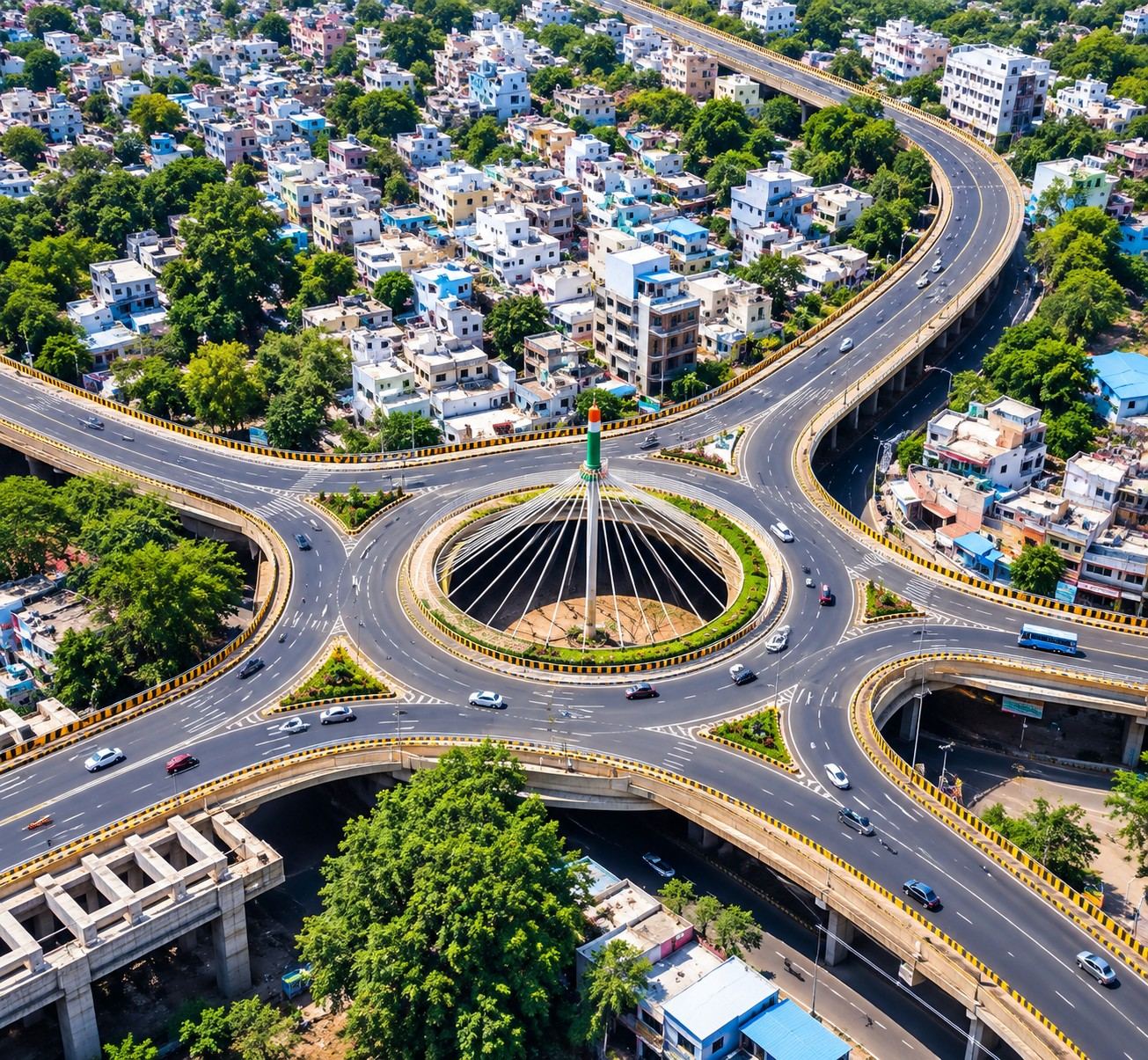
The Mominpura bridge (Mominpura ROB Nagpur) is a Road Over Bridge (ROB). It is also known as a Y-shaped flyover.

It starts near Kadbi Chowk. It passes over the railway tracks in the Mominpura area. It connects the congested central Nagpur road network to key areas nearby.

The bridge is being built by MRIDC — Maharashtra Rail Infrastructure Development Corporation. MRIDC is the agency responsible for most of Nagpur’s major bridge and flyover projects.


Why Has This Bridge Taken So Long?

This project (Mominpura ROB Nagpur) has faced serious delays. The original budget was ₹146 crore. However, the cost rose to ₹185 crore. That is an increase of nearly ₹40 crore.

The main reason for the delay was encroachments. Removing illegal structures near the site took years. It slowed the entire construction process.

However, the project is now in its final stage. Gadkari’s statement about the inauguration timeline shows that the end is near.


What Did Gadkari Say?

Union Minister Nitin Gadkari made this announcement recently.

He confirmed that the Mominpura bridge will be ready for inauguration. His exact words indicated a one to two month timeline.

This came after a high-level review meeting in Nagpur. MRIDC Managing Director Rajesh Kumar Jaiswal presented the project status at that meeting. Gadkari reviewed the update. He then directed all agencies to fast-track the remaining work.


What Was Reviewed at the MRIDC Meeting?

The review meeting covered four major infrastructure projects in Nagpur:

  • Mominpura Road Over Bridge (ROB)
  • Ajni Road Over Bridge (ROB)
  • Jagnade Chowk Flyover
  • Hasanbagh–Nirmal Nagari Flyover

Gadkari also reviewed two projects that are already fully complete and ready for inauguration:

  • ROB at Level Crossing No. 73 (Dipti Signal) on the Itwari–Nagbhir Railway Line
  • Road Under Bridge (RUB) connecting Dipti Signal area with Shantinagar and Lakadganj

Additionally, MRIDC presented proposals for seven new flyovers across Nagpur. The DPRs and drawings for these are already submitted to Mantralaya for approval.


How Will This Bridge Help Commuters?

The Mominpura area is one of Nagpur’s busiest zones.

It sits between Central Nagpur and the railway station area. Thousands of vehicles pass through this zone daily. The narrow roads, railway crossings, and market traffic create massive jams.

The bridge will change this completely. Here is how:

Traffic will go above the road. Vehicles will use the elevated corridor. They will bypass the surface congestion completely.

Railway crossings will be eliminated. Currently, trains passing through the area stop traffic for minutes at a time. The ROB removes this problem entirely.

Travel time will drop significantly. Commuters heading from Central Nagpur toward Mominpura or the railway station will save several minutes every trip.

Air quality will improve. Less idling traffic means less pollution in the area.


Where Does This Project Fit in Nagpur’s Bigger Infrastructure Plan?

Nagpur is going through a major infrastructure transformation.

The city is adding flyovers, ROBs, and underpasses across multiple zones. The goal is to remove all railway level crossings in Maharashtra. Gadkari has announced a vision called “Making Maharashtra Rail Fatak Free”. MRIDC is the key agency implementing this across the state.

In Nagpur alone, over 100 ROBs are at various stages of implementation.

Several have already been inaugurated. For example:

  • The Ajni flyover was inaugurated earlier and connects to Dr. Babasaheb Ambedkar International Airport.
  • Manish Nagar RoB and RuB were dedicated to the public.
  • Nine ROBs across Vidarbha have been completed and opened by Gadkari.

The Mominpura bridge will be the next addition to this growing network.


What About the Other Projects?

Not all projects are moving at the same pace. Here is a quick status update on the others:

Ajni ROB (Laxman Jhula Bridge): This is a ₹332 crore cable-stayed bridge. It replaces a 125-year-old British-era bridge. However, it has faced delays. It missed its pre-monsoon deadline. The project may extend into late 2026 or even 2027.

Jagnade Chowk Flyover: This project has also missed multiple deadlines. The central merger work is still incomplete. Citizens are waiting for a firm reopening date.

Hasanbagh–Nirmal Nagari Flyover: This flyover is also under active construction. The timeline for this project has not been officially announced yet.

So among these four projects, the Mominpura bridge is the most advanced. It is the closest to opening.


Seven New Flyovers Also Proposed

Gadkari also cleared proposals for seven new flyovers in Nagpur.

The DPRs and General Arrangement Drawings are already ready. They have been submitted to Mantralaya for final approval. These flyovers will address congestion in East, Central, and South Nagpur.

Once approved, these projects will go to tender. Construction will begin shortly after. Nagpur’s road network will continue to grow rapidly in the coming years.


Key Facts at a Glance

Detail Information
Project Name Mominpura Road Over Bridge (ROB)
Also Known As Mominpura Y-Shaped Flyover
Location Near Kadbi Chowk, Central Nagpur
Implementing Agency MRIDC
Original Budget ₹146 crore
Revised Cost ₹185 crore
Reason for Delay Encroachments near site
Inauguration Timeline 1-2 months (confirmed by Gadkari)
Key Benefit Eliminates railway crossing jams in Mominpura area
Review Meeting MRIDC + Gadkari high-level meeting, July 2026

What Happens Next?

The remaining work on the Mominpura bridge is now in its final stage.

Gadkari has directed all agencies to resolve pending issues quickly. The inauguration will happen within one to two months from his statement.

Once opened, the bridge will immediately improve traffic flow in one of Nagpur’s most congested areas. It will be a visible sign of the city’s ongoing infrastructure transformation.

For the thousands of commuters who cross this zone every single day — the wait is almost over.

Nagpur Is Getting a World-Class Facility. Here Is Everything You Need to Know.

India largest agricultural convention centre Nagpur | Dabha Nagpur agro centre: A massive project is taking shape in Nagpur. It is on the Amravati Road. The location is near Dabha village. India’s largest International Agricultural Convention and Exhibition Centre is being built here. On July 11, 2026, Chief Minister Devendra Fadnavis visited the site. He reviewed the progress. He expressed full satisfaction with the work.


What Is This Project?

This is a world-class convention and exhibition centre. It is built for agricultural events. However, it will also host other national and international events.

The project is being built on 21.7 hectares of land. This land belongs to Dr. Panjabrao Deshmukh Krishi Vidyapeeth (PDKV). The state government has given this work to MSIDC — Maharashtra State Infrastructure Development Corporation.

CM Fadnavis said this centre will become world-famous. He believes it will give Nagpur a completely new identity.


Where Is It Located?

The location of this centre is a big advantage.

It is just 7.8 km from Zero Mile — the geographic centre of India. The airport is nearby. The railway station is also close.

Most importantly, the site has connectivity from all four directions. This makes it easy for visitors to reach. Whether they come by road, rail, or air — it is convenient for everyone (Dabha Nagpur agro centre).


What Will Be Inside?

This centre will have many world-class facilities. Here is a full list:

  • 2,000-seat auditorium — India’s largest
  • Conference halls for national events
  • Seminar rooms for workshops and discussions
  • Boardrooms for high-level meetings
  • Dining hall for large gatherings
  • Landscaped gardens and fountains outside
  • Massive parking for two-wheelers, four-wheelers, and buses

Every facility inside is modern. Advanced fire safety systems are also being installed throughout the building.


The Star of the Show — India’s Largest Auditorium

The biggest highlight of this project is the auditorium.

It will seat 2,000 people. According to officials, it will be the largest auditorium in India.

Most convention auditoriums in India seat 500 to 1,500 people. So a 2,000-seat purpose-built hall is genuinely historic. It will be capable of hosting massive national conferences and international summits.


How Much Work Is Done? (India largest agricultural convention centre Nagpur)

Superintendent Engineer Naresh Borkar gave a detailed presentation to CM Fadnavis. He confirmed one important fact.

60% of the project is already complete.

This is not just a plan on paper. The structures are rising. The work is progressing on schedule. MSIDC Managing Director Brijesh Dixit and MP Mayatai Iwanate were also present during the visit.


The Nitin Gadkari Connection

This project has a strong connection to Union Minister Nitin Gadkari.

Every year, the AgroVision exhibition is held in this very area. Gadkari has been the driving force behind AgroVision. It is one of India’s biggest agricultural exhibitions. Farmers, companies, and policymakers come from across the country.

However, every year the event used temporary setups. There was no permanent venue. That problem is now being solved. The convention centre will give AgroVision a permanent, world-class home.


Why This Matters for Nagpur | India largest agricultural convention centre Nagpur

Nagpur is already India’s geographic centre. Therefore, it is a natural hub for national events.

Until now, cities like Delhi, Mumbai, and Hyderabad dominated India’s convention and exhibition space. Nagpur lacked a world-class venue to compete.

This centre changes that completely. It gives Nagpur the infrastructure to host:

  • International agricultural summits
  • Government policy conferences
  • Corporate exhibitions and product launches
  • National farming events
  • Cultural and public gatherings

CM Fadnavis is confident. He said this centre will put Nagpur on the global map as a convention destination.


Why This Matters for Vidarbha’s Farmers | India largest agricultural convention centre Nagpur

Vidarbha has long faced an agrarian crisis. Cotton farmers here deal with debt, drought, and distress every year.

But Vidarbha also has massive agricultural potential. What farmers here have lacked is visibility and access. They need platforms to connect with markets, technology, and policymakers.

This convention centre creates that platform. It brings global attention to the region. It gives farmers, agri-startups, and researchers a permanent place to meet and collaborate.

That is the deeper promise of this project.


PDKV’s Role in This Project

The land for this centre belongs to Dr. Panjabrao Deshmukh Krishi Vidyapeeth (PDKV). It is a leading agricultural university in Maharashtra.

Using agricultural university land for an agricultural convention centre makes perfect sense. It connects education, research, and public infrastructure in one location.


Quick Facts Table

Detail Information
Project Name International Agricultural Convention & Exhibition Centre
Location Dabha, Amravati Road, Nagpur
Land Area 21.7 Hectares
Land Owner PDKV (Dr. Panjabrao Deshmukh Krishi Vidyapeeth)
Builder MSIDC
Distance from Zero Mile 7.8 km
Auditorium Capacity 2,000 seats
Current Progress 60% complete
Reviewed By CM Devendra Fadnavis
Key Inspiration Nitin Gadkari’s AgroVision Exhibition

What Happens Next?

The remaining 40% of work covers finishing, landscaping, internal systems, and safety installations.

No official inauguration date has been announced yet. However, the pace of work is strong. CM Fadnavis’s direct involvement shows the government’s seriousness about this project.

Once complete, this will be a landmark for Nagpur. It will also be a landmark for Indian agriculture.


The Bottom Line

India’s largest agricultural convention centre is rising in Nagpur.

It sits on 21.7 hectares. It will have a 2,000-seat auditorium. Six out of ten parts of the work are already done.

This project started as Nitin Gadkari’s vision. Now it is becoming real. For Nagpur, for Vidarbha, and for Indian farming — this is a moment worth celebrating.

GMR Is Going After FedEx and UPS for Nagpur — And If It Works, It Could Be the Biggest Economic Win for Vidarbha in a Generation

Nagpur airport FedEx UPS cargo: Building a new terminal and a second runway is the infrastructure half of GMR’s plan for Nagpur Airport. The other half — arguably the more difficult and more consequential half — is filling that infrastructure with the right airlines, the right cargo operators, and the right routes.

Without airlines that want to fly to Nagpur, a bigger terminal is just a bigger empty hall. Without cargo giants like FedEx and UPS choosing to base operations here, a state-of-the-art cargo complex is just an expensive warehouse. The infrastructure is necessary. But what transforms Nagpur Airport from a well-funded construction project into a genuine aviation hub is the commercial strategy — the active pursuit of airlines and cargo operators who will make the airport busy, connected, and economically productive.

GMR is now making that commercial push explicit. The company is actively courting global express cargo operators — including FedEx and UPS — to establish operations at Nagpur, alongside a parallel effort to attract new passenger airlines and direct international routes. The success or failure of this outreach will determine whether GMR’s physical infrastructure investments translate into the economic transformation that Nagpur and Vidarbha have been promised — and whether the 30-million-passenger, 1.5-lakh-tonne cargo vision becomes reality or remains a target on a planning document.


Why FedEx and UPS? The Logic Behind Targeting Global Cargo Giants

FedEx and UPS are not just large logistics companies. They are the defining players in global express cargo — the movement of time-sensitive, high-value shipments across international borders and domestic networks with guaranteed overnight or next-day delivery. Their networks are the arteries of global e-commerce, pharmaceutical supply chains, electronics manufacturing, and just-in-time industrial supply.

For an airport like Nagpur, attracting either of these operators is a fundamentally different proposition from attracting a passenger airline. A passenger airline brings scheduled flights on specific routes, generating aeronautical revenue for the airport and connectivity for local passengers. A cargo giant like FedEx or UPS brings something far more structural: a base of operations, a sorting hub, a fleet of dedicated freighter aircraft, and — most importantly — an anchor that attracts other cargo-related businesses to cluster around it.

When FedEx or UPS establishes a hub at an airport, it does not just use the existing infrastructure. It builds its own sorting and distribution facilities, typically on airport-adjacent land. It operates its own fleet on its own schedules, independent of passenger airline timetables. And it creates an anchor of activity that makes the airport economically attractive to freight forwarders, customs brokers, cold chain logistics operators, and the manufacturers and exporters who need reliable express cargo access.

For Nagpur — a city that has been trying to leverage its geographical centrality for logistics purposes since the MIHAN SEZ was conceived — landing FedEx or UPS would be a transformative outcome. It would validate Nagpur’s cargo potential in the most concrete way possible: with a global operator putting its own money, infrastructure, and reputation into the city.


Nagpur’s Geography — The Case That Sells Itself

The geographical argument for Nagpur as a cargo hub is one of the most compelling in Indian aviation planning — and it has been made repeatedly over the past two decades without yet being fully realised. GMR is now making it again, with the credibility of a major airport operator and the infrastructure investment to back it up.

Nagpur sits at the precise geographical centre of India. Draw a line from Delhi to Chennai, and another from Mumbai to Kolkata, and they cross somewhere very close to Nagpur. This is not a coincidence of civic pride — it is a measurable geographical fact that has direct implications for logistics.

For an express cargo operator running a hub-and-spoke network across India, the hub location is the most critical decision in the entire network design. A hub in Mumbai can reach Delhi in under two hours by air but faces the disadvantage of being at the extreme western edge of the country — forcing longer flights to reach the east and northeast. A hub in Delhi serves the north efficiently but is far from the southern manufacturing clusters of Pune, Bengaluru, Chennai, and Hyderabad. A hub in Nagpur, by contrast, is within roughly two hours of flying time from virtually every major Indian city — making it the most efficient single point from which to run a national express cargo network.

FedEx currently operates its India sorting hub at Hyderabad. UPS has significant operations at multiple Indian airports. Both companies have studied India’s logistics geography extensively. The case for Nagpur as a more central and efficient hub location is one that GMR’s commercial team will be presenting directly, backed by the infrastructure commitment that GMR is now making to develop a cargo complex capable of handling 150,000 metric tonnes annually.


The MIHAN Ecosystem — Why This Is More Than Just an Airport Story

The cargo push at Nagpur Airport does not exist in isolation. It is directly connected to the MIHAN SEZ — the Multi-modal International Hub Airport Nagpur — a planned integrated infrastructure zone that was conceived specifically around the airport and that has been developing, in fits and starts, for the past two decades.

MIHAN’s vision was always of a zone where industrial manufacturing, logistics, MRO (Maintenance, Repair and Overhaul) for aircraft, and export-oriented businesses would cluster around world-class air connectivity. The residential and commercial components of MIHAN — the residential townships, the IT parks, the educational institutions — were always meant to be secondary to the core industrial and logistics proposition.

The challenge MIHAN has faced is a classic chicken-and-egg problem. Manufacturers and logistics operators want to locate in MIHAN because of the air connectivity. But airlines and cargo operators want to come because of the cargo volumes generated by MIHAN’s industrial tenants. Each group is waiting for the other to go first.

GMR’s entry as the airport operator — with a committed investment roadmap and the credibility of having developed Delhi and Hyderabad airports — changes this dynamic meaningfully. GMR is going first. It is building the infrastructure and actively pursuing the cargo operators simultaneously. The airport’s commercial team is now in the market actively selling Nagpur’s proposition to FedEx, UPS, and other cargo operators — rather than waiting for MIHAN’s industrial development to spontaneously attract them.

Civil Aviation Minister Ram Mohan Naidu has specifically highlighted Nagpur’s locational advantage as a key factor in its potential emergence as a domestic and international transfer hub, supporting cargo movement, logistics, MRO activities and industrial growth. The alignment between GMR’s commercial strategy and the Ministry’s stated policy goal means that the airport operator has government support — and potentially government facilitation — for its cargo outreach efforts.


The Passenger Airline Push — New Routes That Nagpur Needs

Alongside the cargo outreach, GMR is also actively working to attract new passenger airlines and direct international routes to Nagpur. This is a parallel commercial priority — and one that also has a direct feedback loop with the cargo opportunity.

Nagpur currently has a limited set of direct international routes — primarily to the Gulf region, which serves the large number of Vidarbha-origin workers in the UAE, Qatar, and other Gulf countries. Direct flights to other international destinations — Southeast Asia, East Africa, Europe — are largely absent, forcing Nagpur passengers to connect through Mumbai, Delhi, or Hyderabad.

The absence of direct international routes is both a reflection of the current airport’s limitations and a barrier to the kind of business travel, tourism, and international trade that would drive economic growth in Nagpur. A pharmaceutical executive flying from Hyderabad to Nagpur for a meeting at MIHAN loses hours to a connection that would not be necessary if a direct route existed. A textile trader in Nagpur buying fabric from China or selling garments to Europe faces air cargo routing that adds cost and time to every shipment.

New direct international routes — to Southeast Asian manufacturing hubs like Bangkok, Singapore, and Kuala Lumpur; to Gulf destinations with broader service; to East African trade partners — would both serve existing demand and stimulate new economic activity by making Nagpur more accessible to the world.

GMR’s airline development team is approaching carriers with Nagpur’s passenger catchment data — the city itself plus the wider Vidarbha region of approximately eight to ten million people that lacks adequate air connectivity and currently funnels through Nagpur Airport by default. Airlines that currently see Nagpur as a secondary market may reconsider when presented with the infrastructure investment GMR is committing and the catchment area that a modern, expanded airport can serve.


What Needs to Happen for This to Work — The Honest Assessment

GMR’s cargo and connectivity ambitions for Nagpur are well-grounded in geography and infrastructure logic. But converting ambition into operational reality requires more than a good location and a new terminal.

FedEx and UPS will evaluate Nagpur against a hard-nosed set of commercial criteria. What volume of express cargo is currently being generated in central India and routed through other hubs that could be re-routed through Nagpur? What are the customs clearance times and procedures at Nagpur Airport? What is the reliability of the electricity, fuel, and other utility infrastructure that cargo operations depend on around the clock? What are the import and export tariff structures for the specific commodities — pharmaceuticals, electronics, automotive parts, textiles — that would flow through a Nagpur cargo hub?

These questions will be answered partly by what GMR builds and partly by what the broader ecosystem — MIHAN, the Maharashtra government, the Customs department, the Ministry of Commerce — delivers in terms of facilitation, incentives, and procedural efficiency.

The passenger airline attraction effort faces its own challenges. Airlines make route decisions based on load factors — the percentage of seats that can be filled consistently at fares that cover costs. For a new international route out of Nagpur, the airline needs to be confident that enough passengers on both ends of the route will choose Nagpur over connecting through a hub airport. This is a marketing and commercial challenge as much as an infrastructure one.

What GMR’s investment does is remove the infrastructure barrier — the argument that Nagpur’s airport is not good enough to support the route. Once the new terminal, additional parking stands, and upgraded facilities are in place, that excuse disappears. What remains is the commercial negotiation, and that is where GMR’s relationship with airlines — built through its operation of Delhi and Hyderabad airports — gives Nagpur a significant advantage over what a government-run airport could offer.


The Timeline — When Can Nagpur Expect New Cargo and Airline Activity?

Based on GMR’s phased infrastructure roadmap and the typical timelines for airline and cargo operator decisions, here is a realistic picture of when different developments might materialise.

In the short term — within 12 to 18 months — the Phase 1 terminal improvements will be visible and operational. This does not unlock new long-haul international routes, but it does make the airport more attractive for domestic airline frequency increases and for Gulf-region carriers to add or upgrade Nagpur services.

In the medium term — years two to four — the new integrated terminal and cargo facilities under Phase 2 create the infrastructure foundation for serious cargo operator conversations. This is the window in which FedEx and UPS discussions could move from preliminary to operational, if the commercial case is made successfully and the policy environment is supportive.

In the longer term — years five to eight and beyond — the second runway, the full cargo complex, and the mature Aerocity commercial district create the conditions for Nagpur to genuinely compete as a regional hub alongside Hyderabad and Bengaluru, rather than simply serving its immediate catchment area.

The 30-million-passenger and 150,000-tonne cargo targets are a 30-year vision — not a promise for the next five years. But the direction and the seriousness of investment are now clearly established. GMR has made its commitment. The FedEx and UPS conversations are happening. The government is supportive. For a city that has been waiting for its aviation potential to be taken seriously, that combination of factors represents genuine cause for optimism.


Nagpur Updates Will Track GMR’s Cargo and Airline Outreach

Nagpur Updates will report on any confirmed announcements of new airline routes, cargo operator agreements, or Aerocity development partnerships at Nagpur Airport as they are formally announced by GMR or the relevant airlines and operators.

Exit mobile version