‘Pandharpur of Vidarbha’: Dhapewada Temple Set for ₹164 Crore Makeover

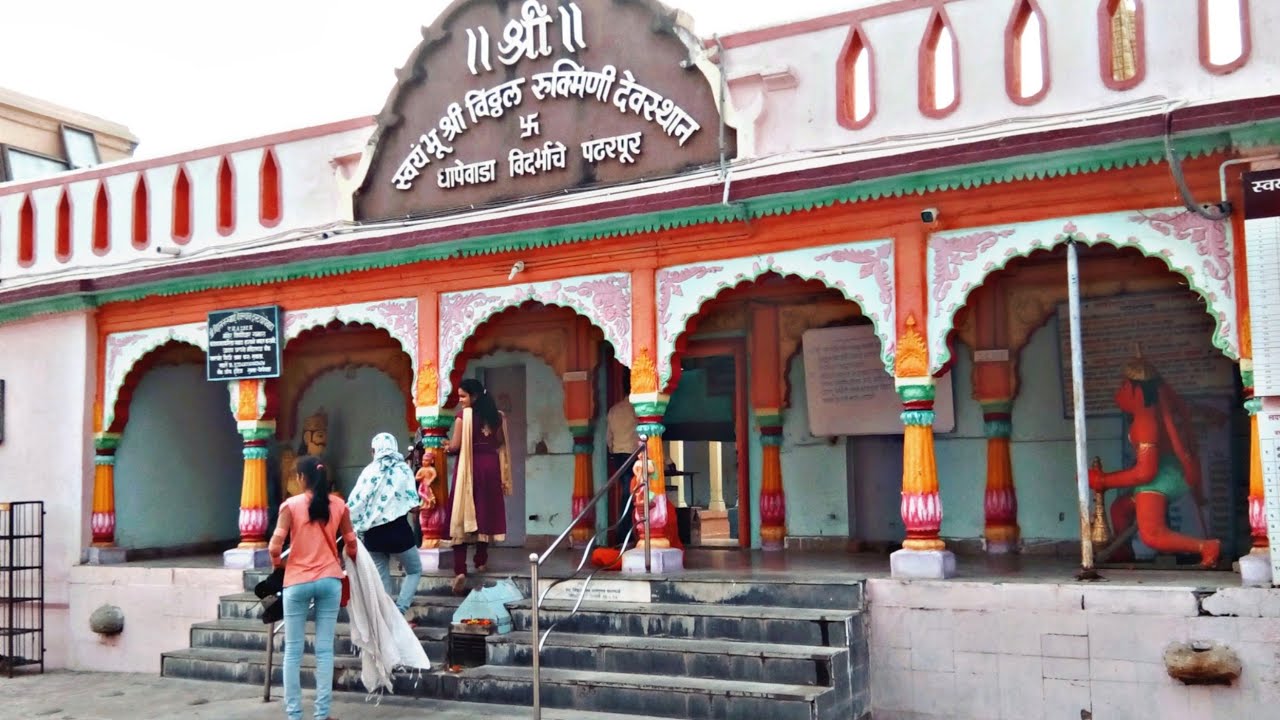
Dhapewada Temple Makeover: The historic Dhapewada Temple, dedicated to Lord Vitthala and Goddess Rukmai, is on the verge of a grand transformation. This temple, often referred to as the ‘Pandharpur of Vidarbha,’ located in Kamleshwar Tehsil of Nagpur, is a significant religious hub. With a whopping ₹164 crore approved by the Maharashtra state government, the Dhapewada Temple is about to undergo a complete facelift, aiming to boost both its spiritual and tourism appeal. In this article, we’ll explore the exciting plans for the development of this revered pilgrimage center and how it will impact devotees and tourists alike.

The Spiritual Importance of Dhapewada Temple

A Pilgrimage Destination for Lord Vitthala Devotees (H2)

Dhapewada Temple (Dhapewada Temple Makeover) holds immense religious importance, especially for devotees of Lord Vitthala, a form of Lord Krishna. The temple is often compared to Pandharpur, the famous pilgrimage town in Maharashtra, making it a must-visit for those deeply devoted to the Varkari tradition. Pilgrims from all over the Vidarbha region and beyond flock to this temple to seek blessings, particularly during key festivals.

Why the Temple is Called ‘Pandharpur of Vidarbha’? (H2)

The nickname ‘Pandharpur of Vidarbha’ is not just a title but a reflection of the temple’s deep connection with the Varkari tradition, a devotional movement dedicated to Lord Vitthala. The temple’s architecture, spiritual atmosphere, and rituals closely resemble the original Pandharpur temple, drawing countless devotees annually.

The ₹164 Crore Development Plan

Funding from the Tourism Department (H2)

In a significant move, the Maharashtra state government, led by Chief Minister Eknath Shinde, has sanctioned ₹164 crore for the development of Dhapewada Temple (Dhapewada Temple Makeover). This decision was made following a high-level meeting in Mumbai, with funds coming directly from the state’s Tourism Department. The goal? To transform Dhapewada into a top-tier tourist and pilgrimage destination.

What Does the Development Plan Include? (H3)

The facelift project is multi-faceted and ambitious. The ₹164 crore budget will be used to improve the following areas:

  1. Construction of Residential Complexes for Visitors (H4) – Comfortable accommodations will be built to house pilgrims, offering them a place to stay during their visit.
  2. Approach Road Improvements (H4) – The roads leading to the temple will be upgraded to ensure better accessibility for both devotees and tourists.
  3. Beautification of Temple Premises (H4) – The temple grounds will be revamped to make the site more visually appealing while preserving its spiritual ambiance.
  4. Sant Nagri (H4) – A dedicated garden featuring statues of saints from the Varkari tradition will be developed as part of the beautification effort.

Boosting Religious Tourism in Vidarbha (H2)

The redevelopment of Dhapewada Temple is part of a broader push to boost religious tourism in the Vidarbha region. The Maharashtra government aims to make the temple a prominent destination not just for devotees but also for tourists interested in spiritual and cultural tourism. By improving infrastructure and facilities, they hope to attract more visitors year-round.

Other Religious Centers to Benefit

Development Plans for Other Religious Sites in Vidarbha (H2)

While Dhapewada Temple is the primary focus of this transformation, other religious centers in Vidarbha are also set to benefit from government grants. Several temples and shrines across the region will receive significant funding for development and infrastructure improvements, including:

  • Sant Gulabrao Maharaj Shrine at Bhakti Dham, Praladpur (H3) – ₹25 crore has been allocated for the first phase of development.
  • Ridhpur in Amravati District (H3) – A total of ₹15 crore will be provided by the Rural Development Department.
  • Shri Govind Prabhu Devasthanam in Wardha District (H3) – This shrine will receive ₹19 crore for improvement projects.

How Will the Development Impact Devotees?

Enhancing the Pilgrimage Experience (H2)

For devotees, these changes are more than just infrastructure upgrades. The project is designed to enhance their overall pilgrimage experience by providing better facilities, improved roads, and comfortable accommodation. The beautification of the temple premises will also create a more serene environment for prayer and reflection.

Cultural Preservation Through Sant Nagri (H2)

The development of Sant Nagri, a garden featuring statues of saints from the Varkari tradition, is a nod to the rich cultural and spiritual history of Maharashtra. This addition will serve as a reminder of the saints’ teachings and will offer devotees a place for quiet contemplation.

What to Expect After the Makeover?

A Major Tourist Attraction (H2)

Post-makeover, Dhapewada Temple is expected to become a major tourist attraction. With better facilities, improved infrastructure, and a rich spiritual and cultural ambiance, the temple will likely draw not just pilgrims but also tourists from around the country. This transformation will put Dhapewada on the map as one of Maharashtra’s premier religious destinations.

The ₹164 crore redevelopment plan for Dhapewada Temple is a monumental step forward for both the spiritual and tourism sectors in Maharashtra. The government’s initiative will not only enhance the pilgrimage experience for devotees but also position Dhapewada as a significant tourist destination in Vidarbha. As the ‘Pandharpur of Vidarbha,’ Dhapewada is set to shine even brighter, preserving its rich cultural and spiritual heritage while welcoming the world with open arms.

  1. What is the significance of Dhapewada Temple?
    Dhapewada Temple is a major pilgrimage site for devotees of Lord Vitthala and is often referred to as the ‘Pandharpur of Vidarbha.’
  2. How much money has been allocated for the temple’s redevelopment?
    The Maharashtra state government has allocated ₹164 crore for the development of Dhapewada Temple.
  3. What facilities will be added as part of the makeover?
    The plan includes residential complexes for visitors, improved approach roads, and the beautification of the temple premises.
  4. What is Sant Nagri?
    Sant Nagri will be a garden featuring statues of saints from the Varkari tradition, adding a cultural and spiritual dimension to the temple grounds.
  5. Will other religious sites in Vidarbha receive funding?
    Yes, several other religious centers in Vidarbha, including Sant Gulabrao Maharaj Shrine and Shri Govind Prabhu Devasthanam, will also receive government grants for development.

Construction of 52-Ft Tall Statue of Chhatrapati Shivaji Maharaj to Start Next Week

52-foot statue Nagpur | Nagpur university statue: The grandeur of Chhatrapati Shivaji Maharaj, the legendary Maratha King, will soon take monumental form in the heart of Nagpur. With the Rashtrasant Tukadoji Maharaj Nagpur University (RTMNU) receiving the final approval to proceed, the construction of a towering 52-foot statue is set to commence next week. This magnificent tribute will depict the Maratha King seated on a throne, embodying his strength, vision, and leadership.

A Year in the Making: Groundbreaking to Now

In June last year, the Nagpur University campus witnessed a grand groundbreaking ceremony attended by key political figures, including Union Minister for Road Transport and Highways, Nitin Gadkari. The original plan was to unveil the statue a year from the ceremony, but due to delays in securing necessary approvals, the timeline was extended.

Clearance for Tree Removal: The Final Hurdle (52-foot statue Nagpur)

According to Mangesh Duke, Secretary of Shiv Smarak Samiti, the NGO spearheading the project, one of the last major approvals needed was for the removal of four trees from the construction site. “We recently secured the clearance and are set to deposit Rs 1.93 lakh with the NMC to move forward with the work,” Duke shared. The Samiti had been cautious to only proceed after all necessary permissions were obtained to avoid any further delays.

Design and Dimensions: A Monumental Vision

The statue, towering at 52 feet, will feature Chhatrapati Shivaji Maharaj seated regally on a throne. Of this total height, the statue of the King alone will be around 40 feet. This design has been approved by the government, with strict adherence to safety norms, especially in light of recent incidents in other construction projects.

Earthquake-Resistant and Safe Design

Safety is paramount in a project of this scale. Gaurav Dubewar, principal designer from M/s Team 360 Designs, highlighted that the statue would weigh approximately 10 tonnes—comparable in height to a ground plus four-story building. The team has ensured the statue will be earthquake-resistant, an essential feature given the region’s seismic activity.

Load-Bearing Capacity Tested

The load-bearing capacity of the soil was a crucial factor in determining the materials used for construction. “In terms of weight, 10 tonnes isn’t particularly heavy. For context, a typical five-story building weighs more,” Dubewar added. This level of detailed planning ensures the stability and longevity of the structure.

A Lengthy Approval Process

The Shiv Smarak Samiti has undergone a meticulous approval process to ensure that every aspect of the project, from design to execution, adheres to stringent regulations. In addition to structural approvals, the project received the nod from the State’s Directorate of Arts. This approval was essential for finalizing the facial features of the statue, a process currently underway in Kolhapur.

The Role of the State’s Directorate of Arts

The involvement of the State’s Directorate of Arts ensures that the statue’s aesthetics stay true to historical records and artistic traditions. The facial features, clothing details, and overall design were approved after careful review, ensuring an accurate representation of the Maratha King.

Timeline for Completion

Once construction begins next week, the project is expected to take approximately nine months to complete. While there have been delays, the team is confident in their ability to meet the new deadlines, barring any unforeseen challenges.

Why the Delay?

The Samiti’s decision to wait for all approvals (52-foot statue Nagpur) before moving forward was deliberate. They wanted to avoid any potential setbacks, which could have occurred if they had started construction without securing all necessary permissions. Their patience ensures that the project will proceed smoothly from here on out.

The Symbolism Behind the Statue

This statue of Chhatrapati Shivaji Maharaj represents more than just a tribute to a historical figure; it stands as a symbol of strength, leadership, and pride for the people of Maharashtra. The Maratha King is revered for his military strategies, administrative skills, and his dedication to Swarajya (self-rule). This statue will be a constant reminder of his contributions to Indian history and his enduring legacy.

What the Statue Represents

The decision to have the King seated on a throne is deliberate—it reflects his status as a ruler who brought unity and strength to the Maratha Empire. The regal posture symbolizes his role not just as a warrior but as a wise leader who cared deeply for his people.

A Cultural Landmark for Nagpur

Upon completion, the statue will not only be a symbol of pride for Maharashtra but also a major cultural landmark for Nagpur. Expected to attract visitors from across the state and beyond, it will be a significant addition to the city’s cultural landscape.

Tourism and Local Economy

The statue is anticipated to become a popular tourist attraction, bringing in visitors from all over India. This will, in turn, have a positive impact on the local economy, boosting tourism-related businesses such as hotels, restaurants, and shops.

The construction of the 52-foot tall statue of Chhatrapati Shivaji Maharaj is a monumental project that carries immense cultural and historical significance. Set to begin next week, the statue will be a towering symbol of the Maratha King’s enduring legacy. With all necessary approvals now secured, the project is set to move forward, bringing to life a tribute that has been long-awaited by the people of Maharashtra.

  1. What is the height of the statue? The statue will stand 52 feet tall, with Chhatrapati Shivaji Maharaj depicted seated on a throne.
  2. When will the construction of the statue begin? Construction is set to begin next week, following the final approval for tree removal.
  3. How long will it take to complete the statue? The project is expected to be completed in approximately nine months.
  4. Where is the statue being constructed? The statue is being constructed on the Rashtrasant Tukadoji Maharaj Nagpur University campus.
  5. What safety measures are being taken during construction? The statue is designed to be earthquake-resistant, and all safety norms are being strictly followed.

Wadi Flyover to Take Off in September: RTO Flyover Set to Follow in Eight Months

Nagpur traffic: Motorists in Nagpur who frequently use the busy Amravati Road have good news on the horizon. The much-anticipated Wadi flyover, part of the larger Amravati Road Traffic Improvement Project (ARTIP), is nearing completion and is expected to be open to the public by September 10. This development is part of a broader effort to improve traffic flow and reduce travel time on one of Nagpur’s busiest routes. The Wadi flyover, along with the RTO flyover, represents a significant investment in the city’s infrastructure, with the entire project costing Rs478 crore. In this article, we’ll take a closer look at the progress of these crucial projects and what they mean for commuters in the area.

 The Scope of the Amravati Road Traffic Improvement Project

The Amravati Road Traffic Improvement Project (ARTIP) is a major initiative by the National Highway (NH) division of the state Public Works Department (PWD). It aims to address traffic congestion on Amravati Road, which serves as a critical artery for the city. The project includes the construction of two flyovers: the Wadi flyover and the RTO flyover. Together, these structures are expected to ease the traffic woes that have long plagued motorists traveling this route.

 Wadi Flyover: A Milestone Nearing Completion

 Construction Progress and Key Features

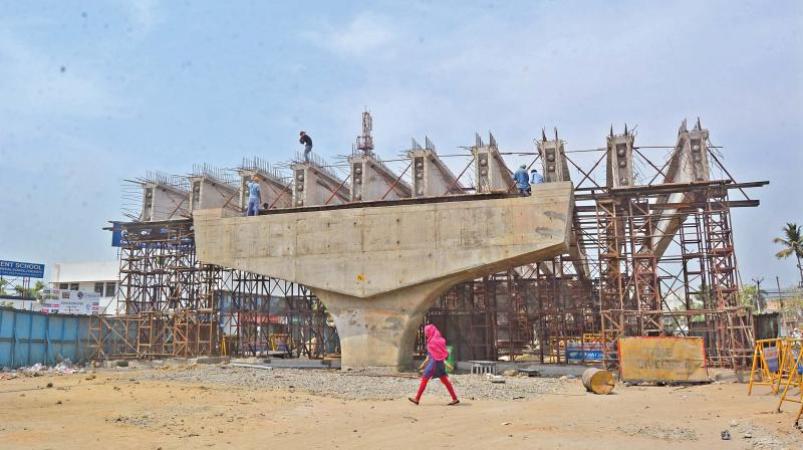
The Wadi flyover (Nagpur traffic), which stretches 2.40 km from Wadi Naka to Wadi police station, is almost complete. According to a PWD official, 90 to 95 percent of the construction is finished, with only the final road work and mastic layering remaining. The flyover consists of 48 segments that have been erected, marking a significant milestone in the project.

 Challenges Overcome (Nagpur traffic)

One of the significant challenges faced during the construction of the Wadi flyover was the presence of high-tension 132KV wires passing over the Wadi junction. This issue was successfully resolved by erecting three monopoles, which increased the height of the wires from 10.5 meters to 28 meters, ensuring the safety and continuity of the construction work.

 Anticipated Opening and Final Touches

The Wadi flyover is expected to be ready for public use by September 10, 2024. While the structure is complete, some finishing touches, such as laying footpaths, installing road signs, and other minor works, are projected to be concluded by October 31. Once operational, this flyover is expected to significantly reduce travel time for commuters on Amravati Road (Nagpur traffic).

 The RTO Flyover: A Longer Wait

 Current Status of Construction

While the Wadi flyover is on the verge of completion, the RTO flyover, which is 2.8 km long, will require more time before it is ready for public use. As of now, around 60 percent of the work on the RTO flyover and the road beneath it has been completed. The construction of this flyover, which began in March 2021, has faced delays, and it is now expected to be ready by February or March 2025.

 Structural Challenges

The primary challenge delaying the RTO flyover is the need to dismantle two old bridges located at Ravi Nagar Square and RTO Square. These bridges, which are on the road below the flyover, must be demolished and reconstructed. The reconstruction process will require road closures, which necessitates permission from the traffic department for diversions. The PWD has set a 45-day deadline for constructing both bridges, with work expected to commence once the monsoon season ends.

 Financial Aspects and Government Involvement

 The Cost of Progress

The construction of the Wadi and RTO flyovers is part of a Rs478 crore investment aimed at improving Nagpur’s traffic infrastructure. The Ministry of Road Transport and Highways (MoRTH) is spearheading this project, reflecting the government’s commitment to addressing the city’s growing traffic demands.

 Revised Deadlines

Originally, the project was slated to be completed within two years, with construction starting in March 2021. However, various challenges, including the pandemic and technical obstacles, have led to revised deadlines. The new target for completing the RTO flyover is now set for February 28, 2025.

 Impact on Commuters

 Reduced Travel Time

Once both flyovers are operational, motorists on Amravati Road can expect a significant reduction in travel time. The elimination of traffic bottlenecks at key junctions, such as Wadi Naka and RTO Square, will make the commute smoother and faster.

 Enhanced Safety

The new flyovers will also enhance road safety by reducing the chances of accidents at these busy intersections. With dedicated lanes and better traffic management, the likelihood of collisions and traffic jams will decrease significantly.

 Community Response and Expectations

 Public Anticipation

The completion of the Wadi flyover is eagerly awaited by the public, who have had to endure long delays and traffic snarls during the construction period. The prospect of a faster and safer commute has raised expectations among the city’s motorists.

 Challenges Ahead

However, there is also a level of concern regarding the further delays in the RTO flyover’s completion. Commuters are hopeful that the revised deadlines will be met, and the disruptions caused by the construction will be minimal.

 The Future of Nagpur’s Infrastructure

 Long-Term Benefits

In the long run, the Wadi and RTO flyovers are expected to bring substantial benefits to Nagpur’s infrastructure. By easing traffic on one of the city’s most important roads, these projects will contribute to the overall development and modernization of Nagpur’s transportation network.

 Potential for Future Projects

The success of the ARTIP could pave the way for future infrastructure projects in the city. With growing traffic (Nagpur traffic) demands, the need for continuous improvements in road and transport infrastructure is evident. The Wadi and RTO flyovers could serve as models for similar projects across Nagpur.

The Wadi and RTO flyovers represent a significant investment in Nagpur’s future, with the potential to transform the daily commute for thousands of motorists. While the Wadi flyover is set to open soon, the RTO flyover will require more time. However, once both are operational, they will provide much-needed relief from the traffic congestion on Amravati Road. The challenges faced during construction, including technical issues and delays, are a reminder of the complexities involved in such large-scale infrastructure projects. Nonetheless, the long-term benefits are expected to outweigh the temporary inconveniences, making these flyovers a crucial part of Nagpur’s transportation future.

 1. When will the Wadi flyover be open to the public?

The Wadi flyover is expected to be open to the public by September 10, 2024, with final touches being completed by October 31.

 2. Why is the RTO flyover taking longer to complete?

The RTO flyover is facing delays due to the need to dismantle and reconstruct two old bridges, which has complicated the construction process. It is now expected to be completed by February or March 2025.

 3. What are the key benefits of the Wadi and RTO flyovers?

The key benefits include reduced travel time, enhanced road safety, and improved traffic flow on Amravati Road, which is one of Nagpur’s busiest routes.

 4. How much is the total cost of the Amravati Road Traffic Improvement Project?

The total cost of the project is Rs478 crore, with the construction of the Wadi and RTO flyovers accounting for Rs318 crore.

 5. What impact will these flyovers have on Nagpur’s infrastructure?

These flyovers are expected to significantly improve Nagpur’s road infrastructure, easing traffic congestion and contributing to the city’s long-term development.

Kamptee Road Flyover Enters Final Phase, Nears Completion in Nagpur

Nagpur Traffic: With the recent resolution of long-standing land acquisition disputes, the Kamptee Road Flyover project in Nagpur has finally gained momentum and is nearing its much-anticipated completion. Spanning a length of 5.6 kilometers, this crucial infrastructure development has faced several delays over the years. However, with these hurdles now out of the way, the project is progressing rapidly and is expected to be completed within the next three months.

Nagpur, known as the “Orange City” of India, has been growing rapidly in terms of population and industrial development. With this growth, traffic congestion has become a significant issue, particularly along major routes like Kamptee Road. To address this, the National Highways Authority of India (NHAI) initiated the Kamptee Road Flyover project, a vital solution aimed at alleviating the traffic woes of daily commuters.

The Importance of the Kamptee Road Flyover

Reducing Traffic Congestion

One of the primary goals of the Kamptee Flyover is to ease traffic congestion in key areas such as Indora Square and Gaddigodam Road. These are some of the busiest parts of Nagpur, where traffic snarls have become a daily struggle for residents and visitors alike. The completion of the flyover is expected to significantly reduce travel time, providing much-needed relief to the thousands of vehicles that use this route daily.

Enhancing Connectivity

The Kamptee Road Flyover is not just about easing traffic; it also plays a crucial role in enhancing connectivity between various parts of the city. Once completed, it will serve as a key link between central Nagpur and the northern parts of the city, facilitating smoother and quicker commutes.

Supporting Economic Growth

Improved infrastructure often leads to economic growth, and the Kamptee Road Flyover is no exception. By easing traffic flow and enhancing connectivity, the flyover is expected to support local businesses and industries by reducing transportation costs and improving access to markets.

Challenges Faced During the Project

Land Acquisition Hurdles

The Kamptee Road Flyover project faced significant delays due to complications in land acquisition. Discrepancies in the acquisition proposals led to prolonged negotiations between the authorities and landowners. This resulted in a substantial delay in the project, which was originally slated for completion much earlier.

Funding and Budget Concerns

The project, funded by the NHAI at a cost of ₹572 crore, also faced challenges related to budget allocations and financial approvals. Delays in these processes further hampered the progress of the flyover’s construction.

Construction and Technical Challenges

Apart from land acquisition and funding issues, the project encountered several technical challenges during its construction. These included difficulties in designing certain sections of the flyover due to the complex terrain and the need to minimize disruption to existing traffic.

Current Status of the Flyover

Final Phase of Construction

With the land acquisition issues now resolved, the Kamptee Road Flyover project has entered its final phase of construction. The pace of work has significantly increased, with authorities aiming to complete the project within the next three months. This marks a significant milestone in the project, which has been in the works for several years.

Structural Completion

The majority of the structural work on the flyover has been completed. This includes the construction of pillars, beams, and the main deck of the flyover. The final phase will focus on finishing touches such as laying the road surface, installing barriers, and setting up lighting.

Expected Benefits Upon Completion

Once completed, the Kamptee Road Flyover is expected to bring several benefits to the people of Nagpur. These include reduced travel time, lower vehicle operating costs, and a significant reduction in air pollution due to decreased traffic congestion.

The Road Ahead

Testing and Inspection

Before the flyover can be opened to the public, it will undergo a series of tests and inspections to ensure its safety and durability. This is a crucial step in the process, as it ensures that the structure is capable of handling the expected traffic load without any issues.

Public Inauguration

Following the successful completion of testing and inspections, the Kamptee Road Flyover will be inaugurated and opened to the public. This is expected to be a significant event for Nagpur, marking the completion of one of the city’s most important infrastructure projects.

Long-Term Impact on Nagpur

Improved Traffic Management

The long-term impact of the Kamptee Road Flyover on Nagpur’s traffic management system cannot be overstated. By providing an alternate route for vehicles, the flyover will help distribute traffic more evenly across the city, reducing the burden on other roads and intersections.

Boost to Real Estate Development

The completion of the flyover is also expected to give a boost to real estate development in the surrounding areas. Improved connectivity often leads to increased demand for residential and commercial properties, making this an attractive area for future investments.

Enhanced Public Transport

With the reduction in traffic congestion, public transport services such as buses are expected to run more efficiently along Kamptee Road. This will benefit daily commuters who rely on these services, offering them a quicker and more reliable mode of transportation.

The Kamptee Road Flyover project, despite facing numerous challenges, is now on the verge of completion. This crucial infrastructure development is expected to bring significant benefits to the people of Nagpur by reducing traffic congestion, improving connectivity, and supporting economic growth. As the project enters its final phase, the city eagerly anticipates the relief and convenience that this flyover will bring to its daily commuters.

  1. What is the length of the Kamptee Road Flyover?
    The Kamptee Road Flyover spans a length of 5.6 kilometers.
  2. Why was the Kamptee Road Flyover project delayed?
    The project faced delays primarily due to land acquisition disputes and funding issues.
  3. What are the expected benefits of the Kamptee Road Flyover?
    The flyover is expected to reduce traffic congestion, improve connectivity, and support economic growth in Nagpur.
  4. When is the Kamptee Flyover expected to be completed?
    The flyover is expected to be completed within the next three months.
  5. Who is funding the Kamptee Road Flyover project?
    The project is funded by the National Highways Authority of India (NHAI) at a cost of ₹572 crore.

The Innovative Toilet Seva App by Maha Metro: A New Era of Convenience

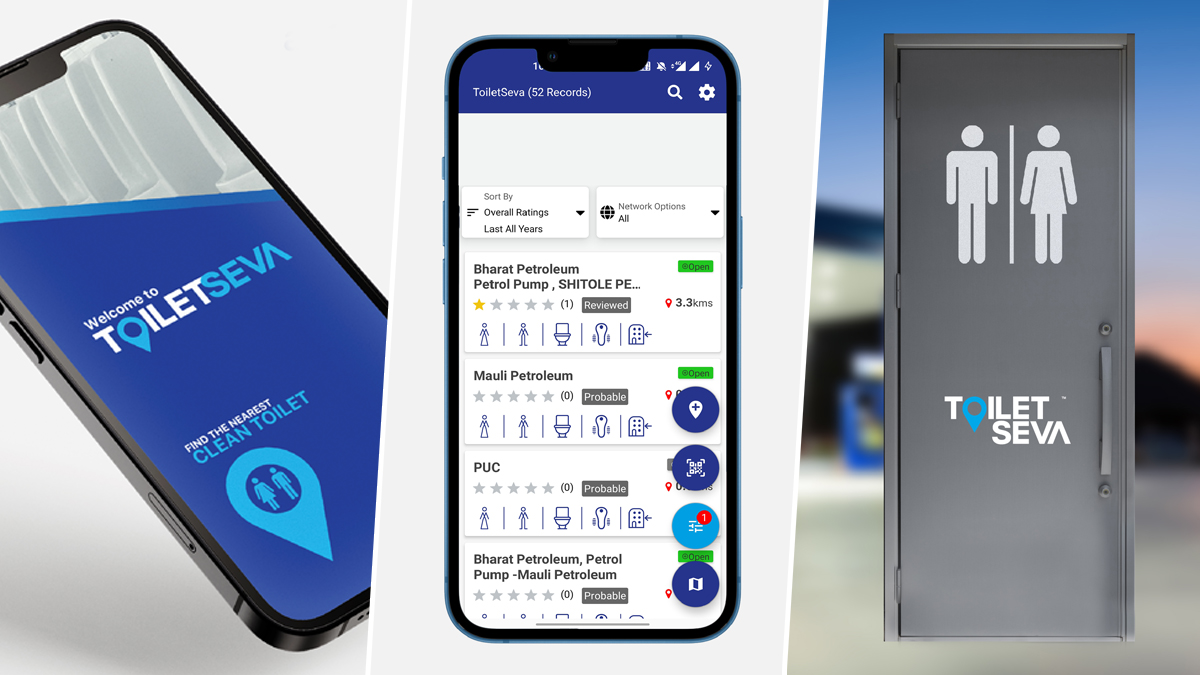
In today’s fast-paced world, every second counts, especially when you’re on the move. Imagine you’re traveling on the Maha Metro in Nagpur, and suddenly, you need to find the nearest restroom. The inconvenience of searching for a clean, accessible toilet can disrupt your journey and cause unnecessary stress. But fret not—Maha Metro has introduced an innovative solution: the Toilet Seva App. This groundbreaking mobile application, designed by IT engineer Amol Bhinge, who works in the US, is set to revolutionize the way Metro riders locate and access toilets. In this article, we’ll delve into the many features of the Toilet Seva App, its benefits for different groups of passengers, and how it aims to enhance the overall commuting experience.

 What is the Toilet Seva App?

The Toilet Seva App is a mobile application created to help commuters using the Maha Metro in Nagpur easily locate the nearest toilets. Available for free download on both Android and iOS platforms, this app is a must-have for anyone who values convenience, hygiene, and ease of access while traveling.

 The Vision Behind the Toilet Seva App

The App was developed by Amol Bhinge, an IT engineer with a vision to make commuting easier and more comfortable for everyone. By addressing a fundamental need—finding clean and accessible restrooms—the app reflects a commitment to enhancing public amenities for Metro riders in Nagpur.

 User-Friendly Interface and Accessibility

One of the standout features of the Toilet Seva App is its user-friendly interface. Even those who are not tech-savvy will find it easy to navigate. The app’s simple design ensures that users can quickly find what they need without having to wade through complicated menus or settings.

 How to Download the Toilet Seva App

Downloading the Toilet App is a breeze. Users can either go to the Play Store or App Store, search for “Toilet Seva,” and install the app. Alternatively, they can scan the QR code displayed at any of the Metro stations or on the signage near the toilets to download the app directly.

 Key Features of the Toilet Seva App

The Toilet Seva App offers a variety of features designed to meet the diverse needs of Metro riders.

 Real-Time Location Tracking

The app provides real-time tracking of nearby toilets, allowing users to find the closest restroom without any hassle. This is especially useful for those who may not be familiar with the area or the layout of the Metro stations.

 Accessibility for All

The app is particularly beneficial for women, persons with disabilities, and senior citizens. It not only helps them locate the nearest toilet but also ensures that these facilities are accessible and meet the necessary standards for their specific needs.

 Hygiene and Maintenance Alerts

One of the most innovative aspects of the  Seva App is the ability for users to report cleanliness issues or lack of amenities like water. If a toilet is not up to standard, users can notify the relevant authorities directly through the app, ensuring that maintenance is carried out promptly.

 Ensuring Clean and Hygienic Facilities

By allowing users to report issues, the app helps maintain high standards of cleanliness and hygiene across all Metro toilets. This feature not only improves the user experience but also fosters a sense of responsibility among the public to keep shared spaces clean.

Why the Toilet Seva App is a Game-Changer

The introduction of the  App is a significant step forward in enhancing public facilities in Nagpur. Here’s why:

Empowering Commuters

With the  App, commuters have more control over their journey. They can plan their trips better, knowing they have easy access to clean and accessible restrooms whenever needed.

Promoting Inclusivity

The app’s focus on accessibility for women, persons with disabilities, and senior citizens ensures that the needs of all commuters are considered. This inclusivity promotes a more equitable public transportation system.

Enhancing Public Health

By facilitating access to clean and hygienic toilets, the Toilet Seva App contributes to better public health standards. It helps reduce the spread of diseases that can result from unsanitary conditions.

The Role of Technology in Public Transportation

The Toilet App is a prime example of how technology can be leveraged to improve public transportation. By integrating IT solutions with public amenities, Maha Metro is setting a precedent for other cities to follow.

The Future of Smart Cities

As cities evolve into smart cities, the integration of technology with public services becomes increasingly important. The  App is a step in the right direction, showcasing how digital solutions can enhance urban living.

How to Make the Most of the Toilet Seva App

For those new to the app, here are a few tips to get the most out of the Toilet Seva experience:

Keep the App Updated

Make sure to update the app regularly to benefit from the latest features and improvements.

Provide Feedback

Your feedback is crucial in helping the developers enhance the app. Don’t hesitate to report any issues or suggest improvements.

Share with Others

If you find the app useful, share it with your fellow commuters. The more people use it, the more effective it becomes.

Challenges and the Road Ahead

Like any new initiative, the Toilet Seva App may face challenges, such as ensuring consistent maintenance of toilets and encouraging widespread adoption among commuters. However, with continuous improvements and user engagement, these challenges can be effectively addressed.

The Toilet Seva App by Maha Metro is more than just a convenience tool; it’s a step towards a more inclusive, hygienic, and user-friendly public transportation system. By providing easy access to clean and accessible toilets, the app not only improves the commuting experience but also contributes to the overall well-being of Metro riders. As the app continues to evolve, it will undoubtedly set a new standard for public amenities in Nagpur and beyond.

Q1: Is the Toilet Seva App free to use?
Yes, the Toilet Seva App is completely free to download and use.

Q2: Can I use the app without an internet connection?
No, the app requires an internet connection to provide real-time location tracking of toilets.

Q3: How can I report a problem with a toilet through the app?
You can report any issues such as cleanliness or lack of water directly through the app, and the relevant authorities will be notified.

Q4: Is the Toilet Seva App available on both Android and iOS?
Yes, the app is available for download on both the Play Store for Android users and the App Store for iOS users.

Q5: Can the app be used outside of Nagpur?
Currently, the app is designed specifically for use with the Maha Metro in Nagpur.

Big EV Push: NMC to Double Charging Points Across Nagpur

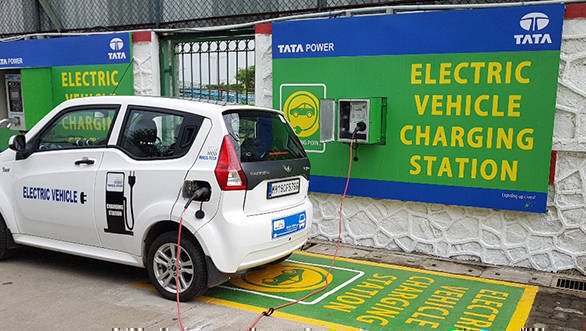
EV Infrastructure Expansion Nagpur: The Nagpur Municipal Corporation (NMC) is taking significant strides toward bolstering its electric vehicle (EV) infrastructure. With a goal to increase EV penetration dramatically by 2040, NMC plans to expand its public charging points from 150 to 300 by 2027. This initiative is part of the broader Nagpur City EV Readiness Plan, which also includes the establishment of 100 public or semi-public battery-swapping stations by 2025. These efforts aim to support the growing number of EVs on Nagpur’s roads and ensure the city is well-prepared for the future of transportation.

Nagpur’s Growing EV Ecosystem (EV Infrastructure Expansion Nagpur)

Nagpur has witnessed an impressive rise in electric vehicle adoption over recent years. In 2024, EVs made up 22% of new vehicle registrations, a significant leap from just 1% in 2020. This shift reflects the city’s commitment to sustainable transport and the increasing awareness among citizens of the benefits of EVs. With the NMC’s plans to enhance charging infrastructure, Nagpur is set to become a leading example of an EV-friendly city in India.

Key Targets of the Nagpur City EV Readiness Plan

The Nagpur City EV Readiness Plan outlines several ambitious targets to be achieved by 2027. These include:

  • Doubling Public Charging Points: Increasing the number of public charging stations to 300 by 2027, ensuring that EV users have convenient access to charging facilities across the city.
  • Battery Swapping Stations: Establishing 100 battery swapping stations by 2025, offering a quicker and more flexible alternative to traditional charging.
  • Public Transport Electrification: Electrifying 50% of the public bus fleet by 2026, contributing to the reduction of the city’s carbon footprint.

Infrastructure Expansion: A Closer Look

The expansion of charging points and battery swapping stations is a critical component of Nagpur’s EV strategy. Currently, the city has 83 public charging stations, primarily located along metro lines and major roads. The NMC’s plan to double this number is a testament to its forward-thinking approach and dedication to making EVs more accessible to the public.

Charging Points: Meeting the Demand

With the anticipated rise in EV ownership, the demand for charging infrastructure is expected to soar. By 2027, Nagpur aims to have a well-distributed network of charging stations that caters to both two-wheelers and four-wheelers. This will not only support current EV users but also encourage more citizens to make the switch from traditional fuel vehicles.

Battery Swapping: The Future of Quick Refueling

Battery swapping stations represent a revolutionary approach to EV refueling. Instead of waiting for a vehicle to charge, drivers can quickly swap out a depleted battery for a fully charged one. This system is particularly beneficial for commercial vehicles and public transport, where time is a critical factor. NMC’s goal to establish 100 such stations by 2025 is a step towards making this technology a common sight in Nagpur.

NMC Explores Suitable Sites to Relocate Vivekananda Statue: A Comprehensive Update

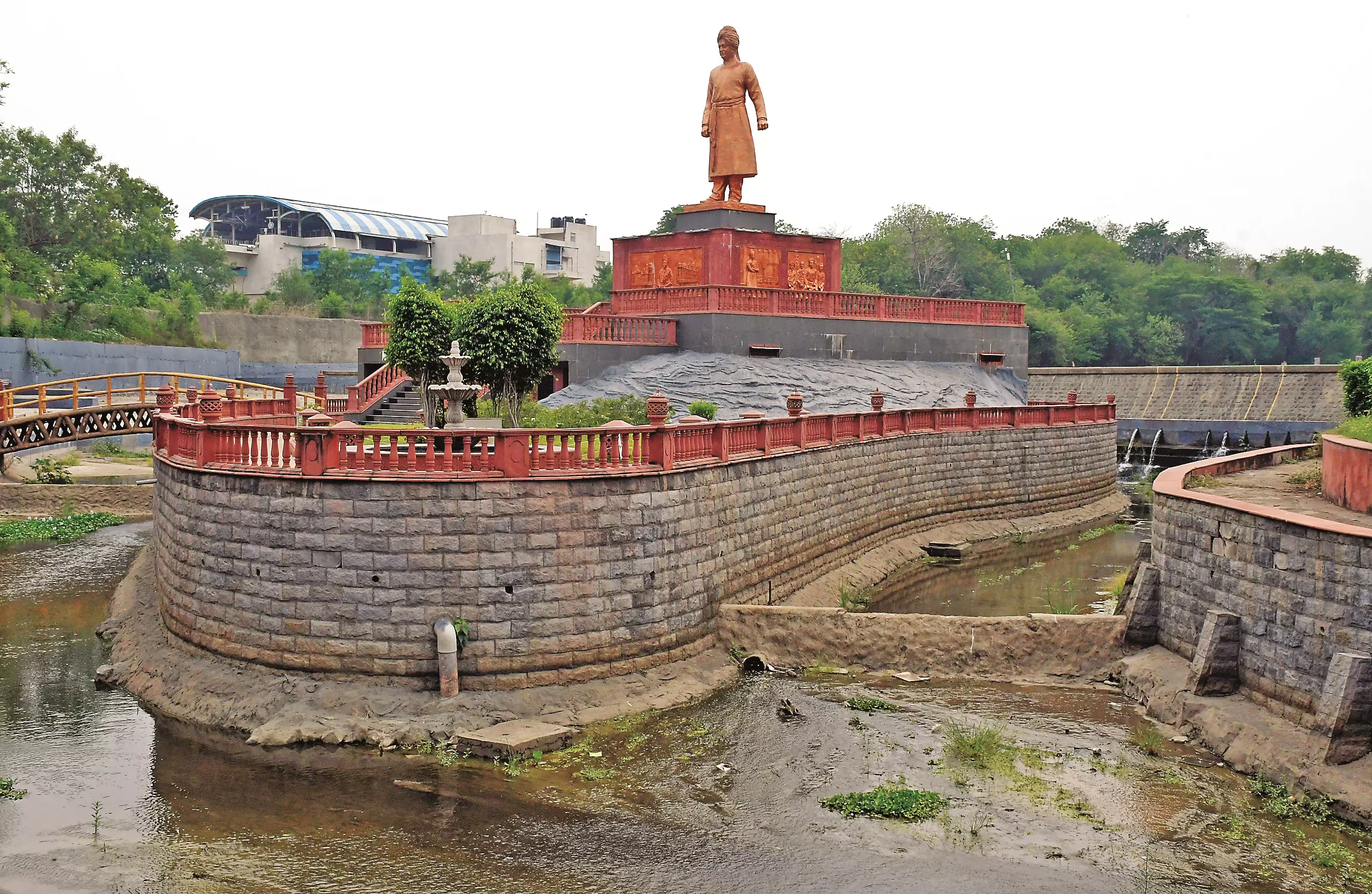
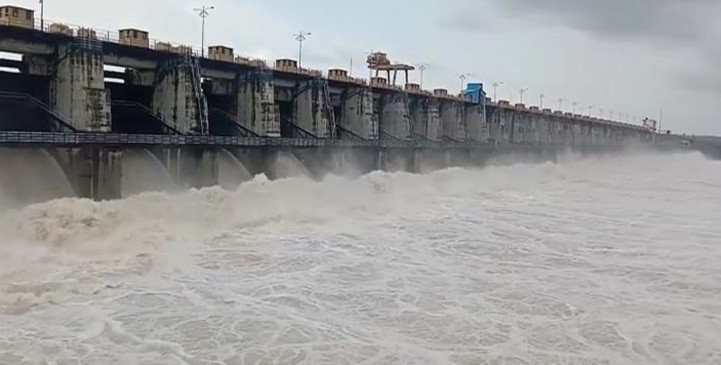
The Nagpur Municipal Corporation (NMC) has embarked on a meticulous and strategic initiative to address the potential flood risks posed by the Vivekananda statue situated near a critical spillway. This endeavor involves a collaborative effort with the Central Water and Power Research Station (CWPRS) in Pune, aiming to ensure both public safety and the preservation of the city’s cultural heritage.

Understanding the Context: Why Relocation is Being Considered

The Vivekananda statue, a prominent landmark in Nagpur, has recently come under scrutiny due to concerns regarding its impact on the adjacent spillway’s functionality. The statue is positioned alarmingly close—approximately 4.2 meters—to the spillway’s edge, raising fears that it could obstruct the flow of water, particularly during heavy rainfall or flood events. The spillway channel, which currently measures only 5.7 meters wide, falls short of the 60 square meters required to maintain an adequate water velocity, as stipulated by engineering standards.

Local residents, who suffered devastating losses during the severe flooding of September 2023, have voiced their concerns, leading to a legal battle where the relocation of the statue has become a central demand. With over Rs 300 crore in damages affecting more than 25,000 private properties, the need for effective flood mitigation measures has never been more urgent.

The Role of CWPRS: A Comprehensive Hydrological Study

In response to these concerns, NMC has tasked CWPRS with conducting a thorough hydrological analysis of the spillway and the statue’s current positioning. This study is not just about assessing the present risks but also about identifying the most viable solutions to prevent future disasters. The CWPRS will evaluate various factors, including:

  • Soil Conditions: Understanding the soil’s stability is crucial to determining whether the statue’s current location is safe or if the ground could exacerbate flood risks.
  • Water Levels: By studying the fluctuations in water levels during different seasons, the CWPRS aims to predict how the statue might impact water flow during peak flood periods.
  • Feasibility of Relocation: If the study concludes that the statue poses a significant risk, the CWPRS will recommend alternative sites where the statue could be safely relocated.

Exploring Alternative Locations: Potential New Homes for the Statue

Given the possibility that the statue might need to be relocated, NMC is proactively exploring alternative sites within Nagpur. Two locations that have emerged as strong candidates are:

  • Sakkardara Lake: Known for its scenic beauty and tranquil surroundings, Sakkardara Lake offers a spacious environment that could serve as a fitting new home for the Vivekananda statue. The site’s ample space and serene atmosphere could enhance the memorial’s aesthetic appeal while ensuring it does not interfere with any critical infrastructure.
  • Krazy Castle: Another potential site under consideration, Krazy Castle, is a well-known recreational spot in Nagpur. Its large, open areas provide plenty of room for the statue, making it an ideal location for relocation. The combination of space and accessibility makes Krazy Castle a viable option that could accommodate the statue without compromising public safety.

Legal and Regulatory Considerations

The legal framework surrounding the statue’s current location is also a key factor driving the relocation discussions. According to regulations, there should be a minimum distance of 55 meters between any structure and the spillway to ensure safe water flow. The current positioning of the statue at just 4.2 meters from the spillway falls drastically short of this requirement, making it imperative to reassess its placement.

Moreover, the irrigation department has imposed strict guidelines prohibiting construction within an area equivalent to five times the height of the dam. The statue’s current location violates these regulations, further underscoring the need for immediate action.

Public Sentiment and the High Court Case

The push for relocating the Vivekananda statue is not just a technical or administrative matter; it’s a deeply emotional issue for the residents affected by the 2023 floods. The High Court has become a battleground where flood victims are demanding justice, with the statue’s relocation being a non-negotiable condition for many. The court’s involvement has added a layer of urgency to the situation, compelling the NMC to explore every possible solution to meet both legal and public expectations.

Potential Impacts on the City’s Cultural Landscape

Relocating a statue of such significance is not just a logistical challenge; it also has profound cultural implications. The Vivekananda statue is more than a physical structure—it’s a symbol of inspiration and spirituality for many residents. Moving it to a new location must be done with great sensitivity, ensuring that the statue’s new home reflects its cultural importance while also safeguarding public safety.

The proposed sites at Sakkardara Lake and Krazy Castle are being carefully considered not just for their practicality but also for their ability to maintain the statue’s symbolic presence in the community. The NMC is committed to ensuring that the statue remains a focal point of pride for Nagpur, even if it must be relocated.

Next Steps: Awaiting the CWPRS Report

As the NMC waits for the final report from CWPRS, the city’s administrators are preparing for all possible outcomes. If the report concludes that the statue does not contribute to flooding, it may remain in its current location, subject to any necessary modifications to enhance safety. However, if the statue is found to be a significant risk, NMC is ready to move forward with its relocation plans.

The CWPRS report will be a critical document, guiding the NMC’s decisions and ensuring that any actions taken are backed by solid scientific evidence. In the meantime, the exploration of alternative sites continues, with the goal of finding a location that balances cultural significance with public safety.

The ongoing efforts by the Nagpur Municipal Corporation to assess and potentially relocate the Vivekananda statue are a testament to the city’s commitment to both its residents’ safety and the preservation of its cultural heritage. By working closely with experts from CWPRS and considering every possible factor, the NMC is taking a proactive approach to ensure that Nagpur remains resilient in the face of future challenges.

Nalganga-Wainganga River Linking Project: A ₹34,000 Crore Initiative to Transform Maharashtra’s Water Infrastructure

The Maharashtra cabinet has recently greenlit the ambitious Nalganga-Wainganga river linking project, which stands as one of the most extensive water infrastructure endeavors in the country. With an estimated cost of ₹87,000 crore, this project is set to address the long-standing water scarcity issues in the Vidarbha region, particularly in the western districts. Despite the approval, the project is anticipated to take at least a year to begin, with a decade-long timeline for completion.

The Vision Behind the Nalganga-Wainganga River Linking Project

The Nalganga-Wainganga river linking project aims to lift water from the Gosikhurd dam on the Wainganga River in Bhandara and transfer it to the Nalganga River in Buldhana through a sprawling 427-kilometer network of canals, pipelines, and lift irrigation systems. This engineering marvel is designed to irrigate over 3.75 lakh hectares of farmland, bringing much-needed relief to the drought-prone regions of Vidarbha.

Historical Context and Project Evolution

The idea for this project was first conceived in 2017-18 during the BJP-Shiv Sena regime under then Chief Minister Devendra Fadnavis. Initially estimated at ₹53,000 crore, the project saw a significant revival when the BJP returned to power in alliance with the Shiv Sena’s Shinde faction, with Fadnavis now serving as the Deputy Chief Minister. Since its inception, the project’s cost has surged by ₹34,000 crore, reaching the current estimate of ₹87,000 crore.

The Engineering Feat: Canals, Pipelines, and Lift Irrigation

One of the key components of the Nalganga-Wainganga project is its extensive network of canals and pipelines, stretching over 427 kilometers. This network will facilitate the transfer of water from the Gosikhurd dam to the Nalganga River, ensuring a steady water supply to the arid regions of western Vidarbha. The project will also employ lift irrigation techniques, which involve lifting water to higher elevations to reach areas that are otherwise inaccessible through traditional gravity-fed systems.

Financial Considerations: The Rising Cost of Water Security

The financial trajectory of the Nalganga-Wainganga project is noteworthy. From its initial estimate of ₹53,000 crore, the project’s cost has escalated to ₹87,000 crore. This increase is attributed to updated schedules of rates and the inclusion of additional components necessary to ensure the project’s success. The Maharashtra government is hopeful for substantial financial backing from the central government, as well as possible funding from international bodies such as the World Bank.

Potential Challenges: Delays, Cost Overruns, and Environmental Concerns

While the Nalganga-Wainganga project holds immense promise, it is not without its challenges. The delay in project commencement, largely due to the time required for comprehensive surveys and the preparation of a Detailed Project Report (DPR), poses a significant risk. Additionally, experts warn that any delays in the timely flow of funds could lead to further cost overruns. Environmental concerns also loom large, with the potential impact on local ecosystems and communities requiring careful consideration and mitigation.

The Road Ahead: Timelines and Expectations

Following the recent cabinet approval, the water resources department is set to float tenders for a comprehensive survey, which is expected to take at least a year. Only after the DPR is prepared and cleared by both state and central authorities will the actual construction begin. The project is planned to be completed within 10 years, making it a long-term solution for Vidarbha’s water woes.

A Water Lifeline for Vidarbha

The Nalganga-Wainganga river linking project is a monumental step towards securing water resources for Maharashtra’s Vidarbha region. Despite the challenges, the project promises to transform the agricultural landscape, bringing relief to millions of farmers and ensuring water security for future generations. As the project progresses, it will be crucial to monitor its implementation closely to ensure that the vision of a water-secure Vidarbha becomes a reality.

1. What is the Nalganga-Wainganga river linking project?
The Nalganga-Wainganga river linking project is an ambitious initiative by the Maharashtra government to connect the Nalganga and Wainganga rivers through a 427-kilometer network of canals, pipelines, and lift irrigation systems, aiming to alleviate water scarcity in the Vidarbha region.

2. How much is the project expected to cost?
The project is estimated to cost ₹87,000 crore, which is ₹34,000 crore more than the original estimate due to updates in schedules of rates and additional components.

3. When will the project begin?
The project is expected to start at least a year from now, following the completion of a comprehensive survey and the preparation of a Detailed Project Report (DPR).

4. What are the potential challenges of the project?
Challenges include potential delays in commencement, cost overruns due to funding issues, and environmental concerns related to the impact on local ecosystems and communities.

5. How long will the project take to complete?
The project is planned to be completed within a 10-year timeline, making it a long-term solution for water scarcity in the region.

Ambazari Bridge Completion Delayed: Bridge to Open by September 30, Says Contractor

Ambazari Bridge Completion Delay: In a disappointing turn of events, the much-anticipated completion of the four-lane Ambazari Bridge has been delayed. Initially promised to open by August 30, the contractor has now pushed the date back to September 30. This delay is expected to increase the inconvenience for the residents of West Nagpur and other road users who are already grappling with severe traffic jams.

The Announcement

During a recent meeting of infrastructure contractors, convened by Dr. Ravinder Singal, Commissioner of Police, at the Police Bhavan, the contractor announced the delay. Deputy Commissioner of Police (Traffic) Shashikant Satav expressed his frustration over the delay during the meeting. “The completion deadline was set for August 30 as per the contract. It’s imperative that the work is done on time,” Satav stressed. The contractor, however, was less reassuring, stating, “We will not be able to finish the work by the original deadline. The bridge will be opened for traffic only by September 30.”

Reasons for the Delay (Ambazari Bridge Completion Delay)

Dr. Singal probed further into the reasons behind the delay. “Are you facing a shortage of labor or materials?” he asked. The contractor explained that the delay was due to the time required for the concrete to set properly. “We received the work order up to March 11, 2025, and are aiming to complete the bridge by September 30,” the contractor clarified. The contractor also highlighted additional complications. “The design we received from the Public Works Design Department made it impossible to complete half of the work. Additionally, there were seven to eight 33 kV power lines from MSETCL running through the site, which caused a month-long delay,” he said.

Challenges Faced (Ambazari Bridge Completion Delay)

  • Concrete Setting Time: The primary reason cited for the delay is the time required for the concrete to set properly. This is crucial to ensure the structural integrity and longevity of the bridge.
  • Design Issues: The contractor mentioned that the design provided by the Public Works Design Department was flawed, making it impossible to complete half of the work within the stipulated time.
  • Power Lines: The presence of seven to eight 33 kV power lines from MSETCL running through the construction site caused a significant delay.

Response from Authorities

In response to these challenges, Dr. Singal sought assurances from MSETCL officials, who promised to cooperate with the contractor to expedite the work. The bridge, once completed, will feature a widened span of 21 meters with three box-type channels and an increased height of 7 meters.

Impact on Residents

The delay comes as a major blow to the residents of West Nagpur, who have been facing worsening traffic conditions due to the ongoing construction. The small lanes of West Nagpur have become increasingly congested, with more four-wheelers than usual navigating through them.

Traffic Alleviation Efforts

In an effort to alleviate traffic issues, the Bombay High Court recently directed that the road inside VNIT be opened for two-wheelers. The High Court had also previously instructed authorities to expedite the bridge construction work. Despite these directives, the involved agencies have failed to meet the prescribed deadlines.

Future Prospects

The completion of the Ambazari Bridge is eagerly awaited, as it is expected to significantly reduce traffic congestion in the area. The bridge will not only provide a direct route for commuters but also enhance the overall infrastructure of West Nagpur.

Current Traffic Scenario

With the delay in the bridge’s completion, the current traffic scenario in West Nagpur remains grim. Commuters are forced to take longer, more congested routes, leading to increased travel time and frustration.

Authorities’ Assurance

Authorities have assured residents that every effort is being made to complete the bridge by the new deadline. Cooperation between the contractor and MSETCL is crucial to ensure timely completion.

What’s Next?

Residents are hopeful that the new deadline will be met and the bridge will open for traffic by September 30. This project, once completed, will be a significant milestone in improving the infrastructure of West Nagpur.

The delay in the completion of the Ambazari Bridge is indeed a setback for the residents of West Nagpur. However, the authorities are working tirelessly to ensure that the bridge is completed by the new deadline. The successful completion of this project will bring much-needed relief to the commuters and enhance the overall infrastructure of the area.

1. Why has the completion of the Ambazari Bridge been delayed?

The delay is primarily due to the time required for the concrete to set properly, design issues from the Public Works Design Department, and the presence of power lines running through the construction site.

2. When is the new expected completion date for the Ambazari Bridge?

The new expected completion date for the Ambazari Bridge is September 30.

3. How will the delay impact the residents of West Nagpur?

The delay will continue to cause severe traffic congestion, leading to longer travel times and increased frustration among commuters.

4. What measures are being taken to alleviate traffic issues in West Nagpur?

The Bombay High Court has directed that the road inside VNIT be opened for two-wheelers to alleviate traffic issues. Authorities are also working to expedite the bridge construction.

5. What are the features of the new Ambazari Bridge?

The new Ambazari Bridge will feature a widened span of 21 meters, three box-type channels, and an increased height of 7 meters.

Wadi T Point Flyover Construction Faces Major Delays, One-Year Extension Sought

The construction of the 2.5 km flyover from Wadi Thana to Naka No 10 on Amravati Road has hit significant roadblocks. Despite assurances that traffic would begin flowing by July, the deadline for completing the bridge span at Wadi T Point passed three months ago, and the project remains unfinished. The rainy season has further compounded the delays, prompting the project to seek a one-year extension.

Background of the Project

Purpose and Scope

The Wadi T Point flyover is a crucial infrastructure project designed to alleviate traffic congestion on Amravati Road. The flyover spans 2.5 km, connecting Wadi Thana to Naka No 10, with the goal of providing a seamless travel experience for commuters.

Initial Timeline

The project initially set an ambitious timeline, with the bridge span at Wadi T Point expected to be completed several months ago. However, various unforeseen challenges have caused significant delays.

Current Status of Construction

Incomplete Ramps

The ramps on both sides of the bridge remain unconcreted. This has been a major setback, as the ramps are essential for the smooth flow of traffic. Despite earlier assurances, the work on these ramps has not progressed as planned.

Impact of the Rainy Season

The rainy season has exacerbated the delays. Concreting work, particularly on the bridge ramp in front of the Gurudwara, is only being carried out when the weather permits, further slowing down the progress.

Challenges Faced

High-Tension Line Installation

In April, the installation of a high-tension 132 KV line at Hingna T Point was completed. However, the subsequent phase, involving the concreting of the landings on both sides of the bridge, has faced delays.

Slow Progress on Adjacent Projects

In addition to the Wadi T Point flyover, the construction of another 2.9 km bridge from the RTO to the University Campus is also progressing slowly. This has compounded the overall delay in improving infrastructure in the area.

Request for Extension

Reasons for Extension

Given the current state of the project, a one-year extension has been sought. This extension is deemed necessary to address the various challenges and ensure the completion of the flyover.

Implications of the Extension

An extension will inevitably impact the daily commute of many residents. However, it is essential to ensure that the project is completed to the highest standards without compromising safety and quality.

Stakeholder Reactions

Public Frustration

Commuters and local residents have expressed frustration over the delays. The flyover was anticipated to ease traffic congestion, but the ongoing construction has only added to the inconvenience.

Government Response

Government officials have acknowledged the delays and emphasized the importance of completing the project. Efforts are being made to expedite the remaining work despite the challenges.

Future Prospects

Completion Timeline

With the requested extension, the project is expected to be completed within the next year. This revised timeline takes into account the current pace of work and the impact of seasonal weather conditions.

Long-Term Benefits

Upon completion, the flyover will significantly reduce traffic congestion and improve connectivity in the region. The long-term benefits are expected to outweigh the temporary inconveniences caused by the delays.

The Wadi T Point flyover project, despite its delays, remains a crucial infrastructure development for the region. While the setbacks have been frustrating, the focus now is on completing the project efficiently and effectively within the extended timeline.

1. Why is the Wadi T Point flyover facing delays?

The delays are primarily due to the rainy season and the slow progress of concreting work on the ramps.

2. What is the new expected completion date for the flyover?

The project has requested a one-year extension, aiming for completion within the next year.

3. How will the extension impact daily commuters?

Commuters will continue to face inconvenience due to ongoing construction, but the extension is necessary to ensure the project’s completion.

4. What are the long-term benefits of the flyover?

The flyover will reduce traffic congestion and improve connectivity in the region, providing a smoother travel experience for commuters.

5. How is the government addressing the delays?

Government officials are working to expedite the remaining work and have acknowledged the challenges faced by the project.

Exit mobile version