Passengers Alert: Ajni Station Platforms Temporarily Closed for Redevelopment

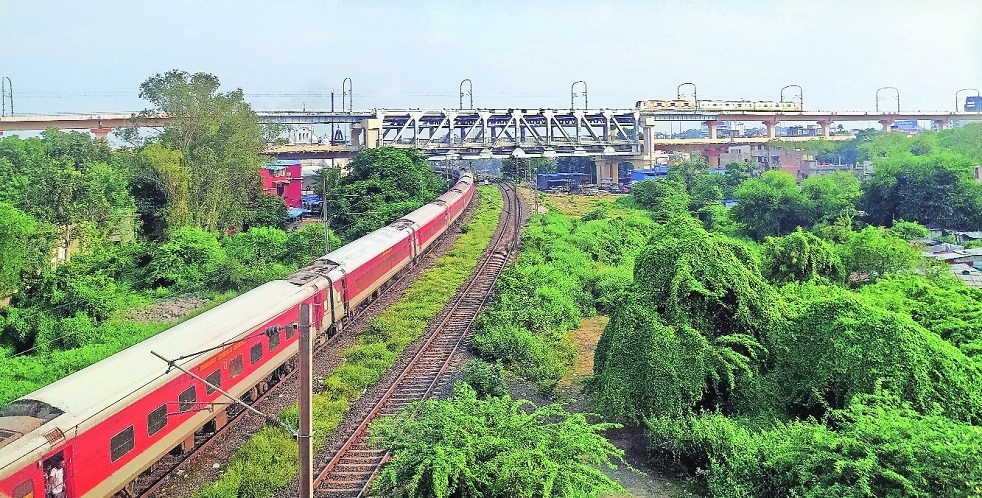
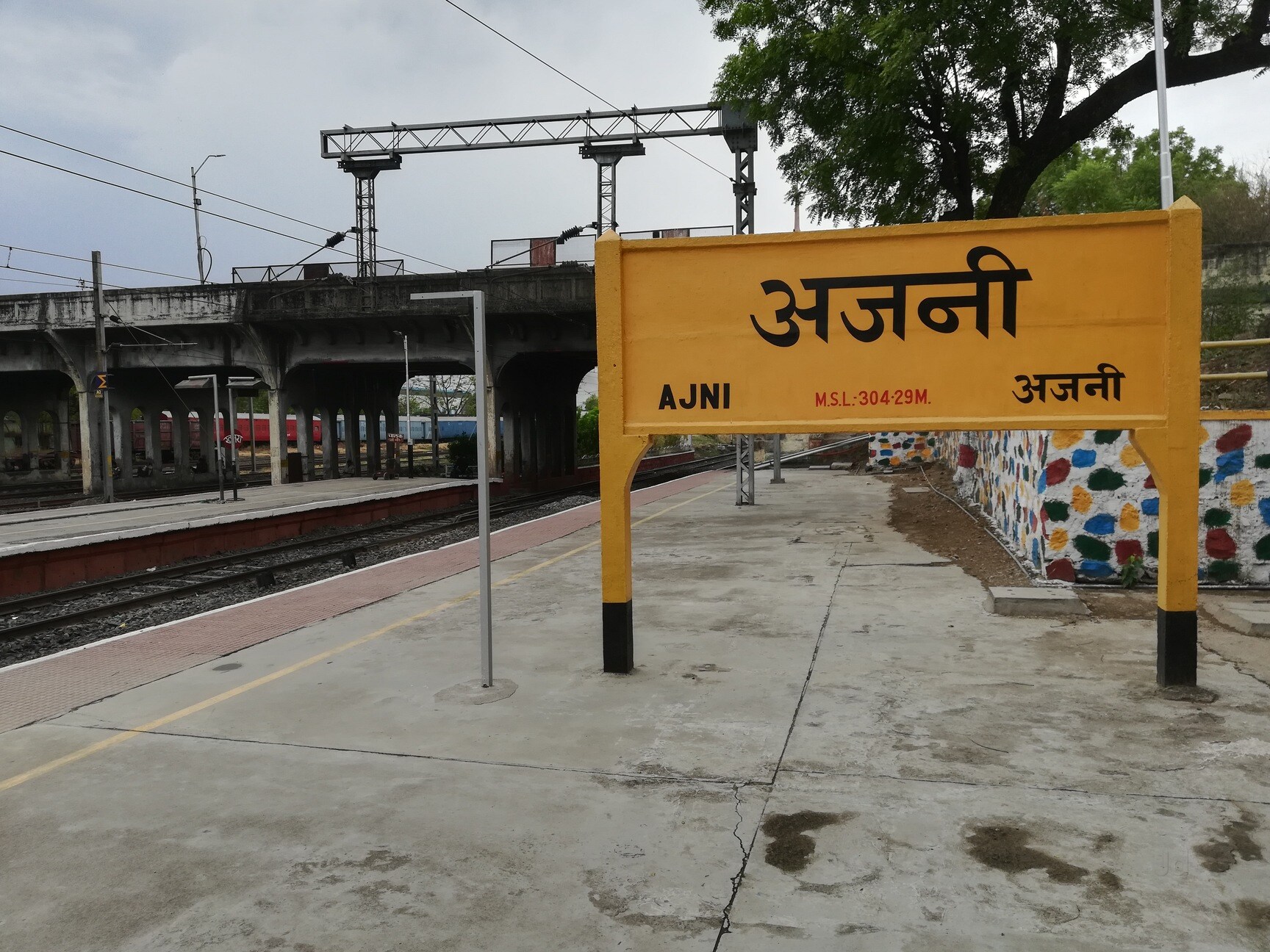
Ajni Station redevelopment: Central Railway’s Nagpur Division has recently announced a significant update regarding the temporary closure of platforms number 2 and 3 at Ajni Railway Station. This closure is a part of the ongoing station redevelopment project aimed at improving passenger amenities and overall infrastructure. The closure also coincides with the upcoming religious event, where a large number of devotees are expected to visit Deekshabhoomi, a renowned Buddhist pilgrimage site located near the station.

This redevelopment work is crucial to enhancing the station’s infrastructure, but we understand that such changes might disrupt the travel plans of passengers. In this article, we will outline the reasons for the closure, alternative travel arrangements, and how passengers can best plan their journeys during this period of transformation.


Why Are Platforms 2 and 3 Closed at Ajni Station?

The temporary closure of platforms 2 and 3 at Ajni Railway Station is primarily due to the station redevelopment work that Central Railway is conducting in its Nagpur Division. These improvements are a part of a larger effort to upgrade the infrastructure, which includes enhancing passenger safety and expanding amenities to accommodate the increasing number of passengers who travel through this station.

The Importance of Redevelopment

Redeveloping Ajni Station is not just about modernization; it’s about creating a better experience for the thousands of passengers who use the station every day. With the influx of devotees visiting Deekshabhoomi, the station’s current infrastructure would struggle to handle such large crowds. Thus, the redevelopment is both timely and essential.


What Should Passengers Know During This Period?

1. Changes in Boarding and Deboarding:

  • Passengers traveling to Deekshabhoomi can still deboard at Ajni Railway Station. However, they will have to use alternative platforms and entrances.
  • Boarding trains will only be allowed from Nagpur Railway Station, specifically from platform number 8. Additional services and facilities will be provided to manage the large crowds expected during this period.

2. Alternate Arrangements for Devotees:

Given the large number of devotees expected to visit Deekshabhoomi, special arrangements have been made to ensure smooth travel. While Ajni Station serves as a primary deboarding point, the focus has shifted to Nagpur Railway Station for boarding trains. To minimize any inconvenience, additional facilities and services will be provided at Nagpur Station’s platform number 8.


How to Plan Your Journey Amidst the Closure

For those planning to travel via Ajni Railway Station, we recommend keeping the following tips in mind:

1. Check Train Schedules Early:

Since Ajni Station platforms 2 and 3 are temporarily closed, it’s crucial to double-check train schedules beforehand. Train timings and platforms may be altered to accommodate the construction work.

2. Arrive Early at Nagpur Railway Station:

With boarding trains shifted to Nagpur Railway Station platform 8, passengers should plan to arrive early. This will give you ample time to navigate the changes and make use of the additional services.

3. Use the Available Services at Nagpur Railway Station:

To ease the strain caused by the closure, the Nagpur Railway Station will offer extra facilities, including seating arrangements, crowd control measures, and possibly additional entry points to manage the large footfall.


Deekshabhoomi: A Major Factor Behind the Station Redevelopment

Deekshabhoomi is an important site for Buddhist pilgrims from all over the world. Every year, thousands of devotees flock to this site, which stands near Ajni Railway Station. With such a large number of visitors expected during this period, it is vital that the station’s infrastructure can support the influx.

1. Significance of Deekshabhoomi:

As one of the most important Buddhist pilgrimage sites in India, Deekshabhoomi is visited by devotees to pay homage and participate in religious rituals. The redevelopment work at Ajni Station is largely influenced by this surge in visitor numbers.

2. The Role of Ajni Station in Facilitating Travel to Deekshabhoomi:

Located close to the pilgrimage site, Ajni Station acts as a crucial hub for those traveling to Deekshabhoomi. However, with the current redevelopment, many visitors will need to adjust their travel plans and use Nagpur Railway Station for boarding.


Passenger Advisory for the Upcoming Days

As redevelopment continues, we advise all passengers to take note of the following:

1. Monitor Travel Updates:

Stay informed by regularly checking for updates on the Central Railway’s website or through railway helplines. Changes in train schedules and platforms can occur during this period.

2. Cooperate with Authorities:

The smooth completion of this redevelopment work depends heavily on passenger cooperation. Please follow all instructions provided by the station authorities and staff.


Key Improvements Expected After Redevelopment

Once the redevelopment is complete, passengers can expect:

1. Enhanced Safety Features:

The updated infrastructure will include modern safety systems, ensuring that passengers feel secure while traveling through Ajni Station.

2. Improved Passenger Amenities:

From better waiting areas to more efficient boarding platforms, the station will cater to a larger crowd with greater convenience.

3. Increased Connectivity:

Ajni Station will become a more critical link in the region’s transportation network, improving its connectivity with major cities and local areas.


How Long Will the Closure Last?

While the exact timeline for the completion of the redevelopment has not been confirmed, authorities are working to ensure that the closure is as short as possible. Stay tuned for official announcements regarding the reopening of platforms 2 and 3.

In conclusion, while the temporary closure of Ajni Station’s platforms 2 and 3 might cause some disruption, it is an essential step towards creating a safer, more modern station. For those traveling to Deekshabhoomi, alternative arrangements have been made to ensure that your journey remains smooth and hassle-free. We urge all passengers to cooperate with the authorities, plan ahead, and stay informed during this redevelopment phase.

1. Why are platforms 2 and 3 at Ajni Railway Station closed?

Platforms 2 and 3 are temporarily closed due to ongoing station redevelopment work aimed at improving infrastructure and passenger amenities.

2. How will the closure affect passengers visiting Deekshabhoomi?

Passengers can still deboard at Ajni Station but must board trains from Nagpur Railway Station, specifically platform 8, where additional services are provided.

3. How long will the platforms remain closed?

The timeline for the completion of the redevelopment has not been specified, but authorities aim to minimize the disruption as much as possible.

4. What alternative arrangements have been made for passengers?

Passengers are advised to board trains at Nagpur Railway Station platform 8, where extra facilities have been put in place to manage the increased footfall.

5. What improvements can passengers expect after the redevelopment?

After redevelopment, Ajni Station will feature enhanced safety measures, better passenger amenities, and increased connectivity.

Kamptee and Wadi Flyovers to be Inaugurated on Oct 5

Nagpur flyovers | Kamptee flyover | Wadi flyover: Two significant developments in Nagpur’s infrastructure are set to transform the city’s traffic flow. The flyovers on Kamptee Road and Wadi Road will officially be inaugurated on October 5, marking a milestone in easing congestion in two of the busiest areas. These flyovers, while already operational to some extent, will undergo a formal ceremony that will cement their place as critical infrastructural assets.

Let’s take a closer look at these remarkable projects, their impact on traffic management, and why they matter for Nagpur’s growing population.

 The Significance of the Kamptee and Wadi Flyovers

Both flyovers on Kamptee Road and Wadi Road have been under development for several years and are seen as essential solutions to the traffic challenges in these areas. Here’s a breakdown of what makes each flyover unique and how they benefit Nagpur’s commuters.

 The Kamptee Road Flyover: Nagpur’s Longest Double-Decker

 Overview of the Kamptee Flyover Project

The Kamptee Road flyover, stretching over 5.6 kilometers, is a remarkable double-decker flyover and is set to be the longest of its kind in Nagpur. Construction began in November 2017, with the project taking four years to reach completion. Initially, it was a part of the National Highways Authority of India (NHAI) initiative but was later merged with the efforts of Maha Metro, ensuring a comprehensive approach to handling traffic.

 Impact on Traffic Management

With the formal inauguration on the horizon, the flyover is expected to significantly reduce congestion along Kamptee Road. The design allows for better traffic flow and minimizes bottlenecks in this critical part of Nagpur. Once operational, the flyover will serve as a faster route for thousands of commuters daily.

 Engineering Excellence

The Kamptee Road flyover is an architectural feat. Not only is it the longest, but it also features innovative construction techniques that have contributed to the efficient management of traffic during its construction. Its double-decker design is particularly suited for accommodating large volumes of vehicles, with each deck handling different lanes of traffic.

 Wadi Road Flyover: A Game-Changer for Local Commuters

 Current Status of the Wadi Road Flyover

While the Wadi Road flyover has already been operational due to court orders, its formal inauguration on October 5 will mark the completion of the project. At 2.3 kilometers, it is already serving a critical function by easing traffic at five important intersections, including the Hingna “T” Point, a notorious traffic choke point in the area.

 Traffic Easing Benefits (Nagpur flyovers)

The Wadi flyover is a crucial piece of infrastructure for commuters using this busy corridor. The construction has already begun to show positive effects on the flow of traffic, reducing delays and ensuring that motorists can travel with fewer interruptions.

 Construction Timelines and Challenges (Nagpur flyovers)

The Wadi flyover’s construction faced several hurdles, including legal challenges and delays. However, its completion marks a vital step in addressing the city’s growing infrastructural demands. The October 5 inauguration will celebrate not just the completion of the project, but also the resolution of these issues.

 The Broader Impact of These Projects

 Easing Congestion in Nagpur

Nagpur has been grappling with increasing traffic issues, especially in key routes like Kamptee Road and Wadi Road. Both flyovers are expected to have a substantial impact on reducing daily congestion, which in turn, will improve travel times and safety for commuters.

 Promoting Economic Growth

The smooth flow of traffic is essential for business and commerce. With the introduction of these flyovers, local businesses in the surrounding areas are likely to benefit from increased accessibility. Reduced congestion can encourage more footfall, while quicker transit times will make logistics more efficient for companies relying on road transport.

 A Step Towards Smart City Goals

Nagpur is one of India’s smart cities, and these flyovers align with the broader goals of creating sustainable urban spaces. The enhanced infrastructure will support not only current transportation needs but also the city’s future growth.

 Key Flyover Highlights

 Kamptee Road Flyover Facts

  • Length: 5.6 km (longest double-decker in Nagpur)
  • Completion Time: 4 years
  • Managing Authorities: NHAI and Maha Metro

 Wadi Road Flyover Facts

  • Length: 2.3 km
  • Operational Since: Court-ordered opening
  • Main Benefit: Eases traffic at five intersections

 Future Prospects

 Enhanced Urban Planning

These projects are just the beginning. Nagpur’s urban planning has been evolving, and these flyovers are a testament to the city’s commitment to improving infrastructure. More projects like these are expected in the future to keep pace with the city’s growing demands.

 Scaling Public Transport

The Maha Metro has been instrumental in these projects. With their expertise in both road and rail infrastructure, Nagpur is well on its way to becoming a model of efficient urban transport.

 The Road Ahead

As more projects like these are completed, Nagpur will likely see a transformation in how people move through the city. Improved infrastructure is a key factor in enhancing the quality of life, making daily commutes easier and businesses more accessible.

The Kamptee Road and Wadi Road flyovers are more than just infrastructural projects. They represent Nagpur’s journey toward becoming a modern, well-connected city. With the official inauguration set for October 5, these flyovers will provide immediate relief to the city’s congested traffic routes. As Nagpur continues to expand, such projects will be pivotal in shaping its future, benefiting both residents and businesses alike.

Q1: When will the Kamptee and Wadi flyovers be officially inaugurated?

The inauguration is scheduled for October 5, though the Wadi flyover is already operational due to court orders.

Q2: How long is the Kamptee Road flyover?

The Kamptee Road flyover is 5.6 kilometers long, making it the longest double-decker flyover in Nagpur.

Q3: What is the purpose of the Wadi Road flyover?

The Wadi Road flyover is designed to reduce traffic congestion, particularly at five critical intersections, including the Hingna “T” Point.

Q4: How will these flyovers impact local businesses?

By reducing traffic congestion, the flyovers are expected to improve accessibility, which could increase business opportunities in the surrounding areas.

Q5: Are these flyovers part of Nagpur’s smart city initiative?

Yes, these flyovers are aligned with Nagpur’s smart city goals, which aim to improve infrastructure and support the city’s growth.

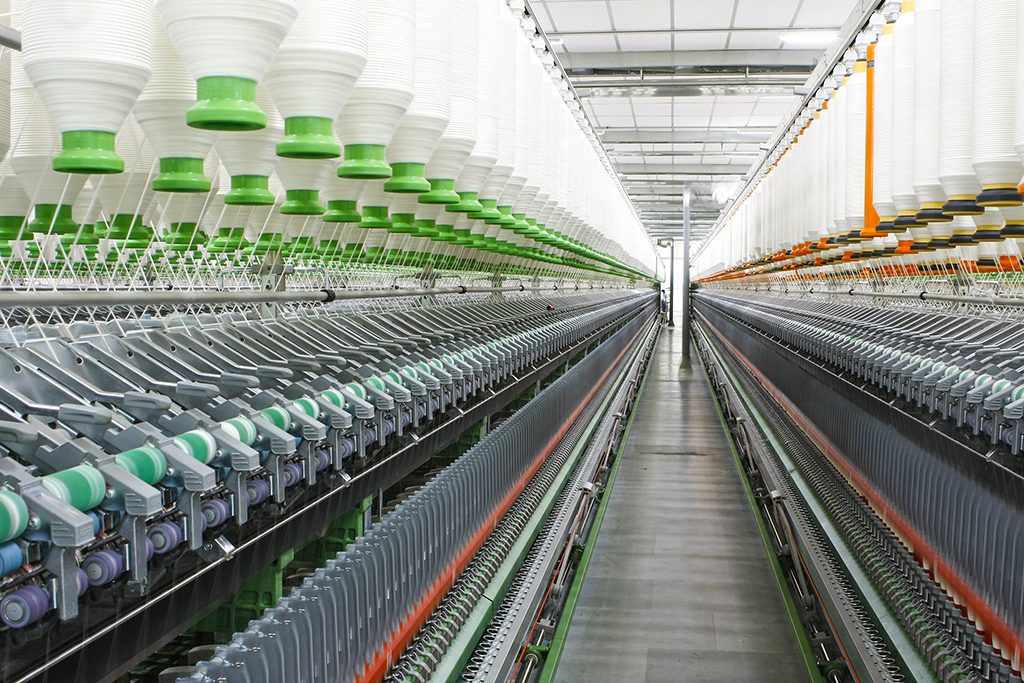
Rs750 Crore Textile Project in Wardha Set to Transform Vidarbha’s Economy

Wardha textile project | Vidarbha economy: The Maharashtra government has taken a giant leap towards industrial transformation in Vidarbha, particularly Wardha, by signing a landmark Memorandum of Understanding (MoU) with OFAB Tech Private Limited. This initiative, which marks a Rs750 crore investment, will play a pivotal role in reshaping the region’s economy and its textile sector. The project is not only a milestone for Wardha but also for Maharashtra’s overall industrial growth. With the promise of creating 15,000 new jobs, this project is set to boost the local economy and empower its communities.

What Does This Mean for Wardha?

The signing of this agreement took place at Deputy Chief Minister Devendra Fadnavis’s official residence, highlighting the gravity and significance of this initiative. The project is set to be established in the Karanja (Ghadge) MIDC area of Wardha district, which is famous for its historical importance (Vidarbha economy), housing Mahatma Gandhi’s Sevagram and Vinoba Bhave’s ashrams. However, this new development could propel Wardha into a modern era, focusing on industrial and economic growth.

Why Vidarbha and Wardha?

Vidarbha,(Vidarbha economy) an often underdeveloped part of Maharashtra, has been yearning for industrial growth. With an abundant supply of raw materials, sufficient power availability, and a strong transportation network, Wardha was the ideal candidate for this textile project. OFAB Tech, with its B2B expertise and an annual turnover of Rs25,000 crore, is set to leverage these advantages, transforming the district into a major textile hub.

A Key Development for Regional Growth

The textile project not only aims to revolutionize the textile industry in the region but is expected to lead to comprehensive industrial growth across Vidarbha. Deputy Chief Minister Fadnavis stressed the transformative impact this investment will have, not just on the textile sector but on Vidarbha’s economy as a whole.

15,000 Jobs and Counting

Creating employment opportunities is at the heart of this project. The promise of 15,000 jobs will cater to both skilled and semi-skilled workers, giving locals a chance to uplift themselves financially. This project also aims to empower women artisans, which aligns with Maharashtra’s broader goals of inclusive economic growth. With a hub-and-spoke model, the initiative will extend its benefits to surrounding rural areas, helping to transform not just Wardha but neighboring communities as well.

Government’s Commitment to Development

The selection of Wardha for this massive investment reflects the state government’s commitment to fostering balanced regional development. The project is a significant move in reducing the disparity between urban and rural industrial development.

OFAB Tech: A Game Changer

OFAB Tech’s involvement is particularly notable because of its established reputation and vast resources. As a B2B giant, OFAB Tech is set to make an impact far beyond the local economy. With advanced technologies and industrial practices, the company will set up a state-of-the-art textile facility, positioning Wardha as a new epicenter of industrial growth.

Leveraging Local Resources

Wardha’s strategic location and resources have long been untapped. This project provides the perfect opportunity to maximize the district’s raw materials, transportation infrastructure, and human resources, ensuring that the economic benefits of this development ripple across the entire region.

Key Benefits of the Rs750 Crore Textile Project

  1. Boost to Vidarbha’s Economy: This massive investment will spur economic growth across the region, setting the stage for future industrial developments.
  2. Creation of Employment: The project is expected to generate approximately 15,000 new jobs, benefitting a wide range of the local workforce, from skilled labor to artisans.
  3. Empowering Women Artisans: A significant focus of this project will be on providing opportunities for women, particularly in rural areas.
  4. Technological Advancements: With OFAB Tech’s involvement, Wardha will soon be home to cutting-edge textile technology.
  5. Sustainable Development: This initiative is poised to be a model for balanced regional development, ensuring growth in underdeveloped areas without compromising on sustainability.

Social and Economic Transformation

Deputy Chief Minister Fadnavis rightly called this project a “catalyst for social and economic transformation.” The focus is not just on boosting the textile industry, but on uplifting local communities. By tapping into the local talent pool and providing opportunities to marginalized groups, the project aims to drive long-term, sustainable development in Wardha and the surrounding regions.

What Lies Ahead for Wardha?

Wardha’s transformation into a textile hub will have far-reaching implications. This project could pave the way for more industries to set up shop in the region, bringing in additional investments and opportunities. The Maharashtra government’s commitment to Vidarbha’s growth is evident, and this Rs750 crore investment could be the first of many.

Hub-and-Spoke Model for Inclusive Growth

The adoption of a hub-and-spoke model will ensure that even the most remote rural areas around Wardha benefit from this development. By integrating local resources and creating jobs in these areas, the project will help bridge the urban-rural divide.

 A New Era for Wardha

The Rs750 crore textile project in Wardha is a major step forward in Vidarbha’s industrial and economic development (Vidarbha economy). With OFAB Tech at the helm, the initiative is poised to create jobs, boost the local economy, and empower communities. More than just an industrial project, this is a landmark development that will transform the social and economic fabric of the region. The future looks bright for Wardha as it stands on the brink of becoming Maharashtra’s new textile hub.

  • What is the significance of the Rs750 crore investment in Wardha? The investment will transform Wardha into a textile hub, creating 15,000 jobs and boosting the local economy.
  • Who is behind this project? The Maharashtra government signed a MoU with OFAB Tech Private Limited to establish a state-of-the-art textile facility.
  • How will this project benefit local communities? It will provide employment opportunities, especially for women artisans, and adopt a hub-and-spoke model to extend benefits to surrounding rural areas.
  • Why was Wardha chosen for this investment? Wardha’s strategic location, abundant resources, and strong infrastructure make it an ideal candidate for this large-scale investment.
  • What is the long-term impact of this project? This project is expected to catalyze industrial growth in Vidarbha, positioning Wardha as a key player in Maharashtra’s textile sector.

Mukesh Ambani to Launch Rice Straw-Based CNG Project in Mauda

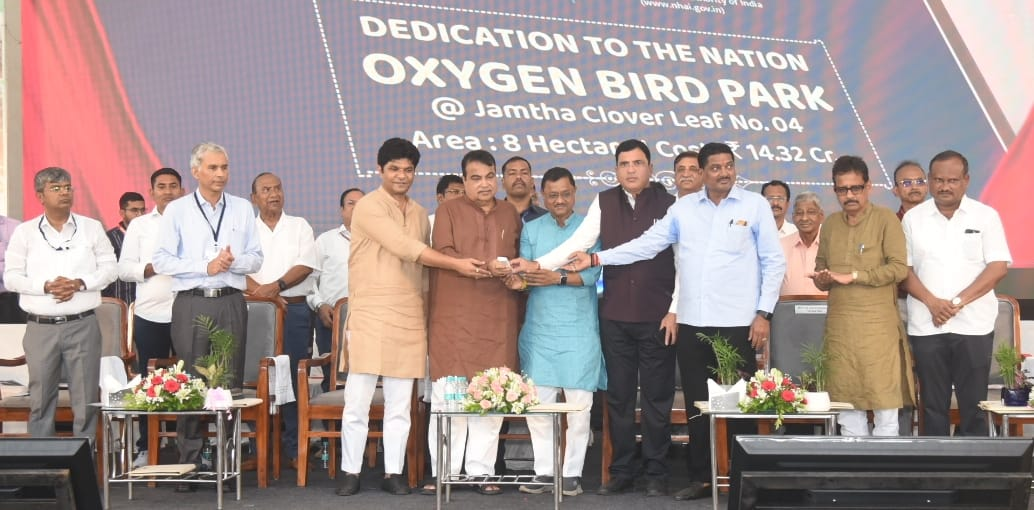
Mukesh Ambani rice straw CNG project: In a visionary move set to transform India’s energy sector, Mukesh Ambani, the Chairman of Reliance Industries, is planning to launch a rice straw-based compressed natural gas (CNG) project in Mauda. This eco-friendly initiative is part of his broader strategy to establish 600 CNG projects throughout India, utilizing rice straw, a commonly found agricultural byproduct. The announcement came during the inauguration of India’s first Oxygen Bird Park by Union Minister of Road Transport and Highways, Nitin Gadkari.

The Vision Behind Rice Straw-Based CNG Projects

Mukesh Ambani’s plan to harness rice straw for CNG production comes at a crucial time for India’s energy sector. Traditionally, rice straw is considered waste, often burned by farmers, contributing to severe air pollution. By converting this byproduct into CNG, Ambani is proposing a dual solution—providing clean energy while mitigating environmental hazards.

Why Rice Straw?

Rice straw is an abundant byproduct of rice farming in India. When left unused, it is often burned in fields, causing a spike in harmful particulate matter in the atmosphere, especially in northern India. Converting rice straw into CNG not only reduces pollution but also provides an additional income stream for farmers, making this initiative a win-win.

The Mauda Project: A Key Step in India’s Clean Energy Future

One of the first projects under Ambani’s rice straw-based CNG initiative will be established in Mauda, a town in Vidarbha, Maharashtra. This area, known for its agricultural activities, is an ideal location to test the efficacy and scalability of this project.

The Role of Technology in Mauda’s CNG Project

The conversion of rice straw to CNG will involve cutting-edge technology that can process large volumes of biomass. The plant will likely employ advanced anaerobic digestion processes, which break down organic matter to produce methane-rich biogas. This can then be purified and compressed into CNG for commercial use.

India’s First Oxygen Bird Park Inaugurated by Nitin Gadkari

While the rice straw-based CNG project was a key highlight, the event also marked the inauguration of India’s first Oxygen Bird Park in Nagpur. Conceptualized by Nitin Gadkari, the park is designed to be a sanctuary for local and migratory birds, offering them a safe habitat while also serving as a recreational space for citizens.

What Makes the Oxygen Bird Park Unique?

The Oxygen Bird Park stands out for its focus on environmental sustainability. The park has a wide variety of fruit-bearing trees that not only beautify the landscape but also provide food for birds. Gadkari emphasized that trees like Arjun, Java Plum, and Banyan are known for their high oxygen-producing capabilities, hence the park’s name.

Key Features of the Park:

  • Varied Tree Species: Trees like Mango, Jujube, Guava, and Tamarind are planted to ensure the park remains green year-round.
  • Recreational Areas: The park offers jogging and cycling tracks, watchtowers, food courts, and children’s play areas.
  • A Dedicated Nursery: To ensure the continued greening of the region, a nursery within the park will provide saplings for National Highways Authority of India (NHAI) projects.

Environmental Benefits of the Park

This bird park is much more than just a recreational area. It plays a crucial role in maintaining ecological balance in the region by providing a habitat for birds and contributing to the local oxygen levels. Gadkari’s initiative is an important reminder of the need for green spaces in urban settings to combat pollution and improve air quality.

Collaboration Between Government and Industry for a Greener Future

Both the rice straw-based CNG project and the Oxygen Bird Park exemplify the importance of collaboration between the government and industry to drive eco-friendly initiatives. Nitin Gadkari’s Ministry of Road Transport and Highways has been a key player in launching several such projects aimed at reducing carbon footprints and improving infrastructure.

NHAI’s Role in Promoting Green Initiatives

The NHAI has not only supported the development of the Oxygen Bird Park but has also planted over 1 lakh saplings under its ‘Ek Ped Ma Ke Naam’ initiative. This large-scale tree plantation program reflects the government’s commitment to greening India’s highways and reducing air pollution.

Future Prospects for Rice Straw-Based CNG in India

Mukesh Ambani’s vision for 600 CNG projects across India signals a massive transformation in the country’s approach to clean energy. With rice straw as a raw material, these projects have the potential to revolutionize both the energy and agricultural sectors. Farmers will no longer need to burn rice straw, and the CNG produced can provide an alternative to fossil fuels.

Scalability and Impact on Rural Economies

The success of the Mauda project could serve as a model for other agricultural regions in India. By promoting decentralized energy production, rural communities could become energy self-sufficient, reducing their dependence on grid power and boosting local economies.

Mukesh Ambani’s initiative to launch rice straw-based CNG projects across India, starting with Mauda, is a groundbreaking step toward sustainable energy. Combined with Nitin Gadkari’s vision for green spaces like the Oxygen Bird Park, these projects underscore the importance of innovation in addressing environmental challenges. Together, they represent a hopeful future where India not only meets its energy needs but also protects its natural environment.

  1. What is rice straw-based CNG? Rice straw-based CNG is compressed natural gas produced by converting rice straw, a common agricultural waste, into a clean energy source.
  2. Why is the Mauda project important? The Mauda project is one of the first to utilize rice straw for CNG production, setting a precedent for 600 similar projects across India.
  3. What are the environmental benefits of the Oxygen Bird Park? The Oxygen Bird Park increases local oxygen levels and provides a safe habitat for both local and migratory birds.
  4. How will rice straw-based CNG benefit farmers? Farmers will have an additional income stream by selling rice straw for CNG production, rather than burning it.
  5. What is the ‘Ek Ped Ma Ke Naam’ initiative? It is a tree plantation initiative led by the NHAI, with over 1 lakh saplings planted to date.

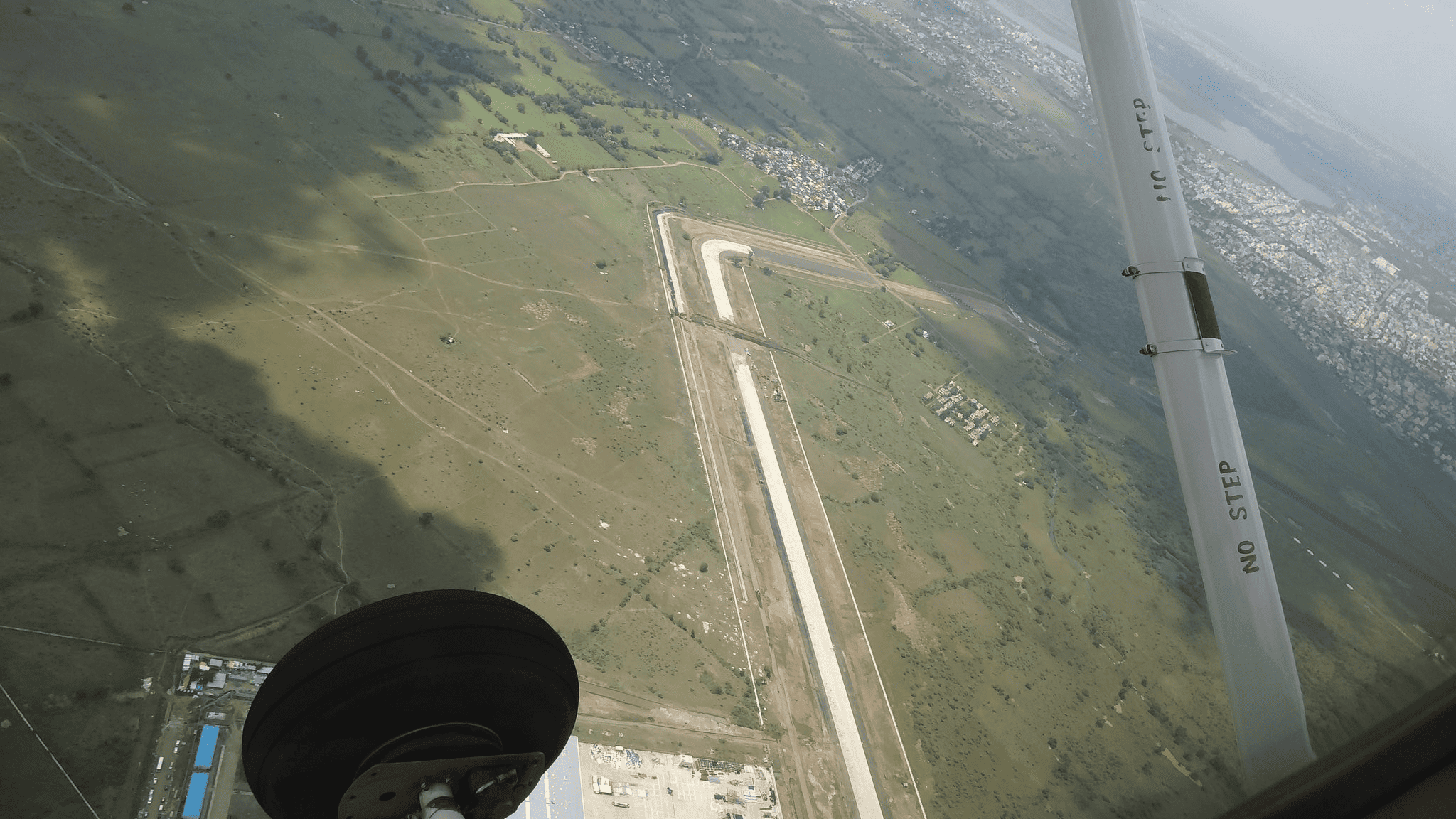
Fasten Seatbelts: Vidarbha Economy Set To Fly High With Nagpur Airport Upgrade

The Vidarbha region is on the brink of a transformative journey with the redevelopment of Nagpur Airport. Thanks to a recent Supreme Court ruling, the city is poised to become a key player in India’s economic and logistical landscape. This redevelopment is more than just an infrastructure project—it’s a catalyst that could accelerate growth in various sectors, including aviation, tourism, logistics, and healthcare. With GMR now managing the airport, a wave of optimism is sweeping through the city, and industry leaders are excited about what lies ahead.

Nagpur Airport Redevelopment: A Game-Changer for Vidarbha

Nagpur has long been a pivotal city in Maharashtra’s Vidarbha region, but its true potential has been constrained by limited infrastructure. The airport’s redevelopment is now being viewed as a major turning point that could open doors for new opportunities across multiple sectors. Shivkumar Rao, a logistics expert, summed it up best when he described the project as a “game-changer” for the local economy.

 GMR Takes Charge: A New Dawn for Nagpur Airport

One of the most exciting aspects of this redevelopment is the involvement of GMR, an industry leader in airport management. GMR is expected to bring a wealth of expertise to the project, which will include expanding the airport’s capacity and introducing more international flights. The addition of an air cargo complex is a major component of the plan, and this will likely boost the import-export sector, which currently relies on limited international airlines.

 Expanding International and Domestic Connectivity

The current airport infrastructure in Nagpur has limited international connectivity, forcing businesses and tourists to rely on Mumbai or Delhi as transit hubs. With the airport’s redevelopment, new international carriers are expected to come on board, making Nagpur a direct destination for global visitors and cargo alike. The air cargo complex will further cement Nagpur’s role as a logistics hub, especially for businesses looking for more efficient export routes.

 The Impact on Local Businesses

Local businesses are excited about the prospect of increased air traffic. Rao, a former president of Vidarbha Economic Development Council (VED), emphasized the significance of GMR’s involvement. “For air traffic to grow, airlines, airport owners, and cargo users need to work together,” he noted, adding that better marketing and branding of Nagpur will naturally attract more air traffic.

 Wildlife Tourism to Soar

Nagpur is not only a business hub but also a gateway to some of India’s most famous wildlife sanctuaries. The redevelopment of the airport will make it easier for foreign tourists to visit these natural attractions directly.

 Wildlife Tourism: A Major Growth Area

Tourism professionals are particularly excited about the impact the airport redevelopment will have on wildlife tourism. MS Tuli, a veteran in the hospitality industry, believes that with the introduction of more international flights, the influx of foreign tourists will rise dramatically. The ease of direct international access will make Nagpur a prime destination for nature lovers and adventure seekers from across the globe.

 Boosting Domestic Tourism

The benefits of the airport upgrade won’t just be felt internationally. Improved domestic connectivity will make it easier for travelers from other Indian cities to visit Nagpur. The city is surrounded by several national parks and wildlife sanctuaries, and with better flight options, more domestic tourists are likely to explore the region.

 Branding Nagpur: A Gateway to the City’s Future

An airport is more than just a place where planes take off and land—it’s often the first impression a visitor gets of a city. According to Sanjay Arora, a branding expert, the Nagpur airport redevelopment presents an opportunity to rebrand the city. A state-of-the-art airport will not only improve logistics but also elevate Nagpur’s image in the eyes of the world.

 Enhancing the City’s Appeal

A modern airport is a critical part of a city’s infrastructure, and its quality can make or break a city’s brand. Arora highlighted how a well-functioning airport can significantly influence visitors’ perceptions. He argued that the first impression begins as soon as travelers land and that Nagpur’s image will receive a significant boost from the redevelopment.

 Medical Tourism: The Next Big Thing for Nagpur

The healthcare sector is another area poised for growth thanks to the airport redevelopment. Nagpur is already a popular destination for medical tourism, with patients from across the globe seeking treatment at its top-tier healthcare facilities. The new airport will only make it easier for international patients to travel to the city for medical care.

 Global Access to World-Class Healthcare

Dr. Sushrut Babhulkar, a leading surgeon, believes that better connectivity will enhance Nagpur’s appeal to medical tourists. “We already attract international patients, but direct flights will make it even more convenient,” he said. With the airport redevelopment, Nagpur’s healthcare sector could see a substantial boost, positioning the city as a top destination for medical tourism.

 Outbound and Inbound Travel to Double

Rajesh Agrawal, a veteran in the travel industry, has a bold prediction: outbound travel from Nagpur is set to double in the next five years. With more international and domestic flights, more people will be traveling from Nagpur to explore new destinations. Additionally, inbound tourism is expected to rise, especially with the growing interest in wildlife tourism.

 Why the Upgrade Matters for Travelers

For travelers, the redevelopment of Nagpur airport means better connectivity, more flight options, and less reliance on major hubs like Mumbai or Delhi. This will make both domestic and international travel far more convenient for people living in Nagpur and the surrounding regions.

 Logistics: The Lifeblood of Nagpur’s Economy

Logistics is another critical sector set to benefit from the redevelopment. Nagpur’s strategic location already makes it a natural logistics hub, and the upgraded airport will only enhance this advantage. The new air cargo complex is a much-anticipated addition that could make Nagpur a go-to destination for freight and cargo services.

 The Future of Nagpur as a Logistics Hub

With better air traffic management and improved facilities, Nagpur is likely to attract more logistics companies. This will not only create jobs but also streamline the import-export process for businesses in the region.

 The Sky’s the Limit for Nagpur

The redevelopment of Nagpur Airport is set to usher in a new era for the Vidarbha region. With improved infrastructure, better connectivity, and enhanced facilities, Nagpur is poised to become a major player in aviation, tourism, logistics, and healthcare. As GMR takes the helm, the city can look forward to sustained economic growth and new opportunities across a variety of sectors. The future of Nagpur is indeed looking bright—so fasten your seatbelts and get ready for takeoff!

  1. How will the Nagpur airport redevelopment impact tourism? The redevelopment will improve both domestic and international connectivity, making it easier for tourists to visit Nagpur, especially for wildlife tourism.
  2. What sectors are expected to benefit the most from the airport upgrade? The aviation, logistics, healthcare, and tourism sectors are expected to see significant growth.
  3. How will the new air cargo complex benefit Nagpur’s economy? The air cargo complex will streamline the import-export process, attracting more international airlines and boosting the logistics industry.
  4. What role will GMR play in the airport’s redevelopment? GMR will manage the project and focus on expanding the airport’s capacity, introducing new flights, and improving overall infrastructure.
  5. Is medical tourism expected to grow after the redevelopment? Yes, with better connectivity and direct international flights, Nagpur’s medical tourism sector is likely to see substantial growth.

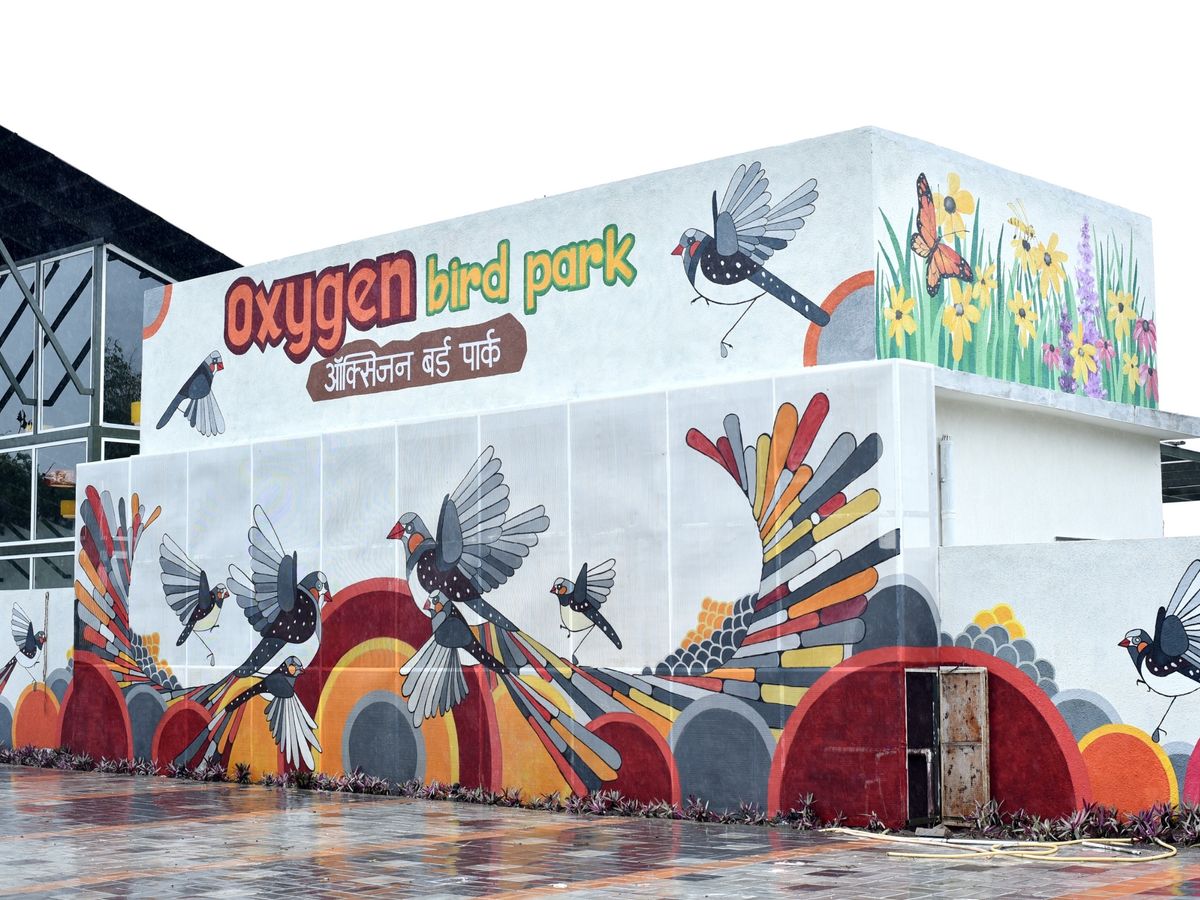
Gadkari to Inaugurate Oxygen Bird Park (Amrit Mahotsav Park)

Union Minister for Road Transport and Highways, Nitin Gadkari, is set to inaugurate the much-anticipated Oxygen Bird Park (Amrit Mahotsav Park) on September 28, 2024. Located along the Nagpur-Hyderabad National Highway-44, this eco-friendly park is part of a larger movement toward environmental sustainability. The park, developed by the National Highways Authority of India (NHAI), is situated near Jamtha in Nagpur, Maharashtra.

An Eco-Friendly Initiative for a Sustainable Future

Covering a total area of 8.23 hectares, the Oxygen Bird Park is more than just a recreational space—it’s an environmental sanctuary. Of this land, 2.5 hectares have been reserved for social forestry, showcasing a clear commitment to preserving green spaces. The project was formally approved in March 2023, with a development cost of ₹14.31 crores.

The park is designed to serve both as a bird habitat and a place for locals and tourists to relax and enjoy nature. It’s not just about aesthetics—this park represents a forward-thinking approach to urban planning and environmental protection.

Key Features of the Oxygen Bird Park

1. The Oxygen Park Initiative

The primary highlight of the Oxygen Bird Park is its Oxygen Park feature, where fast-growing, oxygen-producing trees have been strategically planted. These trees not only enhance the natural beauty of the area but also contribute to reducing air pollution. The aim is to promote a healthier environment for the surrounding communities.

2. Bird Sanctuary

The park serves as a haven for a variety of bird species, making it an ideal spot for bird watchers and nature lovers. The creation of this sanctuary is designed to preserve biodiversity while offering educational and recreational opportunities.

3. Recreational Facilities

In addition to its ecological focus, the park is also equipped with several recreational facilities such as walking trails, seating areas, and viewpoints for birdwatching. It’s a great spot for families and individuals looking to enjoy some downtime in a natural setting.

Environmental Sustainability: The Core Focus

The Oxygen Bird Park stands as a testament to the importance of integrating sustainability into urban development. The park’s social forestry project, maintained by the Social Forestry Division of Nagpur, plays a pivotal role in ensuring that the park remains a green lung for the city. It emphasizes carbon sequestration, biodiversity, and ecological balance.

4. Reducing Air Pollution

Fast-growing trees are not just an aesthetic feature but an environmental necessity. These trees act as natural air purifiers, improving air quality for nearby communities. With rising levels of pollution across the globe, such initiatives are crucial in combating environmental degradation.

5. Promoting a Healthier Lifestyle

The park encourages a health-conscious lifestyle by providing open spaces for walking, jogging, and other outdoor activities. People can escape from the city’s hustle and reconnect with nature, improving both their physical and mental well-being.

Gadkari’s Role in Environmental Initiatives

Nitin Gadkari has been a vocal advocate for environmental sustainability, and the inauguration of the Oxygen Bird Park is just one part of his larger vision. He has consistently pushed for eco-friendly projects, particularly along national highways.

6. Nationwide Plantation Drive

In line with this vision, Gadkari is also leading a nationwide plantation drive under the Swachhata Hi Seva 2024 campaign, which encourages citizens to take part in cleaning and greening activities. This initiative, coinciding with the inauguration of the park, seeks to plant millions of trees across the country, contributing to both ecological preservation and the fight against climate change.

Benefits of the Oxygen Bird Park to Nagpur

The Oxygen Bird Park is expected to have several long-term benefits for the city of Nagpur and its residents:

7. Enhanced Air Quality

By planting oxygen-producing trees, the park will serve as a natural air purifier, improving the quality of life for those living nearby. This is especially important in rapidly urbanizing areas where air pollution is a growing concern.

8. Increased Biodiversity

With its dedicated focus on attracting a variety of bird species, the park will play a key role in preserving and enhancing the city’s biodiversity. This contributes not only to environmental sustainability but also to eco-tourism.

9. Boost to Local Tourism

The park is expected to become a popular destination for both locals and tourists, offering them a unique experience of eco-tourism. It will attract nature lovers, bird watchers, and those seeking to enjoy a serene environment, thereby boosting the local economy.

10. Educational Opportunities

Educational programs can be developed around the park, focusing on environmental conservation, sustainability, and biodiversity. Schools, colleges, and environmental organizations will benefit from having such a resource in the area.

The Role of NHAI in Developing Eco-Friendly Spaces

The National Highways Authority of India (NHAI) has been actively promoting sustainable development projects along India’s national highways. The Oxygen Bird Park is one of many initiatives aimed at reducing the environmental impact of infrastructure development.

11. Sustainable Infrastructure

NHAI’s focus on sustainability is reflected in its approach to creating infrastructure that balances economic growth with environmental protection. Projects like the Oxygen Bird Park demonstrate a holistic approach to development.

12. Public-Private Partnership

The development of the park is part of a larger public-private partnership that involves both government agencies and local communities working together to create and maintain green spaces.

Amrit Mahotsav Park: A Symbol of India’s Green Future

The Amrit Mahotsav Park, which houses the Oxygen Bird Park, is more than just a green space. It represents a renewed commitment to environmental protection as part of India’s Azadi Ka Amrit Mahotsav, a national campaign celebrating 75 years of independence.

13. Symbol of Environmental Patriotism

The park’s focus on sustainability ties into broader efforts to promote environmental patriotism, urging citizens to take an active role in protecting their natural surroundings.

Why Eco-Tourism is the Future

14. The Growth of Eco-Tourism in India

As eco-tourism continues to grow, parks like these are vital in offering sustainable travel options. Visitors can explore natural habitats without leaving a negative environmental footprint.

15. Responsible Travel

By encouraging responsible tourism, the park ensures that future generations can enjoy the same natural beauty we cherish today.

The Oxygen Bird Park (Amrit Mahotsav Park) is a bold step towards sustainable development and environmental conservation in India. As we face increasing environmental challenges, projects like these highlight the importance of integrating green spaces into urban areas. With Nitin Gadkari at the helm of such initiatives, the future looks bright for both Nagpur and the entire nation.

1. What is the significance of the Oxygen Bird Park?
The Oxygen Bird Park promotes environmental sustainability by planting oxygen-producing trees and creating a natural habitat for birds.

2. Who developed the Oxygen Bird Park?
The park was developed by the National Highways Authority of India (NHAI) near Jamtha, Nagpur.

3. What is the cost of the Oxygen Bird Park project?
The development of the park cost ₹14.31 crores.

4. When is the park’s inauguration?
The park will be inaugurated on September 28, 2024, by Nitin Gadkari.

5. How does the park contribute to reducing pollution?
The fast-growing trees in the park act as natural air purifiers, helping to reduce pollution in the surrounding areas.

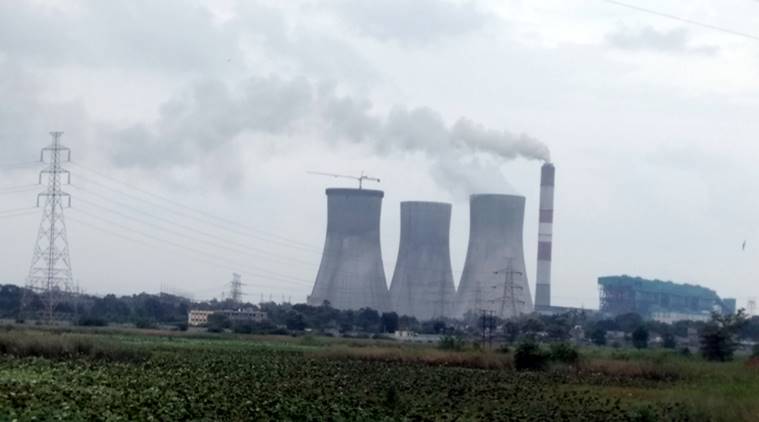
Koradi Power Plant Gets Environmental Nod for 2 New 660MW Units

Koradi power plant: The energy landscape in Maharashtra is undergoing a significant transformation. With the state government-owned power utility Mahagenco receiving the much-anticipated Environmental Clearance (EC) for two new 660 MW supercritical thermal power units at Koradi, there’s much to discuss about the future of energy production. This clearance is part of a strategic initiative to replace old units and expand the thermal power capacity of the state. This article dives deep into the implications of this project and what it means for the future of energy in Nagpur and Maharashtra.


The Importance of the Koradi Power Plant Expansion

Koradi is already a major hub for energy production in the region. Currently, the thermal power station boasts a capacity of 2,190 MW. By adding these new supercritical units, Mahagenco plans to significantly boost the state’s energy output. But why is this expansion important?

Energy demands in Maharashtra are constantly growing, driven by industrial, commercial, and residential needs. The existing power units are aging, and their efficiency is gradually declining. The installation of two new 660 MW units will not only replace older systems but will also introduce more efficient, environmentally-friendly technologies, ensuring that the state remains energy-secure for decades to come.


What Are Supercritical Thermal Power Plants?

To fully appreciate this project, it’s essential to understand what makes supercritical thermal power plants unique. Unlike traditional thermal power plants, which operate under standard conditions, supercritical plants function at temperatures and pressures above the critical point of water. This allows for better efficiency, lower emissions, and reduced fuel consumption.

The two new units planned at Koradi will bring these benefits, helping to modernize Maharashtra’s power generation infrastructure and align with global efforts to reduce carbon footprints.


Mahagenco’s Power Generation Capacity: A Growing Force

At present, Mahagenco’s overall thermal power generation capacity exceeds 9,500 MW. The two new 660 MW units at Koradi will add 1,320 MW to this total, a significant contribution to the state’s energy production. Additionally, another 660 MW unit is expected to be commissioned soon at Bhusawal, further bolstering Mahagenco’s capabilities.


Environmental Clearance: A Green Light for Progress

Securing the Environmental Clearance for such a large-scale project is no small feat. This clearance ensures that the power plant meets stringent environmental standards, minimizing the impact on local ecosystems. This process often involves extensive environmental impact assessments (EIAs), public consultations, and thorough reviews by regulatory bodies.

The EC granted to Mahagenco for the Koradi project signifies that the new units will adhere to national guidelines for air, water, and soil quality, as well as waste management and resource conservation.


Impact on Local Communities and Employment

The addition of two new power units is not just a technical upgrade but also a socio-economic boost for the local community. The construction and operation phases of the new plants are expected to generate thousands of jobs, both directly and indirectly.

From construction workers to engineers and administrative staff, the project will likely bring significant employment opportunities. Moreover, increased energy capacity means better support for local industries, leading to further economic development in the region.


Challenges Ahead: What to Expect?

Although the Environmental Clearance marks a significant milestone, the road ahead is not without challenges. The construction of these new units is expected to take four to five years, which means that the benefits won’t be immediate. During this period, Mahagenco will have to navigate potential obstacles such as delays in construction, regulatory hurdles, and financial considerations.


The Future of Thermal Power in Maharashtra

As the state continues to invest in both renewable and non-renewable energy sources, the addition of supercritical thermal power plants like Koradi signifies a balanced approach. While renewables are growing rapidly, thermal power still plays a critical role in meeting the state’s base load energy requirements.

With modernized, more efficient units in place, Maharashtra can better manage its energy mix and ensure a steady supply of power to its rapidly growing population and industries.


Sustainability and Energy Security

The world is in the midst of an energy transition, moving towards cleaner, more sustainable power sources. However, thermal power remains a cornerstone of energy security, particularly in developing economies like India. The Koradi expansion is a step towards modernizing traditional energy infrastructure while keeping sustainability in focus.


Why Koradi’s Upgrade Matters for Nagpur

Nagpur, often referred to as the heart of Maharashtra, is a critical industrial and economic hub. The upgraded Koradi Power Plant will ensure that the city has a reliable supply of energy, which is crucial for industries, businesses, and homes. As Nagpur grows, so too will its energy needs, and projects like this ensure that the city’s energy future remains bright.


Timelines and Expectations for the Koradi Project

The project is expected to take between four to five years for completion. Given the scale of construction and the complexity of the machinery involved, this timeline is considered reasonable. However, it’s important to note that unforeseen delays are always a possibility in large infrastructure projects.


How Will Koradi’s Expansion Affect Power Tariffs?

While the primary goal of the Koradi expansion is to boost capacity, there’s also a potential for this project to stabilize or even lower electricity tariffs in the long term. As newer, more efficient units come online, the cost of power production per unit should decrease, which could translate to savings for consumers.


Government Support for Energy Infrastructure

The government’s backing of Mahagenco’s expansion is part of a broader strategy to strengthen India’s energy infrastructure. By modernizing old plants and introducing new, more efficient technology, the government is ensuring that energy supply keeps pace with demand while minimizing environmental impact.


 A Step Forward for Maharashtra’s Energy Future

The addition of two new 660 MW supercritical thermal power units at Koradi represents a major advancement in Maharashtra’s energy sector. Not only will these new units replace aging infrastructure, but they will also boost the state’s overall capacity, ensuring a more reliable and sustainable energy supply. The Environmental Clearance is a crucial first step in this process, and while challenges lie ahead, the long-term benefits are undeniable.

1. What is the current capacity of the Koradi Power Plant?
The current capacity is 2,190 MW, which will increase by 1,320 MW with the addition of two new units.

2. How long will it take to complete the new units?
The construction of the two new units is expected to take four to five years.

3. What is a supercritical thermal power plant?
Supercritical thermal power plants operate at higher temperatures and pressures, making them more efficient and environmentally friendly than traditional plants.

4. How will the Koradi expansion impact local communities?
The project is expected to create numerous jobs during both construction and operation phases, benefiting the local economy.

5. What other projects are in the pipeline for Mahagenco?
In addition to Koradi, Mahagenco is planning to commission a new 660 MW unit at Bhusawal in the near future.

Kamptee Road Flyover Ready for Traffic: NHAI to Decide on Inauguration

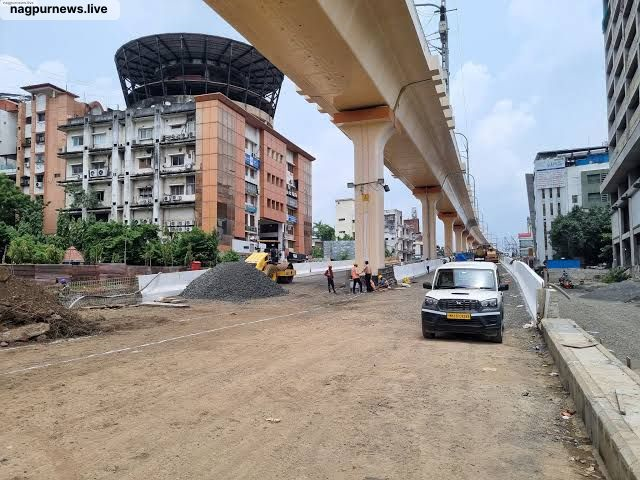
The much-awaited Kamptee Road Flyover, one of the most ambitious and challenging construction projects in the city, is nearing its completion. Located in Nagpur, this double-decker viaduct is a marvel of modern engineering, set to relieve the city’s traffic congestion significantly. With final touches being applied to the ramp at LIC Square, the project, touted as Asia’s longest double-decker viaduct, is poised to be a game-changer for the city’s commuters.

The Landmark Project: A Brief Overview

Asia’s Longest Double-Decker Viaduct

At 5.4 kilometers in length, the Kamptee Road flyover stretches from LIC Square to Automotive Square. This impressive structure combines a flyover and a metro route, creating a multi-layer transport system. The flyover is one of a kind due to its four-layer transport arrangement at Gaddigodam, which features:

  1. National Highway at the lowest deck.
  2. Delhi Train Line on the first deck.
  3. Flyover on the third deck.
  4. Metro Viaduct at the topmost level.

This multi-layered structure adds a unique complexity to its design and construction, making it one of the most challenging projects ever undertaken in the region.

Delays and Design Modifications

The project experienced significant delays, largely due to changes in the design mid-way through the construction. Initially, the flyover ramp was planned to start just before Gaddigodam Square, but a representation citing the presence of a school, religious institutions, a hospital, and a bank led to a redesign. The landing was then pushed towards LIC Square, requiring additional land acquisition for smooth vehicular movement.

This land was finally acquired by Maha Metro in July 2024, allowing them to move towards completing the project.

Who Benefits from the Kamptee Road Flyover?

The new flyover is expected to provide much-needed relief to commuters traveling along the Nagpur-Jabalpur highway. Here’s how:

Ease of Movement for Commuters

Once inaugurated, the flyover will enable uninterrupted and dedicated vehicular movement, primarily benefiting commuters heading toward Kamptee. It will help avoid the long queues at traffic signals, significantly reducing travel time along this busy route. However, the flyover will still leave some intersections—such as Kadbi Square—where traffic might still experience a bottleneck.

Reduction in Traffic Chaos

Kamptee Road is a densely populated area, which means the highway below the flyover experiences constant heavy traffic, particularly during peak hours. The flyover is expected to alleviate some of this congestion, allowing for smoother and more efficient movement.

Challenges During Construction

Gaddigodam Railway Bridge: A Daunting Task

One of the most complicated aspects of this construction was navigating the live railway line at Gaddigodam. Here, two decks were constructed above the Gaddigodam railway bridge, presenting enormous challenges. The team had to carefully plan and execute the placement of an 85-meter-long, 1,600-tonne girder, ensuring the safety of the live railway line below.

Prolonged Delays Due to the Pandemic

Like many other projects worldwide, the Kamptee Road flyover construction was significantly delayed by the COVID-19 pandemic. With a two-year halt in the middle of construction, the timeline stretched longer than anticipated. However, with the recent acquisition of land at the LIC Square end, the project is now finally ready to open for traffic.

The NHAI’s Role in the Inauguration

Although Maha Metro was responsible for executing the project, the National Highway Authority of India (NHAI) will decide the final date for its inauguration. As per Deputy General Manager Akhilesh Halve, Maha Metro is in the final stages of completing minor works and will soon hand over the flyover to NHAI.

The public eagerly awaits the official opening, which could happen soon after NHAI’s decision.

The Problem of Access: A Puzzle Yet to be Solved

While the flyover is complete, one significant problem remains unresolved: access to the flyover. Currently, the administration has blocked vehicular movement from RBI towards LIC Square. As a result, commuters wanting to travel from Samvidhan Square to Kamptee will still have to navigate heavy traffic and gridlock at Bishop Cotton Square and Liberty Talkies T-point.

This issue arises from the landing of the Residency Road flyover opposite Kasturchand Park, which has created a major bottleneck. Commuters have to take a roundabout route, passing the Residency Road flyover and Liberty Talkies T-point, before reaching LIC Square—a detour of about 1.5 kilometers. During peak hours, this route is jammed, as the space is barely adequate for the volume of traffic, exacerbating the gridlock.

Addressing the Kasturchand Park Gridlock

One of the critical points of concern is the Kasturchand Park gridlock, where heavy traffic already causes jams, worsened by the new flyover’s opening. The authorities need to come up with a solution quickly, or the LIC Square ramp could worsen traffic conditions rather than alleviate them.

Possible solutions include expanding the road network near Kasturchand Park, rerouting bus stops, and enhancing traffic management systems to ensure smoother movement of vehicles.

The completion of the Kamptee Road flyover marks a significant milestone for Nagpur’s infrastructure, promising a much-needed reprieve from the city’s infamous traffic jams. However, unresolved access issues and bottlenecks at key intersections like Residency Road and Liberty Talkies T-point mean that the benefits may be limited unless the authorities act quickly to address these challenges. As the NHAI prepares to finalize the date of inauguration, all eyes are on whether this engineering marvel will live up to its potential as a traffic reliever or face criticism due to unresolved access issues.


1. When will the Kamptee Road flyover be inaugurated?
The exact date is yet to be decided by the National Highway Authority of India (NHAI).

2. What is the length of the Kamptee Road flyover?
The flyover stretches 5.4 kilometers from LIC Square to Automotive Square.

3. What makes this flyover unique?
It is Asia’s longest double-decker viaduct, featuring a four-layer transport system at Gaddigodam.

4. What are the challenges associated with the flyover’s construction?
The biggest challenge was constructing two decks above the Gaddigodam railway bridge while maintaining a live railway line.

5. How will the flyover help reduce traffic congestion?
The flyover will provide an uninterrupted route for commuters, reducing traffic bottlenecks on the busy Kamptee Road.

Kamptee Road Double-Decker Flyover Set to Open After Seven Years

The long-awaited Kamptee Road Double-Decker Flyover is finally nearing completion after a seven-year journey filled with delays and challenges. This major infrastructure project in Nagpur is designed to reduce the traffic load in the city. However, despite its intended purpose, concerns remain that the flyover might contribute to further congestion in some key areas.

The Seven-Year Wait: Why the Delays?

The construction of the Kamptee Road Double-Decker Flyover faced multiple setbacks over the years. The initial design plan was promising, but unforeseen issues such as land acquisition problems, a three-year halt, and the complexity of building a double-decker structure significantly delayed the project.

Land Acquisition Troubles

One of the major reasons behind the delay was the failure to secure essential land at LIC Square. Without this crucial space for the landing ramp, construction couldn’t progress. Fortunately, Maha Metro recently acquired 2,383.36 square meters of land, expediting the final phase of the project.

A Flyover Too Many? Traffic Concerns in Nagpur

Although the Kamptee Road flyover aims to ease traffic congestion, experts are concerned about its placement. The flyover joins two other existing structures: the Sadar-Mankapur-Katol Road Flyover and the Ramjhula Flyover. With all three converging near LIC Square and Samvidhan Square, this area is already notorious for bottlenecks.

Existing Traffic Woes Around LIC Square

The Sadar flyover has already worsened traffic in this part of Nagpur. Vehicles landing near LIC Square frequently cause bottlenecks, requiring traffic police to implement diversions to ease the flow. The situation is expected to become even more chaotic once the Kamptee flyover is operational.

A Hazardous Junction: The Y-Shaped Convergence

One of the most problematic areas is the Y-shaped junction where the Sadar flyover meets. It has become an accident-prone zone due to drivers taking dangerous U-turns to access Kamptee Road. Even though traffic police are present in the area, many drivers evade the diversions to save time and fuel.

Will the Flyover Solve or Exacerbate Nagpur’s Traffic?

The double-decker flyover is meant to be a solution, but its placement next to two other flyovers complicates things. With vehicles landing from both the Ramjhula and Kamptee flyovers near LIC Square, experts worry that the infrastructure will struggle to handle the influx of vehicles.

Traffic Diversions and Their Impact

To manage this anticipated surge in traffic, the city’s traffic police have already implemented diversions. Vehicles are now redirected through Liberty Cinema Junction and Residency Road to help ease the burden on LIC Square. However, these changes have met mixed reactions from motorists.

Key Features of the Kamptee Road Double-Decker Flyover

The Kamptee Road flyover stands out not just because of its double-decker structure but also due to the strategic aim of splitting traffic. Here’s a closer look at its design:

Two-Tiered Traffic Distribution

  • Top Tier: Designed for long-distance travelers, this lane will help vehicles bypass congested areas.
  • Bottom Tier: Aimed at local traffic, easing movement between nearby destinations like LIC Square and Kamptee Road.

Improved Safety Measures

Given the accident-prone zones created by existing flyovers, the new Kamptee flyover includes additional safety features:

  • Wider lanes to accommodate more vehicles.
  • Improved lighting for better visibility at night.
  • Dedicated signage to guide motorists effectively.

Traffic Flow After the Opening: What to Expect

Traffic flow in Nagpur may see some initial chaos as drivers get used to the new flyover. However, experts predict that over time, the new infrastructure will ease the bottlenecks if paired with effective traffic management strategies.

Possible Scenarios

  1. Best-Case Scenario: If the flyover is properly managed, it could drastically reduce congestion on the Residency Road and around LIC Square.
  2. Worst-Case Scenario: Without robust traffic policing, the convergence of multiple flyovers may create more problems than it solves, turning Nagpur’s core into a traffic nightmare.

Potential Long-Term Benefits

Despite the immediate concerns, the double-decker flyover is expected to provide long-term benefits:

  • Reduced travel time for commuters heading toward Kamptee.
  • Decongested side streets, allowing smoother travel for local motorists.
  • Boost to commerce as improved infrastructure often encourages local businesses to flourish.

Public Opinion: What Nagpur Residents Think

Excitement Mixed with Concern

Local residents and commuters have mixed feelings about the project. Some are excited about the reduced travel time, while others worry about increased chaos at key junctions like LIC Square and Samvidhan Square.

Call for Better Traffic Management

Many in the community are urging the authorities to step up traffic management efforts. Without careful planning, the flyover could turn into yet another congested stretch in an already busy city.

The Kamptee Road Double-Decker Flyover is a monumental project for Nagpur, promising to ease the city’s infamous traffic. However, with multiple flyovers converging at the same location, it’s clear that traffic management will play a pivotal role in determining the success of this new infrastructure. While the flyover is a step forward, its true impact will only be felt once it’s fully operational.

1. When will the Kamptee Road Double-Decker Flyover open?
The flyover is expected to open soon, but an exact date has not been confirmed.

2. Will the flyover reduce traffic congestion?
While the flyover aims to reduce congestion, concerns persist that it may worsen traffic around LIC Square and Samvidhan Square.

3. What is the primary purpose of the flyover?
The flyover was designed to ease traffic flow on one of Nagpur’s busiest roads, particularly for long-distance commuters.

4. Why did construction take so long?
Construction delays were due to land acquisition issues and a three-year halt in the project.

5. Are there any safety concerns with the new flyover?
Yes, experts are concerned about potential accidents at the junctions where multiple flyovers converge.

Kamptee Road Double-Decker Flyover Set to Open by End of September

The city of Nagpur is abuzz with anticipation as the much-awaited Kamptee Road Double-Decker Flyover nears completion. After seven long years of planning, construction, and a fair share of delays, this engineering marvel is set to open by the end of September. However, this is contingent upon favorable weather conditions, as heavy rainfall could cause further setbacks.

But let’s take a deeper dive into the intricacies of this project, its history, and what it means for the people of Nagpur.

 Seven Years in the Making

The journey to build the Kamptee Road Double-Decker Flyover has been anything but smooth. The construction process began seven years ago, but the project faced multiple challenges along the way. Most notably, land acquisition issues were a major roadblock, causing a delay of more than 2.5 years. These hurdles significantly slowed the pace of construction and caused frustration for both commuters and project officials.

 The Role of Maha Metro in Spearheading the Project

Maha Metro, the state agency responsible for public transport in Nagpur, has been at the forefront of this ambitious project. In a bid to expedite construction, Maha Metro recently acquired a crucial piece of land at LIC Square, which is pivotal for the flyover’s ramp. The acquisition of 2,383.36 square meters of land marked a significant milestone in the project, as it cleared the path for the final stages of construction.

 The Cost of Delays

Delays in infrastructure projects often come with a heavy price tag, and the Kamptee Road Flyover is no exception. The compensation and establishment charges for the acquired land alone amounted to Rs 39.35 crore, a steep cost borne by the District Collectorate.

But beyond financial costs, the delays have also taken a toll on Nagpur’s daily commuters, who have had to navigate roadblocks and detours for years.

 Demolition of Old Structures

In order to make way for the new flyover, several old structures had to be partially demolished. This created some resistance among local residents and businesses, but Maha Metro, with support from the community, was able to adjust the project’s design. The original plan was revised to ensure minimal disruption to the neighborhood, thanks in large part to Union Minister Nitin Gadkari’s leadership in addressing local concerns.

 What’s Left to Do?

While the flyover is almost ready, a few critical tasks remain. Asphalting work and service road construction are still ongoing. Officials estimate that it will take approximately three more weeks to complete these tasks, provided no major weather interruptions occur.

 A Flyover That Will Change Commuting in Nagpur

Once completed, the double-decker flyover will significantly ease traffic congestion along the busy Kamptee Road corridor. For years, commuters have dealt with traffic bottlenecks, especially during peak hours. The flyover is expected to cut travel time dramatically and provide a smoother, more efficient route for the thousands of vehicles that use the road daily.

 How Will the Double-Decker Structure Function?

The lower deck of the flyover will be dedicated to regular road traffic, while the upper deck will be used by the Metro. This dual-purpose design ensures that both road and rail transit needs are addressed, optimizing space and improving mobility across the city.

 Challenges Faced During Construction

Construction of a double-decker flyover is no easy feat, and this project has had its fair share of engineering challenges. The flyover spans over 5 kilometers, and its complex design required state-of-the-art technology and precise execution. Heavy monsoons in Nagpur have also posed significant challenges, often halting work and delaying the timeline.

 A Look at the Environmental Impact

Every large infrastructure project has an environmental footprint, and the Kamptee Road Flyover is no exception. Maha Metro has implemented measures to mitigate any negative environmental impact, including replanting trees and ensuring that local ecosystems are preserved.

 Community Involvement in the Project

Throughout the construction process, local communities have been actively involved. From voicing concerns to working closely with project officials, the residents of Nagpur have played a crucial role in shaping the flyover’s final design. By listening to these concerns and making necessary adjustments, Maha Metro has ensured that the project meets the needs of both the city and its people.

 What This Means for Nagpur’s Future

The opening of the Kamptee Road Double-Decker Flyover is a monumental event for Nagpur. Not only will it alleviate traffic congestion, but it also represents a significant step forward in the city’s infrastructure development. With the Metro running on the upper deck, Nagpur will also be taking another step toward becoming a more modern, transit-friendly city.

 Economic Boost for the Region

Infrastructure projects of this scale often lead to an economic boost for the surrounding region. Improved connectivity attracts businesses, leads to job creation, and can even increase property values. In the case of the Kamptee Road Flyover, Nagpur stands to benefit greatly from the increased accessibility and efficiency it will bring.

 The Road Ahead: What Can We Expect?

The future looks bright for commuters in Nagpur. With the flyover set to open by the end of September, the city’s traffic woes may soon be a thing of the past. However, much depends on whether heavy rains cause any further delays. Asphalting and the completion of service roads are crucial steps that need to be completed before the flyover can be opened to the public.

 Final Thoughts on the Kamptee Road Flyover

After years of setbacks, the end is finally in sight for the Kamptee Road Double-Decker Flyover. Once operational, this flyover will not only revolutionize commuting in Nagpur but will also stand as a testament to the city’s growing infrastructure and the tireless efforts of those who made it possible.

The Kamptee Road Double-Decker Flyover is a game-changer for Nagpur. After years of delays and challenges, it is set to open by the end of September. Once completed, it will provide a faster, more efficient route for both road and rail commuters, significantly easing congestion and boosting the local economy. The city is on the brink of a new era in transportation, and the benefits of this project will be felt for years to come.

  1. What is the Kamptee Road Double-Decker Flyover?
    The Kamptee Road Double-Decker Flyover is an infrastructure project in Nagpur designed to ease traffic congestion and improve metro connectivity with a dual-purpose design for road and rail traffic.
  2. When will the flyover be completed?
    The flyover is expected to be completed by the end of September, provided there are no delays caused by heavy rainfall.
  3. Why was the project delayed?
    The project faced delays due to land acquisition issues, which took over 2.5 years to resolve. Weather conditions also played a role in the delays.
  4. How long is the flyover?
    The flyover spans over 5 kilometers, with two decks: one for regular road traffic and the other for the metro.
  5. Who is leading the project?
    Maha Metro is spearheading the project, with support from local communities and leadership from Union Minister Nitin Gadkari.
Exit mobile version