Double-Decker RoB at Narendra Nagar: PWD Exploring Viability

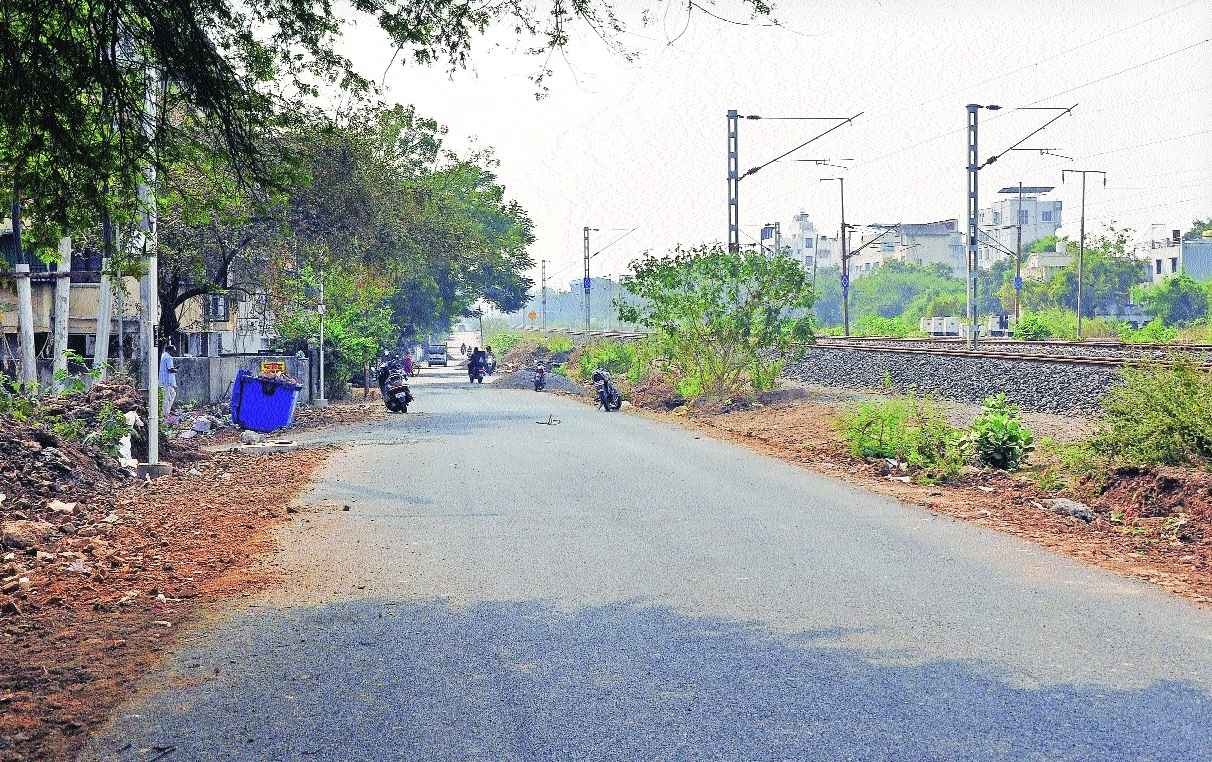
Double-Decker RoB Narendra Nagar, Nagpur : Efficient urban transportation is a cornerstone of any developing city, and Nagpur is no exception. The Public Works Department (PWD) has embarked on a visionary project that promises to redefine connectivity for the bustling Narendra Nagar and Manish Nagar areas. A double-decker railway overbridge (RoB) is being proposed, which could soon transform the region into an engineering marvel. Let’s delve into the intricacies of this project and what it means for Nagpur’s urban development.

What is the Proposed Double-Decker RoB?

The double-decker RoB is designed to ease traffic congestion and enhance connectivity between key points like Manish Nagar and Jaiprakash Nagar. The project aims to construct two parallel ramps:

1. First Arm: Running alongside the existing Radisson Blu RoB and ensuring uninterrupted traffic flow from Manish Nagar to Jaiprakash Nagar.
2. Second Arm: A more complex structure that would rise above the existing four-lane bridge and land near the Narendra Nagar extension.

Key Features of the Project

1. Parallel to Radisson Blu RoB
– The first arm will run parallel to the current Radisson Blu RoB.
– Designed to reduce one-way movement issues.
– Landing point near Jaiprakash Nagar ensures smooth traffic flow.

2. Double-Decked Marvel
– The second arm will rise above the existing bridge.
– A proposed ramp of 150 meters will connect the Narendra Nagar extension to the structure.
– Includes a maximum carriageway width of 3.75 meters.

Challenges in Execution

1. Narrow Approach Roads
One of the significant obstacles is the limited width of approach roads. For the proposed second arm, the existing 7-meter-wide road is insufficient and requires expansion to accommodate paved shoulders.

2. Encroachments
The area near Narendra Nagar extension faces encroachment issues, further complicating construction plans.

3. Engineering Complexities
The double-decker design demands precise engineering to cross over existing railway lines without affecting their operation.

Potential Solutions

1. Exploring a Tunnel Alternative
If the RoB plan fails to materialize, the PWD is considering a limited height subway (LHS). This tunnel will connect Narendra Nagar and Jaiprakash Nagar with separate entry and exit points.

2. Strategic Surveys
Currently, surveys are underway to finalize the alignment for the RoB and LHS, ensuring all potential challenges are accounted for before moving forward.

Project Timeline and Funding

The State Government has ensured financial backing for this ambitious project. The PWD has floated EPC tenders, including maintenance responsibilities for 20 years post-construction.

Benefits of the Double-Decker RoB

1. **Reduced Traffic Congestion:** Smooth traffic flow between Manish Nagar and Jaiprakash Nagar.
2. **Enhanced Connectivity:** A direct link to Wardha Road from Narendra Nagar extension.
3. **Pedestrian-Friendly:** A new foot overbridge (FoB) for safe pedestrian movement.

The double-decker RoB at Narendra Nagar is more than just a bridge; it represents a leap towards smarter urban infrastructure in Nagpur. While challenges like narrow roads and encroachments exist, the PWD’s innovative approach and state support offer hope for a brighter, better-connected future.

1. What is the double-decker RoB?
It is a proposed railway overbridge with two levels to improve connectivity between Narendra Nagar and Manish Nagar.

2. What challenges does the project face?
Challenges include narrow roads, encroachments, and engineering complexities.

3. What is the alternative plan if the RoB isn’t feasible?
The PWD is exploring a tunnel option as a backup plan.

4. How will this project benefit pedestrians?
A new foot overbridge will be included to ensure safe pedestrian access.

5. When will the project be completed?
The exact timeline is pending, as surveys and feasibility studies are currently underway.

Establish Cow Farms in Every District of Vidarbha: Gadkari

Nitin Gadkari: Vidarbha, a region in Maharashtra known for its agrarian economy, is facing a unique opportunity for growth. Union Minister Nitin Gadkari recently emphasized the importance of setting up cow farms in every district of Vidarbha to strengthen the dairy sector. At an event organized by the Agrovision Committee, he urged local entrepreneurs to take the leap and explore innovative ways to build a sustainable and thriving dairy business. In this article, we will explore the significance of establishing cow farms in Vidarbha, the challenges and benefits involved, and how this move can shape the future of the region’s economy.

 The Call for Cow Farms in Vidarbha (Nitin Gadkari)

 Gadkari’s Vision for Vidarbha’s Dairy Industry

During his address at the Agrovision Committee event, Nitin Gadkari made it clear that Vidarbha has untapped potential in the dairy sector. With fertile land and a tradition of agriculture, the region is primed for cow farming. Gadkari noted that establishing cow farms in every district could boost the local dairy business, create jobs, and help farmers diversify their income sources.

 Why Cow Farming?

Cow farming offers a reliable source of income for farmers, especially in regions like Vidarbha, where agriculture has traditionally been the mainstay. With increasing demand for dairy products like milk, butter, and cheese, cow farming presents a lucrative opportunity for local farmers to expand their operations and contribute to the overall economy.

Economic Advantages of Dairy Farming

Dairy farming not only offers economic benefits to farmers but also provides a steady supply of fresh milk and dairy products to local consumers. Nitin Gadkari mentioned that local dairy businesses had benefitted from competition due to the presence of brands like Mother Dairy, which have raised the price per liter of milk for local farmers from Rs 18-20 to Rs 30 per liter. This increase is significant for local economies, providing farmers with a sustainable income.

 Value Addition through Cow Farming

One of the key points Gadkari stressed was the need for out-of-the-box thinking in the dairy business. Entrepreneurs should look at producing value-added products like organic milk, dairy-based snacks, and ghee to climb the value chain and meet the rising demand for high-quality, natural products. This way, local farmers can maximize their profits and expand their market reach.

 The Role of Agrovision and Gadkari’s Initiatives

Agrovision’s 15-Year Journey

Agrovision, India’s largest agricultural exhibition in central India, has been instrumental in bringing farmers, entrepreneurs, and policymakers together. For the past 15 years, Agrovision has helped identify opportunities for farmers and assisted them in overcoming the challenges posed by unpredictable market conditions. Gadkari acknowledged the crucial role of farmers in Agrovision’s success and reiterated the need for collaboration to foster a thriving agricultural economy in Vidarbha.

 Gadkari’s Personal Experience in Sugarcane Farming

In a candid moment during the event, Gadkari shared his own experiences with the sugarcane farming business, where he faced significant financial losses. Despite the hardships, his resolve to continue and help the growers only strengthened. This personal anecdote highlighted his commitment to Vidarbha’s agricultural sector, and his call to action for local entrepreneurs to take advantage of opportunities in the dairy business.

 Gadkari’s Lessons from Sugarcane Farming

Gadkari’s experience in the sugarcane business offers valuable lessons for those looking to invest in dairy farming. He emphasized that challenges are inevitable, but with a clear vision and strategic planning, success is achievable. His advice to avoid the mistakes he made in sugarcane farming resonated with many in the audience, encouraging them to focus on more sustainable ventures like dairy farming.

 Steps to Establishing Cow Farms in Vidarbha

 Identifying the Right Location

The first step in setting up a successful cow farm is choosing the right location. Vidarbha’s diverse geography offers a range of options for farmers. Whether you’re looking for fertile plains or areas with access to water sources, location plays a critical role in the success of a dairy farm. Ensuring that the land has the right resources for cattle is key to optimizing production and keeping costs down.

 Sourcing Quality Livestock

The breed of cows you select can make or break your dairy business. Gadkari highlighted the importance of investing in quality livestock that are known for high milk production. Farmers in Vidarbha can benefit from advanced breeding techniques and consult experts to find the right mix of native and foreign breeds suited for local conditions.

 Infrastructure and Equipment Needed

Setting up a dairy farm requires significant investment in infrastructure and equipment. From building cattle sheds to purchasing milking machines and storage facilities, every aspect must be carefully planned. Adequate cooling systems, storage for feed, and access to veterinary care are essential for maintaining healthy livestock and ensuring consistent milk production.

 The Future of Vidarbha’s Dairy Business

How Entrepreneurs Can Tap into the Market

With Gadkari’s push for cow farming in every district of Vidarbha, entrepreneurs have a golden opportunity to enter a growing market. The demand for organic and locally-produced dairy products is on the rise, and by positioning themselves strategically, local farmers and businesses can capture a significant share of the market. Collaborating with brands like Mother Dairy can also help local farmers access a larger customer base.

 Boosting the Local Economy through Dairy Farming

One of the primary goals of establishing cow farms in Vidarbha is to boost the local economy. Dairy farming provides a steady income to farmers, creates jobs for local communities, and supports allied industries like veterinary services, feed suppliers, and equipment manufacturers. The ripple effect of this growth can uplift the entire region.

 Challenges and Solutions for Dairy Farming in Vidarbha

 Climate and Environmental Considerations

Vidarbha’s climate can be challenging for dairy farmers, especially during the hot summer months. Ensuring that cattle have access to sufficient water, shade, and cooling systems is essential for their well-being. Proper planning and investment in sustainable farming practices can help farmers mitigate the effects of extreme weather conditions.

 Overcoming Market Competition

While competition in the dairy market has increased, Gadkari’s message was clear: this is a positive development for local farmers. Competing with established brands like Mother Dairy pushes local farmers to innovate and improve their practices. By producing high-quality, organic dairy products, Vidarbha farmers can stand out and gain loyal customers.

 Access to Government Support and Loans

Farmers looking to establish cow farms in Vidarbha can benefit from various government schemes and loans designed to support agricultural ventures. From subsidized equipment to low-interest loans for setting up infrastructure, these programs can help reduce the initial financial burden on farmers.

Establishing cow farms in every district of Vidarbha is not just a vision—it’s a practical solution for boosting the local dairy business and improving the livelihoods of farmers. Nitin Gadkari’s call to action provides a roadmap for entrepreneurs and farmers alike, offering them a chance to tap into a growing market. By thinking creatively, investing in quality livestock, and focusing on value-added products, the dairy industry in Vidarbha has the potential to thrive. With the right support and resources, this initiative can transform the region into a dairy powerhouse.

1. What is the importance of setting up cow farms in Vidarbha?

Establishing cow farms will help boost the local dairy economy, create jobs, and provide farmers with an additional income stream.

2. How does dairy farming benefit local farmers in Vidarbha?

Dairy farming provides farmers with a stable source of income, especially with increasing demand for dairy products like milk and cheese.

3. What challenges do dairy farmers face in Vidarbha?

Some challenges include extreme weather conditions, market competition, and initial setup costs. However, government support and smart planning can help overcome these hurdles.

4. What role does Mother Dairy play in Vidarbha’s dairy market?

Mother Dairy has created healthy competition in the local market, raising the price farmers receive for milk and encouraging higher-quality production.

5. How can entrepreneurs enter the dairy business in Vidarbha?

Entrepreneurs can start by investing in quality livestock, building proper infrastructure, and focusing on value-added dairy products to differentiate themselves in the market.

Transport Ministry Approves India’s First Flash-Charging Electric Bus System in Nagpur

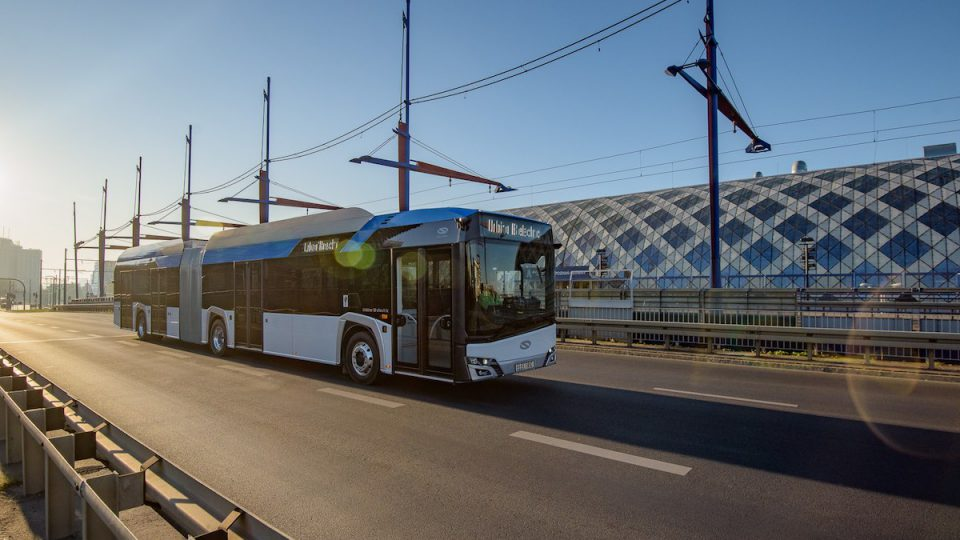
The Ministry of Road Transport has given the green light to fund India’s first-ever flash-charging electric bus system in Nagpur. This groundbreaking initiative will revolutionize public transport in the city, ensuring fast, reliable, and eco-friendly last-mile connectivity, particularly along the Ring Road and peri-urban areas.

As part of the project, the Nagpur Municipal Corporation will roll out more than 30 articulated electric buses, each 18 meters long and capable of accommodating 130 passengers. These buses will operate on a non-stop route with a frequency of every 15 minutes, running for 16 hours daily and serving over 8,000 passengers.

A major highlight is the use of flash-charging technology. With over six 600 kW overhead flash chargers installed at select bus stops, these buses will recharge in just 15 seconds. This minimizes downtime, eliminating the need for long charging intervals at depots, making it a more efficient solution compared to traditional charging methods.

The buses are designed to provide global-standard comfort and aesthetics, including features like CCTV systems, overhead storage similar to airplanes, pantries, vending machines, seats with laptop tray tables, and charging points. This system aims to not only reduce environmental impact but also bring down operational costs, making it a win-win for both commuters and the city.

The ministry’s approval comes just before the model code of conduct (MCC) for upcoming elections is set to take effect. This initiative will also facilitate seamless travel between Metro stations and other parts of the city, enhancing overall urban mobility.

By combining advanced technology with sustainable public transport solutions, Nagpur is poised to set a new benchmark for urban mobility in India.

Keywords: Flash-charging electric buses, Nagpur bus system, electric articulated buses, public transport in Nagpur, eco-friendly bus system, India electric buses

Fadnavis Lays Foundation for Rs150 Crore Projects in Hudkeshwar-Narsala

Hudkeshwar Narsala sewage projects: The Deputy Chief Minister of Maharashtra, Devendra Fadnavis, recently laid the foundation for a significant infrastructure development project in the Hudkeshwar-Narsala area of Nagpur. This massive Rs150 crore initiative includes a sewage line, a sewage treatment plant, and road developments. Fadnavis, who had initiated various projects during his tenure as Chief Minister, reiterated the importance of these new projects, which aim to modernize and uplift the region’s infrastructure, enhancing the quality of life for residents.

The Need for New Infrastructure in Hudkeshwar-Narsala

Urban Growth and Its Challenges

Nagpur, like many cities, has experienced a rapid expansion in urban settlements over the past decade. Areas such as Hudkeshwar-Narsala have seen significant population growth, which has put immense pressure on the existing infrastructure. Roads, water supply, and waste management systems have struggled to keep up with the growing demands.

Fadnavis’ Vision for Nagpur’s Development

During his previous term as Chief Minister, Fadnavis prioritized addressing essential infrastructure needs, particularly in the Hudkeshwar-Narsala area. He resolved the water supply issues in this region and is now focused on strengthening the sewage and road networks. These efforts are critical to managing the growth of this rapidly urbanizing area and improving residents’ quality of life.

Details of the Rs150 Crore Projects (Hudkeshwar Narsala sewage projects)

Sewage Line and Treatment Plant

The cornerstone of this project is the construction of a 164.9-kilometer sewage line, replacing the old, deteriorated infrastructure. Alongside this, a sewage treatment plant worth Rs115.46 crore will be built under the Centre’s Amrit Yojana 2.0 scheme. This initiative is crucial to addressing environmental concerns, reducing health risks, and improving hygiene in the Hudkeshwar-Narsala area.

Why a Sewage System?

Without a modern sewage system, waste can easily contaminate local water bodies, creating serious environmental and health problems. Fadnavis emphasized that this new system will help solve these issues by properly managing waste disposal.

Pohra River Clean-Up

One of the most significant environmental benefits of this project is the clean-up of the Pohra River. Years of neglect have turned this river into little more than a drain. The completion of the sewage treatment plant will stop pollution from entering the river, allowing it to recover and once again become a source of clean water for the community.

Road Development Projects

In addition to the sewage system, Fadnavis announced a Rs35 crore road project aimed at improving transportation within the Hudkeshwar-Narsala area. Better roads will ease traffic congestion, enhance safety, and provide smoother connectivity between Nagpur and its surrounding areas.

Roads as Lifelines

Road infrastructure is the backbone of any developing urban area. Fadnavis stressed that improving the road network is essential to ensuring the continued economic growth of the region.

Government Funding and Support

Amrit Yojana 2.0

The central and state governments, along with the Nagpur Municipal Corporation (NMC), are working together to fund this project. The financial breakdown includes 25% contributions from both the state and central governments, while the NMC is covering the remaining 50%. The total grant amounts to Rs957 crore, which includes the cost of developing the sewage network.

NMC’s Role in the Project

NMC has played a crucial role in securing funds and ensuring that the projects stay on track. The administration has also highlighted that the sewerage network will cover the entire South Sewerage Zone of Nagpur, providing significant relief to the citizens in terms of better sanitation and environmental conditions.

Health and Environmental Benefits

Cleaner Waterways

Once completed, the project will have a lasting impact on the Pohra River. By preventing sewage from entering the river, the water quality will improve, benefiting both the local ecosystem and the residents who depend on this water source.

Improved Hygiene

The new sewage treatment facilities will drastically reduce the risk of waterborne diseases in the area. Fadnavis stressed that proper sanitation is essential for maintaining public health, and this project is a critical step toward achieving that goal.

Sustainable Development

This initiative is not just about immediate improvements but about building a sustainable future for Hudkeshwar-Narsala. By modernizing essential services, the government is ensuring that the area can continue to grow without compromising on health or environmental standards.

Fadnavis’ Criticism of Previous Administration

During his address, Fadnavis took the opportunity to criticize the previous government, particularly the Uddhav Thackeray administration, for neglecting such critical infrastructure projects. He noted that no funds were allocated for these kinds of initiatives during their tenure, and only after his government came into power did the projects gain the necessary support and momentum.

Fast-Tracking Development

Fadnavis made it clear that his government is committed to fast-tracking these developments, ensuring that the time lost under previous administrations is made up for. By prioritizing these projects, he aims to deliver tangible improvements for the people of Nagpur and surrounding areas.

Project Timeline and Expectations

Completion Timeline

The NMC has stated that the entire sewage network project is expected to be completed within the next two years. The 164.9 km-long sewage line is being constructed with the utmost urgency, with the aim of replacing the aging and failing infrastructure as quickly as possible.

Long-Term Vision

Fadnavis envisions these developments as part of a broader plan to transform Nagpur into a modern, livable city. By focusing on infrastructure improvements, he aims to make the city a better place to live and work, with cleaner water, better roads, and improved sanitation.

The foundation laid by Devendra Fadnavis for the Rs150 crore worth of projects in Hudkeshwar-Narsala marks a significant step forward for the region. From improving sanitation through a new sewage system to revitalizing the Pohra River and upgrading road networks, these projects are designed to address both immediate needs and future growth. With proper government support and the involvement of local agencies like the NMC, these initiatives promise to create a cleaner, healthier, and more connected community for years to come.

  1. What is the total cost of the sewage and road projects in Hudkeshwar-Narsala?
    • The total cost is Rs150 crore, which includes Rs115.46 crore for the sewage treatment plant and Rs35 crore for road development.
  2. What are the environmental benefits of the sewage project?
    • The project will prevent sewage from polluting the Pohra River, improving local water quality and reducing health risks.
  3. How long will it take to complete the sewage system?
    • The entire sewage network is expected to be completed within two years.
  4. Who is funding the Hudkeshwar-Narsala projects?
    • The funding is shared between the central government, state government, and NMC, with each contributing a portion.
  5. What are the main objectives of these infrastructure projects?
    • The projects aim to improve sanitation, reduce environmental pollution, and enhance road connectivity in the region.

State Cabinet Approves ₹1,879 Crore Kanhan River Diversion Scheme for Nagpur

The Maharashtra State Cabinet has given the green light for a major project that promises to transform irrigation in the Nagpur district. With a massive budget of ₹1,879.213 crore, the Kanhan River Diversion Scheme aims to bring substantial irrigation benefits to the tehsils of Saoner, Katol, Narkhed, and Kalmeshwar, covering over 32,285 acres of agricultural land. But what does this really mean for the region’s agriculture and water resources? Let’s dive into the details.

The Big Picture: A Plan Years in the Making

Originally proposed in 2016, the Kanhan River Diversion Scheme has finally received the necessary push for implementation. With its approval, the region stands to gain 3.25 TMC of water storage capacity, with 3.04 TMC dedicated to irrigation and a smaller portion (0.03 TMC) reserved for drinking water. This development is expected to address long-standing issues related to water shortages, particularly during the critical farming season.

Breaking Down the Project: Key Benefits and Features

1. Irrigation Impact

This initiative is designed to irrigate a substantial amount of farmland, ensuring better water management for crops. By benefiting 32,285 acres, the scheme is set to enhance agricultural productivity and sustainability in the region. The improved irrigation will give a lifeline to many farmers, boosting their yield and income.

2. Water Storage and Allocation

With a total capacity of 3.25 TMC, the bulk of this water—3.04 TMC—will be allocated for irrigation. The remaining 0.03 TMC will serve drinking water purposes, ensuring a balanced distribution of resources.

3. Financial Investment

The project’s budget of ₹1,879.213 crore signifies the government‘s commitment to improving the agricultural and water infrastructure in Nagpur. This level of financial backing ensures that the project will have the necessary resources for effective execution.

Other Important Approvals by the State Cabinet

Dangurli Weir Project in Gondia District

In addition to the Kanhan River project, the Maharashtra State Cabinet also approved the Dangurli high-level weir project in Gondia district. With a budget of ₹395.48 crore, this project will irrigate 5,861 hectares of land, supporting the agricultural sector in Gondia. This weir will help regulate water flow and ensure farmers in the district receive adequate water for their crops.

Nanaji Deshmukh Krishi Sanjeevani Prakalp: Phase Two

The Cabinet also cleared the second phase of the Nanaji Deshmukh Krishi Sanjeevani Prakalp, a project aimed at promoting sustainable agriculture. This initiative will further support farmers by introducing modern techniques and resources to enhance crop resilience, particularly in drought-prone regions.

Guruvarya Kai Laxmanraoji Inamdar Lift Irrigation Project

A revised estimate of ₹5,409.72 crore was approved for the Guruvarya Kai Laxmanraoji Inamdar lift irrigation project in Satara district. This project aims to irrigate 32,937 hectares of land, significantly expanding the scope of agricultural production in the region. Lift irrigation projects are essential in areas with uneven topography, as they pump water to higher altitudes, ensuring all areas receive sufficient irrigation.

Renaming of Nagpur ITI to Honor Santaji Jagnade Maharaj

In a move to honor the legacy of Sant Shri Santaji Jagnade Maharaj, the Cabinet decided to rename the Industrial Training Institute (ITI) in Nagpur after the revered saint. Santaji Jagnade Maharaj’s contributions to social justice and spiritual upliftment are widely recognized, and this renaming is a tribute to his impact on the region.

Subsidy for Construction Workers: A Financial Relief

The Cabinet also brought relief to construction workers, approving a one-time subsidy of ₹5,000 for those registered with the Construction Workers’ Board. This decision is expected to benefit around 25 lakh workers, providing them with essential financial support in challenging economic times.

Implications of These Decisions on the Local Economy

These projects and initiatives are expected to bring significant economic benefits to the regions they affect. With improved irrigation, farmers will have more consistent water supplies, leading to better crop yields and, in turn, more stable incomes. Additionally, the financial relief for construction workers provides a safety net for a key labor group in the state.

Environmental and Social Impacts

While the projects aim to improve irrigation and water distribution, it’s essential to consider their environmental impact. Large-scale irrigation projects can sometimes lead to altered ecosystems, and careful planning is required to mitigate any potential harm to local wildlife and vegetation. However, the focus on sustainable agriculture through projects like the Nanaji Deshmukh Krishi Sanjeevani Prakalp shows that the state government is aware of these concerns.

Challenges and Opportunities Ahead

1. Implementation Hurdles

Like any major infrastructure project, the Kanhan River Diversion Scheme and other irrigation initiatives face potential challenges. These could include delays in construction, budget overruns, and unforeseen environmental impacts. Ensuring that these projects stay on schedule and within budget will be key to their success.

2. Long-Term Benefits

In the long run, these irrigation projects have the potential to transform agriculture in the region. By providing farmers with a consistent and reliable water source, they can cultivate crops more effectively, leading to economic growth and improved livelihoods.

3. Boost to the Local Workforce

The construction of these irrigation systems will also create employment opportunities for locals. Skilled and unskilled laborers alike will be needed for these massive projects, providing a much-needed boost to the local economy.

Conclusion: A Step Forward for Nagpur and Maharashtra

The Maharashtra State Cabinet’s approval of the ₹1,879 crore Kanhan River Diversion Scheme and other related projects marks a significant milestone for the state. These initiatives promise to improve water distribution, boost agricultural productivity, and provide financial relief to key labor groups. However, the real test will lie in the effective and timely execution of these projects. If successful, the benefits will be far-reaching, impacting not just farmers but the broader economy and society as a whole.

  1. What is the Kanhan River Diversion Scheme?
    • The Kanhan River Diversion Scheme is an irrigation project approved by the Maharashtra State Cabinet with a budget of ₹1,879.213 crore, designed to benefit 32,285 acres of farmland in the Nagpur district.
  2. How much water will be allocated for irrigation and drinking purposes?
    • Out of the total 3.25 TMC capacity, 3.04 TMC is allocated for irrigation, and 0.03 TMC is reserved for drinking water.
  3. What are the key benefits of the Dangurli Weir Project?
    • The Dangurli Weir Project will irrigate 5,861 hectares of land in Gondia district and is supported by a budget of ₹395.48 crore.
  4. Why was Nagpur ITI renamed?
    • The Industrial Training Institute in Nagpur was renamed to honor Sant Shri Santaji Jagnade Maharaj for his contributions to social justice.
  5. Who will benefit from the ₹5,000 subsidy for construction workers?
    • The one-time ₹5,000 subsidy will benefit approximately 25 lakh construction workers registered with the Construction Workers’ Board.

Ambazari Bridge Built in Record Time, One Side to Open for 2-Way Traffic Today

Ambazari bridge Nagpur: Nagpur has a new addition to its infrastructure—a state-of-the-art bridge that is breaking records and improving daily commute. After five long months of traffic chaos, detours, and construction-related headaches, the Ambazari bridge is now partially open for two-way traffic. This marks the beginning of smoother traffic flow for Nagpur’s residents.

A Record-Breaking Construction Timeline

One of the most remarkable aspects of the Ambazari bridge is the time it took to build. While bridges usually take years to complete, the Public Works Department (PWD) division 2 accomplished this feat in less than 120 days, making it one of the fastest projects in Nagpur’s history. Executive Engineer Chandrashekhar Giri confirmed that the bridge will be accessible to both two-wheeler and four-wheeler vehicles starting today, which is great news for commuters who have been dealing with delays and long detours since the bridge’s closure in June.

Challenges Faced During Construction (Ambazari bridge Nagpur)

It wasn’t a smooth ride for the construction team. The project was fraught with challenges that could have easily extended the timeline. The shifting of several cables belonging to MSEDCL and MSETCL added a significant amount to the project’s cost and caused some delays. Heavy monsoon rains and a shortage of skilled laborers further complicated the situation. Yet, despite these obstacles, the bridge was completed in a record-breaking timeframe, which is truly a testament to the dedication of the workers and the engineering team.

A Welcome Relief from Traffic Woes

For Nagpur’s residents, the partial opening of the Ambazari bridge couldn’t come sooner. The closure of the bridge in June caused massive traffic jams on IT Park Road, Mate Square, and nearby areas. The traffic department, led by DCP (traffic) Archit Chandak, worked hard to manage the situation, but the detours and congestion were difficult to navigate. With one side of the bridge now open for two-way traffic, commuters can breathe a sigh of relief.

Details of the New Traffic Plan

Starting Friday afternoon, traffic will be allowed to move in both directions on one side of the newly constructed bridge. The route extends from Gajanan Mandir T-point to Dharampeth College Metro Station, but it comes with a speed limit of 20 km/h. Heavy vehicles, however, will still need to find alternative routes until further notice.

Cost and Future Work on the Bridge

The total cost for constructing the Ambazari bridge was Rs 7.54 crore, a significant investment for Nagpur’s infrastructure. While the bridge is now open for traffic, there’s still work to be done. The approach roads need to be concretized, especially since the height of the bridge has been raised by 2.3 meters. This additional height change necessitates more work on the roads leading up to the bridge, which will be completed after October 20.

Comparisons with Other Bridges in Nagpur

In comparison to other bridge projects in the city, the Ambazari bridge was built in record time. For instance, the bridge near Panchsheel Square on Wardha Road took significantly longer due to complications caused by heavy rains, while the Ramdaspeth bridge took more than two years to complete. The swift construction of the Ambazari bridge sets a new benchmark for infrastructure projects in the city.

Looking Forward: Heavy Vehicles and Long-Term Plans

PWD sources have confirmed that heavy vehicles will be allowed to use the bridge in the coming days. Until then, they will need to stick to alternative routes. By November 10, the traffic restrictions may be lifted, allowing for a smoother flow of traffic across all vehicle types.

Impact on Daily Commutes

For commuters, the opening of the Ambazari bridge represents more than just a new road—it’s a lifeline. The bridge connects several key areas in Nagpur, including IT Park Road, Abhyankar Nagar Square, and Laxmi Nagar square. These areas experienced significant traffic congestion during the bridge’s closure, making daily travel stressful for residents. With the partial opening, commuters can expect faster travel times and fewer headaches.

Future-Proofing Nagpur’s Infrastructure

The Ambazari bridge is just one part of a broader plan to improve Nagpur’s infrastructure. With growing populations and increased vehicle usage, the city’s roads need to be upgraded to keep up with demand. Projects like the Ambazari bridge show that it’s possible to execute infrastructure projects quickly and efficiently, even when faced with significant challenges.

Community Response

Nagpur residents have mixed feelings about the new bridge. While most are relieved that the bridge is finally open, some are concerned about how long it will take for the entire project to be completed, including the roads and pathways leading to the bridge. Still, the general consensus is that the opening of the bridge is a positive development.

Lessons Learned from the Construction

This project provides valuable lessons for future infrastructure endeavors in the city. The use of advanced construction techniques and quick decision-making enabled the bridge to be completed in record time. As Nagpur continues to grow, lessons from the Ambazari bridge can help guide other projects and improve efficiency in construction.

What’s Next for Nagpur’s Development?

As one of the fastest-growing cities in India, Nagpur is on the path to becoming a major hub for business and commerce. Projects like the Ambazari bridge are crucial for supporting this growth. With the successful completion of the bridge, the focus now shifts to other key infrastructure projects, including road widening, flyovers, and traffic management systems.

The opening of the Ambazari bridge is a significant milestone for Nagpur. Built in record time despite numerous challenges, it’s a testament to the dedication of the Public Works Department and the engineering teams involved. With smoother traffic flow and reduced congestion, Nagpur’s residents can look forward to a more comfortable daily commute. The bridge also sets a new standard for future infrastructure projects in the city.


5 Unique FAQs

  1. What is the Ambazari bridge known for? The Ambazari bridge is known for being constructed in less than 120 days, making it the fastest-built bridge in Nagpur’s history.
  2. Why was the Ambazari bridge project delayed? Delays were caused by the shifting of cables, heavy rains, and a shortage of skilled laborers.
  3. When will the bridge be fully open to heavy vehicles? The bridge is expected to be open to heavy vehicles after a few more days, with full access by November 10.
  4. What areas benefit the most from the bridge opening? Areas like IT Park Road, Mate Square, and Abhyankar Nagar Square will benefit from reduced traffic congestion.
  5. What’s next for the Ambazari bridge? The next phase involves the concretization of the approach roads, which is expected to be completed after October 20.

Over ₹1,200 Crore FDI to Create 6,000 Jobs in Nagpur

A Major Boost for Nagpur’s Economy

FDI Nagpur Jobs Logistics Park: Nagpur is on the verge of an economic transformation. With a massive foreign direct investment (FDI) of ₹1,280 crore, the city is set to become a key logistics hub in India. This ambitious project, led by MIDC (Maharashtra Industrial Development Corporation) and XSIO Warehousing Pvt. Ltd., aims to create approximately 6,000 jobs, both directly and indirectly, in the region. This substantial investment is not only aimed at developing infrastructure but also at uplifting the local economy by offering job opportunities and improving industrial facilities.

Significance of the Memorandum of Understanding (MoU) (FDI Nagpur Jobs Logistics Park)

An MoU between MIDC and XSIO Warehousing Pvt. Ltd. has laid the foundation for a logistics park in Nagpur. The deal, signed recently, signifies the intent to enhance the region’s infrastructure, particularly in the logistics and industrial sectors. With this investment, Nagpur’s industrial capabilities will see a significant boost, making it an attractive destination for businesses and investors alike.

Key Features of the Logistics Park (FDI Nagpur Jobs Logistics Park)

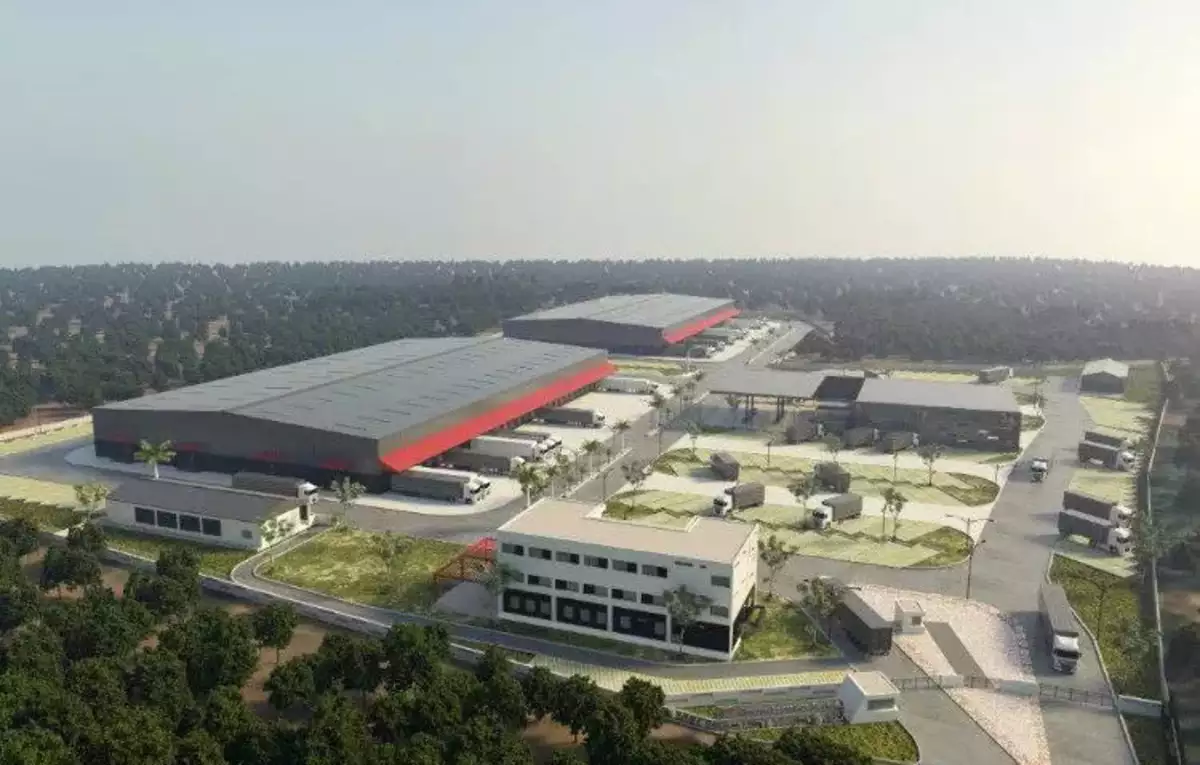
The XSIO Logistics and Industrial Production Park will be spread across three prime locations in Nagpur district. This well-planned park is adjacent to the Samruddhi Highway, which makes it strategically placed for transportation and logistics. This logistics park is projected to become a crucial node in India’s growing supply chain infrastructure.

Strategic Location Advantage

  • Proximity to the Samruddhi Highway
  • Connectivity to major cities and ports
  • Favorable for businesses looking to expand their logistics operations

Creation of Employment Opportunities

The development of the logistics park is expected to generate around 6,000 jobs in the Nagpur district. These positions will be a mix of direct employment within the park and indirect employment through associated businesses and services that will emerge around the park’s operations. With such job creation, Nagpur is set to see a rise in local employment, providing much-needed opportunities for the region’s workforce.

Breakdown of Jobs Created

  1. Direct Jobs: Approximately 4,000 jobs have already been created with an initial investment of ₹400 crore.
  2. Indirect Jobs: Another 2,000 jobs will come from related services such as transportation, warehousing, and supply chain management.

Maharashtra’s Commitment to Development

The Maharashtra government has been fully supportive of this initiative. The state’s 2024 Logistics Park Policy is aligned with XSIO’s project to ensure seamless development. This policy aims to foster industrial growth, reduce the hurdles in acquiring permits, and provide financial incentives to attract investors. By backing such projects, Maharashtra is positioning itself as a top destination for industrial investments.

Role of MIDC in the Project

MIDC will play a crucial role in facilitating the project by:

  • Helping with necessary permits and registrations
  • Providing financial incentives and subsidies
  • Ensuring the project meets all regulatory requirements

With MIDC’s support, this project is expected to proceed smoothly and efficiently.

Deputy Chief Minister’s Involvement

Deputy Chief Minister Devendra Fadnavis, along with other key officials like Housing Minister Atul Save and XSIO Managing Director Ashish Agarwal, has shown active involvement in the project’s launch. Their presence at the MoU signing indicates strong political support, which is essential for the project’s success. Fadnavis has emphasized the importance of logistics infrastructure in boosting the state’s economy, and this project is a key step in realizing that vision.

Initial Investment and Infrastructure Development

An initial investment of ₹400 crore has already been made to kickstart the logistics park project. This early investment has already led to the creation of over 4,000 jobs, a strong indicator of the project’s impact on the local economy. The infrastructure development includes warehouses, transportation hubs, and other facilities necessary for the smooth operation of a logistics park.

Infrastructure Highlights

  • Large-scale warehouses
  • Advanced transportation networks
  • Modern industrial facilities

Nagpur as a Logistics Hub

This project positions Nagpur to become one of India’s primary logistics hubs. Its central location, coupled with the infrastructure enhancements brought about by the logistics park, will make it a magnet for businesses. The logistics park will also contribute to the state’s overall goal of becoming a global industrial player.

Why Nagpur?

  • Central location in India
  • Well-connected transportation routes
  • Support from state policies

Economic Impact on Nagpur

This investment is expected to uplift Nagpur’s economy significantly. With more job opportunities, the local economy will benefit from increased consumer spending, leading to further development in other sectors such as real estate, retail, and services.

How the Local Economy Will Benefit

  1. Job Creation: More employment means more income for local families.
  2. Increased Consumer Spending: This will lead to growth in other industries such as retail and hospitality.
  3. Boost in Real Estate: The demand for residential and commercial properties is likely to rise.

The Future of Logistics in Maharashtra

Maharashtra’s 2024 Logistics Park Policy highlights the state’s commitment to becoming a global logistics leader. This project is a stepping stone toward that goal. With more such parks planned across the state, Maharashtra is preparing to handle the increasing demands of the global supply chain industry.

A New Era for Nagpur

Nagpur’s logistics and industrial sector is on the cusp of transformation, thanks to this significant FDI. With support from the government, the logistics park is poised to not only create jobs but also enhance the region’s infrastructure. This project is just the beginning of a new era for Nagpur, solidifying its position as a critical logistics hub in India.

  1. What is the total FDI amount for the logistics park in Nagpur?
    The total foreign direct investment for the logistics park in Nagpur is ₹1,280 crore.
  2. How many jobs will this project create?
    The project is expected to create approximately 6,000 direct and indirect jobs.
  3. Where is the logistics park located?
    The logistics park will be developed across three locations in Nagpur district, adjacent to the Samruddhi Highway.
  4. Who are the key players in this project?
    The project is a collaboration between MIDC and XSIO Warehousing Pvt. Ltd., with political support from Maharashtra’s Deputy Chief Minister Devendra Fadnavis.
  5. What is the Maharashtra 2024 Logistics Park Policy?
    This policy is designed to promote the development of logistics parks in the state, providing financial incentives and streamlining the regulatory process.

Maharashtra State Transport Achieves ₹16.86 Crore Profit Under Fadnavis’ Leadership

Maharashtra ST Profit: Nagpur, India: A remarkable milestone was achieved in Maharashtra’s State Transport (ST) Corporation as it recorded its first profit in nearly a decade. The corporation posted a ₹16.86 crore profit in August, signifying a successful financial turnaround under the leadership of Deputy Chief Minister Devendra Fadnavis. This victory demonstrates the effectiveness of Fadnavis’ reforms, which have breathed new life into the state-run service.

Streamlining Operations for Efficiency

Under Fadnavis’ leadership, the primary focus has been on streamlining the operations of the ST Corporation. By addressing inefficiencies, reducing operational costs, and enhancing productivity, Fadnavis made the transport system more robust and financially viable.

Fleet Modernization

Another significant initiative that contributed to this turnaround was the modernization of the aging fleet. Outdated buses were replaced with more fuel-efficient and passenger-friendly vehicles, increasing reliability and reducing maintenance costs.

Optimizing Routes for Better Service

By analyzing and optimizing existing bus routes, Fadnavis improved the accessibility and efficiency of Maharashtra’s transport network. This reorganization allowed for smoother commutes and a more profitable operation.

Passenger-Friendly Initiatives (Maharashtra ST profit)

50% Discount for Women Passengers

One of the most applauded reforms was the introduction of a 50% discount on bus tickets for women passengers. This initiative not only empowered women by making travel more affordable but also increased overall passenger volume. The ST Corporation saw a surge in women commuters, contributing to the rise in revenue.

Free Travel for Senior Citizens

In addition to women’s discounts, Fadnavis launched a scheme allowing free travel for senior citizens over the age of 75. This compassionate policy enabled seniors to enjoy affordable and convenient travel, further reinforcing the government’s commitment to inclusive and supportive governance.

Digital Ticketing and Online Booking (Maharashtra ST profit)

To make the travel experience seamless for passengers, the ST Corporation introduced online booking and digital ticketing systems. This move not only enhanced convenience but also contributed to operational efficiency by reducing cash handling and improving transaction transparency.

Financial Health: A Long Road to Recovery

Challenges Before the Reforms

Prior to these changes, the ST Corporation had been grappling with financial losses for nearly nine years. Mismanagement, outdated infrastructure, and high operational costs plagued the service. However, under Fadnavis’ leadership, the corporation began to reverse these losses.

The August Profit Milestone

The ₹16.86 crore profit recorded in August stands as a significant achievement, marking the first time the corporation has posted a profit since 2014. This turnaround has been attributed to Fadnavis’ focus on operational reforms and passenger-friendly initiatives.

Future Outlook for Maharashtra ST

While this is just the beginning, the ST Corporation is on a path to further strengthen its financial health. With continued investment in infrastructure, technology, and passenger services, Maharashtra’s state transport system is expected to thrive in the coming years.

Fadnavis’ Vision for Maharashtra Transport

Commitment to Public Service

Fadnavis has consistently emphasized the importance of improving public services, and the ST Corporation’s turnaround is a testament to his vision. He has sought to ensure that the transport system serves the needs of all citizens, regardless of economic background.

Investing in Sustainable Transport

Looking forward, the state is also focusing on sustainability. Plans are underway to introduce electric buses, further reducing emissions and operational costs while promoting environmental responsibility.

Building Public Trust

Through these reforms, Fadnavis has not only restored the financial health of the ST Corporation but also built public trust. The improvements in service quality, affordability, and inclusivity have made state transport more appealing to citizens.

The Maharashtra State Transport Corporation’s ₹16.86 crore profit under Fadnavis’ leadership is a victory for both the government and the people of Maharashtra. Through modernizing the fleet, optimizing operations, and introducing passenger-friendly policies, Fadnavis has successfully turned around a struggling system. This profit marks a new chapter in the history of Maharashtra’s transport system, illustrating how effective leadership and well-planned reforms can overcome long-standing challenges. As the ST Corporation continues on this upward trajectory, the future looks promising for public transport in the state.

  1. How did Maharashtra’s State Transport Corporation achieve profitability? Maharashtra’s State Transport Corporation achieved profitability through a combination of operational reforms, modernizing the fleet, optimizing routes, and introducing passenger-friendly initiatives such as discounts for women and free travel for senior citizens.
  2. What role did Devendra Fadnavis play in the ST Corporation’s turnaround? As Deputy Chief Minister, Devendra Fadnavis implemented a series of reforms that streamlined operations, improved efficiency, and focused on inclusive passenger services, leading to the corporation’s first profit in nine years.
  3. What initiatives were introduced for women and senior citizens? The ST Corporation introduced a 50% discount on tickets for women and a free travel scheme for senior citizens above 75, encouraging more passengers to use the service.
  4. What is the future outlook for Maharashtra’s transport system? The future of Maharashtra’s transport system looks promising, with continued investments in fleet modernization, sustainable transport, and passenger-friendly services.
  5. How will the introduction of electric buses impact the ST Corporation? The introduction of electric buses will reduce emissions and operational costs, promoting sustainability and making the transport system more environmentally friendly.

A Bouquet of Projects Worth ₹500 Cr for Nagpurians Ahead of Assembly Polls

As the assembly elections approach in Nagpur, the city is witnessing a surge of developmental activities. The Bharatiya Janata Party (BJP), spearheaded by Union Minister Nitin Gadkari, has been inaugurating and laying the foundation stones for multiple high-value projects. These projects, worth a staggering ₹500 crore, are primarily focused on East Nagpur—Gadkari’s political stronghold.

With the election code of conduct expected to come into effect soon, the city is brimming with newly inaugurated facilities and upcoming projects. Let’s take a deep dive into what these projects entail and their significance for Nagpur.

 A Look at East Nagpur’s Transformation

East Nagpur has always been at the forefront of Nitin Gadkari’s developmental agenda. Over the last decade, this part of the city has seen massive improvements in its infrastructure, healthcare, transportation, and more. Gadkari’s strong political presence in this region ensures that it remains a priority in terms of public investments and project implementations.

 Inaugurations Worth ₹500 Cr: What’s New?

In a series of events, Gadkari recently inaugurated multiple projects in East Nagpur, covering diverse sectors such as education, healthcare, transportation, and public utilities. The overall investment of ₹500 crore is aimed at transforming the city and offering better amenities to its residents.

 Improved Healthcare Facilities

One of the most notable projects is the inauguration of healthcare facilities. Gadkari laid the foundation stone for Devadia Sootikagriha in Quetta Colony. This facility is aimed at improving maternal health in the region, with funds provided by the central and state governments. In addition, several Ayushman Health Mandirs have been established, including four in East Nagpur at Lakadganj, Bahubali Nagar, Vaishnodevi Nagar, and Shaheed Chowk. These centers will offer enhanced healthcare services to Nagpur’s citizens, especially in underserved areas.

 Smart City Projects

Nagpur’s ambitious Smart City Project is another area seeing rapid progress. The inauguration of the New Pardi police station, which will cater to Pardi, Bharatwada, Poonapur, Bhandewadi, and nearby areas, is a significant step towards improving law and order. Additionally, a G+2 fire station has been set up in Poonapur, along with staff accommodations. The fire station will address the growing safety needs of East Nagpur residents.

 Water Supply Enhancements

Under the Amrut Yojana, two water tanks with a capacity of 20 lakh liters each have been constructed in Nandanvan and near Symbiosis College in Wathoda. Another tank with a 15-lakh-liter capacity has also been inaugurated. These water tanks aim to provide a tanker-free water supply to the citizens of Nagpur, ensuring reliable access to clean drinking water.

 Infrastructure Developments for a Growing City

 Railway Overbridge (ROB)

Nagpur’s growing population demands robust infrastructure, and the newly inaugurated 525-meter-long Railway Overbridge (ROB) at Bhandewadi is a significant contribution in this regard. Constructed at a cost of ₹50.88 crore by Maharail, this ROB will reduce traffic congestion and provide smoother connectivity for residents in East Nagpur.

 Multi-Skill Development Centre

Addressing unemployment is another key focus of the Smart City Project. The newly established Multi-Skill Development Centre at Poonapur aims to train unemployed and educated youth in various job-ready skills, empowering them to secure employment in emerging sectors.

 Trolley Bus Service – A First for India

A trolley bus service on Nagpur’s Ring Road is another exciting initiative, expected to be the first of its kind in the country. Once operational, this will offer a new, eco-friendly public transportation option for the city’s residents.

 Making Nagpur Smart and Beautiful

While government initiatives have paved the way for large-scale development, Gadkari emphasizes that private developers must also play a crucial role. He urged them to step up and contribute to making the city smarter and more beautiful by investing in essential infrastructure and enhancing the aesthetic appeal of urban areas.

 Beautifying Ambazari Garden

A significant addition to the city’s cultural landscape is the newly inaugurated light and sound show on the life of Swami Vivekananda at Ambazari Garden. This project, which cost ₹21.73 crore, features a multimedia film on Vivekananda’s life, directed by actress-turned-director Revathy and scored by Oscar-winning sound designer Resul Pookutty. Gadkari hopes that the project will inspire the youth of Nagpur and foster a sense of cultural pride.

 Enhancing Public Amenities

 C&D Waste Project

In alignment with the Swachh Bharat Mission, a ₹7.51 crore Construction and Demolition (C&D) Waste Project has been initiated. The project focuses on the collection, transportation, and processing of C&D waste, which will help keep Nagpur cleaner and contribute to better waste management practices.

 Nandgram: A Haven for Stray Animals

Addressing the issue of stray animals on city roads, the Nandgram project at Wathoda, approved with a budget of ₹104 crore for 2023-24, aims to provide a safe space for stray animals, reducing road accidents and promoting animal welfare.

 New Swimming Pool for Public Recreation

For fitness and recreation, a new swimming pool has been planned at the Old Bagadganj Layout. This facility will be managed by Nagpur Improvement Trust (NIT) and is set to become a popular spot for both fitness enthusiasts and families looking for leisure activities.

 Nagpur on the Path to Transformation

The wave of new projects in Nagpur, especially in East Nagpur, is transforming the city. From better healthcare facilities to infrastructure improvements and enhanced public amenities, Nagpur is moving toward becoming a smart, efficient, and vibrant city. These projects are not only improving the lives of the current residents but also laying the foundation for future generations.

As the assembly elections approach, these developmental initiatives reflect the city’s commitment to progress and serve as a testament to Gadkari’s influence and leadership in Nagpur.

Q1: What is the significance of the ₹500 crore projects in Nagpur?
The ₹500 crore projects aim to improve infrastructure, healthcare, and public utilities in Nagpur, particularly in East Nagpur.

Q2: What role does Nitin Gadkari play in these developments?
Nitin Gadkari has been instrumental in initiating and inaugurating these projects as part of his commitment to the development of Nagpur.

Q3: What is the Swami Vivekananda light and sound show?
The light and sound show at Ambazari Garden, featuring a multimedia film on Swami Vivekananda’s life, aims to inspire youth and promote cultural pride.

Q4: What is the significance of the Railway Overbridge at Bhandewadi?
The ROB, constructed at a cost of ₹50.88 crore, will reduce traffic congestion and improve connectivity in East Nagpur.

Q5: What does the Nandgram project aim to achieve?
The Nandgram project aims to provide a safe space for stray animals, reducing their presence on roads and promoting animal welfare.

Nagpur’s Longest Double-Decker Flyover: A Marvel of Modern Infrastructure

Longest flyover in India | Nagpur double-decker flyover: Nagpur has made headlines with the inauguration of the country’s longest double-decker flyover, spearheaded by Union Minister Nitin Gadkari. This engineering feat is a four-lane marvel that stands as the first of its kind in India. Located near the Gurudwara Singh Sabha on Kamptee Road, this four-tiered structure is not just a boon for Nagpur’s infrastructure but also a significant step forward in urban traffic management.

Let’s dive deeper into what makes this flyover unique and why it has become a symbol of progress for the city.

1. Overview of Nagpur’s Double-Decker Flyover (Nagpur double-decker flyover)

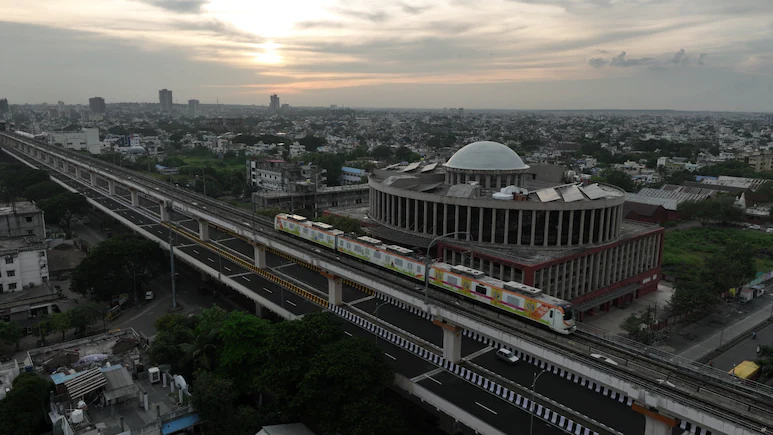
Inaugurated by Union Minister Nitin Gadkari, the flyover is a four-lane, double-decker marvel, making it the first of its kind in India. It spans an impressive 5 kilometers and 670 meters, connecting LIC Square to Automotive Square. This makes it the longest double-decker flyover in the country.

2. What Makes This Flyover Stand Out?

The uniqueness of this structure lies in its four levels:

  • Ground Level: State Highway for regular traffic.
  • Second Level: A dedicated railway track.
  • Third Level: A road for vehicular traffic.
  • Fourth Level: The Metro corridor.

With its four-tiered system, this flyover offers unparalleled functionality and traffic relief.

3. Importance for Nagpur’s Traffic Management

The flyover is a crucial solution for Nagpur’s bustling traffic, particularly on the Kamptee Road and Nagpur-Jabalpur Highway, which frequently experience congestion. Now, thanks to this flyover, the once nightmarish traffic jams will become a thing of the past, providing a smooth travel experience for commuters.

4. Reducing Commute Times and Fuel Consumption

Travelers from areas like Kamptee, Kanhan, Ramtek, and North Nagpur will benefit immensely. The flyover allows for a direct, uninterrupted commute, saving time and fuel, a significant advantage in today’s fast-paced world.

5. Design and Architecture: A Visual Treat

One of the standout features of the flyover is its single-column pier design, which holds the double-decker structure in place. This architectural wonder is a perfect blend of beauty and functionality, creating a sleek and futuristic skyline for Nagpur.

6. The Steel Bridge: An Engineering Marvel

Adding to the grandeur, a steel bridge with a weight capacity of 1650 tons was constructed near Gurudwara Singh Sabha, Gaddigodam. This is the first of its kind in India, a bridge that seamlessly integrates four layers of traffic, allowing vehicles, metro, and trains to pass efficiently.

7. A Financial Investment in the City’s Future

This flyover did not come cheap. With a budget of ₹573 crore, it’s clear that the government has made a significant investment in the future of Nagpur’s infrastructure. The benefits in terms of reduced traffic congestion and improved connectivity justify this expenditure.

8. Key Metro Stations Along the Route

The flyover is well-integrated with Nagpur’s metro system. Key stations along the route include:

  • Gaddigodam Square
  • Kadbi Square
  • Indora Square
  • Nari Road
  • Automotive Square

These stations enhance connectivity, making it easier for commuters to switch between road and metro travel seamlessly.

9. Impact on Local Businesses and Economy

Improved traffic flow will not only benefit daily commuters but also local businesses. Reduced congestion means easier access for customers, leading to potential growth in commercial activity in the surrounding areas.

10. Environmental Impact: A Sustainable Future

One of the less-talked-about benefits of the flyover is its contribution to reducing carbon emissions. By streamlining traffic and reducing vehicle idling times, the flyover helps to cut down on fuel consumption and pollution.

11. Benefits for Future Urban Development

Nagpur is fast becoming a model city for infrastructure development, and this flyover is a step toward a more connected, efficient future. Its success may lead to similar projects in other parts of the country, setting a new standard for urban infrastructure.

12. A Gateway to North Nagpur and Beyond

The flyover is not just for city dwellers. Its strategic location opens up a gateway for those traveling to or from North Nagpur, Kamptee, Kanhan, and Ramtek, further integrating the region with the rest of the city.

13. Challenges Faced During Construction

Like any large-scale infrastructure project, building the flyover was not without its challenges. From land acquisition to navigating through densely populated areas, the project saw its share of obstacles, all of which were successfully overcome.

14. A Symbol of Progress

Nagpur’s double-decker flyover stands as a symbol of progress and innovation. It showcases India’s growing expertise in infrastructure development and sets the tone for future projects across the country.

15. Future Expansion Plans

The success of this flyover may lead to similar infrastructure developments in other Indian cities, especially those facing chronic traffic issues. Nagpur’s role as a pioneer in this regard cannot be understated.

Nagpur’s new double-decker flyover is more than just a structure; it’s a game-changer for the city’s infrastructure. With its unique design, efficient traffic management, and the promise of reduced commute times, it is poised to be a model for future developments across the country. The flyover is a testament to India’s growing focus on sustainable, high-tech urban development.

1. What is the total length of Nagpur’s double-decker flyover (longest flyover in India)?
The flyover is 5 kilometers and 670 meters long, making it the longest of its kind in India.

2. How many levels does the flyover have?
It has four levels: a state highway, a railway track, a road for vehicles, and a metro corridor.

3. How much did the flyover cost to construct?
The total cost of the project was ₹573 crore.

4. What are the benefits of this flyover for Nagpur’s traffic?
It will significantly reduce congestion on the Kamptee Road and Nagpur-Jabalpur Highway, providing a smooth and uninterrupted commute.

5. How does the flyover benefit the environment?
By reducing fuel consumption and vehicle idling times, it contributes to lower carbon emissions.

Exit mobile version