Though Complete, Somalwada Underpass Awaits Its Official Inauguration

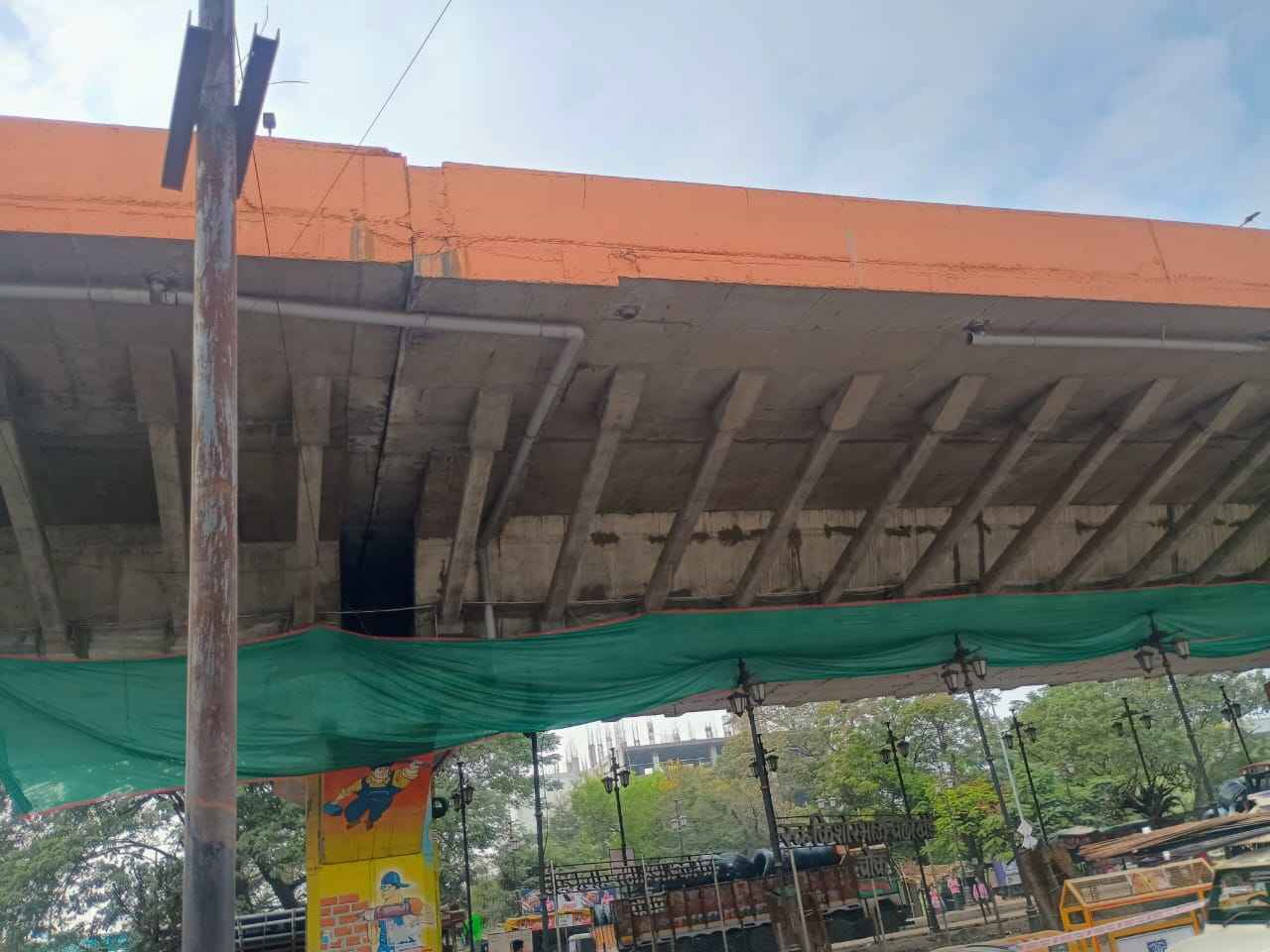
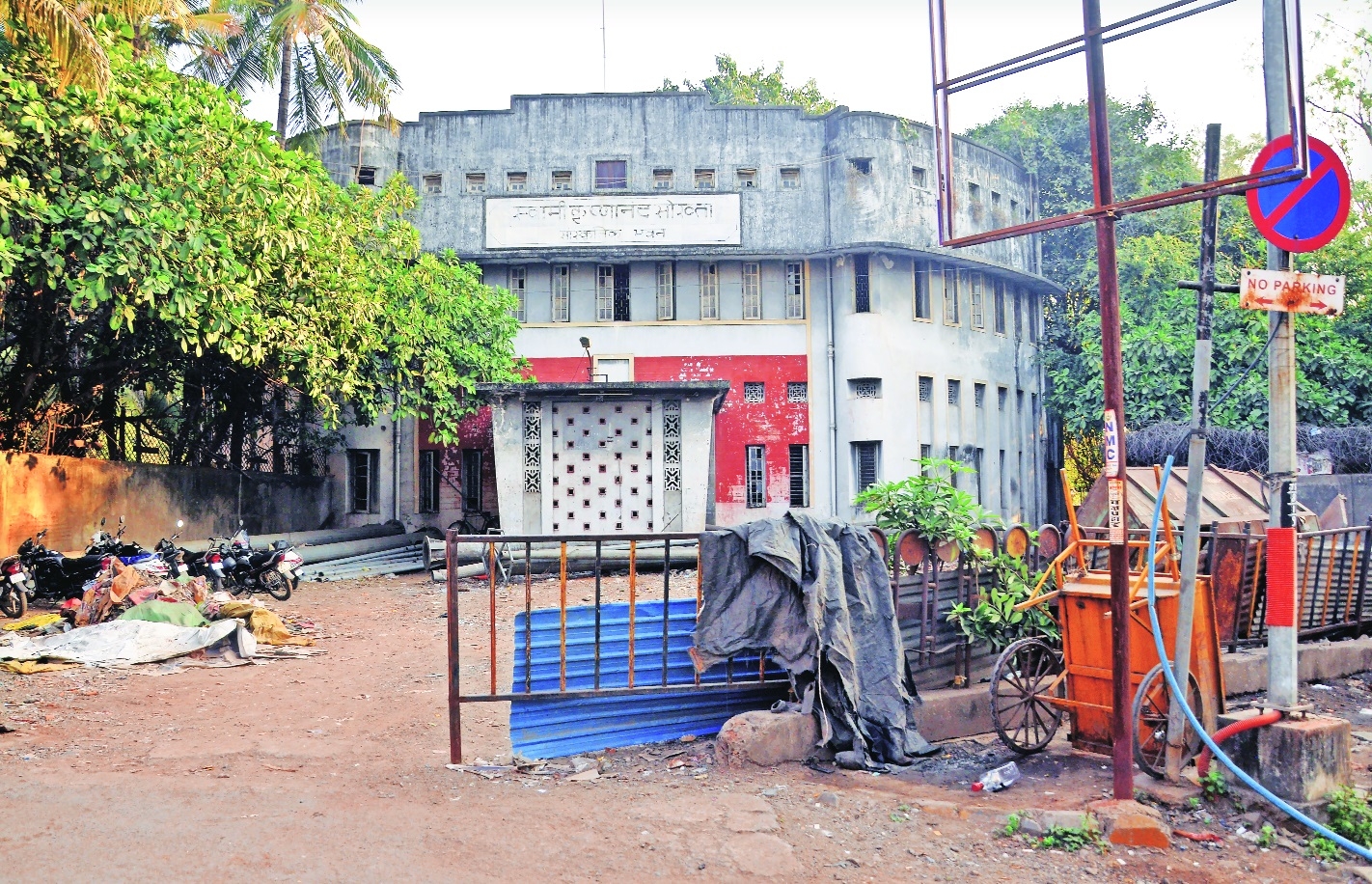
Nagpur | Somalwada underpass inauguration: In the run-up to major elections, promises often take center stage, painting pictures of progress and convenience. However, for the citizens eagerly awaiting the operationalization of the Somalwada underpass, reality has been far from the promises made. Despite the underpass construction being complete, its gates remain firmly shut, leaving residents and commuters perplexed and frustrated. Let’s dive deeper into this issue.


Understanding the Importance of the Somalwada Underpass

Connecting Communities (Nagpur | Somalwada underpass inauguration)

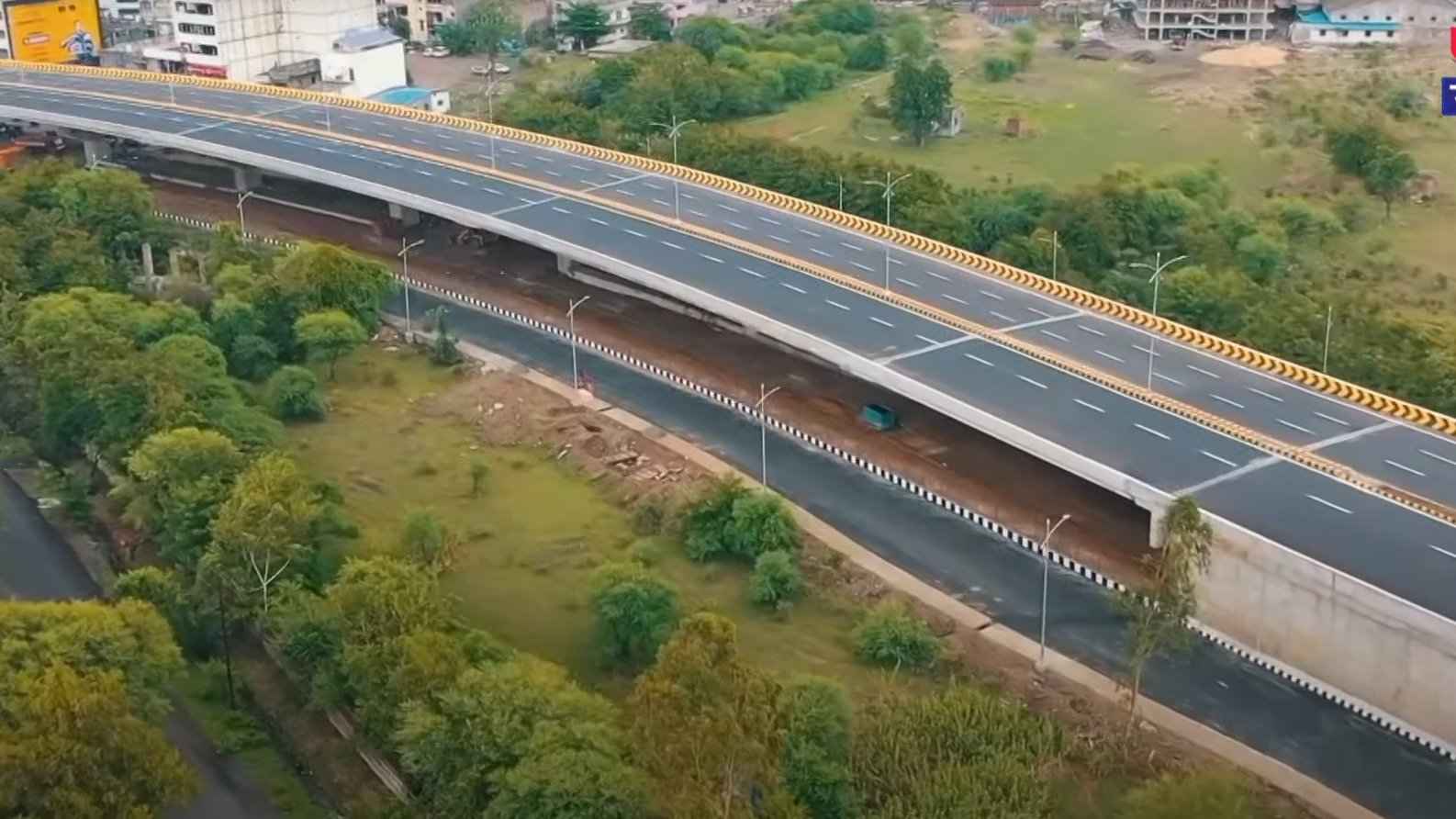
The Somalwada underpass was conceived as a vital link, connecting Wardha Road to Manish Nagar. The 190-meter-long structure was designed to ease the burden on the existing railway underbridge (RuB) at Manish Nagar and provide an alternative for seamless connectivity.

A Promise of Easier Commutes

Residents from both sides of the railway line were thrilled at the prospect of reducing their travel time and ending the tedious detours. Businesses, too, anticipated increased footfall with improved accessibility. But what went wrong?


The Current Scenario

Construction Completed, But Gates Remain Closed (Nagpur | Somalwada underpass inauguration)

Despite the completion of construction and the adjacent road being ready for vehicular movement, the underpass remains inaccessible. The delay has left citizens questioning the coordination between government agencies.

Increased Pressure on Existing Infrastructure

The unavailability of the Somalwada underpass has placed immense strain on the Manish Nagar underpass. Designed for one-way traffic, it has been forced to accommodate vehicles from both directions, leading to daily congestion and safety risks due to sharp turns.


Citizens Speak Out

Frustration Among Residents

Aakash, a local resident, voices what many feel: “The authorities are testing our patience. We’ve faced endless inconvenience due to prolonged delays.” Long detours and congested alternative routes have made daily commutes a challenge.

Impact on Businesses

Shop owners near the underpass have reported a sharp decline in revenue. Amit Menghare, a shopkeeper, said, “The delay has drastically reduced customer footfall. Opening the road will breathe life back into our businesses.”


Reasons Behind the Delay (Nagpur | Somalwada underpass inauguration)

Coordination Woes

Officials from Maha Metro have stated that their construction responsibilities are complete. The remaining tasks, such as affixing pavements and managing pipelines, fall under the purview of the Public Works Department (PWD). Miscommunication and lack of coordination appear to be the primary culprits.

Election Code of Conduct

Before the elections, officials cited the Model Code of Conduct as a reason for the delay. However, even after the elections, progress remains stalled, fueling public frustration.


The Broader Impact of Delays

Traffic Congestion

The Beltarodi-Manish Nagar stretch, where the Manish Nagar underpass is situated, now bears the brunt of diverted traffic. Commuters face long delays, particularly during peak hours.

Economic Losses

Local businesses are not the only ones suffering. The stalled project has also resulted in economic inefficiencies, including wasted fuel and time for daily commuters.

Public Distrust

Repeated delays and lack of transparency have eroded public trust in the administration. Residents demand accountability and swift action.


What Needs to Be Done

Improved Coordination

Seamless communication between agencies such as Maha Metro and PWD is essential. Regular updates on progress and clear timelines can help restore public confidence.

Accountability Mechanisms

Holding responsible parties accountable for delays ensures better project management in the future. Transparent processes and public involvement can also aid in smoother execution.

Prioritizing Public Convenience

Authorities must place citizens’ needs at the forefront. Opening the underpass promptly will alleviate traffic woes and improve quality of life for residents and businesses alike.


The Somalwada underpass stands as a symbol of promise and potential, yet it also underscores the pitfalls of poor coordination and administrative delays. Residents, businesses, and commuters eagerly await the day when the underpass will fulfill its intended purpose. Until then, the wait continues—an emblem of hope and frustration intertwined.


1. Why is the Somalwada underpass not open yet? The delay stems from coordination issues between Maha Metro and PWD, along with pending tasks like pavement installation.

2. How has the delay affected local residents? Residents face increased travel times, congested alternative routes, and daily commuting challenges.

3. What impact has the delay had on local businesses? Businesses near the underpass have seen reduced customer footfall, leading to a significant drop in revenue.

4. When is the underpass expected to open? While no official date has been announced, citizens and businesses are urging authorities for prompt action.

5. How can delays in similar projects be prevented in the future? Improved coordination, accountability mechanisms, and prioritizing public convenience can help prevent such delays.

New Foot-Over-Bridge at Cotton Market Metro Station to Enhance Safety and Accessibility

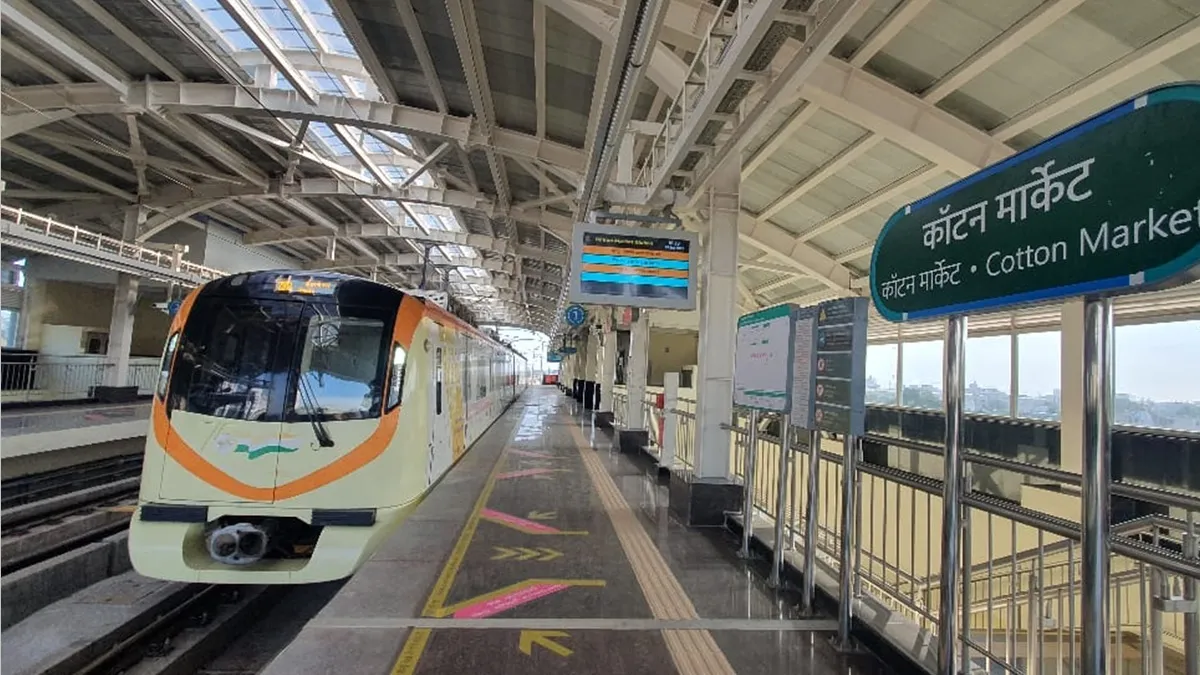
The Cotton Market Metro Station in Nagpur has been buzzing with activity since its launch on September 21, 2023. Positioned strategically near the lively Santra Market area, it has rapidly become a favorite for daily commuters. But let’s face it—navigating the chaotic traffic near the station is no cakewalk! Fortunately, a new foot-over-bridge (FoB) is on its way, promising to transform accessibility and safety within the next five months.


Why Is the Foot-Over-Bridge Needed?

Safety First: The Current Struggles

Imagine trying to cross a busy street with relentless traffic. Scary, right? That’s the reality for commuters here. Despite a road divider, crossing the road to the station is daunting. The absence of a second FoB has left passengers with no choice but to brave the risky traffic flow.

Commuter Woes in Their Own Words

Shruti Jaiswal, a regular commuter, shared, “Crossing the road feels like gambling with safety. The Metro is convenient, but the road is a nightmare!” Such stories aren’t rare. The lack of adequate infrastructure is a glaring issue that has plagued the station since its inception.


The Upcoming Foot-Over-Bridge: What to Expect?

Enhanced Accessibility

The new FoB will create seamless connectivity to both sides of the station, resolving one of the biggest pain points for commuters.

Improved Safety Measures

Once operational, passengers can bypass the heavy traffic entirely, ensuring a safer journey to and from the station.


Technical Advancements at the Station

Power Systems Upgrades

The Cotton Market Metro Station isn’t just about physical connectivity. Significant upgrades, like the fully operational 33 kV power supply system, ensure reliable service.

Telecommunication Enhancements

The telecommunication system has also undergone extensive testing and commissioning, paving the way for better operational efficiency.


MahaMetro’s Assurance: Five Months to Go

MahaMetro officials have confirmed that the construction of the new FoB is progressing as planned. They anticipate completion within five months, which will undoubtedly mark a new era for the station.


The Broader Impact of the New FoB

Boosting Local Commerce

The bustling Santra Market area will benefit immensely as improved accessibility could lead to increased footfall.

Encouraging Public Transport Use

A safer and more accessible station may encourage more people to switch from private vehicles to the Metro, contributing to greener transportation.


What’s Next for Commuters?

Interim Safety Solutions

While the new FoB is being constructed, commuters hope for temporary measures, such as better signage or traffic management, to ease their challenges.

 A Step Towards Safer Commutes

The upcoming FoB at Cotton Market Metro Station is a much-needed addition to Nagpur Metro’s Phase 1. It’s more than just a bridge—it’s a lifeline for safer and more convenient commuting. As we count down the months, let’s hope for swift progress and better interim solutions.

1. When will the new FoB be ready?

The new foot-over-bridge is expected to be completed within the next five months.

2. Why is the second FoB necessary?

It enhances safety by eliminating the need for commuters to cross heavy traffic near the station.

3. What challenges do commuters currently face?

Commuters struggle with navigating chaotic traffic due to the lack of a second access point to the station.

4. How will the FoB impact local businesses?

Better accessibility is likely to increase footfall in the Santra Market area, boosting local commerce.

5. What interim measures can improve the situation?

Improved traffic management, signage, and temporary pedestrian solutions can help until the FoB is completed.

Land Acquisition Process for Airport at Gadchiroli to Begin in New Year

Gadchiroli airport land acquisition: The dream of transforming Gadchiroli into a thriving economic hub is coming closer to reality, with the much-anticipated land acquisition for the proposed airport set to commence in January 2025. This significant milestone marks a turning point in the district’s development and promises to elevate its economic and logistical profile.


Why an Airport in Gadchiroli is Crucial

Ever heard of Gadchiroli being called the future “Steel City of India”? Chief Minister Devendra Fadnavis has consistently emphasized this vision. To materialize this dream, an airport is not just a luxury—it’s a necessity.

Economic Transformation

An airport will act as a catalyst for economic growth by:

  • Attracting investments.
  • Enhancing connectivity for industries.
  • Boosting tourism and trade.

Addressing Isolation

Gadchiroli’s remote location often isolates it from mainstream development. An airport bridges this gap, making the district accessible and competitive.


Key Players in the Process

The Role of Divisional Commissionerate

Divisional Commissioner Vijayalakshmi Bidari is spearheading the land acquisition efforts. Under her guidance, the process is being executed with precision and urgency.

District Collector’s Contribution

The District Collector of Gadchiroli has been designated as the authorized officer, ensuring a smooth and lawful acquisition process.


Proposed Land and Scope

Villages Identified for Acquisition

The proposed airport spans approximately 229.43 hectares across the villages of:

  • Murkhala
  • Pulkhal
  • Kaneri
  • Mudja

Why These Locations?

These villages were chosen for their strategic location, favorable topography, and minimal displacement impact.


How the Process Will Unfold

Step 1: Approval from MADC

The Maharashtra Airport Development Company (MADC) plays a pivotal role. Once they greenlight the proposal, the acquisition begins.

Step 2: Notification and Surveys

The administration will:

  1. Notify landowners.
  2. Conduct surveys to determine boundaries and valuations.

Step 3: Compensation and Rehabilitation

To ensure fairness:

  • Landowners will receive market-based compensation.
  • Rehabilitation programs will be in place for displaced families.

The Challenges Ahead

Land Acquisition Hurdles

Land acquisition can be contentious due to:

  • Resistance from landowners.
  • Bureaucratic delays.

Environmental Concerns

The ecological impact of development must be addressed to balance progress with sustainability.


A Vision Shared by Many

During his tenure as Deputy Chief Minister, Devendra Fadnavis had envisioned an economically self-reliant Gadchiroli. By reviving the old airport plan, he laid the foundation for this transformative project.

Commitment to Timely Execution

Fadnavis also instructed the MADC to expedite the development of 32 airports across Maharashtra, ensuring they meet their deadlines.


Impact on Gadchiroli’s Future

Economic Boom

The airport is expected to:

  • Draw investors to the region.
  • Create employment opportunities.
  • Enhance local businesses.

Improved Connectivity

Better connectivity will:

  • Reduce travel times.
  • Facilitate the movement of goods and services.
  • Promote tourism.

Boosting Local Identity

Gadchiroli’s transformation into a steel and industrial hub will position it prominently on India’s map.


The land acquisition process for Gadchiroli’s airport is more than just a bureaucratic task—it’s a leap toward a brighter, prosperous future. With careful planning, the dream of turning this district into the “Steel City of India” will soon become a reality.


1. Why is an airport essential for Gadchiroli?

An airport will enhance connectivity, attract investments, and boost the district’s economic growth.

2. Which villages are involved in the land acquisition?

The villages include Murkhala, Pulkhal, Kaneri, and Mudja.

3. Who is leading the land acquisition process?

Divisional Commissioner Vijayalakshmi Bidari and the District Collector of Gadchiroli are spearheading the efforts.

4. What challenges might arise during land acquisition?

Challenges include resistance from landowners and environmental concerns.

5. How will the airport benefit local communities?

The airport will create jobs, boost local businesses, and improve accessibility.

GMR to Start Development Work at City Airport from April 2025

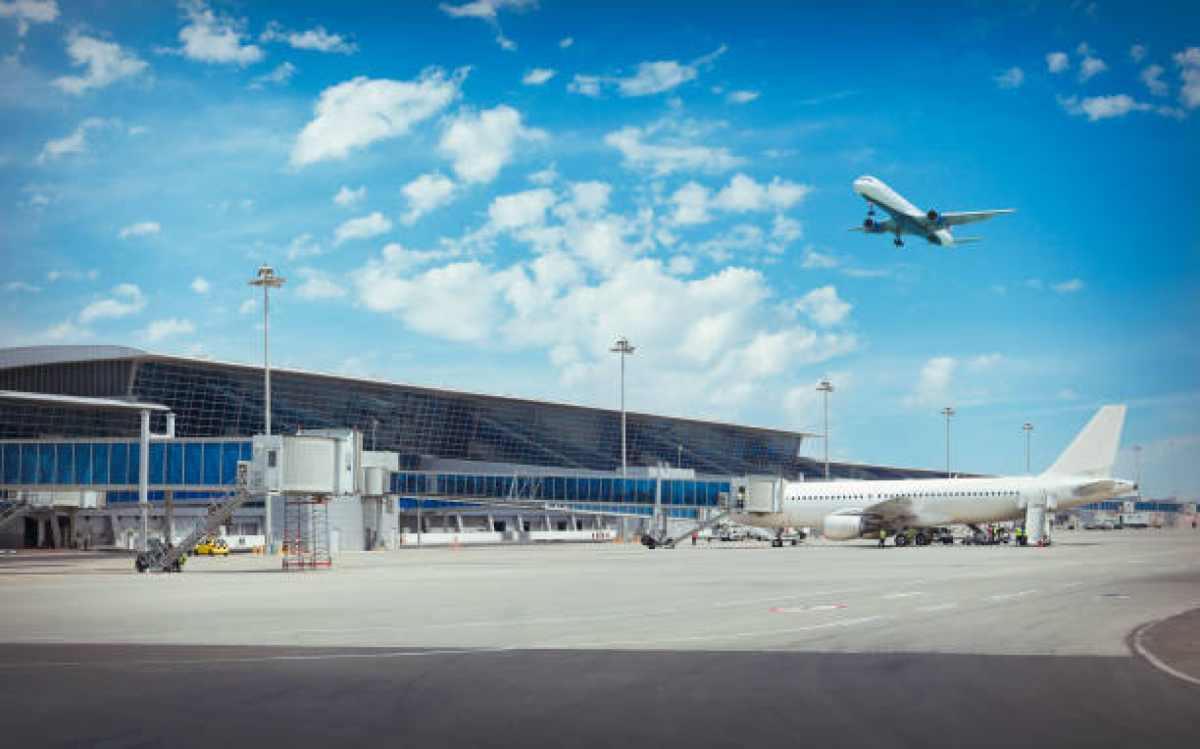
Nagpur Airport Redevelopment: The stage is set for a transformative journey as GMR Airports Limited (GAL) gears up to commence development work at Dr. Babasaheb Ambedkar International Airport, Nagpur, in April 2025. This ambitious project, supervised by MIHAN India Limited (MIL), marks a pivotal step forward for Maharashtra’s airport infrastructure.

What Makes This Development Significant?

The redevelopment is not just about upgrading an airport; it’s about reimagining Nagpur’s role in India’s aviation and logistics ecosystem. With a sanctioned budget of Rs 700 crore, this project is poised to establish state-of-the-art facilities, ensuring Nagpur becomes a central hub for both passenger and cargo operations.


Key Players Driving the Transformation

Dr. Vipin Itankar: A Visionary Leader

Dr. Vipin Itankar, District Collector, has been entrusted with the dual role of Chairman-cum-Managing Director (CMD) of MIL. This is a first-of-its-kind arrangement where a district officer holds such a significant responsibility.

Swati Pandey: The Catalyst for Change

Swati Pandey, serving as Vice Chairperson and Managing Director of the Maharashtra Airport Development Company (MADC), has played a vital role in setting up the Amravati airport and accelerating key projects within MIHAN, including Patanjali’s initiatives.


What’s in Store for Nagpur Airport?

Enhanced Passenger Terminal

The redevelopment aims to increase passenger terminal capacity to handle 4 million passengers annually, bringing modern comfort and efficiency to travelers.

Cargo Handling Expansion

A key focus is transforming Nagpur into a logistics powerhouse. Cargo capacity will be ramped up to 20,000 metric tons, boosting trade and connectivity across the Vidarbha region.

New Infrastructure Additions

  • Modern Cargo Terminal: A state-of-the-art cargo terminal to streamline logistics.
  • Advanced ATC Tower: A new Air Traffic Control (ATC) tower to ensure safer and more efficient air traffic management.

The Broader Implications for Nagpur and Maharashtra

Economic Growth

The airport’s expansion is expected to attract investments, create jobs, and strengthen the region’s economic fabric.

Enhanced Connectivity

With improved passenger and cargo operations, the airport will serve as a critical link connecting Nagpur to global markets.

Boosting MIHAN’s Vision

MIHAN’s mission to position Nagpur as a global cargo hub will finally see fruition, making it a benchmark for airport development in India.


Challenges and Overcoming Them

Legal Hurdles

The project faced significant delays due to legal battles. However, relentless efforts by Chief Minister Devendra Fadnavis and Union Minister Nitin Gadkari ensured progress.

Government’s Role

A dedicated officer for monitoring redevelopment reflects the government’s commitment to delivering the project on time.


A Step Towards a Brighter Future

This project symbolizes a leap towards modernization. GMR Airports Limited, backed by GAL’s expertise, is set to redefine Nagpur’s aviation landscape, aligning it with global standards.


1. What is the timeline for the Nagpur airport redevelopment?

Development work is set to begin in April 2025 and will be executed in phases.

2. What improvements can passengers expect?

Passengers will enjoy enhanced terminal facilities capable of handling 4 million travelers annually.

3. How will the project impact Nagpur’s economy?

The redevelopment will create jobs, boost trade, and attract investments, significantly impacting the region’s economy.

4. Who is overseeing the project?

Dr. Vipin Itankar, CMD of MIL, is responsible for monitoring the redevelopment, with GMR Airports Limited leading the execution.

5. Why is this project important for MIHAN?

The project aligns with MIHAN’s goal of establishing Nagpur as a global cargo hub and enhancing the region’s connectivity.

Nagpur Collector Vipin Itankar Takes Charge as CMD of MIHAN

A Historic Appointment

Nagpur Collector Vipin Itankar : In a significant development, Dr. Vipin Itankar, the Nagpur Collector, has been entrusted with the additional responsibility of Chairman and Managing Director (CMD) of MIHAN India Limited (MIL). This is a first-of-its-kind decision where the role has been assigned to someone outside the conventional Vice Chairman and Managing Director (VC and MD) framework of Maharashtra Airport Development Company (MADC). But what led to this unprecedented move? Let’s dive in.

What is MIHAN India Limited (MIL)?

MIHAN India Limited (MIL) is a pivotal entity overseeing operations at the Dr. Babasaheb Ambedkar International Airport in Nagpur. Its responsibilities include:

  • Managing airport infrastructure.
  • Facilitating seamless air travel.
  • Overseeing large-scale development projects, including runway maintenance and modernization.

Why This Decision?

Delay in Runway Recarpeting

The decision to appoint Dr. Itankar stems from delays in the runway recarpeting project at the Nagpur airport. This project, critical for ensuring aviation safety and efficiency, required fresh leadership to accelerate progress.

Breaking Tradition

Historically, the CMD position at MIHAN has been held by the VC and MD of MADC. However, this time, the authorities chose to break away from tradition to bring in a fresh perspective and hands-on administrative expertise.

Who is Dr. Vipin Itankar?

An Administrator with a Proven Track Record

Dr. Vipin Itankar is no stranger to challenges. As the Nagpur Collector, he has:

  • Spearheaded several infrastructure development projects.
  • Championed public welfare initiatives.
  • Demonstrated a knack for resolving administrative bottlenecks efficiently.

Educational and Professional Background

Dr. Itankar brings a wealth of experience and a solid academic foundation, making him an ideal choice to steer MIHAN through this transitional phase.

Role Transition: From Swati Pande to Dr. Itankar

Swati Pande’s Tenure

Before Dr. Itankar, Swati Pande, an Indian Postal Service (IPoS) officer, held the CMD position at MIL. Under her leadership, the groundwork for several initiatives was laid, but the runway project faced unexpected delays.

What’s Next?

Dr. Itankar’s appointment signifies a fresh start. With his dynamic approach, the focus is now on:

  • Expediting runway recarpeting.
  • Ensuring timely completion of pending projects.
  • Enhancing the operational efficiency of Nagpur airport.

Impact of the Appointment

On MIHAN’s Operations

This leadership change is expected to:

  1. Streamline decision-making processes.
  2. Bring a collaborative approach to project execution.
  3. Infuse new energy into MIHAN’s team.

On Nagpur’s Development

Nagpur is at the cusp of becoming a major aviation and logistics hub. Dr. Itankar’s dual role can:

  • Align airport operations with broader regional development goals.
  • Foster synergy between administrative and operational teams.

Challenges Ahead

Addressing Project Delays

One of the biggest challenges Dr. Itankar faces is to overcome the delay in runway recarpeting, a project critical for ensuring the airport’s operational standards.

Balancing Dual Roles

As both the Nagpur Collector and CMD of MIHAN, Dr. Itankar will need to:

  • Manage time effectively.
  • Delegate responsibilities wisely.
  • Ensure neither role is compromised.

Meeting Stakeholder Expectations

From government authorities to private players, stakeholders will be closely monitoring his performance. Building trust and delivering results will be paramount.

A Strategic Move for MIHAN

This appointment highlights the state’s intent to:

  • Innovate administrative practices.
  • Break away from rigid frameworks.
  • Prioritize project completion and efficiency.

A New Era for MIHAN

The decision to appoint Dr. Vipin Itankar as the CMD of MIHAN India Limited is not just about addressing immediate concerns but also about setting a precedent for adaptive and innovative governance. With his proven leadership, the future of MIHAN and the development of Nagpur as a prominent hub look promising.

1. Why was Dr. Vipin Itankar appointed as CMD of MIHAN?

Dr. Itankar was appointed to address delays in critical projects like the runway recarpeting and to bring a fresh perspective to MIHAN’s leadership.

2. What is the significance of MIHAN for Nagpur?

MIHAN plays a vital role in Nagpur’s transformation into a logistics and aviation hub, directly impacting regional growth and connectivity.

3. What challenges does Dr. Itankar face in his new role?

Dr. Itankar’s challenges include addressing project delays, balancing dual roles, and meeting stakeholder expectations efficiently.

4. Who was the CMD of MIHAN before Dr. Itankar?

Before Dr. Itankar, Swati Pande, an IPoS officer, served as the CMD of MIHAN India Limited.

5. How will this leadership change impact MIHAN’s future?

The leadership change is expected to streamline decision-making, enhance project execution, and align MIHAN’s goals with Nagpur’s broader development objectives.

Butibori Flyover Reopening Awaits VNIT Stability Report

Navigating the daily grind is hard enough without bottleneck traffic ruining your plans, right? Well, if you’ve been anywhere near the Butibori flyover on NH 44 lately, you know the struggle is real. This key flyover, vital for connecting major cities like Wardha, Chandrapur, and Hyderabad, has been closed since its partial collapse earlier this week. Let’s break down what’s happening, why it’s taking so long to reopen, and what this means for commuters.


What Happened to the Butibori Flyover?

Imagine this: a massive 135-tonne heavy vehicle carrying a transformer rolls across a flyover. Sounds like the start of a thriller, but it’s real life. This colossal load proved too much for the Butibori flyover, leading to cracks, exposed iron bars, and concrete splitting apart. The result? A partially collapsed structure and a traffic nightmare.

A Brief History of the Flyover

  • Inaugurated: June 2021
  • Cost of Construction: Rs 70 crore
  • Defect Liability Period: 10 years

Despite being relatively new, the flyover’s durability was put to the test—one it sadly failed.


Current Status: Why the Delay?

Repairs are underway, but reopening isn’t happening anytime soon. Why? Authorities are waiting for a stability report from VNIT (Visvesvaraya National Institute of Technology). Until this critical report confirms the structure’s safety, the flyover will remain sealed. Safety first, always.


Challenges for Commuters

Traffic Diversion Chaos

With the flyover closed, traffic has been rerouted to the narrow service road below. The result? Congestion, delays, and frayed nerves. Here’s how it’s affecting everyone:

  • Ambulances: Struggling to navigate through the congestion.
  • Businesses and Industries: Delays in shipments impacting logistics.
  • Commuters: Long waits and endless frustration.

Efforts to Manage the Situation

NHAI’s Role

The National Highways Authority of India (NHAI) is on high alert. They’ve:

  • Closed and barricaded the affected section.
  • Installed green nets around damaged support pillars for added safety.
  • Directed the contractor to bear repair costs under the defect liability clause.

Traffic Police at Work

Local police, led by Senior Inspector Pratap Bhosale, are managing the situation on the ground. While they’ve prevented major jams, the traffic flow is far from smooth.


The Repair Process: A Closer Look

Repairing a flyover isn’t like patching a flat tire; it’s a complex process. Workers have:

  • Installed metal rods and support structures beneath the damaged section.
  • Begun concrete reinforcement to stabilize the structure.

Despite steady progress, the reopening timeline remains uncertain.


Local Voices: What Are People Saying?

Residents Speak Out

Deepak Gurjar, a local resident, shares:

“They’re making steady progress, but the reopening timeline is still unclear.”

NHAI’s Perspective

An official from NHAI emphasizes:

“Unless the VNIT report comes, the flyover cannot be reopened.”


Why VNIT’s Stability Report Matters

The VNIT stability report isn’t just paperwork; it’s the cornerstone of ensuring the flyover is safe for public use. This report analyzes:

  • Structural integrity of the flyover.
  • The extent of the damage and necessary repairs.
  • Safety benchmarks for reopening.

Without this report, reopening would be reckless.


The Broader Implications

For Commuters

The closure of the Butibori flyover serves as a stark reminder of the importance of infrastructure maintenance. Commuters are enduring delays, and the ripple effects are being felt across various sectors.

For Authorities

This incident highlights the need for stringent quality checks and robust construction practices to prevent such mishaps in the future.


What’s Next?

Interim Measures

NHAI is exploring the possibility of reopening undamaged portions of the flyover. However, this remains contingent on VNIT’s findings.

Long-Term Plans

Once repairs are complete and safety is ensured, authorities aim to implement stricter load regulations to prevent such incidents.

The Butibori flyover’s closure has thrown a wrench into the daily routines of countless commuters. As repairs continue and authorities await the VNIT stability report, the focus remains on safety and reliability. For now, patience is the only bridge across this troubled stretch.

1. When will the Butibori flyover reopen?
The reopening timeline depends on VNIT’s stability report and the completion of repairs.

2. Why was the flyover damaged?
The flyover partially collapsed under the weight of a 135-tonne vehicle, exposing construction flaws.

3. What is being done to manage traffic?
Traffic has been diverted to service roads, and local police are working to prevent jams.

4. Who is bearing the repair costs?
The contractor responsible for building the flyover will bear the repair costs under the 10-year defect liability clause.

5. What is VNIT’s role in the reopening?
VNIT is providing a critical stability report that will determine whether the flyover is safe to reopen.

Butibori Flyover Under Inspection: NHAI Mulls Partial Opening Today

Nagpur, Butibori Flyover Collapse Update: What happens when a vital piece of infrastructure falters unexpectedly? This very question loomed over Nagpur on Tuesday morning when the 1.69-km-long Butibori flyover suffered a structural failure. Constructed by the National Highways Authority of India (NHAI) at a cost of Rs70 crore, this flyover, designed to ease congestion at the bustling Butibori Industrial Area intersection, witnessed the collapse of a section. The collapse was triggered by a heavy puller vehicle carrying a transformer, leaving the city grappling with chaos and unanswered questions.

The Incident Unfolds

The collapse occurred around 9:30 AM on Tuesday, shaking the confidence in what was considered a modern engineering marvel. A cantilever section caved in by a few inches, exposing iron bars and damaging multiple support beams. This left one lane completely barricaded and traffic diverted to the service roads below. For commuters, industrial units, and emergency services, the day quickly turned into a logistical nightmare.


Immediate Response and Inspection (Butibori Flyover Collapse Update)

Expert Team Steps In

By Wednesday, an expert team comprising NHAI officials, VNIT (Nagpur) professors, and the bridge’s original designers swung into action. Their primary aim? To investigate the root cause of the collapse. Samples from the damaged sections were collected for a thorough analysis to assess structural integrity.

Initial Observations

Team observations included cracks in section joints and uneven patches at several spots. Exposed iron bars and crumbling concrete pointed to potential weaknesses in construction or maintenance. Nets were swiftly installed under damaged sections to prevent further debris from falling, while traffic police (Nagpur) worked tirelessly to manage the resulting congestion.


Possible Causes of Collapse

Overloading: A Major Suspect

While the heavy load carried by the transformer vehicle is a primary suspect, officials are hesitant to pin the blame solely on it. “Excessive load could be one reason, but we are exploring all possibilities,” stated an NHAI official.

Structural Flaws

Could there have been oversight during construction or proof-checking? The involvement of VNIT professors and IIT Bombay during the initial design phase suggests otherwise, but no hypothesis is being ruled out.

Weathering and Maintenance

Nagpur’s climate and the stress of heavy traffic might have taken a toll. Was regular maintenance conducted, or were there lapses? Only a detailed report will clarify.


Current Safety Measures

Barricades and Diversions

To ensure commuter safety, one lane beneath the flyover has been barricaded. This diversion has unfortunately led to heavy congestion on alternate routes, affecting daily commuters and emergency services.

Repair Timeline

The contractor responsible for the flyover has been tasked with grouting the damaged sections. While repairs are expected to take at least a month, NHAI is exploring the possibility of reopening unaffected sections to ease traffic.


Impact on Commuters and Businesses

Traffic Chaos

Motorists traveling towards Wardha, Chandrapur, and Hyderabad are bearing the brunt of the closure. Crawling traffic has become the norm, with even ambulances struggling to navigate through.

Economic Repercussions

Local businesses and industries in the Butibori area have reported delays in transportation, impacting productivity and supply chains.


Future Steps by NHAI

Partial Opening Plans

NHAI officials have hinted at reopening the flyover partially by Thursday afternoon. However, this will only happen after an interim safety assessment ensures no further risks.

Comprehensive Investigation

With experts from VNIT and IIT Bombay involved, the investigation aims to deliver conclusive findings soon. These results will shape repair strategies and ensure such incidents don’t recur.


The Butibori flyover collapse is a wake-up call for infrastructure planning and maintenance in India. While immediate measures are being taken to address the crisis, the incident underscores the importance of rigorous quality checks and proactive maintenance. As Nagpur’s residents await the reopening of this vital route, lessons from this incident must pave the way for safer, more reliable infrastructure across the nation.


1. What caused the Butibori flyover collapse?

The exact cause is still under investigation, but overloading and potential structural flaws are being examined.

2. When will the flyover be fully operational?

Repairs are expected to take at least a month, though partial reopening may happen soon.

3. How is traffic being managed?

Traffic has been diverted to service roads, causing significant congestion. Efforts are underway to streamline movement.

4. Who is responsible for the repairs?

The contractor who constructed the flyover has been directed to carry out the repair works under NHAI’s supervision.

5. What safety measures are in place?

Barricades, nets under damaged sections, and detailed inspections are being conducted to ensure commuter safety.

Nagpur Railway Station Main Booking Office Temporarily Relocated to Platform No.1

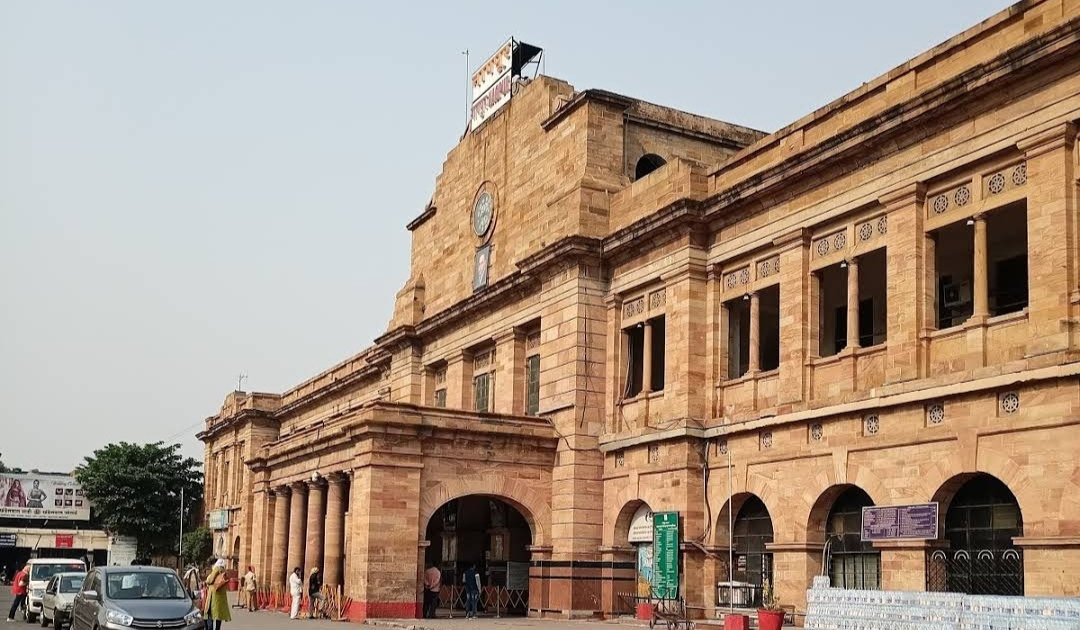
Nagpur’s railway station, a crucial transport hub in India, is undergoing significant redevelopment as part of the Central Railway’s modernization initiative. As part of this ongoing process, the main booking-cum-PRS (Passenger Reservation System) office on the west side of the station will be temporarily relocated. This move, effective from December 18, 12 midnight, ensures that ticketing services continue smoothly without disrupting the daily flow of passengers. Let’s explore the details of this change, what it means for travelers, and how the redevelopment is set to improve Nagpur railway station for years to come.

Why Is the Booking Office Being Relocated?

The relocation is a temporary measure in line with the larger redevelopment project aimed at upgrading the infrastructure of Nagpur railway station. As one of the busiest stations in the region, Nagpur is seeing an influx of passengers, and the goal of this redevelopment is to offer a better and more modern experience.

While the construction of new facilities progresses, certain services need to be temporarily adjusted. The relocation of the main booking office is one such adjustment, designed to keep everything running smoothly during the upgrades.

Details of the Temporary Relocation

The main booking-cum-PRS office will be moved to the dome area located within the second-class waiting hall. This area is conveniently situated near the escalator and the foot over bridge (FOB) landing on Platform No.1, specifically at the Mumbai end of the station.

Key Points:

  • Location: Dome area in the second-class waiting hall, near escalator and FOB landing on Platform No.1.
  • Distance from Original Office: Approximately 200 meters towards the Mumbai end.
  • Effective Date: Starting from 12 midnight on December 18.
  • Duration: Temporary, until further notice as per the station’s redevelopment timeline.

Passengers seeking both unreserved and reservation ticketing services can continue to access them from this temporary location without any interruption. Central Railway has assured that the relocation will not affect the quality or availability of services.

Smooth Transition for Passengers

Central Railway has taken steps to ensure the transition is as smooth as possible for passengers. Key measures include:

  1. Signage: Clear, easy-to-follow signs have been placed at prominent locations around the station to guide passengers to the new booking office.
  2. Help Desk: A dedicated help desk has been established to assist passengers with any queries regarding directions or other station-related information.

These measures are in place to ensure that passengers don’t experience any inconvenience while the transition takes place.

What to Expect from the Redevelopment Project

The ongoing redevelopment of Nagpur railway station is expected to significantly improve passenger amenities and overall infrastructure. The project aims to modernize the station, increase capacity, and provide better facilities for travelers. Some of the key goals of the redevelopment include:

  • Upgraded Facilities: Improved waiting areas, restrooms, and waiting lounges.
  • Enhanced Ticketing Systems: Introduction of advanced ticketing technologies and self-service kiosks.
  • Better Accessibility: Improved signage and accessibility features for differently-abled passengers.
  • Increased Capacity: Expansion of platforms and other infrastructure to handle higher volumes of passengers.

With the addition of modern amenities and better infrastructure, the redevelopment will position Nagpur railway station as a world-class transit hub.

How Will the Relocation Impact Daily Commuters?

For daily commuters and occasional travelers, this temporary relocation may seem like an inconvenience at first. However, given the clear signage and help desk support, most passengers will find the transition easy. Those familiar with the station layout may need to adjust their usual routes to reach the new booking office, but the process should remain straightforward.

Temporary Disruption with Long-Term Benefits

While passengers may experience temporary changes, the long-term benefits of the redevelopment far outweigh the brief inconvenience. With modernized facilities, better services, and improved infrastructure, Nagpur railway station is set to become a more comfortable and efficient place for both local and outstation travelers.

Central Railway’s Commitment to Passenger Comfort

Central Railway’s efforts to keep services running smoothly during this period reflect its commitment to ensuring passenger comfort and convenience. The relocation of the booking office is part of the broader goal to enhance the travel experience, ensuring that passengers are never left behind as development moves forward.

How to Access Ticketing Services During the Transition

Passengers can continue to book tickets for both unreserved and reserved trains at the temporary booking office on Platform No.1. The system will operate as usual, so travelers need not worry about ticketing disruptions.

If you’re unsure about where to go, simply follow the signs, or head to the help desk for guidance.

Essential Tips for Passengers

  • Keep an eye out for clear signage that will direct you to the temporary booking office.
  • If you have any questions, visit the help desk for assistance.
  • Allow a little extra time for your ticket purchase, as you may need to walk a few extra meters to reach the new office.

A Positive Change in the Making

Though the relocation of the main booking office may seem like a disruption in the short term, it is actually part of a much larger initiative to improve the infrastructure of Nagpur railway station. The temporary relocation ensures that ticketing services continue without interruption, while the station’s redevelopment moves forward. Passengers can look forward to a modernized, efficient, and more comfortable travel experience at Nagpur railway station once the project is completed.

With careful planning and passenger-centric strategies in place, Central Railway is ensuring that commuters’ needs are met while the station undergoes transformation.

1. Why is the booking office being relocated temporarily?

The relocation is part of the ongoing redevelopment project at Nagpur railway station, aimed at modernizing infrastructure and improving passenger amenities.

2. Where is the temporary booking office located?

The temporary office will be in the dome area within the second-class waiting hall, near the escalator and foot over bridge (FOB) landing on Platform No.1.

3. When will the relocation take place?

The booking office will be relocated starting from 12 midnight on December 18.

4. Will ticketing services be disrupted during this period?

No, ticketing services will continue without interruption. Passengers can access both unreserved and reservation ticketing services at the new location.

5. How can I find the new booking office?

Clear signage will guide you to the temporary office, and a help desk is available for any assistance you may need.

NMC’s Push for 18-Storey Sokhta Bhavan Complex Endangers Gandhibagh Garden

Nagpur: The Nagpur Municipal Corporation’s (NMC) ambitious plan to build an 18-storey commercial complex at Sokhta Bhavan land in Gandhibagh has sparked controversy. The project, while promising significant revenue and urban development, threatens to encroach upon Gandhibagh garden, one of the city’s few remaining green spaces. Let’s dive into the details and implications of this proposed venture.


What is the Sokhta Bhavan Project?

NMC has unveiled plans to transform the Sokhta Bhavan plot into a state-of-the-art commercial complex. The site, spanning 35,785.47 square meters, is strategically located in Nagpur’s bustling wholesale market area near Central Avenue. The proposed structure will include 18 floors and a terrace, with facilities like a shopping mall, multiplex, gym, and even a rooftop pool.


Revenue Generation Goals

The project aims to generate revenue exceeding ₹224 crore for the civic body. This is part of NMC’s broader strategy to monetize its land assets. The construction cost is estimated at ₹141.69 crore, with developers set to receive a Floor Space Index (FSI) of 4 under the Transit-Oriented Development (ToD) policy.


The PPP Model Explained

NMC plans to execute this project through a Public-Private Partnership (PPP) model. Under this model, the developer will be responsible for designing, constructing, selling, and maintaining the complex. The construction timeline is capped at 36 months, with no extensions allowed.


Features of the New Complex

1. State-of-the-Art Facilities

  • Rooftop Pool & Gym: The terrace will feature a swimming pool, gymnasium, and gaming zone.
  • Food Court & Clubhouse: A food court and clubhouse will enhance the recreational experience.

2. Parking Infrastructure

Three basement floors will accommodate parking for 183 cars, 500 scooters, and 366 bicycles. Developers may also opt for mechanized or stacked parking solutions.

3. Multipurpose Floors

  • 17th Floor: Citizen Facilitation Centre, small auditorium, and NMC office.
  • Other Floors: Dedicated to shopping malls, theatres, and commercial spaces.

Environmental Concerns: The Threat to Gandhibagh Garden

Gandhibagh garden is a vital green lung for the city, providing much-needed open space in the dense wholesale market area. However, locals allege that the project encroaches upon the garden, despite NMC’s assurances to the contrary.

Broken Promises?

Earlier, NMC pledged not to include any part of the garden in the project. Yet, maps reveal that portions of the garden are marked for development. This contradiction has fueled protests from local citizens and environmental activists.


Public Backlash: Citizens Speak Up

Raman Paigwar, founder of the Gandhibagh Garden Bachao Samiti, is leading efforts to protect the garden. According to him, the city already lacks sufficient open spaces, and the project prioritizes revenue over public welfare.


Urban Development vs. Environmental Sustainability

While the Sokhta Bhavan project promises economic growth, it raises critical questions about the balance between urbanization and ecological preservation. Can Nagpur afford to sacrifice its green spaces for commercial gains?


The Developer’s Responsibilities

Developers must secure environmental clearances and complete the project within the stipulated timeline. Unsold units after the eight-year mark will attract additional stamp duty charges, emphasizing the need for swift execution and sales.


 A Controversial Trade-Off

The Sokhta Bhavan project highlights the growing tension between urban development and environmental conservation. While NMC’s vision could transform the area into a commercial hub, it risks losing a valuable green space that serves as a lifeline for the community. Striking a balance between these competing interests is crucial for sustainable urban planning in Nagpur.

1. What is the proposed height of the Sokhta Bhavan complex?
The complex will be 18 stories tall, with a terrace featuring recreational facilities.

2. How much revenue is the project expected to generate?
NMC estimates revenue upwards of ₹224 crore from this venture.

3. Will Gandhibagh garden be affected?
Despite assurances, maps suggest portions of the garden may be included in the development.

4. What facilities will the complex offer?
The complex will include a shopping mall, multiplex, gym, rooftop pool, and parking infrastructure.

5. What is the timeline for the project’s completion?
The developer must complete construction within 36 months.

Rs124 Crore Approved: PWD Yet to Lock Site for New Wardha Road RoB

A Much-Needed Solution to Nagpur’s Connectivity Issues

In a move aimed at improving connectivity between Wardha Road and areas across the Mumbai-Howrah railway line, the Public Works Department (PWD) has secured administrative approval for constructing a new Railway Over Bridge (RoB). With a budget of Rs124 crore, the project promises to ease the daily struggles of commuters navigating Nagpur’s growing urban sprawl. But, as with any large-scale infrastructure project, challenges remain.

Let’s dive into the details of this ambitious plan, the hurdles it faces, and its potential impact on the city.

What Is the New Wardha Road RoB?

The proposed RoB aims to provide seamless connectivity from the Radisson Blu Hotel to Manish Nagar. This initiative comes as a relief for residents and commuters who currently face lengthy detours and congested routes.

Why Is This Project Important?

Population Growth: Rapid urbanization in areas like Manish Nagar, Besa, and Beltarodi has put immense pressure on existing infrastructure.
Improved Accessibility: The RoB will bridge critical gaps, making it easier for motorists to travel without navigating narrow lanes or taking circuitous routes.
Economic Boost: Enhanced connectivity can spur commercial and residential growth in the region.

Key Features of the Proposed RoB

1. Innovative Design Proposals
PWD has put forth two primary designs:
– A flyover starting near the Manish Nagar weekly market, running parallel to the Narendra Nagar flyover.
– A double-decker bridge beginning near the Radisson Blu Hotel, crossing over the railway line, and landing in Manish Nagar.

2. Underpasses for Better Traffic Flow
In addition to the RoB, underpasses are being considered to further streamline connectivity and reduce congestion.

3. Architectural Marvel
Given the spatial constraints and urban density, the RoB is expected to be an engineering masterpiece.

Challenges Faced by the PWD

1. Space Constraints
Identifying suitable locations for the RoB’s construction remains a daunting task due to limited space.

2. Design Viability
Balancing aesthetics, functionality, and practicality is crucial to ensure the structure meets the city’s needs.

3. Public Concerns
While residents are excited, many are anxious about construction disruptions and the project’s long-term impact.

Current State of Connectivity

Existing Issues
– The Narendra Nagar flyover is the only major route in the area, leading to heavy congestion.
– The underpass at Manish Nagar railway crossing remains non-operational, further aggravating traffic woes.

Daily Struggles
Motorists often have to navigate dingy lanes and longer detours, wasting valuable time and fuel.

What Rs124 Crore Means for Nagpur

This significant investment reflects the government’s commitment to addressing the city’s infrastructural bottlenecks. The funds will not only cover the construction of the RoB but also associated measures to improve overall traffic flow.

How Will the New RoB Benefit Citizens?

1. Reduced Travel Time
The RoB will provide a direct route, eliminating the need for lengthy detours.

2. Safer Commutes
Better infrastructure means fewer accidents and improved safety for motorists and pedestrians.

3. Economic Growth
Enhanced connectivity is likely to attract businesses, boosting local commerce.

Residents’ Reactions: A Mix of Excitement and Concern

While many welcome the project as a long-overdue solution, some worry about:
– Prolonged construction timelines.
– Potential displacement of properties near the site.
– Environmental impact due to large-scale construction.

Timeline: When Can Nagpur Expect the New RoB?

PWD officials are currently finalizing designs and conducting surveys. While no fixed timeline has been announced, the urgency of the project suggests that construction will commence soon.

The Bigger Picture: Urban Development in Nagpur

This project is part of a broader push to modernize Nagpur’s infrastructure. As the city grows, such initiatives are vital to ensuring sustainable urban development.

1. What is the budget for the RoB?
The project has been sanctioned Rs124 crore for construction and associated measures.

2. Where will the RoB be located?
The RoB will connect Wardha Road, starting near the Radisson Blu Hotel, to Manish Nagar.

3. What are the main challenges in building the RoB?
Space constraints and ensuring design viability in a congested area are the primary hurdles.

4. When will construction begin?
While a start date has not been finalized, PWD is actively working on surveys and design plans.

5. How will the RoB impact daily commutes?
The RoB is expected to significantly reduce travel time, improve safety, and enhance connectivity in the region.

Exit mobile version