NBCC Likely to Construct African, Night Safari Infra at Gorewada

African Safari Gorewada NBCC: The National Buildings Construction Corporation (NBCC) India Limited, a Government of India enterprise, is set to embark on an exciting venture at the Balasaheb Thackeray Gorewada International Zoo. With plans to develop the much-anticipated African Safari and Night Safari infrastructure, the project promises to revolutionize the region’s tourism potential. Here’s everything you need to know about this transformative project.

A New Chapter for Gorewada Zoo

From Indian Safari to African Safari

After the resounding success of the Indian Safari, the Maharashtra government has accelerated efforts to bring the African Safari to life. The collaboration with NBCC, a reputed construction agency, aims to enhance the zoo’s offerings with an ambitious infrastructure plan.

Green Signal and Budget Approval

The Forest Development Corporation of Maharashtra (FDCM) has been in advanced talks with NBCC. According to Zoo Director Shatnik Bhagwat, the project’s agreement is expected to be signed soon, paving the way for construction to begin before the monsoon season. The state cabinet has already approved a significant budget of ₹517.76 crore, ensuring that financial constraints will not hinder progress.

Key Features of the African Safari

Massive Land Allocation

The African Safari will span an impressive 63 hectares, offering visitors an immersive wildlife experience that mirrors the Savannah landscape of Africa. To achieve this, the zoo plans to incorporate native trees like babool, subabool, and dates, ensuring an authentic habitat for the animals.

Diverse Wildlife

Over 33 species of African wild animals will call this safari their new home. Expect to see:

  • Lemur
  • Meerkat
  • Klipspringer
  • African wild dog
  • Greater Kudu
  • Ostrich
  • Southern White Rhinoceros
  • African lion and more.

The inclusion of the near-threatened White Rhinoceros is anticipated to be a major highlight.

Night Safari Adventures

Imagine observing nocturnal animals in their natural habitat under the moonlight. The Night Safari infrastructure aims to provide a one-of-a-kind experience, elevating the zoo’s appeal to wildlife enthusiasts.

Singapore Expertise in Zoo Design

To ensure world-class standards, FDCM has collaborated with a Singapore-based consultant to create a master plan for the African Safari. This partnership underscores the commitment to delivering an unparalleled visitor experience.

Impact on Local Economy

Boosting Tourism

The African Safari is expected to draw tourists from across the globe, turning Gorewada Zoo into a premier wildlife destination. This influx will not only benefit the zoo but also uplift Nagpur’s reputation as a tourist hub.

Job Creation

From construction to operations, the project will create numerous job opportunities for residents of nearby localities and villages, contributing to regional economic growth.

Timeline for Completion

Work Order and Construction Schedule

Zoo Director Shatnik Bhagwat anticipates that the work order for the African Safari will be issued by March. Construction, estimated to take around two years, is likely to wrap up by 2027.

Phased Development

The first phase includes:

  • Construction of African Safari infrastructure.
  • Development of the Night Safari.
  • Building a new entrance gate.

Subsequent phases will focus on operational readiness and enhancing visitor amenities.

Budget Allocation Breakdown

Government Investments

The government’s financial commitment to the project includes:

  • ₹214.91 crore for African Safari infrastructure.
  • ₹40.76 crore each for the Safari Plaza and entrance plaza with parking.
  • ₹80 crore for procuring animals.

This meticulous allocation ensures every aspect of the project receives adequate funding.

Environmental and Conservation Efforts

Creating a Savannah Ecosystem

The African Safari will replicate the Savannah landscape, fostering an environment conducive to the animals’ well-being. This initiative aligns with conservation efforts by raising awareness about endangered species.

Focus on Sustainability

Efforts will be made to minimize environmental impact during construction and operations, showcasing a commitment to sustainable tourism.

A Glimpse into the Future

By 2027, visitors can look forward to:

  • Witnessing majestic animals up close.
  • Experiencing the thrill of a Night Safari.
  • Enjoying state-of-the-art facilities at the entrance plaza and parking area.

The upcoming African Safari and Night Safari at Gorewada International Zoo are poised to redefine wildlife tourism in India. With NBCC at the helm and a robust budget in place, the project’s success seems inevitable. So, mark your calendars for 2027 and get ready to explore the wonders of Africa right here in Maharashtra!


1. What is the timeline for the African Safari project? The project’s construction is expected to begin before the monsoon of 2025 and conclude by 2027.

2. Which animals will be featured in the African Safari? Over 33 species, including giraffes, African lions, white rhinos, and meerkats, will be part of the safari.

3. How much land is allocated for the African Safari? The safari will span a vast area of 63 hectares.

4. Who is designing the zoo’s master plan? A Singapore-based consultant has been engaged to ensure a world-class design.

5. What is the estimated budget for the project? The total budget approved is ₹517.76 crore, with ₹214.91 crore allocated for the African Safari infrastructure.


Bhandewadi: 54 Acres of Land Reclaimed Through Biomining

Transforming Waste into Wealth

Bhandewadi biomining project Nagpur: Imagine a world where mountains of garbage disappear, replaced by lush greenery and productive spaces. That’s exactly what the Nagpur Municipal Corporation (NMC) achieved with their biomining initiative at Bhandewadi. By processing nearly 10 lakh metric tonnes of legacy waste, NMC has reclaimed 54 acres of land, proving that sustainable waste management is not just a dream but a tangible reality.


What Led to the Crisis at Bhandewadi?

The Overflowing Dump Yard

By 2019, the 54-acre site near Bhandewadi-Bidgaon Road had become an environmental eyesore, overburdened with unprocessed waste. With no immediate solution in sight, the area posed significant health and ecological risks.

MPCB Regulations and the Need for Action

Under the Maharashtra Pollution Control Board (MPCB) guidelines, Bhandewadi was designated as a waste dumping and processing site. However, ineffective management turned it into a hazard rather than a resource.


The Biomining Initiative: A Game-Changer | Bhandewadi biomining project Nagpur

What Is Biomining?

Biomining is a sustainable waste management technique where legacy waste is segregated and processed to extract recyclable materials, compost, and inert residue. Think of it as giving trash a second life!

Implementation by NMC

To tackle the crisis, NMC launched a self-funded biomining project. Over time, they processed 20 lakh metric tonnes of waste, 10 lakh metric tonnes of which underwent biomining. The result? A cleaner, greener Bhandewadi.


Key Achievements of the Bhandewadi Project

Reclaiming 54 Acres

Through biomining, 54 acres of land were transformed from a dumping ground into a clean, open area ready for development.

Environmental Initiatives on Reclaimed Land

The reclaimed space is now a hub of eco-friendly projects, including:

  • A construction and demolition waste processing center.
  • A waste-to-energy plant with a capacity of 1,000 metric tonnes per day.
  • A sanitary landfill.
  • A Miyawaki forest project featuring 15,500 trees on 5,000 square meters of land.

Expanding the Effort: Adjacent 55-Acre Area | Bhandewadi biomining project Nagpur

Current Status

Efforts are ongoing to clear an additional 55-acre area containing 21.30 lakh metric tonnes of waste. So far, 10 lakh metric tonnes have been processed, reclaiming 15 acres.

Future Plans

By 2026, NMC aims to complete the project, reclaiming an additional 27 acres for further environmental and developmental initiatives.


The Broader Impact on Nagpur

Daily Waste Management

Nagpur generates 1,300 to 1,400 metric tonnes of solid waste daily. The Bhandewadi projects aim to:

  • Reduce pollution.
  • Improve living conditions for nearby residents.
  • Set a benchmark for sustainable waste management.

Community and Environmental Benefits

The Miyawaki forest initiative and other green projects have significantly improved air quality and biodiversity in the region, turning Bhandewadi into a symbol of hope for other cities facing similar challenges.


How Biomining Aligns with Global Goals

Sustainable Development Goals (SDGs)

The project supports several SDGs, including:

  • Goal 11: Sustainable cities and communities.
  • Goal 12: Responsible consumption and production.
  • Goal 15: Life on land.

A Model for Replication

Bhandewadi serves as a blueprint for other municipalities aiming to tackle waste management sustainably.


Challenges and Lessons Learned

Initial Roadblocks

  • Resistance to change.
  • Logistical challenges in waste segregation and processing.

Key Takeaways

  • Community engagement is crucial.
  • Transparent funding and governance ensure project success.
  • Investing in advanced technology accelerates outcomes.

A Cleaner, Greener Future

The Bhandewadi biomining project is more than just a waste management success story; it’s a testament to human ingenuity and commitment to environmental conservation. By reclaiming 54 acres of land, NMC has shown that with the right strategies, even the most daunting challenges can be overcome. So, the next time you hear about waste management, remember—it’s not just about cleaning up; it’s about creating a sustainable future.


1. What is biomining, and how does it work?

Biomining involves segregating and processing legacy waste to extract reusable materials, compost, and inert residue, transforming garbage into valuable resources.

2. How much land has been reclaimed at Bhandewadi?

NMC has reclaimed 54 acres of land through biomining and is working on an additional 55-acre area.

3. What are the environmental benefits of the Bhandewadi project?

The project has reduced pollution, improved air quality, and increased biodiversity through initiatives like the Miyawaki forest.

4. How is the reclaimed land being utilized?

Reclaimed land hosts eco-friendly projects, including waste-to-energy plants, construction waste centers, and afforestation initiatives.

5. What is the future of waste management in Nagpur?

NMC aims to complete the adjacent 55-acre biomining project by 2026, further enhancing Nagpur’s waste management and environmental sustainability.

A Lake Without Water: Sakkardara Lake Dry Again, This Time for Deepening Work

Sakkardara Lake Rejuvenation: What comes to your mind when you think of a lake? A serene waterbody, surrounded by lush greenery, perhaps? Unfortunately, South Nagpur’s iconic Sakkardara Lake paints a very different picture today. Once a thriving ecosystem, this 200-year-old lake is now bone dry—and not for the first time. But this time, it’s for a cause: deepening and rejuvenation work spearheaded by the Nagpur Municipal Corporation (NMC). But is it too little, too late? Let’s dive in.


The Deplorable State of Sakkardara Lake

A Rich History, A Grim Reality

Sakkardara Lake isn’t just another waterbody; it’s a historical gem. Over the years, however, neglect and anthropogenic activities have pushed it to the brink of collapse. For the second time in its storied existence, the lake has completely dried up—this time as part of rejuvenation efforts.

Why Is It Dry Again?

The NMC initiated desilting of the lake bed by draining its water entirely. While this might sound promising, it has raised eyebrows among environmentalists and local experts.


Phases of Rejuvenation: What’s Happening?

Phase I: Beautification Before Conservation?

In Phase I, Rs 10 crore was allocated for the lake’s rejuvenation. Instead of prioritizing the lake’s health, the NMC focused on peripheral beautification. Walking tracks, parapet walls, and murals took precedence over essential deepening and cleaning work.

Phase II: The Current Plan

In the ongoing Phase II, the NMC has started draining the lake for desilting. Key activities include:

  • Construction of new parapet walls.
  • Prevention of sewage dumping by nearby residents.
  • Murals and decorative enhancements.

Dr. Shweta Banerjee, NMC’s Superintending Engineer, asserts that these measures aim to restore the lake’s glory. But is beautification masking deeper issues?


Challenges Faced During Rejuvenation

Funding Delays

The rejuvenation journey has been marred by financial hurdles. Although the State Government sanctioned Rs 10 crore under the Amrut Scheme, delays in fund release slowed progress significantly.

Political Roadblocks

The political climate has also impacted the lake’s restoration. Former Chief Minister Devendra Fadnavis allotted Rs 13 crore in 2019, but only Rs 2 crore was released after a change in government. Such disruptions hinder consistent progress.

Escalating Costs

The slow pace of work has inflated project costs. What started as a modest budget has ballooned due to inefficiencies.


Environmentalists’ Perspective

Conservation Over Beautification

Environmentalists like Kaustav Chatterjee, founder of Green Vigil Foundation, have been vocal about prioritizing conservation over aesthetics. They argue that deepening and cleaning the lake should have been undertaken during its natural dry phases, such as in 2021.

Impact of Draining Water

Draining the lake’s water is seen by many as wasteful, especially in a region prone to water scarcity. Experts believe that this step should have been accompanied by effective water management strategies.


Significance of Sakkardara Lake

Ecological Importance

Sakkardara Lake is a vital component of Nagpur’s ecosystem. It supports:

  • Local flora and fauna.
  • Groundwater recharge.

Cultural Heritage

Beyond its ecological value, the lake is an emblem of South Nagpur’s rich cultural history, making its conservation even more critical.


Steps Taken for Improvement

  1. Boundary Walls: Preventing solid waste dumping.
  2. Sewage Management: Halting untreated sewage inflow.
  3. Community Engagement: Educating locals about conservation.

Is the Work Enough?

While efforts are commendable, they’re far from sufficient. A more holistic approach—combining conservation, beautification, and public awareness—is essential to restore Sakkardara Lake to its former glory.


Sakkardara Lake’s dry state is a wake-up call. While the NMC’s rejuvenation work offers hope, the focus must shift from superficial beautification to long-term conservation. After all, what good is a beautiful lake if there’s no water in it?


1. Why is Sakkardara Lake dry again?

The lake has been drained as part of desilting and deepening work under the NMC’s rejuvenation project.

2. What is the NMC doing to restore the lake?

The NMC is constructing parapet walls, preventing sewage dumping, and undertaking beautification efforts.

3. Why was the rejuvenation work delayed?

Delays in fund release and political changes contributed to the slow progress of the project.

4. How can the lake’s condition improve?

A focus on conservation, effective water management, and community engagement can significantly improve the lake’s condition.

5. What is the ecological importance of Sakkardara Lake?

The lake supports local biodiversity, aids in groundwater recharge, and serves as a cultural landmark for South Nagpur.

Connecting Faiths: All About the 802-km Nagpur-Goa Shaktipeeth Expressway

Imagine cutting down a daunting 18-20 hour road trip to a breezy 8-10 hours. That’s precisely the promise of the 802-km Nagpur-Goa Shaktipeeth Expressway, a six-lane marvel spearheaded by the Maharashtra State Road Development Corporation (MSRDC). But it’s not just about speed; it’s about connecting faith, culture, and commerce. Let’s hit the road and uncover what makes this expressway truly transformative.

What Is the Nagpur-Goa Shaktipeeth Expressway?

The Shaktipeeth Expressway is an ambitious infrastructure project aimed at bridging the distance between Nagpur in central Maharashtra and Goa on the western coast. Spanning 802 kilometers, this expressway promises faster travel, spiritual connectivity, and economic growth.


Why This Expressway Matters

1. Revolutionizing Travel Times

  • Current travel duration: 18-20 hours.
  • New travel time: 8-10 hours.
  • Reduced travel fatigue and cost.

This time-saving revolution ensures a smoother, stress-free journey for commuters and tourists alike.

2. A Six-Lane Powerhouse

Designed as a six-lane highway, the expressway guarantees:

  • Seamless traffic flow.
  • Enhanced safety measures.
  • Adequate capacity for future traffic growth.

3. A Longest-Route Record

It’s set to outshine the Nagpur-Mumbai Expressway (701 km), claiming the title of India’s longest expressway.


The Route: Connecting Pilgrims and Progress

1. Start to Finish

  • Starting Point: Pavnar, Wardha District.
  • Endpoint: Patradevi, Maharashtra-Goa Border.

2. Path Through 12 Districts

This expressway threads through major districts, including:

  • Wardha
  • Yavatmal
  • Hingoli
  • Nanded
  • Parbhani
  • Sindhudurg

Each district adds its unique cultural and economic flavor to the journey.

3. Linking Shaktipeeths

Pilgrims rejoice! The expressway directly connects some of the most revered Shaktipeeth pilgrimage sites, boosting religious tourism and spiritual unity.


Economic and Cultural Impact

1. Boosting Tourism

  • Simplified access to coastal attractions in Goa.
  • Enhanced pilgrimage circuits.
  • Promotion of local heritage and festivals.

2. Economic Growth

The expressway is poised to:

  • Create job opportunities during construction and beyond.
  • Accelerate trade and commerce.
  • Encourage investment in adjacent areas.

3. Empowering Local Communities

Improved infrastructure can transform rural economies by providing better access to markets, healthcare, and education.


Environmental Concerns and Solutions

1. Challenges Faced

  • Potential ecological damage.
  • Loss of fertile agricultural land.

2. Overcoming Hurdles

To address these concerns, the MSRDC has:

  • Submitted a revised environmental clearance application.
  • Proposed alternative routes to mitigate ecological impact.

3. Transparent Government Efforts

Key political figures, including Devendra Fadnavis, Eknath Shinde, and Ajit Pawar, have emphasized striking a balance between development and preservation.


Public Reception: A Mixed Bag

1. Supportive Stakeholders

  • Landowners in Vidarbha and Marathwada see the potential for economic upliftment.

2. Resistance in Certain Areas

  • Concerns linger in Sangli and Kolhapur over agricultural land loss.

3. Government’s Commitment

Efforts to address local concerns transparently are underway, ensuring inclusive development.


Symbolism of Progress and Unity

The Shaktipeeth Expressway is more than a road; it’s a symbol of unity and progress. By linking people, religious traditions, and opportunities, it’s paving the way for a connected and prosperous Maharashtra.


Key Highlights at a Glance

  1. Length: 802 km.
  2. Start & End: Wardha to Sindhudurg.
  3. Districts Covered: 12.
  4. Travel Time Reduced: From 20 hours to 8 hours.
  5. Purpose: Spiritual, cultural, and economic integration.

The Nagpur-Goa Shaktipeeth Expressway is not just a feat of engineering; it’s a game-changer for connectivity and development. It exemplifies how modern infrastructure can coexist with cultural preservation and environmental responsibility. As Maharashtra’s longest expressway, it’s set to redefine travel, trade, and tourism for generations to come.


1. What is the total length of the Nagpur-Goa Shaktipeeth Expressway?

The expressway spans a whopping 802 kilometers, making it India’s longest.

2. How many districts does the expressway cover?

It connects 12 districts, from Wardha to Sindhudurg.

3. What is the primary purpose of the expressway?

The expressway aims to enhance spiritual connectivity, boost tourism, and drive economic growth.

4. What are the environmental concerns?

Key issues include ecological damage and the loss of fertile farmland, which the government is addressing through revised plans.

5. How will the expressway benefit travelers?

It reduces travel time significantly—from 18-20 hours to just 8-10 hours.

Tekdi Ganesh Temple Set for Rs 5 Crore Redevelopment

Tekdi Ganesh temple redevelopment: Nagpur’s historic Tekdi Ganesh temple, a spiritual and cultural landmark, is all set for a grand makeover with a Rs 5 crore redevelopment project. This initiative by the Nagpur Municipal Corporation (NMC) aims to enhance the temple’s aesthetics, accessibility, and amenities, further elevating its status as a premier tourist destination.

A Rich History Steeped in Devotion

The Tekdi Ganesh temple, with its 300-year-old legacy, is an emblem of faith and devotion. Built on Ministry of Defence (MoD) land, the temple was made accessible to the public in 1965 by the then Defence Minister, Yashwantrao Chavan. Today, it welcomes 5,000 to 10,000 devotees daily and draws 1,000 foreign tourists annually.

The Redevelopment Plan Unveiled

Phase 1: New Gates and Aesthetic Enhancements

  • New Entry and Exit Gates: Two modern gates will improve visitor flow, reducing congestion during peak hours.
  • Fountain Installation: A stunning fountain between the gates will enhance the temple’s visual appeal.

Phase 2: Improved Amenities

  • Mega Kitchen: A state-of-the-art kitchen will support the prasadalaya, offering better facilities for food preparation and distribution.
  • Expanded Prasadalaya: The dining hall will now accommodate up to 500 devotees, significantly improving the dining experience.

Phase 3: Accessibility and Safety Improvements

  • Levelling the Hillock: This will ensure easier access for all visitors, particularly the elderly and differently-abled.
  • Parking Challenges: While levelling improves safety, it reduces two-wheeler parking space. Plans for a VIP parking lot with a 20-car capacity are underway but may not fully address the parking woes.

Grade A Tourism Site Status

In March 2024, the Maharashtra government elevated the temple’s tourism status from Grade C to Grade A. This prestigious recognition not only positions the temple as a national monument but also makes it eligible for central government funding. Chief Minister Devendra Fadnavis played a pivotal role in achieving this milestone.

Funding and Timelines

  • Sanctioned Budget: Rs 5 crore from the state’s tourism and culture department.
  • Disbursed Amount: Rs 1 crore received; the remaining Rs 4 crore is awaited.
  • Project Duration: 10 months, with work set to commence within a week.

Challenges Ahead

Traffic Congestion

The temple’s location near Nagpur railway station and the Madhya Pradesh State Transport Corporation (MPSRTC) bus station often results in traffic snarls. Limited on-site parking forces devotees to park on busy stretches, exacerbating congestion.

Land Acquisition

The temple trust has approached the state government to acquire adjacent Army land for further development. However, discussions with the Army Cantonment Board are still in preliminary stages.

Community Impact and Visitor Experience

The redevelopment will:

  • Enhance Accessibility: Levelling the hillock ensures a safer and more convenient experience for all visitors.
  • Elevate Aesthetic Appeal: New gates and a fountain will transform the temple’s ambiance.
  • Improve Amenities: A larger prasadalaya and mega kitchen will provide better services to devotees.

The Tekdi Ganesh temple’s redevelopment marks a significant step in preserving and promoting Nagpur’s cultural heritage. As the project unfolds, it promises to enrich the spiritual journey of thousands while addressing modern challenges.

1. What is the Tekdi Ganesh temple’s historical significance? The temple has a 300-year-old legacy and was made publicly accessible in 1965. It symbolizes devotion and cultural heritage.

2. What does the redevelopment project include? The project includes new gates, a fountain, a mega kitchen, an expanded prasadalaya, and hillock levelling for better accessibility.

3. How will the redevelopment impact parking? While accessibility will improve, reduced two-wheeler parking may worsen congestion. A VIP parking lot is planned but has limited capacity.

4. What is the significance of the Grade A tourism status? This status elevates the temple as a national monument, making it eligible for central government funds.

5. When will the project be completed? The project is expected to be completed within 10 months from the commencement date.

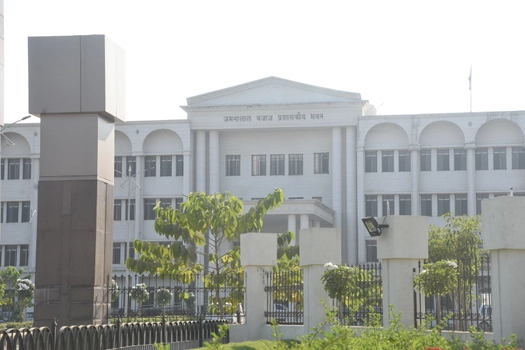
Nagpur’s Collector Office To Get A Modern ‘Twin-Tower’ Upgrade

Maharashtra government | Nagpur collector office: Nagpur, the city known for its rich history and vibrant culture, is all set to witness an exciting transformation. The ambitious ‘twin tower building’ project, aimed at becoming the new headquarters for the collector and divisional commissioner, has officially begun. This project, which promises to bring modern amenities to the heart of the city, is already making waves with its sleek design and eco-friendly approach. But what exactly is in store for the people of Nagpur? Let’s take a closer look at the details of this transformative development.

Groundbreaking Ceremony: A Vision For The Future

In October of last year, the foundation stone for this massive twin-tower complex was laid in a grand ceremony (Nagpur collector office). Union Minister Nitin Gadkari and former Deputy Chief Minister Devendra Fadnavis (Maharashtra government) were on hand to mark the beginning of this monumental project. The event signified the government’s commitment to providing modern infrastructure that meets the growing demands of urban administration.

Project Overview: The New Face Of Nagpur’s Governance

The project (Nagpur collector office) will see the creation of two 12-floor towers, which will serve as the new homes for the collector’s office and divisional commissioner’s office. With a combined built-up area of 3.4 lakh square feet, this facility will house various administrative departments, offering a more efficient and streamlined working environment.

The Green Building Approach

One of the most exciting features of this project is its commitment to sustainability. The twin towers will be designed as state-of-the-art green buildings, incorporating energy-efficient solutions like rooftop solar panels. This will not only reduce the building’s carbon footprint but also help in minimizing operational costs by making the building self-sufficient in terms of energy consumption.

Parking and Accessibility

A pressing concern in any major city is the availability of parking. The new project addresses this issue with a basement parking facility that will accommodate up to 250 vehicles. This is a much-needed addition, given the increasing number of government employees and visitors expected at the new office.

Space for Collaboration and Innovation

The design of the twin towers includes a 500-seater auditorium, which will provide space for conferences, public meetings, and events. Alongside this, there will be well-equipped conference rooms for government officials (Maharashtra government) to meet, discuss, and collaborate on various projects. The new collector’s cabin will also be a key feature, designed to meet the needs of senior government officials in a comfortable, functional space.

Timeline and Construction Updates

According to the Maharashtra State Infrastructure Development Corporation (MSIDC), the project is already underway, with the first phase of funding (Rs 27 crore) secured. The construction is expected to progress in stages, with an estimated completion date set for December 2027.

Relocation Efforts Underway

Before construction can begin in earnest, the process of relocating existing office staff and clearing the area is underway. The old Tehsil office building, which currently occupies the site, will be demolished by the end of this month, paving the way for the twin towers. Staff from the Tehsil office, including the Tehsildar and Sub-Divisional Officer (SDO), will be temporarily relocated to the old rural SP office building.

Preserving Heritage Amidst Progress

While the new twin towers represent the future of governance in Nagpur, the existing collectorate building, which holds significant historical value, will not be forgotten. In fact, officials have assured that this heritage structure will remain undisturbed throughout the construction process. The plan is to repurpose the existing building as a dedicated heritage space, ensuring that the rich history of Nagpur’s governance is preserved even as the city moves toward modernization.

The Role of MSIDC in the Development

The Maharashtra State Infrastructure Development Corporation (MSIDC) (Maharashtra government) is at the helm of this project. Under the leadership of Brijesh Dixit, MSIDC is overseeing all aspects of the project, from securing funding to ensuring the timely completion of construction. MSIDC has already completed the tender process, and the work order has been issued to begin construction once the relocation efforts are finalized.

What’s Next for Nagpur?

As the construction of the twin towers continues, Nagpur can look forward to a brighter, more modern future. With state-of-the-art facilities, sustainable design, and ample space for collaboration, the new collector office will play a crucial role in shaping the city’s administrative landscape for years to come.

 A Step Towards Progress

The transformation of Nagpur’s collectorate office into a modern twin-tower facility is more than just a construction project; it’s a symbol of the city’s growth and ambition. With eco-friendly features, modern amenities, and a deep respect for the city’s history, this development promises to be a game-changer for Nagpur’s governance and infrastructure. By 2027, when the project is complete, it will serve as a beacon of progress for the entire state of Maharashtra.

  1. What is the total estimated cost of the Nagpur twin-tower project? The project carries an estimated budget of Rs271 crore, with Rs27 crore already received for the first phase of construction.
  2. When is the demolition of the Tehsil office expected to start? The demolition is expected to begin by the end of January 2025, following the completion of relocation efforts.
  3. How will the new twin-tower building benefit Nagpur’s administration? The new building will offer modern office spaces, a 500-seater auditorium, and advanced facilities for better administration and governance.
  4. Will the existing collectorate building be demolished? No, the heritage collectorate building will be preserved and repurposed as a heritage space to maintain its historical significance.
  5. What sustainable features will the twin towers include? The twin towers will be designed as green buildings, featuring rooftop solar panels to enhance energy efficiency and reduce the environmental impact.

With Fadnavis Back as CM, ₹470cr Civic Works Go Full Throttle in Nagpur

Fadnavis Nagpur Civic Works: The city of Nagpur has witnessed a significant resurgence in civic infrastructure development following the return of Devendra Fadnavis as Maharashtra’s Chief Minister. With renewed confidence from contractors and proactive government initiatives, projects worth ₹470 crore are now progressing at an accelerated pace. Let’s dive into the details and understand how this transformation is reshaping Nagpur.

Renewed Momentum Under Fadnavis’ Leadership | Fadnavis Nagpur Civic Works

Under the Maha Vikas Aghadi (MVA) government led by Uddhav Thackeray, civic works in Nagpur faced significant hurdles. Funds sanctioned by Fadnavis before the 2019 elections were stalled, leading to delays in over 54 critical projects. Contractors hesitated to proceed due to payment uncertainties, leaving many initiatives incomplete.

Turning the Tide

With Fadnavis’ return to power, the narrative has changed dramatically. Contractors now feel assured of timely payments, enabling them to resume stalled projects with renewed enthusiasm. As a senior official from Nagpur Municipal Corporation (NMC) stated, “The contractors are now working with renewed vigour as the concerns over payment delays have been addressed.”

Breakdown of Civic Works by Region

South Nagpur: Leading the Charge

Projects worth ₹80 crore are underway in South Nagpur. With 90% of tenders already allotted, the area is experiencing substantial progress in infrastructure development, including road asphalting and drainage systems.

East Nagpur: Setting the Benchmark

East Nagpur leads the way with initiatives valued at ₹160 crore. All work orders have been issued, ensuring smooth execution of projects such as stormwater drains and garden development.

Southwest Nagpur: A Close Competitor

With ₹150 crore allocated, Southwest Nagpur is not far behind. Approximately 85% of tenders have been finalized, showcasing significant strides in addressing the region’s civic needs.

Central Nagpur: Wrapping Up Pending Works

Central Nagpur has projects worth ₹30 crore nearing completion. This focus on finishing pending works reflects the city’s commitment to efficiency.

Hudkeshwar-Narsala: Room for Improvement

While ₹35 crore has been allocated to Hudkeshwar-Narsala, only 5% of projects have commenced. This region highlights the need for expedited implementation to match the progress seen elsewhere.

West Nagpur: Lagging Behind

With just ₹15 crore in work orders issued, West Nagpur’s civic activity remains limited. Addressing this disparity is crucial for holistic city development.

Key Projects Back on Track

The resumed projects span various essential sectors, including:

  • Drainage Systems: Tackling waterlogging and improving sanitation.
  • Cement Roads: Enhancing durability and traffic flow.
  • Stormwater Drains: Preventing urban flooding.
  • Bridges: Boosting connectivity across the city.
  • Garden Development: Creating green spaces for public recreation.

Government Assurance and Contractor Confidence

The NMC’s supplementary demand for funds during the recent winter session of the state legislature in Nagpur received a positive response from the state government. This assurance has further strengthened contractor confidence, driving the pace of ongoing projects.

The Bigger Picture: Transforming Nagpur’s Infrastructure

With ₹470 crore worth of civic works now back on track, Nagpur is poised for a significant transformation. From smoother roads to better drainage systems, these initiatives promise to improve the quality of life for the city’s residents.

Funds for Strengthening Civic Infrastructure

  • South Nagpur: ₹80 crore
  • East Nagpur: ₹160 crore
  • Southwest Nagpur: ₹150 crore
  • Hudkeshwar-Narsala: ₹35 crore
  • West Nagpur: ₹15 crore
  • Central Nagpur: ₹30 crore

Devendra Fadnavis’ return as Maharashtra CM has reignited the spark in Nagpur’s civic development. The renewed momentum in infrastructure projects demonstrates the power of decisive leadership and government accountability. While certain areas still require attention, the overall progress paints an optimistic picture for the city’s future.

1. What are the key sectors benefiting from the resumed projects?

The key sectors include drainage systems, cement roads, stormwater drains, bridges, and garden development.

2. How much funding has been allocated for East Nagpur?

East Nagpur has been allocated ₹160 crore, making it the leading region in terms of funding.

3. Why were civic projects stalled under the MVA government?

The MVA government stalled projects due to withheld funds and political uncertainties, leading to delays.

4. What measures are being taken to address delays in Hudkeshwar-Narsala?

The state government is expected to expedite project implementation in Hudkeshwar-Narsala to match progress in other regions.

5. How does the state government’s assurance impact contractor confidence?

The assurance of timely payments has significantly boosted contractor confidence, enabling faster execution of projects.

NIT Plans Indoor Sports Hub at North Ambazari Swimming Facility

Transforming Nagpur’s Recreational Landscape

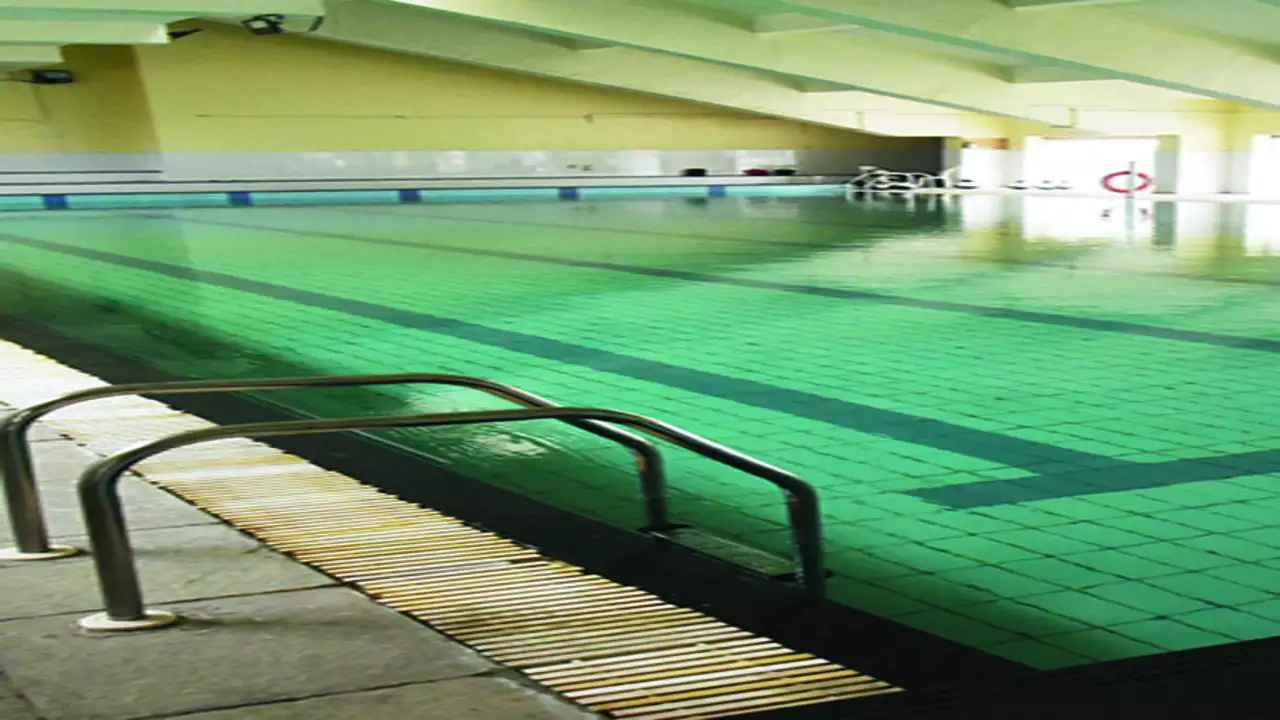
Indoor Sports Hub Nagpur: The Nagpur Improvement Trust (NIT) is on a mission to redefine urban recreation by turning the North Ambazari Road swimming facility’s underused diving pool complex into a cutting-edge indoor sports hub. With a vision that aligns with Nagpur’s aspirations of becoming a smart city, this redevelopment project is set to offer state-of-the-art amenities and elevate the city’s sports infrastructure.


A Glimpse Into the Ambitious Project

Scope and Scale

Spanning approximately half an acre, the project aims to maximize the potential of the existing space. By repurposing the unused diving pool area, the facility will cater to indoor sports enthusiasts while continuing to support aquatic activities in the main swimming pool.

Government Approval Secured

The groundwork for this visionary project is complete. NIT has successfully secured approvals from the government, with a Union Minister’s endorsement signaling strong support for the initiative. This milestone clears the path for expedited implementation.


Key Features of the Indoor Sports Hub

Multi-Sport Facilities

The reimagined space will host a variety of indoor sports, addressing the growing demand for modern recreational infrastructure in Nagpur. Some proposed facilities include:

  1. Badminton Courts: For both casual players and professional training.
  2. Table Tennis Zones: To nurture competitive and leisure gaming.
  3. Yoga and Fitness Areas: Promoting holistic well-being.
  4. Multipurpose Halls: Flexible spaces for sports events and workshops.

Modern Amenities

  • High-Quality Flooring: Suitable for diverse indoor sports.
  • Advanced Lighting: Ensuring optimal visibility and ambiance.
  • Ventilation Systems: For a comfortable playing environment.

Parking Solutions

Recognizing the need for visitor convenience, NIT plans to develop a dedicated parking area adjacent to the facility, minimizing congestion and enhancing accessibility.


Stakeholder Engagement and Feedback

Positive Reception

NIT has actively engaged with stakeholders throughout the planning phase. Feedback sessions have garnered enthusiastic support and valuable suggestions, reinforcing the project’s alignment with community needs.

Commitment to Excellence

The administration’s dedication to delivering a world-class facility is evident. By incorporating stakeholder insights, NIT aims to create a hub that is not just functional but also a source of pride for Nagpur’s residents.


The Role of the Indoor Sports Hub in Nagpur’s Smart City Vision

Enhancing Urban Livability

The project contributes to Nagpur’s smart city goals by fostering a healthier, more active community. Modern recreational spaces are pivotal in elevating the quality of urban life.

Boosting Sports Culture

Nagpur’s budding athletes will benefit immensely from the facility. By offering access to professional-grade infrastructure, the sports hub can nurture talent and encourage greater participation in indoor sports.

Economic and Social Impact

  • Job Creation: Construction and operations will generate employment opportunities.
  • Tourism Potential: The facility could attract regional tournaments and events, boosting local tourism.

Timeline and Implementation

Project Milestones

  1. Government Approvals: Completed.
  2. Stakeholder Consultations: Successfully conducted.
  3. Commencement of Construction: Expected to begin shortly.
  4. Estimated Completion: Within the next two years.

Community Benefits and Future Prospects

Inclusive Access

The facility aims to be accessible to all, offering affordable memberships and provisions for differently-abled individuals.

Educational Opportunities

Workshops and training sessions will be a regular feature, providing learning avenues for students and enthusiasts alike.


Conclusion

The transformation of the North Ambazari Road swimming facility into an indoor sports hub is a testament to NIT’s commitment to enhancing Nagpur’s urban landscape. This ambitious project not only meets the city’s growing recreational needs but also aligns with its broader aspirations as a smart city. With strong governmental support and active community participation, the facility promises to be a landmark development that uplifts the city’s social, economic, and cultural fabric.


1. What is the purpose of the indoor sports hub?

The hub aims to provide modern recreational facilities, support Nagpur’s smart city goals, and promote a healthy, active lifestyle among residents.

2. What sports will the facility offer?

The hub will cater to a variety of indoor sports, including badminton, table tennis, yoga, and multipurpose activities.

3. When will construction begin?

Construction is expected to commence soon, with an estimated completion timeline of two years.

4. Will the facility be accessible to differently-abled individuals?

Yes, the facility will include features to ensure accessibility for all, including differently-abled individuals.

5. How will this project benefit Nagpur?

The project enhances urban livability, promotes sports culture, creates jobs, and aligns with Nagpur’s smart city vision.

Nagpur May Get Two New Flyovers Worth Rs600 Crore

A Bold Step Towards Infrastructure Development

Nagpur New Flyovers: Nagpur, known as the “Orange City,” is all set to witness a significant transformation in its urban landscape. The Maharashtra Rail Infrastructure Development Corporation (MRIDC) has proposed two new flyovers worth an impressive Rs600 crore. These developments aim to tackle the increasing traffic congestion in key areas of the city.

Who’s Behind This Initiative?

Rajesh Kumar Jaiswal, the Managing Director of MRIDC, shared this exciting proposal during the inauguration of seven Road Over Bridges (ROBs) by Chief Minister Devendra Fadnavis. Jaiswal emphasized the urgency of these projects and urged the Chief Minister to approve the plans swiftly.

Key Players Driving the Project

MLA Krishna Khopde, representing Nagpur East, has been instrumental in facilitating these developments. His collaboration with MRIDC highlights the synergy required to bring large-scale infrastructure projects to fruition.


Details of the Proposed Flyovers | Nagpur New Flyovers

Where Will They Be Built?

  1. Kharbi to Sangharsh Nagar Flyover
    • This stretch experiences heavy traffic daily, making it a priority for decongestion.
  2. Gangabai Ghat Chowk to Vaishno Devi Square Flyover
    • Another traffic hotspot that will benefit from the proposed infrastructure.

Project Specifications

  • Type: Four-lane flyovers
  • Cost: Rs600 crore combined
  • Status: Awaiting approval from higher authorities

Why Are These Flyovers Needed? (Nagpur New Flyovers)

The growing vehicular density in Nagpur has turned certain routes into bottlenecks. These flyovers will serve as a relief valve, ensuring smoother traffic flow and reduced commute times.


A Look at Ongoing Infrastructure Projects

Flyovers Nearing Completion

Jaiswal also provided updates on several other flyovers:

  • Lakadganj Flyover
    • Length: 1.3 km
    • Completion Time: 16 months
    • Expected Inauguration: April
  • Deepti Signal Flyover
    • Built under the Setu Bandhan scheme
    • Scheduled for April launch

Upcoming Projects

  • Ajni ROB
    • Six-lane cable-stayed flyover
    • Unique Features: Theme-based lighting and a selfie point
    • Partial Opening: October 2025
  • Kadbi Square to Timki Police Square Flyover
    • Expected Completion: October 2025

Itwari Rail Line and Other Updates

Railway Developments

The Itwari to Nagbhid rail route is set to revolutionize passenger and freight transportation. Here’s what’s in store:

  • First Section: Itwari to Umred (65 km) ready by April
  • Second Section: Umred to Nagbhid operational by year-end

Gatishakti Terminal

A new terminal at Umred will drastically cut coal transit times:

  • Previous Duration: 22 hours
  • New Duration: 4 hours

 A Promising Future for Nagpur

The proposed flyovers and other infrastructure projects underscore Nagpur’s commitment to modernization and improved connectivity. As these developments take shape, the city’s residents can look forward to less congestion, faster commutes, and a more vibrant urban environment.


1. When will the proposed flyovers be approved?

The approval process is currently underway, with expectations for clearance by the end of this month.

2. How will these flyovers impact daily commuters?

The new flyovers will reduce traffic congestion significantly, ensuring smoother and quicker commutes for everyone.

3. What is unique about the Ajni ROB?

The Ajni ROB will feature theme-based lighting and a selfie point, making it not just functional but also visually appealing.

4. Are there any other projects in the pipeline for Nagpur?

Yes, MRIDC is working on multiple projects, including the Itwari rail line and additional ROBs across the state.

5. What’s the estimated completion time for the proposed flyovers?

While the exact timeline depends on approval, construction is expected to commence shortly after and take around 2-3 years.

New Central Jail to Come Up on 450 Acres: A Game-Changer in Prison Reform

The bustling city of Nagpur is about to witness a major transformation in its correctional facilities. The iconic Central Jail at Ajni, nestled in the heart of the city, is set to relocate to a sprawling 450-acre land parcel. This relocation initiative reflects the administration’s commitment to addressing overcrowding and paving the way for modern prison infrastructure. Let’s dive into the details of this groundbreaking project and explore its implications.


A Vision for the Future: Why a New Jail is Needed

Overcrowding in the Existing Central Jail

Nagpur’s Central Jail, established in 1864, was designed to house 1,900 inmates. Today, it accommodates over 2,900 prisoners, exceeding its capacity by 1,000. This overcrowding has not only strained resources but also hindered efforts toward inmate reform.

Modernization and Long-Term Planning

The administration’s vision for the new jail is rooted in addressing the needs of the next century. By allocating 450 acres, the plan aims to integrate modern facilities, open spaces, and sustainable infrastructure. This approach is designed to foster a more humane and reformative environment for inmates.


The Search for the Perfect Land Parcel

Criteria for Selection

The land selection process involves joint efforts from the Revenue and Prison Departments. Key criteria include:

  • Flat terrain without hillocks
  • Proximity to essential services
  • Potential for natural landscaping

Challenges in Land Identification

An initial inspection of land in the Hingna area was dismissed due to the presence of a hillock, which violates the Prison Department’s guidelines. Alternative sites are now being explored by Tehsildars across various tehsils.


Proposed Features of the New Central Jail

Single-Storied Structures

Unlike the existing multi-storied facility, the new jail will feature single-storied buildings. This layout promotes:

  • Better natural ventilation
  • Easier movement for inmates and staff
  • Improved safety and security

Integration with Nature

The new facility will embrace natural surroundings, including farms, trees, and green landscapes. This integration aims to:

  • Enhance inmates’ mental well-being
  • Provide a peaceful environment for reflection and reform

Focus on Women Inmates

A dedicated 150-acre open jail for women is a highlight of the proposal. This facility will:

  • Provide proximity for inmates from Nagpur and surrounding areas
  • Offer programs tailored to women’s rehabilitation

Role of District-Level Committees

Formation and Objectives

In compliance with a Supreme Court directive, the Maharashtra Government established six-member district-level committees. These committees, chaired by the Principal District Judge, assess:

  • Current prison infrastructure
  • Future requirements for the next 100 years

Collaborative Decision-Making

The committees include members from the District Legal Services Authority, Police Department, and Prison Department, ensuring a holistic approach to planning.


Historical Context: Nagpur Central Jail

A Legacy of 160 Years

The Nagpur Central Jail was established during a time when the city had just one police station. Over the decades, the number of police stations has grown to over 30, reflecting the city’s expansion and increased administrative demands.

Challenges of the Current Facility

The existing 118-acre jail struggles with:

  • Overcrowding
  • Aging infrastructure
  • Limited scope for expansion

The Impact on Prison Reforms

Rehabilitation-Focused Design

The new facility’s design prioritizes rehabilitation through:

  • Skill development programs
  • Recreational activities
  • Mental health support

Opportunities for Inmates

Access to open spaces and natural elements can significantly impact inmates’ behavior, fostering:

  • Reduced aggression
  • Increased willingness to reform

The Bigger Picture: Addressing Statewide Needs

Supreme Court’s Directive

The Supreme Court’s January 30 order emphasized the need for modernized prison infrastructure across India. Maharashtra’s proactive approach aligns with this vision.

Setting a Benchmark

The new Central Jail in Nagpur could serve as a model for similar projects nationwide, showcasing:

  • Innovative design
  • Sustainable practices
  • Effective rehabilitation programs

Open Jails: A Step Toward Inclusivity

Challenges Faced by Women Inmates

Currently, open jails for women in Maharashtra are located in Akola and Yerwada. The distance from Nagpur has deterred many inmates from relocating.

Benefits of a Local Open Jail

The new open jail for women in Nagpur will:

  • Reduce travel burdens
  • Provide a community-centric approach to rehabilitation

1. Why is the current Central Jail being relocated?

The existing jail is overcrowded and cannot accommodate future needs. The new facility will address these challenges while providing modern infrastructure.

2. What are the key features of the new jail?

The new jail will include single-storied buildings, natural landscapes, and a dedicated open jail for women.

3. How will the new jail benefit women inmates?

The facility’s proximity and tailored programs will make rehabilitation more accessible and effective for women inmates.

4. What role do district-level committees play?

These committees assess current infrastructure and plan for future needs, ensuring the new jail aligns with long-term goals.

5. When will the new jail be operational?

The timeline depends on land acquisition and construction progress, which are currently in the planning stages.

Exit mobile version