Ganeshpeth Fire Station to Pioneer Nagpur’s First Integrated Commercial Complex

In a groundbreaking move, the Nagpur Municipal Corporation (NMC) has greenlit a redevelopment project that will see the Ganeshpeth Fire Station transformed into the city’s inaugural fire station-commercial complex hybrid. This initiative not only aims to modernize the existing infrastructure but also to optimize urban space in the bustling area of Ganeshpeth.

The Vision Behind the Redevelopment

A Dual-Purpose Facility

The core idea is to create a structure that serves both as a fully functional fire station and a commercial hub. By doing so, the NMC plans to:

  • Enhance Emergency Services: Provide state-of-the-art facilities for firefighting operations.
  • Generate Revenue: Utilize commercial spaces to boost municipal income.

Strategic Location: Jadhav Square

Situated at Jadhav Square, the current Ganeshpeth Fire Station occupies a prime location. The redevelopment aims to capitalize on this by introducing commercial elements without compromising the station’s primary function.

Project Specifications

Design and Architecture

The project, designed by architect MB Talewar in collaboration with IDCS firm, encompasses:

  • Total Area: 2,589.7 square meters.
  • Fire Station: Ground floor allocation of 946.15 square meters.
  • Administrative Offices: Located on the first floor.
  • Commercial Complex: Spanning the second to seventh floors.

Financial Framework

Operating under the Design, Build, Finance, Operate, and Sale (DBFOS) model, the project has an estimated base cost of ₹62 crore. The Planning and Monitoring Committee (PMC) has set the commercial space rate at ₹14,051 per square meter, highlighting its high-value urban redevelopment status.

Addressing Urban Challenges

Parking Solutions

To tackle the area’s persistent parking issues, the design includes two basement levels dedicated to parking, ensuring convenience for both fire department personnel and commercial visitors.

Space Allocation for Fire Tenders

Initially, plans accounted for four fire tenders. However, the current design accommodates only three, prompting a review by the NMC Fire Department to ensure operational efficiency remains uncompromised.

Building Specifications

The proposed structure will stand at a height of 80 meters with a G+7 floor configuration. The total Floor Space Index (FSI) for the project is 2.30, with 2.00 as permissible FSI and an additional 0.30 as purchased FSI. Ancillary area utilization has been set at 80%, optimizing the building’s functional capacity.

Balancing Heritage and Modernity

Historical Significance

The Ganeshpeth Fire Station, built during the British era, holds historical value. While redevelopment is essential, efforts are being made to preserve its heritage aspects.

Previous Redevelopment Efforts

This project follows the redevelopment of the Pachpaoli Fire Station but is the first in Nagpur to incorporate a commercial component within a fire station infrastructure.

Stakeholder Perspectives

NMC’s Standpoint

The NMC views this project as a strategic move to modernize public infrastructure while generating revenue. Integrating commercial elements within the fire station is expected to generate additional revenue for the NMC, potentially offsetting maintenance and operational costs.

Fire Department’s Concerns

The fire department is closely monitoring the project to ensure that the final plan adequately supports firefighting operations. Key concerns include:

  • Space for Fire Tenders: Ensuring sufficient space for fire tenders and the ease of emergency vehicle movement at Jadhav Square.
  • Traffic Congestion: Addressing the significant traffic congestion in the area, given that the main state transport bus station is located opposite the fire station.

Community Impact

Rehabilitation of Displaced Shopkeepers

The commercial complex will provide rehabilitation space for 30 displaced shopkeepers, ensuring their livelihoods are maintained.

Urban Development

This initiative marks a shift in how public infrastructure is leveraged for revenue generation, aligning with modern urban development strategies.

Challenges Ahead

Traffic Management

Given the proximity to the main state transport bus station, traffic congestion is a significant concern. Additionally, autorickshaws parked haphazardly outside the fire station often obstruct the smooth movement of firefighting vehicles.

Ensuring Operational Efficiency

The availability of space for fire tenders and the ease of emergency vehicle movement at Jadhav Square remain critical concerns that must be addressed before the execution phase begins.

Future Implications

Model for Urban Redevelopment

With urban land at a premium, the fire station-cum-commercial complex is poised to be a model for similar developments in Nagpur. If successfully implemented, it could pave the way for innovative urban planning solutions that balance civic needs with economic growth.

The Ganeshpeth Fire Station’s transformation into a dual-purpose facility represents a forward-thinking approach to urban development. By integrating essential services with commercial spaces, Nagpur sets a precedent for future projects that aim to maximize utility and revenue.

  1. What is the primary objective of redeveloping the Ganeshpeth Fire Station?
    • The main goal is to modernize the fire station while integrating commercial spaces to generate additional revenue for the NMC.
  2. How will the project benefit displaced shopkeepers?
    • The new commercial complex will provide rehabilitation space for 30 displaced shopkeepers, ensuring they have a place to continue their businesses.
  3. What are the main concerns regarding the redevelopment?
    • Key concerns include ensuring adequate space for fire tenders, managing traffic congestion, and maintaining operational efficiency for firefighting services.
  4. How does this project differ from previous fire station redevelopments in Nagpur?
    • Unlike previous projects, this is the first in Nagpur to incorporate a commercial component within a fire station infrastructure.
  5. What measures are being taken to address parking issues in the area?
    • The design includes two basement levels dedicated to parking, aiming to alleviate the area’s persistent parking challenges.

Do People Really Need Manewada-Mhalginagar Flyovers?

When it comes to urban development, few topics spark as much debate as the construction of new flyovers. In August 2024, the ground-breaking ceremony for two flyovers from Narendra Nagar bridge to Dighori flyover on Umred Road took place, aiming to alleviate traffic congestion in South Nagpur.

Understanding the Current Traffic Scenario

Anyone who has navigated the roads between 4 PM and 9 PM can attest to the severe traffic congestion. The increasing population, rise in the number of vehicles, and rapid industrialization have all contributed to this pressing issue. The situation is akin to a clogged artery, where the free flow of traffic is impeded, leading to delays and frustration among commuters.

The Case for the Flyovers

Proponents argue that the construction of these flyovers is essential for several reasons:

  • Alleviating Traffic Congestion: By providing an elevated route, flyovers can help in decongesting busy intersections, allowing for smoother traffic flow.
  • Reducing Accidents: With heavy vehicles often contributing to road mishaps, flyovers can segregate different types of traffic, thereby reducing the likelihood of accidents.
  • Saving Time: For daily commuters, time is of the essence. Flyovers can significantly cut down travel time, making daily commutes more efficient.

Environmental Considerations

While flyovers can offer immediate relief from traffic woes, it’s crucial to consider their environmental impact:

  • Air Pollution: Studies have shown that flyovers can lead to a reduction in vehicle emissions by decreasing idling time at congested intersections.
  • Noise Pollution: Elevated roads can sometimes amplify noise levels, affecting nearby residential areas.
  • Green Spaces: The construction process may necessitate the removal of trees and green cover, impacting urban biodiversity.

Impact on Small Businesses

Small businesses often bear the brunt of large infrastructure projects:

  • Reduced Visibility: Shops located beneath or adjacent to flyovers may experience decreased visibility, leading to a drop in customer footfall.
  • Accessibility Issues: Construction activities can disrupt access routes, making it challenging for customers to reach these businesses.
  • Long-Term Benefits: On the flip side, improved traffic flow can lead to increased accessibility in the long run, potentially benefiting businesses.

Lessons from Past Projects

Reflecting on previous flyover constructions offers valuable insights:

  • Initial Opposition: Many residents initially opposed the flyover at Buldi, deeming it unnecessary. However, post-construction, the reduction in congestion at Jhansi Rani Square changed public perception.
  • Comprehensive Mobility Plans: Urban planners emphasize the importance of thorough evaluations before constructing flyovers, suggesting that they should be part of a broader mobility strategy.

Balancing Development and Sustainability

It’s imperative to strike a balance between infrastructural development and environmental sustainability:

  • Alternative Solutions: Enhancing public transport and promoting non-motorized modes of travel can complement flyover construction.
  • Community Engagement: Involving local communities in the planning process ensures that the projects address genuine needs without compromising the environment.

The debate over the necessity of the Manewada-Mhalginagar flyovers underscores the complexities involved in urban planning. While flyovers can offer solutions to traffic congestion, it’s essential to consider their environmental impact and effects on small businesses. A holistic approach, incorporating alternative transportation solutions and community feedback, is crucial for sustainable urban development.

  1. What are the primary benefits of constructing the Manewada-Mhalginagar flyovers?

    The flyovers aim to reduce traffic congestion, decrease accidents, and save commuting time for residents in South Nagpur.

  2. How might the flyovers impact the environment?

    While they can reduce vehicle emissions by alleviating traffic jams, concerns include potential increases in noise pollution and loss of green spaces during construction.

  3. Will small businesses be affected by the flyover construction?

    Yes, businesses near the construction zones might face challenges like reduced visibility and accessibility during and after construction.

  4. Are there alternative solutions to building flyovers for traffic management?

    Enhancing public transportation, developing dedicated bicycle lanes, and improving pedestrian facilities are viable alternatives to manage traffic congestion.

  5. How can the community be involved in such infrastructure projects?

    Public consultations and feedback sessions can ensure that the projects meet the needs and expectations of local residents, balancing development with community interests.

Rs 425.32 Billion Lithium Refinery to Launch in Nagpur in 2025

Lithium Refinery in Nagpur 2025: India is making a giant leap in the energy sector with the establishment of its first-ever lithium refinery in Nagpur. This ambitious project, backed by an investment of Rs 425.32 billion, is set to redefine India’s clean energy landscape. But why is this project so crucial, and how will it shape the future of India’s industrial and energy sectors? Let’s dive in!

The Agreement and Investment

  • The Maharashtra government has signed an agreement with Vardhaan Lithium (I) Pvt. Ltd to set up this state-of-the-art lithium refinery.
  • The deal was finalized at Davos, Switzerland, highlighting the international significance of this project.
  • With an investment of Rs 425.32 billion, this refinery will be a game-changer in India’s energy sector.

Why Nagpur?

Nagpur, often referred to as the geographical heart of India, is an ideal location for this groundbreaking project. But what makes it so special?

  • Strategic Location: Excellent connectivity with major cities and industries.
  • Industrial Hub: Presence of several industrial and manufacturing units.
  • Government Support: Maharashtra’s policies favor industrial growth and sustainability.

Key Features of the Lithium Refinery | Lithium Refinery in Nagpur 2025

This lithium refinery is designed to be a cutting-edge facility that will significantly boost India’s energy independence. Some of its key features include:

  • 500-acre facility located in Butibori, Nagpur.
  • Annual refining capacity of 60,000 tonnes of lithium.
  • Production capability of 20 GWh of batteries.
  • Reduction in lithium imports, strengthening domestic supply chains.
  • Boost to India’s clean energy goals, positioning the country as a leader in battery manufacturing.

Impact on India’s Energy Sector

1. Strengthening the Domestic Lithium Supply Chain

Currently, India is heavily dependent on lithium imports from countries like China and Australia. With this refinery:

  • India can reduce reliance on foreign suppliers.
  • It will establish a strong domestic lithium ecosystem.
  • It will help in price stabilization of lithium-based products.

2. Growth in Battery Manufacturing

The demand for lithium-ion batteries is skyrocketing due to the rise of:

  • Electric Vehicles (EVs)
  • Renewable energy storage solutions
  • Smartphones and consumer electronics With a 20 GWh production capacity, the facility will cater to these growing demands efficiently.

3. Contribution to Clean Energy Goals

  • India aims to become a carbon-neutral economy by 2070.
  • The lithium refinery aligns perfectly with sustainability and clean energy initiatives.
  • This project will accelerate the adoption of EVs and renewable energy solutions.

Economic and Employment Benefits

1. Job Creation

A massive industrial project like this brings enormous employment opportunities, including:

  • Direct jobs in operations, engineering, and management.
  • Indirect jobs in logistics, maintenance, and supply chain sectors.

2. Boost to Local Economy

  • Increased industrial activity will enhance Nagpur’s economy.
  • Development of ancillary industries like battery recycling and component manufacturing.
  • Growth of research and development centers focusing on lithium technology.

Challenges and Roadblocks

Despite the many advantages, there are some challenges:

  • Raw Material Sourcing: India has limited lithium reserves.
  • Environmental Concerns: Lithium extraction and processing can have ecological impacts.
  • Infrastructure Development: Setting up and maintaining large-scale production units is cost-intensive.

The Road Ahead: Future Prospects

1. Expanding Lithium Reserves

To ensure long-term success, India is:

  • Exploring lithium reserves in Jammu & Kashmir and Karnataka.
  • Investing in lithium recycling technology to maximize resources.

2. Government Policies and Incentives

The Indian government is introducing policies and subsidies to support:

  • EV battery manufacturing
  • Renewable energy storage solutions
  • Lithium-based research and innovation

3. Global Competitiveness

With this refinery, India aims to:

  • Compete with global lithium giants like China and Australia.
  • Attract foreign investments in the clean energy sector.
  • Establish itself as a global leader in lithium technology.

The Rs 425.32 billion lithium refinery in Nagpur marks a historic milestone for India. By reducing lithium dependency, boosting battery production, and promoting clean energy solutions, this project is set to transform the country’s energy landscape. As we move towards a greener future, initiatives like these will play a crucial role in shaping India’s self-sufficient and sustainable energy ecosystem.

1. What is the significance of the lithium refinery in Nagpur?

The lithium refinery will reduce India’s dependence on imports, boost domestic battery production, and support the country’s clean energy initiatives.

2. Who is investing in the Nagpur lithium refinery?

The project is backed by Vardhaan Lithium (I) Pvt. Ltd in partnership with the Maharashtra government.

3. How will this refinery impact India’s EV sector?

By increasing battery production, the refinery will help lower EV costs, making electric vehicles more accessible to consumers.

4. What are the challenges faced by the project?

Challenges include raw material sourcing, environmental concerns, and infrastructure development costs.

5. When will the lithium refinery become operational?

The refinery is expected to launch in 2025, as per official reports.

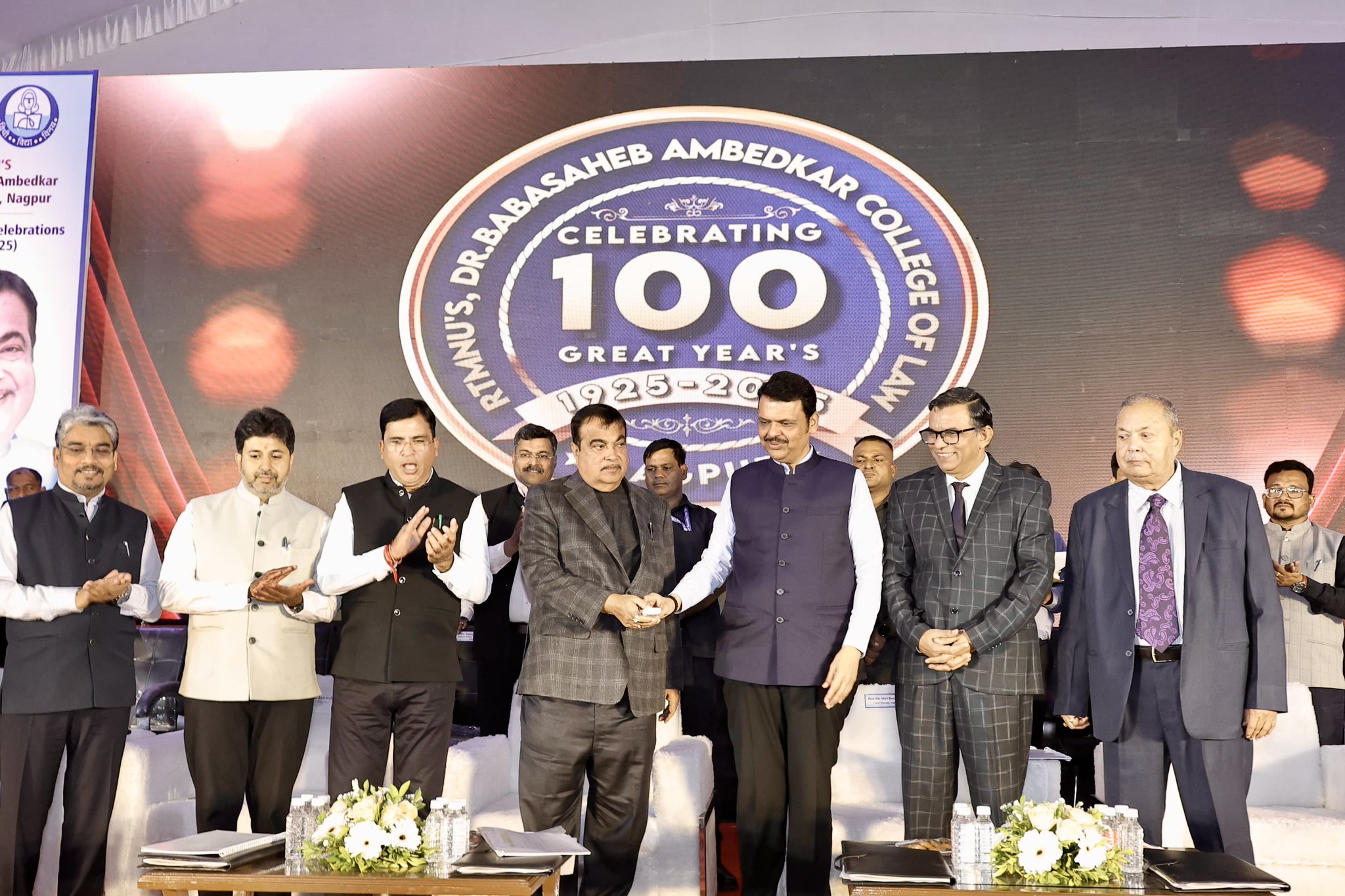
Chief Minister Fadnavis Urges Swift Completion of New Law College Building in Nagpur

In a significant move to bolster legal education infrastructure, Maharashtra Chief Minister Devendra Fadnavis has emphasized the timely completion of a new state-of-the-art building for Nagpur University’s Dr. Babasaheb Ambedkar College of Law. Announced during the college’s centenary celebrations, this initiative underscores the government’s commitment to enhancing educational facilities in the region.

A Vision for the Future

The proposed Rs. 200 crore project draws architectural inspiration from the Nagpur bench of the Bombay High Court and the Reserve Bank of India building. This design aims to create a distinguished landmark that reflects the institution’s rich history and its aspirations for the future.

Personal Reflections from the Chief Minister

Addressing a gathering of esteemed judges, legal professionals, students, faculty, and alumni, Chief Minister Fadnavis reminisced about his formative years at the college. He expressed deep gratitude to the institution for laying a robust foundation for his legal and legislative career. “The knowledge and principles instilled in me by this college were invaluable during my tenure as an MLA, especially in legislative work,” he remarked.

A Call to Action

The Chief Minister has directed Nagpur University Vice-Chancellor Prashant Bokare and Principal Ravi Mor to ensure the completion of the new building within three and a half years. He assured that financial constraints would not hinder the project’s progress, emphasizing the government’s resolve to provide world-class infrastructure for the institution.

Architectural Excellence

Renowned architect Habib Khan, known for his innovative designs, has been suggested to lead the planning of the new structure. His involvement is anticipated to blend modernity with the institution’s historical essence, creating a facility that meets contemporary educational needs while honoring its legacy.

Celebrating a Legacy of Excellence

Dr. Babasaheb Ambedkar College of Law has a storied history of producing distinguished legal professionals, including judges, lawyers, ministers, and even Chief Justices of India. The Chief Minister highlighted the college’s significant contributions to the judiciary and governance, noting its role in shaping the nation’s legal landscape.

Integrating Technology in Legal Education

Acknowledging rapid technological advancements, including artificial intelligence, Chief Minister Fadnavis emphasized the importance of integrating technology into legal education. He lauded the establishment of three Maharashtra National Law Universities (MNLUs), including one in Nagpur, as steps toward modernizing legal studies.

A Groundbreaking Ceremony on the Horizon

To mark the centenary year, the Chief Minister proposed conducting a groundbreaking ceremony (Bhoomipujan) for the new building. This event would symbolize the commencement of a new chapter in the college’s illustrious history.

The commitment to constructing a new, state-of-the-art building for Dr. Babasaheb Ambedkar College of Law reflects a broader vision to enhance legal education infrastructure in Maharashtra. With the government’s support and a clear timeline, the institution is poised to continue its legacy of excellence well into the future.

  1. What is the estimated cost of the new law college building?
    • The project is estimated to cost Rs. 200 crore.
  2. Who has been suggested to lead the architectural planning of the new building?
    • Renowned architect Habib Khan has been recommended to oversee the planning.
  3. What is the proposed timeline for completing the new building?
    • The Chief Minister has directed that the building be completed within three and a half years.
  4. How does the design of the new building reflect the institution’s legacy?
    • The design draws inspiration from iconic structures like the Nagpur bench of the Bombay High Court and the Reserve Bank of India building, symbolizing a blend of tradition and modernity.
  5. What significance does the new building hold for the future of legal education in Nagpur?
    • The state-of-the-art facility aims to provide world-class infrastructure, ensuring that the institution remains a premier choice for legal education in the region.

Work on Nagpur Airport Runway Nears Completion, Deadline Set for March 31

Nagpur Airport Runway: Hey there! Have you heard the latest buzz about Nagpur‘s Dr. Babasaheb Ambedkar International Airport? Big things are happening! The much-anticipated recarpeting of the runway is racing towards the finish line, with a deadline set for March 31, 2025. Let’s dive into what’s been going on and what this means for all of us.

The Recarpeting Journey: A Quick Recap

So, why all the fuss about recarpeting? Well, just like how our roads need a fresh layer now and then, airport runways require regular maintenance to ensure they’re safe and smooth for aircraft operations. The last time this runway got a makeover was over a decade ago, and with the daily wear and tear, it was high time for some TLC.

Who’s Behind the Wheel? The Key Players

Several big names are steering this project:

  • MIHAN India Limited (MIL): The primary operator of the airport, working in collaboration with the Airports Authority of India (AAI).
  • M/s K G Gupta: The contractor tasked with the recarpeting work.
  • Monitoring Committee: Established to keep a close eye on the project’s progress and ensure everything stays on track.

A Nudge from the Top: Ministerial Involvement | Nagpur Airport Runway

Last month, Union Minister Nitin Gadkari paid a visit to the site. He didn’t mince words, urging the contractor to expedite the work and hinting at potential consequences if deadlines weren’t met. Such high-level attention underscores the project’s significance.

Progress Report: How Far Have We Come?

As of now, about 60% of the recarpeting work is complete. The remaining 40% is slated to wrap up by March 31. The critical layer on the airstrip has been laid, and the final touches are underway. It’s like building a cake: the base is done, and now it’s time for the icing!

Challenges Along the Way | Nagpur Airport Runway

Every project has its hurdles, and this one is no exception:

  • Delays: The contractor faced criticism for not sticking to the initial timeline, leading to the formation of the monitoring committee.
  • Operational Hours: Since May 2024, the runway has been operational for only 8 hours daily to accommodate the work. This limited window has caused some inconvenience to passengers and even led to higher flight fares.

Why the Delay? Unpacking the Reasons

Several factors contributed to the project’s delays:

  • Tender Process: The Airports Authority of India (AAI) took over five months to finalize the contractor, M/s K G Gupta, after initiating the tender in December 2023.
  • Safety Permissions: The Directorate General of Civil Aviation (DGCA) granted safety permissions only in September 2024, which meant work couldn’t commence earlier.
  • Election Season: The runway had to remain open for chartered flights carrying VIPs during election campaigns, causing further interruptions.

The Impact on Passengers

The reduced operational hours have been a bit of a bummer for travelers. Fewer flight options and increased fares have been the main pain points. But the silver lining? Once the recarpeting is complete, the runway will be in top-notch condition, promising smoother operations and potentially more flight options.

Looking Ahead: What’s Next?

With the March 31 deadline in sight, all hands are on deck to ensure timely completion. District Collector Dr. Vipin Itankar is overseeing the project, emphasizing the importance of wrapping up ahead of schedule to minimize passenger inconvenience.

The Bigger Picture: Why This Matters

A well-maintained runway isn’t just about smooth landings and takeoffs. It’s about safety, efficiency, and the overall growth of Nagpur as a significant hub in the region. This project reflects the city’s commitment to providing top-tier infrastructure and services to its residents and visitors.

The recarpeting of Dr. Babasaheb Ambedkar International Airport’s runway is more than just a construction project; it’s a testament to Nagpur’s dedication to progress and excellence. As we approach the March 31 deadline, the anticipation builds for a smoother, safer, and more efficient travel experience.

  1. Why is the runway recarpeting necessary?

    Regular recarpeting ensures the runway remains safe and smooth for aircraft operations, preventing potential risks during landing and takeoff.

  2. How has the recarpeting work affected flight operations?

    The runway’s operational hours have been limited to 8 hours daily since May 2024, leading to fewer flight options and increased fares.

  3. Who is responsible for the recarpeting work?

    The contractor, M/s K G Gupta, is handling the recarpeting, under the supervision of MIHAN India Limited (MIL) and the Airports Authority of India (AAI).

  4. What challenges have caused delays in the project?

    Delays stemmed from prolonged tender processes, late safety permissions from the DGCA, and interruptions due to VIP chartered flights during election campaigns.

  5. When is the recarpeting expected to be completed?

    The project is slated for completion by March 31, 2025, with efforts underway to finish ahead of schedule to reduce passenger inconvenience.

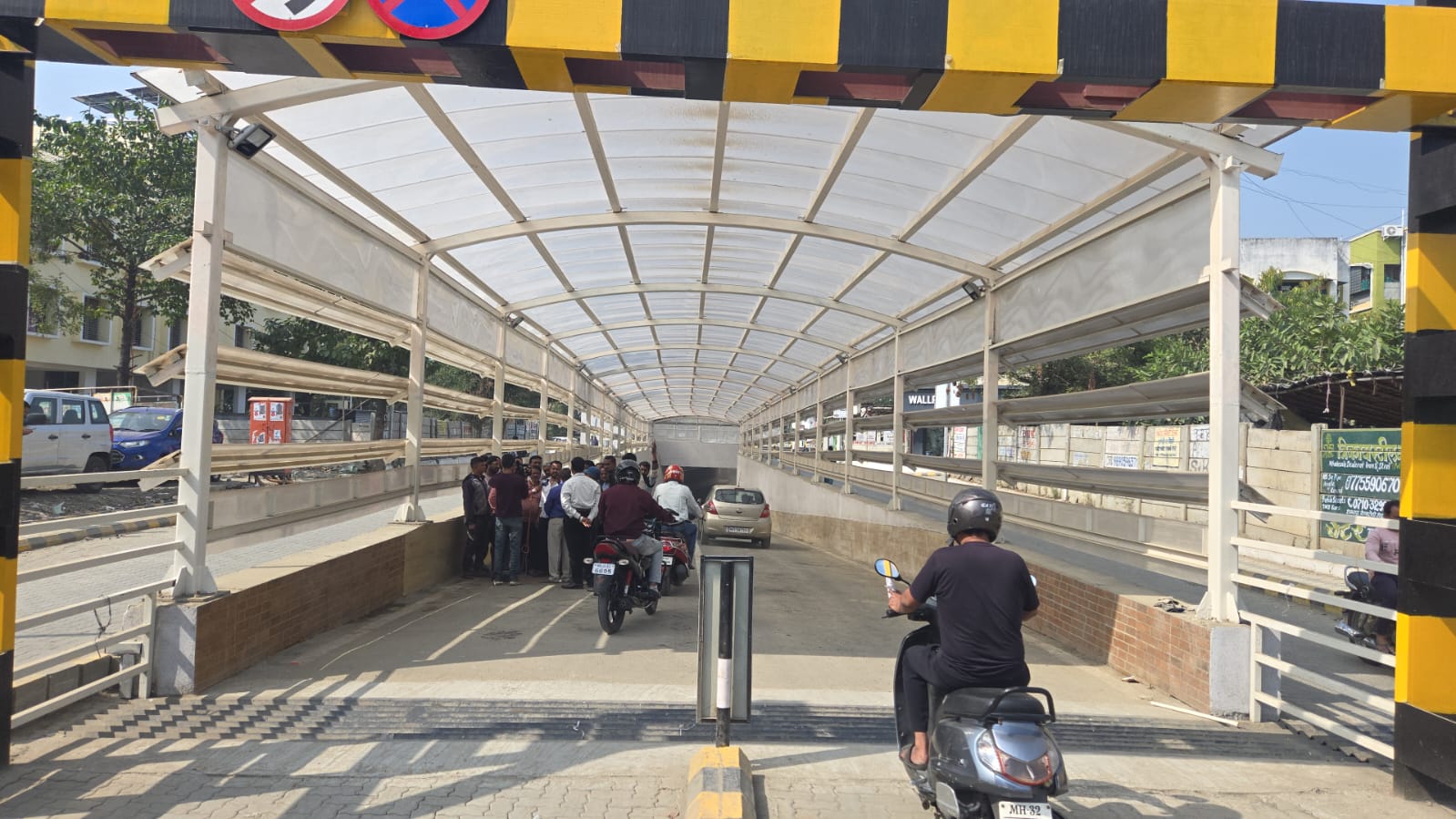
Manishnagar RUB to Open for Traffic from January 28

Manishnagar RUB Opening: The long wait for the residents of Manishnagar and surrounding areas is finally over! The much-anticipated Railway Under Bridge (RUB) at Manishnagar is set to open for public use on January 28. This monumental infrastructure project, which promises to transform daily commutes and bring relief to thousands, will be inaugurated by Maharashtra Chief Minister Devendra Fadnavis, Union Minister Nitin Gadkari, and Guardian Minister Chandrashekhar Bawankule.

Let’s dive deeper into the details and understand why this development is such a big deal for the people of Nagpur and its surrounding regions.


What Makes the Manishnagar RUB Special?

Infrastructure projects often come with a hefty price tag, but they’re worth it when they solve long-standing problems. The Manishnagar RUB is no exception. With a total project cost of Rs 33.83 crore, this underpass promises to bring convenience, safety, and efficiency to one of the busiest stretches in the city.

Key Dimensions and Features

  • Length: 190 meters
  • Width: 8 meters
  • Height: 4 meters
  • Pedestrian Walkway: A dedicated walkway for safe pedestrian movement

This thoughtful design ensures the underpass is suitable for both vehicles and pedestrians.


Strategic Location and Importance

The RUB has been constructed on the Mumbai-Howrah and Delhi-Chennai railway lines, two of the busiest rail routes in India. This strategic location is critical, as it connects Manishnagar to Wardha Road, providing better accessibility for residents of Manishnagar, Besa, Ghogali, and Beltarodi.


Benefits of the Manishnagar RUB

Wondering how this project will make a difference in your life? Here are some key advantages:

1. Relief from Traffic Jams

Before the RUB, the railway crossing caused endless traffic jams, delaying commutes and frustrating residents. The new underpass ensures uninterrupted movement, significantly reducing congestion.

2. Time Savings

No more waiting for trains to pass! Commuters can now save valuable time with the seamless connectivity offered by the RUB.

3. Improved Connectivity

The underpass bridges the gap between Manishnagar and Wardha Road, ensuring smoother commutes and better access to essential services and business hubs.

4. Enhanced Safety

With a separate pedestrian walkway, the RUB ensures the safety of those on foot, reducing the risk of accidents.


A Milestone for Urban Development

The inauguration of the Manishnagar RUB marks a significant milestone in Nagpur’s urban development journey. It reflects the government’s commitment to improving infrastructure and prioritizing the needs of citizens.


Inauguration Day Highlights

The grand opening ceremony, scheduled for January 28, will be a star-studded event. Chief Minister Devendra Fadnavis, Union Minister Nitin Gadkari, and Guardian Minister Chandrashekhar Bawankule will officially inaugurate the project.

Once the ribbon is cut, the RUB will be open for public use, ushering in a new era of convenience and connectivity for the region.


What Residents Are Saying

The buzz around the RUB has been palpable, with residents eagerly awaiting its opening. Many believe this project will be a game-changer, especially for those who frequently commute to Wardha Road.

Here’s what some locals had to say:

  • “Finally, we can say goodbye to those endless waits at the railway crossing. This RUB is going to save us so much time!” – Ramesh, a local resident.
  • “The pedestrian walkway is a thoughtful addition. It’s great to see infrastructure projects considering everyone’s needs.” – Anita, a daily commuter.

Looking Ahead

The opening of the Manishnagar RUB is just the beginning. As Nagpur continues to grow, projects like this will play a crucial role in ensuring the city’s infrastructure keeps up with its expanding population.

With improved connectivity and reduced traffic congestion, this underpass is poised to become a model for similar projects in other parts of the country.


1. When will the Manishnagar RUB open for public use?

The RUB will be inaugurated on January 28 and will be open for public use immediately after the ceremony.

2. Who will inaugurate the Manishnagar RUB?

The inauguration will be led by Maharashtra Chief Minister Devendra Fadnavis, Union Minister Nitin Gadkari, and Guardian Minister Chandrashekhar Bawankule.

3. What is the cost of the Manishnagar RUB project?

The total cost of the project is Rs 33.83 crore.

4. How will the RUB benefit the residents of Manishnagar?

The RUB will provide relief from traffic jams, save time, improve connectivity to Wardha Road, and ensure safety with a dedicated pedestrian walkway.

5. What are the key dimensions of the Manishnagar RUB?

The RUB is 190 meters long, 8 meters wide, and 4 meters high, with a separate pedestrian walkway.

Nagpur Central Jail to Be Relocated: Rs 1,000 Crore Development Initiative

The iconic Nagpur Central Jail is about to embark on a significant transformation as it prepares to relocate to a new site. Maharashtra Revenue Minister Chandrashekhar Bawankule announced this ambitious development plan during the ‘Meet the Press’ event at the Patrakar Club, Nagpur. This article dives into the details of this landmark project, including the rationale, modernization plans, and its potential impact on the region.

Why Relocate Nagpur Central Jail?

The relocation of Nagpur Central Jail is more than just a physical shift. It symbolizes progress and modernization. Here are the key reasons:

  • Addressing Logistical Challenges: The current jail location presents significant hurdles in transporting inmates to courts, given its distance from judicial hubs.
  • Urban Expansion: The existing location limits Nagpur’s urban development potential. Relocating the jail opens up prime real estate for infrastructure growth.

New Location and Investment

The government has allocated Rs 1,000 crore for this mega project. The new site spans 150 acres between Babhulkheda and Chicholi, promising state-of-the-art facilities and improved accessibility.

What Makes This Relocation Unique?

  • Modern Infrastructure: The new facility will be equipped with advanced security systems and sustainable architecture.
  • Improved Connectivity: Proximity to major highways ensures smooth logistics.

Modernization Plans: Ushering in a New Era

Minister Bawankule highlighted the government’s focus on modernization:

  • Online Court Hearings: To reduce inmate transportation costs and security risks, online systems for court hearings will be implemented.
  • Enhanced Security Measures: Cutting-edge surveillance and monitoring systems will ensure a secure environment.
  • Rehabilitation Focus: The new facility aims to prioritize inmate rehabilitation through education and skill development programs.

Fast-Track Development: The Bigger Picture

The relocation project is part of 29 fast-track initiatives for Nagpur’s development. With agencies like Nagpur Municipal Corporation (NMC), Nagpur Improvement Trust (NIT), and Nagpur Metropolitan Region Development Authority (NMRDA) onboard, this project is poised for efficient execution.

Key Features of the Development Plan

  1. Collaborative Efforts: Regular reviews every 15 days will ensure seamless progress.
  2. Public-Private Partnerships: Engaging private entities for funding and execution.
  3. Focus on Sustainability: Adopting green construction methods and renewable energy.

What Does This Mean for Nagpur?

Economic Growth

Relocating the jail creates opportunities for real estate development and commercial investments, boosting Nagpur’s economy.

Enhanced Civic Amenities

The vacated land can host parks, schools, or community centers, enhancing the city’s livability.

Job Creation

The project’s construction phase will generate numerous employment opportunities, driving local economic growth.

Challenges and Concerns

While the plan is ambitious, it’s not without challenges:

  • Land Acquisition: Ensuring fair compensation for landowners is crucial.
  • Cost Overruns: Meticulous planning is essential to avoid budget escalations.
  • Community Resistance: Addressing public concerns through transparent communication is key.

How Will the New Jail Benefit Inmates?

The relocated facility will provide:

  • Better Living Conditions: Spacious cells and hygienic amenities.
  • Skill Development Programs: Enabling inmates to reintegrate into society.
  • Digital Accessibility: Online systems will streamline administrative processes.

Timeline for Completion

The government is committed to fast-tracking the project. With regular reviews and dedicated task forces, the relocation is expected to be completed within three years.

A Step Towards Progress

The relocation of Nagpur Central Jail marks a pivotal moment in the city’s journey towards modernization and growth. By addressing logistical challenges, fostering economic development, and enhancing inmate rehabilitation, this project promises to transform Nagpur’s landscape. While challenges remain, the collaborative efforts of government agencies and private entities ensure a bright future for this initiative.

1. Why is Nagpur Central Jail being relocated? The relocation addresses logistical challenges, urban expansion, and modernization goals.

2. Where will the new jail be located? The new site is between Babhulkheda and Chicholi, spanning 150 acres.

3. What are the key features of the new facility? Advanced security systems, online court hearings, and rehabilitation-focused programs.

4. How much is the project budget? The government has allocated Rs 1,000 crore for the relocation.

5. When will the relocation be completed? The project is expected to be completed within three years.

Kasturchand Park to Get Rs 8 Crore Makeover

Kasturchand Park makeover: Kasturchand Park, one of Nagpur’s iconic landmarks, is undergoing a grand Rs 8 crore makeover. This historic site, known for its heritage bandstand and cultural significance, is set to be transformed with a range of restoration and development projects. Let’s dive into the details of this ambitious renovation plan.

A New Era for Kasturchand Park | Kasturchand Park makeover

Nagpur’s Kasturchand Park has long been a hub of activity, but years of wear and tear have left the site in dire need of attention. The Public Works Department (PWD), with approval from the Heritage Conservation Committee (HCC), has rolled out an extensive plan to rejuvenate this Grade-1 heritage site.

The Rs 8 Crore Budget Breakdown

The government has sanctioned a whopping Rs 8 crore for this project. Among the key initiatives:

  • Restoration of the Heritage Bandstand: A budget of Rs 1.50 crore is allocated specifically for the conservation of the stone structure.
  • Development of an Amphitheatre: This will serve as a modern space for cultural and community events.
  • Fountain Installation: A refreshing addition near the 200-ft flagpole to enhance the park’s aesthetic appeal.
  • Cleaning and Waterproofing: Efforts to preserve the integrity of the stone structure.

Why the Restoration is Vital

A Heritage on the Brink of Decay

Over the years, Kasturchand Park’s iconic stone structure has faced significant challenges:

  • Water seepage from the ceiling
  • Blackened columns and structural damage
  • Broken parapet walls and window mesh
  • Damaged floors in dire need of repair

Preserving History for Future Generations

This makeover aims to restore the park to its former glory while ensuring its sustainability for future generations. The decision to avoid using concrete and instead focus on traditional stone restoration techniques reflects a commitment to authenticity.

Specialized Artisans to the Rescue

The PWD has brought in skilled artisans from Rajasthan and Gujarat, renowned for their expertise in stonework. Their meticulous craftsmanship will:

  • Scrape off deteriorating paint
  • Apply rock treatment for preservation
  • Make the structure waterproof to withstand the monsoons

New Additions to Elevate the Park’s Appeal

Amphitheatre

The proposed amphitheatre will provide a platform for performances and events, making Kasturchand Park a cultural hotspot.

Fountain and Landscaping

A beautifully designed fountain near the towering flagpole will add a serene touch, while landscaping efforts will enhance the park’s greenery.

A Timely Facelift Ahead of Republic Day

As the park gears up to host Republic Day celebrations, preparations are in full swing. The makeover ensures that this historic site will shine brightly during the festivities.

What Makes This Restoration Unique?

Attention to Detail

Every aspect of the restoration process is being handled with care:

  • No concrete use to maintain heritage authenticity
  • Specialized treatments to combat deterioration

Vision for the Future

The inclusion of modern amenities like the amphitheatre demonstrates a forward-thinking approach while respecting the site’s historical significance.

Impact on Nagpur’s Cultural Landscape

Kasturchand Park’s transformation will:

  • Boost tourism by offering a revitalized heritage site
  • Provide a venue for community events and celebrations
  • Strengthen Nagpur’s cultural identity

When Can We Expect the Transformation?

The restoration work on the bandstand is set to be completed by March, with the entire project expected to wrap up by April. Nagpur residents and visitors alike can look forward to enjoying a rejuvenated Kasturchand Park by mid-2025.

Kasturchand Park’s Rs 8 crore makeover is a testament to the importance of preserving our heritage while embracing modernity. This ambitious project not only safeguards a piece of Nagpur’s history but also paves the way for a vibrant future. Whether you’re a history buff, a culture enthusiast, or simply someone who enjoys a good stroll in the park, there’s something to look forward to at the new and improved Kasturchand Park.

1. What is the budget for Kasturchand Park’s makeover?
The government has allocated Rs 8 crore for the restoration and development of Kasturchand Park.

2. What new additions can we expect at the park?
The makeover includes an amphitheatre, a fountain, landscaping, and restoration of the heritage bandstand.

3. When will the renovation be completed?
The bandstand restoration will be finished by March, and the entire project is expected to conclude by April 2025.

4. Why is the restoration important?
The restoration preserves the historical significance of Kasturchand Park while enhancing it for modern use and future generations.

5. Who is carrying out the restoration work?
The Public Works Department (PWD) is overseeing the project, with skilled artisans from Rajasthan and Gujarat contributing their expertise.

Nagpur to Emerge as a Hub for Lithium-Ion Battery Production

Nagpur lithium battery hub: The world is going electric, and one city in India is stepping up to lead the charge—Nagpur. Known for its oranges and rich cultural heritage, Nagpur is on track to become a key player in the global lithium-ion battery market. But why Nagpur, and how is it pulling this off? Let’s dive into the details.


Why Lithium-Ion Batteries Are the Future

Lithium-ion batteries are the backbone of the electric vehicle (EV) revolution. From powering sleek Teslas to compact e-scooters, these batteries are driving a cleaner, greener future. But it’s not just EVs—smartphones, laptops, and even renewable energy grids depend on them. With the rising demand for sustainable energy solutions, the global market for lithium-ion batteries is booming, and India is no exception.


Nagpur’s Big Leap: The Vardhaan Advantage

Vardhaan’s Visionary Plan

Nagpur’s journey to becoming a lithium-ion battery hub begins with Vardhaan, a forward-thinking company led by Sunil Joshi. Here’s what sets them apart:

  • A $500 Million Mining Venture in Zimbabwe: Vardhaan will mine lithium from Zimbabwe and refine it in Nagpur, ensuring a streamlined supply chain.
  • 60,000-Tonne Refining Capacity: This ambitious target positions Vardhaan as a leader in India’s lithium refining sector.
  • State-of-the-Art Facility: The manufacturing plant at Butibori will feature cutting-edge technology sourced from Europe and the US.

Butibori: The Heart of the Action

The Butibori industrial area, located on the outskirts of Nagpur, is quickly becoming the city’s industrial powerhouse. With 500 acres of land allocated by the Maharashtra Industrial Development Corporation (MIDC), the Vardhaan facility is poised to make waves. The company expects to break ground by April and complete construction within two years. Sounds like a tight timeline, doesn’t it?


From Zimbabwe to Nagpur: A Strategic Supply Chain

What makes Vardhaan’s plan unique? It’s the seamless integration of mining and refining. By sourcing lithium from Zimbabwe—a region rich in lithium reserves—and refining it in Nagpur, Vardhaan ensures cost efficiency and quality control. This strategy not only boosts production but also positions India as a global player in the battery industry.


The Role of Surjagad Ispat in Nagpur’s Growth

Sunil Joshi’s vision doesn’t stop at batteries. He’s also the driving force behind Surjagad Ispat Private Limited, which is building an integrated steel plant in Gadchiroli. With a whopping Rs 10,000 crore investment, this plant is set to transform a Naxalite-affected region into an industrial hub. Talk about turning challenges into opportunities!


Nagpur’s Rise as an EV Hub

MoUs Signed at Davos

Nagpur’s ambition isn’t limited to Vardhaan. At the World Economic Forum in Davos, major players like JSW and MSN Holdings signed MoUs to invest in lithium-ion battery production in the region. These collaborations signal a brighter future for Nagpur as a hub for EV components.

Support from Nitin Gadkari

Union Minister Nitin Gadkari, a staunch advocate for EVs, is a key supporter of Nagpur’s transition. His vision for a greener India aligns perfectly with the city’s industrial developments.


The Environmental Angle

Sustainability in Focus

Lithium-ion batteries are not just about business—they’re about building a sustainable future. By reducing dependency on fossil fuels, these batteries help combat climate change. Vardhaan’s project includes measures to minimize environmental impact during refining and manufacturing.


Challenges on the Road Ahead

No journey is without hurdles. Here are some potential challenges Nagpur might face:

  • Environmental Clearances: The Zimbabwe government’s approval is expected by February, but any delays could impact timelines.
  • Technology Integration: Adopting advanced European and US technologies requires significant investment and expertise.

Timeline for Nagpur’s Lithium Revolution

  1. February: Environmental clearances expected from Zimbabwe.
  2. April: Mining operations begin in Zimbabwe.
  3. End of April: Groundbreaking ceremony at Butibori.
  4. Two Years Later: Manufacturing facility operational.

The Ripple Effect: Nagpur’s Economic Boom

The lithium-ion battery project is more than just an industrial venture—it’s an economic catalyst. Here’s how:

  • Job Creation: Thousands of jobs will be created during construction and operation.
  • Boost to Ancillary Industries: Battery production will spur growth in logistics, technology, and recycling sectors.
  • Global Recognition: Nagpur will gain recognition as a leader in clean energy solutions.

Nagpur vs. the World: A Competitive Edge

Nagpur isn’t just competing with other Indian cities—it’s stepping onto the global stage. With its strategic location, skilled workforce, and government support, the city is well-equipped to become a lithium-ion battery production powerhouse.


 Nagpur, the Future Is Electric

Nagpur’s transformation into a lithium-ion battery hub is nothing short of revolutionary. With visionary leadership, strategic investments, and a focus on sustainability, the city is charging ahead—literally and figuratively. So, the next time you see an EV zooming past, remember, its heart might just beat thanks to Nagpur.

1. Why is Nagpur ideal for lithium-ion battery production?

Nagpur offers strategic location advantages, government support, and industrial infrastructure, making it a perfect hub.

2. When will Vardhaan’s facility be operational?

The facility is expected to be ready two years after construction begins in April.

3. How does Vardhaan source lithium?

Lithium is mined in Zimbabwe and then refined at the Nagpur facility.

4. What role does Butibori play in this project?

Butibori is home to the 500-acre site where Vardhaan’s state-of-the-art manufacturing facility will be built.

5. How will this project impact Nagpur’s economy?

The project will create jobs, boost ancillary industries, and position Nagpur as a global leader in clean energy.

NBCC Likely to Construct African, Night Safari Infra at Gorewada

African Safari Gorewada NBCC: The National Buildings Construction Corporation (NBCC) India Limited, a Government of India enterprise, is set to embark on an exciting venture at the Balasaheb Thackeray Gorewada International Zoo. With plans to develop the much-anticipated African Safari and Night Safari infrastructure, the project promises to revolutionize the region’s tourism potential. Here’s everything you need to know about this transformative project.

A New Chapter for Gorewada Zoo

From Indian Safari to African Safari

After the resounding success of the Indian Safari, the Maharashtra government has accelerated efforts to bring the African Safari to life. The collaboration with NBCC, a reputed construction agency, aims to enhance the zoo’s offerings with an ambitious infrastructure plan.

Green Signal and Budget Approval

The Forest Development Corporation of Maharashtra (FDCM) has been in advanced talks with NBCC. According to Zoo Director Shatnik Bhagwat, the project’s agreement is expected to be signed soon, paving the way for construction to begin before the monsoon season. The state cabinet has already approved a significant budget of ₹517.76 crore, ensuring that financial constraints will not hinder progress.

Key Features of the African Safari

Massive Land Allocation

The African Safari will span an impressive 63 hectares, offering visitors an immersive wildlife experience that mirrors the Savannah landscape of Africa. To achieve this, the zoo plans to incorporate native trees like babool, subabool, and dates, ensuring an authentic habitat for the animals.

Diverse Wildlife

Over 33 species of African wild animals will call this safari their new home. Expect to see:

  • Lemur
  • Meerkat
  • Klipspringer
  • African wild dog
  • Greater Kudu
  • Ostrich
  • Southern White Rhinoceros
  • African lion and more.

The inclusion of the near-threatened White Rhinoceros is anticipated to be a major highlight.

Night Safari Adventures

Imagine observing nocturnal animals in their natural habitat under the moonlight. The Night Safari infrastructure aims to provide a one-of-a-kind experience, elevating the zoo’s appeal to wildlife enthusiasts.

Singapore Expertise in Zoo Design

To ensure world-class standards, FDCM has collaborated with a Singapore-based consultant to create a master plan for the African Safari. This partnership underscores the commitment to delivering an unparalleled visitor experience.

Impact on Local Economy

Boosting Tourism

The African Safari is expected to draw tourists from across the globe, turning Gorewada Zoo into a premier wildlife destination. This influx will not only benefit the zoo but also uplift Nagpur’s reputation as a tourist hub.

Job Creation

From construction to operations, the project will create numerous job opportunities for residents of nearby localities and villages, contributing to regional economic growth.

Timeline for Completion

Work Order and Construction Schedule

Zoo Director Shatnik Bhagwat anticipates that the work order for the African Safari will be issued by March. Construction, estimated to take around two years, is likely to wrap up by 2027.

Phased Development

The first phase includes:

  • Construction of African Safari infrastructure.
  • Development of the Night Safari.
  • Building a new entrance gate.

Subsequent phases will focus on operational readiness and enhancing visitor amenities.

Budget Allocation Breakdown

Government Investments

The government’s financial commitment to the project includes:

  • ₹214.91 crore for African Safari infrastructure.
  • ₹40.76 crore each for the Safari Plaza and entrance plaza with parking.
  • ₹80 crore for procuring animals.

This meticulous allocation ensures every aspect of the project receives adequate funding.

Environmental and Conservation Efforts

Creating a Savannah Ecosystem

The African Safari will replicate the Savannah landscape, fostering an environment conducive to the animals’ well-being. This initiative aligns with conservation efforts by raising awareness about endangered species.

Focus on Sustainability

Efforts will be made to minimize environmental impact during construction and operations, showcasing a commitment to sustainable tourism.

A Glimpse into the Future

By 2027, visitors can look forward to:

  • Witnessing majestic animals up close.
  • Experiencing the thrill of a Night Safari.
  • Enjoying state-of-the-art facilities at the entrance plaza and parking area.

The upcoming African Safari and Night Safari at Gorewada International Zoo are poised to redefine wildlife tourism in India. With NBCC at the helm and a robust budget in place, the project’s success seems inevitable. So, mark your calendars for 2027 and get ready to explore the wonders of Africa right here in Maharashtra!


1. What is the timeline for the African Safari project? The project’s construction is expected to begin before the monsoon of 2025 and conclude by 2027.

2. Which animals will be featured in the African Safari? Over 33 species, including giraffes, African lions, white rhinos, and meerkats, will be part of the safari.

3. How much land is allocated for the African Safari? The safari will span a vast area of 63 hectares.

4. Who is designing the zoo’s master plan? A Singapore-based consultant has been engaged to ensure a world-class design.

5. What is the estimated budget for the project? The total budget approved is ₹517.76 crore, with ₹214.91 crore allocated for the African Safari infrastructure.

Exit mobile version