Ambazari Bridge to Open for Public on April 1: Govt to HC

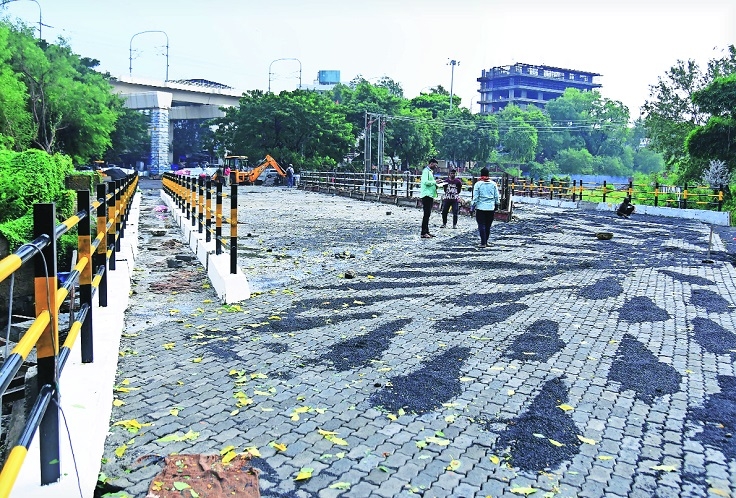
The long-awaited opening of the Ambazari Bridge in Nagpur has been officially announced. According to an affidavit presented in the Nagpur Bench of the Bombay High Court, the bridge will be fully operational for public use starting April 1, 2025. This announcement follows years of construction delays, bureaucratic hurdles, and public inconvenience. The Public Works Department (PWD) and Maharashtra State Electricity Transmission Company Limited (MSETCL) have assured the completion of all pending works by March 31, 2025.


Project Background and Timeline

Why Was the Bridge Delayed?

The construction of the Ambazari Bridge faced repeated delays due to multiple factors, including:

  • Shifting of 132KV High-Tension Cables – A crucial factor in the delay was the relocation of these power lines.
  • Lack of Timely Funds – The government had not sanctioned the necessary budget on time.
  • Bureaucratic Approvals – Coordination between multiple agencies led to unnecessary lags.

Court’s Intervention

The Nagpur Bench of Bombay HC took note of the persistent delays and issued strong directives to expedite the project. The court emphasized that prolonged construction was leading to severe traffic congestion near the Vivekananda Memorial at Ambazari Lake, creating daily challenges for commuters.


Breakthrough Decisions and Final Steps

Government’s Commitment to Completion

After continuous pressure from the High Court, the state government finally sanctioned ₹3.77 crore for the relocation of high-tension cables. These funds were directed to MSETCL, allowing them to complete the relocation process without further hindrance.

Key Meetings and Progress Reports

A high-power committee meeting was held on February 10, 2025, under the leadership of Additional Divisional Commissioner Madhavi Khode Chaware. In this meeting, the officials from PWD, MSETCL, the Irrigation Department, and the Nagpur Municipal Corporation (NMC) reviewed the project status and committed to an April 1 deadline.


Impact on Traffic and Commuters

Traffic Congestion Challenges

The delay in opening the Ambazari Bridge led to:

  • Increased congestion on alternative routes
  • Longer travel times for daily commuters
  • Unsafe conditions for pedestrians

Expected Relief After Opening

With the full opening of the bridge, commuters can expect:

  • Smoother traffic flow
  • Reduced travel time
  • Improved safety for vehicles and pedestrians

Structural Enhancements and Flood Control Measures

Flood Mitigation Efforts

The Central Water and Power Research Station (CWPRS) conducted an independent study that ruled out the Swami Vivekananda statue as a cause of flash floods in Nagpur. Instead, their report pointed out that limited passage beneath the old bridge was a primary reason for water overflow during heavy rains.

To prevent future flooding, authorities have introduced:

  • Enhanced water drainage mechanisms
  • Improved flood mitigation barriers

Strengthening of the Ambazari Dam

The Irrigation Department confirmed that 95% of dam-strengthening work is completed, with the remaining work set to finish by March 31.


Lessons Learned and Future Infrastructure Plans

Avoiding Future Delays

One of the key takeaways from this project is the importance of inter-departmental coordination. The high-power committee has recommended:

  • Better project oversight to ensure future timelines are met
  • Proactive problem-solving measures to avoid bureaucratic roadblocks
  • Regular updates to the public on large-scale projects

Upcoming Infrastructure Projects in Nagpur

With the successful completion of Ambazari Bridge, the government aims to focus on:

  • Upgrading road networks to support the increasing population
  • Expanding flyovers to reduce congestion in high-traffic areas
  • Improving public transport connectivity

After years of delays, the much-needed Ambazari Bridge will finally open to the public on April 1, 2025. The project faced multiple obstacles, from fund shortages to bureaucratic hurdles, but judicial intervention and public pressure ensured its completion. Commuters can now look forward to smoother travel and reduced congestion in the area. Moving forward, it is crucial for authorities to learn from these delays and implement better planning strategies to prevent similar setbacks in future projects.


1. When will the Ambazari Bridge open?

The bridge will be fully open for public use on April 1, 2025.

2. Why was the bridge construction delayed?

The project faced delays due to funding issues, bureaucratic approvals, and the relocation of high-tension power cables.

3. How will the bridge impact traffic in Nagpur?

Once open, the bridge will reduce congestion, cut down travel time, and improve road safety in the area.

4. What measures were taken to prevent flooding near the bridge?

The CWPRS study identified water drainage issues, leading to the construction of flood mitigation barriers to prevent future flooding.

5. What lessons have been learned from this project?

The project highlighted the importance of timely funding, better inter-departmental coordination, and proactive problem-solving to prevent unnecessary delays.

Film City to Come Up Near Khindsi Lake in Ramtek

A new Film City is set to emerge near Khindsi Lake in Ramtek, a development that promises to boost the local economy and film industry. Cultural Affairs Minister Ashish Shelar has initiated the process by requesting the Revenue Department to transfer 128 acres of land for the project. This initiative is expected to attract filmmakers from across India and generate significant employment opportunities.

Why Ramtek for the Film City?

1. Scenic Beauty and Natural Backdrop

Nestled amidst lush greenery and serene water bodies, Khindsi Lake provides an ideal setting for film shoots. The location offers a mix of forest landscapes, hills, and water bodies, perfect for diverse cinematic requirements.

2. Strategic Location

  • Only 40 kilometers from Nagpur Airport.
  • Surrounded by resorts and tourist-friendly locations.
  • Well-connected via roads and railways, making it convenient for film crews.

3. Boost for Regional Filmmakers

The Film City is expected to serve filmmakers from Madhya Pradesh and Chhattisgarh, offering them a nearby alternative to Mumbai and Hyderabad for shooting documentaries, feature films, and web series.

Government’s Vision for the Film City

1. Employment Generation

The project is expected to create thousands of jobs in the film industry, from technical crew to creative professionals.

2. Skill Development and Training Centre

A film training centre will be established to develop a skilled workforce. Workshops and training programs will help aspiring filmmakers, editors, cinematographers, and technicians gain hands-on experience.

3. Infrastructure Development

The government plans to build world-class facilities, including:

  • State-of-the-art studios for film production.
  • Editing and post-production labs.
  • Outdoor and indoor shooting spaces.

Economic and Tourism Impact

1. Tourism Boost

The Film City will turn Ramtek into a tourism hub, attracting film enthusiasts, travelers, and adventure seekers.

2. Revenue Generation

Local businesses, hotels, and restaurants will benefit, leading to increased revenue and overall economic growth.

3. Strengthening the Local Economy

With more people visiting and investing in the region, the Film City will act as a catalyst for economic development.

Comparisons with Other Film Cities

1. Ramoji Film City (Hyderabad)

  • Largest film city in the world.
  • Ramtek aims to replicate its success on a regional scale.

2. Film City Mumbai

  • The heart of Bollywood.
  • Ramtek’s project offers a natural and cost-effective alternative.

3. Noida Film City

  • Major hub for TV and media production.
  • Ramtek will focus on both mainstream and regional cinema.

Challenges and Roadblocks

1. Land Acquisition Issues

The transfer of 128 acres of land is a crucial step. The government must ensure a smooth and dispute-free acquisition process.

2. Infrastructure Development Costs

Building a fully functional film city requires significant investment. The authorities must attract private investors and stakeholders.

3. Environmental Considerations

Being close to forest areas, sustainability measures should be taken to protect the ecosystem.

Future Prospects of Ramtek Film City

1. Attracting Big-Budget Films

With state-of-the-art facilities, major Bollywood and regional film productions may choose Ramtek over other expensive locations.

2. International Collaboration

The Film City could attract foreign filmmakers, boosting cross-border cinematic projects.

3. A Hub for OTT Content

With the rise of streaming platforms, Ramtek’s Film City can serve as a production hub for web series and digital films.

The Film City near Khindsi Lake in Ramtek is a game-changer for the Indian film industry. It not only provides a picturesque shooting location but also offers immense employment opportunities and economic benefits. With proper planning, investment, and execution, this project has the potential to become a premier film production destination in India.

1. When will the Ramtek Film City be operational?

The timeline is yet to be announced, but the initial stages of land transfer and planning are underway.

2. What makes Ramtek’s Film City unique?

Its natural beauty, strategic location, and accessibility make it an attractive choice for filmmakers.

3. Will there be training programs for aspiring filmmakers?

Yes, a training centre will be established to develop skilled manpower for the industry.

4. How will the local economy benefit?

The project will boost tourism, create jobs, and generate revenue for local businesses.

5. Can independent filmmakers use the facilities?

Yes, the Film City aims to support both large-scale and independent film productions.

Two RVR Systems Installed at Nagpur Airport to Enhance Flight Safety

RVR System at Nagpur Airport: Ensuring safe landings and take-offs in all weather conditions is a top priority for any airport. To enhance flight safety at Dr. Babasaheb Ambedkar International Airport, Nagpur, the Aerodrome Meteorological Offices (AMO), Nagpur has installed two advanced Runway Visual Range (RVR) systems. These state-of-the-art systems provide real-time visibility data, minimizing flight disruptions and ensuring safe operations even in low-visibility conditions.

What is a Runway Visual Range (RVR) System?

An RVR system is a high-tech setup that continuously measures the visibility range along a runway. It uses optical and atmospheric sensors to deliver accurate data to air traffic controllers and pilots. This helps them make precise decisions during landings and take-offs, especially in fog, heavy rain, or haze.

Why Was the RVR System Needed at Nagpur Airport?

Dr. Babasaheb Ambedkar International Airport serves as a key aviation hub in Central India. Given the high volume of domestic and international flights, improving visibility for incoming and outgoing flights became a necessity. The manual process previously in use was prone to errors, as it relied on human estimation. With RVR technology, visibility readings are now automated with 99% accuracy.

Where Were the RVR Systems Installed?

  • Runway No. 32
  • Runway No. 14
  • Mid-runway system (under installation, operational soon)

How the RVR System Works

  1. Real-time Data Collection – The system continuously monitors visibility levels using advanced sensors.
  2. Data Transmission – The information is sent to Air Traffic Controllers (ATC) and pilots.
  3. Decision Making – ATC uses this data to set operational categories, while pilots use it for safe landing and take-off decisions.

Key Benefits of RVR Technology at Nagpur Airport

1. Enhanced Safety During Low-Visibility Conditions

Weather conditions such as fog, rain, and haze can significantly reduce visibility. The RVR system ensures that pilots receive accurate data to make safe flying decisions.

2. Reduced Flight Delays and Disruptions

With precise real-time data, unnecessary delays due to poor visibility can be minimized, improving overall airport efficiency.

3. Compliance with Global Aviation Standards

The installation of the RVR system aligns Nagpur Airport with international safety standards, making it a more reliable hub for airlines.

4. Improved Air Traffic Management

The RVR system assists Air Traffic Control (ATC) in maintaining a smooth flow of air traffic, reducing congestion and increasing operational efficiency.

How RVR Installation Was Carried Out

Installing an RVR system requires clearances from multiple regulatory bodies like the Directorate General of Civil Aviation (DGCA). For Nagpur Airport, the entire process took two years, ensuring compliance with all necessary safety and operational guidelines.

Who Provided the RVR Technology?

The RVR systems at Nagpur Airport were sourced from Vaisala Oyj, a Finnish company specializing in environmental and industrial measurement technologies.

Future Plans for Nagpur Airport

  • Completion of the third RVR system installation.
  • Integration of RVR data into advanced air traffic management systems.
  • Enhancements in weather monitoring systems for further operational efficiency.

With the installation of these advanced RVR systems, Nagpur Airport has significantly improved its flight safety, operational efficiency, and compliance with international standards. This upgrade ensures that both domestic and international flights can operate smoothly, even in challenging weather conditions.

1. What is an RVR system, and why is it important?

An RVR system measures visibility along the runway in real time, helping pilots and air traffic controllers make informed decisions, especially in poor weather.

2. How many RVR systems are installed at Nagpur Airport?

Currently, two RVR systems are operational, with a third one under installation.

3. How does the RVR system improve flight safety?

The system provides accurate visibility data, reducing the chances of flight disruptions and unsafe landings.

4. Who manufactured the RVR systems installed at Nagpur Airport?

The RVR systems were procured from Vaisala Oyj, a leading Finnish company specializing in weather and industrial measurement solutions.

5. How long did it take to install the RVR system at Nagpur Airport?

The entire process took two years, requiring multiple regulatory approvals and technical assessments.

Pardi Flyover to Finally Open on February 16 After Years of Delays

A Long-Awaited Relief for Nagpur Commuters

After nearly a decade of delays and setbacks, the Pardi Flyover in Nagpur, India is set to finally open on February 16, 2025. Originally conceived to ease congestion and enhance traffic flow in the eastern part of the city, the project has faced multiple obstacles, including financial constraints, contractor issues, and unforeseen structural failures.

The National Highways Authority of India (NHAI) has confirmed that the final touches, such as recarpeting, lighting, and safety installations, are being completed. This development comes as a much-needed relief for commuters who have endured prolonged inconvenience due to the construction delays.


Project Overview and Key Milestones

The Pardi Flyover Project has been one of the most ambitious infrastructure projects in Nagpur. However, its execution has been fraught with difficulties, leading to significant cost escalations and missed deadlines.

Key Details of the Project:

  • Initial Estimated Cost: ₹446 crore
  • Revised Cost: ₹650 crore
  • Total Length: 7.1 km
  • Bhoomipujan Ceremony: August 2014
  • Construction Start: June 2016
  • Original Completion Deadline: June 2019
  • Major Girders Collapse: October 2021
  • Partial Opening (Three Arms): September 2023
  • Final Opening Date: February 16, 2025

The project, initially slated for completion in 2019, suffered multiple delays due to structural failures and logistical hurdles. The most severe setback occurred in October 2021, when ten girders collapsed on the Kalamna arm, causing further delays and raising serious safety concerns.


Challenges Faced During Construction

1. Structural Failures and Design Issues

One of the most significant challenges in this project was the collapse of ten girders in October 2021, which led to a complete halt in construction for several months. Investigations revealed that poor material quality and engineering flaws contributed to the incident, forcing authorities to reassess the construction approach.

2. Budget Overruns and Delays

Originally budgeted at ₹446 crore, the final cost of the project has escalated to ₹650 crore, a 46% increase from the initial estimate. The primary reasons for this spike include inflation, revised safety measures, and structural modifications after the 2021 collapse.

3. Traffic Congestion and Commuter Inconvenience

For years, commuters traveling through Pardi, Kalamna, and Bhandara Road have suffered severe traffic congestion. The alternative roads beneath the flyover were riddled with potholes and uneven surfaces, making daily travel frustrating and unsafe.

4. Political and Administrative Delays

The project has also been marred by bureaucratic hurdles, contractor disputes, and changes in governance. Multiple shifts in administrative policies and fund allocations contributed to the extended timeline.


Impact of the Pardi Flyover Opening

With the full operational launch of the flyover on February 16, 2025, significant benefits are expected:

1. Improved Traffic Flow and Reduced Travel Time

The flyover is designed to decongest Pardi Junction, a critical traffic bottleneck in Nagpur. The direct connectivity it offers will cut travel time by 30-40% for daily commuters.

2. Enhanced Safety for Motorists and Pedestrians

The installation of high-mast LED lights, modern crash barriers, and designated pedestrian pathways will improve overall road safety. The flyover will also eliminate several accident-prone zones previously caused by potholes and uneven road conditions.

3. Economic Growth and Infrastructure Development

The completion of this project is expected to boost commercial activities in East Nagpur, particularly in areas like Kalamna, Bhandara Road, and Pardi. Improved connectivity will enhance trade and logistics for local businesses.

4. Reduced Pollution and Fuel Consumption

By alleviating congestion, the flyover will contribute to lower vehicle emissions and reduced fuel wastage, promoting an environmentally friendly urban transit system.


Final Touches Before the Grand Opening

As the inauguration date nears, the NHAI and local authorities are ensuring that all aspects of the project meet the necessary safety and quality standards. The final steps include:

  • Last-phase asphalt laying and recarpeting.
  • Installation of LED street lights for enhanced nighttime visibility.
  • Signage and lane markings to guide motorists.
  • Crash barriers and pedestrian crossings for safety.
  • Beautification of adjacent roads and underpasses.

Public Reaction and Expectations

Residents of Nagpur, particularly those who rely on Pardi Junction, have expressed a mix of relief and frustration. Many commuters have endured years of detours and extended travel times, leading to heightened anticipation for the flyover’s full opening.

Local Voices:

  • Rajesh Sharma, a daily commuter: “This project has been delayed far too long. But now that it’s finally opening, we hope it truly solves the traffic mess in this area.”
  • Anita Deshmukh, a shop owner near Pardi: “We’ve suffered losses because customers avoided this area due to road conditions. Hopefully, business will pick up now.”
  • Sunil Verma, a logistics operator: “Transporting goods through this route was a nightmare. The flyover will save us both time and fuel.”

The opening of the Pardi Flyover marks a milestone in Nagpur’s urban infrastructure development. While the journey to completion has been fraught with challenges, its operationalization will significantly enhance commuter convenience, road safety, and economic activity. As Nagpur continues to expand, such projects are crucial for ensuring a modern and efficient transportation network.

With the long-anticipated launch just days away, the Pardi Flyover is set to bring a new era of smooth and seamless connectivity to the people of Nagpur.

Four New Companies Approved for MIHAN SEZ, Bringing Total to 50

Nagpur MIHAN Special Economic Zone (SEZ) continues to expand. Four new companies have been approved to commence operations, bringing the total number of firms in the SEZ to 50. This marks another milestone in the region’s economic growth.

The approvals were granted during the fourth Unit Approval Committee (UAC) meeting held on January 28, where 12 proposals were reviewed. Out of these, five were new applications, and four companies secured immediate approval, while one awaits further documentation.

With a combined investment of ₹4.50 crore, these companies are expected to generate approximately 170 new jobs, further boosting employment opportunities in Nagpur. Authorities continue their efforts to attract more businesses and investments to MIHAN SEZ.

What is MIHAN SEZ?

MIHAN SEZ (Multi-modal International Hub Airport at Nagpur Special Economic Zone) is a strategic initiative aimed at transforming Nagpur into a global business hub. It offers incentives and infrastructure to attract companies from various sectors, including IT, manufacturing, and aviation.

Companies Approved for MIHAN SEZ

The four newly approved companies specialize in diverse sectors:

1. Perla IT (Nagpur)

  • Expertise: Computer services, software development, web design, and product management.
  • Contribution: Strengthening Nagpur’s IT landscape and generating tech-driven employment opportunities.

2. Cloud Science Labs Pvt. Ltd. (Delhi)

  • Expertise: Designing and developing cloud-based CRM services.
  • Contribution: Enhancing digital transformation efforts through cloud-based solutions.

3. People Global Services Pvt. Ltd. (Nagpur)

  • Expertise: IT consulting and support services.
  • Contribution: Providing businesses with advanced IT solutions and consulting expertise.

4. Master Medical Solutions Pvt. Ltd. (Nagpur)

  • Expertise: Manufacturing medical, surgical, dental, and veterinary instruments.
  • Contribution: Strengthening the medical device sector and ensuring high-quality healthcare equipment.

Investment and Employment Impact

  • Total Investment: ₹4.50 crore.
  • Job Creation: 170 new employment opportunities.
  • Long-term Growth: Attracting further investments and strengthening Nagpur’s economy.

ADCC’s Investment Proposal Under Review

Nagpur-based ADCC has proposed an investment of ₹11.64 crore to establish operations within MIHAN. However, its proposal is currently pending due to incomplete documentation. Authorities expect the necessary details to be resubmitted soon, paving the way for final clearance.

Why MIHAN SEZ is Attracting Companies?

MIHAN SEZ offers numerous benefits that make it an attractive business hub:

  • Tax Incentives: SEZs provide tax exemptions and financial benefits.
  • Strategic Location: Central India’s positioning facilitates seamless logistics and trade.
  • Infrastructure: State-of-the-art facilities ensure smooth business operations.
  • Workforce Availability: Access to skilled professionals across industries.

Future Growth Prospects for MIHAN SEZ

With consistent efforts from the government and development authorities, MIHAN SEZ is poised for further expansion. Upcoming projects and ongoing investments will continue to boost the local economy and generate employment.

MIHAN approval of four new companies marks another step in its growth trajectory. With increased investment, job creation, and an attractive business environment, Nagpur’s SEZ is rapidly becoming a hub for innovation and industrial expansion. As more firms explore opportunities in MIHAN, the region is set to witness a transformative economic shift.

1. What is the total number of companies in MIHAN SEZ?

Currently, MIHAN SEZ hosts 50 companies, with four new approvals in 2024.

2. How many jobs will the newly approved companies generate?

The four new companies will create approximately 170 jobs in the MIHAN SEZ.

3. What sectors do the new MIHAN  companies belong to?

The companies specialize in IT services, cloud solutions, consulting, and medical device manufacturing.

4. What are the benefits of establishing a business in MIHAN?

Businesses in MIHAN SEZ enjoy tax benefits, strategic location advantages, world-class infrastructure, and skilled workforce availability.

5. When will ADCC’s proposal be approved?

ADCC’s proposal is under review, pending submission of additional documentation.

3-in-1 Flyover to Decongest Inner Ring Road Stretch from Manewada Square to Mhalgi Nagar Square

Nagpur Inner Ring Road flyover: Nagpur’s Inner Ring Road has long been a bottleneck, especially between Manewada Square and Mhalgi Nagar Square. To tackle this persistent issue, the state Public Works Department (PWD) has greenlit an ambitious project: a 3-in-1 flyover designed to streamline traffic flow and enhance road safety.

The Vision Behind the 3-in-1 Flyover

The concept is straightforward yet innovative. By connecting two proposed flyovers at Manewada and Mhalgi Nagar Squares with a third, the PWD aims to create a seamless 2.80-kilometer elevated corridor. This continuous stretch will start just before Manewada Square and descend beyond Mhalgi Nagar Square, effectively bypassing the congested intersections below.

Breaking Down the Project Components | Nagpur Inner Ring Road flyover

  1. Manewada Square Flyover: Approved in 2023 with a budget of ₹73.14 crore, this flyover addresses the frequent traffic snarls and accidents at this busy junction.
  2. Mhalgi Nagar Square Flyover: Similarly budgeted at ₹73.14 crore, this structure aims to alleviate congestion at Mhalgi Nagar Square.
  3. Connecting Flyover: The linchpin of the project, this 1.43-kilometer stretch, comes with an administrative approval of ₹185 crore. Once completed, it will link the two flyovers, forming a unified elevated route.

Project Genesis and Leadership Insights

The groundwork for this initiative was laid during the bhoomipuja (groundbreaking ceremony) in August 2024. Union Minister Nitin Gadkari emphasized the importance of connecting the two flyovers to optimize traffic flow on the Inner Ring Road. Taking this recommendation to heart, the PWD devised the plan for the third connecting flyover.

Current Progress and Design Adjustments | Nagpur Inner Ring Road flyover

Construction has already commenced on the Mhalgi Nagar flyover, with foundational work underway. However, integrating the third flyover necessitated design modifications for the initial two structures. Specifically, the landing of the Manewada Square flyover and the ascending ramp of the Mhalgi Nagar Square flyover were redesigned to ensure a cohesive connection.

Anticipated Benefits of the Unified Flyover

Upon completion, this 2.80-kilometer flyover is expected to:

  • Reduce Travel Time: Motorists can bypass two major intersections, leading to quicker commutes.
  • Enhance Safety: Elevating heavy vehicle traffic will minimize the risk of accidents on the road below.
  • Improve Traffic Flow: The Inner Ring Road will experience reduced congestion, benefiting daily commuters.

Addressing Construction Challenges

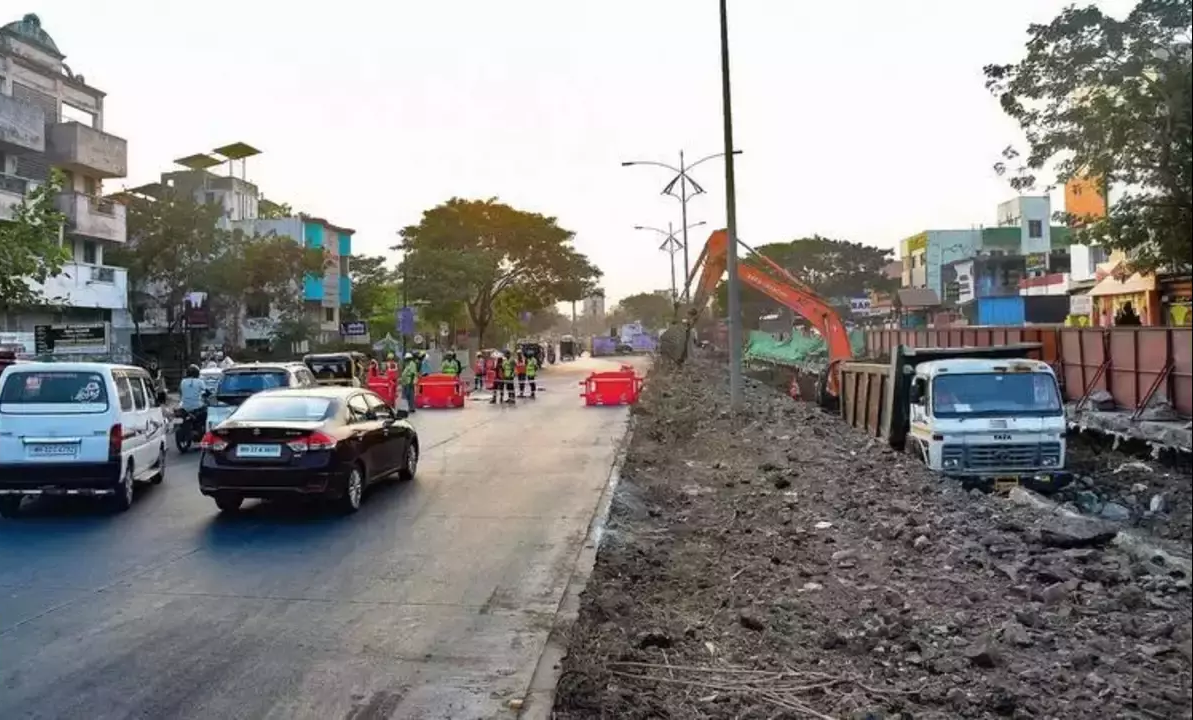
While the project promises significant benefits, the construction phase has introduced temporary challenges. Excavation and barricading have narrowed road widths, leading to traffic disruptions. Local motorists have reported increased congestion due to these ongoing works.

Community Concerns and Feedback

Some residents question the necessity of the flyovers, citing existing wide roads and suggesting that better traffic management could suffice. They advocate for enhanced traffic policing and stricter adherence to traffic rules as alternative solutions.

Comparative Analysis: Flyovers in Urban Planning

Urban centers worldwide have utilized flyovers to address traffic congestion. While effective in many scenarios, it’s crucial to consider local contexts. In some cases, flyovers have led to increased traffic beneath them or shifted congestion to adjacent areas. Therefore, comprehensive planning and community engagement are essential.

Future Outlook: Beyond the Flyover

Infrastructure projects like this are part of a broader strategy to modernize urban transportation in Nagpur. Complementary measures, such as public transportation enhancements, smart traffic management systems, and non-motorized transport infrastructure, will play pivotal roles in creating a holistic solution.

Environmental and Social Considerations

Large-scale construction projects inevitably impact the environment and local communities. It’s imperative to conduct thorough environmental assessments, implement mitigation strategies, and engage with affected communities to ensure sustainable and inclusive development.

The 3-in-1 flyover project represents a significant investment in Nagpur’s infrastructure, aiming to alleviate longstanding traffic issues on the Inner Ring Road. While challenges and differing opinions exist, the project’s success will hinge on effective execution, continuous stakeholder engagement, and adaptive planning to meet the city’s evolving needs.

  1. What is the total cost of the 3-in-1 flyover project?

    The combined budget for the project is approximately ₹331.28 crore, encompassing all three flyovers.

  2. When is the expected completion date for the flyovers?

    Each flyover has a projected completion timeline of 24 months from the start of construction.

  3. How will the flyovers impact daily commuters during construction?

    Temporary traffic disruptions are anticipated due to construction activities. Commuters are advised to plan for potential delays and stay updated on traffic advisories.

  4. Are there alternative solutions to building flyovers for traffic decongestion?

    Some community members suggest that improved traffic management and enforcement could address congestion without the need for flyovers.

  5. How can residents voice their concerns or suggestions about the project?

    Residents can participate in public consultations or reach out to the PWD through official channels to share their feedback.

GMCH Auditorium Gets Grand Makeover After 72 Years

GMCH Auditorium Makeover: The Government Medical College and Hospital (GMCH) in Nagpur, home to the second-largest hospital in Asia, has witnessed a historic transformation. After 72 years, its auditorium has undergone a remarkable facelift, turning it into a state-of-the-art facility. This Rs 5.23 crore renovation marks the first major revamp since the building was inaugurated in 1953 by India’s first President, Dr. Rajendra Prasad.

Let’s explore the details of this stunning transformation and understand why this upgrade is a game-changer for students, faculty, and medical professionals alike.

A Historic Transformation: What’s New? | GMCH Auditorium Makeover

Increased Seating Capacity for Better Accessibility

Earlier, the auditorium could accommodate only 375 attendees. Now, it boasts a seating capacity of 535, ensuring that more students and faculty members can participate in academic events without overcrowding.

Fully Air-Conditioned Space for Enhanced Comfort

Gone are the days of sweltering heat and discomfort! The newly upgraded auditorium is now fully air-conditioned, making it a more comfortable space for attendees, even during peak summers.

Advanced Audio and Visual Systems

A modern auditorium demands high-quality acoustics and visuals. With a cutting-edge sound system and an ultra-clear display screen, attendees can now enjoy crystal-clear audio and visuals, making lectures, seminars, and workshops more engaging.

Attractive Lighting and Aesthetic Appeal

Bright and elegant lighting has completely transformed the ambiance of the auditorium. Whether it’s a conference or a guest lecture, the enhanced lighting system ensures a visually appealing experience for all.

Upgraded Infrastructure for Added Convenience | GMCH Auditorium Makeover

  • Two green rooms have been added for speakers and panelists.
  • Drinking water facilities ensure hydration during long sessions.
  • Well-maintained restrooms provide added comfort for attendees.
  • Renovated premises around the auditorium offer a clean and organized look.

Why Is an Auditorium Important in a Medical College?

1. A Hub for Training and Knowledge Sharing

Medical education extends beyond textbooks. A well-equipped auditorium allows for live demonstrations, expert lectures, and workshops, which are crucial for medical students and professionals.

2. Encourages Interactive Learning

With a spacious setup, high-quality sound systems, and a large screen for live training, students can grasp complex medical concepts more effectively.

3. Facilitates Professional Development

Workshops, training sessions, and research presentations held in a modern auditorium contribute to the overall growth of students and faculty.

4. Enhances Skill Development

From surgical workshops to guest lectures by renowned doctors, an auditorium provides a space where students can refine their practical knowledge.

Key Features of the Revamped Auditorium

1. State-of-the-Art Sound System

With a newly installed high-tech sound system, the auditorium ensures that every word spoken on stage is heard clearly, even by those sitting at the back.

2. Large Stage Screen for Live Demonstrations

Medical students can now witness live surgical procedures and medical demonstrations with enhanced clarity, making learning more interactive and practical.

3. Comfortable and Spacious Seating

The new 535-seater arrangement ensures better seating comfort and clear visibility, making long sessions more bearable.

4. Energy-Efficient and Sustainable Design

The new lighting setup is not only visually appealing but also energy-efficient, aligning with modern sustainability practices.

Impact of the Revamp on Students and Faculty

For Students:

  • More engaging lectures and workshops
  • Improved comfort during long sessions
  • Better visibility of training and presentations

For Faculty:

  • Enhanced teaching environment
  • Seamless organization of seminars
  • A prestigious venue for hosting expert talks

The Road Ahead: Future Prospects

With the new upgrade, the GMCH auditorium is set to host several medical conferences, research symposiums, and hands-on training sessions. This transformation will pave the way for better medical education and professional development.

Final Thoughts

The grand revamp of the GMCH auditorium after 72 years is a monumental milestone. With enhanced seating, modern amenities, and state-of-the-art technology, the auditorium is now a premier venue for medical learning and professional growth. This upgrade not only benefits students and faculty but also elevates the overall educational experience at GMCH.

1. What was the cost of the GMCH auditorium renovation?

The renovation cost Rs 5.23 crore, covering major infrastructure and technological upgrades.

2. How many seats does the new auditorium have?

The seating capacity has been expanded from 375 to 535 for better accessibility.

3. What are the key features of the upgraded auditorium?

Some key

Dr. Ambedkar Super Specialty Hospital Set to Break Ground in Indora

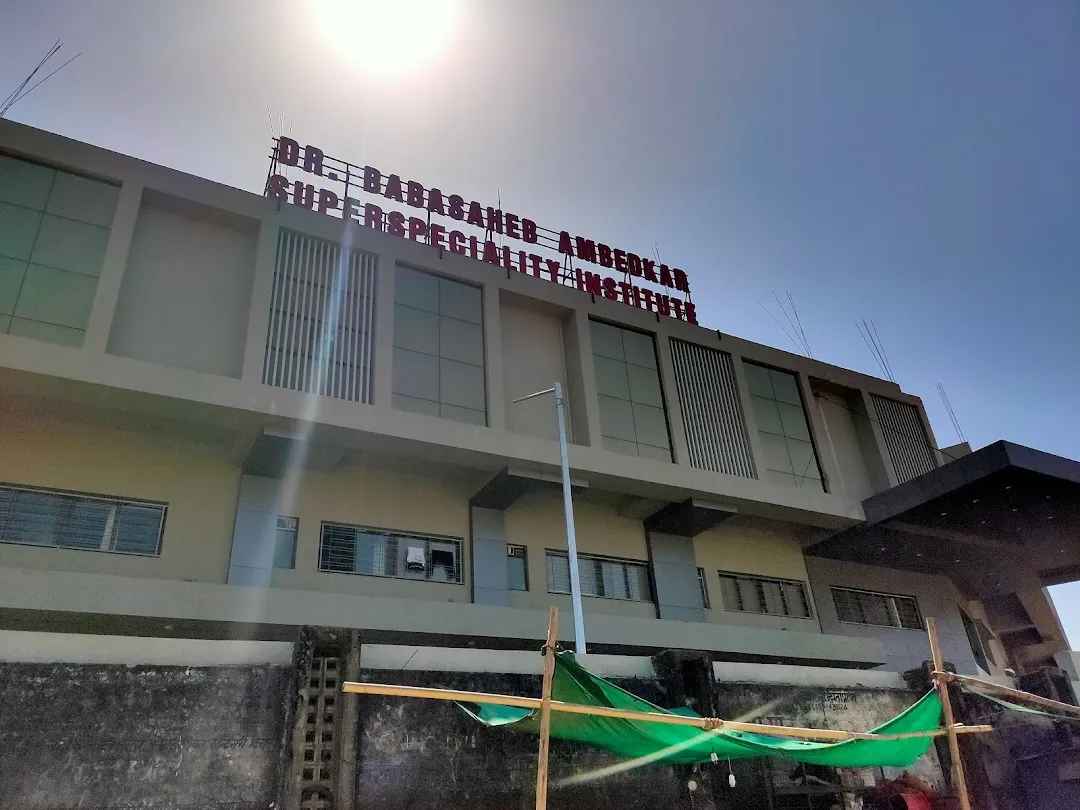
After years of anticipation, the Dr. Babasaheb Ambedkar Super Specialty Hospital in Indora is finally moving forward. It promises to revolutionize healthcare in Nagpur.

A Long-Awaited Milestone

It’s been a journey, hasn’t it? The dream of a state-of-the-art medical facility in Indora has faced its fair share of hurdles. But now, with all bureaucratic obstacles cleared, the Nagpur Improvement Trust (NIT) has given the green light. Construction is slated to commence soon, marking a significant leap for healthcare in the region.

Phased Construction Approach

Rome wasn’t built in a day, and neither will this hospital. The project is divided into two distinct phases to ensure meticulous execution.

Phase One: The Foundation

The initial phase focuses on constructing a G+8 hospital complex. With an estimated budget of ₹402.08 crore, this phase covers civil work, electrical systems, and fire safety measures. The plan is to appoint a private contractor within the next two months to kickstart the work.

Phase Two: Expansion and Education

Looking ahead, the second phase aims to establish a medical college and housing facilities for postgraduate students. This move underscores a commitment not just to immediate healthcare needs but also to the future of medical education in the region.

State-of-the-Art Facilities

Imagine a hospital that caters to a wide array of medical needs under one roof. That’s precisely what’s in store.

Comprehensive Medical Services

The hospital will boast 857 beds spread across nine floors and house 25 operation theatres. Specialized units will include:

  • Trauma Center
  • Nephro-Urology Department
  • Dialysis Facilities
  • Surgical Intensive Care Unit (SICU)
  • Medical Intensive Care Unit (MICU)
  • Neonatal Intensive Care Unit (NICU)
  • Pediatric Intensive Care Unit (PICU)

General wards are planned for the upper floors, ensuring a structured and efficient layout.

Sustainable Design Elements

In today’s world, sustainability is key. The hospital’s design incorporates a large solar canopy, aiming to reduce reliance on conventional electricity sources. This eco-friendly approach not only benefits the environment but also sets a precedent for future infrastructure projects.

Amenities for All

A hospital experience isn’t just about medical care; it’s also about comfort and convenience.

Patient and Staff Comfort

The facility will feature a spacious cafeteria and a fine-dining area exclusively for staff. Additionally, amenities such as a retail pharmacy, blood bank, and ATMs will be available on-site, ensuring that both patients and staff have access to essential services without leaving the premises.

A Broad Spectrum of Specialties

Healthcare needs are diverse, and this hospital is prepared to meet them.

Diverse Medical Departments

The hospital will offer services across various specialties, including:

  • Cardiology
  • Orthopedics
  • Pediatrics
  • Dermatology

This comprehensive approach ensures that patients receive specialized care tailored to their specific health concerns.

Overcoming Past Challenges

Every significant project faces obstacles, and this hospital is no exception.

Initial Hurdles

The development journey began in June 2018 but encountered delays due to land disputes with a nearby school. These challenges temporarily stalled progress, but persistence and negotiation have paved the way forward.

Financial Blueprint

Funding a project of this magnitude requires careful planning.

Budget Allocation

The total project cost is estimated at ₹575 crore, with ₹431.84 crore allocated for civil construction and ₹143.94 crore earmarked for medical equipment. This financial strategy ensures that both the infrastructure and the technological aspects of the hospital are adequately funded.

Community Impact

The establishment of this hospital is poised to have a profound effect on the local community.

Healthcare Accessibility

Residents of Indora and surrounding areas will soon have access to top-tier medical services close to home. This development is expected to reduce the need for patients to travel long distances for specialized care, thereby improving health outcomes and patient satisfaction.

Economic Upliftment

Beyond healthcare, the hospital’s construction and operation are anticipated to create numerous job opportunities, stimulating the local economy. From construction workers to medical professionals, various sectors stand to benefit.

Future Prospects

The vision for this hospital extends beyond immediate healthcare delivery.

Educational Opportunities

With the planned addition of a medical college and postgraduate housing in the second phase, the facility aims to become a hub for medical education. This initiative will attract aspiring medical professionals to the region, fostering a culture of learning and innovation.

Technological Advancements

Embracing modern technology is at the forefront of the hospital’s mission. From advanced medical equipment to electronic health records, the facility is committed to utilizing technology to enhance patient care and operational efficiency.

Community Engagement

A hospital thrives when it engages with the community it serves.

Health Awareness Programs

Plans are underway to conduct regular health camps and awareness programs, educating the public on various health issues and preventive measures. This proactive approach aims to promote a healthier community overall.

Feedback Mechanisms

Establishing channels for patient and community feedback will be crucial. By listening to the needs and concerns of the community, the hospital can continuously improve its services and ensure patient satisfaction.

The impending construction of the Dr. Babasaheb Ambedkar Super Specialty Hospital in Indora marks a monumental step forward for healthcare in Nagpur. With its comprehensive medical services, sustainable design, and commitment to education and community engagement, the hospital is set to become a beacon of excellence in the region.

  1. When is the construction of the hospital expected to begin?
    • Construction is slated to commence soon, with a private contractor expected to be appointed within the next two months.
  2. What specialties will the hospital offer?
    • The hospital will provide services in various specialties, including cardiology, orthopedics, pediatrics, and dermatology.
  3. How many beds will the hospital have?
    • The facility will feature 857 beds across nine floors.
  4. Will there be educational facilities associated with the hospital?
    • Yes, the second phase of the project includes plans for a medical college and postgraduate student housing.
  5. What sustainable features are included in the hospital’s design?
    • The hospital will incorporate a large solar canopy to reduce reliance on conventional electricity sources.

Nagpur to Receive Advanced ‘Made in India’ X-Band Doppler Radar Soon

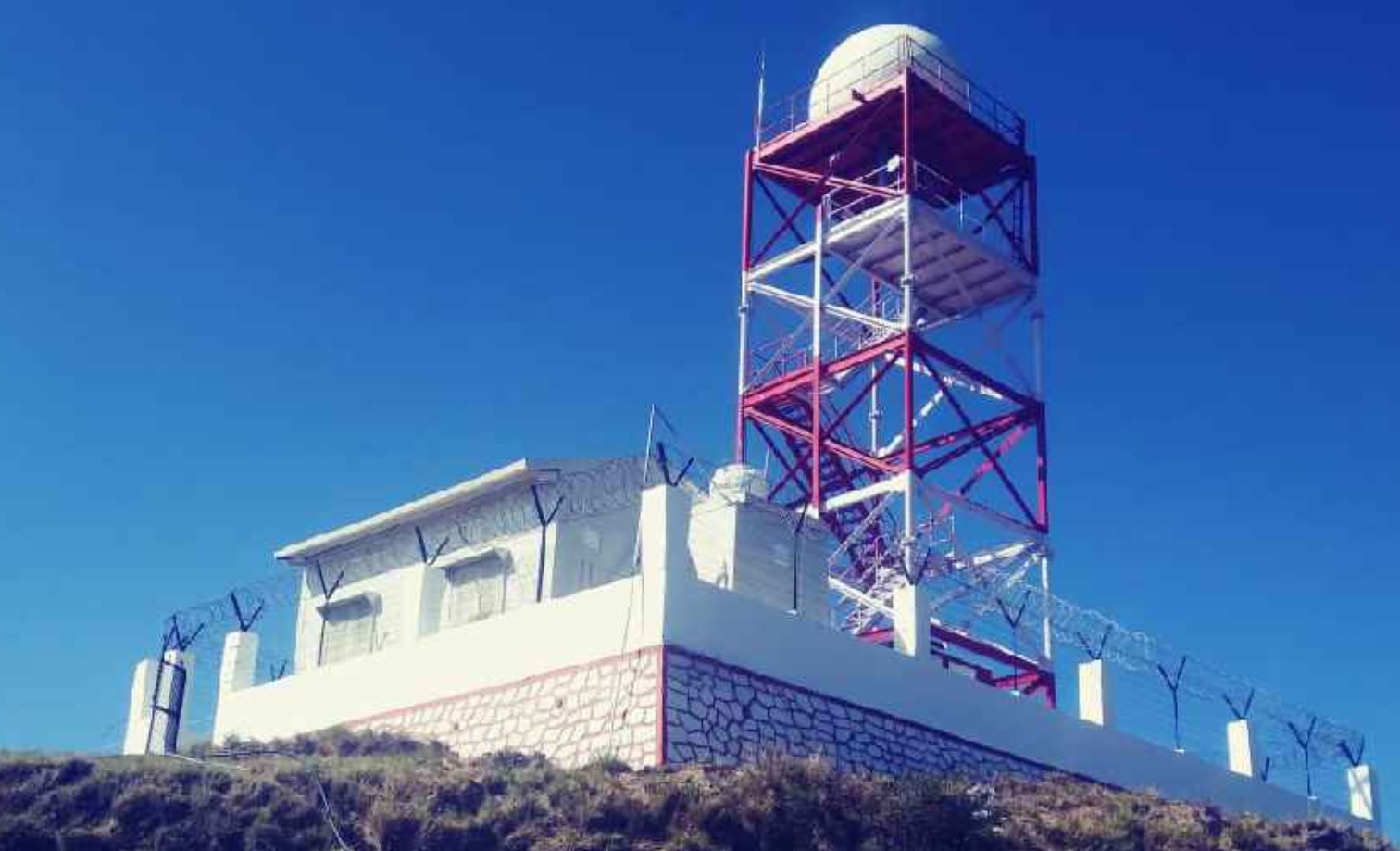
In response to recent weather challenges, the India Meteorological Department (IMD) is installing a state-of-the-art X-band dual-polarized Doppler Weather Radar (DWR) in Nagpur. This initiative aims to enhance the city’s weather monitoring capabilities, especially during the monsoon season.

Current Weather Monitoring in Nagpur

Nagpur currently relies on an S-Band DWR located at Dr. Babasaheb Ambedkar International Airport, managed by the Regional Meteorological Centre (RMC). This radar covers a range of up to 500 km, providing essential data for weather forecasting.

Need for the New X-Band Radar

In recent years, Nagpur has experienced several cloudbursts during the monsoon, leading to technical challenges with the existing S-Band radar. To address potential breakdowns and ensure continuous monitoring, the IMD has decided to introduce an additional DWR in the city.

Advantages of the ‘Made in India’ X-Band Radar

The upcoming X-Band DWR offers several benefits:

  • Enhanced Efficiency: Being indigenously developed, it promises better performance and easier maintenance compared to the existing Chinese-made S-Band radar.
  • Dual Polarization: This feature allows the radar to transmit and receive both horizontal and vertical polarizations simultaneously, providing clearer and more accurate data.
  • High Resolution: While its range is between 100 to 150 km, the X-Band radar delivers high-resolution data, making it ideal for detailed local weather analysis.

Technical Specifications

The new radar operates within a frequency range of 9300 to 9500 MHz and is capable of detecting and estimating meteorological parameters associated with severe weather phenomena. It will also integrate with a Radar Calibration Station situated 25-30 km away, ensuring data accuracy.

Operational Advantages

Unlike the single polarization capability of the existing S-Band radar, the new X-Band radar’s dual polarization will enhance its ability to analyze precipitation types and improve overall weather prediction accuracy. Additionally, the system will be fully computer-controlled and remotely manageable, with data processing completed within eight minutes.

The installation of the advanced ‘Made in India’ X-Band Doppler Weather Radar in Nagpur marks a significant step forward in the city’s meteorological infrastructure. This development will bolster the IMD’s ability to monitor and predict severe weather events, ensuring better preparedness and response for Nagpur’s residents.

  1. What is the primary purpose of the new X-Band Doppler Weather Radar in Nagpur?

    The new radar aims to enhance weather monitoring and forecasting capabilities, especially during severe weather events like cloudbursts.

  2. How does the X-Band radar differ from the existing S-Band radar in Nagpur?

    The X-Band radar offers dual polarization and higher resolution data, covering a range of 100-150 km, whereas the S-Band radar has a longer range of up to 500 km but with single polarization.

  3. Why is dual polarization important in weather radars?

    Dual polarization allows the radar to transmit and receive both horizontal and vertical signals, providing more detailed information about precipitation types and improving forecast accuracy.

  4. Will the new radar replace the existing S-Band radar?

    No, the new X-Band radar will complement the existing S-Band radar, ensuring continuous monitoring even if one system encounters technical issues.

  5. When is the new X-Band radar expected to be operational in Nagpur?

    The IMD has already placed the order for the radar, and it is expected to be installed and operational soon, although specific timelines have not been disclosed.

NMC’s ₹17.47 Lakh Initiative: Illuminating the Narendra Nagar Flyover

The Nagpur Municipal Corporation (NMC) has embarked on a commendable project titled “Landscape Development By Electrification,” aiming to revitalize the area beneath the Narendra Nagar flyover. With an allocated budget of ₹17.47 lakh, this initiative focuses on installing advanced LED lighting systems to enhance safety and aesthetics.

Project Overview

Objective and Scope

The primary goal is to transform the underutilized space beneath the flyover into a well-lit, secure, and visually appealing area. This involves:

  • Installation of Steel Poles: Durable structures to support the lighting fixtures.
  • Deployment of LED Lights: Energy-efficient lights to ensure bright and consistent illumination.
  • Integration of Electrical Equipment: Modern systems to support and manage the lighting infrastructure.

Contractor Participation

NMC has stipulated that only licensed electrical contractors registered with its Lighting Department are eligible to undertake this project. Interested contractors must:

  • Submit a Non-Refundable Earnest Money Deposit (EMD): Set at ₹17,500.
  • Provide a Security Deposit: Equivalent to 2% of the total project cost.

Timeline and Maintenance

The project is slated for completion within 120 days. Post-completion, a one-year defect liability period will be in effect, during which the contractor is responsible for ensuring the proper functioning of all installations.

Significance of the Project

Enhancing Safety

Improved lighting is crucial for urban safety. Well-lit areas deter criminal activities and reduce the risk of accidents, especially during nighttime. The Narendra Nagar flyover, being a significant transit point, will benefit from enhanced visibility, ensuring safer passage for pedestrians and vehicles alike.

Urban Aesthetics

Beyond safety, the aesthetic appeal of urban spaces plays a vital role in the quality of life. The introduction of LED lighting will not only brighten the area but also add a modern touch, making the space more inviting for residents and visitors.

NMC’s Commitment to Urban Development

This project is a testament to NMC’s ongoing efforts to improve urban infrastructure. By focusing on both functionality and aesthetics, NMC aims to create spaces that are safe, efficient, and pleasing to the eye.

The “Landscape Development By Electrification” project under the Narendra Nagar flyover is a significant step towards urban renewal in Nagpur. With a clear focus on safety and aesthetics, NMC is paving the way for a brighter and more secure urban environment.

  1. What is the budget for the LED lighting project under the Narendra Nagar flyover?
    • The project has a budget of ₹17.47 lakh.
  2. Who can undertake the project work?
    • Only licensed electrical contractors registered with NMC’s Lighting Department are eligible.
  3. What is the expected completion time for the project?
    • The project is expected to be completed within 120 days.
  4. Is there a maintenance period after project completion?
    • Yes, there is a one-year defect liability period during which the contractor must ensure all installations function properly.
  5. What are the main components of the project?
    • The project includes the installation of steel poles, LED lights, and other necessary electrical equipment.
Exit mobile version