NHAI’s Complex Rs998 Crore Indora to Dighori Project Gains Momentum

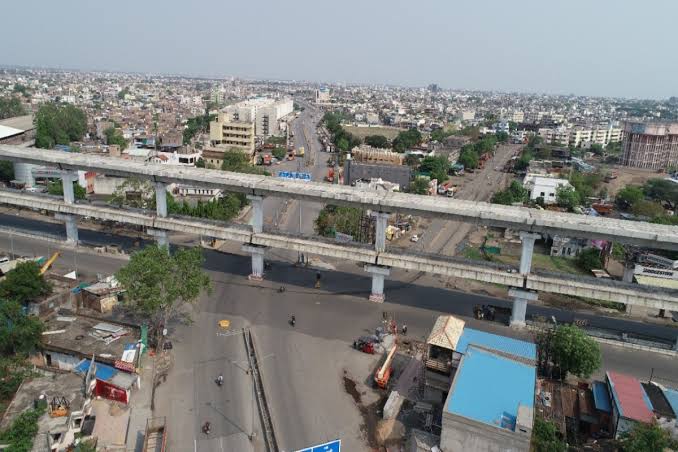
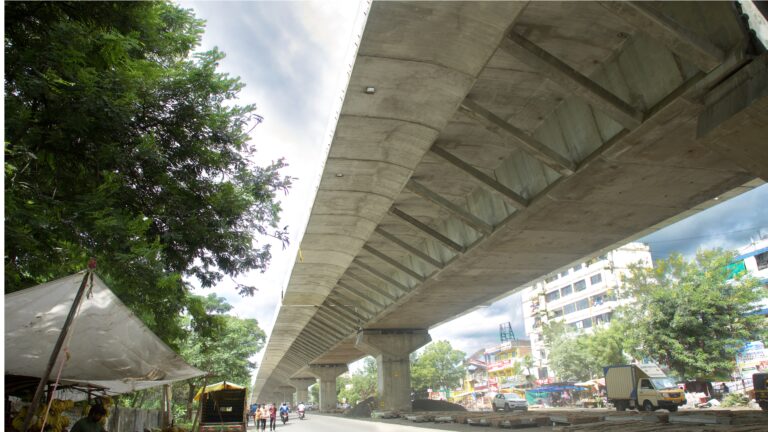
Indora to Dighori Flyover: Nagpur is witnessing a transformative infrastructure development with the Rs998 crore Indora to Dighori flyovers project. Spearheaded by the National Highway Authority of India (NHAI), this ambitious initiative is set to decongest North and South Nagpur. Once completed, the travel time from Indora to Dighori will be reduced from nearly an hour during peak hours to just 15 minutes. The project includes two strategically designed flyovers to enhance traffic flow, and NHAI aims to complete the work by December 2025, ahead of the official June 2026 deadline.


Project Overview |Indora to Dighori Flyover

What is the Indora to Dighori Project?

The Indora to Dighori project is a high-priority infrastructure plan designed to alleviate traffic congestion in Nagpur. This initiative involves the construction of two flyovers spanning crucial intersections and roadways, significantly improving traffic movement and connectivity.

Project Cost and Funding

With an investment of Rs998 crore, this project is among the largest undertaken by NHAI in Nagpur. The funding covers construction, utility shifting, and overcoming various logistical challenges.


Key Features of the Project

Two Major Flyovers

The project consists of two flyovers to facilitate seamless travel:

  • First Flyover: A 4km stretch from Kamal Chowk to Reshimbagh Square.
  • Second Flyover: A 2.2km stretch from Bhande Plot Square to Dighori Square.

Road Under Bridges (RuBs)

Two RuBs will be constructed at level crossings 571 and 572 under the existing Pachpaoli Flyover, eliminating traffic halts at railway crossings.

No Land Acquisition Required

Remarkably, NHAI has ensured that the project proceeds without acquiring any additional land, optimizing existing road space.


Detailed Breakdown of Flyovers

First Flyover: Kamal Chowk to Reshimbagh Square

  • Starts before Kamal Square.
  • Passes through Golibar Square, Lal Imli Square, Agrasen Square, Gandhi Gate, and Ashok Square.
  • Features three landing points at Ashok Square for Nandanvan, Bus Stand, and GMCH.
  • Two down ramps near Daga Hospital for easy access.
  • Replaces the existing Pachpaoli Flyover.
  • Lands just before the Sakkardara Flyover.

Second Flyover: Bhande Plot Square to Dighori Square

  • Starts after the Sakkardara Flyover.
  • Passes over Bhande Plot Square, Shitlamata Square, and Dighori Square.
  • Includes an up-and-down ramp at Taj Bagh.
  • Overpasses the existing Dighori Chowk Flyover.
  • Ends a short distance ahead towards Umred Road.

Project Benefits Indora to Dighori Flyover

Massive Reduction in Travel Time

Motorists will experience an uninterrupted, signal-free commute from Kamal Chowk to Dighori, cutting down travel time significantly.

Improved Traffic Flow

By elevating vehicle movement above congested streets, the flyovers will prevent traffic snarls and improve road safety.

Enhanced Commuter Convenience

With strategically placed ramps and access points, daily commuters, emergency vehicles, and public transport will benefit immensely.


Challenges Faced in Implementation

Encroachments and Congested Areas

Implementing such a large-scale project in densely populated zones is a major challenge.

Utility Shifting

Relocation of underground utilities, power lines, and water pipelines is crucial to ensure seamless construction.

Minimizing Traffic Disruptions

Maintaining smooth traffic flow while construction is underway is a priority for NHAI.


Timeline and Completion Goals

Project Timeline

  • 2022: Tender awarded.
  • June 2026: Official deadline.
  • December 2025: Targeted early completion.

NHAI is expediting construction efforts to complete the project well ahead of schedule.


The Indora to Dighori flyovers project is set to redefine Nagpur’s road infrastructure. With efficient planning and execution, NHAI aims to ease congestion, improve commute times, and enhance overall road safety. As the project progresses, Nagpur residents can look forward to a faster, smoother, and hassle-free travel experience.


1. When is the Indora to Dighori Flyover project expected to be completed?

The official deadline is June 2026, but NHAI is aiming for an early completion by December 2025.

2. What is the total cost of the project?

The project is estimated to cost Rs998 crore.

3. How many flyovers are being built?

Two flyovers are being constructed: a 4km stretch from Kamal Chowk to Reshimbagh Square and a 2.2km stretch from Bhande Plot Square to Dighori Square.

4. Will there be any traffic signals on the flyovers?

No, vehicles traveling from Kamal Chowk to Dighori will experience a signal-free journey.

5. Is land acquisition required for this project?

No, NHAI has designed the project to utilize existing road space without requiring additional land.

Mumbai-Nagpur Samruddhi Expressway: Final Stretch Fully Complete, All Set To Open In March

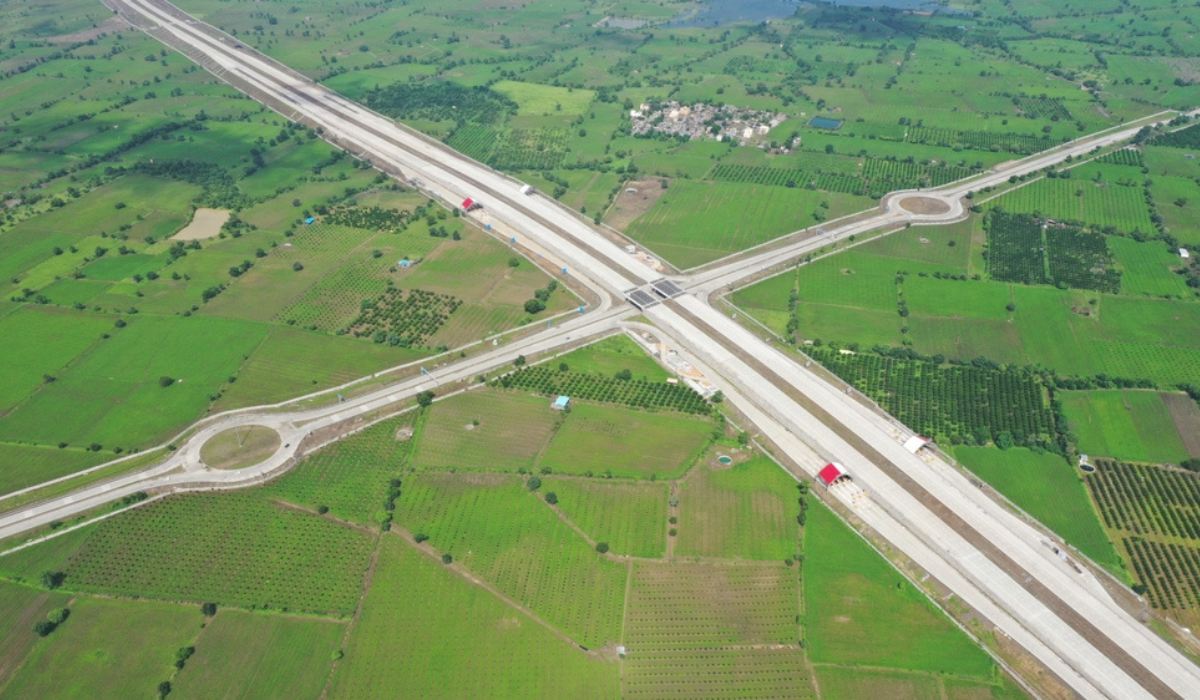
The long-awaited Mumbai-Nagpur Samruddhi Expressway is now fully complete, with the last 76 km of the 701-km expressway ready for operation. This key infrastructure project, spearheaded by Devendra Fadnavis, will soon open to the public, revolutionizing travel between Mumbai and Nagpur.

Mumbai-Nagpur Samruddhi Expressway: An Overview

What is the Samruddhi Expressway?

The Mumbai-Nagpur Samruddhi Expressway, officially known as the Hindu Hrudaysamrat Balasaheb Thackeray Maharashtra Samruddhi Mahamarg, is a 701-km long highway aimed at improving connectivity and boosting economic growth in Maharashtra.

Why is This Expressway Important?

  • Reduces travel time between Mumbai and Nagpur from 16 hours to just 8 hours.
  • Enhances connectivity between JNPT in Mumbai and Nagpur Multimodal International Airport.
  • Provides a direct link for industries, businesses, and logistics hubs.

Final Stretch Ready for Public Use

Current Status of the Project

  • Total Length: 701 km
  • Operational Length: 625 km already in use
  • Final Stretch: 76 km fully completed
  • Expected Opening Date: Mid-March 2025

Pending Work on Connecting Road

Although the expressway is ready, the connecting road built by the National Highway Authority of India (NHAI) is still under construction and expected to be completed by March 10, 2025.

Impact on Travel and Economy

Faster Commutes and Economic Growth

  • The expressway will cut down travel time significantly, making it a preferred route for commuters and businesses.
  • Expected to boost tourism and trade in Maharashtra, encouraging investment in surrounding areas.

Improved Safety Measures

  • Designed with advanced traffic management systems.
  • Equipped with emergency response services for road safety.

Key Milestones in the Project

Phased Inauguration of the Expressway

  • December 11, 2022: PM Narendra Modi inaugurated the 520-km stretch between Nagpur and Shirdi.
  • May 23, 2023: CM Eknath Shinde opened the 105-km section from Shirdi to Bharvir.
  • March 4, 2024: A 25-km section from Bharvir to Igatpuri was opened.

What Makes This Expressway Unique?

Smart Infrastructure and Features

  • Multiple Lanes: Ensures smooth traffic flow without congestion.
  • Eco-Friendly Measures: Includes green corridors and wildlife crossings.
  • Fuel and Rest Stations: Strategically placed at regular intervals for convenience.

Toll System and Charges

  • The toll charges will be based on the distance traveled.
  • Electronic toll collection systems will be implemented to reduce waiting time.

Public Reaction and Expectations

Excitement Among Motorists

  • Travelers are eager to experience faster and smoother road trips between Mumbai and Nagpur.
  • Business owners anticipate improved logistics and supply chain management.

Challenges and Concerns

  • Regular maintenance and monitoring will be essential to ensure road safety.
  • Concerns about toll prices affecting affordability for daily commuters.

The Mumbai-Nagpur Samruddhi Expressway is a game-changer for Maharashtra’s transport and economic landscape. With the final stretch now complete, the expressway promises to offer a faster, safer, and more efficient travel experience. As the last-minute touch-ups wrap up, Maharashtra is set to welcome this monumental infrastructure upgrade with open arms.

1. When will the Mumbai-Nagpur Samruddhi Expressway be fully open?

The expressway is expected to be fully operational by mid-March 2025.

2. How much will the toll charges be?

Toll charges will be distance-based, with electronic toll collection ensuring smooth transactions.

3. How long will it take to travel between Mumbai and Nagpur?

The travel time will be reduced from 16 hours to just 8 hours.

4. Are there any safety measures in place?

Yes, the expressway is equipped with advanced traffic management systems and emergency response services.

5. What are the economic benefits of this expressway?

The expressway will boost trade, tourism, and connectivity, attracting investments in Maharashtra.

Wathoda Police Register Case in Pardi Incident, Issue Notice to NHAI

Wathoda Police Station | Pardi Flyover Incident Nagpur: The recent incident at Nagpur’s newly inaugurated Pardi flyover has raised significant concerns about infrastructure safety. On Friday, a concrete chunk fell on a moving car, shattering its roof and windshield. The Wathoda police Station have since registered a case and are set to issue a notice to the National Highway Authority of India (NHAI) for accountability. This article delves into the incident, the authorities’ response, and the broader implications of such infrastructure failures.

Incident Overview

Concrete Chunk Falls on Moving SUV

On Friday afternoon, Vishesh Shrivastav was driving his SUV when an 8kg concrete chunk fell from the Pardi flyover, completely shattering his car’s windshield and roof. Fortunately, no casualties were reported, but the incident raised alarms about the structural integrity of the newly opened flyover.

Immediate Response by Authorities

Following the mishap, NHAI officials swiftly closed the Manewada and Central Avenue arms of the Pardi flyover. They also removed the loose concrete from the expansion joint to prevent further occurrences. However, concerns regarding the safety of the flyover continue to mount.

Legal Action Taken

Case Registered Under Bharatiya Nyaya Sanhita (BNS)

Wathoda police, led by Senior PI Harish Borade, have filed a case under section 324(5) of the BNS. While no specific individual has been held responsible yet, an investigation is underway to determine accountability.

Notice to NHAI for Accountability

The police will soon issue a notice to NHAI officials, demanding answers regarding the incident. If negligence is found, legal action may be taken against those responsible.

Another Incident on Pardi Flyover

Heavy Vehicle Accident on Central Avenue Arm

On Saturday, just a day after the concrete mishap, a heavy vehicle accident led to further traffic chaos. A truck carrying soil lost control after its front tire burst, causing it to cross the divider and ram into the side wall. The accident blocked one side of the flyover for several hours until a crane was brought in to remove the vehicle.

Police Response and Traffic Management

Senior PI Vinayak Koli of Nandanvan police station confirmed that no case had been registered yet for the truck accident. However, the mishap led to major traffic disruptions in the area.

Structural Concerns and Expert Opinions

Is the Pardi Flyover Structurally Safe?

NHAI sources insist that the flyover is structurally sound and that the falling concrete was an isolated issue. However, given the series of incidents within days of its opening, concerns remain high.

Expert Views on Flyover Construction

Infrastructure experts have pointed out that premature failures like falling concrete often result from rushed construction, substandard materials, or improper expansion joint maintenance. A thorough inspection of the flyover’s structural integrity is now essential.

Public Reactions and Concerns

Citizens Demand Accountability

Residents of Nagpur have voiced their concerns over social media, questioning how a newly constructed flyover could already be facing such critical issues. Many are demanding a comprehensive safety audit.

Impact on Daily Commuters

The recent mishaps have significantly impacted daily commuters, leading to delays, detours, and overall inconvenience. The trust in newly constructed infrastructure has taken a hit.

Government and NHAI’s Next Steps

Planned Inspections and Repairs

In response to public pressure, authorities are likely to conduct further inspections and maintenance work to ensure the flyover’s safety.

Policy Changes for Future Projects

The incident may lead to stricter quality checks and monitoring of ongoing infrastructure projects to prevent such failures in the future.

The Pardi flyover incidents have sparked serious concerns regarding infrastructure safety and accountability. With a police investigation underway and NHAI under scrutiny, it remains to be seen what measures will be implemented to prevent such occurrences in the future. Public demand for safer roads and stricter regulations on construction quality has never been louder.

1. What action has Wathoda police Station taken in the Pardi flyover incident?

The police have registered a case under section 324(5) of the Bharatiya Nyaya Sanhita and are set to issue a notice to NHAI officials.

2. Why did the concrete chunk fall from the flyover?

The exact cause is still under investigation, but experts suspect poor construction quality or maintenance issues.

3. Has NHAI admitted any fault?

NHAI maintains that the bridge is structurally strong and claims the incident was an isolated case.

4. How did the truck accident on the flyover occur?

A truck carrying soil lost control after its front tire burst, crossed the divider, and crashed into the side wall, blocking one side of the flyover.

5. What steps are being taken to ensure safety?

Authorities are expected to conduct inspections, remove weak structural elements, and implement stricter quality controls for future projects.

Futala Lake Survey to Remove Encroachments

Nagpur: The upcoming survey of Futala Lake is a landmark event, marking the first detailed measurement of the area in a century. With concerns over illegal encroachments and unauthorized constructions, authorities are now taking stringent action to reclaim government land and restore the lake to its original state.

Why is the Survey Necessary?

Futala Lake and its catchment area have suffered from increasing encroachments over the years. Reports from 2022 highlighted the illegal occupation of government land, prompting a much-needed intervention.

Survey Details and Coverage

  • Survey Dates: February 24-25, 2025
  • Total Area: 63.42 acres
  • Lake Area: 57.30 acres (PWD Division One, Nagpur Circle)
  • Catchment Area: 6.12 acres (Owned by MAFSU)

Key Concerns Addressed by the Survey

  • Identifying encroachments on government land
  • Reclaiming unauthorized private property
  • Legal action against illegal structures

Authorities Leading the Survey

Following a directive by Guardian Minister Chandrashekhar Bawankule, officials from the Nagpur Municipal Corporation (NMC), Public Works Department (PWD), and Maharashtra Animal & Fishery Sciences University (MAFSU) are involved in this large-scale operation.

Legal Actions and Evictions

Authorities have already initiated legal proceedings against offenders. Eviction notices have been issued, and demolition drives are expected for unauthorized constructions.

Major Legal Actions Taken

  • Cases registered against Kamlesh Chaudhary, Meena Chaudhary, and Mukesh Chaudhary under multiple legal provisions.
  • Demolition of an illegal restaurant linked to the Chaudhary family in 2023.
  • Further legal scrutiny under the Environment Protection Act and MRTP Act.

Impact of Encroachments on Futala Lake

Encroachments around Futala Lake have led to:

  • Reduction in water retention capacity
  • Blocked natural drainage systems
  • Environmental degradation
  • Loss of public space for citizens

Government’s Commitment to Restoration

Authorities are determined to restore Futala Lake by removing all illegal occupations. The reclaimed land will be protected from future encroachments.

Challenges in the Survey Process

  • Resistance from encroachers
  • Legal hurdles and prolonged court cases
  • Ensuring long-term protection of reclaimed land

Community Involvement in Conservation

Public participation is crucial in keeping Futala Lake free from encroachments. Citizen awareness and regular monitoring can prevent further illegal construction.

Expected Outcomes of the Survey

  • Clear demarcation of government land
  • Reinstatement of Futala Lake’s original boundaries
  • Improved water conservation efforts
  • Legal accountability for encroachers

The Futala Lake survey is a critical step toward protecting this historic water body from encroachments. With government action and community involvement, Futala Lake can be preserved for future generations.

1. What is the main objective of the Futala Lake survey?

The survey aims to identify and remove illegal encroachments, reclaim government land, and take legal action against unauthorized constructions.

2. Who is responsible for conducting the survey?

The City Survey Department, along with PWD, NMC, and MAFSU, is leading the initiative under government directives.

3. What legal actions have been taken against encroachers?

Cases have been registered under the Environment Protection Act, MRTP Act, and other relevant laws, leading to demolitions and legal proceedings.

4. How will the survey benefit the environment?

Reclaiming the lake area will improve water retention, restore natural drainage, and prevent further environmental degradation.

5. How can the public contribute to Futala Lake conservation?

Citizens can report illegal activities, participate in awareness drives, and support government efforts to protect the lake.

Butibori Flyover Repair to Take 45 Days, Causing Daily 2-Km Traffic Jams on Wardha Road

The collapse of the Butibori flyover on December 24 has caused major disruptions for commuters on Wardha Road (nagpur). An overloaded truck was identified as the primary reason for the structural failure. Since then, the bridge has remained closed, leading to severe traffic congestion. Authorities have now announced that repair work will commence in 10 days and take 45 days to complete.

The Butibori Flyover Collapse: What Went Wrong?

The collapse of this critical bridge raised serious concerns about construction quality and oversight. The flyover, originally built under the supervision of then-NHAI Project Director Nitin Yeotkar, failed due to overloading. A delayed expert report confirmed that the bridge could not withstand the excessive load.

Overloading and Structural Weakness

A 187-tonne truck was reportedly responsible for the incident. Despite NHAI’s assurance of an FIR against the truck operator, there is no confirmation of legal action.

Expert Report and Investigation

An investigation by NHAI’s expert team took weeks to conclude. Their report, while ready, has not been fully disclosed, leaving commuters in the dark about the exact reasons for the failure.

Impact on Traffic: A Daily Nightmare

Two-Kilometer Traffic Jams

With the flyover closed, a 2-km-long traffic jam from Butibori Square to Dongargaon has become a daily struggle. Commuters are left frustrated, spending extra hours on the road.

Alternative Routes Make Things Worse

Earlier, vehicles traveled directly from MIDC to Wardha Road. Now, they are forced to divert through the Butibori intersection, exacerbating congestion.

No Relief from Toll Collection

Despite the inconvenience, toll collection continues, leading to growing resentment among travelers who see no immediate relief.

Timeline for Repair Work

According to NHAI Regional Officer RP Singh, the flyover repairs will begin in 10 days and take approximately 45 days to complete. Once restored, normal traffic flow should resume.

Safety Concerns and Public Outcry

Need for Improved Construction Quality

Residents and commuters demand better construction practices to prevent such failures in the future. The flyover must be rigorously tested for safety before reopening.

Fatal Accidents Amidst Chaos

On January 18, a bike rider lost his life at Butibori intersection, highlighting the risks caused by diversions and poor traffic management.

Government Response and Accountability

While NHAI has outlined a repair plan, citizens are questioning the lack of accountability. Who should be held responsible for the structural failure? And will stronger policies be implemented to prevent similar incidents?

The Butibori flyover collapse has caused significant disruptions, with long traffic jams, increased commuting times, and safety risks. While repair work is scheduled, the key question remains—will authorities ensure better quality this time? Only time will tell if lessons have truly been learned.

1. Why did the Butibori flyover collapse?

The flyover collapsed due to overloading, with a 187-tonne truck exerting excessive stress on the structure.

2. When will the repair work begin and end?

Repair work will commence in 10 days and is expected to be completed in 45 days.

3. How is the traffic being managed during the closure?

Traffic has been diverted through the Butibori intersection, causing daily 2-km-long jams.

4. Is the NHAI taking responsibility for the failure?

An expert report has been prepared, but details remain undisclosed. No clear accountability has been established yet.

5. Will there be any improvements in the flyover’s construction?

Local residents demand better construction and safety tests before reopening, but it remains to be seen if authorities will implement these changes.

Pardi Flyover Now Fully Operational, NHAI Opens Two Arms on Trial Basis

The long-awaited Pardi flyover in Nagpur is now fully functional, bringing much-needed relief to commuters. Nine years after construction began, the National Highways Authority of India (NHAI) has finally opened all five arms of the flyover. The last two remaining arms, connecting Central Avenue and Manewada, were opened on a trial basis to assess traffic flow.

The Pardi Flyover Project: An Overview

The Pardi flyover was envisioned as a solution to Nagpur’s growing traffic congestion, especially in East Nagpur. Spanning 7 km, this multi-armed structure has been a significant infrastructure project aimed at streamlining vehicular movement.

A Multi-Armed Design for Maximum Efficiency

Nicknamed ‘Kekda’ (crab) by engineers due to its five-armed structure, the flyover is a crucial link connecting Itwari, Kalamna, Bhandara Road, Central Avenue, and Manewada.

A Timeline of Delays and Challenges

The project faced numerous obstacles, pushing its completion nearly a decade beyond the initial deadline.

2016: The Beginning

Construction officially commenced in 2016, with an initial budget of ₹450 crore.

2021: A Major Setback

In 2021, a portion of the flyover collapsed, causing further delays and increasing safety concerns. The incident led to an extensive review and redesign of certain structural elements.

2023: Partial Opening

In September 2023, three of the five arms were made operational, easing traffic on some routes while work continued on the remaining sections.

2024: Full Completion

The final two arms were opened in February 2024 on a trial basis, marking the complete functionality of the flyover.

How the Pardi Flyover Will Improve Traffic Flow

With all five arms operational, commuters can expect smoother travel across East Nagpur.

Reduced Congestion

The flyover eliminates multiple bottlenecks, significantly cutting down travel time during peak hours.

Improved Road Safety

By diverting high-speed traffic above ground, the flyover reduces the risk of accidents at intersections.

Better Connectivity

It establishes faster routes between key areas like Itwari, Kalamna, and Bhandara Road, enhancing accessibility for both daily commuters and commercial transport.

Financial Aspects: Cost Overruns and Budget Adjustments

Initially planned at ₹450 crore, the prolonged delays and redesigns pushed the project cost to ₹600 crore. Factors like rising material costs and labor expenses contributed to the budget escalation.

NHAI’s Trial Run: What It Means for Commuters

The final two arms have been opened temporarily to monitor traffic patterns. NHAI will assess congestion levels, traffic behavior, and safety before giving a final nod to permanent operations.

Public Reactions and Feedback

Commuters and local businesses have mixed reactions to the flyover’s completion:

  • Positive Reactions: Many praise the decongestion benefits, noting significant travel time reductions.
  • Concerns: Some motorists worry about potential bottlenecks at merging points, urging authorities to optimize lane management.

Future Infrastructure Plans in Nagpur

With the Pardi flyover operational, NHAI has its sights set on further improving Nagpur’s road network. Upcoming projects include additional flyovers and expressways aimed at making the city traffic-friendly.

The full operation of the Pardi flyover marks a milestone in Nagpur’s urban infrastructure development. Despite years of setbacks, the project’s completion brings significant benefits to commuters. With NHAI monitoring its impact, the flyover is expected to reshape traffic dynamics in the region for years to come.

1. Why was the Pardi flyover delayed for so long?

The project faced multiple challenges, including design changes, a bridge collapse in 2021, and rising construction costs, all of which contributed to delays.

2. How will the Pardi flyover help in reducing traffic congestion?

By providing a direct elevated route across major intersections, it prevents bottlenecks and ensures smoother traffic movement in East Nagpur.

3. What are the key routes connected by the flyover?

The flyover links Itwari, Kalamna, Bhandara Road, Central Avenue, and Manewada, improving connectivity in Nagpur’s eastern corridor.

4. What happens after the trial run of the last two arms?

NHAI will monitor traffic conditions for at least a month before deciding on permanent operational strategies.

5. How much did the Pardi flyover cost?

The initial estimate was ₹450 crore, but delays and structural modifications pushed the total cost to ₹600 crore.

Exclusive Library for Tribal Students to Be Established in Nagpur: Dr. Uike

Dr Ashok Uike: In a significant move to uplift the educational standards of tribal students in Maharashtra, the state government has announced the establishment of a central library in Nagpur exclusively for them. This initiative, spearheaded by State Tribal Development Minister Dr. Ashok Uike, aims to provide advanced facilities and a vast collection of books to assist tribal students in preparing for competitive examinations. Importantly, this facility will be free of cost for these students.

A Vision for Educational Empowerment

Advanced Facilities for Holistic Learning

The proposed library is not just a repository of books; it’s envisioned as a comprehensive learning hub. Equipped with modern amenities, it will offer:

  • Digital Resources: Access to online journals, e-books, and educational databases.
  • Study Rooms: Quiet and comfortable spaces conducive to focused study sessions.
  • Workshops and Seminars: Regular events to enhance skills and knowledge.

Free Access to Knowledge

Understanding the financial constraints faced by many tribal students, the government has ensured that all services provided by the library will be free. This move is expected to alleviate the economic burden and encourage more students to pursue higher education and competitive exams.

Historical Context and Future Plans

Revival of the Tribal Museum Project | Dr Ashok Uike

Years ago, a tribal museum was planned at Suraburdi in Nagpur. However, due to political interventions, the project was shifted to Parseoni and eventually stalled. Addressing this, Dr. Uike stated, “Chief Minister Devendra Fadnavis has given all of us a 100-day plan, and this project is part of it. We will perform bhoomipujan of this museum in mid-April this year.”

Government’s Commitment to Tribal Welfare

Dr. Uike praised Chief Minister Fadnavis for his dedication to tribal affairs, highlighting that it was under his leadership that the recommendations of the Sukhtankar Committee on tribal issues were implemented. The state government allocates significant funds annually for various projects aimed at the welfare of the tribal community. Despite these efforts, challenges persist in certain areas.

Enhancing Tribal Education Infrastructure

Feedback-Driven Improvements

The Tribal Development Department has undertaken visits to tribal hostels and ashramshalas to gather feedback directly from students. Based on these insights, plans are underway to improve living conditions and educational facilities in these institutions.

Budgetary Allocations

In the fiscal year 2024-25, a provision of Rs 17,200 crore was made for the Tribal Department. Dr. Uike has requested a 10% increase in this allocation for the current year, emphasizing the Chief Minister’s special commitment to the tribal community.

Recognizing Unique Tribal Talents

Tailored Schemes for Diverse Skills

Dr. Uike acknowledged the unique qualities and artistic skills of the tribals in Gadchiroli. He emphasized the need for schemes tailored to the specific talents and preferences of tribal communities in different regions.

Digital Advancements in Tribal Education

Establishment of Digital Schools

As per the Chief Minister’s directives, 100 digital schools are set to be established for tribal students within 100 days. This initiative aims to bridge the digital divide and provide quality education to tribal students across the state.

Formation of a State Tribal Commission

Efforts are also underway to create a separate commission for tribal people in the state, akin to the Central Government’s Tribal Commission. This body will focus on addressing the unique challenges faced by the tribal population and ensuring their rights and welfare are prioritized.

The establishment of an exclusive library in Nagpur marks a significant milestone in the Maharashtra government’s ongoing efforts to empower tribal students. By providing free access to advanced educational resources, the state aims to bridge the educational gap and pave the way for a brighter future for its tribal communities.

  1. What facilities will the exclusive library offer to tribal students?

    • The library will provide digital resources, study rooms, and host workshops and seminars, all free of cost.
  2. When is the tribal museum project expected to commence?

    • The bhoomipujan for the tribal museum is scheduled for mid-April this year.
  3. How is the government addressing the unique talents of tribals in Gadchiroli?

    • Tailored schemes are being developed to suit the specific skills and preferences of the tribals in different regions, including Gadchiroli.
  4. What steps are being taken to digitize tribal education?

    • The government plans to establish 100 digital schools for tribal students within 100 days to enhance digital learning.
  5. Is there a proposal for a state-level commission for tribal affairs?

    • Yes, efforts are underway to create a separate state commission for tribal people, similar to the Central Government’s Tribal Commission.

Pardi Flyover’s Long-Awaited Arms to Open for Traffic on Thursday

Nagpur: The residents of Nagpur have a reason to celebrate as the much-anticipated arms of the Pardi Flyover are set to open for vehicular movement this Thursday. This development marks the full completion of the Pardi Flyover project, including the Railway Over Bridge (RoB) and Railway Under Bridge (RuB), as announced by MLA Krishna Khopde.

Inauguration Ceremony Details

A formal inauguration ceremony is scheduled for 10:30 AM in front of D2D Super Bazar at Wardhaman Nagar. Esteemed citizens such as Purshottam Malu, Govind Poddar, and Raju Agrawal will join MLA Khopde in dedicating this infrastructure marvel to the public. Notably, just two days prior, Union Minister Nitin Gadkari and Chief Minister Devendra Fadnavis conducted a trial run on the newly completed flyover arms, signaling their readiness for public use.

Alleviating Traffic Woes at Pardi Junction

Historical Traffic Challenges

Pardi Junction, situated on Bhandara Road, has long been a bottleneck for commuters. The proximity to the Agriculture Produce Market Committee (APMC) mega market in Kalamna and the Small Factory Area on Bhandara Road results in continuous heavy vehicle movement. This influx has historically led to severe traffic congestion, making daily commutes a daunting task for residents and traders alike.

Strategic Importance of the Flyover

The Pardi Flyover serves as a critical infrastructure project aimed at decongesting this pivotal junction. By providing elevated pathways, the flyover facilitates smoother traffic flow, effectively segregating heavy vehicles from regular commuter traffic. This separation is expected to reduce travel time and enhance road safety for all users.

Project Execution and Challenges

Role of the National Highway Authority of India (NHAI)

Entrusted with the mission to streamline traffic movement and offer relief to commuters, the National Highway Authority of India (NHAI) spearheaded the Pardi Flyover Nagpur project. Their mandate was to design and execute a solution that addressed the unique traffic dynamics of the region.

Design Modifications and Land Acquisition Hurdles

The project was not without its challenges. The original design underwent multiple revisions to better align with on-ground realities and stakeholder feedback. Additionally, delays in acquiring private land parcels essential for the flyover’s construction further extended the project’s timeline. These hurdles, while significant, were systematically addressed to bring the project to fruition.

Key Features of the Pardi Flyover

Structural Highlights

  • Length and Design: The flyover spans a considerable length, incorporating modern engineering techniques to ensure durability and functionality.
  • Connectivity: It boasts arms leading towards Wardhaman Nagar and Wathoda Ring Road, enhancing connectivity to these vital areas.

Safety Measures

  • Railway Over Bridge (RoB) and Under Bridge (RuB): These components ensure uninterrupted traffic flow over and under railway tracks, minimizing potential collision points.
  • Advanced Signage and Lighting: The flyover is equipped with state-of-the-art signage and lighting systems to guide drivers effectively, especially during nighttime.

Anticipated Benefits to the Community

Economic Upliftment

The improved traffic flow is expected to boost local businesses by facilitating easier access to markets and reducing transportation costs. Traders and merchants operating in the APMC mega market and Small Factory Area stand to gain significantly from the reduced congestion.

Enhanced Quality of Life

Residents will experience shorter commute times, leading to increased personal time and reduced vehicular emissions. This development is poised to contribute positively to the overall quality of life in the region.

Comparative Analysis: Pardi Flyover and Other Indian Flyovers

Kanakadurga Flyover, Vijayawada

The Kanakadurga Flyover in Vijayawada, spanning 2.6 km, was inaugurated in 2020 to address traffic congestion near the Kanaka Durga Temple. Similar to the Pardi Flyover, it aimed to decongest a critical junction, enhancing commuter experience.

Maa Flyover, Kolkata

Opened in 2015, the 7.5 km Maa Flyover connects EM Bypass with Park Circus 7-Point Crossing in Kolkata. Its primary objective was to streamline traffic flow in a densely populated urban area, much like the goals set for the Pardi Flyover.

Community Reactions and Future Outlook

Public Sentiment

The inauguration of the Pardi Flyover has been met with widespread approval from local residents, business owners, and daily commuters. Many express optimism that this development will herald a new era of growth and convenience for the region.

Long-Term Projections

Looking ahead, the flyover is expected to serve as a catalyst for further infrastructural developments in Nagpur. Its successful completion sets a precedent for future projects aimed at urban improvement and economic development.

The opening of the Pardi Flyover’s arms is a monumental milestone for Nagpur, promising to alleviate longstanding traffic issues and foster economic growth. As vehicles begin to traverse this new pathway, the city moves towards a future of enhanced connectivity and prosperity.

1. What is the primary purpose of the Pardi Flyover?

The Pardi Flyover aims to decongest the heavily trafficked Pardi Junction on Bhandara Road, facilitating smoother traffic flow and reducing commute times.

2. Who were the key figures involved in the inauguration?

The inauguration ceremony featured MLA Krishna Khopde, Union Minister Nitin Gadkari, Chief Minister Devendra Fadnavis, and esteemed citizens like Purshottam Malu, Govind Poddar, and Raju Agrawal.

3. What challenges did the project face during its execution?

The project encountered challenges such as multiple design revisions and delays in private land acquisition, which extended the completion timeline.

4. How does the Pardi Flyover compare to other flyovers in India?

Similar to the Kanakadurga Flyover in Vijayawada and the Maa Flyover in Kolkata, the Pardi Flyover addresses critical traffic congestion issues, enhancing urban mobility.

5. What benefits can the local community expect from the flyover?

Residents and businesses can anticipate reduced travel times, improved road safety, and economic upliftment due to enhanced connectivity and reduced transportation costs.

Nagpur Airport Runway Recarpeting Nears Completion, Handover to GMR Expected in April

The re-carpeting of the runway at Nagpur Airport is progressing swiftly, with the second layer almost complete and the third layer set to begin within two weeks. However, occasional disruptions occur due to VIP landings on special occasions, slightly affecting the project’s pace.

Progress of Runway Recarpeting

According to airport sources, if the scheduled eight-hour daily work period had been consistently maintained, the runway recarpeting could have been completed by the end of February. The Airports Authority of India (AAI) has assured that the project will be finished by March 31, though the current pace suggests it might be completed a few days ahead of schedule. The new layers have provided the runway with a smoother and shinier surface, enhancing safety and operational efficiency.

Challenges Faced During Recarpeting

Despite the steady progress, the project has faced occasional disruptions. VIP landings on special occasions have necessitated temporary halts in the work, slightly affecting the project’s pace. Maintaining a consistent eight-hour daily work schedule has been challenging, contributing to delays.

Airport Handover to GMR in April

Following the completion of recarpeting in March, Mihan India Limited (MIL) is expected to finalize the necessary documentation by April. As per MIL sources, the airport could be handed over to GMR in April, marking a significant step in the airport’s upgradation to world-class standards.

GMR’s Role in Nagpur Airport’s Development

GMR, which operates several major airports in India, has been entrusted with expanding flight operations from Nagpur. As part of this expansion, plans include the construction of a second runway, which will be 4,000 meters long and 60 meters wide, located within the MIHAN area. Additionally, land has been reserved near this runway for the Nagpur Flying Club, aiming to enhance training flight activities.

Enhancing Safety and Operational Efficiency

The recarpeting project is not just about giving the runway a facelift; it’s a critical measure to enhance safety and operational efficiency. The new layers provide a smoother surface, reducing wear and tear on aircraft and minimizing the risk of foreign object debris.

Community and Economic Impact

The airport’s upgrade is poised to have a positive impact on the local community and economy. Improved infrastructure can attract more airlines and passengers, leading to increased business opportunities and job creation in the region.

Environmental Considerations

While development is essential, it’s crucial to balance it with environmental considerations. The construction of the second runway and other expansions will adhere to environmental guidelines to minimize ecological impact.

Future Prospects

With GMR at the helm, Nagpur Airport is set to transform into a major aviation hub. The planned expansions and upgrades will position it as a key player in the region’s air travel landscape.

The ongoing recarpeting of Nagpur Airport’s runway is nearing completion, with the handover to GMR expected in April. This development marks a significant milestone in enhancing the airport’s infrastructure, safety, and operational efficiency, paving the way for future growth and expansion.

  1. What is the expected completion date for the runway recarpeting at Nagpur Airport?

    • The recarpeting is expected to be completed by March 31, with the possibility of finishing ahead of schedule.
  2. Why have there been delays in the recarpeting project?

    • Occasional VIP landings have caused temporary disruptions, affecting the project’s pace.
  3. What are GMR’s plans for Nagpur Airport after the handover?

    • GMR plans to expand flight operations, including constructing a second runway and enhancing training facilities.
  4. How will the airport’s upgrade impact the local community?

    • The upgrade is expected to boost the local economy by attracting more airlines and passengers, leading to increased business opportunities and job creation.
  5. What measures are being taken to address environmental concerns during the expansion?

    • The construction and expansion plans will adhere to environmental guidelines to minimize ecological impact.

Mumbai-Nagpur Expressway Nears Completion: 76-km Igatpuri-Amane Stretch to Open in March

The much-anticipated Mumbai-Nagpur Expressway is nearing completion, marking a major milestone in Maharashtra’s infrastructure development. The 76-km stretch from Igatpuri to Amane is set to open by March, significantly reducing travel time and improving connectivity between Mumbai and Nagpur. According to the Maharashtra State Road Development Corporation (MSRDC), final preparations, including lane markings and painting, will be completed by the end of February.

Step-by-Step Development of the Mumbai-Nagpur Expressway

The Mumbai-Nagpur Expressway, officially known as the Hindu Hrudaysamrat Balasaheb Thackeray Maharashtra Samruddhi Mahamarg, has been opening in phases since December 2022:

  • December 2022: The first 520 km from Nagpur to Shirdi was inaugurated by Prime Minister Narendra Modi.
  • May 2023: A 105-km stretch from Shirdi to Bharvir was opened to the public.
  • March 2024: A 25-km section leading to Igatpuri became operational.
  • March 2025 (Upcoming): The Igatpuri-Amane stretch is set to open, completing a significant portion of the project.

With the imminent Bhiwandi extension, the expressway will connect directly to Mumbai, ensuring smoother travel and reduced congestion.

A Game-Changer for Transportation in Maharashtra

The Mumbai-Nagpur Expressway, launched in 2015 and under construction since February 2019, is designed to be one of India’s fastest expressways, supporting speeds up to 150 kmph. Built in 16 sections, the project is expected to revolutionize long-distance travel in Maharashtra by:

  • Reducing travel time between Mumbai and Nagpur from 16 hours to 8 hours.
  • Enhancing road safety with features such as wildlife underpasses, pedestrian crossings, and dedicated flyovers.
  • Boosting economic growth by facilitating faster transportation of goods and passengers.

Additionally, MSRDC has implemented a 40-year toll system to recover the project costs while maintaining world-class infrastructure standards.

Modern Facilities and Passenger Convenience

To enhance traveler comfort, MSRDC is developing ten service areas along the expressway. These facilities will include:

  • Fuel stations for uninterrupted long-distance travel.
  • Food courts and restaurants catering to diverse preferences.
  • Rest areas and toilets ensuring comfort and hygiene.

These amenities will make long journeys more convenient, encouraging greater use of the expressway.

Final Preparations Before the Igatpuri-Amane Section Opening

The Igatpuri-Amane section, initially scheduled for late 2024, faced delays due to political and administrative hurdles. However, MSRDC has prioritized completing the remaining work before opening the stretch to ensure a seamless experience for commuters.

Currently, the expressway extends from Igatpuri to Nagpur, covering 625 km. Upon completion, the new Igatpuri-Amane segment will integrate with the Mumbai-Vadodara Expressway, providing a crucial link to Jawaharlal Nehru Port and Gujarat.

Bhiwandi Extension: A Major Milestone

A key upcoming development is the Bhiwandi extension, which will:

  • Eliminate bottlenecks caused by temporary detours.
  • Provide direct access between Mumbai and the expressway.
  • Further reduce travel time, ensuring faster logistics movement.

This extension is expected to boost industrial and commercial activities along the corridor, making Maharashtra’s transport network even more efficient.

Economic and Environmental Impact

The Mumbai-Nagpur Expressway is set to create a significant economic impact by:

  • Facilitating industrial growth in key regions such as Nashik, Aurangabad, and Amravati.
  • Encouraging investments in logistics hubs along the corridor.
  • Reducing fuel consumption and carbon emissions through efficient traffic movement.

Additionally, the expressway integrates green initiatives, including solar-powered lighting and extensive tree plantations, contributing to sustainable development.

The Mumbai-Nagpur Expressway is poised to transform Maharashtra’s transportation landscape. With the Igatpuri-Amane stretch opening in March and the Bhiwandi extension underway, commuters and businesses will experience unparalleled connectivity, reduced travel times, and enhanced road safety. As MSRDC completes the final stages, Maharashtra is set to witness one of India’s most ambitious and impactful infrastructure projects come to life.

Exit mobile version