Gowari Flyover To Close Partially From 11PM-6AM For Maintenance

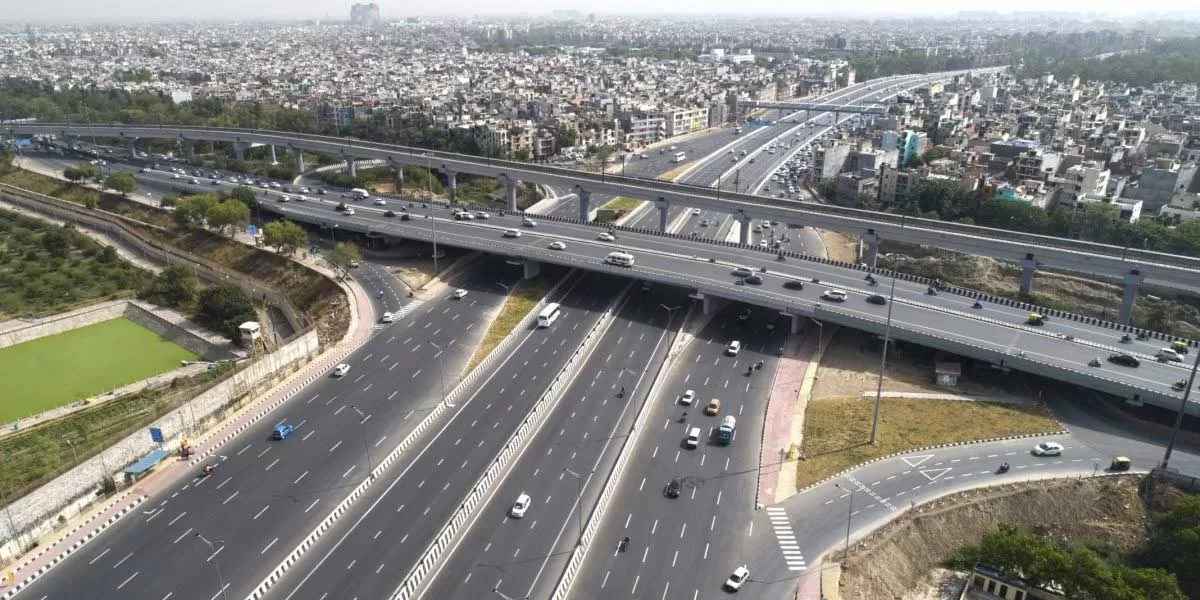
The busy Gowari Flyover on Wardha Road, Nagpur, is undergoing essential maintenance work. The state Public Works Department (PWD), in coordination with the World Bank division, has started road marking and height barrier installations. Due to these works, the flyover will be partially closed from 11 PM to 6 AM for the next few days.


Why is the Gowari Flyover Being Partially Closed?

Ongoing Maintenance Work

The PWD is currently carrying out multiple repairs and upgrades, including:

  • Road Markings: New thermoplastic paint and median markings are being applied.
  • Height Barrier Installation: Stronger height barriers are being installed on both sides of the flyover.
  • Traffic Management Measures: Efforts are being made to reduce disruptions during peak hours.

Schedule and Duration

  • The flyover will remain partially closed from 11 PM to 6 AM.
  • Maintenance is expected to be completed in 5-6 days.
  • Height barrier installation will take around 15 days.

Details of the Maintenance Work

1. Road Markings and Safety Enhancements

  • Thermoplastic paint is being used for long-lasting visibility.
  • Median markings are being refreshed to improve lane discipline.
  • The work is done at night to minimize traffic congestion.

2. Height Barrier Installation

  • New, stronger height barriers are being set up to prevent oversized vehicles from entering the flyover.
  • Installation started from the Rahate Colony side and will continue to the other end.
  • Estimated cost of the project: ₹25 lakh.

3. Traffic Management During Closure

  • Only one lane will be closed at a time.
  • Alternative routes will remain open for smooth traffic flow.
  • Traffic police are monitoring the situation to ensure safety.

Why Stronger Height Barriers?

The PWD is replacing the existing height barriers with reinforced structures due to a previous incident:

  • A speeding truck crashed into the barrier on the Rahate Colony side, damaging it beyond repair.
  • The previous barrier cost ₹10 lakh, but was rendered ineffective after the accident.
  • The new barriers are being designed similarly to railway overpass barriers for enhanced durability.

Expected Challenges and Solutions

Challenge Solution
Traffic congestion Nighttime work schedule
Safety concerns Traffic police assistance, proper signage
Weather conditions Speeding up work before monsoon
Public inconvenience Clear communication through media

Public Reaction and Safety Measures

How Are Commuters Affected?

  • Nighttime travelers may experience slight delays.
  • Daytime traffic will remain unaffected.
  • Signage will be placed to guide commuters.

PWD’s Assurance on Safety

  • Workers are using high-visibility gear.
  • Adequate barricades and warning signs are in place.
  • The police department is actively coordinating with PWD.

The maintenance work on the Gowari Flyover is a much-needed upgrade that will enhance road safety and traffic efficiency. While partial closures might cause temporary inconvenience, the long-term benefits far outweigh the short-term disruptions. Drivers are advised to plan their routes accordingly and stay updated on traffic advisories.


1. When will the Gowari Flyover be partially closed?

The flyover will be partially closed from 11 PM to 6 AM for the next few days until maintenance is completed.

2. Will the entire flyover be closed?

No, only one lane at a time will be closed, allowing traffic to flow on the remaining lane.

3. How long will the maintenance work take?

  • Road markings: 5-6 days
  • Height barrier installation: Approximately 15 days

4. Why is the height barrier being replaced?

The previous barrier was damaged by a speeding truck. The new barriers are stronger and designed to prevent similar incidents.

5. Will there be alternative routes?

Yes, the traffic police have set up alternative routes to manage congestion during the closure hours.

Patanjali’s Rs 1,500 Crore Food Processing Plant in Nagpur to Begin Operations on Sunday

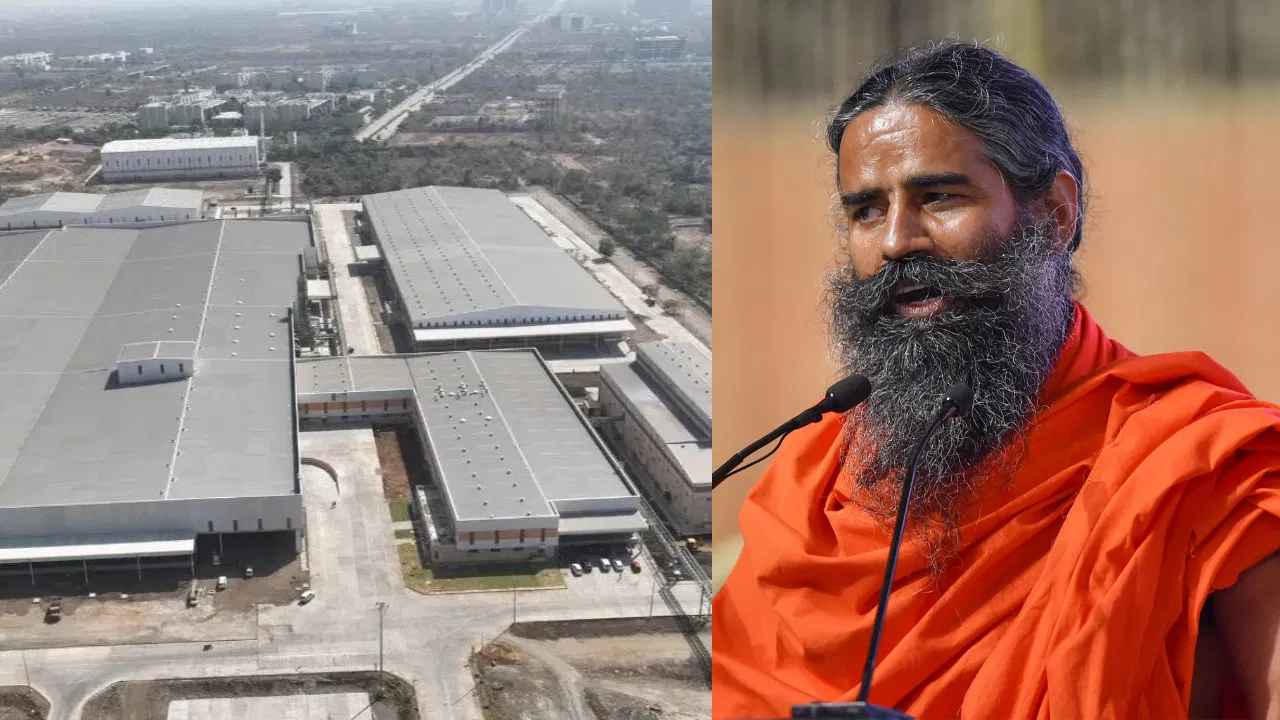
Patanjali Nagpur Food Plant | MIHAN Nagpur: Patanjali Ayurved is set to make a significant impact on India’s food processing industry with its mega food processing plant in Nagpur. Built with an investment of Rs 1,500 crore, this facility is expected to revolutionize the agricultural sector in the Vidarbha region. The plant will officially commence operations on Sunday, with an inauguration event attended by key political leaders and yoga guru Ramdev.

Patanjali’s Vision for the Nagpur Plant

The primary goal of this facility is to boost the local economy, enhance farmers’ incomes, and make India a global leader in organic food processing. With its advanced technology and large-scale operations, the plant aims to streamline fruit and vegetable processing while maintaining the highest quality standards.

Key Highlights of the Patanjali Mega Food Park

  • Investment: Rs 1,500 crore
  • Location: MIHAN, Nagpur
  • Processing Capacity: 800 tonnes of fruits and vegetables per day
  • Specialization: Largest orange processing unit in Asia
  • Expected Benefits: Boost to local agriculture, improved farmer incomes, enhanced exports

The Role of MIHAN in the Project

The Multi-modal International Cargo Hub and Airport at Nagpur (MIHAN) provides strategic advantages for Patanjali’s plant. With superior connectivity and infrastructure, MIHAN ensures seamless distribution of processed goods across domestic and international markets.

Inauguration Event and Key Attendees

The grand inauguration of the Patanjali Mega Food and Herbal Park will take place on March 9. Dignitaries attending the event include:

  • Union Minister Nitin Gadkari
  • Maharashtra Chief Minister Devendra Fadnavis
  • Yoga Guru Baba Ramdev
  • Managing Director Acharya Balkrishna

How This Plant Will Revolutionize Agriculture in Vidarbha

Vidarbha, known for its agricultural potential, has faced challenges due to fluctuating prices and lack of infrastructure. Patanjali’s food park aims to address these issues by:

  • Providing a stable market for local farmers
  • Offering fair pricing for agricultural produce
  • Reducing post-harvest losses through advanced storage and processing

The Largest Orange Processing Unit in Asia

One of the standout features of this plant is its orange processing unit, which is the largest and most advanced in Asia. This unit will:

  • Process oranges and their byproducts
  • Ensure minimal wastage with innovative techniques
  • Boost export potential for Indian citrus fruits

Sustainability and Eco-Friendly Practices

Patanjali Ayurved is committed to sustainable practices. The plant incorporates:

  • Renewable Energy Usage: Solar and biogas systems to power operations
  • Waste Management: Efficient disposal and recycling systems
  • Water Conservation: Advanced water treatment and reuse technology

Economic Impact on the Region

The establishment of this mega plant is expected to:

  • Create thousands of direct and indirect jobs
  • Enhance Nagpur’s position as a food processing hub
  • Increase farmers’ profitability by reducing reliance on middlemen

Technological Innovations in the Facility

The plant is equipped with cutting-edge food processing technology, including:

  • Automated Sorting and Grading: Ensuring high-quality output
  • Cold Storage Facilities: Extending shelf life and reducing waste
  • Advanced Packaging Systems: Meeting international export standards

Patanjali’s Expansion Plans

This mega food processing unit is part of Patanjali’s broader strategy to expand its footprint in the FMCG and agricultural sectors. Future plans include:

  • Setting up similar plants in other parts of India
  • Strengthening export capabilities
  • Launching new organic and processed food products

Support from Government Policies

The Indian government has been actively promoting food processing through various policies and incentives. Patanjali’s project aligns with initiatives like:

  • Make in India
  • Agri-Export Promotion Policies
  • Subsidies for Food Processing Units

How Farmers Will Benefit from This Project

With Patanjali’s direct sourcing approach, farmers can expect:

  • Better Prices: Eliminating middlemen ensures fair compensation
  • Technical Support: Training programs to improve agricultural practices
  • Market Stability: Assured demand for produce leads to reduced financial risks

Challenges and Possible Solutions

While the project is promising, potential challenges include:

  • Raw Material Supply: Ensuring a consistent supply of quality produce
  • Logistics and Distribution: Overcoming transportation hurdles
  • Regulatory Compliance: Meeting food safety and environmental standards

Patanjali’s Rs 1,500 crore food processing plant in Nagpur marks a transformative step for India’s agricultural sector. By providing farmers with better opportunities and integrating cutting-edge technology, this facility is set to boost India’s food processing capabilities. As the plant begins operations, it promises to bring economic prosperity, employment, and global recognition to the Vidarbha region.

1. What is the investment amount for Patanjali’s Nagpur plant?

The plant has been built with an investment of Rs 1,500 crore.

2. What is the processing capacity of the plant?

The facility has a daily capacity of 800 tonnes for processing fruits and vegetables.

3. How will farmers benefit from this project?

Farmers will receive better prices, technical support, and assured demand for their produce.

4. What makes the orange processing unit unique?

It is the largest and most advanced orange processing facility in Asia, designed to maximize efficiency and minimize waste.

5. How does the plant contribute to sustainability?

The facility incorporates renewable energy, waste management systems, and water conservation techniques to ensure eco-friendly operations.

RTO Flyover Nears Completion, Expected to Open by June 1

RTO Flyover Nagpur : The long-awaited RTO Flyover in Nagpur, aimed at easing traffic congestion on Amravati Road, is finally in its last phase of construction. The Public Works Department (PWD), which is overseeing the project, expects completion by May 31, despite facing challenges such as land acquisition and bridge reconstruction. Once opened, the flyover will significantly improve traffic movement in one of the city’s busiest corridors.

Project Overview

Why is the RTO Flyover Important?

  • Reduces Traffic Congestion: The flyover will provide seamless movement of vehicles, reducing bottlenecks.
  • Improves Connectivity: Links key areas including University Campus Square and Bole Petrol Pump Square.
  • Enhances Safety: Eliminates chaotic intersections and minimizes accident risks.

Project Cost and Scope

  • Total Length: 2.85 km
  • Cost: Rs 245 crore
  • Part of ARTIP: An initiative under the Amravati Road Traffic Improvement Project (ARTIP)
  • Executing Body: National Highway (NH) Division of PWD

Construction Progress and Challenges

Current Construction Status

As per PWD officials, approximately 90% of construction is complete. The flyover structure is nearly finished, with just a few critical areas pending completion.

Key Milestones Achieved

Flyover slab completed, except for Ravi Nagar Square. ✅ Law College Square girders placed and ready for traffic. ✅ Ultra High-Performance Fiber Reinforced Concrete (UHPFRC) used to avoid pillars at major junctions. ✅ New bridge construction near RTO underway.

Remaining Work

Slab completion over Ravi Nagar Square (Expected in 20 days).Reconstruction of old Ravi Nagar bridge (To begin in 10 days).Land acquisition near RTO for RE Wall.Approval for tree-cutting permits.

Technology Used in Construction

What is Ultra High-Performance Fiber Reinforced Concrete (UHPFRC)?

The PWD has employed cutting-edge Malaysian technology (UHPFRC) to construct key portions of the flyover without placing pillars at major intersections. This enhances durability and minimizes disruptions at Ravi Nagar Square and Law College Square.

Challenges Delaying Completion

Land Acquisition Issues

One of the primary roadblocks has been the delayed approval for land acquisition near RTO, crucial for constructing the flyover’s RE Wall.

Delays in Tree Cutting Permissions

  • The Nagpur Municipal Corporation (NMC) has requested objections before granting tree-cutting approvals.
  • PWD planted 5,100 trees as compensation, yet approvals remain stalled.

Bridge Reconstruction Delays

  • The bridge near RTO, which is over 50 years old, is being rebuilt to accommodate the flyover.
  • Another bridge at Ravi Nagar Square is set for demolition and reconstruction, causing further road closures.

Expected Traffic Impact During Final Phase

  • Law College Square to Bole Petrol Pump remains closed due to ongoing bridge work.
  • Traffic diversions will continue until at least one side of the bridge is completed.
  • PWD aims to minimize disruptions, but some inconvenience is unavoidable until full completion.

Public Reactions and Expectations

Residents and daily commuters have mixed feelings about the project. While most welcome the infrastructure upgrade, many have expressed frustration over the delays. Local businesses along Amravati Road have reported a decline in foot traffic due to prolonged construction activities.

Government’s Response and Future Plans

Officials have assured that all pending approvals will be expedited. Additional road improvements, including footpath development and resurfacing, will be undertaken post-flyover completion.

The RTO Flyover project is a game-changer for Nagpur’s traffic management. Despite facing obstacles, its completion by May 31, 2025, is expected to bring much-needed relief to thousands of commuters. Once operational, it will enhance connectivity, reduce congestion, and ensure safer road conditions.


1. What is the current status of the RTO Flyover construction?

The flyover is 90% complete, with final touches including the slab over Ravi Nagar Square and bridge reconstruction pending.

2. When will the RTO Flyover officially open?

The PWD expects to complete construction by May 31, 2025, with an official opening anticipated by June 1, 2025.

3. Why is the RTO Flyover important for Nagpur?

The flyover aims to decongest Amravati Road, improve traffic flow, and enhance overall road safety for commuters.

4. What challenges have delayed the project?

Delays in land acquisition, tree-cutting permits, and bridge reconstruction have extended the project timeline.

5. Will there be further road closures due to construction?

Yes, certain road sections will remain closed, and traffic diversions will be in place until the work is fully completed.

Repair Plan Finalized for Butibori Flyover After 2-Month Delay

Butibori Flyover Repair Plan: More than two months after the partial collapse of the Butibori flyover, authorities have finally agreed on a detailed repair strategy. The flyover’s weight-bearing capacity will be reinforced using advanced construction techniques to ensure long-term safety.

Background of the Butibori Flyover Collapse

The Butibori flyover, constructed just 3.5 years ago, recently showed alarming structural weaknesses. Cracks, misalignment, and instability led to a detailed review of its design and construction quality.

Structural Weaknesses Identified

Experts have identified multiple flaws in the flyover, including:

  • Faulty Cantilever Support: The previous structure suffered from inadequate reinforcement.
  • Weak Load-Bearing Capacity: Insufficient materials contributed to premature wear.
  • Poor Maintenance: Delayed inspections led to unnoticed structural damage.

Recent Repairs and Strengthening Measures

Last week, repair crews focused on the cantilever sections, reinforcing studs and applying additional support layers. However, the exact post-repair load capacity remains undisclosed by the National Highways Authority of India (NHAI).

NHAI Under Pressure to Deliver Results

NHAI has been under immense scrutiny due to repeated infrastructure failures. With public frustration mounting, authorities are expediting solutions while ensuring compliance with safety standards.

Meeting at VNIT: Key Decisions Taken

A crucial meeting at Visvesvaraya National Institute of Technology (VNIT) finalized the repair plan, including:

  • Material Selection: High-strength concrete and reinforced steel will be used.
  • Repair Timeline: Estimated completion within 45 days, but the start date remains unclear.
  • Structural Reinforcement Plan: Additional layers will be applied to improve weight distribution.

Appointment of a Specialist Agency

Given the complexity of the repairs, a specialist agency will oversee the project. Currently, three firms are being considered, with a final decision expected within the next few days.

Expected Timeline for Repairs

  • Agency Appointment: Within 3 days
  • Start Date Confirmation: Pending NHAI approval
  • Estimated Completion: By the end of April

Traffic Disruptions and Public Frustration

The delay in repairs has caused major congestion under the flyover. Commuters face extended travel times, increased fuel costs, and frustration due to unclear timelines.

Why Was the Flyover Damaged So Soon?

Infrastructure experts have raised concerns over:

  1. Inferior Construction Materials
  2. Lack of Quality Inspections
  3. Flawed Engineering Design

Impact on Commuters and Businesses

  • Increased Travel Time: Daily commutes have extended by 20–30 minutes.
  • Economic Losses: Businesses suffer due to transportation delays.
  • Environmental Impact: Higher emissions due to traffic congestion.

Public Reactions and Concerns

  • Commuters demand a quicker resolution.
  • Local businesses report declining sales.
  • Citizens call for stricter quality checks on new infrastructure projects.

NHAI’s Next Steps

  • Implement stricter quality control measures.
  • Ensure timely inspections of existing flyovers.
  • Increase transparency regarding repair updates.

The repair of the Butibori flyover is long overdue. While the finalized plan offers hope, the lack of a clear start date leaves commuters uncertain. Authorities must ensure that this repair process is swift, effective, and prevents similar failures in the future.

1. When will the Butibori flyover repairs begin?

The exact start date remains unconfirmed, but officials estimate the work to be completed by April.

2. What caused the damage to the Butibori flyover?

The damage was primarily due to weak construction materials, flawed engineering design, and inadequate maintenance.

3. How will the repairs strengthen the flyover?

Repairs will include reinforced layers, additional support structures, and upgraded materials to improve load-bearing capacity.

4. Will traffic be diverted during repairs?

Authorities have not announced diversions yet, but significant congestion is expected.

5. What measures are being taken to prevent future flyover failures?

NHAI plans to enforce stricter quality control, conduct regular inspections, and enhance structural safety standards.

Nagpur’s Historic Cotton Market Set for a Smart, Eco-Friendly Makeover

Nagpur Cotton Market Makeover: Nagpur’s historic Cotton Market in Sitabuldi is undergoing a major transformation. The Nagpur Municipal Corporation (NMC), in partnership with the Maharashtra State Infrastructure Development Corporation Limited (MSIDC), has unveiled a redevelopment plan that promises a modern, sustainable, and eco-friendly commercial hub. This initiative aims to preserve the market’s rich heritage while incorporating state-of-the-art infrastructure and green technology.

A Vision for Sustainable Urban Renewal

The redevelopment project, known as the Sustainable & Holistic Urban Renewal and Transformation of NMC’s Cotton Market Site (Phase-1), aims to breathe new life into this historic trading hub.

Key Highlights of the Project | Nagpur Cotton Market Makeover

  • Project Area: 9,875 square meters
  • Two High-Rise Towers:
    • 24-floor tower – Residential units and serviced apartments
    • 20-floor tower – Commercial office spaces and retail outlets
  • Connectivity: The two towers will be linked by a banquet hall on the 4th floor
  • Facilities:
    • 500 retail units
    • 200 office spaces
    • 50 hotel rooms
    • 80 serviced apartments
    • Multi-level parking for 304 vehicles
    • Modern public toilets
    • Landscaped green areas

Revamping Commercial and Retail Spaces

One of the primary goals of the project is to restructure the existing commercial and retail spaces while ensuring that existing shop owners and hawkers retain their businesses.

Rehabilitation of Shop Owners and Hawkers

  • 2,200 square meters have been reserved for shopkeepers
  • Spaces will be provided at construction cost rates
  • A designated hawker zone with specially designed ottas for street vendors

This ensures that the transformation is inclusive, allowing traditional traders and small vendors to continue their operations in an organized, well-planned environment.

Eco-Friendly and Smart Infrastructure

The project integrates cutting-edge sustainable technologies to promote environmental conservation and energy efficiency.

Green Building Certifications

The redevelopment will adhere to:

  • IGBC Platinum Certification
  • GRIHA 5-Star Green Building Standards

Renewable Energy Integration

  • Solar and wind energy systems to power commercial and residential spaces
  • Rainwater harvesting to conserve water
  • Green roofs and energy-efficient HVAC systems
  • Smart lighting and waste management systems

Advanced Waste Management Solutions

A comprehensive waste management system will be implemented, featuring:

  • On-site composting units for organic waste
  • Segregated waste collection for efficient recycling
  • Sustainable sewage and drainage systems

Boosting Nagpur’s Commercial Landscape

This project is set to elevate Nagpur’s urban appeal by:

  • Attracting new businesses and investors
  • Providing modern office and retail spaces
  • Enhancing urban living with state-of-the-art residential facilities

Economic Impact

  • Increased employment opportunities through retail, hospitality, and office spaces
  • Higher property values due to modern infrastructure
  • Greater tourism appeal with improved aesthetics and public amenities

Budget and Timeline

The redevelopment comes with an estimated budget of ₹376 crore, ensuring that the transformation is well-funded and strategically executed.

Nagpur’s Cotton Market redevelopment is more than just an infrastructure upgrade—it is a blueprint for a sustainable urban future. By blending modernization with heritage conservation, the project ensures that this historic marketplace remains relevant, vibrant, and eco-friendly for generations to come.

1. What is the main objective of Nagpur’s Cotton Market redevelopment?

The project aims to modernize the market with sustainable infrastructure while preserving its historical significance and supporting local traders.

2. How will shop owners and hawkers be accommodated?

A dedicated space of 2,200 square meters has been allocated for shopkeepers at construction cost rates, along with a designated hawker zone.

3. What green technologies are being used in the redevelopment?

The project incorporates solar and wind energy, rainwater harvesting, green roofs, and efficient waste management systems to meet IGBC Platinum and GRIHA 5-Star certifications.

4. What types of facilities will be available in the new Cotton Market?

The market will feature retail units, office spaces, hotel rooms, serviced apartments, banquet halls, multi-level parking, and modern public amenities.

5. When is the project expected to be completed?

The exact timeline is yet to be announced, but the project is estimated to be completed within the next few years as per government planning.

Dhapewada’s Transformation: Vitthal Rukmini Mandir’s Multi-Faceted Development Plan

Dhapewada Temple Development: Dhapewada is on the brink of a remarkable transformation. With the recent unveiling of a comprehensive development plan, including multiple infrastructure projects, the village is poised to emerge as the ‘Mini Pandharpur.’ This ambitious initiative, led by Union Minister Nitin Gadkari, focuses on upgrading amenities at the revered Vitthal Rukmini Mandir while enhancing the surrounding infrastructure for pilgrims and residents alike.

Key Developments Under the Shri Vitthal Mandir Devsthan Development Plan

1. A Water Treatment Plant for Clean and Safe Water

One of the most significant additions to Dhapewada’s infrastructure is the construction of a water treatment plant. This facility aims to ensure safe and clean drinking water for both pilgrims and locals, addressing a long-standing need for improved water quality.

2. River Deepening and Widening of Chandrabhaga

To combat water shortages and enhance irrigation, the Chandrabhaga River near the temple will undergo deepening and widening. This project is expected to boost agricultural productivity and provide an uninterrupted supply of water for daily use.

3. Enhanced Amenities Within the Temple Premises

Pilgrims visiting Vitthal Rukmini Mandir can look forward to an upgraded experience with several newly planned amenities:

  • A spacious waiting hall for devotees.
  • A dedicated prayer room for peaceful worship.
  • A modern parking facility to accommodate an increasing number of visitors.
  • A new administrative building for efficient temple management.

4. Underground Drainage System for Better Sanitation

To improve hygiene and sanitation in Dhapewada, an underground drainage system will be constructed. This will prevent waterlogging and enhance overall cleanliness in and around the temple premises.

5. Infrastructure Upgrades for Better Connectivity

Nitin Gadkari also announced the completion of a new road connecting Karanja to Pandhurna, ensuring smoother travel for devotees and boosting regional trade.

6. The Role of State Government in Dhapewada’s Development

Chandrashekhar Bawankule, the district’s Guardian Minister, reaffirmed the State Government’s commitment to this grand plan. He emphasized that under the leadership of Chief Minister Devendra Fadnavis, the project will be executed with the highest quality standards.

Why Dhapewada is Being Called ‘Mini Pandharpur’

Pandharpur holds immense spiritual significance as the main pilgrimage site for Lord Vitthal’s devotees. With similar spiritual and infrastructural developments, Dhapewada is being positioned as a secondary hub for devotees, offering them an alternative yet equally fulfilling pilgrimage experience.

A Proposed Charity Hospital and ‘Orange Corridor’

As part of the vision for holistic development, a modern charity hospital has been proposed. Additionally, a new ‘Orange Corridor’ connecting Maharashtra and Madhya Pradesh will further facilitate economic and religious tourism.

Economic and Social Impact of These Developments | Dhapewada Temple Development

Boosting Local Economy

With improved facilities, Dhapewada is expected to attract more tourists, leading to increased employment opportunities in hospitality, retail, and transportation sectors.

Better Quality of Life for Residents

Infrastructure upgrades such as better roads, sanitation, and water supply will directly improve the living standards of Dhapewada’s residents.

Dhapewada’s transformation under the Shri Vitthal Mandir Devsthan Development Plan is a testament to the government’s commitment to enhancing pilgrimage sites while fostering overall regional growth. With these upcoming amenities, the village is set to become an iconic spiritual and economic center, drawing thousands of devotees and tourists alike.

1. What is the main goal of the development plan in Dhapewada?

The plan aims to enhance pilgrimage facilities, improve infrastructure, and boost the local economy while making Dhapewada a spiritual hub similar to Pandharpur.

2. How will the Chandrabhaga River deepening project help residents?

It will ensure better water availability for both agriculture and drinking purposes, benefiting farmers and local households.

3. What are the major infrastructure additions to the temple premises?

New facilities include a waiting hall, prayer room, modern parking space, and an administrative building to better manage pilgrim influx.

4. Will these projects generate employment opportunities?

Yes, improved tourism and infrastructure will create job opportunities in hospitality, transport, and service sectors.

5. When is the development expected to be completed?

While an exact timeline is not specified, the projects have received government approval and are expected to be completed in a phased manner.

Nagpur Tops in Rooftop Solar Installation, Helps MSEDCL Achieve 100-Day Target in 82 Days

Nagpur Solar Panel: Nagpur has emerged as a leader in rooftop solar installations, playing a crucial role in helping Maharashtra State Electricity Distribution Company Ltd (MSEDCL) achieve its ambitious 100-day target in just 82 days. With over 1.5 lakh beneficiaries opting for the Pradhan Mantri Suryaghar Muft Bijli Yojana (PMSMBY), the city’s contribution has been remarkable in increasing the total solar power generation capacity to 500 MW.

The Initiative Behind the Success

What is PMSMBY?

The Pradhan Mantri Suryaghar Muft Bijli Yojana is a government initiative aimed at promoting the adoption of solar energy by providing subsidies for rooftop solar installations. The scheme enables homeowners to generate their own electricity, significantly reducing dependency on conventional energy sources.

MSEDCL’s 100-Day Target

After Chief Minister Devendra Fadnavis took oath on December 5, 2024, the government set ambitious 100-day goals for various departments. One of these goals was to expand solar energy adoption across Maharashtra.

Nagpur’s Contribution to the Solar Energy Revolution

Leading the State in Solar Installations

Nagpur has topped the list of districts benefiting from PMSMBY, with 21,027 households adopting rooftop solar installations. The city’s proactive approach and awareness campaigns have played a significant role in this achievement.

Comparison with Other Districts

Nagpur’s impressive numbers put it ahead of other districts such as:

  • Pune: 9,875 houses
  • Jalgaon: 9,489 houses
  • Chhatrapati Sambhajinagar: 8,814 houses
  • Nashik: 8,558 houses
  • Amravati: 7,119 houses

Impact of the PMSMBY Scheme | Nagpur Solar Panel

Reduction in Electricity Bills

By adopting rooftop solar panels, homeowners in Nagpur and other parts of Maharashtra have significantly reduced their electricity bills. In many cases, surplus energy generated is sold back to MSEDCL, making electricity bills virtually zero.

Environmental Benefits

The increased adoption of solar energy contributes to reducing the carbon footprint and lessening dependency on fossil fuels, promoting a cleaner, greener future.

Financial Incentives and Subsidies

Government Subsidies for Solar Installations

The central government provides financial assistance under PMSMBY:

  • Rs. 30,000 for a 1 kW system
  • Rs. 60,000 for a 2 kW system
  • Rs. 78,000 for a 3 kW system

Additional Benefits from MSEDCL

MSEDCL offers free net meters to beneficiaries, ensuring a seamless integration of solar energy into the grid.

The Road Ahead for Solar Energy in Maharashtra

With Nagpur setting an example, other districts are expected to ramp up efforts to adopt solar energy. The government continues to promote policies that encourage individuals and businesses to invest in solar technology.

Nagpur’s leadership in rooftop solar installations is a testament to the city’s commitment to sustainable energy. By surpassing the 100-day target in just 82 days, it has set a benchmark for other cities to follow. With continued support from the government and citizens, Maharashtra is well on its way to a cleaner and more energy-efficient future.

1. What is the benefit of PMSMBY?

PMSMBY provides subsidies for rooftop solar installations, reducing electricity bills and allowing homeowners to sell excess energy to the grid.

2. How much subsidy can I get under PMSMBY?

Homeowners can receive up to Rs. 78,000 in subsidies depending on the capacity of their rooftop solar installation.

3. How did Nagpur achieve the top position in rooftop solar adoption?

Nagpur led the state due to proactive government policies, awareness campaigns, and a high number of interested homeowners adopting solar energy.

4. Can excess solar power be sold to MSEDCL?

Yes, surplus solar power generated can be sold back to MSEDCL, further reducing electricity costs.

5. What is the total solar power capacity achieved in Maharashtra under PMSMBY?

As of February 26, 2025, Maharashtra reached a total solar power capacity of 500 MW under the scheme.

Outer Ring Road to Open for Traffic by April 2025

The much-awaited Outer Ring Road in Nagpur, a 64-km expressway designed to decongest city roads, is set to open for traffic in the first week of April 2025. After years of construction and a massive ₹2,000 crore investment, the project is finally in its last phase. Once operational, it will significantly reduce traffic congestion, improve connectivity, and offer a smoother bypass route for vehicles entering Nagpur.

The Outer Ring Road is designed to ease the burden of traffic congestion in Nagpur by offering an alternative route for heavy vehicles and transit traffic. Initially planned for completion in 2019, the project faced multiple delays but has now entered its final phase.

History and Development

The foundation stone for the Outer Ring Road was laid in 2016, with an initial deadline of 2019. However, various challenges, including land acquisition, funding issues, and technical hurdles, pushed the completion date forward.

Route and Connectivity

The 64-km road connects major highways and junctions, allowing vehicles to bypass Nagpur’s city roads. The route starts from Jamtha on Wardha Road, passing through Samruddhi Expressway Junction, Katol Road, Koradi, Fetri, and Nagpur-Jabalpur Highway, ending at Nagpur bypass near Kapsi.

Key Connecting Points:

  • Jamtha (Wardha Road)
  • Samruddhi Expressway Junction
  • Katol Road
  • Koradi & Fetri
  • Nagpur-Jabalpur Highway
  • Kapsi (Nagpur Bypass)

Benefits of the Outer Ring Road

  • Reduced traffic congestion in Nagpur
  • Direct connectivity for intercity travelers
  • Smoother transport for heavy vehicles
  • Decreased pollution and fuel consumption
  • Faster commute for local passengers

Project Cost and Execution

The Outer Ring Road project has been executed under the National Highways Authority of India (NHAI) with a budget of ₹2,000 crore. Despite delays, the final phase is now nearing completion.

Traffic Relief for Nagpur

With a rising population and increasing vehicles, Nagpur’s traffic situation has worsened over the years. The Outer Ring Road will divert heavy vehicles, significantly reducing congestion in key areas.

Impact on Heavy Vehicles

  • Truck traffic from Hyderabad to Jabalpur will have a direct route.
  • Vehicles from Betul to Bhandara can bypass Nagpur and head towards Kolkata.
  • Reduces pressure on existing roads and bridges.

Phase-Wise Completion

The project was divided into two phases:

  1. Phase 1: Jamtha to Nagpur bypass
  2. Phase 2: Fetri to Kapsi

Most of Phase 1 is already completed, and Phase 2 is expected to wrap up soon.

Challenges Faced During Construction

  • Land acquisition disputes
  • Delays in funding approvals
  • Technical difficulties in road alignment
  • Weather-related setbacks

Final Touches and Remaining Work

Experts predict that minor pending work on the Outer Ring Road will be completed by March 2025, making it fully operational in April 2025.

Comparison with Inner Ring Road

Nagpur already has an Inner Ring Road, but due to increased traffic demand, the Outer Ring Road was developed to further ease congestion and support long-distance travelers.

Government’s Future Plans

Authorities plan to expand road infrastructure, improve connectivity, and build additional bypasses for better traffic management.

Public Reaction and Expectations

Residents of Nagpur are eager for the Outer Ring Road to open, expecting faster commutes, reduced traffic, and better city management.

The Outer Ring Road in Nagpur is set to revolutionize traffic movement by offering an efficient alternative for heavy vehicles and commuters. With April 2025 as the final launch date, Nagpur’s road network is on the brink of a major transformation.

1. What is the purpose of the Outer Ring Road in Nagpur?

The Outer Ring Road aims to reduce congestion in Nagpur by providing a bypass for heavy vehicles and improving connectivity.

2. When will the Outer Ring Road be fully operational?

The road is expected to be fully open for traffic by April 2025.

3. How will the Outer Ring Road benefit commuters?

It will shorten travel time, reduce pollution, and offer a hassle-free alternative to city roads.

4. What areas does the Outer Ring Road connect?

It connects Jamtha, Samruddhi Expressway, Katol Road, Koradi, Fetri, and Kapsi, among other key junctions.

5. How much did the Outer Ring Road cost?

The project was built with an estimated budget of ₹2,000 crore.

Nagpur Airport to Operate 24×7: New Summer Flight Slots Approved

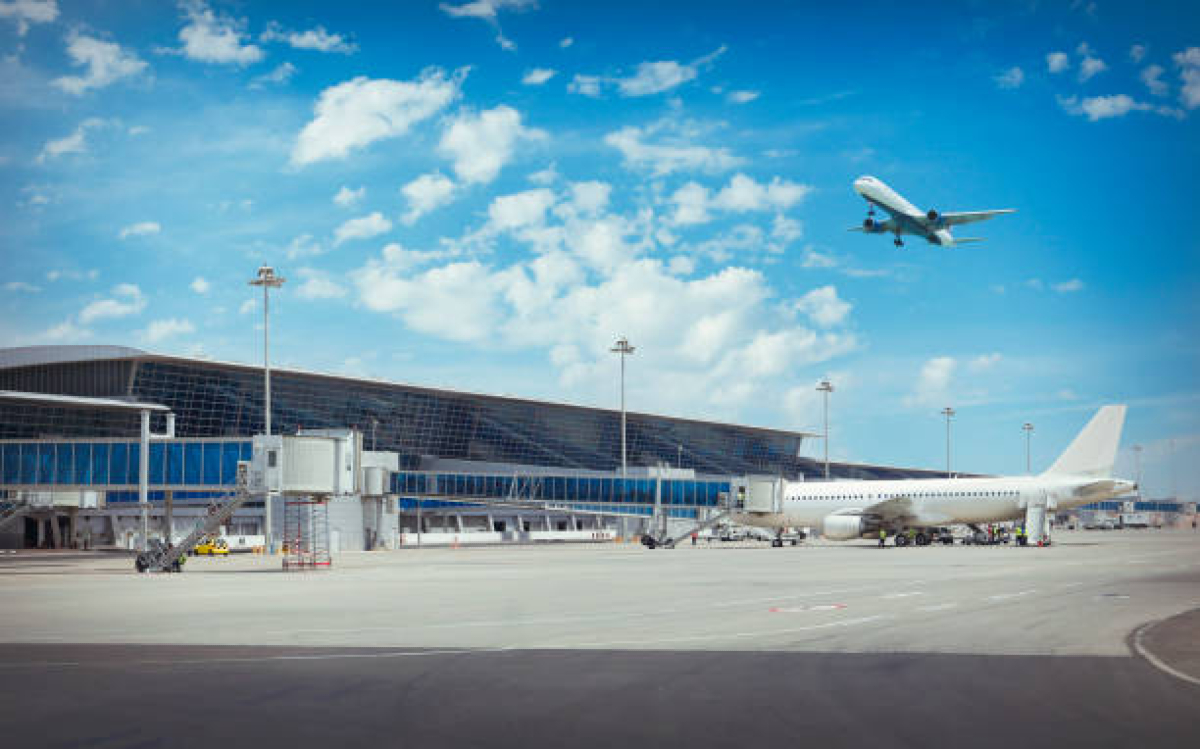
Nagpur Airport 24×7 Operations: Dr. Babasaheb Ambedkar International Airport in Nagpur is set to operate round the clock starting April 1, 2025. This expansion follows approvals granted during the slot coordination meeting held in Delhi from February 18 to 21, 2025. The finalized slots cover the summer schedule from March 30 to October 25, 2025, bringing increased connectivity and better passenger convenience.

Why the 24×7 Operation Matters

With continuous flight operations, travelers can expect improved accessibility, reduced layovers, and better flight options. This move aims to establish Nagpur as a major transit hub in Maharashtra.

New Flight Slots to Enhance Connectivity

The approval of new afternoon flight slots and additional departures and arrivals between 10 AM and 6 PM will provide passengers with more travel choices and flexibility.

Key Flight Additions

  • Indigo 6416: Arrives from Jaipur at 11:05 PM
  • Indigo 6411: Departs for Jaipur at 7:20 AM

New Afternoon Flights (April 1 – October 25, 2025)

  • Star Air 250: Arrives from Kolhapur at 3:45 PM
  • Star Air 251: Departs for Kolhapur at 4:15 PM
  • Indigo 2518: Arrives from Noida at 4:00 PM (from April 30)
  • Indigo 2519: Departs for Noida at 4:30 PM (from April 30)

Additional Flights Between 10 AM – 6 PM

  • Indigo 7336: Arrives from Indore at 12:10 PM (July 26 – October 25)
  • Indigo 7337: Departs for Indore at 12:35 PM (July 26 – October 25)
  • Indigo 6139: Arrives from Kolkata at 12:15 PM (Wednesdays only, July 30 – October 22)
  • Indigo 2380: Departs for Delhi at 12:45 PM (Wednesdays only, July 30 – October 22)
  • Star Air 2455: Arrives from Pune at 1:05 PM
  • Star Air 246: Departs for Kishangarh at 1:30 PM
  • Indigo 6455: Arrives from Bangalore at 2:20 PM
  • Indigo 6456: Departs for Bangalore at 2:55 PM
  • Indigo 2481: Arrives from Pune at 3:10 PM (except Saturdays)
  • Indigo 202: Departs for Pune at 3:45 PM (except Saturdays)

How This Benefits Nagpur’s Aviation Scene

1. Increased Passenger Convenience

Passengers will enjoy seamless connectivity to major cities with reduced waiting times.

2. Strengthening Nagpur as a Key Aviation Hub

This expansion makes Nagpur more attractive for airlines and businesses looking to establish operations in Central India.

3. Boost to Tourism and Economy

With better connectivity, tourism and business opportunities in Nagpur are expected to rise significantly.

4. Improved Cargo Operations

24×7 operations will facilitate better cargo handling, benefiting local industries and exporters.

Final Thoughts

The expansion of Nagpur Airport’s operational hours and the addition of new flight slots mark a significant milestone in the city’s aviation growth. With better connectivity, passengers will have more flexibility and options for travel, positioning Nagpur as a crucial transit point in Maharashtra.

1. When will Nagpur Airport start operating 24×7?
Nagpur Airport will begin 24×7 operations on April 1, 2025.

2. What are the benefits of 24×7 flight operations?
Passengers will have more flight options, better connectivity, and reduced layover times.

3. Which new flights have been added to Nagpur’s schedule?
New afternoon flights and additional slots between 10 AM – 6 PM have been introduced, improving connectivity to cities like Noida, Jaipur, and Bangalore.

4. Will there be an increase in international flights?
While this expansion primarily focuses on domestic routes, it may pave the way for more international connections in the future.

5. How will this impact Nagpur’s economy?
With increased flights, tourism, business opportunities, and cargo operations are expected to see significant growth.

South Korean Company HS Hoysung Signs MoU for Rs1,740 Crore Plant in Butibori

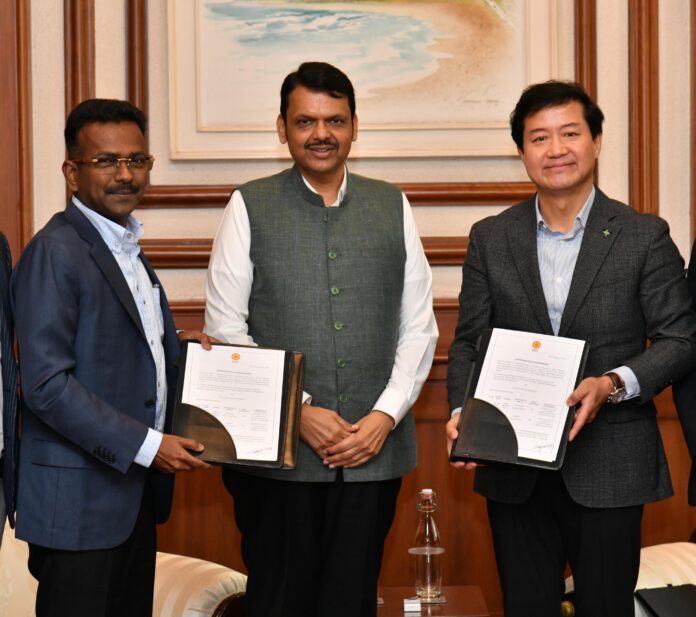
South Korea | HS Hoysung Butibori Investment: A major industrial development is on the horizon for Nagpur as South Korean conglomerate HS Hoysung Advance Materials has signed a Memorandum of Understanding (MoU) with the Maharashtra state government. The deal, worth Rs1,740 crore, will see the establishment of a greenfield polymer fabric plant at Butibori’s industrial estate, significantly boosting the region’s industrial landscape.

What is HS Hoysung (South Korea) Advance Materials?

HS Hoysung is a multinational conglomerate with operations spanning textiles, chemicals, heavy industries, and information technology. It is widely recognized for producing carbon fiber, aramid fiber, industrial yarn, and automotive seat belt yarn, making it a significant player in the automobile and industrial sectors.

Details of the Investment

  • Investment Amount: Rs1,740 crore
  • Location: Additional Butibori Industrial Estate, Maharashtra
  • Land Area: 70 to 100 acres
  • Purpose: Production of polymer fabric for tyre reinforcement and other industrial applications
  • Employment Opportunities: 400 direct jobs expected
  • Expansion Potential: Further investments in Pune and Chhatrapati Shambhaji Nagar facilities

Significance of Butibori Industrial Estate

Butibori Industrial Estate is one of Maharashtra’s largest MIDC-developed industrial zones, offering excellent infrastructure and connectivity. The availability of skilled labor, robust transportation networks, and business-friendly policies make it an attractive investment destination.

Economic Impact on Nagpur

The establishment of this plant will have several positive effects:

  1. Job Creation – Direct employment for 400 individuals.
  2. Boost to Local Economy – Increased demand for local services and industries.
  3. Technology Transfer – Exposure to advanced South Korean manufacturing technologies.
  4. Infrastructure Development – Growth of industrial and transportation infrastructure.

Government Support and Strategic Vision

Maharashtra’s Chief Minister Devendra Fadnavis has expressed strong support for this investment, highlighting its role in industrial expansion and economic growth. The government is keen to facilitate quick land allocation and necessary approvals to accelerate the project’s commencement.

HS Hoysung’s Existing Presence in India

HS Hoysung has already established successful operations in India, including:

  • Pune Unit: Operational since 2015, employing 350 workers and generating Rs845 crore in revenue.
  • Chhatrapati Shambhaji Nagar Unit: Started in 2018, employing 500 workers with an annual revenue of Rs1,650 crore.

Industrial Growth in Maharashtra

Maharashtra has been actively attracting investments. Recent MoUs signed at the World Economic Forum in Davos (South Korea) include agreements with:

  • JSW Group – Investments in lithium battery projects.
  • Waaree Energy – Solar panel manufacturing.
  • Vardaan Lithium – Development of lithium-ion technology.

Future Outlook

HS Hoysung’s new investment aligns with India’s Make in India and Atmanirbhar Bharat initiatives. With Maharashtra’s growing reputation as a hub for automobile and polymer industries, this project is expected to fuel further industrial development.

The Rs1,740 crore investment by HS Hoysung Advance Materials in Butibori marks a significant milestone in Maharashtra’s industrial expansion. This move will generate employment, strengthen the regional economy, and position Nagpur as a key player in the polymer and automobile sectors.

1. What will the new HS Hoysung plant in Butibori produce?

The plant will manufacture polymer fabric primarily for tyre reinforcement and other industrial applications.

2. How many jobs will this project create?

It is expected to create 400 direct employment opportunities, along with additional indirect job prospects in the region.

3. Why is HS Hoysung investing in Butibori?

Butibori’s strategic location, excellent infrastructure, and business-friendly policies make it an ideal investment destination for the company.

4. What other projects has HS Hoysung set up in India?

The company already operates two units in Pune and Chhatrapati Shambhaji Nagar, generating a combined annual revenue of over Rs2,495 crore.

5. How will this investment impact Maharashtra’s industrial sector?

The investment will boost local manufacturing, drive employment, and strengthen Maharashtra’s position as a hub for industrial innovation.

Exit mobile version