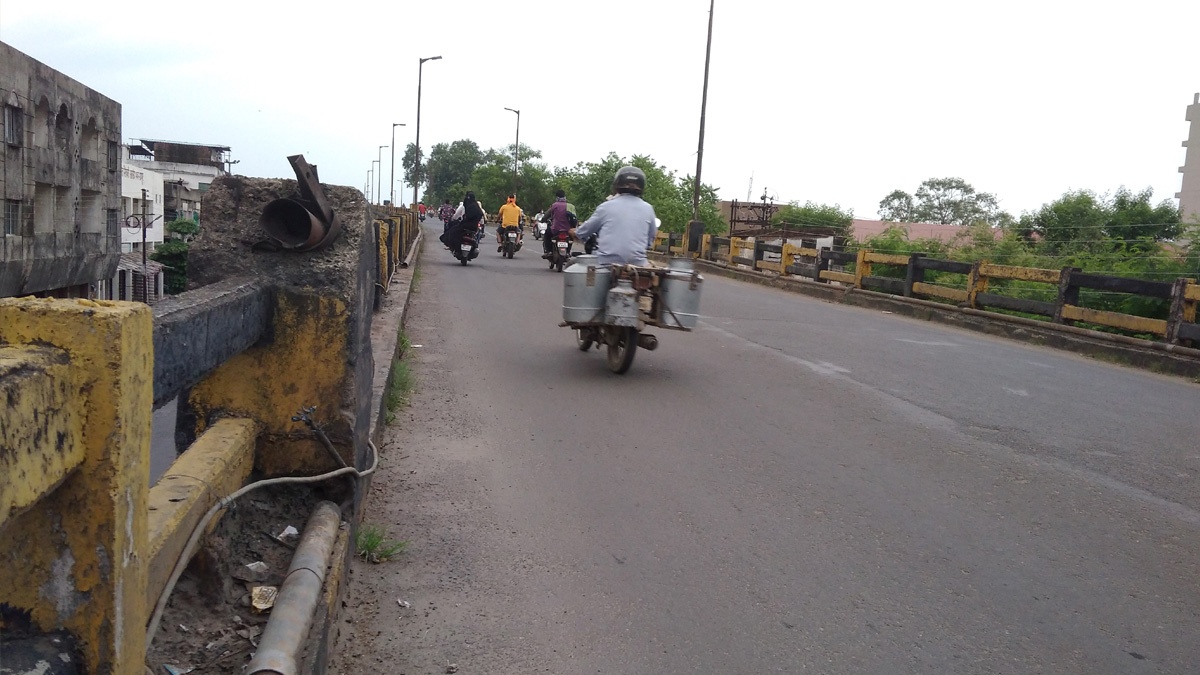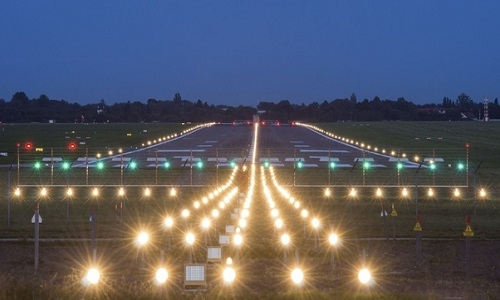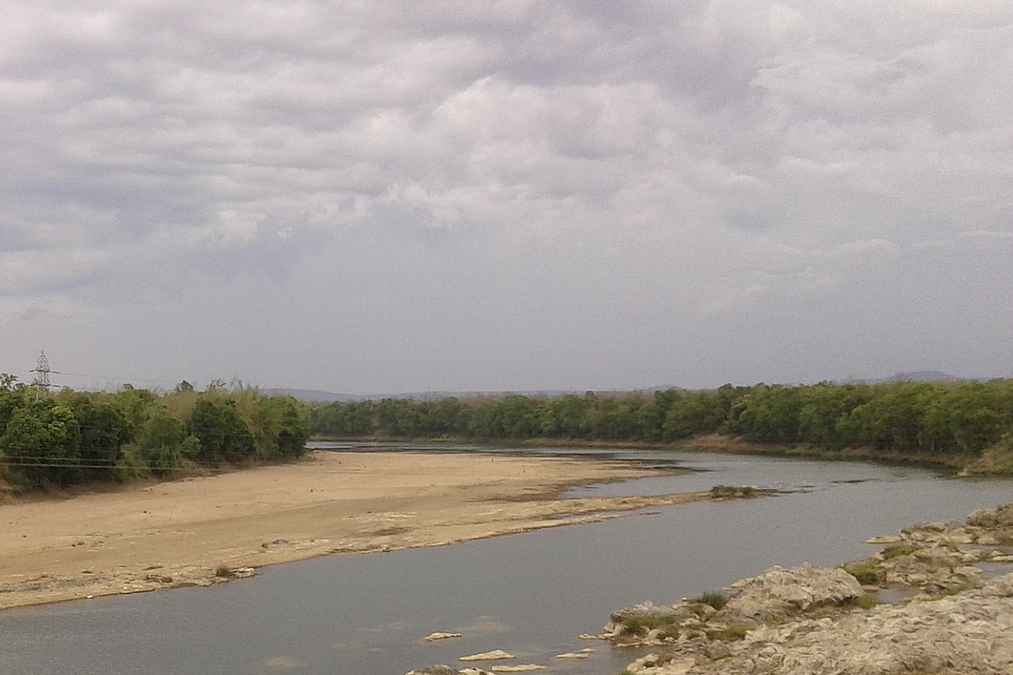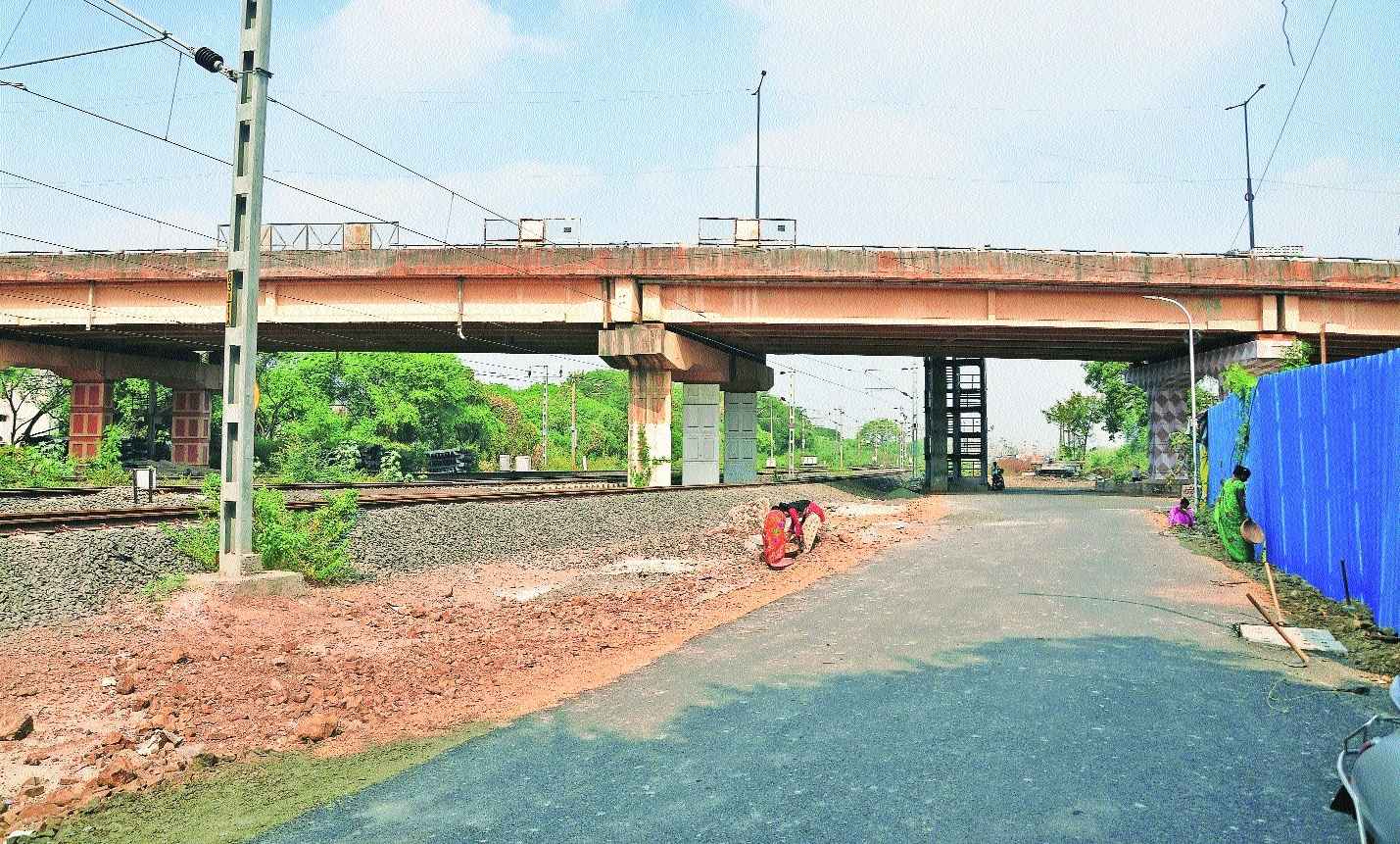
RTO Flyover in Final Stage; Slab Work at Ravi Nagar to Begin Soon

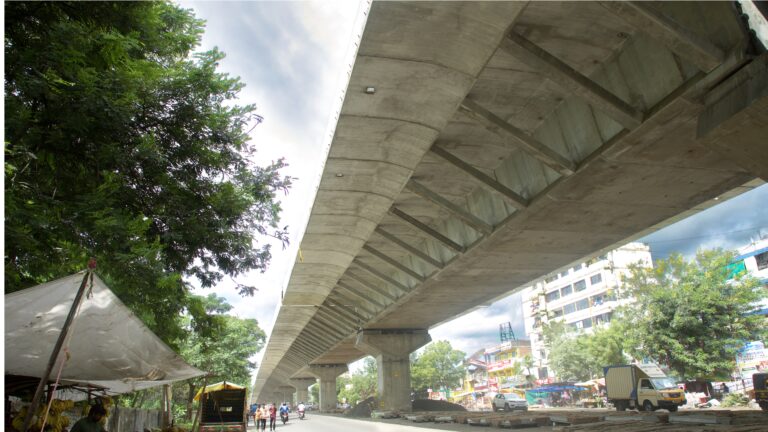
The long-awaited RTO Flyover is finally nearing completion, with the final slab work at Ravi Nagar Square set to commence soon. The National Highway (NH) division of the state Public Works Department (PWD), responsible for the project, has confirmed that preparations for laying the slab using Ultra High Performance Fibre Reinforced Concrete (UHPFRC), also known as Malaysian Technology, are complete.

A Major Step Towards Completion

Slab Work at Ravi Nagar: The Last Piece of the Puzzle

PWD officials have stated that this is a critical phase of the project. “It is a complex process, but we have made the necessary preparations. Once the slab at Ravi Nagar is laid, the flyover structure will be fully completed,” said a senior PWD official.

What Happens Next?

After the slab work is done, the final construction activities include:

  • Building a retaining wall near RTO
  • Replacing the existing 50-year-old bridge
  • Completing minor roadworks below the flyover

Project Overview: A Long-Awaited Infrastructure Boost

The RTO Flyover is a 2.85 km long structure, stretching from University Campus Square to just before Bhole Petrol Pump Square on Amravati Road. The total project cost is estimated at ₹245 crore. It is part of the ₹478 crore Amravati Road Traffic Improvement Project (ARTIP), aimed at easing congestion in one of Nagpur’s busiest corridors.

Sister Project: Wadi Flyover

The RTO Flyover was planned in conjunction with the Wadi Flyover under ARTIP. Both flyovers are crucial to the city’s traffic decongestion strategy, implemented under the guidance of the Ministry of Road Transport and Highways (MoRTH).

Challenges Faced: Delays and Roadblocks

Despite significant progress, the flyover’s completion has been delayed due to multiple challenges:

1. Missed Deadlines

Initially slated for opening on February 28, the project encountered several roadblocks, pushing the completion date to May-end. However, additional work such as footpath construction and roadworks will extend the full project completion timeline to July.

2. Tree-Cutting Permissions

One of the biggest hurdles has been obtaining tree-cutting approvals from the Nagpur Municipal Corporation (NMC). Out of the required 127 trees, permission has been granted for only 82 trees so far. The delay in obtaining clearance has significantly impacted the construction timeline.

3. Land Acquisition Challenges

Another major roadblock has been acquiring the necessary land. PWD officials have highlighted the delays in acquiring essential plots, leading to cost overruns and contractor compensation claims.

4. Public Money at Stake

Project delays translate to increased costs, impacting taxpayers. Contractors claim compensation for project slowdowns, leading to additional expenses for the government.

Upcoming Developments

Once the slab work at Ravi Nagar is completed, the PWD will move on to reconstructing another decades-old bridge near Ravi Nagar, estimated at ₹1 crore.

Infrastructure Improvements After Completion

Upon completion, the flyover is expected to bring significant improvements, including:

  • Reduced Traffic Congestion: A smoother traffic flow along Amravati Road.
  • Shorter Travel Times: Faster commute between key locations.
  • Enhanced Safety: Reduced road accidents and pedestrian risks.
  • Improved Connectivity: A seamless link between major city areas.

The RTO Flyover is set to transform Nagpur’s traffic system. While challenges such as tree-cutting approvals and land acquisition have delayed the project, the final stages are now underway. Once completed, the flyover will significantly reduce congestion and provide commuters with a smoother and safer travel experience.

1. When will the RTO Flyover be completed?
The flyover is expected to open by May-end, with additional work continuing until July.

2. What is the total cost of the RTO Flyover project?
The project is estimated at ₹245 crore, as part of the ₹478 crore Amravati Road Traffic Improvement Project (ARTIP).

3. What technology is being used for the slab work?
The slab work is being completed using Ultra High Performance Fibre Reinforced Concrete (UHPFRC), also known as Malaysian Technology.

4. Why has the project been delayed?
The primary reasons include land acquisition challenges, tree-cutting permission delays, and contractor claims.

5. How will the flyover benefit commuters?
It will significantly reduce congestion, shorten travel times, and enhance road safety for motorists and pedestrians.

Amravati Airport Welcomes First Trial Flight: A Historic Moment for Regional Aviation

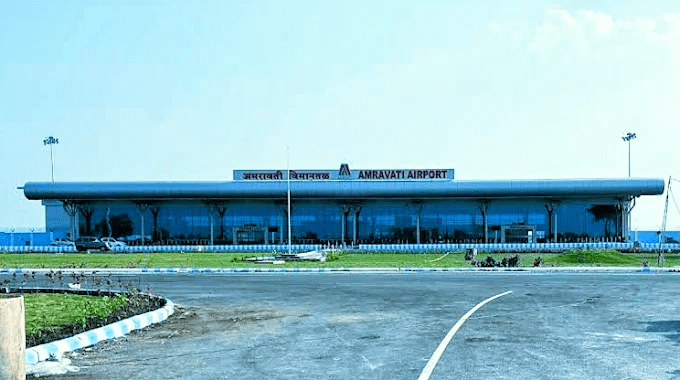
Amravati has marked a historic milestone as its airport welcomed its first-ever trial flight. The ATR-72 aircraft landed successfully, paving the way for regional connectivity. With commercial operations expected to commence soon, this achievement signals a new era of air travel in Maharashtra.

The Significance of This Milestone

The successful trial flight is not just a technical accomplishment but a transformational moment for Amravati. It ensures that air connectivity to major cities like Mumbai becomes a reality, fueling economic growth and improving accessibility.

The First Trial Flight: A Closer Look

When and Where Did It Happen?

On a landmark Sunday at exactly 15:56 hours, an ATR-72 aircraft made a flawless landing at Amravati Airport. The aircraft took off again for Indore at 16:17 hours, showcasing seamless airport operations.

Which Airline Operated the Flight?

Alliance Air, under the Regional Connectivity Scheme (RCS) – UDAN, conducted this special trial flight from Indore to Amravati. This confirms the airport’s readiness for commercial operations.

Impact on Amravati’s Connectivity

Boosting Regional Air Travel

The successful trial flight solidifies Amravati’s place on India’s aviation map. Initially, flights will connect Amravati to Mumbai, enhancing travel convenience for business and leisure passengers.

Economic and Tourism Growth

Enhanced air connectivity attracts investors, tourists, and businesses, leading to job creation and regional development.

Infrastructure and Readiness of Amravati Airport

State-of-the-Art Facilities

The airport boasts modern infrastructure, advanced navigation systems, and efficient ground handling facilities, ensuring smooth operations.

Developed by Maharashtra Airport Development Company (MADC)

MADC played a crucial role in the airport’s development. Swati Pandey, Vice Chairman & Managing Director of MADC, emphasized the airport’s importance in Maharashtra’s aviation expansion.

Future Prospects: What Lies Ahead?

Commercial Operations Begin Soon

The first commercial flight is expected to take off in April, with Mumbai as the initial destination.

Expansion Plans

With time, more domestic routes will be added, making Amravati a key aviation hub for tier-2 and tier-3 cities.

The successful trial flight at Amravati Airport marks the beginning of a new chapter in Maharashtra’s aviation history. With regular flights set to commence soon, this development will enhance connectivity, drive economic growth, and position Amravati as a major player in India’s regional air travel sector.

1. When will commercial flights start from Amravati Airport?

Commercial operations are expected to begin in April, with Mumbai as the first destination.

2. Which airline will operate flights from Amravati?

Alliance Air will be the first airline to operate flights under the RCS – UDAN scheme.

3. What was the significance of the first trial flight?

It demonstrated the airport’s operational readiness and marked a historic milestone for Amravati’s air connectivity.

4. Will Amravati Airport offer flights to other cities in the future?

Yes, more destinations are expected to be added as air traffic increases.

5. How does Amravati Airport benefit the region?

It boosts tourism, facilitates business growth, and enhances connectivity to major cities, driving regional development.

Red Tape Stalls Pachpaoli Flyover Dismantling

The much-anticipated dismantling of the Pachpaoli Flyover in Nagpur has hit a bureaucratic roadblock. This decades-old structure, set to be replaced by a longer and more efficient flyover under the Indora to Dighori project, is facing significant delays due to pending approvals from key government bodies. The National Highways Authority of India (NHAI), which is overseeing the ambitious Rs 998 crore project, is struggling to obtain No Objection Certificates (NOCs) from the railways, traffic department, and Nagpur Municipal Corporation (NMC).

The Vision: A Better Connectivity Plan

Why Dismantle the Pachpaoli Flyover?

The existing Pachpaoli Flyover, constructed in the early 1990s, is no longer adequate to handle the growing traffic congestion in the city. The NHAI plans to replace the 1.5 km structure with a 4 km-long new flyover extending from Kamal Chowk to Reshimbagh Square. This new development will ensure smoother traffic flow and reduce commute times across major city junctions.

Key Features of the New Flyover

  • Increased Length: Extends from Kamal Chowk to Reshimbagh Square.
  • Enhanced Traffic Flow: Passes through congested areas like Golibar Square, Lal Imli Square, Agrasen Square, Gandhi Gate, and Ashok Square.
  • Reduction in Commute Time: Travel from Indora to Dighori will be cut from an hour to just 15 minutes.
  • Additional Infrastructure: Construction of two Road Under Bridges (RuBs) at level crossings 571 and 572.

Challenges Hindering Progress

Pending Approvals and Bureaucratic Delays

Despite the urgency of the project, bureaucratic hurdles have stalled the dismantling process. The three major approvals required are:

  1. Railways: Initially agreed to close the level crossing but later demanded safety measures before reopening.
  2. Traffic Department: Insists on reopening the level crossing first before granting permission.
  3. Nagpur Municipal Corporation (NMC): Approval is required due to the presence of street lights in the area.

Complications in Level Crossing Approval

NHAI requested the railway authorities to reopen the closed level crossing, but new demands for height barriers have further delayed the process. Without this, the traffic department refuses to issue their clearance, leading to a deadlock.

Impact on Project Timeline

The extended delay could derail the overall timeline of the Indora to Dighori project. Since December, NHAI has been sending repeated requests to the concerned authorities, but approvals remain pending. Any further delay will push the project completion date beyond expectations, causing inconvenience to thousands of commuters.

NHAI’s Strategy to Overcome Hurdles

Use of Advanced Dismantling Technology

To ensure safety and efficiency, NHAI plans to use diamond cutters for precision dismantling. This method will help:

  • Minimize dust and debris in the densely populated area.
  • Ensure controlled removal of the old structure.
  • Transport dismantled pieces to crushing units for recycling.

Collaborations and Negotiations

Officials from NHAI continue to hold discussions with the railway, traffic, and municipal authorities to expedite approvals. Multiple meetings have been conducted, but the wait for the final go-ahead continues.

The Bigger Picture: Indora to Dighori Corridor

The reconstruction of the Pachpaoli Flyover is just one part of the broader Indora to Dighori infrastructure upgrade. The project also includes:

  • New Flyover from Bhande Plot to Dighori: Further enhancing traffic movement.
  • Road Expansion Plans: Reducing bottlenecks across critical intersections.
  • Smart Traffic Management: Implementing modern solutions to manage congestion effectively.

The Pachpaoli Flyover dismantling is crucial for Nagpur’s urban mobility transformation. However, bureaucratic red tape continues to stall progress. As NHAI waits for approvals, commuters bear the brunt of delays. If authorities expedite the clearance process, this infrastructure upgrade will bring significant benefits to the city, reducing congestion and enhancing connectivity.

1. Why is the Pachpaoli Flyover being dismantled?

The existing flyover is outdated and inadequate to handle increasing traffic congestion. It is being replaced with a longer and more efficient structure as part of the Indora to Dighori project.

2. What is causing the delay in dismantling the flyover?

Pending approvals from the railways, traffic department, and Nagpur Municipal Corporation (NMC) are stalling the project.

3. What benefits will the new flyover bring?

The new flyover will reduce travel time, ease congestion, and improve road safety. It will also provide better connectivity b

Nagpur Airport Runway Recarpeting Nears Completion Ahead of PM Modi’s Visit

The recarpeting project of the 3,200-meter runway at Dr. Babasaheb Ambedkar International Airport in Nagpur is approaching its final stages. The last layer is anticipated to be completed within the next four days, with the entire project expected to conclude within a week. However, Mihan India Limited (MIL) has yet to provide official confirmation regarding the completion date.

Challenges and Delays

Initiated on October 1, 2024, the runway recarpeting has encountered several delays. VVIP movements during the election period and restricted working hours contributed to the slowed progress. The original plan was to close the runway daily from 10 AM to 8 PM for the work, but this schedule was not consistently adhered to.

Judicial Intervention

Reports highlighting passenger inconveniences led to the High Court’s involvement, resulting in a Public Interest Litigation (PIL). The court directed the Airports Authority of India (AAI) and other agencies to expedite the work. In response, a second hotmix plant was established in the AAI colony, and additional workers and machinery were deployed to accelerate the project.

Revised Deadlines

The contractor, KG Gupta Company from Indore, conducted site surveys between June and September 2024 before commencing the work. Despite Union Minister Nitin Gadkari setting a one-month deadline on December 23, 2024, delays ensued. Experts now anticipate the recarpeting to be completed by March 30, 2025.

Awaiting Official Confirmation

Although the project is nearing completion, Abid Ruhi, Senior Airport Director of Mihan India Limited, stated that no official confirmation has been received yet. Once finished, the runway will be fully operational, ending the eight-hour daily closures and alleviating passenger inconveniences.

Impact on Flight Operations

The runway recarpeting has significantly impacted flight operations at Nagpur Airport. Limited working hours and unexpected delays have led to flight cancellations and rescheduling, causing inconvenience to passengers and airlines alike.

Safety Concerns

The deteriorating condition of the runway prior to recarpeting raised safety concerns. Loose gravel and a worn surface posed risks during takeoffs and landings, necessitating immediate attention to ensure the safety of passengers and crew.

Economic Implications

Delays in the runway recarpeting have had economic repercussions. Airlines faced increased operational costs due to altered flight schedules, and the local economy experienced a downturn as passenger traffic decreased.

Community Response

The local community has expressed frustration over the prolonged runway closure. Businesses reliant on airport traffic have suffered losses, and residents have voiced concerns over the project’s impact on the city’s connectivity.

Government Oversight

The involvement of government authorities, including Union Minister Nitin Gadkari, underscores the project’s significance. Continuous monitoring and revised deadlines reflect the government’s commitment to ensuring timely completion.

Technological Aspects

The recarpeting project incorporates advanced materials and techniques to enhance the runway’s durability and performance. These improvements aim to extend the runway’s lifespan and reduce future maintenance needs.

Environmental Considerations

Environmental assessments were conducted to minimize the project’s ecological impact. Measures were implemented to manage construction waste and reduce emissions, aligning with sustainable development goals.

Future Prospects

Upon completion, the upgraded runway is expected to attract more airlines and increase flight frequencies, boosting Nagpur’s connectivity and economic growth. The enhanced infrastructure positions the city as a more competitive aviation hub.

Passenger Benefits

Travelers will benefit from improved safety and reduced delays. The completion of the recarpeting project promises a more reliable and efficient travel experience for passengers flying in and out of Nagpur.

The recarpeting of Nagpur Airport’s runway is a critical infrastructure project with far-reaching implications for safety, economic development, and passenger satisfaction. Despite facing delays and challenges, the project is nearing completion, with expectations set for the end of March 2025. The aviation community and passengers eagerly await the resumption of full operations, anticipating the benefits of the upgraded runway.

  1. What caused the delays in the runway recarpeting project?

    The project faced delays due to VVIP movements during the election period and inconsistent adherence to the planned work schedule.

  2. When is the runway recarpeting expected to be completed?

    Experts anticipate completion by March 30, 2025, although official confirmation is pending.

  3. How will the completed runway benefit passengers?

    Passengers can expect improved safety, reduced delays, and a more reliable travel experience.

  4. What measures were taken to expedite the project?

    Additional resources, including a second hotmix plant and increased workforce and machinery, were deployed following judicial intervention.

  5. What are the future prospects for Nagpur Airport post-recarpeting?

    The upgraded runway is expected to attract more airlines, increase flight frequencies, and boost Nagpur’s connectivity and economic growth.

Rs 1,232 Crore Allocated for Wainganga-Nalganga Project: A Lifeline for Vidarbha

Water Supply Maharashtra: The Wainganga-Nalganga river linking project is set to transform the drought-prone Vidarbha region in Maharashtra. With Rs 1,232 crore allocated for the survey and investigation phase, this ambitious initiative marks a crucial step in tackling agricultural distress and water scarcity.

Understanding the Wainganga-Nalganga Project

What is the Wainganga-Nalganga Project?

The project involves linking the Wainganga River in Bhandara district to the Nalganga River in Buldhana through a vast canal and pipeline network, spanning 426.52 kilometers.

Why is the Project Important?

Vidarbha has long faced water shortages, causing distress to farmers. This project aims to provide irrigation, drinking water, and industrial water supply to multiple districts.

Project Details and Budget

Funding and Allocation

  • Rs 1,232 crore is set aside for survey and investigation.
  • The total estimated cost is Rs 87,343 crore.
  • The project will span over 10 years.

Project Timeline

  1. Survey & Investigation: Until 2027
  2. Construction Phase: Expected to take 8 years
  3. Completion: Targeted by 2035

Impact on Vidarbha Agriculture

Land to be Irrigated

  • Covers 371,277 hectares (approximately 917,425 acres).
  • Benefits farmers in Nagpur, Wardha, Amravati, Yavatmal, Akola, and Buldhana.

How Farmers Will Benefit

  • Reliable irrigation will reduce dependency on unpredictable monsoons.
  • Crops will have higher yields and better quality.
  • Reduction in farmer distress and financial instability.

Current Project Status

Government Approvals

  • Administrative approval secured by the state government on August 20, 2023.
  • Work orders issued on January 13, 2024.

Who is Conducting the Survey?

A Nagpur-based company has won the contract for conducting the initial surveys.

Challenges in Implementation

Financial Challenges

  • Requires heavy investment.
  • Government must ensure consistent funding for timely completion.

Environmental Concerns

  • Large-scale water diversion may affect local ecosystems.
  • Sustainable planning is needed to minimize environmental impact.

Technical Difficulties

  • Constructing a 426.52-km network requires advanced engineering solutions.
  • Land acquisition and resettlement issues could delay progress.

Potential Economic and Social Benefits

Boosting the Local Economy

  • Job Creation: Construction and maintenance will generate employment.
  • Industrial Growth: Water availability can boost local industries.

Improving Drinking Water Supply

  • Ensures sustainable drinking water supply for households.
  • Reduces dependency on groundwater resources.

Future Prospects and Expansion Plans

Possibility of Additional Water Projects

  • Success of this project could lead to further river-linking initiatives in Maharashtra.
  • Could inspire similar models across drought-affected states in India.

Government’s Long-Term Vision

  • Enhancing agricultural productivity.
  • Reducing dependence on external water resources.
  • Strengthening rural development initiatives.

The Wainganga-Nalganga project is a game-changer for Vidarbha’s agriculture and economy. While challenges remain, its potential benefits in irrigation, drinking water supply, and industrial development make it a crucial step towards sustainable water management in Maharashtra.

1. What is the main goal of the Wainganga-Nalganga project?

The project aims to address water scarcity by providing irrigation, drinking water, and industrial water supply in the Vidarbha region.

2. When will the project be completed?

The estimated completion date is 2035, with surveys running until 2027 and construction taking another eight years.

3. How much land will be irrigated by this project?

The project will irrigate 371,277 hectares of farmland across multiple districts in Vidarbha.

4. What are the major challenges of the project?

Financial investment, environmental concerns, and technical challenges like land acquisition and pipeline construction are key obstacles.

5. How will this project benefit local farmers?

Farmers will gain access to reliable irrigation, leading to higher yields, reduced financial stress, and improved agricultural sustainability.

Nagpur Airport Elevates Flight Safety with Advanced Runway Visual Range Systems

Nagpur Airport Runway Visibility: In the realm of aviation, ensuring optimal visibility during take-offs and landings is paramount. Dr. Babasaheb Ambedkar International Airport, serving as a pivotal aviation hub in central India, has taken a significant step forward by installing advanced Runway Visual Range (RVR) systems. This initiative underscores the airport’s commitment to aligning with global safety standards and enhancing passenger safety.

Understanding Runway Visual Range (RVR) Systems

What is an RVR System?

An RVR system is a sophisticated technological setup that measures the distance over which a pilot can see the runway surface markings or lights. By utilizing advanced optical and atmospheric sensors, RVR systems provide real-time visibility data, which is crucial during adverse weather conditions such as fog, heavy rainfall, or haze.

How Does the RVR System Operate?

The RVR system continuously monitors runway visibility by:

  • Data Collection: Advanced sensors measure atmospheric conditions affecting visibility.

  • Data Transmission: The collected data is instantly relayed to Air Traffic Control (ATC) towers and pilots.

  • Decision Making: Accurate visibility information aids ATC and pilots in making informed decisions regarding landings and take-offs.

Installation of RVR Systems at Nagpur Airport

Strategic Placement of RVR Systems

To maximize coverage and accuracy, Nagpur Airport has installed two RVR systems at the extremities of Runway Nos. 32 and 14. Additionally, a third RVR system is in the final stages of commissioning at the midpoint of the runway, further enhancing visibility assessments.

Transition from Traditional Methods

Prior to this upgrade, the Aerodrome Meteorological Office (AMO) Nagpur employed the manual polar diagram method for visibility detection. This traditional approach relied on visual assessments using landmarks, which were subject to human error. The new automated RVR systems offer a significant improvement in accuracy and reliability.

Benefits of Implementing RVR Systems

Enhanced Flight Safety

The primary advantage of RVR systems is the enhancement of flight safety. By providing precise real-time visibility data, these systems assist pilots during low-visibility conditions, reducing the risk of accidents and ensuring safer landings and take-offs.

Operational Efficiency

Accurate visibility measurements enable better decision-making, leading to reduced flight delays and cancellations. This operational efficiency benefits both airlines and passengers, contributing to a more reliable travel experience.

Compliance with Global Standards

The installation of RVR systems brings Nagpur Airport in line with international aviation safety benchmarks. This alignment enhances the airport’s reputation and positions it as a leading aviation hub in the region.

Role of Aerodrome Meteorological Office (AMO) Nagpur

Oversight and Implementation

AMO Nagpur has been instrumental in overseeing aviation meteorological operations across Madhya Pradesh, Chhattisgarh, and Vidarbha. The office led the RVR system upgrade, reflecting its dedication to enhancing air travel safety and ensuring uninterrupted operations across regional airports.

Expert Insights

Rizwan Ahmed, Director & Scientist-D at AMO Nagpur, emphasized the critical role of RVR systems in modern aviation. He highlighted that these high-tech sensors provide real-time visibility data, ensuring safer landings and take-offs, particularly during low-visibility conditions.

Impact on Nagpur Airport’s Operations

Passenger and Cargo Traffic

Nagpur Airport handles approximately 9,000 passengers daily and facilitates the movement of about 150 metric tons of cargo. With 70 domestic and international flights operating each day, the airport’s capacity to manage high traffic volumes is crucial. The RVR systems play a vital role in maintaining smooth operations under varying weather conditions.

Future Prospects

Mid-Runway RVR System Commissioning

The imminent commissioning of the mid-runway RVR system is expected to further optimize visibility assessments. This addition will reinforce stringent safety protocols and minimize weather-related disruptions, solidifying Nagpur Airport’s position as a premier aviation hub.

The integration of advanced RVR systems at Nagpur Airport marks a significant milestone in the airport’s commitment to safety and operational excellence. By adopting cutting-edge technology, the airport ensures that it meets global safety standards, providing passengers and airlines with a reliable and efficient travel experience.

1. What is the purpose of installing RVR systems at Nagpur Airport?

The RVR systems are installed to provide real-time visibility data, enhancing flight safety during adverse weather conditions.

2. How do RVR systems improve operational efficiency?

By offering accurate visibility measurements, RVR systems enable better decision-making, reducing flight delays and cancellations.

3. What was the previous method of measuring runway visibility at Nagpur Airport?

The airport previously used the manual polar diagram method, which relied on visual assessments using landmarks.

4. Who oversees the aviation meteorological operations in the region?

The Aerodrome Meteorological Office (AMO) Nagpur oversees aviation meteorological operations across Madhya Pradesh, Chhattisgarh, and Vidarbha.

5. What is the daily passenger and cargo traffic at Nagpur Airport?

Nagpur Airport handles approximately 9,000 passengers and 150 metric tons of cargo daily.

Rs35.44cr Sanctioned for IRR Flyover & Manish Nagar RoB in Nagpur

Nagpur Flyover: Nagpur is set to witness a major infrastructure boost as the Maharashtra government has sanctioned Rs35.44 crore for crucial road development projects. Deputy Chief Minister and State Finance Minister Ajit Pawar announced Rs21.14 crore for constructing a third flyover on Inner Ring Road (IRR) and Rs14.30 crore for a railway overbridge (RoB) connecting Radisson Blu Hotel to Manish Nagar. These projects aim to enhance connectivity and ease traffic congestion in southwest and south Nagpur.

The Need for Infrastructure Development

With Nagpur’s rapid urban expansion, traffic congestion has become a pressing issue. The existing road network struggles to accommodate the increasing number of vehicles, making the construction of additional flyovers and overbridges essential.

Overview of Sanctioned Projects

1. Third Flyover on IRR

  • Project Cost: Rs185 crore (Rs21.14 crore newly sanctioned)
  • Length: 2.80 km
  • Purpose: To integrate the existing flyovers at Manewada and Mhalgi Nagar Squares into a seamless corridor.
  • Modification: Design changes were made following Union Minister Nitin Gadkari’s recommendations.
  • Current Status: Administrative approval received; tendering process to begin soon.

2. Manish Nagar Railway Overbridge (RoB)

  • Project Cost: Rs124 crore (Rs14.30 crore newly sanctioned)
  • Objective: Improve connectivity between Wardha Road and Manish Nagar.
  • Alternative Routes: Designed to ease pressure on the congested Manish Nagar underpass.
  • Proposed Designs: Options include a double-decker bridge and parallel alignment with the Narendra Nagar flyover.

Impact on Nagpur’s Traffic Flow | Nagpur Flyover

  • Reduced Congestion: These projects will streamline movement along the Inner Ring Road and surrounding areas.
  • Enhanced Safety: Fewer traffic bottlenecks and improved road conditions.
  • Time-Saving: Faster transit across key city locations.

Detailed Breakdown of the Third Flyover Project

Location & Connectivity

  • The third flyover will connect two already sanctioned flyovers at Manewada Square and Mhalgi Nagar Square, forming a continuous elevated corridor.

Revised Design Strategy

  • Initial design included separate structures, but later modified for a seamless flow.
  • The ascending ramp at Mhalgi Nagar and the landing ramp at Manewada Square were removed to accommodate the third flyover.

Current Status & Next Steps

  • Ongoing Work: Construction of the Mhalgi Nagar flyover has already started.
  • Upcoming Developments: Tendering process for the third flyover will commence shortly.

Manish Nagar Railway Overbridge (RoB): A Game Changer | Nagpur Flyover

Existing Challenges

  • The Manish Nagar underpass is heavily congested.
  • Limited alternate routes force commuters to take longer detours.

Proposed Solutions

  • Double-decker bridge option under evaluation.
  • Parallel alignment with Narendra Nagar flyover for improved traffic management.

Advantages for Commuters

  • Faster access to Wardha Road.
  • Easier transit between key residential and commercial zones.

Role of PWD in Project Execution

The Public Works Department (PWD) plays a critical role in planning, approving, and executing these projects. Their expertise ensures that infrastructure developments meet quality and safety standards.

Economic & Social Benefits

1. Increased Property Value

  • Improved infrastructure boosts real estate demand.
  • Commercial growth in areas with better connectivity.

2. Job Creation

  • Direct employment in construction work.
  • Indirect opportunities in transportation and related sectors.

3. Sustainable Urban Development

  • Balanced growth with infrastructure improvements.
  • Supports Nagpur’s long-term expansion plans.

Government’s Vision for Nagpur’s Future

The Maharashtra government aims to transform Nagpur into a smart, well-connected city. The budget allocations for flyovers and RoBs reflect a commitment to urban development and efficient transportation networks.

The Rs35.44 crore sanctioned for the IRR flyover and Manish Nagar RoB marks a milestone in Nagpur’s infrastructure growth. These projects will significantly ease congestion, improve connectivity, and enhance road safety. With the PWD actively involved in execution, Nagpur’s residents can expect a smoother, faster, and safer commuting experience.

1. When will the construction of the third flyover start?

The tendering process is expected to commence soon, following the approval of the revised design.

2. How will the Manish Nagar RoB help commuters?

It will provide an alternative to the congested Manish Nagar underpass, reducing travel time and easing traffic flow.

3. What are the total costs of these projects?

The IRR third flyover is estimated at Rs185 crore, and the Manish Nagar RoB is projected at Rs124 crore.

4. What changes were made to the original flyover designs?

The ramps at Manewada and Mhalgi Nagar Squares were removed to integrate the third flyover into a continuous corridor.

5. What are the long-term benefits of these projects?

They will enhance connectivity, reduce congestion, boost economic growth, and improve road safety in Nagpur.

Amravati Airport to Be Ready for Passenger Service by March 31

The long-awaited Amravati Airport, also known as Belora Airport, is set to begin passenger services by March 31. Maharashtra’s Finance Minister, Ajit Pawar, recently confirmed the development, which is expected to boost regional connectivity. The Maharashtra Airport Development Company (MADC) is currently awaiting the final clearance from the Directorate General of Civil Aviation (DGCA). Once operational, Amravati Airport will serve as a crucial link between Nagpur and Mumbai, with Alliance Air likely to launch the first flights.

Amravati Airport’s Readiness: A Game-Changer for the Region

The airport’s completion marks a significant step forward for Maharashtra’s aviation infrastructure. With extensive work already completed, the only remaining step is obtaining DGCA approval. A recent inspection suggests that the approval process will be completed within a fortnight.

Key Developments at Amravati Airport:

  • Final stages of infrastructure completion
  • DGCA inspection underway
  • Expected commencement of passenger flights by March 31
  • Alliance Air likely to operate first flights to Mumbai

Expansion of Air Connectivity in Maharashtra

Beyond Amravati, the state is investing heavily in expanding air travel options. Plans for new airports in Gadchiroli and Akola are underway, with significant funding allocated.

Upcoming Airports in Maharashtra

Gadchiroli Airport

  • Land acquisition process has begun
  • 560 acres of land to be secured through negotiations
  • Survey and exploration work in progress

Akola Airport

  • Managed under the Airports Authority of India (AAI)
  • No immediate plans for commercial services

The Role of Maharashtra Airport Development Company (MADC)

MADC is spearheading the development of regional airports. With a record allocation of ₹830 crore, MADC is actively enhancing air infrastructure.

MADC’s Key Responsibilities:

  • Overseeing construction and expansion of regional airports
  • Securing licenses and approvals for new airports
  • Negotiating land acquisition for upcoming projects

Impact on Maharashtra’s Aviation Network

With multiple airports in development, Maharashtra aims to have an airport every 150-250 km from Nagpur to Mumbai. This will ensure seamless connectivity across major cities like Nagpur, Amravati, Akola, Jalgaon, Shirdi, and Mumbai.

Ongoing Projects:

  • Gondia Airport: Already operational with commercial services
  • Ratnagiri Airport: Work order issued in November with an 18-month completion target

Economic and Regional Benefits

The development of Amravati Airport is expected to bring significant economic benefits.

Key Advantages:

  1. Boost to Local Economy: Improved connectivity will promote business growth.
  2. Enhanced Tourism Opportunities: Easier access for travelers.
  3. Job Creation: Infrastructure projects and airport operations will generate employment.
  4. Reduced Travel Time: Faster connectivity to major cities.
  5. Increased Investments: Attracts businesses and investors to the region.

The launch of Amravati Airport’s passenger services is a major milestone for Maharashtra’s aviation sector. With DGCA approval imminent, the airport is set to enhance regional connectivity and economic growth. The state’s aggressive expansion plan for air travel will further boost accessibility, making Maharashtra a hub for aviation infrastructure.

1. When will Amravati Airport begin passenger services?

Amravati Airport is expected to be ready for passenger flights by March 31, pending final DGCA approval.

2. Which airline will operate first from Amravati?

Alliance Air is expected to launch the first passenger flight, likely to Mumbai.

3. What are the upcoming airports in Maharashtra?

New airports are planned in Gadchiroli and Akola, with land acquisition and funding already in progress.

4. How will Amravati Airport benefit the region?

The airport will boost the local economy, create jobs, enhance tourism, and improve connectivity with major cities.

5. What role does MADC play in Maharashtra’s aviation expansion?

MADC is responsible for overseeing the development, securing approvals, and managing airport projects across the state.

NMC to Redevelop Bhandewadi Animal Shelter with Hospital, Isolation Centre, and Play Area

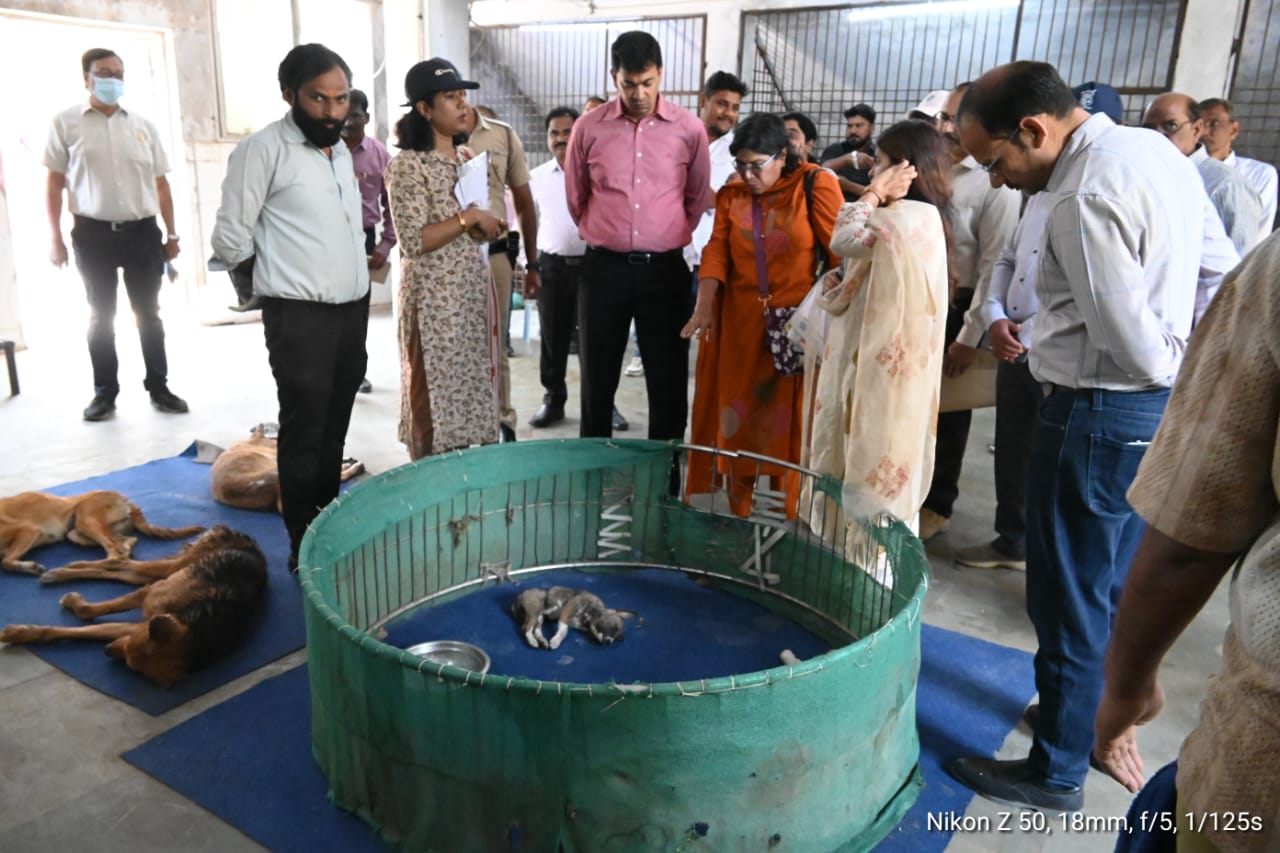
The Nagpur Municipal Corporation (NMC) is taking a significant step towards improving the condition of stray animals in the city. The redevelopment of the Bhandewadi animal shelter includes a dedicated hospital, an isolation center, and a play area for stray dogs. This initiative is set to provide better healthcare and rehabilitation facilities for these animals.

Current State of Bhandewadi Animal Shelter

Currently, the Bhandewadi shelter is in poor condition, with only one veterinarian and an assistant managing all medical care and sterilization services. Concerns about its inadequate infrastructure and resources have been repeatedly raised by citizens and animal welfare organizations.

The Redevelopment Plan

The NMC’s redevelopment plan includes:

  • A dedicated hospital for stray animals
  • A separate isolation center for infected or injured dogs
  • A play area for the mental and physical well-being of the animals

The hospital and isolation center will occupy 1.5 acres, while the play area will spread across another 1.5 acres.

Key Features of the New Facility

1. Stray Animal Hospital

  • Equipped with modern medical tools
  • 24/7 emergency care
  • More veterinary doctors and staff

2. Isolation Center

  • Special ward for infectious diseases
  • Quarantine area to prevent the spread of diseases

3. Play Area for Dogs

  • Open space for physical activity and socialization
  • Designed to reduce stress and improve mental health

Municipal Commissioner’s Inspection

Municipal Commissioner Abhijeet Chaudhari recently visited the shelter to inspect its condition and discuss the redevelopment. He was accompanied by additional municipal officers and veterinary experts.

During the visit, Chaudhari directed officials to:

  • Appoint more veterinarians to improve healthcare services
  • Ensure cleanliness at the facility
  • Form a committee to oversee operations and welfare initiatives

Support from Animal Welfare Activists

Animal activists, including Karishma Galani and Nikita Bobde, have expressed their support for the redevelopment. Their involvement highlights the growing concern for stray animals and the need for better facilities in Nagpur.

Expected Benefits of the Redevelopment

1. Improved Healthcare for Strays

With a fully-equipped hospital, animals will receive proper medical attention, reducing mortality rates.

2. Enhanced Rehabilitation Facilities

The isolation center will prevent the spread of infectious diseases and provide a safer environment for recovery.

3. Better Quality of Life

The addition of a play area will help in the mental and physical well-being of stray dogs, making them healthier and happier.

Challenges and Implementation

While the redevelopment plan is promising, challenges such as budget allocation, staffing, and maintenance need to be addressed. Continuous monitoring and government support will be essential for the project’s success.

The redevelopment of the Bhandewadi Animal Shelter is a major step towards animal welfare in Nagpur. Once completed, this initiative will provide stray animals with a healthier, safer, and more humane environment. With the backing of municipal authorities and animal welfare organizations, NMC aims to create a model shelter that sets an example for other cities.

1. When will the redevelopment of Bhandewadi Animal Shelter be completed?

The exact timeline is yet to be announced, but the project is in its final planning stages.

2. What facilities will the new shelter have?

The shelter will have a hospital, isolation center, and play area for stray dogs.

3. Who is responsible for overseeing the redevelopment?

The Nagpur Municipal Corporation (NMC) is in charge of the project, with additional support from municipal officers and animal welfare activists.

4. Will the shelter have more veterinary staff?

Yes, the municipal commissioner has directed officials to appoint additional veterinarians to improve medical care.

5. How can citizens support the initiative?

People can volunteer, donate, and spread awareness about the redevelopment to support the cause.

NMC Identifies 11 Sites for EV Charging Stations

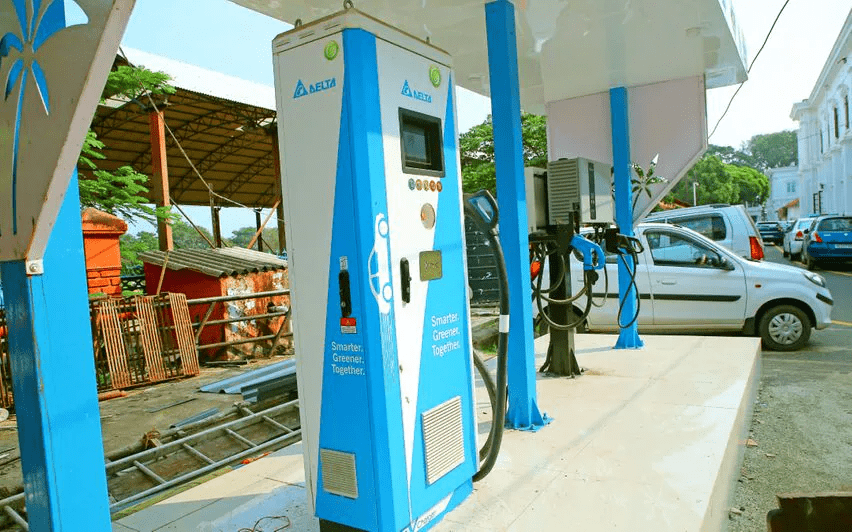
EV Charging Stations Nagpur: The Nagpur Municipal Corporation (NMC) is making strides in electric mobility by identifying 11 locations for public charging stations (PCS). As electric vehicle (EV) adoption grows, ensuring accessible charging infrastructure becomes a priority. These stations, developed under a public-private partnership model, align with Maharashtra’s Electric Vehicle Policy, 2021.

The Need for Charging Infrastructure

With the increasing sales of EVs, the demand for charging stations is on the rise. To facilitate seamless EV adoption, NMC has taken proactive steps to install PCS at strategic locations. These efforts are in line with the government’s goal of reducing greenhouse gas emissions.

Government’s Role in Promoting EVs

The Maharashtra government has implemented policies to accelerate EV adoption, aiming for a significant reduction in vehicular pollution. The focus is on:

  • Lowering carbon emissions
  • Promoting green transportation
  • Encouraging investment in EV infrastructure

Planned Charging Station Locations

NMC has selected 11 sites across the city for the initial phase of PCS installation:

  1. Jaitala Bazar Square (Orange Street) – 4 slots
  2. Rahate Colony Square (Near PKV Land) – 4 slots
  3. Dayanand Park – 2 slots
  4. Police Motor Transport Section, Katol Road – 2 slots
  5. Parking Area near Yashwant Stadium – 4 slots
  6. Wadi Naka, Amravati Road – 4 slots
  7. Futala Lake, near Police Outpost – 4 slots
  8. Budhwari Bazar, Sakkardara, near Water Tank – 4 slots
  9. Shanti Nagar Main Road – 2 slots
  10. Behind Anjuman College, Mangalwari Complex – 4 slots
  11. Parking Lot opposite Tuli Imperial Hotel, Central Bazar Road – 4 slots

How the Charging Stations Will Operate

NMC envisions PCS primarily operating during the daytime, with flexibility for overnight usage based on operator preferences. These stations will be located in high-traffic areas where people typically park for extended periods.

Investment and Rental Model

To attract private investment, NMC has structured a rental model. Bidders will lease charging locations and set consumer pricing accordingly. This ensures fair pricing while maintaining profitability for investors.

India’s Commitment to EV Growth

India is actively working towards achieving net-zero greenhouse gas emissions by 2070. Interim goals include:

  • 45% reduction in emissions by 2030
  • Decarbonizing public transport
  • Increasing EV adoption under the EV30@30 pledge, which targets 30% EV penetration in new vehicle registrations by 2030

Challenges and Concerns

While NMC’s plan is ambitious, concerns arise from previous initiatives, such as the Nagpur Metro’s EV charging stations. Despite free charging availability at multiple metro stations, usage remains low. This raises questions about consumer awareness and infrastructure utilization.

Public Response to EV Charging Stations

As awareness grows and more people switch to EVs, the demand for charging stations is expected to rise. Consumers require convenient access to charging facilities, making strategic placement crucial for success.

Advantages of a Well-Developed EV Infrastructure

  • Convenience: Reduces range anxiety among EV owners.
  • Environmental Benefits: Decreases carbon emissions and pollution.
  • Economic Growth: Encourages investment in green technology.
  • Job Creation: Opens opportunities in infrastructure development and maintenance.

Future Expansion Plans

NMC aims to expand PCS coverage in phases. As EV adoption increases, additional locations will be identified based on demand and user feedback.

NMC’s initiative to install 11 EV charging stations is a crucial step towards sustainable transportation. While challenges remain, the shift towards an EV-friendly city is inevitable. With government backing and increasing consumer adoption, the future of green mobility in Nagpur looks promising.

1. Where will the new EV charging stations be located? The charging stations will be set up at 11 locations across Nagpur, including Jaitala Bazar Square, Futala Lake, and Yashwant Stadium.

2. Will the charging stations operate 24/7? While daytime operation is planned, overnight charging may be available based on operator preferences and infrastructure feasibility.

3. How much will it cost to use these charging stations? Pricing will be set by private operators who lease the charging spots from NMC. Costs will depend on electricity rates and operational expenses.

4. Why is the government focusing on EV charging infrastructure? To promote sustainable transportation, reduce carbon emissions, and achieve net-zero emission targets by 2070.

5. Are there any plans to expand the charging network? Yes, NMC plans to expand PCS coverage based on demand and increasing EV adoption in the city.

Exit mobile version