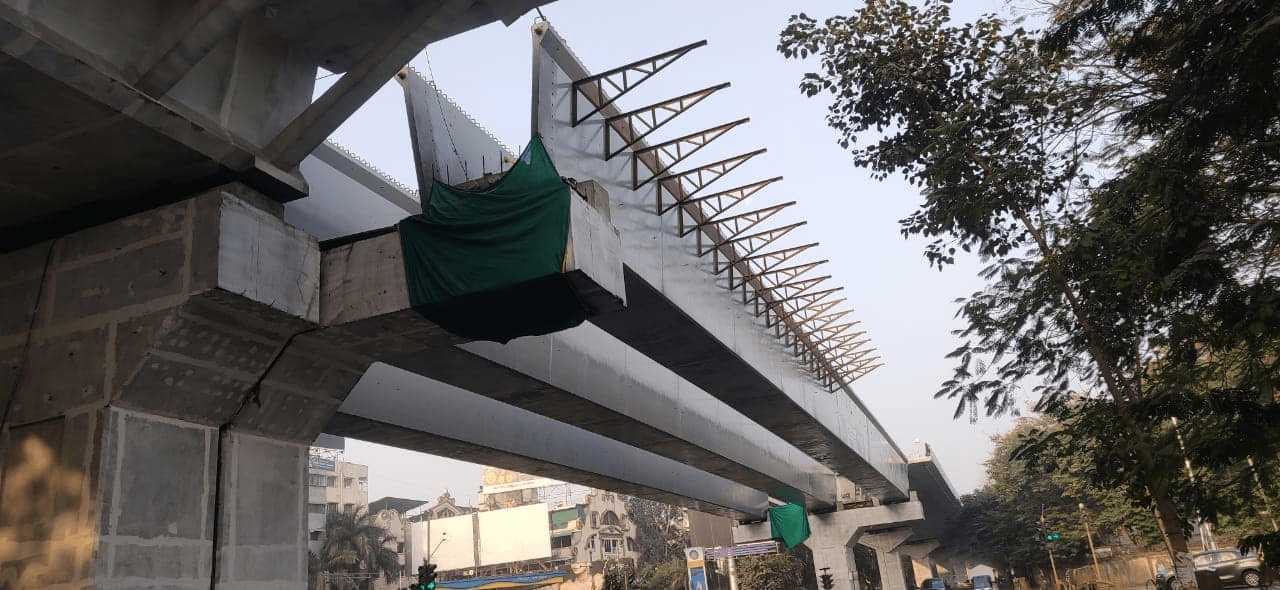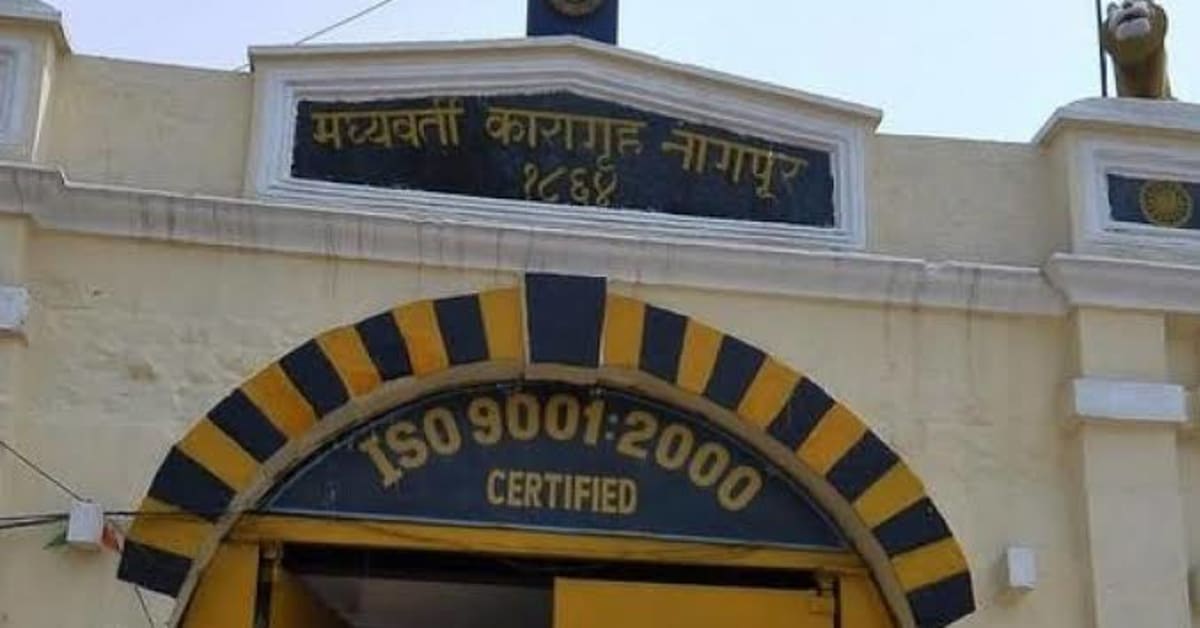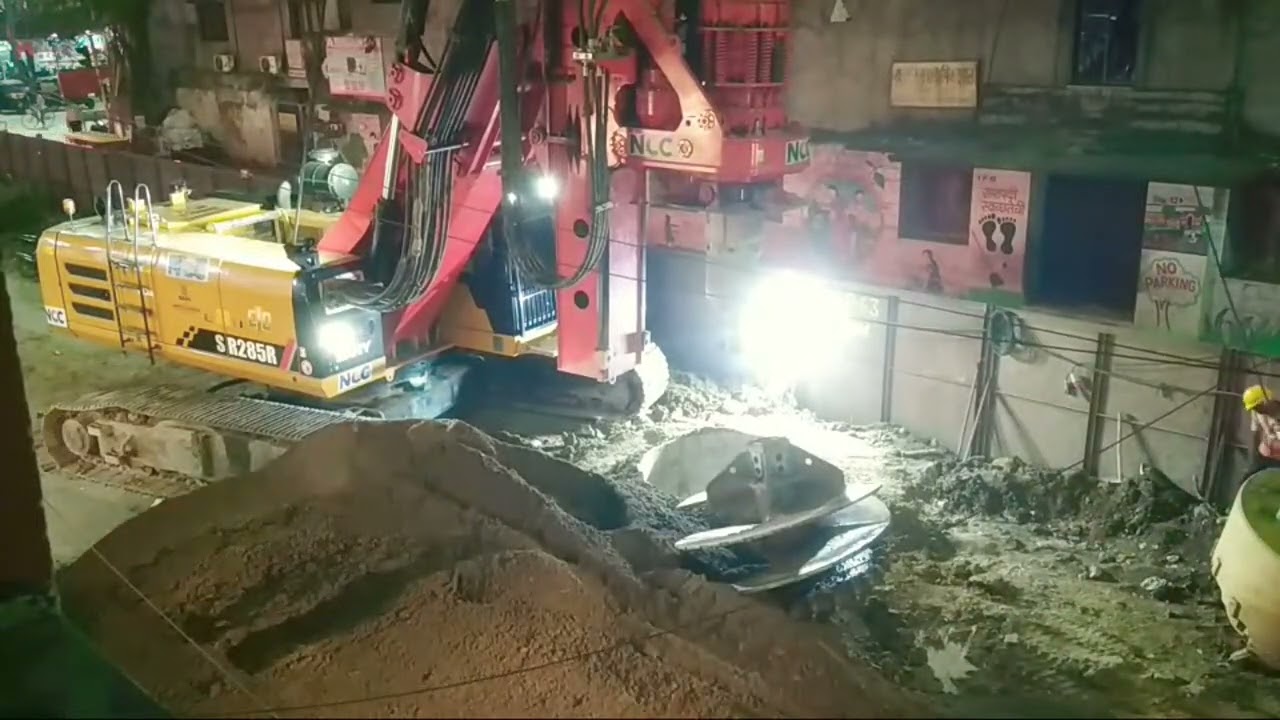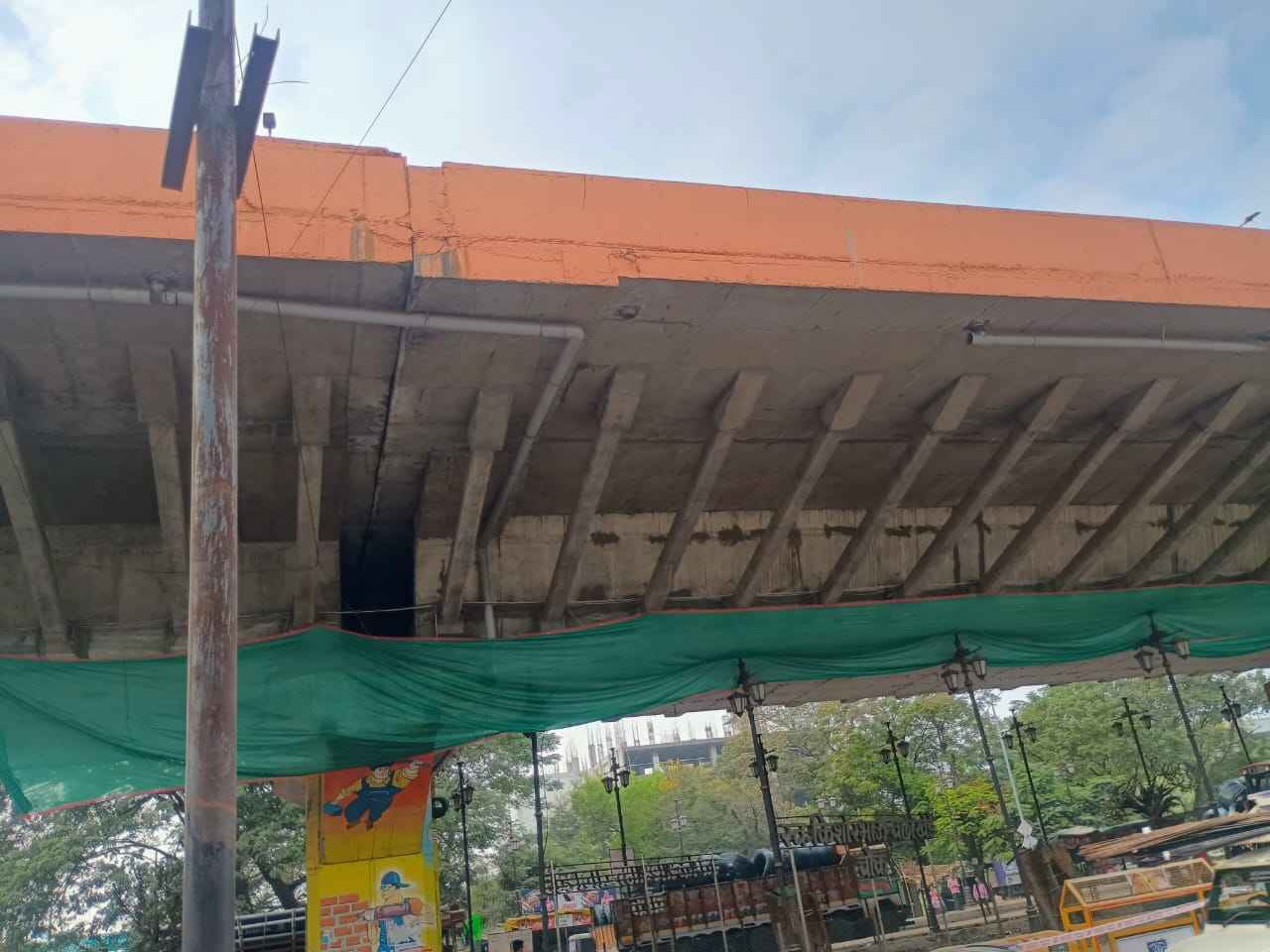
Nagpur’s Koradi Naka to Get Y-Shaped Flyover to Ease Traffic and Improve Safety

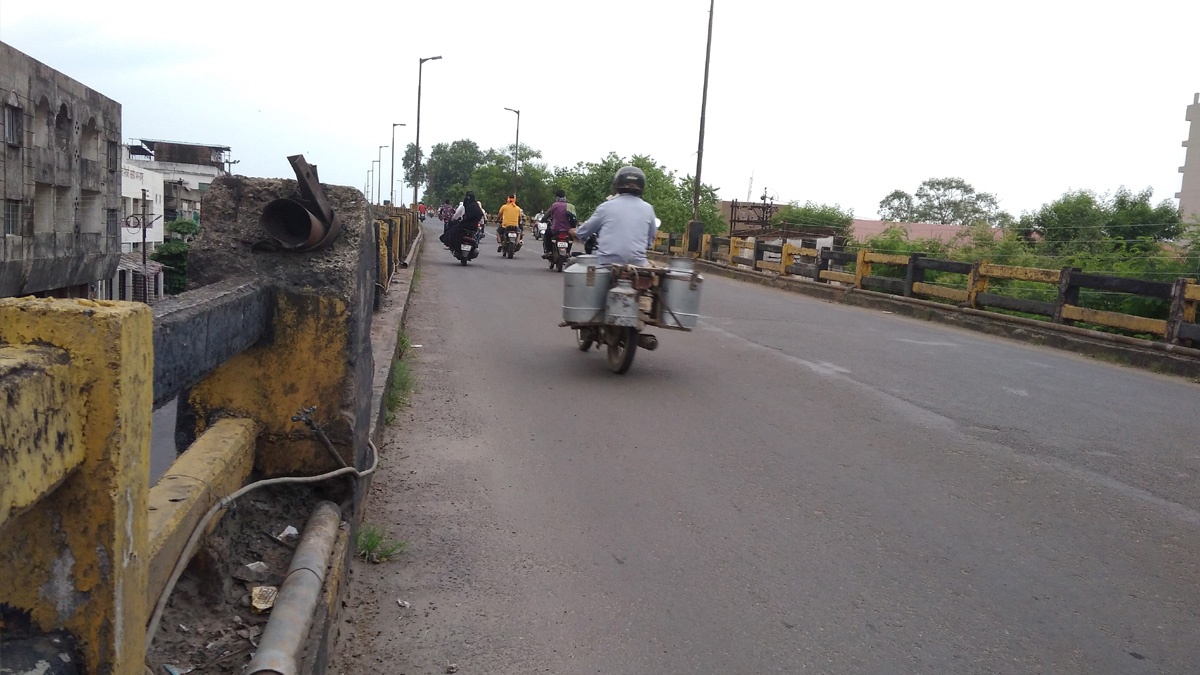
Koradi Naka Flyover Project: Nagpur is on the move—literally! If you’ve ever found yourself stuck in the relentless traffic at Koradi Naka, you know the chaos all too well. But here’s some great news: the city is gearing up for a major transformation with a Y-shaped flyover coming to National Highway 47. With demolition already underway and construction set to kick off on June 20, 2025, this ambitious infrastructure project promises smoother drives, fewer accidents, and less honking frustration.

Let’s break it down for you—what it is, why it matters, and how it’s going to change your daily commute.


🚧 Why Koradi Naka Needed an Upgrade

A Black Spot That Needed Immediate Attention

Ever heard of a “black spot”? It’s not just traffic jargon—it refers to accident-prone zones that desperately need a fix. Koradi Naka earned this title due to chronic congestion and frequent accidents. Thousands of vehicles squeeze through this bottleneck daily, making it a nightmare for both drivers and pedestrians.

Outdated Infrastructure Couldn’t Handle Modern Traffic

Koradi Naka’s old design simply wasn’t cut out for today’s traffic. With growing suburbs like Farsa, Mahadula, and Bokhara, the pressure on the road network has increased tenfold. The new flyover is designed to unclog this traffic artery and give the city some much-needed breathing space.


🛣️ Project Overview: What’s Coming? | Koradi Naka Flyover Project

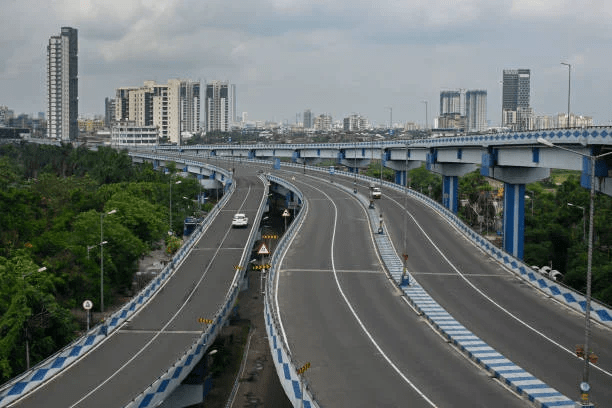
A Y-Shaped Marvel in the Making

The flyover is no ordinary overpass—it’s a Y-shaped engineering solution tailored to link three major corridors:

  • Farsa

  • Mahadula Railway Overbridge (ROB)

  • Bokhara Road

With a length of 1,090 meters, this flyover will allow vehicles to glide over the busiest intersections and reconnect with ease.

₹43.37 Crore Investment with a Deadline

This massive project comes with a budget of ₹43.37 crore and a clear timeline. The deadline for completion is January 2026, meaning in just over a year, residents could be experiencing smoother rides and safer streets.


👷 Construction Phases: What to Expect?

Phase 1: Demolition and Preparation

Already underway, this phase includes the removal of obstructive structures and utility shifting. Locals may notice increased machinery and temporary detours.

Phase 2: Foundation Work and Pillar Construction

Set to begin on June 20, 2025, this stage involves groundwork, setting up concrete pillars, and stabilizing the foundation for the flyover.

Phase 3: Decking and Roadway Connection

The deck will be laid to connect the three points of the Y-shape. Expect some traffic diversions here but also visible progress that excites.


🧩 How the Y-Shape Will Function

Think of the Y-shaped flyover as a three-way bridge in the sky. One leg starts at Farsa, another at Bokhara Road, and the base connects to the Mahadula ROB. This tri-branch connection eliminates traffic stops and allows continuous flow—just like water running down a slope.


🚦 Supporting Infrastructure: Underpass and More

Underpass for Smooth Local Transit

An underpass is part of the plan too. While the flyover handles through-traffic, the underpass will serve local vehicles, pedestrians, and two-wheelers, keeping everyone moving efficiently.

Conversion of Existing Structure into Service Roads

The current road won’t go to waste—it’s being converted into a service road for local commutes. This means no one is left out of the infrastructure upgrade.


🚶 Pedestrian Safety Gets a Boost Too

4 New Foot Overbridges (FOBs)

To protect pedestrians in this high-traffic zone, the NHAI has greenlit four foot overbridges:

  1. Modern School Square

  2. Panjra Bus Stop

  3. Shivaji Maharaj Square

  4. Koradi Bus Stop

These overpasses will prevent jaywalking and reduce accidents, especially during peak hours.


🌆 Urban Impact: What This Means for Nagpur

Reduced Travel Time

Once completed, travel between north Nagpur suburbs and the city center will be drastically faster. Expect to cut travel time by up to 40% during rush hour.

Better Emergency Access

Ambulances and fire trucks will benefit immensely from the improved flow. Time-sensitive emergencies can now be handled without being stuck in gridlock.

Real Estate Boom Incoming

Areas around the flyover, like Koradi, Farsa, and Mahadula, may see a spike in real estate value, as smoother connectivity boosts demand.


📊 Project Benefits in a Nutshell

  • Smoother Traffic Flow

  • Reduced Accidents

  • Enhanced Pedestrian Safety

  • Improved Emergency Response

  • Boost to Local Economy

  • Modern Urban Aesthetics


🏗️ Challenges and Mitigations

Managing Traffic During Construction

While the work is ongoing, temporary diversions and traffic snarls are expected. However, the NHAI has prepared smart diversion plans to minimize disruptions.

Environmental Concerns

The project includes environmental safeguards, such as dust suppression measures, tree transplantation, and eco-friendly construction practices.


📅 Timeline Snapshot

Phase Start Date End Date Key Activities
Demolition April 2025 June 2025 Removal of structures
Construction June 2025 Dec 2025 Pillars, underpass, decking
Finishing Touches Jan 2026 Jan 2026 Painting, lighting, testing

💬 What Locals Are Saying

“About time we had this! Getting stuck near Koradi Bus Stop is my everyday nightmare. Can’t wait for smoother roads.” — Nikhil, daily commuter

“Safety is a big concern, especially for school kids crossing at Shivaji Square. These foot overbridges will make a huge difference.” — Rekha, parent


📍 Quick Facts: At a Glance

  • Flyover Length: 1,090 meters

  • Budget: ₹43.37 Crore

  • Start Date: June 20, 2025

  • Completion Target: January 2026

  • Shape: Y-configuration

  • Key Connections: Farsa, Bokhara Rd, Mahadula ROB

  • Extra Features: Underpass + 4 Foot Overbridges


📢 Final Thoughts: A New Chapter for Nagpur

Nagpur is not just adding concrete—it’s building progress, connectivity, and safety. The Y-shaped flyover at Koradi Naka is more than an infrastructure project; it’s a lifeline to better urban living. By early 2026, the daily chaos that once defined Koradi Naka will likely become a thing of the past.

So, next time you’re caught in traffic, just remember: change is coming, and it’s rising sky-high.

1. Why is a Y-shaped flyover being built at Koradi Naka?

Because the area faces extreme congestion and accidents, a Y-shaped flyover offers the best traffic flow solution across three major routes.

2. When will the construction of the Koradi flyover be completed?

The construction is expected to be completed by January 2026.

3. Will pedestrians have safer options during and after construction?

Yes, four foot overbridges are being added along Koradi Road to ensure pedestrian safety.

4. Will local commuters still be able to use the area?

Absolutely! The old road is being converted into a service road, and an underpass is planned for local transit.

5. How will the flyover affect property prices in nearby areas?

Improved connectivity often leads to a real estate boom, and areas like Mahadula and Bokhara may benefit significantly.

Pachpaoli Flyover Demolition Halted: NHAI Awaits Railway Nod

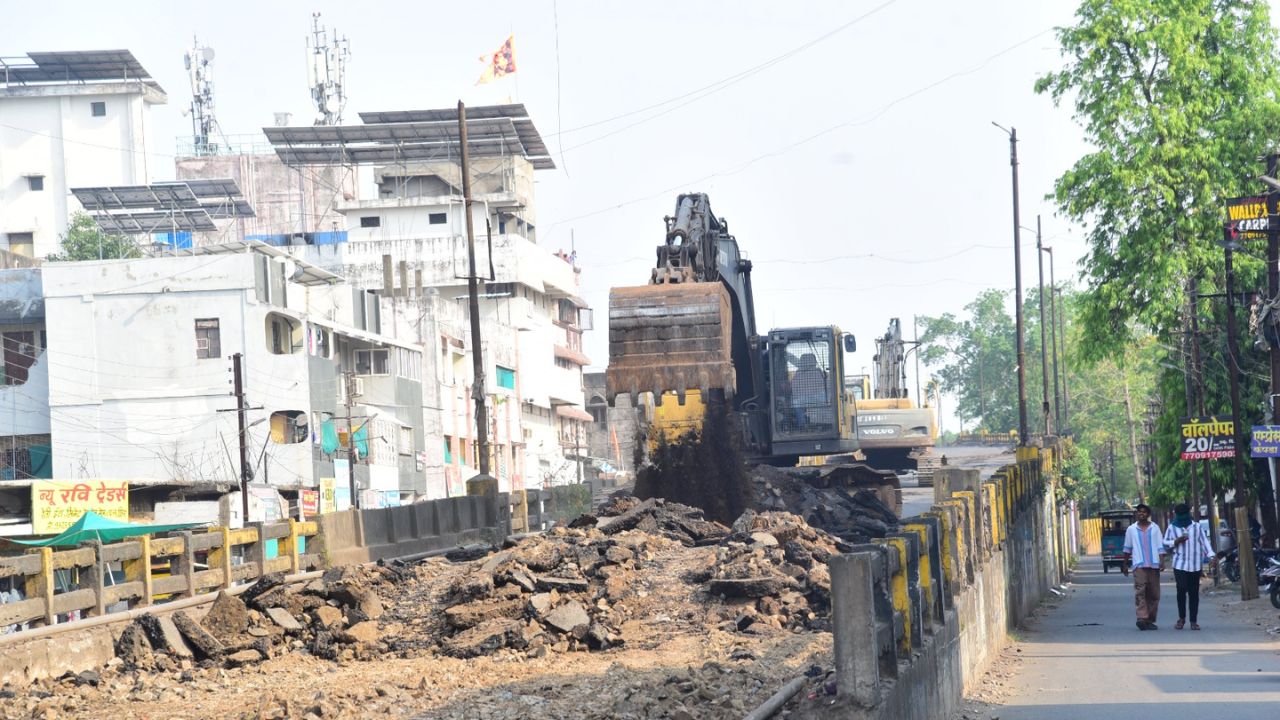
Pachpaoli Flyover Demolition Update: The bustling city of Nagpur has found itself at a crossroads — quite literally — as the long-standing Pachpaoli flyover demolition project hits an unexpected roadblock. The National Highway Authority of India (NHAI), tasked with modernizing this critical stretch under the ₹998 crore Indora to Dighori project, is now stuck in a bureaucratic jam.

But what’s really going on here? Why is this major infrastructure overhaul suddenly crawling? Let’s take a closer look at this story that has the whole city talking.


🚧 Pachpaoli Flyover Demolition Update

Imagine trying to renovate your house, but you can’t take down a single wall because your neighbor hasn’t signed off yet. That’s exactly what’s happening with the Pachpaoli flyover.

The NHAI began demolition work on this decades-old, 1.5-kilometer-long flyover last month. The goal? To make way for a sleeker, more efficient, and longer flyover to ease the notorious congestion between Kamal Square and Reshimbagh Square.

Unfortunately, when it comes to the portion of the flyover that crosses two railway lines, the NHAI needs a green light from Indian Railways. And that green light is stuck at red.


🛤 Why the Railways Matter Here

Here’s the deal — the flyover stretches above active railway tracks. Naturally, you can’t just bring down concrete slabs where trains are still zipping through. NHAI had to hit pause, pending official permission from the railway authorities.

“We’ve already submitted a detailed demolition plan,” said a senior NHAI official. “Until the railways approve it, we can’t proceed further.”


📍What’s the Bigger Plan Anyway?

The Indora to Dighori project isn’t just about demolishing one flyover. It’s a multi-faceted urban transport upgrade involving:

Flyover 1: Kamal Square to Reshimbagh Square (1.5 km)

  • Passes through:

    • Golibar Square

    • Lal Imli Square

    • Agrasen Square

    • Gandhi Gate

    • Ashok Square

Flyover 2: Bhande Plot Square to Dighori Square (2.2 km)

  • A completely new overpass for smoother commutes from east to southeast Nagpur.


🔨 Demolition Status Update

Here’s where things currently stand:

  • ✅ Flyover demolished up to the railway lines.

  • ❌ Awaiting permission for railway-overlapping stretch.

  • ✅ Piling and pier work started where demolition is complete.

  • ✅ Debris clearing in progress.

  • ⛔ Flyover not demolished from Golibar Chowk yet — it’s being used by heavy vehicles and machinery.


🕰 Timelines and Delays: What’s at Stake? | Pachpaoli Flyover Demolition Update

Initially, NHAI had targeted one month for full demolition. That’s now been pushed by another one to two months thanks to the delay in railway clearance.

Despite the hiccups, the NHAI is aiming to complete the Kamal Chowk to Reshimbagh flyover by December 2025 — even though the official deadline is June 2026. Optimistic? Maybe. But the intent is clear: deliver faster, smarter, and better.


🏗 What’s Happening Behind the Scenes?

While demolition is stalled at one end, NHAI isn’t sitting idle. They’ve started laying the groundwork for the new structure:

  • Piers for the new flyover are being installed.

  • Planning for two new Road Under Bridges (RUBs) at level crossings in the Pachpaoli area is underway.

  • The RUB construction will begin only after the flyover is completed.


🧱 Debris: A Growing Urban Nuisance

Let’s not forget the elephant on the roadside — tons of concrete rubble that are piling up along the streets. NHAI says they’re handling disposal “systematically,” but the sight is causing concern among residents.

Is it safe? Is it blocking roads? Is anyone really watching?


👥 What Do Citizens Think?

Ask anyone in the area and you’ll hear the same thing: “We just want it done!”

Locals are hopeful that once the flyover is complete, travel time from North Nagpur to South Nagpur will be drastically cut down. But right now, many are skeptical about deadlines being met — especially with recurring administrative bottlenecks.


🚦Traffic Woes in the Meantime | Pachpaoli Flyover Demolition Update

With parts of the flyover blocked and others under active demolition, traffic is being rerouted frequently. This has led to:

  • Increased congestion in surrounding squares

  • Delays in public transport

  • Frustration among daily commuters


🏢 How NHAI Is Managing the Situation

In a city where even a small traffic jam can stretch into a one-hour delay, managing such a major overhaul is no easy feat. Here’s what the NHAI is doing to keep things moving:

  • Submitted plans to railways for safety-approved demolition.

  • Using partial flyover access for demolition machinery.

  • Starting new construction wherever feasible.

  • Coordinating with city authorities for traffic management and debris removal.


🔍 Can NHAI Meet the December Target?

That’s the million-rupee question. Technically, they’ve got time until June 2026. But with pressure from commuters, businesses, and political stakeholders mounting, they’ve committed to an early finish by December 2025.

Will the railways play ball? That remains to be seen.


🚉 What’s the Railway’s Role Now?

Let’s give credit where it’s due — railway safety is non-negotiable. But the bureaucracy around issuing approvals can be painstakingly slow. The NHAI has done its part: submitted the plan, ticked the boxes. Now, all eyes are on Indian Railways.


🌇 A Vision for a Connected Nagpur

Despite the roadblocks, the long-term vision is exciting. When complete, the new infrastructure will:

  • Drastically reduce commute time

  • Improve traffic flow across major squares

  • Enhance connectivity between North and South Nagpur

  • Prepare the city for future metro and rapid transit integrations

Sure, the Pachpaoli flyover demolition has hit a snag, but this isn’t the end of the road. Once railway permissions come through, NHAI is poised to pick up the pace. Until then, citizens will need to navigate a little patience along with their daily routes.

The flyover may be down, but hope is still up.

1. Why is the Pachpaoli flyover demolition halted?
The demolition has paused as NHAI awaits permission from Indian Railways to demolish the section over two active railway lines.

2. When will the new flyover be completed?
Although the official deadline is June 2026, NHAI is targeting completion by December 2025.

3. What are the two new flyovers being constructed?
One from Kamal Square to Reshimbagh Square (1.5 km) and another from Bhande Plot Square to Dighori Square (2.2 km).

4. Will the project include other upgrades?
Yes, two Road Under Bridges (RUBs) will be constructed in the Pachpaoli area after the flyovers are completed.

5. How is debris from the demolition being handled?
NHAI is disposing of debris systematically, though roadside piles remain a concern among locals.

RTO Flyover Nearing Completion, Final Deadline Set for June 2025

The long-delayed RTO flyover in Nagpur is finally inching toward completion. After years of hurdles, approvals, and setbacks, authorities have now set a firm deadline—June 30, 2025. But will this be the last of the delays? Let’s take a deep dive into what’s been happening and what lies ahead.


🚧 A Look Back at the RTO Flyover Project

When It All Began

The RTO flyover project was launched in March 2022 with much anticipation. Meant to ease traffic congestion near the RTO office and improve connectivity between Amravati Road and North Nagpur, the flyover was supposed to be a game-changer.

What Was Promised

Originally, the Public Works Department (PWD) promised timely completion within 24 months. However, like many infrastructure projects, things didn’t go as smoothly as planned.


📉 The Delays and Their Causes

So, What Went Wrong?

From tree removal permits to utility relocations, the project faced numerous delays. But according to Umair Inamdar, junior engineer with the PWD, the biggest hurdles were:

  • Pending permissions from Nagpur Municipal Corporation (NMC)

  • Coordination issues between stakeholders, like MSEDCL

  • Structural complications during Futala Nullah bridge demolition

88% Done… But the Rest?

While most of the structure is ready, the landing near the RTO office remains incomplete. Why? Because the team is still waiting for permission to cut down three heritage trees near the Hanuman Temple.


🌳 The Tree Removal Controversy

Initial Proposal vs. Revised Plan

Initially, the PWD asked to remove four trees. After a detailed site inspection, NMC officials agreed to cut only three, insisting on preserving the fourth due to its heritage status.

Compensatory Measures

To make up for this ecological loss, PWD proposed planting 213 saplings on the Nagpur University campus. A small step for nature, but a giant leap for project progress.


🔨 What’s Under Construction Right Now

Demolition at RTO Nullah and Amravati Flyover Landing

The demolition work in these areas is currently in full swing. One side of the flyover is being built, while the other side will see action starting early June 2025.

Futala Nullah Bridge: A Special Case

Another sticky point was the Futala Nullah bridge demolition. The process was broken into two phases:

  • Phase 1: Raft slope concreting completed on May 4

  • Phase 2: Set to begin in early June

This phased approach was crucial due to the surrounding residential areas and limited maneuvering space for heavy equipment.


📅 The New and Final Deadline: June 30, 2025

What the Officials Say

Engineer Umair Inamdar has now gone on record to confirm the final deadline for the project. The PWD is committed to wrapping everything up by June 30, 2025.

Is It Realistic?

Honestly? Given the past delays, many citizens are skeptical. But with 88% of the work already done and only a few hurdles remaining, it’s finally looking hopeful.


🗺️ Why This Flyover Matters to Nagpur

Solving the Traffic Puzzle

Ask anyone who’s driven near the RTO area—they’ll tell you it’s a traffic nightmare. This flyover aims to:

  • Ease congestion on Amravati Road

  • Streamline RTO traffic

  • Reduce commute time to North Nagpur

Boost to Local Infrastructure

Infrastructure projects like this don’t just improve traffic—they also raise property values, boost local businesses, and enhance public convenience.


📸 Public Sentiment: Hope Meets Skepticism

What the Citizens Think

Some are cautiously optimistic, while others aren’t holding their breath. The constant rescheduling has led to distrust. But the visible progress is slowly restoring faith.

Social Media Speaks

Scroll through local forums or WhatsApp groups, and you’ll find heated debates, memes, and public polls about the flyover’s fate. People want results, not promises.


⚙️ Behind the Scenes: Coordination Woes

Too Many Cooks in the Kitchen

From NMC to MSEDCL, too many agencies have had to coordinate their part. This often led to communication gaps, overlapping schedules, and plain old bureaucratic delays.

Lessons Learned

A tighter project management structure could’ve saved months of delays. Hopefully, future projects will implement better stakeholder coordination.


🌟 The Silver Lining

Visible Progress

Despite hiccups, the RTO flyover has seen substantial progress in recent months. Construction crews are now working round-the-clock to meet the deadline.

Local Employment Boost

The project has provided employment to many locals—from engineers to laborers. It’s not just a flyover; it’s a source of livelihood for hundreds.


🚦What to Expect in the Coming Months

June 2025 Timeline Breakdown

  • Early June: Start of work on second side of RTO flyover

  • Mid-June: Completion of Futala Nullah Bridge Phase 2

  • Late June: Final touches, road markings, and safety checks

  • June 30: Project handover


🧠 Why This Project Has Become a Case Study

Urban Planning in Action

This project teaches us a lot about the realities of urban planning. Environmental concerns, administrative delays, and public scrutiny all play crucial roles.

A Balancing Act

It’s like trying to juggle progress and preservation. Cut a tree here, plant a sapling there—it’s all about finding the middle path.


📍 Final Thoughts: Will the June 2025 Deadline Hold?

We get it—you’ve heard this before. Deadlines have come and gone. But this time, the odds look better. With major hurdles cleared and visible progress, June 30 might just be the finish line we’ve all been waiting for.

Let’s hope the final stretch doesn’t surprise us with any more unexpected detours.

1. Why has the RTO flyover project been delayed for so long?

Delays occurred due to coordination issues among government bodies, pending permissions for tree removal, and phased demolition requirements.

2. How much of the RTO flyover is currently completed?

As of now, 88% of the construction is finished. Only the landing area near the RTO office and the Futala Nullah bridge work remain.

3. What is the final completion deadline for the flyover?

The official final deadline is June 30, 2025, as stated by the PWD.

4. What compensatory action is being taken for the trees removed?

The PWD has proposed planting 213 saplings on the Nagpur University campus as a green offset.

5. How will the flyover help Nagpur’s traffic problem?

The flyover will reduce congestion, improve travel times between key areas, and enhance the overall flow of traffic in the region.

MahaMetro to Build Disaster Mgmt Institute Worth Rs 187.7 Crore in Nagpur

Maharashtra disaster management: In a major development aimed at enhancing disaster preparedness and management, the Maharashtra Metro Rail Corporation Ltd. (MahaMetro) has been entrusted with the responsibility of building the State Institute of Disaster Management (SIDM) in Nagpur. This project, valued at Rs 187.7 crore, will play a crucial role in strengthening the state’s disaster response framework. The establishment of the institute underscores the state government’s commitment to disaster resilience and preparedness.

What is the SIDM?

The State Institute of Disaster Management (SIDM) is envisioned to be Maharashtra’s central hub for disaster management, research, training, and response coordination. The institute will focus on developing disaster risk reduction strategies, providing technical support to authorities, and offering comprehensive training programs aimed at dealing with both natural and man-made disasters. The project is expected to strengthen the state’s preparedness in handling crises of various scales.

MahaMetro: A Trusted Agency for the Project

MahaMetro, a well-established name in infrastructure development, has been appointed as the official project implementation agency for the SIDM. Their role includes overseeing the planning, design, and execution of the institute’s construction. The agency will also manage the preparation of a detailed project report (DPR), which will outline the estimated costs, layout, and timelines for the institute’s development.

Why MahaMetro?

MahaMetro’s track record in large-scale infrastructure projects, particularly in the development of metro rail systems, positions it as a capable and reliable agency for this ambitious project. With a clear understanding of complex urban development and execution, MahaMetro is expected to ensure the SIDM is completed on time and to the highest standards.

The Role of the Maharashtra Government

The Maharashtra government has been proactive in addressing the state’s disaster management needs. In recent years, the state has faced several natural calamities, including floods and droughts, making disaster preparedness a top priority. The proposal for the SIDM was first cleared in December 2023 by the previous Eknath Shinde-led cabinet, but it was the current administration under Chief Minister Devendra Fadnavis that fast-tracked the proposal, emphasizing the need for a dedicated disaster management institute.

Funding and Project Timeline

The funding for the project will be sourced from the state’s disaster prevention budget, ensuring that sufficient resources are allocated to the development of the SIDM. MahaMetro is expected to submit the DPR in the coming months, providing a detailed plan for the construction, including the necessary infrastructure and logistics. The total estimated cost of the project is Rs 187.7 crore, with MahaMetro entitled to receive up to 5% of the project cost as implementation charges.

Location of the SIDM

The SIDM will be situated on a 10-acre plot in Mihan, within the jurisdiction of the Maharashtra Airport Development Company (MADC). Mihan is a key industrial hub, and the location has been carefully chosen to provide the institute with ample space for expansion and development.

Strategic Importance of the Location

Mihan’s proximity to Nagpur’s central business district, combined with its strategic location within Maharashtra’s transportation and industrial network, makes it an ideal choice for the SIDM. This location is expected to enhance the accessibility of the institute for professionals and experts involved in disaster management.

National Institute of Disaster Management (NIDM) Model

The SIDM will be modeled after the National Institute of Disaster Management (NIDM) in Delhi. The NIDM serves as a national hub for disaster management research and training, and the SIDM aims to replicate its structure to become Maharashtra’s primary institution for disaster risk reduction and management.

Key Functions of SIDM

  • Research: The SIDM will conduct extensive research to improve disaster response and risk mitigation strategies.

  • Training and Education: The institute will offer various training programs for government officials, first responders, and disaster management professionals.

  • Disaster Coordination: It will coordinate disaster response efforts across the state, providing support to authorities during natural and human-made crises.

Complementing the State Emergency Operations Centre (SEOC)

The SIDM will complement the recently operationalized State Emergency Operations Centre (SEOC) in Mumbai. While the SEOC focuses on real-time disaster management and response, the SIDM will provide long-term training, strategic planning, and research support.

Enhancing Disaster Response Capabilities

The establishment of both the SEOC and SIDM signals the state government’s commitment to modernizing Maharashtra’s disaster management framework. With advanced technology and expert resources, the SEOC and SIDM will work hand in hand to enhance the state’s ability to respond effectively to emergencies.

MahaMetro’s Role in Accelerating the Project

With MahaMetro now officially on board, the SIDM project is expected to move forward rapidly. The submission of the DPR is expected in the near future, and once approved, construction will commence swiftly.

The Impact of the SIDM on Maharashtra

The SIDM’s development will have a far-reaching impact on Maharashtra’s disaster management capabilities. By providing a centralized institution for research, training, and coordination, the SIDM will improve the state’s ability to respond to disasters and safeguard its residents. This investment in disaster preparedness will ultimately lead to a more resilient Maharashtra.

In conclusion, the establishment of the State Institute of Disaster Management (SIDM) in Nagpur is a significant step towards enhancing Maharashtra’s disaster preparedness and response. With MahaMetro at the helm, the project promises to be completed efficiently and to the highest standards. The SIDM will serve as the state’s primary institution for disaster management, research, and training, ensuring that Maharashtra is better equipped to handle both natural and man-made disasters. This initiative, alongside the State Emergency Operations Centre, demonstrates the Maharashtra government’s commitment to improving disaster resilience and safeguarding the lives of its citizens.

1. What is the purpose of the State Institute of Disaster Management (SIDM)?

The SIDM will serve as Maharashtra’s central institution for disaster management, focusing on research, training, and response coordination.

2. Who is responsible for implementing the SIDM project?

MahaMetro has been appointed as the project implementation agency for the SIDM.

3. What is the estimated cost of the SIDM project?

The SIDM project is estimated to cost Rs 187.7 crore.

4. Where will the SIDM be located?

The SIDM will be located on a 10-acre plot in Mihan, Nagpur.

5. How will the SIDM complement the State Emergency Operations Centre (SEOC)?

The SIDM will provide long-term training, research, and strategic planning, complementing the SEOC’s real-time disaster management capabilities.

81 Acres Earmarked in Kamptee for New Central Jail: Big Upgrades Coming to Mor Bhavan and Ganeshpeth Stations

Nagpur central jail: Have you heard? Nagpur is all set for a major infrastructure boost! From a cutting-edge correctional facility to modernized transport hubs and revamped markets, the city is getting a facelift that’s both bold and ambitious. With 81.6 acres now earmarked in Kamptee for a new central jail and a long list of redevelopment projects lined up, Nagpur is stepping into a future of integrated urban growth.

Let’s break down what’s coming and why it matters.


🚧 The New Central Jail in Kamptee: A Game Changer | Nagpur central jail

📍 Why Kamptee?

Located near Babulkheda in Kamptee taluka, this 81.6-acre stretch of land is about to become home to Nagpur’s new central jail. The choice of location isn’t random—it’s strategic. The area offers enough space for a self-sufficient, secure, and well-connected facility.

🏗️ Modern Prison, Not Just a Jail | Nagpur central jail

Guardian Minister Chandrashekhar Bawankule isn’t settling for the ordinary. He insists this is not just about building another prison—it’s about creating a modern correctional facility. Drawing inspiration from Palghar, Taloda, and Delhi models, the design will meet national jail manual standards while integrating staff quarters and administrative zones.

📘 Built by the Book

The directive is crystal clear: everything must align with structural and functional standards laid out in the national jail manuals. That means smart layouts, humane conditions, and high-tech security features. No shortcuts.


🏙️ A Vision for Urban Synergy

🤝 Who’s Involved?

This project isn’t flying solo. It’s a joint effort between the Maharashtra State Infrastructure Development Corporation (MSIDC) and the Nagpur Improvement Trust (NIT). Together, they aim to ensure that the project is executed efficiently, transparently, and in alignment with the city’s broader development goals.

🗣️ What the Leaders Are Saying

“We are not just building a prison, but a modern correctional facility,” — Chandrashekhar Bawankule

“All projects linked to Nagpur’s development must meet high-quality standards and be completed on time.” — Bawankule, again hitting the quality drum


🚏 Transport Upgrades: Mor Bhavan and Ganeshpeth in Focus

🚍 Mor Bhavan: A Transit Hub for All

Plans are underway to reimagine Mor Bhavan as a multi-purpose bus terminal. CM Devendra Fadnavis recommends that the hub cater to both city buses and private operators, ensuring smoother connectivity for Nagpur’s growing commuter base.

🚐 Ganeshpeth: Bigger, Better, Bolder

Ganeshpeth will soon handle both city and State Transport (ST) buses. Expect expanded platforms, better waiting areas, and digital information boards.

🔄 Integrated Redevelopment on the Table

CM Fadnavis also emphasized the need for integrated redevelopment of Netaji Market and Santra Market, ensuring that transit and commerce coexist efficiently. Imagine walking off a bus and directly into a bustling, well-organized market—no chaos, no confusion.


🏘️ PMAY Housing for Contract Workers

🏡 7,000 Homes, One Mission

A massive housing project under Pradhan Mantri Awas Yojana (PMAY) is launching in Kamptee. The goal? To provide dignified housing for 7,000 contract workers who are the backbone of the city’s infrastructure operations.

🛠️ Green Light Given

MSIDC has been told to start work without delay. This means immediate tendering, speedy construction, and strict quality checks at every stage.


🏛️ Revamp of the Government Printing Press

📰 Two-In-One Facility

The government printing press in Kamptee will undergo a makeover. Once done, it will house the press operations and also serve as the new office for the Department of Food and Civil Supplies.

This cohabitation plan not only optimizes space but also reduces operational overheads—a smart move in the era of smart governance.


🛒 Commercial Hubs to Shine Again

🧺 What’s Being Redeveloped?

Four major markets are getting a facelift:

  • Cotton Market

  • Dahi Bazaar

  • Flower Market

  • Itwari Bazaar

These aren’t just local hangouts—they’re economic lifelines for thousands. So upgrading them means improving daily life for both vendors and shoppers.

🗂️ Where Do Things Stand?

The Cotton Market’s sub-division plan is already approved and just awaits the final green signal. Once cleared, NMC and MSIDC will float tenders within three months.


📦 Coordinated Development Is the Future

All of these projects—from jails to bus stations to housing—point toward coordinated urban planning. Nagpur is not just expanding; it’s evolving with a strategy in mind. The collaboration between departments and agencies ensures that projects don’t exist in silos but complement each other.


📈 Economic and Social Impact

💼 Job Creation

These developments will generate thousands of jobs—from construction to maintenance to administrative roles.

💰 Boost for Local Businesses

With upgraded markets and transport, foot traffic will increase, naturally giving a boost to small traders and shopkeepers.

🏙️ Improved Urban Living

We’re talking better roads, more efficient transport, smarter infrastructure, and livable communities. Nagpur is setting a new standard for Tier-2 cities in India.


🛣️ Timeline and Next Steps

  • Tenders Finalized: Within 3 months (as directed by Bawankule)

  • Construction Begins: Immediately after tender approvals

  • Coordination: MSIDC, NIT, NMC working in tandem

  • Completion Targets: Will follow PMAY and Smart City timelines


🎯 What This Means for You

Whether you’re a Nagpur resident, a business owner, or someone just keeping an eye on urban development in India, these updates are massive. The city is not only planning for its present needs but also building a robust future—one step, one structure at a time.

Nagpur is entering a transformative era. From a state-of-the-art correctional facility to major transportation and housing initiatives, the city is redefining how integrated urban growth should look. With coordinated planning, fast-tracked execution, and a focus on quality, Nagpur is set to emerge as a model city for smart urban living.

1. Why is Kamptee chosen for the new central jail?

Kamptee offers a large, secure, and accessible space ideal for developing a modern correctional complex.

2. What is the significance of upgrading Mor Bhavan and Ganeshpeth stations?

These hubs will now accommodate both city and private/ST buses, making public transport smoother and more efficient.

3. Who is managing the construction projects in Nagpur?

The Maharashtra State Infrastructure Development Corporation (MSIDC), along with NIT and NMC, is overseeing the development.

4. How many houses will be built under the PMAY scheme in Kamptee?

A total of 7,000 houses will be constructed for contract workers.

5. When will the Cotton Market redevelopment begin?

Once final approvals are granted, tenders will be issued within three months.

Gridlocked Indora-Dighori Flyover Project Gains Pace, So Do Commuters’ Suffering

A Promise of Progress Meets Roadblocks

Imagine a city trying to sprint in marathon traffic shoes. That’s Nagpur right now. While the Indora-Dighori flyover project is gaining momentum, so is the frustration among daily commuters. Traffic snarls, blocked routes, and never-ending wait times—sounds familiar, doesn’t it?

Let’s explore the reality behind the progress and pain of Nagpur’s latest infrastructure overhaul.


🚧 The Flyover Revolution: A Brief Look Back

The 1996 Kickoff — Kamal to Golibar Square

Nagpur’s flyover journey began in 1996 with the now-demolished Panchpaoli bridge connecting Kamal Square to Golibar Square. It was revolutionary back then—a model that inspired the city’s flyover boom.

Why the First Bridge Failed

Over time, growing vehicle numbers and deteriorating road conditions rendered the old flyover ineffective. Commuters experienced more of a rollercoaster ride than a smooth drive.


🛠️ Demolition in Action: Out With the Old

Starting at Kamal Square

The demolition officially began on April 16, 2025, at Kamal Square. Work progressed up to the first railway level crossing near the Panchpaoli Police Station.

Why Golibar Square Was Next

Due to pending Railway approvals, demolition paused and resumed at Golibar Square. A strategic switch, but not without chaos.


🚦 Commuters’ Daily Dilemma: The Service Lane Struggle

Two Railway Crossings = Endless Waiting

With the flyover gone, all diverted traffic now squeezes through a narrow service lane flanked by two excruciatingly slow railway crossings.

Waiting for trains to pass here feels like waiting for summer rain in the desert.

Everyday Impact on Life

  • Office goers are routinely late.

  • Ambulances are stuck in queues.

  • School buses are delayed.

  • Fuel consumption is up.


💸 A ₹998 Crore Megaproject: What’s the Vision?

Indora to Dighori in 15 Minutes

Once completed, this flyover will cut travel time from an hour to just 15 minutes. Now that’s a game-changer!

Who’s Behind It?

The National Highways Authority of India (NHAI) is overseeing the project, aiming for completion by June 2026.


🧱 Construction Updates: Where Things Stand Today

Post-Golibar Square Progress

From Gen Mancharshah Awari Square to Agrasen Square, pillars are up. Girders now stretch up to Nag River bridge at Ashok Square.

Ashok Square’s Chaos

Ashok Square is the eye of the traffic storm right now:

  • Roads narrowed to one-lane

  • Traffic lights non-functional

  • No traffic personnel in sight

It’s like trying to pour an ocean through a straw.


🚧 Roundabout Developments at Ashok Square

A unique circular landing is being built here, connecting:

  • Baidyanath Square

  • Medical Square

  • Jagnade Square

Great idea on paper, but implementation amid active traffic has only amplified confusion.


🏗️ Bhande Plot to Dighori Naka: A 2 KM Headache

Under-Construction Stretch

From Bhande Plot Square to Dighori Naka, pillars are being raised and girders are underway. But traffic? Still bumper-to-bumper.


🧩 Dighori Naka’s Dual Flyover Dilemma

A Flyover Above a Flyover

Yes, you read that right. The new flyover will literally pass over the existing one at Dighori Naka—an engineering feat, no doubt.

Status Report

  • Pillars = Done

  • Girder installation = Ongoing

  • Smooth traffic = Still a dream


🌆 Citywide Ripple Effects of the Project

Good News for the Future

  • Drastically cut commute times

  • Decongest major intersections

  • Modernize city infrastructure

Bad News for the Present

  • Extended travel hours

  • Rising commuter stress

  • Higher fuel bills


📅 Timeline & Deadlines

  • Demolition Started: April 16, 2025

  • Estimated Demolition Duration: 1.5 months

  • Official Completion Deadline: June 2026

  • Current Status: On track, but with hurdles


👷 Engineering Highlights of the Flyover

Bridge Lengths & Features

  • Main Overbridge: 4 KM

  • Ashok Square Roundabout: 3-directional landing

  • Bhande-Dighori Flyover: 2 KM

  • Flyover Above Flyover: Dighori Naka’s marvel


💥 What’s Making It Worse Right Now

  • No signal management

  • Zero traffic cops

  • Makeshift detours

  • Railway delays

In short, it’s not just the roads that are gridlocked—it’s the whole system.


📣 What Can Be Done Right Now?

Suggestions for Immediate Relief

  1. Deploy traffic police at choke points

  2. Synchronize rail crossings to reduce wait time

  3. Improve signage for detours

  4. Fix traffic lights

  5. Public awareness campaigns to manage expectations


🤝 Let’s Look Ahead: Why It’s All Worth It

Yes, it’s a mess. But like all things under construction, the promise lies at the end.

Nagpur’s transport network is being reinvented, and the Indora-Dighori flyover could become the artery that pumps life into a gridlocked system. Until then, patience isn’t just a virtue—it’s survival.

The Indora-Dighori flyover project stands as both a beacon of hope and a source of current hardship. While we grapple with the chaos on the ground, we must also look ahead to the efficiency and ease this ₹998 crore venture promises. For a city aiming to leap into the future, a few bumps—though painful—might just be the price of progress.

1. When is the Indora-Dighori flyover expected to be completed?

The official deadline for completion is June 2026.

2. Why was the old Panchpaoli bridge demolished?

It became structurally insufficient and unable to handle modern traffic loads.

3. How will the new flyover benefit Nagpur commuters?

It will drastically reduce travel time from Indora to Dighori, from almost 1 hour to just 15 minutes.

4. What’s causing the most disruption during construction?

The blocked flyover, diverted traffic through narrow service lanes, and railway crossings are the primary culprits.

5. Are there any unique features in the new flyover?

Yes, including a flyover above an existing flyover at Dighori Naka and a three-directional roundabout at Ashok Square.

Butibori Flyover to Reopen in May: Everything You Need to Know

Butibori flyover reopening May: The Butibori flyover in Nagpur, a crucial link for daily commuters, is set to reopen in May after months of closure due to severe structural damage. What caused the damage? How was it repaired? And most importantly, what does this mean for you? Let’s dive into the details.


The Importance of the Butibori Flyover

A Critical Infrastructure for Nagpur

The Butibori flyover isn’t just any overpass; it’s a lifeline for thousands of vehicles navigating the bustling city of Nagpur. This six-lane bridge connects key industrial and residential areas, reducing congestion and cutting travel time significantly.

Impact of Its Closure

When the flyover was closed in January, commuters faced major disruptions. The rerouting led to increased traffic on alternate routes, longer travel times, and economic losses for businesses reliant on seamless transportation.


Why Was the Flyover Closed?

Structural Damage Uncovered

In January, alarming cracks were discovered in 11 strut pockets—the essential structures supporting the flyover’s cantilever. Upon investigation, it was revealed that a heavy vehicle carrying electric transformers had caused significant damage by operating on a section not designed for such loads.

Negligence or Misuse?

The heavy vehicle in question violated traffic norms by using the flyover without special permission. This incident highlights the importance of stringent adherence to regulations for flyover usage.


How Was the Damage Repaired?

Cutting-Edge Repair Techniques

To restore the Butibori flyover, the National Highways Authority of India (NHAI) employed advanced methods:

  1. High-Strength Epoxy Grout: This material was used to reinforce the damaged strut pockets, ensuring a robust repair.
  2. Carbon Lamination Process: Acting as a protective shield, this technique enhanced the structural integrity of the repaired sections.

Expert Collaboration

The NHAI enlisted the expertise of a Bengaluru-based firm and collaborated with specialists from the Visvesvaraya National Institute of Technology (VNIT). This ensured that the repairs were both swift and sustainable.

Load Testing Before Reopening

Before welcoming traffic back onto the flyover, a comprehensive load test will be conducted. This step guarantees the flyover’s safety and durability under real-world conditions.


Lessons Learned and Preventive Measures

Reinforcing Accountability

The NHAI has issued notices to the private contractor responsible for the project and the third-party consultant overseeing it. This step ensures accountability and prevents future lapses.

Strengthening Regulations

Going forward, stricter monitoring of vehicle permissions and adherence to weight limits will be enforced to protect critical infrastructure like the Butibori flyover.


What Does This Mean for Commuters?

Improved Traffic Flow

Once reopened, the flyover will alleviate congestion on alternate routes, bringing much-needed relief to daily commuters.

Enhanced Safety Measures

The repairs and preventive strategies implemented will ensure a safer journey for all users.


Timeline of Events

  1. January: Cracks discovered; flyover closed.
  2. February: Damage assessment and repair planning.
  3. March: Repair work initiated with high-strength materials.
  4. April: Carbon lamination process underway.
  5. May: Scheduled reopening after successful load testing.

The reopening of the Butibori flyover marks a significant milestone in Nagpur’s infrastructure restoration efforts. With state-of-the-art repair techniques and enhanced safety measures, commuters can look forward to a smoother and safer journey. However, this incident serves as a reminder of the importance of adhering to traffic regulations to safeguard our critical infrastructure.


1. What caused the damage to the Butibori flyover?

A heavy vehicle carrying electric transformers violated regulations, damaging 11 strut pockets.

2. When will the flyover reopen?

The flyover is expected to reopen by mid-May, following a successful load test.

3. What repairs were undertaken?

High-strength epoxy grout and carbon lamination techniques were used to restore the flyover.

4. How will the repairs improve safety?

The advanced materials and methods used ensure enhanced structural integrity and durability.

5. What measures will prevent future damage?

Stricter vehicle monitoring and enforcement of weight limits will be implemented.

NHAI Gets NOCs to Begin Pachpaoli Flyover Demolition

Pachpaoli Flyover Demolition NHAI: The National Highway Authority of India (NHAI) has taken a monumental step forward with the long-anticipated demolition of the Pachpaoli flyover in Nagpur. Armed with conditional No Objection Certificates (NOCs) from the railways and city traffic department, this decades-old flyover will soon make way for a modern infrastructure marvel. Let’s dive into the details and implications of this significant urban development.

What Led to the Demolition Decision?

Age and Structural Concerns

The Pachpaoli flyover, which has served Nagpur for several decades, now shows signs of wear and outdated design. With increasing traffic demands, its structural integrity and capacity have become insufficient to handle the city’s growing needs.

Plans for a New Flyover

NHAI plans to replace the existing 1.5-kilometer flyover with a state-of-the-art 4-kilometer structure. The new flyover will connect Kamal Square to Reshimbagh Square, ensuring smoother traffic flow through several busy intersections.

The Conditional NOCs: Key Details

Railways’ Stipulations

Railways granted their conditional approval, requiring NHAI to install height gates before reopening level crossings. This ensures safety and minimizes disruptions during construction.

Traffic Department’s Conditions

The traffic department has outlined several critical measures, including:

  • Barricading and Signage: Use of sturdy plastic sheets and reflective signboards.
  • Traffic Management: Deployment of personnel with reflective gear to manage alternate routes.
  • Immediate Road Restoration: Prompt repair of any damage caused during demolition.

Challenges in Demolishing the Flyover

Congested Surroundings

Located in a densely populated area, the Pachpaoli flyover’s demolition poses unique challenges. Nearby houses and busy roads require careful planning to ensure safety.

Specialized Equipment

NHAI will use advanced machinery, such as diamond cutters and jaw crushers, to dismantle the bridge efficiently. Each of the 35 spans will be cut into manageable pieces for transport and disposal.

Traffic Management During Demolition

Detours and Alternate Routes

Initially, a proposed 5-kilometer detour through congested areas raised concerns. However, NHAI’s revised plan allows motorists to use the road beneath the flyover during demolition, minimizing inconvenience.

Safety Measures

Round-the-clock security and clearly marked routes will ensure smooth traffic flow and prevent accidents.

Timeline and Execution

Start and Completion Dates

The demolition will begin within a week and is expected to be completed in a month. This rapid timeline reflects meticulous planning and coordination among agencies.

Post-Demolition Plans

Once the old structure is cleared, construction of the new flyover will commence. The project is part of the broader Rs. 998 crore Indora to Dighori development initiative.

Impacts on Nagpur’s Urban Landscape

Improved Connectivity

The new flyover promises to enhance connectivity across key city squares, easing congestion and boosting economic activity.

Enhanced Safety and Aesthetics

Modern design standards will ensure a safer and visually appealing structure, contributing to Nagpur’s evolving skyline.

The Pachpaoli flyover demolition marks a transformative phase for Nagpur’s infrastructure. While challenges abound, the meticulous planning by NHAI and coordination with local authorities underscore a commitment to progress. As Nagpur embraces this change, the new flyover stands as a testament to the city’s aspirations for a better future.

1. Why is the Pachpaoli flyover being demolished?

The flyover’s outdated design and structural issues necessitate its replacement with a longer, modern structure to meet current traffic demands.

2. What are the timelines for the project?

Demolition will start within a week and is expected to be completed in a month, followed by the construction of the new flyover.

3. How will traffic be managed during the demolition?

Motorists can use the road beneath the flyover, and alternate routes will be clearly marked with safety personnel on-site.

4. What is the length of the new flyover?

The new flyover will span 4 kilometers, connecting Kamal Square to Reshimbagh Square.

5. How will the demolition process ensure safety?

NHAI will use specialized equipment, maintain sturdy barricades, and deploy round-the-clock security to safeguard residents and motorists.

Nagpur to Get World-Class Tennis Complex at Pandharabodi

Nagpur tennis complex Pandharabodi: Sports enthusiasts in Nagpur have a reason to celebrate! The city is all set to witness a transformation in its sports infrastructure with the establishment of a world-class tennis complex in Pandharabodi. This initiative, a collaboration between the Nagpur Municipal Corporation (NMC) and the Maharashtra State Lawn Tennis Association (MSLTA), promises to create opportunities for budding athletes and host international tournaments.

The Vision Behind the Initiative

The MoU signed between NMC and MSLTA reflects their shared commitment to enhancing sports facilities. This project is designed to make tennis accessible to everyone, while also nurturing local talent and creating an inclusive environment for sports enthusiasts.

Location: Where Dreams Take Shape

The proposed tennis complex will be built on a 2-acre plot owned by NMC, situated near the Shri Sarveshvara Devalaya temple in Pandharabodi. This centrally located site ensures easy accessibility for residents across Nagpur.

A Partnership for Progress

While NMC is providing the land, the MSLTA will shoulder the responsibility for construction, maintenance, and operational management. Importantly, the land will remain a public asset under NMC’s ownership, safeguarding its community-centric purpose.

State-of-the-Art Facilities

What sets this tennis complex apart? Let’s explore its standout features:

  • Seven International-Standard Courts: These courts will include both synthetic and lawn surfaces, catering to diverse playing preferences and global standards.
  • Tournament-Ready Infrastructure: Equipped to host major national and international tennis tournaments.
  • Training Hub for Local Talent: A platform for aspiring players to hone their skills under professional guidance.

Management and Operations

MSLTA will manage the facility for an initial period of ten years. Post this tenure, there’s room for renewal or the introduction of new management. This flexible arrangement ensures the complex remains a vibrant sports hub.

Community-Centric Benefits

Inclusivity and accessibility are at the heart of this initiative:

  • Affordable Usage Fees: The public can use the facility at reasonable rates, encouraging widespread participation.
  • Concessions for Special Events: MSLTA will offer discounts for events organized by NMC and the state government.
  • Empowering Underprivileged Youth: Special programs and concessions will be available for schoolchildren and youth from economically disadvantaged backgrounds.

Resident Reactions: A New Chapter for Nagpur

The local community has warmly welcomed this development. Many see it as an inclusive alternative to expensive private sports clubs. The construction of this facility signals a bright future for grassroots sports in Nagpur.

Quote from NMC Commissioner | Nagpur tennis complex Pandharabodi

Dr. Abhijeet Chaudhari, NMC Commissioner, aptly summarizes the project’s ethos: “This project reflects our commitment to making quality sports infrastructure accessible to all. It’s about building opportunity, not just facilities.”

The Road Ahead

Construction is expected to begin soon, with timelines carefully planned to ensure timely completion. The facility’s launch will be a milestone in Nagpur’s journey toward becoming a hub for sports excellence.

What This Means for Nagpur

This tennis complex is more than just a sports facility; it’s a symbol of progress, inclusivity, and ambition. By investing in such infrastructure, Nagpur is laying the foundation for a brighter, healthier, and more vibrant community.

Nagpur’s new tennis complex at Pandharabodi is a testament to the city’s growing emphasis on sports and community development. With its state-of-the-art facilities and inclusive approach, it’s poised to inspire future generations and elevate Nagpur’s status on the global sports map.

1. When will the tennis complex be completed?

Construction is expected to commence soon, with timelines yet to be officially announced.

2. Will the facility be open to the general public?

Yes, the facility will be accessible to the public, with affordable usage fees.

3. What types of courts will the complex have?

The complex will feature seven courts, including synthetic and lawn surfaces.

4. How will this project benefit underprivileged youth?

Special programs and concessions will be available for schoolchildren and youth from economically disadvantaged backgrounds.

5. Who will manage the facility?

The MSLTA will manage the facility for ten years, with the option for renewal or change in management.

Mor Bhavan, Ganeshpeth Bus Stands to Get Five-Star Makeover in Nagpur

Mor Bhavan Ganeshpeth Redevelopment: Nagpur is on the cusp of a major transformation. The city, already known as the Orange City, is about to shine even brighter as plans are underway to revamp two of its most bustling transit hubs — Mor Bhavan and Ganeshpeth bus stands — into five-star standard stations. But that’s not all. Along with this exciting development, the long-awaited relocation of Nagpur Central Jail is finally moving forward, and a series of urban development projects are also on the horizon.

Let’s dive deep into what’s unfolding in Nagpur and how these developments are set to redefine the cityscape.


🚏 What’s Cooking in Nagpur? A Snapshot

  • Mor Bhavan and Ganeshpeth bus stations to be transformed into five-star level transit hubs

  • Nagpur Central Jail to be shifted to Koradi Naka

  • Construction of performing arts gallery and convention center

  • Zilla Parishad land to be utilized for community-centric development

  • Labour Department reforms to benefit workers


🔁 Revamping Public Transport: A Game Changer | Mor Bhavan Ganeshpeth Redevelopment

🚌 Why Mor Bhavan and Ganeshpeth Deserve a Makeover

Let’s be honest — both Mor Bhavan and Ganeshpeth have served their purpose over decades but have long cried out for modernization. Commuters often grapple with:

  • Congested waiting areas

  • Limited seating

  • Poor sanitation

  • Outdated ticketing systems

Turning them into five-star stations isn’t just a cosmetic change — it’s about improving the day-to-day experience for thousands of passengers.


🏗️ Who’s Driving the Transformation?

The Maharashtra State Infrastructure Development Corporation (MSIDC) has been entrusted with executing this ambitious plan. The goal? Deliver world-class infrastructure and state-of-the-art commuter facilities that set new benchmarks for public transport.


✨ What Will the New Bus Stands Look Like?

Here’s what you can expect once the redevelopment is complete:

  • Modern architectural design

  • Digital ticketing kiosks

  • Real-time bus tracking screens

  • Air-conditioned waiting lounges

  • Food courts and retail zones

  • Smart security and surveillance

Sounds fancy, right? It’s not just a facelift — it’s a complete overhaul.


🚧 Central Jail Relocation: Clearing the Way for Progress

⛓️ Why Move the Jail?

Located in the heart of Nagpur, the Central Jail has been a barrier to urban planning and development for years. The prison’s presence has stifled nearby real estate and commercial potential.

Relocating it to Koradi Naka, a more peripheral area, opens up possibilities for:

  • Urban beautification

  • Mixed-use development

  • Enhanced civic infrastructure


📍 New Site Details at Koradi Naka

The new location is on Koradi Naka Road, and a 2,000-inmate capacity prison complex is being planned. The NMRDA has inspected the site and given it a green light. Next up:

  • A detailed plan by expert architects

  • A joint inspection report from the Town Planning Department and Jail authorities

  • Final blueprint presentation to the district jail committee


🎭 Art & Culture: London Street Project in the Spotlight

🎨 Performing Art Gallery and Convention Center

Another highlight from the review meeting: plans to build a performing art gallery and convention center near London Street, under the Orange City State Project. This venue will cater to:

  • Cultural performances

  • Conferences and seminars

  • Tourism and city branding

Imagine Nagpur hosting international events and theatre productions. It’s not a dream — it’s a vision in the making.


🌱 Grassroots Development: Empowering Through Land Projects

📌 Zilla Parishad Land to Spark Local Entrepreneurship

Development isn’t just about megaprojects. It’s also about uplifting communities. That’s why the government is utilizing Zilla Parishad lands at:

  1. Mouza Ajni

  2. Zingabai Takli

  3. Badkas Chowk (Mahal)

These areas will be hubs for:

  • Women’s self-help groups

  • Skill development centers

  • Cottage industries

The aim is simple — create business opportunities while generating sustainable income.


👷 Labour Reforms: Speeding Up Welfare Access

🔧 Faster, Easier Worker Registration

Labour minister Ashish Jaiswal is pushing to simplify the registration and renewal processes for construction workers. Why does this matter?

  • Many workers struggle to access welfare benefits due to red tape.

  • Village-level resolution of registration issues will cut delays.

This means more timely help, less paperwork, and greater transparency for lakhs of workers in the city and surrounding rural areas.


🏛️ Who’s Involved: Decision-Makers at the Helm

A number of key officials participated in this transformative planning, including:

  • Chandrashekhar Bawankule – Revenue & Guardian Minister

  • Abhijit Chaudhari – NMC Commissioner

  • Vinayak Mahamuni – ZP CEO

  • Brijesh Dixit – MSIDC MD

  • Ajay Charthankar, Milind Meshram, Leena Upadhyay, and other top department heads

With such a strong team steering the ship, the execution is in safe hands.


🏙️ Impact on Urban Planning and Lifestyle

🌆 Changing the Face of Nagpur

This entire initiative isn’t just about isolated projects — it’s a cohesive urban development strategy that promises to:

  • Improve livability

  • Enhance connectivity

  • Boost economic activity

  • Create a more aesthetically pleasing urban environment

Soon, Nagpur could join the league of model Tier-2 cities leading India’s smart city movement.


🔮 Looking Ahead: The Road to Completion | Mor Bhavan Ganeshpeth Redevelopment

📅 What’s the Timeline?

Though no fixed dates have been announced, things are moving fast:

  • Site inspections are underway.

  • Blueprint plans are being drafted.

  • Multiple government departments are already aligned.

We’re talking months, not years, before some of these upgrades become visible.


A New Era for Nagpur Begins | Mor Bhavan Ganeshpeth Redevelopment

Change is never easy, but it’s always worth it. Nagpur’s transformation — from shifting the Central Jail to redesigning transit hubs and investing in art and culture — is a bold step toward a better, brighter future.

This isn’t just city planning. It’s visionary leadership in action. It’s about reimagining a city where transport is smooth, communities are empowered, and growth is sustainable.

1. Why are Mor Bhavan and Ganeshpeth bus stands being redeveloped?

They are being upgraded to five-star level to improve passenger comfort, safety, and efficiency, as part of a broader city modernization plan.

2. Where is the Central Jail being relocated to?

The new location for Nagpur Central Jail is at Koradi Naka, which allows for better planning and expansion of city infrastructure.

3. Who is handling the redevelopment of the bus stations?

The Maharashtra State Infrastructure Development Corporation (MSIDC) is responsible for executing the redevelopment projects.

4. What other development projects are planned in Nagpur?

Plans include a performing art gallery near London Street, new community development projects on ZP lands, and streamlined welfare systems for workers.

5. When will these projects be completed?

Though timelines are not officially declared, site inspections and planning are in progress. Expect visible developments in the coming months.

Exit mobile version