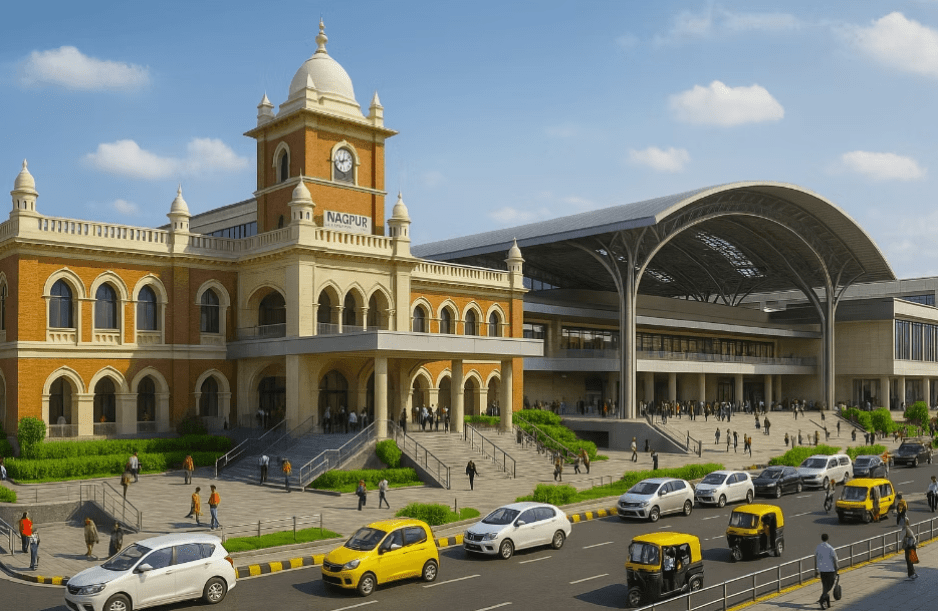
Koradi’s Grand Transformation: Butterfly Garden, 7D Theatre & Tallest Hanuman Statue in the World

Koradi, a town nestled in the heart of Vidarbha, is on the brink of a breathtaking transformation. Spearheaded by Guardian Minister Chandrashekhar Bawankule, this visionary project promises to catapult Koradi into the spotlight as India’s next big tourism magnet. From a butterfly garden showcasing rare plant species to an immersive 7D theatre experience, and the pièce de résistance — the world’s tallest Hanuman statue rising from water — this initiative is set to redefine spiritual and nature-based tourism in Maharashtra.


A Butterfly Garden Like No Other

Koradi will soon house a world-class butterfly garden, specifically designed to attract and preserve rare and endangered species of butterflies. What sets this initiative apart is the deliberate inclusion of Rare, Endangered, and Threatened (RET) plant species, which serve as natural hosts and nectar sources for butterflies. This creates a unique ecosystem where both flora and fauna thrive in a symbiotic relationship.

Key Features:

  • RET plant species curated for attracting diverse butterfly breeds.

  • Eco-friendly landscaping designed for optimal butterfly visibility.

  • Educational zones for students and environmental enthusiasts.

  • Nature trails and guided tours to immerse visitors in biodiversity learning.

This development not only enhances the aesthetic value of Koradi but also supports biodiversity and environmental education, offering tourists an eco-tourism experience unlike any other in Central India.


A 7D Theatre to Redefine Entertainment Tourism

As part of the holistic tourism plan, Koradi is set to welcome a state-of-the-art 7D theatre, promising a fully immersive cinematic journey. Designed to engage all the senses, this theatre will provide multi-dimensional experiences through motion seats, environmental effects like wind, water sprays, and smell, and high-definition visuals.

What Visitors Can Expect:

  • Interactive films covering themes of mythology, nature, and adventure.

  • Special screenings for Hanuman-related spiritual narratives, reinforcing the religious theme of the region.

  • Family-friendly programming designed to appeal to all age groups.

  • Technology-driven experiences that put Koradi on the national map of innovative attractions.

This venue will offer more than just entertainment — it will foster a deeper understanding of culture, environment, and spirituality through engaging digital storytelling.


The Tallest Hanuman Statue in the World: A Spiritual Marvel

Perhaps the most striking announcement by Minister Bawankule is the construction of the world’s tallest Hanuman statue, which will emerge dramatically from a water body. This monumental sculpture is not just an architectural feat, but a spiritual symbol designed to attract devotees from across India and the world.

Unique Attributes:

  • A towering Hanuman statue built partially submerged in water, creating the illusion of the deity rising from the depths.

  • State-of-the-art lighting and sound system to enhance the devotional experience during evening hours.

  • Dedicated puja platforms, temples, and meditation zones for spiritual seekers.

  • Integration with local festivals and cultural programs to enrich religious tourism.

The statue is expected to become an iconic symbol of faith, drawing pilgrims and tourists in equal measure, thereby boosting local economy and spiritual heritage.


Koradi: Emerging as a Religious & Eco-Tourism Powerhouse

With these three ambitious projects — the butterfly garden, 7D theatre, and Hanuman statue — Koradi is poised to become Vidarbha’s crown jewel of tourism. But the vision doesn’t stop there. This transformation is part of a multi-departmental collaboration to ensure that infrastructure, accessibility, and sustainability go hand-in-hand.

Supporting Developments Include:

  • Upgraded road and transport connectivity from Nagpur and surrounding regions.

  • Eco-lodges and accommodation facilities for overnight and weekend tourists.

  • Local employment generation, empowering nearby communities.

  • Enhanced safety and security protocols for visitors.

  • Promotional campaigns to attract domestic and international footfall.


A Boost for Local Culture, Economy & Employment

This tourism boom will bring direct and indirect employment to thousands in the region — from gardeners and conservationists, to technicians, guides, and spiritual caretakers. Local artisans and vendors will also benefit from increased footfall, creating a circular economy rooted in sustainability and cultural pride.

Moreover, students, researchers, and nature lovers will find Koradi a treasure trove for ecological and mythological exploration. Educational institutions may also organize regular trips, making Koradi a center for experiential learning.


Sustainability and Infrastructure at the Core

The projects have been planned with eco-consciousness and long-term sustainability in mind. Special care is being taken to use green building techniques, renewable energy sources, and zero-waste infrastructure wherever possible. Collaboration between tourism, forest, irrigation, and cultural departments ensures that this vision remains holistic, inclusive, and future-ready.


 Koradi’s Tourism Vision is a Game-Changer for Vidarbha

As the butterfly garden blooms, the 7D theatre ignites imaginations, and the tallest Hanuman statue rises from serene waters, Koradi is scripting a new chapter in India’s tourism landscape. These developments not only elevate its status as a religious and eco-tourism destination but also highlight the region’s commitment to preserving heritage, celebrating spirituality, and embracing innovation.

Koradi is no longer just a town near Nagpur — it is set to become a symbol of India’s cultural resurgence and ecological awareness.

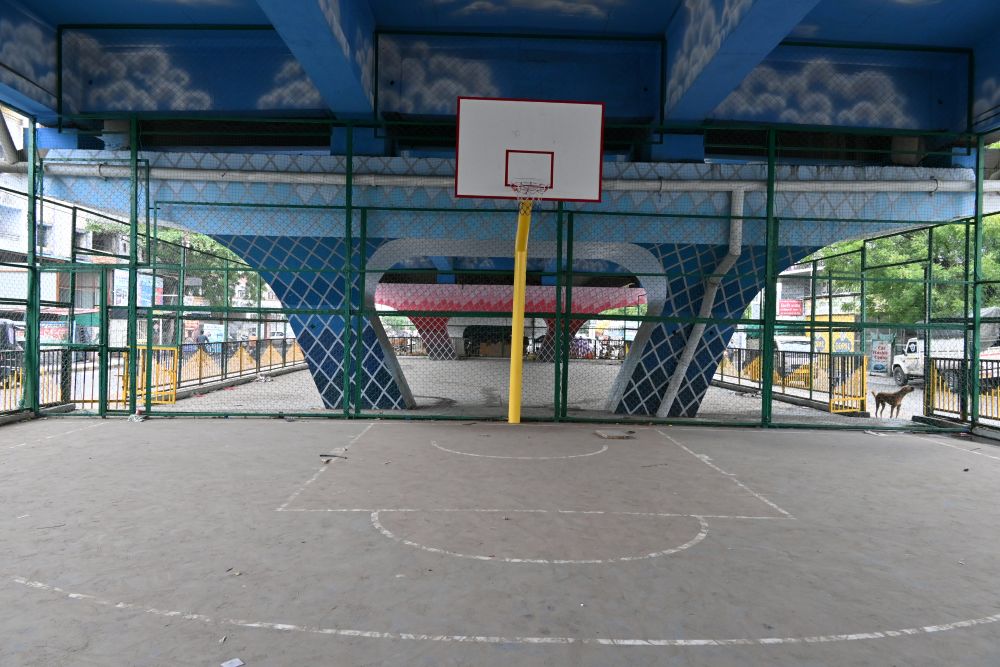
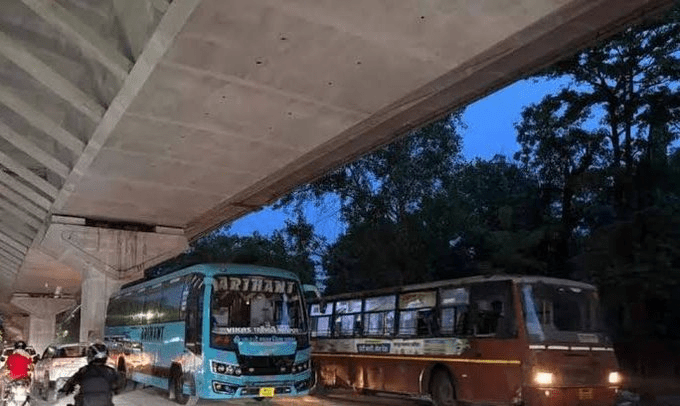
NMC’s Urban Revival: Transforming Flyover Spaces into Green Retreats and Sports Arenas

In a bold and visionary stride towards urban rejuvenation, the Nagpur Municipal Corporation (NMC) has initiated a transformative project that reimagines the city’s neglected flyover spaces into multi-functional community zones. These once-abandoned underpasses are now being reborn as vibrant sports grounds, open-air fitness hubs, and serene green retreats—each designed to foster holistic community well-being, enhance social engagement, and combat sedentary urban lifestyles.


Reviving the Urban Core: Flyovers Now Pulse with Life

Across Nagpur, flyovers once synonymous with neglect and underutilization are now being revitalized into functional spaces that serve every age group and purpose. The NMC’s initiative is not only reshaping infrastructure but also reshaping lives.

Key Developments Across the City Include:

  • Basketball and Skating Arenas under Dighori Flyover

  • Expansive Sports Ground under Narendra Nagar Flyover

  • Landscaped Relaxation Zones at Sakkardara, Mehandibagh, and Dahe Bazar

  • Art-Infused Cultural Spaces near Jayprakash Nagar Metro Station

These spaces are designed with community inclusivity at their core—free to access, secure, and aesthetically engaging.


Dighori Flyover: A Youth Magnet for Sports and Energy

Perhaps the most celebrated success in this urban revival is the sports zone under Dighori flyover. This area, now equipped with a full-fledged basketball court and skating rink, has quickly become a magnet for youth activities.

  • Free Public Access: Residents and sports groups can practice freely.

  • Time Flexibility: Early mornings and evenings are ideal for playing, particularly during the summer.

  • Community Building: Local sports clubs are beginning to organize friendly matches, coaching camps, and workshops.

This vibrant space not only promotes fitness but encourages digital detox, offering a real alternative to screen time for children and teens.


Narendra Nagar Flyover: Breathing Space for a Crowded Urban Zone

In southern Nagpur, the area beneath the Narendra Nagar flyover has been repurposed into a sprawling sports ground. The space, earlier encumbered by encroachments, now serves as a playground for local children, a training space for amateur athletes, and a breath of fresh air for surrounding neighborhoods.

The wide, flat terrain has enabled the setup of:

  • Cricket practice nets

  • Football ground markings

  • Walking tracks for morning joggers

The space not only solves the issue of land scarcity but brings open-air sports infrastructure directly into the heart of residential localities.


Mehandibagh and Sakkardara: Where Community Meets Calm

Not every flyover needs a basketball court. Some serve better as urban oases—and that’s precisely what’s been accomplished at Mehandibagh, Sakkardara, and Dahe Bazar.

These zones now include:

  • Comfortable seating areas shaded by vibrant umbrellas

  • Decorative vertical gardens and artistic columns

  • Footpaths for walkers and senior citizens

  • Benches for caregivers and hospital visitors

These areas are particularly significant due to their proximity to hospitals, markets, and schools. Families waiting on medical appointments, elderly individuals seeking peace, or shoppers catching their breath—all now have a clean, safe, and green resting place.


Green Gyms: A Revolution in Public Health Access

Nagpur’s flyovers are no longer traffic arteries alone—they’re now gateways to wellness. With the installation of open-air green gyms, fitness is being democratized.

Highlights include:

  • Cardio and strength equipment made of weather-resistant steel

  • Completely free access without registration or permits

  • Strategically placed safety boards and usage guidelines

  • Available at select flyovers across central and western Nagpur

The beauty lies in the simplicity—residents can jog, walk, stretch, and train under the same structure that once was merely a concrete monolith.


Art, Culture, and Community Spirit Come Alive

Flyover spaces are also becoming canvases of local expression. The walls beneath several bridges, particularly near Jayprakash Nagar Metro Station, have been painted with:

  • Murals depicting regional heritage

  • Motivational quotes

  • Interactive art for children and students

Such interventions are doing more than beautifying urban eyesores—they’re building cultural awareness, encouraging local artists, and enhancing civic pride.


Why These Transformations Matter

These initiatives go far beyond beautification. They represent a strategic reclamation of lost urban space. The vision is clear:

  • Encourage healthy outdoor activities

  • Create equitable public access to sports and leisure

  • Support mental well-being through calm, clean spaces

  • Reinforce Nagpur’s commitment to sustainability and smart urbanism

By activating these underutilized spaces, the NMC is addressing multiple civic challenges—land scarcity, youth disengagement, social isolation, and pollution—all through innovative spatial planning.


How Citizens Can Access and Use These Spaces

One of the most appealing aspects of these zones is their open accessibility:

  • No registration required for general use

  • Available year-round, from dawn till late evening

  • Cleanliness is self-regulated by community spirit

  • For events or large gatherings, zone-level NMC permissions may be needed

The city trusts its citizens to respect and preserve these spaces, and that trust is being repaid in kind by high public participation and maintenance.


A Model for Other Cities

The Nagpur Municipal Corporation’s model of flyover transformation is setting a benchmark for other tier-2 and tier-3 cities in India. With a modest budget, high impact design, and community participation, urban voids can be reimagined as engines of social and civic revival.

These projects demonstrate that infrastructure can serve more than transport—it can be the foundation for connection, community, and care.


 From Concrete to Community

Nagpur’s journey from ignoring its under-flyover areas to celebrating them as community hubs is a story of vision, civic innovation, and social upliftment. These transformed zones are no longer gaps in the city—they’re bridges to a healthier, happier, and more inclusive future.

The NMC has not just filled space—it has fulfilled a need, proving that even concrete can bloom if seen through the lens of human potential.

₹20,787 Crore Sanctioned for Nagpur-Goa Shaktipeeth Expressway: Full Route, Benefits & Economic Impact

Nagpur Goa Expressway: In a monumental move to boost connectivity and religious tourism across Maharashtra, the Maharashtra Cabinet has approved ₹20,787 crore for the ambitious Shaktipeeth Expressway, a transformative infrastructure project that will link the eastern city of Nagpur to the Goa border at Patradevi, Sindhudurg.

This 802.529 km long expressway, also referred to as the Shaktipeeth Mahamarg, will create a seamless travel corridor through 12 major districts, drastically reducing the Nagpur-to-Goa travel time from 18 hours to just 8 hours.


Massive Infrastructure Leap: ₹20,787 Crore Budgeted for Spiritual and Economic Growth

The sanctioned fund of ₹20,787 crore underlines the State Government’s vision of integrating infrastructure with religious tourism and regional development. The expressway is being constructed by Maharashtra State Road Development Corporation (MSRDC) with significant backing from HUDCO, which has already sanctioned a ₹12,000 crore loan for land acquisition.

A total of 7,500 hectares of land is being acquired to enable smooth construction and route alignment, ensuring minimum disruption and maximum efficiency.


Complete Route of Shaktipeeth Expressway: 12 Districts Connected

The proposed expressway will begin at Paonar in Wardha district and traverse the heart of Maharashtra, touching:

  • Wardha

  • Yavatmal

  • Hingoli

  • Nanded

  • Parbhani

  • Beed

  • Latur

  • Dharashiv (Osmanabad)

  • Solapur

  • Sangli

  • Kolhapur

  • Sindhudurg

It will ultimately merge with the Konkan Expressway near Patradevi, enhancing access to Goa and other Konkan coastal hubs.


Religious Tourism Focus: Sacred Shaktipeeths Along the Route

The name Shaktipeeth Mahamarg is not arbitrary. It reflects the expressway’s strategic alignment with Maharashtra’s sacred spiritual sites, boosting religious tourism and pilgrimage traffic.

The expressway will connect:

  • Mahur – the abode of Goddess Renuka

  • Tuljapur – famous for Tulja Bhavani temple

  • Kolhapur – home to Mahalaxmi temple

  • Ambejogai – renowned for Yogeshwari Devi

  • Aundha Nagnath – one of the 12 Jyotirlingas

  • Parli Vaijnath – another revered Jyotirlinga

  • Pandharpur – key pilgrimage center of Lord Vitthal

  • Karanja Lad, Akkalkot, Gangapur, Narsobachi Wadi, and Audumbar – all deeply rooted in Maharashtra’s spiritual culture

This religious connectivity ensures the expressway becomes a vital part of the Shaktipeeth Darshan Circuit, giving devotees easier access to multiple temples within a short span of travel.


Nagpur to Goa in 8 Hours: Travel Time Reduced by 10 Hours

Currently, the journey from Nagpur to Goa takes approximately 18 hours via congested and often degraded state and national highways. The Shaktipeeth Expressway is engineered to cut this time down to just 8 hours, bringing unprecedented comfort and convenience to both tourists and transporters.

This will not only boost tourism to Goa and Konkan, but also enhance cargo movement between Eastern Maharashtra, Marathwada, and Western Maharashtra’s port hubs.


Boosting Rural Connectivity and Farmer Economy

One of the lesser-known, yet powerful, benefits of the Shaktipeeth Expressway is the rural integration it will facilitate. As it cuts through largely agrarian regions of Yavatmal, Beed, Latur, and Nanded, the expressway will:

  • Connect remote villages to urban markets

  • Reduce transportation cost for agricultural goods

  • Open up storage, cold-chain, and logistic hubs along the route

  • Attract industrial investment in underdeveloped belts

This means better prices for farmers, job creation, and the overall upliftment of rural economies across central and southern Maharashtra.


Strategic Development Corridor: Beyond Religion and Roads

The expressway is envisioned as more than just a road. It is a strategic development corridor with multi-dimensional objectives:

  • Tourism: Religious and leisure-based, especially boosting pilgrimages and Goa tourism

  • Logistics: Connecting Nagpur’s MIHAN hub with Goa’s port and tourism infrastructure

  • Healthcare Access: Connecting remote areas to major medical cities like Nagpur, Solapur, and Kolhapur

  • Educational Outreach: Students from rural regions can easily reach institutions in major cities

  • Emergency Response: Faster movement of ambulances, disaster recovery units, and public safety forces


Construction Timeline and Expected Completion

While no official timeline has been publicly confirmed, the land acquisition has already begun, and MSRDC aims to start actual construction by end of 2025. Given the magnitude and cost of the project, it is expected to be completed in phases over the next 4-5 years.

Once completed, this expressway will rank among the longest and most significant expressways in India, both in scale and cultural impact.


Why Shaktipeeth Expressway is a Game-Changer for Maharashtra

To summarize, here’s what makes the Shaktipeeth Expressway a groundbreaking initiative:

  • ₹20,787 crore investment to transform regional connectivity

  • 802.529 km route linking Nagpur to Goa via 12 districts

  • Reduced travel time from 18 to 8 hours

  • Strategic integration of key religious shrines and Jyotirlingas

  • Boost to rural economy, tourism, agriculture, and logistics

  • One of India’s largest multi-purpose expressways

This is not merely a road – it is a symbol of progress, faith, and future-ready development in Maharashtra.

Maharashtra to Build India’s Longest Road Tunnel: A Leap Forward in Travel from Nagpur to Goa

Maharashtra longest road tunnel: In a monumental leap for India’s infrastructure development, Maharashtra is poised to construct India’s longest road tunnel, redefining connectivity between Nagpur and Goa. As part of the Nagpur-Goa Shaktipeeth Expressway, this tunnel is more than just an engineering feat—it is a catalyst for economic growth, religious tourism, and inter-district mobility.

Unveiling the Game-Changer: The Shaktipeeth Expressway

The Shaktipeeth Expressway, spanning across a strategic corridor of Maharashtra, is designed to connect 11 major districts from the heart of Vidarbha to the Konkan coastline, terminating at the Goa border in Patradevi. This expressway promises to be Maharashtra’s longest, both in terms of distance and impact.

Among the standout features of this expressway is the Ajara-Banda tunnel in the Kolhapur-Sindhudurg belt, which will serve as a flagship engineering endeavor for the entire nation.

Record-Breaking Tunnel: From Concept to Execution

Strategically located between Ajara and Banda, near the picturesque Amboli Ghat, the tunnel will span a staggering 29.9 kilometers in total length (including twin tunnels). It is planned in Phase 4 of the project, and its construction will reduce the current 90-minute journey across this treacherous terrain to just 20 minutes.

This tunnel not only sets a national record but also ensures year-round connectivity even during monsoon disruptions, which are common in the Western Ghats.

Key Benefits: What the Tunnel Means for Maharashtra

1. Massive Travel Time Reduction

The most immediate advantage of this tunnel is the drastic cut in travel time. Commuters, transporters, and tourists alike will benefit from the streamlined route, especially those transporting perishables and industrial goods.

2. Boost to Religious Tourism

The route connects several major Shaktipeeths and pilgrimage centers, including:

  • Mahur

  • Tuljapur

  • Aundha Nagnath

  • Pandharpur

  • Akkalkot

  • Gangapur

  • Parli Vaijnath

The expressway is aptly dubbed a ‘spiritual corridor’, and the improved infrastructure is expected to increase footfall by thousands, supporting the local economy through hospitality, retail, and logistics.

3. Regional Development and Employment

Construction of such a large-scale infrastructure will generate thousands of jobs, both directly and indirectly. From skilled engineers to construction laborers, this project will uplift communities along its path.

Moreover, better connectivity is proven to attract industrial investments, opening up economic opportunities in areas previously disconnected from major trade routes.

Route Map: A Journey Through 11 Districts

The expressway will weave through the following districts:

  • Nagpur

  • Wardha

  • Yavatmal

  • Hingoli

  • Parbhani

  • Nanded

  • Beed

  • Latur

  • Solapur

  • Kolhapur

  • Sindhudurg

Each of these districts will witness a transformation in logistics and accessibility, ushering in a new era of balanced regional development across Maharashtra.

The Political Turnaround: From Abandonment to Acceleration

The project was previously shelved due to political opposition and community resistance during the last Lok Sabha elections. Concerns ranged from land acquisition to environmental impact. However, with the Mahayuti alliance regaining control, the expressway has returned to the center of Maharashtra’s development agenda.

Chief Minister Devendra Fadnavis has made it clear—the project will proceed, emphasizing that its strategic, economic, and religious importance outweighs the objections.

Environmental and Engineering Challenges

The Western Ghats, known for their ecological sensitivity, pose several engineering and environmental challenges. However, the government has assured that the tunnel construction will use advanced boring technology, ensuring minimal environmental disruption while maximizing safety and structural durability.

Sophisticated ventilation, drainage systems, and seismic resistance protocols are being planned to ensure the tunnel meets international standards.

Logistics and Trade Transformation

The expressway is expected to become one of Maharashtra’s most vital trade arteries, drastically reducing transport time for:

  • Agricultural produce from Vidarbha to Konkan

  • Fisheries and seafood from Sindhudurg to Central Maharashtra

  • Industrial goods and exports headed to Goa and international ports

The economic implications are huge: reduced fuel consumption, faster delivery times, and lower logistics costs for businesses.

Tourism Renaissance: Gateway to the Konkan and Goa

Beyond its utilitarian value, the tunnel opens up incredible tourism opportunities. Travellers heading to Goa, Amboli, or the beaches of Konkan will now have a faster, safer, and more scenic route, making spontaneous weekend getaways more viable than ever.

This convenience is likely to spark new resorts, homestays, and tourism infrastructure, revitalizing the local tourism economy.

A New Era of Connectivity and Progress

With the construction of India’s longest road tunnel, Maharashtra is not just building infrastructure—it is building a future of integration, prosperity, and mobility. The Nagpur-Goa Shaktipeeth Expressway, bolstered by this monumental tunnel, is a visionary initiative that embodies the convergence of faith, progress, and connectivity.

Modern Basement Parking Shaping Up Under Nagpur Railway Station Revamp

Nagpur basement parking | Nagpur railway station revamp : The Nagpur Railway Station Redevelopment Project has entered a transformative phase with the significant advancement of the West Wing-3 (WW-3) basement parking facility. This modernization drive marks a pivotal step in redefining commuter convenience, optimizing space utilization, and supporting India’s broader mission to build world-class transportation infrastructure.

WW-3: A Cornerstone of Station Modernization

The WW-3 basement parking initiative is an integral component of the overall station modernization scheme. With Nagpur Railway Station being one of the busiest in central India, the demand for streamlined passenger amenities, especially parking infrastructure, has been a longstanding necessity. Recognizing this, the Central Railway Nagpur Division has aggressively pushed forward with the WW-3 construction project in a two-phase execution strategy.

Phase I: Surface-Level Parking Already Operational

Phase I of the project, spanning 1,800 square meters, reached completion in September 2024. It has already been handed over to Central Railway and is functioning effectively as a surface-level parking area. This phase has provided immediate relief to commuters who previously struggled with haphazard parking and congestion near the station’s primary access points.

The surface lot now accommodates a significant number of vehicles in an organized, secure, and well-monitored environment, dramatically enhancing the passenger experience and traffic flow in the area.

Phase II: Advancing Towards Completion

While Phase I is fully operational, Phase II—covering an area of 1,620 square meters—is witnessing rapid development. The excavation and foundation works have been completed, with an impressive 90% of the basement slab casting also finalized. The remaining 10% is currently undergoing shuttering.

This underground section is expected to decongest the railway premises further by providing a spacious, modernized subterranean parking facility. Once operational, this structure will support multi-level vehicle stacking, integrated automated systems, and advanced security protocols.

Integration of Smart Systems and Civil Work Progress

The WW-3 facility isn’t merely a traditional parking complex; it’s envisioned as a smart parking ecosystem. Civil construction is accompanied by essential installations such as:

  • Mechanical, Electrical, and Plumbing (MEP) systems

  • Firefighting and emergency response infrastructure

  • Advanced interior finishings for a seamless commuter interface

The construction adheres to urban planning benchmarks that focus on efficiency, sustainability, and safety. The architecture of the parking facility is being executed with energy-efficient lighting, smart ticketing kiosks, and real-time occupancy monitoring systems.

Key Benefits for Commuters and Urban Mobility

Once completed, the WW-3 basement parking project will bring a multitude of benefits:

  • Ease of Parking: Significantly improved vehicle accommodation capacity with clearly marked bays.

  • Decongestion: Reduction of vehicular chaos outside the station.

  • Accessibility: Smooth linkage with pedestrian walkways and station entries.

  • Security: Enhanced surveillance with 24×7 CCTV coverage.

  • Future-Readiness: Room for electric vehicle (EV) charging stations and potential automation upgrades.

This is especially crucial in a fast-growing urban center like Nagpur, where traffic density around transportation nodes is a growing concern.

Alignment with India’s Smart Station Vision

The WW-3 project is emblematic of India’s efforts to usher in a new era of rail travel. Under the broader initiative to convert traditional stations into smart railway hubs, Nagpur’s station revamp aligns with national goals of:

  • Enhanced multimodal connectivity

  • Digitally enabled public infrastructure

  • Eco-conscious urban development

The parking facility is designed to complement the future integrations of metro rail, bus terminals, and non-motorized transit systems, fostering a holistic mobility experience for passengers.

Central Railway’s Commitment to Timely Delivery

Officials from Central Railway have reiterated their commitment to ensuring that all construction phases are completed within set timelines. Their strategy emphasizes collaboration with high-skilled contractors, rigorous project monitoring, and quality control at every stage.

In their statement, a senior CR official emphasized, “The WW-3 basement parking facility is a significant step toward making Nagpur railway station a model of efficiency and convenience.” This statement underscores the division’s visionary approach and passenger-first attitude that drives the redevelopment project.

 A Gateway to Modern Mobility

The evolving landscape of Nagpur Railway Station, particularly through the lens of the WW-3 basement parking facility, represents more than just construction progress. It reflects the urban evolution of Indian transportation nodes. It also sends a strong signal that infrastructure upgrades are being implemented not just for today’s needs, but for tomorrow’s smarter, more connected India.

As the basement parking construction progresses toward completion, it brings with it the promise of ease, efficiency, and excellence for millions of passengers who pass through Nagpur each year. From architectural finesse to integrated smart features, the WW-3 project is indeed shaping up as a game-changer for India’s railway infrastructure.

Shri Jagruteshwar Temple to Get Makeover in Jagnath Budhwari

A New Dawn for an Ancient Sanctum in Nagpur

Shri Jagruteshwar Temple: Nagpur spiritual and architectural landscape is poised for transformation as the Shri Jagruteshwar Devasthan, nestled in the historic lanes of Jagnath Budhwari, is set to undergo a major heritage-centric makeover. Initiated by the Nagpur Municipal Corporation (NMC), the project is not merely a renovation—it is a culturally significant mission to revitalize one of Nagpur’s oldest and most visited temples, while enhancing its civic infrastructure to meet modern demands.

Historical Significance of Shri Jagruteshwar Temple

Believed to be over 100 years old, the Shri Jagruteshwar Temple is dedicated to Lord Shiva and is a major spiritual hub in old Nagpur. During peak religious events such as Mahashivratri and Shravan Somwar, the temple sees an overwhelming footfall of approximately 5,000 devotees daily, with numbers rising exponentially on festival days. Despite its cultural value, the temple has been grappling with poor crowd management, ageing facilities, and inadequate sanitation systems.

A Comprehensive Heritage Restoration by NMC

In response, the NMC has unveiled an ambitious and detailed temple restoration plan that aims to preserve the spiritual sanctity of the structure while implementing modern infrastructure upgrades. The entire project is being executed under a unified, multidisciplinary project management system, involving heritage architects, structural engineers, landscape designers, and civil planners.

Key elements of the project include:

  • Detailed architectural documentation using drone-based surveying

  • RCC structural redesign to ensure longevity

  • Open seating areas and well-managed queue systems for crowd control

  • Installation of LED lighting, drinking water points, and improved drainage systems

  • Landscape planning to rejuvenate the temple precinct

These changes are meticulously crafted to align with the standards and guidelines set by the Heritage Conservation Committee, ensuring every action respects the original design and religious integrity of the temple.

Strict Eligibility and Expert-Led Execution

What elevates this project is its rigorous eligibility criteria for consultants and vendors involved. Only those with:

  • 10+ years of experience in heritage conservation,

  • Successful completion of a heritage project worth ₹1 crore or more, and

  • Empanelment with the Archaeological Survey of India (ASI)

are eligible to contribute.

Additionally, the restoration requires input from:

  • Town planners

  • Environmental specialists

  • Certified civil engineers

These experts will ensure the temple’s revival complies with all national and regional conservation norms, preserving the spiritual essence and historical fabric of the shrine.

Deliverables That Ensure Accountability and Transparency

To guarantee that every rupee is accounted for and every milestone is met, the project includes an exhaustive list of deliverables:

  • Preparation of Detailed Project Report (DPR)

  • Continuous on-site supervision and monitoring

  • Bill certification for financial transparency

  • Submission of utilization certificates to both state and central governments

  • Creation of as-built drawings for future reference

  • A final completion report and heritage methodology document

These comprehensive steps aim to build trust among stakeholders, devotees, and local residents, showcasing the city administration’s commitment to genuine heritage revival.

Boosting Local Culture, Economy, and Heritage Tourism

For the residents of Jagnath Budhwari, this makeover is more than infrastructural enhancement—it is the reawakening of their cultural identity. With the narrow temple lanes set for reorganization, and basic amenities getting upgraded, the area is primed to become a heritage tourism hotspot in the heart of Nagpur.

The expected results include:

  • Increased footfall from tourists and pilgrims

  • Growth in local businesses and vendors due to higher temple activity

  • Cultural preservation through sustainable urban planning

  • Improved public hygiene and accessibility

By bridging history with modernity, the Shri Jagruteshwar Temple project has the potential to serve as a template for future heritage revivals across India.

Modern Tools for Ancient Wisdom

The use of advanced technologies like drones for mapping, 3D architectural modeling, and real-time project management software reflects a forward-thinking approach. It demonstrates how smart civic administration can partner with heritage conservation to deliver impactful outcomes.

Moreover, the integration of solar-powered lighting, eco-friendly sanitation, and low-impact materials ensures that the restoration is not just structurally sound, but environmentally conscious.

Cultural Revival with Devotional Depth

The renovation will also facilitate:

  • Smooth conduct of major festivals without safety concerns

  • Organized aarti and darshan schedules with queue management

  • Safe and accessible entry points for the elderly and differently-abled

These changes aim to create a seamless spiritual experience for every devotee, enhancing both faith and functionality.

A Temple Reimagined, A City Reinvigorated

The transformation of Shri Jagruteshwar Temple is more than just a construction project—it is a visionary blend of heritage, devotion, and modern planning. As Nagpur evolves into a smart city, the careful rejuvenation of its spiritual landmarks ensures that its soul remains rooted in history while embracing the future.

Once completed, this project will not only serve the devotees of Lord Shiva, but also attract heritage enthusiasts, urban planners, and cultural historians from across the country.

Lok Vihar First Metro Station on Kamptee Run to Open in November: A Major Leap in Nagpur Metro Phase 2

The Maharashtra Metro Rail Corporation Limited (MahaMetro) is making rapid progress on the highly anticipated Lok Vihar Metro Station, aiming to launch operations by November 2025. As part of Nagpur Metro’s ambitious Phase 2, this station will be the first to go live along the new corridor, marking a crucial milestone in the city’s expanding public transport infrastructure.


Strategic Location: Lok Vihar on Kamptee Corridor

Situated on the Kamptee Highway, Lok Vihar station is part of the Reach 2A segment, which stretches from Automotive Square to Lekha Nagar. This section is integral to Nagpur Metro’s Automotive Square to Kanhan alignment, designed to boost connectivity in the northern zones of the city and serve thousands of daily commuters.

The station is being constructed with high precision and speed. According to senior MahaMetro officials, 100% of piling work for Lok Vihar has already been completed. Now, attention has shifted to casting of three major slabs, with the first slab successfully completed and the remaining scheduled by June 8.


Foundation Milestones: Piling Work Completed Across Four Stations

Alongside Lok Vihar, piling operations have also been completed at three other strategically positioned stations:

  • Pili Nadi: 148 piles executed

  • All India Radio: 122 piles executed

  • Golf Club: 118 piles executed

  • Lok Vihar: 140 piles executed

In total, 528 piles have been completed across these four sites, forming a robust foundation for elevated structures.

Furthermore, piling work is nearing completion at three more stations:

  • Kamptee Police Station

  • Kanhan

  • Transport Nagar

It’s worth noting that Transport Nagar station is located along the Pardi corridor, indicating synchronized progress across multiple routes of Phase 2.


Civil Work Progress: Pier, Pile Cap & Segment Casting

The civil engineering effort on Reach 2A shows significant progress:

  • 68% of pier work completed

  • 77% of pile caps installed

  • 40% of segment casting completed

  • 26% of span erection accomplished

These structures are vital to the formation of elevated viaducts, ensuring both the structural integrity and safety of the railway system. The pace of work underlines MahaMetro’s commitment to fast-tracking public infrastructure while adhering to quality benchmarks.


Geotechnical Investigations: Ensuring Long-Term Sustainability

Another noteworthy development is the completion of major geotechnical investigations across all four corridors of Nagpur Metro Phase 2. These studies, focused on subsurface soil and rock conditions, ensure sound foundation design and structural resilience.

Minor work is still ongoing at the contractor level, but the core analysis phase has been finalized. This step is critical in preventing unforeseen engineering challenges and guarantees that the construction aligns with safety regulations and operational efficiency.


Land Acquisition: Over 90% of Required Land Secured

For any infrastructure megaproject, land acquisition remains one of the most challenging aspects. In a major win for the project timeline, over 90% of the land required for Nagpur Metro Phase 2 has already been acquired. This smooth land acquisition process enables uninterrupted construction, accelerates timelines, and minimizes legal or administrative delays.


Scope of Nagpur Metro Phase 2: Expanding the Urban Footprint

Nagpur Metro Phase 2 is not just about adding new stations; it’s about transforming urban mobility. The phase covers a total of 43.8 km and includes 32 new stations. The network will significantly enhance citywide connectivity and provide easy access to suburban areas.

The four key corridors in Phase 2 include:

  1. Khapri to MIDC ESR

  2. Prajapati Nagar to Transport Nagar

  3. Automotive Square to Kanhan

  4. Lokmanya Nagar to Hingna

Each of these lines addresses crucial connectivity gaps in the city, supporting residential, industrial, and commercial zones alike.


Why Lok Vihar Station is a Game Changer for North Nagpur

The Lok Vihar station is poised to become a crucial transit point for northern Nagpur. Its placement along Kamptee Road ensures connectivity to both densely populated residential belts and emerging commercial hubs.

Key benefits expected from the launch of Lok Vihar station include:

  • Decongestion of traffic on the often-choked Kamptee highway

  • Reduced travel time for commuters traveling from the northern suburbs to the central city

  • Boost in local real estate and commercial activity in the vicinity

  • Better access to educational institutions and government offices

By being the first commissioned station under Phase 2, Lok Vihar will set the operational precedent and kickstart full-fledged metro services in the area.


Nagpur’s Vision: A Sustainable and Accessible Metro City

With consistent progress across all corridors, Nagpur Metro is clearly aligning with the broader vision of making the city sustainable, accessible, and future-ready. The emphasis on eco-friendly transport, advanced civil engineering, and seamless commuter experience highlights the strategic planning behind the project.

Once fully operational, Phase 2 will not only expand Nagpur’s metro footprint but also solidify its place as a model city for smart urban mobility in India.


 November Opening to Usher in a New Era

As MahaMetro accelerates work with the goal of a November launch, the Lok Vihar Metro Station stands as a symbol of progress and promise. With robust civil work nearing completion, geotechnical checks in place, and land acquisitions secured, Nagpur is well on its way to offering a world-class metro experience to its citizens.

Butibori Flyover Reopens for Traffic After 5-Month Closure

Nagpur commuters and transporters, rejoice! The long wait is finally over as the much-anticipated reopening of the Butibori flyover is here. After being closed for nearly five months due to structural damage, the flyover is now open to vehicular traffic, bringing a huge sigh of relief to thousands of daily commuters and long-distance travelers.


🚧 Why Was the Butibori Flyover Closed?

On December 24, 2024, cracks were detected in the piers on the Butibori-Chandrapur side of the flyover. The structural integrity of the bridge was called into question. To avoid any potential mishaps, authorities immediately sealed off the entire stretch—even though the damage was limited to one end. It was a decision driven by precaution, but one that brought heavy traffic congestion in its wake.


🔍 How Bad Was the Traffic Situation?

If you’ve traveled through Butibori Square in the past five months, you already know the struggle. Daily traffic jams became the new normal. Trucks, buses, and local traffic all piled into a narrow space, leading to chaos during rush hours. Fuel consumption went up, travel time increased, and tempers ran high.


👮‍♂️ What Did the Police Do to Ease Traffic?

The Nagpur Rural Police didn’t just sit back. They introduced a smart traffic diversion plan, curbing criss-cross vehicle movement at the square. Though this brought some order, the detours still caused delays, especially for heavy cargo trucks. It was like applying a band-aid on a deep wound.


🔬 The Investigation: What Caused the Damage?

After sealing off the flyover, the National Highway Authority of India (NHAI) swung into action. They brought in experts from VNIT’s Civil Engineering Department, who collected samples and ran a thorough investigation.

Key Findings:

  • Piers showed signs of fatigue and inadequate reinforcement.

  • Load-bearing capacity had weakened due to compromised internal steel bars.

  • Urgent need for reinforcement and retrofitting.


🔧 The Repairs: How Was It Fixed?

Once the problem was clear, the contractor—M/s TNT Infra—was held responsible under Defect Liability Clause. They were tasked with repairing the damaged structure at their own expense.

Repair Highlights:

  • Installation of scaffolding support structures.

  • Addition of extra reinforced steel bars.

  • Complete load testing to ensure structural integrity.


📝 Load Testing Report: The Green Signal

Just before reopening, M/s TNT Infra submitted a comprehensive load test report. NHAI engineers reviewed and approved it, ensuring every safety parameter was met. This final thumbs-up cleared the path for the reopening of the flyover.


🕒 Why Reopen Now? The Amit Shah Factor

There was also a political urgency. Union Home Minister Amit Shah is visiting Nagpur, and the local administration didn’t want the ongoing traffic mess to turn into a full-blown crisis. Thanks to combined efforts from NHAI, police, and contractors, the flyover is ready—just in time.


🎉 How Does Reopening Help Local Businesses?

Local traders near Butibori Square have been on the losing end ever since the flyover closed. Shops that once buzzed with long-distance travelers grabbing a snack or tea suddenly saw a nosedive in footfall.

Now That It’s Open Again:

  • Increased customer traffic to roadside businesses.

  • Better logistics and cargo movement for industrial units.

  • Reduced fuel usage and time-saving for transporters.


🚛 Importance of the Flyover for Heavy Vehicles

The flyover wasn’t just a road—it was a lifeline for heavy-duty trucks moving between Nagpur, Chandrapur, and beyond. These vehicles were forced into detours, wasting time and money.

With the reopening:

  • Traffic flow is streamlined.

  • Cargo movement becomes cost-effective.

  • Wear and tear on alternate roads is reduced.


📈 Economic Ripple Effect of the Reopening

When traffic moves, so does the economy. A working flyover means:

  • Improved supply chain efficiency.

  • Boost to industrial output in Butibori MIDC.

  • Better employee commute to industrial units.


🔄 Lessons Learned: Importance of Timely Maintenance

This incident serves as a textbook example of why infrastructure needs regular monitoring and timely repairs.

Moving Forward:

  • Implementation of predictive maintenance tools.

  • Use of smart sensors on bridges for real-time structural health checks.

  • More stringent quality checks during construction.


🛑 Safety First: Why Total Closure Was the Right Move

It may have been inconvenient, but closing the flyover completely was the safest option. Authorities chose safety over speed, and that decision likely prevented potential accidents.


📣 Public Reaction: Relief, Joy, and Expectations

Commuters and business owners are already sharing their relief on social media. While many appreciate the reopening, they also hope this isn’t a temporary fix.


🏗️ Future Upgrades: What’s Next?

The reopening is not the end of the road. Authorities are considering:

  • Widening of the flyover to accommodate more vehicles.

  • Building an additional bypass to handle cargo traffic.

  • Upgrading nearby junction signals for smoother merging.

The Butibori Flyover is a symbol of connectivity, economic movement, and civic planning. Its closure disrupted lives, but its reopening represents progress, learning, and a path forward. Let’s hope this bridge continues to stand strong, both structurally and symbolically.

1. Why was the Butibori flyover closed for five months?
It was closed after cracks were detected in the piers to avoid accidents and ensure safety.

2. Who carried out the repair and inspection work?
M/s TNT Infra handled the repairs, while VNIT and NHAI supervised testing and validation.

3. Is it safe to use the flyover now?
Yes, after extensive repairs and load testing, NHAI has approved its reopening.

4. How will the reopening affect local businesses?
It’s expected to revive footfall in roadside shops and improve logistics for traders.

5. Are there plans for future maintenance?
Yes, authorities are expected to implement real-time monitoring and stricter maintenance protocols.

Ban On Pvt Buses In City: Traffic Cops Propose Six Pickup-Drop Terminals on Outskirts

A Bold Step Toward Decongesting Nagpur

Ban on private buses Nagpur: Imagine waking up to smooth traffic, clean roads, and fewer honks echoing through the city. Sounds dreamy, right? That dream might just be turning into reality in Nagpur. With the Nagpur traffic police teaming up with the Nagpur Municipal Corporation (NMC), a new strategy is unfolding — banning private intercity buses from the city center and shifting them to six dedicated terminals on the outskirts. This bold move isn’t just about cutting congestion; it’s about transforming how Nagpur travels.

Why Private Buses Became a Problem in Nagpur

Unregulated Growth and Traffic Chaos

Let’s face it — private intercity buses are everywhere. With around 1,606 private buses entering and exiting Nagpur daily, the city is struggling to manage this overwhelming volume. Most of these buses halt randomly, occupy road space, and create bottlenecks that frustrate commuters.

Unsafe Parking and Random Halts

These buses often stop in narrow streets, creating dangerous situations for pedestrians and commuters alike. Locations like Tekdi Road, once ideal, now feel like ticking time bombs due to congestion and limited access.

Short-Term Fixes Aren’t Enough

Sure, the authorities tried issuing challans. But we all know that’s like putting a Band-Aid on a fractured bone. What Nagpur needed was a long-term, sustainable mobility solution.

The Vision: Six Pickup-Drop Terminals on City Outskirts

Strategic Locations Identified

The proposed bus terminals will be set up on six key entry roads to the city:

  • Wardha Road

  • Bhandara Road

  • Chhindwara Road

  • Jabalpur Road

  • Umred Road

  • Amravati Road

These locations are not random picks — they’re carefully chosen based on traffic patterns and survey data.

Wardha Road: The Busiest Route

A detailed 24-hour survey revealed that Wardha Road alone accounts for 642 buses daily, nearly 40% of total bus movement. So naturally, it’s a prime spot for a terminal.

Who’s Behind This Plan?

Meet the Key Players

  • DCP (Traffic) Archit Chandak: Spearheading the campaign with a clear vision and action plan.

  • NMC Commissioner Abhijeet Chaudhari: Committed to supporting infrastructure and citizen convenience.

  • NIT, RTO, Private Operators, and Citizens: All stakeholders are being brought into the decision-making loop.

How the New Terminals Will Function

Designed for Efficiency and Convenience

Each terminal will have:

  • Basic amenities like seating, washrooms, ticket counters

  • Proximity to Metro stations for smooth city connectivity

  • Clearly marked pickup and drop zones

  • Ample parking space

Phased Rollout and Gradual Implementation

The rollout won’t be overnight. The NMC will lease lands, including three from its own holdings and one from NIT. Two more — Vihirgaon and Koradi Road — are on private land, and agreements are underway.

Benefits for the City and Its People

1. Decongested Roads

Less chaos in the inner city. The Inner Ring Road will be off-limits to private buses between 8 AM and 10 AM, reducing peak-hour stress.

2. Safer Commutes

No more buses parked haphazardly or blocking emergency vehicles.

3. Better Air Quality

Reduced congestion means fewer emissions, cleaner air, and a healthier environment.

4. Streamlined Public Transport

City buses and the MahaMetro will integrate with these terminals, ensuring a seamless commute.

What’s the Public Saying?

Mixed Emotions, Strong Hopes

While some fear inconvenience, especially for older travelers or those unfamiliar with the outskirts, others welcome the change.

“It’s time Nagpur followed the footsteps of cities like Pune and Ahmedabad,” said one commuter at the stakeholders’ meeting.

Challenges Ahead: Will It Work?

Survey Failures and Zone Overlaps

Initially, a zone-wise mapping failed because buses operate across zones. But a 24-hour checkpost survey fixed the data gap.

Land Acquisition Hurdles

While three sites are ready to go, private lands still need official acquisition and stakeholder consent.

Behavioral Shift Required

Bus operators and commuters will have to change age-old habits. But with proper infrastructure, that’s doable.

Emergency Provisions and Special Cases

Life happens, and the authorities get that. So emergency vehicles and buses for weddings or special events can still enter the city — if they get prior approval.

Inspired by Success Stories in Other Cities

Ahmedabad and Pune Lead the Way

Both cities saw smoother traffic and happier citizens after moving intercity buses out of downtown. Nagpur aims to replicate this success.

How Will Commuters Access the City from Terminals?

Integrated with MahaMetro

Terminals will be strategically placed near Metro stations, ensuring travelers can easily hop onto local transport.

City Buses as Feeders

City buses will act as feeder services, bridging the gap between terminals and key city hubs.

What Comes Next?

Common Mobility Plan in the Works

This initiative is part of Nagpur’s broader Common Mobility Plan, integrating with all modes of public transportation.

Rent Agreements and Infrastructure Development

Before operations kick off, the NMC will finalize rental deals, set up basic infrastructure, and roll out services in phases.


Data Snapshot: 24-Hour Bus Movement Survey

Road Name No. of Buses
Wardha Road 642
Umred Road 308
Jabalpur Road 296
Amravati Road 190
Bhandara Road 92
Chhindwara Road 78
Total 1606

A Necessary Shift for a Growing City

Change is never easy. But sometimes, it’s the only path forward. With 7,000 new vehicles hitting Nagpur’s roads every month, continuing with outdated infrastructure is not an option. The proposed ban on private buses in city limits is a proactive move toward sustainable urban transport. If implemented well, it could set a benchmark for other cities grappling with similar issues.

Let’s face it — it’s time Nagpur evolved.

1. Why is Nagpur banning private buses from the city center?

To reduce traffic congestion, improve road safety, and create a more organized public transport system.

2. Where will the new terminals be located?

On Wardha, Umred, Bhandara, Chhindwara, Jabalpur, and Amravati Roads — all major entry points to Nagpur.

3. Will this affect bus travelers negatively?

Initially, there may be some adjustments, but better infrastructure and metro connectivity will ease the transition.

4. How will emergency cases be handled?

Special permissions can be granted for weddings, medical emergencies, and family events.

5. When will this plan be implemented?

The plan will be rolled out in phases after finalizing land rentals and infrastructure readiness.

PM to Inaugurate New-Look Itwari Railway Station Tomorrow

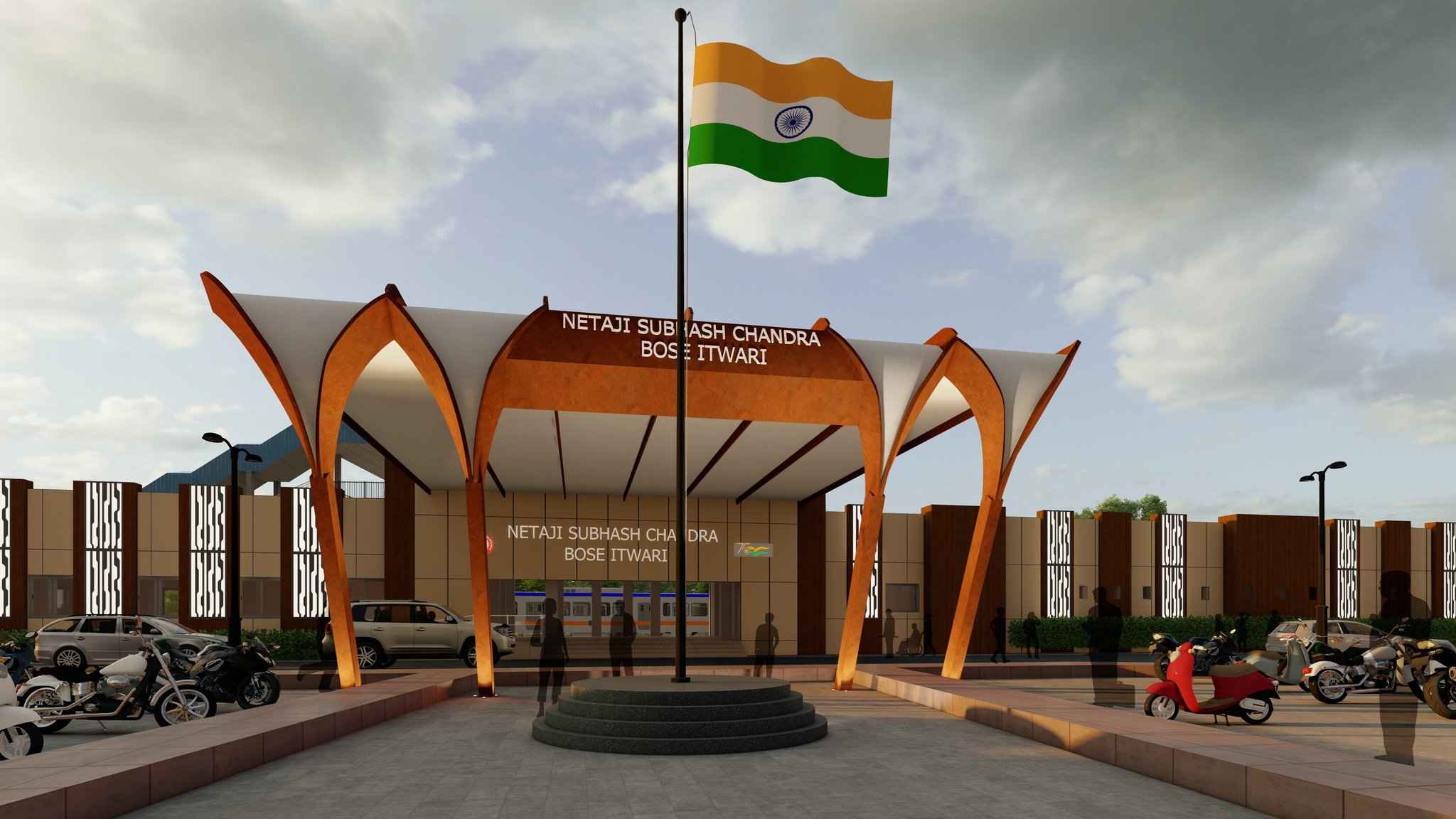
New Itwari railway station : Big things are happening in Nagpur! Tomorrow, Prime Minister Narendra Modi is set to virtually inaugurate the newly revamped Netaji Subhas Chandra Bose Itwari Junction — formerly Itwari railway station. This isn’t just a makeover — it’s a complete transformation. With state-of-the-art facilities and a splash of Nagpur’s vibrant culture, this station now stands tall as a modern marvel under the Amrit Bharat Station Scheme.

Let’s dive deep into what makes this railway station and the larger redevelopment initiative such a game-changer for the Indian Railways and the local community.


🚉 What’s the Buzz About the New Itwari Junction?

A Prime Makeover Worth ₹12.39 Crores

Imagine turning an old, congested, and chaotic station into a modern, cultural, and commuter-friendly space — that’s exactly what happened at Itwari. The station was redeveloped at a whopping cost of ₹12.39 crores, and every rupee seems to have been well spent.

From Congestion to Convenience

Previously, the station had its fair share of headaches — traffic congestion, limited parking, and confusing entry-exit points. But now? Smooth entry-exit gates, wide roads, dedicated two-wheeler parking, and an effective traffic control system welcome travelers with ease.


🇮🇳 Inauguration Day: What to Expect?

PM Modi’s Grand Virtual Inauguration

On May 22, PM Modi will inaugurate 103 revamped railway stations across India via video conference. Among them, five belong to the Nagpur division:

  • Netaji Subhas Chandra Bose Itwari Junction

  • Daswani

  • Dongargarh

  • Chanda Fort

  • Amgaon

It’s a national celebration — with Nagpur playing a starring role.


🎨 Blending Heritage with Modernity

A Tribute to Culture

The redesigned Itwari station isn’t just about tech upgrades — it’s a love letter to Nagpur’s rich culture. The waiting areas and concourse are adorned with:

  • Gond art murals

  • Thread paintings

  • Handloom industry exhibits

  • A glass mosaic of Netaji Subhas Chandra Bose

It’s not just a station; it’s an art gallery with tracks.

Nagpur’s Identity on Display

From the vibrant orange-themed decorations to artistic nods to tribal crafts, the station mirrors Nagpur’s legacy — making it a source of local pride.


🧑‍🦽 Accessibility and Comfort: A Station for Everyone

Facilities for All Passengers

The station has been thoughtfully upgraded to meet the needs of every traveler:

  • Modern ticket counters

  • Comfortable, spacious waiting rooms

  • Dedicated amenities for differently-abled passengers

  • Jan Aushadhi Kendra for affordable medicines

  • A unique rail coach restaurant for travelers to relax and dine

Toilets Inspired by Bhubaneswar Design

Clean, hygienic, and intelligently designed — the toilet complex is a quiet revolution in public utility spaces.


🚆 Why Itwari Matters in the Bigger Picture

A Key Link in India’s Railway Web

Itwari has always been a vital station in Nagpur, linking various towns and cities across central India. Its transformation underlines the government’s commitment to enhancing commuter experiences nationwide.

Part of the Amrit Bharat Station Scheme

This scheme aims to modernize 1,309 stations across the country — blending:

  • Local culture

  • Passenger amenities

  • Sustainability

  • Smart infrastructure

Itwari Junction’s upgrade is one of the early examples of this nationwide vision.


👷 The Team Behind the Magic

A Collaboration of Art and Engineering

This grand revamp was made possible thanks to the coordinated efforts of:

  • Architects

  • Engineers

  • Local artists

  • Railway officials

  • And of course, the dedicated workforce on the ground

As Divisional Railway Manager Dheeraj Kumar Gupta aptly put it: “This station proves development and heritage can beautifully coexist.”


📍 Spotlight on the Other Four SECR Stations

1. Daswani Station

  • Upgraded entry points

  • Enhanced lighting

  • Improved signage

2. Dongargarh Station

  • Emphasis on passenger safety

  • Cultural artwork installations

3. Chanda Fort Station

  • Modern ticketing systems

  • Comfortable seating arrangements

4. Amgaon Station

  • Lush landscaping

  • Smart water and waste management systems

These stations echo the same commitment to modernization and local pride seen at Itwari.


🌍 Sustainability Meets Infrastructure

Eco-Friendly Practices

The new Itwari station also emphasizes:

  • Energy-efficient lighting

  • Rainwater harvesting

  • Waste segregation zones

All this ensures that as we speed into the future, we stay mindful of the planet.


📸 What’s Unique About the New Look?

  • A glowing glass mural of Netaji Subhas Chandra Bose

  • Gond-style wall art in waiting areas

  • Handloom-themed flooring designs

  • Decorative displays of Nagpur oranges

  • Stylish and functional architectural lighting


🧠 Why This Redesign is a Big Deal

Let’s be honest — railway stations in India have long been seen as messy, outdated, and exhausting. But this makeover proves that:

Railway stations can be clean, modern, and even Instagram-worthy.

And more than that, they can reflect the soul of the cities they serve.


🏆 A Moment of Pride for Nagpur

This transformation isn’t just about concrete and paint. It’s about pride. It’s about giving Nagpur’s residents a station they can show off to the world. And more importantly, it’s about making travel a little more joyful and a lot more dignified for every passenger.


🛤️ The Road Ahead

As India steams ahead with station redevelopment across the country, Itwari Junction sets a gold standard. It’s a gentle reminder that in our race toward progress, we don’t have to leave our roots behind — we can carry them with us.

The rebirth of Itwari railway station into Netaji Subhas Chandra Bose Itwari Junction is not just a redevelopment project — it’s a celebration of culture, technology, and community spirit. With PM Modi inaugurating it alongside 102 other stations, this is a proud moment for Nagpur and a glimpse of what the future of Indian Railways looks like — smart, sustainable, and rooted in identity.

The message is loud and clear: Progress isn’t about erasing the past — it’s about building on it.

1. Why was Itwari railway station renamed?

Itwari station was renamed to honor Netaji Subhas Chandra Bose, one of India’s most revered freedom fighters, aligning with a broader effort to celebrate national icons.

2. What is the Amrit Bharat Station Scheme?

It’s a central government initiative to redevelop over 1,300 railway stations across India, focusing on modern amenities, cultural integration, and sustainability.

3. What makes the new Itwari station unique?

It beautifully combines modern facilities with traditional art like Gond paintings, orange-themed decor, and a mural of Netaji Bose, reflecting Nagpur’s heritage.

4. Are there special facilities for the differently-abled at the new station?

Yes, the station includes dedicated infrastructure like ramps, special toilets, and accessible ticket counters for differently-abled passengers.

5. Will the inauguration impact train schedules?

No major disruptions are expected. The inauguration is virtual, and regular operations will continue as planned.

Exit mobile version