₹45.56 Crore Tourism Project Near Babulkheda: A Transformational Leap for Nagpur’s Future

A New Era of Urban Tourism Development

Babulkheda development: We are witnessing a major transformation in the tourism and infrastructure landscape of Nagpur as a ₹45.56 crore tourism project near Panchmukhi Hanuman Mandir Babulkheda moves forward. This ambitious initiative reflects a strategic push toward urban modernization, cultural promotion, and economic growth, positioning Nagpur as a rising tourism hub in central India.

The project is not merely an infrastructure upgrade—it is a visionary blueprint designed to redefine how tourism integrates with urban life, offering enhanced public spaces, better connectivity, and immersive experiences for both residents and visitors.


Project Overview: Strategic Investment for Long-Term Growth

The ₹45.56 crore allocation marks a significant milestone in regional development. This project focuses on the Babulkheda area (Near Panchmukhi Hanuman Mandir)  which is rapidly emerging as a key zone for urban expansion and tourism-centric infrastructure.

We see this development as part of a broader strategy to:

  • Boost local tourism potential
  • Improve civic amenities
  • Enhance the aesthetic appeal of the city
  • Generate employment opportunities

The funding will be utilized to create modern facilities, green spaces, recreational zones, and improved accessibility, ensuring that the area becomes a high-value destination for tourists and residents alike.


Babulkheda: Emerging as a Tourism Hotspot

Babulkheda is strategically located within Nagpur’s expanding urban framework, making it ideal for tourism-driven development. Its accessibility and proximity to key city areas allow it to serve as a gateway for new-age tourism experiences.

We anticipate that the project will transform Babulkheda into a:

  • Recreational hub
  • Cultural activity center
  • Urban leisure destination

This shift will significantly elevate the tourism profile of Nagpur, aligning it with other rapidly developing cities in Maharashtra.


Key Features of the Tourism Project

1. Modern Infrastructure Development

We are seeing a strong focus on state-of-the-art infrastructure, including:

  • Wide internal roads
  • Improved drainage systems
  • Smart lighting solutions
  • Pedestrian-friendly pathways

These enhancements will ensure seamless mobility and a comfortable visitor experience.


2. Green Spaces and Eco-Friendly Design

A major highlight is the integration of eco-conscious planning, which includes:

  • Landscaped gardens
  • Open recreational parks
  • Sustainable water management systems

This approach ensures that the project aligns with environmental sustainability goals, making it attractive for eco-tourism enthusiasts.


3. Recreational and Cultural Zones

The development will feature dedicated zones for cultural and recreational activities, such as:

  • Amphitheaters
  • Event spaces
  • Community gathering areas

We expect these spaces to become vibrant centers for festivals, performances, and public events, enriching the cultural fabric of Nagpur.


4. Enhanced Connectivity

Connectivity improvements will play a crucial role in the project’s success. Planned upgrades include:

  • Better road access
  • Integration with city transport systems
  • Improved last-mile connectivity

This ensures that the location is easily accessible from all parts of the city, increasing footfall and tourism activity.


Economic Impact: Driving Growth and Employment

One of the most significant outcomes of this project is its economic potential. We foresee:

  • Direct employment opportunities during construction and maintenance
  • Indirect job creation in tourism, retail, and hospitality sectors
  • Increased local business activity

The development will stimulate micro-economies around Babulkheda, benefiting small vendors, entrepreneurs, and service providers.


Boosting Nagpur’s Tourism Ecosystem

Nagpur has been steadily gaining recognition for its strategic location and infrastructure growth. With projects like this, we are seeing a shift toward tourism diversification.

This initiative complements existing attractions and enhances the city’s appeal by:

  • Offering new destinations for visitors
  • Encouraging longer tourist stays
  • Promoting local culture and heritage

We believe this will position Nagpur as a well-rounded tourism destination, not just a transit city.


Urban Planning Vision: Smart and Sustainable Growth

The tourism project reflects a broader vision of smart urban planning, integrating:

  • Technology-driven solutions
  • Sustainable infrastructure
  • Citizen-centric design

This aligns with the larger goals of urban development initiatives being implemented across Maharashtra, ensuring that Nagpur remains future-ready and globally competitive.


Social Impact: Improving Quality of Life

Beyond tourism and economics, the project will significantly enhance the quality of life for residents. We expect:

  • Better public spaces
  • Increased recreational opportunities
  • Safer and cleaner surroundings

Such developments contribute to a more livable and inclusive urban environment, making Nagpur a preferred city for both living and visiting.


Challenges and Execution Strategy

While the project holds immense promise, its success depends on:

  • Timely execution
  • Efficient resource management
  • Community engagement

We anticipate that authorities will adopt a structured implementation strategy, ensuring transparency and adherence to timelines.


Future Outlook: A Landmark Development for Nagpur

The ₹45.56 crore tourism project near Babulkheda is more than just an infrastructure upgrade—it is a symbol of Nagpur’s evolving identity.

We are confident that once completed, it will:

  • Become a landmark destination
  • Attract regional and national tourists
  • Strengthen Nagpur’s position as a key urban center in central India

Redefining Nagpur’s Tourism Landscape

We stand at the cusp of a transformative phase where strategic investments are reshaping the city’s future. The Babulkheda tourism project exemplifies how visionary planning and targeted funding can unlock immense potential.

As this project progresses, we expect it to set new benchmarks in urban tourism development, making Nagpur a model city for integrated growth and innovation.

₹4.61 Crore Boost for RTMNU Indoor Sports Complex Nagpur: A Landmark Upgrade in Sports Infrastructure

The long-awaited transformation of sports infrastructure at Rashtrasant Tukadoji Maharaj Nagpur University (RTMNU) has received a decisive push as the Maharashtra government approved the release of the remaining ₹4.61 crore. This crucial funding marks the final phase of a project that promises to redefine the sporting ecosystem in Nagpur.

With this financial clearance, we are now witnessing the near completion of a state-of-the-art, international-standard indoor sports complex, designed to meet global benchmarks and provide world-class training facilities to students and athletes.


A Vision for World-Class Sports Infrastructure in Nagpur

The RTMNU indoor sports complex is not just another construction project—it is a strategic investment in the future of sports excellence. The vision behind this development is to create a centralized, high-performance environment where athletes can train, compete, and excel under professional conditions.

We see this project as a turning point for university-level sports in central India. The infrastructure is designed to bridge the gap between local talent and international standards, enabling students to compete at higher levels without leaving the region.


Comprehensive Overview of the Indoor Sports Complex

The upcoming facility is a three-storied architectural marvel, meticulously planned to accommodate multiple sports disciplines under one roof. Every aspect of the complex has been designed with precision to ensure efficiency, accessibility, and professional-grade performance conditions.

Key Structural Highlights:

  • Three floors of dedicated sports infrastructure
  • Modern lift facilities for seamless movement
  • Separate zones for each sport to avoid overlap
  • Spacious design with optimized ventilation and lighting

This design ensures that athletes can train simultaneously across different sports without compromising quality or space.


International-Standard Sports Facilities Under One Roof

The RTMNU sports complex is set to feature a wide range of facilities, each meeting international specifications. These facilities are expected to attract not only university athletes but also district and state-level competitions.

Indoor Courts and Training Areas:

  • Volleyball Court – Built to international dimensions with professional flooring
  • Basketball Court – High-quality indoor court suitable for tournaments
  • Handball Court – Designed for competitive play and training
  • Squash Court – A premium addition rarely seen in university setups

Specialized Sports Zones:

  • Wrestling Arena with dedicated mats and safety infrastructure
  • Kabaddi Court with proper boundary and surface standards
  • Gymnastics Area equipped for professional routines
  • Table Tennis Hall with multiple tables for training and matches

These facilities collectively create a multi-sport ecosystem that caters to both individual and team sports.


Fitness, Recovery, and Athlete Support Infrastructure

Modern sports facilities are incomplete without proper recovery and fitness systems. Recognizing this, the RTMNU complex includes dedicated areas focused on athlete well-being and performance enhancement.

Support Facilities Include:

  • Fully Equipped Gymnasium for strength and conditioning
  • Sports Medicine Room for injury management and recovery
  • Changing Rooms and Restrooms on Every Floor
  • Storage Rooms for Equipment Management

These additions ensure that athletes receive holistic support, from training to recovery, under one integrated system.


Why This Project Matters for Nagpur

Nagpur has long been recognized as an emerging educational hub, but the absence of world-class sports infrastructure has limited its growth in athletics. With this development, we are witnessing a major shift in the city’s sporting landscape.

Key Benefits:

  • Boost to University-Level Sports Competitions
  • Attraction of State and National Tournaments
  • Enhanced Training Opportunities for Students
  • Development of Grassroots Talent

The project positions Nagpur as a regional sports hub, capable of hosting major events and nurturing future champions.


Economic and Social Impact of the Sports Complex

Beyond athletics, the RTMNU indoor complex will contribute significantly to the local economy and community development.

Economic Advantages:

  • Increased employment opportunities during and after construction
  • Growth in sports-related businesses and services
  • Attraction of sports tourism and events

Social Impact:

  • Encouragement of youth participation in sports
  • Promotion of healthy lifestyles
  • Creation of a community engagement space

This initiative aligns with broader goals of urban development and youth empowerment.


Project Timeline and Completion Outlook

With the final tranche of ₹4.61 crore now released, the project is entering its final phase of completion. Construction activities are expected to accelerate, focusing on finishing touches, equipment installation, and quality checks.

We anticipate that the facility will soon be operational, opening doors to athletes who have long awaited access to such infrastructure.


A Strategic Leap for Maharashtra’s Sports Development

This project reflects the Maharashtra government’s commitment to enhancing sports infrastructure across the state. By investing in institutions like RTMNU, the government is laying the foundation for sustainable sports development.

The indoor complex is expected to:

  • Serve as a model for future university projects
  • Strengthen Maharashtra’s position in national sports rankings
  • Encourage public-private partnerships in sports infrastructure

Future Opportunities and Expansion Potential

The RTMNU sports complex is designed with scalability in mind. As demand grows, there is potential to:

  • Introduce additional sports disciplines
  • Host international training camps
  • Collaborate with sports academies and organizations

This forward-thinking approach ensures that the facility remains relevant and competitive for years to come.


A New Era for Sports at RTMNU Nagpur

The release of ₹4.61 crore is more than just financial approval—it is the final push toward realizing a transformative vision. The RTMNU indoor sports complex stands as a symbol of progress, ambition, and commitment to excellence.

We are entering a phase where Nagpur is no longer just an educational hub but also a rising powerhouse in sports infrastructure. With world-class facilities, comprehensive support systems, and a strategic vision, this complex is set to redefine how sports are nurtured and celebrated in the region.

Hanuman Jayanti 2026: The Rise of Hanuman Lok as a Global Spiritual Powerhouse

A New Era of Devotion Begins at Jamsawali Dham

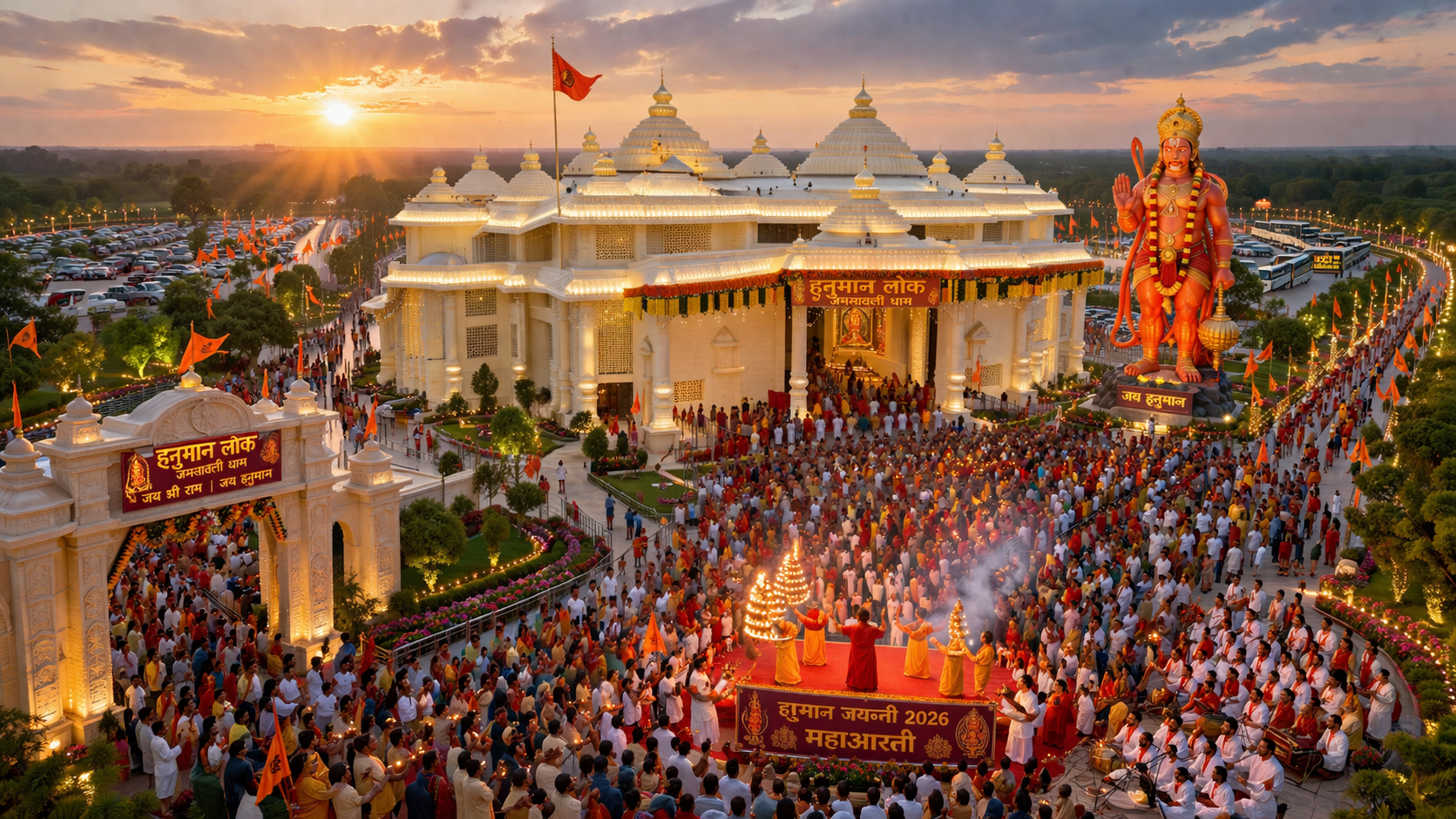
We are witnessing a remarkable spiritual transformation in Maharashtra as Hanuman Lok at Jamsawali Dham emerges as one of the most powerful धार्मिक destinations in India. On the auspicious occasion of Hanuman Jayanti 2026, the site has evolved beyond a regional pilgrimage center into a global hub of faith, devotion, and cultural heritage.

This transformation is not merely infrastructural—it is deeply spiritual. The energy, scale, and devotion seen this year have positioned Jamsawali Dham among the most visited Hanuman shrines in the country.


Massive Devotee Footfall on Hanuman Jayanti 2026

During Hanuman Jayanti 2026, we observed an unprecedented surge in devotees, with lakhs of श्रद्धालु gathering to seek blessings. The celebrations were marked by:

  • Grand Maha Aarti ceremonies
  • Continuous Hanuman Chalisa recitations
  • Spiritual discourses and bhajan programs
  • Organized darshan systems ensuring smooth movement

The entire परिसर of Hanuman Lok radiated a powerful spiritual aura, drawing not only local devotees but also visitors from across India and abroad.


Hanuman Lok: A Vision Turned Reality

The development of Hanuman Lok reflects a vision of creating a world-class spiritual corridor, inspired by iconic religious projects across India. We see:

  • Expanded temple परिसर with modern infrastructure
  • Well-designed pathways and queue systems
  • Enhanced lighting, landscaping, and cleanliness
  • Dedicated spaces for meditation and spiritual reflection

This transformation has significantly improved the overall devotee experience, making it both comfortable and deeply immersive.


Spiritual Tourism Boost in Maharashtra

We are now seeing a major rise in spiritual tourism due to the development of Hanuman Lok. Jamsawali Dham is rapidly becoming:

  • A must-visit pilgrimage destination
  • A key stop in Maharashtra’s religious tourism circuit
  • A hub for cultural and spiritual exploration

Hotels, local businesses, and transportation services have experienced substantial growth, indicating the economic impact of this transformation.


Architectural Grandeur and Divine Ambience

One of the most striking aspects of Hanuman Lok is its architectural brilliance. The design seamlessly blends traditional temple aesthetics with modern development, offering:

  • Grand प्रवेश द्वार (entrance gates)
  • विशाल open courtyards for gatherings
  • Beautifully carved structures reflecting Indian temple architecture
  • A serene environment that enhances spiritual focus

Every corner of the complex has been thoughtfully designed to elevate the devotional experience.


Enhanced Facilities for Devotees

We have seen a significant upgrade in devotee-centric facilities, ensuring a smooth and fulfilling visit:

  • Clean drinking water and sanitation systems
  • व्यवस्थित parking arrangements
  • सुरक्षा व्यवस्था with surveillance and personnel
  • Medical assistance centers
  • भोजन प्रसाद distribution zones

These facilities have transformed Jamsawali into a safe, organized, and accessible spiritual destination.


Global Recognition and Cultural Significance

The scale and organization of Hanuman Jayanti 2026 celebrations have attracted international attention, placing Hanuman Lok on the global spiritual map.

We are witnessing:

  • Increased interest from international devotees
  • Coverage by digital platforms and media
  • Recognition as a model for modern religious infrastructure

This is not just a temple—it is becoming a symbol of India’s spiritual strength and cultural richness.


Devotional Energy: The Core of Hanuman Lok

Beyond infrastructure and growth, what truly defines Hanuman Lok is its intense spiritual energy. Devotees describe:

  • A deep sense of peace and शक्ति
  • Emotional connection during Hanuman Chalisa recitations
  • A powerful atmosphere during aarti and rituals

This spiritual magnetism is what continues to draw people repeatedly, making it a living center of devotion.


Strategic Location Advantage

Located near Nagpur, Jamsawali Dham benefits from excellent connectivity:

  • Easy access via road and rail networks
  • Proximity to a major city hub
  • Growing infrastructure supporting tourism

This strategic positioning has played a key role in transforming it into a high-footfall pilgrimage destination.


Future Vision: A Global Spiritual Landmark

We see Hanuman Lok evolving further into a world-class spiritual landmark. Future developments may include:

  • Expansion of the temple complex
  • Cultural and spiritual learning centers
  • Digital integration for global outreach
  • Larger आयोजन spaces for festivals

The trajectory clearly indicates that Jamsawali Dham is on its way to becoming one of the most iconic Hanuman destinations globally.


Why Hanuman Lok is the Future of Spiritual Tourism

We identify several reasons behind its rapid rise:

  • Massive infrastructure development
  • Strong devotional base and cultural roots
  • Government and community support
  • Increasing visibility and digital reach

Together, these factors are shaping Hanuman Lok into a benchmark for religious destinations in India.


A Spiritual Revolution in Motion

We are witnessing a historic transformation at Jamsawali Dham, where faith meets modern development. The success of Hanuman Jayanti 2026 celebrations has firmly established Hanuman Lok as a global spiritual destination.

This is not just growth—it is a spiritual revolution, redefining how we experience devotion in modern India. As more devotees continue to arrive, the legacy of Hanuman Lok will only grow stronger, setting new standards for faith, infrastructure, and spiritual tourism.

Nagpur Set to Become India’s National Seaplane Hub: A New Era in Aviation Connectivity

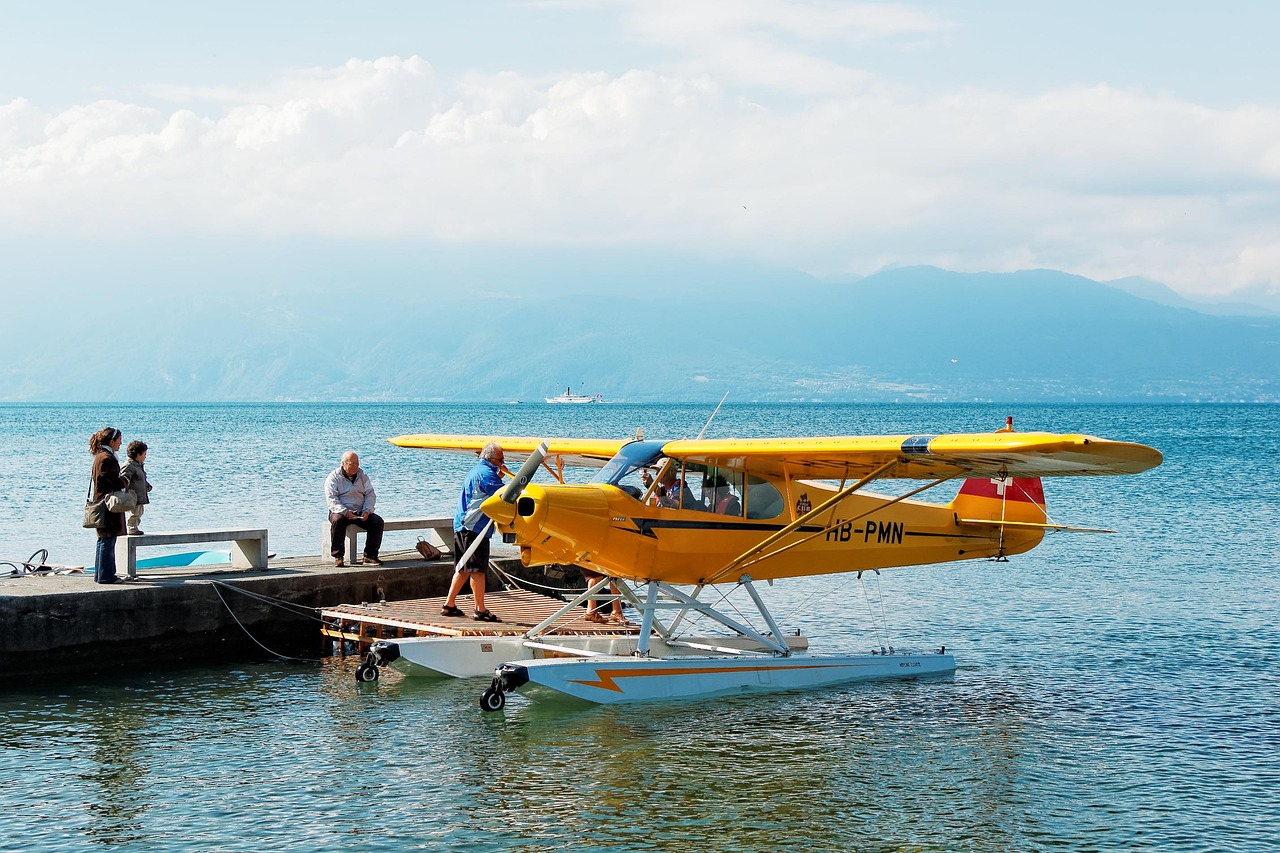
We are witnessing a transformative shift in India’s aviation landscape as Nagpur positions itself as the national hub of a rapidly evolving seaplane ecosystem. With route surveys actively underway and infrastructure planning gaining momentum, this development marks a strategic leap toward enhanced regional connectivity, tourism growth, and economic expansion.


Strategic Importance of Nagpur in India’s Aviation Map

We recognize Nagpur’s unique geographical advantage as the central point of India, making it an ideal hub for aviation operations. Its connectivity to major cities and proximity to water bodies enables seamless integration of seaplane services across regions.

By leveraging its central positioning, we aim to transform Nagpur into a multi-modal aviation gateway, linking remote and underserved regions with efficient and time-saving air routes. This initiative aligns with India’s broader vision of strengthening regional air connectivity under modern aviation frameworks.


Seaplane Ecosystem: A Game-Changing Innovation

We are entering an era where seaplanes redefine accessibility. Unlike conventional aircraft, seaplanes operate on both land and water, eliminating the need for large-scale runway infrastructure. This opens up immense possibilities for:

  • Connecting remote destinations
  • Boosting eco-tourism circuits
  • Reducing travel time significantly
  • Enhancing last-mile connectivity

The seaplane ecosystem being developed in Nagpur will include operational bases, maintenance facilities, pilot training centers, and integrated logistics systems, making it a comprehensive aviation hub rather than just a transit point.


Route Surveys Underway: Mapping the Future of Air Travel

We are currently witnessing extensive route feasibility surveys being conducted to identify viable seaplane corridors. These surveys focus on:

  • Water body accessibility and safety
  • Passenger demand and tourism potential
  • Infrastructure readiness
  • Environmental impact assessments

The routes being explored will connect Nagpur to key tourist destinations, pilgrimage centers, and remote regions, enabling faster and more efficient travel options. This strategic mapping ensures sustainable and scalable expansion of the seaplane network.


Economic Impact: A Catalyst for Growth

We anticipate a significant economic boost as Nagpur evolves into a seaplane hub. This initiative will generate:

1. Employment Opportunities

We foresee job creation across multiple sectors, including aviation, hospitality, tourism, and infrastructure development.

2. Tourism Expansion

With faster access to scenic destinations, Nagpur will serve as a launchpad for tourism circuits, attracting both domestic and international travelers.

3. Investment Inflows

The development of aviation infrastructure will attract private investments, public-private partnerships, and global aviation stakeholders.

4. Regional Development

We expect surrounding regions to experience accelerated growth due to improved connectivity and increased economic activity.


Infrastructure Development: Building the Backbone

We are prioritizing state-of-the-art infrastructure to support the seaplane ecosystem. Key developments include:

  • Water aerodromes equipped with safety and navigation systems
  • Dedicated terminals for passenger handling
  • Maintenance and repair facilities (MRO)
  • Training academies for pilots and crew

These developments will ensure that Nagpur not only hosts seaplane operations but becomes a center of excellence in aviation innovation.


Government Vision and Policy Support

We are aligning this initiative with national aviation policies that emphasize regional connectivity and sustainable transport solutions. Strong policy backing ensures:

  • Faster approvals and regulatory support
  • Incentives for operators and investors
  • Integration with existing aviation frameworks

This coordinated approach enables smooth execution and long-term viability of the seaplane ecosystem.


Environmental Considerations and Sustainability

We are committed to ensuring that the seaplane initiative adheres to strict environmental guidelines. Key measures include:

  • Eco-friendly operations with minimal land disruption
  • Protection of aquatic ecosystems
  • Controlled and regulated route planning

By adopting sustainable practices, we ensure that growth does not come at the cost of environmental degradation.


Boost to Regional Connectivity

We envision a future where travel between smaller cities and remote locations becomes faster, more accessible, and economically viable. Seaplanes will bridge connectivity gaps that traditional aviation cannot address due to infrastructure limitations.

This initiative complements existing transportation networks, creating a holistic and integrated mobility ecosystem.


Tourism Revolution: Unlocking Hidden Destinations

We are unlocking access to untapped tourist destinations that were previously difficult to reach. Seaplane connectivity will enable:

  • Quick access to lakes, rivers, and coastal areas
  • Development of premium tourism experiences
  • Growth of eco-tourism and adventure tourism

Nagpur will act as a gateway to diverse travel experiences, redefining how tourists explore India.


Challenges and Strategic Solutions

We acknowledge potential challenges such as:

  • Regulatory complexities
  • Environmental clearances
  • Infrastructure costs

However, through collaborative planning, advanced technology, and policy support, we are addressing these challenges effectively to ensure seamless implementation.


Future Outlook: Nagpur as Aviation Innovation Hub

We are confident that Nagpur’s transformation into a seaplane hub will position it as a leader in aviation innovation in India. The long-term vision includes:

  • Expansion of international seaplane routes
  • Integration with smart city initiatives
  • Development of aviation research and innovation centers

This initiative is not just about connectivity—it is about redefining India’s aviation future.


A Landmark Shift in India’s Aviation Landscape

We are witnessing the emergence of Nagpur as a strategic powerhouse in India’s aviation sector. The development of a seaplane ecosystem marks a bold step toward modern, efficient, and inclusive connectivity.

With ongoing route surveys, infrastructure investments, and strong policy backing, Nagpur is set to become the heartbeat of India’s seaplane revolution, unlocking new opportunities for growth, travel, and innovation.

Wainganga-Nalganga River Linking Project Approved: India’s Largest ₹94,967 Crore Irrigation Revolution Explained

The Wainganga-Nalganga River Linking Project is not just another government initiative—it’s being seen as a game-changing infrastructure revolution for Maharashtra, especially the drought-prone Vidarbha region. Imagine taking surplus water from one river basin and redirecting it to areas that desperately need it. That’s exactly what this project aims to do, and honestly, it sounds like something straight out of a futuristic water management blueprint.

For decades, farmers in Vidarbha have battled unpredictable rainfall, crop failures, and water scarcity. This project promises to flip that narrative completely. With a massive investment and cutting-edge engineering, the state government is attempting to solve one of the region’s deepest-rooted problems—water imbalance.

What makes this project even more interesting is its scale. It is being called India’s largest river-linking project, both in terms of cost and infrastructure. And when you look at the numbers, you’ll understand why it’s grabbing national attention.


Administrative Approval and Budget Details

Total Project Cost Breakdown

The Maharashtra government has officially granted administrative approval to this ambitious project with a revised cost of ₹94,967 crore. This marks a significant jump from earlier estimates, making it one of the most expensive irrigation projects in India’s history.

To put that into perspective, this isn’t just a state-level initiative—it’s comparable to some of the largest infrastructure investments in the country. The sheer scale reflects how serious the government is about solving water scarcity in Vidarbha.

Here’s a quick breakdown:

Component Estimated Cost Contribution
Canal & Infrastructure High
Pumping Systems Moderate
Reservoir Construction High
Survey & DPR ₹1,200+ crore

Why Cost Increased to ₹94,967 Crore

Now you might be wondering—why such a massive cost increase?

The answer lies in design upgrades, inflation, and expanded scope. The revised estimate reflects additional engineering requirements, environmental safeguards, and improved water distribution mechanisms.

Also, large-scale projects like this often evolve during planning stages. More accurate surveys, better technology, and increased capacity targets all contribute to higher costs. While it may seem alarming, experts argue that the long-term benefits will outweigh the investment.


Project Route and Infrastructure

Canal Length and Engineering Design

The project involves constructing a massive 426+ km long canal network, connecting the Wainganga river basin to the Nalganga river.

Think about it—this is almost like building a water highway across multiple districts. The canal system will include tunnels, pipelines, and pumping stations designed to efficiently transport water across elevations.

Districts Covered in Vidarbha

This mega project will benefit several key districts, including:

  • Nagpur
  • Wardha
  • Amravati
  • Yavatmal
  • Akola
  • Buldhana

These regions are among the most drought-affected in Maharashtra, making them ideal beneficiaries of such a large-scale intervention.


Purpose of the River Linking Project

Tackling Drought in Vidarbha

Let’s be real—Vidarbha has long struggled with drought conditions, leading to financial distress among farmers. This project directly targets that issue by ensuring year-round water availability.

By transferring surplus monsoon water from eastern regions to water-scarce western districts, the government aims to create a balanced ecosystem.

Water Redistribution Strategy

The strategy is simple yet powerful:

  • Capture excess monsoon water
  • Store it in reservoirs
  • Redirect it through canals
  • Supply it where needed

This approach ensures that no water goes to waste, especially during heavy rainfall seasons.


Irrigation and Agricultural Benefits

Total Land Coverage

One of the most exciting aspects of this project is its impact on agriculture. It is expected to bring over 4 lakh hectares (10 lakh acres) of land under irrigation.

That’s huge. Imagine thousands of farmers suddenly gaining access to reliable water supply—it could completely transform agricultural productivity.

Impact on Farmers and Crop Cycles

With consistent irrigation:

  • Farmers can grow multiple crops annually
  • Dependence on monsoon reduces
  • Income stability improves

This could potentially reduce farmer distress and boost rural economies significantly.


Water Supply and Industrial Impact

Drinking Water Benefits

Apart from agriculture, the project will also address domestic water needs. Millions of people across Vidarbha will benefit from improved water supply infrastructure.

Industrial Growth Opportunities

Industries require reliable water sources, and this project provides exactly that. With better water availability:

  • New industries may emerge
  • Existing industries can expand
  • Employment opportunities will increase

Key Features of the Project

Reservoirs, Dams, and Pumping Systems

The project includes:

  • Around 50 reservoirs
  • Multiple dams (existing + new)
  • Advanced pumping stations

These components ensure efficient storage and distribution of water.

Tunnel and Canal Infrastructure

The infrastructure also includes:

  • Long tunnels through difficult terrain
  • Lift irrigation systems
  • High-capacity canals

All of this makes it a technological marvel in water engineering.


Timeline and Execution Plan

Survey and DPR Phase

Currently, the project has completed major survey phases, with DPR preparation already underway.

Expected Completion Timeline

The government aims to complete the project within 10 years, though timelines may vary depending on approvals and execution challenges.


Environmental and Social Considerations

Forest and Clearance Challenges

Large projects like this require multiple clearances:

  • Environmental approvals
  • Forest permissions
  • Central government nod

These processes can take time but are crucial for sustainable development.

Ecological Impact Debate

There’s always a debate around river linking:

  • Some experts worry about ecological imbalance
  • Others believe benefits outweigh risks

Balancing development with sustainability will be key.


Government Vision and Future Impact

Long-Term Water Security Goals

This project aligns with Maharashtra’s broader goal of achieving water security by 2047.

Transformation of Vidarbha Economy

If executed successfully, this project could:

  • Eliminate drought conditions
  • Boost agriculture
  • Increase employment
  • Transform Vidarbha into a water-secure region

The Wainganga-Nalganga River Linking Project is more than just an irrigation scheme—it’s a bold attempt to rewrite the future of Vidarbha. With a massive ₹94,967 crore investment, the government is betting big on water management as the foundation for economic growth.

Will it succeed? That depends on execution, environmental balance, and long-term planning. But one thing is certain—this project has the potential to change millions of lives.

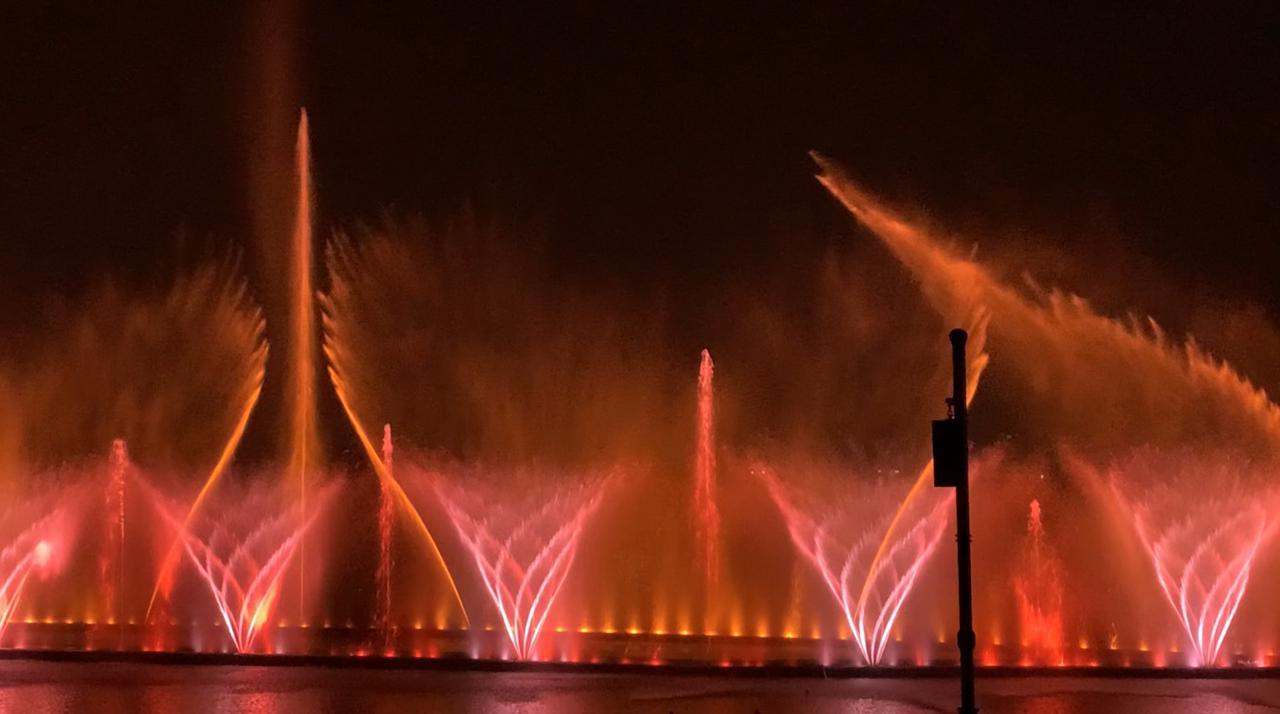
Futala Fountain Project Cost Crosses ₹75 Crore; Contractors Likely to Face Huge Losses

The grand musical fountain and light show project at Futala Lake, envisioned to elevate Nagpur’s beauty to global standards, is now facing a massive cost escalation. Originally budgeted at ₹50 crore, the total project cost has now surged to nearly ₹75 crore — a ₹25 crore jump attributed to prolonged delays, heavy rainfall, and damage caused over the past year.

Launched in September 2023, the project has been stalled for several months due to legal disputes, technical glitches, and financial hurdles. Sources estimate losses of around ₹11 crore have already been incurred. Officials from Nagpur Metro Rail Corporation Limited (NMRCL) have confirmed that technical and financial complications are the primary reasons behind the standstill.

The executing company Studio One and NMRCL are preparing for a detailed review meeting to resolve pending issues. Prolonged inactivity and monsoon damage have severely affected wiring, cables, and infrastructure, further increasing the cost of restarting work.

NMRCL Chairman Sanjay Meena stated, “A technical and financial review meeting will be conducted soon to ensure the project gets back on track. Work will resume at the earliest.”

Meanwhile, citizens continue to question when the much-awaited world-class musical fountain at Futala will finally become a reality.

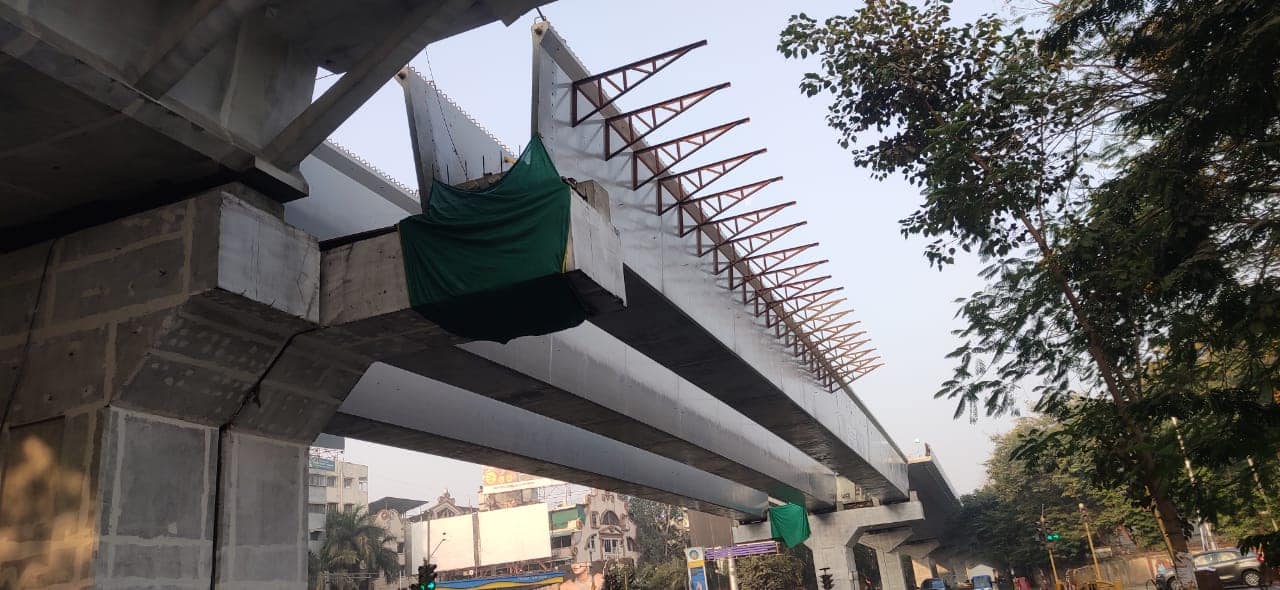
RTO Flyover to Open in September First Week After 1.5-Year Delay in Nagpur

The city of Nagpur is finally set to witness the opening of the much-anticipated Bole Petrol Pump–Futala Square flyover in the first week of September 2025, after facing multiple delays and extensions. The Rs 245 crore project, which is a crucial part of the Amravati Road Traffic Improvement Project (ARTIP), aims to drastically reduce congestion on Amravati Road and improve overall commuting efficiency for thousands of daily travelers.

The Long-Awaited Flyover Project

The flyover construction was originally scheduled to be completed by March 2024 but faced setbacks due to weather conditions, logistical issues, and safety installation delays. The project was then given a one-year extension, with structural works promised to be completed before August 31, 2025.

A senior Public Works Department (PWD) official confirmed that the main structural work is already finished, with only traffic safety measures pending. These include:

  • Installation of rumble strips

  • Road markings with thermoplastic paint

  • Placement of directional and warning signages

  • Final painting and cleaning work

Due to monsoon rains, thermoplastic road marking could not be completed on time, as the material requires a completely dry surface for durability. Officials have assured that all finishing touches will be completed by September 3 or 4, after which the flyover will be open for public use.

Trial Run Before Formal Inauguration

This opening will follow the same pattern as the Wadi flyover, another significant project under the ARTIP. The Wadi flyover was opened to traffic on a trial basis after public demand, even before its formal inauguration ceremony.

The RTO flyover too will first be opened for trial usage, followed by a formal inauguration at a later date. This ensures that citizens benefit from the infrastructure without unnecessary delays while official ceremonies are scheduled.

Relief for Motorists on Amravati Road

Currently, commuters traveling from Bole Petrol Pump Square to Futala Square face long detours, as the stretch between Bole Petrol Pump and Law College Square remains closed. Vehicles are forced to pass through Civil Lines, causing extended travel times and traffic snarls.

Once the flyover opens, it will:

  • Significantly reduce travel time between the two critical points.

  • Ease congestion on Amravati Road, one of Nagpur’s busiest corridors.

  • Provide smoother connectivity to Ravi Nagar, Futala Square, and University Square.

Pending Road and Concretization Works

While the flyover itself is almost ready, PWD officials have listed several pending works that will be completed in the next phase. These include:

  • Road concretization below the flyover from Bole Petrol Pump to Law College Square and Futala T-point to University Square

  • Completion of Ravi Nagar Square, Futala T-point, and Futala Square concretization

  • Installation of stormwater drainage systems, which is currently 30% pending

Officials have assured that these works will not impact the immediate opening of the flyover but will continue alongside to ensure long-term infrastructure stability.

A Key Component of ARTIP

The RTO flyover is a vital component of the Rs 478 crore Amravati Road Traffic Improvement Project (ARTIP). The project, spearheaded by the Ministry of Road Transport and Highways (MoRTH), includes the construction of multiple flyovers, road widening, and traffic management solutions along Amravati Road.

The ARTIP has two major flyovers under its belt:

  1. Wadi Flyover – already operational, providing significant relief to motorists.

  2. RTO Flyover (Bole Petrol Pump–Futala Square) – now nearing completion, expected to transform Nagpur’s western traffic movement.

Both flyovers are designed to handle heavy vehicular loads, reduce bottlenecks, and provide long-term solutions to Nagpur’s traffic congestion.

Impact on Daily Commuters and Businesses

The completion of this flyover is expected to bring tangible benefits not only to commuters but also to local businesses. With reduced traffic jams and smoother accessibility:

  • Daily office-goers will save considerable time.

  • Educational institutions near Law College Square will benefit from eased congestion.

  • Local businesses and shops along Amravati Road will experience improved footfall due to smoother traffic flow.

Safety and Traffic Measures in Place

To ensure commuter safety, the PWD is installing comprehensive traffic safety infrastructure, including:

  • Rumble strips to regulate vehicle speed.

  • Thermoplastic road markings for night visibility and durability.

  • Directional signboards and safety signages at critical turns.

  • Pedestrian-friendly crossings at strategic points.

These measures aim to minimize accidents and create a safe driving environment on one of Nagpur’s busiest roads.

Looking Ahead: Future of Nagpur’s Road Infrastructure

The inauguration of the RTO flyover marks a significant milestone in Nagpur’s infrastructure development journey. The city has been undergoing rapid expansion, and projects like ARTIP are crucial to sustaining its growth. With both the Wadi and RTO flyovers operational, the city’s western traffic is expected to move more seamlessly.

Additionally, upcoming road concretization projects and stormwater drainage systems will strengthen the city’s ability to handle heavy traffic volumes, especially during monsoons.

The RTO flyover opening in the first week of September 2025 is a long-awaited relief for Nagpur’s motorists. After a 1.5-year delay, the project is now ready to deliver on its promise of faster travel, reduced congestion, and improved safety on Amravati Road.

As a core element of the Amravati Road Traffic Improvement Project, this flyover is set to become a cornerstone of Nagpur’s modern urban infrastructure. Citizens can expect not only smoother travel but also enhanced safety, efficiency, and long-term growth benefits once the entire project reaches completion.

Poonam Tower Controversy: Maharashtra Government Pushes for Structural Audit and Acquisition for Vidhan Bhavan Expansion

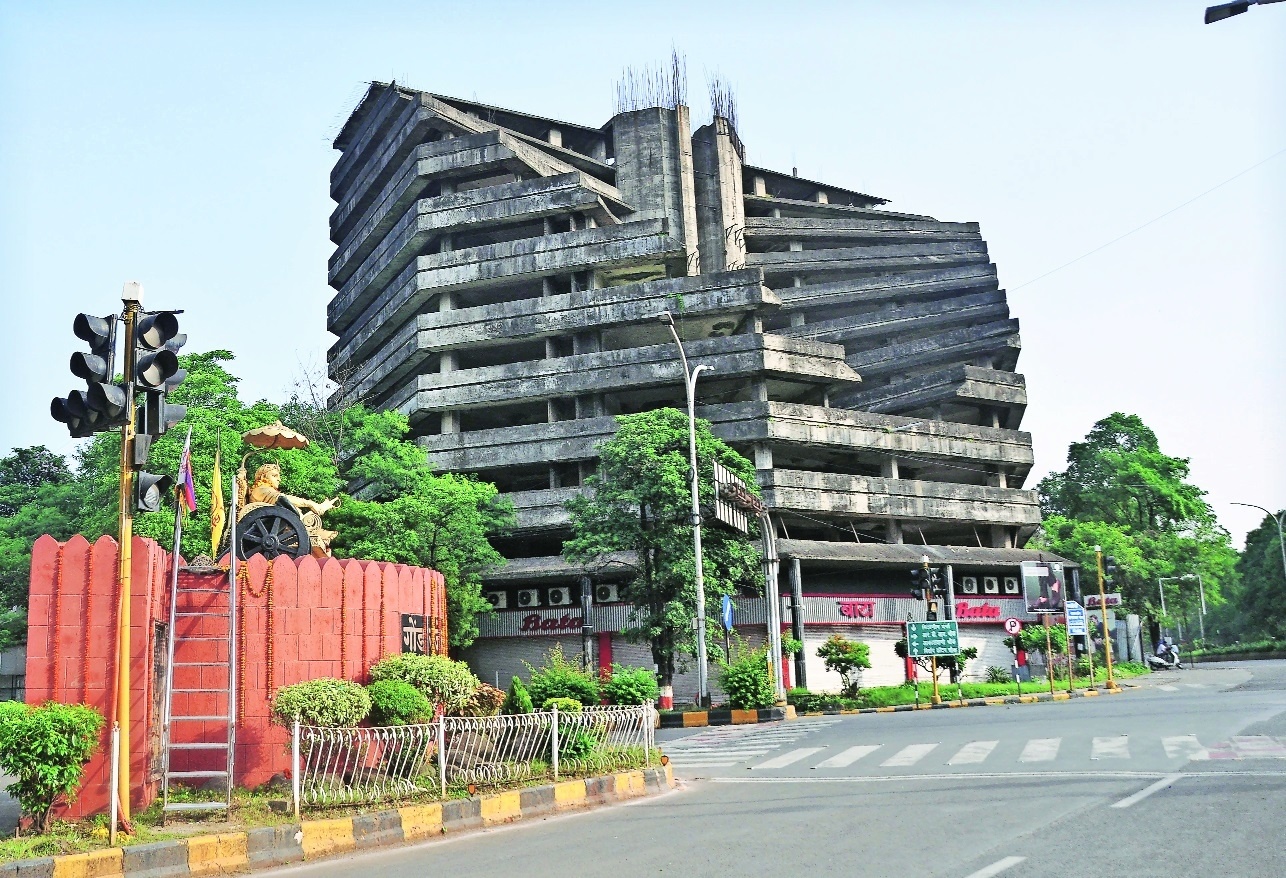
Vidhan Bhavan expansion:  The Poonam Tower Nagpur—a half-constructed and long-abandoned building standing right opposite the Maharashtra Vidhan Bhavan in Nagpur—has once again returned to the spotlight. After years of valuation disputes, failed negotiations, and a history of structural neglect, the Maharashtra Government has now taken concrete steps to acquire the structure. This move is part of a broader initiative to expand the Vidhan Bhavan complex, which serves as the legislative headquarters for the state.


PWD Ordered to Conduct Fresh Structural Audit

According to highly placed sources, the Public Works Department (PWD) has been instructed to carry out a new structural audit of Poonam Tower. Simultaneously, the District Collectorate has been directed to assess the building’s market value, factoring in its present condition, decades of weathering, and incomplete construction.

This renewed interest reflects the state government’s urgency to resolve the decades-old stalemate and to reclaim valuable urban land for institutional use.


A Price Deadlock That Stalled Progress

The valuation of Poonam Tower has remained a persistent issue. Despite repeated efforts by the Government to strike a deal, the builder, N. Kumar, has refused to settle for less than ₹150 crore, while the Government had offered ₹55 crore.

Past attempts at acquisition faltered due to this wide gap in valuation, leading to repeated delays. MLC Dr. Parinay Fuke even proposed constructing underground passageways linking the tower to Vidhan Bhavan, envisioning the tower as an extension of the legislative complex. However, no consensus was ever reached, keeping the fate of Poonam Tower hanging in the balance.


2019 Structural Audit Raised Red Flags

In 2019, the PWD in collaboration with VNIT (Visvesvaraya National Institute of Technology), conducted a structural audit that revealed serious concerns:

  • Non-plastered exterior walls were heavily exposed to weather-related degradation.

  • No protective coatings or paints were applied to prevent corrosion.

  • Concrete deterioration and reinforcement corrosion was observed throughout the building.

  • The main column supporting the front porch was crushed at its base, threatening the stability of the entire structure.

  • Several interior slabs and walls remained unfinished, leaving the skeletal structure vulnerable to the elements.

The report strongly recommended a complete structural overhaul and, most importantly, the removal of the unsafe porch area.


Construction Stalled Since 1996 | Poonam Tower Nagpur 

According to local sources and former tenants, the construction of Poonam Tower began in 1996 but was abruptly stalled midway. While official explanations remain vague, some attribute the halt to security concerns due to its proximity to Vidhan Bhavan.

N. Kumar, the builder, maintains that he began the project only after receiving full approval from civic authorities. “If permission wasn’t granted, I wouldn’t have invested in the construction,” Kumar argued, adding that the abandoned project is a financial burden—a dead investment that can neither be used nor sold.


Government’s Silent Strategy to Resolve the Impasse | Vidhan Bhavan expansion

While public discourse around Poonam Tower has been largely muted, insiders report that the Government is quietly working on a resolution. A senior MLA, requesting anonymity, disclosed that Chief Minister Devendra Fadnavis is determined to see the acquisition through.

Further, Assembly Speaker Adv. Rahul Narvekar and State Council Chairman Ram Shinde have convened multiple meetings in Mumbai and Nagpur to explore expansion strategies for Vidhan Bhavan. The Poonam Tower issue has been tabled repeatedly, yet no public decisions have been shared, suggesting that a behind-the-scenes negotiation strategy is underway.


Government Press Land Now in the Mix

In a parallel development, the Government has begun evaluating the land currently occupied by the Government Press for the expansion of Vidhan Bhavan (Vidhan Bhavan expansion). This pivot indicates that multiple options are on the table, and the decision could swing based on feasibility, cost, and time efficiency.

However, Poonam Tower’s location remains strategically unmatched—it lies directly across from the legislative building, making it the most viable candidate for seamless expansion.


What Lies Ahead for Poonam Tower Nagpur?

The fate of Poonam Tower now hinges on two factors:

  1. Findings of the upcoming structural audit by PWD

  2. Agreement between Government and N. Kumar on valuation terms

If the audit deems the structure unsafe beyond repair, a demolition followed by reconstruction may be proposed. Alternatively, if structural integrity can be restored, the building may be retrofitted and repurposed for official legislative use, as originally envisioned.

Regardless of the route taken, it is clear that the Government is serious this time—Poonam Tower will either be acquired or bypassed, but it won’t be ignored any longer.

The Poonam Tower saga, spanning nearly three decades, might finally be drawing to a close. With political will, structural assessment, and property valuation aligning for the first time in years, Maharashtra Government appears poised to break the deadlock. Whether through acquisition, demolition, or compromise, this long-stalled project is finally back on the agenda—and the clock is ticking.

SECR Nagpur Division to Develop World-Class Cricket Ground at Kalamna to Boost Sports Infrastructure

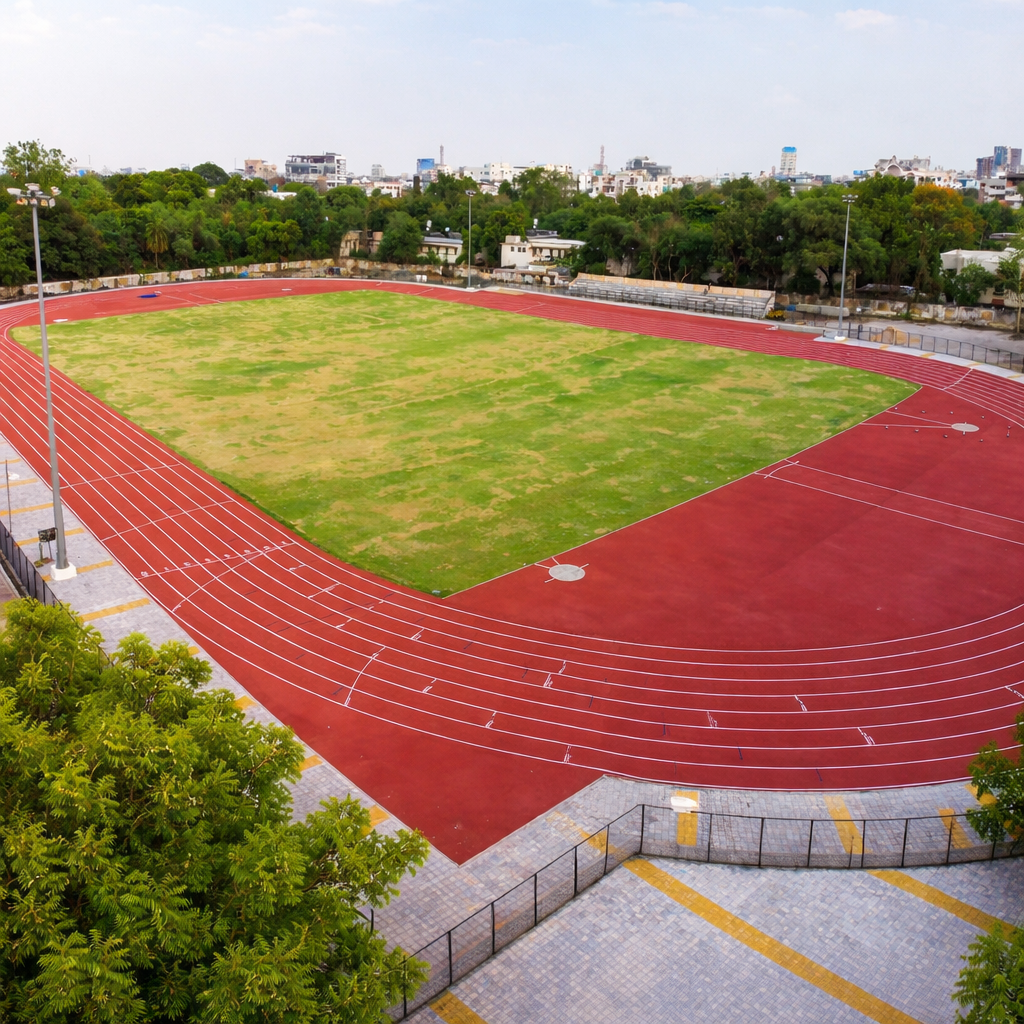
Kalamna cricket ground: In a significant move to promote sports culture and nurture emerging talent within its ranks, the South East Central Railway (SECR) Nagpur Division has announced the development of a dedicated cricket ground at Kalamna, East Nagpur. With a sanctioned budget of ₹92 lakh, the project aims to transform unused railway land into a premier sports facility designed specifically to encourage cricket and support the well-being of railway personnel and their families.


Strategic Initiative to Enhance Sports Ecosystem

The decision to build the cricket ground was taken during a recent Sports Council meeting, where railway officials expressed concerns over the lack of comprehensive sports infrastructure within the division. Presently, SECR Nagpur operates only a football ground at Motibagh, which, despite fostering a successful football team, has not been sufficient to cater to other sports, particularly cricket—a game with immense following and participation potential in India.

The unanimous approval for this project underscores the council’s commitment to creating a multi-faceted sports environment for railway employees, with a specific focus on youth engagement and holistic development.


Cricket Ground to Rise on 10 Acres of Railway Land

The proposed site for the new cricket facility is a sprawling 10-acre plot of railway land situated in Kalamna, a rapidly developing region in East Nagpur. This land, currently underutilized, offers ample space not just for a professional-standard cricket pitch, but also for pavilions, practice nets, spectator amenities, and other essential infrastructure.

Dilip Singh, the Senior Divisional Commercial Manager and Sports Officer of SECR Nagpur Division, confirmed that this project will unlock the potential of existing land assets, converting them into productive, community-focused spaces.


Key Facilities to be Developed in Phase One

The cricket ground’s (Kalamna cricket ground) first phase of development will focus on creating two pavilions, establishing turf and matting pitches, and implementing foundational support systems to sustain year-round activity. The ground will be secured with a boundary wall, and four wide protective screens will be installed to ensure that external disruptions are minimized during matches and practice sessions.

These state-of-the-art additions aim to provide a safe and professional environment for training and tournaments, in line with modern standards followed by cricketing institutions across the country.


Water-Efficient Grass Maintenance and Long-Term Vision

To maintain lush green outfields regardless of seasonal variations, a sprinkler irrigation system will be embedded into the turf management strategy. This not only ensures year-round greenery but also significantly reduces manual maintenance effort and water waste, aligning with sustainability goals.

In addition to the planned developments, the Sports Council has envisioned the construction of spectator stands in later phases. These would offer seating for local communities and families, turning the cricket ground into a local sports hub, especially for residents of East Nagpur, where sporting venues are currently limited.


Dedicated Cricket Academy Planned at Kalamna | Kalamna cricket ground

Perhaps the most exciting aspect of the SECR’s vision is the launch of a dedicated cricket academy at the Kalamna site (Kalamna cricket ground). According to Sports Council representative Sadawarte, the academy is expected to operate throughout the year, providing structured training sessions, coaching camps, and skill development programs for young cricketers from railway families and nearby communities.

This initiative is especially valuable for East Nagpur, which lacks sufficient grassroots-level sports academies. By making high-quality coaching accessible, the cricket academy is poised to become a launchpad for young talent, bridging the gap between amateur enthusiasm and professional training.


Relief from Dependence on Ajni Sports Ground

Currently, the SECR cricket team has no dedicated ground of its own and relies on Ajni Sports Ground, managed by the Central Railway’s Nagpur Division, for practices and inter-division tournaments. This arrangement has led to logistical challenges and limited training slots, affecting the team’s growth potential.

With the upcoming Kalamna facility, the SECR team will have exclusive access to their own ground, which will greatly improve training frequency, match preparedness, and overall team performance. This development is expected to strengthen the division’s standing in inter-railway competitions and boost morale among players and coaching staff.


Timeline for Completion and Execution Strategy

As per Aniruddha Sarwate from the Sports Cell, the goal is to complete the cricket ground before March, aligning with the onset of summer to begin early practice sessions. The project is currently in the planning stage, with tender documentation in progress.

Once the tender is floated, construction work will be initiated at a fast pace to ensure timely delivery of the facility. The strategic timing also aligns with school vacations and cricket season, ensuring maximum utility of the ground from the get-go.


A Long-Term Asset for SECR and Nagpur’s Sports Landscape | Kalamna cricket ground

This move by SECR Nagpur Division is not just about building a sports facility—it reflects a long-term commitment to employee welfare, youth empowerment, and sporting excellence. In a city like Nagpur that is fast emerging as an infrastructure and development hub, such sporting investments are crucial to maintaining a balanced and healthy urban lifestyle.

Once operational, the Kalamna cricket ground will also have the potential to host zonal and inter-divisional cricket tournaments, positioning Nagpur as a key player in railway sports networks.

The development of a dedicated cricket ground by SECR Nagpur Division at Kalamna represents a visionary step toward uplifting sports infrastructure, promoting health and fitness, and unlocking youth potential within the railway community. With a carefully planned layout, substantial budget, and forward-looking features, the project stands as a model for other railway divisions and public sector undertakings to emulate.

NMC Launches Heritage Revival Plan to Restore Gandhi Gate in Mahal, Nagpur

A New Dawn for an Ancient Gateway

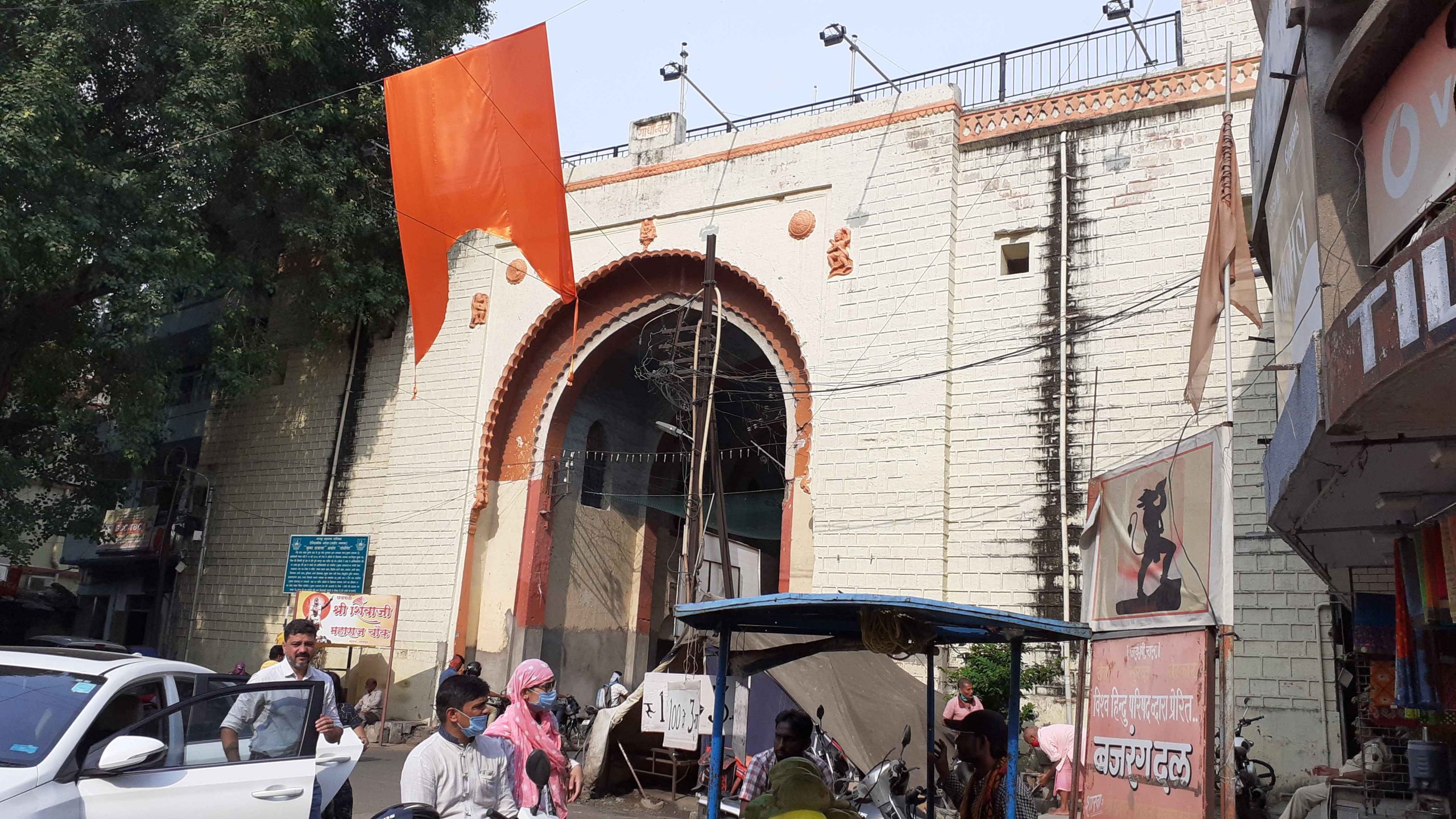
In a significant step toward reviving Nagpur’s historical legacy, the Nagpur Municipal Corporation (NMC) has announced a comprehensive restoration and conservation plan for Gandhi Gate, also known as Jumma Darwaza. Located in the heart of Mahal, this centuries-old Mughal-era structure is one of the last surviving symbols of the city’s pre-colonial glory and its deep connection with India’s First War of Independence.

This initiative, spearheaded by Municipal Commissioner Abhijeet Chaudhari, is not merely about preserving a stone structure — it’s about resurrecting memory, identity, and pride for a city that is evolving rapidly into a smart urban center.


Historical Roots of Gandhi Gate: From Royal Entrance to Revolutionary Landmark

Built by Chand Sultan, Son of Gond King Bakht Buland Shah

The history of Gandhi Gate dates back to the early 18th century, built by Chand Sultan, a royal descendant of the Gond dynasty, soon after Raghuji Maharaj-I declared Nagpur as the capital in 1735. The gateway once stood as part of a magnificent palace complex that stretched from Kotwali police station to DD Nagar Vidyalaya, housing royal residences, temples, and administrative halls.

Survivor of 1818 British Invasion

In 1818, during the British annexation of the region, a devastating fire — believed to have raged for six months — destroyed much of the structure. Yet, Gandhi Gate withstood the carnage, standing tall as the last sentinel of the Gond-Maratha era.


The Forgotten Martyrs of 1857: A Gateway Stained with Sacrifice

Site of Execution During the 1857 Revolt

The Gandhi Gate’s most poignant historical moment came during the First War of Independence in 1857. As the uprising surged across India, the British forces in Nagpur captured and executed nine brave revolutionaries at this very site. Their names echo through history:

  • Nawab Qadir Khan

  • Siddiq Ali Khan

  • Akbar Ali Khan

  • Vilayat Ali Khan

  • Bunyad Ali Risaldar

  • Yusuf Khan

  • Uniform Major

  • Moinuddin Husain Jamadar

  • Inayatullah Khan

  • Maratha patriot Waghle Jamadar

Their bodies were left hanging from the gate for three days, a brutal colonial tactic meant to deter further rebellion. Today, their legacy rests at the Nine Gazi Memorial on Sitabuldi Hill — a name too few in Nagpur remember.


The Restoration Vision: Blending Conservation with Civic Pride

Led by a Dedicated Team and Technical Experts

The NMC, under Commissioner Abhijeet Chaudhari’s leadership, is inviting Project Management Consultants (PMCs) who specialize in heritage conservation to take charge of the initiative. As confirmed by Executive Engineer Ashwini Yelchatwar, the scope of work includes:

  • Creating a Detailed Project Report (DPR)

  • Conducting structural assessments

  • Developing architectural redesigns

  • Implementing site-specific conservation techniques

A pre-bid meeting and subsequent technical evaluations will determine the final consultant, following which the project budget will be finalized.


Gandhi Gate in Present Day: Neglect Amid Narrow Lanes

Today, Gandhi Gate lies buried under urban neglect. Surrounded by vibrant commercial lanes, historic wadas (stone homes), old temples, and colonial-era schools, the monument is encroached upon, obscured by the hustle of daily life.

Yet, its stone arches and aged bricks whisper tales of royal dynasties, architectural grandeur, and revolutionary bravery. The NMC’s plan is to not only restore the structure physically but also reintegrate its stories into public consciousness.

“This is about reintroducing Nagpurians to their own history — stories that never made it to school textbooks,” said Yelchatwar.


Key Objectives of the Restoration Project

1. Physical Conservation of Gandhi Gate

  • Cleaning, stabilizing, and restoring stonework

  • Preserving original design elements with historical accuracy

  • Removing modern encroachments that damage the heritage site

2. Urban Redesign and Cultural Integration

  • Enhancing the surrounding streetscape to reflect the gate’s historic importance

  • Creating informational plaques and QR-code guided tours

  • Possibly including a heritage walk route in the Mahal area

3. Reviving Public Memory

  • Installing interpretive panels detailing the 1857 executions

  • Honoring the Nine Gazi Martyrs in the context of India’s freedom struggle

  • Organizing local awareness campaigns, exhibitions, and student outreach programs


Why Gandhi Gate Matters Today

In a city rapidly transforming into a modern Smart City, there’s a growing urgency to protect the few remaining heritage markers that link present-day Nagpur to its glorious and often painful past. Gandhi Gate is not just a relic; it is a symbol of resistance, continuity, and forgotten courage.

Restoring Gandhi Gate is more than a construction project — it’s a cultural mission to ensure that every Nagpurian, young or old, understands and cherishes the legacy beneath their feet.


A Monument Worth Remembering, A History Worth Preserving

As the NMC sets the wheels in motion to breathe new life into Gandhi Gate, Nagpur stands at a historic crossroads. Will it embrace its identity as a city rich in heritage and rebellion? With public support and expert execution, the Gandhi Gate restoration can be a defining milestone in how cities remember, honor, and preserve their soul.

We look forward to seeing Gandhi Gate once again become a beacon — not just of stone and mortar, but of memory, martyrdom, and pride.

Exit mobile version