Ajni Railway Station Undergoes Rs 300 Crore Transformation with New Features

Nagpur: In a groundbreaking development, Ajni Railway Station is set to undergo a massive makeover with a staggering Rs 300 crore project. The focal point of this transformation is the introduction of six cutting-edge travelators, a first-of-its-kind facility within the Indian Railways. Spearheaded by the Railway Land Development Authority (RLDA), the renovation will reshape the popular western entrance of the station.

From February 15 onwards, the old building, a relic from the 60s, will be dismantled to make way for a modern G+3 structure. This project is imperative as the railways are constructing a second entrance on the Eastern side of Ajni Railway Station. The new building, equipped with travelators, will span across platform 1 to 7, ensuring seamless connectivity for travelers navigating between the two ends of the platform.

Swanky Structures and Accessibility at the Core

The new structure promises a host of amenities, addressing contemporary needs and ensuring accessibility for all. Both entrances will boast swanky, modern designs, catering to the demands of the times. Essential facilities are being incorporated to guarantee a hassle-free experience for differently-abled individuals, emphasizing the commitment to inclusivity.

On the Western side, the ground floor will provide expansive open space, while the first floor will house the railway office, including the Station Master’s office and other key departments. The upper floors will feature lounges, waiting areas, and retiring rooms, aligning with the transformation of Ajni into a satellite terminal station. With plans to relocate services from the overcrowded Nagpur Railway Station, Ajni is poised to become a hub with all the modern conveniences.

Future-Ready Infrastructure and Timelines

The ambitious project also includes the construction of four additional high-level platforms to cater to future needs, ensuring a seamless experience for commuters. Work has already commenced on removing the old structure on the western end, causing temporary inconvenience to travelers. The new buildings on both the Eastern and Western sides are projected to be completed by 2025.

As part of the makeover, the dome added to enhance the aesthetic appeal of the old building on the western side will be removed. To facilitate the demolition process, the ticket booking office has been temporarily relocated 200 meters away on the Wardha end of the Ajni station. The Station Master’s office, Commercial Department, and RPF are also operating from temporary structures adjacent to the parking area on the station campus.

In conclusion, the Ajni Station’s Rs 300 crore transformation signifies a bold step towards modernization, ensuring a futuristic and inclusive railway experience for all commuters. The integration of innovative features and state-of-the-art infrastructure is set to redefine railway stations’ standards, marking a significant milestone in India’s rail network evolution.

Max Healthcare Expands Reach with ₹412 Crore Acquisition of Alexis Hospital in Nagpur

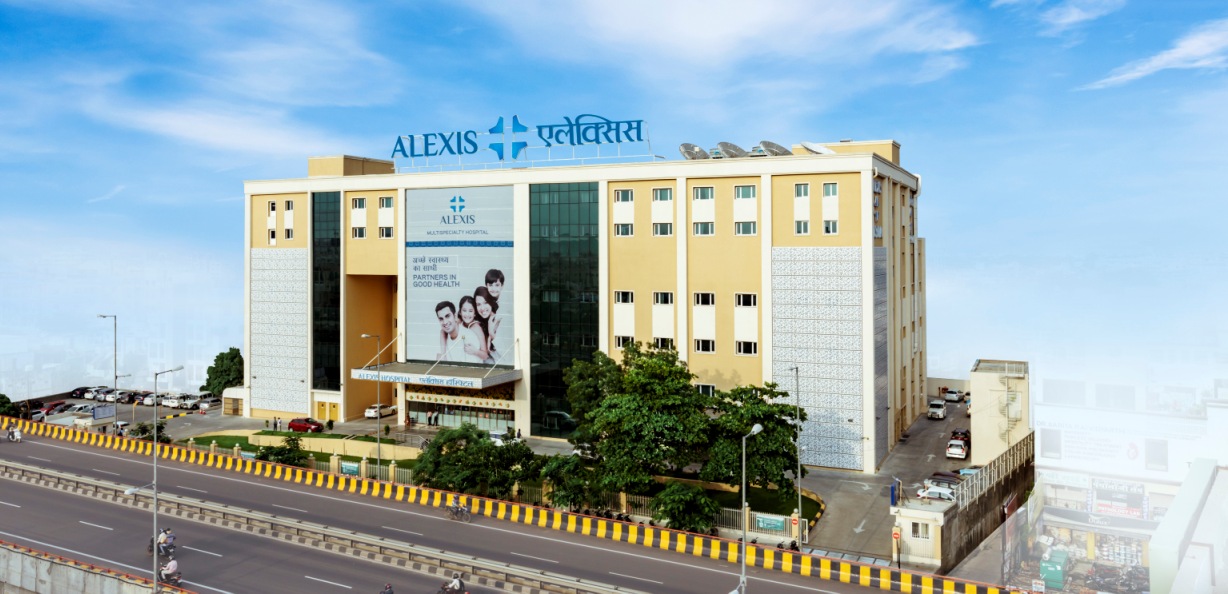
Nagpur witnessed a groundbreaking development in its healthcare landscape as Max Healthcare, based in Delhi, successfully acquired Alexis Multispecialty Hospital for a staggering ₹412 crore. This monumental deal, arguably the most significant in the city’s healthcare sector, underscores a strategic move by Max Healthcare to extend its influence and services.

Inaugurated by the renowned UAE-based Zulekha Health Care Group, the 200-bedded Alexis Hospital holds historical significance. Dr. Zulekha Daud, the founder of Zulekha Care Group and a Nagpur native, initiated this healthcare endeavor. Dr. Daud, an alumnus of Government Medical College, Nagpur, embarked on her medical journey in the UAE, eventually establishing a healthcare empire. The recent acquisition by Max Healthcare symbolizes the convergence of healthcare giants, reflecting a broader trend.

The healthcare landscape in Nagpur has been experiencing a surge in interest from listed entities, evident in the earlier alliance between Kingsway and Hyderabad’s KIMS Hospital. In this notable transaction, KIMS Hospital secured a 70% stake, investing around Rs300 crore. Following suit, private equity firm Black Stone acquired Care Group, encompassing the Nagpur unit. This trend points towards a growing preference among listed entities to establish a robust presence in Nagpur’s healthcare market.

Amit Somani, Chief of Strategy and Corporate Development at KIMS Hospitals, shared insights into the emerging trend, stating, “Listed entities’ keen interest in Nagpur as a market is set to drive healthy competition. The influx of major players promises benefits for patients, bringing enhanced facilities, diversified skill sets, and advanced technology to the forefront. Moreover, such acquisitions are anticipated to reduce the need for Nagpur residents to seek treatment in larger cities.”

Strategic Acquisitions Pave the Way for Enhanced Healthcare Ecosystem

The healthcare sector in Nagpur is poised for transformation, with Max Healthcare’s acquisition of Alexis Hospital marking a pivotal moment. This strategic move not only strengthens Max Healthcare’s foothold in the region but also sets the stage for a competitive healthcare ecosystem. With the precedent set by KIMS Hospital and Black Stone, more significant players are eyeing potential acquisitions in Nagpur, signaling a positive trajectory for the city’s healthcare landscape.

Civic Bodies Struggle to Eradicate 2,000 Illegal Constructions in Nagpur

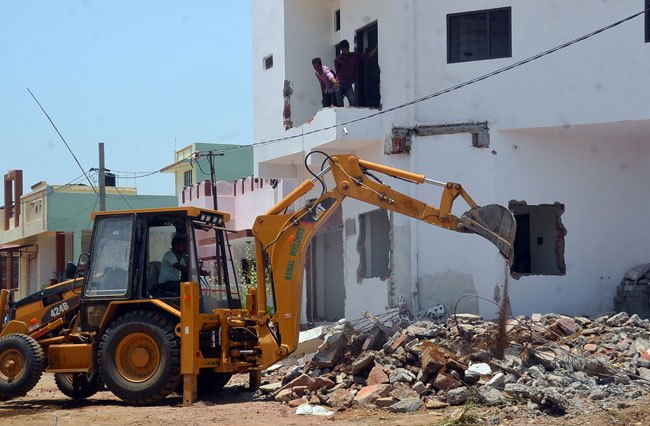
illegal constructions Nagpur: Nagpur continues to grapple with the challenge of over 2,000 illegal constructions in Nagpur, despite persistent directives from the Nagpur bench of the Bombay High Court. The Nagpur Metropolitan Region Development Authority (NMRDA) disclosed this unsettling revelation in an affidavit presented to the High Court on Thursday.

According to the affidavit filed by NMRDA Joint Commissioner Avinash Katade, who also serves as the Chairman of the Joint Supervisory Committee, various civic bodies, including NMT, NIT, and NMRDA, possess a comprehensive list of 4,668 illegal constructions in Nagpur that require immediate demolition. Surprisingly, only 1,403 of these structures were dismantled between December 7, 2023, and January 22, leaving a staggering 2,681 structures still standing.

Persistent Challenges Despite Demolition Efforts

The action taken report, submitted in response to the court’s inquiry from a PIL initiated by Ajay Tiwari, indicated that 588 structures had been transferred to other authorities such as Nagpur Smart and Sustainable City Development Corporation and various municipal councils, some of which are recently constituted.

Despite the concerted efforts of the supervisory committee, which includes Secretary Sunil Lahane and members Vijaya Bankar, Ashwini Patil, and Shriram Mundhada, the authorities involved were urged to push the demolition drive to its maximum extent. They directed the concerned authorities to address any legal impediments in subsequent meetings or face consequences.

Warning of Consequences and Police Support

Expressing dissatisfaction could lead to severe consequences, as the committee warned that failure in executing a satisfactory demolition drive might compel them to request disciplinary actions against officers who willfully defy High Court orders.

In their defense, all relevant authorities claimed that between December 7, 2023, and January 22, the police department provided ample and timely security for scheduled demolitions. DCP (Special Branch Additional Charge) Patil assured the committee of continued police support for pending demolition operations.

Despite these assurances, the pressing issue remains – a significant number of unauthorized structures still stand, posing a challenge to the city’s urban planning and development goals. The authorities now face the uphill task of not only removing the remaining structures but also ensuring that legal processes are followed meticulously to prevent future encroachments.

In the ongoing saga of illegal constructions, Nagpur’s civic bodies find themselves at a crossroads, balancing the demands of rapid urbanization with the imperative of upholding the rule of law.

Legal Battle Erupts Over Kadbi Sq Y-Flyover Construction

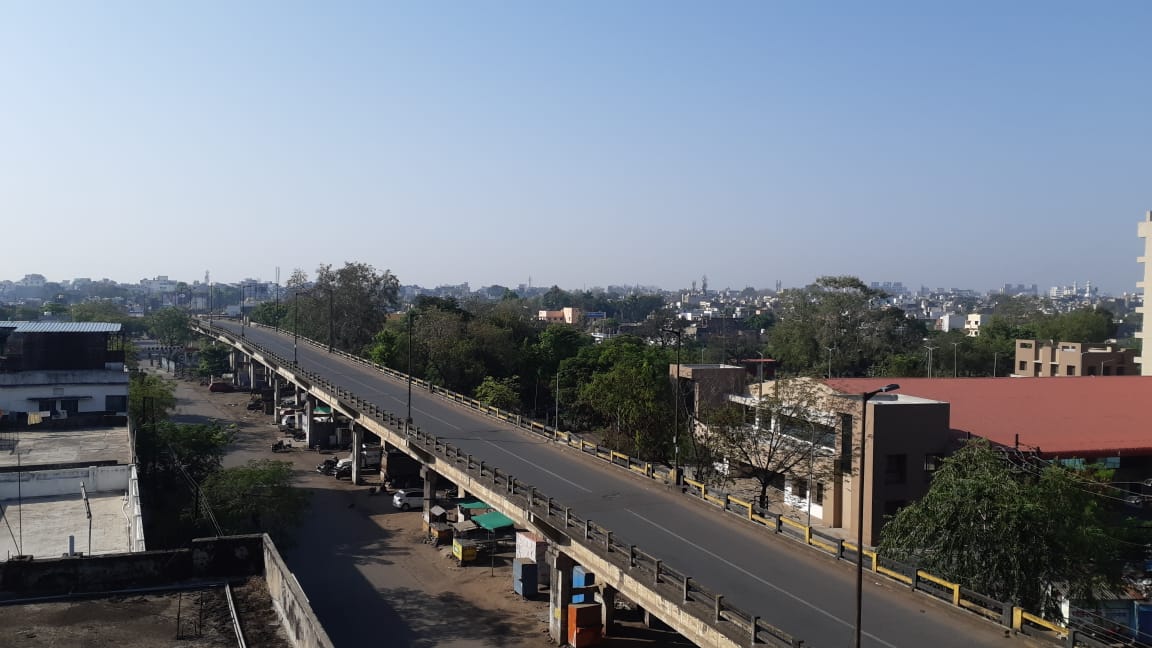
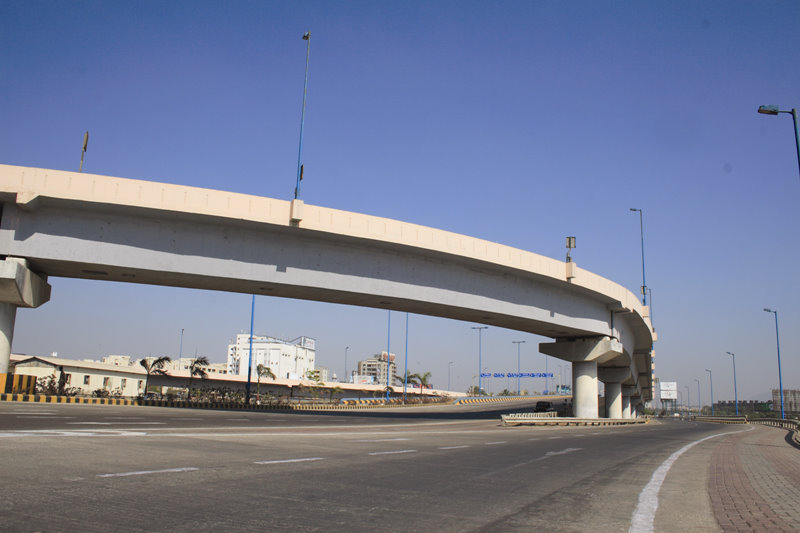
In a dramatic turn of events, the construction of the 2.8km Y-flyover from Kadbi Chowk (Kadbi Square) in Nagpur has encountered a legal challenge at the Nagpur bench of the Bombay High Court. The contentious portion of the flyover Kadbi Chowk, stretching from Pahelwanshah Dargah to Gupta Atta Chakki in Mominpura, has stirred controversy. One arm of the railway overbridge links to Mominpura-Timki, while the other extends towards Santra Market.

Concerns Raised by Local Leader

Mohammad Firju Rahman, the president of Mominpura Jama Masjid, has taken a stand by filing a Public Interest Litigation (PIL) demanding an immediate halt to the construction of the Y-flyover. Rahman argues that the bridge lacks administrative approval, positioning it as an illegal structure. He further contends that there is no genuine necessity for its existence. Notably, the challenge to the approved design has already left the two arms of the Itarsi RoB hanging.

A bench comprising Justices Nitin Sambre and Abhay Mantri has issued notices to a range of key entities, including the State Public Works Department, Central Railway Secretary, Central Road Transport Department Principal Secretary, Maharashtra Railway Infrastructure Development Corporation, Municipal Commissioner, Divisional Commissioner, Collector, and Police Commissioner. The court has given the respondents six weeks to submit their replies.

Advocates Presenting the Case

Advocates Sasibhushan Vahne and Yash Sawaitul have represented Mohammad Firju Rahman in this legal battle. They skillfully presented the petitioner’s arguments, emphasizing the lack of administrative approval and the perceived illegality of the flyover’s location. On the opposing side, Advocates Nandesh Deshpande and Deepak Thackeray argued in favor of the state, presumably defending the necessity and legality of the ongoing construction.

As the legal skirmish unfolds, the fate of the Y-flyover hangs in the balance. The court’s decision, expected in the coming weeks, will play a pivotal role in determining whether the construction will proceed or face further delays. The Y-flyover project, initially aimed at easing traffic congestion, has now become a focal point for legal contention, leaving the public and authorities eagerly awaiting the court’s verdict.

In the heart of Nagpur, Kadbi Square witnesses not only the construction of concrete structures but also the unfolding of a legal drama that could reshape the city’s skyline and transportation landscape.

Tekdi Subway Project Signals Transformation for Freedom Park

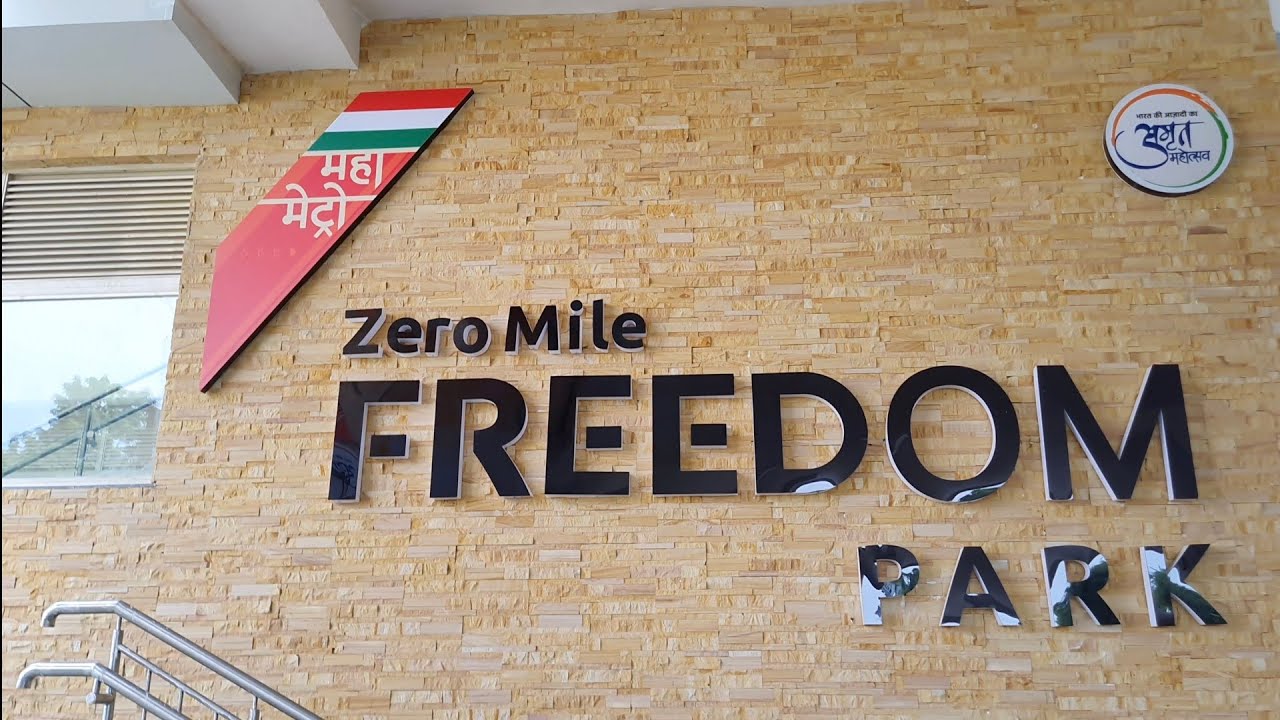
In a significant move by the Maharashtra Metro Rail Corporation Limited (MMRCL), the iconic Freedom Park, situated at the Zero Mile Metro station, is set to transform to make way for the Tekdi subway. The decision comes in response to the pressing need to alleviate congestion along the Tekdi Road stretch.

Demolition Plans and Subway Progress

Initial blueprints indicate that approximately 25% of the current Freedom Park area is slated for demolition to facilitate the construction of the subway connecting Tekdi Road with Science College Road. The demolition will include key features such as staircases and adjoining sections of the park, reshaping the landscape to accommodate the evolving transportation infrastructure.

Historic Closure and Unruly Behavior

The Freedom Park, located at Old Morris College Square, had long been inaccessible to citizens. Despite being a popular spot for morning and evening walks, the park faced closure, only reopening after media inquiries on a Thursday evening. Over time, the park became a haven for individuals seeking leisure, but the gathering of unruly youngsters during afternoons and evenings became a growing concern.

Nuisance Amidst Tranquility

The tranquility of the green space was disrupted by the wayward behavior of youngsters, creating a nuisance for those looking to spend quality time amidst the hustle and bustle of the busy square. The decision to redevelop the area surrounding the Zero Mile station includes the removal of the amphitheater at Freedom Park, further altering its landscape.

Citizens Express Concern

Citizens were already expressing discontent after discovering closure notices displayed at the park’s entrance. Akhilesh Halve, Deputy General Manager of Corporate Communications at MMRCL, confirmed the development, stating that 25% of the existing park area is earmarked for redirection to facilitate subway construction. Halve assured citizens that post-completion of the subway, the park would be revitalized to its former glory.

Vision for the Future

As the subway project gains momentum, the envisaged transformation holds promises of improved connectivity and reduced traffic congestion on Tekdi Road. While the temporary inconvenience of losing a portion of Freedom Park is undeniable, MMRCL aims to enhance the overall urban experience by creating a modern transportation network. The project aligns with the city’s vision for sustainable growth and efficient public transport.

In the coming days, citizens will witness the evolving landscape around Zero Mile station, with the subway project poised to reshape not only the physical infrastructure but also the dynamics of how individuals navigate and experience their urban surroundings. The closure of Freedom Park is not just a loss but a precursor to a reimagined space that aims to meet the evolving needs of the city and its residents.

“Vibrant Changes Ahead: Ambazari Lake’s Transformational Journey”

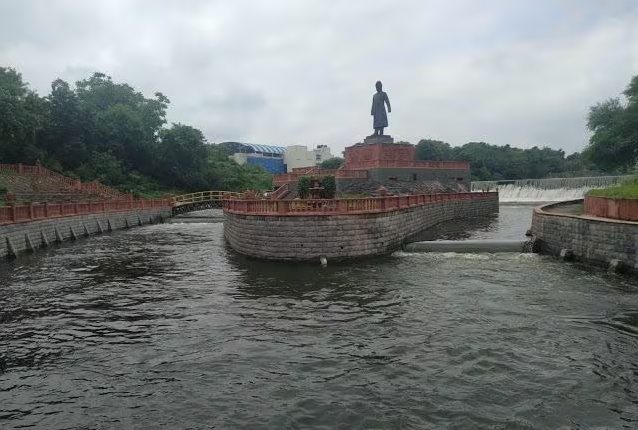
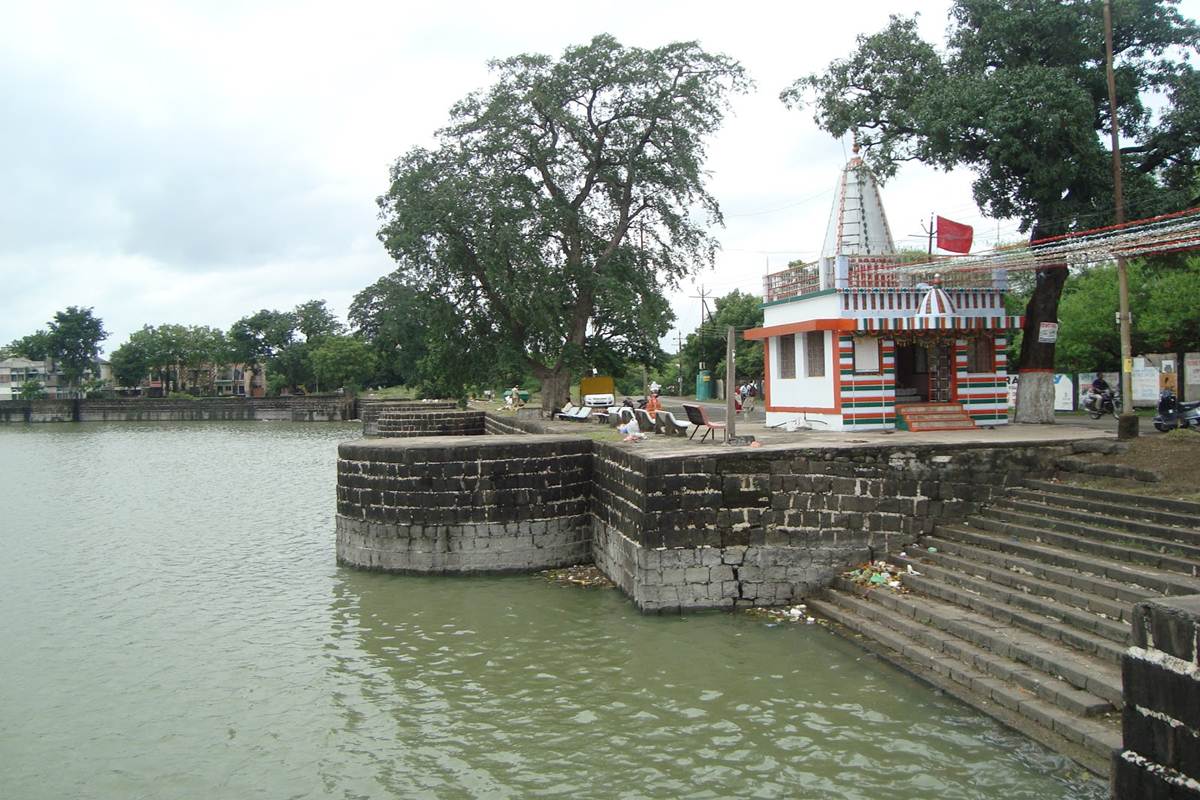
Nagpur : In a recent development regarding Ambazari Lake, the Divisional Commissioner disclosed during a Public Interest Litigation (PIL) hearing that a high-level committee has advocated the relocation of the statue of Swami Vivekananda, situated by the lake, to facilitate the free flow of water. The committee, comprised of representatives from the NMC, Chief Engineer of the Irrigation Department, and the Maharashtra Engineering Research Institute in Nashik, aims to implement measures outlined in the 2018 Irrigation Department report, including the removal of obstacles like the Swami Vivekananda statue.

Committee’s Endeavors and Funding Allocations

The Irrigation Department’s 2018 report emphasized the significance of relocating the statue to ensure unhindered water flow. Presently, the initiative to revitalize and beautify Ambazari Lake is gaining momentum, supported by an approved fund of Rs 21.07 crore for the deepening of the Nag river bed.

The Divisional Commissioner, in an affidavit presented to the Nagpur Bench of the Bombay High Court, outlined the distribution of funds in four phases for various essential tasks. Justices Nitin Sambre and Abhay Mantri presided over the hearing, where it was revealed that the allocated funds would contribute to different phases of the ongoing project.

Clearing Encroachments and River Enhancement

Following the High Court’s previous instructions, a high-level committee is actively working to clear all encroachments along the Nag river. The current focus is on encroachment removal, aligned with the directive. Ambazari Lake, with a water discharge of 400 cubic meters and a carrying capacity of 60 cubic meters for the Nag river, is undergoing a comprehensive process of encroachment removal and riverbed deepening.

According to the Divisional Commissioner’s affidavit, efforts to fortify and enhance Ambazari Lake are already in progress. The Urban Development Department has formed a high-level committee, led by senior officials, tasked with ensuring the safety of Ambazari Lake, streamlining the Nag river, and eliminating encroachments along its banks.

The PIL, filed by residents including Ramgopal Bachuka, Jayashree Bansod, and Natthuji Tikkas, represented by Adv Tushar Mandlekar, underscores the local community’s active involvement in the process. Additionally, Adv Deepak Thakre is representing the State Government in these crucial legal proceedings.

As Ambazari Lake undergoes a transformative journey, these strategic initiatives and legal interventions pave the way for a vibrant and revitalized water body, ensuring its sustainability for generations to come.

Amravati Road Flyover Project Engulfs Locals in Environmental Chaos

In a startling turn of events, the construction of the Amravati Road flyover in Nagpur has transformed the once serene stretch between Law College Square and the University campus into a swirling dust bowl. The ambitious project, led by the National Highway Division of the state Public Works Department (PWD), has left the trees along the road bereft of their green foliage, now covered in a layer of ashen dust.

Citizens Gasping for Breath as Air Quality Plummets

The aftermath of the construction has brought forth a myriad of issues, with residents grappling with the deteriorating air quality. The entire area (Amravati Road Flyover) is now plagued by a thick cloud of dust, rendering footpaths battered and forcing pedestrians to don masks. Motorists, both on four and two-wheelers, navigate through the construction site with rolled-up windows and covered faces, a desperate attempt to shield themselves from the stifling atmosphere.

Alarming Scene Unveiled During TOI’s Site Visit

A recent visit by TOI to the site on Tuesday revealed an alarming situation. The once vibrant area has succumbed to the perils of construction-related pollution. The dust-laden air poses a significant threat to the well-being of residents, who are now voicing their concerns about the potential escalation of the issue during the impending scorching summer months.

Negligence and Disregard for Guidelines Amplify Woes

Despite civic guidelines mandating the spraying of water to control dust spread, the contractor overseeing the project seems to have turned a deaf ear. The dismantled barricades along the pillars contribute to the issue, allowing the accumulated dust to transform into a veritable sandstorm. Residents allege that both the contractor and the government agency responsible for oversight are turning a blind eye to the mounting environmental crisis.

Residents Demand Action Amidst Lax Approach

Residents, plagued by acute respiratory problems and witnessing a decline in the overall quality of life, are demanding immediate preventive steps from authorities. The delayed progress of the flyover project not only extends the period of noise and dust pollution but also raises questions about the commitment to timely execution of developmental projects.

Environmentalist Warns of Long-Term Consequences

Environmentalists, including Kaustav Chatterjee, the brand ambassador of Swachh Bharat, emphasize the long-term consequences of such negligence. Dust not only impedes sunlight from reaching plant surfaces but also raises leaf temperatures, affecting the overall health of greenery. Chatterjee warns that the pollution generated by delayed projects contributes significantly to Nagpur’s designation as a non-attainment city.

Cry for Action as Pollution Threatens Livelihoods and Greenery

Local residents, witnessing their surroundings turn into wastelands, express frustration and concern. Sanjay Taksande, a resident near Law College Square, laments the adverse impact on both residents and the environment. As the construction project continues at a sluggish pace, the cost escalates, and pollution reaches unprecedented levels. The call for immediate corrective measures echoes through the affected community, urging authorities to prioritize the well-being of both citizens and nature.

NMC Secures ₹25 Crore Boost for Sonegaon Lake Revitalization

Nagpur: In a significant move towards the enhancement of the city’s landscape, the Maharashtra government has allocated an additional ₹24.96 crore for the rejuvenation and beautification of Sonegaon Lake. Situated in South-West Nagpur, within the assembly constituency represented by Deputy Chief Minister Devendra Fadnavis, this funding marks a pivotal step in transforming the picturesque locale.

NMC’s Ambitious Phase Two Plans Unveiled

Under the second phase of the revitalization project, the Nagpur Municipal Corporation (NMC) is set to embark on transformative initiatives. A senior official from NMC’s public health engineering department confirmed that a retaining wall and a 1.75km pathway encircling the lake are on the agenda. These developments aim to not only enhance the visual appeal but also contribute to the overall well-being of the community.

NMC’s lake rejuvenation department has already commenced efforts at Sonegaon Lake, boasting a water holding capacity exceeding 17 hectares. The state government had previously granted ₹18.20 crore on July 9, 2017, for the project’s inaugural phase.

Beyond Infrastructure: Aesthetic Upgrades Galore

The completion of the first phase witnessed a notable transformation, with the construction of two entrance gates, parking areas, sitting areas, and sanitation facilities. Now, with the infusion of the latest funds, NMC is gearing up to construct a retaining wall and stairs, in addition to repairing existing structures. A unique Nakshatra Garden, featuring 27 plant species associated with the 27 nakshatras, has also taken root on the west side of the lake.

Multifaceted Recreational Haven

To create a holistic recreational space, NMC has introduced an amphitheatre, yoga court, food court, and a designated selfie point. The strategic development includes a cement concrete retaining wall along the south, west, and parts of the north side. Stone cladding construction along the lake’s bed has been completed on the north side, showcasing the city’s commitment to revitalizing its water bodies.

A Citywide Initiative

Nagpur boasts a total of 11 lakes under NMC jurisdiction, including Ambazari, Futala, Gorewada, and Pandhrabodi. With the support of funds from the 15th Finance Commission, NMC is actively pursuing rejuvenation efforts at all lakes, addressing the concerning state of the city’s water bodies. Both the central and state governments are contributing 25% each to the cause, with NMC taking on a substantial 50% responsibility in lake conservation.

In summary, the injection of ₹25 crore into Sonegaon Lake’s revitalization is a testament to Nagpur’s commitment to sustainable urban development and environmental preservation. The citizens eagerly await the unfolding transformation, anticipating a renewed and vibrant Sonegaon Lake at the heart of their city.

PWD’s Vision: A 200 ft Watch Tower to Transform Nagpur’s Skyline

The Public Works Department (PWD) is set to redefine Nagpur’s skyline with an ambitious plan to construct a 200 feet high Watch Tower in Seminary Hills. While still in the conceptual stages, this project holds the promise of becoming a prominent landmark, offering both citizens and tourists a breathtaking view of the city.

Visionary Concept: A Landmark for Nagpur

Officials from the Executive Engineer PWD Division No 1 shared initial details of the project, highlighting its potential as a significant attraction. The exact location of the viewing gallery, set to provide panoramic views of the green cover and city skyline, is yet to be finalized.

Development Focus: Bal Udyan and Social Spaces

The PWD aims to create a vibrant space around Bal Udyan, Seminary Hills, where the viewing gallery is expected to become a focal point. The ongoing efforts include building walking tracks, toilets, and lawns in Bal Udyan. The goal is to transform the area into a social hub, facilitating gatherings, cultural events, art exhibitions, and educational programs.

Tourist Attraction: A Panoramic Vista

Once completed, the viewing gallery is poised to be a top attraction for tourists, offering a stunning panoramic view of the city. The PWD envisions a steel-concrete structure that seamlessly integrates with the natural surroundings, considering the land falls under the Forest Department.

Sustainability as a Priority: Environmental Considerations

The officials emphasized the importance of sustainability, acknowledging the project’s location within the Forest Department’s jurisdiction. Environmental impact and potential disruption to wildlife and plants in Seminary Hills are concerns that will be carefully addressed in the detailed project report (DPR).

Addressing Concerns: Balancing Opportunities and Environmental Impact

While the viewing gallery project holds promise and business opportunities, officials acknowledge the need for careful planning to address concerns. The environmental impact and potential disruption to Seminary Hills’ green cover must be managed thoughtfully, drawing from lessons learned from previous projects like the Futala Fountain Project.

PWD’s (Public Works Department) vision for a 200 ft Watch Tower in Seminary Hills represents an exciting prospect for Nagpur’s landscape. Balancing development opportunities with environmental conservation will be crucial, ensuring that the project becomes a source of pride for both locals and visitors alike.

Nagpur to Butibori Road Upgrade: A Six-Lane Marvel – Nitin Gadkari

Enhancing Connectivity: From Airport Metro Station to Ring Road Junction

In a groundbreaking announcement, Union Road Transport and Highways Minister Nitin Gadkari revealed plans for the expansion of Nagpur’s crucial Nagpur to Butibori Road. This major development will witness the transformation of key stretches into six-lane thoroughfares, showcasing Gadkari’s commitment to bolstering the city’s infrastructure.

A Visionary Project: Double Decker Structure and Metro Integration

Nitin Gadkari outlined an ambitious vision, envisioning a double-decker structure that integrates a flyover with a metro on top. This innovative approach not only enhances efficiency but also significantly reduces the distance to Butibori. The road expansion spans from the Airport Metro Station to the Ring Road Junction, including the stretch from Ring Road to the Butibori Flyover. Additionally, the road from Wadi to Kondhali on Amravati Road is slated to become a six-lane marvel.

Unveiling Nagpur City Package-1: Butibori to Fetri Four-Layer Ring Road-Bypass

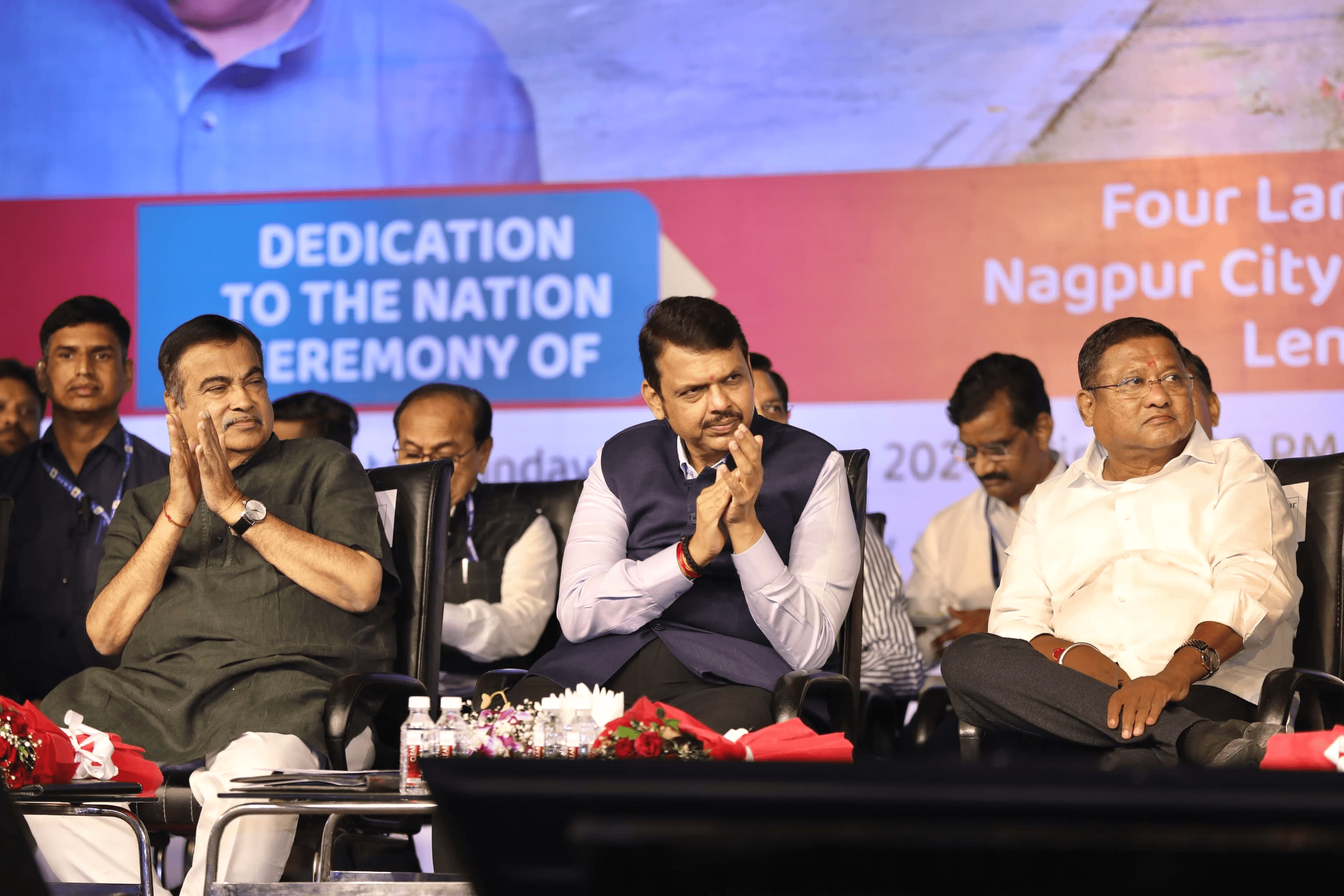
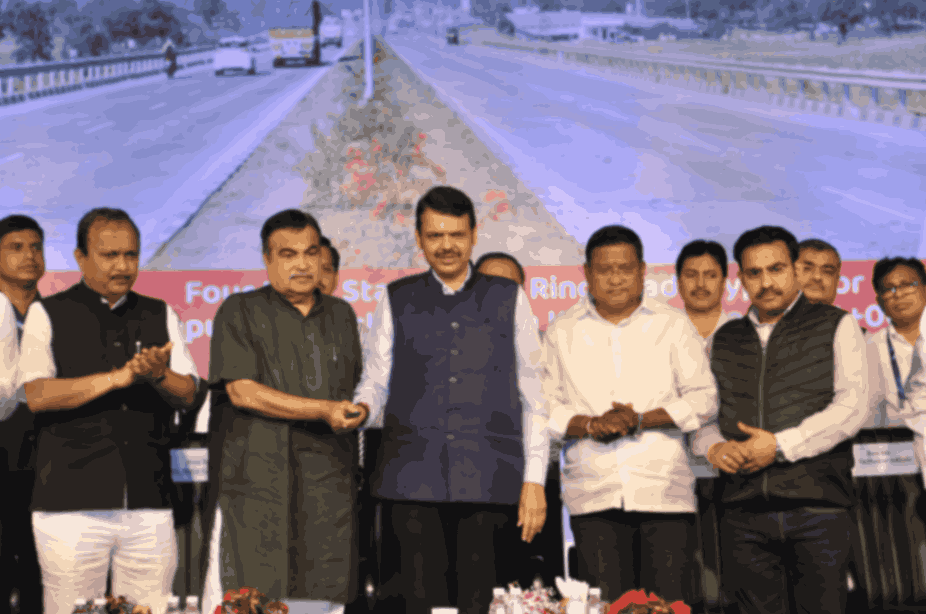
Under the ‘Nagpur City Package-1,’ the Butibori to Fetri Four-Layer Ring Road-Bypass was inaugurated by Minister Nitin Gadkari, accompanied by Deputy Chief Minister Devendra Fadnavis, Ramtek MP Kripal Tumane, and Hingane MLA Sameer Meghe. This strategic development aims to create a comprehensive link between the industrial areas of Hingna and Butibori, facilitating planned development.

Industrial Connectivity: Logistics Parks and Future Growth

The newly introduced outer ring road is poised to serve as a catalyst for planned development, connecting the industrial hubs of Hingna and Butibori. Alongside the road, logistics parks are planned, further enhancing connectivity and fostering industrial growth. The completion of the ring road from the lower underpass to Fetri, extending to Kamptee, is anticipated within the next two months, according to Gadkari.

Integrating Green Spaces: The Nation’s First ‘Bird Park’

In an eco-conscious move, an 8-hectare ‘Bird Park’ near Jamtha is set to become the country’s first. Minister Gadkari shared plans to cultivate various fruit varieties within the park, creating a natural habitat for birds. The park will also feature amenities such as a cycle track and a coffee shop, promoting recreational activities amidst nature. Gadkari emphasized the need to remove encroachments and widen roads in Hingna city for planned development.

Fadnavis’ Perspective: Overcoming Challenges for Swift Completion

Deputy Chief Minister Devendra Fadnavis acknowledged the initial challenges in constructing the outer ring road. However, he commended the accelerated progress achieved in the last two years. Fadnavis highlighted the significance of the outer ring road in alleviating traffic concerns, especially for those traveling from the Samriddhi Highway. This infrastructure development ensures smooth transportation through the outer ring road, accessible via ‘Rim Transport.’

Project Overview: Collaboration and Financial Investment

The project, executed in collaboration with the National Highway Authority of the Ministry of Road Transport and Highways of the Central Government, boasts a total length of 33.50 km. With a budget provision of 856 crore, the outer ring road features three flyovers, two major bridges, and 22 bus-way shelter centers spanning two and a half kilometers. Bamboo crash barriers have been installed to enhance safety, and a speed limit of 100 km per hour is imposed, as indicated in the National Highway Authority’s informative presentation.

In conclusion, the Nagpur to Butibori Road upgrade marks a transformative phase in the city’s infrastructure. Minister Gadkari’s visionary approach, coupled with collaborative efforts and substantial financial investment, ensures that Nagpur is poised for unparalleled growth and connectivity in the near future.

Exit mobile version