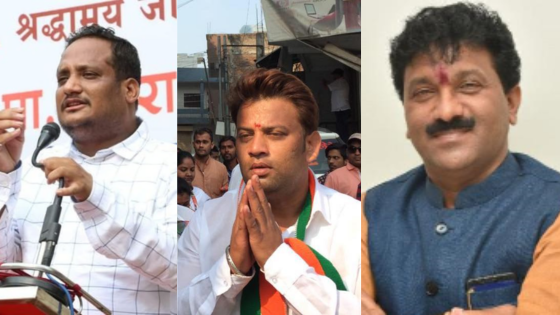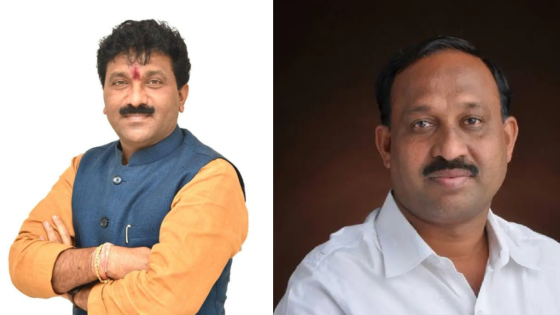
Devendra Fadnavis: A Visionary Leader Who Might Return as Maharashtra’s Chief Minister

In the world of politics, certain names stand out for their leadership, dedication, and deep-rooted connection with their people. One such name is Devendra Fadnavis, the former Chief Minister of Maharashtra, whose political journey has been marked by remarkable achievements, strategic brilliance, and hard work. As political tides shift, the idea of Devendra Fadnavis returning as the Chief Minister is being discussed more passionately than ever before. His own mother, Sarita Fadnavis, has publicly expressed her desire for him to reclaim the highest political office in Maharashtra. Let’s dive deep into what makes Devendra Fadnavis such a respected leader and why his return as Chief Minister is a widely held aspiration.

The Rising Star: Devendra Fadnavis’ Early Political Journey

Born on July 22, 1970, in Nagpur, Devendra Fadnavis has always been deeply involved in the political landscape of Maharashtra. His early exposure to politics, owing to his family’s political background, laid the foundation for his future in leadership. Devendra’s rise was not a stroke of luck but a product of his consistent hard work and meticulous planning. He became the youngest mayor of Nagpur in 1997, and his leadership abilities were quickly recognized. His political career blossomed from there, with significant milestones along the way that shaped his image as a force to reckon with in Maharashtra’s political scenario.

From Nagpur to the State Capital: Fadnavis’ Big Leap

Fadnavis’ political fortunes surged when he became the Chief Minister of Maharashtra in 2014. His tenure was marked by a focus on infrastructure, development, and governance reforms. Despite facing numerous challenges, Fadnavis’s determination to improve Maharashtra’s economy and infrastructure was evident. His leadership style, often described as pragmatic and no-nonsense, earned him respect across party lines.

The Desire for His Return: What Devendra’s Mother Says

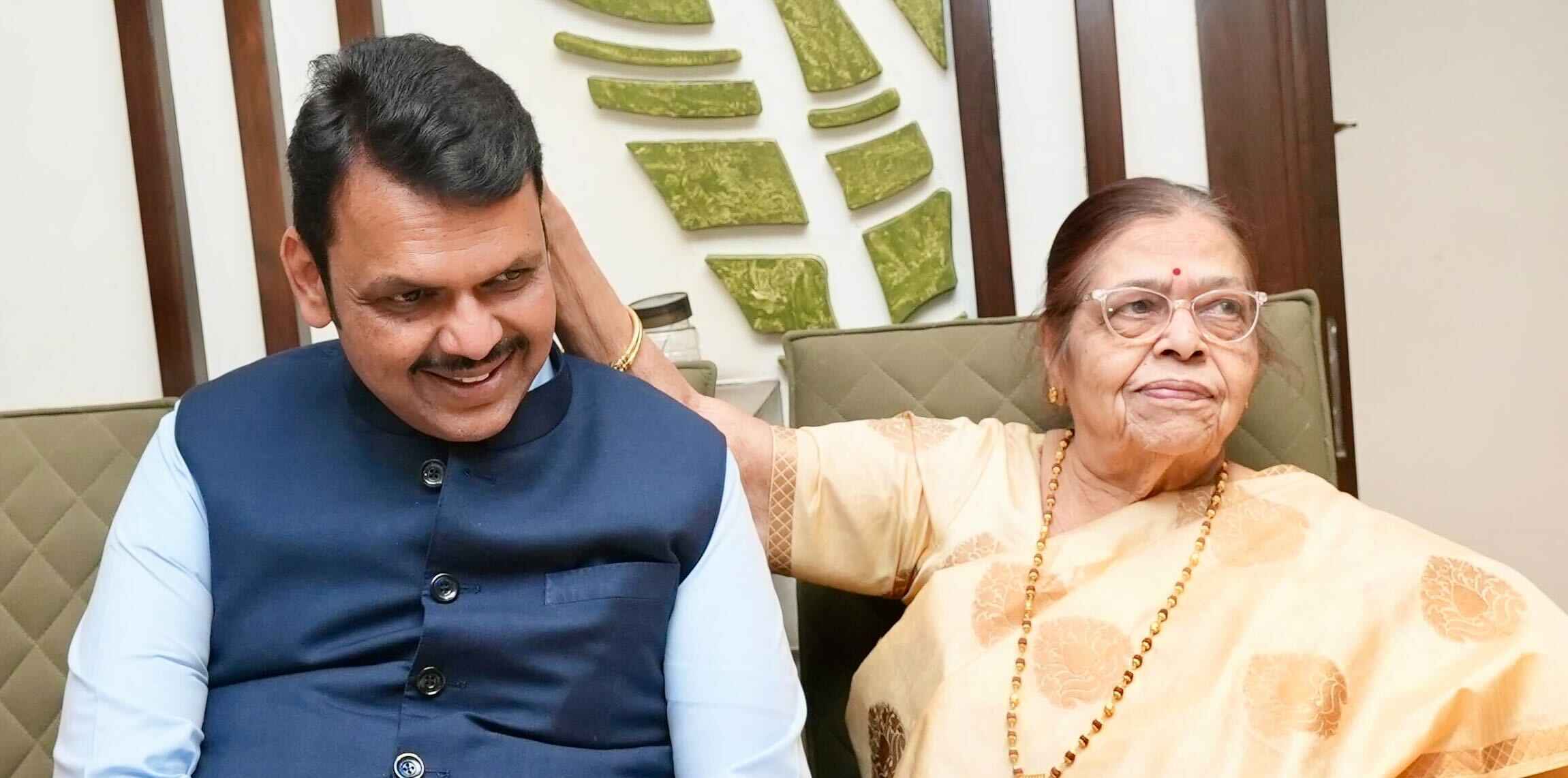
One of the most poignant moments in recent political discourse was when Sarita Fadnavis, Devendra’s mother, spoke out about her desire for her son to return as Chief Minister. In a candid statement, she expressed that while she always expected her son to win, the historic margin by which he secured victory was beyond her imagination.

“His victory was inevitable, but the scale of it was truly historic. I have always hoped for his success, but this time, the victory was beyond what I had imagined. Everyone wants him to return as Chief Minister. Even within the party, there is a strong feeling that if anyone should lead, it’s Devendra Fadnavis,” said Sarita Fadnavis.

Her words reflect a common sentiment in Maharashtra—many believe that Fadnavis’s leadership is vital for the state’s progress.

A Close Bond with Narendra Modi: The Prime Minister’s Affection for Fadnavis

Another crucial aspect of Devendra Fadnavis’s political identity is his close relationship with Prime Minister Narendra Modi. According to Sarita Fadnavis, her son shares a bond with Modi that goes beyond politics. Describing him as a “son” to Modi, she said that the bond between them is one of deep affection and mutual respect.

Fadnavis has always been considered one of Modi’s closest allies, earning the title of “Modi’s favorite” within the political circles. This camaraderie has proved invaluable, both in the national and state political arenas.

Fadnavis’ Resilience: Overcoming Challenges Like Abhimanyu

Devendra Fadnavis is often compared to Abhimanyu, a warrior from the Mahabharata known for his bravery in breaking through the complex “Chakravyuha” formation. Fadnavis’s political journey has seen him face challenges from all sides, much like Abhimanyu. But time and again, he has proven his mettle, breaking through adversities and emerging victorious.

Fadnavis’s election campaigns, particularly during the 2019 state elections, are a testament to his resilience. Despite being surrounded by opposition forces, he worked tirelessly, often sacrificing sleep and personal time, focusing entirely on his campaign. His tireless effort made him a symbol of perseverance and determination.

“I was always engaged in full-time campaigning, meeting people, attending gatherings, and never returning home. I would get only a few hours of sleep, and sometimes meetings would go on till 2 AM,” said Sarita Fadnavis, reflecting on the intensity of her son’s commitment to the cause.

This kind of dedication to his work has earned him immense respect among his supporters and adversaries alike.

The Path to Victory: Fadnavis’ Success in Nagpur South West

Devendra Fadnavis secured an impressive victory in Nagpur South West for the fourth time, signaling that his popularity remains unshaken. His victory in this constituency highlights his stronghold in the region and his ability to connect with the electorate on a personal level. His campaign focused on local issues and development, which resonated with the voters. This victory solidified his place as a key figure in Maharashtra’s political landscape.

The Growing Voices for Fadnavis’ Return as CM

With the success of the BJP and its alliance, the Mahayuti, in Maharashtra, there is a growing clamour for Fadnavis to return as the Chief Minister. The BJP has made significant inroads in the state, securing a strong position in the Maharashtra Legislative Assembly. The alliance’s success, coupled with Fadnavis’ proven leadership, has created an environment where many believe he is the natural choice for the Chief Minister’s role.

According to analysts, Fadnavis’s leadership style, characterized by transparency, efficiency, and development-oriented governance, aligns well with the aspirations of the people of Maharashtra. His work ethic and political strategy have given him an edge over other potential candidates.

The Final Word: Is Devendra Fadnavis Ready for the Challenge?

As Maharashtra moves forward, the question remains—Is Devendra Fadnavis ready for the challenge of becoming Chief Minister once again? His journey has been one of remarkable achievements, overcoming obstacles, and rising above expectations. His mother’s wish, the growing public support, and the backing of political allies suggest that the time might be ripe for Fadnavis to step into the role once more.

His potential return as Chief Minister could usher in a new phase of governance in Maharashtra—one focused on development, progress, and political stability.

Conclusion: Devendra Fadnavis—A Leader for the Future

In conclusion, Devendra Fadnavis is much more than just a political leader; he is a symbol of resilience, hard work, and unwavering dedication. His mother’s words reflect the aspirations of many who believe that his leadership is crucial for Maharashtra’s future. As the state faces new challenges, Fadnavis’s potential return to power holds promise for a more prosperous and dynamic Maharashtra.

1. Why do people want Devendra Fadnavis to return as Chief Minister?

People see Devendra Fadnavis as a capable leader who has demonstrated the ability to govern effectively. His past achievements, leadership qualities, and dedication to development have earned him widespread support.

2. How did Devendra Fadnavis secure his victory in Nagpur South West?

Fadnavis’s victory was a result of his deep connection with the local electorate, his focus on development, and his effective campaigning strategies. His consistent engagement with voters played a key role in his success.

3. What is the significance of Fadnavis’s relationship with Narendra Modi?

Fadnavis shares a strong bond with Narendra Modi, who has been a mentor and guide to him. This relationship has helped Fadnavis navigate the political landscape with greater support and credibility.

4. What challenges has Devendra Fadnavis faced during his political career?

Fadnavis has faced multiple challenges, including opposition from rival political forces and the pressure of delivering on promises. However, his resilience and determination have helped him overcome these obstacles.

5. What can we expect if Fadnavis returns as Chief Minister?

If Fadnavis returns as Chief Minister, we can expect a focus on development, economic growth, and improved governance. His leadership style is likely to bring stability and progress to Maharashtra.

Krishna Khopde Wins Big in Nagpur East: A Record-Breaking Victory

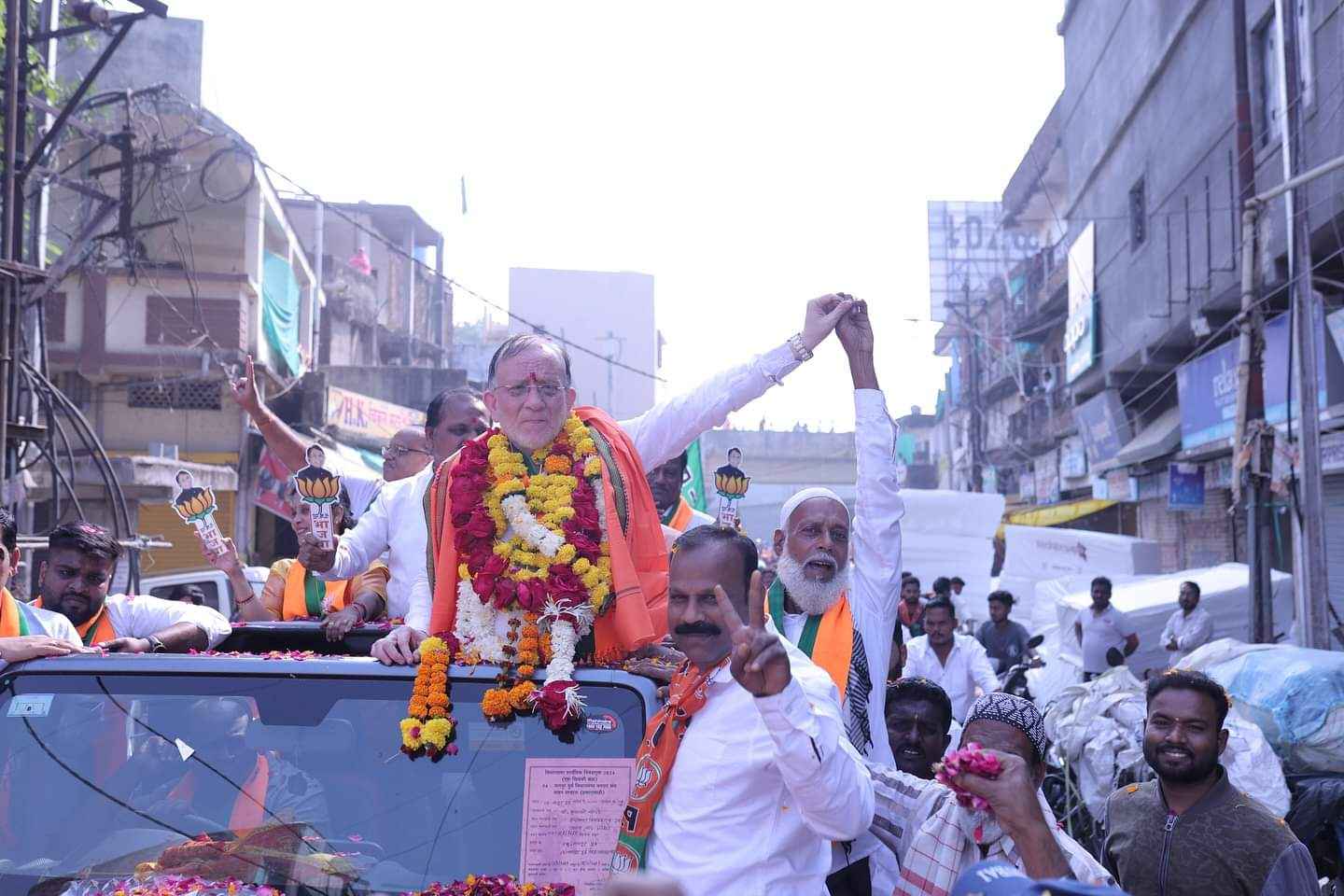
The recently concluded assembly elections in Nagpur East witnessed a seismic political shift as BJP’s Krishna Khopde secured a historic win, marking a momentous occasion in Maharashtra’s political landscape. This article delves into the key moments, reactions, and implications of this electoral victory, along with the larger context of the Mahayuti coalition’s dominance.


What Made Krishna Khopde’s Victory Stand Out?

Krishna Khopde achieved an overwhelming majority in the Nagpur East constituency, amassing 1,13,286 votes, which stands as the highest margin of victory in Nagpur district. This unprecedented achievement has sparked widespread discussions and solidified the BJP’s stronghold in the region.


The Mahayuti Coalition’s Surge Across Nagpur

The Mahayuti coalition, comprising BJP and allied parties, showcased an impressive performance across the Nagpur district. Out of 12 assembly seats, the coalition emerged victorious in most constituencies, further consolidating its power in Maharashtra.

Key Performances in Nagpur’s Urban and Rural Areas

  • Urban Dominance: BJP candidates achieved significant victories in urban constituencies like Nagpur North and Nagpur South.
  • Rural Resonance: In rural constituencies, Mahayuti candidates displayed similar dominance, resonating with voters by addressing local issues.

Nagpur East: The Game-Changer for BJP

The Nagpur East assembly constituency has always been a hotbed of political contestation. However, this year, the electorate overwhelmingly supported Krishna Khopde, attributing their trust to his track record, grassroots connection, and BJP’s development agenda.


Factors Behind Khopde’s Landslide Win

Development-Focused Campaign

Krishna Khopde’s campaign emphasized development and infrastructure, which struck a chord with the voters.

Weakened Opposition

The opposition faced internal rifts and lacked a cohesive strategy, which further bolstered BJP’s position.

Voter Sentiment and Trust

The electorate’s dissatisfaction with the performance of previous opposition-led governments played a crucial role.


How Other Constituencies Fared in Nagpur District

Ashish Deshmukh’s Surprise Win in Saoner

BJP’s Ashish Deshmukh clinched a shocking victory in Saoner, breaking a three-decade-long dominance of Congress’ Sunil Kedar.

Chandrashekhar Bawankule’s Triumph in Katol

BJP state president Chandrashekhar Bawankule’s win in Katol signified the party’s deepening roots even in challenging constituencies.


Impact of Mahayuti’s Dominance

The Mahayuti coalition’s strong performance has reshaped the political dynamics of Nagpur district, leaving opposition parties, especially Congress, to reconsider their strategies.

Congress’ Limited Wins

Congress managed to retain only two seats in Nagpur, highlighting a stark contrast to the Mahayuti’s overwhelming success.

Shifting Power Structures

The election results indicate a major shift in voter preferences, favoring a coalition that promises stability and growth.

Krishna Khopde’s Vision for Nagpur East

With his record-breaking victory, Krishna Khopde has pledged to prioritize:

  1. Infrastructure development.
  2. Enhanced public amenities.
  3. Job creation and economic opportunities.

What’s Next for the Opposition?

The defeat in Nagpur has compelled opposition parties to introspect and rebuild their grassroots connect. This includes addressing voter grievances and formulating more inclusive policies.


Conclusion: A New Chapter in Nagpur’s Politics

Krishna Khopde’s victory in Nagpur East is not just a win for the BJP but a testament to the electorate’s changing preferences. It underscores the importance of addressing public needs and fostering trust with the voters. As Nagpur moves forward under Khopde’s leadership, all eyes will be on how he delivers on his promises.


FAQs

1. What is the significance of Krishna Khopde’s victory?

Krishna Khopde’s victory is significant due to his record-breaking margin of 1,13,286 votes, marking the highest in Nagpur district.

2. How did the Mahayuti coalition perform in Nagpur?

The Mahayuti coalition dominated Nagpur, winning a majority of the 12 assembly seats in the district.

3. What challenges did Congress face in this election?

Congress struggled due to internal rifts, a lack of cohesive strategy, and dwindling voter trust.

4. What are Krishna Khopde’s priorities post-victory?

Khupode aims to focus on infrastructure development, improved public amenities, and job creation in Nagpur East.

5. How did Saoner witness a political turnaround?

BJP’s Ashish Deshmukh defeated Congress veteran Sunil Kedar, breaking a 30-year dominance in Saoner.

Security Tightened: Over 5,000 Cops Deployed Across Nagpur

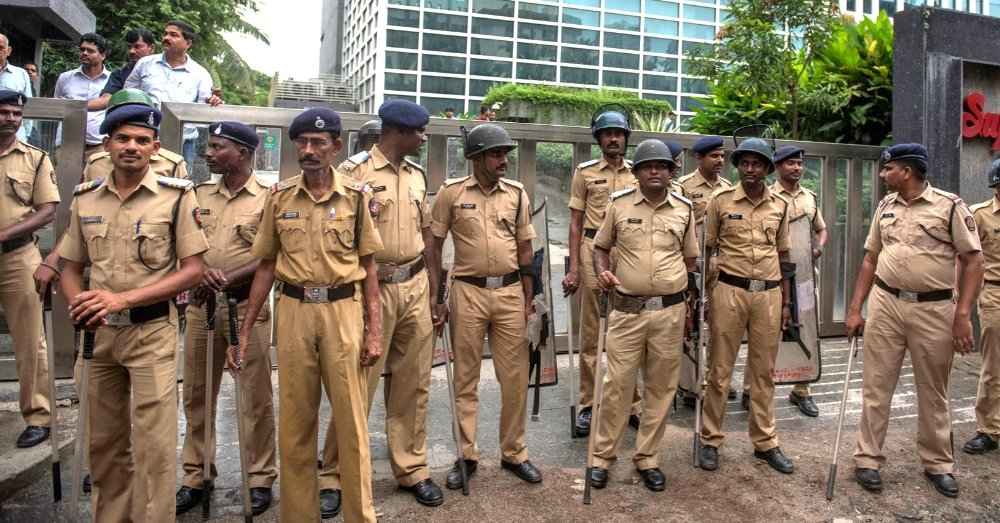
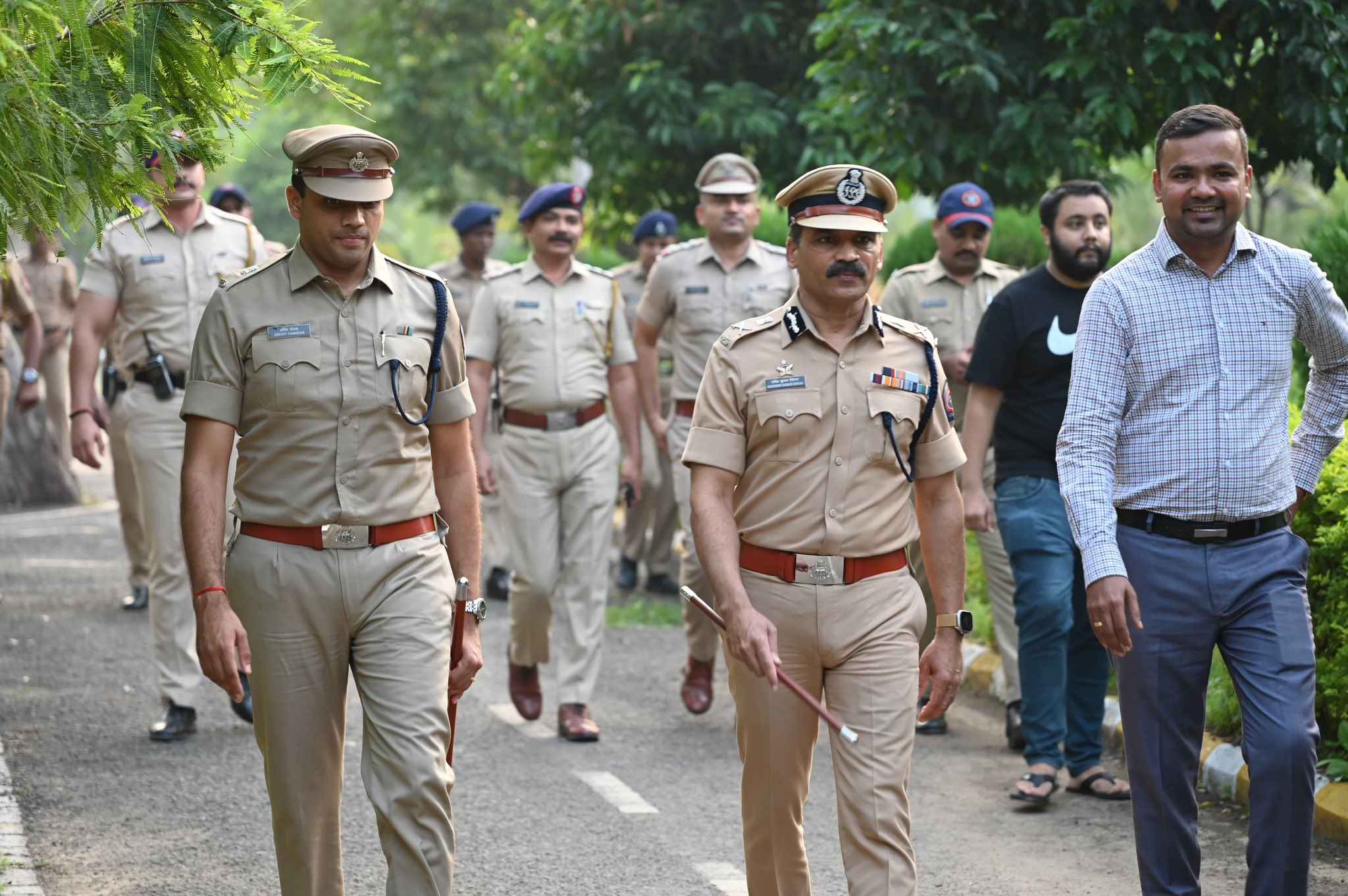
Nagpur Election: In an effort to ensure free and fair elections, Nagpur police have implemented robust security measures, deploying over 5,000 police personnel across the city. With 2,864 polling booths spread across 886 buildings, the city’s law enforcement agencies are leaving no stone unturned. This comprehensive security plan includes targeted surveillance, armed pickets, and active coordination with state and central intelligence agencies.


 Key Objectives of the Security Measures (Nagpur Election)

 Ensuring Fair Elections

The primary focus of this massive deployment is to maintain peace and ensure unbiased polling. Officials are emphasizing fairness across all constituencies, particularly in sensitive areas.

 Managing Sensitive Locations

With 34 critical locations identified as hotspots, the police have ramped up surveillance. Armed pickets have been stationed at criminally sensitive points to prevent disturbances.


 Deployment Details Across Nagpur

 Breakdown of Deployed Forces

The security setup includes:

  • 4 companies of State Reserve Police Force (SRPF)
  • 3 companies of Central Armed Police Forces (CAPF)
  • 1,400 home guards

Senior officers like Commissioner Ravinder Singal and Joint CP Nisar Tamboli have meticulously planned this deployment to address every security concern.

 Role of Sector Officers

Around 90 sector officers, including Assistant Police Inspectors (APIs) and Sub-Inspectors, are monitoring clusters of polling booths to ensure smooth functioning.


 Pre-Election Challenges and Actions Taken

 Managing Political Tensions

Recent clashes between party supporters during a rally by AICC General Secretary Priyanka Gandhi highlighted the intensity of the political scenario. The police acted swiftly to de-escalate tensions.

 Area Domination Exercises

Police teams conducted over 50 area domination drills, including route marches, to establish their presence and deter potential offenders.


 Seizures and Preemptive Measures

Confiscation of Weapons and Cash

Ongoing drives have led to the seizure of:

  • Over 7 firearms
  • Around 450 sharp weapons
  • Substantial amounts of unaccounted cash

 Criminal Actions and Externment

Nearly 130 criminals have been externed, ensuring they are unable to disrupt the electoral process.


 Vigilance at Entry and Exit Points

 Monitoring Inflows and Outflows

Enhanced surveillance at city borders aims to prevent the movement of illegal cash, drugs, or unauthorized personnel. This step is crucial in maintaining election integrity.

 Special Crime Branch Operations

Dedicated crime branch teams are targeting narcotics, illicit weapons, and cash transfers, reinforcing the city’s security blanket.


 Coordination with Intelligence Agencies

 Input-Driven Strategy

Nagpur police are closely collaborating with state and central intelligence agencies. Their insights play a pivotal role in identifying potential threats and neutralizing risks.

 Real-Time Adaptation

Officers are actively adapting strategies based on intelligence inputs, ensuring that the security measures remain proactive and dynamic.


 Election Day Preparations (Nagpur Election)

Enhanced Booth Monitoring

Each polling booth is equipped with surveillance systems and security personnel. This ensures that voters can cast their ballots without fear or intimidation.

 Nakabandis and Random Checks

Approximately 75 nakabandis or random security checks have been conducted across the city. These involve joint teams of security forces and revenue officials.


 Building Public Confidence

 Transparent Communication

Police authorities have reassured citizens about the robust security measures in place. This transparency helps build trust and encourages voter participation.

 Encouraging Voter Turnout

By ensuring a safe environment, authorities aim to boost voter confidence and encourage higher participation in the democratic process.

Nagpur’s extensive security measures reflect a well-coordinated effort to ensure free and fair elections. From deploying over 5,000 personnel to conducting proactive drives, the city’s police are leaving no gaps in their preparation. Their focus on sensitive areas, intelligence collaboration, and public reassurance underscores their commitment to a seamless electoral process.

1. What measures are being taken in sensitive areas?
Police have deployed armed pickets and increased surveillance to address potential threats in sensitive zones.

2. How are intelligence agencies involved?
State and central intelligence agencies provide critical inputs to identify and mitigate risks proactively.

3. What steps are being taken against illegal activities?
The police have seized firearms, sharp weapons, and cash while also targeting narcotics and illegal cash transfers.

4. Who oversees the polling booth security?
Sector officers, along with joint teams of security and revenue officials, monitor polling booths and conduct random checks.

5. How does this impact voter turnout?
By ensuring a safe and transparent environment, these measures aim to encourage higher voter participation.

Nagpur Police Seizes Four Firearms in 24-Hour Pre-Poll Drive

Nagpur police: Nagpur’s pre-election anti-crime drive has made headlines with significant breakthroughs in curbing criminal activities. Over a span of 24 hours, city police successfully seized four firearms, 127 sharp weapons, and registered several cases against notorious criminals. These actions are part of an extensive operation aimed at ensuring law and order before the polls.


The Anti-Crime Drive: An Overview

Why Is This Drive Critical?

Pre-election periods often witness a surge in unlawful activities, and Nagpur’s law enforcement is leaving no stone unturned to maintain peace. With a focus on disarming criminals, their proactive measures aim to deter violence and secure a safe environment for citizens.


Major Breakthroughs in 24 Hours

Seizure of Firearms

In a commendable effort, four firearms were confiscated within a single day. The meticulous operations involved swift actions based on reliable intelligence.

  • Key Locations of Seizure:
    • Pachpaoli
    • Itwari railway station
    • Khalasi Line
    • Bhandewadi

Action Against Goons

Preventive measures were taken against 1,700 individuals with criminal records. Additionally, 100 notorious offenders were externed, setting a benchmark for crime control.


Unveiling the Details: Key Arrests

Rehan Montoo

Rehan Montoo, wanted in multiple cases, was apprehended following a tip-off. The police handed him over to the Pachpaoli police station, where pending charges include murder and attempted murder.

Faizan Khan

Faizan Khan, known for his criminal history, was nabbed near Itwari railway station. A firearm and live cartridge were recovered during the operation.

Milan Suryavanshi and Accomplices

The crime branch also arrested Milan Suryavanshi, recovering a Mauser firearm. However, his accomplice Dominic Alexander remains at large.


Social Media: A Double-Edged Sword

Nikhil Wahane’s Instagram Post

In a surprising twist, Nikhil Wahane, who shared photos of firearms on Instagram, was taken into custody. His interrogation led to the arrest of Rahul Gharad and the seizure of an additional firearm.


Combating Sharp Weapon Possession

Seizure of Swords

The Kalamna police, under Inspector Praveen Kale, seized six swords from a gang, including two minors. Social media again played a role, as the culprits had posted images of these weapons.


Financial Seizures and Narcotics Crackdown

Cash and Narcotics

In the past few weeks, Nagpur police seized ₹2 crores in unaccounted cash and arrested 42 individuals for drug-related offenses.


Legal Measures and Stringent Actions (Nagpur police)

Maharashtra Prevention of Dangerous Activities Act

The Maharashtra Prevention of Dangerous Activities (MPDA) Act proved to be a powerful tool, leading to the arrest of eight hardened criminals.

Serving Warrants

Over 520 non-bailable warrants were executed, demonstrating the police’s commitment to enforcing the law.


Ensuring a Secure Pre-Poll Environment

Role of Leadership

Senior officers like CP Ravinder Singal and Joint CP Nisar Tamboli played pivotal roles in strategizing and overseeing the success of these operations.

Collaborative Efforts

The coordinated efforts of crime branch teams and local police stations highlight the importance of teamwork in achieving remarkable results.

Nagpur’s pre-poll anti-crime drive is a testament to the dedication of the city’s law enforcement agencies. Their swift and decisive actions have not only curtailed criminal activities but also instilled a sense of security among citizens. As the city gears up for the elections, such measures ensure that peace and democracy prevail.

  1. Why was this anti-crime drive conducted?
    It aims to ensure law and order during the pre-election period by cracking down on criminal activities.
  2. What were the major achievements of the drive?
    The drive led to the seizure of four firearms, 127 sharp weapons, and legal action against 1,700 criminals.
  3. How does social media impact crime investigations?
    Social media helps law enforcement identify offenders, as seen in cases where culprits posted incriminating content.
  4. What is the MPDA Act?
    The Maharashtra Prevention of Dangerous Activities Act allows authorities to detain hardened criminals and maintain public safety.
  5. What measures are being taken for the elections?
    Seizing weapons, arresting offenders, and executing warrants are key steps to secure the electoral process.

Rohit Pawar Calls for Change in East Nagpur and Bhandara: A Rallying Cry for Progress

A Demand for Change in Vidarbha

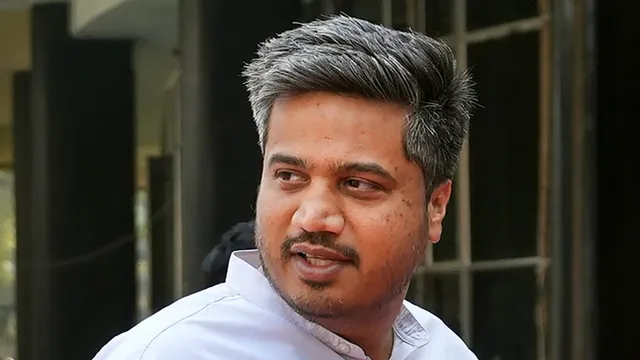
In a passionate rally, MLA Rohit Pawar of the NCP-SP (Nationalist Congress Party-Secular Party) urged the people of East Nagpur and Bhandara to vote for change by supporting Duneshwar Pethe in the upcoming elections. Targeting the current political establishment, Pawar delivered a powerful critique of Mahayuti (the alliance between BJP and Shiv Sena) and prominent figures, including Deputy Chief Minister Devendra Fadnavis and UP CM Yogi Adityanath, accusing them of neglecting Vidarbha and stalling progress.

Who is Rohit Pawar? A Quick Background

Rising Influence in Maharashtra Politics

Rohit Pawar, a prominent MLA and influential voice within the NCP-SP alliance, is known for his commitment to addressing the pressing issues of Maharashtra’s rural and urban sectors. Pawar is focused on advancing his grandfather’s legacy, the late Sharad Pawar, by actively working towards social and economic development across the state.

His Vision for Vidarbha

Pawar’s recent efforts are directed towards revitalizing Vidarbha, a region that has reportedly been marginalized by successive governments. His speeches underscore a vision for a Maharashtra where equality, development, and integrity come first.

Issues in Vidarbha: What’s at Stake?

1. Unfulfilled Promises on Industrial Development

Pawar criticized the stagnation in East Nagpur’s industrial sector, highlighting that although Nagpur hosts one of Maharashtra’s largest MIDCs (Maharashtra Industrial Development Corporations), new industries have not been established there in over a decade. This failure, according to Pawar, has left the region lagging in economic growth and job creation.

2. Employment and Competitive Exams

High unemployment remains a pressing concern for Vidarbha’s youth. Pawar pointed out issues with corruption in competitive exams, which has deprived many young individuals of fair opportunities. His promise? To introduce a transparent, large-scale recruitment and examination drive if his party gains power.

3. Rising Farmers’ Debts

Addressing the agricultural sector, Pawar promised a loan waiver of Rs. 3 lakh for farmers. This proposal aims to alleviate some of the severe financial strain faced by farmers across Vidarbha.

Rallying Support for Duneshwar Pethe

A Call to Action for East Nagpur

Pawar is actively rallying support for Duneshwar Pethe, the NCP (SP) candidate in East Nagpur, portraying him as a candidate committed to the region’s growth. At the Jan Ashirwad Padyatra, Pawar urged voters to choose leaders who prioritize the public’s welfare over political gains.

Challenges Faced by East Nagpur

Pawar outlined East Nagpur’s issues, such as poor infrastructure, unemployment, and neglected public spaces. He emphasized that a new leadership could revive these aspects and bring much-needed improvements.

Key Criticisms Against the BJP

1. Allegations of Regional Neglect

One of Pawar’s most pointed critiques was the alleged neglect of Vidarbha by the BJP, which, according to him, seeks votes during elections only to disregard the region afterward. He called on citizens to hold their elected representatives accountable for the lack of progress.

2. Criticizing Divisive Rhetoric

Pawar didn’t hold back from criticizing Yogi Adityanath’s recent remarks, accusing him of using divisive rhetoric. Pawar reminded voters that Maharashtra is a state known for its unity, heritage, and respect for diversity, and he warned against imported divisive political tactics.

3. Alleged Disrespect for Cultural Icons

Pawar also accused the BJP of disrespecting Maharashtra’s cultural icons, including Chhatrapati Shivaji Maharaj and Dr. Babasaheb Ambedkar. He referenced past attempts by the BJP to alter the Constitution, which he claimed was a threat to the values of equality and justice that form the foundation of Indian democracy.

The Vision for Change

Equality and Justice at the Core

Pawar’s speeches revolve around the idea of upholding the Constitution and respecting Maharashtra’s legacy. He emphasized that leaders must embody these values and work towards achieving social justice, economic empowerment, and equality for all citizens.

Youth Empowerment Initiatives

Besides a transparent recruitment process, Pawar aims to introduce vocational programs and skill development initiatives to empower Vidarbha’s youth. These initiatives, he believes, will prepare the younger generation for future opportunities in various sectors.

Infrastructure Development Promises

From fixing roads to establishing proper waste management systems, Pawar vowed to address infrastructure issues in East Nagpur and Bhandara. This approach, he suggested, would foster a cleaner, more efficient environment for citizens.

 Why This Election Matters for Vidarbha

With the upcoming elections, Pawar’s appeal represents a call to Vidarbha’s people to vote for leaders who will genuinely represent their interests. As he supports Duneshwar Pethe for East Nagpur, Pawar hopes voters will make a choice for progress, self-respect, and accountability.

1. What are Rohit Pawar’s main goals for Vidarbha?
Pawar aims to boost economic growth, employment opportunities, infrastructure, and support for farmers in Vidarbha.

2. Who is Duneshwar Pethe?
Duneshwar Pethe is the NCP (SP) candidate for East Nagpur, supported by Rohit Pawar for his dedication to local development.

3. Why is Pawar criticizing BJP leaders like Fadnavis and Adityanath?
Pawar accuses them of using divisive tactics, neglecting Vidarbha, and failing to fulfill promises made to the region.

4. What is the Jan Ashirwad Padyatra?
It’s a community outreach initiative led by Pawar to rally support for Pethe and discuss Vidarbha’s issues directly with citizens.

5. How does Pawar plan to support farmers?
He has promised a Rs. 3 lakh loan waiver for farmers to ease their financial burdens.

MVA’s Five Key Promises for Maharashtra Elections: Rs 3,000 for Women and Rs 4,000 for Unemployed Youth

MVA Guarantees Maharashtra Election | assembly elections 2024: The Maha Vikas Aghadi (MVA) coalition recently revealed a set of promises aimed at addressing social and economic issues in Maharashtra, as part of their campaign for the upcoming assembly elections . (assembly elections 2024)Announced in a powerful rally attended by prominent leaders, these “five guarantees” form the backbone of the MVA’s pitch to voters. With a focus on financial assistance for women and unemployed youth, agricultural debt relief, healthcare improvements, and more, these initiatives seek to reshape Maharashtra’s future.

1. Mahalakshmi Yojana: Empowering Women in Every Household

Under the Mahalakshmi Yojana, the MVA (MVA Guarantees Maharashtra Election) has proposed a monthly payment of Rs 3,000 to one woman in each family, helping to alleviate financial strain and promote gender equity. In addition to the monetary aid, the plan also offers free bus travel for all women in Maharashtra, aiming to boost mobility and independence for women across the state.

1.1 Impact of Mahalakshmi Yojana on Women Empowerment

With rising costs of living, many women bear the financial burdens of household expenses. The Mahalakshmi Yojana promises to support these women, potentially reducing poverty levels and increasing opportunities for skill development and entrepreneurship.

2. Loan Waivers and Incentives for Farmers

The MVA’s promises (MVA Guarantees Maharashtra Election) include agricultural loan waivers up to Rs 3 lakhs, aimed at reducing debt burdens that have often led to extreme hardship for farmers. Additionally, an incentive of Rs 50,000 will be provided to those who make regular loan repayments, a scheme designed to encourage responsible financial behavior while offering critical support.

2.1 The Importance of Financial Relief for Farmers

Agriculture forms the backbone of Maharashtra’s economy. Loan waivers and financial incentives are expected to foster economic stability in rural areas, easing the pressure on farmers who struggle to make ends meet due to crop failures, market instability, and high debt.

3. Health Insurance of Rs 25 Lakh for All Families

Recognizing the importance of healthcare accessibility, the MVA has pledged to provide health insurance coverage worth Rs 25 lakh to every family. This comprehensive policy aims to alleviate the financial stress associated with medical emergencies and treatments.

3.1 Free Essential Medicines for All

To further enhance healthcare support, essential medicines will be made available for free across state hospitals. This promise ensures that basic health needs are met without placing an additional financial burden on families, particularly in rural and underserved areas.

4. Rs 4,000 Monthly Support for Unemployed Youth

To address unemployment, the MVA proposes Rs 4,000 in monthly assistance for job-seeking youth until they find employment. This promise is aimed at providing financial stability for young individuals, reducing their dependence on family support and enabling them to focus on skill-building and job opportunities.

4.1 Empowering Youth for a Productive Future

With the youth comprising a significant part of Maharashtra’s population, this financial aid could pave the way for a more skilled, self-sufficient workforce. The Rs 4,000 monthly assistance encourages young people to seek better job opportunities without the immediate pressure of financial insecurity.

5. Caste Census and Reservation Policies

The MVA has also committed to conducting a caste census and taking steps to remove the 50% cap on reservations. This initiative is rooted in the goal of ensuring fair representation for all communities, especially marginalized groups, and addressing longstanding inequalities.

5.1 The Role of Caste Census in Social Equality

A caste census would provide critical data on the socioeconomic conditions of various groups in Maharashtra, helping to create a more equitable distribution of resources and opportunities across the state.

MVA’s Stand Against BJP’s Governance (assembly elections 2024)

During the rally, MVA leaders criticized the ruling BJP government for failing to fulfill its promises. They accused the BJP of destabilizing elected governments through tactics involving agencies such as the CBI and ED. The MVA also highlighted its ideological opposition to the BJP and RSS, emphasizing the need to protect democratic values and the Constitution.

The MVA’s five guarantees offer a comprehensive vision for Maharashtra’s future, addressing social and economic issues through targeted schemes. With promises of financial support for women and youth, healthcare reforms, agricultural relief, and a focus on social equality, the coalition hopes to gain widespread support. These guarantees, if implemented, could transform the lives of millions, promoting a more inclusive and prosperous Maharashtra.

1. What is the Mahalakshmi Yojana?
The Mahalakshmi Yojana provides Rs 3,000 monthly to one woman in each household, along with free bus travel for women across Maharashtra.

2. How much financial aid will farmers receive under MVA’s plan?
Farmers with loans up to Rs 3 lakhs can benefit from loan waivers, along with a Rs 50,000 incentive for regular repayment.

3. What healthcare benefits are included in MVA’s guarantees?
The MVA promises health insurance coverage of Rs 25 lakh for all families, along with free essential medicines in government hospitals.

4. How does MVA plan to support unemployed youth?
Unemployed youth will receive Rs 4,000 monthly until they secure employment, providing financial relief and encouraging skill development.

5. What is the significance of the caste census promised by MVA?
A caste census aims to provide accurate data on the demographics of Maharashtra, which will inform policies for fair representation and resources allocation.

Maharashtra: Rahul Gandhi’s Nagpur Event Faces Backlash As Media Access Denied

Rahul Gandhi Nagpur Event: A fresh controversy is brewing in Maharashtra as Congress faces backlash over its decision to restrict media access to Rahul Gandhi’s “Constitution Respect Conference” in Nagpur. For a party that has long championed freedom of the press, the decision seems paradoxical and has ignited fierce debates. Let’s dive into the issue.

The Event in Question (Rahul Gandhi Nagpur Event)

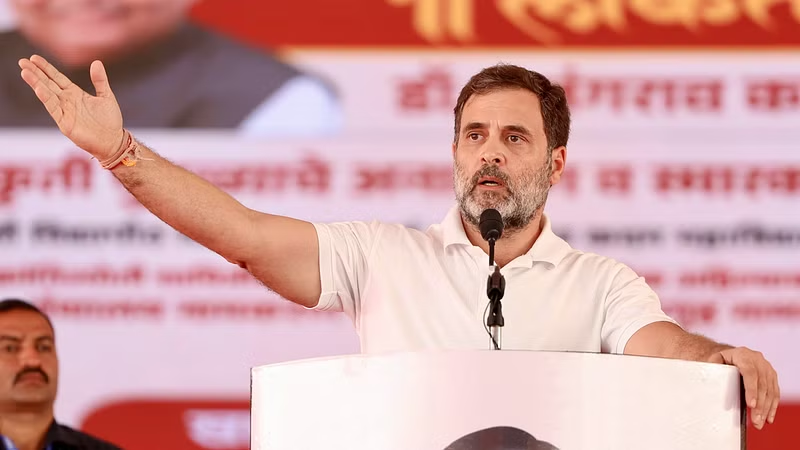
Rahul Gandhi’s highly anticipated event, the “Constitution Respect Conference,” is set to take place on November 6 at the Suresh Bhat Auditorium in Nagpur’s Reshim Bagh. The gathering is expected to attract notable social activists, intellectuals, and civil society members. But there’s a catch — no media allowed.

Why Block Media Access?

The Congress party, known for advocating transparency and press freedom, has stirred controversy by barring journalists from attending. It’s not just about preventing a few reporters from covering a conference. This decision raises bigger questions: Is Congress afraid of scrutiny? Does the move undermine their democratic values?

Political Opponents React Strongly

Predictably, political rivals didn’t hold back. The Bharatiya Janata Party (BJP) was quick to jump on this, labeling the Congress as hypocritical. Critics argue that a party emphasizing constitutional respect cannot pick and choose when to honor democratic norms. How ironic is that?

BJP’s Claims of Hypocrisy

The BJP pointed to past Congress amendments, accusing the party of double standards. They argue that barring media from a democracy-themed event contradicts Congress’s stand on freedom of speech and transparency. Are these accusations fair, or is it a strategic overreaction?


The Role of OBC Yuva Adhikar Manch (Rahul Gandhi Nagpur Event)

Congress leaders have tried to distance themselves from the controversy. According to senior leader Vijay Wadettiwar, the event was organized by the OBC Yuva Adhikar Manch, not Congress itself. The Manch, he clarified, decided the media policy independently.

Congress Defends Its Position

Despite these explanations, many aren’t convinced. Critics see it as an attempt to control the narrative ahead of the crucial Maharashtra Assembly elections. Could Congress’s distancing tactic be a smokescreen?

Press Freedom vs. Political Strategy

The controversy raises broader concerns about press freedom in India. Journalists play a crucial role in keeping democracy transparent, so restricting access to a conference about constitutional values seems contradictory. Is this a strategic move to manage messaging, or is Congress trying to avoid difficult questions?


Maharashtra’s Political Landscape Heats Up

With the Maharashtra Assembly elections on the horizon, the event has become a flashpoint for political posturing. Every decision, every move, is magnified in the high-stakes pre-election atmosphere. Could this media ban affect Congress’s chances at the polls?

Timing Is Everything

Political analysts argue that the ban is poorly timed. When transparency should be a political asset, it now appears to be Congress’s liability. The opposition has seized the opportunity, framing Congress as a party that preaches one thing but practices another.


Why Transparency Matters in Politics

Democracy thrives on accountability. Blocking the media from an event about upholding constitutional values sends mixed signals. Remember, perception is often reality in politics. So, how does this incident reflect on Congress’s image?

The Impact on Public Perception

Voters care about what they perceive as authentic leadership. If Congress wants to be seen as defenders of democratic values, this move may have caused more harm than good. The question remains: Can they regain the public’s trust?


Constitution Respect Conference: What’s at Stake?

The conference isn’t just another political event. It is a platform meant to highlight the importance of respecting and preserving constitutional values. Yet, by keeping journalists out, the focus has shifted from the conference’s message to Congress’s actions. Talk about missing the point!

The Congress Agenda

The keynote by Rahul Gandhi will likely cover pressing issues about constitutional respect and the safeguarding of democratic institutions. But will the message land effectively without media coverage?


Congress’s Defense: Event Organizer’s Decision

Congress claims that the OBC Yuva Adhikar Manch made the call, not the party. But skeptics aren’t buying it. Whether this decision truly originated from the Manch or Congress, the optics are less than ideal.

Vijay Wadettiwar’s Clarification

Senior Congress leader Vijay Wadettiwar reiterated that the media policy had nothing to do with Congress. However, as the party’s brand is associated with the event, critics argue that deflecting responsibility is not a solid defense.


Political Fallout and Election Implications

As Maharashtra gears up for its assembly elections, every move matters. Could this controversy cost Congress voter support? It’s a high-stakes gamble, especially in a state where political dynamics are so volatile.

Controlling the Narrative or Avoiding Accountability?

Many speculate that Congress is using this opportunity to control the narrative. By keeping the media at bay, the party may be hoping to dodge difficult questions and controversies. But this strategy could backfire spectacularly.


The Bigger Picture: Press Freedom in India

Press freedom is a cornerstone of any democracy. Events like this one remind us of the thin line between strategic communication and censorship. How will this incident influence India’s discourse on media independence?

Broader Implications for Press Freedom

While Congress defends its actions, the incident underscores ongoing tensions around press freedom in India. Is the country at risk of sliding into a more restrictive media environment?


The Verdict: Congress Faces a Tough Battle

Congress has a lot riding on the upcoming elections, and this controversy has added fuel to the fire. Will the party’s stance on press freedom come back to haunt them, or will voters focus on other issues?

As the political temperature in Maharashtra continues to rise, the “Constitution Respect Conference” controversy is more than just a debate about media access. It’s a reflection of the evolving power dynamics and the crucial role transparency plays in modern governance. Only time will tell if Congress can weather this storm.

  1. Why was media access denied at Rahul Gandhi’s Nagpur event? The event organizers, OBC Yuva Adhikar Manch, decided to restrict media access, not Congress. Critics see this as an attempt to control the narrative.
  2. What is the significance of the Constitution Respect Conference? The conference aims to highlight the importance of constitutional values, with Rahul Gandhi as the keynote speaker addressing issues related to democracy.
  3. How has the BJP reacted to the media ban? The BJP accused Congress of hypocrisy, arguing that a party advocating press freedom cannot block journalists from such an event.
  4. Does Congress defend the decision to restrict the press? Congress leaders claim the decision wasn’t theirs but stress that the event’s organizer acted independently, a defense that has not convinced many.
  5. Will this controversy affect Congress in the upcoming elections? It could. With elections near, any misstep can impact voter perception, and this incident adds to the challenges Congress faces.

Nagpur Central, Umred: Shelke Declares Rs13L Assets

Bunty shelke | Pravin Datke | Raju Parwe | Nagpur: In the suspenseful buildup to the Maharashtra elections, the spotlight is firmly on the candidates from Nagpur Central and Umred. The last-minute announcements have added a layer of intrigue, especially with revelations from their filed affidavits. Among these, Bunty Shelke stands out, not for his wealth but his surprising lack thereof. In this article, we delve deep into the financial disclosures, backgrounds, and contrasts between key political figures, including Shelke, Pravin Datke, Sudhir Parwe, and Raju Parwe. Get ready to unravel the fascinating web of political profiles shaping the region.

Nagpur Central: An Election Full of Surprises

Who is Bunty Shelke?

Bunty Shelke, the Congress candidate from Nagpur Central, has raised eyebrows. Unlike the usual opulence associated with political figures, Shelke’s declared assets amount to just Rs13.11 lakh. No immovable property? You heard that right! Additionally, he has a small liability of Rs22,779, making his financial situation notably modest. Yet, the real twist comes with his legal entanglements: 26 FIRs are pending against him, highlighting a career marked by controversies.

Shelke’s Profile at a Glance

  • Total Movable Assets: Rs13.11 lakh
  • Total Immovable Assets: None
  • Liabilities: Rs22,779
  • Pending FIRs: 26
  • Educational Qualification: Matriculation

Shelke’s situation begs the question: Can a financially modest and legally burdened candidate make a strong impact in Nagpur Central?

Pravin Datke: The Seasoned Politician with Crores to His Name

Pravin Datke, representing Mahayuti, brings a contrasting profile. The current Maharashtra Legislative Council (MLC) member is no stranger to wealth. He declared Rs1.83 crore in movable assets and Rs2.57 crore in immovable property, underlining a robust financial background. But Datke’s candidacy isn’t without blemishes. Seven FIRs are filed against him, adding complexity to his political persona.

A Quick Breakdown of Datke’s Assets

  • Movable Assets: Rs1.83 crore
  • Immovable Assets: Rs2.57 crore
  • Total Assets: Rs4.4 crore
  • Pending FIRs: 7
  • Highest Educational Qualification: Matriculation

Datke’s financial power stands in stark contrast to Shelke’s simplicity. Will it make a decisive difference?

Umred Constituency: A Battle Between Business Acumen and Politics

Sudhir Parwe: The Affluent BJP Candidate

Sudhir Parwe, a significant BJP contender in Umred, comes with both wealth and an agricultural-business background. His financial declaration stands tall at Rs5.71 crore, split between Rs84.41 lakh in movable assets and Rs4.87 crore in immovable assets. Unlike some of his peers, Parwe boasts a clean slate with no criminal cases.

Assets and Background of Sudhir Parwe

  • Movable Assets: Rs84.41 lakh
  • Immovable Assets: Rs4.87 crore
  • Total Assets: Rs5.71 crore
  • Criminal Cases: None
  • Educational Qualification: 12th Pass
  • Vehicles Owned: Honda City, Tata Safari

Parwe’s combination of business and political acumen makes him a formidable candidate, but can his wealth translate to votes?

Raju Parwe: Independent Yet Influential

Raju Parwe, backed by the Shiv Sena – Shinde faction but running as an independent, adds yet another dimension. He declared Rs35.88 lakh in movable assets and Rs4.98 crore in immovable property, totaling Rs5.33 crore. However, one pending FIR looms over his candidacy, raising questions about his political future.

Snapshot of Raju Parwe’s Financials

  • Movable Assets: Rs35.88 lakh
  • Immovable Assets: Rs4.98 crore
  • Total Assets: Rs5.33 crore
  • Liabilities: Rs15.32 lakh
  • Pending FIRs: 1
  • Educational Qualification: 12th Grade
  • Businesses: Purvesh Automobile, Balaji Bar and Restaurant

Despite his assets, Raju Parwe’s legal history and business involvement add complexity to his independent run.

The Wealth Gap: A Reflection of Political Dynamics?

It’s hard to ignore the stark contrast between these candidates. Shelke’s Rs13.11 lakh seems almost insignificant next to the multi-crore declarations of Parwe and Datke. Yet, wealth isn’t the only factor in winning elections. Sometimes, a simple, relatable background can resonate more with the common voter. So, does money truly win elections, or does a grounded profile hold more weight?

Why Asset Declarations Matter

These financial disclosures aren’t just numbers; they offer a glimpse into the transparency and integrity of the candidates. Voters are increasingly aware of the need to scrutinize not just political promises but also financial backgrounds. With the political landscape evolving, understanding a candidate’s assets helps make informed decisions.

The Battle Lines Are Drawn

As the dust settles on candidate announcements, the stage is set for an intense electoral battle in Nagpur Central and Umred. From Shelke’s humble financial profile to Parwe’s substantial assets, voters have a diverse slate to choose from. Will the wealth disparity influence voter sentiment, or will the candidates’ backgrounds and legal histories take center stage? Only time will tell.

  1. What makes Bunty Shelke’s candidacy unique? Shelke stands out due to his modest assets of Rs13.11 lakh and 26 pending FIRs, a stark contrast to wealthier candidates.
  2. Who has the most assets among the candidates? Sudhir Parwe tops the list with Rs5.71 crore, highlighting a blend of political and business success.
  3. Are asset declarations public and important? Yes, they provide transparency and help voters understand the financial standing of candidates.
  4. Do criminal cases impact election chances? They can sway public opinion, depending on the severity and the candidate’s defense.
  5. Why is Nagpur Central a key constituency? It’s significant due to its diverse candidates and the high stakes of the Mahayuti vs. Congress battle.

RTO Issues Permits to Over 80 Campaign Vehicles in Nagpur District

Campaign vehicle permits Nagpur: Election season in Nagpur is heating up! With the assembly election scheduled for November 20, the Regional Transport Offices (RTOs) in both Nagpur city and the rural areas have been bustling with activity. Political parties are in a frenzy to secure permits for their campaign vehicles, ensuring they can reach every corner of their constituencies and boost voter engagement. Let’s dive deeper into how the RTOs are managing this process and the significance of these permits for local campaigning.

Why Are Campaign Vehicles Important?

Campaign vehicles play a critical role in political outreach. Imagine trying to cover an entire constituency without vehicles—it’s like trying to catch up to a sprinting runner while walking. These vehicles amplify visibility, deliver messages quickly, and engage communities on a personal level.

The RTO’s Role in the Election Process

The Regional Transport Offices ensure the smooth functioning of all campaign activities involving vehicles. Their primary task is to issue temporary permits (Campaign vehicle permits Nagpur) that align with the Election Commission of India’s (ECI) guidelines. Here’s how the RTOs in Nagpur are handling the situation.

Nagpur City RTO: Handling Urban Constituencies

Nagpur city’s RTO, located on Amravati Road, has issued permits to 32 campaign vehicles so far. These vehicles, mainly four-wheelers equipped with sound systems and decorated with banners and posters, are geared up to roam the city’s assembly constituencies. Wondering why these vehicles are so decked out? Because visibility is the name of the game during campaign season.

Permit Details for Urban Vehicles (Campaign vehicle permits Nagpur)

  • Vehicle Type: Primarily four-wheelers
  • Permit Validity: Until November 29, a few days after the election results
  • Fees: Rs2,000 per four-wheeler, Rs500 per autorickshaw

The focus in urban areas is to ensure that permits are processed swiftly, and all guidelines are followed to avoid penalties or disruptions.

Rural RTO: Streamlining Permits Across Rural Nagpur

Rural areas come with their own set of challenges. Nagpur’s rural RTO has gone the extra mile, setting up six temporary offices to facilitate the permit process in rural constituencies, including:

  • Saoner
  • Katol
  • Umred
  • Ramtek
  • Hingna
  • Kamptee

Temporary Permits: How Are They Issued?

So far, the rural RTO has granted permits to 55 vehicles spread across five of the six mentioned constituencies. Kamptee has yet to see any permit requests. To ensure a streamlined process, dedicated counters have been established in each constituency.

Quote from the Officials

One official mentioned, “The process is running smoothly, with vehicles securing permission through dedicated counters in each constituency. The goal is to ensure all applications are processed on time to support campaigning activities.”

Why Temporary Permits Are Necessary

Temporary permits aren’t just formalities—they’re crucial. The Election Commission of India mandates these permits to keep track of campaign activities and ensure compliance with the election code. Without a valid permit, vehicles could face fines or be detained, disrupting campaign efforts.

What Happens If Vehicles Violate Permit Rules?

  • Consequences: Vehicles used without permits face detainment and fines.
  • Compliance: The RTOs are working hard to ensure everyone follows the rules, keeping the playing field fair.

Fees for Campaign Permits

Curious about the costs? Here’s a breakdown:

  • Four-Wheelers: Rs2,000
  • Autorickshaws: Rs500

These fees may seem minor, but when multiplied by the number of vehicles a party needs, they can add up quickly. It’s an investment in political visibility.

Election Dates and Permit Validity

The big day—November 20—is rapidly approaching. With vote counting set for November 23, the permits will remain valid until November 29. This ensures that all campaign activities, including post-election analysis and follow-ups, can be carried out smoothly.

Campaign Vehicles: Amplifying Political Outreach

The vehicles are more than just transportation; they’re moving billboards, carrying candidates’ images, slogans, and messages. The rural and urban strategies may differ, but the end goal is the same: voter engagement.

Urban vs. Rural Campaigning Strategies

  • Urban Areas: Focus on dense neighborhoods, malls, and city centers.
  • Rural Areas: Target villages, marketplaces, and community gatherings.

Each area has its unique demands, and campaign managers must tailor their approach accordingly.

Setting Up for a Smooth Campaign Season

The RTOs in Nagpur have left no stone unturned. With dedicated counters and multiple temporary offices, they are ensuring that all campaign vehicles have the necessary permits in time. This proactive approach is crucial for the seamless operation of campaign activities.

How Political Parties Are Reacting

As the election draws closer, political parties are pulling out all the stops. Additional vehicles are expected to join the campaign fleets, and the RTOs anticipate a further surge in permit applications. The pressure is on, but the officials remain confident that they can handle the load.

A Look at the Numbers

  • Total Vehicles Permitted So Far: Over 80
  • Urban Permits: 32
  • Rural Permits: 55 and counting

The numbers are expected to rise as the election fever grips Nagpur.

Challenges Faced by the RTOs

Managing this influx of permit requests is no small feat. The RTOs must balance efficiency with strict adherence to the ECI’s regulations. Any slip-up could have consequences not just for the campaigners but also for the RTO officials.

Common Obstacles

  • High Volume of Applications: Processing so many permits quickly is a logistical challenge.
  • Ensuring Compliance: Verifying that each vehicle adheres to the guidelines takes time and effort.

The Regional Transport Offices in Nagpur are working tirelessly to keep up with the demand for campaign vehicle permits. With the assembly election just around the corner, every permit issued is a step toward a successful, well-regulated campaign. Whether you’re in the bustling streets of Nagpur city or the quieter rural areas, these vehicles will be hard to miss. As voters, let’s stay informed and engaged as we witness this democratic exercise unfold.

  1. What is the purpose of campaign vehicle permits? Temporary permits ensure that all campaign vehicles comply with the Election Commission of India’s guidelines, maintaining fair and regulated campaigning.
  2. How much does it cost to get a permit for a campaign vehicle? A four-wheeler permit costs Rs2,000, while an autorickshaw permit costs Rs500.
  3. When will the campaign vehicle permits expire? The permits are valid until November 29, after the election and vote counting are completed.
  4. How many campaign vehicles have been permitted so far? Over 80 vehicles have received permits, with 32 in urban areas and 55 in rural regions.
  5. What happens if a campaign vehicle doesn’t have a permit? Vehicles used without a valid permit will be detained, and fines will be imposed as per ECI regulations.

Umred Seat Controversy: Shiv Sena (Shinde) and BJP Clash Over Candidacy

Umred, Nagpur: Shiv Sena (Shinde) has firmly asserted its claim over the Umred assembly seat, stirring a political standoff with the BJP just days before the nomination deadline. The core issue lies with Raju Parwe, a former Congress MLA who switched allegiance to Shiv Sena (Shinde) earlier this year, and Sudhir Parwe, a two-term BJP MLA. Both parties are staunchly advocating for their own candidates, intensifying the struggle for control over the seat.

Why Shiv Sena (Shinde) Wants the Umred Seat

The Shiv Sena (Shinde) faction is confident that the Umred seat rightfully belongs to them. Their primary claim stems from the fact that Raju Parwe, who won in 2019 under a Congress ticket, joined their ranks with aspirations of contesting in the Ramtek Lok Sabha elections. Shiv Sena (Shinde) believes that, with Parwe now aligned with their party, the Umred seat is theirs to hold onto.

In a recent statement, Raju Waghmare, chief spokesperson of Shiv Sena (Shinde), expressed their stance clearly: “Umred is our seat, and there is no logical reason why we should part with it. CM Eknath Shinde’s development initiatives and public welfare schemes have already made a significant impact on the region, and our party’s influence is strong. Raju Parwe will be our candidate for Umred.”

BJP’s Standpoint: Why They Believe the Umred Seat is Theirs

On the other hand, BJP maintains its right to the Umred (Umred, Nagpur) seat, backing two-term MLA Sudhir Parwe as their candidate. They argue that, historically, the seat has been under their control, and it should remain so. The BJP has not backed down from fielding Sudhir Parwe, emphasizing their claim on the constituency despite the crossover by Raju Parwe.

The BJP’s strong stance underscores the complexity of the political equation at play. This intense rivalry between the two parties has left voters, as well as political analysts, in anticipation of the outcome.

Implications of the Dispute for the Mahayuti Alliance

The Mahayuti alliance, comprising Shiv Sena (Shinde), BJP, and other affiliated parties, finds itself in a precarious situation. As of now, the alliance has announced candidates for all seats in the Nagpur district except for Umred, indicating a deadlock between BJP and Shiv Sena (Shinde) over this specific constituency. The delay in resolving the issue is a potential flashpoint, and both parties are under pressure as the Tuesday nomination deadline looms.

With neither side willing to compromise, the decision on who will contest from Umred has become a critical test for the unity within the Mahayuti alliance. Political experts have raised concerns that, should the dispute remain unresolved, the alliance could face repercussions in terms of internal stability, possibly risking dissatisfaction or even rebellion from within.

Awaiting Final Decision from Leadership

In the midst of this heated dispute, Raju Parwe has stated that he is ready to run as the Shiv Sena (Shinde) candidate for Umred, but he awaits final approval from his party’s high command. Parwe remarked, “I am also waiting to hear from my high command. I am prepared to contest if I receive the green light.” This statement underscores the hierarchical decision-making process in Shiv Sena (Shinde), emphasizing the weight of leadership endorsement in finalizing the candidate.

Meanwhile, sources close to BJP state president Chandrashekhar Bawankule have confirmed that he has not issued any response or statement regarding the Umred candidacy issue. As the nomination deadline draws near, the pressure on the Mahayuti alliance to present a unified front is mounting, leaving both parties little time to reach a consensus.

Possible Outcomes and the Future of Umred’s Political Landscape

The dispute over the Umred seat is more than just a contest between two candidates; it reflects the strategic tussles and internal dynamics of Maharashtra’s political alliances. If Mahayuti fails to address the issue with diplomacy, it could trigger factional conflicts that may impact voter sentiment across other constituencies as well. Political experts suggest that a resolution in favor of one party over the other could either strengthen the alliance or exacerbate latent tensions within.

As the deadline for nominations approaches, the Shiv Sena (Shinde) and BJP are likely to make a definitive choice, with significant implications not only for the Umred (Nagpur) seat but for the overall political cohesion of the Mahayuti alliance in Maharashtra.

Exit mobile version