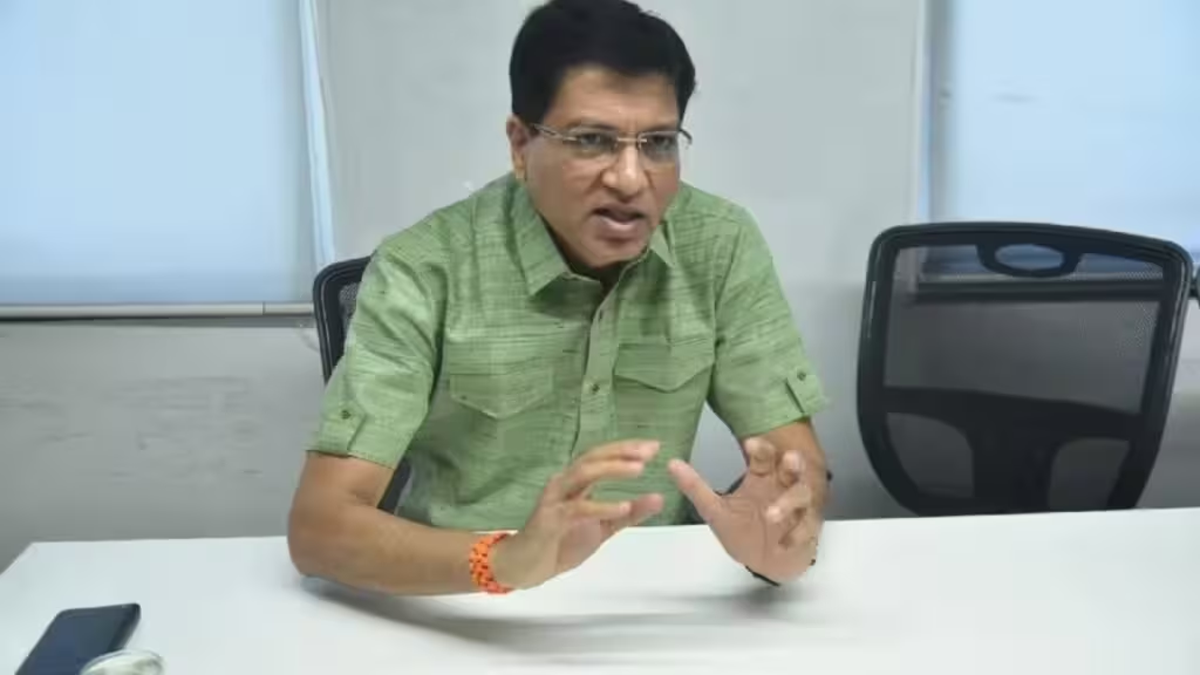
Narendra Jichkar’s Independent Bid for Nagpur West Assembly Seat: A Game-Changer in Maharashtra Politics

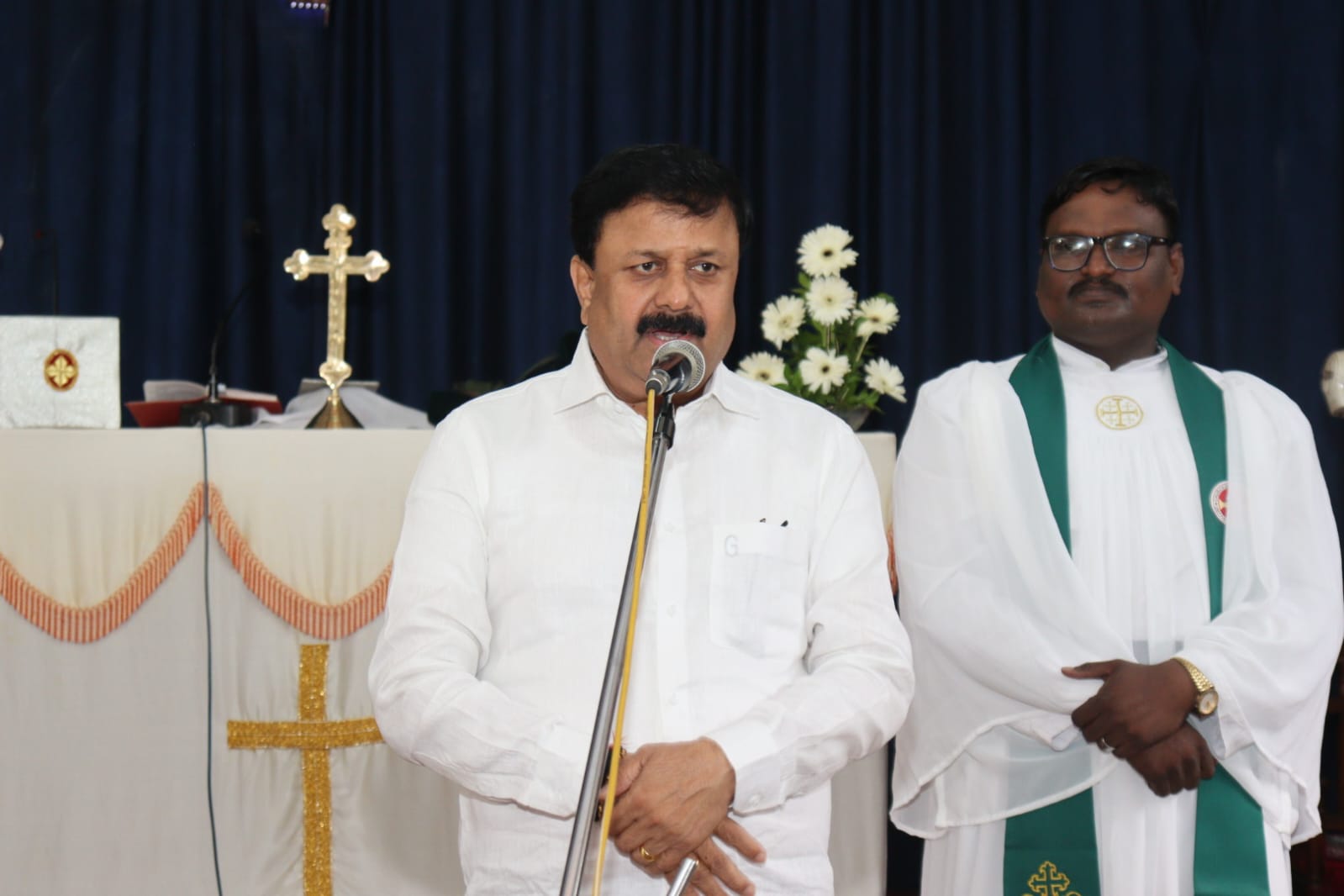
Narendra Jichkar recent independent candidacy for the Nagpur West assembly seat marks a significant shift in Maharashtra’s political landscape. A former general secretary in the Maharashtra Pradesh Congress Committee (MPCC), Jichkar’s decision to run independently is strengthened by backing from former Congress corporator Kamlesh Chowdhary. This development has introduced new dynamics into what was once a predictable race. The Nagpur West seat, known for its diverse voter base and strategic importance, is now set for a competitive multi-cornered contest, capturing attention both locally and statewide.

Background of Narendra Jichkar

Narendra Jichkar is no stranger to Maharashtra’s political scene. His journey with the Congress party showcased his dedication to grassroots engagement and local issues. However, his recent expulsion from MPCC has led him to seek alternative means to continue his political aspirations. This independent bid is more than a personal endeavor; it’s a reflection of Jichkar’s desire to champion the voices of disenfranchised Congress supporters in Nagpur.

Significance of Nagpur West Constituency

The Nagpur West constituency is a microcosm of Maharashtra’s socio-political complexities. With a diverse voter base, the constituency includes a blend of urban and semi-urban communities, which brings a unique set of issues and expectations from political representatives. This seat has historically been pivotal for both state and national parties, given its demographic and geographic significance in the region.

Support from Former Congress Corporator Kamlesh Chowdhary

Kamlesh Chowdhary, a former Congress corporator with substantial local influence, has thrown his weight behind Jichkar. Dissatisfied with the Congress party’s decision to renominate Vikas Thakre, Chowdhary’s support suggests a coordinated strategy to rally voters disillusioned with traditional party lines. His decision reflects a significant faction within the Congress that is increasingly disenchanted with party leadership.

Congress’s Decision to Back Vikas Thakre

Vikas Thakre, the Congress’s candidate for Nagpur West, has been the center of internal controversies. Thakre’s performance in previous elections showed challenges, particularly in securing votes in recent Lok Sabha polls. With existing anti-incumbency sentiments, his nomination by Congress has triggered dissent among some local leaders and supporters, who argue that Thakre’s re-election could harm Congress’s prospects in the constituency.

Jichkar’s Strategy for Gaining Local Support

Jichkar has focused his campaign on addressing the core grievances of Nagpur’s residents, aiming to resonate with locals disheartened by traditional party politics. By adopting a grassroots approach, he is working to engage voters directly, from door-to-door visits to community meetings. This strategy is expected to garner significant attention, especially from those who feel left out by mainstream candidates.

Reaction from Congress Supporters and Local Residents

The local response to Jichkar’s independent bid has been mixed, with many Congress supporters expressing frustration over the lack of attention to their needs. For them, Jichkar represents an alternative that aligns more closely with their aspirations. His candidacy may lead to a noticeable shift in local alliances, with some traditionally loyal Congress supporters rallying behind his independent bid.

Jichkar’s Vision and Key Issues

Jichkar’s campaign has highlighted key issues such as improved infrastructure, public safety, and accountability in local governance. His promises focus on addressing specific local grievances that resonate with Nagpur residents. His straightforward approach has created a strong connection with voters looking for change and tangible improvements in their community.

Other Key Candidates in the Fray

The Nagpur West seat will host a range of strong candidates, making it a multi-cornered battle. Alka Prashant Popatkar, representing the Aam Aadmi Party (AAP), has a clear agenda to uplift Nagpur’s underprivileged, especially in slum areas. Social worker Yash Gaurkhede, a new member of Vanchit Bahujan Aghadi, has also entered the race, bringing his commitment to social justice. Additionally, Narmada Charote from the Socialist Unity Centre of India (Communist) focuses on women’s safety and rights, adding yet another dimension to the contest.

A Multi-Cornered Contest: What It Means for Nagpur West

With a diverse pool of candidates, this election has transformed into an unpredictable race. The variety of options is expected to drive higher voter engagement, as residents are presented with alternatives that appeal to different concerns and priorities. The presence of independent and smaller party candidates may dilute traditional party strongholds.

Political Trends and Public Sentiment

Public sentiment seems to lean towards change, with anti-incumbency feelings against traditional party candidates. Voters are keen on candidates who not only listen but also act. This shift in mindset among voters may encourage other leaders to prioritize local issues over party directives.

Prospects for Narendra Jichkar as an Independent

Running as an independent has its challenges, but it also provides Jichkar with freedom from party constraints, allowing him to respond directly to the concerns of Nagpur West voters. His strengths lie in his ability to connect with the community and offer solutions that larger parties might overlook.

Comparing Candidates’ Key Issues and Strategies

Each candidate has a unique approach: while Jichkar’s independent campaign centers on direct local engagement, Popatkar focuses on AAP’s promise to uplift marginalized communities. Gaurkhede’s social work background appeals to progressive voters, while Charote’s emphasis on women’s issues could sway a critical segment of the electorate.

Predicted Impact on Congress and Future of Nagpur Politics

Regardless of the election outcome, Jichkar’s independent bid is likely to influence the Congress party’s future strategies in Nagpur. If Jichkar secures a substantial vote share, it may prompt party leaders to reconsider their approach toward local concerns and candidate selection.

Narendra Jichkar’s entry as an independent candidate has revitalized interest in the Nagpur West assembly election. With diverse candidates vying for the seat, the election has become a focal point of Maharashtra’s political landscape. Jichkar’s independent bid is a testament to changing political tides, where voters increasingly value authenticity and commitment over party loyalty.

  1. Why was Narendra Jichkar expelled from Congress?
    • Jichkar was expelled due to internal disagreements within the Congress leadership, which ultimately led him to pursue an independent candidacy.
  2. Who are the main contenders in Nagpur West?
    • The main candidates include Narendra Jichkar (Independent), Vikas Thakre (Congress), Alka Prashant Popatkar (AAP), Yash Gaurkhede (Vanchit Bahujan Aghadi), and Narmada Charote (Socialist Unity Centre of India).
  3. What are the key issues in the Nagpur West constituency?
    • Key issues include infrastructure, public safety, women’s rights, and community welfare, with each candidate bringing unique solutions to the table.
  4. How does Jichkar’s candidacy affect Congress’s chances?
    • Jichkar’s candidacy may split Congress’s traditional voter base, especially among those dissatisfied with Vikas Thakre’s performance.
  5. Why is Nagpur West considered important in Maharashtra politics?
    • Nagpur West holds strategic value due to its diverse voter base and socio-political significance, making it a critical seat for influencing regional policies.

Son-Rise in Katol: Salil Deshmukh Steps Up to Contest in Place of Anil Deshmukh

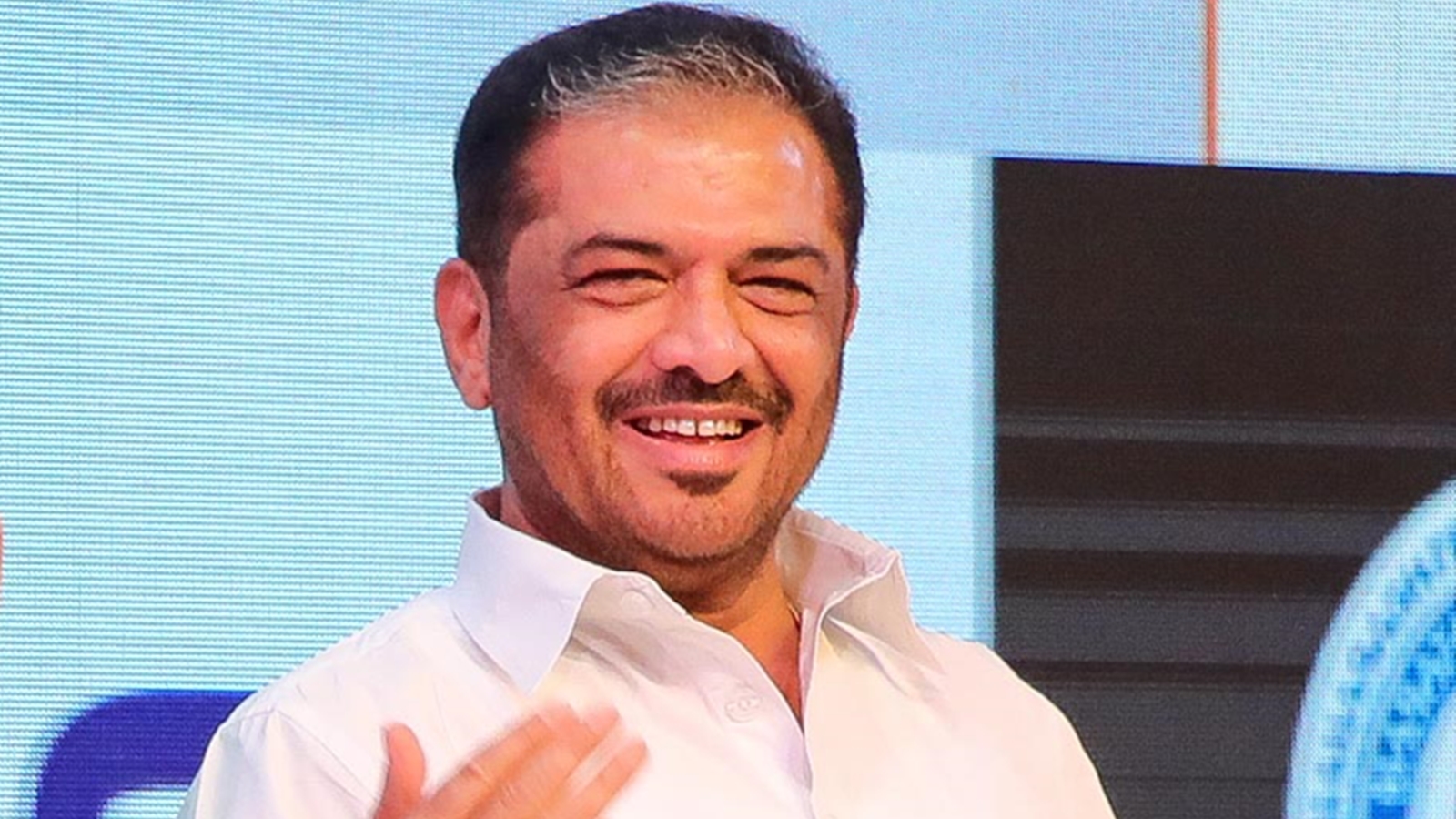
Maharashtra Assembly Elections 2024: In an unexpected twist in Maharashtra’s political landscape, Anil Deshmukh has decided to pass the torch to his son, Salil Deshmukh, who will contest in the Katol Assembly constituency. A seasoned leader from the Nationalist Congress Party (NCP), Anil Deshmukh’s move marks an important moment, signalling a fresh approach in his political legacy. But what does this mean for Nagpur’s politics, and how might this impact the current dynamics? Let’s delve into this strategic shift and understand its broader implications.

The Decision to Step Back

Anil Deshmukh, a prominent figure in Maharashtra’s politics, has long represented Katol and fought for its development. However, this decision to step back aligns with a trend where senior politicians are paving the way for the younger generation. Salil, who has worked closely with his father, brings fresh energy and proven political acumen from his Zilla Parishad (ZP) success. His political journey is just beginning, but the foundation is well established.

What Prompted This Shift?

The decision was not taken lightly. For years, Anil Deshmukh hinted at passing the mantle to his son, provided the timing was right. This year, he has chosen to focus his efforts elsewhere, possibly taking a seat in the Maharashtra Legislative Council (MLC).

Who Is Salil Deshmukh?

Salil’s Early Political Involvement

Although Salil may be new to the assembly contest, he is no stranger to the political arena. With years of groundwork in local governance and a successful tenure in ZP politics, Salil has displayed commitment and political promise.

Following in His Father’s Footsteps

Salil’s role extends beyond just following his father; he brings his unique approach, resonating with the young electorate in Katol. The transition from Anil to Salil feels organic, a planned progression rather than an abrupt shift.

Electoral Landscape in Katol

Katol has seen fierce competition over the years, and with Salil’s candidacy, the spotlight shines brighter on this constituency. But the political atmosphere is complex, involving alliances, rivalries, and legacy issues.

The Symbol of ‘Tutaari’

Salil will contest under the NCP’s ‘tutaari’ symbol, a representation that aligns with the Sharad Pawar faction of the NCP. This allegiance is crucial, not only symbolising party loyalty but also indicating a clear stand in the NCP split.

Anil’s Decision Not to Contest Against Devendra Fadnavis

Earlier speculations suggested a face-off between Anil Deshmukh and Deputy Chief Minister Devendra Fadnavis in Nagpur South-West. With this seat falling into the Congress quota, Anil sidestepped the direct challenge, focusing on broader political strategies instead.

Salil Deshmukh’s Vision for Katol

A New Generation of Leadership

Salil brings a youthful perspective to politics, bridging traditional values with modern aspirations. His previous achievements reflect his potential to drive change, especially appealing to the younger demographic in Katol.

Plans for Development in Katol

Salil’s agenda likely includes addressing issues such as rural infrastructure, job opportunities, and educational facilities. His ability to connect with the rural electorate while understanding urban issues is an asset that may set him apart from his opponents.

What’s Next for Anil Deshmukh?

A Possible MLC Route

Rumours are abuzz that Anil Deshmukh may consider the MLC route, allowing him to stay active in Maharashtra’s legislative politics without the direct pressures of an assembly seat. Such a move could strengthen the NCP’s presence in the Upper House, with Deshmukh’s experience benefiting the party significantly.

Strategic Importance of the MLC

The MLC offers seasoned politicians like Anil Deshmukh a platform to influence policy and steer discussions on important issues without the constraints of constituency politics. His expertise would add depth to legislative deliberations, creating a strong voice for the NCP in the council.

Political Dynamics with Devendra Fadnavis

Rising Tensions between Deshmukh and Fadnavis

Anil Deshmukh and Devendra Fadnavis have often clashed over political and ideological issues. Deshmukh’s recent book, ‘Diary of A Home Minister,’ highlights these differences, revealing a strong undercurrent of rivalry. With Salil stepping into the assembly arena, this rivalry may evolve but is unlikely to fade.

What Does This Mean for Fadnavis’s Influence?

With Anil no longer contesting against Fadnavis directly, Fadnavis’s role remains unchallenged in Nagpur South-West. However, the presence of Deshmukh’s son in Katol signals that the Deshmukh legacy remains influential.

Implications for the NCP

Strengthening the Sharad Pawar Faction

Anil and Salil’s loyalty to the Sharad Pawar faction of the NCP is significant, especially amidst recent rifts within the party. This choice strengthens Pawar’s factional hold, signalling unity amidst the division.

Future Prospects and Alliances

The alliance decisions made by the NCP and its factions could impact future elections, shaping Maharashtra’s political alliances. Salil’s entry, backed by his father’s endorsement, could serve as a rallying point for NCP supporters.

Salil’s Challenges and Opportunities

Navigating Public Expectations

Salil must balance his father’s legacy with his approach. While some may see him as a young leader, his father’s influence is both a guiding force and a standard to meet.

Overcoming Political Pressure

With prominent figures and parties vying for influence, Salil faces both support and scrutiny. His political debut is not just a test of his skills but of his resilience in a competitive political landscape.

The son-rise in Katol symbolises both continuity and change. Salil Deshmukh’s journey to represent Katol is a testament to the trust his father, Anil Deshmukh, has in his capabilities. While Anil may move towards the MLC, Salil is poised to make his mark in the assembly. As Maharashtra’s political landscape evolves, the Deshmukhs’ legacy in Katol continues, representing a new chapter while maintaining the values of the past.

  1. Why did Anil Deshmukh choose not to contest?
    Anil Deshmukh decided to focus on strategic roles, possibly in the MLC, to provide his son an opportunity to enter assembly politics.
  2. What experience does Salil Deshmukh have in politics?
    Salil has been active in Zilla Parishad politics and has supported his father in various campaigns, preparing him for this assembly role.
  3. What will be Anil Deshmukh’s role moving forward?
    Anil Deshmukh may move to the Upper House (MLC), where he could continue to shape Maharashtra’s politics.
  4. What are the main issues Salil Deshmukh aims to address in Katol?
    Salil plans to focus on infrastructure, employment, and education, aligning with the needs of both rural and urban constituents.
  5. Will Anil Deshmukh contest against Devendra Fadnavis in the future?
    Currently, Anil is focused on different roles, but future contests will depend on political circumstances and party decisions.

Since 1962, Rural Voter Turnout in Nagpur District Consistently Higher Than Urban in Assembly Polls

Nagpur rural voter: In the bustling political landscape of Maharashtra, Nagpur district presents a unique trend that has persisted since the state’s first assembly election in 1962. Rural voter turnout has consistently outpaced urban turnout, barring only the first two elections in 1962 and 1967. What factors contribute to this consistent gap in voting patterns? Let’s dive deep into the numbers, history, and social factors driving this trend.


Understanding the Early Trends (1962-1967) (Nagpur rural voter)

The initial assembly elections saw urban areas with higher participation, possibly due to the novelty and excitement of voting in a newly formed state. Urban voters, being more educated and informed, initially took greater interest in these elections. However, by the third assembly election, rural voters took the lead and have maintained it since.

Shifting Focus: Rise in Rural Political Engagement

From the late 1960s, Nagpur’s rural population began showing increased political engagement. This change is attributed to various socio-political shifts, including greater agricultural support policies and rural-specific welfare initiatives. As rural communities gained awareness of political power, they became more invested in using their vote as a tool for change.

Voter Turnout Statistics: A Decades-Long Consistency

Rural Voter Turnout Trends

  • Consistent Over 60%: Since the 1972 assembly elections, rural turnout has stayed above 60%, a feat urban areas have rarely matched.
  • 2019 Elections: Rural turnout was recorded at 65.52%, maintaining a notable lead over urban turnout.

Urban Voter Turnout Trends

  • Early Enthusiasm Fades: While urban turnout exceeded 60% in the early years, it quickly declined, staying below 55% for nearly 30 years.
  • Most Recent Turnout: In 2019, urban turnout hit 51.91%, reflecting a persistent gap.

Key Factors Driving Rural Voter Turnout

1. Strong Sense of Community and Family Voting Patterns

Rural areas in Nagpur exhibit a “community voting” culture, where decisions are collectively made. The close-knit community structure encourages people to vote as a bloc, leading to higher overall turnout.

2. Political Awareness Despite Educational Disparities

Despite lower educational attainment, rural voters possess a remarkable awareness of political issues affecting their lives. Political analysts suggest that this heightened awareness, even without formal education, motivates rural voters to participate in elections actively.

3. Trust in Politicians and Second Chances

Rural voters tend to forgive politicians who may not deliver on promises, often giving them another chance. This contrasts with urban voters, who are more likely to feel disillusioned if their demands are unmet.


Challenges in Urban Voter Participation

1. Disillusionment with Political Outcomes

Urban voters in Nagpur often feel that their votes don’t lead to meaningful change. Many perceive voting as a fruitless exercise, resulting in disengagement and apathy.

2. Individualistic Voting Behaviour

In contrast to rural “community voting,” urban voters view voting as a personal choice. This individualistic approach often results in lower turnout, as there’s less communal pressure to vote.

3. Voter Fatigue and Political Apathy

Urban areas experienced the lowest turnout in the 1980 assembly polls, a time marked by political instability post-Emergency. This period left a lasting impact on urban voter morale, contributing to a long-standing sense of apathy.


The 1980 Low: A Historic Moment for Urban Turnout

The 1980 assembly elections marked a historic low, with urban turnout at just 48.58%. Analysts attribute this slump to the political uncertainty following the collapse of the Janata Party in 1979 and lingering discontent after the Emergency period. Rural turnout was similarly low, yet it still marginally exceeded urban participation, underscoring the resilience of rural voters.


Influence of the Lok Sabha Elections on Nagpur’s Voting Patterns

In recent Lok Sabha elections, Nagpur’s rural (Nagpur rural voter) turnout continued to exceed urban turnout, with 60.7% versus 54.5%. This reflects a broader, enduring trend of rural engagement across various levels of elections.

Social and Economic Factors Reinforcing Rural Engagement

1. Government Initiatives and Rural Development

Rural populations often rely more directly on government support programs, making them more motivated to participate in electing representatives.

2. Greater Socio-Political Cohesion

Rural communities are typically more cohesive, allowing political ideas and motivations to spread quickly, unlike urban areas with fragmented social structures.


Comparative Analysis: Urban vs. Rural Socio-Political Dynamics

  • Urban Disengagement: More pronounced in recent years due to frustrations with unmet expectations.
  • Rural Resilience: Reflects a unique strength in community structure and a sense of shared purpose.

Nagpur’s voter turnout patterns provide a fascinating glimpse into the contrasting dynamics of urban and rural India. Rural voters continue to actively participate in the democratic process, motivated by strong community bonds and a belief in political change. Urban areas, however, face the challenge of disillusionment and individualism, leading to lower turnout rates. Addressing urban voter apathy remains crucial for a more balanced and engaged democracy in Nagpur.

1. Why has rural turnout consistently exceeded urban turnout in Nagpur?
Rural areas have a strong community voting culture and are motivated by socio-political cohesion, while urban voters often feel disillusioned.

2. What was the impact of the 1980 election on urban turnout?
The 1980 election, held after political instability, marked an all-time low for urban turnout, contributing to a legacy of disengagement.

3. How do rural and urban voting patterns differ in Maharashtra?
Rural areas are more cohesive, often voting collectively, while urban voters tend to vote individually, leading to lower turnout rates.

4. What role does political awareness play in rural turnout?
Despite educational disparities, rural voters remain politically aware and motivated to vote for representatives addressing their needs.

5. How can urban voter turnout be improved in Nagpur?
Boosting urban engagement may require addressing voter disillusionment, ensuring political accountability, and fostering a greater sense of community involvement.

Girish Pandav to Contest from Nagpur South as Congress Announces 2nd, 3rd Lists

Girish Pandav Nagpur South: The recent announcement by Congress of its second and third lists of candidates for the State Assembly elections has stirred the political waters, especially in Maharashtra’s Vidarbha region. Among the various candidates, Girish Pandav’s candidacy from Nagpur South marks a notable decision. Following discussions within the Maha Vikas Aghadi coalition, which comprises the Congress, Shiv Sena (UBT), and NCP factions, an understanding was reached to allow Congress to field its candidate in the Nagpur South constituency.

Congress’ Decision on Nagpur South

In a highly competitive atmosphere, the decision to field Girish Pandav from Nagpur South was arrived at after consultations within the Congress and other Maha Vikas Aghadi (MVA) allies. This choice followed several speculations around prominent figures, including Vishal Muttemwar and Nitin Kumbhalkar.

Background of the Nagpur South Seat

Nagpur South, historically a battleground constituency, has seen its share of intense political contests. It is particularly influential, not just locally but also on a state level due to its location in Nagpur city—one of Maharashtra’s major urban centres.

Who is Girish Pandav?

A well-known face in the region, Girish Pandav has actively participated in local and regional politics, making a name for himself within Congress as a dynamic leader dedicated to addressing the needs of his constituents. His nomination signifies Congress’ confidence in his leadership for Nagpur South.

The Role of Maha Vikas Aghadi

The Maha Vikas Aghadi coalition has been crucial in coordinating seat allocations across Maharashtra. Although Shiv Sena (UBT) initially eyed Nagpur South, Congress’ persistence eventually saw the party secure the seat for Pandav’s candidacy.

Other Major Candidates

In addition to Pandav, the list of Congress candidates released includes Vasant Purke, contesting from Ralegaon, and Jitendra Moghe from Arni (ST). These figures bring with them both experience and a loyal voter base.

Congress’ Electoral Strategy in Vidarbha

Out of the 41 candidates announced, 17 are from the Vidarbha region, indicating Congress’ intent to solidify its influence here. Vidarbha, known for its unique political landscape, represents an opportunity for Congress to make a significant comeback.

Highlights from Congress’ Second and Third Lists

The lists feature a mix of seasoned politicians and fresh faces. Notably, Sunil Kedar’s wife, Anuja, is listed as a candidate for Saoner, highlighting Congress’ willingness to introduce family members of prominent leaders where legal hurdles prevent the leaders themselves from contesting.

Spotlight on New Faces

Several first-time candidates are featured, demonstrating Congress’ strategy to connect with younger voters. This approach aligns with the party’s vision of rejuvenating its presence in Maharashtra, particularly in Vidarbha.

Shiv Sena (UBT)’s Demand for Nagpur South

Initially, Shiv Sena (UBT) had shown strong interest in fielding a candidate from Nagpur South. However, Congress’ persistence, coupled with MVA’s strategic discussions, eventually resulted in the seat remaining with Congress.

Significance of Nagpur South for Congress

Securing the Nagpur South seat holds symbolic importance for Congress, representing its commitment to reclaiming lost ground in Maharashtra’s urban constituencies.

Implications for Vidarbha Politics

The success of Congress in Vidarbha, an agriculturally focused region with diverse concerns, could indicate a shift in the political winds. The Vidarbha region’s support could be vital in future elections.

Challenges Facing Congress in the Region

Congress faces the challenge of overcoming the deep-rooted presence of rival parties in Vidarbha. Strategic candidate selections, such as that of Pandav, aim to rejuvenate the party’s base.

Sunil Kedar and Anuja Kedar’s Role

Sunil Kedar’s wife, Anuja, will contest from Saoner. Given Sunil Kedar’s conviction, his Assembly membership was invalidated, making Anuja Kedar a strategic choice to retain influence in the constituency.

Historical Context of Key Candidates

Veteran leaders like Vasant Purke and Suresh Bhoyar bring with them a wealth of political experience. Despite his previous loss, Bhoyar retains Congress’ trust, going head-to-head with BJP’s Chandrashekhar Bawankule.

 What’s Next for Nagpur South?

With Girish Pandav now officially in the running for Nagpur South, the region can expect a fiercely competitive election. Congress’ strategic choices reflect a well-planned effort to regain prominence in Vidarbha. As the campaigns kick off, eyes will be on how Congress executes its vision for Nagpur South and the broader Vidarbha region.

New QR-Based Poll Duty System in Nagpur: A Game-Changer in Election Efficiency

Maharashtra elections: A Digital Revolution in Election Duty

In a pioneering move, Nagpur district in Maharashtra (Maharashtra elections) has launched a QR-based election duty order system for the upcoming assembly elections. This innovative approach follows its initial success in the Lok Sabha elections (Maharashtra elections) earlier this year, marking a substantial leap forward in how election duties are assigned, tracked, and managed. With over 23,000 QR-coded duty orders already distributed, this digital system holds the promise of reducing errors, streamlining procedures, and saving precious time for officials.

The Concept of QR-Coded Election Duty Orders

What Are QR-Coded Duty Orders?

QR-coded duty orders are digitally enhanced assignments that allow election officials to quickly scan a code to retrieve essential details, including personnel names, designations, and contact information. For the first time in Maharashtra, these duty orders are being generated with bilingual support, making them accessible to a broader audience.

Why the Shift Towards QR Codes?

The shift towards QR codes was driven by the need to improve accuracy, reduce manual errors, and make information easily accessible to officials on the ground. With a simple scan, information is now at their fingertips, cutting down the need for lengthy paperwork and the possibility of human error.

Streamlining Election Duty Processes

Automation in List Generation and Categorisation

Generating and categorising various lists, such as absentee lists and postal ballot eligibility, used to be a time-consuming task. With QR code technology, these processes have been streamlined, enabling the efficient generation and categorisation of lists essential for the election process.

Pre-Printed Forms and Documentation (Maharashtra elections)

Documents like Form 12 and 12A now come preprinted with crucial information, including personnel names, designations, and contacts. This reduces preparation time, as officials don’t have to manually fill out each form.

The Benefits for Election Personnel

The QR system also simplifies the issuance of Employee Duty Certificates (EDCs), enabling personnel to fulfil their roles with clear instructions and reduced administrative burden.

Enhanced Efficiency and Error Reduction

Minimising Human Error

Human error has traditionally been a major challenge in managing election duties, but the QR-based system aims to eliminate it almost entirely. According to District Informatics Officer Kshama Borole, this new approach reduces tedious labour and lowers the risk of mistakes.

Real-Time Information Access

With QR scanning capabilities, officials can instantly access personnel information, further improving response times and reducing the chances of misinformation.

A Model for Other Districts

Setting a Benchmark for Maharashtra

Nagpur’s QR-based system is setting a new benchmark within Maharashtra. Following its success, other districts are also considering adopting this technology, making it a model for election management statewide.

Feedback from NIC Officials

Nitin Gupta, an official with the National Informatics Centre (NIC), noted that QR codes have greatly simplified the list compilation process, particularly for absentee personnel and those requiring postal ballots.

Breaking Down the Features of Nagpur’s QR-Based System

1. Simplified Duty Assignment

With QR codes, duty assignments are quick and accurate, enabling officials to ensure that each individual’s role is clearly defined and accessible.

2. Improved Communication with AROs

The streamlined process allows for seamless communication with Assistant Returning Officers (AROs), who now have a faster way to access the information they need for EDCs and postal ballot assignments.

3. Time and Resource Savings

This system saves considerable time and resources, allowing officials to focus on more critical election tasks. It’s a cost-effective solution that is scalable to other regions.

The Role of Bilingual Documentation in Enhancing Accessibility

Making Information Available to All

By including bilingual options, Nagpur’s QR-based election duty orders ensure accessibility for all personnel, regardless of language proficiency. This inclusivity fosters a smoother election process across the district.

Efficient Distribution of Duty Orders

The use of QR codes also streamlines the distribution of duty orders, making it easier for officials to manage thousands of personnel assignments.

The Impact on Postal Ballot Management

Quick Verification for Postal Ballot Eligibility

QR codes simplify the verification process for postal ballot eligibility, making it faster for officials to update and manage absentee lists.

Simplifying Absentee List Management

With QR scanning, absentee lists can be updated in real-time, ensuring accurate data is available for all categories of election personnel.

The Environmental Benefits of QR-Based Duty Orders

Reducing Paper Usage

This digital approach aligns with sustainability goals, as it significantly reduces the need for paper, cutting down on waste and helping to conserve resources.

Laying the Foundation for Digital Transformation

Nagpur’s QR-based system is a foundational step towards a more environmentally friendly, tech-driven approach to elections that could be a model for other governmental processes.

Paving the Way for Future Elections

Nagpur’s QR-coded election duty order system is more than just a technological upgrade; it’s a transformative step towards efficient, error-free, and sustainable election management. By reducing the need for paper, minimizing human error, and streamlining duty allocations, Nagpur has set a new standard in election administration. This innovation not only promises a smoother election process but also lays the groundwork for other districts in Maharashtra and potentially across India.

1. How does the QR-based election duty system work?

The QR-based system allows election officials to scan a code on each duty order to instantly access details about personnel assignments, improving efficiency and reducing errors.

2. Is Nagpur the first district to use this technology?

Yes, Nagpur is the first district in Maharashtra to implement a QR-based system for election duty orders, serving as a model for other regions.

3. What are the primary benefits of this new system?

The system reduces human error, saves time, improves accessibility, and supports environmental sustainability by minimising paper usage.

4. How does bilingual support enhance the process?

Bilingual support makes duty orders accessible to a wider range of personnel, ensuring everyone understands their roles clearly.

5. Can other districts in Maharashtra adopt this system?

Yes, other districts are already looking to implement the QR-based system following Nagpur’s success.

Kedar, Mulak Rush to Matoshree After Sena Declares Ramtek Nominee

Ramtek Shiv Sena nominee | Sunil Kedar | Rajendra Mulak: The political atmosphere in the Nagpur district, especially in Ramtek, has been heated as seat-sharing issues within the Maha Vikas Aghadi (MVA) come to a head. The announcement of Vishal Barbate as the Shiv Sena’s (Uddhav faction) candidate for Ramtek has led to internal disputes within the MVA, especially with the Congress party. Both Sunil Kedar and  Mulak, key Congress leaders in Nagpur, rushed to Mumbai’s Matoshree in a bid to reclaim the seat for their party. Let’s dive deep into this developing political storm and explore how this situation has created a rift within the alliance.

The Political Storm Brewing in Ramtek

The announcement of Shiv Sena’s candidate for the Ramtek constituency (Ramtek Shiv Sena nominee) sent shockwaves through the MVA alliance. Congress had hoped to contest from Ramtek, but Shiv Sena’s insistence on nominating Vishal Barbate upset Congress’s plans. This political tug-of-war has raised concerns among party leaders, and the once united front of the MVA seems to be fracturing under pressure.

Who is Vishal Barbate?

Vishal Barbate (Ramtek Shiv Sena nominee) is a well-known figure in the Uddhav Thackeray-led Shiv Sena faction. His nomination came as a surprise to Congress, especially to leaders like Sunil Kedar and Mulak (Rajendra Mulak), who were preparing to field their own candidates. Barbate is viewed as a strong candidate, with a firm backing from the Sena leadership.

Why Are Kedar and Mulak Concerned?

Sunil Kedar’s Stake in Ramtek

Sunil Kedar, a senior Congress leader, has always held influence in Nagpur’s rural areas. His disappointment over the nomination stems from Congress’s previous dominance in Ramtek. Kedar believes Congress has a stronger grassroots network in the constituency compared to the Shiv Sena, particularly due to  Mulak’s (Rajendra Mulak) work in expanding the party’s influence.

 Mulak’s Political Aspirations

Mulak, the district president of Congress, has been working to strengthen the party in Ramtek for years. He expected to be the candidate, given his long-term efforts and local popularity. The decision to allocate the seat to Shiv Sena left him feeling sidelined and deeply upset, as he had been gearing up to run in the upcoming election.

Seat-Sharing Woes: A Major Setback for the MVA

Seat-sharing has been a recurring issue within the MVA, which consists of Congress, the Nationalist Congress Party (NCP), and Shiv Sena (Uddhav Thackeray faction). While the alliance has shown resilience in Maharashtra’s political sphere, Ramtek’s seat allocation has sparked tension. Congress was confident in winning the Ramtek seat, but Shiv Sena’s firm stance has led to a standoff.

The Importance of Ramtek in Nagpur Politics

Ramtek is not just another constituency; it is a key battleground in Nagpur’s politics. Its political importance lies in its location and the support base built by local leaders. Winning Ramtek could mean significant influence over rural development policies in the region. This makes the fight for the Ramtek seat all the more critical for both Shiv Sena and Congress.

Shiv Sena’s Determination to Hold the Seat

The Uddhav Thackeray-led Shiv Sena is determined to secure the Ramtek seat. The party’s leadership argued that their candidate, Vishal Barbate, has a strong chance of winning, and thus, they have refused to concede the seat to Congress. Sena believes that retaining Ramtek is pivotal to solidifying their rural base, especially in Nagpur district.

Sanjay Raut vs. Nana Patole: A Battle of Wills

Sanjay Raut, a senior leader in Shiv Sena, has been vocal in his support for Barbate’s candidacy. His negotiations with Congress’s Nana Patole, the Maharashtra Pradesh Congress Committee (MPCC) president, reached a deadlock. The friction between these two leaders highlights the challenges within the MVA, where each party is fighting for political dominance.

Proposed Compromise: Offering the Umred Seat

In a bid to resolve the deadlock, Congress has offered the Umred seat to Shiv Sena as a compromise. The hope is that Sena would drop their claim to Ramtek in exchange for Umred, allowing Congress to field Vikas Mulak. Congress leaders argue that their candidate stands a better chance of winning against the incumbent Ashish Jaiswal, who recently switched allegiance to the Eknath Shinde faction.

Congress’s Confidence in Ramtek

Congress believes they have a solid base in Ramtek, largely due to  Mulak’s (Rajendra Mulak) consistent efforts to expand the party’s reach. Party insiders argue that Congress has deeper ties with the rural electorate compared to the Uddhav Sena. This confidence has emboldened the party to push for a seat swap with Shiv Sena.

Mahavikas Aghadi’s Internal Conflicts

As the Ramtek dispute unfolds, it exposes the underlying tensions within the Maha Vikas Aghadi. While the alliance was formed to counter the BJP, internal conflicts have emerged over power-sharing and seat distribution. These disagreements could weaken the alliance’s chances in the upcoming elections.

Shinde Faction and the BJP: Trouble for the Opposition

On the Mahayuti (BJP-Shiv Sena Shinde faction) side, the situation is equally complicated. Ashish Jaiswal, a former independent candidate, was nominated by the Shinde faction as their official candidate for Ramtek. This caused friction within the BJP, with former MLA Mallikarjun Reddy openly opposing Jaiswal’s candidacy.

Mallikarjun Reddy’s Opposition

Mallikarjun Reddy, a seasoned BJP leader, has faced disciplinary action for his opposition to Jaiswal. His suspension from the party signals the growing tensions within the Mahayuti as well. The infighting within both alliances presents an uncertain political landscape in Ramtek.

Political Implications for Ramtek

The battle for Ramtek will be one to watch closely. With both the MVA and Mahayuti alliances dealing with internal strife, the final outcome of this seat could shape the future political narrative in the Nagpur district. The seat is symbolic of the larger power struggles at play in Maharashtra’s politics.

A Contest That Will Shape the Region

As the political drama unfolds, Ramtek emerges as a critical seat in Maharashtra’s electoral battle. The conflicts within the MVA and Mahayuti showcase the intricate balancing act of alliance politics. While both Congress and Shiv Sena are determined to win, the ultimate victor will not only gain control of a significant seat but also cement their influence in the region.

Abha Pande: The First Rebel from Ajit Pawar’s NCP, Files Nomination as Independent for East Nagpur

In a move that could reshape the political landscape of East Nagpur, Abha Pande, a rebel leader from Ajit Pawar’s faction of the Nationalist Congress Party (NCP), has filed her nomination as an Independent candidate for the upcoming state assembly elections. Her decision comes despite the Bharatiya Janata Party (BJP) officially renominating sitting MLA Krishna Khopde for the same seat. This bold political step signals her intent to challenge her own party leadership and break away from the Mahayuti coalition’s alliance.

A Defining Political Moment for Abha Pande

Pande’s announcement has been met with mixed reactions within political circles. She unshackled herself from the party’s coalition dynamics, making it clear that she is standing up for the people of East Nagpur. Her candidacy is seen as a significant challenge not only to the BJP but also to the Ajit Pawar-led NCP faction.

A Rally of Defiance

Abha Pande submitted her nomination at the district collectorate on Thursday after a grand vehicle rally that started from Wardhaman Nagar. The rally was an expression of her determination and commitment to her campaign. Pande addressed her supporters and confirmed that she is running as an Independent because the people of East Nagpur want her to be their voice in the assembly.

The Emergence of a Strong Independent Candidate

Breaking Away from Party Lines

Pande had sought a ticket from the Ajit Pawar faction of NCP, but with the BJP renominating its sitting MLA Krishna Khopde, and NCP nominating Duneshwar Pethe, she took the bold step of contesting as an Independent. Pande has repeatedly stated that her decision to run stems from the overwhelming support she has received from the constituency’s residents. In their eyes, she is the leader who will address their concerns, some of which have been long neglected.

East Nagpur’s Neglected Development

One of Pande’s key issues is the lack of development in East Nagpur, especially under the current MLA Krishna Khopde. One glaring issue she has raised is the Bhandewadi garbage dumping yard, which has deprived residents of basic civic amenities. According to her, the dumping yard not only causes environmental and health concerns but also reflects the neglect of this part of the city.

Challenges Ahead for Abha Pande

A Tough Contest Lies Ahead

Abha Pande’s challenge is not just against the BJP but also the Ajit Pawar faction of NCP, which has officially fielded former NMC corporator Duneshwar Pethe for the seat. Pethe’s nomination signifies the internal competition within the NCP and the Congress, with Congress’ Purshottam Hazare also having sought a ticket. Hazare, who lost the last assembly election, has mentioned that the incumbency factor against Khopde would have worked in his favor.

A Prominent Member of the State’s Women’s Commission

Apart from being a political figure, Abha Pande has been an active member of the state’s women’s commission. She believes that her work in the commission gives her a unique understanding of the issues faced by the constituency, particularly those concerning women and marginalized groups.

The Incumbency Factor: A Double-Edged Sword

Krishna Khopde’s Tenure Under Scrutiny

Abha Pande has been critical of Krishna Khopde’s tenure, particularly his handling of developmental issues in East Nagpur. The garbage dumping yard at Bhandewadi, a major concern for locals, is at the forefront of her campaign. She questions why the city’s garbage should be dumped in East Nagpur and promises to relocate the yard if elected. This issue, along with other civic grievances, could work in her favor as voters grow frustrated with Khopde’s performance.

Pande’s Grassroots Campaign

Pande has already made significant strides in her grassroots campaign. Covering more than 18,000 houses, she has been holding mohalla meetings to connect with the electorate directly. Her personal outreach and commitment to solving local issues are resonating with voters who feel sidelined by the sitting MLA.

Abha Pande’s Vision for East Nagpur

A Promise for Change

At the core of Pande’s campaign is her promise for change. She vows to address the infrastructural and environmental concerns that have plagued East Nagpur for years. Her primary focus will be on moving the Bhandewadi garbage dumping yard and ensuring basic civic amenities like clean water, sanitation, and better roads.

Women’s Rights and Safety

As a member of the state’s women’s commission, Pande has consistently advocated for women’s rights and safety. If elected, she plans to implement policies that empower women and ensure their safety within the constituency. This includes working towards better healthcare facilities, education, and employment opportunities for women.

Abha Pande’s Bold Step Forward

Abha Pande’s decision to run as an Independent candidate is a bold political move that could redefine the future of East Nagpur. By challenging the incumbency of both Krishna Khopde and the NCP faction, she has positioned herself as a formidable force in the upcoming elections. With a focus on development, environmental issues, and women’s rights, Pande is set to make this election one of the most closely watched contests in Nagpur.

  1. Who is Abha Pande?
    • Abha Pande is a rebel leader from the Ajit Pawar faction of the Nationalist Congress Party (NCP), now running as an Independent candidate for the East Nagpur assembly seat.
  2. Why is Abha Pande running as an Independent?
    • Pande chose to run as an Independent after the BJP renominated Krishna Khopde, and the NCP selected Duneshwar Pethe. She believes the people of East Nagpur support her candidacy.
  3. What are Abha Pande’s main campaign issues?
    • Her campaign focuses on addressing the Bhandewadi garbage dumping yard issue, improving civic amenities, and advocating for women’s rights and safety.
  4. Who are Abha Pande’s main competitors in the election?
    • Pande’s main competitors are sitting BJP MLA Krishna Khopde and NCP’s Duneshwar Pethe, with Congress’ Purshottam Hazare also vying for a party ticket.
  5. What is the Bhandewadi dumping yard issue?
    • The Bhandewadi dumping yard in East Nagpur has caused environmental and health concerns, and Pande has promised to relocate it if elected.

NCP Makes Debut in Nagpur: Duneshwar Pethe Gets East Nagpur Ticket

Nagpur elections 2024: The political landscape of Nagpur witnessed a significant shift as the Sharad Pawar-led Nationalist Congress Party (NCP) made its debut in the city. In a move that marks the party’s entry into Nagpur’s electoral battles, the NCP announced the nomination of its city president, Duneshwar Pethe, for the East Nagpur seat in the upcoming assembly elections.

The Significance of NCP’s Entry in Nagpur (Nagpur elections 2024)

For the first time, the NCP has entered the political arena in Nagpur, a city traditionally dominated by the Bharatiya Janata Party (BJP) and Congress. This development follows the Maha Vikas Aghadi’s (MVA) decision to share seats equally among its three coalition partners. The NCP’s debut in Nagpur is set to shake up the local political dynamics.

Who Is Duneshwar Pethe?

Pethe’s Background and Political Journey

Duneshwar Pethe, a former corporator and the current city president of the NCP, has been a key figure in East Nagpur for years. With a solid political foundation and widespread influence, his candidacy brings a fresh perspective to the NCP’s presence in the city. Pethe’s roots in local governance and his dedication to serving the people of East Nagpur have earned him respect across the political spectrum.

The Road to Securing the NCP Ticket

Securing the NCP ticket for the East Nagpur seat was no easy feat. For years, Pethe has been working toward this goal, lobbying for his candidacy and building connections within his constituency. His efforts finally paid off with his official nomination.

The Electoral Battle (Nagpur elections 2024): Pethe vs. Khopde

BJP’s Stronghold in East Nagpur

Pethe’s nomination sets the stage for a fierce battle against Krishna Khopde, the sitting BJP MLA, who has held the East Nagpur seat for 15 years. Khopde’s stronghold has been nearly impenetrable, with consecutive victories, turning East Nagpur into a BJP bastion.

The Challenges Ahead for Pethe

Pethe’s task won’t be easy. With Khopde’s established voter base and the BJP’s dominance in the region, Pethe will need to mobilize the electorate, especially by focusing on local issues. Nevertheless, his candidacy has injected fresh energy into the race.

The Role of MVA in Seat-Sharing

How the MVA Distributed Seats

The Maha Vikas Aghadi, a coalition between the NCP, Congress, and Shiv Sena (UBT), recently announced equal seat-sharing among its partners. This strategic move was aimed at consolidating their electoral efforts against the BJP. Historically, Congress contested all six assembly seats in Nagpur, but this time, the East Nagpur seat was allocated to the NCP, signaling a new approach in the MVA’s strategy.

Late-Night Meeting Secures the Seat for NCP

The decision to hand over East Nagpur to the NCP was finalized during a late-night meeting of senior MVA leaders. This agreement signified a major shift in the power-sharing equation and highlighted the trust placed in Pethe to secure a win for the NCP.

The Public Reaction to Pethe’s Candidacy

Celebrations and Support from Party Workers

Following the announcement, jubilant NCP workers celebrated outside Pethe’s office, showing their support for his candidacy. The announcement has generated significant excitement among party members, and Pethe is expected to receive a grand welcome upon his return to Nagpur.

Pethe’s Statement on His Candidacy

“This is a proud moment for me and the party. The leadership confirmed my ticket, and I am ready to represent the people of East Nagpur,” said Pethe in a statement to the media. His optimism and determination have already set the tone for an energetic campaign.

Historical Context of East Nagpur Politics

Congress’s Past in East Nagpur

Historically, Congress contested all assembly seats in Nagpur, including East Nagpur. However, after several disappointing performances in the constituency, the Congress leadership agreed to allocate the seat to the NCP in hopes of better results.

Nitin Gadkari’s Dominance in Lok Sabha Elections

East Nagpur has seen significant support for the BJP during Lok Sabha elections, with Union Minister Nitin Gadkari receiving large margins of victory. Pethe’s challenge will be to turn the tide in the NCP’s favor in a region traditionally dominated by the BJP at both state and national levels.

What’s at Stake for Nagpur in These Elections?

MVA’s Strategy for Consolidation

The MVA’s decision to field candidates like Pethe is part of a broader strategy to consolidate opposition votes against the BJP. With three powerful parties joining forces, the MVA hopes to present a united front that can challenge the BJP’s dominance in Nagpur and across Maharashtra.

Impact on Local Issues

For voters in East Nagpur, the election (Nagpur elections 2024) is not just about party politics but also about addressing pressing local issues. Pethe’s campaign is expected to focus heavily on infrastructure, local development, and community welfare, resonating with residents who are eager for change.

Looking Forward: Pethe’s Vision for East Nagpur

Key Areas of Focus in Pethe’s Campaign

Pethe’s campaign will likely focus on improving infrastructure, healthcare, and education in East Nagpur. His past work as a corporator gives him insight into the region’s needs, making him a candidate who is deeply connected to the area’s grassroots concerns.

Challenges for NCP in Nagpur

As the NCP’s first foray into Nagpur’s political arena, the party faces several challenges. Mobilizing voters, creating a solid campaign strategy, and countering the BJP’s stronghold will require significant effort from Pethe and his team.

 A New Political Chapter for Nagpur

The entry of the NCP into Nagpur’s political landscape marks a significant shift in the city’s electoral history. With Duneshwar Pethe leading the charge, the battle for the East Nagpur seat promises to be one of the most closely watched contests in the upcoming elections. As the NCP attempts to challenge the BJP’s dominance, the outcome of this election could set the tone for the future of Nagpur politics.

  1. What is the significance of NCP contesting in Nagpur for the first time?
    The NCP’s debut in Nagpur signals a shift in local politics, with the party aiming to challenge the BJP’s stronghold.
  2. Who is Duneshwar Pethe?
    Duneshwar Pethe is the city president of the NCP in Nagpur and a former corporator. He has been nominated for the East Nagpur assembly seat.
  3. Who is Krishna Khopde?
    Krishna Khopde is the current BJP MLA for East Nagpur, having held the seat for 15 years.
  4. What is the Maha Vikas Aghadi (MVA)?
    The MVA is a coalition of three political parties in Maharashtra: the NCP, Congress, and Shiv Sena (UBT).
  5. What are the key issues in the East Nagpur election?
    Key issues include infrastructure, healthcare, local development, and addressing the needs of the community.

462 Aspirants Collect Nomination Forms on Day 1

Nagpur assembly elections nominations: The excitement in Nagpur is palpable as assembly elections approach, and the first day of filing nomination forms has already seen significant activity. A total of 462 applications were collected by aspiring candidates across 12 constituencies in Nagpur district alone. With the election slated for November 20, this rush to collect forms signals the beginning of a fierce electoral battle.

Nagpur’s Political Aspirants Begin Nomination Collection

On the opening day, aspirants displayed enthusiasm by securing their nomination forms, although no formal nominations were filed. These forms (Nagpur assembly elections nominations) are the first step toward participating in the election, and collecting them is essential for the candidates to take part in the race.

Most Collected Forms by Constituency

In terms of numbers, the Nagpur Central constituency saw the highest interest, with 99 forms collected. This was followed closely by Nagpur North, with 52 forms, and Nagpur East, where 47 forms were taken by eager aspirants. Here’s a breakdown of form collection in other constituencies:

  • South-West Nagpur: 41 forms
  • Nagpur South: 38 forms
  • Umred: 35 forms
  • Nagpur West: 33 forms
  • Kamptee: 29 forms
  • Katol: 28 forms
  • Hingna: 24 forms
  • Saoner: 18 forms
  • Ramtek: 18 forms

With such high engagement on the first day alone, the political atmosphere in Nagpur is heating up, setting the stage for an intense electoral contest.

No Formal Nominations on Day 1

Interestingly, while there was a significant collection of nomination forms (Nagpur assembly elections nominations), no formal nominations were submitted on the first day. Aspirants have until October 29 to submit their forms, and we can expect the submission pace to increase as the deadline approaches. The scrutiny of nominations will take place on October 30, with November 4 being the final day for candidates to withdraw their nominations.

Bhandara District: Day 1 Form Collection

Meanwhile, in the neighboring Bhandara district, the nomination process for three constituencies also commenced. A total of 96 applications were collected across the constituencies of Bhandara, Sakoli, and Tumsar. Here’s the breakdown:

  • Bhandara: 58 forms
  • Sakoli: 22 forms
  • Tumsar: 16 forms

Just like Nagpur, the form collection process in Bhandara district is expected to gain momentum in the coming days.

What This Means for the Elections

The high number of aspirants collecting forms on day one demonstrates the intensity of the political landscape in both Nagpur and Bhandara districts. With over 462 aspirants vying for 12 seats in Nagpur, the stakes are incredibly high. This form collection is just the start of what is expected to be a heated election campaign filled with rallies, debates, and public appearances.

Key Dates to Remember for the Upcoming Election

  • Last Day for Nomination Submissions: October 29
  • Scrutiny of Nominations: October 30
  • Final Day for Nomination Withdrawal: November 4
  • Election Date: November 20

Why Form Collection Is Crucial

Candidates collecting their nomination forms early signal their seriousness and intent to contest. Collecting forms gives them time to finalize their paperwork, strategize their campaigns, and prepare for a rigorous election period. The filing process itself is often a strategic move, with candidates waiting to gauge the political landscape and their competitors before officially entering the race.

Will the Pace of Form Collection Increase?

As we get closer to the October 29 deadline, it’s highly likely that more forms will be collected, and candidates will begin filing their nominations. Political parties will also push their candidates to formalize their entries, especially in constituencies where competition is fierce. Expect to see increased political activity, including rallies, campaign speeches, and more active engagement from both independent candidates and party-backed aspirants.

Nagpur’s Political Climate

Nagpur is known for its dynamic political landscape, with major parties often battling it out for control of key constituencies. The large number of forms collected on day one suggests that this year’s election will be highly competitive, with new faces and seasoned politicians alike aiming for a seat in the assembly.

Bhandara District: A Smaller but Equally Important Election

Though smaller than Nagpur, Bhandara district’s election will also be closely watched. With 96 applications already collected, political analysts are predicting tight races in this region as well. The contest here may not be as large in scale, but it is just as important for the political parties involved.

What Happens Next?

Candidates will now begin to focus on submitting their forms before the October 29 deadline. Following that, the scrutiny of applications will determine if all candidates meet the eligibility requirements to run in the election. Political observers will keep a close eye on the number of nominations that are formally submitted over the next few days.

A High-Stakes Election Begins

The excitement and activity around the first day of nomination form collection is a strong indicator of what lies ahead. With over 462 applications already taken in Nagpur and 96 in Bhandara, the race is on, and the electoral contest is set to intensify. As we move closer to the election date of November 20, we can expect more developments and political maneuvers from aspirants and parties alike.

  1. What is the last date to file nominations?
    • The last date for filing nominations is October 29.
  2. How many forms were collected on the first day in Nagpur?
    • A total of 462 forms were collected across 12 constituencies in Nagpur on the first day.
  3. When will the scrutiny of nominations take place?
    • The scrutiny of nominations is scheduled for October 30.
  4. How many forms were collected in Bhandara district on day one?
    • 96 forms were collected across the three constituencies in Bhandara district on the first day.
  5. When is the election scheduled?
    • The election will be held on November 20.

Road from Akashvani Chowk to VCA Closed from Oct 22 to Nov 4: Everything You Need to Know

Akashvani Chowk to VCA Square: The road from Akashvani Chowk to VCA (Vidarbha Cricket Association) (VCA Square) in Nagpur will be closed from October 22 to November 4. This closure is being implemented to ensure a smooth nomination process for the upcoming Assembly elections. During this period, the submission of nomination forms will take place at the District Collector’s Office. The news might cause inconvenience, but with proper planning, we can navigate around the closure with minimal disruption. Let’s dive into the details to better understand what’s happening and how you can plan accordingly.

What is the Reason for the Road Closure?

The road closure is due to the nomination process for the Assembly elections. From October 22 to November 4, the District Collector’s Office in Nagpur will handle all nomination submissions from 9 AM to 3 PM. Political candidates, along with their supporters, will crowd the area, necessitating this measure for smoother traffic management and safety.

Which Roads Are Affected?

  • The road from Akashvani Chowk to VCA (VCA Square) will be completely closed for the mentioned duration.
  • The road from St. Ursula School to Akashvani Chowk will remain open for two-way traffic, but only from one side.

This specific road closure will cause diversions, but alternative routes will be available.

How Will the Nomination Process Take Place?

At the District Collector’s Office, there will be six returning officers designated for the six assembly constituencies in Nagpur. They will oversee the submission of nomination forms by candidates from different political parties. Due to the expected large gatherings of supporters accompanying these candidates, security and traffic management have been heightened.

Why Is This Road Closure Necessary?

The main reason behind this road closure is to maintain order. With so many people, including party workers and candidates, expected to converge at the District Collector’s Office, keeping the road open would lead to massive congestion. This move by the Deputy Commissioner of Traffic Police, Archit Chandak, is meant to ease the flow of traffic and ensure public safety.

What Are the Operating Hours for Submission?

Nomination forms can be submitted between 9 AM and 3 PM daily from October 22 until November 4. If you plan on traveling during these hours, it’s important to factor in the road closure and potential detours to avoid delays.

Are There Alternative Routes?

Yes, even though the road from Akashvani Chowk to VCA is closed, there are alternative routes available. Traffic authorities have ensured that other roads around the area will accommodate two-way traffic to minimize inconvenience.

  • For travelers heading from St. Ursula School to Akashvani Chowk, two-way traffic will be allowed, though only from one side of the road.
  • Signs and roadblocks will be placed strategically to guide motorists to alternative routes.

How Can Residents and Commuters Prepare?

To avoid frustration during this period, here are some helpful tips:

  1. Plan your route ahead of time using GPS or local maps to find the best alternative routes.
  2. Leave earlier than usual if you have to travel in this area, especially during rush hours.
  3. Carpool or use public transportation where possible to minimize traffic congestion.
  4. Stay updated by following news from local authorities and traffic police for real-time updates.

How Will It Affect Businesses and Daily Life?

For the two weeks that the road will be closed, it may affect local businesses, schools, and residents in the area. Deliveries could be delayed, and traffic congestion may spill into nearby neighborhoods. However, this temporary inconvenience is essential to maintain a smooth and safe nomination process for the elections.

What is the Role of the Deputy Commissioner of Traffic Police?

The Deputy Commissioner of Traffic Police, Archit Chandak, is the key authority behind the road closure. His team is responsible for:

  • Implementing and enforcing the road closures
  • Ensuring proper signage and traffic control measures
  • Coordinating with local authorities to manage the heavy flow of people and vehicles

Impact on Local Events and Activities

The road closure could impact certain events happening in the area. If you have any appointments or events planned near Akashvani Chowk or VCA (VCA Square), it’s best to contact the event organizers to check if any changes have been made to accommodate the closure.

How Long Will the Road Closure Last?

The closure will remain in effect for 13 days, starting from October 22 and ending on November 4. Once the nomination process concludes, the road will be reopened for normal traffic flow.

What Will Happen After the Road Reopens?

After November 4, the road will reopen, and normal traffic operations will resume. However, drivers should be cautious as residual delays may occur as the area transitions back to its regular flow.

How to Stay Updated During the Road Closure?

To stay informed:

  • Follow local news channels
  • Keep an eye on Nagpur Traffic Police updates via social media
  • Sign up for traffic alerts through apps like Google Maps or local alert systems

Will the Closure Affect Election Day?

The road closure is in preparation for the elections, but it is expected to end before Election Day. Traffic may still be heavier than usual as political rallies and gatherings increase, so it’s important to remain prepared for potential delays even after the road reopens.

In conclusion, the closure of the road from Akashvani Chowk to VCA is an essential step in ensuring a smooth and secure nomination process for the Assembly elections in Nagpur. Though it may cause temporary inconvenience, alternative routes are available, and local authorities are working hard to minimize disruptions. By planning ahead, staying informed, and being flexible, residents and commuters can manage this period with minimal difficulty.

  1. Why is the road from Akashvani Chowk to VCA closed?
    The road is closed to facilitate the nomination process for the upcoming Assembly elections and ensure public safety.
  2. Which roads are open during this period?
    The road from St. Ursula School to Akashvani Chowk will be open for two-way traffic on one side.
  3. What is the alternative route to avoid the closure?
    Commuters can use alternative roads surrounding the area and follow traffic police directions for detours.
  4. How long will the road remain closed?
    The road will be closed from October 22 to November 4.
  5. Will public transport be affected?
    Public transport routes may be diverted, but services will remain operational.
Exit mobile version