Nagpur District Implements Webcasting and CCTV for Smooth Elections

As the assembly elections approach in Nagpur, India, the district administration is pulling out all the stops to ensure a smooth, transparent, and peaceful voting process. Special security measures, including the implementation of webcasting and CCTV surveillance, are being put in place to prevent disturbances and ensure that everything goes off without a hitch.

Introduction: Ensuring Smooth Elections in Nagpur

In an era where transparency and accountability are paramount, the Nagpur district is taking significant steps to guarantee a secure election. With the rise in election-related incidents over the years, authorities have recognized the need for advanced technology to monitor polling stations effectively. Webcasting and CCTV surveillance are at the forefront of these efforts, bringing real-time monitoring and heightened security to the election process.

Why is Webcasting Important for Elections?

Webcasting, which enables live streaming from polling stations, offers a clear, transparent view of the election process. It allows authorities and officials to monitor the activities inside polling booths remotely, ensuring that everything runs smoothly and lawfully. Webcasting is not just a tool for surveillance but also a mechanism to build trust with the electorate.

Real-Time Monitoring for Transparency

One of the critical benefits of webcasting is the ability to monitor the election proceedings in real-time. On election day, every polling station will be streamed live, and the footage will be monitored directly from the district collector’s office. This ensures that any irregularities can be immediately addressed, making it easier for officials to step in if necessary.

Preventing Election Fraud

Webcasting plays a crucial role in preventing voter fraud and electoral malpractices. With cameras capturing the activities inside polling stations, it becomes challenging for anyone to manipulate the voting process. The transparency brought by webcasting significantly reduces the risk of unauthorized interference.

CCTV Surveillance: Another Layer of Security

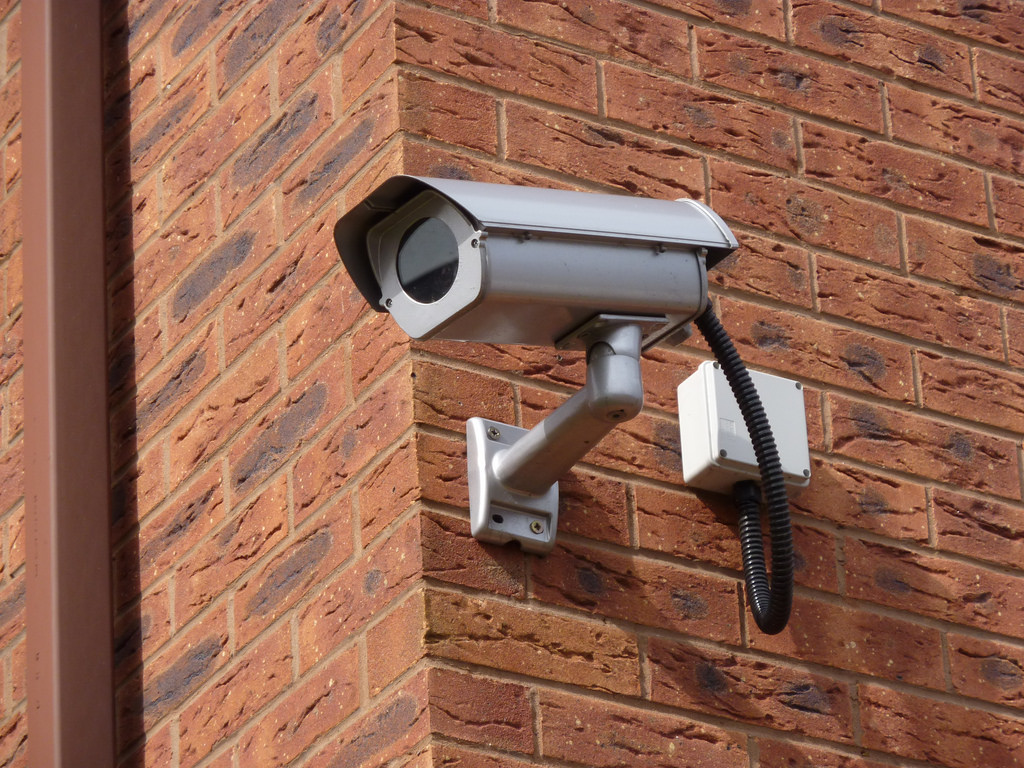
While webcasting focuses on monitoring activities inside polling stations, the district administration is also enhancing security outside these booths by installing CCTV cameras. These cameras will cover the areas surrounding polling stations, acting as a deterrent for anyone considering causing disruptions.

Monitoring Sensitive Polling Stations

Some polling stations have a history of irregularities. These locations, in particular, will receive extra scrutiny this election season. Authorities are identifying these stations and installing additional CCTV cameras to ensure that any potential issues are caught early on.

Deterring Potential Disruptions

The presence of CCTV cameras around polling stations is a visible reminder that the election process is under surveillance. This discourages any attempts to disrupt the voting process, as individuals are less likely to engage in unlawful activities when they know they are being watched.

The Role of the District Administration in Ensuring Fair Elections

The Nagpur district administration is leaving no stone unturned in ensuring a smooth electoral process. With 12 constituencies and 4,610 polling stations across both urban and rural areas, the task is monumental. However, the use of technology like webcasting and CCTV will make it easier to manage such a large-scale event.

Division of Polling Stations

Out of the 4,610 polling stations, six constituencies are located in rural areas with 2,452 polling stations, while the other six are situated in Nagpur city, which has 2,158 polling stations. Each station will have dedicated teams overseeing the setup and monitoring of webcasting and CCTV equipment.

Identifying High-Risk Areas

In addition to setting up surveillance at all polling stations, the administration has identified high-risk areas based on past election reports. These polling stations will receive extra attention, ensuring that any potential problems are dealt with before they can escalate.

Webcasting: Lessons from the Lok Sabha Elections

Nagpur has already seen the benefits of webcasting during the Lok Sabha elections. This system was highly effective in enhancing security and ensuring a transparent voting process, which is why the district administration is relying on it again for the assembly elections.

Success Stories from the Past

During the Lok Sabha elections, webcasting helped officials monitor voter turnout, prevent disturbances, and ensure that voting was conducted fairly. The district is hopeful that similar success will be replicated in the upcoming assembly elections.

Addressing Challenges

Implementing webcasting across a large number of polling stations does come with its challenges, such as ensuring reliable internet connectivity. However, the administration has taken steps to address these issues by partnering with local service providers to ensure seamless streaming throughout the election period.

Public Perception of Webcasting and CCTV Surveillance

The introduction of webcasting and CCTV surveillance has received a mixed response from the public. While some voters see it as a necessary step toward ensuring a fair election, others are concerned about their privacy and the potential misuse of the footage.

Building Trust with Voters

To alleviate these concerns, the district administration is working to educate the public about the benefits of webcasting and surveillance. By emphasizing transparency and security, officials hope to build trust with voters and encourage them to participate in the election process without hesitation.

Balancing Security and Privacy

While security is a top priority, it’s also essential to respect the privacy of voters. The district administration has ensured that the footage captured through webcasting and CCTV will be used solely for monitoring the election process and will not be misused.

The Future of Elections in Nagpur

As technology continues to evolve, we can expect to see even more advanced systems in place for future elections. The use of AI-powered analytics, biometric verification, and enhanced voter identification processes could further improve election security and transparency.

A Step Toward Digitization

The introduction of webcasting and CCTV surveillance is a significant step toward digitizing the election process in Nagpur. With these measures in place, the district is setting an example for other regions in India, showcasing how technology can be used to facilitate a fair and transparent voting process.

Ensuring Free and Fair Elections for All

At the heart of these efforts is the desire to ensure that every voter has the opportunity to participate in a free and fair election. By implementing these technologies, the district administration is working to safeguard the integrity of the election process and ensure that the voice of every voter is heard.

The Nagpur district’s decision to implement webcasting and CCTV surveillance for the upcoming assembly elections reflects its commitment to ensuring a smooth, secure, and transparent voting process. With real-time monitoring, increased scrutiny of high-risk polling stations, and heightened security outside voting areas, the district is well-prepared to handle the challenges of the election. As technology continues to play a more prominent role in elections, it’s clear that webcasting and CCTV surveillance will remain essential tools for maintaining the integrity of the democratic process.

  1. What is webcasting in elections? Webcasting allows for live streaming from polling stations, enabling real-time monitoring to ensure a transparent and secure election process.
  2. How does CCTV surveillance help in elections? CCTV cameras monitor the areas outside polling stations, deterring disruptions and enhancing security.
  3. How many polling stations are there in Nagpur district? Nagpur district has 4,610 polling stations, divided between six rural constituencies and six city constituencies.
  4. Why are some polling stations under extra scrutiny? Polling stations with a history of irregularities are being closely monitored with additional surveillance to prevent any issues during the election.
  5. Will my privacy be affected by webcasting and CCTV? No, the footage captured is solely for monitoring the election process and will not be misused. Authorities prioritize voter privacy while ensuring a secure election.
2,77,786 Register for Electoral Rolls in District Since Lok Sabha Elections

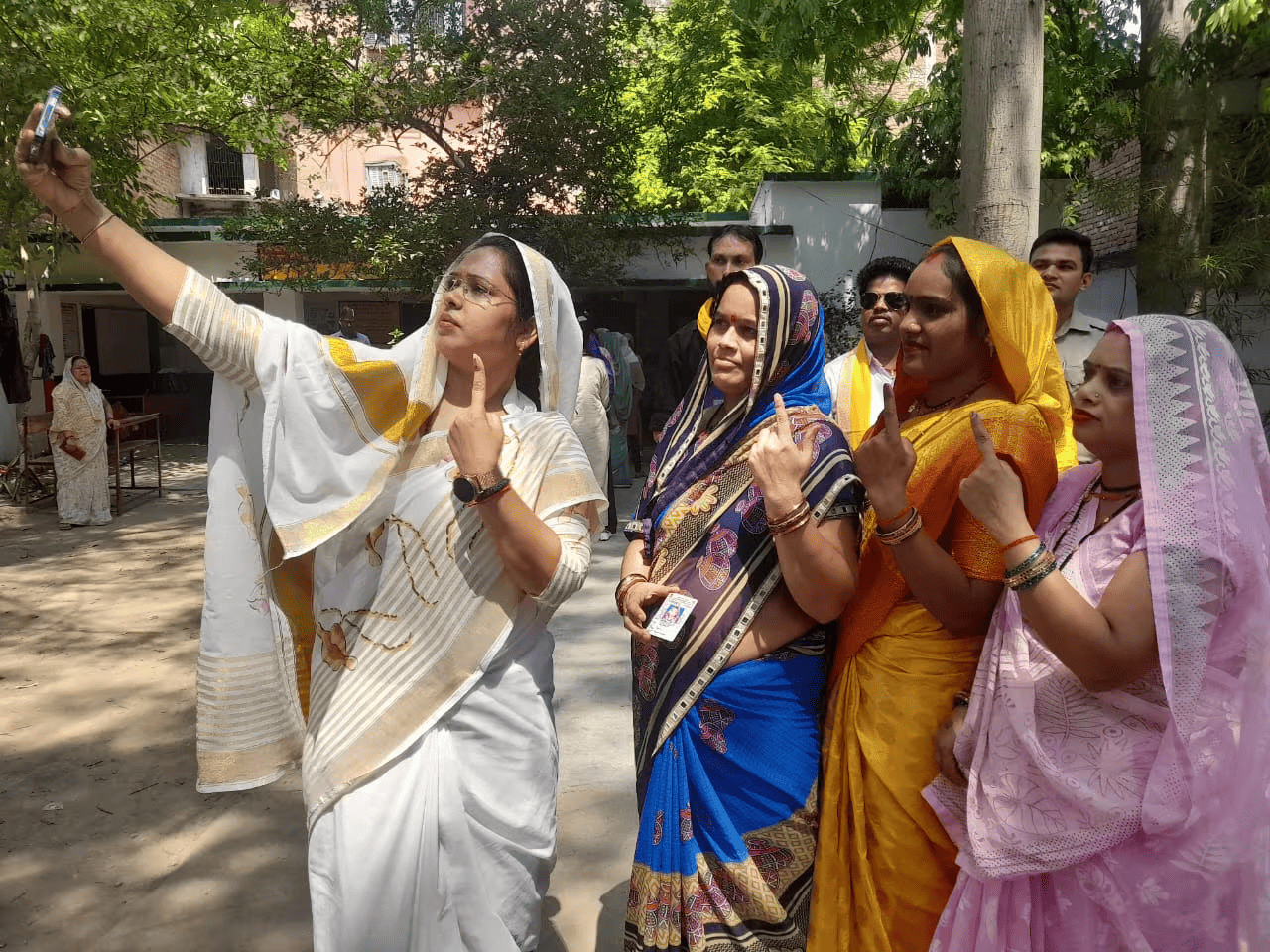
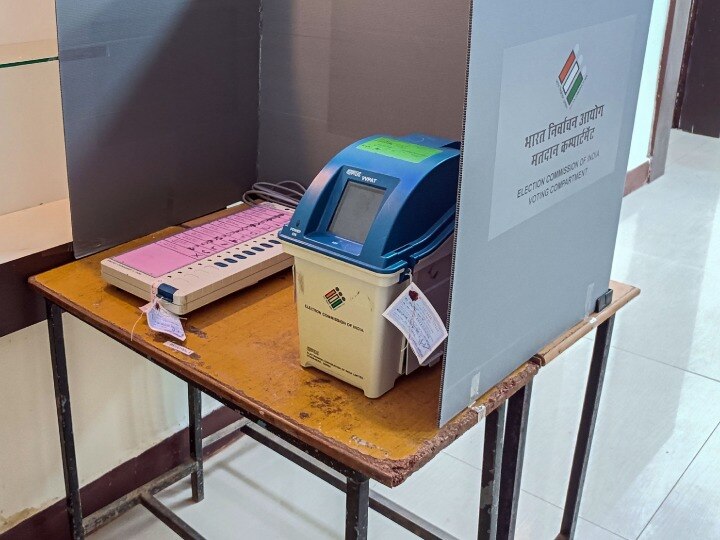
Voter Registration In Nagpur: The right to vote is one of the most critical fundamental rights provided by the Constitution to every citizen. However, in the recently concluded Lok Sabha elections, many individuals found themselves unable to cast their votes as their names were missing from the voter list. Since then, an impressive 2,77,786 citizens have applied for voter registration in the district as of October 20. This surge in applications can be attributed to an awareness drive conducted by the administration and increased diligence on the part of the citizens, who realized the missed opportunity during the General Election.

The Rising Importance of Voting (Voter Registration In Nagpur)

Why Is Voting So Important?

Voting is the backbone of democracy. It allows citizens to have a say in the governance of the country and hold leaders accountable. Without the power to vote, citizens lose their voice in choosing who represents them.

The Impact of Missing Names from Voter Lists

Imagine arriving at the polling station, only to find your name missing from the voter list. Unfortunately, this was the reality for many during the Lok Sabha elections (Voter Registration In Nagpur). The frustration and disappointment led to a wave of applications as individuals sought to ensure they could vote in future elections.

Kamptee Constituency Leads the Charge in Voter Registrations

Who Leads the Registrations?

Kamptee Assembly constituency has seen the highest number of applications with 40,324 new voters. It’s followed closely by Nagpur (South-West) with 35,630 applications. Nagpur (East) holds the third spot with 32,606 applications.

Constituencies with Lower Voter Registrations

Interestingly, some constituencies have seen fewer registrations. Katol constituency had the lowest number of new applications, with only 9,180 people applying to vote. Umred comes in slightly higher with 9,219, while Saoner saw 9,889 applications.

The Role of the District Administration in Boosting Voter Registration

District Administration’s Efforts

Since the General Election, the District Administration, under the leadership of District Collector Dr. Vipin Itankar, has been relentless in ensuring that no eligible voter misses the opportunity to vote in the upcoming Assembly election.

Special Summary Revision Programme (SSR)

In July, the administration conducted a Special Summary Revision Programme (SSR) as per the directives of the Election Commission of India (ECI). Citizens were encouraged to check and update their names in the voter list to avoid missing out during the elections.

Awareness Campaign in August

Following the SSR, a special awareness campaign was carried out in August. This was aimed at encouraging voter registration after the draft voter lists were published. Booth Level Officers (BLOs) were stationed at polling booths on weekends to assist citizens in resolving any objections or issues related to the draft voter lists.

Engaging Political Parties and Social Media

In addition to these efforts, the administration actively engaged political parties, encouraging them to contribute to the voter registration process. Social media influencers were also brought into the fold to help spread awareness about voter registration, leveraging their platforms to reach a wider audience.

Demographics of the Registered Voters

The Composition of Registered Voters

As of October 20, a total of 45,04,996 voters have registered in the district. This number includes a significant 98,429 young electors aged between 18 and 19 years. Additionally, 57,837 senior citizens aged 85 and above have also registered.

Gender Distribution

When it comes to gender distribution, the numbers are almost equally split. The district boasts 50.05% male voters and 49.94% female voters, showing a balanced voter demographic.

What Can We Learn from This Surge in Voter Registration?

The Importance of Awareness

One of the most significant takeaways from this surge in voter registration is the importance of awareness. Many citizens who were unable to vote in the previous election have realized the importance of being proactive in checking and updating their voter information.

The Role of Administration and Community Efforts

The proactive efforts of the administration, including the Special Summary Revision Programme and the August awareness campaign, have played a vital role in driving up registration numbers. Furthermore, the involvement of political parties and social media influencers has broadened the outreach and impact of these efforts.

A Step Toward a More Inclusive Democracy

The recent voter registration surge represents a step toward a more inclusive democracy, where every citizen has the opportunity to exercise their right to vote.

Conclusion

The surge of 2,77,786 new voter registrations in the district since the Lok Sabha elections is a promising sign of democratic engagement. With the proactive efforts of the District Administration, political parties, and social media influencers, citizens are more aware than ever of their right to vote. As we move closer to the Assembly elections, the district is on the path to ensuring that no eligible voter is left behind.

1. Why did so many citizens miss out on voting during the Lok Sabha elections?

Many citizens found that their names were missing from the voter list, preventing them from voting. This prompted a surge in applications for voter registration after the elections.

2. What steps has the administration taken to increase voter registration?

The administration conducted a Special Summary Revision Programme in July and a voter registration awareness campaign in August. They also involved political parties and social media influencers to spread the message.

3. What is the gender distribution among registered voters in the district?

The district has 50.05% male voters and 49.94% female voters, showing an almost equal distribution between genders.

4. How many young voters have registered since the Lok Sabha elections?

A total of 98,429 young voters, aged 18 to 19 years, have registered in the district.

5. Which constituency has seen the highest number of new voter registrations?

Kamptee Assembly constituency has the highest number of new voter registrations with 40,324 applications.

19 Sitting MLAs Among 23 from Vidarbha in BJP’s First List for Assembly Polls

Chandrashekhar Bawankule |BJP Vidarbha Assembly Polls : The political atmosphere is heating up in Vidarbha as BJP unveils its much-anticipated first list for the upcoming assembly elections. This list, while mostly as expected, features a whopping 19 sitting MLAs out of the 23 names from the Vidarbha region. This crucial area is expected to play a vital role in determining the future of the Maharashtra government, whether it’s the Mahayuti alliance or the Maha Vikas Aghadi coalition that emerges victorious. Let’s dive into the details of this significant political development and explore its potential implications.

BJP’s First List: No Surprises for Vidarbha

Vidarbha, a politically active and vital region in Maharashtra, has always been a hotbed of activity during election season. BJP’s first list, which primarily features its sitting MLAs, reflects the party’s confidence in its current representatives. There were no unexpected names, and many had already anticipated the inclusion of heavyweights like Vinod Agrawal, who won from Gondia as an independent candidate in 2019.

Chandrashekhar Bawankule’s Return to Electoral Politics

One of the most talked-about names on the list is Chandrashekhar Bawankule, who is all set to make his electoral comeback after a gap since 2014. In 2019, Bawankule faced a shock when he was denied a ticket, but instead of rebelling, he stayed loyal to the party. His patience seems to have paid off, as he not only returns to electoral politics but does so as the State BJP President and MLC.

Bawankule’s Strategic Importance

Bawankule’s inclusion isn’t just about his loyalty; it’s also a strategic move. Coming from the Teli community, which has a significant voter base in Maharashtra, Bawankule’s influence could help secure multiple seats, not just his own. His exclusion in 2019 had cost the party dearly, making his return even more crucial in the upcoming elections (BJP Vidarbha Assembly Polls).

BJP Targets Former Ally Bachchu Kadu

Another significant development in BJP’s first list is its decision to field a candidate in the Achalpur constituency, which is currently represented by Bachchu Kadu. Kadu, who had a fallout with the BJP, had previously criticized the Mahayuti alliance, especially after the party gave the Amravati Lok Sabha ticket to Navneet Rana. By fielding a candidate in his constituency, BJP seems to be sending a clear message to Kadu, cutting him down to size.

Ravi Rana’s Uncertain Fate

While Kadu’s fate appears sealed, Ravi Rana, the sitting MLA from Badnera constituency, finds himself in a more uncertain position. Local BJP workers have been pushing for Tushar Bhartiya to contest on the lotus symbol from Badnera, leaving Rana’s future hanging in the balance. This suspense is likely to be resolved soon, but it adds an intriguing layer of drama to the unfolding election (BJP Vidarbha Assembly Polls) narrative.

Women Representation: Shweta Mahale’s Second Chance

In terms of women representation, BJP’s first list includes only one prominent female candidate from Vidarbha—Shweta Mahale. Mahale is set to contest again from the Chikli constituency, where she had previously run. While her inclusion is noteworthy, the lack of more female candidates has raised some eyebrows within political circles.

Mahayuti vs. Maha Vikas Aghadi: The Battle Ahead

The upcoming assembly election in Maharashtra will be a battle of alliances. On one side, we have the BJP-led Mahayuti, which includes the Shiv Sena (under the Eknath Shinde faction), while on the other, the Maha Vikas Aghadi (MVA) alliance consists of Congress, NCP, and the Uddhav Thackeray faction of Shiv Sena. With Vidarbha being such a critical region, the outcome here could tip the scales in the formation of the next state government.

Vidarbha’s Strategic Importance

Vidarbha holds great significance in Maharashtra’s electoral landscape. Known for its agricultural influence and socio-economic challenges, this region is often seen as a litmus test for both alliances. Both BJP and the MVA will be vying for Vidarbha’s 62 assembly seats, and with 19 sitting MLAs already fielded, BJP is banking on its incumbents to perform well.

Impact of Chandrashekhar Bawankule on Vidarbha Politics

Bawankule’s return isn’t just about securing one seat; his presence could be a game-changer for BJP across Vidarbha. His leadership role as the State BJP President gives him the ability to influence elections in multiple constituencies, especially among the Teli community. If Bawankule can rally his supporters effectively, he could swing several seats in favor of the BJP.

BJP’s Focus on Loyalty and Performance

BJP’s first list clearly rewards loyalty and past performance. Most of the 19 sitting MLAs have maintained strong ties with the party, even during challenging times. This loyalty factor appears to be a key criterion for their inclusion in the list, as the party looks to minimize internal dissent and present a united front.

Will Loyalty Translate into Votes?

While loyalty is essential, the big question is whether it will translate into votes. In regions like Vidarbha, where local issues and candidate reputation play a significant role, the party’s strategy of sticking with incumbents may or may not resonate with voters. BJP will need to balance its loyalty factor with ground-level campaign strategies to ensure electoral success.

Challenges Ahead for BJP in Vidarbha

Despite the strength of its first list, BJP faces several challenges in Vidarbha. The agricultural sector’s ongoing struggles, coupled with issues of unemployment and rural distress, could sway voter sentiment. While the party has a strong organizational structure, addressing these grassroots concerns will be crucial in ensuring a victory.

BJP’s first list for the Vidarbha region has set the stage for an exciting and fiercely contested election. With 19 sitting MLAs leading the charge, the party is banking on loyalty, experience, and strategic moves like Bawankule’s return to secure its position. However, challenges remain, and the next few months will be crucial as both alliances gear up for a fierce battle in one of Maharashtra’s most politically charged regions.

  1. Who is Chandrashekhar Bawankule?
    • Chandrashekhar Bawankule is a senior BJP leader, currently the State BJP President and MLC, who is making his return to electoral politics after being denied a ticket in 2019.
  2. How many MLAs are featured in BJP’s first list from Vidarbha?
    • BJP’s first list includes 23 names from Vidarbha, of which 19 are sitting MLAs.
  3. Why is Vidarbha significant in the upcoming Maharashtra elections?
    • Vidarbha is crucial because of its large number of assembly seats (62) and its historical political influence in determining state government formations.
  4. What is the Mahayuti alliance?
    • The Mahayuti alliance is led by BJP and includes the Eknath Shinde faction of Shiv Sena and other regional parties.
  5. What challenges does BJP face in Vidarbha?
    • BJP faces challenges related to agricultural distress, unemployment, and rural issues, which could affect voter sentiment.

Congress Likely to Announce First List of Candidates on October 20

Congress Maharashtra candidates: The Maharashtra assembly elections are fast approaching, and political activities are heating up as parties prepare for the high-stakes battle. One of the most significant developments is Congress’ anticipated announcement of its first list of candidates on October 20. This announcement will set the stage for a crucial electoral showdown, especially in key constituencies across the state. Let’s dive into what we know so far and the political implications of this highly awaited list.

Why October 20 is a Key Date for Congress (Congress Maharashtra candidates)

Congress insiders have hinted that October 20 could be the day the party reveals its much-awaited first list of candidates for the Maharashtra assembly elections. This list will likely feature prominent leaders and new faces, reflecting Congress’ electoral strategy. With the announcement looming, sources within the party suggest that the candidate selection process has reached its final stages.

Vidarbha Takes Center Stage

Vidarbha, a politically important region in Maharashtra, is expected to feature prominently in Congress’ candidate list (Congress Maharashtra candidates). Several well-known leaders from Vidarbha are reportedly on the verge of securing their nominations. These leaders are expected to play a pivotal role in strengthening Congress’ presence in the region, which has seen fierce competition from other political parties in recent elections.

Nana Patole to Contest from Sakoli

Maharashtra Pradesh Congress Committee (MPCC) president, Nana Patole, is almost certain to contest from the Sakoli constituency. Patole’s candidacy is significant as he holds a key leadership position within the party and is seen as a strong contender who could energize Congress supporters in Vidarbha.

Key Candidates in the Running

Apart from Nana Patole, there are several other notable leaders expected to be included in Congress’ first candidate list. Let’s take a closer look at some of these names:

Vijay Wadettiwar in Bramhapuri

Vijay Wadettiwar, Leader of Opposition in Maharashtra, is widely expected to contest from Bramhapuri. His inclusion in the list is virtually confirmed, and his leadership role makes him one of the most prominent figures to watch out for in the upcoming elections.

Balasaheb Thorat in Sangamner

Congress Legislative Party leader Balasaheb Thorat is set to contest from his traditional stronghold of Sangamner. Thorat is a seasoned leader whose influence extends beyond his constituency, making his candidacy crucial for Congress’ overall strategy.

Nitin Raut in North Nagpur

Former Energy Minister Nitin Raut is poised to represent North Nagpur. His political clout and experience make him a significant asset to Congress, especially in urban constituencies where the competition is expected to be fierce.

Yashomati Thakur in Teosa

Former Women and Child Development Minister Yashomati Thakur is another key figure in Congress’ Vidarbha strategy. She is expected to contest from Teosa in Yavatmal, adding to the party’s strength in the region.

Congress’ Seat-Sharing Formula and Maha Vikas Aghadi (MVA) Alliance

In the upcoming elections, Congress is contesting as part of the Maha Vikas Aghadi (MVA) alliance, which includes the Nationalist Congress Party (NCP) and Shiv Sena (Uddhav Balasaheb Thackeray faction). As per the seat-sharing agreement, Congress has been allotted 84 seats. While the first list will cover nearly 60 constituencies, there are still some seats where panels with multiple candidates are under discussion.

Key Constituencies Still Under Scrutiny

In around 12 to 14 constituencies, the party has formed panels featuring two or three potential candidates. These panels are being deliberated upon to ensure that the final choices align with the party’s strategy. This process reflects Congress’ cautious approach, ensuring they field the strongest candidates in these key constituencies.

The Saoner Conundrum: Who Will Replace Sunil Kedar?

A particularly interesting constituency to watch is Saoner, where senior Congress leader Sunil Kedar was disqualified last year. There is speculation that Congress may field a candidate of Kedar’s choosing, though no official confirmation has been made yet. Whoever takes the Saoner seat could face a formidable challenge, especially given the high-profile nature of the constituency.

Nagpur’s Battle: Praful Gudadhe vs. Devendra Fadnavis?

One of the most anticipated electoral face-offs could take place in Nagpur, where Congress corporator Praful Gudadhe is expected to run against Devendra Fadnavis, the Deputy Chief Minister of Maharashtra. Gudadhe’s candidacy has not yet been confirmed, but if it materializes, this could be one of the most talked-about contests in the elections.

Congress Meeting in New Delhi: Finalizing the Candidates

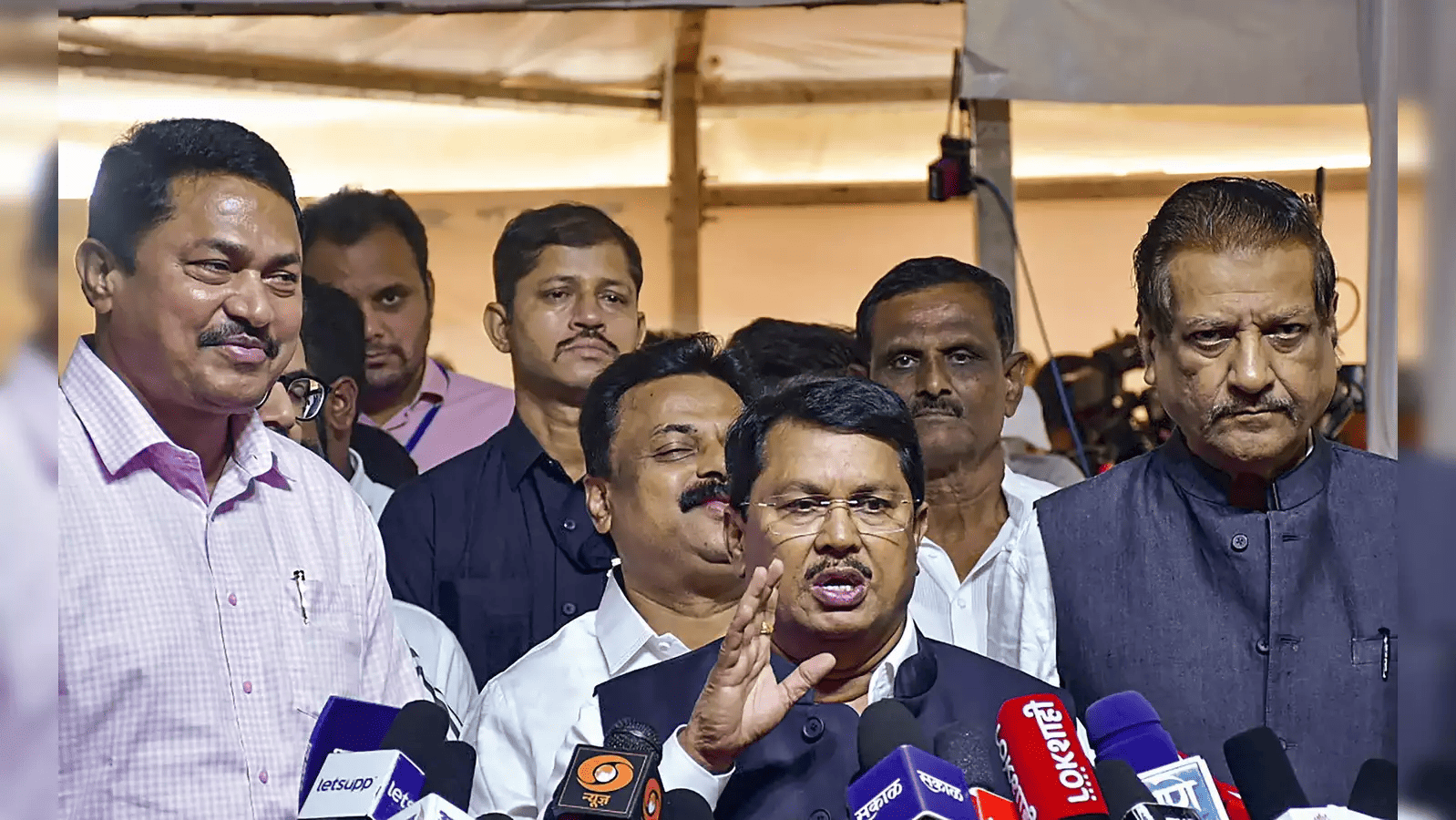
This week, Congress’ scrutiny committee met in New Delhi to finalize candidates for nearly 60 constituencies. Once the list is approved by the Central Election Committee (CEC), it will be made public. Vijay Wadettiwar, speaking to the media earlier, had confirmed that the first list would likely be announced by the night of October 20.

MVA Dynamics: Possible Conflicts and Alignments

As the seat-sharing agreement comes into play, there are potential points of friction within the MVA alliance. One such case involves the Katol constituency, where Yajnavalkya Jichkar, son of former minister late Shrikant Jichkar, is keen to contest. However, this seat is expected to fall under the NCP quota, with Anil Deshmukh likely to be renominated. This has raised the possibility that Jichkar may run as an independent, which could create internal conflicts within the MVA.

Potential Alliances: Mahadev Jankar’s Role

During a recent media interaction, Vijay Wadettiwar hinted that Mahadev Jankar, a leader marginalized by the ruling Shiv Sena-BJP alliance, might align with Congress. Jankar’s inclusion could shift the dynamics, especially in constituencies where his influence is strong.

Sangli Pattern Strategy: A Winning Formula?

One of the key strategies discussed during Congress’ internal meetings is the Sangli pattern, a successful approach used during the Lok Sabha polls. The party is considering applying this formula in Vidarbha, which could give them an edge in constituencies where they are in direct competition with BJP or Shiv Sena candidates.

 A Pivotal Moment for Congress

The upcoming announcement of Congress’ first list of candidates is a critical juncture for the party. The choices they make will set the tone for their campaign and could determine their success in the Maharashtra assembly elections. With experienced leaders, strategic alliances, and a focus on key regions like Vidarbha, Congress is positioning itself as a strong contender. However, the electoral landscape is unpredictable, and the party will need to navigate internal and external challenges carefully.

  1. When will Congress announce its first list of candidates? Congress is expected to announce its first list of candidates on October 20.
  2. Which key leaders are expected to be on the list? Leaders like Nana Patole, Vijay Wadettiwar, Balasaheb Thorat, Nitin Raut, and Yashomati Thakur are expected to be included.
  3. How many seats has Congress been allotted under the MVA alliance? Congress has been allotted 84 seats as part of the seat-sharing agreement under the MVA alliance.
  4. What is the significance of the Sangli pattern strategy? The Sangli pattern is a successful electoral strategy used during the Lok Sabha elections, which Congress is considering replicating in the upcoming assembly elections.
  5. Could there be internal conflicts within the MVA alliance? Yes, there is potential for conflict, particularly in constituencies like Katol, where multiple candidates are vying for the same seat.

58% of New Voters After Lok Sabha Polls Are Women

The political landscape is changing in ways we haven’t seen before, and one of the most fascinating trends is the rise in women voters. After the recently concluded Lok Sabha elections, (Lok Sabha polls) 58% of the newly registered voters in the district were women. This surge could be a crucial factor in the upcoming Assembly elections. Women are no longer just passive participants in political discussions; they are actively registering, showing up to vote, and influencing key decisions. Let’s explore the reasons behind this trend and its potential impact.

The Surge in Women Voters: A Game Changer

As of October 15, the district had 44,94,784 registered voters, an increase from the 42,72,366 voters before the Lok Sabha elections (Lok Sabha polls) held in March. Out of the 2,22,418 new voters, a staggering 1,29,782 are women, making up 58.30% of the new registered voters. This trend is consistent across both rural and urban areas, signaling a growing enthusiasm among women to have a say in political matters.

Why the Surge?

So, what’s driving this surge in women voters? A mix of factors, really. Women are becoming more aware of their rights and are eager to make their voices heard. Moreover, initiatives like the ‘Mukhyamantri Majhi Ladki Bahin Yojna’ have created strong incentives. This monthly financial support scheme specifically targeted towards women not only helps financially but also fosters a sense of independence and empowerment.

Breaking Down the Numbers

In the six constituencies within the city, 82,872 of the 1,42,717 newly registered voters are women, which is 58.06%. The remaining constituencies in the district recorded 46,910 women out of 79,710 new voters, contributing 58.86% to the total. These numbers reflect a significant demographic shift.

The Impact of Mukhyamantri Majhi Ladki Bahin Yojna

The state government’s active promotion of the ‘Mukhyamantri Majhi Ladki Bahin Yojna’ has been instrumental in this increase. This scheme transfers money directly to women, boosting their financial independence and encouraging them to participate in the democratic process. The fact that the government is targeting women as a key demographic through such initiatives could have a profound impact on election outcomes.

Women Empowerment at the Grassroots Level

This financial support isn’t just about the money. It’s about giving women the freedom to make choices—choices that were often out of their hands in the past. By helping women step outside their traditional roles, this program is enabling them to become more involved in community and policy matters.

Urban vs. Rural: A Uniform Trend

While there may be differences in lifestyle and access to resources between urban and rural women, this voter registration trend cuts across both areas. In urban constituencies, 58.06% of new voters are women, and in rural constituencies, that figure is 58.86%. It’s clear that regardless of where they live, women are taking an active role in shaping their futures.

A Changing Society: Women Stepping Out of Traditional Roles

This data signals a major cultural shift. More and more women are stepping out of their traditional roles to engage in public and political life. The growing awareness and sense of responsibility among women are paving the way for a more balanced and inclusive society.

Will Women Decide the Election Outcome?

The real question is: Can this increase in women voters change the outcome of the Assembly elections? With more women registering and showing an eagerness to vote, the political dynamics are likely to shift. Women, often seen as silent voters, now have a larger share in the voter pool, and their collective voice could make a significant difference in close races.

The Enthusiasm to Participate

There’s an undeniable energy among women to get involved in the voting process. It’s not just about showing up at the polls but about being part of the larger political dialogue. More women are attending rallies, engaging in discussions, and keeping themselves informed about key policies that affect their lives.

Why Women’s Votes Matter More Than Ever

In an election, every vote counts. But women’s votes have a unique significance, especially when they make up the majority of new voters. They bring different priorities and concerns to the table—issues like healthcare, education, child welfare, and domestic violence, which are often overlooked in male-dominated political discussions.

The Role of Women in Policy Change

With more women voters, we could see a greater focus on policies that directly affect women’s lives. Issues that might have been sidelined in previous elections could now take center stage, simply because of the number of women making their voices heard.

Could This Lead to More Women in Power?

Another interesting angle to consider is how this surge in women voters could affect the number of women running for office. More women in the electorate could inspire more women to contest elections, creating a ripple effect in political representation.

Encouraging Female Leadership

Political parties might also start fielding more female candidates to appeal to this growing voter base. After all, if women are voting in larger numbers, they are likely to support candidates who represent their interests—leading to a potential increase in female leadership in local and national politics.

The Long-Term Impact

This trend of women stepping into the political arena isn’t a one-off phenomenon. It’s part of a larger movement towards gender equality and empowerment. The impact of this surge in women voters will be felt not just in the upcoming Assembly elections but in future elections as well.

Building Momentum for the Future

As more women become politically active, we can expect to see changes in the kinds of policies that are prioritized. Women’s issues, which were often pushed to the back burner, will likely gain more prominence, leading to long-term societal benefits.

The surge in women voters after the Lok Sabha elections (Lok Sabha polls) is more than just a statistic. It’s a sign of the changing times, where women are taking control of their destinies and playing an active role in shaping the country’s future. With 58% of new voters being women, the upcoming Assembly elections (Lok Sabha polls) could witness a shift in the political narrative, driven by the power of female voters.

1. Why are more women registering to vote?
Women are becoming more aware of their rights, and government schemes like the ‘Mukhyamantri Majhi Ladki Bahin Yojna’ are encouraging them to participate in elections.

2. How does the ‘Mukhyamantri Majhi Ladki Bahin Yojna’ affect voting?
This scheme provides financial support to women, making them more independent and likely to engage in political activities, including voting.

3. Are urban and rural areas seeing the same trend in women voters?
Yes, both urban and rural areas are witnessing a similar trend, with around 58% of new voters being women in both regions.

4. Can women voters change the election outcome?
With 58% of new voters being women, they have the potential to significantly influence the results of the upcoming Assembly elections.

5. Will we see more women candidates in the future?
The increase in women voters could inspire more women to run for office, potentially leading to greater female representation in politics.

Maharashtra Elections 2024: Thane & Navi Mumbai To Vote On November 20; Counting Scheduled On November 23

Maharashtra elections 2024: The stage is set for the 2024 Maharashtra Assembly elections, with key polling dates and constituencies finalized. Among the critical regions in this political showdown are Thane and Navi Mumbai, which are set to vote on November 20, 2024. The results, crucial to the state’s governance, will be revealed after vote counting on November 23, 2024. These elections could potentially shape the political landscape of Maharashtra for years to come, and the stakes couldn’t be higher.

A Glimpse Into the 2024 Elections: What You Need to Know

The Election Commission of India (ECI) has confirmed that Maharashtra’s assembly elections will take place in multiple phases. Among the highlights, the Thane and Navi Mumbai constituencies are projected to be highly influential, both due to their urban and industrial importance and the political contest between major alliances.

Why Thane and Navi Mumbai Matter

Both Thane and Navi Mumbai have seen rapid urbanization, making them not just crucial industrial hubs but also vital residential zones. Their influence spans several key Assembly constituencies, making them battlegrounds that could swing the election outcome in favor of either the Mahayuti alliance or the Maha Vikas Aghadi (MVA).

  • Mahayuti Alliance: A coalition of the Bharatiya Janata Party (BJP), the Eknath Shinde-led Shiv Sena, and the Ajit Pawar-led NCP.
  • Maha Vikas Aghadi (MVA): Composed of Congress, the Sharad Pawar-led NCP-SP, and the Uddhav Thackeray-led Shiv Sena (UBT).

Polling Dates: Mark Your Calendars

The elections will occur in phases, but voters in Thane and Navi Mumbai will head to the polls on November 20, 2024. This date holds immense importance, as these regions could significantly impact the final outcome.

Vote Counting: November 23, 2024

Once the polling process concludes, the votes will be counted, and the fate of the competing alliances will be determined. Results from Thane and Navi Mumbai are expected to play a pivotal role in shaping the overall results of the Maharashtra Assembly elections.

Key Constituencies in Thane and Navi Mumbai

The Thane and Navi Mumbai regions cover multiple crucial constituencies. Here’s a breakdown of some of the most significant seats:

  • Thane District:
    • Bhiwandi Rural (ST)
    • Shahapur (ST)
    • Bhiwandi West
    • Bhiwandi East
    • Kalyan West
    • Murbad
    • Ambernath (SC)
    • Ulhasnagar
    • Kalyan East
    • Dombivali
    • Kalyan Rural
    • Meera Bhayandar
    • Ovala Majiwada
    • Kopri-Pachpakhadi
    • Thane
    • Mumbra-Kalwa
  • Navi Mumbai Region:
    • Airoli
    • Belapur

Each of these constituencies has unique dynamics, with varied political influences and voter demographics. As the elections near, expect heightened political activity and strategic campaigning to win over voters in these key regions.

Shiv Sena vs. Shiv Sena: The Battle for Thane

A major storyline for the Thane region will be the battle between two factions of the Shiv Sena. The party, traditionally strong in the region, is now divided between the Eknath Shinde-led faction and the Uddhav Thackeray-led Shiv Sena (UBT). Both sides are vying for dominance in this crucial area.

  • Eknath Shinde, a prominent figure in Thane politics, is aiming to maintain his stronghold.
  • The Uddhav Thackeray faction, on the other hand, is determined to reassert its presence.

The outcome of this internal battle could shape the future of the Shiv Sena and potentially the state’s political trajectory.

Mahayuti vs. MVA: A Closer Look at the Alliances

The contest between Mahayuti and MVA will define the 2024 Maharashtra Assembly elections, particularly in urbanized areas like Thane and Navi Mumbai.

Mahayuti Alliance

  • BJP: The leading party in the coalition, known for its national influence.
  • Eknath Shinde’s Shiv Sena: The faction led by the current Chief Minister, with deep roots in Thane.
  • Ajit Pawar’s NCP: A splinter group from the Nationalist Congress Party, adding further political weight to the alliance.

Maha Vikas Aghadi (MVA)

  • Congress: A long-standing national party that remains a crucial player in Maharashtra politics.
  • Sharad Pawar-led NCP: The original NCP faction, known for its seasoned leadership.
  • Uddhav Thackeray’s Shiv Sena (UBT): Focused on reclaiming its lost influence, especially in key regions like Thane.

The Role of Urbanization in Thane and Navi Mumbai

Over the years, Thane and Navi Mumbai have evolved from peripheral towns to booming urban centers. With the rise of industries, educational institutions, and real estate, these areas have attracted a diverse population, making them politically significant.

The growth of these regions has also brought forth issues such as housing, infrastructure, and transport, all of which are likely to influence voter preferences. Politicians from both alliances are expected to focus their campaigns on addressing these urban challenges.

Key Issues Driving the 2024 Elections in Thane and Navi Mumbai

As voters prepare to cast their ballots, several key issues are expected to dominate the political discourse:

  • Infrastructure Development: Given the rapid urbanization, both Thane and Navi Mumbai face infrastructure challenges such as inadequate roads, public transport, and housing shortages.
  • Employment Opportunities: Industrial growth in the region has created jobs, but voters are concerned about job security and wage growth.
  • Public Services: Voters are likely to scrutinize candidates’ track records on improving public services such as healthcare and education.

How These Issues Affect the Alliances

  • Mahayuti: Likely to focus on development initiatives and job creation, highlighting national and state-level projects.
  • MVA: Expected to target the shortcomings in infrastructure development while emphasizing a more inclusive approach to governance.

The Path Forward: What’s at Stake for Maharashtra?

The elections in Thane and Navi Mumbai are a microcosm of the broader political landscape of Maharashtra. Whoever wins these key constituencies will not only influence local governance but will also play a pivotal role in deciding which alliance controls the state.

Looking Ahead: Will There Be Surprises?

While the battle lines are clear, surprises are always a possibility in elections. A swing in key constituencies like Thane or Navi Mumbai could potentially shift the balance of power. Both Mahayuti and MVA are gearing up for an intense fight to win over undecided voters.

The Maharashtra Elections 2024 are shaping up to be a critical political event, especially in the key regions of Thane and Navi Mumbai. With polling scheduled for November 20 and counting set for November 23, all eyes will be on these urban centers. Both the Mahayuti and MVA alliances are battling it out for dominance, and the outcome here could very well decide the future political trajectory of Maharashtra.

  1. When is the polling for Thane and Navi Mumbai scheduled?
    The polling is scheduled for November 20, 2024.
  2. When will the votes be counted?
    The vote counting will take place on November 23, 2024.
  3. What are the key political alliances in the race?
    The Mahayuti alliance and the MVA alliance are the primary contenders.
  4. Why are Thane and Navi Mumbai important in the elections?
    These regions are key urban and industrial hubs with several critical constituencies that could influence the election’s outcome.
  5. Who are the prominent candidates in Thane?
    Eknath Shinde and Uddhav Thackeray are key figures representing the divided Shiv Sena factions in Thane.

Maharashtra Assembly Elections 2024: Yajnavalkya Jichkar Set to Challenge Anil Deshmukh in Katol, Aiming for Independent Victory Like Sangli Model

Maharashtra Assembly Elections | Yajnavalkya Jichkar | Anil Deshmukh: The political landscape of Maharashtra is set to heat up as we approach the 2024 Assembly elections. The Katol constituency, located in Nagpur district, is expected to be one of the focal points of this political battle. In a scenario reminiscent of the Sangli model, an independent candidate might take center stage in Katol, challenging a well-established political figure.

At the heart of this contest is Yajnavalkya Jichkar, a young political aspirant keen on challenging Anil Deshmukh, a senior politician and former state home minister. Jichkar, a political debutant with deep family roots in the constituency, is determined to follow in his father’s footsteps and secure an electoral victory, even if it means going independent. Let’s take a closer look at this unfolding political drama.

 The Katol Constituency (Maharashtra Assembly Elections)

Katol, a key constituency in the Nagpur district, has a history of unpredictable outcomes, especially when it comes to favoring independent candidates. Its political scene has been dominated by big names like Anil Deshmukh, but anti-incumbency sentiment is simmering. With an independent mindset and strong familial ties to the region, Jichkar is ready to upset the status quo, potentially replicating the Sangli model.

 The Sangli Model: A Successful Independent Candidate

In the recent Lok Sabha elections, the Sangli model played a key role in influencing local political dynamics. Here, Vishal Patil, a Congress aspirant who was denied a party ticket, went on to contest as an independent candidate. He won the seat by defeating the official Maha Vikas Aghadi (MVA) candidate. This model proved that independent candidates, if they resonate with the people, can succeed even against party-backed opponents.

Jichkar appears to be taking a similar path. He is waiting for a Congress ticket but has made it clear that he will contest as an independent candidate if the ticket is denied, with aspirations of echoing Patil’s independent triumph.

 Who is Yajnavalkya Jichkar?

Jichkar is not just another name in the crowd. The son of the late Dr. Shrikant Jichkar, Yajnavalkya is stepping into politics with a legacy that demands attention. Dr. Jichkar was a celebrated figure in Maharashtra politics, holding numerous portfolios during his political career and nearly becoming the Chief Minister. Yajnavalkya, now 30 years old, has spent the last few years working on the ground in Katol, focusing on local development, especially for youth and farmers.

He’s organized numerous camps, provided employment opportunities to over 6,000 youths, and sought to carry forward his father’s legacy. His connection to the community and his father’s memory gives him a significant emotional edge in the race for the Katol seat.

 Anil Deshmukh: The Incumbent With A Legacy

On the other side of the political ring is Anil Deshmukh, the current MLA from Katol and a seasoned politician with decades of experience. He has held the seat since 1995, except for a brief defeat in 2014 by his nephew Ashish Deshmukh. Deshmukh has a stronghold on the constituency and has been a major player in Maharashtra politics, but the winds of change are blowing. Anti-incumbency factors and his long tenure may play against him in the upcoming elections.

 Challenges Ahead for Jichkar

One of the major challenges Jichkar faces is securing the Congress ticket. While his mentor and close aides believe that the Congress is trying to vacate the seat from NCP (Pawar) for him, nothing is guaranteed. Should this plan not materialize, Jichkar is ready to contest independently, banking on the goodwill and fond memories that the voters have of his late father.

Moreover, he will face the tough task of battling two strong candidates — Anil Deshmukh from NCP and possibly Ashish Deshmukh from BJP, his uncle’s nephew and former Congress ally.

 Anti-Incumbency Factor in Katol

Katol has always been an unpredictable constituency, with the people often opting for independent candidates over official party nominees. Deshmukh’s long-standing hold on the seat may be challenged by an undercurrent of anti-incumbency. The people of Katol are not new to independent voices, and Jichkar is hoping to capitalize on this sentiment.

 The Role of Legacy in Indian Politics

Legacy plays a significant role in Indian politics. The Jichkar family, especially the late Dr. Shrikant Jichkar, holds a revered status in Katol. Dr. Jichkar’s educational and political achievements are part of local lore, and many still recall his efforts for the region. Yajnavalkya is attempting to tap into that emotional and nostalgic connection.

 Independent Candidates: Can They Make a Difference?

The recent success of independent candidates in Maharashtra, especially the Sangli model, shows that it is indeed possible for them to win. Political analysts have observed that independent candidates with strong local ties, who understand and address regional issues, often resonate more with voters compared to party-backed candidates who may be seen as more detached.

Jichkar’s strategy is clear — he’s positioning himself as the voice of the people, free from party politics and driven by a desire to improve Katol.

 The Farmers, Youth, and Women: Key Focus Areas

Jichkar’s ground-level work with farmers, youth, and women is one of his key selling points. He’s held numerous camps and training sessions, which have benefited many in these demographics. Employment has been a major focus, with over 6,000 young people finding jobs due to his efforts. This is expected to work in his favor, particularly with younger voters.

 The Shadow of His Father

Dr. Shrikant Jichkar is considered one of the most educated politicians in India, holding over 20 degrees and earning numerous accolades during his academic and political career. His decision to pursue politics over bureaucracy is often cited as a bold move. Yajnavalkya’s candidacy is seen as an attempt to step out of his father’s shadow while also carrying his legacy forward.

 What’s at Stake in Katol?

Katol is not just another constituency; it’s a political battleground with significant implications for both the MVA and BJP. If Jichkar manages to win as an independent, it could set a precedent for other regions in Maharashtra, where independent candidates could rise to prominence, challenging traditional party lines.

 The Battle Ahead: What Lies in the Future?

With election campaigns heating up, the Katol constituency is preparing for an intense political battle. Whether Jichkar can pull off an independent victory like Sangli remains to be seen. However, one thing is clear: the voters of Katol have an exciting contest ahead, with the potential for an outcome that could change the dynamics of local and state politics.

The 2024 Maharashtra Assembly elections will be one to watch, with Katol shaping up as a key constituency. The contest between Yajnavalkya Jichkar and Anil Deshmukh is bound to be a defining moment in Maharashtra’s political landscape. With legacy, local development, and anti-incumbency factors all in play, this election promises to be a historic one.

  1. Who is Yajnavalkya Jichkar?
    • Yajnavalkya Jichkar is a political debutant and the son of late Dr. Shrikant Jichkar, aiming to contest the 2024 elections from Katol constituency.
  2. What is the Sangli Model?
    • The Sangli Model refers to the success of an independent candidate in defeating a party-backed opponent in the recent Lok Sabha elections in Maharashtra.
  3. Who is Anil Deshmukh?
    • Anil Deshmukh is the incumbent MLA of Katol and a senior NCP leader, having held the seat since 1995, with one exception in 2014.
  4. What challenges does Yajnavalkya Jichkar face?
    • Jichkar faces challenges in securing a Congress ticket and competing against strong candidates like Anil Deshmukh and Ashish Deshmukh.
  5. What is at stake in the Katol constituency?
    • Katol is a crucial battleground that could influence the broader political landscape in Maharashtra, especially if an independent candidate wins.

Sena (UBT) MLA Bhaskar Jadhav Reiterates Demand for Key Seats in Vidarbha

Shiv Sena Vidarbha seats: Shiv Sena’s (UBT) political ambitions in Vidarbha are heating up as MLA Bhaskar Jadhav recently renewed the party’s demand for contesting crucial assembly seats in the upcoming elections. During a significant meeting with party officials from eastern Vidarbha, Jadhav stressed the importance of securing key constituencies, including several in Nagpur district. This marks a crucial step in the party’s bid to fortify its political influence in a region historically dominated by heavyweights like Congress and the BJP.

Political Landscape of Vidarbha

Vidarbha, often considered a political battleground, has witnessed intense contests between major political parties. For Shiv Sena (UBT), winning seats in this region is not merely about numbers—it’s about securing a foothold in Maharashtra’s complex political puzzle.

Jadhav’s Call to Action: Securing Strategic Seats (Shiv Sena Vidarbha seats)

In his remarks, Jadhav outlined the party’s strategic focus on contesting eight to ten assembly seats in the region. Specifically, five key seats in Nagpur district—Ramtek, Kamptee, Umred, Nagpur South, and Nagpur East—were identified as critical constituencies.

Why Vidarbha Matters to Shiv Sena (UBT)?

Eastern Vidarbha holds strategic importance for the Shiv Sena. By securing these constituencies, the party hopes to strengthen its presence in the region and carve out a significant share of the voter base.

Shiv Sena’s Role in Vidarbha Politics

Traditionally, Vidarbha has been a stronghold for Congress and BJP, but the political tides are shifting. As regional dynamics change, Shiv Sena (UBT) sees an opportunity to break through and establish its influence.

Jadhav’s Strategic Goals for the Upcoming Elections

Jadhav’s ambitions extend beyond simply winning seats (Shiv Sena Vidarbha seats). His comments reflect a broader strategy of alliance building and securing long-term dominance in Vidarbha. According to him, the upcoming elections are a chance to reshape the region’s political landscape.

Focus on Alliance Partners

Jadhav’s recent statements also hinted at the party’s alliance strategy. He confirmed that final decisions on seat allocation for eastern Vidarbha would likely be made during Uddhav Thackeray’s upcoming visit to the city, indicating that negotiations with alliance partners are reaching a crucial phase.

Nagpur District: The Key Battle Ground

Nagpur is shaping up to be a focal point in Shiv Sena’s electoral strategy. Jadhav emphasized the need to win key seats in this district, which has always been a competitive arena for the state’s political powerhouses.

Five Key Constituencies Identified by Jadhav

  1. Ramtek
  2. Kamptee
  3. Umred
  4. Nagpur South
  5. Nagpur East

These five seats are seen as vital to the party’s overall electoral strategy, forming the core of its plan for eastern Vidarbha.

Dismissing Superstitions: Moving Forward Despite Pitru Paksha

Interestingly, Jadhav dismissed concerns over the timing of announcements during the ongoing Pitru Paksha period, which some consider inauspicious. He assured party workers that despite superstitions, the party is ready to move forward with its plans. This declaration shows Shiv Sena’s determination and readiness to act swiftly ahead of the elections.

Seat Sharing and Alliance Strategy

While Jadhav clarified that he is not directly involved in the seat allocation committee, he emphasized the importance of collaboration with alliance partners to secure a win in Vidarbha. Shiv Sena’s focus is currently on consolidating its position and working toward maximizing its influence in the region.

Jadhav’s Critique of the Ladki Bahin Scheme

Jadhav didn’t hold back in criticizing the controversial Ladki Bahin scheme introduced by the Mahayuti government. Referring to it as a “Ladki Khurchi (Chair) Scheme,” Jadhav claimed the initiative would benefit only a limited number of women, leaving many out in the cold. According to Jadhav, this scheme highlights the limitations of the government’s approach to women’s welfare.

Broader Implications of Shiv Sena’s Vidarbha Strategy

Shiv Sena’s renewed focus on Vidarbha is not an isolated move. It is part of a larger effort by the party to expand its influence across Maharashtra. The upcoming elections will be a test of the party’s ability to navigate alliance politics while simultaneously consolidating its base.

Shiv Sena’s (UBT) push for key seats in Vidarbha reflects its determination to strengthen its presence in this politically vital region. As the party gears up for the elections, its strategy of focusing on strategic constituencies, aligning with alliance partners, and dismissing superstitions shows a confident and forward-thinking approach. With Bhaskar Jadhav at the forefront, Shiv Sena (UBT) is clearly positioning itself for a strong showing in the upcoming elections.

 About Shiv Sena (UBT) and Vidarbha Politics

  1. Why is Vidarbha important for Shiv Sena (UBT)? Vidarbha is a strategic region with a history of political battles between major parties. Winning seats here would bolster Shiv Sena’s influence across Maharashtra.
  2. Which constituencies are Shiv Sena (UBT) focusing on in Nagpur? The party is focusing on Ramtek, Kamptee, Umred, Nagpur South, and Nagpur East in Nagpur district.
  3. What is the significance of Pitru Paksha in politics? Pitru Paksha is considered an inauspicious time for major decisions. However, Jadhav dismissed these superstitions, reflecting the party’s readiness to act regardless.
  4. What is Jadhav’s stance on the Ladki Bahin Scheme? Jadhav criticized the scheme, suggesting it would only benefit a limited number of women, leaving many more without support.
  5. When will seat-sharing decisions for Vidarbha be finalized? The final seat-sharing decisions are expected to be made during Uddhav Thackeray’s visit to Vidarbha.

No Guarantee for Our 4th Term, But…’: Nitin Gadkari Lightheartedly Remarks in Nagpur

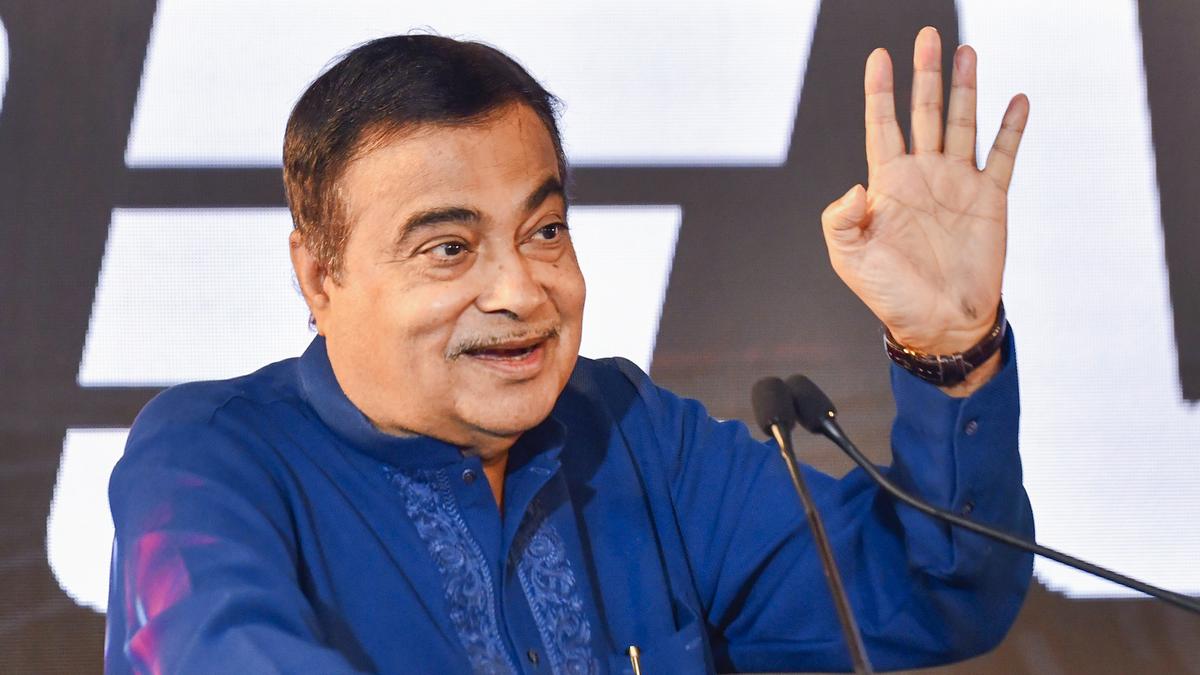
Nitin Gadkari, Union Minister, recently brought a lighthearted moment to an event in Nagpur by teasing his cabinet colleague, Ramdas Athawale, over his long-standing ability to remain a minister in successive governments. Gadkari, known for his candid nature, humorously remarked, “There’s no guarantee of our fourth term, but one thing is guaranteed – Ramdas Athawale will continue to be a minister.”

But what’s behind this playful comment? In this article, we’ll explore the political context, Athawale’s confidence, the upcoming Maharashtra Assembly elections, and how seat-sharing within the Mahayuti alliance may shape the future of Maharashtra’s political landscape.

Nitin Gadkari Lighthearted Remark

During a public event in Nagpur, Nitin Gadkari entertained the crowd with a witty remark aimed at his fellow cabinet colleague, Ramdas Athawale. Gadkari’s humorous statement about Athawale’s enduring ministerial position sent waves of laughter through the audience. Gadkari quickly followed up, noting that his comment was in jest, underscoring the friendly camaraderie between the two ministers.

Ramdas Athawale: A Ministerial Fixture

Ramdas Athawale, a prominent leader of the Republican Party of India (RPI-A), has held ministerial roles in various governments for over three terms. His ability to maintain relevance and stay at the forefront of Indian politics, despite shifting alliances, is what makes Gadkari’s joke resonate with political insiders. Athawale’s leadership and influence within the Mahayuti coalition have been vital to his continued presence in the political arena.

Athawale’s Confidence for Future Terms

Despite Nitin Gadkari playful remarks, Athawale remains optimistic about his political future. Athawale has voiced confidence that, should the BJP-led alliance retain power, his streak of ministerial roles will continue. This confidence stems from his leadership of the RPI-A, a significant player in the Mahayuti coalition, and his deep political ties with the BJP.

RPI-A’s Role in the Mahayuti Coalition

The Republican Party of India (A) is a longstanding ally of the Bharatiya Janata Party (BJP). This alliance is part of the broader Mahayuti coalition, which includes key players like the Shiv Sena and Ajit Pawar’s faction of the Nationalist Congress Party (NCP). RPI-A’s role within the coalition has afforded it significant influence, though not without challenges.

Seat Demands for the Upcoming Assembly Elections

As the Maharashtra Assembly elections approach, Athawale and the RPI-A are setting their sights on securing a fair share of seats. During a press conference in Nagpur, Athawale announced that his party is seeking 10 to 12 seats in the upcoming elections. Of these, three to four seats are expected to come from the Vidarbha region, including North Nagpur, Umred, Umarkhed in Yavatmal, and Washim.

Athawale’s Press Conference in Nagpur

At the Nagpur press conference, Athawale emphasized the importance of the upcoming elections for RPI-A’s continued presence in the state’s political landscape. He reiterated that his party is seeking to contest the elections under its own symbol, strengthening its identity within the Mahayuti coalition. The announcement signals RPI-A’s firm intent to expand its political influence.

Tensions Over Seat Sharing in Mahayuti

The seat-sharing arrangement within the Mahayuti coalition is a delicate balancing act. Athawale revealed that his party has already prepared a list of 18 seats it would like to contest. This list is set to be shared with Mahayuti partners in the coming days. Athawale hopes for a fair allocation of 10 to 12 seats, urging the BJP, Shiv Sena, and Ajit Pawar’s NCP to each give up four seats from their quota to accommodate his party’s demands.

RPI-A’s Plans for Vidarbha Region

Vidarbha, a politically significant region in Maharashtra, is a key focus for RPI-A. Athawale has highlighted North Nagpur, Umred, Umarkhed, and Washim as constituencies where his party seeks to contest. The party believes that its strong grassroots presence in these areas will help it secure electoral wins.

Unfulfilled Promises and Discontent

Athawale’s recent comments also reflect his frustration over unfulfilled promises within the state government. In Palghar, he expressed disappointment that his party was left out of ministerial roles, despite assurances from coalition partners. He mentioned that the inclusion of Ajit Pawar’s NCP in the Mahayuti government led to the RPI-A being sidelined, leaving Athawale’s party without key cabinet positions and roles in corporations and district committees.

The Influence of Ajit Pawar’s NCP

The inclusion of Ajit Pawar’s NCP faction into the Mahayuti coalition has undoubtedly complicated matters for the RPI-A. Athawale has been vocal about how Pawar’s entry disrupted the pre-agreed seat-sharing and ministerial arrangements, creating friction within the coalition. Nevertheless, Athawale remains hopeful that these internal issues will be resolved in time for the upcoming elections.

Maharashtra Assembly Elections Preview

The elections for Maharashtra’s 288 assembly seats are expected to take place in November. These elections are shaping up to be highly competitive, with numerous parties vying for control of one of India’s most politically crucial states. The BJP, as the largest party in the assembly, currently holds 103 MLAs, while other key players like the NCP, Shiv Sena, Congress, and Shiv Sena (UBT) are preparing for a fiercely contested battle.

Current Political Landscape in Maharashtra

The BJP’s dominance in the Maharashtra Assembly, followed by the presence of the NCP and Shiv Sena, sets the stage for a complex election. With numerous seats currently vacant, the upcoming elections could see new power dynamics emerge within the state. The Mahayuti alliance, despite its internal tensions, is hoping to retain its grip on power.

High-Stakes Electoral Battle Ahead

The upcoming Maharashtra Assembly elections promise to be a political spectacle. As parties like the BJP, NCP, and Shiv Sena mobilize their bases, the stakes have never been higher. With regional players like the RPI-A also jockeying for position, the outcome of these elections could have significant implications for the future of Maharashtra’s governance.

Nitin Gadkari’s humorous remark about Ramdas Athawale may have been made in jest, but it highlights a larger truth about the resilience of political alliances in Maharashtra. As the Mahayuti coalition prepares for the upcoming assembly elections, the delicate balance of power-sharing will play a critical role in determining the political landscape of the state. With RPI-A’s seat demands and internal coalition tensions, the path to victory in Maharashtra is anything but straightforward.

  1. What was Nitin Gadkari remark about Ramdas Athawale? Gadkari humorously noted that while there is no guarantee of the BJP winning a fourth term, it is almost certain that Athawale will continue as a minister.
  2. What are Ramdas Athawale’s seat demands for the upcoming elections? Athawale has asked for 10 to 12 seats for his party, the RPI-A, in the upcoming Maharashtra Assembly elections.
  3. What is the RPI-A’s role in the Mahayuti coalition? The RPI-A is a partner in the Mahayuti alliance, which includes major parties like the BJP, Shiv Sena, and Ajit Pawar’s NCP.
  4. Why is there tension over seat sharing in the Mahayuti coalition? The inclusion of Ajit Pawar’s NCP has complicated seat-sharing negotiations, leading to discontent within the coalition.
  5. When will the Maharashtra Assembly elections take place? The elections for Maharashtra’s 288 assembly seats are expected to take place in November.

Maharashtra Assembly Elections 2024: HM Amit Shah’s Visit to Nagpur and BJP’s Comeback Strategy in Vidarbha

Maharashtra Assembly Elections 2024 | Amit Shah: The Maharashtra Assembly elections of 2024 are shaping up to be a pivotal moment for the Bharatiya Janata Party (BJP) in the state. After experiencing a setback in its traditional stronghold of Vidarbha during the recent Lok Sabha elections, the BJP is looking to regain its footing in the upcoming Assembly polls. Union Home Minister Amit Shah’s scheduled visit to Nagpur on September 24 will play a key role in crafting the party’s strategy to reclaim lost ground.

The Importance of Vidarbha in Maharashtra Politics

Vidarbha has long been considered a crucial battleground in Maharashtra’s political landscape. The region, known for its strong agricultural base, has often leaned in favor of the BJP, but the recent elections have seen a shift in voter sentiment. In order to maintain its dominance in the state, the BJP needs to reinforce its position here, and Shah’s visit is aimed precisely at addressing these concerns.

What Led to BJP’s Decline in Vidarbha?

In the 2019 Maharashtra Assembly elections, the BJP secured a significant number of seats in Vidarbha, but recent by-elections and the Lok Sabha results have indicated a loss of voter confidence. Several factors, including agrarian distress, unemployment, and dissatisfaction with local governance, have contributed to this decline.

Amit Shah’s Role in the BJP’s Comeback Strategy

Amit Shah, known for his sharp political acumen, is expected to take charge of the situation in Vidarbha. His visit to Nagpur on September 24 marks the beginning of an intense campaign period for the BJP. The party will focus on addressing the local issues that have caused discontent among voters.

Key Objectives of Shah’s Visit

  1. Assess Ground Realities: Shah will meet with core committee members and local leaders to get a firsthand understanding of the situation in Vidarbha.
  2. Finalizing Election Strategy: Along with party functionaries, Shah will fine-tune the BJP’s election strategy, focusing on key issues such as rural development, employment generation, and farmer welfare.
  3. Energizing Party Workers: Shah’s presence is expected to inspire party workers and align the state unit’s efforts toward a unified campaign strategy.

Chandrashekhar Bawankule’s Announcement

State BJP president Chandrashekhar Bawankule recently confirmed that Amit Shah will be on a two-day tour of Maharashtra starting September 24. The tour includes crucial interactions with party members in Nagpur, Chhatrapati Sambhaji Nagar, Nashik, and Kolhapur.

Itinerary of Amit Shah’s Visit

  • Day 1 (September 24): Shah will focus on Vidarbha, holding meetings in Nagpur and Chhatrapati Sambhaji Nagar.
  • Day 2 (September 25): He will head to Nashik and Kolhapur for similar discussions with local party leaders and workers.

Vidarbha’s Economic and Social Landscape

Vidarbha’s economy is primarily agricultural, with cotton and soybeans being the main crops. However, frequent droughts, erratic monsoons, and a lack of adequate irrigation facilities have led to widespread agrarian distress. These issues have been compounded by rising unemployment and dissatisfaction with governance in the region.

How BJP Plans to Address Local Issues

  1. Focus on Farmers: The BJP plans to launch new schemes aimed at providing financial relief to farmers and addressing issues related to water scarcity and crop insurance.
  2. Infrastructure Development: The party will emphasize infrastructure projects, particularly road connectivity and irrigation systems, to improve the lives of rural citizens.
  3. Job Creation: Unemployment, particularly among the youth, is a significant issue in Vidarbha. The BJP will likely promise initiatives that focus on skill development and job creation in the region.

Challenges Facing the BJP in Vidarbha

Despite being a stronghold for the BJP, Vidarbha presents several challenges for the party. Dissatisfaction among farmers, increasing inflation, and a perceived lack of focus on local development have caused voter discontent. Shah’s visit is aimed at addressing these concerns head-on.

How Opposition Parties Are Capitalizing on BJP’s Weaknesses

Opposition parties, particularly the Congress and the Nationalist Congress Party (NCP), have been quick to capitalize on the BJP’s perceived shortcomings. They have positioned themselves as champions of farmer rights and rural development, gaining significant traction in the region.

Energizing BJP’s State Unit

A key aspect of Shah’s visit will be to boost the morale of party workers and synchronize efforts across the state. The BJP’s campaign strategy will focus on uniting its workers and ensuring a cohesive message is communicated to the electorate.

The Road Ahead for BJP in Maharashtra

The Maharashtra Assembly elections are critical for the BJP, not only for retaining power but also for setting the stage for future elections, including the Lok Sabha elections in 2024. The party’s success in Vidarbha will likely play a significant role in shaping its overall performance in the state.

Amit Shah’s Political Experience: A Crucial Asset

Shah’s political experience is unparalleled when it comes to managing election strategies. His visits to key cities like Nagpur, Nashik, and Kolhapur will ensure that the party’s strategies are well-aligned with the ground realities.

What to Expect from BJP’s Vidarbha Strategy

  1. Targeted Campaigning: BJP will focus on targeting specific constituencies where it has historically performed well.
  2. Addressing Key Voter Issues: The party will prioritize voter concerns such as agrarian distress, unemployment, and local development.

Conclusion: Will Amit Shah’s Visit Change the Tide for BJP in Vidarbha?

Amit Shah’s visit to Vidarbha marks a crucial moment in the BJP’s efforts to regain its lost ground in the region. With strategic campaigning, addressing local issues, and energizing party workers, the BJP aims to re-establish its dominance in this traditional stronghold. While challenges remain, Shah’s political expertise will likely give the party a much-needed boost as it heads into the Maharashtra Assembly elections.

  1. What is the significance of Amit Shah’s visit to Vidarbha?
    Amit Shah’s visit is aimed at assessing the political situation in Vidarbha and devising a strategy to help the BJP regain its lost ground in the upcoming elections.
  2. Why did the BJP lose ground in Vidarbha?
    The BJP’s decline in Vidarbha is attributed to several factors, including agrarian distress, unemployment, and dissatisfaction with local governance.
  3. What is Vidarbha’s role in Maharashtra politics?
    Vidarbha is a key region in Maharashtra, known for its agricultural economy and often seen as a stronghold for the BJP.
  4. What challenges does the BJP face in Vidarbha?
    The BJP faces several challenges, including voter dissatisfaction, increasing inflation, and strong competition from opposition parties.
  5. What is Amit Shah’s role in the BJP’s Maharashtra campaign?
    Amit Shah is playing a pivotal role in strategizing the BJP’s comeback in Vidarbha, meeting with core committee members and finalizing the party’s election strategy.
Exit mobile version