Nagpur Voter List Swells to 44.3L; But Netas Wary

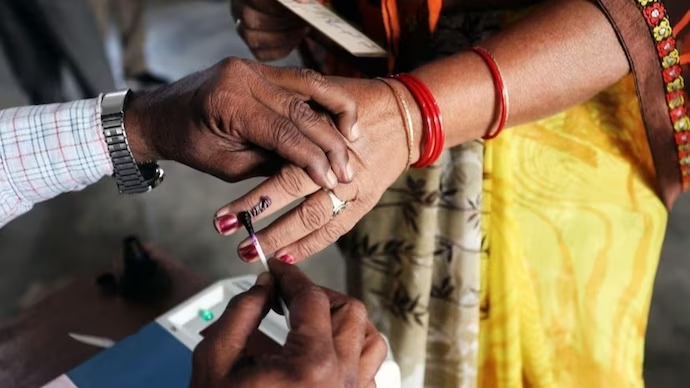
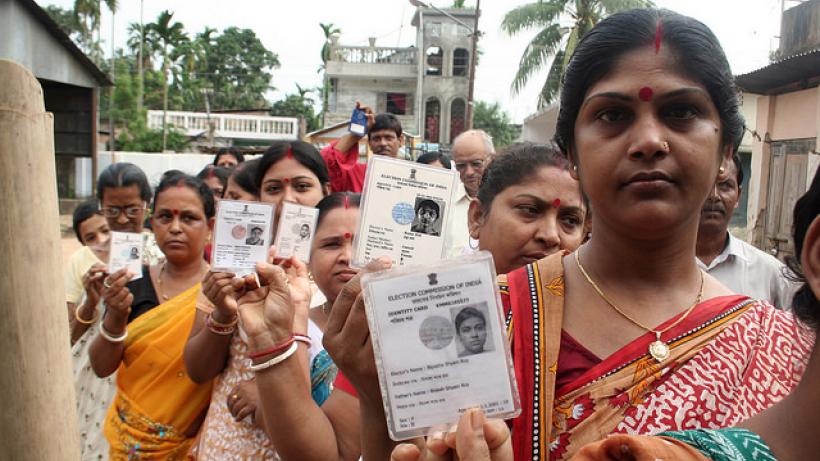
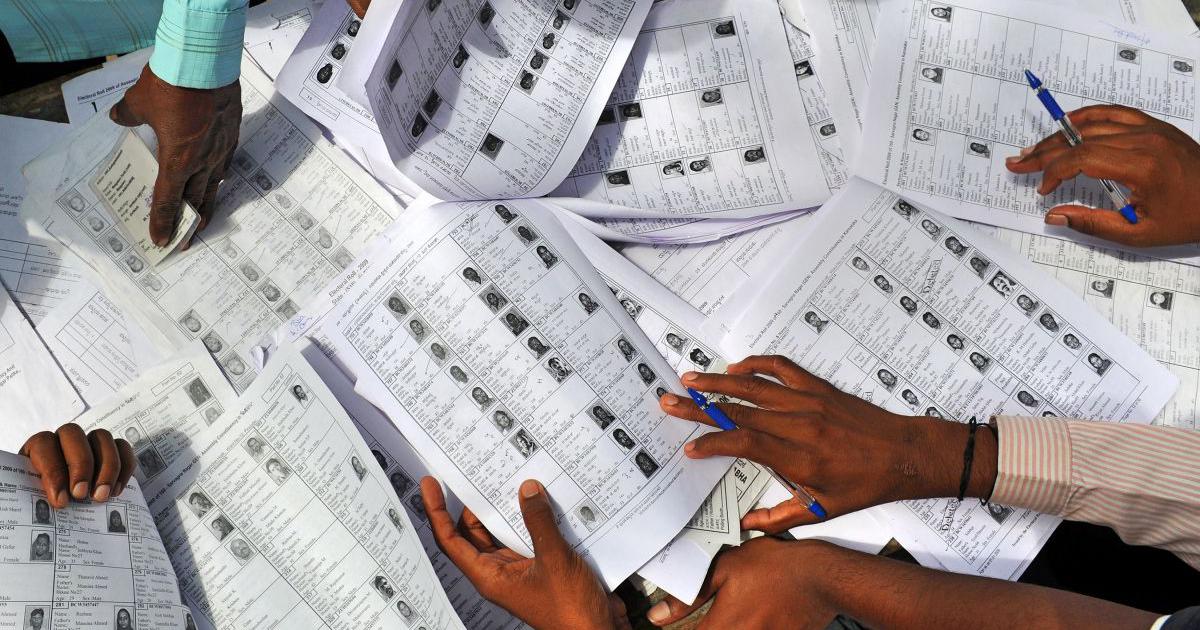
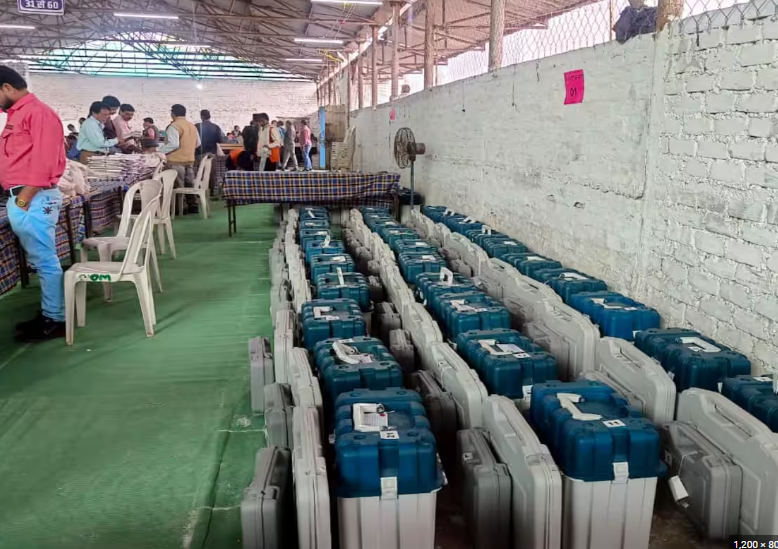
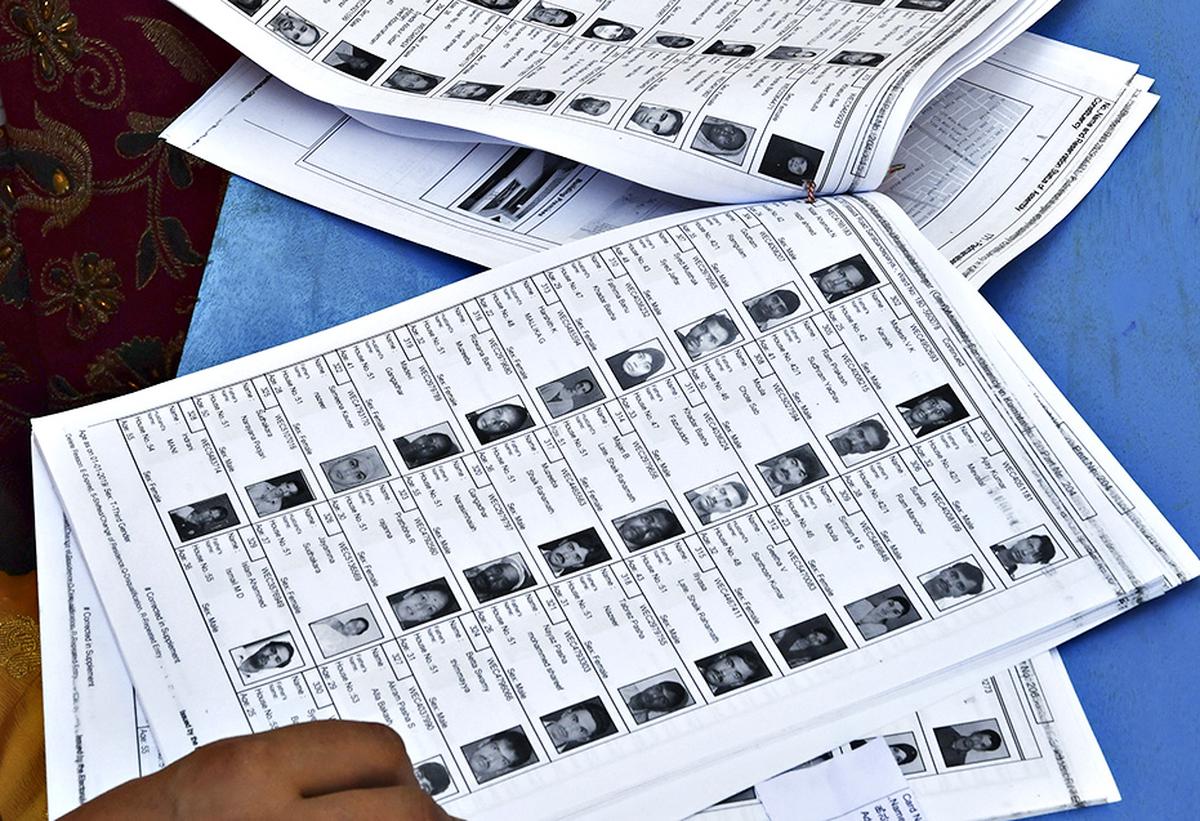
Nagpur voter list assembly elections: With the assembly elections looming, Nagpur’s voter list has seen a significant surge. Over the past eight months, the district administration has added more than two lakh voters to the roll, bringing the total number to a staggering 44.35 lakh. This increase is a result of the first Special Summary Revision (SSR) list published in January, with continued efforts to update the list until the model code of conduct is enacted. However, this impressive growth in voter registration has also sparked concerns among political leaders who fear a repeat of past issues.

The Surge in Numbers

The voter list (Nagpur voter list assembly elections) now includes 22.26 lakh males, 22.08 lakh females, and 294 others, showing a balanced gender representation. The growth of over a lakh voters since the first draft in August is a testament to the district administration’s diligence. Congress MLA Nitin Raut commended the administration for its significant efforts but also highlighted that the process is far from over. There is optimism that even more voters will be added before the assembly polls.

Concerns of Political Parties

Despite the positive developments, the political atmosphere remains tense. The Lok Sabha elections witnessed several issues, notably missing names from the voter list, leading to chaos and confusion. This has left political parties wary of a similar scenario during the upcoming assembly elections.

Uncertainty Around BLO Verification

A major concern revolves around the door-to-door verification process carried out by Booth Level Officers (BLOs). Many of these BLOs are teachers, and their ability to dedicate sufficient time to the task has been questioned. MLA Nitin Raut expressed doubts about the effectiveness of this verification, which is crucial to ensure an accurate voter list.

Cross-State Registrations

Another point of concern raised by Raut is the potential registration of voters from neighboring states where no elections are currently taking place. This could lead to discrepancies in the voter list, and addressing this issue is vital for the credibility of the elections.

Mixed Reactions from BJP

BJP MLA Krishna Khopde acknowledged the hard work put in by the administration and party workers, who added over 15,000 names from their constituency alone. While he expressed some relief, there is a cautious optimism that the chaos of the Lok Sabha polls will not be repeated. However, like others, he emphasized that the true situation will only be clear on voting day.

Efforts to Update Voter Lists

In August, the district administration organized special camps at various polling stations to facilitate voter list updates. Despite some challenges, such as the absence of BLOs and slow service at certain centers, the camps were a success. A total of 12,792 new voters were registered, 3,800 applied for address changes, and approximately 3,000 requested deletions from the list.

Challenges in the Process

The ongoing complaints from residents and political representatives highlight persistent issues with the voter list (Nagpur voter list assembly elections). The lack of thorough door-to-door verification by BLOs, as seen during the Lok Sabha polls, continues to be a point of contention. This has led to errors in the voter list, which could have significant implications for the assembly elections.

Confidence in the Administration

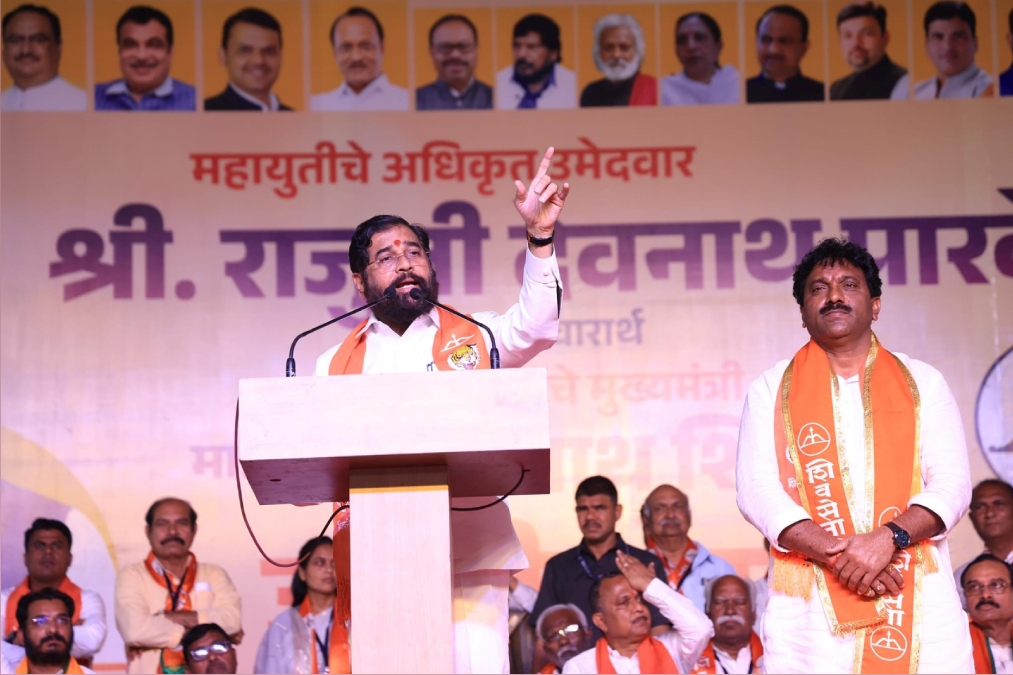
Despite these concerns, there is some confidence in the administration’s efforts. Former MLA and Shiv Sena (Shinde) member Raju Parve stated that a repeat of the Lok Sabha blunder seems unlikely. He noted that when his team reviewed the voter list for their constituency and compared it with their data, the numbers matched, indicating that the administration’s work has been effective.

Looking Ahead: The Assembly Elections

As the assembly elections draw nearer, the focus will remain on ensuring an accurate and up-to-date voter list. The district administration is expected to continue its efforts, addressing the concerns raised by political leaders and residents alike. The true test of these efforts will come on voting day when the effectiveness of the voter list will be revealed.

Political Strategies in Play

Political parties are likely to ramp up their efforts to ensure that their supporters are registered and ready to vote. The increase in voter numbers could play a crucial role in the election outcome, making the accuracy of the voter list all the more critical.

The Role of Technology

In addition to traditional methods, technology is expected to play a key role in updating and verifying the voter list. Digital tools could help streamline the process and reduce the likelihood of errors, providing a more reliable electoral roll.

Public Participation

Public participation is also essential in this process. Voters are encouraged to check their registration status and report any discrepancies to the authorities. This collaborative effort between the administration and the public could ensure a smoother and more transparent election.

The Road to Election Day

With the assembly elections approaching, the focus remains on maintaining the integrity of the voter list. The efforts of the district administration, coupled with the vigilance of political parties and the public, will determine the success of this critical democratic process.

The swelling of Nagpur’s voter list to 44.3 lakh is a significant development as the assembly elections approach. While the district administration has made commendable efforts to update the list, concerns about accuracy and potential issues on voting day remain. Political leaders and the public must stay vigilant to ensure a fair and transparent election process.

1. What is the current voter count in Nagpur?

As of the latest update, Nagpur’s voter list stands at 44.35 lakh, with 22.26 lakh males, 22.08 lakh females, and 294 others.

2. Why are political parties concerned about the voter list?

Political parties are concerned due to past issues with missing names during the Lok Sabha elections, leading to fears of a repeat scenario in the assembly polls.

3. What efforts have been made to update the voter list?

The district administration has organized special camps and conducted door-to-door verification to update the voter list, registering new voters and making necessary changes.

4. How can voters check their registration status?

Voters can check their registration status online through the official election commission website or by visiting designated centers.

5. What role does technology play in the voter list update process?

Technology, including digital tools, helps streamline the process of updating and verifying the voter list, reducing errors and ensuring a more reliable electoral roll.

Nagpur Constituency: BJP Gets Highest Votes in East Nagpur, Congress in North

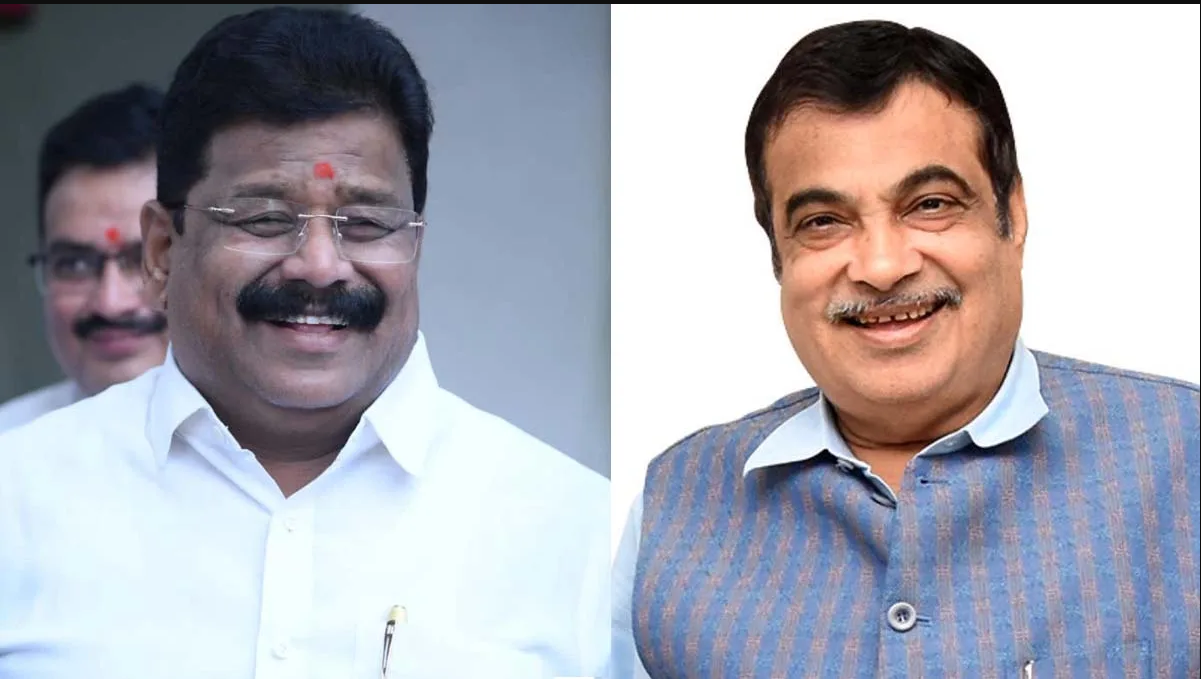
Nagpur election results 2024: The 2024 Lok Sabha elections have been a whirlwind, particularly in Nagpur, where the Bharatiya Janata Party (BJP) candidate, Nitin Gadkari, celebrated a hat-trick of victories. Despite the victory, the margin of his win has notably dipped. This article delves into the details of the election results, breaking down the performance of both BJP and Congress across various Assembly segments in Nagpur.

Nagpur Constituency Overview

Nagpur, a significant constituency in Maharashtra, witnessed a considerable increase in voter turnout this year, with 1.80 lakh new voters. This rise in voter engagement has led to intriguing shifts in voting patterns across the constituency’s six Assembly segments.

BJP’s Performance in Nagpur

BJP’s performance in Nagpur remains strong, particularly in the East Nagpur Assembly segment, where they garnered 1,41,313 votes. This was the highest among all segments, maintaining their top position from the 2019 polls. Here’s a breakdown of BJP’s performance across the segments:

  • East Nagpur: 1,41,313 votes (an increase of 5,862 votes from 2019)
  • Central Nagpur: An increase of 559 votes
  • North Nagpur: An increase of 2,410 votes

Central Nagpur: A Comparative Analysis

Central Nagpur saw a modest increase in BJP’s votes. However, Congress experienced a decrease in this segment, which contrasts with their overall performance in other areas.

Congress’ Performance in Nagpur

Congress showed significant improvements in several segments, especially North Nagpur, where they polled the highest votes. Below is a detailed look at Congress’ performance:

  • South-West Nagpur: An increase of 14,987 votes
  • South Nagpur: An increase of 11,324 votes
  • East Nagpur: An increase of 7,871 votes
  • West Nagpur: An increase of 16,174 votes
  • North Nagpur: An impressive increase of 25,715 votes

Key Figures in Nagpur Politics

Nagpur’s political landscape is shaped by several key figures. For BJP, leaders like Vikas Kumbhare (Central), Devendra Fadnavis (South-West), Krishna Khopde (East), and Mohan Mate (South) play pivotal roles. On the Congress side, Vikas Thakre (West) and Dr. Nitin Raut (North) are significant players.

Nitin Gadkari: The Hat-Trick MP

Nitin Gadkari’s third consecutive victory is noteworthy, although his margin of victory has decreased. This suggests changing dynamics and voter sentiment in Nagpur, highlighting the need for continuous engagement and addressing voter concerns.

Election Statistics and Insights

Voter Turnout

The 2024 elections saw a rise in voter turnout, with an additional 1.80 lakh voters compared to the previous elections. This increased engagement reflects a growing political awareness and interest among the populace.

BJP’s Vote Increase

BJP’s overall vote tally increased in several segments, reflecting their robust campaign strategy and voter base in East Nagpur, Central Nagpur, and North Nagpur.

Congress’ Vote Surge

Congress, despite facing a challenging political environment, managed to significantly boost their vote count in five out of six segments. Their most notable improvement was in North Nagpur, showcasing their effective campaign efforts and voter outreach.

Assembly Segment Breakdown

East Nagpur: BJP’s Stronghold

East Nagpur remains a BJP bastion, with the party securing the highest votes in this segment. The consistent support in this area is a testament to BJP’s strong presence and influence.

Central Nagpur: A Mixed Bag

Central Nagpur presented a mixed result, with BJP slightly increasing their vote count while Congress experienced a decrease. This area continues to be a battleground for both parties.

North Nagpur: Congress’ Resurgence

North Nagpur emerged as a significant success story for Congress, with a remarkable increase of 25,715 votes. This area has historically been challenging for BJP, and the trend continues with Congress making substantial inroads.

South-West Nagpur: Competitive Dynamics

In South-West Nagpur, Congress saw a substantial increase in votes, which highlights the competitive nature of this segment. BJP’s established leadership here, particularly with Devendra Fadnavis, faces a strong challenge.

South Nagpur: Gains for Congress

South Nagpur also witnessed gains for Congress, although the BJP maintains a solid presence. This segment reflects the dynamic political engagement between the two major parties.

West Nagpur: A Key Contest

West Nagpur, represented by Vikas Thakre from Congress, saw an increase in votes. This segment continues to be a focal point for both parties, with strong campaigns and voter interactions.

Political Analysis and Future Implications

Changing Voter Sentiments

The 2024 election results in Nagpur highlight shifting voter sentiments and the evolving political landscape. While BJP maintains strongholds in several segments, Congress’ gains indicate growing support and changing dynamics.

Impact of New Voters

The influx of new voters has played a crucial role in the election outcomes. Engaging with these voters and addressing their concerns will be vital for future electoral success for both parties.

Strategic Campaigns

Both BJP and Congress have demonstrated the importance of strategic campaigning and voter outreach. The varied results across segments underscore the need for tailored approaches to address the unique concerns of each area.

The 2024 Lok Sabha elections in Nagpur have been a testament to the vibrant democratic process and the dynamic political environment. Nitin Gadkari’s third victory, despite a reduced margin, and the significant gains made by Congress across various segments highlight the evolving political landscape. As voter engagement continues to rise, the importance of addressing voter concerns and maintaining strong connections with the electorate cannot be overstated.

1. How did BJP perform in the 2024 Nagpur elections? BJP performed strongly in East Nagpur, Central Nagpur, and North Nagpur, with significant vote increases in these segments.

2. What was the highlight of Congress’ performance in Nagpur? Congress saw notable improvements in five segments, especially in North Nagpur, where they increased their vote count by 25,715.

3. Who are the key political figures in Nagpur? Key figures include BJP’s Nitin Gadkari, Devendra Fadnavis, Vikas Kumbhare, Krishna Khopde, Mohan Mate, and Congress’ Vikas Thakre and Dr. Nitin Raut.

4. What impact did new voters have on the 2024 elections in Nagpur? The addition of 1.80 lakh new voters significantly influenced the election outcomes, reflecting increased political engagement and shifting dynamics.

5. What are the future implications of the 2024 election results in Nagpur? The results indicate changing voter sentiments and the need for both BJP and Congress to continuously engage with the electorate and address their concerns.

Nagpur Gears Up for Vote Counting: Meticulous Preparations at Kalamna Market Yard

Nagpur vote counting security: Nagpur’s district administration is leaving no stone unturned for the upcoming vote counting at Kalamna market yard. With more than 3,000 administrative personnel and around 8,000 security officers on duty, this event promises to be a well-orchestrated exercise. Let’s dive into the meticulous preparations and key aspects surrounding this significant event.

The Venue: Kalamna Market Yard

(Nagpur vote counting security) Strategic Choice of Location

Kalamna market yard has been chosen as the counting center for Nagpur and Ramtek Lok Sabha constituencies. Its strategic location and ample space make it an ideal spot for managing such a crucial task.

State-of-the-Art Facilities

The venue is equipped with state-of-the-art facilities, ensuring a smooth and secure counting process. This includes the installation of over 250 CCTV cameras to monitor every inch of the counting area.

Robust Manpower Deployment

A formidable team of over 3,000 district administration personnel will be on duty, supported by approximately 8,000 security personnel working in shifts. This robust deployment underscores the administration’s commitment to maintaining order and security.

Role of Observers and AROs

Trained observers and Assistant Returning Officers (AROs) will oversee the counting process. Their role is crucial in ensuring transparency and adherence to guidelines.

Enhanced Security Measures

Extensive CCTV Coverage

To ensure the highest level of security, more than 250 CCTV cameras have been installed. These cameras will provide live feeds to a central monitoring station, enabling real-time surveillance.

Special Waterproof Tunnel

In response to unpredictable weather conditions, a special waterproof tunnel has been set up between the strong room and the counting center. This 120-meter tunnel will protect the EVMs and ballot boxes from any adverse weather conditions during their transfer.

Logistics and Transportation

Secure Transfer of EVMs and Ballot Boxes

The EVMs and postal ballot boxes will be transferred from the strong room to the counting center using 28 specially equipped vehicles. Each vehicle is fitted with CCTV cameras to ensure a secure and monitored transfer.

Transportation Team

A dedicated team of 250 officials per polling center has been appointed to oversee the transportation of EVMs and VVPAT machines. This team is trained to handle the equipment with care and precision.

Counting Process (Nagpur vote counting security)

Assembly-Wise Counting

Counting will be conducted assembly-wise, with 20 tables allocated for each constituency. This organized approach ensures a streamlined and efficient counting process.

Allocation of Counting Tables

There are 120 tables assigned for Nagpur and Ramtek constituencies, along with an additional 10 tables dedicated to postal ballot counting. Each table will have a counting supervisor, a counting assistant, and a police constable.

Timing and Target Completion

The counting process will commence at 8:30 AM with an aim to complete by 4 PM. This timeline is designed to ensure a thorough and efficient counting process without unnecessary delays.

New Rules for Recounting

Recounting Provision

As per the new rule framed by the Election Commission of India (ECI), candidates who finish first and second can now apply for a recount of votes in 5% of the total EVMs. This provision adds a layer of transparency and fairness to the election process.

Recounting Fee

Candidates seeking a recount must pay Rs. 40,000 per EVM. This fee is a measure to ensure that recount requests are made responsibly and not frivolously.

Nagpur’s district administration has indeed left no stone unturned in preparing for the counting of votes at Kalamna market yard. With meticulous planning, robust security measures, and a dedicated team, the process is set to be conducted smoothly and transparently. The enhanced measures, including the special waterproof tunnel and extensive CCTV coverage, reflect the administration’s commitment to a secure and efficient counting process. As we await the results, it’s clear that every effort has been made to ensure fairness and accuracy.

1. What is the significance of the Kalamna market yard for vote counting?

The Kalamna market yard is strategically chosen for its ample space and accessibility, making it ideal for managing the vote counting process efficiently.

2. How many personnel are involved in the vote counting process?

Over 3,000 district administration personnel and around 8,000 security officers are involved, ensuring a well-organized and secure counting process.

3. What are the security measures in place?

Security measures include the installation of over 250 CCTV cameras, the use of 28 vehicles equipped with CCTV for transporting EVMs, and a special waterproof tunnel for protecting the equipment from adverse weather.

4. How will the counting process be conducted?

Counting will be done assembly-wise with 20 tables per constituency. There are 120 tables for Nagpur and Ramtek constituencies, and 10 additional tables for postal ballots, each staffed by a supervisor, assistant, and constable.

5. What is the new rule for recounting votes?

The new rule allows the first and second runners-up to apply for recounting votes in 5% of the total EVMs by paying Rs. 40,000 per EVM, enhancing transparency and fairness in the election process.

Securing the Vote: Kalamna Market Transforms into a Fortress Ahead of Counting Day

Preparing for the Big Day

Nagpur election: With the Lok Sabha election’s counting day looming closer, the district administration in Nagpur is leaving no stone unturned in ensuring a smooth and secure process. Kalamna Market has been transformed into a stronghold, ready to handle the influx of ballots and the scrutiny that follows.

Assembly-wise Arrangements

To streamline the process, counting will be conducted assembly-wise, with meticulous planning evident in the allocation of resources. Each assembly constituency will have 20 tables dedicated to counting, ensuring efficiency and organization.

Comprehensive Security Measures

Recognizing the significance of security, a robust system has been put in place. The administration has reserved 120 tables, with each manned by a counting supervisor, a counting assistant, and a police constable. This ensures not only accuracy but also a secure environment for the process.

Training and Preparation

Under the guidance of Collector Vipin Itankar, poll officials have undergone rigorous training sessions to familiarize themselves with the intricate procedures involved. From counting methodologies to media management and logistics, every aspect has been meticulously planned and rehearsed.

Logistical Readiness

Acknowledging the importance of medical facilities, provisions for first aid and medical assistance have been made available on-site. Additionally, special arrangements have been devised for the handling of postal ballots and electronic voting machines (EVMs), ensuring a seamless transition from one phase to the next.

Stringent Security Protocols

EVMs are stored securely in the Kalamna market area, safeguarded by a three-layered security system. Police, State Reserve Police Force (SRPF), and Central Armed Police Forces (CAPF) form concentric circles of protection around the strong rooms, ensuring unauthorized access is prevented.

As the district administration in Nagpur gears up for the pivotal task of counting votes, their meticulous planning and comprehensive security measures promise a transparent and efficient process. The transformation of Kalamna Market into a fortress underscores their commitment to upholding the integrity of the electoral process.

  1. Why is Kalamna Market chosen as the counting center?
    • Kalamna Market offers ample space and strategic location for efficient handling of the counting process.
  2. How many tables are reserved for counting in each constituency?
    • A total of 20 tables are allocated for each assembly constituency, ensuring a systematic approach to counting.
  3. What measures are in place for security during the counting process?
    • A three-layered security system, comprising police, SRPF, and CAPF, ensures the safety and integrity of the counting process.
  4. Are medical facilities available at the counting center?
    • Yes, provisions for first aid and medical assistance have been made to address any emergencies during the process.
  5. How are EVMs transported from the strong room to the counting center?

Nagpur Lok Sabha Elections 2024: Understanding the Dynamics of Voter Turnout

The recently concluded Nagpur Lok Sabha elections witnessed a noteworthy phenomenon – while the total number of voters increased, there was a slight dip in the percentage of voters who cast their ballots. This intriguing trend has sparked discussions and analysis across various sectors. In this article, we delve into the intricacies of this electoral scenario, examining the factors contributing to this marginal drop in voting percentage.

Mission Distinction: A Vision for Increased Voter Participation

The District Administration embarked on a mission termed ‘Mission Distinction’ with the ambitious goal of achieving a voter turnout of over 70%. To realize this vision, extensive efforts were undertaken, including voter awareness programs conducted by various organizations and institutions. Business groups also joined the initiative, emphasizing the significance of exercising one’s franchise as a vital aspect of democracy.

Analyzing the Numbers: Comparing 2019 and 2024

District Collector and District Returning Officer, Dr. Vipin Itankar, shed light on the statistical comparison between the 2019 and 2024 elections. While acknowledging a decrease in the percentage of voters from 54.74% in 2019 to 54.30% in 2024, Dr. Itankar highlighted a notable increase in the total number of voters. In 2019, 11,82,507 voters participated, whereas, in 2024, the voter turnout surged to 12,07,344, indicating a rise of 24,837 voters.

Understanding the Decline: Insights into Last-Minute Voter Turnout

One significant factor contributing to the marginal drop in voting percentage was the observed dip in last-minute voter turnout. Traditionally, polling centers witness a gradual increase in voter numbers throughout the day, with a surge observed towards the end of voting hours. However, in the 2024 elections, this trend deviated as the expected late surge in voter turnout did not materialize. Instead, after peaking in the morning hours, voter numbers steadily declined post-1:30 pm, continuing until the end of voting time.

To gain a comprehensive understanding, it’s crucial to analyze the voter turnout trends over the years. Looking back at the data from 2004 to 2019, a fluctuating pattern emerges. The lowest turnout was recorded in 2009, followed by an improvement in 2014, only to witness another decline in 2019. In comparison, the decrease in percentage from 2019 to 2024 remains relatively minimal, indicating a stable trend despite the fluctuating historical data.

Conclusion: Navigating the Complexities of Electoral Dynamics

In conclusion, the Nagpur Lok Sabha elections of 2024 offer valuable insights into the dynamics of voter participation. Despite a marginal drop in voting percentage, the increase in the total number of voters underscores a growing engagement with the democratic process. As we reflect on the various factors influencing voter turnout, it becomes evident that addressing these complexities requires a multifaceted approach encompassing both awareness initiatives and structural reforms.

1. Why did the voting percentage decrease despite an increase in the total number of voters?

  • The decrease in voting percentage can be attributed to various factors such as changes in voter behavior, last-minute turnout dynamics, and external influences affecting participation.

2. How effective were the voter awareness programs conducted by different organizations?

  • While these programs played a crucial role in encouraging voter participation, their effectiveness varied depending on factors such as outreach strategies and engagement levels within communities.

3. What measures can be taken to address the issue of declining voter turnout?

  • Addressing declining voter turnout requires a combination of strategies including enhancing accessibility to polling centers, implementing technology-driven solutions for voter registration, and fostering a culture of civic engagement from an early age.
  • Analyzing demographic trends can provide valuable insights into voting behavior, highlighting patterns related to age, gender, socioeconomic status, and educational background.

5. How can individuals contribute to increasing voter participation in their communities?

  • Individuals can contribute to increasing voter participation by actively engaging in voter awareness initiatives, encouraging friends and family to vote, and advocating for policies that promote electoral accessibility and transparency.

Polling Woes: Voters Left Out in the Cold

Trouble at the Ballot Box

Election Woes: It was a day of disappointment for many voters in South-West Nagpur as they found themselves disenfranchised due to a troubling issue: their names were missing from the voter list. Despite possessing valid voter ID cards, hundreds of individuals were unable to exercise their democratic right on Friday. Efforts to locate their names through the Election Commission of India’s (ECI) website proved futile, and even visiting multiple polling stations yielded no solution.

Missing from the Rolls

The problem seemed concentrated in the ‘MT’ series of identity cards issued by the ECI. These cards, assigned to those registered in 1994, bore numbers beginning with ‘MT’ and were noticeably absent from the voter list. Names like MT/123/786/59837 were conspicuously missing, leaving voters baffled and frustrated.

A Geographical Conundrum

Adding to the confusion, (Election Woes) some voters discovered that their names were listed at a center located kilometers away from their actual residence. For instance, voters from Somalwada were surprised to find their names listed at Sadar. At polling station number 276 of Karnabadhir School in Sonegaon, a staggering 22 voters’ names were missing, much to their dismay.

A Question of Consistency

For many, this was a departure from the norm. Voters who had dutifully participated in previous elections now found themselves excluded from the democratic process. Conversations at polling stations inevitably turned to the question of why the ECI had issued voter identity cards only to omit names from the voting list.

Demand for Answers

Anil Wadapalliwar, the Election Representative of Congress Candidate Vikas Thakre, wasted no time in raising concerns. In a letter to the Election Officer, he alleged deliberate deletion of voters’ names from the list. In the South Assembly Segment,” he wrote, “names of voters from the voters’ list issued by the ECI were found with a stamp of ‘delete’ at polling stations. As a result, the voters failed to vote despite having a voting ID card.” Wadapalliwar demanded swift action to rectify the situation.

The events of Friday’s polling day in South-West Nagpur underscored the importance of meticulous voter registration processes. The disenfranchisement of hundreds of voters due to missing names from the voter list highlights the need for accountability and transparency in electoral procedures.

1. Why were names missing from the voter list?

  • The reasons for this discrepancy are currently under investigation, but it has been attributed to issues with the voter registration process.

2. What steps are being taken to address this issue?

  • Election officials are working to rectify the situation and ensure that all eligible voters are included in the voter list.

3. Can affected voters still cast their votes?

  • Efforts are being made to accommodate affected voters, but the process may vary depending on the circumstances.

4. How can voters verify their registration status in the future?

  • Voters are encouraged to regularly check their registration status through official channels, such as the Election Commission of India’s website.

5. What measures can be implemented to prevent similar issues in the future?

The Impressive Turnout: 54.46% Voter Participation Despite Scorching Heat

Despite sweltering temperatures reaching 41.4°C, voters in Nagpur and Ramtek displayed remarkable enthusiasm during the recent Lok Sabha elections, resulting in a notable turnout of 54.46% and 52.38%, respectively.

Embracing Democracy

The democratic spirit was palpable as citizens, including senior citizens, women, and first-time voters, eagerly exercised their right to vote. Nagpur boasted 22,19,244 voters, while Ramtek had 20,46,435 registered voters. The fate of 26 candidates in Nagpur and 28 in Ramtek was sealed in the Electronic Voting Machines.

Day of Democracy

Voting commenced at 7 am with a steady influx of voters throughout the day. By 9 am, the turnout had reached 5.82% in Ramtek and 7.73% in Nagpur. Notably, Umred constituency in Ramtek recorded an impressive 60.74% voter turnout, closely followed by Ramtek with 59.26%.

Regional Variations

In Nagpur, East-Nagpur witnessed the highest voter turnout at 57.80%, while Central Nagpur recorded the lowest at 54.02%. Other constituencies, including North Nagpur (55.15%), South Nagpur (53.00%), and West Nagpur (53.56%), displayed active participation.

Challenges Faced

Despite the enthusiasm, some voters faced confusion at polling booths due to issues with VVPAT machines. Nonetheless, efforts were made to alleviate concerns and encourage participation through various initiatives, such as decorative entrances and selfie points.

Political Landscape

Nagpur witnessed a direct contest between Nitin Gadkari of the Bharatiya Janata Party and Vikas Thakre of the Congress. In Ramtek, the competition was triangular, featuring Raju Parve of Shiv Sena (Shinde), Shyamkumar Barve of Congress, and Independent candidate Kishor Gajbhiye.

The impressive voter turnout despite challenging conditions underscores the commitment of citizens to democracy. This active participation shapes the political landscape and reflects the essence of a thriving democratic society.

1. Why is voter turnout significant in elections?

  • Voter turnout indicates the level of civic engagement and directly influences election outcomes.

2. How are voting percentages calculated?

  • Voting percentages are calculated by dividing the number of votes cast by the total number of eligible voters.

3. What measures are taken to encourage voter participation?

  • Initiatives such as voter education campaigns, convenient polling locations, and outreach efforts are employed to encourage voter turnout.

4. What role do senior citizens play in elections?

  • Senior citizens often play a crucial role in elections as they bring wisdom and experience to the voting process.

5. How does voter turnout affect democracy?

Strengthening PM Narendra Modi’s Vision for Ramtek Development

Unveiling Ramtek’s Potential: A Vision for Progress and Prosperity

Ramtek, nestled in the heart of India, holds a unique significance as the land graced by the divine presence of Lord Sri Rama. Chief Minister Eknath Shinde’s recent address at a public rally echoes the sentiment of harnessing Ramtek’s historical legacy for modern development. He fervently advocates for reinforcing Prime Minister Narendra Modi leadership, highlighting the pivotal role this region plays in shaping India’s future.

Embracing Ramtek’s Heritage for Contemporary Progress

Shinde’s rallying cry emphasizes the symbiotic relationship between heritage and progress. By intertwining Ramtek’s sacred past with its promising future, he underscores the transformative potential inherent in this ancient land. The upcoming election isn’t merely about political allegiances; it’s a collective endeavor to propel Ramtek onto the path of sustainable development.

Uniting for a Common Goal: Empowering Modi’s Leadership

The Chief Minister’s call to action resonates with the electorate, urging them to rally behind Raju Parve’s candidacy—a symbolic endorsement of Modi’s leadership. By casting their votes for Parve’s ‘Dhanushya Baan’, voters express solidarity with Modi’s vision for national development. This grand coalition, known as Mahayuti, represents a unified front dedicated to realizing Modi’s ambitious agenda.

Mobilizing Support: A Testament to Political Collaboration

Shinde’s address at the Durga Mata temple in Saoner symbolizes the convergence of political forces committed to Ramtek’s advancement. Notable figures from various parties, including former MP Krupal Tumane and BJP Maharashtra Region Member Dr. Rajiv Potdar, stand united in their support for Parve’s candidacy. Their presence underscores the bipartisan consensus on prioritizing Ramtek’s development agenda.

Embracing a Collective Vision for Ramtek’s Future

As the political landscape evolves, Ramtek stands at a crossroads, poised to embrace its destiny as a beacon of progress and prosperity. Chief Minister Shinde’s impassioned plea serves as a clarion call for unity, urging citizens to strengthen PM Narendra Modi hands in realizing Ramtek’s full potential. By forging ahead with determination and solidarity, we can pave the way for a brighter, more prosperous future for generations to come.

1. What is the significance of Ramtek in Indian history? Ramtek holds immense historical and cultural significance as the land associated with Lord Sri Rama’s presence, making it a revered pilgrimage site.

2. How does Raju Parve’s candidacy align with PM Modi’s vision? Raju Parve’s candidacy, endorsed by Chief Minister Shinde, signifies support for PM Modi’s development agenda and his leadership at the national level.

3. Why is political collaboration crucial for Ramtek’s development? Political collaboration ensures that diverse interests converge to prioritize Ramtek’s development, transcending partisan divides for the greater good.

4. What role does the Mahayuti coalition play in Ramtek’s electoral landscape? The Mahayuti coalition represents a unified front dedicated to advancing PM Modi’s vision for national development, with Ramtek as a focal point of their collective efforts.

5. How can citizens contribute to Ramtek’s progress? Citizens can contribute to Ramtek’s progress by actively participating in the electoral process, supporting candidates who prioritize the region’s development, and engaging in community initiatives aimed at fostering growth and prosperity.

Ensuring Smooth Polling: A Comprehensive Look at Security Measures in Nagpur and Ramtek

Preparing for the Lok Sabha Polls

As the Lok Sabha polls approach in Nagpur and Ramtek constituencies, the city police and their rural counterparts are gearing up to ensure a seamless and safe voting process. With the first phase of elections scheduled for April 19, extensive preparations are underway to prevent any untoward incidents. Let’s delve into the meticulous planning and strategies put in place to safeguard the electoral process.

Deployment of Security Personnel

City vs. Rural Deployment

  • City Deployment: Around 6,500 cops will be deployed across Nagpur to oversee the polling process.
  • Rural Deployment: An estimated 4,500 security personnel will be stationed in rural areas during the first phase of polling.

Vigilance and Monitoring

Monitoring Social Media

To combat misinformation and maintain peace, authorities will closely monitor social media platforms for any provocative messages or posts that could incite unrest.

Border Vigilance

Rural police have heightened vigilance at inter-state borders, while city counterparts have established nakabandis at nine entry and exit points.

Polling Booth Distribution

  • City: Nagpur will host 2,765 polling booths in 389 premises.
  • Rural: The rural district will accommodate 1,745 polling booths, including 52 critical ones.

Security Blueprint

Multi-layered Security Approach

City Police Chief Ravinder Singal and SP Rural Harssh A Poddar outlined a three-layered security plan. Central paramilitary forces will guard polling booths and EVM strongrooms, with State Reserve Police Force and city police forming outer layers.

Additional Security Measures

  • Special vigilance at all-women polling booths.
  • Patrols by officers of ACP ranks accompanied by strike forces.
  • Riot Control Force and Quick Response Teams on high alert.
  • Paramilitary forces deployed at sensitive locations.

Seizures and Actions Taken

Pre-election Special Drives

Authorities have seized materials worth ₹85 lakh, including cash, drugs, liquor, firearms, and sharp weapons. Rural police under SP Poddar have seized materials worth Rs37 lakh and initiated action against 994 individuals.

With robust security measures and vigilant monitoring, authorities are committed to ensuring a smooth and peaceful polling process in Nagpur and Ramtek constituencies. The collaborative efforts of city and rural police reflect a dedication to upholding the democratic process and safeguarding the rights of voters.

FAQs (Frequently Asked Questions)

  1. How many polling booths are there in Nagpur and Ramtek constituencies?
    • Nagpur has 2,765 polling booths, while Ramtek has 1,745 booths.
  2. What is the total deployment of security personnel for the first phase of Lok Sabha polls?
    • Approximately 6,500 cops will be deployed in the city, and 4,500 in rural areas.
  3. What measures are in place to monitor social media during elections?
    • Authorities will closely monitor social media for provocative messages or posts.
  4. How is the security plan structured around polling booths?
    • A three-layered security approach involves central paramilitary forces, State Reserve Police Force, and city police.
  5. What actions have been taken against individuals involved in illegal activities before the elections?
    • Authorities have seized materials worth ₹85 lakh and initiated action against 994 individuals.

Nitin Gadkari’s Vision for Nagpur: A Promise of Progress and Prosperity

Nitin Gadkari’s Manifesto: A Blueprint for Nagpur’s Future

In the bustling city of Nagpur, anticipation brews as Union Minister and BJP Lok Sabha candidate Nitin Gadkari unveils his ambitious manifesto, outlining a path towards a brighter future. With the upcoming elections looming, Gadkari’s “Vachannama” serves as a beacon of hope, promising to usher in an era of growth, development, and opportunity for the people of Nagpur. Let’s delve into the key highlights of his visionary plan.

Pledges for Progress

Gadkari’s manifesto is anchored on the promise of prosperity, with a pledge to create one lakh jobs over the next five years, a commitment aimed at bolstering economic growth and empowering the workforce. Emphasizing the importance of infrastructure, Gadkari vows to elevate Nagpur to the ranks of the top five cities in India in terms of development, cleanliness, and sanitation.

Transforming Nagpur: Sundar and Swachh

Central to Gadkari’s vision is the transformation of Nagpur into a model city, characterized by its beauty and cleanliness. Through strategic initiatives and collaboration with state and central governments, Gadkari aims to provide ownership rights to residents of unauthorized slums, facilitating the construction of new, sustainable housing. Already making strides in this direction, Gadkari has initiated projects to grant ownership rights to hundreds of households in slum areas.

Green Spaces and Modern Markets

Gadkari’s manifesto envisions a city adorned with lush greenery and vibrant markets, catering to the needs of its residents. Plans are underway to establish 100 gardens across Nagpur, revitalizing existing spaces and creating new havens for recreation and relaxation. Additionally, modern markets tailored for hawkers, farmers, and merchants will be developed, easing congestion and enhancing the urban landscape.

Infrastructure Overhaul

Recognizing the importance of robust infrastructure, Gadkari pledges to prioritize the development of essential amenities. From truck terminals to metro gauge lanes, and new railway tracks to logistics parks, infrastructure projects will lay the foundation for Nagpur’s growth and prosperity. These initiatives not only promise to enhance connectivity but also stimulate economic activity and job creation.

Ensuring Sustainability

In a bid to safeguard Nagpur’s future, Gadkari unveils plans to plant 25 lakh orange saplings, a symbolic gesture honoring the city’s rich heritage. Furthermore, he assures residents that Nagpur will not face water shortages until 2070, underscoring his commitment to sustainable development and environmental conservation.

A Legacy of Leadership

Nitin Gadkari’s journey in politics has been marked by unwavering dedication and a relentless pursuit of progress. Having secured victory in previous elections, Gadkari now stands poised to continue his legacy, seeking a third consecutive term in the Lok Sabha. His unwavering resolve and proven track record position him as a formidable leader, dedicated to serving the people of Nagpur.

As Nitin Gadkari unveils his manifesto for Nagpur, he offers more than just promises; he presents a vision for a city brimming with opportunity, vitality, and prosperity. With his comprehensive plan and steadfast commitment, Gadkari aims to steer Nagpur toward a future defined by progress and inclusivity.

1. How will Nitin Gadkari create one lakh jobs in Nagpur?

Nitin Gadkari plans to stimulate economic growth through infrastructure projects and investment incentives, thereby creating employment opportunities across various sectors.

2. What measures will be taken to ensure the cleanliness of Nagpur?

Gadkari’s manifesto includes initiatives to enhance sanitation and hygiene, such as the development of modern waste management systems and the establishment of green spaces.

3. How will infrastructure development benefit Nagpur?

Infrastructure projects, including new railway tracks and logistics parks, will not only improve connectivity but also attract investment, spur economic growth, and create employment opportunities.

4. What is the significance of planting orange saplings in Nagpur?

The planting of orange saplings pays homage to Nagpur’s identity as the “Orange City” while also contributing to environmental sustainability and green cover.

5. How will Gadkari ensure water security for Nagpur till 2070?

Gadkari’s plans for water management and conservation, coupled with innovative strategies for sustainable development, aim to mitigate water scarcity and ensure long-term security for the city.

Exit mobile version