‘Nagpur Is Mine, I Am Nagpur’s’: will win Lok Sabha polls by 5 lakh votes says Nitin Gadkari

Nagpur elections: In the bustling political landscape of Nagpur, Union Minister Nitin Gadkari stands firm, poised for a hat-trick victory in the Lok Sabha polls. With unwavering confidence, he shares insights into his campaign, vision, and the dynamics shaping Nagpur’s political terrain.

Aiming for a Hattrick: Nitin Gadkari’s Journey

Nitin Gadkari, a stalwart of the Bharatiya Janata Party (BJP), embarks on his electoral journey with a resolve to secure a third consecutive term as the Lok Sabha representative from Nagpur. In an exclusive interview with News18, Gadkari delves into a myriad of topics, ranging from national policies like ‘One Nation One Poll’ and ‘Uniform Civil Code’ to the intricate caste dynamics prevalent in his constituency.

Nagpur: A Beloved Home

As he articulates his vision for Nagpur, Gadkari emphasizes his inclusive approach, devoid of any bias based on caste, creed, religion, or language. With profound conviction, he echoes the sentiment, “Nagpur Mera hai aur Main Nagpur ka” (Nagpur is mine, and I am Nagpur’s), encapsulating his deep-rooted connection with the city and its people.

Electoral Prospects: Predicting Victory

With the Lok Sabha elections looming on the horizon, Gadkari exudes optimism, predicting a resounding victory with a margin exceeding five lakh votes. His track record, coupled with his commitment to development-centric politics, resonates with the electorate, instilling faith in his leadership.

Previous Triumphs and Current Challenges

Reflecting on his past electoral triumphs, Gadkari secured the Nagpur seat in 2019 by a substantial margin, defeating his closest rival by over two lakh votes. However, the current electoral landscape presents new challenges, as he faces competition from Congress candidate Vikas Thakre.

Embracing Development Politics

Central to Gadkari’s electoral strategy is the emphasis on development-oriented politics. He asserts that the voters of Nagpur prioritize progress and prosperity, shunning divisive narratives. With unwavering determination, Gadkari seeks to galvanize support for his vision of a vibrant and inclusive Nagpur.

In the crucible of Nagpur’s electoral fervor, Nitin Gadkari emerges as a formidable leader, propelled by a vision of progress and unity. With the unwavering support of the electorate, he aims to secure a resounding victory, transcending divisive politics and ushering in an era of growth and development.

1. What are Nitin Gadkari’s key priorities for Nagpur?

Nitin Gadkari’s key priorities for Nagpur revolve around infrastructure development, job creation, and fostering an environment conducive to business growth.

2. How does Nitin Gadkari plan to address caste dynamics in Nagpur?

Nitin Gadkari emphasizes an inclusive approach, focusing on development-oriented politics rather than catering to caste-based divisions.

3. What sets Nitin Gadkari apart from his competitors in the Lok Sabha elections?

Nitin Gadkari’s track record of delivering on promises, coupled with his vision for a progressive Nagpur, distinguishes him from his competitors.

4. What role does Nitin Gadkari envision for Nagpur in national politics?

Nitin Gadkari envisions Nagpur as a beacon of development and innovation, contributing significantly to the nation’s growth trajectory.

5. How does Nitin Gadkari plan to engage with constituents beyond elections?

Nitin Gadkari remains committed to ongoing engagement with constituents through regular interactions, feedback mechanisms, and transparent governance.

Congress Leader Vilas Muttemwar Writes to Election Commission Over BJP Agitation Near His Nagpur Home

In a recent development, Congress leader Vilas Muttemwar has penned a letter to the Election Commission, urging action against BJP activists for staging an agitation outside his residence in Nagpur. The protest, deemed illegal and a breach of the Model Code of Conduct for the ongoing Lok Sabha elections, occurred on April 5, flouting prohibitory orders enforced in the area.

Background: Muttemwar’s Election Campaign and BJP’s Response

Vilas Muttemwar, a former Union minister, highlighted his active involvement in the election campaign for Congress candidate Vikas Thakre, vying for the Nagpur Lok Sabha seat. He cited media reports suggesting that BJP activists planned the agitation in response to certain statements made by him during the campaign.

The Agitation: A Violation of Peace and Order

On the evening of April 5, approximately 40 BJP members gathered in groups at Shankar Nagar Square near Muttemwar’s residence. Displaying banners of the Bharatiya Janata Yuva Morcha, a BJP affiliate, they disrupted traffic, raised abusive slogans against Muttemwar and the Congress, and even burnt his effigy. This event, captured on camera and widely circulated on social media, showcased blatant disregard for law and order.

Muttemwar emphasized the failure of the BJP activists to comply with the orders issued under section 144 of the Code of Criminal Procedure by the Nagpur police commissioner. Despite the presence of law enforcement personnel, the demonstrators persisted in their disruptive behavior, creating chaos in the vicinity of his residence.

Seeking Justice from the Election Commission

In his letter to the Election Commission, Muttemwar unequivocally condemned the actions of the BJP activists and urged the commission to take appropriate measures against them. He stressed the importance of upholding the integrity of the electoral process and ensuring the safety and security of candidates and their supporters.

Upholding Democratic Values

The incident involving the agitation by BJP activists outside Vilas Muttemwar’s Nagpur residence underscores the need for maintaining civility and respect in political discourse. Such actions not only disrupt public peace but also undermine the democratic principles upon which our nation stands. It is imperative for the Election Commission to address such violations promptly and impartially to safeguard the electoral process.

Pyare Khan’s Strategy: Boosting Gadkari’s Victory Margin with Muslim Votes

Pyare Khan’s Influence on Muslim Voters

Nagpur: In the heart of India, Pyare Khan, the renowned businessman, is making waves. His mission? Convincing Muslim voters to throw their support behind BJP candidate Nitin Gadkari, aiming for a monumental victory margin of 5 lakh votes.

The ‘Oxygen Man’ of Central India

Pyare Khan’s reputation precedes him. During the tumultuous times of the Covid-19 pandemic, he emerged as the ‘oxygen man’ of Central India, leading humanitarian efforts with unwavering dedication. As the chairman of the Tajbag Trust Nagpur, his commitment to social welfare is unparalleled.

Rallying for Development: Gadkari’s Track Record

Pyare Khan’s endorsement of Gadkari stems from the minister’s stellar track record in development initiatives. Particularly noteworthy is Gadkari’s pivotal role in rejuvenating Tajbagh, the shrine of Sufi Saint Baba Tajuddin.

The Potential Impact of Muslim Votes

According to Pyare Khan’s estimations, Nagpur boasts approximately 3 lakh Muslim voters, with an impressive 85% turnout rate. Despite this, in the previous election, only a mere fraction of Muslim voters supported Gadkari. However, Khan asserts that the tide is turning, with 30% of Muslim voters now pledging their allegiance to the BJP.

A Decisive Factor in Election Victory

Khan is confident in Gadkari’s triumph, foreseeing a victory margin of 5 lakhs, with Muslim voters playing a pivotal role. He attributes this shift in allegiance to a growing disillusionment with the Congress party over the past seven decades. Muslim voters are now seeking avenues for their welfare and development, seeing BJP as a viable alternative.

Strengthening Outreach Efforts

Pyare Khan’s outreach efforts among Muslim communities are relentless. He engages with key figures in masjid committees, social organizations, and educational institutions, rallying support for Gadkari’s cause.

The Political Ripple Effect

Pyare Khan’s endorsement of Gadkari has sent shockwaves through the political landscape. The Congress party, fearing a dent in their traditional Muslim vote bank, is scrambling to counter his influence. Experts speculate that Khan’s success could spell trouble for Congress in the upcoming election.

Pyare Khan’s strategic maneuvering to mobilize Muslim voters in support of Nitin Gadkari reflects a shifting political landscape in Nagpur. As the election approaches, all eyes are on Khan’s efforts and their potential ramifications for both the BJP and the Congress party.

Unique FAQs

1. How influential is Pyare Khan in Nagpur’s political scene?

Pyare Khan’s influence transcends mere political boundaries. As a prominent businessman and humanitarian, his endorsements carry significant weight among voters, particularly within the Muslim community.

2. What motivates Muslim voters to support BJP despite historical allegiances?

Muslim voters are increasingly drawn to BJP due to perceived opportunities for development and welfare initiatives. Pyare Khan’s advocacy for Gadkari underscores this shifting sentiment.

3. How is Pyare Khan’s outreach different from traditional political campaigns?

Unlike traditional campaigns, Pyare Khan’s outreach is deeply rooted in community engagement. By fostering direct connections with masjid committees and social organizations, he’s able to personalize his message and garner genuine support.

4. What challenges does Pyare Khan face in mobilizing Muslim voters?

One of the primary challenges for Pyare Khan is overcoming historical allegiances and skepticism towards the BJP. Additionally, navigating the intricate dynamics within Muslim communities requires a nuanced approach.

5. What impact could Pyare Khan’s efforts have on future elections?

Pyare Khan’s success in mobilizing Muslim could set a precedent for future elections, potentially reshaping political alliances and strategies in Nagpur and beyond.

PM Modi Addresses Rally in Nagpur: Key Highlights

Nagpur rally: In a fervent address to the masses in Nagpur, Prime Minister Narendra Modi delivered a compelling speech that resonated with the ethos of progress and unity. The rally, held in anticipation of the upcoming Lok Sabha elections 2024, witnessed enthusiastic participation from supporters across Maharashtra. Modi’s speech not only outlined the achievements of the NDA government but also reiterated the vision for a prosperous and inclusive India.

Setting the Stage: Nagpur Rally

The Nagpur rally served as a pivotal moment in the election campaign, with PM Modi galvanizing the crowd with his dynamic oratory skills. Amidst the sea of saffron flags and fervent chants, the atmosphere crackled with anticipation as Modi took the stage to address the gathered crowd.

PM Modi’s Address: Key Takeaways

1. Development Agenda

Modi reiterated the government’s commitment to a development-centric approach, emphasizing the transformative initiatives undertaken across various sectors. From infrastructure development to digital empowerment, the focus remained on fostering growth and prosperity for all.

2. Unity and Diversity

Highlighting the cultural richness and diversity of India, Modi underscored the importance of unity in diversity. He emphasized the need for solidarity among citizens, transcending barriers of caste, creed, and religion for a cohesive nation.

3. Empowerment and Opportunities

PM Modi articulated the government’s efforts towards empowering the youth and marginalized sections of society. Skill development programs, entrepreneurship initiatives, and employment opportunities were lauded as catalysts for socio-economic growth.

4. National Security

Addressing concerns regarding national security, Modi reiterated the government’s unwavering commitment to safeguarding the nation’s borders. He praised the valor of the armed forces and reaffirmed India’s stance on combating terrorism with resolve.

The Vision for Maharashtra

In his address, PM Modi underscored the significance of Maharashtra in the nation’s developmental journey. He lauded the state’s contributions to various sectors and reiterated the government’s commitment to furthering its progress.

The Nagpur rally witnessed a fervent display of support for PM Modi and the NDA alliance, with the audience echoing his vision for a prosperous and harmonious India. As the nation gears up for the Lok Sabha elections 2024, the rally served as a powerful reminder of the aspirations and dreams that bind the people together.


FAQs (Frequently Asked Questions)

1. What were the main highlights of PM Modi’s speech in Nagpur?

PM Modi’s speech focused on development, unity, empowerment, and national security.

2. Why is Maharashtra significant in the upcoming elections?

Maharashtra holds substantial political significance due to its large population and economic influence.

3. How did the audience respond to PM Modi’s address?

The audience at the Nagpur rally responded with enthusiasm and fervor, showing strong support for Modi and the NDA.

4. What initiatives did PM Modi mention for youth empowerment?

PM Modi highlighted various initiatives such as skill development programs and entrepreneurship schemes aimed at empowering the youth.

5. What message did PM Modi convey regarding national security?

PM Modi reiterated the government’s commitment to safeguarding national security and combating terrorism effectively.

The Rise of Female Voters in Maharashtra Lok Sabha Elections

The Power of Women in Democracy

Women Voters Maharashtra Lok Sabha Elections: In the upcoming Lok Sabha elections in Maharashtra, women voters are poised to wield significant influence over the electoral outcome. Over the past two decades, there has been a notable surge in the number of women participating in the electoral process, particularly in constituencies like Ramtek, which have witnessed remarkable growth in female voter registration.

Ramtek Leads the Way: A Remarkable Increase in Women Voters

Ramtek, a key constituency in Vidarbha, has witnessed an astonishing 84.83% increase in women voters from 2004 to 2024, the highest among all Lok Sabha constituencies in the region. In 2004, Ramtek recorded 5,42,529 registered women voters compared to 6,06,230 men. Fast forward to 2024, and the number of registered women voters has surged to 10,02,780, with men reaching 10,43,601. This substantial increase in female voter registration surpasses the rise in male voters over the past two decades.

In contrast to Ramtek’s impressive growth, Nagpur has experienced a more modest increase in women voters, standing at 42.17% over the same period. While Nagpur had 7,79,123 women voters in 2004, the number rose to 11,07,724 in the 2024 Lok Sabha polls. Similarly, men voters increased from 8,51,771 to 11,11,298 during this time frame.

The rise in women voters is not limited to Maharashtra alone. Nationwide, there has been a steady increase in female participation in the electoral process. According to census data, the proportion of women in the electoral roll has shown improvement, with 923 women for every 1000 men in 2024, compared to 889 in 2014. This signifies a positive trend towards gender parity in political participation.

Challenges and Initiatives: Encouraging Women’s Participation

Despite the surge in registration, there remains a disparity in voter turnout between men and women. In both Ramtek and Nagpur, a higher percentage of men exercise their voting rights compared to women. To address this imbalance, the government has launched the Systematic Voters Education and Electoral Participation (SVEEP) campaign, enlisting the support of various community groups and organizations to promote women’s voter registration.

Furthermore, efforts are underway to encourage women’s participation through influential figures in various fields such as industry, education, and culture. By leveraging the influence of these leaders, the aim is to empower more women to exercise their democratic rights.

Harnessing the Power of Women in Democracy

As we approach the Lok Sabha elections, it is evident that women will play a pivotal role in shaping the political landscape of Maharashtra. The surge in female voter registration signifies a positive shift towards inclusive democracy. However, concerted efforts are needed to ensure that this increase translates into meaningful participation at the polls. By addressing barriers and amplifying women’s voices, we can harness the full potential of women in democracy.

FAQs (Frequently Asked Questions)

1. Why is there a significant increase in women voters in Maharashtra?

  • The increase in women voters reflects a broader trend towards greater gender inclusion in the electoral process, driven by awareness campaigns and grassroots mobilization efforts.

2. What challenges do women face in exercising their voting rights?

  • Women may encounter various barriers such as lack of awareness, social norms, and logistical constraints, which can hinder their participation in elections.

3. How can communities support women’s voter registration?

  • Communities can play a crucial role by providing education, resources, and support networks to empower women and encourage their participation in the electoral process.

4. What role do influential figures play in promoting women’s participation?

  • Influential leaders in different sectors can inspire and mobilize women to engage in civic activities, including voter registration and turnout.

5. What measures are being taken to address the gender gap in voter turnout?

  • Initiatives such as the SVEEP campaign aim to address barriers and increase women’s participation through targeted outreach and community engagement.

Kasturchand Park: Hosting the Largest Voting Awareness Event Today

Uniting Nagpur for Civic Duty: A Day of Voting Awareness at Kasturchand Park

Voting Awareness | Kasturchand Park: Nagpur, a city vibrant with civic engagement, gears up for a monumental event aimed at bolstering voter awareness and participation. Under the banner of Systematic Voters’ Education and Electoral Participation (SVEEP), various initiatives across India are empowering citizens with the knowledge and motivation to exercise their democratic rights. Among these efforts, Nagpur stands out with its relentless commitment to enhance voter turnout through diverse activities. Leading this charge is a grand event scheduled for Saturday, starting at 6 am, at the historic Kasturchand Park. Thousands of enthusiastic voters from Nagpur will converge at this iconic venue to embrace the rights and responsibilities bestowed upon them by the Constitution, embodying the essence of conscious citizenship.

Dignitaries and Officials Unite for Voter Awareness

The event promises to be a confluence of esteemed personalities and dedicated officials, all rallying behind the cause of voter education. Notable figures such as Divisional Commissioner Vijayalakshmi Bidari, Commissioner of Police Dr Ravinder Singal, Municipal Commissioner Dr Abhijeet Chaudhari, Collector and District Election Officer Dr Vipin Itankar, along with other key stakeholders, will grace the occasion with their presence. In a recent review meeting, Collector Dr Vipin Itankar emphasized the importance of seamless coordination to ensure the success of the program.

A Dawn of Awareness and Celebration

The day’s proceedings will kick off at 6 am with the unveiling of a special song crafted to promote voter awareness under the SVEEP initiative, accompanied by a stirring ‘jagar’ highlighting the significance of polling. Various departments including Education, Sports, and Social Justice, along with students from Rashtrasant Tukadoji Maharaj Nagpur University, are actively involved in orchestrating the event, underscoring the collaborative effort driving this noble cause.

Empowering New Voters: A Pledge for Participation

Dr Vipin Itankar, in his impassioned appeal, urged new voters to embrace their civic duty with zeal and commitment. Responding to this call, fresh voters pledged to cast their votes, symbolically holding a mobile torch in one hand and raising the finger of their left hand. The Suresh Bhat Auditorium witnessed a surge of enthusiasm among the youth during an activity organized by the district administration, reaffirming the city’s dedication to fostering a culture of active citizenship.

Mission Yuva: Inspiring Youth Engagement

Central to Nagpur’s voter awareness drive is ‘Mission Yuva’, a campaign aimed at enlisting the active participation of young voters. With over one-and-a-half lakh voters in the 17 to 19 age group already registered, the district administration remains steadfast in its mission to achieve a commendable 75 percent voter turnout. Dr Itankar emphasized the pivotal role of youth voters in shaping the democratic landscape, highlighting their responsibility in spreading awareness within their communities.

Empowering Through Information and Accessibility

Saumya Sharma, Zilla Parishad Chief Executive Officer, emphasized the transformative power of voting, urging new voters to seize the opportunity to participate in the democratic process. She outlined various initiatives including a reel-making competition on social media platforms and encouraged students to champion the cause of voter awareness, particularly focusing on increasing female participation. Additionally, she provided insights into voter registration procedures and highlighted the Voter Helpline App as a valuable resource for accessing polling information.

Honouring Commitment: Recognizing Voter Engagement

Mahesh Dhamecha, representing the municipal council, underscored the importance of accessibility in ensuring every citizen’s right to vote. Special provisions such as wheelchair facilities and vehicle arrangements for senior voters reflect the city’s commitment to inclusivity and equitable participation. Dr Prashant Bokare, Vice-Chancellor of RTMNU, urged students not to overlook the significance of voting, while athlete Neha Dhabale, a silver medalist in the ‘Khelo India University Games’, inspired the audience with her pledge to participate in the electoral process.

A Celebration of Democracy: Engaging Through Arts and Media

The event witnessed a vibrant array of activities including a street play titled ‘Ek Votse Kya Farak Padta Hai’ and screenings of a teaser for the audio tape ‘Adhikar Hai’ and a special voter awareness song ‘Mai Bharat Hoo, Bharat Hai Mazme…’ These creative endeavors aimed to captivate and educate audiences across diverse demographics, underscoring the importance of artistic expression in driving social change.

FAQs

1. How can I register to vote in Nagpur? To register as a voter in Nagpur, you can visit the official website of the Election Commission of India or utilize the Voter Helpline App for easy registration.

2. What are some initiatives to increase voter awareness among youth? Initiatives such as ‘Mission Yuva’ focus on engaging young voters through educational programs and outreach activities to instill a sense of civic responsibility.

3. Are there special provisions for disabled voters in Nagpur? Yes, the municipal council has made arrangements such as wheelchair facilities and special transportation services to ensure accessibility for disabled voters.

4. How can students contribute to voter awareness campaigns (Kasturchand Park)? Students can actively participate in initiatives like reel-making competitions on social media, organizing voter awareness drives in their communities, and encouraging their peers to vote.

5. What resources are available for voters in Nagpur during elections? Voters in Nagpur can access polling information through the Voter Helpline App and utilize online platforms provided by the Election Commission for registration and information dissemination.

Lok Sabha Elections 2024: Aged 17 or Above? Here’s How You Can Register to Get a New Voter ID Card

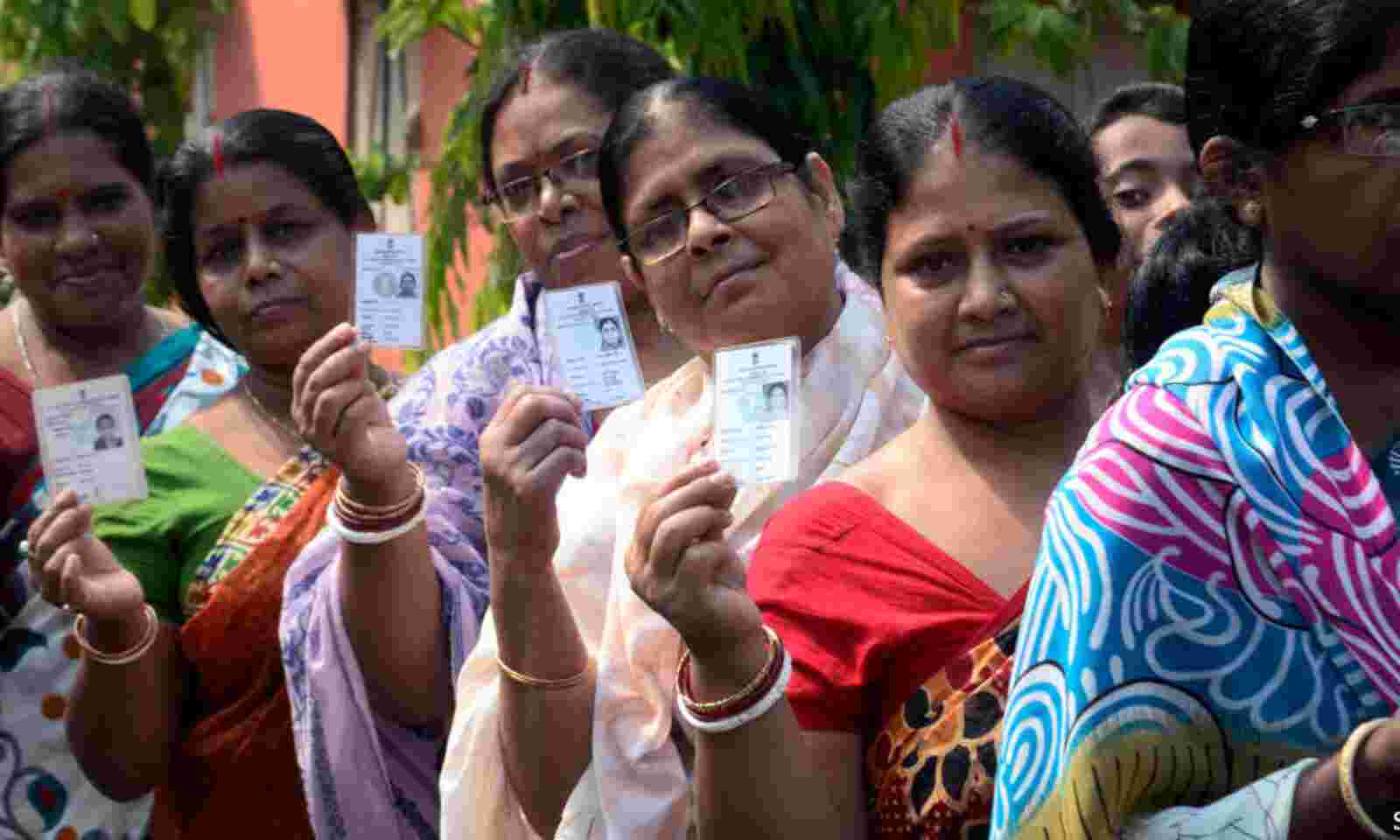
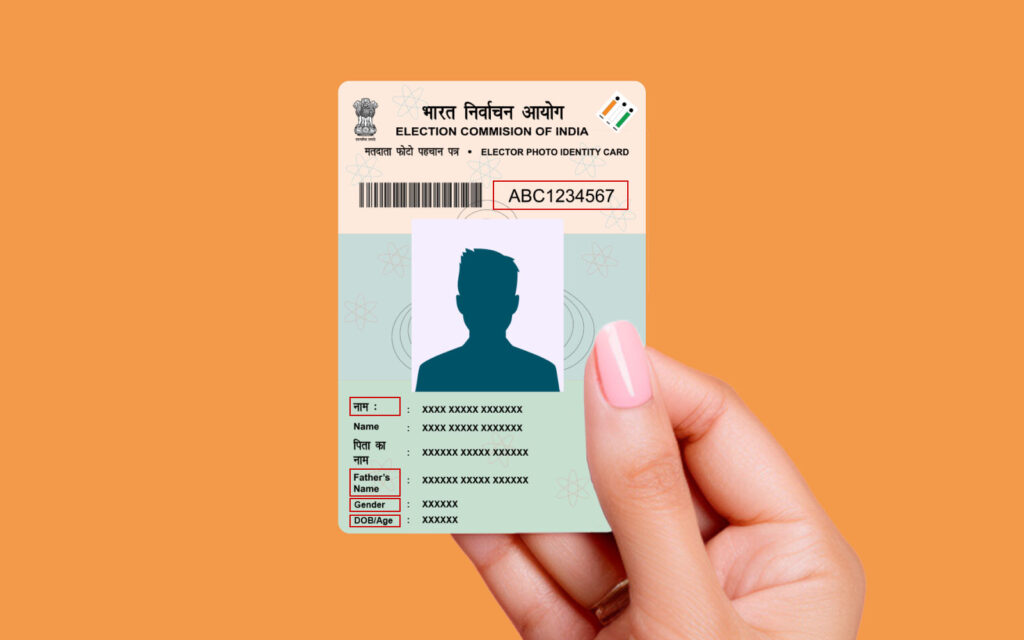
Voter ID registration |Voter Portal | Voter Helpline: In just a few weeks, India will witness the commencement of the 18th Lok Sabha Elections, scheduled to occur between April 19 and June 4 in multiple phases. As the nation gears up for this democratic process, it’s crucial to ensure that every eligible citizen exercises their right to vote. However, to cast your vote, you need a valid Voter ID card. But fret not if you haven’t acquired one yet; here’s all you need to know about registering for a new Voter ID card, especially if you’re 17 or above.

Understanding the New Voter Registration Process

Following the culmination of the elections, the registration process for new Voter ID cards will recommence. This time, there’s a notable change: individuals aged 17 and above are eligible to apply for Voter ID registration in advance. Unlike before, where only those who turned 18 by January 1 were allowed to apply, the new regulations now extend eligibility to individuals turning 18 on April 1, July 1, or October 1 in 2024.

Online Registration Process

Registering for a Voter ID card has never been easier, thanks to online platforms. Here’s how you can do it:

  1. ECI App: Download the Election Commission of India (ECI) app from the Play Store or App Store and follow the instructions to apply.
  2. Voter Portal: Alternatively, visit voterportal.eci.gov.in, navigate to the ‘New Registrations for General Elections’ section, and fill out Form 6. Ensure you provide all necessary documents and a passport-sized photo.
  3. Application Tracking: Keep track of your application status using the reference number provided upon submission.

Offline Registration Process

If you prefer the traditional route, offline registration is also an option:

  1. Booth Level Office (BLO): Head to the BLO in your locality, complete Form 6, and submit the required documents.
  2. Required Documents: Whether applying online or offline, you’ll need a passport-sized photo, identity proof, address proof, and proof of date of birth.

Remember, assistance is just a phone call away. You can dial the ‘Voter Helpline’ at 1950 for guidance throughout the registration process.

The upcoming Lok Sabha Elections present an opportunity for every eligible individual to participate in shaping the nation’s future. Don’t miss out on exercising your democratic right. Ensure you’re registered as a voter by following the simple steps outlined above.

FAQs

  1. Who is eligible to register for a new Voter ID card?
    • Individuals aged 17 and above, including those turning 18 on April 1, July 1, or October 1 in 2024, are eligible.
  2. Can I apply for a Voter ID card online?
    • Yes, you can apply online through the ECI app or the Voter Portal.
  3. What documents are required for Voter ID registration?
    • You’ll need a passport-sized photo, identity proof, address proof, and proof of date of birth.
  4. Is there a helpline for assistance during the registration process?
    • Yes, you can call the ‘Voter Helpline’ at 1950 for guidance.
  5. Can I register offline for a Voter ID card?
    • Absolutely, visit the Booth Level Office (BLO) in your locality to register offline.

Ensuring Every Voice Counts: The Challenge of Outstation Voting

Addressing the Conundrum

In the forthcoming parliamentary election, the fervent efforts of the District Administration to bolster voter turnout may face a significant obstacle: the absence of thousands of registered voters. Many individuals, primarily residing in bustling metropolises like Pune, Bengaluru, Mumbai, and Hyderabad, may find themselves unable to participate in the electoral process due to professional or academic commitments elsewhere. Hukumchand Mishrikotkar, a concerned senior citizen, has brought this issue to the attention of Dr. Vipin Itankar, the District Collector and Returning Officer for the Nagpur Parliamentary Constituency, urging the formulation of strategies to enable remote voters to exercise their franchise.

Challenges Faced by Outstation Voters

Mishrikotkar emphasizes the predicament faced by numerous youths pursuing higher education or employment opportunities in cities beyond their native Nagpur. The logistical challenges and financial constraints associated with travel during peak periods exacerbate the situation, deterring potential voters from returning to their hometowns on polling day. This dilemma resonates not only with individuals like Mishrikotkar but also with families whose members struggle to make the journey back to Nagpur to cast their votes.

The Call for Action

The plea for intervention extends to the Election Commission of India, with Mishrikotkar advocating for a comprehensive examination of the issue and the implementation of mechanisms to facilitate outstation voting. Despite the District Administration’s concerted efforts to boost voter participation, achieving the targeted 75% turnout may prove elusive without addressing the needs of remote voters. Mishrikotkar underscores the responsibility of the authorities to ensure that every registered voter, irrespective of their location, can exercise their democratic right.

While Mishrikotkar’s appeal underscores the fundamental principle of adult franchise enshrined in the Indian Constitution, discussions with the District Collector reveal existing limitations. Presently, no provisions exist for special arrangements to accommodate outstation voters within the regulations stipulated by the Election Commission. Special facilitation centers cater primarily to individuals in defense services or election duty, leaving outstation voters, particularly the youth and those employed in other cities, with limited options for casting their votes.

The plight of outstation voters highlights the need for proactive measures to uphold democratic principles and ensure inclusive participation in the electoral process. While challenges persist, stakeholders must collaborate to explore innovative solutions that accommodate the diverse circumstances of voters across geographical locations.

Frequently Asked Questions

1. Are outstation voters eligible to cast their votes in the parliamentary election?

  • Yes, all registered voters are entitled to vote, regardless of their current location.

2. What steps can outstation voters take to ensure their participation in the electoral process?

  • Outstation voters should explore options such as postal ballots or early voting where available. Additionally, they can advocate for the establishment of absentee voting mechanisms.

3. Is there a provision for absentee voting in Indian elections?

  • Currently, there is no provision for absentee voting in Indian elections. However, stakeholders are actively discussing potential reforms to address this issue.

4. How can the Election Commission ensure greater participation from outstation voters?

  • The Election Commission can consider introducing mobile polling stations or facilitating online voting to accommodate outstation voters’ needs.

5. What role can technology play in addressing the challenges of outstation voting?

  • Technology can streamline the voting process by enabling remote voting options, improving voter registration mechanisms, and enhancing accessibility for individuals unable to physically attend polling stations.

LS Poll Impact: NMC May Freeze Water Charge Hike

Understanding the Implications of Pending Water Tariff Decision

NMC water charge hike: In the backdrop of the forthcoming Lok Sabha and Assembly elections, the Nagpur Municipal Corporation (NMC) faces a crucial decision regarding its annual water charge increment. Traditionally, the NMC adjusts water charges by 5% each year on April 1, as stipulated by its bylaws. However, this year, the corporation is yet to make a definitive decision. The Water Works Department of the NMC presented a proposal to Administrator and Municipal Commissioner Abhijeet Chaudhari two weeks ago, but a final verdict remains pending, as disclosed by a reliable source close to the development.

Historical Context: The Pattern of Water Tariff Increases

Over the past 14 years, the water tariff has seen incremental rises, with this potential increase marking the 13th instance. Presently, the NMC levies charges ranging from Rs 8.99 to Rs 20 per unit. Should Chaudhari approve the revised rates, the per-unit tariff will experience a 5% surge, adding 0.44 paisa to the existing Rs 8.99 for every 1,000 liters of water.

Authority and Empowerment: Municipal Governance Dynamics

The General Body has delegated authority to the civic chief, empowering them to implement an annual 5% increment in water tariff. This measure aims to offset the escalating expenses associated with drinking water supply. Despite the proposed increase, it’s noteworthy that Nagpur’s water tariff remains comparably lower than that of other urban areas, as explained by a senior official from the department.

Economic Shifts and Financial Dynamics

The journey of Nagpur’s water tariff is characterized by significant economic shifts. In 2010, the tariff stood at Rs 5 per unit, with the NMC profiting from the supply. However, the landscape changed drastically when the corporation began paying Rs 10 per unit to Orange City Water (OCW), which now reaps profits from the supply. The fiscal dynamics shifted notably in 2023, when the NMC reassessed its rates in response to OCW’s subpar performance.

Political Considerations: The Nexus Between Governance and Elections

Sources suggest that political compulsions are at play in the NMC’s hesitation to revise water charges. The fear of backlash ahead of the Lok Sabha elections looms large, prompting a cautious approach towards tariff adjustments. Typically, revised tariffs take effect from the new financial year but may reflect in June’s billing cycle, as per insider insights.

The pending decision regarding water tariff increments underscores the intricate interplay between governance, economics, and politics. As the NMC navigates these complexities, the ramifications of its choice extend beyond administrative realms, impacting citizens and stakeholders alike.

FAQs (Frequently Asked Questions)

  1. Why does the NMC increase water charges annually?
    • The annual increment aims to cover rising expenses associated with water supply, ensuring sustainable service provision.
  2. How do Nagpur’s water tariffs compare to those of other urban areas?
    • Nagpur’s tariffs remain relatively lower, providing a competitive advantage in the region’s utility landscape.
  3. What factors contributed to the NMC’s decision to reassess water tariff rates in 2023?
    • The decision stemmed from concerns regarding the performance of Orange City Water and shifting economic dynamics.
  4. How does the pending decision on water tariff increments intersect with political dynamics?
    • Political considerations, especially with impending elections, influence the NMC’s stance on tariff adjustments to mitigate potential backlash.
  5. When can citizens expect clarity on the NMC’s decision regarding water tariff increments?
    • While typically effective from the new financial year, the decision’s impact may be observable in billing cycles starting from June.

Gadkari’s Phenomenal Rally: Central Nagpur Comes Alive

Uniting Citizens for Progress: Gadkari’s Rally in Central Nagpur

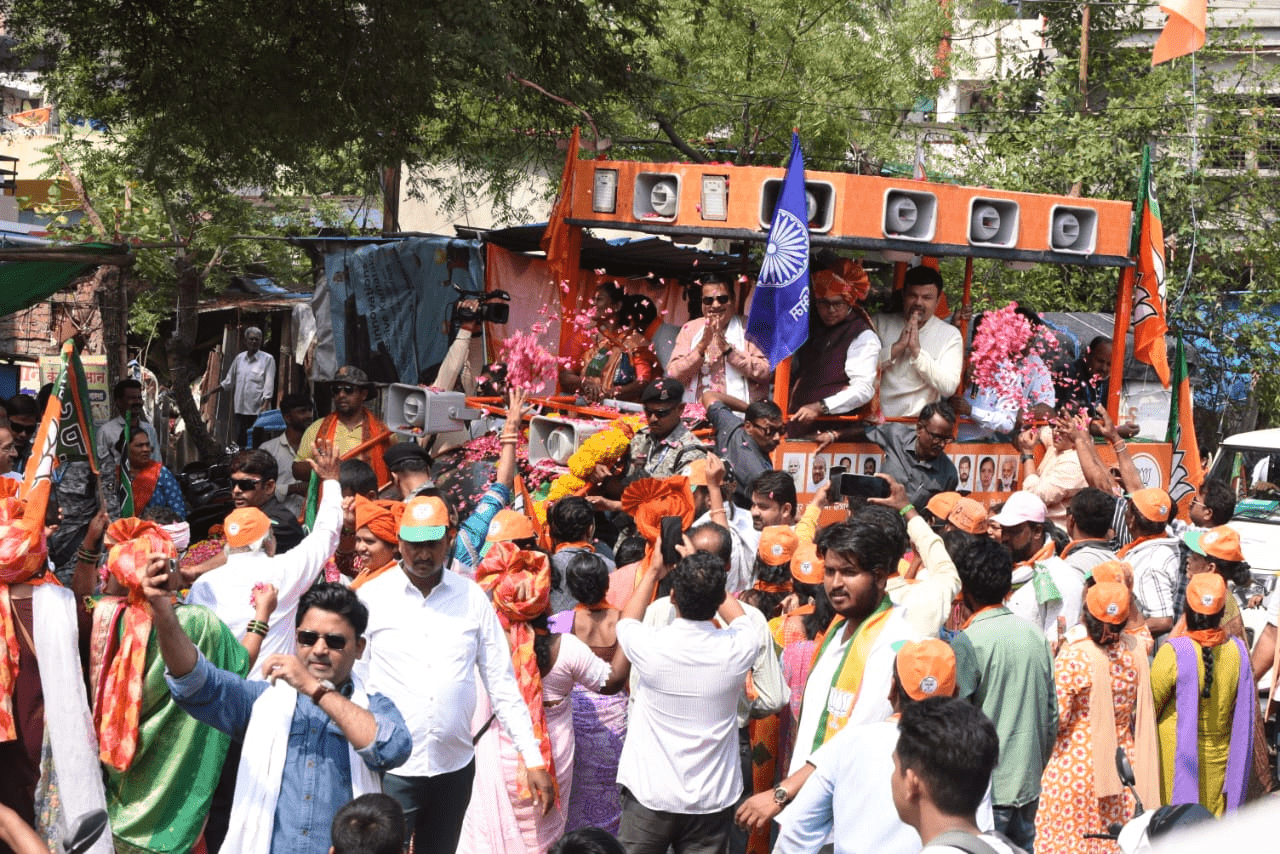
Lok Sabha elections 2024: In the vibrant landscape of Nagpur, the Lok Sabha elections are igniting fervor and anticipation. The Bharatiya Janata Party (BJP) is orchestrating an intricate micro-planning strategy to engage with citizens effectively. At the heart of this electoral dynamism lies the remarkable Lok Samvad Yatra led by Union Minister and Nagpur Lok Sabha candidate Nitin Gadkari. The recent rally through Central Nagpur assembly constituency stands as a testament to the overwhelming support Gadkari commands from the populace.

A Triumph of People’s Support: Rose Petals and Promises

As Gadkari embarked on his journey, Central Nagpur resonated with enthusiasm as citizens showered rose petals, symbolizing their endorsement of his vision and promises. Amidst cheers and fervent applause, Gadkari reiterated his commitment to actualize comprehensive development schemes, encompassing local infrastructure enhancements such as ponds, roads, over bridges, under bridges, and the crucial task of generating employment opportunities.

A Unified Front: Leaders and Supporters Joining Forces

Accompanied by notable figures including MLC Pravin Datke, Vikas Kumbhare, and senior leader Sanjay Bhende, Gadkari’s rally reflected a united front of political stalwarts and grassroots supporters. The presence of esteemed personalities like City President Jitendra alias Bunty Kukde, former Mayors Dayashankar Tiwari and Sandip Joshi, along with a multitude of dedicated workers, underscored the breadth and depth of support for Gadkari’s candidacy.

Navigating the Heart of Nagpur: A Route of Significance

The rally commenced at 9 am from the historic Rajwada Palace near Bharat Mata Chowk, where Gadkari paid homage to the revered symbol of the nation. Traversing through the bustling streets of Bajaria, Shitala Mata Chowk, and Haj House, the procession wove its way past significant landmarks, symbolizing the integration of tradition and progress.

A Pause for Reflection: Celebrating Community Spirit

As the rally progressed through Agrasen Chowk, Walker Road, and Lakdi Pool Chowk, the essence of community spirit and collective aspirations permeated the atmosphere. With halts near iconic sites like Gangabai Ghat and Agnimata Temple, Gadkari’s journey became not just a political event but a celebration of Nagpur’s cultural and spiritual heritage.

The Culmination: Towards a Future of Progress

The rally culminated near Model Mill Chowk Gymnasium, where Gadkari addressed the gathered multitude, reaffirming his dedication to the welfare and progress of Nagpur. Amidst resounding cheers and fervent chants, the promise of a brighter future resonated across Central Nagpur, encapsulating the essence of democracy in action.

Gadkari’s massive rallies in Central Nagpur epitomize the spirit of democracy and the power of collective action. As citizens unite in support of progress and development, the vibrancy of Nagpur’s political landscape underscores the significance of civic engagement and participatory democracy.


Frequently Asked Questions (FAQs)

1. What is the significance of Central Nagpur in the Lok Sabha elections 2024?

Central Nagpur serves as a pivotal constituency, reflecting the diverse aspirations and concerns of its populace. Its significance lies in its ability to influence the broader electoral landscape.

2. How does Gadkari’s rally reflect the BJP’s electoral strategy?

Gadkari’s rally exemplifies the BJP’s meticulous micro-planning approach, leveraging grassroots mobilization and public engagement to garner support and momentum.

3. Who were the prominent figures accompanying Gadkari during the rally?

MLC Pravin Datke, Vikas Kumbhare, and senior leader Sanjay Bhende were among the notable personalities accompanying Gadkari, symbolizing a unified front of leadership and grassroots support.

4. What development schemes did Gadkari pledge to implement in Central Nagpur?

Gadkari promised to prioritize infrastructure enhancements such as local ponds, roads, bridges, and initiatives aimed at fostering employment opportunities to catalyze economic growth and prosperity.

5. How does Gadkari’s rally celebrate Nagpur’s cultural heritage?

By traversing through iconic landmarks and halting at significant sites, Gadkari’s rally becomes a celebration of Nagpur’s rich cultural and spiritual heritage, fostering a sense of community and collective identity.

Exit mobile version