Unveiling the Validity of 26 Candidates’ Papers in Nagpur

Nagpur LS Election 2024: In the bustling political arena of Nagpur Lok Sabha constituency, the scrutiny of nomination papers has unfurled intriguing revelations. Out of the 53 candidates who submitted their papers by March 27, only 26 emerged victorious in the labyrinth of procedural rigor.

Decoding the Scrutiny Process

The meticulous scrutiny process, conducted by the Returning Officer, left no stone unturned in assessing the adherence to procedural nuances. Unfortunately, 27 candidates fell short, rendering their applications invalid.

Valid Candidates: A Mosaic of Diversity

Among the validated candidates, a mosaic of diversity unfolds, encapsulating representatives from various political echelons:

  • National and State-Level Recognized Parties: 3 candidates
  • Registered Parties: 13 candidates
  • Independents: 10 candidates

The Luminary Figures

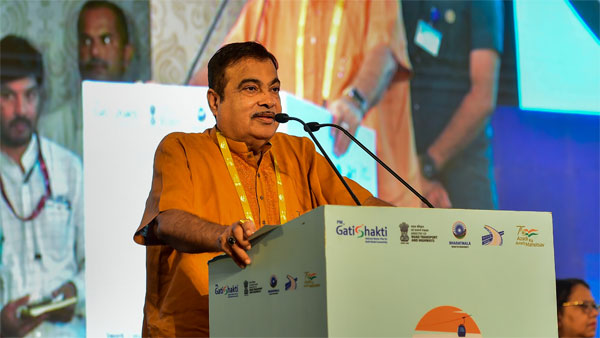
Noteworthy among the validated candidates are stalwarts like Nitin Gadkari from the Bharatiya Janata Party, Yogiraj alias Yogesh Patiram Lanjewar from the Bahujan Samaj Party, and Vikas Thakre representing the Indian National Congress.

Key Dates and Electoral Landscape

As March 30 marks the withdrawal deadline, the electoral battleground is set for April 19, with Nagpur and other constituencies gearing up for the democratic spectacle. Notably, Nagpur leads with 26 valid applications, followed by Ramtek, Bhandara-Gondia, Gadchiroli-Chimur, and Chandrapur.

In the throes of democratic fervor, the validation of candidates’ papers in Nagpur echoes (Nagpur LS Election 2024) the vibrancy of electoral democracy. As the nation braces for the impending polls, the political landscape teems with anticipation and dynamism.

FAQs (Frequently Asked Questions)

1. What is the significance of scrutinizing nomination papers? Scrutiny ensures adherence to electoral protocols, maintaining the integrity of the democratic process.

2. How do candidates navigate the scrutiny process? Candidates must meticulously adhere to procedural requirements outlined by the Election Commission to ensure the validity of their applications.

3. What happens if a candidate’s application is deemed invalid? Candidates whose applications are invalidated have the option to withdraw or rectify discrepancies within the stipulated timeline.

4. Why is diversity among validated candidates crucial? Diversity ensures equitable representation and reflects the multifaceted tapestry of society within the political sphere.

5. What role do independents play in the electoral landscape? Independents contribute to the pluralistic fabric of democracy, offering alternative voices and perspectives in the political discourse.

Rashmi Barve Disqualified from Ramtek Lok Sabha Candidature: A Major Setback for Maha Vikas Aaghadi

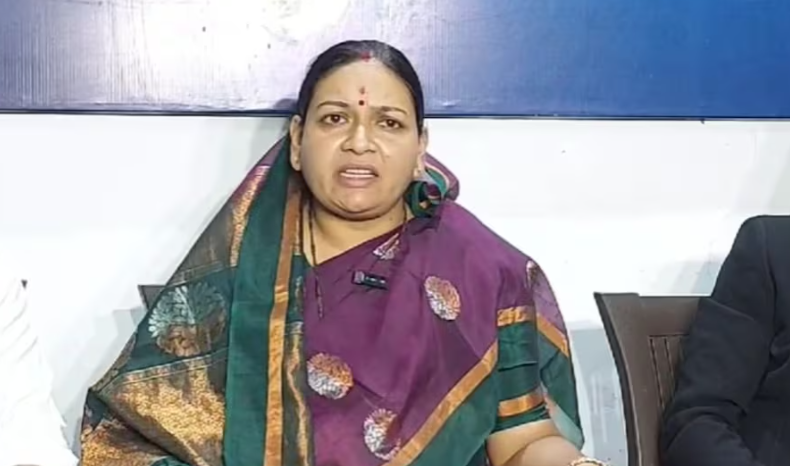
Maha Vikas Aaghadi: In a significant turn of events, Tushar Thombare, Additional Collector and Returning Officer for the Ramtek Lok Sabha constituency, has rejected the nomination of Rashmi Barve, the Congress candidate for Ramtek. This decision came after the Social Justice Department invalidated her caste validity certificate during the daytime, leading to her disqualification from the candidature. Consequently, Shyamkumar Barve, whose name was listed on Form B, will now stand as the Congress nominee from Ramtek.

Challenges Arise: Allegations and Complaints

The Ramtek constituency, falling under the reserved category, saw the Congress party nominating Barve after submitting her caste documents. However, soon after Barve’s candidature was announced, concerns over the legitimacy of her caste validity certificate emerged. A complaint lodged by Sunil Salve triggered the Social Justice Department to order the Caste Scrutiny Committee to take action.

Scrutiny and Verdict

The District Caste Certificate Scrutiny Committee issued a notice to Rashmi Barve based on the complaint, alleging that she had provided false documents to support her caste claim. Dr. Mangesh Wankhede, Deputy Commissioner and Committee Member, urged Barve to present her explanation at the Social Justice Department. Following an inquiry directed by the State Information Commissioner, the Subdivisional Police Officer investigated the matter.

After thorough examination, the Social Justice Department concluded that Barve’s documents were fraudulent and revoked her caste validity certificate. Barve’s subsequent appeal to the High Court was deferred to the following week. A hearing convened at the Collector’s office, presided over by Returning Officer Tushar Thombare, resulted in the rejection of Barve’s nomination papers.

Political Turmoil and Lasting Implications

The decision led to a tense situation near the Collector’s office, with prominent leaders from both sides, including Nagpur District Congress President Rajendra Mulak and Ramtek MLA Ashish Jaiswal, remaining present throughout the day. Barve’s filing of nomination papers on the last day, accompanied by key party figures, underscored the significance of the moment.

In the aftermath of this development, Maha Vikas Aaghadi faces a setback, while the political landscape in Ramtek undergoes a shift. The implications of Barve’s disqualification reverberate beyond the constituency, affecting the broader electoral dynamics.

The disqualification of Rashmi Barve from the Ramtek Lok Sabha candidature marks a significant episode in the political narrative of Maharashtra. Amidst allegations of falsifying caste documents, Barve’s journey from nomination to disqualification underscores the importance of transparency and integrity in the electoral process.

FAQs:

  1. What led to Rashmi Barve’s disqualification from the Ramtek Lok Sabha candidature? Rashmi Barve was disqualified after the Social Justice Department invalidated her caste validity certificate due to allegations of submitting false documents.
  2. What role did the Caste Scrutiny Committee play in this matter? The Caste Scrutiny Committee investigated allegations against Barve and issued a notice to her based on the complaint, leading to further scrutiny of her documents.
  3. How did the political landscape in Ramtek react to Rashmi Barve’s disqualification? The disqualification stirred political turmoil, with leaders from various parties, including Congress and Maha Vikas Aaghadi, being actively involved in the proceedings.
  4. Was there any legal recourse available to Rashmi Barve after her disqualification? Barve appealed to the High Court, but the case was deferred, prolonging the uncertainty surrounding her candidature.
  5. What implications does Rashmi Barve’s disqualification have on the upcoming Lok Sabha elections in Maharashtra? The disqualification reshapes the electoral dynamics in Ramtek and serves as a reminder of the importance of adhering to legal and procedural requirements in the political sphere.

LS Election 2024: 27 Nominations Rejected in Nagpur

In the bustling political arena of Nagpur, a significant development has unfolded with the rejection of 27 out of 63 nominations filed by candidates vying for the Nagpur Lok Sabha seat. This event has captured the attention of both the public and political pundits alike, shedding light on the intricacies of electoral processes and the dynamics of candidate eligibility.

The Rejected Nomination and its Implications

Among the rejected nominations stands the candidature of Venkateswara Mahaswami, also known as Deepak Katakdhond, who sought to contest the elections from Nagpur under the banner of the BJP. Notably, Mahaswami’s affidavit revealed properties valued at ₹108 crore under his ownership, coupled with a staggering debt exceeding ₹100 crore, obtained through unsecured loans from various individuals.

Diverse Array of Contestants

Beyond the mainstream political parties, a diverse array of candidates has thrown their hats into the ring. These include representatives from lesser-known entities such as the Socialist Utility Centre of India (communist), Desh Janhit Party, Bahujan Republic Socialist Party, and Akhil Bhartiya Parivar Party. Even the historically significant All India Forward Bloc, originally spearheaded by Subhash Chandra Bose during the pre-independence era, has fielded a candidate in this electoral battleground.

Navigating the Political Terrain

The rejection of a significant number of nominations underscores the stringent criteria set forth by electoral authorities, aimed at ensuring the integrity and transparency of the electoral process. It also reflects the complexities inherent in Indian politics, where aspirants from diverse backgrounds vie for public office amidst intense competition and scrutiny.

As the political landscape of Nagpur continues to evolve, the recent rejection of nominations serves as a poignant reminder of the challenges and opportunities inherent in the democratic process. With each candidate’s bid subject to meticulous evaluation, the stage is set for a fiercely contested election that will shape the future trajectory of the region.

Frequently Asked Questions (FAQs)

  1. Why were the nominations rejected?
    • The nominations were likely rejected due to discrepancies or inadequacies in the documentation submitted by the candidates, such as incomplete affidavits or failure to meet eligibility criteria.
  2. What role do independent candidates play in the electoral process?
    • Independent candidates offer voters alternative choices beyond established political parties, often focusing on niche issues or grassroots activism.
  3. How do rejected nominations impact the electoral dynamics?
    • Rejected nominations can alter the electoral landscape by reshuffling the pool of candidates and influencing voter perceptions of credibility and legitimacy.
  4. Is the rejection of nominations common in Indian elections?
    • While not unprecedented, the rejection of a significant number of nominations highlights the rigorous scrutiny applied by electoral authorities to uphold democratic principles.
  5. What steps can candidates take to avoid nomination rejection?
    • Candidates must ensure meticulous compliance with all regulatory requirements, including accurate documentation and adherence to eligibility criteria, to mitigate the risk of nomination rejection.

Nagpur LS Seat: Gadkari Declares Assets Worth Rs 28 Crore in Poll Affidavit

Nagpur LS seat: In a recent development concerning the Nagpur Lok Sabha seat, Nitin Gadkari, a prominent political figure, has made headlines by declaring assets amounting to Rs 28 crore in his poll affidavit. This revelation has sparked significant public interest and has raised various discussions regarding transparency in political representation.

Nitin Gadkari’s Affidavit Filing: Unveiling Assets

Understanding the Significance

The declaration of assets by Nitin Gadkari holds substantial importance in the realm of Indian politics. It reflects a crucial aspect of electoral processes, highlighting the necessity for transparency and accountability among political leaders.

Insights into Gadkari’s Wealth

Nitin Gadkari’s affidavit reveals a comprehensive overview of his assets, shedding light on his financial standing. With assets valued at Rs 28 crore, Gadkari’s declaration provides valuable insights into his financial portfolio and investments.

Analysis of Gadkari’s Assets (Nagpur LS seat)

Property Holdings

Gadkari’s assets primarily comprise property holdings, including residential and commercial real estate. These assets signify his investments in tangible properties, contributing to his overall wealth.

Financial Investments

Apart from property holdings, Gadkari’s affidavit also discloses his financial investments in various instruments such as stocks, bonds, and mutual funds. This diversified investment approach showcases his financial acumen and strategic planning.

Transparency in Political Representation

Promoting Accountability

Gadkari’s transparent disclosure of assets sets a positive precedent for political representatives, emphasizing the importance of accountability and honesty in public service. Such actions foster trust and credibility among constituents.

Citizen Empowerment

By openly sharing details of his assets, Gadkari empowers citizens to make informed decisions during elections. Transparency in political representation enables voters to assess candidates based on their integrity and commitment to public welfare.

Nitin Gadkari’s declaration of assets worth Rs 28 crore in his poll affidavit signifies a significant step towards promoting transparency and accountability in Indian politics. By setting an example of open disclosure, Gadkari reinforces the principles of ethical governance and citizen empowerment.

FAQs:

  1. Is Nitin Gadkari’s asset declaration mandatory?
    • Yes, as per electoral regulations, candidates contesting elections are required to disclose their assets and liabilities in affidavits.
  2. What is the purpose of asset disclosure by political candidates?
    • Asset disclosure aims to ensure transparency in political representation, allowing voters to assess candidates’ financial integrity and accountability.
  3. How does Gadkari’s asset declaration impact public perception?
    • Gadkari’s transparent disclosure enhances public trust in political leaders and promotes a culture of accountability in governance.
  4. Are there any legal repercussions for concealing assets in affidavits?
    • Yes, failure to disclose assets accurately in poll affidavits can result in legal consequences, including disqualification from elections.
  5. Does asset declaration include only financial holdings?
    • Asset declaration encompasses various forms of wealth, including properties, financial investments, and other valuable assets.

Wealth of Vikas Thakre: A 63% Increase in the Last 5 Years

delve into the financial journey of Vikas Thakre, exploring the remarkable 63% increase in his wealth over the past five years. From humble beginnings to substantial growth, Thakre’s trajectory offers insights into wealth accumulation and financial management strategies.

The Early Years

Vikas Thakre’s story begins in a small town, where he navigated challenges and embraced opportunities to lay the foundation for his financial success. With determination and foresight, he embarked on a journey fueled by ambition and perseverance.

Building Blocks of Success

Thakre’s rise to prosperity was not without hurdles. He encountered setbacks and obstacles along the way, but these experiences only strengthened his resolve. Through strategic investments and prudent decision-making, he gradually built a portfolio that would pave the way for future growth.

Strategic Investments

Thakre’s approach to wealth management was characterized by strategic investments in diverse asset classes. From real estate ventures to stock market investments, he diversified his portfolio to mitigate risk and maximize returns.

Prudent Decision-Making

Central to Thakre’s financial strategy was a commitment to prudent decision-making. He conducted thorough research, consulted with experts, and weighed the potential risks and rewards before making any investment or financial decision.

The Turning Point

Five years ago, Vikas Thakre experienced a significant turning point in his financial journey. Through shrewd investments and astute financial planning, he witnessed a remarkable 63% increase in his wealth, marking a milestone achievement in his pursuit of financial independence.

Key Factors Contributing to Growth

Several key factors contributed to Thakre’s impressive financial growth over the past five years:

  1. Strategic Investments: Thakre’s strategic investments yielded substantial returns, bolstering his overall wealth accumulation.
  2. Market Trends: Favorable market conditions and emerging opportunities played a pivotal role in driving Thakre’s financial growth.
  3. Financial Discipline: Thakre’s unwavering commitment to financial discipline and prudence enabled him to capitalize on opportunities while minimizing risks.

Challenges and Lessons Learned

Despite his success, Vikas Thakre encountered challenges and setbacks along the way. These experiences served as valuable lessons, reinforcing the importance of resilience, adaptability, and long-term vision in the pursuit of financial goals.

Resilience in the Face of Adversity

Thakre’s journey was marked by moments of adversity, where he faced financial challenges and setbacks. However, his resilience and determination enabled him to overcome obstacles and stay focused on his long-term objectives.

Adaptability and Flexibility

In an ever-changing economic landscape, Thakre recognized the importance of adaptability and flexibility. He remained agile in his approach, willing to pivot and adjust his strategies in response to market dynamics and emerging trends.

Vikas Thakre’s remarkable journey from modest beginnings to significant wealth accumulation serves as a testament to the power of determination, strategic planning, and resilience. Through prudent decision-making and strategic investments, he achieved a remarkable 63% increase in his wealth over the past five years, underscoring the transformative potential of sound financial management.

FAQs

  1. How did Vikas Thakre achieve a 63% increase in wealth? Vikas Thakre achieved a 63% increase in wealth through strategic investments, prudent decision-making, and favorable market conditions.
  2. What were the key factors contributing to Thakre’s financial growth? Thakre’s financial growth was driven by strategic investments, favorable market trends, and his commitment to financial discipline.
  3. What lessons can be learned from Vikas Thakre’s journey? Vikas Thakre’s journey underscores the importance of resilience, adaptability, and long-term vision in achieving financial success.
  4. How did Thakre navigate challenges and setbacks in his financial journey? Thakre navigated challenges through resilience, adaptability, and a commitment to prudent decision-making.
  5. What role did market trends play in Thakre’s financial growth? Favorable market conditions contributed to Thakre’s financial growth, providing opportunities for strategic investments and wealth accumulation.

Navneet Rana, Independent MP, Joins BJP

Navneet Rana’s Political Transition

Navneet Rana, a prominent Independent Member of Parliament from Maharashtra, has recently made headlines by announcing her decision to join the Bharatiya Janata Party (BJP). This unexpected move has sparked discussions and speculation across political circles in the state. Let’s delve deeper into the implications of Navneet Rana’s shift in allegiance and what it signifies for Maharashtra’s political landscape.

Navneet Rana’s Political Journey

Navneet Rana entered politics with a background in the entertainment industry. She gained attention for her active involvement in social causes and soon ventured into electoral politics as an Independent candidate. Her victory in the 2019 Lok Sabha elections marked a significant milestone in her political career.

Factors Influencing the Decision

Several factors could have influenced Navneet Rana’s decision to join the BJP. These may include ideological alignment, prospects for growth within the party, or strategic considerations for her political future. Understanding these factors is crucial in comprehending the dynamics behind her move.

Ideological Alignment with BJP

The BJP’s ideology and policy framework might resonate with Navneet Rana’s beliefs and vision for Maharashtra’s development. By aligning herself with the ruling party, she could potentially amplify her impact on key issues and initiatives.

Opportunities for Growth

Joining a major political party like the BJP opens up avenues for Navneet Rana to enhance her political stature and influence. Access to resources, support networks, and leadership opportunities within the party could contribute to her growth trajectory.

Reactions and Speculations

Navneet Rana’s decision has evoked mixed reactions from various quarters. While some view it as a strategic move aimed at securing her political future, others perceive it as a betrayal of her Independent identity. Speculations regarding her motives and the BJP’s strategy in Maharashtra abound in political discourse.

Support from BJP Leaders

Top BJP leaders have welcomed Navneet Rana into the party fold, emphasizing her potential contributions and commitment to the party’s ideology. Their endorsement underscores the significance of her joining for the BJP’s state-level dynamics.

Criticism and Skepticism

Critics have raised questions about the timing and implications of Navneet Rana’s decision. Some argue that her shift to the BJP raises concerns about political opportunism and undermines the principles of independent representation.

Implications for Maharashtra Politics

Navneet Rana’s transition from an Independent MP to a member of the BJP marks a notable development in Maharashtra’s political landscape. The move underscores the fluidity of alliances and the pursuit of strategic interests in Indian politics. As she embarks on this new journey, all eyes will be on Navneet Rana to observe how her role within the BJP shapes the state’s political dynamics.

Unique FAQs

  1. Why did Navneet Rana choose to join the BJP? Navneet Rana’s decision to join the BJP could stem from various factors, including ideological alignment, opportunities for growth, and strategic considerations for her political future.
  2. How have BJP leaders responded to Navneet Rana’s decision? Top BJP leaders have welcomed Navneet Rana into the party fold, highlighting her potential contributions and commitment to the party’s ideology.
  3. What are the criticisms surrounding Navneet Rana’s move? Critics have raised concerns about the timing and implications of Navneet Rana’s decision, questioning its alignment with principles of independent representation.
  4. What impact does Navneet Rana’s shift have on Maharashtra’s political landscape? Navneet Rana’s transition to the BJP signifies a notable development in Maharashtra’s politics, highlighting the fluidity of alliances and strategic interests in the state.
  5. What challenges might Navneet Rana face within the BJP? While Navneet Rana’s move presents opportunities for growth, she may encounter challenges in navigating party dynamics and establishing her role within the BJP’s framework.

Breaking News: Prakash Ambedkar Announces Alliance with Maratha Reservation Activist

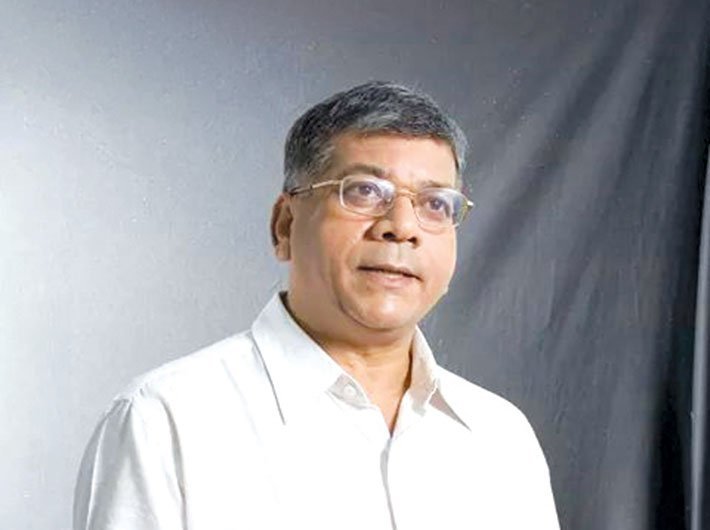
Maharashtra Politics: In a significant political move, Vanchit Bahujan Aghadi (VBA) chief Prakash Ambedkar has declared an alliance with Maratha reservation activist Manoj Jarange. This alliance marks a pivotal moment in Maharashtra’s political landscape and could have far-reaching consequences. Let’s delve deeper into the details of this groundbreaking announcement.

The Background

To understand the significance of this alliance, it’s crucial to grasp the context behind it. Prakash Ambedkar, the grandson of Dr. B. R. Ambedkar, has been a prominent figure in Maharashtra’s politics. His VBA party has been advocating for the rights of marginalized communities, particularly Dalits and other backward classes.

Manoj Jarange: A Maratha Crusader

On the other hand, Manoj Jarange has been at the forefront of the Maratha reservation movement. The Maratha community, which forms a significant portion of Maharashtra’s population, has been demanding reservation in educational institutions and government jobs. Jarange’s activism has garnered widespread support among Marathas across the state.

The Alliance

The decision to form an alliance between Prakash Ambedkar and Manoj Jarange comes at a crucial juncture. Both leaders recognize the need to consolidate their support bases and address the socio-economic challenges faced by their respective communities. By joining forces, they aim to create a formidable political front that can effectively voice the concerns of both Dalits and Marathas.

Implications for Maharashtra Politics

This alliance is poised to shake up Maharashtra’s political landscape. With the backing of the Dalit and Maratha communities, Prakash Ambedkar and Manoj Jarange could emerge as significant players in the upcoming elections. Their combined influence could sway the outcome in several key constituencies, making them indispensable allies for major political parties.

Challenges Ahead

However, forming an alliance is just the first step. Prakash Ambedkar and Manoj Jarange will face numerous challenges as they work towards their common goals. They must navigate complex caste dynamics, address divergent interests within their support bases, and effectively counter opposition from rival political factions.

The alliance between Prakash Ambedkar and Manoj Jarange represents a strategic move that has the potential to reshape Maharashtra’s political landscape. By bridging the gap between Dalits and Marathas, these leaders are not only strengthening their own positions but also advancing the cause of social justice and inclusivity in the state.

FAQs

1. What is the significance of Prakash Ambedkar’s alliance with Manoj Jarange?

2. How does this alliance impact the upcoming elections in Maharashtra?

  • With the support of Dalits and Marathas, Prakash Ambedkar and Manoj Jarange could emerge as key players, influencing electoral outcomes in various constituencies.

3. What challenges might Prakash Ambedkar and Manoj Jarange face in their collaboration?

  • They may encounter hurdles related to caste dynamics, conflicting interests within their support bases, and opposition from rival political groups.

4. What are the long-term implications of this alliance for Maharashtra’s politics?

  • This alliance could lead to greater representation and empowerment for marginalized communities, driving positive socio-economic changes in the state.

5. How does the alliance between Prakash Ambedkar and Manoj Jarange contribute to social justice in Maharashtra?

  • By uniting Dalits and Marathas, this alliance promotes solidarity and cooperation among historically marginalized groups, fostering a more equitable society.

Sena (UBT)’s Sakhare: A Solo Journey in Ramtek

The Stir in Ramtek

In the political landscape of Nagpur, a significant upheaval is underway as the Ramtek Lok Sabha constituency shifts allegiance to the Congress under the Maha Vikas Aghadi (MVA) alliance. This transition has triggered a rebellion among a faction of local Shiv Sainiks (UBT), with Suresh Sakhare expressing his intention to contest the upcoming Lok Sabha polls as an independent candidate.

The Sena Saga

Ramtek has been a stronghold for the united Shiv Sena since 2014. However, following a split in the party, sitting MP Krupal Tumane switched sides to Eknath Shinde’s faction, thereby diluting the influence of the Uddhav Thackeray-led faction.

Sakhare’s Defiance

When questioned about his decision, Sakhare affirmed his commitment, stating, “This (Ramtek) has been Shiv Sena’s bastion, and our voter base remains intact. I did not consult anyone as the party high command has remained silent on the matter.” Such defiance places Sakhare on the brink of expulsion, should he proceed with his independent candidacy.

Unrest Within Sena Ranks

Despite Sakhare’s resolve, some Sena leaders in Ramtek express skepticism regarding his unilateral decision. Comparisons are drawn to the 2019 assembly polls, where Ashish Jaiswal of Shiv Sena contested independently, only to later pledge allegiance to Uddhav Thackeray post-victory, amidst the party’s eventual split.

Déjà Vu for Shiv Sena

Observers speculate that history might be repeating itself for Shiv Sena in Ramtek. Sakhare, however, dismisses such theories, asserting, “I am simply following my conscience.”

Impact on MVA

The looming question remains: Will Sakhare’s rebellion affect MVA? Congress leaders downplay its significance, citing the smaller constituency size in the 2019 assembly polls. Congress candidate Rashmi Barve faces competition from former party colleague Raju Parwe, now contesting on a Sena (Shinde) ticket.

As Suresh Sakhare sets out on his solo political journey in Ramtek, the ramifications of his rebellion on the MVA alliance and the Shiv Sena’s stronghold in the region remain to be seen.

FAQs (Frequently Asked Questions)

  1. Why is Sakhare opting for an independent candidacy?
    • Sakhare believes in his convictions and deems it the right course of action, irrespective of party directives.
  2. How might Sakhare’s rebellion impact the Shiv Sena’s influence in Ramtek?
    • Sakhare’s rebellion could potentially disrupt the Sena’s dominance in the region, depending on voter response and support.
  3. What are the Congress’s views on Sakhare’s decision?
    • Congress leaders downplay its impact, citing the constituency’s smaller size in previous polls.
  4. Who are the main contenders in the upcoming elections in Ramtek?
  5. How does Sakhare’s rebellion align with the broader political landscape of Nagpur?
    • Sakhare’s rebellion reflects the shifting dynamics within political alliances, particularly amidst the MVA coalition.

12 Types of ID Proofs Valid for Voting: Your Essential Guide

Introduction: Understanding the Essential Identity Proofs for Voting

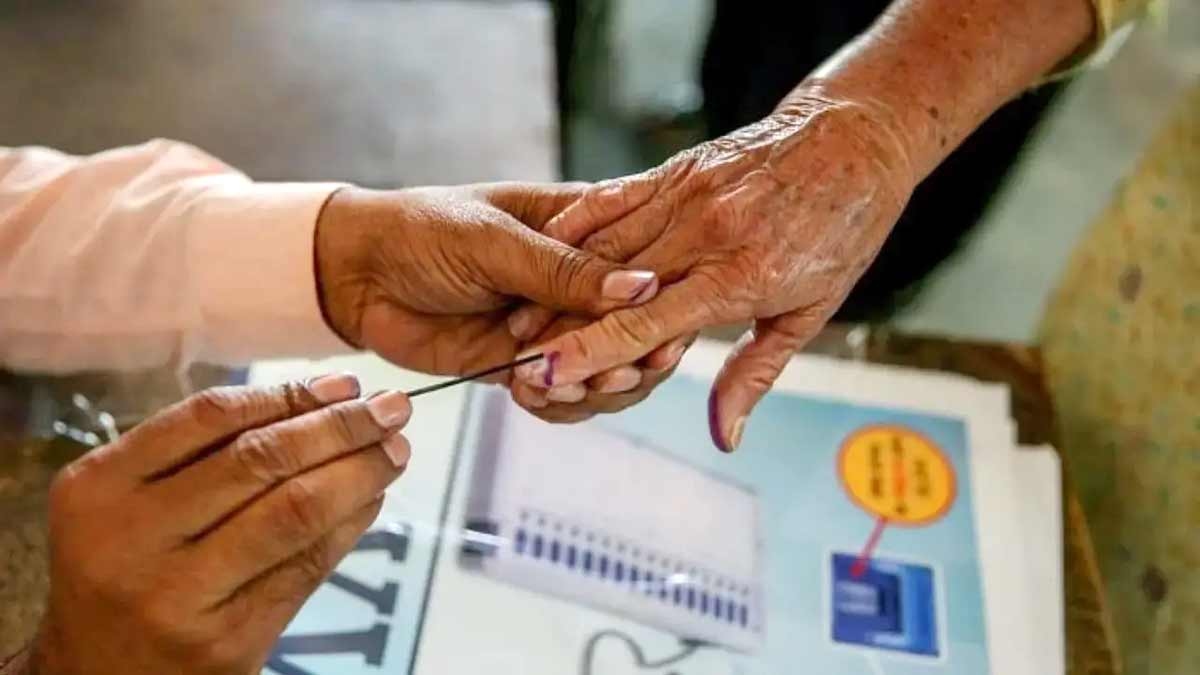
In the upcoming Lok Sabha General Election 2024, the Election Commission of India has approved a comprehensive list of 12 identity proofs to ensure the integrity of the voting process. These documents play a crucial role in verifying the identity of voters before they cast their ballots. Let’s delve into the details of these essential ID proofs and their significance in the electoral process.

1. Voter ID Card

The Voter ID Card stands as one of the primary identity proofs accepted for voting. It serves as an official document issued by the Election Commission of India, specifically for the purpose of voting in elections.

2. Aadhaar Card

Aadhaar, India’s unique identification system, has gained widespread acceptance as a valid identity proof. Its biometric authentication adds an extra layer of security, making it a reliable document for voting purposes.

3. MNREGA Job Card Passbook

The MNREGA job card passbook, along with a photograph issued by a bank or post office, is another accepted identity proof. This document validates the identity of individuals employed under the Mahatma Gandhi National Rural Employment Guarantee Act.

4. Health Insurance Smart Card

Issued under the Ministry of Labour’s scheme, the health insurance smart card serves as a valid ID proof for voting. It not only confirms identity but also reflects the government’s commitment to healthcare accessibility.

5. Driving License

A driving license issued by the appropriate authority is recognized as a valid identity proof for voting. Its widespread usage and stringent verification process enhance its reliability.

6. PAN Card

The Permanent Account Number (PAN) card, issued by the Income Tax Department, is accepted as a valid ID proof. Its unique alphanumeric code and photo identification feature contribute to its credibility.

7. Smart Card Issued by Ministry of Labour

Similar to the health insurance smart card, other smart cards issued by the Ministry of Labour serve as valid identity proofs. These cards encompass various welfare schemes and entitlements, ensuring inclusivity in the electoral process.

8. Indian Passport

For citizens with a passport, this document serves as a comprehensive identity proof, recognized internationally. Its issuance involves stringent verification, adding to its credibility as an ID proof for voting.

9. Pension Document with Photograph

Pension documents with a photograph, validating an individual’s pensioner status, are accepted as identity proofs for voting. This ensures that elderly citizens can participate in the electoral process seamlessly.

10. Service Identity Cards

Identity cards issued by Central and State Governments, Public Sector Undertakings (PSUs), and Public Limited Companies are considered valid for voting. These cards confirm the employment status of individuals in various sectors.

11. Official Identity Cards Issued by MPs and MLAs

Official identity cards issued by Members of Parliament (MPs) and Members of Legislative Assembly (MLAs) are recognized as valid identity proofs. These cards affirm the holder’s status as an elected representative.

12. Other Recognized Documents

In addition to the aforementioned identity proofs, other documents recognized by the Election Commission of India are deemed valid for voting. These may include specified certificates and documents attesting to the individual’s identity.

Conclusion: Upholding the Integrity of the Electoral Process

The approval of these 12 types of identity proofs underscores the Election Commission of India’s commitment to ensuring a fair and transparent electoral process. By accepting a diverse range of documents, the Commission aims to facilitate widespread participation and uphold the democratic principles of inclusivity and accessibility.

FAQs (Frequently Asked Questions)

1. Can I use a photocopy of my ID proof for voting?

Yes, in most cases, a photocopy of a valid ID proof is acceptable for voting, provided it is duly verified by the polling officials.

2. What should I do if I lose my Voter ID Card?

If you lose your Voter ID Card, you can apply for a duplicate card through the designated electoral authorities in your area.

3. Are there any restrictions on the validity period of these identity proofs?

While some identity proofs may have expiration dates, the Election Commission recognizes their validity as long as they remain in force at the time of voting.

4. Can I use multiple identity proofs for voting?

No, voters are required to present only one valid identity proof for voting purposes. Duplicate submissions are not permitted.

5. What should I do if my identity proof is rejected at the polling station?

If your identity proof is rejected, you should immediately contact the polling officials for assistance and clarification.

Shiv Sena’s Potential Move: Swapping Ramtek MP Tumane for Former Congress MLA Parwe

In the intricate dance of politics, Maharashtra’s Vidarbha region finds itself at the center of a potential shuffle as the Eknath Shinde-led Shiv Sena considers replacing its sitting MP from Ramtek, Krupal Tumane, with former Congress MLA Raju Parwe, who recently joined the party.

The Impending Shift

The decision to potentially drop Tumane comes amidst opposition from ally BJP to his renomination, compounded by internal surveys highlighting his limited rapport with voters and fellow allies. With the nomination deadline looming on March 27 and polling scheduled for April 19, time presses for the Shiv Sena to unveil its candidate.

Parwe’s Emergence

Raju Parwe entrance into the Sena fold, marked by his departure from the Congress, positions him as a likely contender for the Ramtek seat. The party sees in him the potential to appeal to traditional Congress voters, a crucial strategy in securing electoral success.

Political Landscape of Ramtek

Ramtek’s political terrain comprises six Assembly segments, each with its own affiliations. The Sena expresses confidence in garnering support from BJP and independent legislator Ashish Jaiswal to bolster Raju Parwe candidacy.

Challenges and Considerations

Internal assessments paint a grim picture for Tumane’s chances of re-election, further exacerbated by BJP’s reservations. The Shinde faction argues that nominating Raju Parwe aligns with broader coalition goals, tapping into support from Scheduled Castes, Scheduled Tribes, and rural constituencies.

Electoral History and Prospects

Tumane’s electoral victories in 2014 and 2019 underscore his past successes, but shifting political dynamics necessitate strategic recalibration. Raju Parwe potential candidacy signals the Sena’s adaptation to changing circumstances and its quest for a winning formula.

The potential substitution of Krupal Tumane with Raju Parwe reflects Shiv Sena’s pragmatic approach to electoral politics, prioritizing alliance dynamics and candidate viability in pursuit of victory.

FAQs:

1. Why is Shiv Sena considering replacing Krupal Tumane?

  • Opposition from BJP and internal surveys highlighting Tumane’s challenges have prompted this consideration.

2. What advantages does Raju Parwe offer to Shiv Sena?

3. How does Ramtek’s political landscape influence this decision?

4. What role do Scheduled Castes and Scheduled Tribes play in this scenario?

  • The focus on securing support from these demographics reflects the parties’ awareness of key electoral constituencies.

5. How might this decision impact the upcoming elections in Maharashtra?

  • The decision signals Shiv Sena’s adaptability and strategic maneuvering in navigating coalition dynamics and electoral challenges.
Exit mobile version