Foldable Helmet: A Revolutionary Development by Dr. Sanjay Dhoble and Aditi Deshmukh

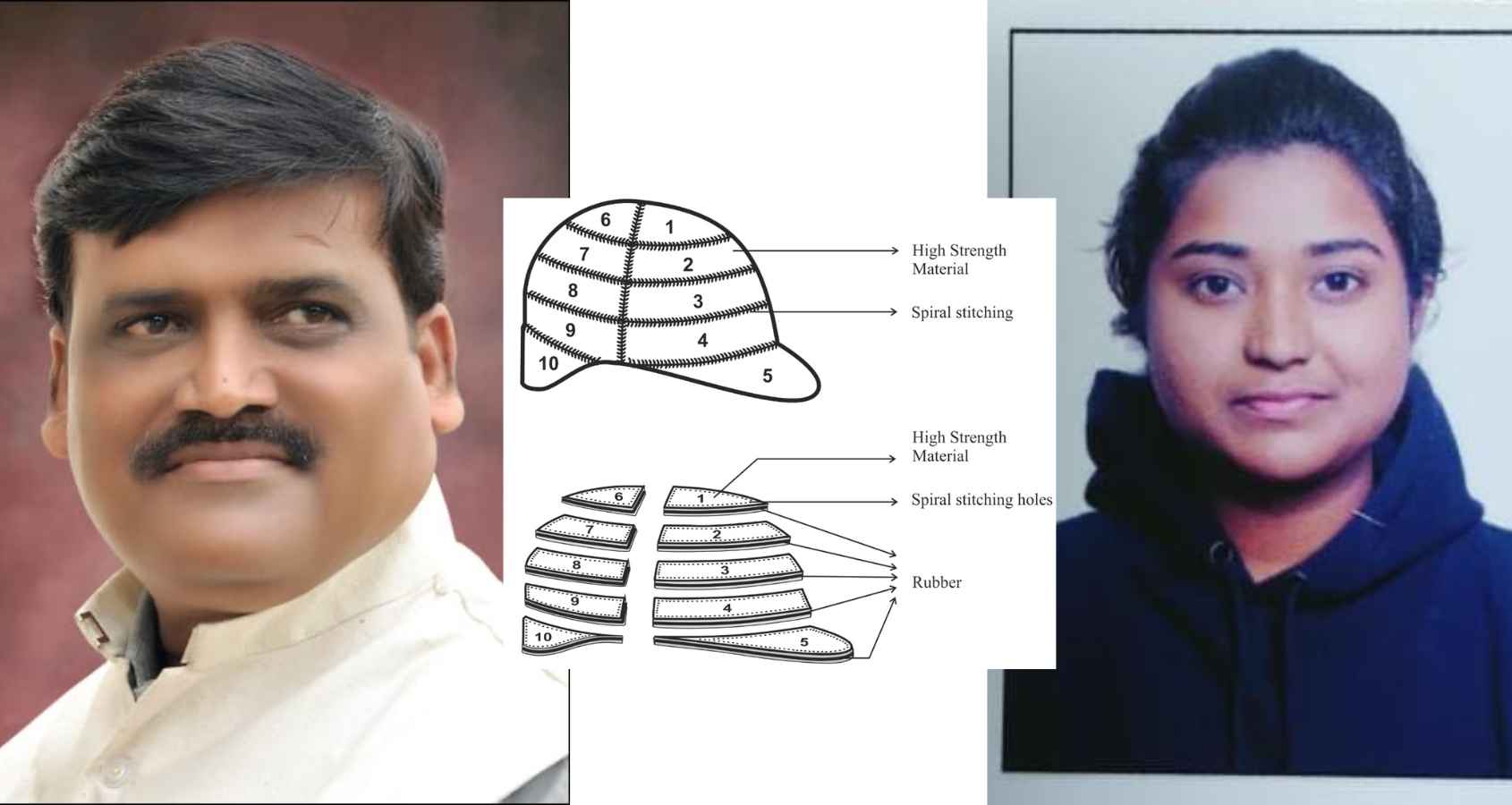
Foldable Helmet Innovation Safety: Helmets have long been a crucial safety measure for two-wheeler riders. However, the inconvenience of carrying a bulky helmet often discourages compliance. Enter the foldable helmet, a game-changing innovation by Dr. Sanjay Dhoble and his MSc student, Aditi Deshmukh, from RTM Nagpur University. This ingenious design makes safety portable, practical, and user-friendly.

What Is the Foldable Helmet?

The foldable helmet is exactly what it sounds like: a compact, collapsible helmet designed for easy transportation. Unlike traditional helmets, this version folds neatly, making it simple for riders to carry after parking their vehicles.

Why Was It Developed?

  1. Addressing Convenience Issues: Traditional helmets can be cumbersome, leaving riders struggling to manage them off the bike.
  2. Government Mandate Compliance: With the government mandating helmets for both riders and pillion passengers, this innovation addresses the growing demand for practical safety solutions.

Key Features of the Foldable Helmet

  • Compact Design: Folds into a small, manageable size.
  • Sturdy Material: Engineered from robust materials to ensure maximum safety and durability.
  • Patent-Protected: The researchers have secured a patent, underscoring its uniqueness and innovation.
  • Dual Usage: Suitable for both the rider and the pillion passenger.

How Does It Work?

Folding Mechanism

The helmet incorporates an intuitive folding system that allows it to collapse into a compact shape without compromising its structural integrity. Think of it as folding a map – simple yet efficient.

Materials Used

Crafted from high-quality materials, the helmet ensures resilience against impact while remaining lightweight for portability.

Benefits of Using a Foldable Helmet

  1. Ease of Transport: No more awkwardly lugging around a bulky helmet.
  2. Enhanced Compliance: Encourages more riders to adhere to helmet regulations.
  3. Space-Saving Design: Perfect for urban riders with limited storage options.
  4. Versatility: Can be used by both riders and pillion passengers seamlessly.

The Role of RTM Nagpur University

RTM Nagpur University played a pivotal role in this innovation. With the guidance of Dr. Sanjay Dhoble, a renowned physicist, and the dedication of his student, Aditi Deshmukh, the project culminated in a product that’s both practical and groundbreaking.

Support and Acknowledgment

The Vice-Chancellor, Dr. Prashant Bokare, along with Pro-VC Dr. Rajendra Kakde and Registrar Dr. Raju Hiwase, extended their congratulations to the researchers. Their support highlights the significance of this achievement in the academic and practical realms.

Government’s Role in Promoting Helmet Usage

Mandatory Helmet Laws

The government’s directive requiring helmets for both riders and pillion passengers aims to reduce fatalities and enhance road safety. The foldable helmet aligns perfectly with this vision.

Encouraging Adoption

Innovations like this not only comply with regulations but also make safety measures more accessible and user-friendly.

Impact on Road Safety

Reducing Non-Compliance

One of the primary reasons riders avoid helmets is the inconvenience of carrying them. The foldable helmet eliminates this issue, potentially boosting compliance rates.

Saving Lives

By making helmets more convenient, this innovation directly contributes to reducing head injuries and fatalities on the road.

How to Buy the Foldable Helmet

Availability

Currently, the helmet is in its patent stage, with commercialization plans in the pipeline. Stay tuned for announcements on its market launch.

Estimated Cost

While pricing details are yet to be disclosed, the goal is to make it affordable for the masses.

Future Prospects

Potential Upgrades

  1. Customizable Designs: Personalization options for style-conscious riders.
  2. Smart Features: Integration of sensors and connectivity for enhanced safety.

Wider Adoption

With increasing awareness, the foldable helmet could set a new standard in two-wheeler safety equipment.

Dr. Sanjay Dhoble and Aditi Deshmukh’s foldable helmet is a testament to how innovation can address real-world problems. By combining safety with convenience, they’ve paved the way for a safer, more practical future for two-wheeler riders.

1. What makes the foldable helmet unique?

Its compact, collapsible design sets it apart from traditional helmets, making it easy to carry and store.

2. Who developed the foldable helmet?

Dr. Sanjay Dhoble and his MSc student, Aditi Deshmukh, from RTM Nagpur University.

3. Is the foldable helmet as safe as traditional helmets?

Yes, it’s made from sturdy materials that ensure safety and durability.

4. When will the foldable helmet be available for purchase?

Details about its market launch are yet to be announced.

5. Can pillion riders use the foldable helmet?

Absolutely! It’s designed for both riders and pillion passengers.

Maha Kumbh Mela 2025: Book an Affordable Helicopter Ride for Just Rs 1,296

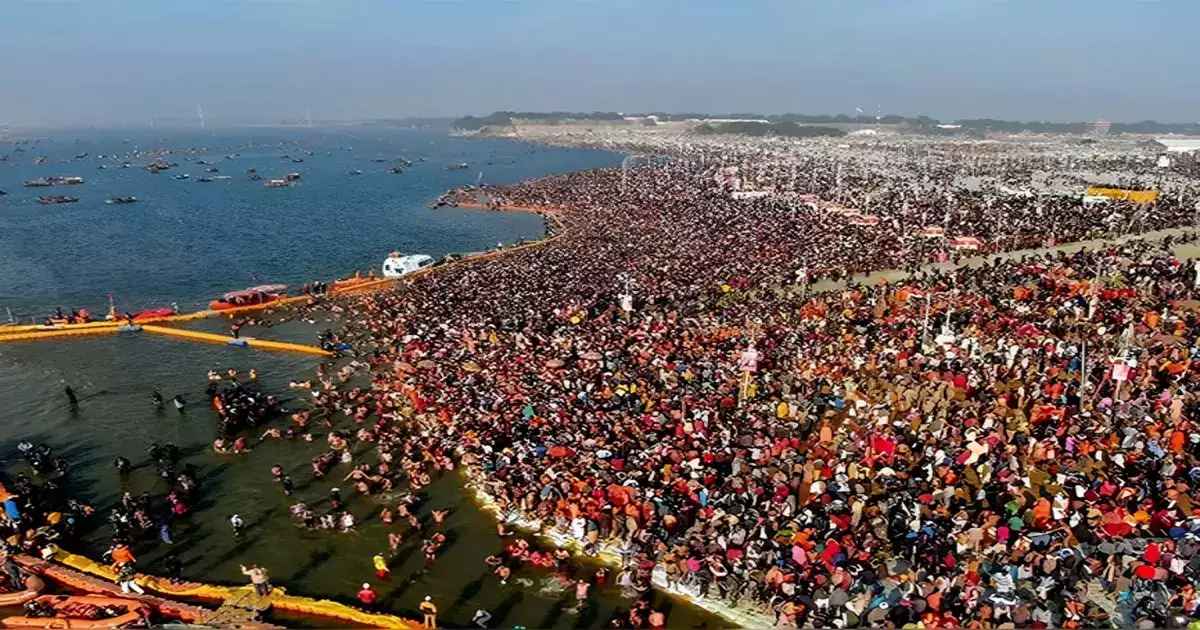
The Maha Kumbh Mela 2025, one of the world’s largest spiritual gatherings, is set to take place in Prayagraj, Uttar Pradesh, from January 13 to February 25, 2025. With millions of pilgrims and visitors expected, this grand event offers a once-in-a-lifetime experience. This year, you can elevate your journey by enjoying an affordable helicopter ride for just Rs 1,296. Let’s dive into how you can book this exciting ride and make the most of your trip.


What Makes the Maha Kumbh Mela 2025 Special?

The Maha Kumbh Mela isn’t just a religious event; it’s a cultural phenomenon. Here’s why:

  • Massive Gathering: Over 100 million devotees from across the globe come together to celebrate this holy festival.
  • Spiritual Significance: Pilgrims believe bathing in the sacred waters during Kumbh Mela purifies the soul.
  • Cultural Heritage: Recognized by UNESCO, the event is a stunning showcase of India’s rich traditions.

Book an Affordable Helicopter Ride for Rs 1,296

This year, visitors have the opportunity to enhance their experience with an affordable helicopter ride. Here’s how:

How to Book Your Helicopter Ride

  1. Visit the Official Portal: Booking is facilitated by Pawan Hans, a government undertaking. Use the official UPSTDC (Uttar Pradesh State Tourism Development Corporation) website to book your ticket.
  2. Choose Your Slot: Select your preferred date and time from the available slots.
  3. Complete Payment: The booking process is simple and secure. After payment, you’ll receive a confirmation email with your ticket details.

Flight Details and Schedules

  • Departure Points: Rides will operate from designated helipads in Prayagraj.
  • Flight Duration: Each ride lasts approximately 10-15 minutes, offering stunning aerial views.
  • Peak Days: Plan ahead as demand is expected to surge on auspicious days.

Safety Protocols to Follow

  1. Arrive Early: Reach the helipad well before your scheduled time.
  2. Adhere to Guidelines: Follow all safety instructions provided by the crew.
  3. Carry Essentials: Keep your ID and booking confirmation handy for smooth check-in.

Why Opt for a Helicopter Ride?

Save Time and Energy

Navigating through the massive crowds and traffic can be overwhelming. A helicopter ride offers a time-efficient alternative.

Experience the Grandeur

Viewing the Kumbh Mela from above is like watching a vibrant, living tapestry of faith and culture. It’s an unforgettable experience.


Tips for Pilgrims

Book Early

Seats are limited, and demand is high. Secure your spot by booking as soon as possible.

Stay Updated

Keep track of updates regarding flight schedules, especially during peak days or unfavorable weather conditions.

Avoid Scams

Stick to verified platforms like UPSTDC to avoid fraudulent schemes. Beware of agents offering suspiciously low prices.


Top Attractions at Maha Kumbh Mela 2025

  1. Sacred Bathing Ghats: Participate in the holy ritual of bathing in the Triveni Sangam.
  2. Cultural Events: Witness spiritual discourses, music, and dance performances.
  3. Akharas: Visit the camps of saints and seers for a deeper spiritual insight.
  4. Grand Processions: Marvel at the colorful processions led by ascetics and devotees.

1. What is the duration of the helicopter ride?

The ride lasts around 10-15 minutes, offering a bird’s-eye view of the Kumbh Mela.

2. Can I book tickets offline?

No, bookings are only available online through the UPSTDC portal.

3. Are children allowed on the ride?

Yes, but children must be accompanied by an adult and adhere to safety protocols.

4. What happens if my flight is canceled?

In case of cancellations due to weather or other conditions, passengers will be informed and refunded as per policy.

5. Is photography allowed during the ride?

Yes, passengers are encouraged to capture the breathtaking views, but ensure your camera is securely strapped.

Unmarried Couples No Longer Welcome: OYO Changes Check-In Rules

OYO’s Bold Move in Hospitality

OYO check-in rules: Imagine planning a quick getaway with your partner, only to discover that your chosen hotel now requires proof of relationship to check in. That’s exactly what’s happening at OYO Hotels in Meerut and could soon extend to other cities. Let’s unpack this new policy, its implications, and the reasoning behind OYO’s decision.


Why OYO Introduced This Policy

Feedback From Civil Society Groups

OYO’s revised policy stems from feedback received from local civil society groups, especially in Meerut. Concerns about hotel spaces being misused prompted these groups to push for stricter check-in rules.

Aligning With Local Sensibilities

While OYO respects individual freedoms, the company acknowledges the importance of aligning with the cultural and social norms of the markets it operates in. This is particularly critical in regions where societal expectations influence business practices.

Enhancing Safety and Trust

The new guidelines aim to create a safe environment for families, solo travelers, and students. By enforcing stricter check-in protocols, OYO hopes to build greater trust among its diverse customer base.


Key Features of the Revised Policy | OYO check-in rules

Proof of Relationship Required

All couples, regardless of how they book (online or offline), must present valid documentation proving their relationship status at check-in.

Partner Hotel Discretion

OYO has empowered its partner hotels to use their discretion in declining couple bookings. This autonomy allows hotels to align their operations with local community standards.

Blacklisting Non-Compliant Hotels

As part of the policy rollout, OYO has begun blacklisting hotels involved in unauthorized activities or misusing the OYO branding.


Immediate Impact in Meerut

Localized Implementation

Meerut has become the testing ground for this initiative. Based on the outcomes and feedback, OYO may extend these policies to other cities.

Community Response

The move has received mixed reactions. While some praise the effort to uphold moral standards, others argue it infringes on personal liberties.


Broader Implications for Travelers

Impact on Unmarried Couples

For unmarried couples, this policy significantly alters the travel experience. It adds an additional layer of scrutiny and may limit accommodation options.

Families and Solo Travelers

The policy’s primary goal is to create a safe and welcoming environment for families and solo travelers. These groups may now feel more comfortable choosing OYO.

Shift in Customer Demographics

By focusing on long-stay guests and repeat bookings, OYO hopes to attract a more family-oriented clientele.


OYO’s Commitment to Responsible Hospitality

Collaborations With Law Enforcement

OYO has partnered with local law enforcement agencies to ensure compliance with safety standards. Joint seminars on responsible hospitality are a cornerstone of this effort.

Periodic Policy Reviews

The company plans to review the impact of these rules periodically, ensuring they remain relevant and effective.


Addressing Common Concerns

Balancing Freedom and Responsibility

OYO’s Region Head, Pawas Sharma, stated that the company respects personal liberties but also prioritizes community feedback and safety.

Promoting Ethical Business Practices

By blacklisting non-compliant hotels and taking action against unauthorized establishments, OYO is setting a benchmark for ethical operations.


The Bigger Picture: Transforming OYO’s Brand Image

Rebranding as a Family-Friendly Chain

OYO aims to shed its reputation as a budget-friendly option for couples and reemerge as a safe choice for families, students, and business travelers.

Encouraging Longer Stays

With this initiative, OYO hopes to foster loyalty by encouraging longer stays and repeat bookings.


OYO’s decision to revise its check-in rules is both bold and controversial. While it addresses community concerns and enhances safety, it also raises questions about personal freedoms. Whether this policy will achieve its intended goals or spark further debate remains to be seen. One thing is clear: OYO is committed to evolving with the times, prioritizing safety and trust above all else.


1. Why is OYO implementing these new check-in rules?

OYO’s new policy aims to address feedback from civil society groups and enhance safety and trust among travelers.

2. How will this policy affect unmarried couples?

Unmarried couples will need to provide valid proof of relationship to check in. This may limit their options when choosing OYO hotels.

3. Will this policy apply nationwide?

Currently, the policy is being tested in Meerut. Based on feedback, it may expand to other cities.

4. What types of proof of relationship are accepted?

Valid documentation such as marriage certificates or other official proof will be required.

5. How does this policy benefit families and solo travelers?

The policy aims to create a safer and more welcoming environment, making OYO a trusted choice for these groups.

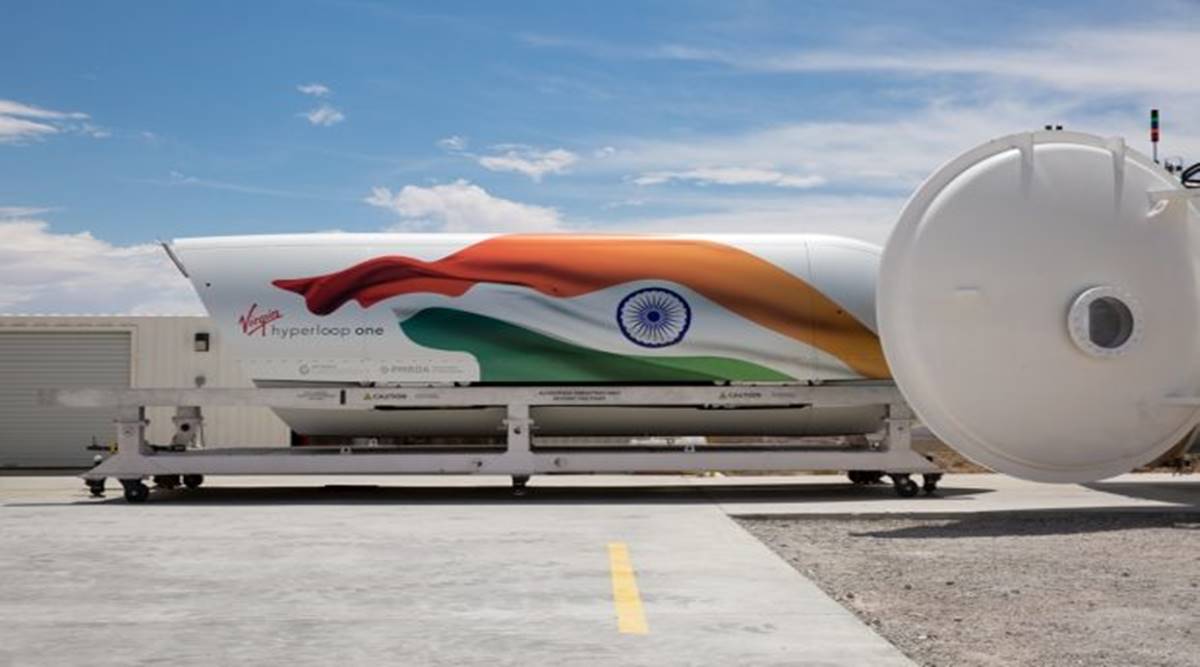
Mumbai to Pune in Just 25 Minutes: India’s First Hyperloop Train Promises Speed Faster Than Airplanes

Imagine traveling between two bustling cities, Mumbai and Pune, in less time than it takes to watch your favorite sitcom episode. Yes, the future of travel is here, and it’s called the Hyperloop. This revolutionary high-speed train system promises to redefine commuting in India, making science fiction a reality. In this article, we’ll explore how the Hyperloop is set to transform the travel experience, its technical marvels, and what it means for passengers.


What is a Hyperloop Train?

The Hyperloop is a futuristic transportation concept introduced by Elon Musk in 2013. It involves a pod-like vehicle that travels through a nearly airless tube using magnetic levitation and propulsion. With minimal friction and air resistance, these pods can reach extraordinary speeds, promising faster and more efficient travel.

How Does It Work?

  • Magnetic Levitation: The train “floats” above the track using magnetic repulsion, eliminating contact and reducing wear and tear.
  • Vacuum Tubes: The low-pressure environment inside the tubes drastically reduces air resistance.
  • Speed: Hyperloop systems can achieve speeds of up to 1200 km/h, though India’s system will initially operate at 600 km/h.

Mumbai to Pune in Just 25 Minutes: A Game-Changer

Traveling from Mumbai to Pune currently takes around 3–4 hours by train or car. The Hyperloop promises to cut this journey to just 25 minutes, faster than even commercial flights. Imagine hopping on a train and arriving in another city before you’ve even finished your coffee!


Why is the Hyperloop Faster Than Air Travel?

  1. No Stops: Unlike flights that require lengthy boarding and deboarding procedures, Hyperloop journeys are non-stop.
  2. Minimal Delays: Weather and air traffic control delays won’t impact this ground-based system.
  3. Direct Route: The track is designed for a straight, uninterrupted path.

Hyperloop’s Speed Compared to Other Transport Modes

Transport Mode Average Speed Mumbai-Pune Travel Time
Regular Train 80–120 km/h 3–4 hours
Car 60–80 km/h 4–5 hours
Airplane 500–900 km/h 1–1.5 hours (including wait time)
Hyperloop 600–1200 km/h 25 minutes

The Hyperloop Test Track: A Milestone for India

Union Railway Minister Ashwini Vaishnaw recently announced the completion of a 410-meter-long Hyperloop test track, marking a significant milestone in the project. The success of these initial trials could pave the way for broader adoption of Hyperloop technology in India.


The Cost of Hyperloop Tickets: Affordable or Premium?

While Hyperloop promises unmatched speed and convenience, it may come at a price. Speculations suggest that ticket costs could rival or even exceed airfare. However, the smoother, non-stop journey might justify the premium.


Environmental Benefits of Hyperloop

  1. Reduced Carbon Emissions: Unlike airplanes and cars, Hyperloop trains are powered by renewable energy.
  2. Efficient Land Use: Elevated tracks reduce the need for extensive land acquisition.
  3. Energy Efficiency: The system consumes significantly less energy per passenger kilometer than traditional modes of transport.

Challenges Ahead for Hyperloop in India

  1. High Initial Investment: Building infrastructure for the Hyperloop is capital-intensive.
  2. Regulatory Hurdles: New technologies often face delays due to bureaucratic processes.
  3. Public Acceptance: Convincing people to trust and adopt this new mode of transport is crucial.

Key Features of the Mumbai-Pune Hyperloop

  • Speed: Operational speed of 360 km/h, scaling up to 600 km/h.
  • Capacity: Each pod can carry 24–28 passengers.
  • Non-Stop Journey: A seamless ride with no intermediate stops.

Global Success Stories of Hyperloop

Countries like the US and UAE are also exploring Hyperloop technology. For instance, Dubai plans to connect Abu Dhabi and Dubai via Hyperloop, reducing the 90-minute drive to just 12 minutes.


What Does This Mean for You?

The Hyperloop could revolutionize how we travel. For daily commuters, it means less time spent on the road and more time for what truly matters. For businesses, it means better connectivity and productivity.


Conclusion

The Hyperloop isn’t just a train; it’s a glimpse into the future of transportation. By combining speed, efficiency, and sustainability, it promises to reshape how we think about travel. As India takes bold steps toward making this dream a reality, the Mumbai-Pune Hyperloop stands as a beacon of innovation, setting the stage for a faster, greener tomorrow.


FAQs

1. What is the maximum speed of the Hyperloop in India?
The Hyperloop in India is expected to operate at an initial speed of 360 km/h, with plans to scale up to 600 km/h.

2. How long will it take to travel from Mumbai to Pune?
The Hyperloop will reduce the travel time between Mumbai and Pune to just 25 minutes.

3. Will Hyperloop tickets be expensive?
Ticket prices are expected to be comparable to or slightly higher than airfare, depending on operational costs.

4. When will the Hyperloop be operational in India?
The exact timeline is yet to be announced, but the completion of the test track is a promising step forward.

5. What are the environmental benefits of Hyperloop?
Hyperloop technology is environmentally friendly, reducing carbon emissions and energy consumption compared to traditional transport.

Maharashtra: No MahaRERA Registration Required for Projects Under 500 Square Meters

MahaRERA Project Exemption Rules: In a move to simplify the real estate registration landscape, the Maharashtra Real Estate Regulatory Authority (MahaRERA) recently clarified its stance on registration requirements. Under this revised order, projects covering a land area of 500 square meters or less, or those containing up to eight units, are now exempt from mandatory registration. Issued on October 22, 2024, this directive replaces previous regulations and clarifies ambiguities for developers across Maharashtra.

What is MahaRERA?

The Maharashtra Real Estate Regulatory Authority (MahaRERA) is a governing body established under the Real Estate (Regulation and Development) Act of 2016. MahaRERA enforces guidelines that ensure accountability, transparency, and fairness in real estate transactions.

Overview of the New MahaRERA Directive

The recent MahaRERA directive eliminates mandatory registration for real estate projects occupying 500 square meters or fewer or containing up to eight units. This exemption reduces the administrative burden on developers, allowing projects that fall within these criteria to proceed without registration-related obstacles.

Why Was the Registration Requirement Changed?

The MahaRERA directive aims to streamline project registration, reduce compliance costs for developers, and simplify the regulatory landscape. By exempting smaller projects, MahaRERA intends to promote real estate development while ensuring customer protection.

Key Criteria for MahaRERA Exemption

Projects meeting either of the following criteria qualify for exemption:

  • Land Area: Projects on 500 square meters or fewer
  • Units: Projects containing no more than eight residential units

Clarification on Project “Completion”

The order clarifies that a project’s completion status includes a finalized sub-division layout, necessary authority approvals, and non-agricultural use permissions (if applicable). Once these conditions are met, the project is deemed complete and exempt from additional regulatory requirements.

Impact on Plotted Projects

For plotted developments, the new order removes the requirement to register the Agreement for Sale or Sale Deed if the project is complete according to MahaRERA standards. This simplifies the process for developers, as they can avoid further administrative steps.

Comparison with Previous Regulations

Earlier MahaRERA rules required all projects, regardless of size or unit count, to register, resulting in a more complex and costly process. The latest directive supersedes prior regulations from 2019, 2022, and 2023, offering a clearer framework for smaller projects.

How This Affects Real Estate Developers

Developers working on small-scale projects now face fewer regulatory hurdles. This change can expedite project timelines, reduce compliance costs, and provide a faster path to market.

Impact on Property Buyers

While the directive benefits developers, buyers should exercise caution. Projects exempt from MahaRERA registration may lack some of the data transparency provided by registered projects, making thorough due diligence essential for prospective buyers.

Is This a Step Towards Transparency?

The streamlined approach may be perceived as reducing transparency, as fewer projects undergo the scrutiny of MahaRERA. However, by focusing on large-scale developments, MahaRERA can potentially improve oversight where it matters most.

Advantages of the New MahaRERA Directive

  1. Reduced Compliance Costs: Developers save time and resources.
  2. Clear Guidelines: The directive removes previous ambiguities.
  3. Encouragement of Small-Scale Projects: Incentivizes smaller developments.

Potential Risks and Limitations

While beneficial for developers, the new rule may increase the risk for buyers, as unregistered projects may not provide full project data in the public domain.

Expert Opinions on the Directive

Dhiraj Mandal, Director of Mumbai Realtors, advises caution when purchasing unregistered properties due to limited transparency. He stresses that registered projects typically offer greater assurance to buyers.

How to Verify if a Project Meets Exemption Criteria

Prospective buyers can inquire about the project’s land area and unit count. Developers should also be able to provide documentation confirming the exemption criteria under the latest MahaRERA directive.

Final Thoughts

The updated MahaRERA guidelines represent a shift toward simplified, development-friendly regulation in Maharashtra. By relieving small projects of mandatory registration, MahaRERA aims to encourage growth while ensuring that compliance for larger projects remains robust.

  1. What is the new MahaRERA registration exemption rule? Projects under 500 square meters or with up to eight units are now exempt from registration.
  2. Does this exemption apply to all real estate projects? No, only projects meeting the land area or unit criteria are exempt.
  3. Is buying an unregistered property safe? Due diligence is essential, as unregistered properties may lack some transparency.
  4. Does the new rule affect existing registered projects? No, this exemption applies only to qualifying new projects.
  5. How can I verify if a project qualifies for MahaRERA exemption? Confirm with the developer that the project meets the size and unit criteria specified in the order.

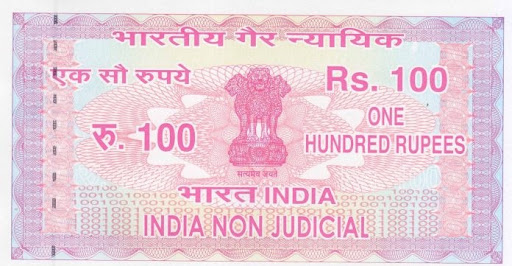
Rs 100 Stamp Paper Goes Into History: A New Era of Inflation in Maharashtra

In a significant move that impacts the financial landscape of Maharashtra, the iconic Rs 100 stamp paper has been phased out, giving way to a new minimum stamp value of Rs 500. This change, mandated by the state government through an ordinance passed on October 14, is designed to address mounting inflation and fund a slew of new welfare schemes. The decision comes just before the announcement of the Maharashtra Assembly elections, raising eyebrows about its timing and implications. Let’s delve into how this change affects citizens, industries, and the overall economic climate in Maharashtra.

 Inflation Triggers Major Changes in Maharashtra’s Stamp Duty

The announcement of this new regulation is a clear reflection of the state’s strategy to combat rising inflation. The Rs 100 stamp paper, once a staple for everyday legal documentation, is now part of history. The move is seen as an effort to fill the state’s coffers, especially with the growing demand for welfare funding as elections loom near.

 What Led to the Decision?

The government’s primary rationale behind this change is the need for increased revenue. Welfare schemes have become more prevalent, and to cover these costs, the government aims to collect Rs 150 crore annually from stamp duty changes alone. This significant increase is expected to come from the hike in stamp paper requirements across various legal and bureaucratic processes.

 Ordinance Timing and Its Impact

The ordinance for the stamp paper hike was issued just before the Election Commission announced the Maharashtra Assembly poll schedule. This has led to speculation that the timing may be politically motivated, designed to ensure the welfare schemes receive immediate funding without budgetary disruptions.

 Increased Costs for Citizens

For ordinary citizens, the shift from Rs 100 to Rs 500 stamp paper represents a substantial increase in the cost of legal paperwork. Whether it’s rental agreements, scholarship affidavits, or apprenticeship deeds, individuals will now have to bear five times the cost they previously did.

 Common Uses of Stamp Papers

The Rs 100 stamp paper was commonly used for:

  • Rental agreements
  • Affidavits for scholarships
  • Agreements for apprenticeship deeds
  • Various types of legal agreements

Now, all these documents will require a Rs 500 stamp, significantly increasing the financial burden for individuals dealing with these everyday transactions.

 Business Impact

The change also affects businesses, especially those involved in contracts, valuations, and legal processes. The Rs 500 stamp paper is now mandatory for works contracts, protest of bills, and registration of Articles of Association, among others.

 New Rates for Articles of Association

For the registration of Articles of Association, the rates have jumped from 0.2% to 0.3%, with the maximum amount raised from Rs 50 lakhs to Rs 1 crore. This dramatic increase will have a considerable impact on corporations, especially startups and small businesses that regularly deal with such documents.

 Is the Move Politically Motivated?

Given the timing of this ordinance and its implications, many are speculating whether this decision was driven by political motives. With elections on the horizon, the government is under pressure to fund welfare schemes that appeal to voters. The decision to raise stamp duty could be seen as a strategic move to fund these schemes while ensuring that the state’s coffers remain healthy.

Election Timelines and Financial Policies

Welfare programs often come with high costs, and governments need to find revenue streams to support them. The increase in stamp paper costs is one such stream, but the timing of this move—just before election season—raises questions about its true intent.

 Rs 500 Stamp Paper – The New Norm

The Rs 500 stamp paper is now the minimum requirement for various types of legal documentation, including:

  • Affidavits
  • Agreements for appeasement or valuation
  • Apprenticeship deeds
  • Contracts and protest of bills or notes

For many citizens, this change represents a significant financial burden, especially when combined with rising costs in other areas of life.

 Real Estate and Rental Markets

The real estate and rental markets will feel the brunt of this change as rental agreements, which were previously managed with Rs 100 stamp paper, will now require Rs 500 stamps. This could lead to higher administrative costs for landlords and tenants alike, further pushing up rent prices in the state.

 Government’s Revenue Goals

The government hopes to collect Rs 150 crore annually through this measure. This is part of a broader effort to fund new welfare schemes that were rolled out just before the elections. The additional revenue is seen as crucial for supporting these programs, which are designed to win over voters.

 Will It Be Enough?

The question remains: will the increase in stamp duty be enough to cover the costs of these welfare schemes, or will it place an undue burden on citizens and businesses? Only time will tell how this policy will play out, but it is clear that the state government is banking on this measure to bring in significant revenue.

 Alternatives for Citizens

Citizens who previously relied on Rs 100 stamp papers may now need to explore alternative ways to reduce the financial burden of legal documentation. This may include digitizing processes, exploring discounts for bulk purchases, or seeking government rebates or incentives.

 Digital Stamp Papers

One potential solution could be the rise of digital stamp papers, which may offer a more affordable and streamlined process for citizens. As the state moves towards digitization, this could help ease some of the financial burdens associated with the stamp paper increase.

The demise of the Rs 100 stamp paper marks a new chapter in Maharashtra’s financial policies. While the government aims to bolster its revenue through this change, it comes at a cost for citizens and businesses alike. The Rs 500 stamp paper is now the new norm, affecting everything from rental agreements to business contracts. As inflation continues to rise, this decision highlights the ongoing struggle between generating revenue and balancing the financial well-being of the population.

1. Why was the Rs 100 stamp paper discontinued?

The Rs 100 stamp paper was phased out to increase state revenue and cover the costs of new welfare schemes introduced by the Maharashtra government.

2. What is the new minimum stamp paper requirement?

The new minimum stamp paper requirement in Maharashtra is Rs 500, which applies to various legal and bureaucratic processes.

3. How does this affect rental agreements?

Rental agreements, which previously required Rs 100 stamp paper, will now need Rs 500 stamps, increasing the cost for tenants and landlords.

4. Are businesses impacted by this change?

Yes, businesses will face higher costs for legal documents like works contracts, registration of Articles of Association, and protest of bills or notes, all of which now require Rs 500 stamp paper.

5. Is there a digital alternative to physical stamp papers?

Digital stamp papers may provide a more affordable and efficient alternative for citizens and businesses, especially as the state moves towards digitization.

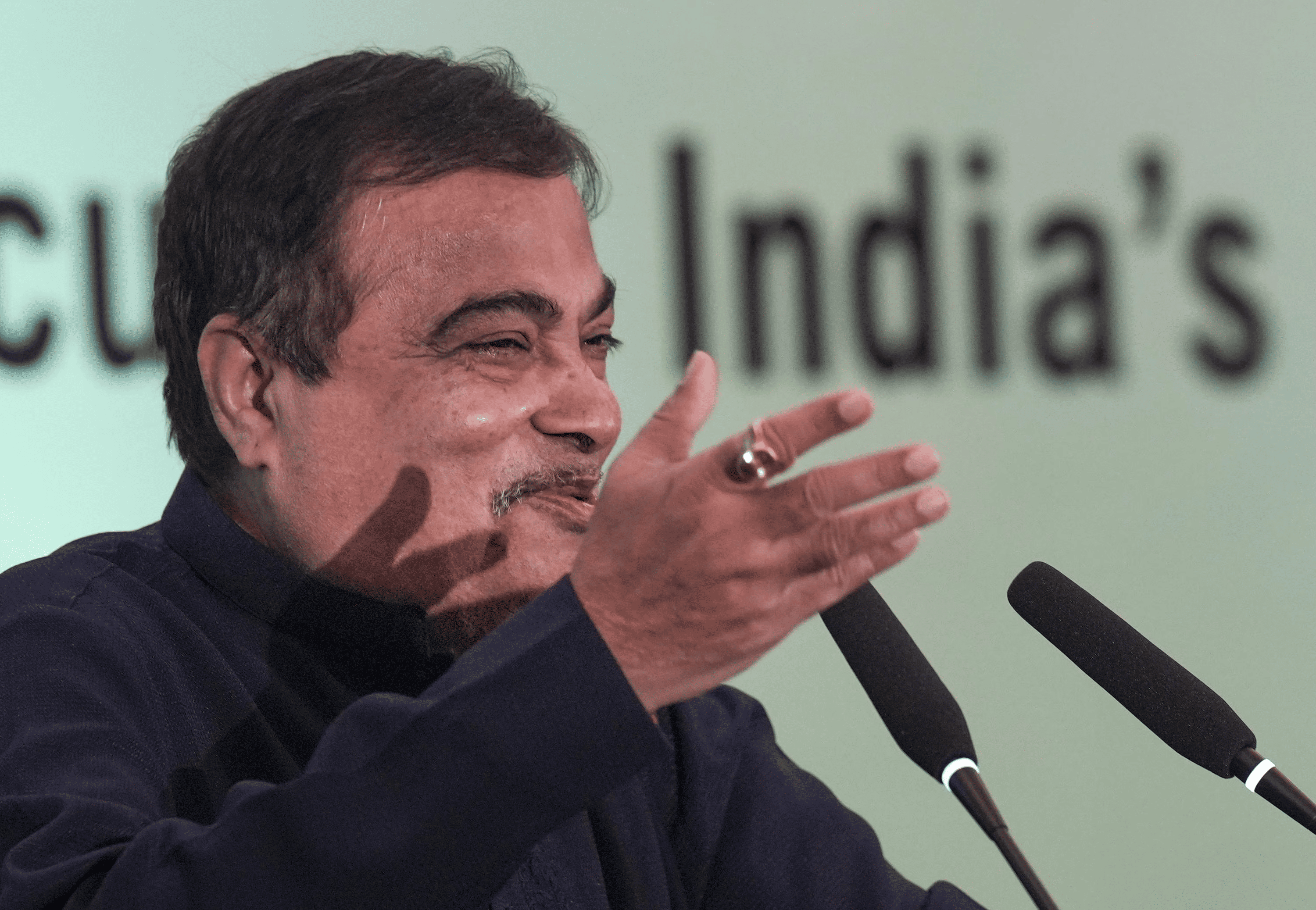
Establish Cow Farms in Every District of Vidarbha: Gadkari

Nitin Gadkari: Vidarbha, a region in Maharashtra known for its agrarian economy, is facing a unique opportunity for growth. Union Minister Nitin Gadkari recently emphasized the importance of setting up cow farms in every district of Vidarbha to strengthen the dairy sector. At an event organized by the Agrovision Committee, he urged local entrepreneurs to take the leap and explore innovative ways to build a sustainable and thriving dairy business. In this article, we will explore the significance of establishing cow farms in Vidarbha, the challenges and benefits involved, and how this move can shape the future of the region’s economy.

 The Call for Cow Farms in Vidarbha (Nitin Gadkari)

 Gadkari’s Vision for Vidarbha’s Dairy Industry

During his address at the Agrovision Committee event, Nitin Gadkari made it clear that Vidarbha has untapped potential in the dairy sector. With fertile land and a tradition of agriculture, the region is primed for cow farming. Gadkari noted that establishing cow farms in every district could boost the local dairy business, create jobs, and help farmers diversify their income sources.

 Why Cow Farming?

Cow farming offers a reliable source of income for farmers, especially in regions like Vidarbha, where agriculture has traditionally been the mainstay. With increasing demand for dairy products like milk, butter, and cheese, cow farming presents a lucrative opportunity for local farmers to expand their operations and contribute to the overall economy.

Economic Advantages of Dairy Farming

Dairy farming not only offers economic benefits to farmers but also provides a steady supply of fresh milk and dairy products to local consumers. Nitin Gadkari mentioned that local dairy businesses had benefitted from competition due to the presence of brands like Mother Dairy, which have raised the price per liter of milk for local farmers from Rs 18-20 to Rs 30 per liter. This increase is significant for local economies, providing farmers with a sustainable income.

 Value Addition through Cow Farming

One of the key points Gadkari stressed was the need for out-of-the-box thinking in the dairy business. Entrepreneurs should look at producing value-added products like organic milk, dairy-based snacks, and ghee to climb the value chain and meet the rising demand for high-quality, natural products. This way, local farmers can maximize their profits and expand their market reach.

 The Role of Agrovision and Gadkari’s Initiatives

Agrovision’s 15-Year Journey

Agrovision, India’s largest agricultural exhibition in central India, has been instrumental in bringing farmers, entrepreneurs, and policymakers together. For the past 15 years, Agrovision has helped identify opportunities for farmers and assisted them in overcoming the challenges posed by unpredictable market conditions. Gadkari acknowledged the crucial role of farmers in Agrovision’s success and reiterated the need for collaboration to foster a thriving agricultural economy in Vidarbha.

 Gadkari’s Personal Experience in Sugarcane Farming

In a candid moment during the event, Gadkari shared his own experiences with the sugarcane farming business, where he faced significant financial losses. Despite the hardships, his resolve to continue and help the growers only strengthened. This personal anecdote highlighted his commitment to Vidarbha’s agricultural sector, and his call to action for local entrepreneurs to take advantage of opportunities in the dairy business.

 Gadkari’s Lessons from Sugarcane Farming

Gadkari’s experience in the sugarcane business offers valuable lessons for those looking to invest in dairy farming. He emphasized that challenges are inevitable, but with a clear vision and strategic planning, success is achievable. His advice to avoid the mistakes he made in sugarcane farming resonated with many in the audience, encouraging them to focus on more sustainable ventures like dairy farming.

 Steps to Establishing Cow Farms in Vidarbha

 Identifying the Right Location

The first step in setting up a successful cow farm is choosing the right location. Vidarbha’s diverse geography offers a range of options for farmers. Whether you’re looking for fertile plains or areas with access to water sources, location plays a critical role in the success of a dairy farm. Ensuring that the land has the right resources for cattle is key to optimizing production and keeping costs down.

 Sourcing Quality Livestock

The breed of cows you select can make or break your dairy business. Gadkari highlighted the importance of investing in quality livestock that are known for high milk production. Farmers in Vidarbha can benefit from advanced breeding techniques and consult experts to find the right mix of native and foreign breeds suited for local conditions.

 Infrastructure and Equipment Needed

Setting up a dairy farm requires significant investment in infrastructure and equipment. From building cattle sheds to purchasing milking machines and storage facilities, every aspect must be carefully planned. Adequate cooling systems, storage for feed, and access to veterinary care are essential for maintaining healthy livestock and ensuring consistent milk production.

 The Future of Vidarbha’s Dairy Business

How Entrepreneurs Can Tap into the Market

With Gadkari’s push for cow farming in every district of Vidarbha, entrepreneurs have a golden opportunity to enter a growing market. The demand for organic and locally-produced dairy products is on the rise, and by positioning themselves strategically, local farmers and businesses can capture a significant share of the market. Collaborating with brands like Mother Dairy can also help local farmers access a larger customer base.

 Boosting the Local Economy through Dairy Farming

One of the primary goals of establishing cow farms in Vidarbha is to boost the local economy. Dairy farming provides a steady income to farmers, creates jobs for local communities, and supports allied industries like veterinary services, feed suppliers, and equipment manufacturers. The ripple effect of this growth can uplift the entire region.

 Challenges and Solutions for Dairy Farming in Vidarbha

 Climate and Environmental Considerations

Vidarbha’s climate can be challenging for dairy farmers, especially during the hot summer months. Ensuring that cattle have access to sufficient water, shade, and cooling systems is essential for their well-being. Proper planning and investment in sustainable farming practices can help farmers mitigate the effects of extreme weather conditions.

 Overcoming Market Competition

While competition in the dairy market has increased, Gadkari’s message was clear: this is a positive development for local farmers. Competing with established brands like Mother Dairy pushes local farmers to innovate and improve their practices. By producing high-quality, organic dairy products, Vidarbha farmers can stand out and gain loyal customers.

 Access to Government Support and Loans

Farmers looking to establish cow farms in Vidarbha can benefit from various government schemes and loans designed to support agricultural ventures. From subsidized equipment to low-interest loans for setting up infrastructure, these programs can help reduce the initial financial burden on farmers.

Establishing cow farms in every district of Vidarbha is not just a vision—it’s a practical solution for boosting the local dairy business and improving the livelihoods of farmers. Nitin Gadkari’s call to action provides a roadmap for entrepreneurs and farmers alike, offering them a chance to tap into a growing market. By thinking creatively, investing in quality livestock, and focusing on value-added products, the dairy industry in Vidarbha has the potential to thrive. With the right support and resources, this initiative can transform the region into a dairy powerhouse.

1. What is the importance of setting up cow farms in Vidarbha?

Establishing cow farms will help boost the local dairy economy, create jobs, and provide farmers with an additional income stream.

2. How does dairy farming benefit local farmers in Vidarbha?

Dairy farming provides farmers with a stable source of income, especially with increasing demand for dairy products like milk and cheese.

3. What challenges do dairy farmers face in Vidarbha?

Some challenges include extreme weather conditions, market competition, and initial setup costs. However, government support and smart planning can help overcome these hurdles.

4. What role does Mother Dairy play in Vidarbha’s dairy market?

Mother Dairy has created healthy competition in the local market, raising the price farmers receive for milk and encouraging higher-quality production.

5. How can entrepreneurs enter the dairy business in Vidarbha?

Entrepreneurs can start by investing in quality livestock, building proper infrastructure, and focusing on value-added dairy products to differentiate themselves in the market.

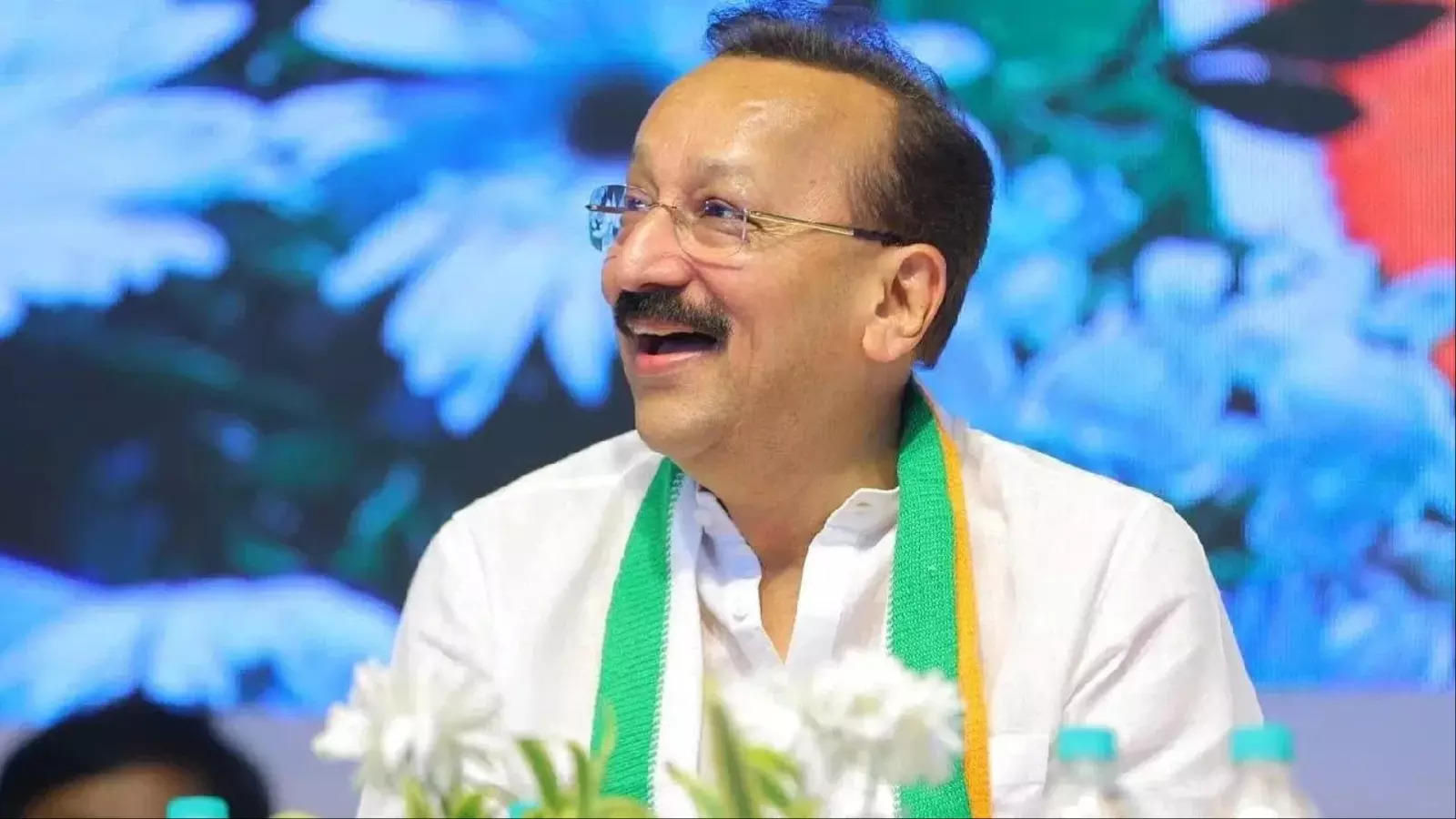
The Shocking Murder of Baba Siddique: Mumbai Police Suspends Security Guard

Mumbai Police: The tragic murder of Baba Siddique, a Nationalist Congress Party (NCP) leader and former Maharashtra minister, has sent shockwaves across Mumbai and India. On October 12, 2024, Siddique was shot outside his office in Nirmal Nagar, where he succumbed to two fatal gunshot wounds. The investigation into this high-profile murder has uncovered startling details, leading to the suspension of Shyam Sonawane, the police constable assigned to protect Siddique, for alleged negligence.

 Overview of the Baba Siddique Murder Case

The assassination of a prominent political figure like Baba Siddique has left the public demanding answers. The police investigation is ongoing, but initial revelations point to a complex web of conspirators, hired assassins, and, most disturbingly, alleged negligence by those tasked with Siddique’s protection.

 Who Was Baba Siddique?

Baba Siddique was a well-known political figure in Maharashtra, having served as an NCP leader and a former minister in the state government. Known for his active role in local politics, he had a considerable following. His sudden murder has raised questions about political rivalries and gang connections, bringing intense scrutiny to the situation.

 The Shocking Incident: What Happened?

On the fateful day, Siddique was outside his office in Nirmal Nagar when he was ambushed. Despite the presence of his security guard, Shyam Sonawane, the attackers were able to fire two bullets into Siddique’s chest. The politician was rushed to Lilavati Hospital in Mumbai, but unfortunately, he succumbed to his injuries shortly after.

 The Role of Shyam Sonawane: Why Was He Suspended?

One of the most controversial aspects of this case is the role of Shyam Sonawane, the constable tasked with protecting Siddique. According to the Mumbai Police, Sonawane “did not take any action” against the assailants during the attack. This negligence led to his suspension, pending further internal investigation. The fact that Sonawane was present but did not intervene has fueled speculations about the circumstances surrounding the murder.

 The Investigation So Far: New Revelations (Mumbai Police)

The ongoing investigation by the Mumbai Police and the Crime Branch has led to multiple arrests, and new information is continually coming to light.

 Connection to Organized Crime?

One of the key suspects in the murder, Ram Kanojia, revealed during his interrogation that the murder was a contract killing. Kanojia was initially offered the task by fugitive criminal Shubham Lonkar, but Kanojia demanded ₹1 crore for the job. Lonkar, seeking a cheaper alternative, hired assassins from Uttar Pradesh who were allegedly unaware of Siddique’s stature in Maharashtra.

 Snapchat and the Conspiracy

In a tech-savvy twist, it was discovered that the shooters and their handlers used Snapchat to communicate. They sent photographs of Siddique’s son, Zeeshan Siddique, to the shooters, with messages that self-deleted after being read. This use of social media platforms to orchestrate the crime has made tracking down evidence more challenging.

 The Accused: Who Are They?

Several key figures have emerged in the investigation:

  • Shubham Lonkar: Allegedly the mastermind behind the assassination.
  • Ram Kanojia: Initially offered the murder contract, but backed out after demanding ₹1 crore.
  • Dharma Raj Kashyap, Gurnail Singh, and Shivkumar Gautam: Hired from Uttar Pradesh to carry out the assassination.

 Political and Public Reactions

The murder of Baba Siddique has not only stunned the political landscape in Maharashtra but has also sparked public outrage. Many are questioning the efficacy of police protection for high-profile individuals, as well as the broader implications of political violence in India.

 Impact on NCP and Political Sphere

The NCP, led by prominent figures like Sharad Pawar, has called for a thorough investigation and demanded accountability from the authorities. The incident has reignited debates about political rivalry, security lapses, and criminal networks that often intersect with politics in the region.

 Could This Have Been Prevented?

The burning question remains: Could the murder of Baba Siddique have been prevented? With an armed police constable standing guard, the public is left wondering how such an attack could have unfolded so swiftly. The suspension of Shyam Sonawane underscores the gravity of the situation and raises concerns about security protocols for political leaders.

 Lessons from the Siddique Murder Case

This tragic event serves as a reminder that even high-profile individuals are not immune to targeted attacks. It has shed light on the importance of robust security measures and the need for constant vigilance, particularly in a politically charged environment like Maharashtra.

 The Road Ahead: What’s Next in the Investigation?

As the investigation progresses, more arrests are expected, and the Crime Branch continues to follow leads that could expose the full extent of the conspiracy behind Siddique’s murder.

 Internal Police Investigations

Apart from the criminal investigation, an internal inquiry is also underway to determine if there were further lapses in police protocols, aside from Sonawane’s alleged negligence. The public awaits the findings of these investigations, which will likely have far-reaching consequences for law enforcement in Mumbai.

 Possible Legal Consequences for Shyam Sonawane

Depending on the findings of the internal investigation, Sonawane could face disciplinary action or even legal consequences for his failure to act during the attack. His suspension is just the first step in a broader investigation into the incident.

 Justice for Baba Siddique

The murder of Baba Siddique is a grim reminder of the dangers faced by public figures in India. As the investigation unfolds, it is hoped that justice will be served not only for Siddique’s family but for the wider community that has been deeply affected by this shocking crime.

  1. Who was Baba Siddique? Baba Siddique was a prominent NCP leader and former Maharashtra minister who was murdered on October 12, 2024.
  2. Why was Shyam Sonawane suspended? Shyam Sonawane, the police constable guarding Siddique, was suspended for alleged negligence during the assassination.
  3. Who was responsible for the murder? The murder was reportedly a contract killing, with several conspirators, including fugitive Shubham Lonkar, involved.
  4. How was Snapchat involved in the conspiracy? Snapchat was used by the conspirators to share information and photographs of Siddique’s son, with messages that deleted after being viewed.
  5. What are the legal implications for Shyam Sonawane? Sonawane could face disciplinary action or legal consequences depending on the outcome of the internal police investigation.

Honouring Ratan Tata: Maha Govt to Rename Skill University After Ratan Tata

Ratan Tata Skill University | Maharashtra government: In a significant move reflecting the profound impact Ratan Tata has had on India’s educational and skill development landscape, the Maharashtra government has officially decided to rename the Maharashtra State Skills Development University after this visionary leader. The university will now be known as the Ratan Tata Maharashtra State Skills Development University.

This decision stands as a testament to Ratan Tata’s unparalleled contributions, not only as a business titan but also as a philanthropist deeply invested in the nation’s socio-economic and educational progress. Let’s explore the background, the man behind the name, and the importance of this renaming.

 Who Was Ratan Tata?

Ratan Tata, born in 1937, is one of India’s most revered industrialists and philanthropists. He headed Tata Sons, the holding company of the Tata Group, one of India’s oldest and largest conglomerates. But what set him apart was his deep commitment to social responsibility, whether through his business innovations, philanthropy, or relentless focus on education and skill development.

 Why Rename a University After Him?

The renaming of a major educational institution reflects how much Ratan Tata contributed to India’s educational landscape. Under his leadership, Tata Group took significant steps in skill-building, education, and research initiatives (Ratan Tata Skill University) that have benefitted thousands of Indian youth. Renaming the university is a fitting tribute to a man who has helped shape India’s future by equipping its youth with skills and opportunities.

 A Focus on Skill Development

Ratan Tata’s focus wasn’t just on business growth; he believed in growing society as a whole. Tata Group, under his direction, invested heavily in initiatives aimed at improving the employability of India’s youth through skill development programs. These programs targeted a wide range of industries, including IT, engineering, hospitality, and more.

 How Tata Group Contributed to Education

One of the most notable ways Tata influenced India’s education was through the establishment of institutes like the Tata Institute of Social Sciences (TISS) and Tata Medical Center, providing valuable educational and healthcare services. Through numerous foundations, the Tata Group has funded scholarships and grants that help students pursue higher education abroad.

 The Announcement and Its Timing

On October 14, 2024, the Maharashtra government announced its decision to rename the Maharashtra State Skills Development University after Ratan Tata. This comes just days after the passing of the industrialist on October 9, 2024, in Mumbai.

 A Heartfelt Tribute to His Legacy

The renaming isn’t just symbolic. It’s a heartfelt tribute to Tata’s relentless pursuit of empowering individuals through education and skill training. The Maharashtra Chief Minister, Eknath Shinde, expressed deep admiration for Tata’s legacy, highlighting how the business leader’s work aligned perfectly with the university’s mission.

 Honouring His Life and Contributions

 Ratan Tata’s Final Days

Ratan Tata passed away in Mumbai after being hospitalised for a routine check-up. His final days were spent in intensive care. The public was given the opportunity to pay their respects at the National Centre for the Performing Arts (NCPA), where his body was placed for viewing.

 A State Funeral with Full Honours

The Maharashtra government went a step further by granting Ratan Tata a state funeral, acknowledging his immense contributions to the nation. The final rites were conducted with full state honours, reflecting the deep respect the country has for him.

 Bharat Ratna for Ratan Tata?

 Calls for India’s Highest Civilian Award

In light of his passing, Chief Minister Eknath Shinde announced that the Maharashtra cabinet would recommend conferring the Bharat Ratna, India’s highest civilian honour, on Ratan Tata. This demand echoes the sentiments of millions of Indians who believe his contributions have left an indelible mark on the nation.

 What Does This Mean for Education in Maharashtra?

 A University With a Vision

The renaming of the skill university underscores the significance of Tata’s vision for a skilled India. The Ratan Tata Maharashtra State Skills Development University aims to continue its work in developing the skills needed to thrive in various sectors of the economy, inspired by Tata’s lifelong focus on excellence and innovation.

 Empowering Future Generations

The university’s vision aligns perfectly with Tata’s philosophy. His legacy is one of not only creating wealth but of creating opportunities for others. The institution will continue to empower young minds, building on the foundation that Tata laid in his lifetime.

 The Larger Impact of Tata’s Philanthropy

 More Than a Business Leader

Although best known for his business acumen, Ratan Tata’s contributions extend far beyond the corporate world. His philanthropy through the Tata Trusts has helped build hospitals, schools, and research centres across the country. By renaming the university, the government seeks to immortalise his passion for education and social development.

 Impact on Rural Development

One often overlooked aspect of Tata’s work is his focus on rural development. The Tata Trusts have played a pivotal role in improving rural infrastructure, providing clean water, healthcare, and educational resources to underserved areas.

 The Global Reach of Ratan Tata’s Vision

Ratan Tata’s impact wasn’t limited to India. He was a global figure, often championing causes related to social justice, economic equality, and educational reform across the world. Through international scholarships, grants, and partnerships, Tata helped countless individuals access education and career opportunities abroad.

 A Legacy That Transcends Borders

The renaming of the university serves as a reminder that Ratan Tata’s influence goes beyond national boundaries. His vision for a better world is something that resonates globally, making him not just an Indian icon but a global figure for change and progress.

Ratan Tata’s legacy is one of compassion, vision, and dedication. The decision to rename the Maharashtra State Skills Development University after him is more than a tribute—it’s a symbol of the values he stood for. This institution will carry forward his mission of empowering the youth of India through education and skill development. His name will continue to inspire generations to come, both in India and across the globe.

  1. Why is the Maharashtra government renaming the university after Ratan Tata? The decision is a tribute to Ratan Tata’s immense contributions to education, skill development, and social causes in India.
  2. What contributions did Ratan Tata make to education? Ratan Tata’s contributions include establishing institutions like the Tata Institute of Social Sciences and funding various scholarships and skill development programs.
  3. When did Ratan Tata pass away? Ratan Tata passed away on October 9, 2024, in Mumbai.
  4. What is the Bharat Ratna, and why is Ratan Tata being considered for it? The Bharat Ratna is India’s highest civilian honour. Ratan Tata is being considered for his unparalleled contributions to industry, philanthropy, and national development.
  5. What will the renamed university focus on? The Ratan Tata Maharashtra State Skills Development University will focus on developing critical skills needed for various industries, continuing Tata’s legacy of empowering youth.

Airfares Drop 20-25% on Domestic Routes Ahead of Diwali

Airfare Drop Diwali 2024: Air travelers can rejoice this Diwali season as domestic airfare prices have dropped significantly. A recent analysis by travel portal ixigo reveals that airfares have decreased by 20-25% on many popular domestic routes. The reduction is primarily attributed to increased airline capacity and a decrease in oil prices, making it the perfect time for travelers to book their Diwali vacations.

In this article, we will explore why airfares have dropped, the specific routes that have seen the biggest reductions, the impact of oil prices on the aviation sector, and how travelers can take advantage of these lower prices during the festive season.

Increased Airline Capacity (Airfare Drop Diwali 2024)

One of the major factors contributing to the drop in airfares is the increase in capacity. Following the suspension of Go First airline in 2022, capacity was limited, causing prices to soar. However, in 2023, airlines have expanded their fleets and added new routes, easing pressure on available seats and driving ticket prices down.

Falling Oil Prices

Another critical factor influencing lower airfares is the recent decline in global oil prices. Oil prices have fallen by approximately 15% this year, which has reduced the operating costs for airlines. This savings is now being passed on to consumers in the form of cheaper airfares, just in time for Diwali travel.

Significant Fare Reductions on Key Routes

Bengaluru-Kolkata Route: 38% Drop

One of the most significant price drops was observed on the Bengaluru-Kolkata route. Airfares have plummeted by 38%, bringing the average ticket price down from Rs 10,195 in 2022 to Rs 6,319 in 2023. This is excellent news for travelers planning to visit Kolkata for the festive season.

Chennai-Kolkata Route: 36% Drop

Similarly, the Chennai-Kolkata route has seen a 36% reduction in airfare, with ticket prices now averaging Rs 5,604, compared to Rs 8,725 last year. Travelers on this route can take advantage of substantial savings by booking their tickets in advance.

Mumbai-Delhi Route: 34% Drop

The busy Mumbai-Delhi route also experienced a notable 34% reduction, with prices dropping from Rs 8,788 to Rs 5,762. This makes it more affordable for travelers looking to visit India’s capital during Diwali.

Delhi-Udaipur: 34% Drop

If you’re planning to explore the scenic beauty of Udaipur, you’re in luck! Airfares on the Delhi-Udaipur route have dropped by 34%, bringing ticket prices down from Rs 11,296 to Rs 7,469 this year.

Other Routes With Significant Reductions

Other popular domestic routes that have benefited from a 32% drop in prices include:

  • Delhi-Kolkata
  • Hyderabad-Delhi
  • Delhi-Srinagar

These reductions make Diwali travel more affordable, allowing more people to reconnect with family and friends.

The Impact of Oil Prices on Airfares

While falling oil prices have contributed to lower airfares this year, ixigo Group CEO Aloke Bajpai cautions that the trend might not last long. Geopolitical tensions are causing oil prices to rise again, and if this continues, we could see airfare increases in the coming months. As such, travelers are encouraged to book their tickets sooner rather than later to lock in the current lower prices.

Not All Routes Are Seeing Price Drops

Despite the overall reduction in airfares, some routes have actually seen price hikes. For instance:

Ahmedabad-Delhi Route: 34% Increase

Travelers flying from Ahmedabad to Delhi are facing a 34% increase in airfare, with prices rising from Rs 6,533 to Rs 8,758. This increase is an anomaly amid the general trend of lower prices.

Mumbai-Dehradun Route: 33% Increase

Similarly, the Mumbai-Dehradun route has seen a 33% jump in ticket prices, with fares rising from Rs 11,710 to Rs 15,527.

If you’re flying on one of these routes, it might be wise to compare prices across airlines or explore alternate travel dates to find a better deal.

How to Take Advantage of Lower Airfares

Book in Advance

One of the best ways to capitalize on these reduced airfares is by booking your tickets well in advance. The closer you get to the date of travel, the higher the prices are likely to be, so securing your tickets early can lead to significant savings.

Use Fare Comparison Tools

Online tools like ixigo, Skyscanner, and Google Flights allow travelers to compare airfare prices across different airlines. By using these platforms, you can easily identify the best deals and routes that suit your travel plans.

Sign Up for Airline Newsletters

Many airlines offer special discounts and promotions to their email subscribers. Signing up for newsletters can help you stay updated on flash sales and exclusive offers that may not be advertised elsewhere.

Consider Off-Peak Travel Dates

If your schedule is flexible, consider traveling on off-peak dates to take advantage of even lower prices. Avoiding peak travel days around Diwali could help you save even more on airfare.

Check for Baggage Fees and Add-Ons (Airfare Drop Diwali 2024)

While base ticket prices might be lower, make sure to check for additional baggage fees or other add-ons that could increase the overall cost of your trip. Some airlines may offer lower fares but charge for checked luggage, seat selection, or meals.

This Diwali, air (Airfare Drop Diwali 2024) travelers are benefiting from a perfect storm of increased capacity and lower oil prices, leading to a 20-25% drop in airfares on many popular domestic routes. Whether you’re traveling to visit family or explore a new destination, now is the ideal time to book your tickets and enjoy significant savings. However, with oil prices on the rise again, it’s best to book early to lock in the current low fares.

  1. Why have airfares dropped for Diwali 2023? Airfares have dropped due to increased airline capacity and a decrease in oil prices.
  2. Which routes have seen the biggest airfare reductions? Routes like Bengaluru-Kolkata, Chennai-Kolkata, and Mumbai-Delhi have seen significant reductions of up to 38%.
  3. Are there any routes where airfares have increased? Yes, routes like Ahmedabad-Delhi and Mumbai-Dehradun have experienced fare increases.
  4. How can I take advantage of lower airfares? Book in advance, use fare comparison tools, and consider traveling on off-peak dates.
  5. Will airfares remain low throughout the year? The current trend may change due to rising oil prices, so it’s best to book soon to secure lower fares.
Exit mobile version