Modi’s Gold Buying Appeal: 1 Crore Jobs at Risk, Says GJC Chairman Rajesh Rokde from Nagpur

Modi gold buying appeal: Prime Minister Narendra Modi’s gold buying appeal has triggered serious concern across India’s jewellery industry. Modi urged citizens to stop buying gold for one year to protect the country’s foreign exchange reserves amid rising tensions in West Asia. Now, the All India Gem and Jewellery Domestic Council (GJC) has warned that this appeal could put over one crore jobs at risk.

Who Is Rajesh Rokde and Why Does His Statement Matter?

GJC Chairman Rajesh Rokde, a prominent jeweller from Nagpur, is the president of India’s largest jewellery trade body. Speaking to media after Modi’s appeal, Rokde said the gems and jewellery industry provides direct and indirect employment to more than one crore people across the country. Any significant drop in gold jewellery purchases would directly affect their livelihoods.

What Exactly Did PM Modi Say?

PM Modi made the remarks while addressing an event in Hyderabad on Sunday, May 10, 2026. He asked Indians to avoid buying gold for a year, reduce fuel consumption, and cut down on unnecessary foreign travel. These requests came as global crude oil prices climbed sharply to around USD 105 per barrel due to escalating conflict in West Asia and disruptions near the Strait of Hormuz. Modi’s appeal was not a legal ban. Citizens remain free to purchase gold. However, it was a strong public call rooted in national economic interest.

How Did the Market React?

Markets responded immediately after the appeal. Major jewellery stocks on the National Stock Exchange came under heavy pressure on Monday. Shares of Kalyan Jewellers and PNG Jewellers dropped around 8 per cent each. Titan Company stock fell more than 6 per cent. Investors worried that consumer demand for discretionary gold purchases could fall sharply in the weeks ahead.

What Is the GJC’s Stand?

Rokde made it clear that he fully supports the Prime Minister’s intention. He stated that Modi’s call reflects genuine national concern over rising imports and pressure on foreign exchange. However, he drew an important distinction between investment gold and jewellery gold.

Rokde said stopping purchases of gold bullion and coins for investment is absolutely justified. At the same time, he pointed out that gold jewellery carries deep cultural significance in India, especially for weddings and festivals. A blanket drop in jewellery purchases would severely hurt millions of artisans, retailers, and workers employed across the sector.

GJC Proposes Gold Monetisation as a Long-Term Solution

Rather than reducing purchases, Rokde urged the Central Government to push the Gold Monetisation Scheme more aggressively. He noted that Indians currently hold an estimated 40,000 to 50,000 tonnes of gold across the country. If even 10 to 20 per cent of this existing gold is monetised, India could significantly reduce its dependence on gold imports. GJC has already submitted a detailed end-to-end monetisation proposal to the government. According to Rokde, if implemented effectively, India may not need to import gold for the next 10 years.

What This Means for Nagpur’s Jewellery Trade

Nagpur is home to a significant number of jewellery businesses and craftsmen. Rokde himself is based in Nagpur and leads the national industry body from here. Any sustained drop in consumer demand would directly affect jewellers, goldsmiths, and allied workers in the city and across Vidarbha.

👉 Also Read: Latest Business and Economy News from Nagpur – NagpurUpdates.in

Gandhisagar Takes Lead as Futala Fountain Flounders: What It Means for Nagpur

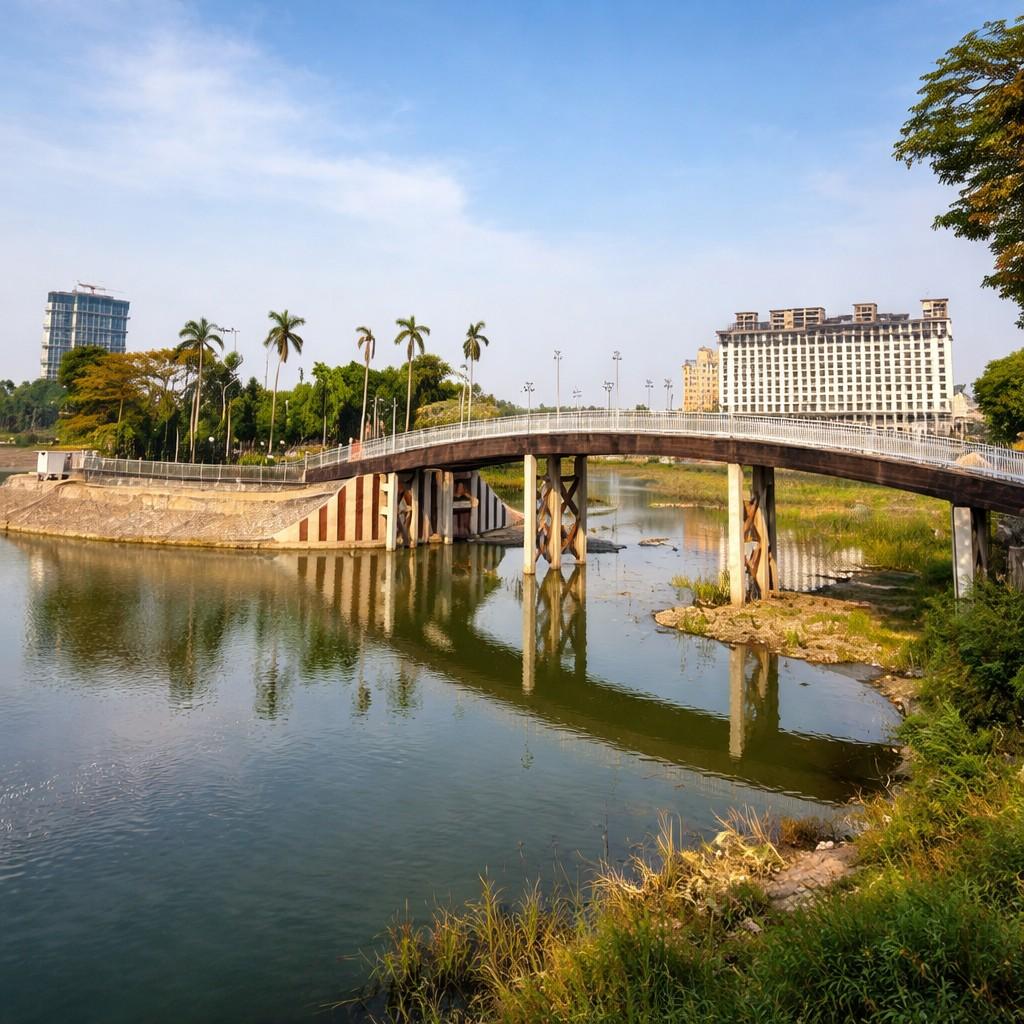
Nagpur tourism spots | Gandhisagar lake Nagpur: If you’ve been around Gandhisagar Lake or Futala Lake recently (Futala fountain issue), you might have noticed a shift. One is buzzing with activity, clean surroundings, and happy visitors. The other? Well, it’s struggling to keep up its charm.

So what’s going on?

This isn’t just about two lakes—it’s about how urban spaces evolve, how management decisions impact public experience, and why people naturally gravitate toward better-maintained places. Let’s break it down in a way that makes sense, like comparing two restaurants—one improving its menu and ambiance, while the other neglects basics. Which one would you choose?

Sr# Headings
1 The Rising Popularity of Gandhisagar
2 Futala Fountain: What Went Wrong?
3 Cleanliness and Maintenance: The Game Changer
4 Visitor Experience Matters More Than Ever
5 Infrastructure Improvements at Gandhisagar
6 Decline in Futala’s Appeal
7 Role of Authorities and Planning
8 Public Perception and Social Buzz
9 Tourism Impact in Nagpur
10 Environmental Factors and Sustainability
11 Safety and Accessibility Comparison
12 Economic Benefits of Better Management
13 Lessons for Urban Development
14 What Can Be Done to Revive Futala?
15 Future of Nagpur’s Lakes

1. The Rising Popularity of Gandhisagar

Gandhisagar is no longer just a lake—it’s becoming a city hotspot.

In recent months, more people are choosing Gandhisagar for evening walks, family outings, and even casual meetups. Why? Because it feels welcoming. Clean pathways, better lighting, and a more organized setup make all the difference.

It’s like a well-kept park—you don’t just visit once, you keep coming back.


2. Futala Fountain: What Went Wrong?

Futala’s iconic fountain was once its biggest attraction—but now it’s struggling.

There have been issues related to maintenance, inconsistent operation, and lack of upkeep. When a key attraction stops functioning properly, it affects the entire experience.

Imagine going to see a movie and the screen doesn’t work—that’s how disappointing it feels for visitors.


3. Cleanliness and Maintenance: The Game Changer

Clean surroundings can make or break a public space.

Gandhisagar scores high here. Regular cleaning, proper waste management, and visible efforts from authorities have created a positive impression.

On the other hand, complaints about litter and poor upkeep at Futala have pushed visitors away.


4. Visitor Experience Matters More Than Ever

People today expect more than just a view—they want an experience.

At Gandhisagar, the environment feels safe, organized, and enjoyable. Whether you’re alone or with family, it offers comfort.

Futala, despite its natural beauty, is losing out because the overall experience isn’t consistent anymore.


5. Infrastructure Improvements at Gandhisagar

Development is clearly visible at Gandhisagar.

Better seating arrangements, walking tracks, lighting systems, and improved access points have transformed the lake into a modern recreational spot.

It shows what happens when planning meets execution.


6. Decline in Futala’s Appeal

Futala still has potential—but it’s not being fully utilized.

The fountain issues, combined with maintenance gaps, have reduced footfall. People who once preferred Futala are now exploring alternatives.

It’s not that Futala is bad—it’s just not keeping up.


7. Role of Authorities and Planning

Effective management plays a huge role in success.

The improvements at Gandhisagar suggest focused planning and regular monitoring. When authorities stay involved, results follow.

Futala’s challenges indicate gaps that need urgent attention.


8. Public Perception and Social Buzz

Word of mouth spreads fast—especially on social media.

Visitors sharing positive experiences at Gandhisagar have boosted its popularity. Photos, reels, and reviews create a ripple effect.

Meanwhile, negative feedback about Futala has impacted its image.


9. Tourism Impact in Nagpur

Better public spaces attract more visitors.

Gandhisagar is slowly becoming a preferred spot for tourists as well. This contributes to local tourism and enhances Nagpur’s image as a city with quality public spaces.


10. Environmental Factors and Sustainability

Sustainability is becoming increasingly important.

Efforts to maintain water quality and surroundings at Gandhisagar are paying off. Cleaner environments not only attract visitors but also support local ecosystems.


11. Safety and Accessibility Comparison

Safety is a top priority for visitors.

Well-lit areas, clear pathways, and better crowd management at Gandhisagar make it a safer option.

Futala needs improvements in these aspects to regain trust.


12. Economic Benefits of Better Management

Good management leads to economic growth.

More visitors mean more opportunities for local vendors, food stalls, and small businesses around Gandhisagar.

It’s a win-win situation for both the public and the local economy.


13. Lessons for Urban Development

This situation offers valuable lessons.

Cities must focus on maintenance, not just development. Building something new is only half the job—keeping it functional is equally important.


14. What Can Be Done to Revive Futala?

Futala can bounce back—with the right steps.

  • Regular maintenance of the fountain
  • Improved cleanliness
  • Better lighting and infrastructure
  • Active monitoring by authorities

With consistent efforts, Futala can regain its charm.


15. Future of Nagpur’s Lakes

Nagpur has the potential to create world-class public spaces.

If Gandhisagar’s model is followed, other lakes—including Futala—can also thrive.

It’s about long-term vision and consistent execution.

The story of Gandhisagar and Futala is more than just a comparison—it’s a reflection of how cities evolve. When attention is given to maintenance, planning, and user experience, public spaces flourish.

Right now, Gandhisagar is leading the way, showing what’s possible. But Futala isn’t out of the race—it just needs a reset.

After all, every great place has a comeback story waiting to happen.

1. Why is Gandhisagar becoming more popular than Futala?

Because of better cleanliness, infrastructure, and overall visitor experience.

2. What issues are affecting Futala fountain?

Maintenance problems and inconsistent functioning have reduced its appeal.

3. Is Gandhisagar better for families?

Yes, due to improved safety, lighting, and organized environment.

4. Can Futala regain its popularity?

Absolutely, with proper maintenance and upgrades.

5. How does this impact Nagpur tourism?

Better-managed spots like Gandhisagar attract more visitors and boost tourism.

Poonam Tower Controversy: Maharashtra Government Pushes for Structural Audit and Acquisition for Vidhan Bhavan Expansion

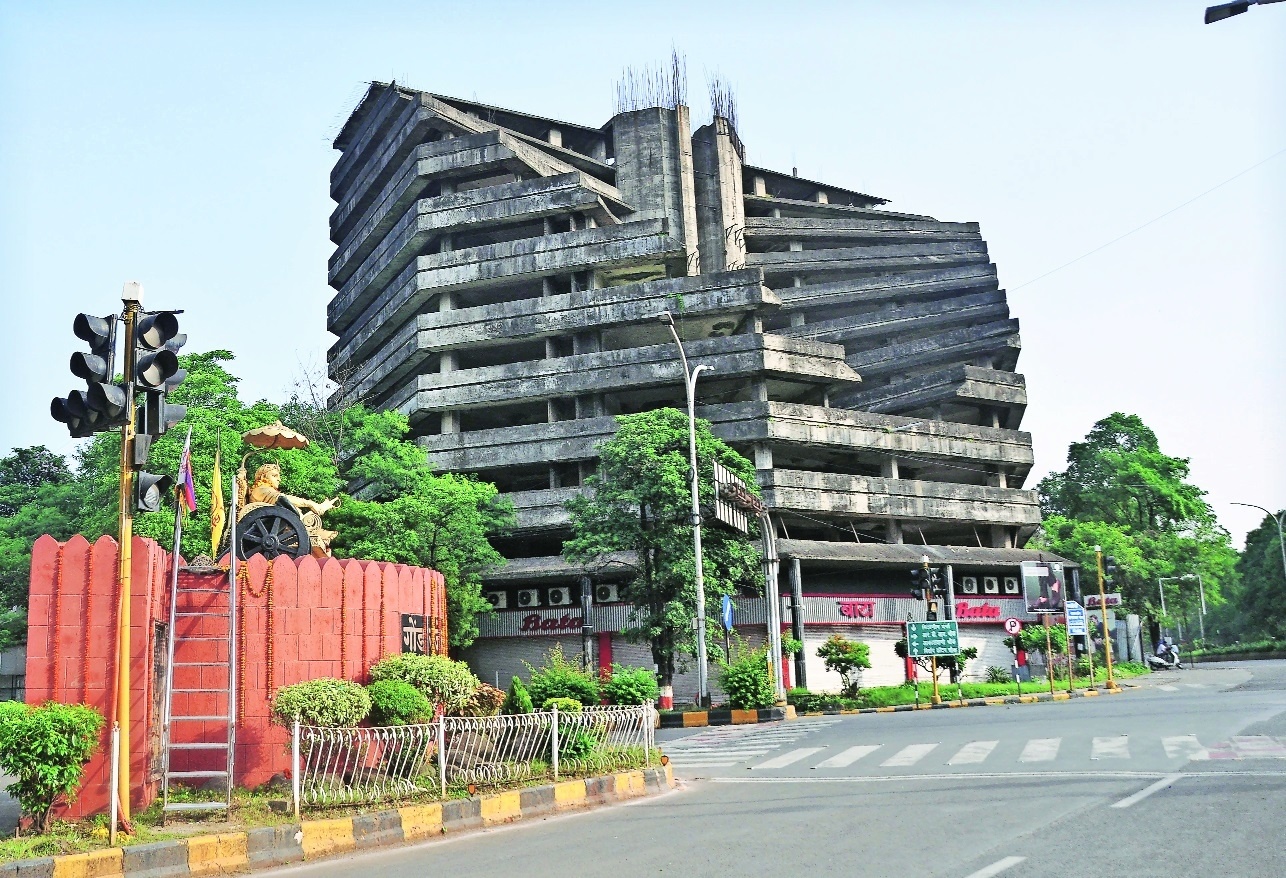
Vidhan Bhavan expansion:  The Poonam Tower Nagpur—a half-constructed and long-abandoned building standing right opposite the Maharashtra Vidhan Bhavan in Nagpur—has once again returned to the spotlight. After years of valuation disputes, failed negotiations, and a history of structural neglect, the Maharashtra Government has now taken concrete steps to acquire the structure. This move is part of a broader initiative to expand the Vidhan Bhavan complex, which serves as the legislative headquarters for the state.


PWD Ordered to Conduct Fresh Structural Audit

According to highly placed sources, the Public Works Department (PWD) has been instructed to carry out a new structural audit of Poonam Tower. Simultaneously, the District Collectorate has been directed to assess the building’s market value, factoring in its present condition, decades of weathering, and incomplete construction.

This renewed interest reflects the state government’s urgency to resolve the decades-old stalemate and to reclaim valuable urban land for institutional use.


A Price Deadlock That Stalled Progress

The valuation of Poonam Tower has remained a persistent issue. Despite repeated efforts by the Government to strike a deal, the builder, N. Kumar, has refused to settle for less than ₹150 crore, while the Government had offered ₹55 crore.

Past attempts at acquisition faltered due to this wide gap in valuation, leading to repeated delays. MLC Dr. Parinay Fuke even proposed constructing underground passageways linking the tower to Vidhan Bhavan, envisioning the tower as an extension of the legislative complex. However, no consensus was ever reached, keeping the fate of Poonam Tower hanging in the balance.


2019 Structural Audit Raised Red Flags

In 2019, the PWD in collaboration with VNIT (Visvesvaraya National Institute of Technology), conducted a structural audit that revealed serious concerns:

  • Non-plastered exterior walls were heavily exposed to weather-related degradation.

  • No protective coatings or paints were applied to prevent corrosion.

  • Concrete deterioration and reinforcement corrosion was observed throughout the building.

  • The main column supporting the front porch was crushed at its base, threatening the stability of the entire structure.

  • Several interior slabs and walls remained unfinished, leaving the skeletal structure vulnerable to the elements.

The report strongly recommended a complete structural overhaul and, most importantly, the removal of the unsafe porch area.


Construction Stalled Since 1996 | Poonam Tower Nagpur 

According to local sources and former tenants, the construction of Poonam Tower began in 1996 but was abruptly stalled midway. While official explanations remain vague, some attribute the halt to security concerns due to its proximity to Vidhan Bhavan.

N. Kumar, the builder, maintains that he began the project only after receiving full approval from civic authorities. “If permission wasn’t granted, I wouldn’t have invested in the construction,” Kumar argued, adding that the abandoned project is a financial burden—a dead investment that can neither be used nor sold.


Government’s Silent Strategy to Resolve the Impasse | Vidhan Bhavan expansion

While public discourse around Poonam Tower has been largely muted, insiders report that the Government is quietly working on a resolution. A senior MLA, requesting anonymity, disclosed that Chief Minister Devendra Fadnavis is determined to see the acquisition through.

Further, Assembly Speaker Adv. Rahul Narvekar and State Council Chairman Ram Shinde have convened multiple meetings in Mumbai and Nagpur to explore expansion strategies for Vidhan Bhavan. The Poonam Tower issue has been tabled repeatedly, yet no public decisions have been shared, suggesting that a behind-the-scenes negotiation strategy is underway.


Government Press Land Now in the Mix

In a parallel development, the Government has begun evaluating the land currently occupied by the Government Press for the expansion of Vidhan Bhavan (Vidhan Bhavan expansion). This pivot indicates that multiple options are on the table, and the decision could swing based on feasibility, cost, and time efficiency.

However, Poonam Tower’s location remains strategically unmatched—it lies directly across from the legislative building, making it the most viable candidate for seamless expansion.


What Lies Ahead for Poonam Tower Nagpur?

The fate of Poonam Tower now hinges on two factors:

  1. Findings of the upcoming structural audit by PWD

  2. Agreement between Government and N. Kumar on valuation terms

If the audit deems the structure unsafe beyond repair, a demolition followed by reconstruction may be proposed. Alternatively, if structural integrity can be restored, the building may be retrofitted and repurposed for official legislative use, as originally envisioned.

Regardless of the route taken, it is clear that the Government is serious this time—Poonam Tower will either be acquired or bypassed, but it won’t be ignored any longer.

The Poonam Tower saga, spanning nearly three decades, might finally be drawing to a close. With political will, structural assessment, and property valuation aligning for the first time in years, Maharashtra Government appears poised to break the deadlock. Whether through acquisition, demolition, or compromise, this long-stalled project is finally back on the agenda—and the clock is ticking.

Court Rebukes Collector for Inaction on Zero Mile’s Upkeep

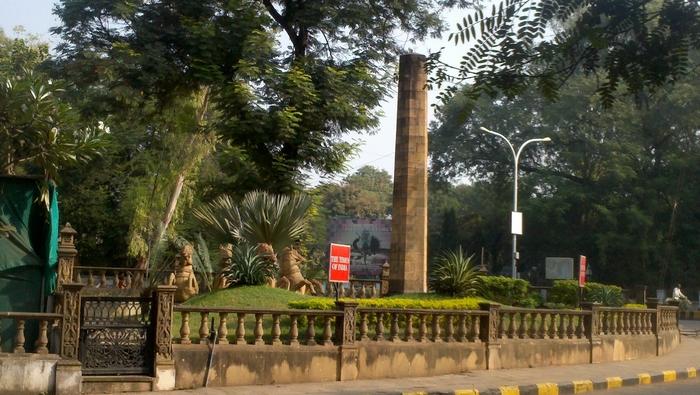
Nagpur Collector| Bombay High Court | Zero Milestone Nagpur: Nagpur’s Iconic Zero Milestone Neglected: High Court Takes Action

The Nagpur bench of the Bombay High Court recently delivered a stern rebuke to the district collector for neglecting the maintenance and upkeep of the iconic Zero Milestone in Nagpur. This reprimand highlights the ongoing concerns surrounding the preservation of this historical monument, a symbol of the city’s rich cultural heritage. The court’s strong words came after the collector suggested that the funds for the project could be sourced from the Nagpur Municipal Corporation’s (NMC) Heritage Committee account. The proposal triggered the court’s admonition, emphasizing the collector’s failure to proactively manage the situation.

Understanding the Significance of Zero Milestone

The Historical Importance of Zero Milestone

Zero Milestone in Nagpur is not just a geographical marker; it is a testament to the city’s historical significance. Traditionally, it has been the point from which all distances in India were measured during the British era. Over the years, it has evolved into a symbol of Nagpur’s central role in the country’s geography and history.

Why Preservation Is Crucial

Preserving such monuments is vital for maintaining the cultural and historical integrity of a place. When landmarks like Zero Milestone are neglected, it isn’t just the structure that deteriorates—it’s a part of the city’s identity that is lost. This makes the court’s intervention particularly important, as it underscores the need for vigilant stewardship of our cultural heritage.

The Court’s Intervention: A Critical Turning Point

The High Court’s Reprimand

On Thursday, the Nagpur bench of the Bombay High Court, consisting of Justices Nitin Sambre and Abhay Mantri, reprimanded the district collector for shirking his responsibility towards the upkeep of Zero Milestone. The court criticized the collector’s suggestion to use funds from the NMC Heritage Committee, implying a lack of initiative on the part of the administration.

Mandate to Submit Recommendations

The court has instructed the collector to submit his recommendations regarding the maintenance of Zero Milestone through an affidavit by August 13. This directive signals the court’s intent to ensure accountability and to see concrete actions taken towards the monument’s preservation.

Public Interest Litigation: A Call for Accountability

Suo Motu PIL and Its Implications

The High Court’s involvement comes as part of a suo motu Public Interest Litigation (PIL), which was initiated due to the neglect that has led to the deterioration of Zero Milestone. The PIL underscores the importance of the monument and the collective responsibility of government bodies to preserve such landmarks.

Role of the Amicus Curiae

Kartik Shukul, appointed as amicus curiae, plays a crucial role in this litigation. His appointment is a clear indication of the seriousness with which the court is treating this issue. The amicus curiae’s involvement ensures that an impartial perspective is brought to the case, facilitating a fair and just resolution.

Nagpur Municipal Corporation’s Role in Preservation

Funding Challenges and Heritage Committee’s Involvement

The proposal to use funds from the NMC Heritage Committee raises important questions about the allocation of resources for heritage preservation. The Heritage Committee’s funds are derived from a 2% cess levied on building plan approvals by the NMC and Nagpur Improvement Trust (NIT). This cess is intended to support the maintenance of heritage sites, including Zero Milestone.

Collector’s Proposal Under Scrutiny

The collector’s suggestion to tap into these funds indicates a reactive approach rather than a proactive one. The court’s response reflects its dissatisfaction with this approach, highlighting the need for more comprehensive and forward-thinking planning in heritage preservation.

The Broader Implications for Heritage Preservation

Neglect of Heritage Sites: A National Issue

The situation with Zero Milestone is emblematic of a broader issue facing many heritage sites across India. Neglect and insufficient maintenance of such sites lead to the gradual erosion of the country’s cultural fabric. This case serves as a wake-up call for authorities nationwide to prioritize heritage preservation.

Legal Framework and Preservation Efforts

India has a robust legal framework for the protection of heritage sites, but implementation often falls short. The Antiquities and Art Treasures Act, 1972, and the Ancient Monuments and Archaeological Sites and Remains Act, 1958, provide a legal foundation for preservation efforts. However, the enforcement of these laws is often inconsistent, leading to the neglect seen in cases like Zero Milestone.

The Importance of Public Awareness and Involvement

Community Engagement in Preservation

One of the key takeaways from this case is the importance of public awareness and community involvement in heritage preservation. When the public is engaged and informed, there is greater accountability, and the chances of preserving historical sites increase.

Educational Initiatives

Educational initiatives aimed at increasing awareness about the significance of heritage sites like Zero Milestone can play a critical role in their preservation. Schools, colleges, and community groups should be encouraged to take an active interest in local heritage, fostering a sense of pride and responsibility.

Steps Forward: Ensuring the Preservation of Zero Milestone

Strategic Planning for Maintenance

Going forward, it is crucial that authorities develop a strategic plan for the maintenance and preservation of Zero Milestone. This plan should include regular maintenance schedules, appropriate allocation of funds, and clear lines of responsibility among different government bodies.

Collaboration Between Government Bodies

Effective preservation of heritage sites requires collaboration between various government bodies, including the NMC, NIT, and the district administration. Clear communication and cooperation are essential to ensuring that preservation efforts are well-coordinated and effective.

Innovative Approaches to Preservation

Innovative approaches, such as the use of modern technology for monitoring and maintaining heritage sites, should be explored. For example, 3D scanning and digital archiving can help in the restoration of deteriorated parts of the monument, ensuring that its historical integrity is preserved.

The Role of Judiciary in Heritage Preservation

Judicial Activism in Heritage Protection

The judiciary plays a vital role in the protection of heritage sites. Cases like this one demonstrate the power of judicial activism in holding authorities accountable and ensuring that they fulfill their responsibilities towards heritage preservation.

Precedents Set by the High Court

The Nagpur bench of the Bombay High Court has set a precedent with its firm stance on the Zero Milestone issue. This case may serve as a reference for future legal actions concerning the neglect of heritage sites across the country.

The rebuke from the Nagpur bench of the Bombay High Court to the district collector regarding the upkeep of Zero Milestone is a significant moment in the ongoing struggle to preserve India’s cultural heritage. This case highlights the importance of proactive management, accountability, and public involvement in the preservation of historical sites. As the court continues to monitor the situation, it is imperative that all stakeholders, including government bodies, the judiciary, and the public, work together to ensure that Zero Milestone and other heritage sites are preserved for future generations.

1. What is the historical significance of Zero Milestone?

Zero Milestone in Nagpur is a historical landmark from which all distances in India were measured during the British era. It symbolizes Nagpur’s central role in India’s geography.

2. Why did the High Court reprimand the district collector?

The High Court reprimanded the collector for neglecting the maintenance of Zero Milestone and for suggesting that the funds for its upkeep be sourced from the NMC Heritage Committee, indicating a lack of proactive management.

3. What is a suo motu Public Interest Litigation (PIL)?

A suo motu PIL is a legal action initiated by a court on its own accord, without a formal complaint, usually in the interest of the public or to address a significant issue.

4. How does the NMC Heritage Committee fund heritage preservation?

The NMC Heritage Committee is funded by a 2% cess levied on building plan approvals, which is intended for the maintenance and preservation of heritage sites in Nagpur.

5. What steps can be taken to improve the preservation of heritage sites?

Improving preservation efforts requires strategic planning, collaboration between government bodies, innovative approaches like digital archiving, and active public involvement.

Unauthorised Construction of Swami Vivekananda Memorial: High Court Raises Concerns

Nagpur High Court’s Firm Stand

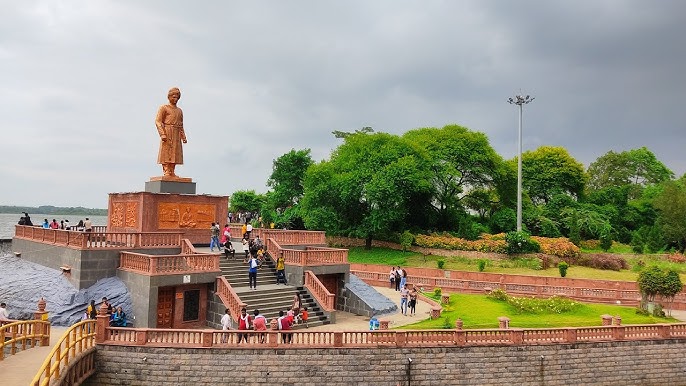
The Nagpur Bench of the Bombay High Court has recently raised serious concerns regarding the unauthorized construction of the Swami Vivekananda Memorial near Ambazari Lake. Despite the absence of a development zone in the vicinity, construction activities have proceeded, prompting the High Court to intervene. The court, led by the division bench of Justice Nitin Sambre and Justice Abhay Mantri, has taken a stern stance against the Nagpur Municipal Corporation (NMC) officials, demanding accountability in this matter.

Court’s Directives

During the hearing, held on Friday, the High Court scrutinized the legality of the construction project. Notably, NMC officials were conspicuously absent during the proceedings, prompting the court to order their mandatory presence. Additional Commissioner of NMC, Anchal Goyal, along with other officials, appeared in compliance with the court’s directive.

Accountability and Violation of Rules

Expressing dissatisfaction with the response from NMC lawyers, the court emphasized the importance of accountability. It directed the NMC counsel to summon all senior officers and questioned their absence. The court warned of issuing contempt notices against absent officials, underscoring the violation of rules in erecting the memorial.

The matter came to light through a public interest petition filed by concerned citizens, represented by Advocate Prashant Sathianathan. The petition highlighted not only the unauthorized construction but also the illegal felling of trees near Ambazari Dam by NMC, without proper permissions or citizen consultation.

Environmental Concerns

Ambazari Lake, designated as a wetland, has further raised environmental concerns. The High Court questioned the construction of the memorial, warning against jeopardizing citizens’ lives. Additionally, the court directed the Executive Director of the Irrigation Department to provide necessary information regarding the matter.

Ongoing Litigation

In a separate public interest litigation, citizens sought redress for financial losses incurred due to water seepage from Ambazari Lake during heavy rains in September 2023. Various legal representatives, including Adv Tushar Mandlekar, Adv Nivedia Mehnata, Adv Ravi Sanyal, and Adv Gemini Casat, have been involved in advocating for citizen rights and environmental protection.

The unauthorized construction of the Swami Vivekananda Memorial near Ambazari Lake has sparked legal scrutiny and public concern. The Nagpur High Court’s intervention underscores the importance of accountability, environmental preservation, and citizen participation in development projects.

स्वतंत्रता दिवस पर आदिवासी छात्र को नागपुर खंडपीठ ने दिया न्याय

नागपूर : 15 ऑगस्ट 1947 रोजी भारताला इंग्रजांपासून स्वातंत्र्य मिळाले आणि देशातील लोक स्वतंत्रतेने जगू लागले. पण आजही काही लोकांना स्वातंत्र्याचा खरंच उपयोग होत आहे. लोकशाही असलेल्या भारतात आजही अनेक ठिकाणी गरीबांना हुकूमशाहीसारखी वागणूक मिळत आहे.

हालाँकि भारत स्वतंत्र हो गया है, फिर भी कुछ समुदायों को जीवित रहने और अपनी पहचान बनाने के लिए संघर्ष करना पड़ रहा है। हालाँकि, स्वतंत्रता दिवस के दिन ही बॉम्बे हाई कोर्ट की नागपुर बेंच ने एक आदिवासी छात्र को न्याय दिलाया।

बॉम्बे हाई कोर्ट की नागपुर बेंच ने 15 अगस्त को छुट्टी के दिन एक आदिवासी छात्र को न्याय दिलाने के लिए अपनी अदालती कार्यवाही जारी रखी। छात्र की जरूरत को देखते हुए नागपुर बेंच ने कार्यवाही जारी रखी और उस छात्र को न्याय दिलाया. इस छात्र का नाम गौरव वाघ है और स्वतंत्रता दिवस पर नागपुर बेंच द्वारा लिए गए फैसले से इस छात्र के इंजीनियरिंग कोर्स में दाखिले का रास्ता साफ हो गया है.

मिली जानकारी के मुताबिक गौरव वाघ इंजीनियरिंग कोर्स का छात्र है. प्रवेश के लिए उन्हें अनुसूचित जनजाति वैधता प्रमाण पत्र की आवश्यकता थी। हालाँकि, जाति वैधता प्रमाणपत्र सत्यापन समिति ने 10 नवंबर, 2022 को अनुसूचित जनजाति के दर्जे की उनकी घोषणा को खारिज कर दिया। जिसके बाद गौरव ने इस मामले में हाई कोर्ट में याचिका दायर की.


इंजीनियरिंग कोर्स में प्रवेश के लिए गौरव को कल (16 अगस्त) दोपहर 03 बजे तक जाति वैधता प्रमाणपत्र जमा करना था। इसलिए हाई कोर्ट के जस्टिस अविनाश घरोटे और महेंद्र चांदवानी ने 15 अगस्त को छुट्टी के दिन भी कामकाज जारी रखते हुए इस मामले पर सुनवाई की. इस बार अभिलेख पर मौजूद साक्ष्यों को देखते हुए सत्यापन समिति का विवादास्पद निर्णय निरस्त कर दिया गया है। अदालत ने गौरव को अनुसूचित जनजाति वैधता प्रमाण पत्र जारी करने और उसे इंजीनियरिंग पाठ्यक्रम में प्रवेश देने का भी आदेश दिया है।


कोर्ट के फैसले के बाद इस एयरपोर्ट को ‘ही’ कंपनी द्वारा विकसित किया जाएगा

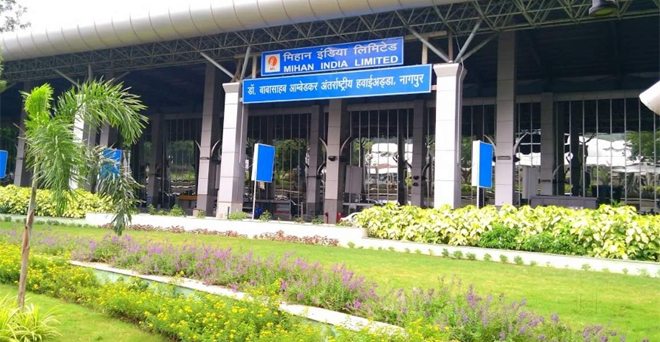
नागपुर : नागपुर एयरपोर्ट के विकास का ठेका किसे दिया जाए, इस पर विवाद थम गया है. बॉम्बे हाईकोर्ट की नागपुर बेंच ने जीएमआर को कंपनी को हायर करने का निर्देश दिया है। नतीजा यह हुआ कि विवाद अब सुलझ गया है और कई सालों से ठप पड़े हवाईअड्डे के विकास का रास्ता साफ हो गया है. भारतीय विमानपत्तन विकास प्राधिकरण और मिहान इंडिया ने कंपनी के खिलाफ अपील दायर की थी। हालांकि, अदालत ने उनकी याचिका को यह कहते हुए खारिज कर दिया कि यह खराब गुणवत्ता की है। जस्टिस विनीत सरन और जे. क। माहेश्वरी ने यह निर्वाण दिया। गौरतलब है कि इससे पहले हवाईअड्डा विकास अनुबंध की पूरी प्रक्रिया को रद्द कर दिया गया था। जीएमआर एयरपोर्ट और जीएमआर नागपुर इंटरनेशनल एयरपोर्ट ने इसके खिलाफ हाईकोर्ट में याचिका दायर की थी। सुनवाई में अनुबंध प्रक्रिया को रद्द करने के विवादास्पद निर्णय को अमान्य घोषित कर दिया गया।

मिहान इंडिया कंपनी ने पीपीपी के तहत डिजाइन, निर्माण, वित्त, संचालन और हस्तांतरण के आधार पर हवाई अड्डे के विकास के लिए 2016 में निविदाएं आमंत्रित की थीं। इसमें करीब 13 कंपनियों ने हिस्सा लिया था। इनमें से जीएमआर समेत चार अन्य कंपनियों को तकनीकी बोली के लिए चुना गया था। इसके बाद जीएमआर कंपनी को ठेका देने का फैसला किया गया, जिसने सबसे ज्यादा बोली लगाई थी जीएमआर नागपुर अंतर्राष्ट्रीय हवाई अड्डा मिहान इंडिया की अनुमति से स्थापित किया गया था। हालांकि, लाभ बंटवारे पर कोई संतोषजनक समझौता नहीं हुआ। इसलिए, 19 मार्च, 2020 को मिहान इंडिया ने पूरी अनुबंध प्रक्रिया को रद्द कर दिया था। जीएमआर ने शुरुआत में मिहान इंडिया को कुल मुनाफे का 5.76 फीसदी हिस्सा देने की पेशकश की थी। यह बोली अन्य कंपनियों के मुकाबले ज्यादा थी।

नागपुरात हनी सिंग, वकील पोहोचले पोलीस ठाणे; आज व्हाईस सॅम्पल घेण्यात येणार

नागपूर. रॅप सिंगर हनी सिंगविरुद्ध पाचपावली पोलीस ठाण्यात दाखल झालेल्या गुन्ह्यात न्यायालयाने शनिवारी पोलीस ठाण्यात हजर राहण्याचे आदेश दिले होते. शनिवारी संध्याकाळी हनी सिंग नागपुरात पोहोचला. त्यांच्या दोन वकिलांनी पाचपावली पोलीस ठाणे गाठून यो-यो नागपूरला पोहोचल्याची माहिती दिली, परंतु साधन उपलब्ध नसल्यामुळे नमुने घेतले गेले नाहीत. रविवारी पोलिस त्यांचे नमुने घेणार असल्याचे सांगण्यात येत आहे.

एका वादग्रस्त गाण्यात अनेक असभ्य शेरेबाजी आणि शिवीगाळ केल्यामुळे हनीविरोधात पोलिसात तक्रार करण्यात आली होती. पोलिसांनी गुन्हा दाखल न केल्याने तक्रारदाराने न्यायालयात धाव घेतली. या प्रकरणात हनीला जामीन मिळाला आहे. गाण्यात ऐकलेला आवाज हनी सिंगचा आहे की नाही हे जाणून घेण्यासाठी पोलिसांनी आवाजाचा नमुना देण्यास सांगितले होते, मात्र यापूर्वी न्यायालयाने ४ ते ११ फेब्रुवारी दरम्यान पोलीस ठाण्यात हजर राहण्याचे आदेश दिले होते. .

शुक्रवारी झालेल्या सुनावणीत न्यायालयाने दिलासा देण्यास पुन्हा नकार देत 12 फेब्रुवारीला पोलिस ठाण्यात हजर राहण्याचे आदेश दिले. शनिवारी सायंकाळी हनी नागपुरात पोहोचला आणि वर्धा रोडवरील एका हॉटेलमध्ये मुक्काम केला. त्याच्या वकिलांनी पोलिस स्टेशन गाठले आणि पोलिसांना व्हाईस सॅम्पलची प्रक्रिया पूर्ण करण्यास सांगितले परंतु पोलिसांकडे व्हाईस सॅम्पल गोळा करण्यासाठी संसाधने नव्हते. ज्या यंत्रांवर आवाजाचा नमुना रेकॉर्ड करायचा आहे ते लाचलुचपत प्रतिबंधक विभागाकडे उपलब्ध आहेत. कार्यालयीन वेळ संपल्याने शनिवारी रात्री व्हाईस नमुना घेणे शक्य झाले नाही. त्यामुळेच पोलिसांनी हनीच्या वकिलांना रविवारी नमुने घेण्याची माहिती दिली.


अश्लील गाणे प्रकरण: नागपूर न्यायालयाने गायक हनी सिंगला आवाजाचा नमुना सादर करण्याचे निर्देश दिले आहेत

गायक हनी सिंग याला इंटरनेटवर अश्लील गाणे गाणे आणि अपलोड केल्याप्रकरणी त्याच्यावर दाखल झालेल्या गुन्ह्याच्या संदर्भात महाराष्ट्र न्यायालयाने त्याच्या आवाजाचा नमुना सादर करण्याचे निर्देश दिले आहेत. महाराष्ट्रातील नागपुरातील जिल्हा न्यायालयाने गायक हनी सिंगला इंटरनेटवर अश्लील गाणे गाणे आणि अपलोड केल्याप्रकरणी त्याच्याविरुद्ध दाखल केलेल्या गुन्ह्यात त्याच्या आवाजाचा नमुना सादर करण्यासाठी स्थानिक पोलिस ठाण्यात हजर राहण्याचे निर्देश दिले आहेत.

जिल्हा आणि अतिरिक्त सत्र न्यायाधीश एसएसएम अली यांनी 27 जानेवारी रोजी गायकाला 4 फेब्रुवारी ते 11 फेब्रुवारी दरम्यान नागपुरातील पाचपाओली पोलिस ठाण्यात हजर राहण्याचे निर्देश दिले. परदेशात जाण्यासाठी लादलेली अट शिथिल करण्यासाठी गायकाने दाखल केलेल्या अर्जावर सुनावणी करताना न्यायालयाने हे निर्देश दिले. हनी सिंग यांना २९ जानेवारी ते ४ फेब्रुवारीदरम्यान दुबईला जाण्याची परवानगी देताना न्यायालयाने त्यांना ४ ते ११ फेब्रुवारीदरम्यान पोलीस ठाण्यात हजर राहण्यास सांगितले.

सिंग यांच्या अर्जाला तपास अधिकाऱ्याने विरोध केला, ज्याने गायक 25 जानेवारी रोजी पोलिस स्टेशनमध्ये हजर होणार होते, परंतु तो हजर होऊ शकला नाही आणि असे करण्यास असमर्थता ईमेलद्वारे कळवली. तपास अधिकाऱ्याने दावा केला की गायक तपासात सहकार्य करत नाही आणि जर त्याला प्रवास करण्याची परवानगी असेल तर तो न्यायालयासमोर उपस्थित राहू शकत नाही.

Exit mobile version