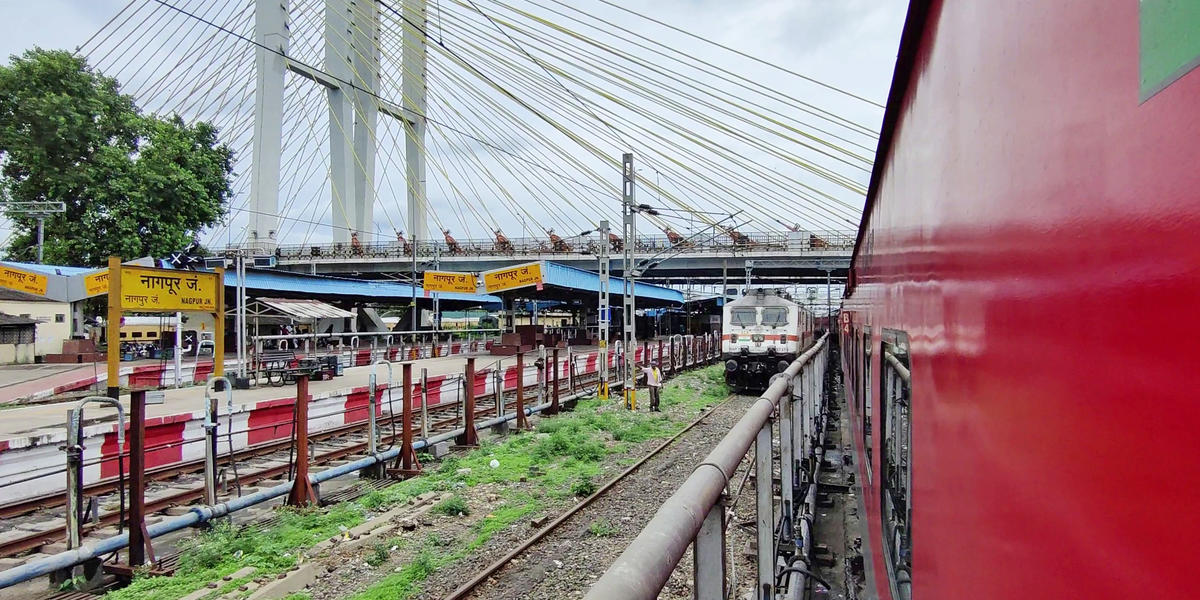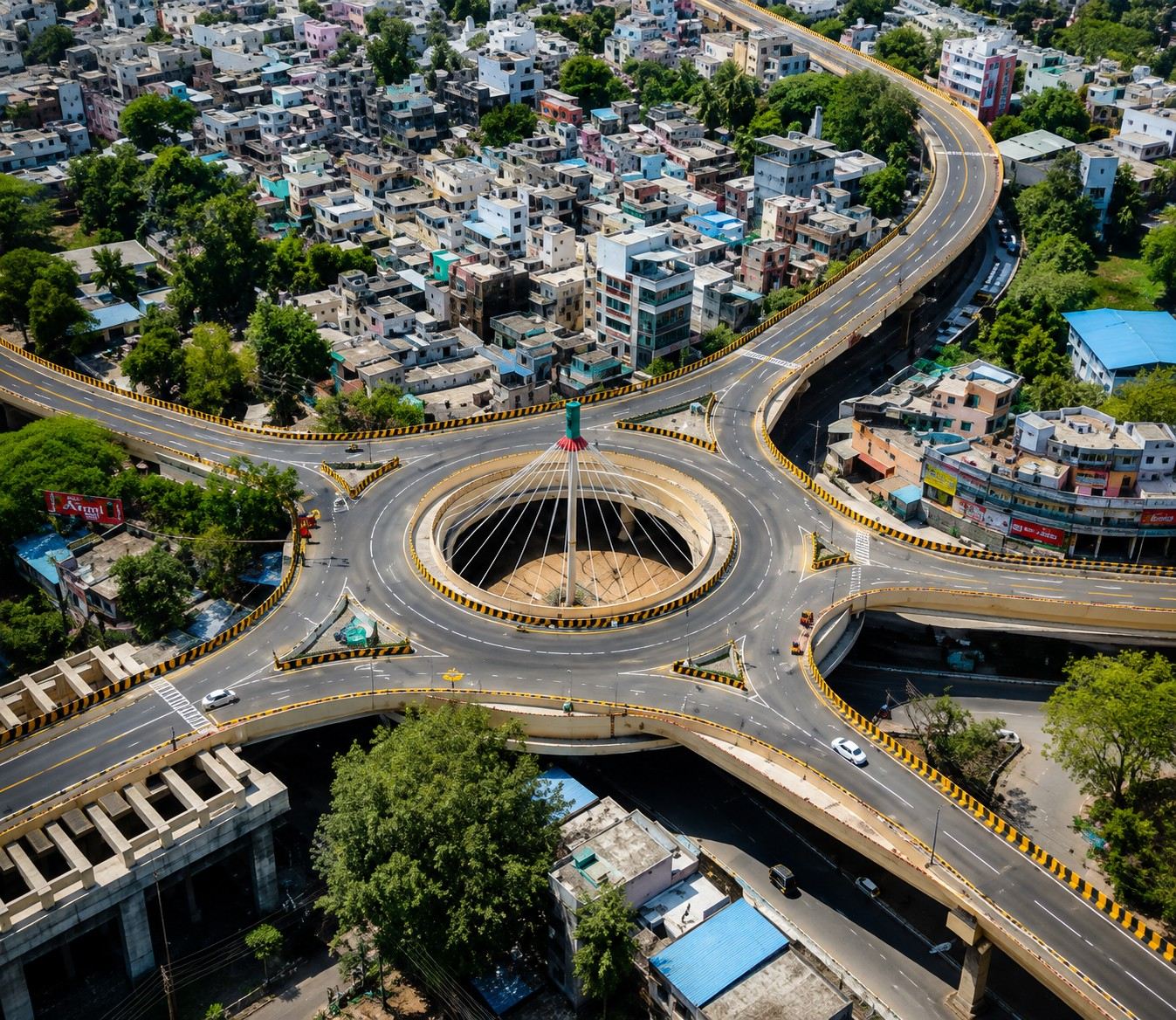
Indora Dighori Flyover Nagpur Opening September 15: NHAI Says Entire 9km Route Launches at Once

East Nagpur commuters have been waiting for years. The wait is now almost over. NHAI has clarified that it is fully prepared to allow vehicles to run on the Indora-Dighori flyover from September 15, 2026. Furthermore, instead of opening the flyover in sections, the entire route will be opened to traffic at once. As a result, thousands of daily commuters travelling between North and East Nagpur will get relief on a single day — not in a slow, phased rollout.

As soon as the order is received, the Indora-Dighori flyover can be opened to traffic from September 15. This claim has been made by the National Highways Authority of India (NHAI). Therefore, the only remaining requirement is the formal opening order — which is now the final step between Nagpur and its biggest road infrastructure launch in years.

What the Indora-Dighori Flyover Is — The Full Picture

The Indora-Dighori flyover is the largest road infrastructure project currently under construction in Nagpur. < cite index=”31-1″>Work on the ambitious 9-km-long flyover is almost complete. The project has cost around Rs 640 crore.

Furthermore, the flyover will provide seamless connectivity between Kamal Chowk, Reshimbagh, Sakkardara, Bhande Plot and Dighori Naka, helping decongest some of Nagpur’s busiest roads and reducing travel time for daily commuters.

The project is divided into two key segments. One segment extends from Kamal Square to Reshimbag Square, and the other from Bhande Plot Square to Telephone Nagar Square.</cite> Moreover, both segments will open simultaneously on September 15 — giving commuters the full 9-kilometre elevated corridor in one go.

The Panchpaoli Railway Crossing — The Last Major Hurdle Is Cleared

One of the most technically demanding aspects of this project was crossing the railway lines at Panchpaoli. Furthermore, this required the installation of special open web girders over the railway tracks — work that had to be done during specific railway block periods when trains were stopped on those lines.

The work of installing girders at the first and second railway crossings at Panchpaoli has been completed, and no further railway block is now required. At present, concrete curing work is underway in the railway portion.

This is significant. Furthermore, the railway crossing work was the single biggest remaining technical challenge on the project. As a result of its completion, NHAI can now confidently state a September 15 opening date. The remaining concrete curing work is a time-bound process that NHAI’s timeline accounts for.

Why the Entire Route Opens at Once — Not in Phases

Many Nagpur infrastructure projects open in phases — a section here, a section there, over weeks or months. However, NHAI has made a specific commitment that the Indora-Dighori flyover will not follow this pattern.

The authority has made it clear that instead of opening the flyover in sections, the entire route will be opened to traffic at once.

This decision is significant for commuters. Furthermore, a partial opening of an elevated flyover creates as many problems as it solves — traffic junctions at the end of incomplete sections become new bottlenecks. As a result, waiting for the full route to open before launching is the right call for East Nagpur’s road network.

Moreover, the full-route opening also makes the project’s impact immediately measurable. When the entire 9-kilometre corridor opens on September 15, the travel time benefit for commuters going from Kamal Chowk to Dighori Naka will be visible and felt from day one.

The Journey of This Project — Years of Delays

The Indora-Dighori flyover has been in the making for several years.The project has faced delays due to land acquisition challenges, utility shifting, and disruptions during the COVID-19 pandemic.

Furthermore, multiple opening deadlines have come and gone. The flyover was expected to open to traffic from August 1, 2026, with only a few crucial works left — among them the installation of a 60-metre open web girder at Pachpaoli, which remained one of the last major structural components.

That girder is now installed. Moreover, NHAI has now set September 15 as the revised target. The question that Nagpur commuters are reasonably asking is whether this deadline will hold — given the project’s history. However, NHAI’s specific statement that all major structural work is complete gives September 15 significantly more credibility than previous deadlines.

What September 15 Means for East Nagpur Commuters

For commuters who travel daily between North Nagpur, Indora, Kamptee Road, and East Nagpur localities like Sakkardara, Bhande Plot, Dighori and Ajni — the opening of this flyover will be transformative.

The nearly 8-km elevated corridor is expected to substantially reduce travel time between North and East Nagpur once fully operational. Furthermore, the elevated corridor is expected to significantly improve traffic flow in East Nagpur by diverting through-traffic away from congested roads. Reduced travel time, smoother vehicular movement and lower fuel consumption are among the key benefits anticipated.

Currently, a commuter travelling from Indora Chowk to Dighori during peak hours can spend 45 minutes to an hour navigating congested ground-level roads through Reshimbagh, Sakkardara and Bhande Plot. Moreover, the same journey on the elevated flyover is expected to take under 15 minutes. Therefore, the flyover will save regular commuters 30 to 45 minutes per one-way trip — an enormous improvement in daily quality of life.

Gadkari’s Role and the Political Moment

Union Minister Nitin Gadkari had earlier announced the flyover and has been closely associated with this project as part of his broader urban road infrastructure agenda for Nagpur. Furthermore, the opening of the Indora-Dighori flyover will be a significant milestone for Gadkari’s infrastructure legacy in his home city.

The September 15 date is also politically meaningful. Moreover, the Maharashtra Winter Session — confirmed for December 7, 2026 as Nagpur Updates reported earlier — will bring significant political attention to Nagpur infrastructure projects. Therefore, having the Indora-Dighori flyover operational well before December strengthens the government’s infrastructure delivery record heading into the winter session.

What the Rs 640 Crore Has Built

The project has cost around Rs 640 crore. Furthermore, it is being developed by the National Highways Authority of India on NH-353D. The project has involved two major elevated flyovers connected to create a continuous corridor — with two Road Over Bridges crossing the railway lines at Panchpaoli as the most technically demanding element.

The project has been divided into two key segments: one extending from Kamal Square to Reshimbag Square, and the other from Bhande Plot Square to Telephone Nagar Square. Furthermore, the project has also included the development of service roads alongside the elevated corridor to ensure that localities adjacent to the flyover retain ground-level road access.

What Happens After September 15

NHAI has confirmed readiness. Furthermore, the formal opening order is the remaining requirement. Therefore, the question is when the government — likely through Union Minister Gadkari and Chief Minister Fadnavis — will formally inaugurate the flyover.

Given the scale of the project and its significance for Nagpur’s road network, a high-profile inauguration is expected. Moreover, both Gadkari and Fadnavis have been closely associated with Nagpur’s infrastructure development. As a result, the September 15 opening is likely to be a significant political and civic event for the city.

Nagpur Updates will report on the official inauguration date as soon as it is confirmed. Furthermore, we will publish a complete guide on how to use the flyover — entry and exit points, connecting roads and alternate routes — when it opens.

Eid e Milad Procession Nagpur August 26: CA Road Diverted, Heavy Vehicles Banned — Full Traffic Advisory

Nagpur traffic diversion: Nagpur Traffic Police have issued a traffic advisory for tomorrow — Wednesday, August 26, 2026. The Markazi Sirat-un-Nabi Committee will take out the annual Eid-e-Milad procession in the city. Furthermore, CA Road and several other major routes will be diverted during the procession. As a result, all Nagpur commuters must plan alternate routes for Wednesday.

< cite index=”21-1″>The restrictions will remain in effect from 6 AM on August 26 until the procession concludes. During this period, the entry of heavy vehicles into the city will be completely prohibited.</cite> Therefore, truck drivers and heavy vehicle operators must avoid Nagpur city limits for the entire duration of the procession.

The Official Advisory — Who Issued It and Why

Deputy Commissioner of Police (Traffic) Aditya Mirkhelkar has issued the notification to prevent traffic congestion on CA Road during the procession and ensure smooth traffic movement.</cite>

Furthermore, the advisory covers multiple routes across the city — not just CA Road. As a result, commuters using several major arteries through central and old Nagpur will need to use alternative paths on Wednesday.

The procession is being organised by the Markazi Sirat-un-Nabi Committee on the occasion of Eid-e-Milad-un-Nabi — the celebration of the birth anniversary of Prophet Muhammad. Furthermore, this is one of the largest religious processions held in Nagpur every year. As a result, the traffic advisory affects a significant portion of the city’s road network.

CA Road Diverted — What This Means

CA Road — Cotton Market to Ajni Road — is one of Nagpur’s most heavily used arterial roads. Furthermore, it connects the central city area with the southern and eastern parts of Nagpur. As a result, any diversion on CA Road has a cascading effect on surrounding routes.

During the Eid-e-Milad procession on August 26, traffic on CA Road will be redirected to alternative routes. Furthermore, the specific diversion points and alternate paths are part of the Nagpur Traffic Police advisory. Commuters who regularly use CA Road for their morning and daytime journeys must plan accordingly.

Moreover, the restriction begins at 6 AM — earlier than most procession-related diversions in Nagpur. Therefore, even early-morning commuters and those travelling to offices before 9 AM will be affected. As a result, build extra time into your travel plans for Wednesday morning.

Heavy Vehicles — Complete Ban Until Procession Ends

One of the most significant aspects of Wednesday’s traffic advisory is the complete ban on heavy vehicle entry into Nagpur city. Furthermore, this ban is in effect from 6 AM and continues until the procession concludes.

Heavy vehicles include trucks, trailers, tankers and large commercial transport vehicles. Moreover, this ban covers entry into the city — not just the procession route. Therefore, all heavy vehicles that would normally enter Nagpur from NH44, NH53 and other national highways must wait outside the city limits or take bypass routes around Nagpur until the ban is lifted.

Drivers of heavy vehicles are advised to plan their journey timing accordingly. Furthermore, they can use the Nagpur Ring Road to bypass the city entirely if their destination is beyond Nagpur. As a result, freight logistics disruption on August 26 can be minimised with advance planning.

About the Eid-e-Milad Procession in Nagpur

Eid-e-Milad-un-Nabi is celebrated on the 12th day of Rabi’ al-Awwal — the third month of the Islamic lunar calendar. Furthermore, it marks the birth anniversary of Prophet Muhammad. In Nagpur, the occasion is observed with great devotion and community participation.

The annual procession organised by the Markazi Sirat-un-Nabi Committee is one of the most significant community events in Nagpur’s Muslim-majority areas. Moreover, the procession passes through several key areas of old Nagpur — including parts of Mahal, Itwari, Mominpura and surrounding localities that have been the heart of Nagpur’s Muslim community for generations.

The procession brings together thousands of participants. Furthermore, it is a peaceful celebration of religious faith and community identity. As a result, Nagpur Police deploy significant resources — both traffic and law and order personnel — to ensure the procession proceeds smoothly and safely.

Practical Advice for Nagpur Commuters on August 26

Here is a simple guide for Nagpur residents planning to travel on Wednesday.

First, check if your usual route passes through CA Road or any of the other diverted areas. Furthermore, if it does, identify an alternative before you leave home. Leaving without a planned alternate route on a diversion day in Nagpur almost always results in being stuck in unexpected congestion.

Second, start your journey earlier than usual. Moreover, even alternate routes tend to get congested when major arteries are closed. As a result, the extra time buffer makes a significant difference to your stress levels.

Third, if you are a heavy vehicle driver or operator, do not attempt to enter Nagpur city between 6 AM and the end of the procession. Furthermore, Nagpur Traffic Police will be strictly enforcing the ban. Therefore, plan your schedule around the restriction rather than risking a fine or vehicle seizure.

Fourth, use GPS navigation apps which typically update with traffic diversion information. Moreover, Nagpur Traffic Police also share real-time updates through social media. Therefore, following the official Nagpur Traffic Police social media handle on the day of the procession can help you navigate quickly.

Nagpur Traffic Police Contact

For real-time information on Wednesday’s traffic diversions, commuters can contact Nagpur Traffic Police at their official helpline or follow their social media updates. Furthermore, DCP (Traffic) Aditya Mirkhelkar’s office is the point of contact for any specific traffic advisory queries.

Nagpur Updates will share real-time updates on Wednesday morning as the procession progresses and traffic normalises.

Lata Mangeshkar University Nagpur: Maharashtra Cabinet Approves VSPM’s Health Sciences University

Nagpur is getting a new university — and it carries one of India’s most iconic names. The Maharashtra Cabinet has approved a proposal to establish Lata Mangeshkar University in Nagpur. Furthermore, this will be a private health sciences university set up by the VSPM Academy of Higher Education. The approval was granted during a Cabinet meeting chaired by Chief Minister Devendra Fadnavis. As a result, Nagpur’s medical education landscape is set for a significant expansion.

The new university will offer undergraduate, postgraduate and super-speciality courses. Moreover, it will cover medicine, dentistry, physiotherapy and nursing under one integrated institution. Therefore, students in Nagpur will soon have access to the full range of healthcare education disciplines within a single university framework.

What Is VSPM Academy and Why It Was Chosen

VSPM Academy of Higher Education is already a well-established institution in Nagpur’s educational landscape. Furthermore, it has significant healthcare infrastructure already in place. Most importantly, VSPM operates a 1,138-bed teaching hospital. As a result, the clinical training infrastructure required for a health sciences university already exists.

This is a critical advantage. Moreover, medical education requires constant patient exposure and clinical training — not just classroom learning. A 1,138-bed hospital provides exactly this environment. Therefore, students at Lata Mangeshkar University will have access to a wide range of clinical conditions and patient care scenarios as part of their daily training.

Furthermore, the availability of this large teaching hospital makes the super-speciality programmes particularly viable. As a result, advanced medical training — which requires complex case exposure — will be possible within the university’s own infrastructure.

What Courses Will Be Offered

The proposed Lata Mangeshkar University will offer a comprehensive range of health sciences programmes. Furthermore, the university is designed as an integrated platform — combining education, clinical training and advanced healthcare in one institution.

At the undergraduate level, medicine (MBBS), dentistry (BDS), physiotherapy and nursing programmes are planned. Moreover, postgraduate courses across these disciplines will also be offered. Furthermore, super-speciality programmes — the most advanced level of medical training — are part of the plan.

This multi-discipline, multi-level structure is what makes the university proposal significant. Currently, students in Nagpur pursuing different healthcare disciplines attend different institutions. Moreover, postgraduate and super-speciality training often requires students to move to Pune, Mumbai or Hyderabad. As a result, Nagpur loses talented medical graduates who could otherwise build careers and practices in the city.

A single integrated university offering the full pathway — from undergraduate to super-speciality — addresses this gap directly. Furthermore, it creates a stronger academic community within Nagpur’s healthcare ecosystem.

Why Naming It After Lata Mangeshkar Matters

The name Lata Mangeshkar carries deep significance for Maharashtra and for Nagpur specifically. Furthermore, Lata Mangeshkar — born Hemalata Dinanath Mangeshkar on September 28, 1929 — was one of the greatest playback singers in the history of Indian cinema. She was awarded the Bharat Ratna in 2001 — India’s highest civilian honour.

Moreover, Lata Mangeshkar had a strong connection to Maharashtra. Her father Deenanath Mangeshkar was a classical musician and theatre actor from the Marathi cultural tradition. Furthermore, she was deeply associated with Marathi music and culture throughout her extraordinary career. She passed away on February 6, 2022, at the age of 92.

Naming a health sciences university after her is a meaningful tribute — particularly in Nagpur, which is the cultural and administrative heart of Maharashtra’s winter capital. Furthermore, the Lata Mangeshkar Hospital — run by NKP Salve Institute of Medical Sciences — has been one of Nagpur’s most respected healthcare institutions for decades. Therefore, the name carries existing positive associations with healthcare in the city.

Nagpur’s Growing Importance as a Medical Education Hub

The establishment of Lata Mangeshkar University is part of a broader trend. Furthermore, Nagpur has been steadily expanding its role as a centre for healthcare education and specialised treatment for the Vidarbha region and beyond.

Nagpur already serves as the primary referral healthcare destination for patients from six Vidarbha districts and from neighbouring Chhattisgarh and Madhya Pradesh. Moreover, Government Medical College and Hospital (GMCH) — commonly called the Mayo Hospital complex — is undergoing a massive upgrade with a new 11-storey building and a rooftop helipad as Nagpur Updates recently reported. Furthermore, AIIMS Nagpur has added significant super-speciality capacity to the city’s healthcare ecosystem.

As a result, Nagpur’s healthcare infrastructure is growing rapidly. However, medical education capacity has not kept pace with this infrastructure growth. Therefore, the addition of Lata Mangeshkar University fills a specific gap — creating more seats for advanced medical education at a time when Vidarbha’s healthcare system needs more trained specialists.

Moreover, a university with super-speciality programmes will encourage medical graduates to pursue advanced training in Nagpur rather than leaving the city. Furthermore, specialists who train in Nagpur are more likely to build their practices here. As a result, the city’s overall specialist healthcare capacity grows over time.

The Second University Approved — Ahilyanagar

In a separate but related decision at the same Cabinet meeting, the Maharashtra government approved the establishment of another private health sciences university. Furthermore, this second university is proposed for Ahilyanagar and will be set up by the Dr Vitthalrao Vikhe Patil Foundation.

Therefore, the Cabinet approved two private health sciences universities in Maharashtra in a single meeting. Moreover, this reflects a clear policy direction — the Maharashtra government is expanding health sciences education capacity through private institutions rather than relying solely on government universities.

This approach has advantages and risks. Furthermore, private universities can move faster than government institutions and can access private investment for infrastructure. However, quality regulation and fee affordability are genuine concerns that the government’s approval conditions must address. As a result, the Medical Council of India’s oversight and NAAC accreditation requirements will be critical checkpoints for Lata Mangeshkar University as it develops.

What This Means for Nagpur’s Students and Aspiring Doctors

For students in Nagpur and across Vidarbha aspiring to careers in healthcare, the establishment of Lata Mangeshkar University represents a new pathway. Furthermore, having an integrated health sciences university in the city means that students can potentially complete their entire medical education journey — from MBBS to super-speciality — without leaving Nagpur.

Moreover, nursing and physiotherapy students — who have historically had fewer institutional options in Nagpur compared to MBBS and BDS students — will benefit from a university-level platform for their education. As a result, the full spectrum of healthcare careers becomes more accessible to Nagpur students.

However, fee structure will be a critical factor. Furthermore, private medical universities in India have faced significant criticism for charging fees that are prohibitively high for students from middle-income and economically weaker backgrounds. Therefore, the Maharashtra government’s conditions on the university’s fee regulation will determine whether Lata Mangeshkar University genuinely serves Vidarbha’s students or primarily serves those who can afford premium fees.

Tukaram Mundhe’s Savji Comment Created a Storm — Now a Nagpur Savji Restaurant’s Licence Is Suspended

The Savji food controversy involving FDA Commissioner Tukaram Mundhe has taken a new turn. For the first time since Mundhe’s controversial remarks about Savji cuisine, the Food and Drug Administration has taken action against a Savji restaurant in Nagpur. Furthermore, the food licence of a Savji eatery at Tiranga Chowk in Hanuman Nagar has been suspended. As a result, the Savji food debate is back in the headlines — this time with regulatory action attached.

However, the FDA has been clear. The licence suspension happened due to hygiene and cleanliness violations — not because of Mundhe’s comments. Moreover, this is a regular suspension order, not an immediate suspension. Therefore, the connection between the comment and the action is being disputed by the administration itself.

What Tukaram Mundhe Said About Savji Food

The controversy began at a public event in Amravati. Furthermore, FDA Commissioner Tukaram Mundhe made a personal remark about Savji cuisine that triggered a massive backlash across Nagpur and Vidarbha.

Mundhe said that if he ate Savji food, he would fall sick for a month and need hospitalisation. Moreover, he added that extremely oily food increases the risk of serious diseases like heart disorders. As a result, the Savji business community and the wider Savji samaj reacted with strong anger to these statements.

However, Mundhe subsequently issued a clarification. He stated that his remarks were not intended as criticism of any specific food culture or the Savji community. Furthermore, he shared a personal experience — in 2008-09, a friend had given him Savji mutton to eat. The spiciness was too intense for him, so he ate one bite and stopped. As a result, his comment was based entirely on his own personal experience, he said.

Mundhe also clarified that he never told anyone not to eat Savji food. Furthermore, his remarks were about the general health risks of extremely oily food — a concern that applies across all cuisines, not just Savji. However, the clarification did not fully calm the controversy. Therefore, the FDA’s action against a Savji restaurant has reignited debate about whether the timing is a coincidence.

Which Restaurant Was Targeted — Full Location Details

The FDA’s inspection and licence suspension targeted a specific Savji restaurant. Furthermore, the establishment is located at Ram Apartment, Tiranga Chowk, near Sangam Cinema, in the Hanuman Nagar division of Nagpur.

FDA officials inspected this restaurant and found that essential cleanliness and hygiene standards were not being maintained on the premises. Moreover, the violations were found under Schedule 4 of the Food Safety and Standards Rules — the specific schedule that lays down mandatory hygiene and sanitary requirements for all food businesses in India.

Based on these findings, the FDA took action against the establishment as per the rules. Furthermore, the food licence has been suspended. As a result, the restaurant cannot legally operate until the licence is reinstated after compliance is demonstrated.

What the FDA Found — The Specific Violations

The FDA’s inspection revealed violations of the hygiene and health requirements mandated under Schedule 4 of the Food Safety and Standards Act. Furthermore, Schedule 4 is one of the most comprehensive compliance requirements for food businesses — covering the physical condition of the kitchen, storage practices, pest control, water quality, staff hygiene and waste disposal.

The administration stated that required hygiene standards were not being maintained at the establishment. Moreover, the specific nature of the violations has not been publicly disclosed in full detail. However, the fact that these violations triggered a licence suspension — rather than just an improvement notice — indicates that the FDA found the compliance gaps to be serious.

FDA officials also clarified an important technical distinction. Furthermore, this is a regular suspension — not an immediate suspension. An immediate suspension happens when a food safety risk is so severe that it requires closure without any prior notice or process. A regular suspension follows a formal process of inspection, notice and order. Therefore, the restaurant had the opportunity to respond before the suspension was formally issued.

Is This Action Related to Mundhe’s Comment — The Big Question

This is the question that everyone in Nagpur’s food and business community is asking. Furthermore, it is a fair question given the timing. The Savji controversy involving Mundhe is recent and still being discussed. Moreover, this is the first FDA action against a Savji restaurant since that controversy began.

The FDA has given a clear official answer. The licence suspension is entirely due to hygiene and food safety violations — not due to Mundhe’s comments. Furthermore, the administration stated that food businesses are regularly inspected across Maharashtra. Moreover, any establishment where violations are found faces action regardless of the cuisine it serves or any external controversy.

However, the perception in Nagpur’s Savji business community is different. Furthermore, many restaurant owners and community members believe the timing is not coincidental. As a result, the action has deepened the mistrust between the Savji business community and FDA under Mundhe’s leadership.

The truth, as the FDA insists, is that food safety inspections are non-discriminatory. Moreover, the aggressive enforcement campaign has also triggered legal scrutiny. The Bombay High Court has stayed or reversed some FDA licence suspensions, including cases involving restaurants, dairies, milk vendors and a hotel. The courts have questioned whether immediate closure is proportionate in every case and have urged authorities to ensure that enforcement follows due process.

Therefore, if the Tiranga Chowk restaurant management believes the action is unfair or improperly motivated, they have the option of challenging it before the Bombay High Court — a route that several other food businesses have successfully used during Mundhe’s enforcement campaign.

Mundhe’s Broader FDA Enforcement Campaign — The Context

It is important to understand this action in the context of Mundhe’s overall FDA enforcement campaign since he took charge in May 2026. Furthermore, his campaign has been extraordinarily wide-ranging and has not targeted any single community or cuisine type.

Since taking charge as FDA Commissioner in May, the department has intensified inspections across Maharashtra. According to figures reported from the FDA, the campaign has crossed 1,100 inspections, with 1,131 inspections reported in the latest cumulative figures.

Food inspectors inspected 45 hotels, restaurants, eateries and dhabas. They gave improvement notices to 33 outlets while they carried out raids on 25 outlets. In total, 11 food outlets were suspended during the campaign. Furthermore, these actions have covered establishments across multiple cuisines, regions and ownership backgrounds.

Lenexis Foodworks in Mahim, Café Cadell in Shivaji Park, China Town Fast Food Centre in Mulund, Morya Misal in Warje and Saoji Upahar Gruh in Nagpur have faced actions. Therefore, the Savji restaurant at Tiranga Chowk is one of many establishments across Maharashtra that have faced action — not a targeted crackdown on a specific community.

Moreover, what began as a series of surprise inspections and licence suspensions is now visibly changing the way restaurants, hotels, bakeries, clubs and food businesses operate — with establishments stepping up kitchen cleaning, pest-control measures and food-safety compliance amid fears of unannounced FDA inspections.

What Savji Restaurant Owners Should Do Right Now

The Tiranga Chowk action is a reminder to all food business owners in Nagpur — not just Savji restaurants — that FDA inspections are now happening across the city. Furthermore, violations found during these inspections result in formal action.

Savji restaurant owners and all food business operators in Nagpur should immediately review their compliance with Schedule 4 requirements. Furthermore, kitchen cleanliness, proper food storage, pest control, staff hygiene practices and waste disposal systems all fall under this schedule. As a result, any gaps in these areas could trigger the same outcome as the Tiranga Chowk restaurant faced.

Moreover, every food business in Nagpur operating under an FSSAI licence should ensure their licence is current and displayed prominently. Furthermore, they should maintain records of pest control treatments, food temperature logs and staff health certificates. As a result, when an FDA inspector arrives for an unannounced visit, the establishment can demonstrate compliance immediately.

Will More Savji or Other Restaurants Face Action

FDA officials confirmed that regular inspections of food businesses across Nagpur will continue. Furthermore, any establishment where violations are found will face action under the rules — regardless of the type of cuisine served.

Therefore, the Tiranga Chowk action should be read as a signal to all food businesses in Nagpur. Furthermore, Mundhe’s enforcement campaign shows no signs of slowing down. As Nagpur Updates reported earlier, Mundhe has already issued notices to major food companies, celebrities endorsing food products, and multiple food outlets across Maharashtra.

Nagpur Updates will continue tracking FDA enforcement actions in Nagpur and reporting on any legal challenges to suspension orders before the Bombay High Court.

Nagpur Police Order School Security Overhaul After 16 Institutions Receive Email Threats

Sixteen educational institutions in Nagpur recently received threatening emails. Nagpur Police have responded with an immediate and comprehensive security overhaul for all schools and junior colleges across the city. Furthermore, Police Commissioner Vishwas Nangre Patil personally addressed school principals, teachers and management representatives at a special programme called “Our School, Our Security” on Saturday.

The directives issued at this programme are clear, strict and wide-ranging. Moreover, they cover staff verification, CCTV infrastructure, student safety, cyber security and a new plain-clothes police deployment around schools. As a result, Nagpur’s school security framework is undergoing its most significant upgrade in recent memory.

The 16 Email Threats — What Triggered This Action

The immediate trigger for Saturday’s programme was a series of threatening emails sent to 16 educational institutions in Nagpur. Furthermore, the specific nature of the threats has not been fully disclosed publicly by police. However, the scale of the response — a city-wide security overhaul involving the Commissioner himself — indicates that the threats were taken extremely seriously.

The police response goes well beyond simply investigating the email threats. Moreover, CP Nangre Patil used the incident as an opportunity to address deeper, systemic security gaps across Nagpur’s schools. As a result, the “Our School, Our Security” programme has produced a set of directives that will permanently change how schools approach the safety of their students and staff.

Staff Verification — The Core Demand

CP Nangre Patil made staff background verification the centrepiece of Saturday’s directives. Furthermore, he emphasised strict adherence to Supreme Court guidelines requiring background checks of all school employees before they are hired.

The directive covers a wide range of personnel. School teachers and administrative staff must be verified. Moreover, transport staff — bus drivers, conductors and van operators — are specifically included. Security guards, vendors and all other support staff must also undergo verification. As a result, no school employee in Nagpur will be exempt from background screening.

CP Nangre Patil was particularly firm on one point. Sexual offenders must not be employed in any capacity in educational institutions. Furthermore, this applies to every role — from classroom staff to bus drivers to canteen workers. Police verification of all transport personnel has been made mandatory with immediate effect.

DCP (Special Branch) Sandeep Pakhale added that schools must also comply with Government Resolutions governing safety and security protocols. Therefore, compliance with existing rules — which many schools had been ignoring — is now under direct police scrutiny.

CCTV and Physical Security Audit

CP Nangre Patil directed all schools to immediately undertake comprehensive physical and cyber security audits. Furthermore, robust perimeter protection must be established around every school campus.

CCTV systems are a specific focus. Moreover, functional CCTV cameras with adequate data backup are now non-negotiable for every school in Nagpur. Cameras that are installed but non-functional — a common problem in many institutions — will no longer be acceptable.

The CP highlighted a specific recent incident to underscore this point. Referring to a child abduction incident at Daga Hospital, he said reliable security systems and working surveillance cameras were essential — not optional. Furthermore, this real Nagpur incident brought home the consequences of inadequate surveillance in a way that abstract rules cannot.

Plain-Clothes Police Near Schools — A New Deployment

One of the most significant new measures announced at Saturday’s programme is a deployment of plain-clothes police officers with hidden cameras around educational institutions across Nagpur.

This deployment will specifically target drug traffickers, eve-teasers and molesters who operate near school campuses. Furthermore, several school representatives at Saturday’s programme flagged a disturbing concern — the reported availability of suspicious “white powder” within and around some schools and near certain Nagpur Metro stations.

As a result, the plain-clothes deployment will treat drug peddling near schools as a priority enforcement target. Moreover, CP Nangre Patil directed school authorities to report drug peddling, tobacco sales, e-cigarettes, suspicious persons and other illegal activities within 100 metres of campuses. He also shared his personal mobile number with participants and assured them of confidentiality.

WhatsApp Groups for Real-Time School-Police Communication

Nagpur Police are creating interactive WhatsApp groups at police station, division and zonal levels. Furthermore, these groups will include school representatives from each area. As a result, schools will have a direct, real-time communication channel with their local police for reporting concerns and receiving safety updates.

This is a practical and immediately deployable measure. Moreover, it eliminates the bureaucratic delay that currently exists when a school wants to report a concern to police. A principal who notices suspicious activity near the school gate can now send a message to a group that reaches both the police station inspector and senior officers simultaneously.

POCSO Cases — The Warning from Additional CP Shahu

Additional CP Vinita Shahu addressed school representatives with a specific and serious warning. POCSO (Protection of Children from Sexual Offences) cases are rising. Furthermore, she urged greater vigilance in school buses, toilets and other vulnerable areas where children are less supervised.

Shahu also drew attention to the NCRB data that CP Nangre Patil cited — Nagpur ranks 19th in crimes against women nationally. Moreover, the CP expressed particular concern about the age profile of teen rape survivors, urging parents, teachers and children to maintain open communication so incidents are reported early.

DCP (Cyber) Deepak Agarwal added a behavioural dimension to the safety framework. He urged teachers to identify students displaying unusual behavioural patterns. Furthermore, CP Nangre Patil stressed the need for schools to strengthen engagement with students and provide psychological counselling. As a result, mental health and behavioural support are now part of the school safety conversation alongside physical security.

21 Pink Booths for Women Across Nagpur

Saturday’s programme also produced a significant women’s safety announcement beyond schools. DCP (Traffic) Aditya Mirkhelkar announced that city police will set up 21 pink booths across Nagpur.

These booths will be managed by the traffic department. Furthermore, they will function as dedicated help desks and complaint centres for women on city roads. As a result, any woman in distress on Nagpur’s roads will have a visible, accessible point of contact to approach police without hesitation.

Additional CP Shahu confirmed that the pink booths will provide immediate assistance to women in distress. Moreover, they will be distributed across the city to ensure geographic coverage. Therefore, no major road or busy junction in Nagpur should be without a pink booth within a short distance.

12 All-Women Nirbhaya Pathak Teams Coming Soon

Additional CP Vinita Shahu also announced a second major women’s safety initiative. Twelve all-women Nirbhaya Pathak teams will be launched across the city very soon.

Each team will be a five-member unit. Furthermore, the teams will operate in both plain clothes and uniform. As a result, they can monitor situations without drawing attention while also being visibly present when needed.

These teams will specifically operate near schools, colleges, malls, bus stands, women’s hostels and other public spaces where harassment incidents are most likely. Moreover, each team will be equipped with hidden video cameras. Therefore, evidence of harassment can be captured in real time. CP Nangre Patil confirmed that police will initiate suo moto action — meaning they will act without waiting for a formal complaint when they witness or document harassment.

What This Means for Nagpur’s Schools and Parents

For parents of children in Nagpur’s schools, Saturday’s directives provide genuine reassurance — but also a clear set of expectations. Furthermore, schools must now visibly demonstrate compliance with the security standards set by the CP.

Parents should ask their child’s school directly whether staff background verification has been completed. Moreover, they should check whether CCTV systems on school premises are functional and have adequate data backup. If a school cannot answer these questions clearly, that is itself a red flag worth escalating to the police.

For school managements, the message is unambiguous. Furthermore, the grace period for ignoring security compliance is over. CP Nangre Patil has put his personal phone number on record with school representatives and has set clear expectations. As a result, non-compliant schools now face direct accountability to the top officer in Nagpur’s police hierarchy.

Koradi Theme Park Nagpur: Rs 10 Crore Tourism Push Approved — Here Is What Is Being Built

Koradi — home to one of Nagpur’s most revered temples — is getting a major tourism upgrade. The Maharashtra Tourism and Cultural Affairs Department has approved two new projects for Koradi under the Regional Tourism Development Scheme 2026-27. Furthermore, the total investment is close to Rs 10 crore across both projects. As a result, Koradi is set to become a genuine multi-attraction tourism destination rather than purely a religious pilgrimage site.

The first project is a theme park at Koradi in Kamptee taluka. Moreover, a tourist centre with water-based recreational facilities is planned at Jakhapur, Koradi. Both projects were proposed by the Nagpur District Collector. Therefore, the initiative comes with strong district administrative backing.

What Is Being Built — The Two Projects Explained

Project 1 — Theme Park at Koradi

The theme park has been sanctioned Rs 4.99 crore. Furthermore, the government has directed authorities to appoint architects with expertise in theme-based projects. As a result, this will not be a basic park — it will be a professionally designed, theme-based attraction.

The government has also specified that construction must be carried out through reputed contractors. Moreover, supervision and quality-control measures will apply throughout the project. Therefore, both design quality and construction quality are being monitored from the start.

Project 2 — Tourist Centre at Jakhapur, Koradi

Rs 4.97 crore has been allocated for the tourist centre at Jakhapur, Koradi. The projects include water-based recreational facilities. Furthermore, the developments are aimed at adding new attractions and visitor amenities in Koradi and strengthening the area’s potential as a tourism destination.

The area, previously known as Jakhapur, has historical significance linked to the temple premises. This region was once under the rule of King Jholan. Therefore, the tourist centre at Jakhapur adds a historically meaningful dimension to the tourism development.

Strict Financial Accountability — No Extra Funds

The Maharashtra government has set a strict financial discipline condition on both projects. The government has specified that the expenditure on either project must remain within the sanctioned amount. If the project cost exceeds the approved allocation, the additional expenditure will have to be borne by the Nagpur district collector. The government will not provide any additional grant to cover the excess cost.

This is an important accountability measure. Furthermore, it prevents the cost overruns that have plagued many government tourism projects across Maharashtra. As a result, the Nagpur District Collector has a direct financial incentive to manage costs carefully.

Moreover, the district administration will also be required to submit monthly updates on the physical progress of the projects and expenditure incurred to the Directorate of Tourism by the 10th of every month. Therefore, the tourism department will track progress in real time — not just check in at the end of the project.

Immediate Operationalisation — No Delay After Completion

One of the most important conditions in the government’s approval is about what happens after construction ends. The facilities are expected to be planned in a manner that allows them to become operational immediately after completion.

Furthermore, once the projects are completed, their upkeep and maintenance will be the responsibility of the implementing agencies and the institutions concerned.

This condition directly addresses a common failure in government tourism projects — where infrastructure is built but then left unmanaged, deteriorating rapidly without proper maintenance. As a result, the Koradi projects will have a defined maintenance responsibility from day one.

Why Koradi Is the Right Place for Tourism Development

Koradi already attracts enormous footfall. The Shree Mahalaxmi Jagdamba Temple — one of the most important Shakti Peeths in Maharashtra — draws lakhs of devotees every year. Furthermore, the temple is especially busy during Navratri and Dussehra when crowds arrive from across Vidarbha and beyond.

The temple is dedicated to Goddess Durga and remains busiest during Dussehra and Navratri celebrations. It is one of the Shakti Peeths and as the temple is located beside Koradi Lake, the place is often visited by tourists holidaying in the city. Koraditemple

However, despite this massive footfall, Koradi has lacked the supporting tourism infrastructure — recreational facilities, family entertainment options, quality rest areas — that would encourage visitors to spend more time and money in the area. Moreover, most devotees arrive, visit the temple and leave within a few hours.

The theme park and tourist centre change this equation. Furthermore, families with children will now have a reason to spend a full day at Koradi rather than just a few hours. As a result, the economic benefit to local businesses, vendors and service providers will multiply significantly.

The Bigger Koradi Vision — 162-Foot Hanuman Idol and Amusement Park

The government’s Rs 10 crore investment is part of an even larger development vision for Koradi. Furthermore, multiple major projects are already planned or underway in this area.

A monumental addition to the spiritual and cultural landscape of Nagpur, this project features the installation of India’s tallest Lord Hanuman idol, standing at an impressive height of 162 feet. The development is being undertaken by the Nagpur Metropolitan Region Development Authority at the revered Mahalakshmi Jagdamba Mandir in Koradi.

Moreover, a landmark tourism and entertainment project is proposed in the vicinity of Koradi Mandir in Nagpur, to be developed through NMRDA. This project aims to create a world-class Amusement Park and Dinosaur Park, combining entertainment, education, tourism and family recreation within a beautifully landscaped environment.

Therefore, the theme park and tourist centre approved this week are pieces of a much larger puzzle. Furthermore, when all these projects come together — the Hanuman idol, the amusement park, the dinosaur park, the new theme park and tourist centre — Koradi will be transformed from a single-temple pilgrimage stop into a multi-day tourism destination.

What This Means for Kamptee Taluka’s Economy

Kamptee taluka is already seeing significant investment. Furthermore, we recently reported on Maharashtra’s approval of a Rs 100 crore District Sports Complex in Kamptee — one of the largest sports infrastructure investments in Vidarbha’s history.

The Koradi tourism projects add an economic dimension to this investment pattern. Moreover, tourism creates a different type of economic activity compared to sports or industrial investment — it directly benefits small businesses, food vendors, transport operators, accommodation providers and local artisans.

As a result, the combination of sports infrastructure at Kamptee and tourism infrastructure at Koradi creates a complementary economic development strategy for the taluka. Furthermore, visitors coming for the Koradi temple and theme park may also visit the sports complex. Athletes and teams coming for sports events may extend their stay to visit the Koradi temple and its new attractions.

How to Visit Koradi from Nagpur

Koradi is located approximately 15 kilometres north of Nagpur city on Chhindwara Road. Furthermore, it is easily accessible by road from Nagpur’s city centre in 20 to 30 minutes. Auto-rickshaws, cabs and city buses all serve the Koradi route regularly.

Moreover, Koradi is well connected to Kamptee town and can be combined with a visit to the Narrow Gauge Rail Museum at Kamptee for a full-day heritage and pilgrimage outing. As a result, the area already has the makings of a full-day trip from Nagpur for families and tourists.

Mayo Hospital Nagpur Helipad: Critical Patients from Central India Can Now Arrive by Air

Mayo Hospital in Nagpur is getting a rooftop helipad. The helipad will be built on top of the new 11-storey medical complex under construction at the Indira Gandhi Government Medical College and Hospital (IGGMCH) premises. Furthermore, it will allow critical patients from remote areas of central India to be brought directly by air to Nagpur. As a result, life-saving treatment within the golden hour will become possible for patients who previously had no option but slow road transport.

The 11-storey medical complex is being built at a cost of approximately Rs 146 crore. Moreover, the entire building is expected to be handed over to Mayo Hospital administration by 2027. Therefore, Nagpur’s oldest and most important government hospital is on the verge of a major transformation.

What the Helipad Will Do — The Golden Hour Angle

The golden hour is the most critical concept in emergency medicine. Furthermore, it refers to the first 60 minutes after a traumatic injury or medical emergency — the period during which prompt treatment most significantly improves survival chances.

For patients suffering brain disorders, heart attacks or other life-threatening conditions in remote areas of central India — Gadchiroli, Gondia, Chandrapur, Balaghat, Yavatmal — reaching Nagpur by road can take two to four hours or more. Moreover, road conditions in remote tribal and forest areas further extend this travel time. As a result, many critical patients arrive at Nagpur hospitals long after the golden hour has passed.

The rooftop helipad on Mayo Hospital’s new building directly solves this problem. Furthermore, a helicopter can cover the same distance in 30 to 45 minutes. Therefore, patients who would previously arrive too late for optimal intervention will now have a genuine fighting chance.

Officials confirmed that the helipad is specifically designed to avoid delays in road transport. Moreover, it will be particularly valuable for brain disorder cases — where every minute of delayed treatment increases the risk of permanent neurological damage — and heart patients where early intervention is critical.

The 11-Storey Medical Complex — What Is Being Built

The new medical complex at Mayo Hospital is a major infrastructure investment. Furthermore, it started as a seven-storey building proposal. However, a revised plan added four more floors. As a result, the final structure will be 11 storeys tall.

The complex is being built within the existing Mayo Hospital premises at a cost of approximately Rs 146 crore. Moreover, Union Minister Nitin Gadkari performed the groundbreaking ceremony for various development works at Mayo Hospital in February 2024. Therefore, work on the medical complex has gained significant pace since then.

The building will be a modern, purpose-built medical facility. Furthermore, it will add substantial new capacity to one of central India’s most important government hospitals. The rooftop helipad will sit at the apex of this 11-storey structure — giving arriving helicopters direct access to the hospital facility without any ground-level transport delay.

How Mayo Hospital’s Capacity Will Grow

The new medical complex will dramatically expand Mayo Hospital’s capacity. Furthermore, this is one of the most significant upgrades to Nagpur’s public healthcare infrastructure in decades.

Currently, Mayo Hospital operates with a certain bed capacity that has long been insufficient for the volume of patients it serves. Moreover, the hospital draws patients not just from Nagpur but from across Vidarbha and even neighbouring states like Chhattisgarh and Madhya Pradesh. As a result, overcrowding has been a persistent challenge.

The new 11-storey complex initially planned for approximately 500 beds. However, efforts are now underway to increase this to approximately 600 beds. Furthermore, once the entire project is complete, Mayo Hospital’s total bed capacity is expected to reach approximately 1,350.

Moreover, there is also a possibility of increasing seats for postgraduate medical education at the institution. Therefore, the expansion benefits not just patients but also the next generation of medical professionals training at this historic institution.

Why Mayo Hospital Matters — Its Role in Central India’s Healthcare

Mayo Hospital — officially the Indira Gandhi Government Medical College and Hospital — is one of the oldest and most significant government medical institutions in central India. Furthermore, it serves as the primary referral centre for government healthcare across Vidarbha’s six districts and beyond.

For millions of patients across Vidarbha, Marathwada and parts of Madhya Pradesh and Chhattisgarh, Mayo Hospital is where the most complex government healthcare is available. Moreover, it provides free or highly subsidised treatment to patients from economically weaker backgrounds who cannot afford private hospital costs.

Therefore, every upgrade to Mayo Hospital’s infrastructure has an impact that extends far beyond Nagpur city. Furthermore, the helipad specifically addresses the healthcare gap for patients in the most remote and underserved areas — tribal communities in Gadchiroli, farmers in Yavatmal, residents of forest areas in Gondiya — who are furthest from quality medical care and most vulnerable to the consequences of delay.

Gadkari’s Role in Mayo Hospital’s Modernisation

Union Minister Nitin Gadkari’s involvement in Mayo Hospital’s development is significant. Furthermore, the February 2024 groundbreaking ceremony he performed gave the hospital’s modernisation visible political momentum.

Gadkari has consistently used his position to direct development resources toward Nagpur’s public infrastructure — from roads and flyovers to the Futala Musical Fountain and now Mayo Hospital. Moreover, his involvement signals that the hospital’s development trajectory has support at the central government level as well as state level.

As a result, the Rs 146 crore investment in the new medical complex — and the additional cost of the helipad infrastructure — is part of a sustained and politically backed effort to make Nagpur’s government healthcare system worthy of the city’s growing status as central India’s most important urban centre.

What the 2027 Timeline Means for Nagpur Patients

The entire 11-storey medical complex is expected to be handed over to Mayo Hospital administration by 2027. Furthermore, this is approximately 12 to 18 months from now.

For patients and their families, this timeline means that the helipad, the additional bed capacity and the new facilities will be operational within the next year and a half. Moreover, the expansion to 1,350 total beds will significantly reduce the overcrowding that currently forces patients to wait or be turned away.

However, the handover timeline is dependent on construction progress remaining on schedule. Furthermore, government construction projects in India frequently face delays due to contractor issues, material supply problems or administrative hurdles. Therefore, Nagpur Updates will monitor construction progress and report on any updates to the 2027 timeline.

What This Means for Nagpur as a Medical Hub

The Mayo Hospital helipad is one more piece in a larger picture of Nagpur developing as central India’s premier medical destination. Furthermore, the city already has a strong network of government and private hospitals — GMCH, Lata Mangeshkar Hospital, AIIMS Nagpur and various super-speciality private facilities.

The addition of air emergency capability at Mayo Hospital — a government institution accessible to all income levels — fills a specific and important gap. Moreover, it positions Nagpur as a city where even the most remote and critically ill patient can reach world-class government medical care within the golden hour.

Furthermore, as GMR expands Nagpur Airport with increased flight capacity and better infrastructure, the overall air connectivity of the city improves — which also benefits air ambulance operations. Therefore, the helipad at Mayo Hospital and the airport expansion are complementary developments that together strengthen Nagpur’s role as central India’s emergency medical hub.

Nagpur Water Sports Tourism: 9 Lakes Are Ready — Now the City Needs the Political Will to Act

Nagpur has always been known as the city of lakes. However, its lakes have always been used for just one thing — looking at them. That is now about to change. The city has more than 9 major lakes including Gorewada, Ambazari, Futala, Shukrawari, Sonegaon, Naik, Sakkardara, Lendi and Baradwari near Pardi. Furthermore, years of cleaning, deepening and beautification work have transformed several of them. As a result, Nagpur is ready for water sports tourism. What it needs now is political and administrative will.

What Has Already Been Done — The Foundation Is Ready

Significant work has already been completed on Nagpur’s lakes. Furthermore, Union Minister Nitin Gadkari and Chief Minister Devendra Fadnavis have both actively pushed for lake restoration across the city.

Ambazari Lake has been freed from water hyacinth. Furthermore, the lake’s surface is now cleaner and more accessible than it has been in years. Moreover, Gadkari has already announced that boating will begin at Ambazari Lake. Therefore, the groundwork for water sports at this lake is already being laid.

Futala Lake is getting a Musical Fountain with a viewing gallery for more than 1,200 spectators. Furthermore, the Italian RGBA LED lighting system is already installed. As a result, Futala is transforming into Nagpur’s premier evening entertainment destination — and a perfect base for water-based tourism activities.

Sonegaon and Shukrawari lakes have undergone years of cleaning and deepening. Moreover, the water in both lakes is visibly cleaner than it was five years ago. Therefore, both are now suitable for water activities that were not previously possible.

Why These Lakes Are Perfect for Water Sports

Most of Nagpur’s lakes do not supply drinking water. Furthermore, Gorewada Lake is the only exception — its water goes into the city’s water supply system. Therefore, all other major lakes are free from the restrictions that apply to drinking water reservoirs.

This is the key fact that makes water sports tourism viable in Nagpur. Moreover, these lakes are located within or very close to the city. As a result, they are accessible to both Nagpur residents for regular recreation and tourists visiting the city for a short trip.

Furthermore, the lakes vary in size and character. Larger lakes like Ambazari and Gorewada can support bigger water sports events. Smaller lakes like Sakkardara and Lendi are suitable for gentler water activities and family recreation.

The Kerala Model — Mini Snake Boat Race for Nagpur

One of the most exciting proposals emerging from the water sports tourism discussion is inspired by Kerala’s famous Vallam Kali — the traditional snake boat race held on Kerala’s backwaters every year. Moreover, the Kerala snake boat race draws lakhs of tourists from across India and abroad every year.

Nobody is suggesting that Nagpur can replicate the scale of Kerala’s 100-metre-long snake boats on its lakes. However, a mini version of a boat race — designed specifically for the size and conditions of Nagpur’s lakes — is entirely achievable. Furthermore, it could create exactly the kind of unique annual event that puts Nagpur on the tourism calendar.

Ambazari Lake, with its significant surface area and scenic surroundings, is the most obvious candidate for such an event. Moreover, Gadkari’s announcement of boating at Ambazari provides the perfect foundation on which a structured boat racing event can be built. As a result, combining the boating infrastructure with a competitive event would multiply the tourism value significantly.

What Water Sports Activities Are Possible at Each Lake

Different lakes suit different water sports activities. Here is how Nagpur’s lakes can be matched to specific activities.

Ambazari Lake — the largest and most accessible lake in the city — is ideal for rowing, kayaking, pedal boating and competitive boat races. Furthermore, the scenic Ambazari Garden surrounding the lake creates a natural spectator space for events.

Futala Lake — already being developed as an entertainment hub with the Musical Fountain — is perfect for evening pedal boating and leisure water activities that complement the fountain shows. Moreover, the 1,200-seat viewing gallery can double as a spectator area for water events.

Gorewada Lake — while restricted from water sports due to its drinking water status — has the Gorewada International Zoo on its shores. Therefore, the zone around Gorewada can support water-adjacent tourism such as wildlife boat safaris on the zoo’s water bodies.

Sonegaon and Shukrawari Lakes — cleaned and deepened in recent years — are suitable for kayaking, water cycling and small boat activities. Furthermore, their proximity to residential areas makes them ideal for regular weekend recreational water sports.

Sakkardara, Naik, Lendi and Baradwari Lakes — smaller but revitalized — can support local community water sports events and youth training programmes. Moreover, using these lakes for water sports creates local economic activity in the surrounding neighbourhoods.

The Tourism Case — What Water Sports Can Do for Nagpur

Nagpur is a city that has invested heavily in infrastructure over the past decade. Metro rail, the GMR airport expansion, MIHAN, the new Vidhan Bhavan — these are all major investments. However, leisure tourism infrastructure has lagged behind.

Water sports tourism fills this gap directly. Furthermore, it creates a category of visitor activity that Nagpur currently cannot offer. A tourist visiting Nagpur for a weekend — attending a cricket match at VCA Stadium or exploring Tadoba — has very limited leisure options within the city itself.

Add water kayaking at Ambazari, an evening boat ride at Futala after the Musical Fountain show, and a snake boat race event at Sonegaon — and Nagpur suddenly has a leisure tourism offering that competes with much larger cities. Moreover, water sports tourism creates employment for local boat operators, safety staff, equipment suppliers and event organizers.

What Gadkari Has Said — The Political Signal

Union Minister Nitin Gadkari’s announcement of boating at Ambazari Lake is not just an infrastructure commitment. Furthermore, it is a political signal that water-based tourism in Nagpur has arrived at the agenda of the city’s most powerful political figure.

Gadkari has consistently connected infrastructure investment with economic development. Moreover, his track record of turning announced projects into completed infrastructure — from Nagpur’s outer ring road to the MIHAN expressway to the upcoming Futala fountain — gives his water sports announcement credibility that similar announcements from other politicians might not carry.

Therefore, the political will that observers say is the only missing ingredient for Nagpur’s water sports tourism push may already be present. What is now needed is for the civic and tourism administration to translate that political signal into a concrete project plan — with timelines, budgets and an events calendar.

What Needs to Happen Next

Three specific steps would unlock Nagpur’s water sports tourism potential quickly. First, the Ambazari boating project needs a formal launch with licensed operators, safety infrastructure and a defined tariff structure. Furthermore, this should happen before the end of 2026.

Second, a Nagpur Lakes Water Sports Policy should be drafted by NMC in consultation with the Maharashtra Tourism Development Corporation. Moreover, this policy should define which water sports are permitted at which lakes, the licensing process for operators and the environmental safeguards required.

Third, an annual Nagpur Water Festival — centred on a mini boat race at Ambazari Lake — should be planned for 2027. Furthermore, this event should be promoted at the national level through Maharashtra tourism channels. As a result, it could draw visitors from across Vidarbha, Maharashtra and beyond.

Nagpur has the lakes. Nagpur has the infrastructure investment. Nagpur has the political support. The water sports tourism revolution is ready to begin.

NMC Nagpur Noise Portal: Police Must Act Within 3 Hours or Your Complaint Goes to DCP

Nagpur residents fed up with DJ noise, loudspeakers and late-night construction are getting a powerful new tool. The Nagpur Municipal Corporation has developed a dedicated noise pollution complaint portal. Furthermore, it comes with a strict 3-hour deadline for police to act on every complaint. If the police station does not respond in time, the complaint automatically escalates to higher officers.

This system was developed by NMC’s IT department following direct orders from the Nagpur Bench of the Bombay High Court. Moreover, it will be available as both a web portal and a mobile application. As a result, Nagpur citizens can report noise violations from anywhere — with photos, videos and even live decibel readings as evidence.

How the NMC Noise Complaint Portal Works — Step by Step

The portal has been designed to be simple and trackable. Here is the complete process for filing a complaint.

Step 1 — Registration: Citizens register using their name, mobile number and email ID. Furthermore, an option to keep identity confidential is available for those who fear retaliation.

Step 2 — Complaint Filing: Users select the type and source of noise violation. Options include loudspeakers, DJs, construction activity, vehicle horns, industrial noise and firecrackers.

Step 3 — Location: The violation site can be entered manually. Moreover, GPS support is available to pinpoint the exact spot automatically.

Step 4 — Evidence Submission: Citizens can upload photos, videos and audio recordings. Furthermore, a live decibel meter feature inside the app allows users to record actual noise levels at the time of the violation. As a result, complaints come with measurable, verifiable evidence.

Step 5 — Reference Number: After submission, the system generates a unique tracking number. Therefore, citizens can monitor their complaint status online without calling anyone.

Step 6 — Three-Hour Deadline: The concerned police station inspector must act within three hours of the complaint being filed.

Step 7 — Auto-Escalation: If the police station does not act within three hours, the complaint automatically goes to the Assistant Commissioner of Police (ACP). Furthermore, the ACP then has one hour to resolve it. If still unresolved, the complaint escalates directly to the Deputy Commissioner of Police (DCP) for immediate intervention.

Step 8 — Tracking: Citizens can monitor the status and action taken on their complaint online at every stage.

Who Built This System

The noise complaint portal was conceptualised by NMC IT officer Swapnil Lokhande. Furthermore, it was developed in collaboration with Mars Telecom. As a result, the system combines civic administration expertise with professional software development.

The platform will be accessible to three agencies simultaneously — Nagpur Police, the Maharashtra Pollution Control Board (MPCB) and the district administration. Moreover, complaints will automatically reach the relevant agency based on their jurisdiction. Therefore, a complaint about industrial noise goes to MPCB, while a DJ complaint goes to the police.

Furthermore, a central dashboard will allow senior officials to monitor all complaints in real time. The municipal commissioner, divisional commissioner, district collector and police commissioner will all have access. As a result, no complaint can be quietly buried or ignored without senior officials noticing.

The 570 Silence Zones Identified Across Nagpur

Alongside the portal, NMC has also completed a mapping exercise. The civic body has identified 570 establishments as silence zones across Nagpur’s 10 administrative zones.

Silence zones include hospitals, educational institutions and courts. Moreover, strict noise limits apply in these areas under the Noise Pollution Rules, 2000.

Here is the zone-wise breakdown of identified silence zones:

  • Lakadganj Zone: 123 silence zones — highest in the city
  • Hanuman Nagar Zone: 80 silence zones
  • Dhantoli Zone: 64 silence zones
  • Remaining zones share the balance of the 570 total

Furthermore, any noise violation near these 570 locations will carry additional legal weight. Therefore, DJs, loudspeakers and construction activity near hospitals, schools and courts are particularly high-risk for enforcement action.

Legal Noise Limits in Nagpur — Know Your Rights

Many Nagpur residents do not know the exact noise limits that apply to their area. Furthermore, the law is very specific about what is and is not permitted.

Under the Noise Pollution (Regulation and Control) Rules, 2000, here are the permissible noise levels:

Silence Zones (hospitals, schools, courts): 50 dB during the day, 40 dB at night.

Residential Areas: 55 dB during the day, 45 dB at night.

Commercial Areas: 65 dB during the day, 55 dB at night.

Industrial Areas: 75 dB during the day, 70 dB at night.

A typical DJ at a wedding venue generates 90 to 100 decibels. Moreover, a loudspeaker at a religious or political event regularly crosses 80 decibels. Therefore, both are almost always in violation of residential and silence zone limits. As a result, complaints against them through this portal will have strong legal standing.

Why the High Court Forced This Action

The Nagpur noise complaint portal did not come from voluntary civic initiative. Furthermore, it is a direct product of judicial pressure. As Nagpur Updates reported in our earlier article on noise pollution, the Nagpur Bench of the Bombay High Court has been taking a stern view of noise pollution enforcement failures.

Police had even submitted an unconditional apology to the court. They admitted that sound measuring meters were not available with officers. Moreover, mobile DJ vehicles during rallies and processions were operating without any meaningful enforcement.

The court demanded a concrete, accountable system in response. Therefore, NMC developed this portal specifically to satisfy the court’s requirement for a transparent, time-bound complaint mechanism. Furthermore, the portal will be made available to the public only after the court gives its approval.

What Happens to Establishments That Violate Noise Rules

The escalation system in the portal creates real consequences for noise violators for the first time. Furthermore, the 3-hour response deadline means police cannot delay action indefinitely.

If a DJ is playing beyond permitted levels at midnight in a residential area, a citizen can file a complaint through the portal with an audio recording and decibel reading. The police station inspector has three hours to act. Moreover, if he does not, the ACP is automatically notified. If the ACP does not act in one hour, the DCP gets the complaint directly.

This chain of accountability is entirely new for noise enforcement in Nagpur. However, the system’s effectiveness will depend on whether police actually act when they receive complaints — or find ways to mark complaints as resolved without real field action. Therefore, citizen follow-through and continued High Court oversight will both be essential to making this system work in practice.

When Will the Portal Be Available to Nagpur Citizens?

The portal and mobile application are ready. Furthermore, the system has already been developed and tested by NMC’s IT team and Mars Telecom.

However, the portal cannot go live until the Nagpur Bench of the Bombay High Court grants its approval. The matter is currently before the court. Therefore, the launch date depends on the court’s next hearing and the approval it grants.

Nagpur Updates will publish a complete step-by-step guide for using the portal immediately after it goes live. Furthermore, we will report on the High Court hearing and the official launch date as soon as they are confirmed.

Nagpur Madgaon Ganpati Special Train 2026: Full Schedule, Timings and All Halts

Great news for Nagpur residents travelling to Konkan and Goa for Ganesh festival this year. Central Railway has announced special trains on the Madgaon-Nagpur route for Ganeshotsav 2026. Furthermore, Konkan Railway is coordinating these additional services. As a result, passengers travelling between Vidarbha and the Konkan coast will get much-needed relief during the festive rush.

Train number 01140 Madgaon-Nagpur Special and Train number 01139 Nagpur-Madgaon Special will run on multiple dates from August 18 onwards. Moreover, six additional trips have been planned specifically for the Ganeshotsav peak period in September. Therefore, passengers travelling both to Konkan and returning to Nagpur have multiple options available.

Train 01140 Madgaon to Nagpur — Full Schedule

Train 01140 departs from Madgaon every Tuesday at 7:00 PM. Furthermore, it arrives at Nagpur the next day at 9:25 PM. The journey covers the full Konkan coast before heading into Maharashtra’s heartland.

Running dates from Madgaon:

  • Tuesday, August 18, 2026
  • Tuesday, August 25, 2026
  • Tuesday, September 1, 2026

Ganeshotsav additional trips from Madgaon:

  • Tuesday, September 8, 2026
  • Tuesday, September 15, 2026
  • Tuesday, September 22, 2026

Therefore, passengers returning from Goa and Konkan to Nagpur have six trips available across August and September.

Train 01139 Nagpur to Madgaon — Full Schedule

Train 01139 departs from Nagpur every Wednesday at 11:45 PM. Furthermore, it arrives at Madgaon on Friday morning at 5:30 AM. This overnight service allows passengers to sleep through most of the journey.

Running dates from Nagpur:

  • Wednesday, August 19, 2026
  • Wednesday, August 26, 2026
  • Wednesday, September 2, 2026

Ganeshotsav additional trips from Nagpur:

  • Wednesday, September 9, 2026
  • Wednesday, September 16, 2026
  • Wednesday, September 23, 2026

Moreover, the September trips are specifically planned for passengers who want to reach Konkan for the main Ganeshotsav celebrations and then return after the festival.

Quick Reference — All Dates at a Glance

Train Route Departure Arrival Dates
01140 Madgaon → Nagpur 7:00 PM Tue 9:25 PM Wed Aug 18, 25, Sep 1, 8, 15, 22
01139 Nagpur → Madgaon 11:45 PM Wed 5:30 AM Fri Aug 19, 26, Sep 2, 9, 16, 23

Coach Composition — 19 Coaches Total

Each special train has 19 coaches. Furthermore, the composition covers all passenger categories. Here is the full breakdown.

  • Sleeper Class: 8 coaches
  • General Second Class: 6 coaches
  • AC 3-Tier: 3 coaches
  • SLR/D (Guard and Luggage): 2 coaches

Therefore, passengers in all budget categories can travel comfortably. Moreover, the 8 sleeper coaches and 3 AC 3-tier coaches provide sufficient berth capacity for the expected demand.

All Halting Stations — Madgaon to Nagpur

The Madgaon-Nagpur special train stops at all major stations along the Konkan and Central Railway route. Here is the complete list of halts.

Starting from Madgaon, the train stops at Karmalee, Thivim, Sawantwadi Road, Kudal, Kankavali, Vaibhavwadi Road, Rajapur Road, Ratnagiri, Sangameshwar Road, Chiplun, Khed, Panvel, Kalyan, Igatpuri, Nashik Road, Bhusawal, Malkapur, Akola, Badnera, Dhamangaon, Pulgaon and Wardha before arriving at Nagpur.

Furthermore, these halts cover the major towns and junctions across the entire Konkan coast and Central Maharashtra. As a result, passengers from Ratnagiri, Chiplun, Sawantwadi and other Konkan towns can board directly for Nagpur.

Why These Trains Matter for Nagpur-Konkan Travellers

Every year, thousands of Nagpur residents travel to Goa and the Konkan coast for Ganeshotsav. Furthermore, Vidarbha has a large community with roots in Konkan — families who return to their ancestral villages every year for the festival.

Regular trains on the Nagpur-Madgaon route fill up weeks in advance during this period. Moreover, waitlisted tickets often do not confirm even close to the travel date. Therefore, these special trains provide guaranteed confirmed berths for passengers who plan ahead.

However, even these special trains are expected to book up quickly. As a result, passengers should book as soon as possible after bookings open. Moreover, the six Ganeshotsav-specific trips in September are particularly likely to fill fast.

How to Book These Trains

Bookings for both Train 01139 and Train 01140 are available through the standard Indian Railways reservation system. Furthermore, tickets can be booked at any computerised reservation counter at Nagpur Railway Station or Ajni Station.

Advance Reservation Period (ARP) for special trains is typically 60 days from the date of journey. Therefore, bookings for August 18 departures should already be open. Moreover, the mParivahan and IRCTC platforms allow you to track seat availability in real time before booking.

In addition, the General Second Class coaches do not require advance reservation. However, for Sleeper and AC coaches, advance booking is strongly recommended given the Ganeshotsav rush.

What This Means for Vidarbha’s Konkan Connection

The Nagpur-Madgaon route is one of the most emotionally significant rail corridors in Maharashtra. Furthermore, it connects two of the state’s most distinct regions — Vidarbha’s heartland and the Konkan coast.

Many families in Nagpur and surrounding Vidarbha districts trace their roots to Ratnagiri, Sindhudurg and Goa. Moreover, the Ganeshotsav homecoming is one of the most important annual journeys they make. Therefore, Central Railway’s decision to run six additional special trips on this route is a practical recognition of this deep cultural connection.

Exit mobile version