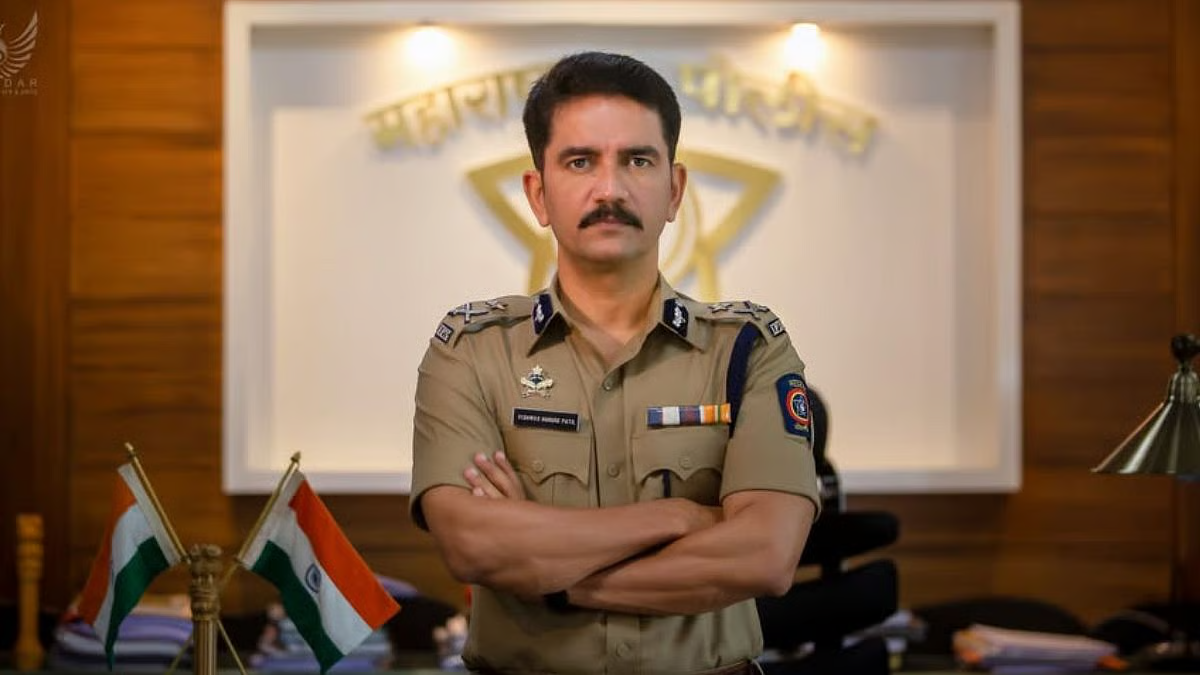
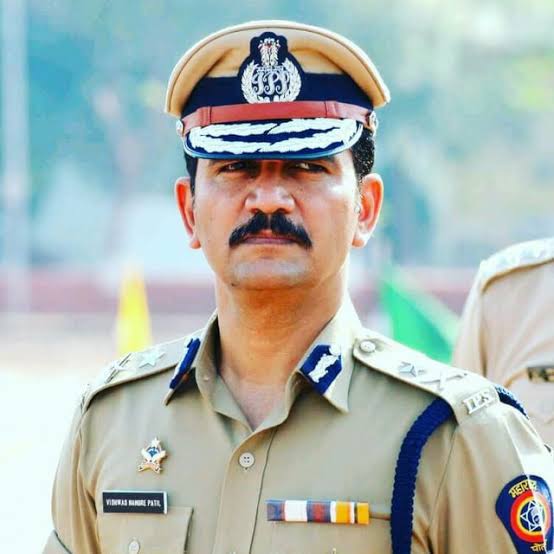
The Man Who Walked Into the Taj During 26/11 Is Now Nagpur’s Top Cop — Vishwas Nangre Patil Takes Charge as Commissioner of Police

Vishwas Nangre Patil Nagpur Police Commissioner | 26/11 IPS officer: On the night of November 26, 2008 — when Mumbai was under terrorist siege and most people were being told to stay indoors — a young Deputy Commissioner of Police named Vishwas Nangre Patil did the opposite. He walked into the Taj Mahal Palace Hotel.

Inside, armed terrorists were holding civilians hostage. Outside, the country watched in horror as one of the most coordinated terror attacks in Indian history unfolded in real time. Nangre Patil, then heading Zone-I of South Mumbai, led his police teams into the building and played a critical role in evacuating civilians trapped inside — putting himself directly in the line of fire to protect ordinary people he had never met.

That act of courage earned him the President’s Police Medal for Gallantry in 2015. It also defined his public identity in a way that has followed him through every subsequent posting — the IPS officer who ran toward danger when everyone else ran away.

That officer is now Nagpur’s Commissioner of Police.

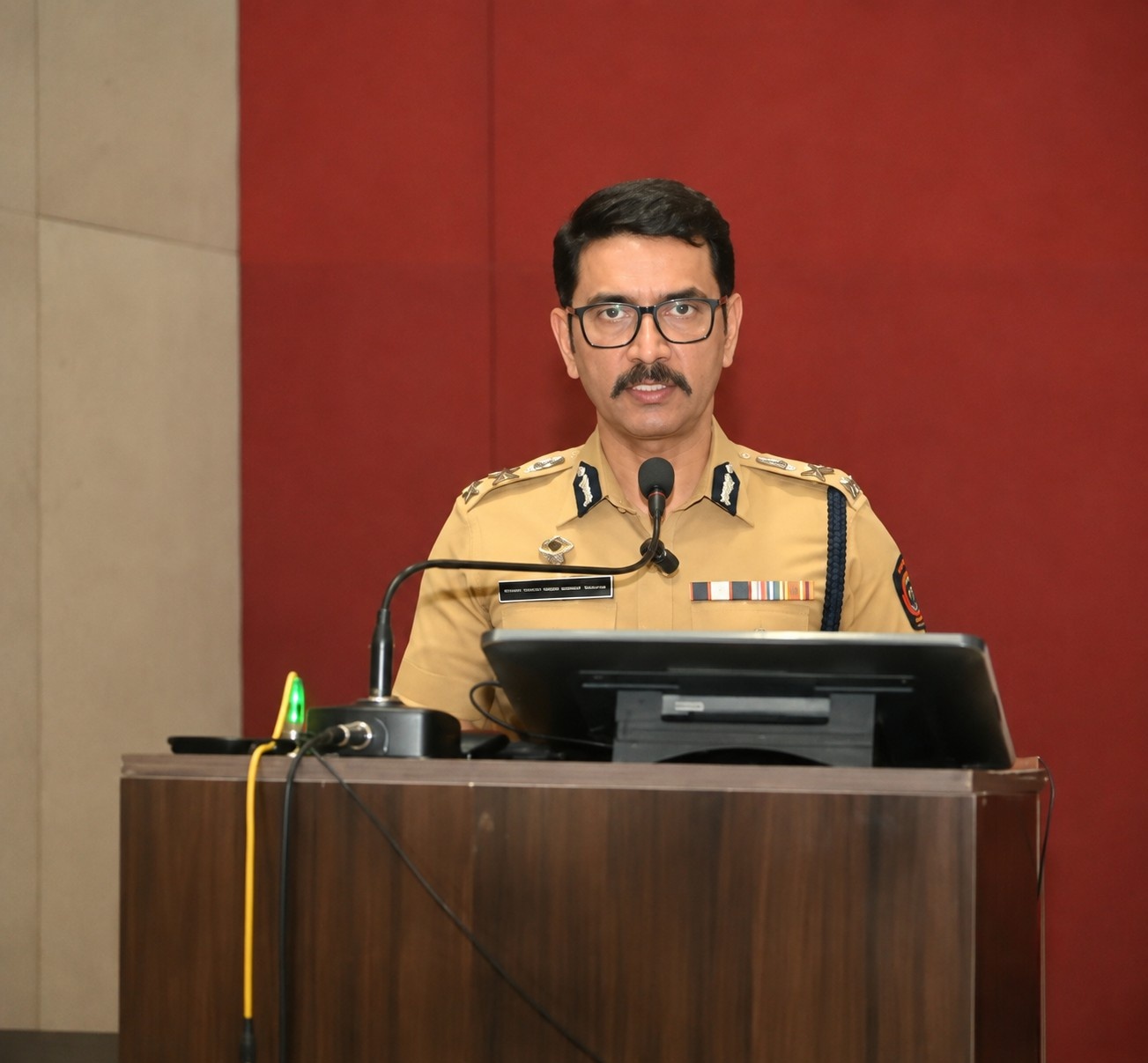
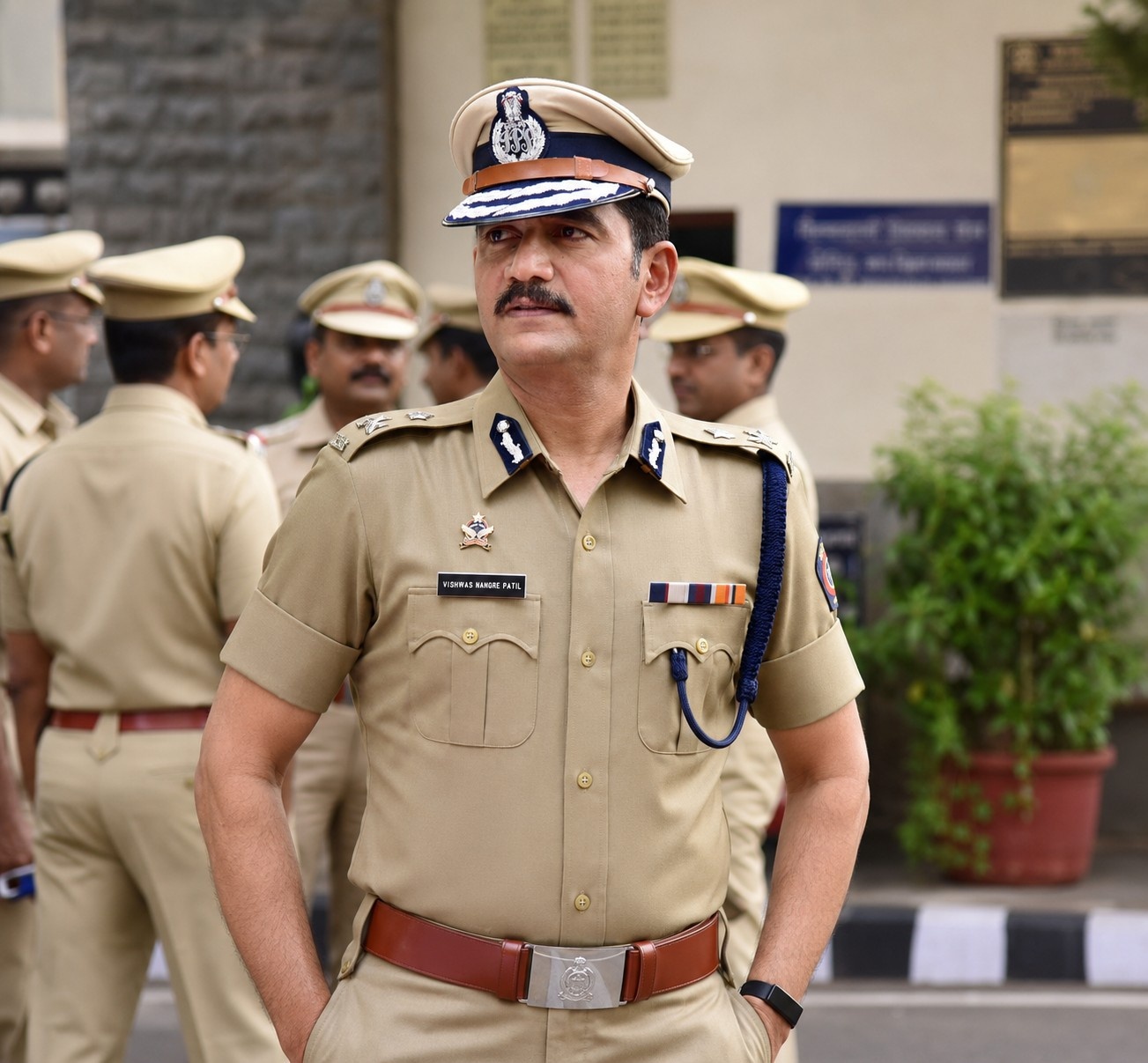
Vishwas Nangre Patil, decorated IPS officer, noted orator and author of the motivational books “Man Mein Hai Vishwas” and “Kar Har Maidan Fateh”, has been appointed as the new Commissioner of Police of Nagpur City. He arrived in Nagpur on Sunday, June 28, received a warm welcome from senior police officials and personnel at the Police Gymkhana, and officially assumed charge on Monday, June 29, 2026.


The Transfer Order — What Changed and Why

The Maharashtra Government on June 23, 2026 carried out a significant reshuffle in the state’s police establishment, issuing transfer orders affecting ten senior IPS officers across multiple ranks.

As per the order, incumbent Nagpur Police Commissioner Dr Ravinder Kumar Singal has been transferred and posted as Additional Director General of Police, Anti-Corruption Bureau (ACB), while Vishwas Nangre Patil takes over as the new Commissioner of Police, Nagpur City. nagpurupdates

Prior to this posting, Nangre Patil was serving as Additional Director General of Police in the Maharashtra Anti-Corruption Bureau. The move from ADG-ACB to Commissioner of Police, Nagpur is a lateral transfer at the same rank level — but it is a posting of significantly greater public visibility and operational responsibility. The Commissioner of Police in Nagpur heads the entire city police force — thousands of officers across multiple zones, divisions, and specialised units — and is directly accountable for law and order in one of Maharashtra’s most important cities.

The broader reshuffle also brought changes to Nagpur Police’s DCP-level leadership. Shashikant Satav, DCP Nagpur City, has been transferred to DCP, Chhatrapati Sambhajinagar, while Ramesh Dhumal, DCP Amravati City, has been appointed as DCP, Nagpur City.


Who Is Vishwas Nangre Patil — The Full Profile

For Nagpur residents who are encountering the name for the first time, here is the complete picture of the man who is now their city’s top police officer.

The IPS Career

Vishwas Nangre Patil is a 1997-batch IPS officer of the Maharashtra cadre. A career spanning nearly three decades in Maharashtra Police has taken him through some of the most demanding postings the state has to offer.

He built a reputation for discipline and efficient administration while serving as Superintendent of Police and later as Commissioner of Police, Nashik. He also handled several sensitive assignments as Joint Commissioner of Police (Law and Order), Mumbai.

His Mumbai posting — particularly his years handling law and order in one of the world’s most complex urban environments — gave him experience that few police officers in India can match. Mumbai’s law and order landscape involves everything from high-profile organised crime and financial fraud to communal sensitivity management, VIP security, large-scale event management, and the daily policing of a metropolitan area with a population larger than most countries.

The 26/11 Moment That Defined Him

Nangre Patil came into the national spotlight during the 26/11 Mumbai terror attacks. As Deputy Commissioner of Police, Zone-I, South Mumbai, he led police teams into the Taj Mahal Palace Hotel and played a crucial role in evacuating civilians trapped inside. His courage during the operation earned him the President’s Police Medal for Gallantry in 2015.

The President’s Police Medal for Gallantry is the highest gallantry award in India’s police system — equivalent, in the policing world, to what the Vir Chakra represents in the military. It is awarded for acts of conspicuous courage in the line of duty. Nangre Patil’s medal was not honorary or administrative — it was earned in one of the most dangerous situations any police officer in independent India has faced.

The Author and Motivational Speaker

What makes Vishwas Nangre Patil unusual among senior IPS officers is not just his operational track record — it is the parallel life he has built as a writer and public speaker.

His autobiography, “Man Mein Hai Vishwas”, and its English version, “Head Held High”, have inspired thousands of UPSC aspirants and young readers. Another book, “Kar Har Maidan Fateh”, was later translated into English as “Win All Your Battles”. His speeches on discipline, leadership and ethics continue to draw audiences from across Maharashtra and beyond.

This combination — a decorated police officer who is also a best-selling author and motivational speaker — has given Nangre Patil a public profile that extends well beyond the policing world. He is known and respected among students, professionals, and young people who have never dealt with law enforcement in any capacity. His books are sold in railway stations and airports. His speeches are watched on YouTube by millions.

For a Commissioner of Police — whose effectiveness depends partly on public trust and community cooperation — this kind of cultural reach is genuinely valuable. People who know and respect Nangre Patil as a writer or speaker are more likely to engage constructively with the police institution he now leads in Nagpur.

Despite his popularity, Nangre Patil has remained closely connected to his roots. He is known for his simple lifestyle and enjoys a strong following among students and young people. His wife, Rupali Nangre Patil, and their children, Janhavi and Ranveer, have been a constant source of support throughout his demanding career.

The “Singham” Reputation

Nangre Patil is widely recognised as Mumbai’s “Singham” for his tough stance on crime. This is not a nickname assigned by admirers alone — it reflects a consistent track record of firm, no-compromise policing across multiple postings. Officers who have served under him describe a leader who sets high standards and holds his team to them, who is visible and accessible in the field rather than confined to an office, and who does not soften his approach based on who is on the receiving end of enforcement.

For Nagpur — a city that has dealt with organised crime networks, cybercrime, narcotics trafficking, and the aftermath of communal disturbances in 2025 — a Commissioner with this reputation arriving at the helm sends a clear signal about the tone of policing that the next phase of Nagpur’s law enforcement will carry.


Dr Ravinder Kumar Singal — The Legacy He Leaves Behind

Any fair account of Vishwas Nangre Patil’s arrival must also acknowledge what Dr Ravinder Kumar Singal built during his tenure as Nagpur’s Commissioner of Police.

Dr Ravinder Kumar Singal, who assumed charge as CP Nagpur on February 1, 2024, leaves office after a tenure marked by technology-driven policing and a strong focus on public participation.

Under Singal’s leadership, Nagpur Police launched Garud Drishti — the social media surveillance initiative that monitors platforms in real time for incitement and criminal content. Operation U-Turn — the traffic enforcement drive that reduced road accident deaths by 25% in 2025, saving nearly 80 lives — was launched and executed under his overall command. The advanced forensic van with FTIR drug detection and 3D crime scene mapping was deployed to Nagpur under his watch. Three of his officers — DCP Niketan Kadam, DCP Lohit Matani, and PI Shubhangi Deshmukh — received the Maharashtra Police DG Insignia for 2025, reflecting the quality of leadership the Commissionerate developed during his tenure.

Singal moves to the Anti-Corruption Bureau as ADG — a posting that puts his administrative skills to work in a different but equally important dimension of Maharashtra’s law enforcement system.


What Nagpur Expects From Its New Commissioner

Nangre Patil arrives in Nagpur at a specific and demanding moment. The city is still processing the aftermath of the March 2025 communal disturbances — both in terms of ongoing court proceedings against those arrested and in terms of the community confidence building that is necessary in the areas affected. Cybercrime is rising. Drug trafficking through Nagpur’s road and rail corridors remains a persistent enforcement challenge. The NMC elections — long pending — are expected to bring their own law and order requirements when they eventually take place.

Citizens and police observers in Nagpur have identified several priorities they hope the new Commissioner will address. The March 2025 riot cases need to move through the courts with continued police support for the prosecution. Cybercrime victim response times — already improved by the Cyber Cell under DCP Deepak Aggrawal — need to become faster and more predictable. The gains of Operation U-Turn on road safety need to be institutionalised so they do not depend on any single officer’s tenure. And the Garud Drishti social media monitoring system needs to remain at full operational intensity.

Above all, Nagpur’s citizens expect what every city deserves from its top cop: consistent, fair, firm, and accountable policing that protects the law-abiding and holds the lawless to account — regardless of their political connections, community affiliation, or economic status.

With the city’s policing now under his leadership, attention will be on the strategies and reforms he introduces to strengthen crime prevention and improve public safety.


Nangre Patil’s Arrival — The Public Response

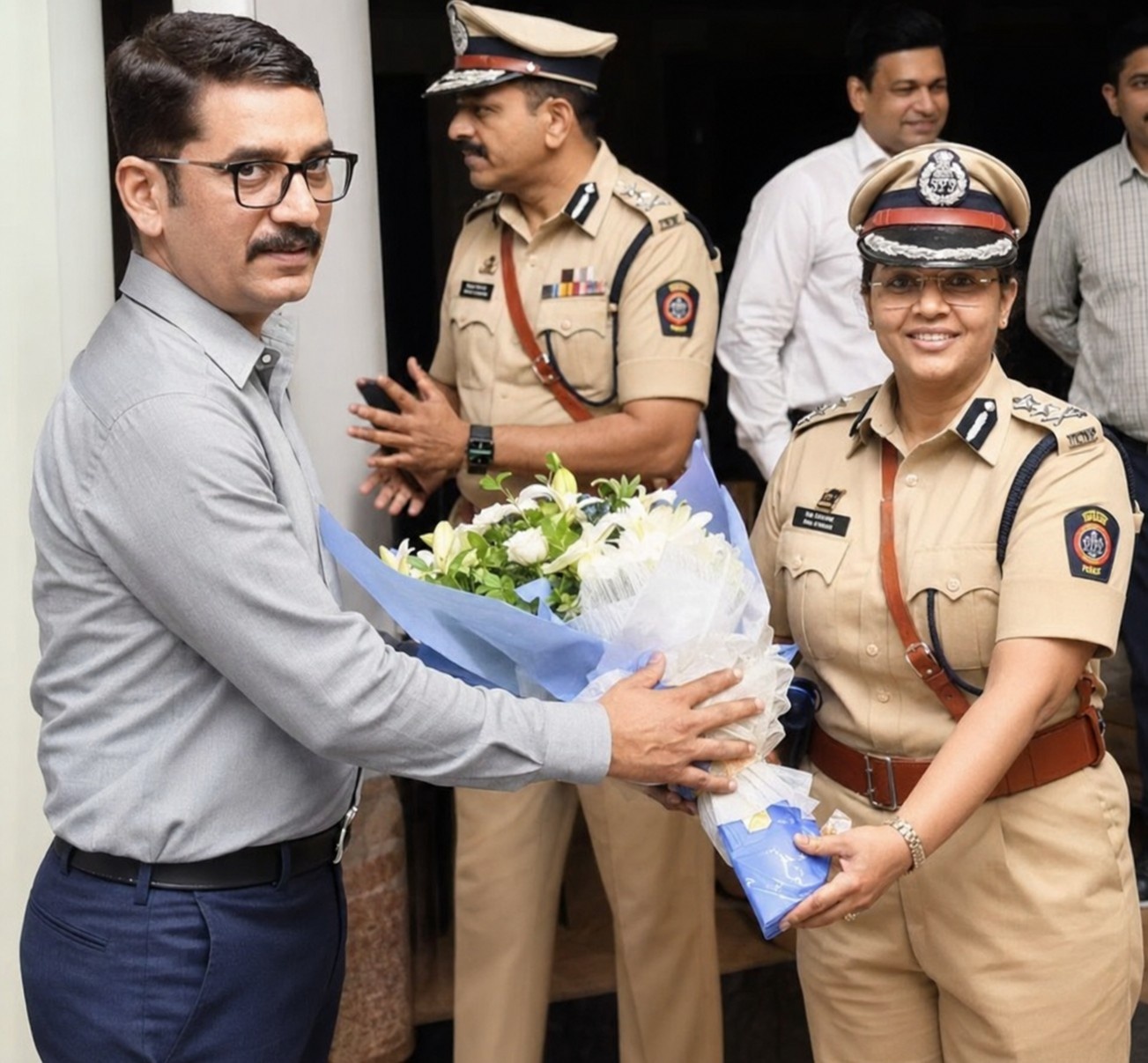
He received a warm welcome from senior police officials and personnel at the Police Gymkhana, where officers greeted him with bouquets upon his arrival. A video of his arrival has since gone viral on social media, drawing widespread attention across the city.

The viral video is itself telling. A new Commissioner arriving in a city does not typically generate social media attention of this scale. Nangre Patil’s public profile — built through his books, his speeches, his 26/11 role, and his reputation for straight policing — means that his arrival in Nagpur carries a weight of public expectation that most administrative transfers do not.

That expectation is both an asset and a challenge. It gives him an immediate platform of public goodwill that many incoming commissioners spend months building. It also means that any perceived compromise of his standards — any moment that contradicts the “Singham” image or the “Man Mein Hai Vishwas” message — will be noticed and discussed with the same intensity.

For Nagpur, the arrival of Vishwas Nangre Patil as Commissioner of Police is one of the most significant policing developments in the city in recent years. The man who walked into the Taj has walked into Nagpur’s biggest policing chair.

The city is watching.


Nagpur Updates will track CP Vishwas Nangre Patil’s tenure and report on his key decisions, initiatives, and their impact on policing in Nagpur.

Sources: The Hitavada, The Live Nagpur, Nagpur Today, Indian Bureaucracy News, Social News XYZ, field reporting. Published: June 29, 2026.

Vishwas Nangare Patil to Take Charge as Nagpur Police Commissioner on Monday — But Controversy Is Already Waiting

Nagpur is getting a new Police Commissioner. But the transition is not going smoothly.

Five days have passed since the government issued the order appointing Vishwas Nangare Patil as Nagpur’s Police Commissioner. However, he had not yet taken charge. This delay triggered widespread speculation and debate. It is now confirmed that he will assume charge on Monday, June 30.

So why the delay? And why is there already political opposition even before he enters the office?


Why Was There a 5-Day Delay?

Senior IPS appointments usually result in the officer taking charge within a day or two. A five-day gap is unusual. It raised questions across Nagpur’s political and police circles.

Senior officials in the police department were avoiding commenting on the delay. When Lokmat made direct contact with Nangare Patil, he clarified the matter himself. He said he is ready to come to Nagpur and will take charge on Monday. He also confirmed that he will arrive in Nagpur on Sunday night itself.

So the delay was not due to any transfer dispute or political interference. He is arriving Sunday night and will be in the office on Monday morning.


Who Is Vishwas Nangare Patil?

Vishwas Nangare Patil is a well-known senior IPS officer in Maharashtra. He is popular among common citizens. He is known for his accessible style and direct communication with the public.

As per the Home Department order, Dr Ravindrakumar Singal has been transferred to the post of Additional Director General of the Anti-Corruption Bureau. Vishwas Nangare Patil, who was serving as Additional Director General of Police, has been given charge of Nagpur. Dr Singal’s farewell press conference has already been held.

The transition is formal and complete on paper. The only thing remaining is the physical handover — which happens Monday.


The RSS Speech That Triggered a Storm

Here is where the story gets politically charged.

Nangare Patil attended a Hindu convention in Navi Mumbai. At the event, he praised the Rashtriya Swayamsevak Sangh and its founder Dr Keshav Baliram Hedgewar. A video of this speech went viral on social media. Since the RSS headquarters is located in Nagpur itself, the statement gained special political weight. Opposition leaders then launched strong criticism against him.

A senior police officer publicly praising a political organisation — especially one headquartered in the very city he is about to police — is bound to draw attention. The timing made it more sensitive.


Congress Leader Vijay Wadettiwar Raises Objection

The opposition was quick to respond.

Congress leader Vijay Wadettiwar raised a strong objection. He said it is not appropriate for a government officer to publicly praise a particular ideology from a public platform. He added that government officers are expected to remain neutral as per the Constitution. Such conduct, he said, could raise questions about the impartiality of the administration in the future.

This is a legitimate constitutional point. IPS officers fall under All India Service rules. They are bound by a code of conduct that restricts them from associating publicly with political or ideological organisations.


Raj Thackeray Gives a Word of Caution

Even MNS chief Raj Thackeray weighed in — but from a different angle.

Raj Thackeray responded to the controversy with a mixed message. He acknowledged that Nangare Patil is a highly efficient and capable officer. But he also warned him not to mortgage his conscience to any political party or organisation.

This is a softer but pointed message. Raj Thackeray is effectively saying — you are a good officer, so don’t let political affiliations define your actions in Nagpur.


Nagpur Congress President Makes a Shocking Claim

The most explosive statement came from a local Congress leader.

Nagpur Congress city president Praful Gudghe Patil made a sensational claim. He said BJP has labelled him an “Urban Naxal.” He added that he fears the new Police Commissioner Vishwas Nangare Patil may brand him an “Urban Naxal” and carry out an encounter against him. He said he feels unsafe because Nangare Patil is coming to Nagpur.

This is a politically explosive statement. Calling a senior IPS officer a potential encounter threat — before he even takes charge — is serious. It has further heated up Nagpur’s political atmosphere.

It is worth noting that Nangare Patil has not made any statement targeting any politician. The fear appears to be based entirely on his RSS speech and his known image as a strict and action-oriented officer.


What Kind of Commissioner Can Nagpur Expect?

Vishwas Nangare Patil has a reputation as an officer who takes swift action. He is known for being accessible to common people. He regularly holds open public meetings and takes direct complaints from citizens.

His appointment to Nagpur — a city that houses the RSS headquarters, has a complex political environment, and faces ongoing challenges including crime, land disputes, and communal sensitivities — is therefore highly significant.

How he handles the political opposition waiting for him from day one will set the tone for his tenure.


Quick Facts

Detail Information
New Nagpur CP Vishwas Nangare Patil
Date of Charge Monday, June 30, 2026
Previous CP Dr Ravindrakumar Singal
Dr Singal’s New Post ADG, Anti-Corruption Bureau
Delay in Charge 5 days after appointment order
Controversy RSS praise speech at Hindu convention in Navi Mumbai
Critics Vijay Wadettiwar (Congress), Raj Thackeray (MNS)
Explosive Claim Praful Gudghe Patil fears “encounter”

Who is the new Nagpur Police Commissioner?
Vishwas Nangare Patil is the new Nagpur Police Commissioner. He is a senior IPS officer who was serving as Additional Director General of Police before this appointment.

When will Vishwas Nangare Patil take charge in Nagpur?
He will take charge on Monday, June 30, 2026. He confirmed he will arrive in Nagpur on Sunday night itself.

Why was there a delay in Nangare Patil taking charge?
The appointment order was issued five days before he took charge. No official reason was given for the delay. Nangare Patil himself confirmed he was ready and would report on Monday.

What is the RSS speech controversy?
Nangare Patil attended a Hindu convention in Navi Mumbai and praised the RSS and its founder Dr Keshav Baliram Hedgewar. The video went viral. Since the RSS headquarters is in Nagpur — the city he is now policing — the speech gained political significance.

What did Vijay Wadettiwar say about Nangare Patil?
Congress leader Vijay Wadettiwar said it is not appropriate for a government officer to publicly praise a specific ideology. He said officers should remain neutral as per the Constitution.

What did Raj Thackeray say?
Raj Thackeray called Nangare Patil a highly efficient officer but warned him not to let his conscience be mortgaged to any political party or organisation.

What did Nagpur Congress president Praful Gudghe Patil say?
He made a sensational claim that he fears Nangare Patil may label him an “Urban Naxal” and threaten his safety. He said he feels unsafe with Nangare Patil’s arrival in Nagpur.


Vishwas Nangare Patil arrives in Nagpur with a strong reputation — and an even stronger political controversy already in place. Monday’s charge-taking will be watched closely. What matters now is not the speech he gave at a convention, but the actions he takes on the streets of Nagpur.

नागपुर के नए पुलिस आयुक्त विश्वास नांगरे पाटिल: 26/11 के हीरो को मिली शहर की कमान, जानें पूरी प्रोफाइल

नागपुर पुलिस प्रशासन में बड़ा फेरबदल — कमान अब विश्वास नांगरे पाटिल के हाथ में

महाराष्ट्र सरकार ने वरिष्ठ IPS अधिकारियों के तबादलों की एक नई सूची जारी करते हुए नागपुर शहर के पुलिस आयुक्त पद पर बड़ा बदलाव किया है। अब तक इस पद की जिम्मेदारी संभाल रहे डॉ. रवींद्र कुमार सिंगल का तबादला कर दिया गया है, और उनकी जगह विश्वास नांगरे पाटिल को नागपुर शहर का नया पुलिस आयुक्त बनाया गया है।

यह कोई सामान्य प्रशासनिक फेरबदल नहीं है। विश्वास नांगरे पाटिल महाराष्ट्र पुलिस के उन चुनिंदा अधिकारियों में शामिल हैं जिनकी पहचान सिर्फ एक प्रशासनिक अधिकारी के तौर पर नहीं, बल्कि एक ऐसे व्यक्ति के तौर पर है जिसने 2008 के मुंबई आतंकी हमले के दौरान असाधारण बहादुरी दिखाई थी। उनकी नियुक्ति को राज्य पुलिस प्रशासन में एक महत्वपूर्ण कदम के तौर पर देखा जा रहा है।


कौन हैं विश्वास नांगरे पाटिल?

विश्वास नांगरे पाटिल का जन्म महाराष्ट्र के सांगली जिले के शिराला तालुका के एक छोटे से गांव कोकरुड में हुआ था। उनके पिता एक किसान और सरपंच थे, और परिवार की आर्थिक स्थिति बहुत सामान्य थी। पढ़ाई में होनहार रहे विश्वास ने दसवीं कक्षा में 88 प्रतिशत अंक हासिल किए और बाद में कोल्हापुर के शिवाजी विश्वविद्यालय से इतिहास में स्नातक की डिग्री ली।

बिना किसी महंगी कोचिंग या मार्गदर्शक के, उन्होंने सार्वजनिक पुस्तकालयों में बैठकर UPSC परीक्षा की तैयारी की। उनकी मेहनत रंग लाई और वे अखिल भारतीय रैंक 302 हासिल करते हुए भारतीय पुलिस सेवा (IPS) में चुने गए। वे 1997 बैच के IPS अधिकारी हैं, जो महाराष्ट्र कैडर से हैं।

अपनी सेवा के दौरान उन्होंने पुलिस प्रबंधन में MBA और LLB की डिग्री भी हासिल की — एक ऐसा संयोजन जो उन्हें कानून और प्रशासन दोनों क्षेत्रों में मजबूत बनाता है।


26/11 मुंबई हमला: वह रात जब विश्वास नांगरे पाटिल हीरो बन गए

विश्वास नांगरे पाटिल को देशभर में जो पहचान मिली, उसकी वजह है 26 नवंबर 2008 की वह रात जब मुंबई पर आतंकी हमला हुआ था। उस समय वे मुंबई के डीसीपी ज़ोन-1 (साउथ मुंबई) के पद पर तैनात थे — यही वह क्षेत्र था जिसमें ताज होटल आता था।

जैसे ही हमले की खबर मिली, विश्वास नांगरे पाटिल बिना किसी बुलेटप्रूफ जैकेट के और सिर्फ एक ग्लॉक पिस्टल के साथ अपने एक सुरक्षाकर्मी के साथ ताज होटल के भीतर दाखिल हुए। उस वक्त होटल के क्रिस्टल हॉल में सैकड़ों लोग फंसे हुए थे। आतंकवादियों के साथ हुई मुठभेड़ में उनके एक सुरक्षाकर्मी की जान चली गई और दूसरा घायल हो गया, लेकिन विश्वास नांगरे पाटिल ने डटकर मुकाबला किया और एक आतंकवादी के पैर में गोली मारी।

बिना आधुनिक हथियारों और सुरक्षा कवच के इतने बड़े खतरे में कूद जाना — यह वह क्षण था जिसने उन्हें राष्ट्रीय स्तर पर पहचान दिलाई। उनकी इस बहादुरी के लिए उन्हें 2015 में राष्ट्रपति पुलिस पदक (वीरता) से सम्मानित किया गया।


करियर का सफर: सांगली से लेकर मुंबई और अब नागपुर तक

विश्वास नांगरे पाटिल का करियर लगभग तीन दशकों तक फैला हुआ है, और इस दौरान उन्होंने महाराष्ट्र के कई महत्वपूर्ण पदों पर सेवा दी है:

  • प्रारंभिक पोस्टिंग — धुले, नांदेड़, औरंगाबाद और महाराष्ट्र के अन्य शहरों में सहायक पुलिस अधीक्षक के तौर पर सेवा।
  • पुणे रूरल (2005-2008) — इस दौरान उन्होंने ग्रामीण पुलिसिंग के क्षेत्र में नवीन प्रयोग किए। 2007 में, सौ से अधिक पुलिसकर्मियों की टीम के साथ एक प्राइवेट फार्म पर रेव पार्टी पर रेड डाली, जिसमें 280 से ज्यादा लोग गिरफ्तार हुए।
  • 26/11 मुंबई हमला (2008) — डीसीपी ज़ोन-1, साउथ मुंबई के तौर पर वीरता का प्रदर्शन।
  • जुहू रेव पार्टी रेड (2012) — एक हाई-प्रोफाइल रेव पार्टी पर कार्रवाई, जिसमें कई प्रभावशाली लोग शामिल थे।
  • विशेष महानिरीक्षक, औरंगाबाद — 2016 में इस पद पर तैनाती।
  • पुलिस आयुक्त, नाशिक शहर — इस पद पर भी उन्होंने सेवा दी।
  • संयुक्त पुलिस आयुक्त (कानून व्यवस्था), मुंबई — मुंबई जैसे संवेदनशील महानगर में कानून व्यवस्था की जिम्मेदारी।
  • अतिरिक्त पुलिस महानिदेशक, भ्रष्टाचार निरोधक ब्यूरो (ACB) — हाल ही में इस पद पर पदोन्नति।

इस लंबे और विविध करियर ने उन्हें ग्रामीण पुलिसिंग से लेकर महानगरीय कानून-व्यवस्था और भ्रष्टाचार-निरोधक कार्रवाई तक हर क्षेत्र का अनुभव दिया है — जो किसी बड़े शहर के पुलिस आयुक्त के लिए एक मूल्यवान योग्यता मानी जाती है।


एक प्रेरणादायक लेखक और युवाओं के लिए आदर्श

विश्वास नांगरे पाटिल सिर्फ एक प्रशासनिक अधिकारी ही नहीं, बल्कि लाखों युवाओं के लिए प्रेरणा का स्रोत भी हैं। उनकी मराठी आत्मकथा “मन में है विश्वास” ने पाठकों के बीच व्यापक लोकप्रियता हासिल की है। इस किताब में उन्होंने अपने संघर्ष, अनुशासन और दृढ़ संकल्प की कहानी साझा की है — कि कैसे एक छोटे से गांव से आने वाला युवक, बिना किसी कोचिंग या गॉडफादर के सहारे, देश की सबसे प्रतिष्ठित सेवा में शामिल हो सकता है।

सोशल मीडिया और यूट्यूब पर उनके मोटिवेशनल भाषण भी बेहद लोकप्रिय हैं, जिनमें वे ग्रामीण और वंचित पृष्ठभूमि के छात्रों को UPSC जैसी कठिन परीक्षाओं के लिए प्रेरित करते हैं।


किसकी जगह ली है विश्वास नांगरे पाटिल ने?

नागपुर के पुलिस आयुक्त पद से हटाए गए डॉ. रवींद्र कुमार सिंगल भी एक अनुभवी और सम्मानित IPS अधिकारी हैं। वे 1996 बैच के अधिकारी हैं और फेब्रुअरी 2024 से नागपुर के पुलिस आयुक्त के तौर पर सेवा दे रहे थे।

डॉ. सिंगल मूल रूप से दिल्ली से हैं और उनके पास इलेक्ट्रिकल इंजीनियरिंग में स्नातक, LLB, और क्राउड मैनेजमेंट में पीएचडी की डिग्री है। उनका करियर भी काफी विविध रहा है — सांगली, अमरावती, नाशिक, धुले, नांदेड़ जैसे जिलों में सेवा देने के अलावा वे 2005 से 2007 तक संयुक्त राष्ट्र की कोसोवो शांति मिशन टीम का भी हिस्सा रहे थे।

नागपुर में अपने कार्यकाल के दौरान, डॉ. सिंगल को इस वर्ष गणतंत्र दिवस के अवसर पर राष्ट्रपति पुलिस पदक से भी सम्मानित किया गया था — जो उनकी प्रशासनिक सेवा में उत्कृष्टता का प्रमाण है। अब उन्हें भ्रष्टाचार निरोधक ब्यूरो में अतिरिक्त पुलिस महानिदेशक के पद पर नई जिम्मेदारी दी गई है।


नागपुर के लिए इस बदलाव का क्या मतलब है?

किसी भी शहर के लिए पुलिस आयुक्त का बदलना सिर्फ एक नाम का बदलना नहीं होता — इसके साथ कानून-व्यवस्था की प्राथमिकताओं, कार्यशैली और प्रशासनिक दृष्टिकोण में भी बदलाव आता है। नागपुर जैसे महत्वपूर्ण शहर के लिए, जो महाराष्ट्र की उपराजधानी होने के साथ-साथ विदर्भ क्षेत्र का प्रमुख प्रशासनिक केंद्र भी है, यह बदलाव कई मायनों में अहम है।

विश्वास नांगरे पाटिल का करियर बताता है कि वे कड़े फैसले लेने से नहीं हिचकिचाते — चाहे वह रेव पार्टियों पर सीधी कार्रवाई हो या आतंकी हमले के दौरान बिना सुरक्षा के मोर्चे पर डटे रहना। उनकी भ्रष्टाचार निरोधक ब्यूरो में हाल की तैनाती यह भी दर्शाती है कि वे प्रशासनिक पारदर्शिता और जवाबदेही को लेकर गंभीर रहते हैं।

नागपुर पुलिस के लिए अब सभी की निगाहें इस बात पर हैं कि नए पुलिस आयुक्त के नेतृत्व में शहर की कानून-व्यवस्था, अपराध नियंत्रण और सामुदायिक पुलिसिंग की दिशा में क्या नई पहल देखने को मिलती हैं।


प्रशासनिक प्रक्रिया: तबादला कैसे होता है?

भारत में वरिष्ठ IPS अधिकारियों के तबादले राज्य सरकार के गृह विभाग द्वारा किए जाते हैं। यह प्रक्रिया आमतौर पर प्रशासनिक आवश्यकताओं, अधिकारियों के अनुभव, उनकी विशेषज्ञता और सेवा अवधि को ध्यान में रखकर की जाती है। महाराष्ट्र में हर कुछ महीनों में वरिष्ठ अधिकारियों की एक तबादला सूची जारी की जाती है, जिसमें पुलिस आयुक्त, अतिरिक्त पुलिस महानिदेशक और अन्य वरिष्ठ पदों पर बदलाव शामिल होते हैं।

पुलिस मुख्यालय से मिली जानकारी के अनुसार, इस ताजा तबादले के बाद दोनों अधिकारियों — डॉ. सिंगल और विश्वास नांगरे पाटिल — को जल्द ही अपने-अपने नए पदों का कार्यभार संभालने के निर्देश दिए गए हैं।


मुख्य बातें एक नज़र में

विवरण जानकारी
नए पुलिस आयुक्त विश्वास नांगरे पाटिल
IPS बैच 1997, महाराष्ट्र कैडर
पूर्व पुलिस आयुक्त डॉ. रवींद्र कुमार सिंगल
डॉ. सिंगल की नई जिम्मेदारी अतिरिक्त पुलिस महानिदेशक, ACB
प्रमुख पहचान 26/11 मुंबई हमला — राष्ट्रपति पुलिस पदक (वीरता), 2015
शिक्षा इतिहास में स्नातक, MBA (पुलिस प्रबंधन), LLB
प्रसिद्ध किताब “मन में है विश्वास” (मराठी आत्मकथा)
पूर्व पद संयुक्त पुलिस आयुक्त (कानून व्यवस्था), मुंबई

निष्कर्ष

विश्वास नांगरे पाटिल की नागपुर पुलिस आयुक्त के तौर पर नियुक्ति सिर्फ एक प्रशासनिक नियुक्ति नहीं है — यह एक ऐसे अधिकारी को शहर की कमान सौंपने का फैसला है जिसने अपने करियर में बार-बार साहस, अनुशासन और दृढ़ता का परिचय दिया है। 26/11 के दौरान बिना किसी सुरक्षा कवच के आतंकवादियों का सामना करने वाले इस अधिकारी से नागपुरवासियों को एक सक्रिय और जनता के प्रति जवाबदेह पुलिस प्रशासन की उम्मीद है।

आने वाले महीनों में यह देखना दिलचस्प होगा कि नए पुलिस आयुक्त नागपुर की कानून-व्यवस्था, अपराध नियंत्रण और सुरक्षा व्यवस्था को किस दिशा में आगे ले जाते हैं।

Major Nagpur Police Reshuffle: 5 DCPs Get New Postings — Deepak Agrawal Takes Crime Branch, Mirkhelkar Heads Traffic

Published: June 5, 2026 | Category: Nagpur Local | By: Nagpur Updates Desk


Nagpur City Police has carried out a significant administrative reshuffle — transferring five Deputy Commissioners of Police across key departments.

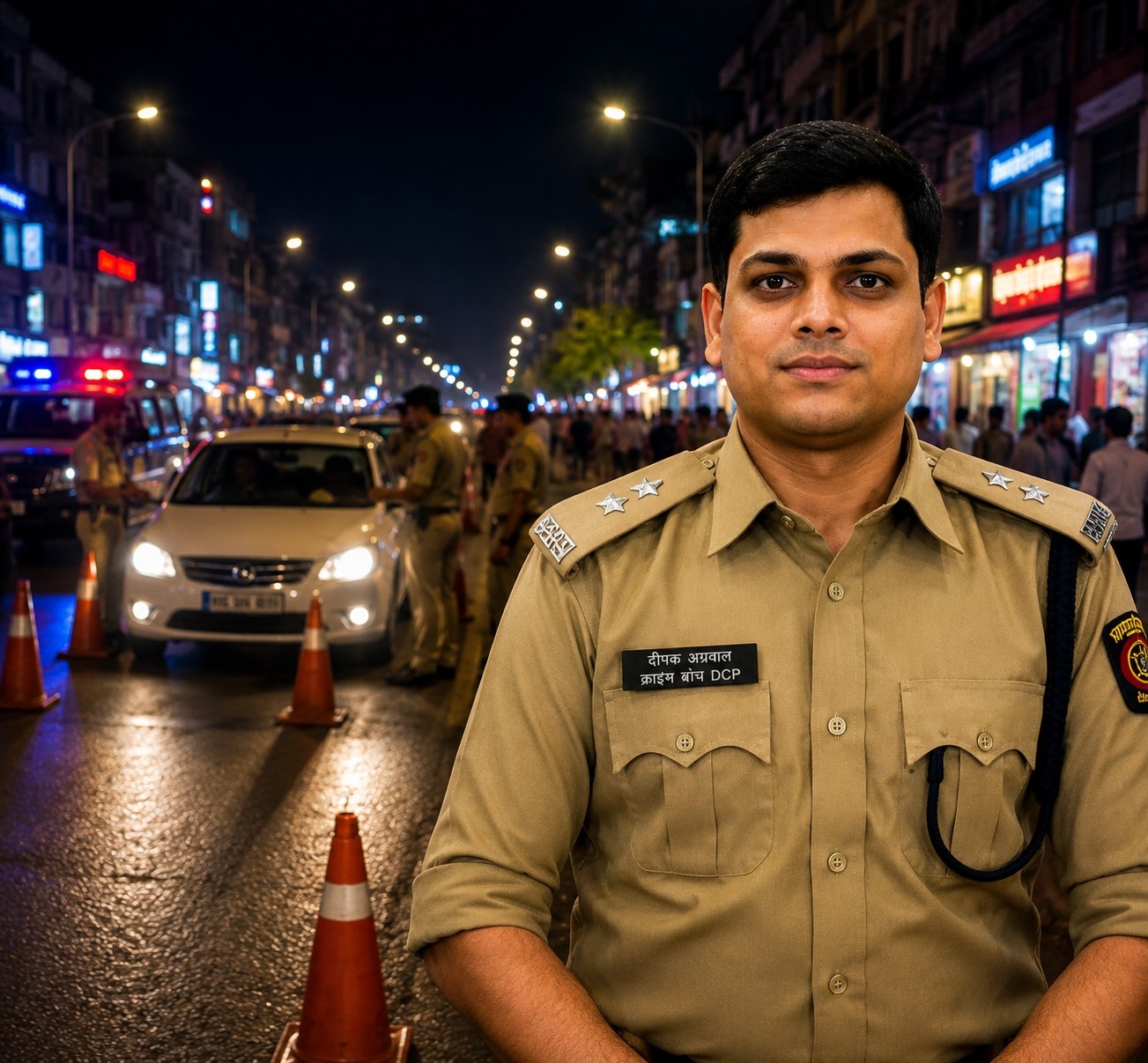
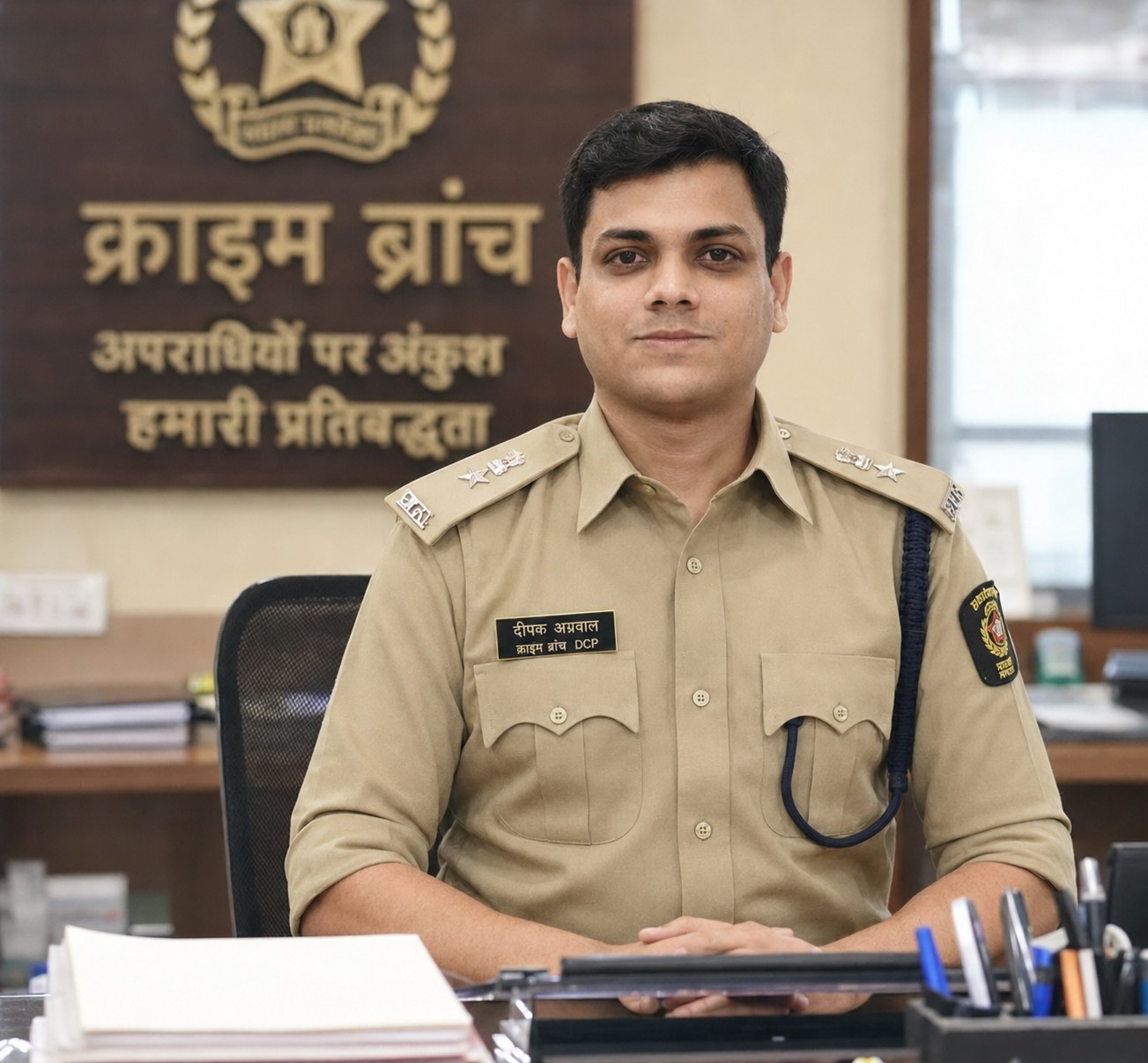
The most notable change: DCP Deepak Agrawal — previously posted at the Police Headquarters — has been given charge of the crucial Crime Detection Branch. Meanwhile, the recently transferred DCP Aditya Mirkhelkar has been assigned as the in-charge of Nagpur’s Traffic Branch — a critical appointment given the city’s mounting traffic challenges.

Here is the complete picture of all the changes.


All Transfers at a Glance

Officer Previous Posting New Posting
DCP Deepak Agrawal Police Headquarters Crime Detection Branch
DCP Aditya Mirkhelkar Transferred from Nashik Rural Traffic Branch, Nagpur
DCP Annapurna Singh Transferred from CSB Rural Zone-II, Nagpur
DCP Nityanand Jha Zone-II Zone-V
DCP Rahul Makanikar Crime Detection Branch Police Headquarters

DCP Deepak Agrawal: New Head of Crime Branch

The most significant appointment in this reshuffle is DCP Deepak Agrawal taking charge of the Crime Detection Branch — one of Nagpur Police’s most critical and high-profile departments.

The Crime Detection Branch handles:

  • Investigation of serious and complex crimes — homicides, kidnappings, major fraud
  • Organised crime and gang activity
  • Economic offences and financial crimes
  • Intelligence gathering and surveillance
  • Cybercrime investigation in coordination with the Cyber Cell
  • High-profile cases that require specialised investigative capability

Agrawal comes from a posting at the Police Headquarters — where officers typically handle administrative and policy-level work. His appointment to the operational, investigation-focused Crime Branch signals that the Police Commissioner values his specific capabilities for this demanding role.

He replaces DCP Rahul Makanikar, who has been moved to the Police Headquarters — completing the rotation.


DCP Aditya Mirkhelkar: Traffic Branch — A Critical Appointment

DCP Aditya Mirkhelkar has been assigned as the in-charge of Nagpur’s Traffic Branch — a posting that comes with enormous responsibility given the city’s current state of traffic crisis.

As we recently reported, Nagpur is simultaneously dealing with:

Mirkhelkar’s assignment to Traffic is timely — and his performance in this role will directly determine how well Nagpur manages its traffic during the infrastructure construction period and the upcoming monsoon season.


DCP Annapurna Singh: Confirmed in Zone-II

DCP Annapurna Singh — one of the three new DCPs recently transferred to Nagpur from Chhatrapati Sambhajinagar Rural Police — has been formally confirmed in Zone-II. As we reported earlier, she has already taken swift action against 87 criminals in her early days in the zone.

Zone-II covers a significant portion of Nagpur’s urban area, including areas with complex law and order dynamics. Singh’s early decisiveness in the zone has been noted positively.


DCP Nityanand Jha: Zone-II to Zone-V

DCP Nityanand Jha — who had been heading Zone-II — has been transferred to Zone-V in this reshuffle. Jha is a familiar name to Nagpur residents — he made headlines earlier this year when he ordered the externment of 8 Mankapur gang members in a major crackdown on organised crime in his zone.

His transfer to Zone-V brings his track record of decisive action to a new jurisdiction — while making room for DCP Annapurna Singh to take charge of Zone-II.


Why This Reshuffle Matters for Nagpur

This is the second significant police reshuffle in Nagpur in recent weeks — following the appointment of IG Sandeep Patil to Nagpur Range and the arrival of three new DCPs. Together, these changes represent a substantial refresh of Nagpur’s police leadership — bringing new energy and capabilities to key departments.

Crime Branch: The appointment of Deepak Agrawal to Crime Branch comes at a time when Nagpur is dealing with multiple ongoing criminal cases and investigations. The Crime Branch’s effectiveness directly impacts how quickly serious crimes are solved and how well organised criminal networks are disrupted.

Traffic Branch: Mirkhelkar’s assignment to Traffic comes at perhaps the most challenging time for Nagpur’s traffic management in recent memory — with construction-related diversions, monsoon approaching, and the need to coordinate with the IITMS AI traffic system across 32 junctions.

Zone rebalancing: The movement of DCP Jha from Zone-II to Zone-V ensures that his proven track record in organised crime crackdowns is applied to a fresh jurisdiction — while Zone-II gets fresh leadership under Annapurna Singh.

Q: What is the Crime Detection Branch? The Crime Detection Branch is a specialised unit within Nagpur City Police responsible for investigating complex, serious, and high-profile crimes — including homicides, kidnappings, organised crime, economic offences, and major fraud cases.

Q: Who was heading the Crime Branch before Deepak Agrawal? DCP Rahul Makanikar was heading the Crime Detection Branch. He has been transferred to the Police Headquarters in this reshuffle.

Q: What zone does Annapurna Singh head? DCP Annapurna Singh heads Zone-II of Nagpur City Police.

Q: Where is Zone-V in Nagpur? Zone-V covers areas in the eastern parts of Nagpur city. DCP Nityanand Jha has been transferred there from Zone-II.

Q: How can I contact Nagpur City Police?

  • Control Room: 0712-2560200
  • Police helpline: 100
  • Online complaints: nagpurpolice.gov.in

Nagpur’s Police Command: Rapidly Reshaping

The June 2026 reshuffle — combined with the May transfers — means Nagpur City Police is operating with a largely fresh leadership team across its key departments.

The question for Nagpur’s citizens is whether this fresh leadership translates into measurable improvements in law enforcement, traffic management, and public safety. The early signs — from Annapurna Singh’s 87-criminal crackdown to Nityanand Jha’s Mankapur externment drive — suggest that the new officers are not waiting to make their mark.

Nagpur Updates will track the performance of the reshuffled police command and report on significant actions taken across all departments.


Tags: Nagpur Police, DCP Transfer, Deepak Agrawal, Crime Branch Nagpur, Aditya Mirkhelkar, Annapurna Singh, Nityanand Jha, Nagpur Local News 2026

Nagpur’s 3 New DCPs on Traffic and Road Discipline — Here’s What They’re Focusing On

Published: May 31, 2026 | Category: Nagpur Local | By: Nagpur Updates Desk


Nagpur City Police has three new Deputy Commissioners of Police — and they are wasting no time.

Annapurna Singh, Kumar Chitta, and Aditya Mirkhedkar — all recently transferred to Nagpur — have hit the ground running. Their immediate agenda: easing traffic at the city’s most chronic bottlenecks and enforcing stricter road discipline across Nagpur’s busiest junctions and corridors.

For a city battling simultaneous infrastructure construction, rising vehicle numbers, and inadequate traffic management at key junctions, fresh police leadership focused on traffic is exactly what Nagpur needs right now.


The Three New DCPs: Who’s Who

DCP Zone Early Action
Annapurna Singh Zone 5 87 criminals targeted in first crackdown
Kumar Chitta (Zone assignment pending) Reviewing traffic bottlenecks
Aditya Mirkhedkar (Zone assignment pending) Road discipline enforcement priority

All three were transferred to Nagpur as part of the broader Maharashtra police reshuffle that also saw Sandeep Patil appointed as IG Nagpur Range. Their arrival brings fresh energy and accountability to a police force that has been dealing with multiple simultaneous challenges — from rising crime to traffic chaos caused by the city’s ambitious but disruptive infrastructure projects.


DCP Annapurna Singh: Action From Day One

Of the three new DCPs, Annapurna Singh — posted to Zone 5 — has already made headlines for swift action.

Within days of taking charge, Singh launched a major preventive action covering the areas under her zone — including Yashodharanagar, Kalamna, Pardi, Wathoda, and Bhandewadi. Action was taken against 87 criminals in this single operation — a signal that she intends to be a hands-on, zero-tolerance officer.

Zone 5 covers areas that include the Bhandewadi dumpyard zone, the Kalamna market area, and residential localities that have historically seen higher crime rates. Singh’s early crackdown sets a strong tone for her tenure.

She has also been personally leading route marches and security intensification in sensitive areas ahead of festivals — including Bakrid preparations — demonstrating both operational readiness and community policing sensibility.


Nagpur’s Chronic Traffic Bottlenecks: The Problem

For the new DCPs, traffic is not a minor operational issue. It is one of Nagpur’s most pressing civic challenges right now.

Nagpur is currently experiencing an unusual convergence of traffic pressures. Multiple major infrastructure projects are simultaneously under construction — creating diversions, narrowed carriageways, and temporary closures that cascade into gridlock across the city.

The worst bottlenecks currently reported:

Medical Square — GMCH Junction One of Nagpur’s most consistently congested junctions — with traffic converging from Wardha Road, Ambazari Road, and multiple hospital-bound routes simultaneously.

Ajni Square A major convergence point near the railway station area — compounded by the ongoing Ajni Laxman Jhula bridge construction that has affected approach roads.

Kamptee Road Long stretches of ongoing road construction have created severe lane restrictions and daily bottlenecks.

Narendra Nagar Underpass The PWD’s ₹9 crore waterlogging fix is underway — but construction itself is causing traffic disruption.

Jagnade Square The two-deadline-missed flyover has left ground-level traffic painfully congested around the central merger construction.

Mominpura — Santra Market corridor Dense commercial activity combined with ongoing flyover construction has made peak-hour movement extremely slow.


What Road Discipline Means in Nagpur’s Context

Beyond the structural bottlenecks created by construction, Nagpur’s traffic police also face a persistent road discipline problem — behaviour by drivers, auto-rickshaws, vendors, and pedestrians that compounds the congestion.

The most common violations contributing to bottlenecks:

  • Wrong-side driving — especially on one-way stretches near markets and hospitals
  • Auto-rickshaws stopping mid-road to pick up and drop passengers
  • Encroachment of intersections by vendors and parking vehicles
  • Signal-jumping — particularly at junctions that don’t have physical enforcement
  • Heavy vehicle movement during peak hours in zones where it should be restricted
  • Parking on major arterial roads — especially near schools and markets during opening and closing hours

The new DCPs are expected to deploy both increased enforcement and traffic redesign interventions — working with the city’s existing IITMS AI traffic management system at the 32 junctions where it is already operational.


The IITMS Advantage: Data-Driven Traffic Management

One significant advantage the new DCPs have that their predecessors did not: real-time AI-powered traffic data from Nagpur’s expanding IITMS network.

With 32 junctions now live on the IITMS system and work underway at 80 more, the new DCPs have access to:

  • Real-time traffic density at key junctions
  • Automatic e-challan generation for signal jumping, helmet violations, and seat belt violations
  • ANPR camera footage for post-incident analysis
  • Historical congestion pattern data to identify when and where bottlenecks peak

This data-driven approach means traffic interventions can be targeted, evidence-based, and measured — a significant upgrade from the intuition-and-experience approach of the past.


What Nagpur Commuters Want to See

Nagpur’s long-suffering commuters have a clear wishlist for the new DCPs on traffic:

Strict auto-rickshaw discipline. Random stopping in moving lanes — especially near Medical Square, Cotton Market, and Sitabuldi — is perhaps the single biggest driver of avoidable congestion.

Peak-hour enforcement at school zones. The 15 minutes before and after school opening and closing times create chaos near Dhantoli, Civil Lines, and Dharampeth schools that well-positioned constables could significantly ease.

No-parking enforcement near markets. Vehicles parked on arterial roads near Itwari, Mahal, and Sitabuldi during peak hours halve the usable carriageway width.

Right-turn restriction at peak hours. As previously demonstrated at Nagpur junctions, implementing “No Right Turn” during peak hours — as was done effectively at one junction with travel time reduced from 20-25 minutes to 5-6 minutes — should be expanded citywide.


FAQ: Your Questions

Q: Which zones have the new DCPs been assigned to? DCP Annapurna Singh has been confirmed in Zone 5 (Yashodharanagar, Kalamna, Pardi, Wathoda, Bhandewadi area). Zone assignments for Kumar Chitta and Aditya Mirkhedkar are expected to be confirmed shortly.

Q: How can I report a traffic problem to the new DCPs? Report traffic complaints to Nagpur City Police via the Nagpur Police app, the Dial 100 helpline, or the online complaint portal at nagpurpolice.gov.in.

Q: Are the new DCPs focused only on traffic? No — DCPs handle the full range of policing responsibilities in their zones, including law and order, crime prevention, and investigation. Traffic is a stated priority area for the current period given Nagpur’s ongoing infrastructure disruption.


Fresh Leadership, High Expectations

The arrival of three new DCPs in Nagpur — each with early actions already underway — offers a genuine opportunity to reset traffic management and public order in the city.

The challenge is enormous. Nagpur is simultaneously building multiple flyovers, an airport expansion, a new township, and multiple other infrastructure projects — all while trying to keep daily traffic moving. It is asking a lot of three new DCPs.

But fresh energy, clear priorities, and early decisive action are exactly the right starting point. Nagpur is watching.

Nagpur Updates will track the new DCPs’ progress on traffic and road discipline and report on specific interventions as they are implemented across the city.


Tags: Nagpur Police, DCP Annapurna Singh, Kumar Chitta, Aditya Mirkhedkar, Nagpur Traffic, Road Discipline, Nagpur Local News 2026

Wrong Traffic Challan? Here’s How You Can Fight Back and What the Police Must Do in 2026

Getting a wrong traffic challan is more common than most people think. A misread number plate, a faulty ANPR camera, or an administrative error can land a fine on a completely innocent vehicle owner. The good news is that under India’s updated Motor Vehicle Rules, you now have a clear, legally defined path to challenge a wrong traffic challan dispute 2026. Better still, the police have a strict deadline to respond — and if they miss it, the challan gets quashed automatically.

The 45-Day Rule Every Driver Must Know

Under the new 2026 rules, you have exactly 45 days to pay a traffic challan after it is issued. If you believe a challan was wrongly issued, you must contest it within the same 45-day window. The RTO is then legally bound to resolve the dispute within 30 days. If they fail to do so, the challan is automatically quashed. Government of Maharashtra

This is a significant change for drivers. For the first time, the burden of timely action is not only on the citizen — the authorities are also held to a firm deadline.

What Happens If You Miss the 45-Day Window?

Ignoring a challan is the worst thing you can do. If no action is taken within 45 days, your vehicle is blacklisted on the VAHAN portal, blocking all services like insurance renewal, RC transfer, and fitness certificates. Citizen Complaint Hub

After 45 days, electronic notices will be sent daily until the fine is paid. If a challan remains unpaid, the vehicle will be flagged as “not to be transacted” on the official portal. This status imposes restrictions on all Vahan portal-related services, including payment of taxes, registration requests, and driving licence facilities. The Live Nagpur

How to Dispute a Wrong Challan Step by Step

The process to challenge a wrong challan is now fully digital and straightforward. Vehicle owners can either settle or challenge the challan within 45 days using the Parivahan portal. If their challenge is rejected, they must pay the fine within 30 days or escalate the matter to court. However, taking the dispute to court now requires an upfront payment of 50 per cent of the fine before proceedings can begin. The Live Nagpur

Here is a simple step-by-step approach:

Step 1 — Verify the challan. Check the vehicle number, date, time, GPS location, and the section under which the violation was recorded. Cross-check it on the official Parivahan portal against any SMS you received.

Step 2 — Gather evidence. Most e-challans issued by ANPR cameras come with a photo. Download this image and compare it carefully with your vehicle.

Step 3 — File your dispute online. Log in to the Parivahan portal and raise a formal dispute against the challan. This can be done at zero cost. Once filed, authorities have 30 days to resolve it.

Step 4 — Use RTI if needed. The Right to Information Act is an underutilised but powerful tool for traffic challan disputes. Filing an RTI can reveal whether a camera was uncalibrated, whether other challans from the same camera were cancelled, or whether an administrative error occurred — all of which strengthen your case significantly. India Customer Care

Step 5 — Approach Lok Adalat or Virtual Court. Most disputes resolve in 30 to 90 days at zero cost through Virtual Court or Lok Adalat. Lok Adalat settlements can result in a 30 to 70 per cent reduction in the fine amount. India Customer Care

The 5-Strike Rule for Repeat Offenders

The 2026 rules also introduced a stricter penalty for habitual violators. Rule 21 now includes a new ground tied to repeat offending: five or more traffic offences in one year, counted from 1 January 2026, can trigger disqualification action under the licensing framework. This is separate from the 45-day payment rule and applies specifically to repeat violators. NMC

Your Legal Rights as a Driver

Contesting a wrong challan is not just a practical option — it is your constitutional right. Article 21 of the Indian Constitution guarantees protection against arbitrary state action, which courts have consistently applied to situations where citizens face unjust fines or penalties without due process.

You have the right to the challan PDF and photo evidence under the RTI Act and Motor Vehicle rules, the right to dispute via Virtual Court for free, the right to a Lok Adalat settlement, and the right to a natural justice hearing as established in the landmark Maneka Gandhi versus Union of India judgement of 1978. India Customer Care

What This Means for Nagpur Drivers

Nagpur’s traffic enforcement has seen a significant increase in e-challan issuances over the past year, with ANPR cameras installed at multiple key intersections across the city. While the system has improved road safety, cases of incorrect challans issued due to camera misreads or system errors have also been reported by residents.

Knowing your rights under the 2026 rules is therefore essential for every Nagpur vehicle owner. If you receive a challan that you believe is wrong, act within 45 days — do not ignore it and do not pay it blindly.

Nagpur Police Go ‘Smart’: Segway Balancing Scooters to Patrol Markets and Crowded Areas

Published: May 25, 2026 | Category: Nagpur Local | Nagpur police smart patrolling Segway | By: Nagpur Updates Desk


Nagpur’s police force just got a futuristic upgrade.

Nagpur City Police is introducing Segway self-balancing electric scooters — popularly known as ‘balancing scooters’ — for patrolling in markets, commercial areas, and crowded public spaces. The initiative, being rolled out under the city’s ‘Smart Patrolling’ programme, marks a significant modernisation of how Nagpur’s police operate on the ground in dense urban environments.

The move makes Nagpur one of a growing number of Indian cities deploying Segway-type vehicles for law enforcement — following the lead of Mumbai Police and Andhra Pradesh Police, who have used similar technology for patrolling high-footfall areas.


What Is a Segway Balancing Scooter?

For those unfamiliar with the technology, a Segway is a self-balancing, two-wheeled electric personal transporter. The rider stands upright on a platform between two wheels. The device uses gyroscopic sensors to maintain balance automatically — the rider steers simply by shifting their body weight forward, backward, or sideways.

Segways are electrically powered — silent, emission-free, and rechargeable. They can travel at speeds of up to 20 km/hour and cover distances that would take a person on foot much longer to cover. They are highly manoeuvrable — capable of navigating narrow lanes, market corridors, and pedestrianised areas where motorcycles and patrol cars cannot go.

For a police officer on patrol, the Segway offers a crucial advantage: it keeps the officer at eye level with the crowd — visible, approachable, and able to interact with the public naturally — while allowing them to cover significantly more ground than walking alone.


Why Markets and Crowded Areas?

The choice of markets and high-footfall areas as the primary deployment zone for Nagpur’s balancing scooters is deliberate and strategic.

Nagpur’s major markets — Itwari, Sitabuldi, Mahal, Dharampeth, Cotton Market, Santra Market, and Gandhi Market — see enormous crowds daily. During peak hours, festivals, and sale seasons, these areas become extremely dense. Traditional police patrolling methods — on motorcycles or on foot — have their limitations here. Motorcycles cannot navigate through dense crowds without risk. Foot patrolling covers limited ground. A police presence can be difficult to maintain consistently.

A Segway-mounted officer changes this equation. The officer is elevated above the crowd — visible from a distance. They can move quickly when needed. They can reach a spot in seconds that would take a foot-patrolling officer minutes to reach on crowded footpaths. And the presence of a Segway-mounted officer is itself a visible deterrent — a clear, modern signal that law enforcement is active and present.

The key scenarios where Segway patrolling adds the most value include:

  • Pickpocketing and chain-snatching prevention — the officer’s mobility and visibility deter opportunistic crime
  • Crowd management during festivals, political gatherings, and market rush hours
  • Quick first response to incidents in pedestrianised or narrow market lanes
  • Public interaction and visibility — building community confidence in police presence

India’s Experience: Mumbai and Andhra Pradesh Led the Way

Nagpur is not the first Indian city to adopt Segway patrolling — but it is among the most significant.

Mumbai Police introduced Segway scooters for patrolling high-footfall areas including Worli Seaface — one of the city’s most popular evening destinations. The initiative was widely appreciated for improving the visibility of police presence in a non-intimidating, community-friendly way.

Andhra Pradesh Police deployed Segway-type self-balancing scooters in Visakhapatnam for road and market patrolling — with positive feedback on officer mobility and public perception.

Globally, Segway patrolling is used by law enforcement in the United States, UK, Singapore, China, and several European countries — particularly in airports, transit hubs, malls, and pedestrian zones where traditional patrol vehicles are not practical.

Nagpur’s adoption of this technology builds on these proven models — adapting them to the specific geography and challenges of one of central India’s most densely commercial city centres.


Part of a Bigger Smart Policing Vision

The Segway patrolling initiative is not a standalone gadget purchase. It is part of a broader smart policing vision that Nagpur City Police has been building out over the past two years.

Nagpur has already emerged as a nationally recognised hub for AI-powered policing. The city has deployed AI Nirikshak — an AI-based surveillance system — and MARVEL (Mass Real-time Video Enabled Law enforcement) for real-time monitoring of public spaces. The MahaCrimeOS — a unified crime data and analytics platform — has also been expanded in Nagpur.

The expansion of AI-led safety and patrolling is expected to play a particularly important role during the Nagpur Maha Kumbh, scheduled to begin in October 2026 — an event expected to draw millions of devotees to the city and create unprecedented crowd management challenges for Nagpur Police.

Balancing scooters add a physical, on-ground mobility layer to this AI and technology backbone — giving officers the means to respond quickly in crowded, non-vehicle-accessible areas that cameras and AI systems flag for attention.

Just as Nagpur has recently deployed AI-powered IITMS traffic management at 32 city junctions and Operation U-Turn’s drug testing drive, the Segway initiative reflects a police force that is thinking ahead — investing in tools that make officers more effective, more visible, and more connected to the communities they serve.


What Nagpur’s Citizens Can Expect

For residents and visitors to Nagpur’s markets and commercial areas, the arrival of Segway-mounted police officers will mean a few tangible changes:

More visible policing. Officers on Segways are harder to miss than officers on foot. Their presence at a market or commercial junction sends an immediate, clear signal of active law enforcement.

Faster response. When an incident occurs in a crowded market lane — a pickpocketing, a street fight, a medical emergency — a Segway-mounted officer can reach the spot far faster than one navigating on foot through thick crowds.

Friendlier interaction. Segway-mounted officers, by the nature of the technology, project a more approachable, modern image than those arriving on motorcycles or in vehicles. This can improve public-police interaction — making residents more comfortable approaching officers for help.

Deterrence effect. The visibility and mobility of Segway officers will create a deterrence effect on opportunistic crimes — particularly pickpocketing, chain-snatching, and eve-teasing that thrive in crowded, anonymous market environments.


Nagpur’s Policing Gets Smarter

The Segway initiative is a small but meaningful step in Nagpur’s journey towards smarter, more effective urban policing.

It is also a reminder that good policing is not just about numbers — it is about tools, technology, and the intelligence to deploy them where they make the most difference. In Nagpur’s crowded markets, a single officer on a Segway may be able to cover the ground of three or four foot patrol officers — while being more visible, more mobile, and more effective as a deterrent.

Nagpur Updates will bring you updates on the rollout of the Segway patrolling programme — including which markets and areas are being covered and how the initiative is being received by the public.


Tags: Nagpur Police, Smart Patrolling, Segway, Balancing Scooter, Nagpur City Police, Police Technology, Nagpur Markets, Nagpur Local News 2026

Sandeep Patil Appointed IG of Nagpur Range — Major Police Transfers Reshuffle Command Across Maharashtra

Published: May 16, 2026 | Category: Nagpur Local | IPS Transfer Maharashtra | By: Nagpur Updates Desk


A significant reshuffle is underway in Maharashtra’s police administration.

Sandeep Patil — Maharashtra’s successful Naxal elimination campaign — has been appointed as the Inspector General (IG) of Nagpur Range. The Maharashtra Home Department has issued the transfer orders as part of a broader reshuffle involving officers at the rank of Additional IG, Deputy IG, and Additional Commissioner level across the state police force.

The appointment brings one of the most experienced and decorated anti-Naxal officers in Maharashtra to the helm of Nagpur Range’s police administration.


Sandeep Patil: The Man Behind Naxal Elimination

Sandeep Patil is not a new name in Nagpur’s law enforcement landscape. He has been serving as the Additional Director General of Police (ADG) for Nagpur Range — and simultaneously heading Maharashtra’s Naxal Elimination Campaign.

Under his leadership, the Naxal elimination campaign achieved historic results. Gadchiroli — once one of Maharashtra’s most dangerous districts, paralysed by Maoist violence — has been largely freed from the Naxal threat. The sustained security operations he led played a direct role in opening up the district for the kind of large-scale industrial investment that is now transforming it. As we recently reported, Maharashtra has sanctioned ₹104 crore for a new airport in Gadchiroli’s Chamorshi taluka — a development that would have been unthinkable just a few years ago when Naxal violence made the district inaccessible.

Patil’s new role as IG of Nagpur Range keeps him at the centre of the region. Importantly, he will continue to hold additional charge of the Naxal Elimination Campaign alongside his new responsibilities — ensuring continuity in the anti-Naxal operations that have transformed Vidarbha’s security landscape.


Leadership Transition: Yogesh Deshmukh’s Role

The broader reshuffle triggered by Patil’s appointment has also involved Yogesh Deshmukh, who was previously leading the Naxal Elimination Campaign. Deshmukh has been moved to the Home Department in a state police role — a transition that keeps his experience within the system while freeing up the Naxal campaign leadership for Patil’s dual-charge arrangement.

This kind of continuity-focused transition is typical of how Maharashtra manages changes in sensitive anti-insurgency operations — ensuring that no vacuum is created and that institutional knowledge is retained within the system.


Nagpur City Police: Key Changes

Beyond the Nagpur Range appointment, the Home Department transfer orders have brought several notable changes to Nagpur City Police as well.

Additional Commissioner Ritika Rode Transferred Ritika Rode, who has been serving as Additional Police Commissioner in Nagpur City Police, has been transferred as part of this reshuffle. Rode had been serving in Nagpur for a significant period. Her transfer is among the more prominent changes in the Nagpur city police command structure resulting from this order.

DCP Vinayak Bansod’s Transfer Cancelled In a notable development, the earlier transfer order for DCP Vinayak Bansod has been cancelled. Bansod will now continue in his current posting. Transfer cancellations of this nature sometimes reflect operational continuity requirements — ensuring that an officer with specific local knowledge or an ongoing investigation assignment remains in place.

Kumar Chinte Transfer Also Cancelled Similarly, the transfer of Kumar Chinte — an officer serving in the DIG Administration role at Nagpur — has also been cancelled. Both cancellations suggest that the finalised reshuffle order has been calibrated to ensure minimal disruption to ongoing operations in Nagpur’s police administration.


Three New DCPs for Nagpur

Alongside these transfers, Nagpur is also receiving three new Deputy Commissioners of Police (DCPs):

  • Annapurna Singh
  • Kumar Chitta
  • Aditya Mirkhedkar

All three officers have been transferred to Nagpur as part of the broader Maharashtra police reshuffle. Their specific zone assignments within the Nagpur City Police are expected to be announced shortly.

The arrival of three new DCPs brings fresh administrative energy to Nagpur’s policing structure — and reflects the scale of the overall Maharashtra-wide reshuffle being implemented by the Home Department.


What This Means for Nagpur’s Policing

The appointment of Sandeep Patil as IG Nagpur Range carries significant implications for the region’s law enforcement priorities.

Continuity in anti-Naxal operations. Patil’s retention of the Naxal Elimination Campaign charge alongside his new IG role ensures there is no break in the momentum of operations that have been so successful under his leadership. The remaining Naxal presence in the Gadchiroli region will continue to face a sustained and experienced operational response.

Experienced leadership for Nagpur Range. The Nagpur Range covers a large and strategically important jurisdiction — including Nagpur city and several surrounding districts with varying law and order challenges. Having a senior, experienced officer of Patil’s calibre at the helm brings strong leadership to a complex administrative environment.

Fresh energy in city police. The induction of three new DCPs — along with the changes at Additional Commissioner level — means Nagpur City Police will have a partially refreshed leadership team. This kind of periodic reshuffle is considered healthy for operational effectiveness and helps prevent stagnation in police administration.

Just as Nagpur has recently seen action at multiple levels of its law enforcement ecosystem — from the suspension of RTO Kiran Bidkar for school bus safety failures to Operation U-Turn’s drug testing drive — the leadership reshuffle at the range and city level will shape how Nagpur’s policing evolves in the coming months.


Nagpur Range: The Bigger Picture

The Nagpur Range is a critical administrative unit in Maharashtra’s police structure. It covers Nagpur and the surrounding Vidarbha districts — an area of immense strategic importance given its location at the geographic centre of India, its border with the Naxal-affected Gadchiroli region, and its rapidly growing industrial and infrastructure profile.

With Sandeep Patil — battle-hardened by years at the forefront of counter-Naxal operations — now at the helm of Nagpur Range, the region enters a new phase of its law enforcement journey. The challenge ahead is to build on the security gains of the Naxal elimination campaign while also addressing the evolving urban law and order requirements of a rapidly developing Nagpur city.

Nagpur Updates will bring you further details on the new DCPs’ postings and the impact of these transfers on Nagpur’s policing as the new assignments take effect.


Tags: Sandeep Patil, Nagpur Range IG, Maharashtra Police Transfer, Naxal Elimination, Nagpur Police, DCP Transfer Nagpur, IPS Transfer Maharashtra, Nagpur Local News 2026

Nagpur Gets Three New DCPs: Annapurna Singh, Kumar Chinta, and Aditya Dharmakhelkar Transferred to the City

The Maharashtra government has carried out a major IPS reshuffle across the state, bringing significant changes to the Nagpur Police Commissionerate. As part of this Nagpur new DCP transfer 2026, three senior officers have been posted to Nagpur City as Deputy Commissioners of Police. The reshuffle also includes a key transfer out of Nagpur and a tenure extension for one existing officer.

Three New DCPs Posted to Nagpur City

Aditya Dharmakhelkar, who was serving as Additional SP in Nashik Rural, has been appointed as DCP in Nagpur City. Kumar Chinta, who was SP Yavatmal, has been transferred to Nagpur as DCP. Annapurna Singh, Additional SP at Chhatrapati Sambhajinagar Rural, has also been appointed as DCP in Nagpur City.

The three new officers bring diverse field experience from across Maharashtra. Their posting to Nagpur is expected to strengthen the city’s law enforcement setup ahead of the monsoon season.

DCP Traffic Lohit Matani Transferred Out

One of the major outgoing changes is the transfer of DCP Traffic Lohit Matani, who has been posted to the Highway Police, Nagpur. Matani was known for his work in managing urban traffic in the city and had served in the Traffic Department for a notable period.

Rahul Madne Gets One-Year Tenure Extension

The Maharashtra government has extended the tenure of DCP Zone-3 Rahul Madne by one year. The decision is seen as a move to ensure continuity in policing and law-and-order management in his zone. Such extensions are granted when the government wants to maintain consistency in sensitive or high-priority areas.

Nityanand Jha Moves to Yavatmal as SP

DCP Zone-2 Nityanand Jha has been transferred from Nagpur and appointed as Superintendent of Police in Yavatmal. Jha’s departure creates one of the vacancies that is being filled as part of this round of transfers.

Anti-Narcotics Wing Gets a New Officer Too

Officer Yashwant Solanke, who was serving in Highway Security Nagpur, has been posted as Additional SP in the Anti-Narcotics Squad, Nagpur. This posting signals the government’s continued focus on strengthening anti-drug operations in the Nagpur region.

The fresh postings bring experienced officers from different parts of Maharashtra into Nagpur at a time when the city is managing increased security requirements. With three new DCPs joining simultaneously, the Nagpur Police Commissionerate will see a significant change in its senior leadership structure across multiple zones.

The transfers are part of a broader Maharashtra-wide IPS reshuffle that has seen several senior officers moved across districts and departments.

👉 Also Read: Latest Nagpur Police and Crime News – NagpurUpdates.in

Transfer Summary

Officer Previous Posting New Posting
Aditya Dharmakhelkar Additional SP, Nashik Rural DCP, Nagpur City
Kumar Chinta SP, Yavatmal DCP, Nagpur City
Annapurna Singh Additional SP, C. Sambhajinagar Rural DCP, Nagpur City
Lohit Matani DCP Traffic, Nagpur Highway Police, Nagpur
Nityanand Jha DCP Zone-2, Nagpur SP, Yavatmal
Rahul Madne DCP Zone-3, Nagpur One-year extension granted
Yashwant Solanke Highway Security, Nagpur Additional SP, Anti-Narcotics Squad, Nagpur

Stay updated with the latest Nagpur news at NagpurUpdates.in

Nagpur Traffic Police Launch ‘Operation U-Turn’: Drug Testing Machines to Identify Impaired Drivers in Major Road Safety Drive

Published: May 9, 2026 | Category: Nagpur Local | Nagpur traffic police | DCP Lohit Matani Nagpur traffic | By: Nagpur Updates Desk


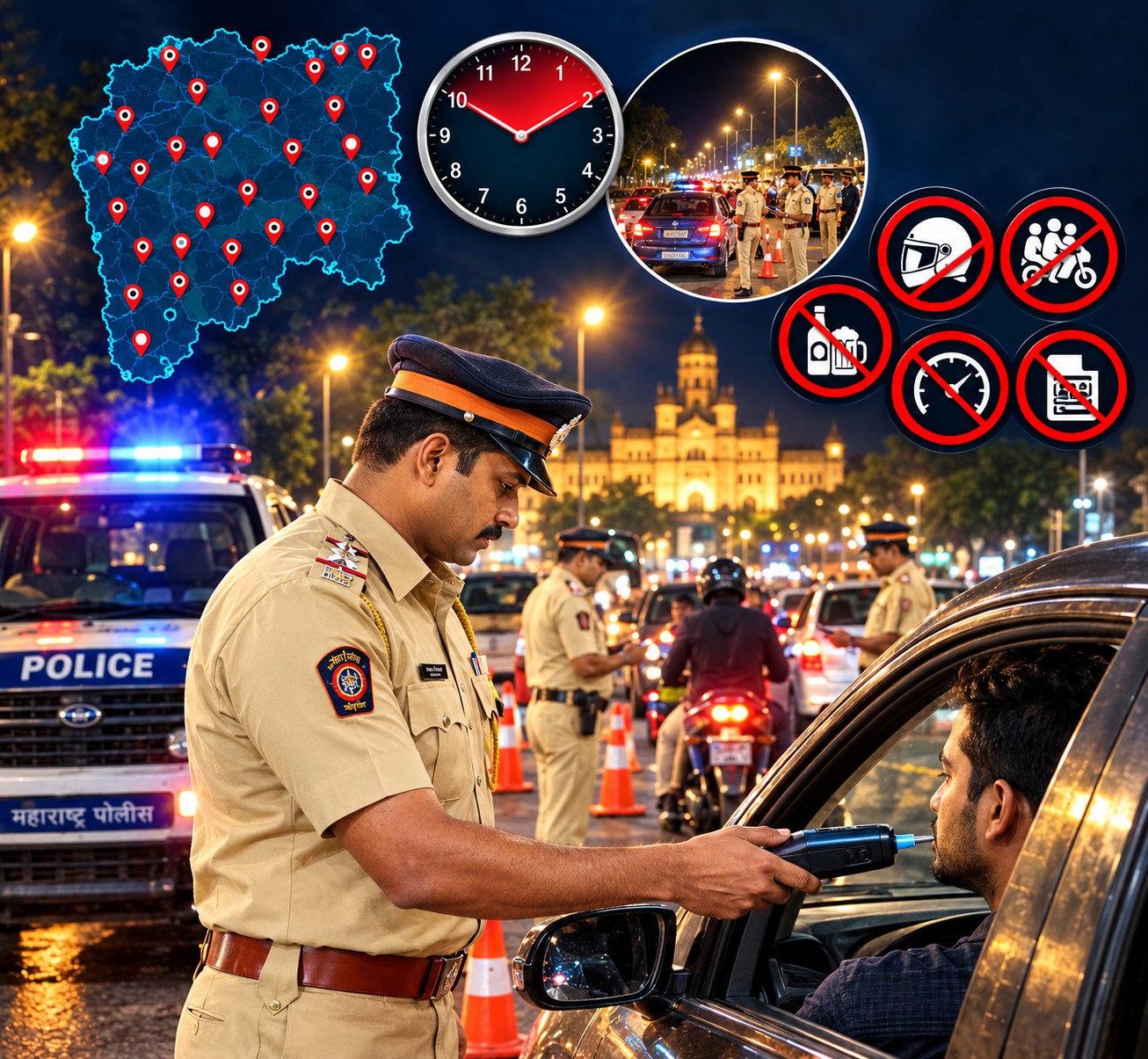
In a landmark step towards making Nagpur’s roads safer, the Nagpur City Traffic Police has launched a city-wide special enforcement drive — titled “Operation U-Turn” — aimed squarely at one of the most dangerous and underreported causes of road accidents: driving under the influence of narcotic substances and alcohol.

For the first time in Nagpur, advanced drug testing machines and breath analysers are being deployed on the city’s roads to conduct on-the-spot tests of vehicle drivers. The initiative marks a significant upgrade in the city’s road safety enforcement capabilities — moving beyond traditional visual checks to technology-driven, scientifically accurate testing that leaves no room for doubt or dispute.


Operation U-Turn: What It Is and How It Works

Launched from May 1, 2026, Operation U-Turn is a special traffic enforcement campaign initiated by the Nagpur City Police under the leadership of Commissioner of Police Dr. Ravinder Kumar Singal. The campaign is specifically designed to identify and take strict legal action against motorists who are driving under the influence of narcotic drugs or alcohol — a growing concern that has been linked to a significant number of serious road accidents and fatalities in the city.

Under this drive, Nagpur Traffic Police personnel are empowered to stop vehicles at designated points across the city and conduct on-the-spot drug tests using the newly acquired testing devices. Drivers found to be under the influence of narcotics or alcohol will face immediate and strict legal action under the relevant provisions of the Motor Vehicles Act and the NDPS Act (Narcotic Drugs and Psychotropic Substances Act, 1985).

The launch event for Operation U-Turn was held at the Police Commissioner’s Office in the presence of Commissioner Dr. Ravinder Kumar Singal, Piyush Tewari — Founder and CEO of the SaveLIFE Foundation — and several senior police officers including Joint Commissioner Navinchandra Reddy and Deputy Commissioner of Police (Traffic & Cyber) Lohit Matani (DCP Lohit Matani Nagpur traffic).


The Technology: Drug Testing Kits and Breath Analysers

At the heart of Operation U-Turn is a set of state-of-the-art enforcement tools that have been formally handed over to the Nagpur City Police by the SaveLIFE Foundation (SLF) under a Corporate Social Responsibility (CSR) initiative, with support from Mercedes-Benz India.

The equipment includes:

  • 2 advanced drug testing kits — designed to detect the presence of narcotic and psychotropic substances in a person’s system through a quick, non-invasive saliva or swab-based test
  • 10 breath analysers — for accurate, on-the-spot detection of blood alcohol content (BAC) in drivers

The handover was formalised through a Memorandum of Understanding (MoU) signed between the Nagpur City Police and the SaveLIFE Foundation, facilitated by DCP Lohit Matani. This MoU ensures that the collaboration is structured and sustained — not just a one-time equipment donation, but a long-term partnership aimed at strengthening road safety enforcement in Nagpur.


Why Drug Testing on Roads? The Growing Threat of Impaired Driving

While drunk driving has long been a recognised road safety concern, driving under the influence of narcotic substances — including marijuana, heroin, methamphetamine, and prescription drugs misused as intoxicants — is an equally serious problem that has received comparatively less attention and enforcement focus.

Impaired driving caused by drugs is particularly dangerous because:

  • Unlike alcohol, which has a widely understood and socially recognised impact on driving ability, drug impairment is often invisible to other road users and even to the driver themselves
  • Many drivers mistakenly believe that drug-impaired driving is harder to detect than drunk driving — and until now, in the absence of portable drug testing equipment, this has unfortunately been true on Nagpur’s roads
  • Drug impairment affects reaction time, judgment, spatial awareness, and motor control — all of which are critical for safe driving

By deploying drug testing kits alongside breath analysers, Nagpur Police are sending a clear and unambiguous message: there is no safe way to drive under the influence of any intoxicant on Nagpur’s roads, and the police now have the tools to prove it.


SaveLIFE Foundation: Nagpur’s Road Safety Partner

The SaveLIFE Foundation is one of India’s most respected non-profit organisations working in the field of road safety and emergency medical care. Founded in 2008 by Piyush Tewari, the organisation has played a key role in India’s road safety legislation, including the implementation of the landmark Good Samaritan Law that protects bystanders who help road accident victims.

SLF pioneered the Zero Fatality Corridor model — a data-driven, engineering and enforcement-based approach to road safety that led to a 58% reduction in road crash deaths on the Mumbai-Pune Expressway. In 2024, the organisation was awarded the prestigious Skoll Award for Social Innovation.

The partnership between SLF and the Nagpur City Police — with support from Mercedes-Benz India’s CSR programme — brings this world-class road safety expertise and technology to Nagpur’s streets. For residents of the city, it is a significant and concrete investment in public safety.


Focus on the Samruddhi Mahamarg: A High-Risk Corridor

While Operation U-Turn covers the entire city, a particular focus of the drug testing and breath analyser deployment is the Hindu Hrudaysamrat Balasaheb Thackeray Maharashtra Samruddhi Mahamarg — the 701-km greenfield expressway connecting Nagpur and Mumbai.

The Samruddhi Mahamarg, despite being one of India’s most modern and well-engineered highways, has been the site of numerous fatal accidents since its opening — many of them occurring late at night and early in the morning when the risk of driver fatigue, drunk driving, and drug-impaired driving is significantly elevated. The deployment of enforcement technology on this corridor is expected to act as a powerful deterrent and reduce the number of accidents on this critical national highway.


Strict Action Assured: Police Send Strong Warning

At the launch of Operation U-Turn, senior police officials made it explicitly clear that there will be zero tolerance for impaired driving in Nagpur. Motorists found to be driving under the influence of drugs or alcohol will face:

  • Immediate arrest and detention
  • Suspension of driving licence
  • Heavy fines under the amended Motor Vehicles Act
  • Criminal prosecution under NDPS Act provisions in cases involving narcotic substances
  • Seizure of vehicle in repeat offence cases

The police have appealed to all citizens of Nagpur to strictly follow traffic rules, drive responsibly, and never get behind the wheel after consuming alcohol or any intoxicant. They have emphasised that road safety is a shared responsibility — and that Operation U-Turn is their commitment to upholding that responsibility.


Nagpur’s Road Safety: A City Taking Action

Operation U-Turn is the latest in a series of meaningful road safety and civic initiatives being undertaken in Nagpur. Just as the city has been addressing civic challenges — from the controversy over facilities at the Mominpura encroachment drive to landmark administrative decisions like the replacement of Saat-Baara with Property Cards — the city’s police force is also stepping up its game on road safety with modern tools and a determined approach.

For Nagpur’s residents, Operation U-Turn is a welcome and necessary development. Every driver who is stopped and tested, every impaired driver who is removed from the road, and every accident that is prevented as a result of this drive is a life saved — and a safer city for everyone.

Nagpur Updates urges all readers to drive responsibly, follow traffic rules, and support the Nagpur Traffic Police’s efforts to make the city’s roads safer for everyone.


Tags: Nagpur Traffic Police, Operation U-Turn, Drug Testing, Road Safety, SaveLIFE Foundation, DCP Lohit Matani, Nagpur Police, Drunk Driving, Nagpur Local News

Exit mobile version