Platform Ticket Sale Suspended at Nagpur Railway Station: What You Need to Know

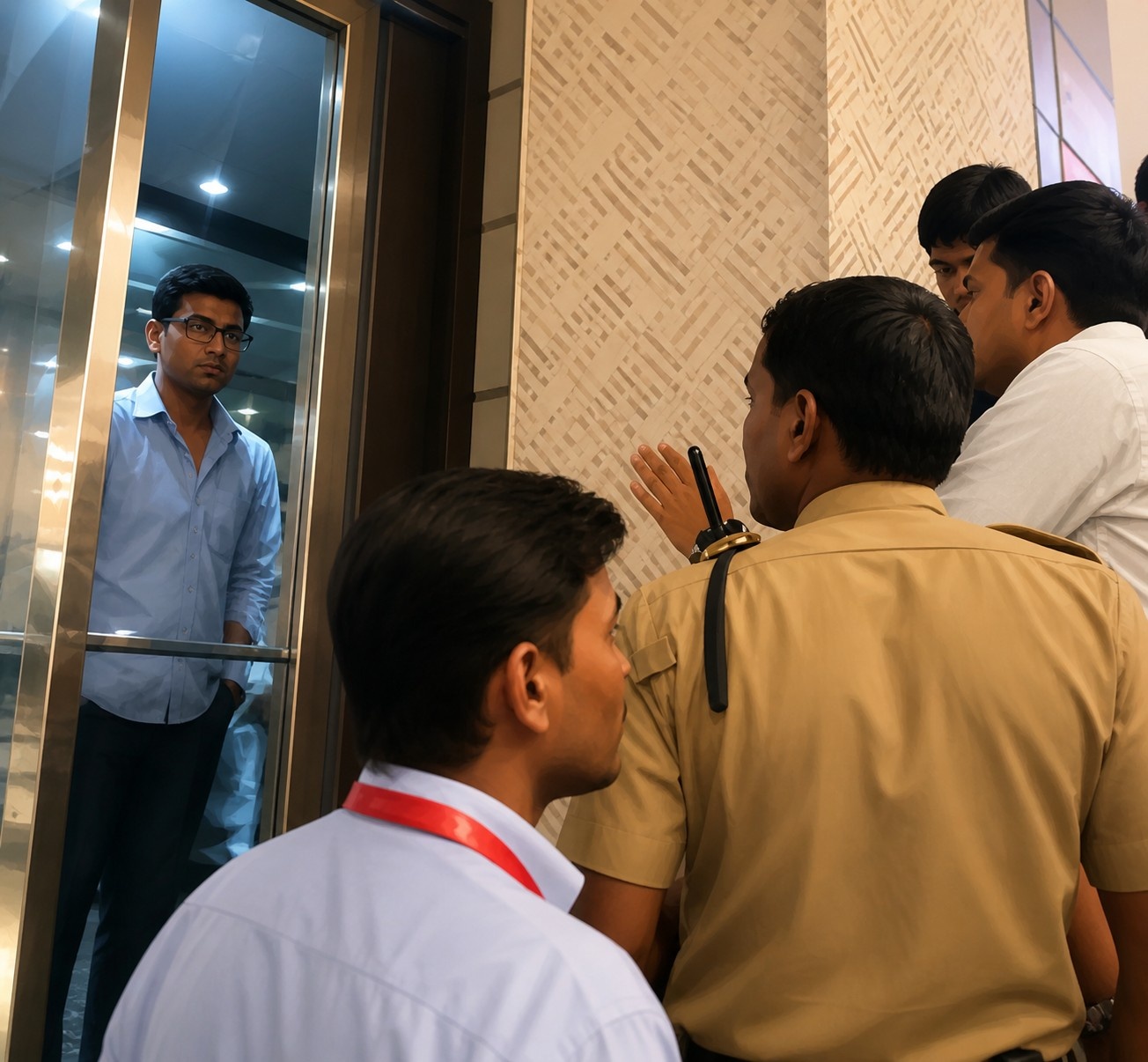
Nagpur railway station platform ticket: If you’ve recently visited Nagpur Railway Station or were planning to drop someone off, you might have noticed something unusual—platform tickets are temporarily unavailable. Sounds like a small change, right? But in reality, this decision is creating a ripple effect for passengers, families, and even daily commuters.

So, what’s really going on? Why has Indian Railways taken this step, and how does it affect you?

Let’s break it down in a simple, no-confusion way.

Sr# Headings
1 Introduction to the Platform Ticket Suspension
2 Why Are Platform Tickets Suspended?
3 Duration of the Ban
4 Impact on Passengers and Visitors
5 Construction Work at the Station
6 Crowd Control Measures Explained
7 Summer Rush and Railway Strategy
8 Who Is Allowed on Platforms Now?
9 Alternatives for Visitors
10 Safety and Security Benefits
11 Challenges Faced by the Public
12 Tips for Travelers During This Period
13 Indian Railways’ Future Plans
14 Public Reaction and Opinions
15 Final Thoughts

1. Introduction to the Platform Ticket Suspension

Imagine a busy marketplace suddenly restricting entry to only shoppers—not visitors. That’s exactly what’s happening here. Platform tickets at Nagpur Railway Station have been temporarily suspended, meaning only passengers with valid tickets can enter the platforms.

This move might feel inconvenient at first, especially if you’re used to seeing off family members. But there’s more to it than meets the eye.


2. Why Are Platform Tickets Suspended?

The main reasons behind this decision are:

  • Ongoing redevelopment work
  • Managing heavy passenger crowds
  • Ensuring safety during peak summer travel

Think of it like renovating your house—you limit visitors to avoid chaos. Similarly, the station needs space and control while upgrades are underway.


3. Duration of the Ban

The suspension is temporary, effective from:

👉 10 April 2026 to 30 May 2026

This period coincides with both construction activities and increased travel demand due to summer vacations.


4. Impact on Passengers and Visitors

This change directly affects:

  • People coming to see off or receive passengers
  • Vendors and casual visitors
  • Elderly individuals needing assistance

Without platform tickets, entry is restricted, making it slightly harder for families who rely on personal assistance during travel.


5. Construction Work at the Station

One of the key triggers is redevelopment work, especially around:

  • Platform No. 2
  • Entry and exit zones
  • Passenger movement areas

The goal? To transform the station into a modern, more efficient transport hub.


6. Crowd Control Measures Explained

Railway stations in India can get extremely crowded—especially during holidays.

By stopping platform ticket sales:

  • Unnecessary crowding is reduced
  • Movement becomes smoother
  • Emergency situations are easier to handle

It’s like limiting guests at an event to avoid overcrowding—simple but effective.


7. Summer Rush and Railway Strategy

April to May is peak travel season. Students, families, and tourists are all on the move.

To manage this:

  • Railways are prioritizing passengers over visitors
  • Ensuring better boarding and deboarding flow
  • Avoiding platform congestion

This is a strategic move to keep things running smoothly.


8. Who Is Allowed on Platforms Now?

Currently, access is limited to:

✔️ Passengers with valid train tickets
✔️ Railway staff and authorized personnel
✔️ Emergency or special cases (with permission)

So, unless you’re traveling, you won’t be allowed inside.


9. Alternatives for Visitors

Wondering how to manage without platform access?

Here are a few options:

  • Drop passengers at entry gates
  • Use mobile communication for coordination
  • Arrive early to avoid last-minute confusion

Yes, it requires a bit of adjustment—but it’s manageable.


10. Safety and Security Benefits

This decision isn’t just about convenience—it’s about safety.

Benefits include:

  • Reduced risk of stampedes
  • Better surveillance
  • Improved emergency response

Fewer people = better control.


11. Challenges Faced by the Public

Let’s be honest—this move isn’t perfect.

Common concerns:

  • Difficulty in assisting elderly passengers
  • Emotional discomfort while saying goodbye
  • Confusion among first-time travelers

It’s a trade-off between comfort and safety.


12. Tips for Travelers During This Period

If you’re traveling from Nagpur, here are some practical tips:

👉 Arrive early to avoid rush
👉 Carry minimal luggage
👉 Stay connected via phone
👉 Use porter services if needed
👉 Keep tickets ready for quick entry

A little planning goes a long way.


13. Indian Railways’ Future Plans

The redevelopment project aims to:

  • Upgrade infrastructure
  • Improve passenger facilities
  • Enhance overall travel experience

Once completed, expect:

✨ Better platforms
✨ Modern amenities
✨ Smoother travel

So yes, this inconvenience is temporary—but the benefits are long-term.


14. Public Reaction and Opinions

Public opinion is mixed:

👍 Some support the decision for safety
👎 Others find it inconvenient

Many people understand the need—but still wish for better alternatives for elderly assistance.


15. Final Thoughts

Change is never easy—especially when it affects daily routines. The suspension of platform tickets at Nagpur Railway Station might feel like a hassle, but it’s a step toward better infrastructure and safer travel.

Think of it as short-term discomfort for long-term gain.

Once the upgrades are complete, you’ll likely experience a more organized, modern railway station—and maybe even forget this temporary phase ever existed.

1. Why are platform tickets suspended at Nagpur railway station?

Platform tickets are suspended due to station redevelopment work and crowd control during peak summer travel.


2. Till when will the platform ticket ban continue?

The suspension is in effect from 10 April 2026 to 30 May 2026.


3. Can I enter the platform without a ticket?

No, only passengers with valid train tickets and authorized personnel are allowed.


4. How can I assist elderly passengers during this period?

You can seek help from railway staff or porters available at the station entrance.


5. Will platform ticket sales resume after May 2026?

Yes, the suspension is temporary, and normal services are expected to resume after the given period.

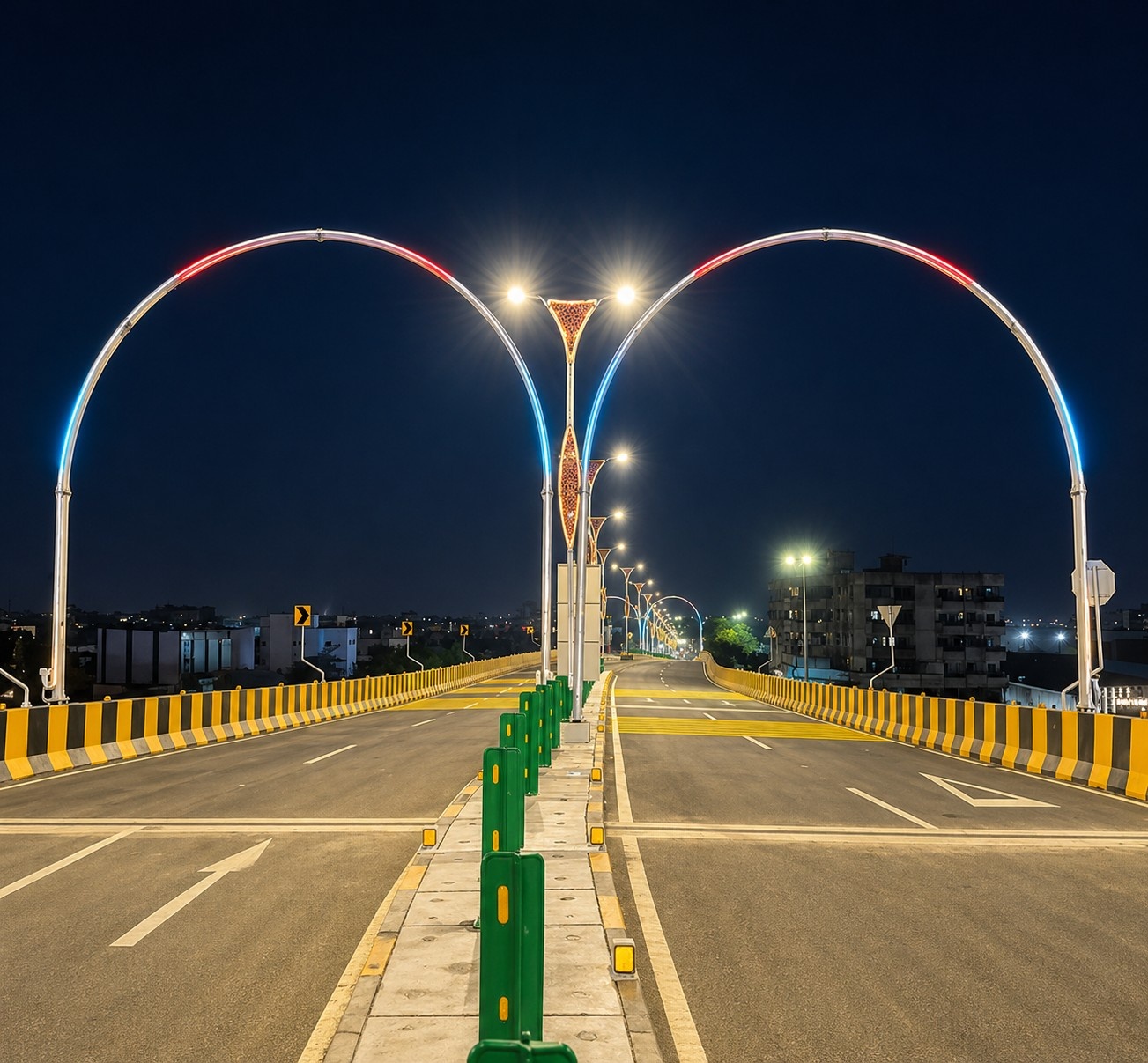
Nagpur’s Ashok Chowk Flyover Ready: A Game-Changer for Faster and Smoother Travel

Nagpur Traffic Update: If you’ve ever been stuck in traffic at Ashok Chowk, you know the struggle. Long queues, honking vehicles, and the constant frustration of delays—it’s something thousands of Nagpur residents deal with every day. But here’s the good news: the Ashok Chowk Flyover is finally ready, and it promises to transform the way people travel in this busy part of the city.

Think of it like unclogging a blocked artery—once the flow improves, everything starts moving smoothly again. That’s exactly what this flyover aims to do for Nagpur’s traffic.

Sr# Headings
1 Overview of Ashok Chowk Flyover
2 Why This Flyover Was Needed
3 Key Features of the Flyover
4 Traffic Problems at Ashok Chowk
5 Construction Timeline and Progress
6 Impact on Daily Commuters
7 Benefits for Local Businesses
8 Reduction in Travel Time
9 Safety Improvements
10 Environmental Impact
11 Connectivity Boost in Nagpur
12 Future Infrastructure Plans
13 Public Reaction and Expectations
14 Challenges Faced During Construction
15 Final Thoughts on Nagpur’s Growth

1. Overview of Ashok Chowk Flyover

The Ashok Chowk Flyover is one of the latest additions to Nagpur’s growing infrastructure network. Designed to ease congestion and streamline traffic flow, this flyover connects key routes that previously experienced heavy bottlenecks.

It’s not just a bridge—it’s a solution to a long-standing urban problem.


2. Why This Flyover Was Needed

Let’s be honest—Nagpur is growing rapidly. With more vehicles hitting the roads every year, older intersections like Ashok Chowk simply couldn’t handle the pressure.

Key reasons for its necessity:

  • Increasing vehicle population
  • Frequent traffic jams during peak hours
  • Delays affecting office-goers and students
  • Emergency vehicles getting stuck

Without intervention, the situation would only have worsened.


3. Key Features of the Flyover

What makes this flyover stand out?

Some important highlights include:

  • Modern design for smooth traffic flow
  • Multiple lanes for better capacity
  • Strong and durable construction materials
  • Proper lighting and safety barriers

These features ensure not just speed, but also safety and reliability.


4. Traffic Problems at Ashok Chowk

Before the flyover, Ashok Chowk was one of the most congested intersections in Nagpur.

Common issues faced:

  • Long waiting times at signals
  • Traffic pile-ups during rush hours
  • Frequent minor accidents
  • Stressful commuting experience

If you’ve ever passed through this area, you know how exhausting it could get.


5. Construction Timeline and Progress

The construction of the flyover moved at a steady pace, despite challenges.

Highlights of the journey:

  • Planning and approvals took initial time
  • Construction work progressed in phases
  • Delays due to weather and logistical issues
  • Final completion achieved recently

Seeing it finally ready feels like a big win for the city.


6. Impact on Daily Commuters

This is where things get exciting.

For daily commuters, the flyover is expected to:

  • Reduce stress during travel
  • Save valuable time
  • Provide a smoother driving experience

Imagine reaching your destination without constant braking and waiting—it’s a huge relief.


7. Benefits for Local Businesses

Better roads mean better business.

How businesses benefit:

  • Increased footfall due to easier access
  • Faster delivery and logistics
  • Improved visibility of shops

Local दुकानदार and businesses are likely to see a positive impact in the coming months.


8. Reduction in Travel Time

One of the biggest advantages of the flyover is time-saving.

Earlier, crossing Ashok Chowk could take:

  • 15–20 minutes during peak hours

With the flyover:

  • Travel time is expected to drop significantly

That’s time you can spend with family, at work, or simply relaxing.


9. Safety Improvements

Traffic congestion often leads to accidents. The flyover addresses this issue.

Safety benefits include:

  • Reduced intersection conflicts
  • Better traffic management
  • Clear lanes for vehicles

Less chaos means fewer chances of mishaps.


10. Environmental Impact

You might wonder—how does a flyover affect the environment?

Surprisingly, it can have positive effects:

  • Reduced idling of vehicles
  • Lower fuel consumption
  • Decreased air pollution

When traffic flows smoothly, emissions naturally drop.


11. Connectivity Boost in Nagpur

The flyover improves connectivity between key areas of the city.

What this means:

  • Easier movement across regions
  • Better integration of city roads
  • Support for future development

It’s like adding a missing puzzle piece to Nagpur’s road network.


12. Future Infrastructure Plans

This project is just the beginning.

Nagpur is seeing:

  • Metro expansions
  • New flyovers and road widening projects
  • Smart city initiatives

The city is clearly moving towards a more modern and efficient future.


13. Public Reaction and Expectations

People are excited—and rightly so.

Common reactions include:

  • Relief from daily traffic stress
  • High उम्मीद (expectation) from the project
  • Appreciation for development efforts

However, many are also waiting to see how it performs during peak hours.


14. Challenges Faced During Construction

No major project comes without hurdles.

Some challenges included:

  • Traffic diversions during construction
  • Weather-related delays
  • Coordination between departments

Despite these, the project was successfully completed.


15. Final Thoughts on Nagpur’s Growth

The Ashok Chowk Flyover is more than just infrastructure—it’s a sign of progress.

Nagpur is evolving into a smarter, faster, and more connected city. Projects like this not only improve daily life but also boost the city’s overall growth.

The completion of the Ashok Chowk Flyover marks a significant milestone for Nagpur. It promises smoother travel, reduced congestion, and a better commuting experience for thousands of people. While only time will reveal its full impact, one thing is certain—this flyover is a step in the right direction.

1. What is the purpose of the Ashok Chowk Flyover?

The flyover is designed to reduce traffic congestion and improve vehicle movement at Ashok Chowk.

2. How will it affect daily commuters?

It will save time, reduce stress, and provide a smoother travel experience.

3. Will the flyover reduce traffic jams completely?

While it will significantly reduce congestion, traffic management also depends on overall road usage.

4. Are there safety measures on the flyover?

Yes, it includes proper lighting, barriers, and lane management for safer travel.

5. How does it impact the environment?

By reducing vehicle idling and fuel consumption, it helps lower pollution levels.

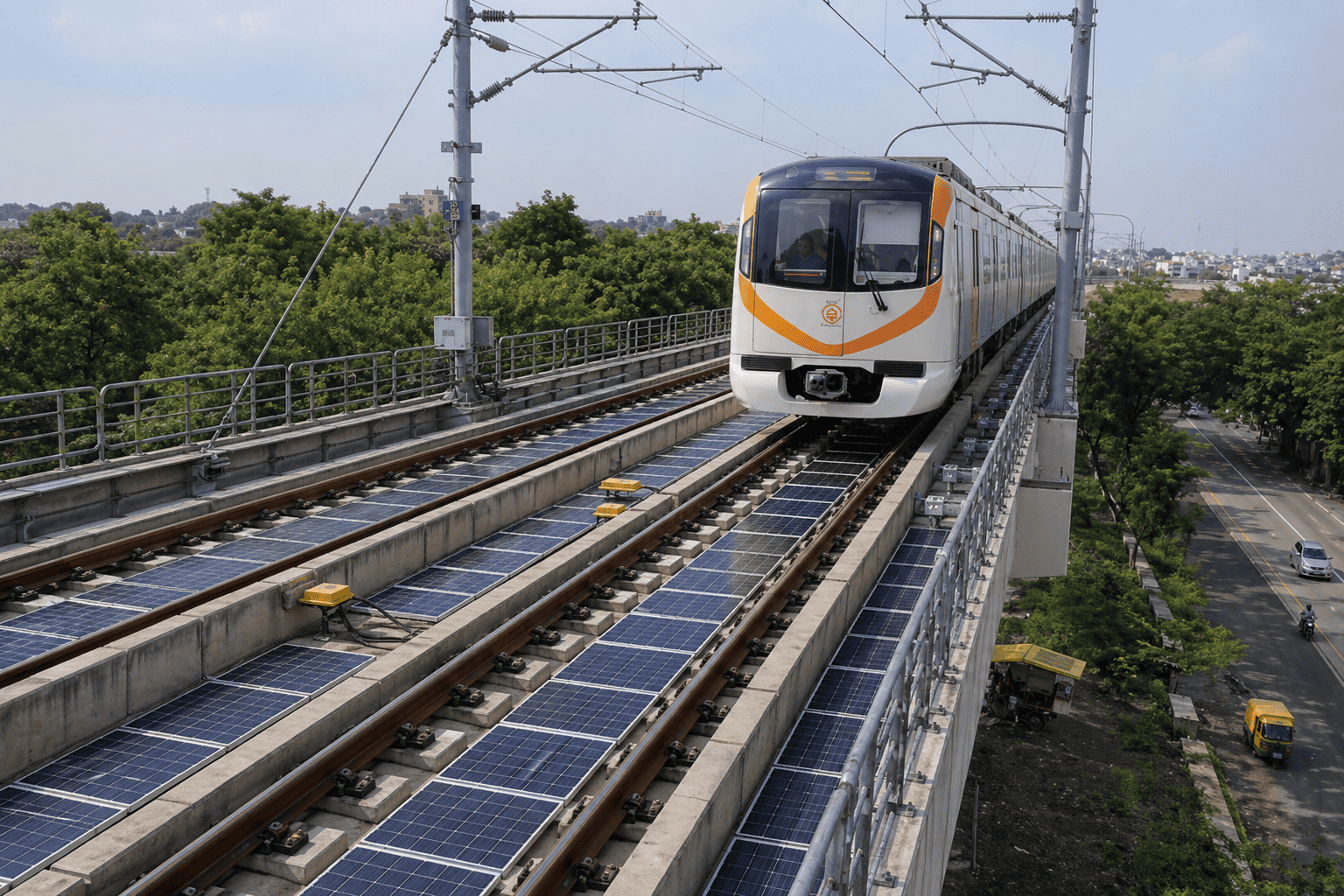
Nagpur Metro Phase 2: Automotive Chowk to Kanhan Construction Update

If you live in Nagpur or travel frequently through the city, you’ve probably noticed how quickly things are changing. Roads are expanding, flyovers are rising—and now, the much-awaited Nagpur Metro Phase 2 is taking shape. But what exactly is happening between Automotive Chowk and Kanhan? How fast is the construction moving, and when can you expect to ride this new metro stretch?

Let’s break it down in a simple, easy-to-understand way—no technical jargon, just clear updates that matter to you.

Sr# Headings
1 Overview of Nagpur Metro Phase 2
2 Why Automotive Chowk to Kanhan Route Matters
3 Current Construction Status
4 Project Timeline and Deadlines
5 Route Map and Key Stations
6 Infrastructure Development Highlights
7 Benefits for Daily Commuters
8 Impact on Traffic and Pollution
9 Economic Growth and Real Estate Boost
10 Challenges in Construction
11 Government and Maha Metro’s Role
12 Future Expansion Plans
13 Public Expectations and Reactions
14 Safety and Technology Features
15 What This Means for Nagpur’s Future

1. Overview of Nagpur Metro Phase 2

The Nagpur Metro Phase 2 is the next big step in transforming the city into a modern urban hub. While Phase 1 connected major city areas, Phase 2 focuses on extending the reach to suburban and semi-urban regions.

Think of it like expanding a tree—Phase 1 built the trunk, and Phase 2 is growing the branches outward.


2. Why Automotive Chowk to Kanhan Route Matters

This stretch is not just another metro line—it’s a lifeline for thousands of commuters.

  • Connects industrial zones
  • Links rural and urban areas
  • Reduces dependency on buses and private vehicles

For people traveling daily from Kanhan to the city, this route could cut travel time dramatically.


3. Current Construction Status

So, what’s happening on the ground right now?

  • Pillar construction is actively ongoing
  • Foundation work has been completed in several sections
  • Heavy machinery and workforce are deployed at full pace

If you’ve passed through this route recently, you’ve probably seen those tall concrete pillars rising—each one a step closer to the metro becoming reality.


4. Project Timeline and Deadlines

The big question—when will it be ready?

  • Construction is progressing in phases
  • Initial target completion: next 2–3 years
  • Work is being fast-tracked to avoid delays

While timelines in infrastructure projects can shift, authorities are pushing to keep things on track.


5. Route Map and Key Stations

The Automotive Chowk to Kanhan stretch will include several important stops:

  • Automotive Square
  • Kamptee region stations
  • Intermediate residential hubs
  • Final station at Kanhan

This route ensures maximum coverage for both residential and industrial areas.


6. Infrastructure Development Highlights

This isn’t just about tracks—it’s about building a modern system.

  • Elevated metro corridors
  • Strong RCC pillars for durability
  • Advanced signaling systems
  • Passenger-friendly stations

Imagine a smooth, fast train gliding above traffic—that’s the goal.


7. Benefits for Daily Commuters

Let’s talk about what really matters—you.

Here’s how your life could change:

  • Reduced travel time
  • Less stress during peak hours
  • Affordable transportation
  • Comfortable daily commute

Instead of being stuck in traffic, you could be sitting in an air-conditioned metro coach.


8. Impact on Traffic and Pollution

Nagpur’s roads are getting busier every year. More vehicles mean more pollution.

This metro route will help by:

  • Reducing the number of private vehicles
  • Lowering carbon emissions
  • Easing traffic congestion

It’s like giving the city a chance to “breathe” again.


9. Economic Growth and Real Estate Boost

Whenever metro connectivity improves, property values rise—it’s a pattern seen across India.

Areas near this route may see:

  • Increased real estate demand
  • New commercial developments
  • Growth in local businesses

For investors, this is a golden opportunity.


10. Challenges in Construction

Of course, no big project comes without hurdles.

Some challenges include:

  • Land acquisition issues
  • Traffic diversions during construction
  • Weather-related delays
  • Coordination between agencies

But despite these, work is progressing steadily.


11. Government and Maha Metro’s Role

The project is being executed by Maha Metro, with support from government authorities.

Their focus:

  • Timely completion
  • Quality construction
  • Safety standards
  • Public convenience

Regular monitoring ensures the project stays on track.


12. Future Expansion Plans

This is just the beginning.

Future plans may include:

  • Extending routes further beyond Kanhan
  • Connecting more suburbs
  • Integrating with other transport systems

Nagpur is slowly moving toward becoming a fully connected metro city.


13. Public Expectations and Reactions

People in Nagpur are excited—and rightly so.

Common expectations include:

  • Faster completion
  • Affordable ticket pricing
  • Clean and safe stations
  • Reliable service

Many residents are already looking forward to ditching their daily traffic struggles.


14. Safety and Technology Features

Modern metro systems are all about safety and efficiency.

Expected features:

  • CCTV surveillance
  • Automated signaling
  • Emergency response systems
  • Clean and hygienic stations

It’s not just transportation—it’s a smart travel experience.


15. What This Means for Nagpur’s Future

This metro expansion is more than just infrastructure—it’s a vision for the future.

It means:

  • Better connectivity
  • Improved quality of life
  • Stronger economy
  • Modern urban development

In simple words, Nagpur is evolving—and the metro is leading the way.

The Nagpur Metro Phase 2 stretch from Automotive Chowk to Kanhan is shaping up to be a game-changer. While construction is still underway, the progress so far is promising. Once completed, it will not only make travel easier but also boost the city’s growth in multiple ways.

If Phase 1 was the beginning, Phase 2 is the momentum—and Nagpur is clearly moving in the right direction.

1. When will the Automotive Chowk to Kanhan metro be completed?

The project is expected to be completed within the next 2–3 years, depending on construction progress.

2. How will this metro route benefit daily commuters?

It will reduce travel time, lower costs, and provide a comfortable and reliable mode of transport.

3. Which areas will this metro route cover?

It will connect Automotive Chowk, Kamptee region, and Kanhan along with several intermediate stops.

4. Will property prices increase near the metro route?

Yes, metro connectivity usually boosts real estate demand and property values.

5. Is the construction work currently in progress?

Yes, pillar construction and foundation work are actively ongoing across multiple sections.

Automated Vehicle Testing Station in Nagpur: A Game-Changer for Road Safety and Vehicle Fitness

vehicle fitness test Nagpur: Imagine going for a vehicle fitness test and instead of long queues, manual checks, and uncertainty, everything happens smoothly with machines doing the job in minutes. Sounds futuristic, right? Well, that future is about to become reality in Nagpur, where an Automated Vehicle Testing Station (AVTS) is set to open on May 15, 2026.

This move is not just about convenience—it’s about transparency, safety, and efficiency. With increasing vehicles on Indian roads, ensuring that every vehicle is roadworthy is no longer optional—it’s essential. This new facility promises to revolutionize how fitness tests are conducted.

Sr# Headings
1 What is an Automated Vehicle Testing Station?
2 Why Nagpur Needs This Facility
3 Key Features of the New Testing Station
4 How the Automated Testing Process Works
5 Benefits for Vehicle Owners
6 Impact on Road Safety
7 Transparency and Corruption-Free System
8 Role of Technology in Vehicle Testing
9 Environmental Benefits
10 Comparison with Traditional Fitness Testing
11 Government’s Vision Behind AVTS
12 Challenges and Concerns
13 Future of Vehicle Testing in India
14 What Vehicle Owners Should Prepare For

1. What is an Automated Vehicle Testing Station?

An Automated Vehicle Testing Station (AVTS) is a high-tech facility where vehicles are inspected using advanced machines instead of manual checks.

Think of it like a full-body health checkup for your car, where every part—from brakes to emissions—is tested with precision. No guesswork, no shortcuts—just accurate results.


2. Why Nagpur Needs This Facility

Nagpur is rapidly growing as a major urban and logistics hub. With more vehicles hitting the roads every day, manual testing methods simply can’t keep up.

  • Rising traffic density
  • Increased pollution levels
  • Need for stricter safety compliance

The AVTS comes as a timely upgrade to ensure vehicles meet safety standards without delays.


3. Key Features of the New Testing Station

The upcoming facility is designed with state-of-the-art technology. Some standout features include:

  • Automated brake testing systems
  • Suspension and alignment checks
  • Emission testing units
  • Underbody inspection scanners
  • Computerized reports

Everything is digitally recorded, leaving no room for manipulation.


4. How the Automated Testing Process Works

Curious about what happens when your vehicle enters the station?

Here’s a simple breakdown:

  1. Vehicle Entry Registration
  2. Automated Conveyor Movement
  3. Step-by-Step Machine Testing
  4. Real-Time Data Collection
  5. Instant Digital Report Generation

It’s almost like going through an airport security check—but for your vehicle!


5. Benefits for Vehicle Owners

This new system brings several advantages:

  • Faster testing process (no long waiting hours)
  • Accurate results without human error
  • Transparency in inspection
  • Easy digital records for future reference

For vehicle owners, it means less stress and more trust.


6. Impact on Road Safety

Unsafe vehicles are one of the major causes of accidents. With AVTS:

  • Faulty brakes can be detected early
  • Emission issues can be controlled
  • Structural weaknesses can be identified

This leads to safer roads for everyone, not just vehicle owners.


7. Transparency and Corruption-Free System

Let’s be honest—manual vehicle testing has often been criticized for lack of transparency.

With automation:

  • No human interference in results
  • No chances of “adjustments”
  • Complete digital records

This system ensures fairness for all vehicle owners.


8. Role of Technology in Vehicle Testing

Technology is the backbone of AVTS. It uses:

  • Sensors
  • Cameras
  • AI-based analysis
  • Real-time data processing

This ensures every vehicle is tested with scientific accuracy, not assumptions.


9. Environmental Benefits

Pollution is a growing concern in cities like Nagpur.

Automated testing helps by:

  • Identifying high-emission vehicles
  • Enforcing stricter pollution norms
  • Reducing carbon footprint

It’s a step toward a cleaner and greener city.


10. Comparison with Traditional Fitness Testing

Feature Traditional Testing Automated Testing
Accuracy Low to Medium High
Transparency Limited Full
Time Long Quick
Human Error High Minimal
Records Manual Digital

Clearly, automation is a huge upgrade.


11. Government’s Vision Behind AVTS

The launch of this facility aligns with the government’s goal of:

  • Modernizing RTO services
  • Improving road safety
  • Reducing corruption
  • Promoting digital India initiatives

This is not just a local upgrade—it’s part of a national transformation.


12. Challenges and Concerns

While the system is promising, there are a few concerns:

  • Initial cost of setup
  • Awareness among vehicle owners
  • Adaptation to new processes

However, these are short-term hurdles for long-term benefits.


13. Future of Vehicle Testing in India

Nagpur’s AVTS is just the beginning.

In the future, we can expect:

  • More automated stations across cities
  • Integration with vehicle databases
  • AI-based predictive maintenance

India is moving toward a fully automated transport ecosystem.


14. What Vehicle Owners Should Prepare For

If you own a vehicle, here’s what you should do:

  • Keep your vehicle well-maintained
  • Ensure pollution norms are met
  • Carry proper documents
  • Be ready for digital reports instead of paper

Think of it as upgrading your vehicle’s report card system.

The upcoming Automated Vehicle Testing Station in Nagpur is more than just a new facility—it’s a major step toward safer roads, cleaner air, and a transparent system.

It replaces outdated methods with modern technology, making vehicle inspections faster, fairer, and more reliable. For everyday citizens, this means peace of mind knowing that every vehicle on the road is properly tested.

As the city embraces this change, one thing is clear—the future of transportation in Nagpur is smart, safe, and automated.

1. What is the launch date of Nagpur’s automated vehicle testing station?

The station is expected to open on May 15, 2026.

2. How is automated testing better than manual testing?

It offers higher accuracy, transparency, and faster results with minimal human intervention.

3. Will all vehicles need to go through this testing?

Yes, especially commercial and older vehicles requiring fitness certification.

4. Does automated testing reduce corruption?

Absolutely, since results are machine-generated and digitally recorded, reducing manipulation.

5. How long does the testing process take?

The automated process is much quicker, often completed within minutes compared to manual checks.

Live Explosives Found Near Metro Station on CA Road in Nagpur

What Exactly Happened?

Nagpur news: A shocking incident unfolded in Nagpur when live explosives were discovered near a metro station on CA Road, one of the busiest areas in the city. Authorities recovered 15 gelatin sticks and 58 detonators, raising immediate alarm among residents and officials alike.

Why This News Matters

Incidents involving explosives are not just local concerns—they’re serious national security matters. This discovery has sparked discussions around safety, surveillance, and law enforcement readiness in urban areas.


Location Details of the Incident (Nagpur news)

CA Road Significance

CA Road is a vital commercial hub in Nagpur. From heavy traffic to dense marketplaces, this road rarely sleeps. Finding explosives here naturally intensified concerns.

Metro Station Area Importance

The proximity to a metro station makes this incident even more sensitive. Public transport zones are high-risk areas, and any threat here could impact thousands of commuters daily.


Explosives Discovered (Nagpur news)

Gelatin Sticks Explained

Gelatin sticks are commonly used in construction and mining. However, in the wrong hands, they become dangerous explosive materials capable of causing massive destruction.

Detonators and Their Role

Detonators are devices used to trigger explosions. Without detonators, explosives are often inactive—but together, they form a deadly combination.


Police Response and Investigation

Immediate Action Taken

As soon as the information reached authorities, police teams rushed to the site and secured the area immediately. The explosives were carefully removed to prevent any mishap.

Statements by Authorities

Senior officials confirmed that a detailed investigation has been initiated to trace the origin and intent behind the explosives.


Safety Measures Implemented

Area Sealed and Secured

The surrounding region was quickly cordoned off. Public movement was restricted temporarily to ensure maximum safety.

Public Safety Protocols

Emergency teams followed strict protocols, ensuring that no civilian was exposed to potential danger during the operation.


Possible Reasons Behind Explosives

Illegal Storage or Criminal Activity

One possibility is illegal possession. Explosives like these are often used in unlawful activities, including theft or sabotage.

Construction-Related Possibility

Another angle suggests the materials could be linked to construction work. However, improper storage or abandonment raises serious questions.


Impact on Local Residents

Panic and Concern

Understandably, people living nearby experienced fear and uncertainty. Social media was flooded with reactions and updates.

Traffic and Movement Disruption

Traffic on CA Road was temporarily affected. Commuters faced delays as authorities managed the situation.


Role of Bomb Squad

Disposal Procedures

The bomb squad played a crucial role. They safely handled and neutralized the explosives using specialized techniques.

Risk Assessment

Experts assessed the risk level and confirmed that timely intervention prevented a potentially dangerous situation.


Nagpur Metro Security Concerns

Importance of Surveillance

This incident highlights the need for advanced surveillance systems around metro stations.

Future Safety Improvements

Authorities are expected to review and upgrade existing security measures.


Legal Implications

Laws Related to Explosives

India has strict laws under the Explosives Act. Unauthorized possession can lead to severe punishment.

Penalties and Action

If foul play is confirmed, those responsible could face heavy fines and imprisonment.


Past Similar Incidents

Lessons Learned

Such incidents are rare but not unheard of. Each case helps authorities improve preparedness.

Pattern Analysis

Investigators may analyze patterns to determine if this incident is isolated or part of a larger network.


Media Coverage and Public Reaction

Social Media Buzz

News spread quickly online. People shared updates, concerns, and speculations.

Public Awareness

While alarming, such news also raises awareness about safety and vigilance.


Government Response

Official Statements

Local authorities assured citizens that the situation is under control.

Policy Measures

This incident may push policymakers to introduce stricter regulations and monitoring systems.


Preventive Measures for Future

Citizen Awareness

Public vigilance is the first line of defense. Reporting suspicious activities can prevent disasters.

Strengthening Security

Authorities must focus on better surveillance, stricter checks, and faster response systems.

The discovery of live explosives near a metro station in Nagpur is a serious wake-up call for both authorities and citizens. While the timely action of the police prevented any harm, the incident highlights gaps in monitoring and safety systems. Moving forward, a combination of stricter enforcement, advanced surveillance, and public awareness will be key to ensuring such situations don’t arise again. After all, safety is a shared responsibility—and staying alert can make all the difference.

1. What was found near the Nagpur metro station?

Authorities recovered 15 gelatin sticks and 58 detonators.

2. Is the area safe now?

Yes, the explosives were safely removed, and the area has been secured.

3. Who is investigating the case?

Local police along with specialized teams are conducting a detailed investigation.

4. Could this be related to construction work?

It’s a possibility, but nothing has been confirmed yet.

5. What should citizens do in such situations?

Report any suspicious activity immediately to authorities and avoid crowded or restricted areas.

Kasturchand Park Controversy: Why Two Wrongs Don’t Make a Right

Kasturchand Park issue: Public spaces are like shared living rooms — everyone uses them, but not everyone treats them the same way. Recently, discussions around Kasturchand Park have brought up a powerful idea: “Two rights don’t make a right.”

But what does this really mean in everyday life? And why is it so relevant to a place like Kasturchand Park, one of Nagpur’s most iconic grounds?

Let’s break it down in simple terms. Just because one group believes they are right doesn’t automatically make their actions justified—especially if those actions create problems for others. This article dives deep into the issue, the mindset behind it, and what it teaches us about civic sense, responsibility, and respect for public spaces.

Sr# Headings
1 Understanding the Phrase
2 Why Kasturchand Park Matters
3 The Core Issue at the Park
4 When “Right” Becomes Wrong
5 Public Spaces and Shared Responsibility
6 The Domino Effect of Ignorance
7 Law vs Moral Responsibility
8 The Role of Authorities
9 Citizens: The Real Stakeholders
10 Social Behavior and Public Discipline
11 Small Actions, Big Consequences
12 Learning from Other Cities
13 The Way Forward
14 Building Civic Sense
15 Final Thoughts

1. Understanding the Phrase

The phrase “two rights don’t make a right” is often misunderstood. It doesn’t literally mean that being right is wrong. Instead, it highlights a situation where two parties believe they are justified, but their actions still lead to chaos or harm.

Think of it like this:
If two drivers both insist they have the right of way and refuse to stop, what happens? A collision.

The same logic applies to public behavior.


2. Why Kasturchand Park Matters

Kasturchand Park is not just a ground—it’s a symbol.

It has hosted:

  • Cultural events
  • Political rallies
  • Public gatherings
  • Recreational activities

For many residents of Nagpur, this park represents community, history, and identity.

That’s exactly why any issue here becomes bigger than it looks.


3. The Core Issue at the Park

The controversy revolves around conflicting uses of the same public space.

Different groups:

  • Claim their right to use the park
  • Conduct activities without coordination
  • Ignore rules or timing restrictions

On paper, each group may be “right.” But in reality, their actions clash.


4. When “Right” Becomes Wrong

Here’s the catch:
Being right individually doesn’t mean the overall situation is right.

For example:

  • A group organizing an event may have permission
  • Another group using the space regularly may feel displaced

Both sides feel justified. Yet the outcome? Conflict.

It’s like two people trying to speak at the same time—both have something to say, but no one gets heard.


5. Public Spaces and Shared Responsibility

Public spaces come with shared ownership, not individual control.

That means:

  • No one person or group can dominate
  • Everyone must adjust
  • Rules must be respected

If we treat public spaces like private property, chaos is inevitable.


6. The Domino Effect of Ignorance

One wrong action often triggers another.

For instance:

  • If one group ignores rules, others follow
  • If enforcement is weak, misuse increases
  • If discipline breaks, it spreads quickly

This creates a domino effect, where small negligence leads to larger problems.


7. Law vs Moral Responsibility

There’s a big difference between:

  • Legal right
  • Moral responsibility

You might have permission for something—but should you still do it if it harms others?

That’s the real question.


8. The Role of Authorities

Authorities are expected to:

  • Regulate usage
  • Maintain order
  • Ensure fairness

But here’s the truth:
No system works without public cooperation.

Even the best rules fail if people choose to ignore them.


9. Citizens: The Real Stakeholders

At the end of the day, citizens are the real owners of public spaces.

Your behavior matters:

  • Do you follow rules?
  • Do you respect others’ space?
  • Do you think beyond your own needs?

Because every action contributes to the bigger picture.


10. Social Behavior and Public Discipline

Let’s be honest—public discipline is often overlooked.

Common issues include:

  • Littering
  • Noise pollution
  • Unauthorized gatherings

These may seem small individually, but together they degrade public spaces.


11. Small Actions, Big Consequences

Ever noticed how one small act can change everything?

  • One person breaks a rule → others follow
  • One group occupies space → others feel excluded

It’s like a ripple in water—starting small but spreading far.


12. Learning from Other Cities

Cities that manage public spaces well have:

  • Clear regulations
  • Strict enforcement
  • Strong civic awareness

People there understand that:
Public space = shared responsibility


13. The Way Forward

So what’s the solution?

  • Better planning
  • Clear scheduling
  • Transparent permissions
  • Public awareness

Most importantly, mutual respect.


14. Building Civic Sense

Civic sense isn’t taught overnight. It develops through:

  • Awareness
  • Education
  • Consistent behavior

We need to shift from:
“What is my right?” → “What is right for everyone?”


15. Final Thoughts (Kasturchand Park issue)

The situation at Kasturchand Park is a reminder that society functions on balance.

Two people, two groups, or even two “rights” can still create a wrong situation if they don’t align with the greater good.

Because at the end of the day,
being right is not enough—being responsible is what truly matters.

1. What does “two rights don’t make a right” mean?

It means that even if two parties believe they are correct, their actions can still lead to a wrong or harmful outcome.


2. Why is Kasturchand Park important in Nagpur?

It is a major public ground used for events, gatherings, and cultural activities, making it a key part of the city’s identity.


3. What is the main issue at Kasturchand Park?

The conflict arises from multiple groups using the same space without proper coordination, leading to disputes and inconvenience.


4. Who is responsible for managing public spaces?

Both authorities and citizens share responsibility—rules must be enforced, and people must follow them.


5. How can such issues be avoided in the future?

Through better planning, clear rules, public awareness, and most importantly, mutual respect among users.

Netaji Market Mall Project: Construction Likely to Begin in 3 Months – What It Means for Nagpur

Big changes are coming to Nagpur, and if you’ve ever walked through the busy lanes of Netaji Market, you’ll know just how iconic—and crowded—it is. Now imagine that same space transformed into a sleek, modern mall. Sounds exciting, right?

The long-awaited Netaji Market mall project is finally moving forward, with construction likely to begin in the next three months. This development could reshape not just the market area, but also how people shop, work, and spend time in the heart of the city.

Sr# Headings
1 Overview of the Netaji Market Mall Project
2 Why Redevelopment Was Needed
3 Key Highlights of the Mall Plan
4 Timeline and Construction Updates
5 Investment and Financial Details
6 Impact on Local Shopkeepers
7 Benefits for Consumers and Visitors
8 Economic Boost for Nagpur
9 Modern Infrastructure and Facilities
10 Traffic and Urban Planning Changes
11 Challenges and Concerns
12 Comparison with Other City Malls
13 Real Estate Impact in Sitabuldi
14 Future of Traditional Markets
15 What Citizens Can Expect Next

1. Overview of the Netaji Market Mall Project

The Netaji Market mall project aims to convert the existing traditional market into a modern commercial complex. Located in Sitabuldi, one of Nagpur’s busiest areas, this project is designed to bring a new retail and business experience.

Think of it like upgrading from a crowded street bazaar to a well-organized shopping destination—same energy, but far more comfort.


2. Why Redevelopment Was Needed

Let’s be honest—Netaji Market, while popular, has struggled with:

  • Congestion and narrow lanes
  • Lack of proper infrastructure
  • Safety concerns
  • Limited parking space

Over time, these issues made redevelopment not just a choice, but a necessity. The goal now is to retain the market’s spirit while improving functionality.


3. Key Highlights of the Mall Plan

Here’s what makes this project stand out:

  • Multi-story commercial complex
  • Dedicated spaces for existing shopkeepers
  • Modern amenities like lifts, escalators, and parking
  • Improved safety and fire systems

This isn’t just a mall—it’s a complete transformation of the shopping experience.


4. Timeline and Construction Updates

According to recent updates, construction is expected to start within the next three months. Most of the major hurdles—like approvals and planning—have already been addressed.

If things go as planned, Nagpur could see rapid progress in this project soon.


5. Investment and Financial Details

The project has a base value of around ₹290 crore, reflecting its scale and importance.

Initially, there were disagreements regarding pricing and execution, but those issues have now been largely resolved. This clears the path for smooth implementation.


6. Impact on Local Shopkeepers

One of the biggest questions people ask is: What happens to the current vendors?

The plan includes:

  • Rehabilitation of existing shop owners
  • Allotment of space within the new mall
  • Better facilities for business operations

So instead of displacement, the focus is on upgradation and inclusion.


7. Benefits for Consumers and Visitors

For everyday shoppers, this project is a game-changer:

  • Cleaner and more organized environment
  • Better shopping experience
  • Availability of modern facilities
  • More brands and options

Imagine shopping without the usual chaos—that’s the promise here.


8. Economic Boost for Nagpur

This isn’t just about shopping—it’s about growth.

The Netaji Market mall project will:

  • Create jobs during and after construction
  • Attract new businesses and investors
  • Increase footfall in the area

In simple terms, it’s like planting a seed that grows into a tree of economic opportunities.


9. Modern Infrastructure and Facilities

The new mall will likely include:

  • Spacious corridors
  • Advanced security systems
  • Dedicated parking zones
  • Energy-efficient design

These features bring the market up to modern urban standards.


10. Traffic and Urban Planning Changes

Sitabuldi is already a busy area, so traffic management will be crucial.

Expected improvements include:

  • Better road access
  • Organized parking systems
  • Reduced street congestion

This could significantly improve the daily commute for many.


11. Challenges and Concerns

No big project comes without challenges. Some concerns include:

  • Temporary disruption during construction
  • Adjustment period for shopkeepers
  • Managing traffic during development

However, these are short-term issues compared to the long-term benefits.


12. Comparison with Other City Malls

Nagpur already has malls, but this one is different.

Why?

  • It’s located in a prime central area
  • It combines traditional market culture with modern retail
  • It directly impacts local businesses

This makes it more than just another mall—it’s a hybrid retail hub.


13. Real Estate Impact in Sitabuldi

Whenever such projects come up, property values tend to rise.

Expected effects:

  • Increase in commercial property demand
  • Higher rental values
  • More business opportunities

Sitabuldi could become even more valuable as a commercial hotspot.


14. Future of Traditional Markets

Does this mean the end of traditional markets?

Not really.

Instead, it signals evolution. Markets like Netaji Market are adapting to modern needs while keeping their essence alive.


15. What Citizens Can Expect Next

In the coming months:

  • Construction work will begin
  • Shopkeeper transitions will be planned
  • Structural development will take shape

For citizens, it’s a waiting game—but one filled with anticipation.

The Netaji Market mall project is more than just a construction plan—it’s a vision for a better, more organized Nagpur. By blending tradition with modernity, this development promises to enhance both business opportunities and everyday experiences.

Sure, there may be short-term inconveniences, but the long-term benefits could redefine the city’s commercial landscape. If all goes as planned, this project could become one of Nagpur’s most significant urban transformations.

1. When will the Netaji Market mall construction start?

Construction is expected to begin within the next three months, as most approvals are already in place.

2. What will happen to existing shopkeepers?

They will be rehabilitated and given space within the new mall, ensuring continuity of their businesses.

3. What is the total cost of the project?

The project is valued at approximately ₹290 crore.

4. How will this project benefit Nagpur?

It will boost the economy, create jobs, improve infrastructure, and enhance the shopping experience.

5. Will traffic in Sitabuldi improve after the project?

Yes, better planning and parking systems are expected to reduce congestion in the long run.

Nagpur News: MIDC to Seize 301 Closed Industrial Plots – What It Means for the City

Nagpur MIDC news: If you’ve ever driven through an industrial area and noticed locked gates, rusted boards, and silent factories, you’re not alone. In Maharashtra Industrial Development Corporation areas of Nagpur, this has become a growing concern. Now, authorities are finally stepping in. Around 301 closed industrial units are set to lose their plots because the land has remained unused for years.

But what does this really mean for you, the city, and the future of Nagpur’s economy? Is this a strict action—or a long-overdue cleanup?

Let’s break it down in simple terms.

Sr# Headings
1 What Is the MIDC and Why It Matters
2 The Problem of Vacant Industrial Land
3 Why 301 Units Are Being Targeted
4 How Long Have These Units Been Closed
5 MIDC Rules on Land Usage
6 What Happens During Land Seizure
7 Impact on Nagpur’s Economy
8 Job Opportunities and Employment Boost
9 Challenges Faced by Industrial Owners
10 Government’s Long-Term Vision
11 Opportunities for New Investors
12 Real Estate and Infrastructure Growth
13 Public Reaction and Local Sentiment
14 Is This a Turning Point for Nagpur?
15 What Happens Next

1. What Is the MIDC and Why It Matters

The Maharashtra Industrial Development Corporation plays a huge role in shaping industrial growth across Maharashtra. It provides land, infrastructure, and support to businesses.

Think of MIDC as a landlord—but not just any landlord. It’s one that expects tenants (industries) to actually use the space productively.


2. The Problem of Vacant Industrial Land

Over time, many industries shut down due to financial issues, poor management, or market changes. But instead of returning the land, they simply held onto it.

This creates a problem.

Imagine a prime shop in a busy market staying locked for years. That space could have been used by someone else to run a successful business. The same logic applies here.


3. Why 301 Units Are Being Targeted

Authorities identified 301 industrial units that have either:

  • Completely shut down operations
  • Left land unused for years
  • Violated MIDC guidelines

These plots are valuable assets. Keeping them idle is a loss—not just for the government, but for the entire city.


4. How Long Have These Units Been Closed

Some of these units have reportedly been non-operational for several years—sometimes even decades.

Yes, decades.

This shows how long the issue has been ignored. Now, MIDC has decided it’s time to act.


5. MIDC Rules on Land Usage

MIDC has clear rules:

  • Land must be used for industrial purposes
  • Production should begin within a fixed timeframe
  • Long-term inactivity can lead to cancellation

If these conditions are not met, MIDC has the legal authority to reclaim the land.


6. What Happens During Land Seizure

When MIDC takes back a plot:

  • The allotment is cancelled
  • Ownership rights are withdrawn
  • The land is reallocated to new investors

This process ensures that land doesn’t remain wasted.


7. Impact on Nagpur’s Economy

This move could be a game-changer.

Unused land will now be:

  • Reintroduced into the market
  • Given to active businesses
  • Used for new industries

More activity means more money flowing into the local economy.


8. Job Opportunities and Employment Boost

Let’s be real—jobs are one of the biggest concerns today.

When new industries come in:

  • Factories reopen
  • New businesses start
  • Employment increases

This could directly benefit thousands of people in and around Nagpur.


9. Challenges Faced by Industrial Owners

Of course, not every closure was intentional.

Some owners faced:

  • Financial losses
  • Market downturns
  • Policy changes

For them, losing land may feel harsh. But from a broader perspective, unused land cannot stay locked forever.


10. Government’s Long-Term Vision

The government aims to:

  • Boost industrial productivity
  • Attract new investors
  • Improve infrastructure usage

This is not just about taking land—it’s about reviving economic activity.


11. Opportunities for New Investors

This is where things get exciting.

With plots becoming available:

  • Startups can enter
  • Small industries can expand
  • Big companies can invest

Nagpur could soon become a stronger industrial hub.


12. Real Estate and Infrastructure Growth

Industrial growth doesn’t happen in isolation.

It brings:

  • Better roads
  • Improved logistics
  • Increased property demand

Even nearby residential areas may see growth.


13. Public Reaction and Local Sentiment

People have mixed reactions.

Some say:

“Finally, something is being done.”

Others worry about fairness toward existing owners.

But overall, many see it as a necessary step forward.


14. Is This a Turning Point for Nagpur?

It definitely could be.

Nagpur has always had potential—but unused industrial land has held it back.

Now, with this action, the city might finally unlock that potential.


15. What Happens Next

The process has already begun.

In the coming months:

  • Notices will be issued
  • Legal steps will follow
  • Land redistribution will start

This is just the beginning of a larger transformation.

The decision to seize plots from 301 closed industrial units is not just an administrative move—it’s a bold step toward change. While it may seem strict, it addresses a long-standing issue of unused resources.

Think of it like clearing out dead branches from a tree so new ones can grow.

For Nagpur, this could mean more industries, more jobs, and a stronger economy. And for you, it could open doors to new opportunities—whether directly or indirectly.

1. Why is MIDC seizing industrial plots in Nagpur?

MIDC is reclaiming plots that have remained unused or inactive for years to ensure productive industrial use.

2. How many industrial units are affected?

Around 301 closed industrial units are being targeted in this action.

3. Will this create new job opportunities?

Yes, new industries on reclaimed land are expected to generate employment.

4. Can old owners reclaim their plots?

Only if they meet MIDC conditions or resolve issues before final cancellation.

5. How will this impact Nagpur’s development?

It can boost industrial growth, attract investment, and improve the local economy.

New Nagpur Project Land Acquisition Cost May Cross ₹4000 Crore – What It Means for the City

Smart City Nagpur | Nagpur Development 2026 | MIHAN nagpur expansion: Nagpur is once again making headlines—and this time, it’s about a massive development push that could reshape the city’s future. The proposed New Nagpur Business District project is not just another infrastructure plan; it’s a vision that aims to transform Nagpur into a major commercial hub in central India. But here’s the catch—the cost of land acquisition alone is expected to cross ₹4000 crore, significantly higher than earlier estimates.

So, what’s really happening? Why is the cost rising? And more importantly, what does it mean for you, whether you’re a resident, investor, or business owner? Let’s break it down in a simple, human way.

Sr# Headings
1 Overview of New Nagpur Project
2 Why Land Acquisition Costs Are Rising
3 Strategic Importance of the Project
4 Location and Area Coverage
5 Impact on Real Estate Market
6 Economic Benefits for Nagpur
7 Challenges in Land Acquisition
8 Government’s Vision and Planning
9 Infrastructure Development Plans
10 Impact on Local Residents
11 Investment Opportunities
12 Comparison with Other Smart Cities
13 Timeline and Project Phases
14 Future of Nagpur as a Business Hub
15 Final Thoughts

1. Overview of New Nagpur Project

The New Nagpur Project is envisioned as a modern business and commercial district that will attract industries, IT companies, and corporate offices. Think of it like creating a “mini Mumbai” within Nagpur—but with better planning and less chaos.

The goal?
To position Nagpur as a central economic powerhouse in India.


2. Why Land Acquisition Costs Are Rising

Let’s be honest—land isn’t cheap anymore, especially in a growing city like Nagpur.

Key reasons behind rising costs:

  • Increased demand for land in strategic locations
  • Compensation to landowners at higher market rates
  • Legal and administrative expenses
  • Infrastructure-related adjustments

Earlier, the estimate was around ₹3000 crore. Now, due to these factors, it may exceed ₹4000 crore.


3. Strategic Importance of the Project

Why is this project such a big deal?

Because Nagpur sits right at the geographical center of India. This makes it ideal for:

  • Logistics hubs
  • IT parks
  • Business headquarters

It’s like placing your shop at the busiest crossroads—you automatically get more visibility and growth.


4. Location and Area Coverage

The project is expected to be developed near key growth corridors, including:

  • MIHAN area
  • Metro connectivity zones
  • Major highways

This ensures seamless connectivity—something every modern city needs.


5. Impact on Real Estate Market

If you’re into property or planning to invest, this is where things get interesting.

Expected changes:

  • Rise in land prices
  • Increased demand for residential projects
  • Growth in commercial property value

In simple terms, today’s investment could become tomorrow’s goldmine.


6. Economic Benefits for Nagpur

A project of this scale doesn’t just change landscapes—it changes lives.

Major benefits include:

  • Job creation
  • Boost to local businesses
  • Increased tax revenue
  • Attraction of national and international companies

It’s like planting a tree that keeps giving fruits for decades.


7. Challenges in Land Acquisition

Of course, not everything is smooth.

Key challenges:

  • Resistance from landowners
  • Legal disputes
  • Delays in compensation
  • Environmental concerns

These hurdles can slow down the project if not handled carefully.


8. Government’s Vision and Planning

The government aims to create a world-class business district with:

  • Smart infrastructure
  • Sustainable planning
  • Modern urban design

The idea is to avoid mistakes seen in older cities and build something future-ready.


9. Infrastructure Development Plans

Infrastructure is the backbone of any project.

Planned developments include:

  • Wide roads and highways
  • Metro connectivity
  • Smart utilities (water, electricity, waste management)
  • Digital infrastructure

This ensures the area is not just developed—but well-developed.


10. Impact on Local Residents

Now you might be wondering—what about the people already living there?

Positive impacts:

  • Better infrastructure
  • Increased property value
  • More job opportunities

Concerns:

  • Displacement
  • Adjustment challenges

It’s a mixed bag, but overall, long-term benefits are expected.


11. Investment Opportunities

This project opens doors for:

  • Real estate investors
  • Startups
  • Retail businesses
  • Corporate offices

If you’ve been waiting for the “right time” to invest in Nagpur—this might just be it.


12. Comparison with Other Smart Cities

Cities like Pune, Hyderabad, and Bengaluru have already seen similar transformations.

Nagpur is now stepping into that league, with:

  • Better planning (learning from others’ mistakes)
  • Lower initial costs (for now)
  • Strategic location advantage

13. Timeline and Project Phases

The project will likely be executed in phases:

  1. Land acquisition
  2. Infrastructure setup
  3. Commercial development
  4. Residential expansion

Large projects take time—but they also deliver long-term results.


14. Future of Nagpur as a Business Hub

With this project, Nagpur could become:

  • A logistics capital
  • An IT and business hub
  • A preferred destination for investors

It’s like turning a quiet town into a bustling marketplace.


15. Final Thoughts

The New Nagpur Project is more than just numbers and land deals—it’s about shaping the city’s future. Yes, the ₹4000 crore land acquisition cost might seem huge, but if executed well, the returns—economic, social, and infrastructural—could be even bigger.

For residents, it means better living standards.
For investors, it’s an opportunity.
And for Nagpur, it’s a step toward becoming a next-generation city.

1. What is the New Nagpur Project?

It is a planned business district aimed at transforming Nagpur into a major commercial and economic hub.

2. Why is land acquisition cost crossing ₹4000 crore?

Due to higher land prices, compensation to landowners, and increased development expenses.

3. How will this project impact property prices in Nagpur?

Property prices are expected to rise significantly, especially near the project area.

4. Will local residents be affected by this project?

Yes, some may face displacement, but overall infrastructure and opportunities will improve.

5. Is it a good time to invest in Nagpur real estate?

Yes, with upcoming developments, Nagpur is becoming an attractive investment destination.

New Electric Buses to Join NMC Fleet on April 8: A Big Leap for Nagpur’s Future

smart city Nagpur: If you’ve ever been stuck in traffic or bothered by pollution in Nagpur, this news might feel like a breath of fresh air—literally. The city is stepping into a cleaner, smarter future as the Nagpur Municipal Corporation (NMC) prepares to introduce a fleet of new electric buses starting April 8.

But what does this really mean for you, your daily commute, and the city’s future? Let’s break it down in simple terms.

Sr# Headings
1 Introduction to Electric Bus Initiative
2 Why Nagpur Needs Electric Buses
3 What Makes These Buses Special
4 Launch Date and Rollout Plan
5 Environmental Benefits
6 Cost Savings and Economic Impact
7 Passenger Experience and Comfort
8 Charging Infrastructure
9 Comparison with Diesel Buses
10 Role of Smart City Mission
11 Impact on Traffic and Urban Mobility
12 Challenges and Concerns
13 Future Expansion Plans
14 Public Reaction and Expectations
15 Conclusion

1. Introduction to Electric Bus Initiative

The introduction of electric buses by NMC is not just another transport update—it’s a transformation. Think of it like upgrading from an old, noisy fan to a modern silent air conditioner. Same purpose, but a much better experience.

These buses are part of a larger push to make public transport cleaner, smarter, and more efficient.


2. Why Nagpur Needs Electric Buses

Let’s be honest—pollution and traffic have become everyday problems. With growing population and vehicles, the air quality has taken a hit.

Electric buses are a solution because:

  • They reduce emissions
  • They lower noise pollution
  • They support sustainable urban growth

For a developing city like Nagpur, this shift is not optional—it’s necessary.


3. What Makes These Buses Special

These are not just ordinary buses running on batteries.

Key features include:

  • Zero tailpipe emissions
  • Smooth and silent operation
  • Modern interiors
  • GPS tracking systems

Imagine riding in a bus that feels more like a metro coach—quiet, clean, and comfortable.


4. Launch Date and Rollout Plan

The new fleet is set to hit the roads on April 8, marking an important milestone.

Initially, these buses will operate on selected high-demand routes. Over time, more routes will be added based on demand and performance.


5. Environmental Benefits

This is where things get exciting.

Electric buses help in:

  • Reducing carbon emissions
  • Improving air quality
  • Lowering dependency on fossil fuels

In simple terms, it’s like replacing a smoke-emitting generator with a solar panel system.


6. Cost Savings and Economic Impact

You might wonder—are electric buses expensive?

Yes, the initial cost is higher. But in the long run:

  • Fuel cost = Almost zero compared to diesel
  • Maintenance = Lower due to fewer moving parts
  • Operational savings = Significant

This means better use of taxpayer money over time.


7. Passenger Experience and Comfort

Let’s talk about what matters most—your ride.

Expect:

  • Less vibration
  • No engine noise
  • Better seating
  • Cleaner interiors

Daily commuters will immediately notice the difference. It’s not just transport anymore—it’s an experience.


8. Charging Infrastructure

Electric buses need charging stations, just like your phone needs a charger.

NMC has already started setting up:

  • Dedicated charging depots
  • Fast-charging stations
  • Backup systems

This ensures smooth operations without delays.


9. Comparison with Diesel Buses

Let’s compare quickly:

Feature Diesel Bus Electric Bus
Pollution High Zero
Noise Loud Silent
Fuel Cost High Low
Maintenance High Lower

Clearly, electric buses are the future.


10. Role of Smart City Mission

Nagpur has been part of India’s Smart City Mission, and this move aligns perfectly with that vision.

Goals include:

  • Smart mobility
  • Cleaner environment
  • Efficient public transport

Electric buses are a key step in achieving these goals.


11. Impact on Traffic and Urban Mobility

More efficient public transport means fewer private vehicles on roads.

Result:

  • Reduced traffic congestion
  • Faster commute times
  • Better road discipline

It’s like organizing a crowded room—everything flows better.


12. Challenges and Concerns

Of course, no system is perfect.

Possible challenges:

  • Charging delays
  • Battery lifespan
  • Initial investment costs

However, with proper planning, these issues can be managed effectively.


13. Future Expansion Plans

This is just the beginning.

NMC plans to:

  • Increase the number of electric buses
  • Expand routes
  • Improve infrastructure

In the coming years, electric buses could dominate the city’s transport system.


14. Public Reaction and Expectations

People are hopeful and excited.

Many residents believe this will:

  • Improve daily travel
  • Reduce pollution
  • Modernize the city

However, expectations are high, and the success will depend on execution.

The introduction of electric buses in Nagpur is more than just a transport upgrade—it’s a vision for a cleaner, smarter future.

If implemented well, this initiative could change how people travel, reduce pollution, and set an example for other cities.

So next time you board a bus, imagine it running silently, without smoke—that future is arriving sooner than you think.

1. When will the electric buses start operating in Nagpur?

They are scheduled to begin operations on April 8.

2. Are electric buses better than diesel buses?

Yes, they are cleaner, quieter, and more cost-effective in the long run.

3. Will ticket prices increase with electric buses?

As of now, there is no confirmation of fare increase.

4. How are electric buses charged?

They are charged at dedicated charging stations set up by NMC.

5. Will more electric buses be added in the future?

Yes, NMC plans to expand the fleet gradually.

Exit mobile version