Krazy Castle Nagpur Set for Grand Revival with Theme Park & Commercial Hub

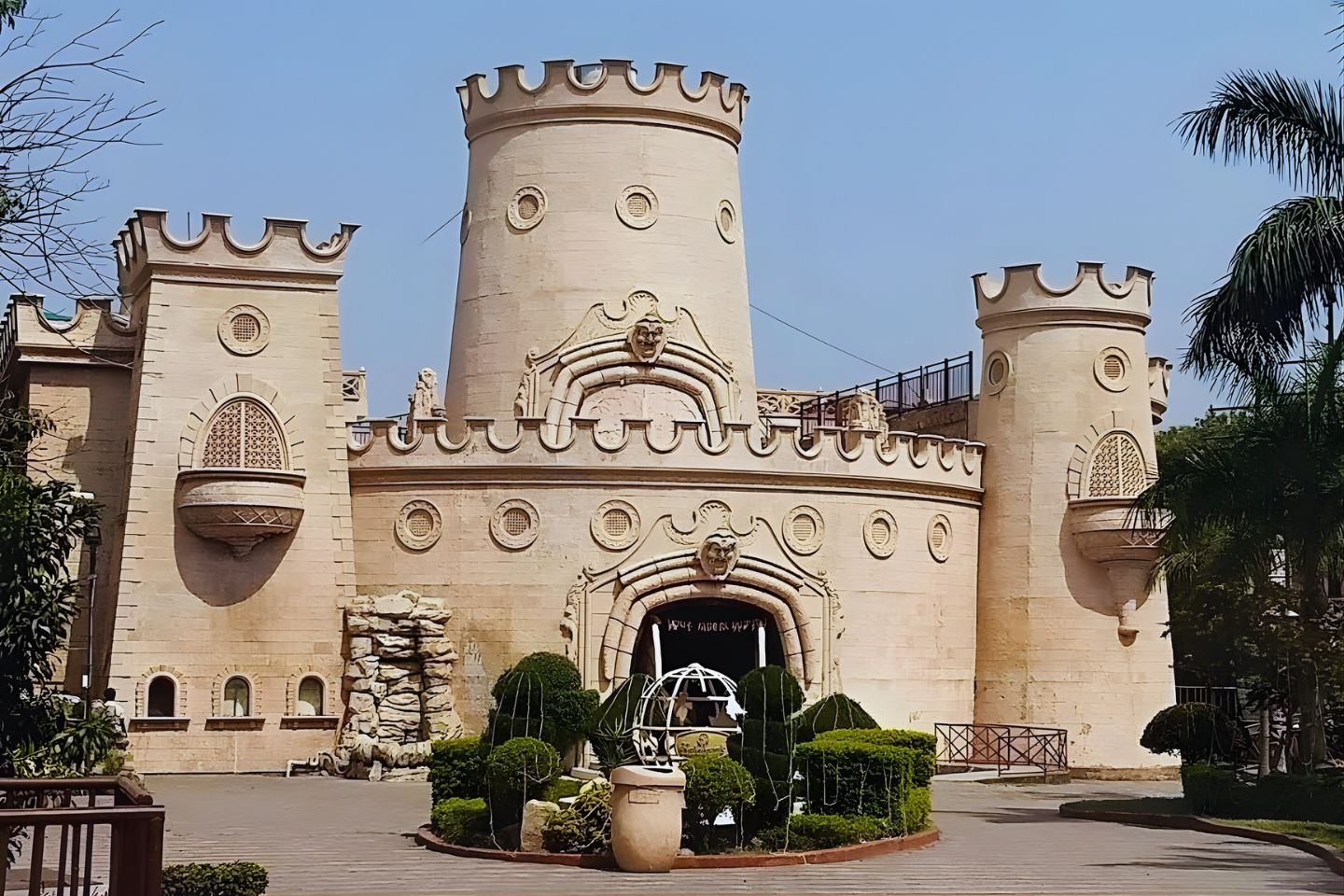
Krazy Castle Nagpur: Nagpur is all set to witness the return of one of its most iconic entertainment destinations. The long-closed Krazy Castle site near Ambazari Lake is now being reimagined into a modern theme park along with a commercial hub, as part of a major urban development initiative by MahaMetro.

After remaining inactive for years due to metro rail construction, the site is now being considered for transformation into a vibrant recreational and business destination that could redefine Nagpur’s leisure landscape.


MahaMetro’s Big Plan for Krazy Castle Site

Maharashtra Metro Rail Corporation (MahaMetro) has initiated plans to develop the area under a Public-Private Partnership (PPP) model. The project will span approximately 5.3 acres and is strategically located near Dharampeth College Metro Station, ensuring excellent connectivity for visitors.

The development will be divided into two major components:

  • A large theme park covering nearly 5 acres
  • A commercial complex spread across around 1,752 square meters

This combination aims to create both entertainment value and sustainable revenue generation.


Global Village Concept to Be the Highlight

One of the most exciting aspects of the project is its “Global Village” theme. The site already features structures inspired by world-famous landmarks such as:

  • Taj Mahal
  • Eiffel Tower
  • Statue of Liberty
  • Disney-style castle

These elements will be upgraded and integrated into the new park design, creating a unique international experience for visitors.


What Visitors Can Expect

The proposed theme park is designed to cater to all age groups, offering a mix of fun, entertainment, and leisure facilities. Planned attractions include:

  • Modern amusement rides and adventure zones
  • Indoor gaming areas and bowling alleys
  • Family entertainment zones
  • Food courts and themed restaurants
  • A revolving restaurant concept
  • Exhibition halls and event spaces

Alongside this, the commercial hub is expected to feature:

  • Retail outlets
  • Banquet halls
  • Event and business spaces

This combination will make the destination appealing not just for tourists but also for events and social gatherings.


Project Timeline and Revenue Model

The selected private developer will handle the complete lifecycle of the project, including design, funding, construction, and operations. The concession period is expected to extend till 2051, allowing the developer to generate revenue through:

  • Entry tickets
  • Events and exhibitions
  • Advertisements
  • Leasing commercial spaces

After this period, the project will be handed back to MahaMetro.


Focus on Sustainability and Environment

Given its proximity to Ambazari Lake and the Nag River, the project will follow strict environmental guidelines. Authorities have emphasized:

  • Maintaining natural water flow
  • Preventing pollution
  • Adopting green building practices
  • Ensuring energy-efficient infrastructure

This ensures that development does not come at the cost of ecological balance.


Why This Project is Important for Nagpur

Urban planners believe this redevelopment could become a major attraction in the city. Its advantages include:

  • Direct metro connectivity for easy access
  • Strategic location in an established recreational zone
  • Boost to tourism and local economy
  • Creation of a new entertainment landmark

The project also aligns with MahaMetro’s strategy to generate non-fare revenue through land development and urban integration.

The revival of Krazy Castle marks a significant step in transforming Nagpur’s urban and entertainment landscape. With a mix of global-themed attractions, modern amenities, and strong connectivity, the upcoming project has the potential to become one of Central India’s top leisure destinations.

If executed as planned, this redevelopment could not only bring back nostalgic memories but also introduce a completely new experience for the next generation.

Nagpur Set to Become India’s National Seaplane Hub: A New Era in Aviation Connectivity

We are witnessing a transformative shift in India’s aviation landscape as Nagpur positions itself as the national hub of a rapidly evolving seaplane ecosystem. With route surveys actively underway and infrastructure planning gaining momentum, this development marks a strategic leap toward enhanced regional connectivity, tourism growth, and economic expansion.


Strategic Importance of Nagpur in India’s Aviation Map

We recognize Nagpur’s unique geographical advantage as the central point of India, making it an ideal hub for aviation operations. Its connectivity to major cities and proximity to water bodies enables seamless integration of seaplane services across regions.

By leveraging its central positioning, we aim to transform Nagpur into a multi-modal aviation gateway, linking remote and underserved regions with efficient and time-saving air routes. This initiative aligns with India’s broader vision of strengthening regional air connectivity under modern aviation frameworks.


Seaplane Ecosystem: A Game-Changing Innovation

We are entering an era where seaplanes redefine accessibility. Unlike conventional aircraft, seaplanes operate on both land and water, eliminating the need for large-scale runway infrastructure. This opens up immense possibilities for:

  • Connecting remote destinations
  • Boosting eco-tourism circuits
  • Reducing travel time significantly
  • Enhancing last-mile connectivity

The seaplane ecosystem being developed in Nagpur will include operational bases, maintenance facilities, pilot training centers, and integrated logistics systems, making it a comprehensive aviation hub rather than just a transit point.


Route Surveys Underway: Mapping the Future of Air Travel

We are currently witnessing extensive route feasibility surveys being conducted to identify viable seaplane corridors. These surveys focus on:

  • Water body accessibility and safety
  • Passenger demand and tourism potential
  • Infrastructure readiness
  • Environmental impact assessments

The routes being explored will connect Nagpur to key tourist destinations, pilgrimage centers, and remote regions, enabling faster and more efficient travel options. This strategic mapping ensures sustainable and scalable expansion of the seaplane network.


Economic Impact: A Catalyst for Growth

We anticipate a significant economic boost as Nagpur evolves into a seaplane hub. This initiative will generate:

1. Employment Opportunities

We foresee job creation across multiple sectors, including aviation, hospitality, tourism, and infrastructure development.

2. Tourism Expansion

With faster access to scenic destinations, Nagpur will serve as a launchpad for tourism circuits, attracting both domestic and international travelers.

3. Investment Inflows

The development of aviation infrastructure will attract private investments, public-private partnerships, and global aviation stakeholders.

4. Regional Development

We expect surrounding regions to experience accelerated growth due to improved connectivity and increased economic activity.


Infrastructure Development: Building the Backbone

We are prioritizing state-of-the-art infrastructure to support the seaplane ecosystem. Key developments include:

  • Water aerodromes equipped with safety and navigation systems
  • Dedicated terminals for passenger handling
  • Maintenance and repair facilities (MRO)
  • Training academies for pilots and crew

These developments will ensure that Nagpur not only hosts seaplane operations but becomes a center of excellence in aviation innovation.


Government Vision and Policy Support

We are aligning this initiative with national aviation policies that emphasize regional connectivity and sustainable transport solutions. Strong policy backing ensures:

  • Faster approvals and regulatory support
  • Incentives for operators and investors
  • Integration with existing aviation frameworks

This coordinated approach enables smooth execution and long-term viability of the seaplane ecosystem.


Environmental Considerations and Sustainability

We are committed to ensuring that the seaplane initiative adheres to strict environmental guidelines. Key measures include:

  • Eco-friendly operations with minimal land disruption
  • Protection of aquatic ecosystems
  • Controlled and regulated route planning

By adopting sustainable practices, we ensure that growth does not come at the cost of environmental degradation.


Boost to Regional Connectivity

We envision a future where travel between smaller cities and remote locations becomes faster, more accessible, and economically viable. Seaplanes will bridge connectivity gaps that traditional aviation cannot address due to infrastructure limitations.

This initiative complements existing transportation networks, creating a holistic and integrated mobility ecosystem.


Tourism Revolution: Unlocking Hidden Destinations

We are unlocking access to untapped tourist destinations that were previously difficult to reach. Seaplane connectivity will enable:

  • Quick access to lakes, rivers, and coastal areas
  • Development of premium tourism experiences
  • Growth of eco-tourism and adventure tourism

Nagpur will act as a gateway to diverse travel experiences, redefining how tourists explore India.


Challenges and Strategic Solutions

We acknowledge potential challenges such as:

  • Regulatory complexities
  • Environmental clearances
  • Infrastructure costs

However, through collaborative planning, advanced technology, and policy support, we are addressing these challenges effectively to ensure seamless implementation.


Future Outlook: Nagpur as Aviation Innovation Hub

We are confident that Nagpur’s transformation into a seaplane hub will position it as a leader in aviation innovation in India. The long-term vision includes:

  • Expansion of international seaplane routes
  • Integration with smart city initiatives
  • Development of aviation research and innovation centers

This initiative is not just about connectivity—it is about redefining India’s aviation future.


A Landmark Shift in India’s Aviation Landscape

We are witnessing the emergence of Nagpur as a strategic powerhouse in India’s aviation sector. The development of a seaplane ecosystem marks a bold step toward modern, efficient, and inclusive connectivity.

With ongoing route surveys, infrastructure investments, and strong policy backing, Nagpur is set to become the heartbeat of India’s seaplane revolution, unlocking new opportunities for growth, travel, and innovation.

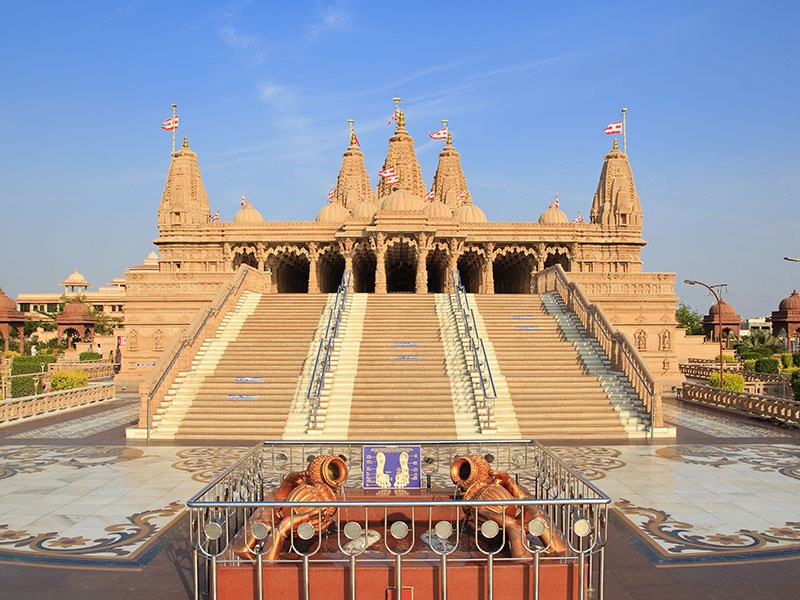
BAPS Shri Swaminarayan Mandir to Celebrate Diwali and Annakut Utsav 2025 with Devotion and Splendour

The BAPS Shri Swaminarayan Mandir, a cornerstone of spiritual devotion and community service in Vidarbha, is all set to celebrate Diwali and Annakut Utsav 2025 with unmatched grandeur, piety, and vibrant devotion. Under the divine guidance of Param Pujya Mahant Swami Maharaj, the Mandir will host an array of traditional rituals, devotional programs, and cultural activities designed to uplift devotees spiritually and enrich their festive experience. The celebrations, meticulously organized over several days, invite devotees and families from across Nagpur and neighboring regions to partake in the spiritual vibrancy and receive blessings and Mahaprasad.


Comprehensive Festive Schedule of Diwali Celebrations

The festival of Diwali at BAPS Shri Swaminarayan Mandir begins with Sevayagna, which marks the initiation of the spiritual festivities. This ceremony will be held on October 19, commencing early in the day and culminating with the Hanuman Puja at 7:15 p.m. This unique combination of rituals emphasizes devotion, selfless service, and spiritual reflection. Devotees are encouraged to participate actively, engaging in prayer, chanting, and seva, creating a vibrant, sacred atmosphere within the Mandir complex.

On October 20, the celebrations continue with Lakshmi Puja, accompanied by Maha Aarti at 5:30 p.m. Lakshmi Puja is a significant ritual during Diwali, symbolizing prosperity, spiritual wealth, and divine blessings. The Mandir decorates the sanctum with elaborate floral arrangements, diyas, and vibrant rangoli patterns, enhancing the festive aura and inviting devotees to immerse themselves in a divine and serene experience.


Govardhan Puja and Annakut Aarti: The Main Highlights

The main attraction of the celebrations is the Govardhan Puja and Annakut Aarti, scheduled on October 22 at 10:30 a.m. The Annakut, meaning ‘mountain of food,’ features a spectacular display of hundreds of varieties of vegetarian delicacies meticulously prepared and offered to the deities. This ritual not only represents gratitude for divine sustenance but also reinforces community bonding and shared devotion.

During Annakut Darshan, devotees have the opportunity to witness the beautifully arranged offerings and participate in collective prayers. The Darshan remains open until 7 p.m., allowing ample time for families and devotees to engage fully in the spiritual experience. The event is particularly known for the exquisite presentation of food items, symbolizing abundance and divine generosity.


Devotional and Cultural Activities Across the Festivities

The Mandir has organized a series of devotional events and cultural programs alongside the main pujas. These include:

  • Bhajan Sandhya and Kirtan Sessions: Devotional singing and chanting sessions designed to enhance spiritual vibrations within the Mandir.

  • Children’s Spiritual Activities: Engaging young devotees through storytelling, art, and spiritual workshops, fostering early religious education.

  • Community Seva Drives: Volunteers participate in organizing and distributing Mahaprasad, maintaining the sacredness and cleanliness of the Mandir premises.

These activities not only strengthen community ties but also promote a culture of selfless service and spiritual learning, embodying the core values of the Swaminarayan tradition.


Safety Measures and Devotee Guidelines

Considering the large number of devotees expected, the Mandir administration has implemented comprehensive safety and convenience measures. These include:

  • Designated Parking Zones and Traffic Management: Ensuring smooth access for devotees and minimizing congestion around the Mandir area.

  • Crowd Management and Queue Systems for Darshan: Maintaining organized movement to facilitate a peaceful spiritual experience.

  • Sanitization and Hygiene Protocols: Regular cleaning and availability of sanitization facilities for devotees during the events.

Devotees are encouraged to follow Mandir guidelines and arrive early to participate in all rituals seamlessly.


Spiritual Significance of Diwali and Annakut at BAPS Mandir

The celebration of Diwali and Annakut holds deep spiritual significance in the Swaminarayan tradition. Diwali symbolizes the victory of light over darkness, knowledge over ignorance, and good over evil. Govardhan Puja and Annakut emphasize gratitude to nature and the divine, reminding devotees of their spiritual responsibilities and the importance of selfless service.

Participating in these rituals at BAPS Mandir provides devotees with a unique opportunity to receive blessings from Param Pujya Mahant Swami Maharaj, experience inner peace, and strengthen family bonds through collective spiritual engagement.


Mahaprasad and Community Participation

A key highlight of the festivities is the distribution of Mahaprasad, a divine offering blessed by the deities. Devotees from all walks of life can partake in this sacred food, symbolizing spiritual nourishment and community unity. The Mandir emphasizes that participation in Mahaprasad is an integral part of the festive spiritual experience, fostering a sense of devotion, sharing, and gratitude among all attendees.


Family-Friendly Festive Experience

BAPS Shri Swaminarayan Mandir ensures that families and children are actively included in the celebrations. With dedicated spaces for spiritual workshops, interactive storytelling, and cultural performances, the festival becomes an inclusive and educational experience for young devotees. Families are encouraged to attend together, participate in pujas, and immerse themselves in the festive and spiritual ambiance of the Mandir.


An Invitation to Divine Celebration

The Diwali and Annakut Utsav at BAPS Shri Swaminarayan Mandir is more than a festival; it is an immersive spiritual journey that blends devotion, culture, and community service. From Sevayagna and Hanuman Puja to Lakshmi Puja, Maha Aarti, and the grand Annakut Darshan, the celebrations provide an unparalleled experience of spiritual enrichment and divine blessings.

We invite all devotees, families, and spiritual seekers to participate in these auspicious events, engage in devotional activities, and receive the blessings of Param Pujya Mahant Swami Maharaj. The festival offers a rare opportunity to celebrate Diwali in its true spiritual essence, connecting with the divine and reinforcing the values of devotion, gratitude, and service.

Khasdar Sanskritik Mahotsav 2025 to Begin from November 7: A Celebration of Culture and Heritage

The Khasdar Sanskritik Mahotsav 2025, scheduled to be held from November 7 to November 18, is poised to be one of the most significant cultural festivals in India this year. Under the visionary guidance of Union Minister Nitin Gadkari, this festival continues its mission to promote Indian cultural values, heritage, and traditional arts. The announcement of the event was made by Chandrashekhar Bawankule, Chairman of the Organizing Committee, Maharashtra Revenue Minister, and Guardian Minister of Nagpur district, reaffirming the state’s commitment to fostering a vibrant cultural ecosystem.

This festival serves as an essential platform for artists, performers, writers, and scholars to showcase their talent and connect with a national audience. Over the years, the Mahotsav has grown in scale and reputation, making Nagpur a recognized Cultural City in India.


Foundation Ceremony and Preparations

The foundation ceremony of the Khasdar Sanskritik Mahotsav 2025 took place at Ishwar Deshmukh Physical Education College, Krida Chowk, Nagpur. The ceremony featured traditional rituals where Shri Bawankule symbolically dug the ground, marking the official commencement of festival preparations. He highlighted that this festival is not merely a celebration of arts but also a vehicle to promote social values, community engagement, and personality development among participants and attendees.

Prominent dignitaries at the ceremony included MLAs Krushnaji Khopde, Mohan Mate, Pravin Datke, former MLAs Sudhakar Kohle and Milind Mane, BJP City President Dayashankar Tiwari, Prof. Anil Sole (President, Festival Committee), Gourishankar Parashar, Jayprakash Gupta, and Dr. Deepak Khirwadkar. Their presence underscored the festival’s significance in strengthening Nagpur’s cultural identity and supporting the creative community.


Significance and Vision Behind the Festival

The Khasdar Sanskritik Mahotsav stands as a symbol of India’s rich cultural tapestry, blending traditional and contemporary art forms. Minister Bawankule acknowledged the pivotal role of Nitin Gadkari in giving Nagpur a distinct identity as a hub of culture, noting that the festival offers thousands of artists a national stage to display their craft.

As the festival enters its 10th edition, it has become a leading platform for art, literature, music, dance, and heritage, drawing participants and audiences from across the country. Each year, the Mahotsav aims to preserve traditional art forms while encouraging innovation, thereby nurturing talent and inspiring the next generation of cultural ambassadors.


Art and Literature: A Showcase of Creativity

One of the festival’s central components is its art and literature segment, which offers a diverse spectrum of exhibitions, workshops, and interactive sessions. Local and national artists are invited to display paintings, sculptures, and handicrafts, reflecting India’s rich artistic heritage. Simultaneously, literary sessions include poetry readings, author interactions, and storytelling workshops, emphasizing the importance of language, narrative, and cultural expression.

Through these initiatives, the festival not only celebrates existing talent but also encourages emerging artists to experiment with new forms of cultural expression.


Music and Dance Programs: Celebrating Rhythms of Tradition

Music and dance are cornerstones of the Khasdar Sanskritik Mahotsav. The 2025 edition will feature classical, folk, and contemporary performances by renowned artists from across India. Visitors can look forward to traditional dance forms like Kathak, Bharatnatyam, and Lavani, alongside fusion and modern performances that attract younger audiences.

The festival also includes live concerts, ensemble performances, and instrumental showcases, offering a multi-sensory experience that underscores the diverse musical heritage of India. Workshops on dance techniques and music appreciation are designed to engage enthusiasts and students, promoting skill development and cultural literacy.


Cultural Heritage and Social Engagement

Beyond artistic displays, the Khasdar Sanskritik Mahotsav emphasizes cultural heritage and social responsibility. The festival incorporates heritage walks, educational sessions, and community dialogues, enabling attendees to learn about local history, architecture, and traditions.

The festival also fosters personality development, teamwork, and social cohesion through activities that encourage collaboration and interaction among participants. This approach ensures that the Mahotsav contributes not only to entertainment but also to holistic cultural education.


Notable Guests and Key Personalities

The Mahotsav attracts prominent politicians, scholars, and cultural icons. The 2025 edition will feature dignitaries such as Prof. Anil Sole, Renuka Deshkar, Prof. Rajesh Bagdi, and other leaders committed to enhancing Nagpur’s cultural landscape. Their active involvement highlights the festival’s strategic importance in promoting cultural diplomacy and national pride.


Festival Highlights and Schedule

The Khasdar Sanskritik Mahotsav 2025 promises a rich and engaging itinerary from November 7 to 18:

  • Opening Ceremony: Rituals and speeches marking the festival’s commencement.

  • Art Exhibitions: Featuring local and national artists with interactive sessions.

  • Literature Events: Author readings, poetry competitions, and workshops.

  • Music Performances: Classical, folk, and contemporary concerts.

  • Dance Showcases: Traditional and fusion performances across genres.

  • Cultural Heritage Tours: Guided explorations of Nagpur’s historical and cultural sites.

  • Workshops and Educational Programs: Engaging students, artists, and enthusiasts.

  • Closing Ceremony: Recognition of talent and ceremonial farewell.


Impact on Nagpur’s Cultural Identity

The festival has played a crucial role in shaping Nagpur as a Cultural City, elevating its national and international profile. By providing a platform for creative expression and cultural dialogue, the Mahotsav strengthens community bonds and encourages tourism, local business growth, and cultural education.

Furthermore, the festival fosters inter-generational learning, ensuring that traditional art forms and cultural narratives are preserved while embracing modern innovations and global perspectives.

The Khasdar Sanskritik Mahotsav 2025 stands as a testament to Nagpur’s cultural vision, reflecting the city’s commitment to arts, heritage, and social values. With its comprehensive schedule of performances, exhibitions, and educational programs, the festival offers an immersive cultural experience for residents and visitors alike.

As we look forward to November 7, the Mahotsav not only celebrates Indian tradition but also empowers communities, nurtures talent, and inspires generations to come. This year’s edition promises to surpass expectations and reinforce Nagpur’s status as a hub of cultural excellence in India.

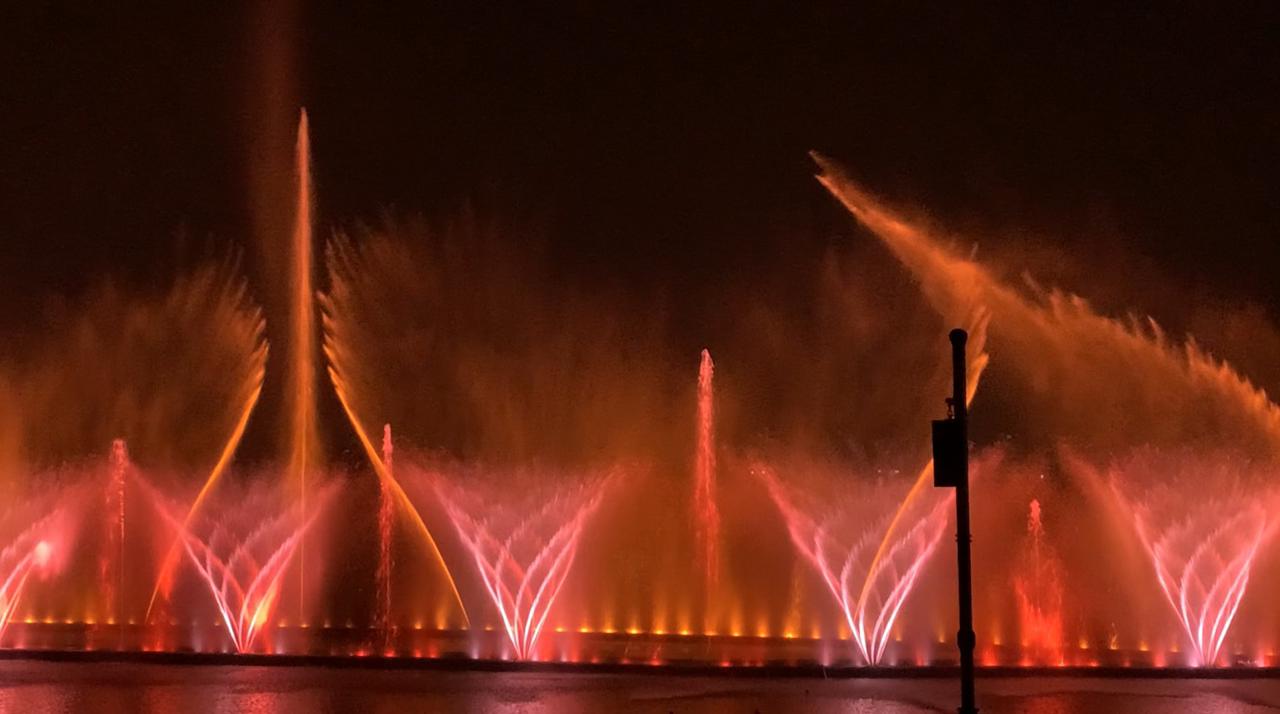
Futala Fountain Project Cost Crosses ₹75 Crore; Contractors Likely to Face Huge Losses

The grand musical fountain and light show project at Futala Lake, envisioned to elevate Nagpur’s beauty to global standards, is now facing a massive cost escalation. Originally budgeted at ₹50 crore, the total project cost has now surged to nearly ₹75 crore — a ₹25 crore jump attributed to prolonged delays, heavy rainfall, and damage caused over the past year.

Launched in September 2023, the project has been stalled for several months due to legal disputes, technical glitches, and financial hurdles. Sources estimate losses of around ₹11 crore have already been incurred. Officials from Nagpur Metro Rail Corporation Limited (NMRCL) have confirmed that technical and financial complications are the primary reasons behind the standstill.

The executing company Studio One and NMRCL are preparing for a detailed review meeting to resolve pending issues. Prolonged inactivity and monsoon damage have severely affected wiring, cables, and infrastructure, further increasing the cost of restarting work.

NMRCL Chairman Sanjay Meena stated, “A technical and financial review meeting will be conducted soon to ensure the project gets back on track. Work will resume at the earliest.”

Meanwhile, citizens continue to question when the much-awaited world-class musical fountain at Futala will finally become a reality.

RTO Flyover to Open in September First Week After 1.5-Year Delay in Nagpur

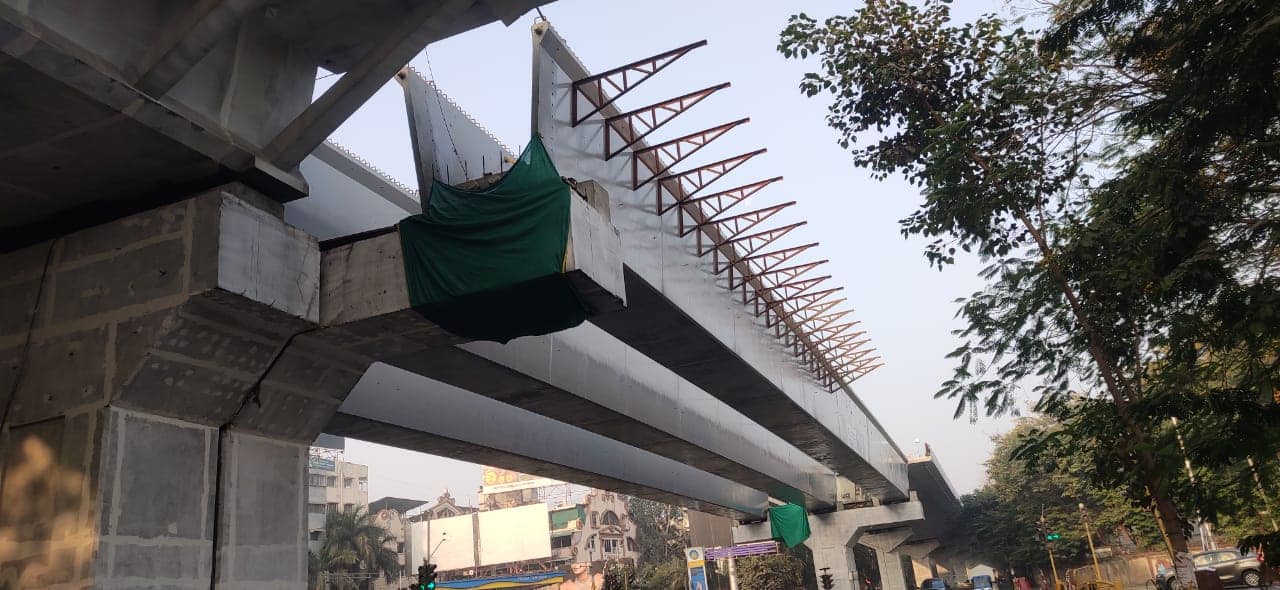
The city of Nagpur is finally set to witness the opening of the much-anticipated Bole Petrol Pump–Futala Square flyover in the first week of September 2025, after facing multiple delays and extensions. The Rs 245 crore project, which is a crucial part of the Amravati Road Traffic Improvement Project (ARTIP), aims to drastically reduce congestion on Amravati Road and improve overall commuting efficiency for thousands of daily travelers.

The Long-Awaited Flyover Project

The flyover construction was originally scheduled to be completed by March 2024 but faced setbacks due to weather conditions, logistical issues, and safety installation delays. The project was then given a one-year extension, with structural works promised to be completed before August 31, 2025.

A senior Public Works Department (PWD) official confirmed that the main structural work is already finished, with only traffic safety measures pending. These include:

  • Installation of rumble strips

  • Road markings with thermoplastic paint

  • Placement of directional and warning signages

  • Final painting and cleaning work

Due to monsoon rains, thermoplastic road marking could not be completed on time, as the material requires a completely dry surface for durability. Officials have assured that all finishing touches will be completed by September 3 or 4, after which the flyover will be open for public use.

Trial Run Before Formal Inauguration

This opening will follow the same pattern as the Wadi flyover, another significant project under the ARTIP. The Wadi flyover was opened to traffic on a trial basis after public demand, even before its formal inauguration ceremony.

The RTO flyover too will first be opened for trial usage, followed by a formal inauguration at a later date. This ensures that citizens benefit from the infrastructure without unnecessary delays while official ceremonies are scheduled.

Relief for Motorists on Amravati Road

Currently, commuters traveling from Bole Petrol Pump Square to Futala Square face long detours, as the stretch between Bole Petrol Pump and Law College Square remains closed. Vehicles are forced to pass through Civil Lines, causing extended travel times and traffic snarls.

Once the flyover opens, it will:

  • Significantly reduce travel time between the two critical points.

  • Ease congestion on Amravati Road, one of Nagpur’s busiest corridors.

  • Provide smoother connectivity to Ravi Nagar, Futala Square, and University Square.

Pending Road and Concretization Works

While the flyover itself is almost ready, PWD officials have listed several pending works that will be completed in the next phase. These include:

  • Road concretization below the flyover from Bole Petrol Pump to Law College Square and Futala T-point to University Square

  • Completion of Ravi Nagar Square, Futala T-point, and Futala Square concretization

  • Installation of stormwater drainage systems, which is currently 30% pending

Officials have assured that these works will not impact the immediate opening of the flyover but will continue alongside to ensure long-term infrastructure stability.

A Key Component of ARTIP

The RTO flyover is a vital component of the Rs 478 crore Amravati Road Traffic Improvement Project (ARTIP). The project, spearheaded by the Ministry of Road Transport and Highways (MoRTH), includes the construction of multiple flyovers, road widening, and traffic management solutions along Amravati Road.

The ARTIP has two major flyovers under its belt:

  1. Wadi Flyover – already operational, providing significant relief to motorists.

  2. RTO Flyover (Bole Petrol Pump–Futala Square) – now nearing completion, expected to transform Nagpur’s western traffic movement.

Both flyovers are designed to handle heavy vehicular loads, reduce bottlenecks, and provide long-term solutions to Nagpur’s traffic congestion.

Impact on Daily Commuters and Businesses

The completion of this flyover is expected to bring tangible benefits not only to commuters but also to local businesses. With reduced traffic jams and smoother accessibility:

  • Daily office-goers will save considerable time.

  • Educational institutions near Law College Square will benefit from eased congestion.

  • Local businesses and shops along Amravati Road will experience improved footfall due to smoother traffic flow.

Safety and Traffic Measures in Place

To ensure commuter safety, the PWD is installing comprehensive traffic safety infrastructure, including:

  • Rumble strips to regulate vehicle speed.

  • Thermoplastic road markings for night visibility and durability.

  • Directional signboards and safety signages at critical turns.

  • Pedestrian-friendly crossings at strategic points.

These measures aim to minimize accidents and create a safe driving environment on one of Nagpur’s busiest roads.

Looking Ahead: Future of Nagpur’s Road Infrastructure

The inauguration of the RTO flyover marks a significant milestone in Nagpur’s infrastructure development journey. The city has been undergoing rapid expansion, and projects like ARTIP are crucial to sustaining its growth. With both the Wadi and RTO flyovers operational, the city’s western traffic is expected to move more seamlessly.

Additionally, upcoming road concretization projects and stormwater drainage systems will strengthen the city’s ability to handle heavy traffic volumes, especially during monsoons.

The RTO flyover opening in the first week of September 2025 is a long-awaited relief for Nagpur’s motorists. After a 1.5-year delay, the project is now ready to deliver on its promise of faster travel, reduced congestion, and improved safety on Amravati Road.

As a core element of the Amravati Road Traffic Improvement Project, this flyover is set to become a cornerstone of Nagpur’s modern urban infrastructure. Citizens can expect not only smoother travel but also enhanced safety, efficiency, and long-term growth benefits once the entire project reaches completion.

Poonam Tower Controversy: Maharashtra Government Pushes for Structural Audit and Acquisition for Vidhan Bhavan Expansion

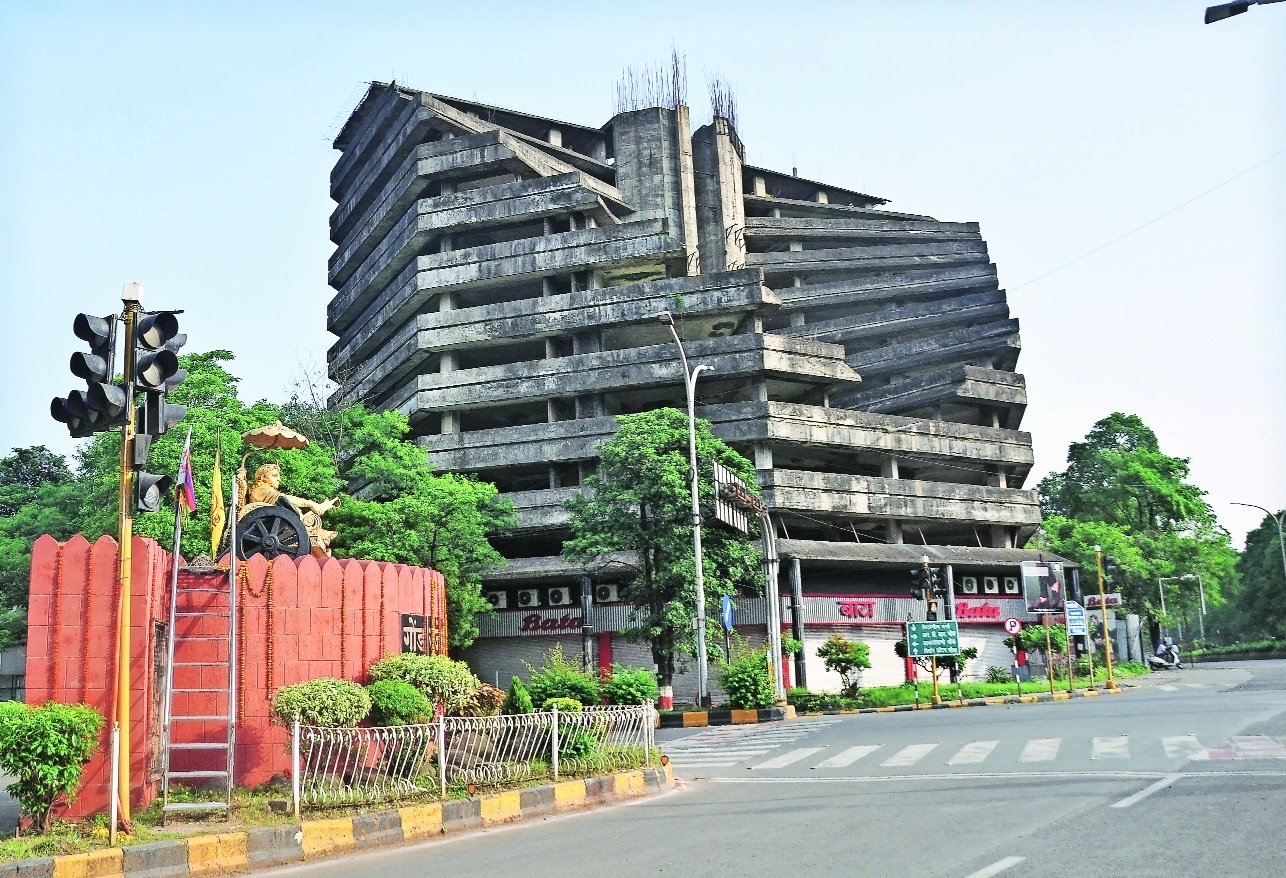
Vidhan Bhavan expansion:  The Poonam Tower Nagpur—a half-constructed and long-abandoned building standing right opposite the Maharashtra Vidhan Bhavan in Nagpur—has once again returned to the spotlight. After years of valuation disputes, failed negotiations, and a history of structural neglect, the Maharashtra Government has now taken concrete steps to acquire the structure. This move is part of a broader initiative to expand the Vidhan Bhavan complex, which serves as the legislative headquarters for the state.


PWD Ordered to Conduct Fresh Structural Audit

According to highly placed sources, the Public Works Department (PWD) has been instructed to carry out a new structural audit of Poonam Tower. Simultaneously, the District Collectorate has been directed to assess the building’s market value, factoring in its present condition, decades of weathering, and incomplete construction.

This renewed interest reflects the state government’s urgency to resolve the decades-old stalemate and to reclaim valuable urban land for institutional use.


A Price Deadlock That Stalled Progress

The valuation of Poonam Tower has remained a persistent issue. Despite repeated efforts by the Government to strike a deal, the builder, N. Kumar, has refused to settle for less than ₹150 crore, while the Government had offered ₹55 crore.

Past attempts at acquisition faltered due to this wide gap in valuation, leading to repeated delays. MLC Dr. Parinay Fuke even proposed constructing underground passageways linking the tower to Vidhan Bhavan, envisioning the tower as an extension of the legislative complex. However, no consensus was ever reached, keeping the fate of Poonam Tower hanging in the balance.


2019 Structural Audit Raised Red Flags

In 2019, the PWD in collaboration with VNIT (Visvesvaraya National Institute of Technology), conducted a structural audit that revealed serious concerns:

  • Non-plastered exterior walls were heavily exposed to weather-related degradation.

  • No protective coatings or paints were applied to prevent corrosion.

  • Concrete deterioration and reinforcement corrosion was observed throughout the building.

  • The main column supporting the front porch was crushed at its base, threatening the stability of the entire structure.

  • Several interior slabs and walls remained unfinished, leaving the skeletal structure vulnerable to the elements.

The report strongly recommended a complete structural overhaul and, most importantly, the removal of the unsafe porch area.


Construction Stalled Since 1996 | Poonam Tower Nagpur 

According to local sources and former tenants, the construction of Poonam Tower began in 1996 but was abruptly stalled midway. While official explanations remain vague, some attribute the halt to security concerns due to its proximity to Vidhan Bhavan.

N. Kumar, the builder, maintains that he began the project only after receiving full approval from civic authorities. “If permission wasn’t granted, I wouldn’t have invested in the construction,” Kumar argued, adding that the abandoned project is a financial burden—a dead investment that can neither be used nor sold.


Government’s Silent Strategy to Resolve the Impasse | Vidhan Bhavan expansion

While public discourse around Poonam Tower has been largely muted, insiders report that the Government is quietly working on a resolution. A senior MLA, requesting anonymity, disclosed that Chief Minister Devendra Fadnavis is determined to see the acquisition through.

Further, Assembly Speaker Adv. Rahul Narvekar and State Council Chairman Ram Shinde have convened multiple meetings in Mumbai and Nagpur to explore expansion strategies for Vidhan Bhavan. The Poonam Tower issue has been tabled repeatedly, yet no public decisions have been shared, suggesting that a behind-the-scenes negotiation strategy is underway.


Government Press Land Now in the Mix

In a parallel development, the Government has begun evaluating the land currently occupied by the Government Press for the expansion of Vidhan Bhavan (Vidhan Bhavan expansion). This pivot indicates that multiple options are on the table, and the decision could swing based on feasibility, cost, and time efficiency.

However, Poonam Tower’s location remains strategically unmatched—it lies directly across from the legislative building, making it the most viable candidate for seamless expansion.


What Lies Ahead for Poonam Tower Nagpur?

The fate of Poonam Tower now hinges on two factors:

  1. Findings of the upcoming structural audit by PWD

  2. Agreement between Government and N. Kumar on valuation terms

If the audit deems the structure unsafe beyond repair, a demolition followed by reconstruction may be proposed. Alternatively, if structural integrity can be restored, the building may be retrofitted and repurposed for official legislative use, as originally envisioned.

Regardless of the route taken, it is clear that the Government is serious this time—Poonam Tower will either be acquired or bypassed, but it won’t be ignored any longer.

The Poonam Tower saga, spanning nearly three decades, might finally be drawing to a close. With political will, structural assessment, and property valuation aligning for the first time in years, Maharashtra Government appears poised to break the deadlock. Whether through acquisition, demolition, or compromise, this long-stalled project is finally back on the agenda—and the clock is ticking.

SECR Nagpur Division to Develop World-Class Cricket Ground at Kalamna to Boost Sports Infrastructure

Kalamna cricket ground: In a significant move to promote sports culture and nurture emerging talent within its ranks, the South East Central Railway (SECR) Nagpur Division has announced the development of a dedicated cricket ground at Kalamna, East Nagpur. With a sanctioned budget of ₹92 lakh, the project aims to transform unused railway land into a premier sports facility designed specifically to encourage cricket and support the well-being of railway personnel and their families.


Strategic Initiative to Enhance Sports Ecosystem

The decision to build the cricket ground was taken during a recent Sports Council meeting, where railway officials expressed concerns over the lack of comprehensive sports infrastructure within the division. Presently, SECR Nagpur operates only a football ground at Motibagh, which, despite fostering a successful football team, has not been sufficient to cater to other sports, particularly cricket—a game with immense following and participation potential in India.

The unanimous approval for this project underscores the council’s commitment to creating a multi-faceted sports environment for railway employees, with a specific focus on youth engagement and holistic development.


Cricket Ground to Rise on 10 Acres of Railway Land

The proposed site for the new cricket facility is a sprawling 10-acre plot of railway land situated in Kalamna, a rapidly developing region in East Nagpur. This land, currently underutilized, offers ample space not just for a professional-standard cricket pitch, but also for pavilions, practice nets, spectator amenities, and other essential infrastructure.

Dilip Singh, the Senior Divisional Commercial Manager and Sports Officer of SECR Nagpur Division, confirmed that this project will unlock the potential of existing land assets, converting them into productive, community-focused spaces.


Key Facilities to be Developed in Phase One

The cricket ground’s (Kalamna cricket ground) first phase of development will focus on creating two pavilions, establishing turf and matting pitches, and implementing foundational support systems to sustain year-round activity. The ground will be secured with a boundary wall, and four wide protective screens will be installed to ensure that external disruptions are minimized during matches and practice sessions.

These state-of-the-art additions aim to provide a safe and professional environment for training and tournaments, in line with modern standards followed by cricketing institutions across the country.


Water-Efficient Grass Maintenance and Long-Term Vision

To maintain lush green outfields regardless of seasonal variations, a sprinkler irrigation system will be embedded into the turf management strategy. This not only ensures year-round greenery but also significantly reduces manual maintenance effort and water waste, aligning with sustainability goals.

In addition to the planned developments, the Sports Council has envisioned the construction of spectator stands in later phases. These would offer seating for local communities and families, turning the cricket ground into a local sports hub, especially for residents of East Nagpur, where sporting venues are currently limited.


Dedicated Cricket Academy Planned at Kalamna | Kalamna cricket ground

Perhaps the most exciting aspect of the SECR’s vision is the launch of a dedicated cricket academy at the Kalamna site (Kalamna cricket ground). According to Sports Council representative Sadawarte, the academy is expected to operate throughout the year, providing structured training sessions, coaching camps, and skill development programs for young cricketers from railway families and nearby communities.

This initiative is especially valuable for East Nagpur, which lacks sufficient grassroots-level sports academies. By making high-quality coaching accessible, the cricket academy is poised to become a launchpad for young talent, bridging the gap between amateur enthusiasm and professional training.


Relief from Dependence on Ajni Sports Ground

Currently, the SECR cricket team has no dedicated ground of its own and relies on Ajni Sports Ground, managed by the Central Railway’s Nagpur Division, for practices and inter-division tournaments. This arrangement has led to logistical challenges and limited training slots, affecting the team’s growth potential.

With the upcoming Kalamna facility, the SECR team will have exclusive access to their own ground, which will greatly improve training frequency, match preparedness, and overall team performance. This development is expected to strengthen the division’s standing in inter-railway competitions and boost morale among players and coaching staff.


Timeline for Completion and Execution Strategy

As per Aniruddha Sarwate from the Sports Cell, the goal is to complete the cricket ground before March, aligning with the onset of summer to begin early practice sessions. The project is currently in the planning stage, with tender documentation in progress.

Once the tender is floated, construction work will be initiated at a fast pace to ensure timely delivery of the facility. The strategic timing also aligns with school vacations and cricket season, ensuring maximum utility of the ground from the get-go.


A Long-Term Asset for SECR and Nagpur’s Sports Landscape | Kalamna cricket ground

This move by SECR Nagpur Division is not just about building a sports facility—it reflects a long-term commitment to employee welfare, youth empowerment, and sporting excellence. In a city like Nagpur that is fast emerging as an infrastructure and development hub, such sporting investments are crucial to maintaining a balanced and healthy urban lifestyle.

Once operational, the Kalamna cricket ground will also have the potential to host zonal and inter-divisional cricket tournaments, positioning Nagpur as a key player in railway sports networks.

The development of a dedicated cricket ground by SECR Nagpur Division at Kalamna represents a visionary step toward uplifting sports infrastructure, promoting health and fitness, and unlocking youth potential within the railway community. With a carefully planned layout, substantial budget, and forward-looking features, the project stands as a model for other railway divisions and public sector undertakings to emulate.

NMC Launches Heritage Revival Plan to Restore Gandhi Gate in Mahal, Nagpur

A New Dawn for an Ancient Gateway

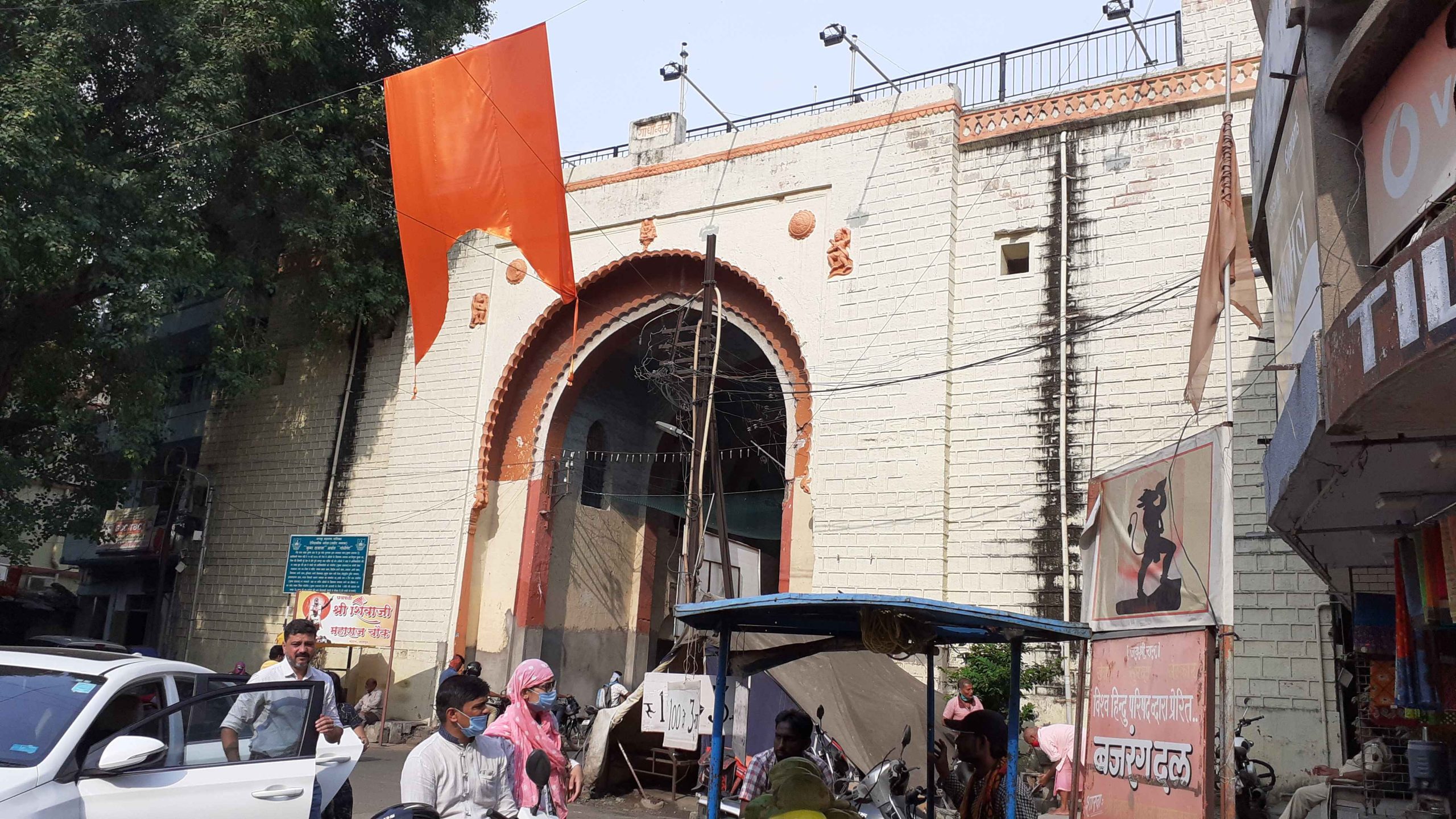
In a significant step toward reviving Nagpur’s historical legacy, the Nagpur Municipal Corporation (NMC) has announced a comprehensive restoration and conservation plan for Gandhi Gate, also known as Jumma Darwaza. Located in the heart of Mahal, this centuries-old Mughal-era structure is one of the last surviving symbols of the city’s pre-colonial glory and its deep connection with India’s First War of Independence.

This initiative, spearheaded by Municipal Commissioner Abhijeet Chaudhari, is not merely about preserving a stone structure — it’s about resurrecting memory, identity, and pride for a city that is evolving rapidly into a smart urban center.


Historical Roots of Gandhi Gate: From Royal Entrance to Revolutionary Landmark

Built by Chand Sultan, Son of Gond King Bakht Buland Shah

The history of Gandhi Gate dates back to the early 18th century, built by Chand Sultan, a royal descendant of the Gond dynasty, soon after Raghuji Maharaj-I declared Nagpur as the capital in 1735. The gateway once stood as part of a magnificent palace complex that stretched from Kotwali police station to DD Nagar Vidyalaya, housing royal residences, temples, and administrative halls.

Survivor of 1818 British Invasion

In 1818, during the British annexation of the region, a devastating fire — believed to have raged for six months — destroyed much of the structure. Yet, Gandhi Gate withstood the carnage, standing tall as the last sentinel of the Gond-Maratha era.


The Forgotten Martyrs of 1857: A Gateway Stained with Sacrifice

Site of Execution During the 1857 Revolt

The Gandhi Gate’s most poignant historical moment came during the First War of Independence in 1857. As the uprising surged across India, the British forces in Nagpur captured and executed nine brave revolutionaries at this very site. Their names echo through history:

  • Nawab Qadir Khan

  • Siddiq Ali Khan

  • Akbar Ali Khan

  • Vilayat Ali Khan

  • Bunyad Ali Risaldar

  • Yusuf Khan

  • Uniform Major

  • Moinuddin Husain Jamadar

  • Inayatullah Khan

  • Maratha patriot Waghle Jamadar

Their bodies were left hanging from the gate for three days, a brutal colonial tactic meant to deter further rebellion. Today, their legacy rests at the Nine Gazi Memorial on Sitabuldi Hill — a name too few in Nagpur remember.


The Restoration Vision: Blending Conservation with Civic Pride

Led by a Dedicated Team and Technical Experts

The NMC, under Commissioner Abhijeet Chaudhari’s leadership, is inviting Project Management Consultants (PMCs) who specialize in heritage conservation to take charge of the initiative. As confirmed by Executive Engineer Ashwini Yelchatwar, the scope of work includes:

  • Creating a Detailed Project Report (DPR)

  • Conducting structural assessments

  • Developing architectural redesigns

  • Implementing site-specific conservation techniques

A pre-bid meeting and subsequent technical evaluations will determine the final consultant, following which the project budget will be finalized.


Gandhi Gate in Present Day: Neglect Amid Narrow Lanes

Today, Gandhi Gate lies buried under urban neglect. Surrounded by vibrant commercial lanes, historic wadas (stone homes), old temples, and colonial-era schools, the monument is encroached upon, obscured by the hustle of daily life.

Yet, its stone arches and aged bricks whisper tales of royal dynasties, architectural grandeur, and revolutionary bravery. The NMC’s plan is to not only restore the structure physically but also reintegrate its stories into public consciousness.

“This is about reintroducing Nagpurians to their own history — stories that never made it to school textbooks,” said Yelchatwar.


Key Objectives of the Restoration Project

1. Physical Conservation of Gandhi Gate

  • Cleaning, stabilizing, and restoring stonework

  • Preserving original design elements with historical accuracy

  • Removing modern encroachments that damage the heritage site

2. Urban Redesign and Cultural Integration

  • Enhancing the surrounding streetscape to reflect the gate’s historic importance

  • Creating informational plaques and QR-code guided tours

  • Possibly including a heritage walk route in the Mahal area

3. Reviving Public Memory

  • Installing interpretive panels detailing the 1857 executions

  • Honoring the Nine Gazi Martyrs in the context of India’s freedom struggle

  • Organizing local awareness campaigns, exhibitions, and student outreach programs


Why Gandhi Gate Matters Today

In a city rapidly transforming into a modern Smart City, there’s a growing urgency to protect the few remaining heritage markers that link present-day Nagpur to its glorious and often painful past. Gandhi Gate is not just a relic; it is a symbol of resistance, continuity, and forgotten courage.

Restoring Gandhi Gate is more than a construction project — it’s a cultural mission to ensure that every Nagpurian, young or old, understands and cherishes the legacy beneath their feet.


A Monument Worth Remembering, A History Worth Preserving

As the NMC sets the wheels in motion to breathe new life into Gandhi Gate, Nagpur stands at a historic crossroads. Will it embrace its identity as a city rich in heritage and rebellion? With public support and expert execution, the Gandhi Gate restoration can be a defining milestone in how cities remember, honor, and preserve their soul.

We look forward to seeing Gandhi Gate once again become a beacon — not just of stone and mortar, but of memory, martyrdom, and pride.

Mandals Can Register Till July 31 for Khasdar Sanskritik Ganesh Utsav: A Cultural Celebration in Nagpur That’s Rewriting Tradition

Nagpur’s Cultural Renaissance Through Ganeshotsav

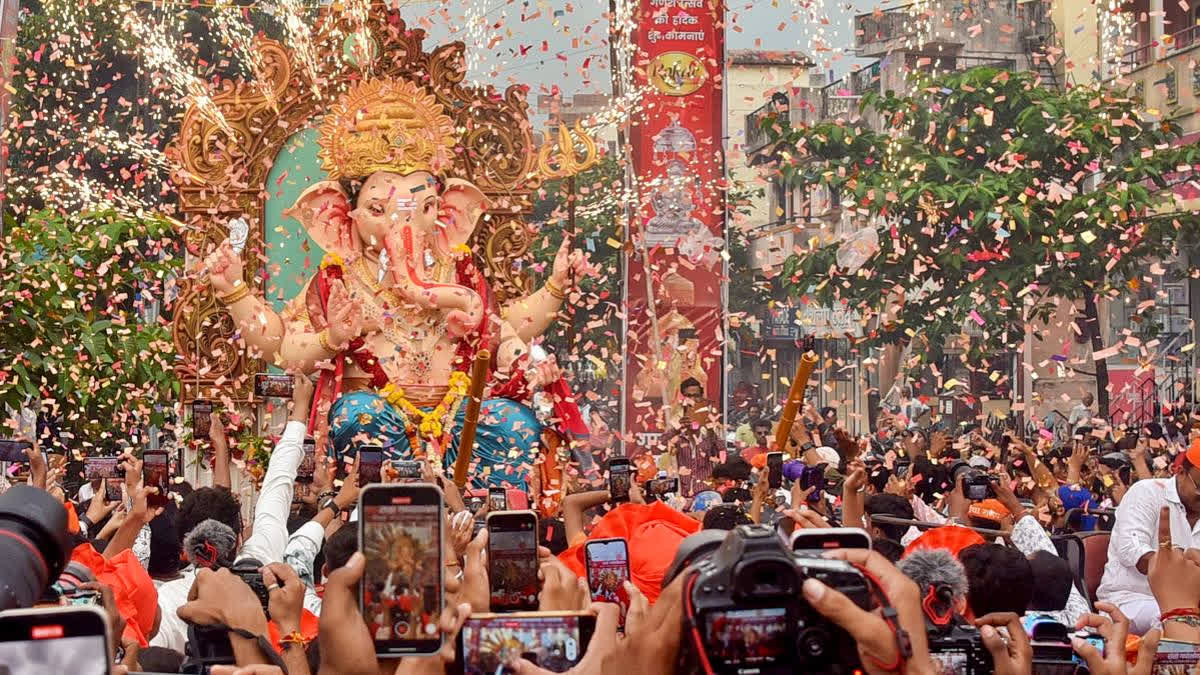
What began in 2021 as a modest attempt to blend spiritual devotion with cultural enrichment has evolved into one of Nagpur’s most celebrated cultural initiatives — the Khasdar Sanskritik Ganesh Utsav. Backed by the Khasdar Sanskritik Mahotsav Samiti, this movement has not only rekindled the spirit of traditional folk arts but also redefined how Ganeshotsav is experienced across the city.

This year, Ganesh mandals have until July 31 to register for the upcoming festival, while artists and cultural groups have until August 5. The registration process is offline, and it takes place at Nitin Gadkari’s Public Relations Office, Savarkar Nagar, opposite Orange City Hospital, Khamla Chowk, between 12 noon to 3 PM.


From 55 to 300 Mandals: A Festival on the Rise

In its inaugural year, the Sanskritik Ganesh Utsav hosted 55 mandals and 350 artists. Fast forward to 2024, and the scale has dramatically expanded to over 300 mandals and more than 2,000 performing artists. This exponential growth speaks volumes about the festival’s resonance within the community.

Unlike traditional Ganeshotsavs, which often revolve around pomp and loud celebrations, this initiative emphasizes meaningful cultural engagement, offering a stage to artists who were severely impacted by the COVID-19 pandemic.


Why Should Mandals Participate?

Participating in the Khasdar Sanskritik Ganesh Utsav is not just about celebrating Lord Ganesha — it’s about preserving heritage and giving back to the community. Registered mandals receive:

  • Access to a curated list of talented artists from across Maharashtra

  • Financial assistance and artist remuneration supported by the organizing committee

  • Guidance on program structure and logistical support

  • Opportunities to host folk, literary, and devotional performances that elevate their celebration

The secretary of the Mahotsav Samiti, Jayprakash Gupta, emphasizes that this platform revives traditional arts and creates income-generating opportunities for artists, poets, musicians, dancers, and dramatists.


Event Highlights 2024: What to Expect

🎭 Live Cultural Performances

Expect to witness a rich array of musical dramas, mimicry acts, bhajans, and kirtans performed by local talents and renowned artists. These events are aimed at all age groups, fostering inclusivity and appreciation for various art forms.

🎶 Traditional and Devotional Music

Programs will feature:

  • Bhav Geet

  • Patriotic songs

  • Abhangs

  • Geet Ramayan recitations

These performances invoke not just religious sentiments, but also a deep sense of pride and cultural belonging.

🌾 Folk & Tribal Acts

Folk artists will perform Gondhal, Bharud, and Dandar, bringing rare and lesser-known Maharashtrian rural art forms into the city spotlight. These acts highlight regional narratives that are often overshadowed in mainstream events.

📚 Literary and Intellectual Programs

  • Poetry readings

  • Monologues in Hindi and Marathi

  • Storytelling sessions
    These segments will cater to the city’s literary enthusiasts, offering performances that engage, provoke thought, and inspire dialogue.

🎨 Cultural Workshops

Interactive sessions on Rangoli art, traditional Indian games, and craft demonstrations will allow attendees — especially children — to learn, play, and create.

💃 Dance & Instrumental Showcases

From solo classical dances to group folk performances, as well as instrumental jugalbandis, these vibrant showcases will add rhythm and movement to the spiritual celebration.

🌙 Overnight Devotional Series

Special night-long devotional programs will be held featuring spiritual talks, bhakti sangeet, and audiovisual presentations that tell the story of Ganesha and Indian cultural values.


How Mandals and Artists Can Register

Mandals must register by July 31, and cultural artists/groups by August 5. The registration process is simple but strictly offline. Interested parties must:

  • Visit Nitin Gadkari’s Public Relations Office

  • Address: Savarkar Nagar, Opp. Orange City Hospital, Khamla Chowk

  • Timings: 12 PM to 3 PM, all working days

We recommend registering early, as the number of performances and slots are limited and in high demand.


The Vision Behind the Festival

Spearheaded by Anil Sole (President) and supported by a dedicated team including Gauri Shankar Parashar, Ashok Mankar, Dilip Jadhav, Rajesh Bagdi, Balasaheb Kulkarni, and Sanjay Gulkari, the Samiti’s vision is to merge devotion with heritage.

Their collective goal is to:

  • Encourage community participation

  • Restore the artistic value of Ganeshotsav

  • Make art accessible and sustainable

  • Create an ecosystem that benefits both devotees and artists

This model not only celebrates Lord Ganesha in a spiritually uplifting manner but also provides tangible support to local artists who often lack platforms to showcase their talent.


Cultural Revival and Social Impact

Beyond festivities, the Khasdar Sanskritik Ganesh Utsav serves as a blueprint for cultural revival in post-pandemic India. It transforms religious events into platforms for social cohesion, educational exposure, and creative exploration.

With over 300 mandals, the impact on local businesses, performers, sound technicians, decorators, and vendors is immense. It’s more than just a celebration; it’s an economic and artistic movement.

The Khasdar Sanskritik Ganesh Utsav is more than a festival — it is Nagpur’s collective cultural heartbeat. If you are part of a Ganesh mandal or a cultural group, don’t miss the opportunity to showcase your devotion through culture. Register now and be a part of something bigger than tradition — a renaissance of art, faith, and community.

Registration Deadline for Mandals: July 31, 2024
Artist Registration Closes: August 5, 2024
Location: Savarkar Nagar, Khamla Chowk, Nagpur (12 PM to 3 PM)

Exit mobile version