Mandals Can Register Till July 31 for Khasdar Sanskritik Ganesh Utsav: A Cultural Celebration in Nagpur That’s Rewriting Tradition

Nagpur’s Cultural Renaissance Through Ganeshotsav

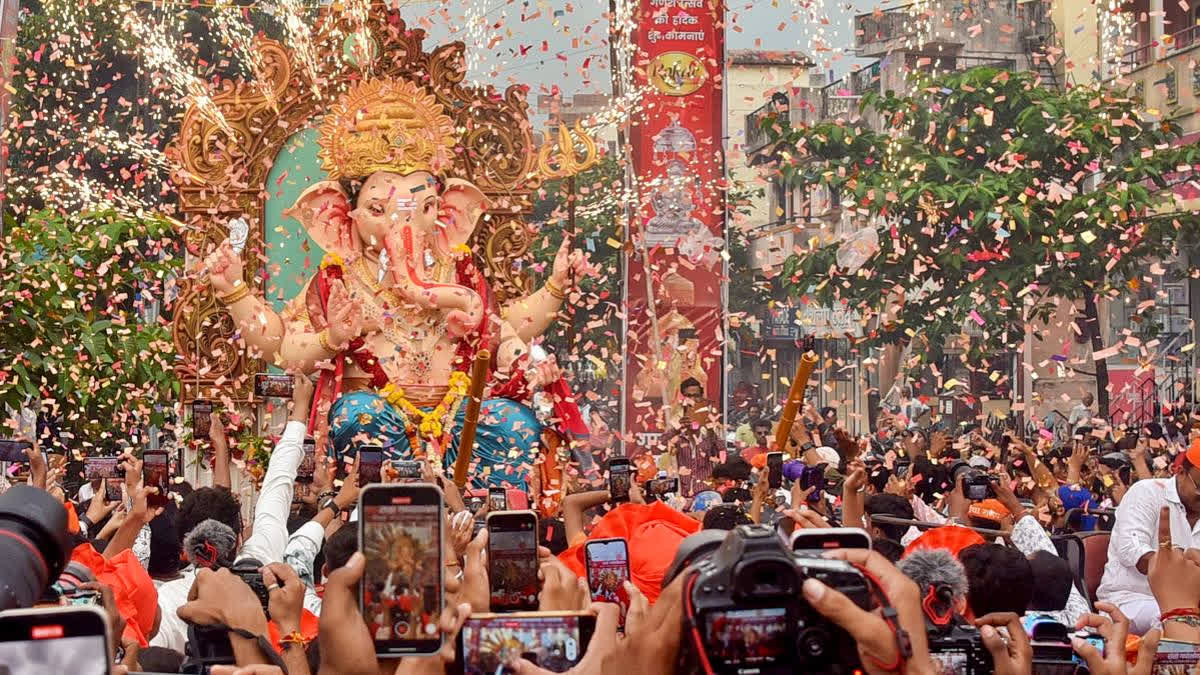
What began in 2021 as a modest attempt to blend spiritual devotion with cultural enrichment has evolved into one of Nagpur’s most celebrated cultural initiatives — the Khasdar Sanskritik Ganesh Utsav. Backed by the Khasdar Sanskritik Mahotsav Samiti, this movement has not only rekindled the spirit of traditional folk arts but also redefined how Ganeshotsav is experienced across the city.

This year, Ganesh mandals have until July 31 to register for the upcoming festival, while artists and cultural groups have until August 5. The registration process is offline, and it takes place at Nitin Gadkari’s Public Relations Office, Savarkar Nagar, opposite Orange City Hospital, Khamla Chowk, between 12 noon to 3 PM.


From 55 to 300 Mandals: A Festival on the Rise

In its inaugural year, the Sanskritik Ganesh Utsav hosted 55 mandals and 350 artists. Fast forward to 2024, and the scale has dramatically expanded to over 300 mandals and more than 2,000 performing artists. This exponential growth speaks volumes about the festival’s resonance within the community.

Unlike traditional Ganeshotsavs, which often revolve around pomp and loud celebrations, this initiative emphasizes meaningful cultural engagement, offering a stage to artists who were severely impacted by the COVID-19 pandemic.


Why Should Mandals Participate?

Participating in the Khasdar Sanskritik Ganesh Utsav is not just about celebrating Lord Ganesha — it’s about preserving heritage and giving back to the community. Registered mandals receive:

  • Access to a curated list of talented artists from across Maharashtra

  • Financial assistance and artist remuneration supported by the organizing committee

  • Guidance on program structure and logistical support

  • Opportunities to host folk, literary, and devotional performances that elevate their celebration

The secretary of the Mahotsav Samiti, Jayprakash Gupta, emphasizes that this platform revives traditional arts and creates income-generating opportunities for artists, poets, musicians, dancers, and dramatists.


Event Highlights 2024: What to Expect

🎭 Live Cultural Performances

Expect to witness a rich array of musical dramas, mimicry acts, bhajans, and kirtans performed by local talents and renowned artists. These events are aimed at all age groups, fostering inclusivity and appreciation for various art forms.

🎶 Traditional and Devotional Music

Programs will feature:

  • Bhav Geet

  • Patriotic songs

  • Abhangs

  • Geet Ramayan recitations

These performances invoke not just religious sentiments, but also a deep sense of pride and cultural belonging.

🌾 Folk & Tribal Acts

Folk artists will perform Gondhal, Bharud, and Dandar, bringing rare and lesser-known Maharashtrian rural art forms into the city spotlight. These acts highlight regional narratives that are often overshadowed in mainstream events.

📚 Literary and Intellectual Programs

  • Poetry readings

  • Monologues in Hindi and Marathi

  • Storytelling sessions
    These segments will cater to the city’s literary enthusiasts, offering performances that engage, provoke thought, and inspire dialogue.

🎨 Cultural Workshops

Interactive sessions on Rangoli art, traditional Indian games, and craft demonstrations will allow attendees — especially children — to learn, play, and create.

💃 Dance & Instrumental Showcases

From solo classical dances to group folk performances, as well as instrumental jugalbandis, these vibrant showcases will add rhythm and movement to the spiritual celebration.

🌙 Overnight Devotional Series

Special night-long devotional programs will be held featuring spiritual talks, bhakti sangeet, and audiovisual presentations that tell the story of Ganesha and Indian cultural values.


How Mandals and Artists Can Register

Mandals must register by July 31, and cultural artists/groups by August 5. The registration process is simple but strictly offline. Interested parties must:

  • Visit Nitin Gadkari’s Public Relations Office

  • Address: Savarkar Nagar, Opp. Orange City Hospital, Khamla Chowk

  • Timings: 12 PM to 3 PM, all working days

We recommend registering early, as the number of performances and slots are limited and in high demand.


The Vision Behind the Festival

Spearheaded by Anil Sole (President) and supported by a dedicated team including Gauri Shankar Parashar, Ashok Mankar, Dilip Jadhav, Rajesh Bagdi, Balasaheb Kulkarni, and Sanjay Gulkari, the Samiti’s vision is to merge devotion with heritage.

Their collective goal is to:

  • Encourage community participation

  • Restore the artistic value of Ganeshotsav

  • Make art accessible and sustainable

  • Create an ecosystem that benefits both devotees and artists

This model not only celebrates Lord Ganesha in a spiritually uplifting manner but also provides tangible support to local artists who often lack platforms to showcase their talent.


Cultural Revival and Social Impact

Beyond festivities, the Khasdar Sanskritik Ganesh Utsav serves as a blueprint for cultural revival in post-pandemic India. It transforms religious events into platforms for social cohesion, educational exposure, and creative exploration.

With over 300 mandals, the impact on local businesses, performers, sound technicians, decorators, and vendors is immense. It’s more than just a celebration; it’s an economic and artistic movement.

The Khasdar Sanskritik Ganesh Utsav is more than a festival — it is Nagpur’s collective cultural heartbeat. If you are part of a Ganesh mandal or a cultural group, don’t miss the opportunity to showcase your devotion through culture. Register now and be a part of something bigger than tradition — a renaissance of art, faith, and community.

Registration Deadline for Mandals: July 31, 2024
Artist Registration Closes: August 5, 2024
Location: Savarkar Nagar, Khamla Chowk, Nagpur (12 PM to 3 PM)

Koradi’s Grand Transformation: Butterfly Garden, 7D Theatre & Tallest Hanuman Statue in the World

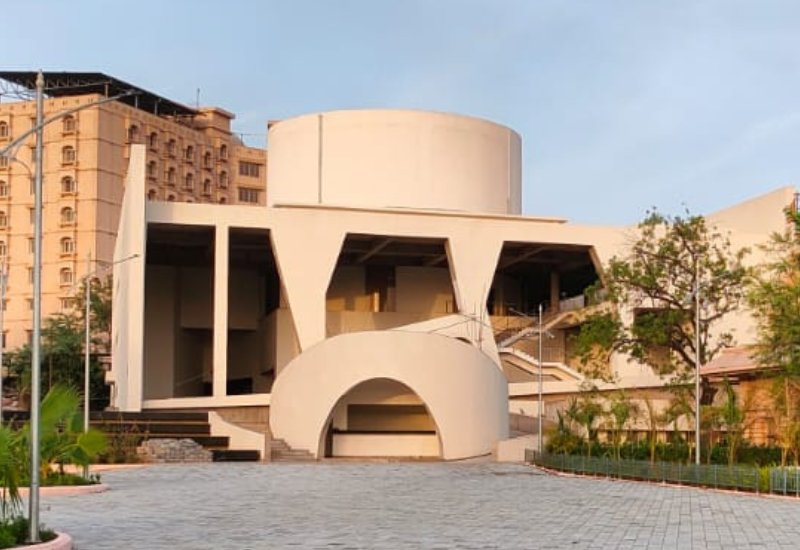
Koradi, a town nestled in the heart of Vidarbha, is on the brink of a breathtaking transformation. Spearheaded by Guardian Minister Chandrashekhar Bawankule, this visionary project promises to catapult Koradi into the spotlight as India’s next big tourism magnet. From a butterfly garden showcasing rare plant species to an immersive 7D theatre experience, and the pièce de résistance — the world’s tallest Hanuman statue rising from water — this initiative is set to redefine spiritual and nature-based tourism in Maharashtra.


A Butterfly Garden Like No Other

Koradi will soon house a world-class butterfly garden, specifically designed to attract and preserve rare and endangered species of butterflies. What sets this initiative apart is the deliberate inclusion of Rare, Endangered, and Threatened (RET) plant species, which serve as natural hosts and nectar sources for butterflies. This creates a unique ecosystem where both flora and fauna thrive in a symbiotic relationship.

Key Features:

  • RET plant species curated for attracting diverse butterfly breeds.

  • Eco-friendly landscaping designed for optimal butterfly visibility.

  • Educational zones for students and environmental enthusiasts.

  • Nature trails and guided tours to immerse visitors in biodiversity learning.

This development not only enhances the aesthetic value of Koradi but also supports biodiversity and environmental education, offering tourists an eco-tourism experience unlike any other in Central India.


A 7D Theatre to Redefine Entertainment Tourism

As part of the holistic tourism plan, Koradi is set to welcome a state-of-the-art 7D theatre, promising a fully immersive cinematic journey. Designed to engage all the senses, this theatre will provide multi-dimensional experiences through motion seats, environmental effects like wind, water sprays, and smell, and high-definition visuals.

What Visitors Can Expect:

  • Interactive films covering themes of mythology, nature, and adventure.

  • Special screenings for Hanuman-related spiritual narratives, reinforcing the religious theme of the region.

  • Family-friendly programming designed to appeal to all age groups.

  • Technology-driven experiences that put Koradi on the national map of innovative attractions.

This venue will offer more than just entertainment — it will foster a deeper understanding of culture, environment, and spirituality through engaging digital storytelling.


The Tallest Hanuman Statue in the World: A Spiritual Marvel

Perhaps the most striking announcement by Minister Bawankule is the construction of the world’s tallest Hanuman statue, which will emerge dramatically from a water body. This monumental sculpture is not just an architectural feat, but a spiritual symbol designed to attract devotees from across India and the world.

Unique Attributes:

  • A towering Hanuman statue built partially submerged in water, creating the illusion of the deity rising from the depths.

  • State-of-the-art lighting and sound system to enhance the devotional experience during evening hours.

  • Dedicated puja platforms, temples, and meditation zones for spiritual seekers.

  • Integration with local festivals and cultural programs to enrich religious tourism.

The statue is expected to become an iconic symbol of faith, drawing pilgrims and tourists in equal measure, thereby boosting local economy and spiritual heritage.


Koradi: Emerging as a Religious & Eco-Tourism Powerhouse

With these three ambitious projects — the butterfly garden, 7D theatre, and Hanuman statue — Koradi is poised to become Vidarbha’s crown jewel of tourism. But the vision doesn’t stop there. This transformation is part of a multi-departmental collaboration to ensure that infrastructure, accessibility, and sustainability go hand-in-hand.

Supporting Developments Include:

  • Upgraded road and transport connectivity from Nagpur and surrounding regions.

  • Eco-lodges and accommodation facilities for overnight and weekend tourists.

  • Local employment generation, empowering nearby communities.

  • Enhanced safety and security protocols for visitors.

  • Promotional campaigns to attract domestic and international footfall.


A Boost for Local Culture, Economy & Employment

This tourism boom will bring direct and indirect employment to thousands in the region — from gardeners and conservationists, to technicians, guides, and spiritual caretakers. Local artisans and vendors will also benefit from increased footfall, creating a circular economy rooted in sustainability and cultural pride.

Moreover, students, researchers, and nature lovers will find Koradi a treasure trove for ecological and mythological exploration. Educational institutions may also organize regular trips, making Koradi a center for experiential learning.


Sustainability and Infrastructure at the Core

The projects have been planned with eco-consciousness and long-term sustainability in mind. Special care is being taken to use green building techniques, renewable energy sources, and zero-waste infrastructure wherever possible. Collaboration between tourism, forest, irrigation, and cultural departments ensures that this vision remains holistic, inclusive, and future-ready.


 Koradi’s Tourism Vision is a Game-Changer for Vidarbha

As the butterfly garden blooms, the 7D theatre ignites imaginations, and the tallest Hanuman statue rises from serene waters, Koradi is scripting a new chapter in India’s tourism landscape. These developments not only elevate its status as a religious and eco-tourism destination but also highlight the region’s commitment to preserving heritage, celebrating spirituality, and embracing innovation.

Koradi is no longer just a town near Nagpur — it is set to become a symbol of India’s cultural resurgence and ecological awareness.

Operation U-Turn: Nagpur Traffic Police’s Bold 9-Day Crackdown Nets 336 Drunk Drivers

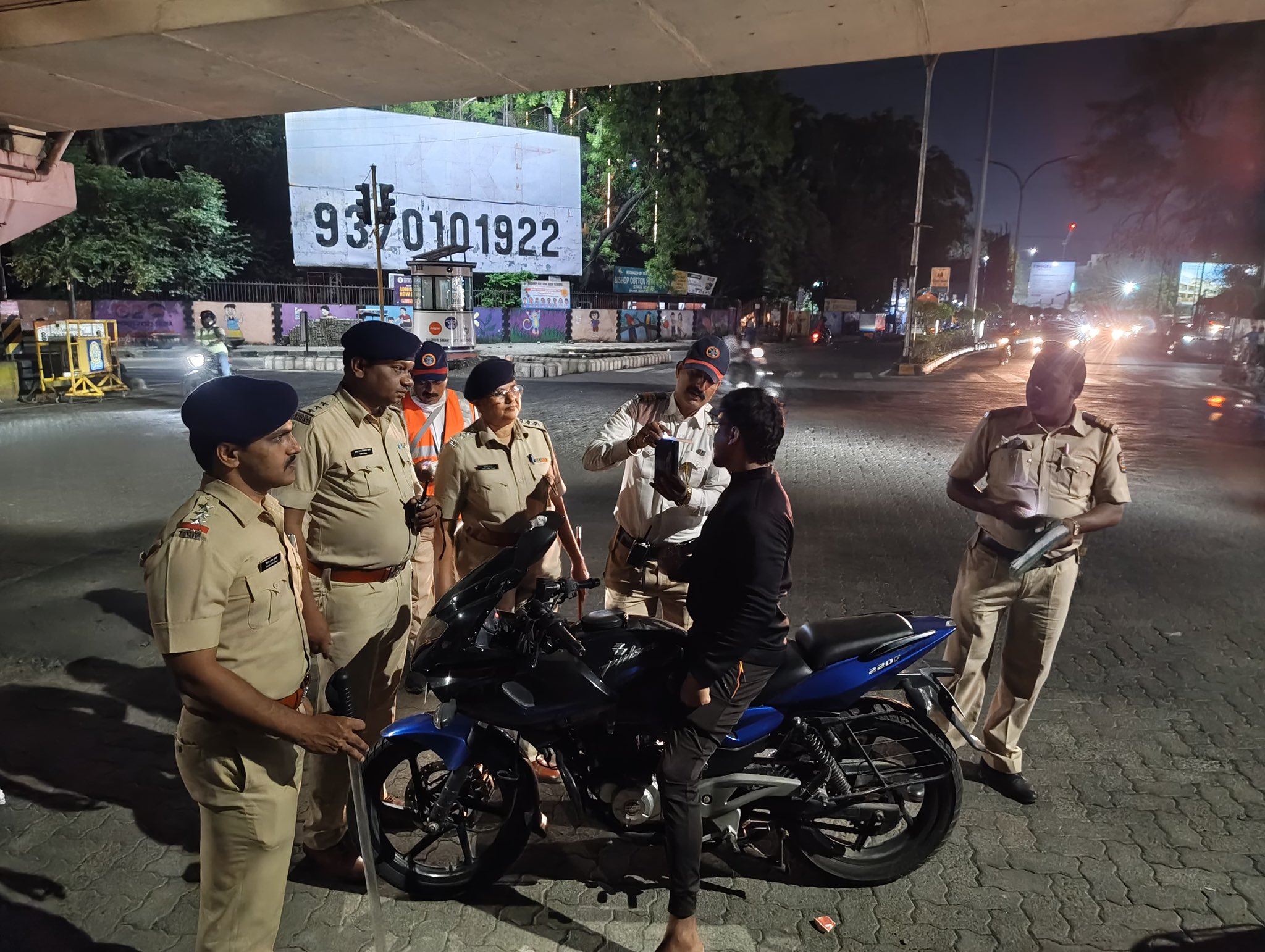
In a decisive move to ensure public safety and responsible driving, Nagpur City Police launched a powerful initiative known as Operation U-Turn, targeting drunk drivers and late-night traffic violators. The operation, which ran intensively for 9 days from July 10 to July 18, was a direct response to growing concerns about road safety in nightlife-heavy areas of the city.


Widespread Vehicle Checking and High-Impact Enforcement

Under Operation U-Turn, Nagpur Traffic Police executed large-scale nakabandi checkpoints across the city. Over 1,339 vehicles were stopped and checked, leading to 336 drunk driving violations being registered. These numbers reflect the department’s robust efforts to eliminate impaired driving from city roads.

Key traffic divisions were strategically chosen based on prior data of high footfall near pubs, bars, and clubs. Checkpoints operated especially during late-night hours when such violations peak.


Indora Division Leads in Drunk Driving Offenders

Out of all zones, the Indora traffic division emerged with the highest number of drunk driving cases at 71 offenders, revealing a serious safety concern in that area. Other divisions following closely include:

  • Sonegaon

  • Kamptee

  • MIDC

Each of these recorded 40+ violations, indicating that drunk driving is not isolated to one zone but is a citywide issue requiring collective action.


Civil Lines, Bars, and Nightclubs Under Police Radar

A large share of violations was reported near Civil Lines, home to numerous bars, lounges, and clubs. The area, a known nightlife hotspot, has now come under increased scrutiny. Police have started identifying exit routes typically used by partygoers and have positioned surprise checkpoints to intercept offenders before accidents can occur.

These high-risk zones have now become focal points in Nagpur’s broader strategy to eliminate impaired driving from its roads.


Breathalysers Now Mandatory: No Room for Assumptions

In a significant shift from conventional enforcement tactics, DCP (Traffic) Lohit Matani has mandated that all traffic personnel use breathalysers on suspected drunk drivers. This ensures scientific, accurate, and accountable detection as opposed to relying on unreliable signs like breath odor or driver behavior alone.

By institutionalizing the use of technology-based detection, the department is ensuring that no violator escapes unnoticed due to subjective judgment.


More Than Just Fines – Legal Consequences Await Offenders

Violators of Operation U-Turn aren’t merely receiving fines — they are being charged under the stringent provisions of the Motor Vehicles Act. Consequences include:

  • Hefty monetary penalties

  • Suspension of driving license

  • Possible criminal charges for repeated offenses

This strong legal backing sends a clear and uncompromising message to the public: Drunk driving will not be tolerated in Nagpur.


Visibility and Deterrence: The Real Success Metrics

While the figure of 336 drunk drivers might seem modest over 9 days, officials emphasize the campaign’s greater achievement lies in heightened police presence and public deterrence. With increased patrolling, regular nakabandis, and consistent monitoring of nightlife corridors, citizens are rethinking their choices before getting behind the wheel.

This visible change in public behavior is the actual long-term goal of Operation U-Turn — to foster a safer and more law-abiding traffic culture.


Future Plans: Intensified Action During Weekends and Festive Seasons

Encouraged by the results of this initial crackdown, the Nagpur Traffic Police plan to scale up efforts, especially during weekends, festivals, and late-night hours. These periods traditionally witness spikes in:

  • Party-related travel

  • Alcohol consumption

  • Reckless driving incidents

Special teams will be deployed with mobile breathalysers, patrol vans, and body cams to ensure evidence-based enforcement in real time.


Public Cooperation is Key: Avoid Drinking and Driving

The police have called upon the public to show civic responsibility and moral judgment by avoiding the steering wheel after consuming alcohol. Ride-sharing apps, designated drivers, and taxi services are all viable alternatives to drunk driving.

Citizens are also encouraged to report suspicious or impaired drivers to the Traffic Helpline to prevent potential tragedies before they occur.


A Step Towards Safer Roads: Operation U-Turn Sets New Standard

With Operation U-Turn, Nagpur Traffic Police have not only shown what proactive enforcement looks like but also set a model for other Indian cities grappling with similar issues. The drive reflects modern policing standards, community involvement, and a focus on prevention over punishment.

This crackdown demonstrates how data-driven policing, tech-enabled detection, and visible enforcement can combine to protect lives and promote road safety.


Enforcement with Vision

Operation U-Turn is not just a campaign—it is a movement towards systemic change. By integrating data analytics, on-ground vigilance, and legal action, the Nagpur City Police have addressed a deep-rooted problem with clarity and conviction. As the initiative evolves, we can expect a significant reduction in alcohol-related road accidents and a stronger public commitment to road safety norms.

Baba Tajuddin’s 103rd Urs Begins with Massive Spiritual Celebrations in Nagpur

A Grand Spiritual Gathering Rooted in Peace and Devotion

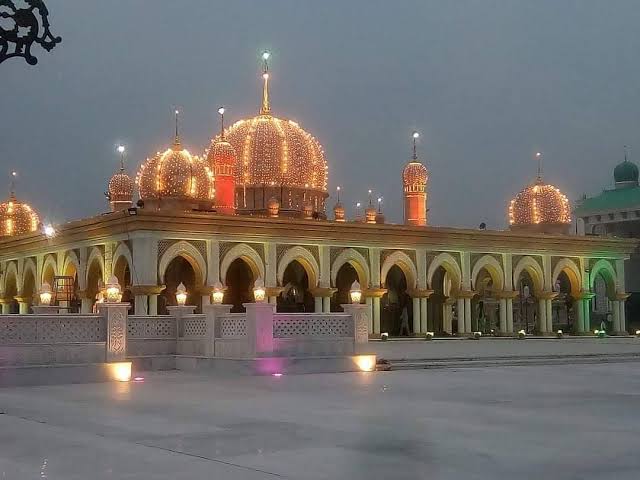
Nagpur is witnessing a monumental spiritual event as the 103rd Urs of Hazrat Baba Tajuddin Auliya begins with profound devotion, vibrancy, and preparations that reflect the magnitude of this annual gathering. From July 18 to July 29, lakhs of devotees from all across India and beyond will participate in the Urs — a tradition celebrating the spiritual legacy of Hazrat Baba Tajuddin, revered as one of the greatest Sufi saints of the subcontinent.

Amid soulful prayers, electrifying qawwalis, and the communal spirit of langars (community feasts), this year’s Urs promises to be a spiritual spectacle of immense scale.

A Festive Ambience Across 3 Lakh Square Feet

The Hazrat Baba Tajuddin Trust, under whose aegis the event is organized, has transformed the shrine’s surrounding area into a vibrant spiritual arena. The venue has been adorned with colorful shamianas, dazzling lighting, and a grand dome covering over 3 lakh square feet, symbolizing both majesty and spiritual warmth.

Hundreds of volunteers are working tirelessly to ensure smooth proceedings for the expected 25 lakh devotees.

Highlights of the Urs: Sufi Nights, Milad Sharif & Shahi Sandal

This Urs isn’t merely a spiritual retreat — it is also a celebration of Sufi culture, poetry, and music. The main highlights of the ten-day celebration include:

  • Sufi Nights featuring renowned qawwals from across India

  • Milad Sharif recitations filled with divine praise and peace

  • An international Mushaira, bringing together Urdu poets of global repute

  • Daily langars, ensuring that every visitor receives food and water

The most spiritually significant and emotionally charged event of the Urs is the Shahi Sandal procession, scheduled for July 22, where fragrant sandalwood paste is ceremoniously carried through a sea of devotees — an expression of love and reverence for the saint.

Mega Arrangements to Welcome Millions of Devotees

In an unprecedented display of hospitality and spiritual service, the Hazrat Baba Tajuddin Trust has made provisions to serve food and drinking water to over 25 lakh visitors throughout the festival.

Special arrangements for women and senior citizens include:

  • Dedicated seating and shaded waiting areas

  • Assistance by trained volunteers

  • Priority access to prayer zones and rest facilities

To cater to the massive footfall, six special trains and hundreds of buses have been arranged, making travel easier for pilgrims from distant cities and states.

Strict Traffic Regulations and Security Measures

With lakhs converging at the Dargah, the Nagpur Traffic Police have implemented stringent vehicular regulations for public safety and smooth movement. Key measures include:

  • Ban on private vehicle entry and parking within 300 metres of the dargah premises

  • Complete vehicle restriction within 100 metres radius of the shrine in all directions from July 18 to 29

  • Road closures from Shitla Mata Mandir to Chamat Chakki Chowk

  • Traffic diversions for vehicles coming from Dighori Chowk via Ramana Maruti Nagar to Ishwar Nagar Chowk

  • Alternative route from Shitla Mata Mandir Chowk to Kharbi Chowk via Hasanbagh

Security has been tightened across the area with hundreds of CCTV cameras, a dedicated police chowki, and deployment of uniformed personnel.

Devotee Comfort: Health, Hygiene, and Safety First

To ensure a comfortable spiritual experience for all devotees, the organizing committee has introduced several modern amenities:

  • Four American portable washrooms, brought from Pune, to maintain hygiene standards

  • Three nearby hospitals on high alert with mobile ambulances and emergency response teams

  • A locker system has been installed for safe-keeping of phones and wallets, allowing worshippers to engage fully without distraction

Volunteers trained in crowd management, emergency response, and sanitation are on duty around the clock.

A Spirit of Unity and Shared Humanity

The Baba Tajuddin Urs is more than a religious gathering — it’s a symbol of unity, tolerance, and collective spiritual expression. Devotees from all religions, castes, and regions gather with open hearts, echoing the Sufi message of universal love, inner peace, and human equality.

As Nagpur becomes the center of this spiritual energy, the dargah stands as a beacon reminding us of Baba Tajuddin’s teachings, rooted in simplicity, service, and soul.

A Festival of Faith, Order, and Compassion

The 103rd Urs of Hazrat Baba Tajuddin Auliya has commenced with unmatched scale and sentiment, uniting lakhs under the banner of spiritual harmony. With massive logistical support, cultural richness, and devotional fervor, the city of Nagpur is playing host to one of the largest Urs festivals in India.

Whether you’re attending the Qawwali nights, walking in the Shahi Sandal procession, or simply soaking in the divine energy of the dargah, this Urs offers an opportunity for reflection, community, and grace.

Ambhora Sky Gallery’s Soaring Popularity Hampered by Basic Amenity Lapses

A Tourism Marvel with a Troubling Underside

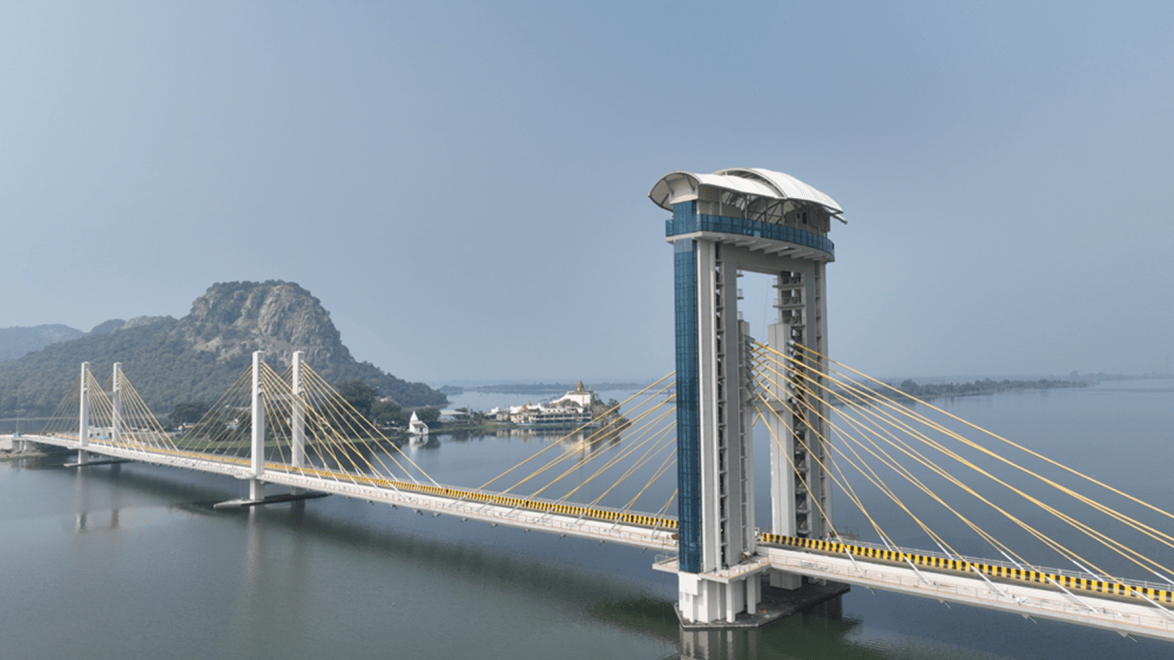
The Ambhora Sky Gallery, built atop the newly-constructed bridge spanning the Wainganga River in Nagpur district, was envisioned as a cornerstone of regional tourism development. Opened in 2024 with much fanfare, the structure has become a visual spectacle, especially due to its breathtaking nighttime illumination. Nestled near the sacred Kalyaneshwar Temple, the gallery attracts devotees, nature lovers, and social media enthusiasts alike. However, its remarkable ascent in popularity is being overshadowed by a glaring oversight: the complete lack of basic visitor amenities.

Ambhora: A Spiritual Hub Meets Tourism Boom

Ambhora has long been cherished as a pilgrimage destination, drawing thousands to the revered Kalyaneshwar Temple. The newly built bridge was a vital upgrade, replacing the precarious dinghy-based crossings previously used by visitors from Bhandara district. With this critical infrastructure in place, the State Government seized the opportunity to further capitalize on the location by launching the Sky Gallery — a glass-floored viewing platform situated midway on the bridge.

But the success of this endeavor has been both a blessing and a burden. With an estimated 5,000 visitors weekly — 80% arriving during weekends — the infrastructure on the ground has failed to keep up with the skyrocketing footfall.

Traffic Woes: A Bridge Choked by Cars and Chaos

The gallery is uniquely positioned in the center of the bridge, with entry points 300 meters away on either end. Visitors can access the gallery via elevators or staircases. However, there is no designated parking area, resulting in vehicles being parked haphazardly along the bridge. This practice effectively reduces the two-lane bridge to a single functional lane, creating a hazardous bottleneck for both incoming and outgoing traffic.

Pedestrians, in the absence of walkways or footpaths, are forced to navigate through moving traffic, endangering their safety. With children, elderly pilgrims, and tourists all crammed into this chaotic environment, the scene regularly descends into confusion and risk.

Ticketing Trouble: A Disaster Waiting to Happen

While the ticket price is a modest Rs. 50 for a 15-minute slot, the location of the ticket counter has drawn serious criticism. Situated directly opposite the lift entrance on the first floor, the ticket counter creates a dangerous congestion point. On weekends and holidays, this area becomes a choke point, with crowds waiting both for the lift and tickets, leading to overcrowding in a confined space.

To make matters worse, there is no weather protection for those standing in line. In a region known for scorching heat and intense monsoons, this lack of shelter leaves visitors vulnerable to heatstroke or sudden panic during rainstorms, with fears of stampede scenarios not far-fetched.

No Basic Amenities: Comforts Missing for Families and Seniors

What further mars the experience is the absence of basic public amenities. There are no public toilets, no drinking water facilities, and no resting zones for elderly or physically challenged visitors. Families with young children face particular challenges, especially during long waits in unshaded queues under the harsh central Indian sun.

The lack of information kiosks, emergency medical support, and security staff only magnifies the risks. While selfies and scenic views flood social media, the real-life experience on the ground is marred by poor visitor management and logistical failures.

Government’s Delayed Response Amid Legal Roadblocks

Officials from the Public Works Department (PWD) have acknowledged the infrastructure shortcomings, confirming that a development tender was floated. However, legal hurdles in the form of an ongoing court case have stalled any progress.

In the meantime, thousands continue to visit, unaware of the risks. With every passing weekend, the gallery’s allure becomes a double-edged sword, drawing more visitors while offering them a less-than-ideal, even dangerous, experience.

Locals Demand Immediate Action

Local residents and regular commuters have begun voicing their concerns. Many complain that what was meant to ease regional travel and boost tourism has instead become a traffic and safety nightmare. Business owners and shopkeepers nearby lament the missed commercial opportunity due to inadequate facilities that could’ve turned the area into a thriving tourist economy.

Their demands are straightforward:

  • Establish dedicated and secure parking facilities

  • Redesign and relocate ticket counters to more open, accessible areas

  • Provide sheltered queue lines and proper signage

  • Install emergency services including first aid and fire safety systems

  • Ensure round-the-clock maintenance and security personnel

A Vision in the Sky Needs Grounded Support

The Ambhora Sky Gallery is a visionary project — one that has the potential to redefine regional tourism. Its aesthetic value, spiritual proximity, and architectural novelty are not in question. But its operational oversight threatens to derail its long-term success.

Without swift action, what was meant to be a landmark of pride could quickly become a case study in mismanagement. If the state government aims to maintain and build upon this momentum, a comprehensive infrastructure overhaul must be treated as a top priority.

From Vision to Responsibility

The Ambhora Sky Gallery stands as both a triumph and a warning. A triumph of design and intent — and a warning of what happens when visitor experience is not matched with planning foresight. Authorities must act now to ensure that the gallery doesn’t fall victim to its own success.

Visitor safety, infrastructure expansion, and amenity upgrades must be fast-tracked if the site is to maintain its charm and reputation. Until then, the Ambhora Sky Gallery remains a place where the heavens meet the river, but the ground reality falls dangerously short.

From Cart to Empire: Dolly Chaiwala Receives 1,609 Franchise Applications in Just Two Days

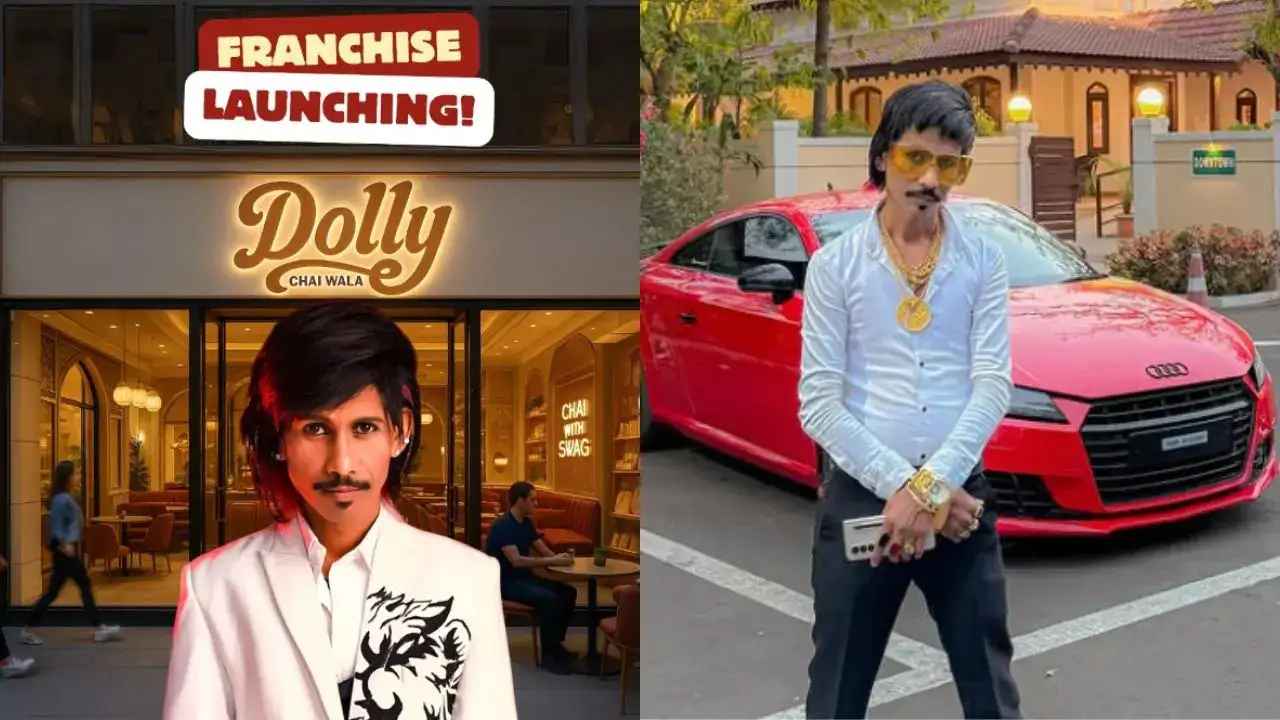
Nagpur’s most iconic tea seller, Sunil Patil, famously known as Dolly Chaiwala, is turning heads again—but this time, not just for his flamboyant chai-serving skills. Just two days after launching his nationwide franchise plan, Dolly has received a staggering 1,609 applications, proving that India’s love for chai—and for dreamers—is stronger than ever.

A Street Icon Turned Entrepreneur

Dolly Chaiwala, who shot to fame after a viral video with Bill Gates, has been a beloved figure on Indian social media for his unique tea presentation and authentic street charm. Now, with his new franchise model, he’s taking the humble tea stall to new heights.

In his heartfelt announcement, Dolly said:

“I didn’t get the chance to go to school like many others. But I spent 20 years behind my tea cart, in the sun and rain, through bad days and good, hoping that one day things might change. I never gave up.”

His story is not just about selling tea. It’s about resilience, grit, and the unshakable belief in dreams, even when the world laughs at you.

A Movement, Not Just a Business

“This franchise is a symbol of possibility,” Dolly added. “If even one boy or girl with no money, no degree, and no connections sees my story and believes they can build something of their own — then every insult is worth it.”

Dolly’s franchise plan includes three business models catering to different budgets and ambitions:

  • ✅ Cart Stall Model: ₹4.5 lakh – ₹6 lakh

  • 🏪 Store Model: ₹20 lakh – ₹22 lakh

  • ☕ Flagship Cafe Model: ₹39 lakh – ₹43 lakh

This tiered approach ensures inclusivity, allowing passionate entrepreneurs from all walks of life to be part of India’s first viral street brand. The application link was shared via his Instagram story, inviting followers to take the next step in becoming part of the Dolly Chaiwala legacy.

A Call to Dreamers Across India

His powerful social media announcement reads:

“It’s India’s first viral street brand, and now… it’s a business opportunity. From carts to flagship cafes, we’re launching nationwide and looking for real people with real passion. If you’ve ever wanted to build something big, something desi, something truly legendary — this is your moment. Limited cities. Unlimited chai.”

What This Means for India’s Startup Scene

Dolly’s journey is symbolic in today’s India — where startups, side hustles, and homegrown brands are rewriting the rules of success. His franchise plan democratizes opportunity, welcoming ordinary people into a growing movement powered by chai and dreams.

In a world obsessed with degrees, Dolly Chaiwala is proof that experience, hustle, and heart can brew up something legendary.

Beltarodi Police Resolves 30 Complaints in a Day, Reinforces Public Trust in Justice Delivery

In a significant initiative that underscores proactive community policing, the Beltarodi Police of Nagpur have successfully addressed and resolved 30 public complaints in a single day. This milestone was achieved during a grievance redressal camp organized under the leadership of Deputy Commissioner of Police (DCP) Zone 4, Rashmita Rao, and efficiently coordinated by Senior Police Inspector Mukunda Kawade and his team.

Swift Justice Through Grievance Redressal Camp

The grievance redressal camp, a first-of-its-kind effort in the area, witnessed 30 complainants stepping forward with a wide range of issues—from land disputes and cyber fraud to forgery and criminal trespass. The Beltarodi Police ensured that each complaint was:

  • Documented meticulously

  • Assessed on merit

  • Addressed with actionable steps

  • Acknowledged officially with receipt issuance

This transparent and organized system not only ensured accountability but also bolstered public confidence in law enforcement mechanisms.

High-Profile IPC Case Registered

Among the 30 cases, one particular complaint involved serious allegations of fraud and forgery, prompting police to register an FIR under multiple sections of the Indian Penal Code (IPC):

  • 420 – Cheating

  • 465, 467, 468 – Related to Forgery

  • 471 – Using as genuine a forged document

  • 447 – Criminal Trespass

  • 34 – Acts done by several persons in furtherance of common intention

The complaint revealed deliberate deception and trespass involving property documents and fabricated records. The case was registered based on the jurisdictional applicability before July 2024, and a comprehensive investigation is now underway. Senior officers emphasized that such prompt registration under relevant legal provisions sends a strong message of zero tolerance towards criminal activity.

Community Engagement: A Pillar of Effective Policing

The success of the event lies not only in the number of complaints resolved but in the impact it made on public sentiment. Complainants expressed relief and satisfaction with how the officers handled their cases—many stating they felt heard and respected for the first time.

By adopting a citizen-first approach, the Beltarodi Police have strengthened the bridge between law enforcement and the public. This engagement is a vital part of modern policing—moving beyond reactive law enforcement into a space of trust-building and conflict prevention.

Operational Excellence and Coordination

The efficient coordination of the event reflects the high level of administrative acumen displayed by the Beltarodi Police team. Under the supervision of Inspector Mukunda Kawade, officers maintained:

  • Systematic queue management

  • Real-time documentation

  • On-spot intervention for minor disputes

  • Digital complaint tracking for follow-ups

This meticulous process ensured that no complaint was overlooked, and each was treated with the seriousness it deserved.

Transparent Processes and Official Acknowledgments

One of the most appreciated features of the camp was the issuance of official acknowledgment letters for every complaint received. This gave complainants proof of action and transparency in how their cases would proceed. In cases requiring legal proceedings, complainants were informed about:

  • Applicable IPC sections

  • Expected investigation timeline

  • Liaison officer contact details

Such clear and structured communication fosters accountability, a trait often missing in traditional policing frameworks.

Public Praise and Media Coverage

Local residents and community leaders hailed the Beltarodi Police’s initiative, with several expressing that justice was no longer delayed. Many shared testimonials citing how:

  • Their complaints were ignored elsewhere but accepted here

  • Officers listened patiently without bias

  • Immediate actions were taken in pending property disputes

Local media outlets covered the event extensively, highlighting it as a model of grassroots justice delivery.

Future Outlook: Institutionalizing the Camp Model

Encouraged by the camp’s success, Beltarodi Police aim to institutionalize such grievance redressal mechanisms across the jurisdiction. Plans are underway to:

  • Hold monthly grievance camps

  • Digitize complaint filing and tracking

  • Assign dedicated public liaison officers

  • Launch awareness drives on citizen rights and police procedures

This transition from reactive policing to participative public service indicates a clear vision toward a more accessible, transparent, and accountable police force.

Message from the DCP

DCP Rashmita Rao appreciated the community’s cooperation and her team’s dedication. She stated:

“Our goal is to build an ecosystem where citizens don’t fear the police but trust it as an ally. These camps symbolize our commitment to justice without delay and accessibility without hierarchy.”

A New Benchmark in Police-Citizen Relations

The Beltarodi grievance redressal camp has not only resolved complaints—it has reshaped the narrative of public policing in the region. By adopting a people-centric approach, focusing on transparency, and delivering swift justice, the Beltarodi Police have set a benchmark that others can emulate.

This initiative is proof that when administration, intent, and community converge, justice is not only delivered—it is seen to be delivered.

NMC’s Urban Revival: Transforming Flyover Spaces into Green Retreats and Sports Arenas

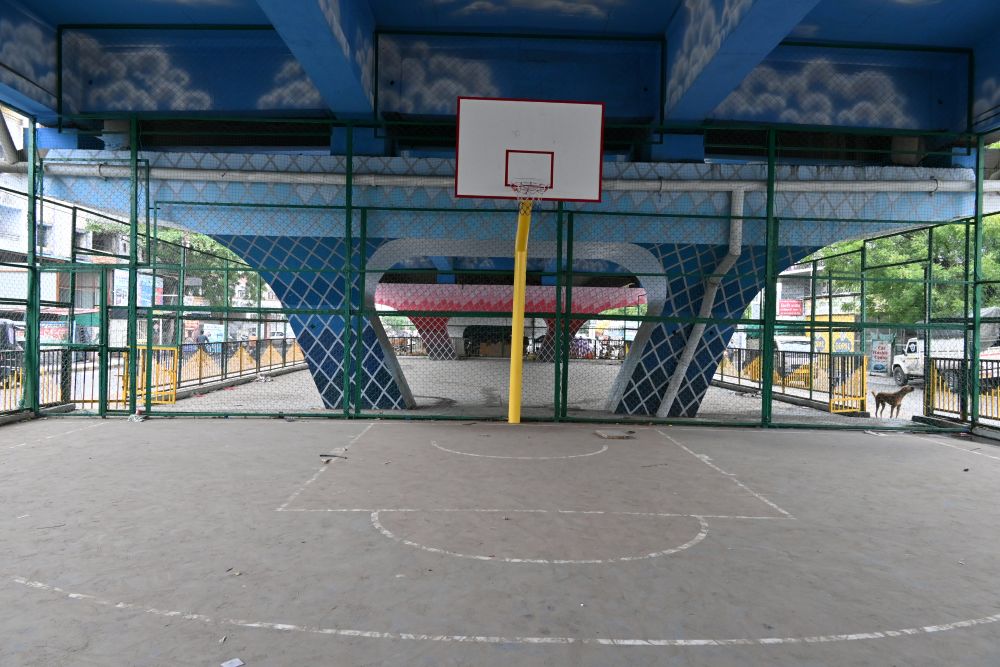
In a bold and visionary stride towards urban rejuvenation, the Nagpur Municipal Corporation (NMC) has initiated a transformative project that reimagines the city’s neglected flyover spaces into multi-functional community zones. These once-abandoned underpasses are now being reborn as vibrant sports grounds, open-air fitness hubs, and serene green retreats—each designed to foster holistic community well-being, enhance social engagement, and combat sedentary urban lifestyles.


Reviving the Urban Core: Flyovers Now Pulse with Life

Across Nagpur, flyovers once synonymous with neglect and underutilization are now being revitalized into functional spaces that serve every age group and purpose. The NMC’s initiative is not only reshaping infrastructure but also reshaping lives.

Key Developments Across the City Include:

  • Basketball and Skating Arenas under Dighori Flyover

  • Expansive Sports Ground under Narendra Nagar Flyover

  • Landscaped Relaxation Zones at Sakkardara, Mehandibagh, and Dahe Bazar

  • Art-Infused Cultural Spaces near Jayprakash Nagar Metro Station

These spaces are designed with community inclusivity at their core—free to access, secure, and aesthetically engaging.


Dighori Flyover: A Youth Magnet for Sports and Energy

Perhaps the most celebrated success in this urban revival is the sports zone under Dighori flyover. This area, now equipped with a full-fledged basketball court and skating rink, has quickly become a magnet for youth activities.

  • Free Public Access: Residents and sports groups can practice freely.

  • Time Flexibility: Early mornings and evenings are ideal for playing, particularly during the summer.

  • Community Building: Local sports clubs are beginning to organize friendly matches, coaching camps, and workshops.

This vibrant space not only promotes fitness but encourages digital detox, offering a real alternative to screen time for children and teens.


Narendra Nagar Flyover: Breathing Space for a Crowded Urban Zone

In southern Nagpur, the area beneath the Narendra Nagar flyover has been repurposed into a sprawling sports ground. The space, earlier encumbered by encroachments, now serves as a playground for local children, a training space for amateur athletes, and a breath of fresh air for surrounding neighborhoods.

The wide, flat terrain has enabled the setup of:

  • Cricket practice nets

  • Football ground markings

  • Walking tracks for morning joggers

The space not only solves the issue of land scarcity but brings open-air sports infrastructure directly into the heart of residential localities.


Mehandibagh and Sakkardara: Where Community Meets Calm

Not every flyover needs a basketball court. Some serve better as urban oases—and that’s precisely what’s been accomplished at Mehandibagh, Sakkardara, and Dahe Bazar.

These zones now include:

  • Comfortable seating areas shaded by vibrant umbrellas

  • Decorative vertical gardens and artistic columns

  • Footpaths for walkers and senior citizens

  • Benches for caregivers and hospital visitors

These areas are particularly significant due to their proximity to hospitals, markets, and schools. Families waiting on medical appointments, elderly individuals seeking peace, or shoppers catching their breath—all now have a clean, safe, and green resting place.


Green Gyms: A Revolution in Public Health Access

Nagpur’s flyovers are no longer traffic arteries alone—they’re now gateways to wellness. With the installation of open-air green gyms, fitness is being democratized.

Highlights include:

  • Cardio and strength equipment made of weather-resistant steel

  • Completely free access without registration or permits

  • Strategically placed safety boards and usage guidelines

  • Available at select flyovers across central and western Nagpur

The beauty lies in the simplicity—residents can jog, walk, stretch, and train under the same structure that once was merely a concrete monolith.


Art, Culture, and Community Spirit Come Alive

Flyover spaces are also becoming canvases of local expression. The walls beneath several bridges, particularly near Jayprakash Nagar Metro Station, have been painted with:

  • Murals depicting regional heritage

  • Motivational quotes

  • Interactive art for children and students

Such interventions are doing more than beautifying urban eyesores—they’re building cultural awareness, encouraging local artists, and enhancing civic pride.


Why These Transformations Matter

These initiatives go far beyond beautification. They represent a strategic reclamation of lost urban space. The vision is clear:

  • Encourage healthy outdoor activities

  • Create equitable public access to sports and leisure

  • Support mental well-being through calm, clean spaces

  • Reinforce Nagpur’s commitment to sustainability and smart urbanism

By activating these underutilized spaces, the NMC is addressing multiple civic challenges—land scarcity, youth disengagement, social isolation, and pollution—all through innovative spatial planning.


How Citizens Can Access and Use These Spaces

One of the most appealing aspects of these zones is their open accessibility:

  • No registration required for general use

  • Available year-round, from dawn till late evening

  • Cleanliness is self-regulated by community spirit

  • For events or large gatherings, zone-level NMC permissions may be needed

The city trusts its citizens to respect and preserve these spaces, and that trust is being repaid in kind by high public participation and maintenance.


A Model for Other Cities

The Nagpur Municipal Corporation’s model of flyover transformation is setting a benchmark for other tier-2 and tier-3 cities in India. With a modest budget, high impact design, and community participation, urban voids can be reimagined as engines of social and civic revival.

These projects demonstrate that infrastructure can serve more than transport—it can be the foundation for connection, community, and care.


 From Concrete to Community

Nagpur’s journey from ignoring its under-flyover areas to celebrating them as community hubs is a story of vision, civic innovation, and social upliftment. These transformed zones are no longer gaps in the city—they’re bridges to a healthier, happier, and more inclusive future.

The NMC has not just filled space—it has fulfilled a need, proving that even concrete can bloom if seen through the lens of human potential.

Snake Trouble in Nagpur? Here’s Who You Need to Call – And Fast!

As the monsoon season intensifies across Nagpur, the city is witnessing a dramatic spike in snake sightings — a pattern that repeats every year due to flooding of snake burrows and increased human-wildlife interaction. But while fear spreads fast, help is even faster this time — thanks to a verified, organized network of trained Sarpmitras (Snake Friends) and wildlife rescuers now available throughout Nagpur’s urban and rural belts.


⚠️ Why Snake Sightings Surge During Monsoon in Nagpur

During monsoon, heavy rains fill underground burrows, pushing snakes to seek shelter in warmer, drier locations — often homes, schools, and office premises. These encounters, if not handled correctly, can escalate into life-threatening situations.

What’s more alarming is the trend of untrained individuals attempting to kill or capture snakes, either out of panic or lack of awareness. This not only endangers lives but is also illegal under the Wildlife Protection Act, 1972.


📞 The Verified Contact List of Snake Rescuers in Nagpur

The Nagpur Forest Department, in collaboration with regional wildlife volunteers, has released a verified list of 18 trained snake rescuers. These professionals are trained, licensed, and equipped to handle venomous and non-venomous snakes, ensuring the safety of both the animal and human inhabitants.

No. Name Area Covered Contact Number
1 Manoj Hingne Hingna (Rural) 📞 9422120248
2 Gaurav Wankar Wadi Road, Zariwada 📞 9970099910
3 Pravin Katole Sonegaon, Wardha Rd, Airport, Solamala 📞 9766777656
4 Amit Wanjari Hingna MIDC 📞 9665175882
5 Ranu Pachbhai Vesa, Beltarodi, Pipla, Nandanvan, Hudkeshwar 📞 8484850781
6 Sahil Ramrakhyani Sakkardara, Bhaldarpura, Nagbaba Nagar, Mahal 📞 9579052999
7 Gajju Patole Dighori, Nandanvan, Besa, Beltarodi 📞 9021309890
8 Santosh Soni Medical Sq., Congress Nagar, Ramdaspeth 📞 9420082603
9 Rahul Manke Gopal Nagar, Sitabuldi, Bajaj Nagar 📞 9730760537
10 Krunal Titarmare Jaitala, Trimurti Nagar, Pannalal Layout, Swawalambi 📞 9922889099
11 Rohit Bhosale Wadi, Cotton Market, Gittikhadan, Ganeshpeth 📞 9834224939
12 Aditya Mote Dipti Signal, Reshim Bagh, Hudkeshwar 📞 8793783984
13 Rupesh Wagh Dabha, Wanadongri, Borgaon, Kalmeshwar 📞 9049794981
14 Ashish Meshram Jafar Nagar, Gorewada, Friends Colony, Katol Road 📞 9096962385
15 Sushil Meshram Butibori MIDC, Hingna, Takalghat, MIDC Phases 📞 7066584194
16 Sachin Awachat Friends Colony, Ajni, Sakkardara, Medical Hill 📞 7378381492
17 Prithviraj Mandokar Jaitala, T-Point 📞 9049709444
18 Akash Meshram Wathoda, Rajnagar, Hingna, Nagalwadi (Zone 14) 📞 8625803647

👥 The Role of Sarpmitras: More Than Just Snake Catchers

The Sarpmitras listed above are not random volunteers. These individuals undergo specialized training under the Forest Department’s wildlife conservation programs. Their primary responsibilities include:

  • Safely capturing and relocating snakes from human-occupied areas.

  • Educating the public on how to respond during snake sightings.

  • Reporting snake species and bite data to authorities for medical awareness.

  • Supporting human-wildlife coexistence through rapid response.


📍 Areas Covered – Urban & Rural Reach

Whether you live in the heart of Sitabuldi or the outskirts of Butibori, this list ensures coverage across every major zone:

  • Urban Core: Sitabuldi, Ramdaspeth, Bajaj Nagar, Wadi

  • Suburban Areas: Beltarodi, Hudkeshwar, Sonegaon, Katol Road

  • Rural/Near Industrial Zones: Hingna MIDC, Butibori, Kalmeshwar

These trained individuals reach within minutes, especially critical in snakebite emergencies.


⚡️ Why You Should Never Kill a Snake

It’s tempting to take matters into your own hands during a snake sighting. But this is both risky and punishable under Indian wildlife law. Here’s why:

  • All snakes are protected species.

  • Killing snakes can result in a fine or imprisonment under the Wildlife Protection Act.

  • You might misidentify a non-venomous snake as venomous, leading to unnecessary panic and violence.

  • Injured snakes are more likely to strike, escalating the threat.

Always call a verified Sarpmitra. Their intervention is legal, humane, and effective.


✅ What to Do If You Spot a Snake

  1. Do not panic. Stay calm and move away slowly.

  2. Do not attempt to trap or kill the snake.

  3. Call a rescuer immediately from the contact list above.

  4. Keep pets and children away from the snake.

  5. Do not try to photograph or provoke the snake.


🚑 In Case of Snakebite – Act Fast

If someone is bitten by a snake:

  • Stay calm and limit movement to reduce venom spread.

  • Avoid tying a tourniquet or cutting the wound.

  • Do not suck the venom out — it’s dangerous and ineffective.

  • Call an ambulance or go to the nearest government hospital immediately.

  • Inform the doctor about the area and time of bite for correct anti-venom administration.


📢 Spread the Word – Save a Life

This verified list of snake rescuers is more than a phonebook — it’s a life-saving toolkit. Save the numbers. Share them in housing societies, school groups, and local forums. You never know when this knowledge might save you or someone else.

By choosing to report instead of react, we build a safer, more informed, and wildlife-friendly Nagpur.

Nagpur to Deploy 850 Electric Buses by 2026: A Bold Move Towards Sustainable Urban Transit

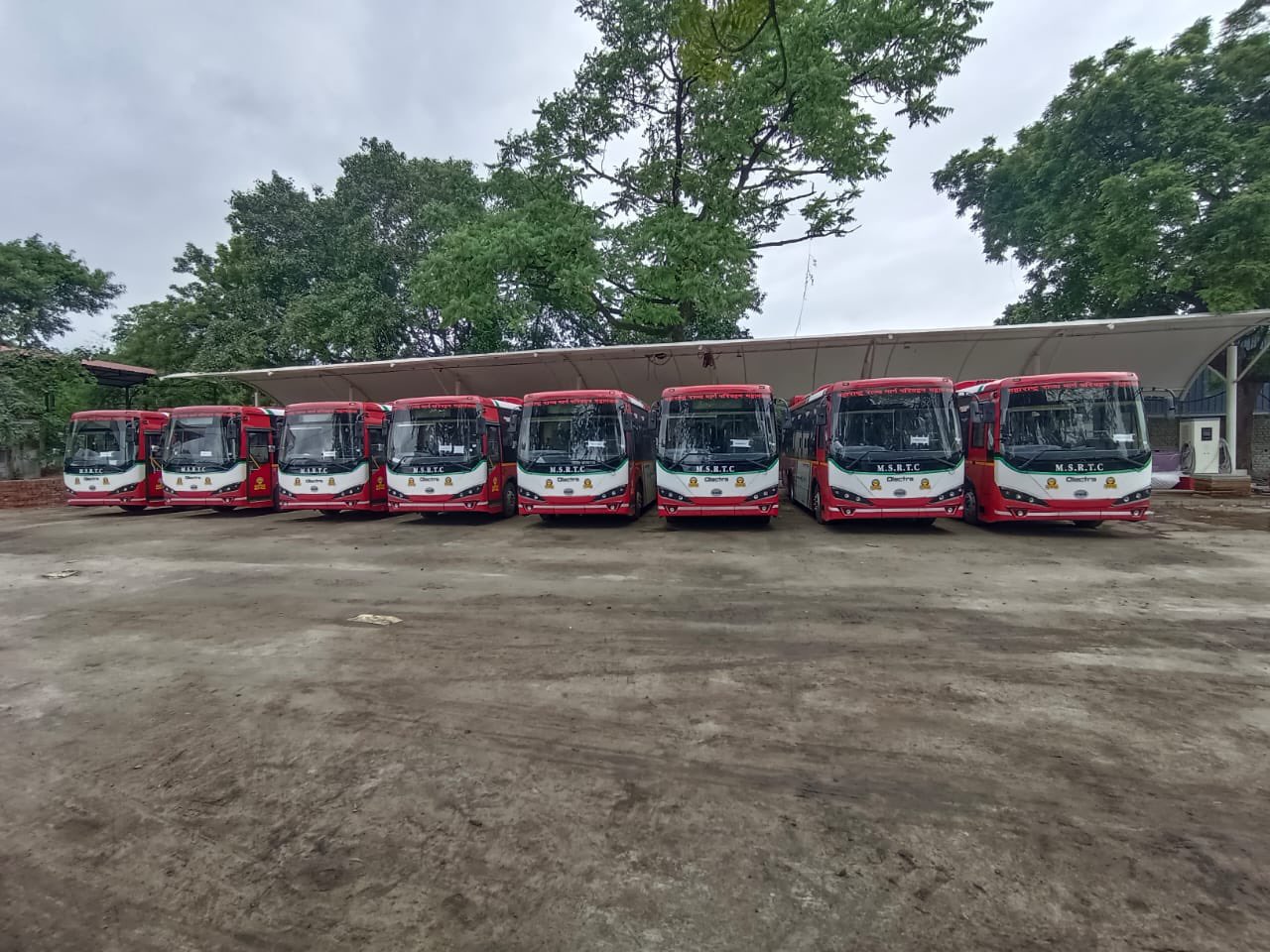
Nagpur electric buses: The Nagpur Municipal Corporation (NMC) is ushering in a new era of eco-friendly transportation. Over the next two years, 850 electric buses will replace aging diesel buses, marking one of the most ambitious urban transport transformations in India. This shift isn’t just about cleaner air—it’s about efficiency, cost savings, and better public service for every Nagpurian.

A Strategic Leap: Replacing Diesel with Electric | Nagpur electric buses

Currently, NMC operates 445 buses, of which 214 are electric. Starting July, an additional 30 electric buses will hit the streets, signaling the beginning of a major ramp-up. By December 2025, all diesel buses will be fully decommissioned, aligning with both state and national goals for zero-emission mobility.

This transition is projected to cut operational costs by up to 40%, due to lower fuel and maintenance expenses. More importantly, it’s expected to significantly improve air quality and reduce greenhouse gas emissions, making Nagpur a model for other Tier-2 cities.


Dedicated Airport E-Bus Service for Better Connectivity

A cornerstone of the plan includes a dedicated electric bus service to Dr. Babasaheb Ambedkar International Airport. This specialized route will provide seamless, affordable, and eco-conscious travel for residents and tourists, while reducing traffic congestion caused by private vehicles and taxis.

The airport e-buses will feature:

  • Low-floor entry for easy accessibility

  • Real-time tracking and arrival updates

  • Luggage storage compartments

  • Fully air-conditioned interiors

This move will place Nagpur among the few Indian cities with a direct electric public transport link to the airport.


Charging Infrastructure: The Power Behind the Plan | Nagpur electric buses

To support this expansive fleet, NMC is developing three advanced electric charging depots at strategic locations:

  • Wathoda

  • Khapri

  • Lakadganj

These stations will be equipped with fast-charging technology, 24/7 monitoring, and high-capacity battery bays to ensure maximum uptime for the fleet. Each depot will also act as a maintenance and diagnostics center, enabling real-time performance tracking and predictive servicing.

The smart grid integration of these depots will ensure load balancing and uninterrupted power supply, even during peak usage.


Cost Efficiency and Financial Gains for the City

One of the most striking aspects of this green transition is its cost-effectiveness. The move from diesel to electric buses will reduce fuel costs by over 50% and bring down long-term maintenance expenses drastically.

A typical electric bus has fewer moving parts, which translates into:

  • Lower wear and tear

  • Reduced servicing frequency

  • Fewer mechanical breakdowns

According to transport department estimates, this could lead to annual savings of over ₹50 crore by 2026, which can then be reinvested into further transport infrastructure, such as smart bus stops and route digitization.


Optimized City Routes and Improved Scheduling

The electrification strategy isn’t just about replacing buses—it’s also about reinventing how people move in the city. With the use of AI-powered route mapping and demand-based scheduling, commuters will enjoy:

  • Shorter waiting times

  • Increased frequency on high-demand routes

  • More reliable service during peak hours

  • Last-mile connectivity for underserved areas

Integration with Nagpur Metro and other intermodal transport systems is also being planned to ensure a unified mobility experience.


Environmental and Social Impact

The introduction of 850 electric buses will result in the reduction of thousands of tons of CO₂ emissions annually, along with the elimination of particulate matter pollution from diesel engines.

Environmental benefits include:

  • Cleaner air across major city corridors

  • Quieter streets, especially in residential and hospital zones

  • Increased urban biodiversity due to less vehicular pollution

In social terms, the project will generate hundreds of green jobs, from drivers and technicians to software analysts managing bus tracking and operations.


Public Awareness and Community Engagement

NMC is launching an awareness campaign to educate citizens on the benefits of electric transport. This includes:

  • School outreach programs

  • Interactive city exhibits on bus technology

  • Digital awareness drives via social media and local media outlets

The goal is to make electric mobility not just an option, but a preferred mode of travel among Nagpur’s citizens.


The Road Ahead for Nagpur’s Urban Mobility

With the completion of this electrification mission by 2026, Nagpur will have one of the largest electric bus fleets in India. But this is just the beginning. Plans are already being evaluated for:

  • Solar-powered charging stations

  • Integration of hydrogen fuel-cell technology

  • AI-based predictive traffic management systems

NMC is positioning Nagpur as a national pioneer in sustainable public transport, proving that even mid-sized cities can lead the charge toward net-zero emissions.

A New Standard for Indian Cities

The deployment of 850 electric buses by NMC represents a paradigm shift in public transportation. It’s a bold, forward-thinking initiative that tackles climate change, urban congestion, and public convenience—all at once. As Nagpur moves ahead on this green path, it sets a benchmark for progressive governance, innovation, and inclusive development.

Exit mobile version