Bombay High Court Declares NMC’s Hoarding Tender on Footpaths Illegal

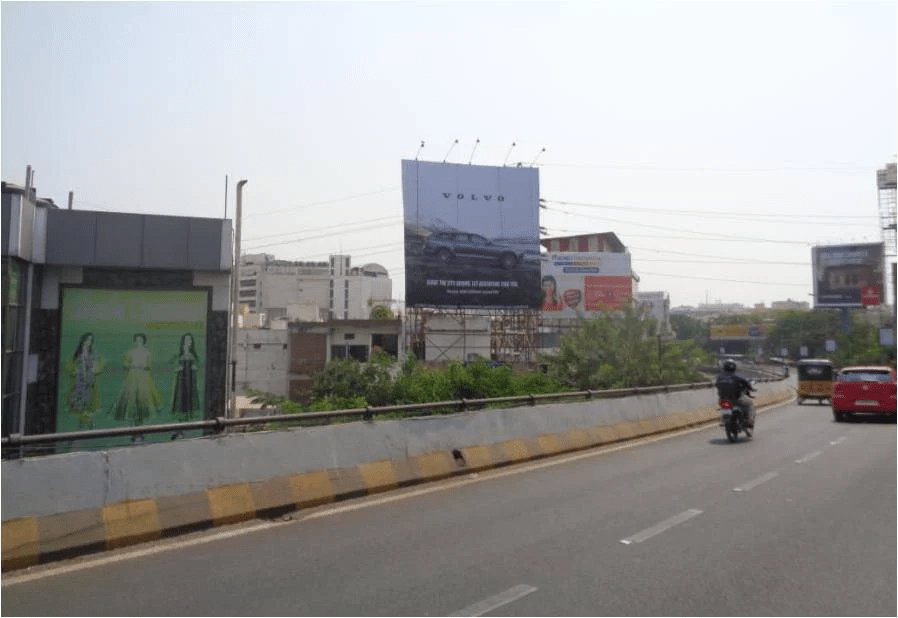
NMC Hoardings: In a landmark ruling, the Nagpur Bench of the Bombay High Court has deemed the Nagpur Municipal Corporation’s (NMC) tender for installing advertising hoardings on footpaths illegal. The verdict reinforces the Advertising Rules 2022, ensuring that public spaces remain accessible to pedestrians.

Background of the Case | NMC Hoardings

The case originated from a public interest litigation (PIL) filed by Citizens Forum for Equality, led by President Madhukar Kukde. The division bench of Justice Nitin Sambre and Justice Vrushali Joshi ruled in favor of the petitioners, stating that the newly enacted Advertising Rules 2022 take precedence over the outdated Outdoor Advertising Policy 2001.

Legal Arguments Presented

Petitioners’ Stand

  • Adv. Tushar Mandlekar, representing the petitioners, challenged NMC’s tender issued on December 4, 2024.
  • He argued that Rule 5 of the Advertising Rules 2022 explicitly prohibits hoardings on public roads, footpaths, and intersections.
  • He emphasized that the 2001 policy was created during a legal void and cannot supersede the latest regulations.
  • He asserted that hoardings on footpaths violate citizens’ fundamental right to accessible pathways.

NMC’s Defense

  • Senior counsel Adv. S. K. Mishra and Adv. Gemini Kasat defended NMC, citing Rule 29 of the Advertising Rules 2020.
  • They argued that previous orders from the High Court and Supreme Court should override the 2022 rules.
  • They claimed that the 2001 policy, being High Court-approved, should still be valid.

Court’s Decision and Justification

  • The High Court rejected NMC’s arguments, ruling that the 2022 Advertising Rules hold legislative authority.
  • It upheld that public pathways must remain obstruction-free to protect pedestrian rights.
  • The ruling reinforces that municipal policies cannot override state-enacted legislation.

Impact of the Verdict

For Pedestrians

  • Ensures unhindered movement for commuters.
  • Strengthens public safety and pedestrian-friendly city planning.

For Advertisers and Businesses

  • Businesses will need to explore legal advertising options in compliance with the 2022 rules.
  • Stricter approval processes will be enforced to ensure compliance.

For Municipal Corporations

  • Encourages revised urban planning policies that prioritize accessibility.
  • Limits misuse of public spaces for commercial gain.

The Role of Advertising Rules 2022

The Advertising Rules 2022 aim to:

  • Regulate outdoor advertising effectively.
  • Prevent illegal installations in public spaces.
  • Promote aesthetic urban landscapes by ensuring responsible advertising.

What’s Next for NMC?

  • NMC may have to revise its advertising policies to align with the 2022 rules.
  • The ruling sets a precedent for other municipalities regarding outdoor advertising regulations.

Public Reactions to the Verdict

  • Citizen activists hail the decision as a victory for pedestrian rights.
  • Advertising firms express concerns over limited advertising spaces.
  • Legal experts highlight the importance of legislative compliance.

The Bombay High Court’s decision against NMC’s hoarding tender underscores the importance of pedestrian rights and adherence to state-legislated advertising regulations. By reinforcing the Advertising Rules 2022, the court ensures that public spaces remain accessible and obstruction-free for all citizens.

1. What led to the court case against NMC?

The case was initiated by Citizens Forum for Equality, challenging NMC’s tender for advertising hoardings on footpaths, which violated the Advertising Rules 2022.

2. How does the Advertising Rules 2022 impact outdoor advertising?

The 2022 rules prohibit hoardings on footpaths, roads, and intersections, ensuring pedestrian safety and better urban aesthetics.

3. Can NMC appeal this decision?

NMC can approach the Supreme Court; however, given the legislative backing of the 2022 rules, the appeal might face challenges.

4. What does this ruling mean for advertisers?

Advertisers must comply with legal provisions and seek alternative, compliant advertising spaces.

5. Will this decision impact advertising policies in other cities?

Yes, the ruling sets a precedent for other municipal corporations to reassess their advertising policies in alignment with state laws.


Runway Ready: Nagpur Airport Takes Off 24×7

Nagpur Airport 24×7 Operations: Nagpur Airport is now officially operating 24×7! The long-awaited transition to round-the-clock operations has finally become a reality, lifting the year-long restrictions that had limited flight schedules. With this, air travel to and from Nagpur is set to expand significantly. Let’s dive into what this means for passengers, airlines, and the city’s connectivity.

The Long-Awaited Change

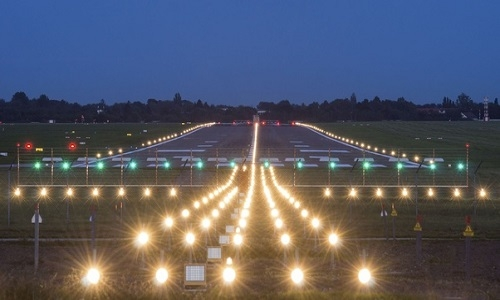
For over a year, Nagpur Airport faced restricted flight operations due to runway recarpeting. Flights were only permitted between 6 PM and 10 AM, causing disruptions for travelers and airlines alike. However, on March 31, the recarpeting was completed, and as of April 1, the airport has resumed full-fledged 24-hour operations.

More Flights, Better Connectivity | Nagpur Airport 24×7 Operations

With the runway fully functional, airlines are being encouraged to increase their services. By May and June, at least seven new flights are expected to operate, including connections to Jaipur, Indore, Kolhapur, and Noida. Additionally, more flights to Kolkata and Bengaluru will be introduced, enhancing domestic connectivity.

Immediate Changes in Flight Schedules

  • A new Nagpur-Pune flight has been added this month.
  • Belagavi flight timings have been revised from early morning to 1 PM.
  • Increased frequency for routes to metro cities is being considered.

Challenges During the Runway Recarpeting Period

Skyrocketing Airfares

The restriction on flight timings resulted in increased airfare prices, as fewer aircraft were available for operations. Despite the resumption of 24-hour service, a price comparison with Hyderabad suggests Nagpur’s fares remain relatively high.

Delays in Recarpeting Work

The runway maintenance was initially planned to start in April last year but only began in October, causing a significant delay. Such maintenance is crucial for flight safety but can disrupt operations when not planned efficiently.

Government Intervention and Support

Union Minister Nitin Gadkari played a crucial role in expediting the runway recarpeting process. Following a request from the Association of Industrial Development (AID), he also pushed for international connectivity from Nagpur to Singapore, Bangkok, and Kuala Lumpur.

The Importance of 24-Hour Airport Operations

Economic Growth and Business Expansion

  • A fully operational airport boosts business and trade opportunities.
  • Attracts more airlines to consider Nagpur as a key hub.

Convenience for Passengers

  • Flexible flight timings cater to a wider range of travelers.
  • Reduces congestion and ensures smoother travel experiences.

Future Prospects for Nagpur Airport

New International Routes on the Horizon

  • Potential flights to Singapore, Bangkok, and Kuala Lumpur.
  • Growing demand for direct international connectivity from Nagpur.

Boost in Tourism and Cargo Transport

  • Improved connectivity could lead to a surge in tourism.
  • Strengthening Nagpur’s position as a cargo transport hub.

The reopening of Nagpur Airport for round-the-clock operations is a game-changer for the city’s aviation sector. It not only improves passenger convenience but also boosts trade, tourism, and economic prospects. With new domestic and potential international routes in the pipeline, Nagpur is set to become a key player in India’s aviation landscape.

1. Why was Nagpur Airport operating on a limited schedule?

Nagpur Airport faced flight restrictions due to runway recarpeting, which was necessary for safety and maintenance.

2. How many flights operate daily from Nagpur Airport?

Currently, 33 flights operate daily, but this number is expected to rise with the 24×7 operations.

3. What new flights are being introduced?

New routes to Jaipur, Indore, Kolhapur, and Noida are planned, along with additional flights to Kolkata and Bengaluru.

4. Will international flights be introduced from Nagpur?

Efforts are being made to start flights to Singapore, Bangkok, and Kuala Lumpur soon.

5. How will 24-hour operations benefit travelers?

Travelers will enjoy more flexibility, better connectivity, and potentially lower airfares over time.

Revised Curfew Guidelines in Nagpur: What You Need to Know

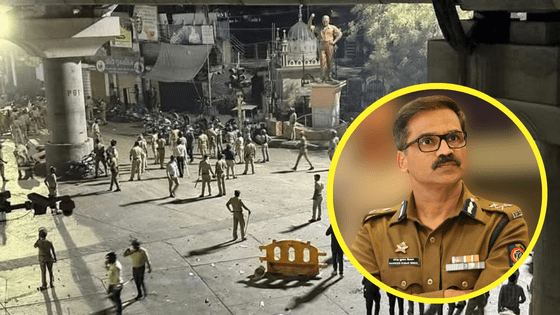
Nagpur has seen a significant shift in its curfew regulations following the announcement by Chief Minister Devendra Fadnavis and the revised order issued by Nagpur Police Commissioner Dr. Ravinder Kumar Singal on March 22, 2025. These updates are designed to ease the curfew restrictions in certain areas while maintaining tight control in sensitive zones to ensure public safety. Here, we dive into the revised guidelines and what citizens can expect.

Overview of Revised Curfew Guidelines

The revised curfew guidelines have been implemented as part of ongoing efforts to maintain law and order in the city. Dr. Ravinder Kumar Singal, the Police Commissioner, has made it clear that the new rules aim to strike a balance between allowing greater movement in less sensitive zones while ensuring that safety protocols remain in place where necessary. Let’s explore the key details of these guidelines:

1. Curfew Lifted in Select Areas

As of March 22, 2025, the curfew has been completely lifted in the following police station jurisdictions:

  • Zone 3: Pachpaoli, Shantinagar, Lakadganj

  • Zone 4: Sakkardara, Imamwada

This is a major relief for the residents of these areas, as they will no longer face the strict curfew restrictions that had previously been in place.

2. Partial Curfew Relaxation

In some areas, the curfew will still be enforced, but with certain relaxations:

  • Kotwali, Tehsil, and Ganeshpeth areas (all under Zone 3) will have a temporary relaxation.

  • The curfew will be relaxed from 7:00 PM to 10:00 PM on March 22, 2025.

  • However, the curfew will be reinstated from 10:00 PM onwards in these zones.

This temporary window is intended to help the residents with essential tasks like shopping and commuting during the evening hours.

3. Yashodharanagar Remains Under Curfew

While many areas see relaxed curfew measures, Yashodharanagar (Zone 5) will continue to remain under curfew until further notice. This decision has been made to maintain public safety and prevent any potential unrest in the area. Citizens in this zone are urged to follow the curfew strictly for their safety and well-being.

Why Are These Changes Being Implemented?

The changes in the curfew guidelines are directly in line with the assurances given by Chief Minister Devendra Fadnavis. His primary goal is to ensure that the citizens of Nagpur can resume their regular activities in a controlled and safe environment, while also maintaining the security of sensitive areas. The curfew relaxations are intended to strike a balance between these two important considerations.

Police Urge Citizens to Cooperate

With the revised curfew guidelines now in effect, law enforcement agencies have appealed to the public to remain cooperative and follow the updated rules. The police have emphasized that their primary goal is to ensure peace and safety across the city, and they require the support of the residents to achieve this.

Security Measures in Sensitive Areas

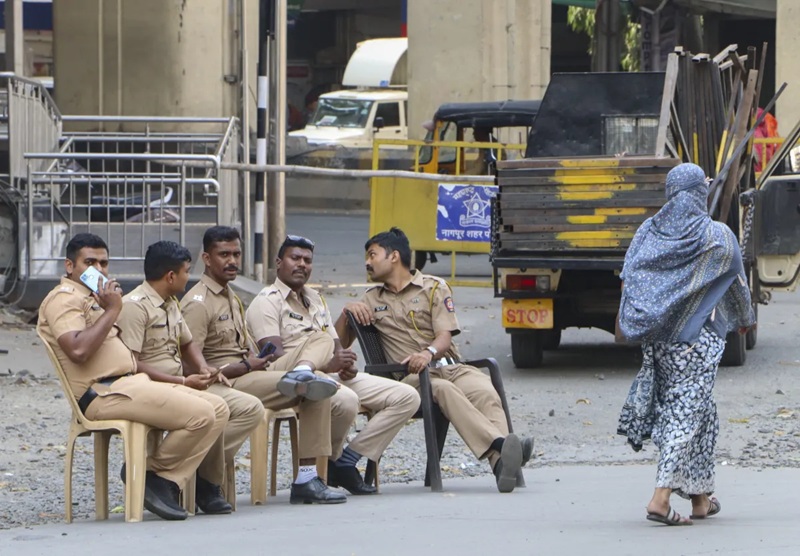
To prevent any untoward incidents, security has been significantly heightened in sensitive zones, particularly in areas that continue to face restrictions. Local police officers will be closely monitoring these regions, and checkpoints have been set up to enforce the curfew effectively.

Community Cooperation is Key

Authorities have stressed the importance of public cooperation. By adhering to the new curfew guidelines, citizens will contribute to maintaining a peaceful atmosphere and ensuring that law enforcement can carry out their duties without disruption.

What Should Residents Expect?

For Those Living in Curfew-Lifted Zones:

Residents of Pachpaoli, Shantinagar, Lakadganj, Sakkardara, and Imamwada can now enjoy greater freedom. However, it’s crucial to remain aware of any further announcements from the authorities to ensure compliance with any new rules or regulations.

For Those in Relaxed Curfew Areas:

Those living in Kotwali, Tehsil, and Ganeshpeth should plan their activities accordingly. The curfew relaxation from 7:00 PM to 10:00 PM provides some relief, but citizens are reminded that the curfew will be enforced strictly after 10:00 PM.

For Those in Yashodharanagar:

Residents of Yashodharanagar will need to follow the curfew until further notice. It’s essential for the safety of everyone that these restrictions are respected.

What’s Next for Nagpur’s Security Measures?

The ongoing review of curfew measures indicates that further adjustments may be made based on the evolving situation. The police department is likely to monitor the situation closely and make updates as required. Residents are encouraged to stay updated through official notifications from local authorities.

What Are the Risks of Not Following the Curfew?

Failure to adhere to curfew regulations could result in legal consequences, including fines or arrest. The authorities have made it clear that they will be strictly enforcing these rules, particularly in sensitive zones. Therefore, it’s important for residents to remain vigilant and adhere to the guidelines to avoid any penalties.

The Role of the Public in Ensuring Peace

Public cooperation is essential for the success of these curfew measures. With the support of residents, Nagpur can maintain a peaceful environment while gradually lifting restrictions. Everyone’s efforts in complying with these guidelines will directly contribute to restoring normalcy and ensuring the safety of the community.

Conclusion: A Step Towards Normalcy

The revised curfew guidelines represent a significant step towards easing restrictions while maintaining security in sensitive zones. Nagpur residents can look forward to greater freedoms, especially in areas where the curfew has been lifted. However, it remains vital to remain vigilant, follow local regulations, and cooperate with law enforcement to maintain peace and security throughout the city.

1. When will the curfew be completely lifted in Nagpur?

The curfew has been lifted in several areas as of March 22, 2025, but some areas, like Yashodharanagar, will remain under curfew until further notice.

2. Which areas are under the partial curfew relaxation?

The partial relaxation is in place for the Kotwali, Tehsil, and Ganeshpeth areas from 7:00 PM to 10:00 PM.

3. Why does Yashodharanagar remain under curfew?

Yashodharanagar remains under curfew for security reasons, as the area is considered sensitive and public safety must be ensured.

4. Can I move freely in curfew-lifted areas?

Yes, residents in curfew-lifted areas like Pachpaoli, Shantinagar, and Imamwada can now move freely, but they should remain alert for any new announcements.

5. How can I stay updated on curfew changes?

Keep an eye on official notifications from local authorities or the Nagpur police department for any future updates on curfew regulations.

Curfew Causes Postponement of Cultural and Religious Events in Nagpur

The recent curfew imposed in Nagpur following the riots on March 17 has led to the postponement of numerous cultural and religious events. With major venues such as Suresh Bhat Auditorium and religious sites in Mahal falling within the affected areas, organizers had no choice but to delay or cancel scheduled programs. This situation has cast a shadow over the city’s vibrant arts and spiritual traditions.

Impact of the Curfew on Cultural Events

1. Marathi Play ‘Anathaancha Naath’ Postponed

Originally set for March 20 at Suresh Bhat Auditorium, this grand Marathi play was rescheduled to July 7 due to venue restrictions.

2. Uncertainty Over 100th All India Marathi Theatre Congregation

The divisional-level summit of this prestigious congregation, planned for March 29, remains in limbo as the venue remains under curfew.

3. Stand-Up Comedy Show ‘Kisi Ko Batana Mat’ at Risk

Scheduled for March 23 at Suresh Bhat Hall, this highly anticipated event has tickets sold out, but attendees are uncertain whether it will proceed as planned.

Impact on Religious Events and Rituals

4. Cancellation of Kirtan at Gopakrishna Mandir

A kirtan by Mukundbuwa Deoras, scheduled for March 20, was canceled due to the curfew. Even temple rituals are now conducted privately without public participation.

5. Restrictions on Eid and Ram Navmi Festivities

With the last ten days of Ramzan approaching, Muslim communities face difficulties in Eid shopping due to market closures in Itwari and Mahal. Similarly, upcoming Hindu festivals like Gudi Padwa and Ram Navmi remain under uncertainty.

The Cultural and Religious Community’s Response

The arts and religious communities of Nagpur have voiced their disappointment over the disruptions. Many urge authorities to restore normalcy swiftly to prevent further setbacks to the city’s rich traditions.

Authorities’ Stance and Future Outlook

While law enforcement officials prioritize public safety, they are closely monitoring the situation and may ease restrictions in a phased manner. Until then, event organizers and citizens remain in a state of uncertainty.

The imposed curfew in Nagpur has deeply impacted the city’s cultural and religious landscape. Events have been postponed, and celebrations remain under a cloud of doubt. The community now awaits a resolution that balances public safety with the restoration of normal life.

1. Why was the curfew imposed in Nagpur?

The curfew was enforced following riots on March 17 to maintain law and order.

2. When will the postponed events be rescheduled?

Some events, like the play ‘Anathaancha Naath,’ have been rescheduled to July 7, but others remain uncertain.

3. Will the curfew impact the upcoming Eid celebrations?

Yes, major shopping hubs remain closed, causing inconvenience to Eid shoppers.

4. Are there any exemptions for religious rituals?

Most religious ceremonies are being conducted privately without public gatherings.

5. How are authorities planning to ease the restrictions?

Authorities are monitoring the situation and may lift restrictions in a phased manner based on security assessments.

Nagpur Airport Runway Recarpeting Nears Completion Ahead of PM Modi’s Visit

The recarpeting project of the 3,200-meter runway at Dr. Babasaheb Ambedkar International Airport in Nagpur is approaching its final stages. The last layer is anticipated to be completed within the next four days, with the entire project expected to conclude within a week. However, Mihan India Limited (MIL) has yet to provide official confirmation regarding the completion date.

Challenges and Delays

Initiated on October 1, 2024, the runway recarpeting has encountered several delays. VVIP movements during the election period and restricted working hours contributed to the slowed progress. The original plan was to close the runway daily from 10 AM to 8 PM for the work, but this schedule was not consistently adhered to.

Judicial Intervention

Reports highlighting passenger inconveniences led to the High Court’s involvement, resulting in a Public Interest Litigation (PIL). The court directed the Airports Authority of India (AAI) and other agencies to expedite the work. In response, a second hotmix plant was established in the AAI colony, and additional workers and machinery were deployed to accelerate the project.

Revised Deadlines

The contractor, KG Gupta Company from Indore, conducted site surveys between June and September 2024 before commencing the work. Despite Union Minister Nitin Gadkari setting a one-month deadline on December 23, 2024, delays ensued. Experts now anticipate the recarpeting to be completed by March 30, 2025.

Awaiting Official Confirmation

Although the project is nearing completion, Abid Ruhi, Senior Airport Director of Mihan India Limited, stated that no official confirmation has been received yet. Once finished, the runway will be fully operational, ending the eight-hour daily closures and alleviating passenger inconveniences.

Impact on Flight Operations

The runway recarpeting has significantly impacted flight operations at Nagpur Airport. Limited working hours and unexpected delays have led to flight cancellations and rescheduling, causing inconvenience to passengers and airlines alike.

Safety Concerns

The deteriorating condition of the runway prior to recarpeting raised safety concerns. Loose gravel and a worn surface posed risks during takeoffs and landings, necessitating immediate attention to ensure the safety of passengers and crew.

Economic Implications

Delays in the runway recarpeting have had economic repercussions. Airlines faced increased operational costs due to altered flight schedules, and the local economy experienced a downturn as passenger traffic decreased.

Community Response

The local community has expressed frustration over the prolonged runway closure. Businesses reliant on airport traffic have suffered losses, and residents have voiced concerns over the project’s impact on the city’s connectivity.

Government Oversight

The involvement of government authorities, including Union Minister Nitin Gadkari, underscores the project’s significance. Continuous monitoring and revised deadlines reflect the government’s commitment to ensuring timely completion.

Technological Aspects

The recarpeting project incorporates advanced materials and techniques to enhance the runway’s durability and performance. These improvements aim to extend the runway’s lifespan and reduce future maintenance needs.

Environmental Considerations

Environmental assessments were conducted to minimize the project’s ecological impact. Measures were implemented to manage construction waste and reduce emissions, aligning with sustainable development goals.

Future Prospects

Upon completion, the upgraded runway is expected to attract more airlines and increase flight frequencies, boosting Nagpur’s connectivity and economic growth. The enhanced infrastructure positions the city as a more competitive aviation hub.

Passenger Benefits

Travelers will benefit from improved safety and reduced delays. The completion of the recarpeting project promises a more reliable and efficient travel experience for passengers flying in and out of Nagpur.

The recarpeting of Nagpur Airport’s runway is a critical infrastructure project with far-reaching implications for safety, economic development, and passenger satisfaction. Despite facing delays and challenges, the project is nearing completion, with expectations set for the end of March 2025. The aviation community and passengers eagerly await the resumption of full operations, anticipating the benefits of the upgraded runway.

  1. What caused the delays in the runway recarpeting project?

    The project faced delays due to VVIP movements during the election period and inconsistent adherence to the planned work schedule.

  2. When is the runway recarpeting expected to be completed?

    Experts anticipate completion by March 30, 2025, although official confirmation is pending.

  3. How will the completed runway benefit passengers?

    Passengers can expect improved safety, reduced delays, and a more reliable travel experience.

  4. What measures were taken to expedite the project?

    Additional resources, including a second hotmix plant and increased workforce and machinery, were deployed following judicial intervention.

  5. What are the future prospects for Nagpur Airport post-recarpeting?

    The upgraded runway is expected to attract more airlines, increase flight frequencies, and boost Nagpur’s connectivity and economic growth.

Bangladesh Connection Uncovered In Nagpur Riots, Police Identify 200 Suspects

Nagpur riots Bangladesh link: The recent violence in Nagpur has taken a new turn as investigators uncover links to Bangladesh. According to the Nagpur Police Cyber Cell, various social media activities linked to the riots originated from Bangladeshi IP addresses. Authorities have identified around 200 suspects involved in the unrest, and investigations are ongoing to track down more individuals.

What Happened In Nagpur? | Nagpur riots Bangladesh link

On March 17, protests erupted in Nagpur following demands to remove Aurangzeb’s tomb. Tensions escalated when right-wing groups allegedly burned effigies of the Mughal emperor, triggering rumors of the Quran’s desecration. The situation spiraled out of control, leading to violence between communities, large-scale arson, stone-pelting, and attacks on law enforcement officers.

Casualties and Damage

  • Over 30 police officers injured
  • Extensive damage to public and private property
  • Several vehicles torched during clashes
  • A curfew imposed to restore order

The Bangladesh Connection

Investigations revealed a direct link between the riots and social media accounts operated from Bangladesh. Authorities traced fake and provocative social media posts back to Bangladeshi IP addresses. These accounts were allegedly used to spread misinformation and incite violence.

Cyber Cell Findings

  • 97 social media posts flagged as offensive or fake
  • Several accounts traced to Bangladeshi IPs
  • Threats issued from a specific Facebook account
  • Four FIRs lodged against rumormongers

Arrests and Police Investigation

The Nagpur Police have formed 18 specialized teams to strengthen their operations. So far, 90 individuals have been arrested, with efforts ongoing to identify an additional 1,000 suspects.

Key Arrests

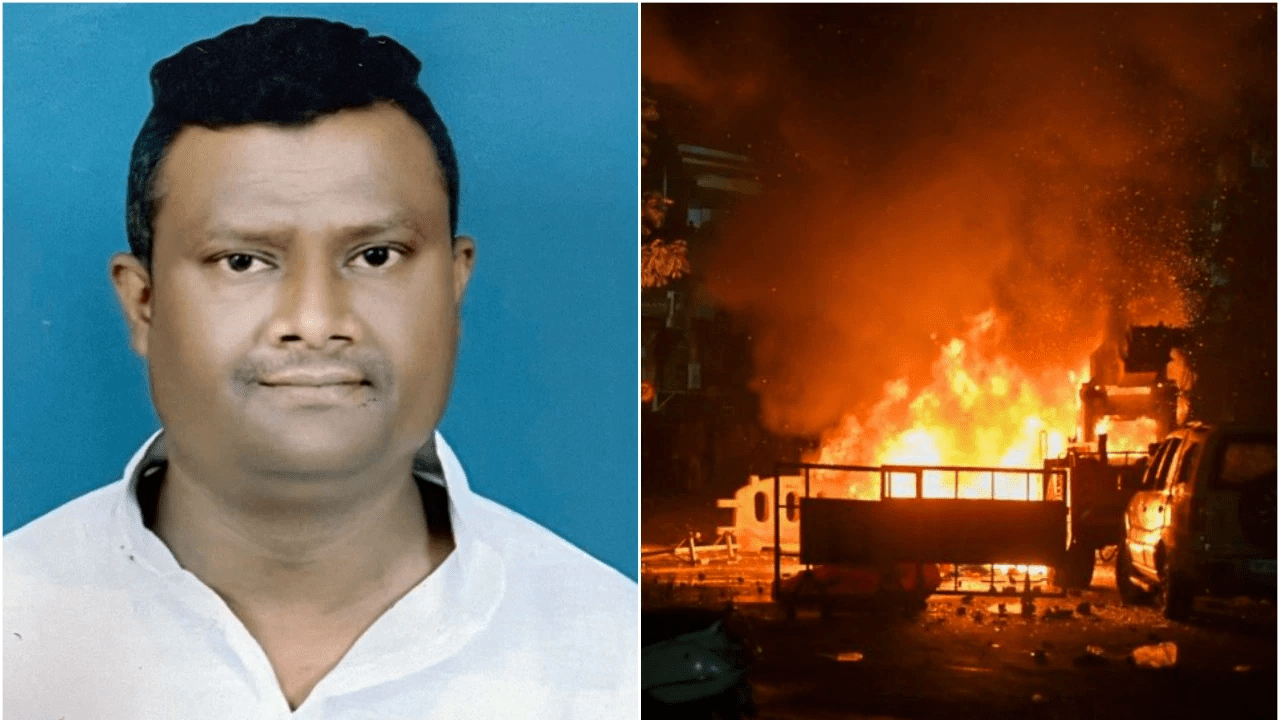
One of the primary figures linked to the riots, Fahim Shamim Khan, a local leader of the Minorities Democratic Party, has been arrested as an alleged mastermind behind the violence. Authorities continue to search for other instigators who remain in hiding.

Big Preparations To Deal With Social Rioters

In response to the riots, authorities have ramped up efforts to prevent further disturbances.

Cyber Cell Actions

The Nagpur Police Cyber Cell has employed advanced technological tools to track down individuals responsible for inciting violence.

Methods Used By Cyber Cell:

  • CCTV footage analysis – Reviewing footage from multiple sources
  • Mobile tracking – Locating suspects through phone records
  • Media monitoring – Analyzing news and social media coverage
  • Social media scrutiny – Identifying fake news and misinformation campaigns

Preventive Measures

To prevent future incidents, authorities are implementing stricter monitoring of social media activities and increasing security deployment in sensitive areas.

Role of Misinformation in the Violence

Misinformation played a significant role in escalating the riots. Fake news about religious desecration spread quickly, fueling tensions. Authorities emphasize the importance of responsible social media usage and are cracking down on those spreading fake information.

How Misinformation Spread

  • WhatsApp forwards spreading rumors
  • Fake social media posts inciting hatred
  • Manipulated videos increasing tensions
  • Anonymous threats escalating fears

Curfew and Law Enforcement Response

To contain the situation, a strict curfew was imposed in several affected areas. More than 1,000 police officers were deployed to restore peace.

Immediate Police Actions:

  • Curfew enforcement
  • Increased patrolling
  • Arrest of key instigators
  • Preventing further escalation

Public Reaction and Political Responses

The violence has sparked widespread reactions from political leaders and citizens. Many have condemned the unrest and called for stricter measures against those responsible.

Government Response

  • Assurance of justice for victims
  • Plans for stricter online surveillance
  • Calls for maintaining communal harmony

International Implications

The link to Bangladesh raises questions about cross-border cyber activities influencing local events. Authorities may seek cooperation with Bangladeshi agencies to track down individuals involved in spreading misinformation.

The Nagpur riots have shed light on the dangerous role of misinformation in inciting violence. The police have made significant progress in identifying and arresting suspects, but the investigation is far from over. As authorities work towards restoring peace and preventing future unrest, the public must remain vigilant against fake news and propaganda.

1. What triggered the Nagpur riots?

The riots were triggered by protests over Aurangzeb’s tomb, which escalated into violence due to rumors of religious desecration.

2. How did authorities link the riots to Bangladesh?

Police traced multiple fake social media accounts and posts to Bangladeshi IP addresses, linking them to the riots.

3. What steps are being taken to prevent further violence?

Authorities have imposed curfews, increased police presence, and intensified cyber monitoring to track down instigators.

4. How many people have been arrested so far?

So far, around 90 individuals have been arrested, with efforts ongoing to identify 1,000 more suspects.

5. What role did social media play in the riots?

Misinformation and fake news shared on social media played a crucial role in inciting violence and escalating tensions.

Nagpur Clashes: Unveiling the Events Surrounding Fahim Khan and Communal Unrest

Nagpur clashes Fahim Khan: In recent days, Nagpur, a prominent city in Maharashtra, has been thrust into the national spotlight due to a series of communal clashes that have raised concerns about social harmony and public safety. At the center of this turmoil is Fahim Khan, a political figure accused of inciting violence. This article delves into the events leading up to the clashes, the key individuals involved, and the broader implications for the community.

Understanding the Background

The unrest in Nagpur can be traced back to protests demanding the demolition of the tomb of Mughal emperor Aurangzeb. Aurangzeb, who ruled in the 17th century, remains a contentious figure in Indian history, with some viewing his legacy unfavorably. These protests, primarily led by Hindu nationalist groups, escalated tensions within the city.

The Emergence of Fahim Khan

Fahim Shamim Khan, aged 38, is the city president of the Minorities Democratic Party (MDP) and resides in Nagpur’s Yashodhara Nagar. In the 2024 Lok Sabha elections, he contested from the Nagpur constituency but was defeated by BJP leader and Union Minister Nitin Gadkari by a substantial margin. Khan’s political involvement and his role in the community have made him a notable figure in local politics.

The Catalyst: Protests Against Aurangzeb’s Tomb

On March 17, 2025, protests erupted in Nagpur, with demonstrators demanding the removal of Aurangzeb’s tomb. These protests were marked by heightened emotions and drew significant attention from various community groups.

Escalation into Violence

The situation took a violent turn when rumors spread that religious texts, including the Quran, had been desecrated during the protests. This allegation intensified emotions, leading to clashes between different community groups. Stones were hurled, and confrontations with law enforcement ensued, resulting in injuries and property damage.

Law Enforcement’s Response

In response to the escalating violence, Nagpur authorities imposed an indefinite curfew in several areas to restore order. Over 50 individuals were detained in connection with the clashes, and multiple First Information Reports (FIRs) were registered. The police emphasized their commitment to maintaining peace and preventing further unrest.

Allegations Against Fahim Khan

Law enforcement agencies have identified Fahim Khan as a key instigator of the violence. According to reports, Khan allegedly delivered an inflammatory speech shortly before the clashes broke out, inciting communal tensions. His actions have been scrutinized, and he has been named in the FIRs related to the unrest.

The Incident Involving a Woman Constable

Amid the chaos, a distressing incident occurred where a group of rioters allegedly assaulted a woman constable. Reports indicate that the mob attempted to disrobe her and used abusive language. This incident has drawn widespread condemnation and highlighted the dangers faced by law enforcement personnel during such conflicts.

Judicial Proceedings

Following the arrests, 19 individuals accused in connection with the violence were presented before the Judicial Magistrate First Class Court (JMFC). They have been remanded to police custody until March 21, allowing for further investigation into their involvement.

Community Reactions | Nagpur clashes Fahim Khan

The clashes have elicited varied responses from different community leaders and organizations. While some have condemned the violence and called for peace, others have emphasized the need for a thorough investigation to hold those responsible accountable. The incident has sparked discussions about communal harmony and the role of political figures in influencing public sentiment.

Political Implications

The involvement of a political figure like Fahim Khan in such incidents raises questions about the intersection of politics and communal relations. It underscores the potential consequences of inflammatory rhetoric and the responsibility of leaders to promote unity rather than division.

The Role of Social Media

In the digital age, information—accurate or otherwise—spreads rapidly. Social media platforms played a significant role in disseminating news and rumors during the Nagpur unrest. This phenomenon highlights the double-edged sword of digital communication, where misinformation can escalate conflicts, necessitating responsible usage and verification of facts.

Historical Context

The controversy surrounding Aurangzeb’s legacy is not new. Historical narratives often influence contemporary politics, and differing interpretations of the past can fuel present-day tensions. Understanding this context is crucial in addressing the root causes of such conflicts and fostering reconciliation.

The Path Forward

In the aftermath of the clashes, it is imperative for community leaders, law enforcement, and citizens to work collaboratively towards restoring peace. Dialogue, mutual respect, and adherence to the rule of law are essential components in healing the community and preventing future incidents.

The recent clashes in Nagpur serve as a stark reminder of the fragility of communal harmony and the profound impact of leadership and rhetoric on societal peace. As investigations continue and the community seeks to heal, it is crucial to reflect on the lessons learned and strive towards a more inclusive and harmonious society.

  1. Who is Fahim Khan? | Nagpur clashes Fahim Khan

    • Fahim Khan is the city president of the Minorities Democratic Party in Nagpur. He contested the 2024 Lok Sabha elections but was defeated by a significant margin.
  2. What sparked the recent violence in Nagpur?

    • The violence was triggered by protests demanding the demolition of Mughal emperor Aurangzeb’s tomb, which escalated due to rumors of religious text desecration.

Over 50 People Detained Following Nagpur Violence; “Situation Peaceful Now,” Says Police Commissioner

Nagpur violence latest news: Nagpur witnessed a tense night on March 17, as violent clashes broke out, leading to over 50 arrests. The city’s police department acted swiftly to control the situation and restore peace. According to Commissioner of Police Ravinder Kumar Singal, the situation is now under control, and efforts are underway to identify further individuals involved using CCTV footage and social media.

What Led to the Nagpur Violence?

The violence stemmed from growing tensions over demands to remove Aurangzeb’s grave. Protesters from Vishwa Hindu Parishad (VHP) and Bajrang Dal had gathered near the Chhatrapati Shivaji Maharaj statue in Mahal, Nagpur, calling for its removal. The demonstration quickly escalated into violent clashes, leading to significant police intervention.

Police Response and Curfew Imposition | Nagpur violence latest news

Swift Action Taken

  • Nagpur police deployed in large numbers to contain the violence.
  • 33 policemen were injured while trying to control the situation.
  • No civilians were seriously harmed due to the rapid intervention.

Curfew Details

A curfew was imposed in multiple areas, including:

  • Kotwali
  • Ganeshpeth
  • Tehsil
  • Lakadganj
  • Pachpaoli
  • Shantinagar
  • Sakkardara
  • Nandanvan
  • Imamwada
  • Yashodharanagar
  • Kapilnagar

The restrictions will remain in effect until further notice.

Political Reactions to the Incident

BJP MLA Pravin Datke’s Allegations

BJP MLA Pravin Datke visited Hansapuri, one of the most affected areas. He alleged that the violence was “pre-planned” and that the police failed to protect Hindu citizens. He further suggested that a significant portion of the mob came from outside the locality.

Police Denial of Allegations

Commissioner Singal dismissed these allegations, emphasizing that police were present from the start and worked diligently to prevent civilian injuries. He highlighted the fact that 33 policemen were injured while handling the situation.

CCTV Footage and Social Media Investigation

Law enforcement is actively identifying additional suspects using:

  • CCTV surveillance
  • Social media posts
  • Eyewitness accounts

Public Reaction and Current Situation

Restoration of Peace

As of March 18, the situation in Nagpur remains peaceful. Businesses have resumed operations, and law enforcement continues to maintain order in the affected regions.

Impact on Local Residents

Residents have expressed relief at the swift police action but remain wary of further unrest. Many have urged authorities to ensure strict action against the perpetrators.

Nagpur police acted promptly to prevent further escalation of violence. While over 50 individuals have been detained, investigations continue to bring additional culprits to justice. With curfew restrictions still in place, authorities are closely monitoring the situation to prevent further disturbances.

1. What caused the violence in Nagpur?

The violence was triggered by a protest demanding the removal of Aurangzeb’s grave, which escalated into clashes between different groups.

2. How many people have been detained so far?

Nagpur Police have detained over 50 individuals and are identifying more suspects through CCTV and social media.

3. Is the curfew still in effect?

Yes, curfew restrictions are in place in multiple police station jurisdictions until further notice.

4. Were any civilians injured during the clashes?

No major civilian injuries were reported, but 33 police officers sustained injuries while handling the violence.

5. What are the authorities doing to prevent future incidents?

Police are closely monitoring social media and CCTV footage, arresting those responsible, and maintaining a strong presence in the affected areas.

Violence In Nagpur After Agitation Over Aurangzeb’s Tomb; 50 Detained, Curfew Imposed In Several Areas

Nagpur witnessed a wave of violence following an agitation over the removal of Mughal emperor Aurangzeb’s tomb. The unrest led to multiple injuries, detentions, and the imposition of a curfew in several areas of the city. But what exactly happened, and how did the situation escalate so quickly? Let’s break it down.

What Triggered the Violence? Aurangzeb’s tomb agitation

The violence stemmed from a demonstration led by right-wing organizations like the Vishwa Hindu Parishad (VHP) and Bajrang Dal. They demanded the removal of Aurangzeb’s tomb, claiming it was a historical reminder of oppression.

  • Protesters set fire to an effigy of Aurangzeb.
  • Slogans were raised against the Mughal emperor.
  • By evening, tensions escalated, leading to violence.

Timeline of the Events

Monday Afternoon: Peaceful Protests Turn Heated

  • Demonstrators gathered in the Mahal area.
  • The crowd burned an effigy of Aurangzeb.
  • Law enforcement monitored the situation closely.

Monday Evening: Violence Erupts

  • By 7:30 PM, mobs began pelting stones at the police.
  • Vehicles and property were set on fire.
  • Clashes between protestors and authorities intensified.

Late Night Unrest in Hansapuri

  • From 10:30 PM to 11:30 PM, riots continued in the Hansapuri area.
  • Houses, clinics, and vehicles were vandalized.
  • Police struggled to control the situation.

Law Enforcement Response

To curb the violence, authorities imposed prohibitory orders under Section 163 of the Bharatiya Nagarik Suraksha Sanhita.

Key Actions Taken:

  • 50 individuals were detained.
  • Heavy police deployment in sensitive areas.
  • Curfew was declared in Mahal, Hansapuri, and nearby regions.

Political Reactions and Appeals for Calm

Maharashtra Chief Minister Devendra Fadnavis and Union Minister Nitin Gadkari urged citizens to maintain peace.

  • Fadnavis: “Police are managing the situation. Do not believe rumors.”
  • Gadkari: “Nagpur has a history of peace. Let’s not disrupt it.”
  • Congress Leader Harshvardhan Sapkal: Blamed the state’s home department for the violence.
  • Shiv Sena’s Aaditya Thackeray: Criticized the law enforcement breakdown.

Impact on the City

  • Businesses in affected areas remained shut.
  • Schools and offices witnessed lower attendance.
  • Increased police patrolling across Nagpur.

What’s Next?

The administration is monitoring the situation closely. Investigations are ongoing to identify those responsible for inciting violence. The state government has assured strict action against culprits.

Nagpur’s recent violence serves as a reminder of how historical tensions can lead to modern-day unrest. The need for peaceful discourse and responsible leadership is greater than ever. While curfew and arrests may bring temporary control, long-term solutions require addressing deeper communal issues.

1. Why did the violence start in Nagpur?

The unrest began after right-wing groups protested against the presence of Aurangzeb’s tomb, leading to clashes and violence.

2. How many people were detained?

At least 50 individuals were taken into custody following the riots.

3. Which areas in Nagpur were affected?

Mahal, Hansapuri, and nearby localities saw intense violence and curfews.

4. What actions did the police take?

Authorities imposed prohibitory orders, arrested rioters, and deployed additional forces to maintain order.

5. What is the government’s stance on the issue?

Leaders from all parties condemned the violence and urged people to remain calm.

Nagpurians Use Metro Pillar Numbers as Address Markers

Nagpur Metro Pillar Addresses: In a city undergoing rapid transformation, Metro pillars have emerged as unconventional yet highly effective address markers. Nagpurians are now using Metro pillar numbers to simplify navigation, a trend inspired by similar practices in New Delhi. But why is this happening, and what does it mean for urban navigation? Let’s explore.

The Rise of Metro Pillar Navigation

How It Started

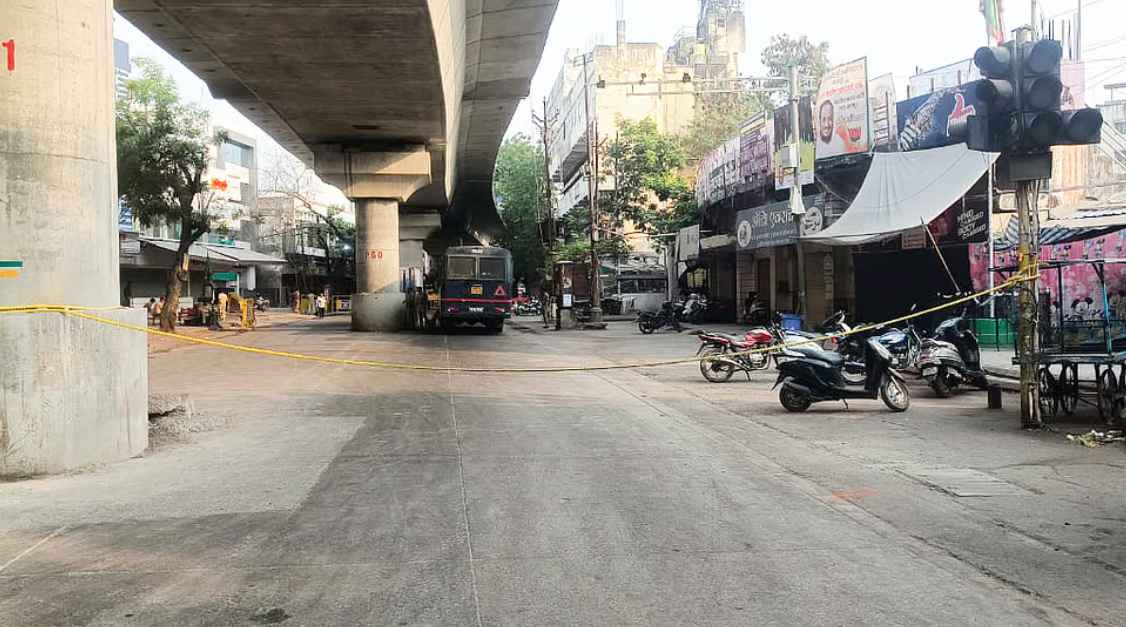
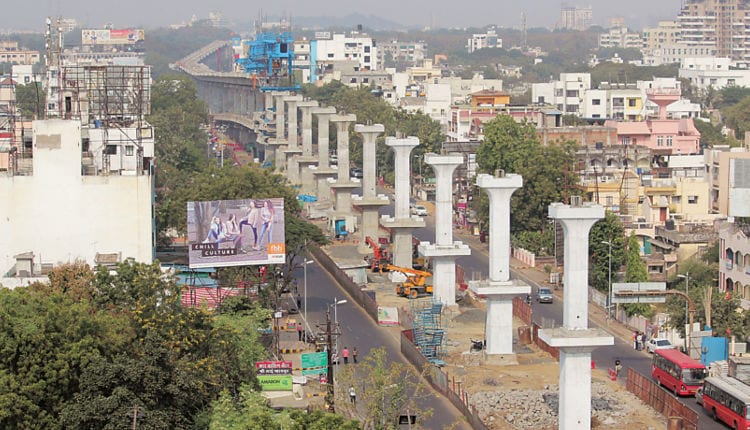
Metro infrastructure projects not only reshape cityscapes but also redefine how people interact with their surroundings. In Nagpur, Metro pillars are sequentially numbered and prominently placed, making them reliable reference points for locals, auto drivers, and delivery personnel.

Why Metro Pillars Over Traditional Landmarks? |Nagpur Metro Pillar Addresses

  • Google Maps is not always accurate – In developing areas like Hingna Road and Ambazari, digital maps often suggest longer or confusing routes.
  • Lack of permanent landmarks – Unlike well-established roads, newer areas lack widely recognized landmarks.
  • Ease of communication – Saying “opposite pillar number 45” is simpler than explaining complex address details.

Adoption Across Different Sectors

1. Businesses and Commercial Hubs

Retailers, hotels, and showrooms find Metro pillar numbers invaluable for directing customers. Tejinder Singh Renu, president of the Nagpur Residential Hotel Association, confirms that businesses near main roads benefit greatly from this trend.

2. Residential Use Cases

Residents near Metro lines also rely on pillar numbers to guide guests and delivery agents efficiently. Mahal resident Vivek Jibhkate notes that while online maps suggest longer routes, directing people to the nearest Metro pillar simplifies navigation.

3. Logistics and Delivery Services

Courier and food delivery agents use Metro pillars as reference points to reach destinations faster, reducing confusion caused by incomplete or unclear addresses.

Impact on Urban Navigation

1. Reducing Confusion for Commuters

With pillar numbers being sequential, navigation becomes more structured. Even for first-time visitors, locating an address becomes a hassle-free experience.

2. Enhanced Public Transport Coordination

Metro officials acknowledge the practical benefits of pillar-based navigation, as it allows commuters to reference specific pillars when planning trips or meeting points.

3. A Step Toward Smart City Initiatives

Using Metro pillar numbers aligns with modern urban planning strategies, fostering a smarter and more efficient city infrastructure.

Challenges and Limitations

1. Dependency on Metro Infrastructure

While effective near Metro corridors, this method does not benefit areas further away from Metro stretches.

2. Lack of Official Recognition

As of now, Metro pillar numbers are not officially recognized as address markers by government authorities.

3. Changes Due to Future Developments

City expansions and additional roadwork may impact the permanence of pillar-based navigation.

The use of Metro pillar numbers as address markers in Nagpur is a testament to the city’s adaptability and innovation in urban navigation. While not a replacement for conventional addresses, this trend offers a practical solution to locating places efficiently. As the city continues to evolve, Metro pillar numbers may become an integral part of its navigation culture.

1. Why are Nagpurians using Metro pillar numbers for navigation?

Metro pillars provide a clear, sequential, and easily visible reference point, making navigation simpler in fast-developing areas.

2. Can Metro pillar numbers replace traditional addresses?

No, but they serve as an effective supplement, especially in areas with fewer permanent landmarks.

3. Are businesses officially recognizing pillar numbers in their addresses?

While not officially recognized, many businesses informally use them to guide customers and delivery personnel.

4. Do other cities in India use Metro pillars as address markers?

Yes, this trend originated in New Delhi and has been adopted in other metro cities as well.

5. Will the government officially adopt Metro pillar numbers for navigation?

There is no official confirmation yet, but if the trend continues, authorities may consider formalizing it.

Exit mobile version