PM to Inaugurate New-Look Itwari Railway Station Tomorrow

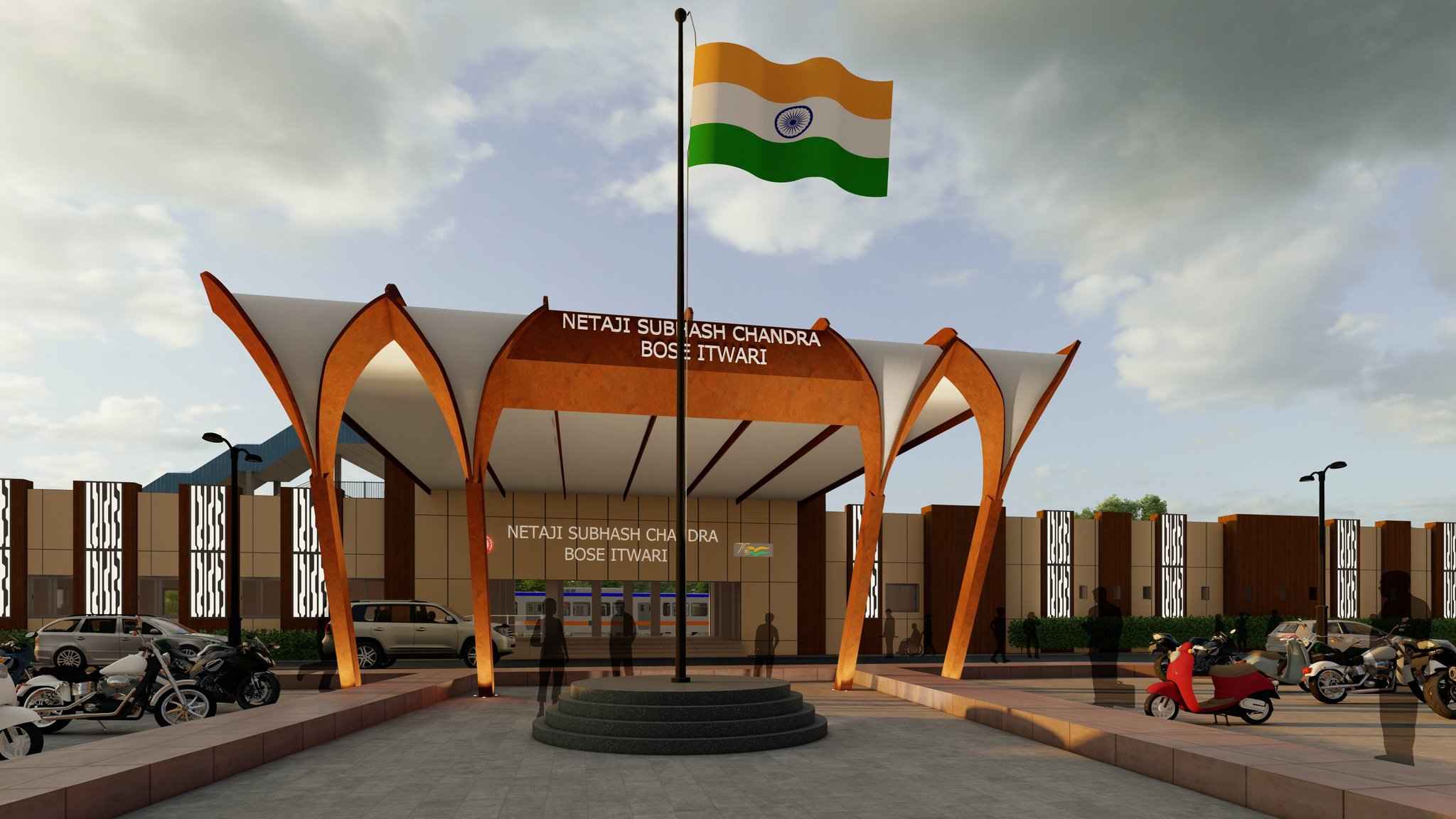
New Itwari railway station : Big things are happening in Nagpur! Tomorrow, Prime Minister Narendra Modi is set to virtually inaugurate the newly revamped Netaji Subhas Chandra Bose Itwari Junction — formerly Itwari railway station. This isn’t just a makeover — it’s a complete transformation. With state-of-the-art facilities and a splash of Nagpur’s vibrant culture, this station now stands tall as a modern marvel under the Amrit Bharat Station Scheme.

Let’s dive deep into what makes this railway station and the larger redevelopment initiative such a game-changer for the Indian Railways and the local community.


🚉 What’s the Buzz About the New Itwari Junction?

A Prime Makeover Worth ₹12.39 Crores

Imagine turning an old, congested, and chaotic station into a modern, cultural, and commuter-friendly space — that’s exactly what happened at Itwari. The station was redeveloped at a whopping cost of ₹12.39 crores, and every rupee seems to have been well spent.

From Congestion to Convenience

Previously, the station had its fair share of headaches — traffic congestion, limited parking, and confusing entry-exit points. But now? Smooth entry-exit gates, wide roads, dedicated two-wheeler parking, and an effective traffic control system welcome travelers with ease.


🇮🇳 Inauguration Day: What to Expect?

PM Modi’s Grand Virtual Inauguration

On May 22, PM Modi will inaugurate 103 revamped railway stations across India via video conference. Among them, five belong to the Nagpur division:

  • Netaji Subhas Chandra Bose Itwari Junction

  • Daswani

  • Dongargarh

  • Chanda Fort

  • Amgaon

It’s a national celebration — with Nagpur playing a starring role.


🎨 Blending Heritage with Modernity

A Tribute to Culture

The redesigned Itwari station isn’t just about tech upgrades — it’s a love letter to Nagpur’s rich culture. The waiting areas and concourse are adorned with:

  • Gond art murals

  • Thread paintings

  • Handloom industry exhibits

  • A glass mosaic of Netaji Subhas Chandra Bose

It’s not just a station; it’s an art gallery with tracks.

Nagpur’s Identity on Display

From the vibrant orange-themed decorations to artistic nods to tribal crafts, the station mirrors Nagpur’s legacy — making it a source of local pride.


🧑‍🦽 Accessibility and Comfort: A Station for Everyone

Facilities for All Passengers

The station has been thoughtfully upgraded to meet the needs of every traveler:

  • Modern ticket counters

  • Comfortable, spacious waiting rooms

  • Dedicated amenities for differently-abled passengers

  • Jan Aushadhi Kendra for affordable medicines

  • A unique rail coach restaurant for travelers to relax and dine

Toilets Inspired by Bhubaneswar Design

Clean, hygienic, and intelligently designed — the toilet complex is a quiet revolution in public utility spaces.


🚆 Why Itwari Matters in the Bigger Picture

A Key Link in India’s Railway Web

Itwari has always been a vital station in Nagpur, linking various towns and cities across central India. Its transformation underlines the government’s commitment to enhancing commuter experiences nationwide.

Part of the Amrit Bharat Station Scheme

This scheme aims to modernize 1,309 stations across the country — blending:

  • Local culture

  • Passenger amenities

  • Sustainability

  • Smart infrastructure

Itwari Junction’s upgrade is one of the early examples of this nationwide vision.


👷 The Team Behind the Magic

A Collaboration of Art and Engineering

This grand revamp was made possible thanks to the coordinated efforts of:

  • Architects

  • Engineers

  • Local artists

  • Railway officials

  • And of course, the dedicated workforce on the ground

As Divisional Railway Manager Dheeraj Kumar Gupta aptly put it: “This station proves development and heritage can beautifully coexist.”


📍 Spotlight on the Other Four SECR Stations

1. Daswani Station

  • Upgraded entry points

  • Enhanced lighting

  • Improved signage

2. Dongargarh Station

  • Emphasis on passenger safety

  • Cultural artwork installations

3. Chanda Fort Station

  • Modern ticketing systems

  • Comfortable seating arrangements

4. Amgaon Station

  • Lush landscaping

  • Smart water and waste management systems

These stations echo the same commitment to modernization and local pride seen at Itwari.


🌍 Sustainability Meets Infrastructure

Eco-Friendly Practices

The new Itwari station also emphasizes:

  • Energy-efficient lighting

  • Rainwater harvesting

  • Waste segregation zones

All this ensures that as we speed into the future, we stay mindful of the planet.


📸 What’s Unique About the New Look?

  • A glowing glass mural of Netaji Subhas Chandra Bose

  • Gond-style wall art in waiting areas

  • Handloom-themed flooring designs

  • Decorative displays of Nagpur oranges

  • Stylish and functional architectural lighting


🧠 Why This Redesign is a Big Deal

Let’s be honest — railway stations in India have long been seen as messy, outdated, and exhausting. But this makeover proves that:

Railway stations can be clean, modern, and even Instagram-worthy.

And more than that, they can reflect the soul of the cities they serve.


🏆 A Moment of Pride for Nagpur

This transformation isn’t just about concrete and paint. It’s about pride. It’s about giving Nagpur’s residents a station they can show off to the world. And more importantly, it’s about making travel a little more joyful and a lot more dignified for every passenger.


🛤️ The Road Ahead

As India steams ahead with station redevelopment across the country, Itwari Junction sets a gold standard. It’s a gentle reminder that in our race toward progress, we don’t have to leave our roots behind — we can carry them with us.

The rebirth of Itwari railway station into Netaji Subhas Chandra Bose Itwari Junction is not just a redevelopment project — it’s a celebration of culture, technology, and community spirit. With PM Modi inaugurating it alongside 102 other stations, this is a proud moment for Nagpur and a glimpse of what the future of Indian Railways looks like — smart, sustainable, and rooted in identity.

The message is loud and clear: Progress isn’t about erasing the past — it’s about building on it.

1. Why was Itwari railway station renamed?

Itwari station was renamed to honor Netaji Subhas Chandra Bose, one of India’s most revered freedom fighters, aligning with a broader effort to celebrate national icons.

2. What is the Amrit Bharat Station Scheme?

It’s a central government initiative to redevelop over 1,300 railway stations across India, focusing on modern amenities, cultural integration, and sustainability.

3. What makes the new Itwari station unique?

It beautifully combines modern facilities with traditional art like Gond paintings, orange-themed decor, and a mural of Netaji Bose, reflecting Nagpur’s heritage.

4. Are there special facilities for the differently-abled at the new station?

Yes, the station includes dedicated infrastructure like ramps, special toilets, and accessible ticket counters for differently-abled passengers.

5. Will the inauguration impact train schedules?

No major disruptions are expected. The inauguration is virtual, and regular operations will continue as planned.

Kasturchand Park Restoration Nagpur Nears Completion

Kasturchand Park Restoration Nagpur | Nagpur’s iconic Kasturchand Park (KP) is not just a piece of land; it’s a living chapter of the city’s history. Once buzzing with grand events, community gatherings, and cultural exhibitions, KP slowly slipped into a state of neglect. But now, with the restoration work almost complete, it’s all set to make a glorious comeback — and this time, better than ever.

Let’s take a stroll through what’s happening, what’s new, and what this means for Nagpur.


🌟 The Heritage Gem of Nagpur: A Brief Look Back

Before we dive into the exciting updates, it’s worth remembering why KP matters.

Kasturchand Park has long stood as a Grade-1 heritage site, a prestigious recognition given only to the most historically significant structures. With its beautiful stone bandstand, lush grounds, and cultural roots, the park has been a silent witness to countless events in Nagpur’s history — from political rallies and religious festivals to family picnics and evening walks.


🚧 The Decline: How Time Took Its Toll

Let’s be real — years of neglect took a heavy toll on KP.

  • Water seepage damaged the inner structure

  • Blackened stone columns lost their aesthetic charm

  • Flooring cracked and nets on the upper floor broke down

  • Parapets deteriorated, making the space unsafe

Worse yet, anti-social activities crept into the area due to poor maintenance. The charm was gone, and people stopped visiting. KP was becoming a shadow of its glorious past.


🛠️ A New Beginning: Restoration Underway

The game-changer came when the Heritage Conservation Committee (HCC) greenlit an ambitious revival project. The Public Works Department (PWD) stepped in to bring KP back to life.

🔹 Restoration Highlights

  • Original stonework carefully restored using crushed stone material

  • Damaged nets replaced

  • Blackened columns cleaned and polished

  • Upper floor reinforced

  • Skilled Rajasthani artisans brought in for intricate stone craftsmanship

Currently, over 90% of the restoration is complete, and the final touches — mainly flooring — are underway.


💰 Investment That Reflects Commitment

Let’s talk numbers.

The combined restoration and beautification projects cost over ₹5 crore, and the results are already visible. This wasn’t just a cosmetic upgrade; it was a deep, meaningful investment in Nagpur’s cultural and architectural legacy.


🏛️ Stone Bandstand: Heart of the Revival

The historic stone bandstand, often considered the crown jewel of KP, is being restored with meticulous care. Every stone, every parapet, and every groove has been worked on to ensure authenticity.

Why does this matter? Because the bandstand is not just a structure—it’s a symbol of Nagpur’s community spirit. It’s where voices echoed, music played, and stories were told.


🎭 Aesthetic Enhancements: More Than Just Bricks

This restoration isn’t just about fixing old structures — it’s about reimagining KP’s potential.

Ongoing Beautification Initiatives Include:

  • A 200-foot high national flagpole to symbolize unity

  • A newly built amphitheatre for cultural performances

  • Landscaped lawns with proper irrigation

  • LED lighting to highlight heritage features at night


🚧 Barricades for Protection

Preserving KP doesn’t end with restoration. To ensure the structures aren’t damaged again, PWD plans to install barricades. This will help prevent unauthorized access, vandalism, or casual damage.

It’s a smart move. After all, what’s the point of pouring resources into revival if it can’t be maintained?


💡 Future-Proofing KP: Modern Vision Meets History

What’s truly exciting is that the vision for KP goes beyond just restoration.

PWD officials are pushing to transform Kasturchand Park into a full-fledged urban oasis.

Here’s What’s on the Table:

  • Heritage + Recreation Hub: A rare blend of history and leisure

  • Sporting arena to engage local youth and promote fitness

  • Dedicated parking space to handle crowds

  • Tourism push with guided heritage walks and night shows

The dream is to make KP a place that not only celebrates the past but also engages the future.


🌿 Landscaping: Breathing Life Into KP

A major element of the transformation is landscaping. Beautiful green lawns, shaded walkways, flowering trees — these additions will make KP visually inviting.

To support this, PWD is collaborating with Nagpur Municipal Corporation (NMC) to ensure a consistent water supply. A green KP is a healthy KP.


🧑‍🎨 The Artists Behind the Magic

Let’s not forget the people who are making this possible — especially the Rajasthani artisans, known for their skill in heritage stonework.

These artists brought in age-old techniques, ensuring every detail matches the park’s original design. It’s a masterclass in traditional craftsmanship.


🎯 Why KP’s Revival Matters to You

Still wondering why you should care?

Here’s why:

  • It’s your city’s legacy — Every brick tells a story.

  • It boosts tourism — More visitors mean more opportunities.

  • It’s a community space — Perfect for relaxation, events, or a walk in the park.

  • It promotes culture — With events, performances, and exhibitions.


🧱 Not Just a Restoration, It’s a Resurrection

In a world where heritage often loses out to modernization, KP’s revival is a symbol of balance — a reminder that history and progress can walk hand in hand.

By mid-June, when the final phase wraps up, Nagpur will not just have its park back — it’ll have a vibrant symbol of resilience and renewal.


KP Is Ready for Its Comeback

Kasturchand Park is more than just a patch of land — it’s a canvas of culture, history, and modern vision. With restoration almost complete, it’s all set to become the beating heart of Nagpur once again.

So, whether you’re a long-time local or a first-time visitor, KP invites you to experience its old soul in a new body.

1. When will the KP restoration be fully completed?

The project is expected to be completed by mid-June, with only the flooring work pending.

2. What’s the total cost of the restoration project?

Over ₹5 crore has been spent on both restoration and beautification projects.

3. What new features are being added to KP?

New features include a 200-foot flagpole, an amphitheatre, landscaped areas, and better lighting.

4. Will the public have access to the heritage structures?

Yes, but barricades may be added to prevent vandalism and protect the monument’s integrity.

5. Can KP become a tourist destination again?

Absolutely! With proper promotion and amenities, KP has the potential to be a major tourist hub in Nagpur.

Nagpur’s Koradi Naka to Get Y-Shaped Flyover to Ease Traffic and Improve Safety

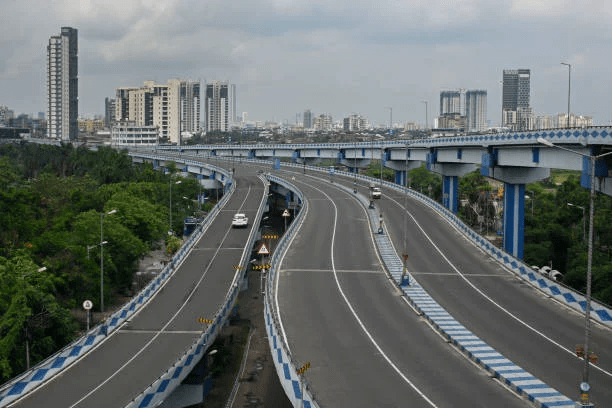
Koradi Naka Flyover Project: Nagpur is on the move—literally! If you’ve ever found yourself stuck in the relentless traffic at Koradi Naka, you know the chaos all too well. But here’s some great news: the city is gearing up for a major transformation with a Y-shaped flyover coming to National Highway 47. With demolition already underway and construction set to kick off on June 20, 2025, this ambitious infrastructure project promises smoother drives, fewer accidents, and less honking frustration.

Let’s break it down for you—what it is, why it matters, and how it’s going to change your daily commute.


🚧 Why Koradi Naka Needed an Upgrade

A Black Spot That Needed Immediate Attention

Ever heard of a “black spot”? It’s not just traffic jargon—it refers to accident-prone zones that desperately need a fix. Koradi Naka earned this title due to chronic congestion and frequent accidents. Thousands of vehicles squeeze through this bottleneck daily, making it a nightmare for both drivers and pedestrians.

Outdated Infrastructure Couldn’t Handle Modern Traffic

Koradi Naka’s old design simply wasn’t cut out for today’s traffic. With growing suburbs like Farsa, Mahadula, and Bokhara, the pressure on the road network has increased tenfold. The new flyover is designed to unclog this traffic artery and give the city some much-needed breathing space.


🛣️ Project Overview: What’s Coming? | Koradi Naka Flyover Project

A Y-Shaped Marvel in the Making

The flyover is no ordinary overpass—it’s a Y-shaped engineering solution tailored to link three major corridors:

  • Farsa

  • Mahadula Railway Overbridge (ROB)

  • Bokhara Road

With a length of 1,090 meters, this flyover will allow vehicles to glide over the busiest intersections and reconnect with ease.

₹43.37 Crore Investment with a Deadline

This massive project comes with a budget of ₹43.37 crore and a clear timeline. The deadline for completion is January 2026, meaning in just over a year, residents could be experiencing smoother rides and safer streets.


👷 Construction Phases: What to Expect?

Phase 1: Demolition and Preparation

Already underway, this phase includes the removal of obstructive structures and utility shifting. Locals may notice increased machinery and temporary detours.

Phase 2: Foundation Work and Pillar Construction

Set to begin on June 20, 2025, this stage involves groundwork, setting up concrete pillars, and stabilizing the foundation for the flyover.

Phase 3: Decking and Roadway Connection

The deck will be laid to connect the three points of the Y-shape. Expect some traffic diversions here but also visible progress that excites.


🧩 How the Y-Shape Will Function

Think of the Y-shaped flyover as a three-way bridge in the sky. One leg starts at Farsa, another at Bokhara Road, and the base connects to the Mahadula ROB. This tri-branch connection eliminates traffic stops and allows continuous flow—just like water running down a slope.


🚦 Supporting Infrastructure: Underpass and More

Underpass for Smooth Local Transit

An underpass is part of the plan too. While the flyover handles through-traffic, the underpass will serve local vehicles, pedestrians, and two-wheelers, keeping everyone moving efficiently.

Conversion of Existing Structure into Service Roads

The current road won’t go to waste—it’s being converted into a service road for local commutes. This means no one is left out of the infrastructure upgrade.


🚶 Pedestrian Safety Gets a Boost Too

4 New Foot Overbridges (FOBs)

To protect pedestrians in this high-traffic zone, the NHAI has greenlit four foot overbridges:

  1. Modern School Square

  2. Panjra Bus Stop

  3. Shivaji Maharaj Square

  4. Koradi Bus Stop

These overpasses will prevent jaywalking and reduce accidents, especially during peak hours.


🌆 Urban Impact: What This Means for Nagpur

Reduced Travel Time

Once completed, travel between north Nagpur suburbs and the city center will be drastically faster. Expect to cut travel time by up to 40% during rush hour.

Better Emergency Access

Ambulances and fire trucks will benefit immensely from the improved flow. Time-sensitive emergencies can now be handled without being stuck in gridlock.

Real Estate Boom Incoming

Areas around the flyover, like Koradi, Farsa, and Mahadula, may see a spike in real estate value, as smoother connectivity boosts demand.


📊 Project Benefits in a Nutshell

  • ✅ Smoother Traffic Flow

  • ✅ Reduced Accidents

  • ✅ Enhanced Pedestrian Safety

  • ✅ Improved Emergency Response

  • ✅ Boost to Local Economy

  • ✅ Modern Urban Aesthetics


🏗️ Challenges and Mitigations

Managing Traffic During Construction

While the work is ongoing, temporary diversions and traffic snarls are expected. However, the NHAI has prepared smart diversion plans to minimize disruptions.

Environmental Concerns

The project includes environmental safeguards, such as dust suppression measures, tree transplantation, and eco-friendly construction practices.


📅 Timeline Snapshot

Phase Start Date End Date Key Activities
Demolition April 2025 June 2025 Removal of structures
Construction June 2025 Dec 2025 Pillars, underpass, decking
Finishing Touches Jan 2026 Jan 2026 Painting, lighting, testing

💬 What Locals Are Saying

“About time we had this! Getting stuck near Koradi Bus Stop is my everyday nightmare. Can’t wait for smoother roads.” — Nikhil, daily commuter

“Safety is a big concern, especially for school kids crossing at Shivaji Square. These foot overbridges will make a huge difference.” — Rekha, parent


📍 Quick Facts: At a Glance

  • Flyover Length: 1,090 meters

  • Budget: ₹43.37 Crore

  • Start Date: June 20, 2025

  • Completion Target: January 2026

  • Shape: Y-configuration

  • Key Connections: Farsa, Bokhara Rd, Mahadula ROB

  • Extra Features: Underpass + 4 Foot Overbridges


📢 Final Thoughts: A New Chapter for Nagpur

Nagpur is not just adding concrete—it’s building progress, connectivity, and safety. The Y-shaped flyover at Koradi Naka is more than an infrastructure project; it’s a lifeline to better urban living. By early 2026, the daily chaos that once defined Koradi Naka will likely become a thing of the past.

So, next time you’re caught in traffic, just remember: change is coming, and it’s rising sky-high.

1. Why is a Y-shaped flyover being built at Koradi Naka?

Because the area faces extreme congestion and accidents, a Y-shaped flyover offers the best traffic flow solution across three major routes.

2. When will the construction of the Koradi flyover be completed?

The construction is expected to be completed by January 2026.

3. Will pedestrians have safer options during and after construction?

Yes, four foot overbridges are being added along Koradi Road to ensure pedestrian safety.

4. Will local commuters still be able to use the area?

Absolutely! The old road is being converted into a service road, and an underpass is planned for local transit.

5. How will the flyover affect property prices in nearby areas?

Improved connectivity often leads to a real estate boom, and areas like Mahadula and Bokhara may benefit significantly.

Pachpaoli Flyover Demolition Halted: NHAI Awaits Railway Nod

Pachpaoli Flyover Demolition Update: The bustling city of Nagpur has found itself at a crossroads — quite literally — as the long-standing Pachpaoli flyover demolition project hits an unexpected roadblock. The National Highway Authority of India (NHAI), tasked with modernizing this critical stretch under the ₹998 crore Indora to Dighori project, is now stuck in a bureaucratic jam.

But what’s really going on here? Why is this major infrastructure overhaul suddenly crawling? Let’s take a closer look at this story that has the whole city talking.


🚧 Pachpaoli Flyover Demolition Update

Imagine trying to renovate your house, but you can’t take down a single wall because your neighbor hasn’t signed off yet. That’s exactly what’s happening with the Pachpaoli flyover.

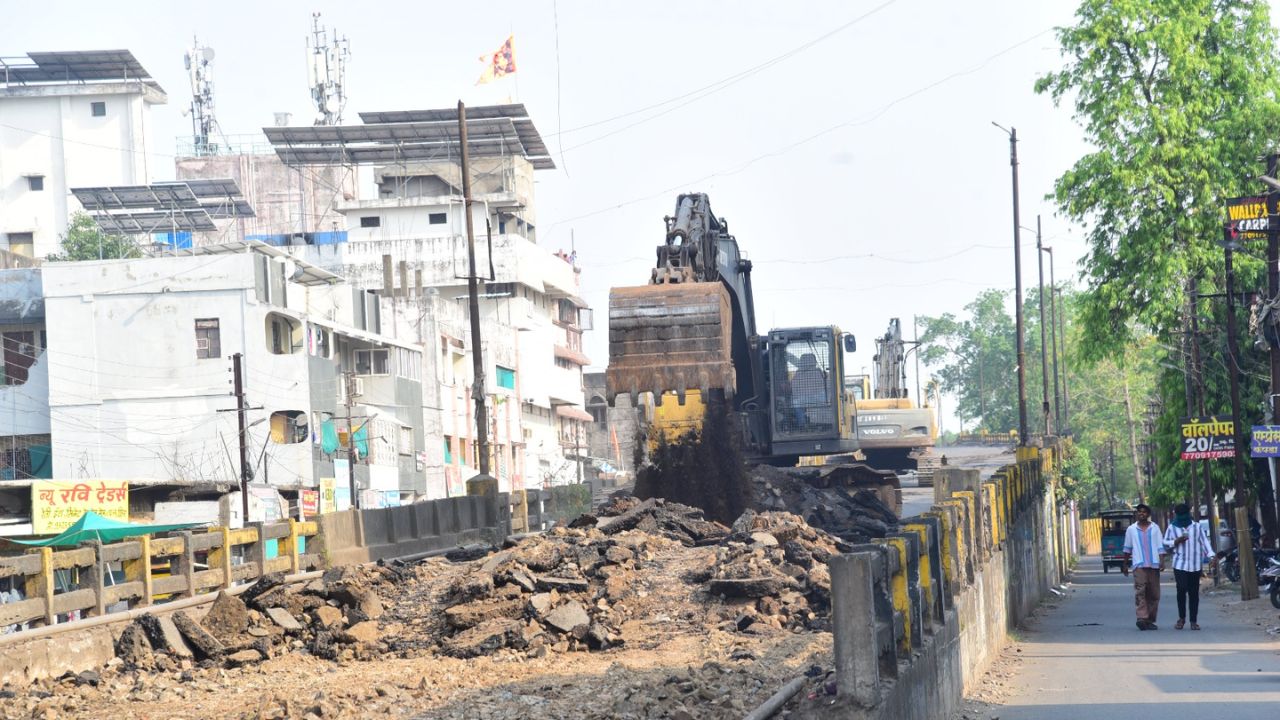
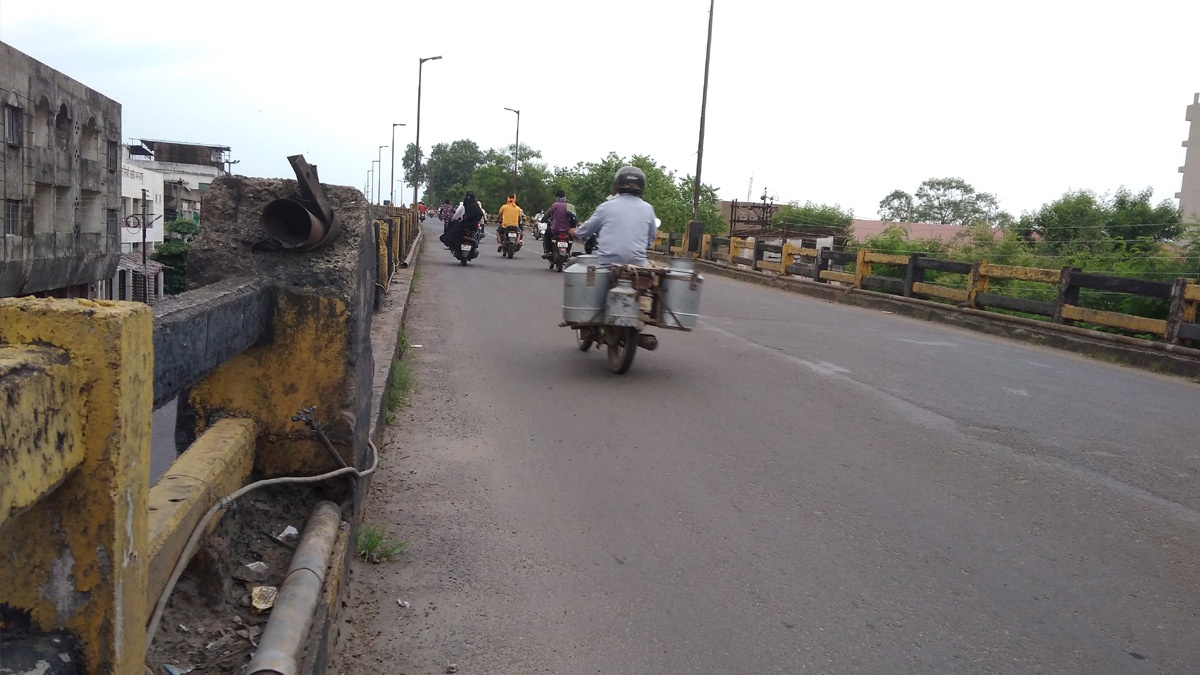
The NHAI began demolition work on this decades-old, 1.5-kilometer-long flyover last month. The goal? To make way for a sleeker, more efficient, and longer flyover to ease the notorious congestion between Kamal Square and Reshimbagh Square.

Unfortunately, when it comes to the portion of the flyover that crosses two railway lines, the NHAI needs a green light from Indian Railways. And that green light is stuck at red.


🛤 Why the Railways Matter Here

Here’s the deal — the flyover stretches above active railway tracks. Naturally, you can’t just bring down concrete slabs where trains are still zipping through. NHAI had to hit pause, pending official permission from the railway authorities.

“We’ve already submitted a detailed demolition plan,” said a senior NHAI official. “Until the railways approve it, we can’t proceed further.”


📍What’s the Bigger Plan Anyway?

The Indora to Dighori project isn’t just about demolishing one flyover. It’s a multi-faceted urban transport upgrade involving:

Flyover 1: Kamal Square to Reshimbagh Square (1.5 km)

  • Passes through:

    • Golibar Square

    • Lal Imli Square

    • Agrasen Square

    • Gandhi Gate

    • Ashok Square

Flyover 2: Bhande Plot Square to Dighori Square (2.2 km)

  • A completely new overpass for smoother commutes from east to southeast Nagpur.


🔨 Demolition Status Update

Here’s where things currently stand:

  • ✅ Flyover demolished up to the railway lines.

  • ❌ Awaiting permission for railway-overlapping stretch.

  • ✅ Piling and pier work started where demolition is complete.

  • ✅ Debris clearing in progress.

  • ⛔ Flyover not demolished from Golibar Chowk yet — it’s being used by heavy vehicles and machinery.


🕰 Timelines and Delays: What’s at Stake? | Pachpaoli Flyover Demolition Update

Initially, NHAI had targeted one month for full demolition. That’s now been pushed by another one to two months thanks to the delay in railway clearance.

Despite the hiccups, the NHAI is aiming to complete the Kamal Chowk to Reshimbagh flyover by December 2025 — even though the official deadline is June 2026. Optimistic? Maybe. But the intent is clear: deliver faster, smarter, and better.


🏗 What’s Happening Behind the Scenes?

While demolition is stalled at one end, NHAI isn’t sitting idle. They’ve started laying the groundwork for the new structure:

  • Piers for the new flyover are being installed.

  • Planning for two new Road Under Bridges (RUBs) at level crossings in the Pachpaoli area is underway.

  • The RUB construction will begin only after the flyover is completed.


🧱 Debris: A Growing Urban Nuisance

Let’s not forget the elephant on the roadside — tons of concrete rubble that are piling up along the streets. NHAI says they’re handling disposal “systematically,” but the sight is causing concern among residents.

Is it safe? Is it blocking roads? Is anyone really watching?


👥 What Do Citizens Think?

Ask anyone in the area and you’ll hear the same thing: “We just want it done!”

Locals are hopeful that once the flyover is complete, travel time from North Nagpur to South Nagpur will be drastically cut down. But right now, many are skeptical about deadlines being met — especially with recurring administrative bottlenecks.


🚦Traffic Woes in the Meantime | Pachpaoli Flyover Demolition Update

With parts of the flyover blocked and others under active demolition, traffic is being rerouted frequently. This has led to:

  • Increased congestion in surrounding squares

  • Delays in public transport

  • Frustration among daily commuters


🏢 How NHAI Is Managing the Situation

In a city where even a small traffic jam can stretch into a one-hour delay, managing such a major overhaul is no easy feat. Here’s what the NHAI is doing to keep things moving:

  • Submitted plans to railways for safety-approved demolition.

  • Using partial flyover access for demolition machinery.

  • Starting new construction wherever feasible.

  • Coordinating with city authorities for traffic management and debris removal.


🔍 Can NHAI Meet the December Target?

That’s the million-rupee question. Technically, they’ve got time until June 2026. But with pressure from commuters, businesses, and political stakeholders mounting, they’ve committed to an early finish by December 2025.

Will the railways play ball? That remains to be seen.


🚉 What’s the Railway’s Role Now?

Let’s give credit where it’s due — railway safety is non-negotiable. But the bureaucracy around issuing approvals can be painstakingly slow. The NHAI has done its part: submitted the plan, ticked the boxes. Now, all eyes are on Indian Railways.


🌇 A Vision for a Connected Nagpur

Despite the roadblocks, the long-term vision is exciting. When complete, the new infrastructure will:

  • Drastically reduce commute time

  • Improve traffic flow across major squares

  • Enhance connectivity between North and South Nagpur

  • Prepare the city for future metro and rapid transit integrations

Sure, the Pachpaoli flyover demolition has hit a snag, but this isn’t the end of the road. Once railway permissions come through, NHAI is poised to pick up the pace. Until then, citizens will need to navigate a little patience along with their daily routes.

The flyover may be down, but hope is still up.

1. Why is the Pachpaoli flyover demolition halted?
The demolition has paused as NHAI awaits permission from Indian Railways to demolish the section over two active railway lines.

2. When will the new flyover be completed?
Although the official deadline is June 2026, NHAI is targeting completion by December 2025.

3. What are the two new flyovers being constructed?
One from Kamal Square to Reshimbagh Square (1.5 km) and another from Bhande Plot Square to Dighori Square (2.2 km).

4. Will the project include other upgrades?
Yes, two Road Under Bridges (RUBs) will be constructed in the Pachpaoli area after the flyovers are completed.

5. How is debris from the demolition being handled?
NHAI is disposing of debris systematically, though roadside piles remain a concern among locals.

Nagpur Rural SP Office Stands 2nd in State: A Model of Modern Governance

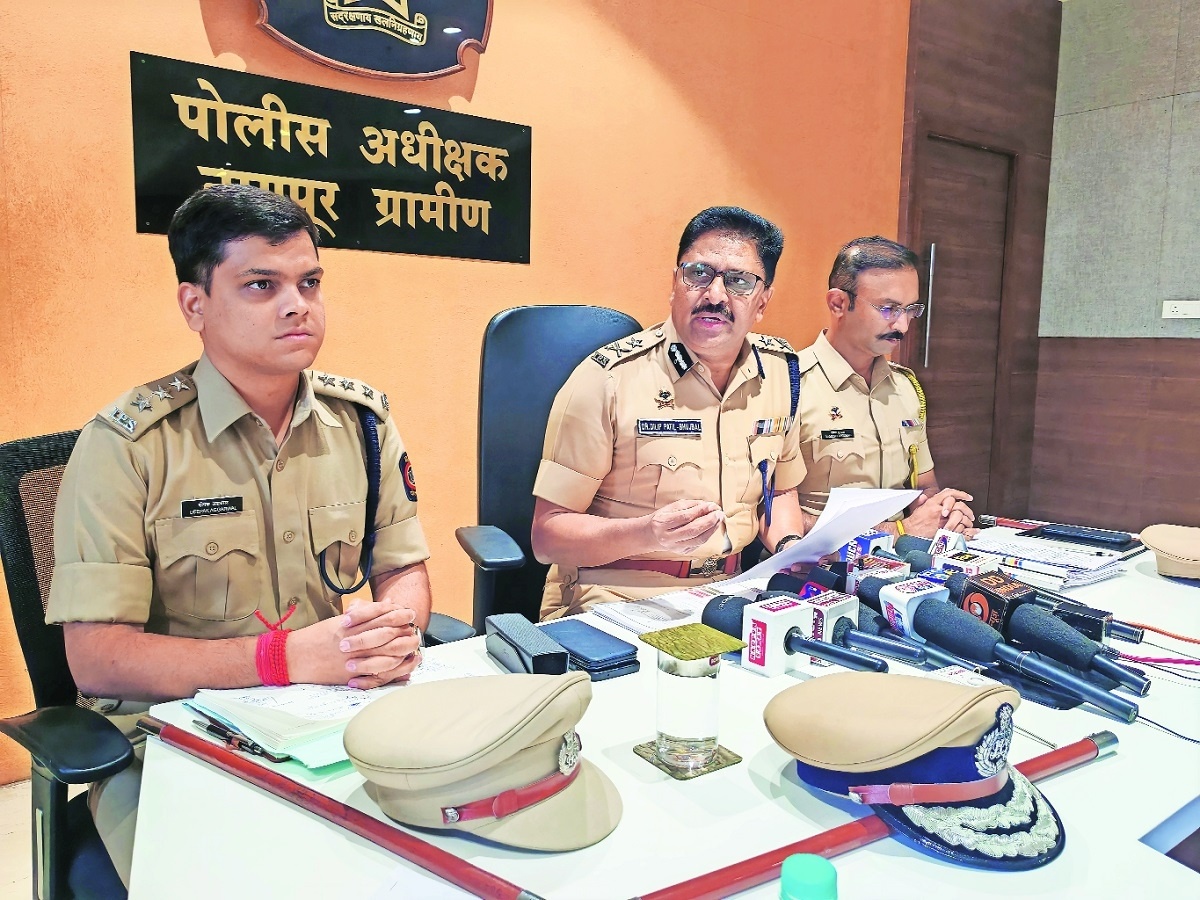
Have you ever heard of a police office becoming a benchmark for governance, technology, and transparency? Well, Nagpur Rural SP Office just did that — and with style! Scoring a stunning 80 out of 100 in the Maharashtra State Government’s ‘100-Day Action Plan for Regional Offices’, this rural policing office has emerged as a statewide role model. It’s not just about catching criminals anymore — it’s about transforming how policing is done, inside and out.

Let’s take a deep dive into how this once low-profile department became a champion of efficiency, transparency, and digital transformation.


🎯 The 100-Day Action Plan: A Quick Recap

The Maharashtra government, under the leadership of Chief Minister Devendra Fadnavis, kicked off a 100-Day Action Plan that ran from January 7 to April 16. This was no ordinary drill — it was a high-stakes mission to push regional offices to the next level in:

  • Digital governance

  • Administrative cleanliness

  • Public service efficiency

  • Citizen-focused operations

The evaluation was carried out by the Indian Quality Council, a neutral and respected non-profit. Among the numerous police departments, only five SP offices made it to the top — and Nagpur Rural stood proudly at #2!


📊 Key Performance Metrics That Stood Out

✅ 1. Completion of 100% Action Items

That’s right — 100% of the campaign objectives were achieved. This included targets across 8 major domains:

  • Digital Infrastructure

  • Cleanliness & Maintenance

  • Grievance Redressal

  • Internal Workflow Optimization

  • Officer Training

  • Use of Artificial Intelligence

  • Coordination with Central Government

  • Community & Industrial Engagement


🌐 A Digital Leap: Transparent and Real-Time Website

What’s the first thing that makes a system transparent? A well-built digital platform.

Nagpur Rural SP Office developed a public-facing website that updates citizens in real-time about:

  • Transfers

  • Promotions

  • Welfare schemes

  • Public services

This wasn’t just a flashy upgrade. The site was audited by the Ministry of Electronics and Information Technology, which praised its ease of use and transparent structure.


🧹 Cleaning Up the System – Literally

This office didn’t just clean up its act metaphorically — they physically decluttered and deep-cleaned the place:

  • 750+ obsolete items removed

  • 613 outdated records shredded

  • Unused vehicles de-registered

And yes, they even upgraded office amenities:

  • Drinking water stations

  • Waiting rooms for citizens

  • Signage for easy navigation


💬 Grievance Redressal? Streamlined and Swift

We all know how frustrating it is when complaints vanish into a black hole, right? Not here.

  • 346 complaints were received via the e-office system

  • All were resolved

  • The internal decision-making flow was shortened to just 4 levels for lightning-fast response.

This drastically improved citizen trust and operational clarity.


🧠 Tech-Savvy Policing: AI to the Rescue

Here’s where it gets really exciting — the use of Artificial Intelligence.

The department introduced AI-powered systems for:

  • Crime pattern detection

  • Investigation assistance

  • Document analysis

And how did they do that? With:

  • Chatbots for FAQs and case tracking

  • Geo-mapping for crime hotspots

  • Video analytics from CCTV networks

  • Automated data extraction from large reports

In short, they turned into a tech-first law enforcement agency.


🎓 Empowering Officers with Knowledge

Training wasn’t optional — it was mission-critical.

  • 167 officers and 2,066 staff members received in-depth training on new criminal laws

  • All confidential reports and service records were updated for accuracy

This made the force more responsive, skilled, and legally equipped.


🏗️ Strong Ties with Industry and Community

Nagpur Rural Police understood something key — law enforcement is a team game. They engaged with industrial sectors and the general public in powerful ways:

  • 115 meetings with industrialists

  • Law and order issues at key locations like NTPC Mauda and Morarji Company were resolved

  • Their actions directly reduced crime risks at major economic hubs


💎 Transparent Recovery of Stolen Property

Now, this is huge — the SP office recovered and returned 1,412 stolen items in 2025.

Compare that to the previous year, and you’ll find the recovery rate has more than doubled! That’s not just effective policing — that’s accountable governance.


👥 Team Effort Behind the Success

The press conference, which announced this incredible achievement, had some key officers in attendance:

  • Addl SP Ramesh Dhumal

  • SDPO (Butibori) Deepak Agrawal

  • SDPO (Kanhan) Santosh Gaikwad

Their combined leadership and team-first approach have made this transformation possible.


🔎 Why This Achievement Matters

This isn’t just a feather in the cap for Nagpur Rural — it’s a blueprint for other districts across India. They’ve proven that:

  • Digital governance can work, even in rural areas.

  • Transparency builds citizen trust.

  • AI can empower local law enforcement.

  • Internal systems, when optimized, make a big external impact.


📈 What Other Districts Can Learn from Nagpur Rural

1. Audit Your Internal Systems

Start with identifying bottlenecks in workflows. Streamline those first.

2. Invest in Officer Training

Modern challenges require modern skills.

3. Build Transparent Citizen Interfaces

Public websites, chatbot assistants, and e-complaint portals go a long way.

4. Embrace AI Early

The sooner departments adopt smart tools, the faster they’ll deliver results.


📝 Wrapping It Up: A New Era of Rural Policing

So, what’s the takeaway here?

The Nagpur Rural SP Office has set a gold standard in efficient, technology-enabled, and citizen-focused policing. From website transparency to AI tools and from officer training to community engagement, they’ve covered every base. Their efforts not only won them the #2 rank in Maharashtra, but also earned them people’s respect.

Here’s hoping that more departments across India follow their lead — because when governance improves, every citizen wins.

1. What is the ‘100-Day Action Plan’ in Maharashtra?

It’s a government initiative aimed at improving administrative performance, transparency, and digital governance in regional offices.

2. How did the Nagpur Rural SP Office score so high?

They completed all objectives, revamped internal systems, embraced AI, trained their officers, and introduced transparent public-facing platforms.

3. What kind of AI tools were used in the SP Office?

Tools like chatbots, geo-mapping, video analytics, and automated data extraction helped improve investigation and decision-making.

4. Was the public involved in this transformation?

Yes, citizen complaints were actively resolved, and public-facing services like websites and waiting areas were significantly improved.

5. Will this model be adopted in other regions?

The success of Nagpur Rural SP Office makes it a strong candidate to be replicated in other districts aiming for modern, efficient policing.

Minor Fire Disrupts Services at Rahate Colony Metro Station

Rahate Colony Metro Station: On a regular Friday morning in Nagpur, commuters faced an unexpected disruption at the Rahate Colony Metro Station. A minor fire incident brought services to a halt, highlighting potential vulnerabilities in infrastructure amidst rising temperatures. Let’s dive into the details of what happened, how it was managed, and what steps are being taken to prevent such occurrences in the future.

The Incident: What Happened?

Fire Breaks Out on the Rooftop

Around 11:13 AM, a rooftop solar panel at the Rahate Colony Metro Station caught fire. Initial reports suggest that intense heat combined with a wiring fault in the tin shed caused a short circuit, sparking the blaze.

Immediate Impact on Services

As a precaution, Metro services were suspended for approximately 50 minutes. Commuters were temporarily stranded, with operations resuming at 12:20 PM after thorough safety checks.

The Response Team in Action

Quick Notification and Deployment

Metro Bhawan Officer Akhilesh Kumar swiftly alerted the municipal corporation’s control room. Responding promptly, the Narendra Nagar Fire Station dispatched a team led by officer Ravindra Marskolhe, supported by personnel Ashutosh Adamne, Deepak Uke, Uday Khare, and Rahul Chauhan.

Efficient Containment

The fire was confined to the rooftop’s cable system and did not spread further. The team’s quick action ensured minimal damage and no reported injuries. By noon, the situation was fully under control.

Assessing the Damage

Extent of Loss

While no injuries were reported, the wiring system suffered significant damage. Officials are currently assessing the financial impact of the incident.

Safety First: Commuter Assurance

MahaMetro assured the public that all safety protocols were followed meticulously, ensuring no risk to commuters. The priority was and remains the safety and convenience of the passengers.

Why Did This Happen?

Heat and Infrastructure

Nagpur’s soaring temperatures are suspected to have played a role in the short circuit. Coupled with wiring faults, it created a perfect storm for the fire to ignite.

A Lesson in Maintenance

This incident underlines the need for regular maintenance checks, especially for temperature-sensitive components like solar panels and wiring systems.

Metro Operations Resume

By 12:20 PM, after exhaustive safety inspections, Metro services were back on track. Commuters were relieved as the disruption was resolved swiftly and efficiently.

Preventing Future Incidents

Comprehensive Inquiry

MahaMetro has initiated a full inquiry to identify the exact cause and take corrective measures. This will also involve examining existing infrastructure resilience to high temperatures.

Proactive Measures

Steps like enhancing wiring insulation, frequent safety audits, and employee training are being considered to mitigate future risks.

A Rare Occurrence

Interestingly, this is the first such incident at a Nagpur Metro station since its inception. While it’s a rare event, it serves as a wake-up call for robust infrastructure management.

Key Takeaways for Commuters

  1. Stay Calm During Emergencies: Trust in the authorities’ protocols to handle situations effectively.
  2. Be Aware of Safety Measures: Familiarize yourself with emergency exits and safety guidelines.
  3. Report Anomalies: If you notice unusual activity or potential hazards, notify Metro officials immediately.

The minor fire at Rahate Colony Metro Station was a reminder of the importance of robust safety protocols and proactive maintenance. Thanks to the prompt response by the fire department and Metro officials, the situation was resolved without injuries or major disruption. As Nagpur Metro continues to serve thousands daily, ongoing vigilance and improved safety measures will ensure smoother operations in the future.

1. What caused the fire at Rahate Colony Metro Station?

The fire was caused by a short circuit in the rooftop solar panel wiring, exacerbated by intense heat and a wiring fault.

2. Were there any injuries reported?

No injuries were reported, and the fire was quickly contained by the response team.

3. How long were Metro services disrupted?

Services were halted for approximately 50 minutes and resumed at 12:20 PM after safety inspections.

4. What steps are being taken to prevent such incidents in the future?

MahaMetro has initiated a full inquiry and is considering enhanced wiring insulation, frequent audits, and improved training for staff.

5. Is the Nagpur Metro safe for commuters?

Yes, the Nagpur Metro is safe. This incident was an isolated one, and all safety protocols were followed to protect commuters.

Sky Debris: Huge Metal Object Falls on House Terrace in Nagpur District

Sky Debris Nagpur Incident: Imagine waking up to a loud crash, only to find a mysterious metal object on your terrace. This isn’t a scene from a sci-fi movie; it’s real life for a resident in Umred Taluka, Nagpur district. The incident, which occurred in the early hours of April 20, has sparked debates about whether the object is part of space debris.

In this article, we dive into the details of this bizarre occurrence, its possible origins, and what it means for science and safety.


What Exactly Happened?

The Event in Brief

  • Date and Time: April 20, 2025, around 4:00 AM
  • Location: Kose Layout, Umred Taluka, Nagpur District
  • Incident: A large metal object fell on the terrace of a house, damaging the parapet.

Local police and forensic teams are now investigating the origins and nature of this object.

Eyewitness Account

The house’s resident reported hearing a loud thud and discovered the mysterious object shortly after. “It was a terrifying moment. We had no idea what it could be,” they shared.


Could It Be Space Debris?

What Is Space Debris?

Space debris refers to defunct satellites, rocket parts, and other fragments that orbit Earth. Sometimes, these objects re-enter the atmosphere and fall to the surface.

Expert Opinion

Astronomy enthusiast Suresh Chopne from the Sky Watch Group suggests the object could be part of a rocket booster. “Given its composition and appearance, it’s likely a remnant from a satellite launch,” he explained.


Scientific Analysis Underway | Sky Debris Nagpur Incident

Role of Forensic Teams

Nagpur Rural Police have enlisted forensic experts to examine the object. Preliminary findings indicate it’s made of steel, commonly used in aerospace manufacturing.

Collaboration with Space Agencies

Authorities are seeking input from ISRO and other international organizations to confirm the object’s origins.


Potential Risks of Falling Space Debris | Sky Debris Nagpur Incident

Impact on Human Life and Property

While incidents like this are rare, they pose significant risks. Falling debris can cause:

  1. Physical injuries
  2. Structural damage
  3. Environmental hazards

Existing Safety Measures

Space agencies worldwide track large objects to predict re-entry points. However, smaller fragments often go undetected.


Global Incidents of Falling Space Debris

Notable Cases

  1. China (2021): A Long March rocket’s debris fell into the Indian Ocean.
  2. USA (1979): Skylab’s remnants scattered across Western Australia.
  3. Ivory Coast (2020): Rocket parts damaged buildings.

Legal Implications | Sky Debris Nagpur Incident

International Space Laws

The Outer Space Treaty holds nations accountable for damages caused by their space objects.

Local Responsibilities

In India, such incidents prompt coordination between local authorities and space agencies for resolution.


How Are Residents Reacting?

Residents are understandably anxious. “Is our safety at risk?” one local asked. Despite assurances from authorities, the mystery surrounding the object fuels speculation and concern.


This incident in Nagpur highlights the growing challenges posed by space debris. As humanity’s activities in space expand, so does the responsibility to ensure safety and accountability. While the origins of this object remain uncertain, one thing is clear—we need better systems to prevent such occurrences.


1. What is space debris?

Space debris consists of non-functional satellites, rocket parts, and fragments that orbit Earth or re-enter its atmosphere.

2. How often do incidents like this occur?

Such events are rare but becoming more frequent due to increasing space activity.

3. Can space debris be tracked?

Yes, major pieces are tracked, but smaller fragments often evade detection.

4. Who is responsible for damages caused by space debris?

Under international law, the launching nation is liable for damages.

5. What steps can individuals take to stay safe?

While rare, staying informed about re-entry warnings can help mitigate risks.

NHAI Gets NOCs to Begin Pachpaoli Flyover Demolition

Pachpaoli Flyover Demolition NHAI: The National Highway Authority of India (NHAI) has taken a monumental step forward with the long-anticipated demolition of the Pachpaoli flyover in Nagpur. Armed with conditional No Objection Certificates (NOCs) from the railways and city traffic department, this decades-old flyover will soon make way for a modern infrastructure marvel. Let’s dive into the details and implications of this significant urban development.

What Led to the Demolition Decision?

Age and Structural Concerns

The Pachpaoli flyover, which has served Nagpur for several decades, now shows signs of wear and outdated design. With increasing traffic demands, its structural integrity and capacity have become insufficient to handle the city’s growing needs.

Plans for a New Flyover

NHAI plans to replace the existing 1.5-kilometer flyover with a state-of-the-art 4-kilometer structure. The new flyover will connect Kamal Square to Reshimbagh Square, ensuring smoother traffic flow through several busy intersections.

The Conditional NOCs: Key Details

Railways’ Stipulations

Railways granted their conditional approval, requiring NHAI to install height gates before reopening level crossings. This ensures safety and minimizes disruptions during construction.

Traffic Department’s Conditions

The traffic department has outlined several critical measures, including:

  • Barricading and Signage: Use of sturdy plastic sheets and reflective signboards.
  • Traffic Management: Deployment of personnel with reflective gear to manage alternate routes.
  • Immediate Road Restoration: Prompt repair of any damage caused during demolition.

Challenges in Demolishing the Flyover

Congested Surroundings

Located in a densely populated area, the Pachpaoli flyover’s demolition poses unique challenges. Nearby houses and busy roads require careful planning to ensure safety.

Specialized Equipment

NHAI will use advanced machinery, such as diamond cutters and jaw crushers, to dismantle the bridge efficiently. Each of the 35 spans will be cut into manageable pieces for transport and disposal.

Traffic Management During Demolition

Detours and Alternate Routes

Initially, a proposed 5-kilometer detour through congested areas raised concerns. However, NHAI’s revised plan allows motorists to use the road beneath the flyover during demolition, minimizing inconvenience.

Safety Measures

Round-the-clock security and clearly marked routes will ensure smooth traffic flow and prevent accidents.

Timeline and Execution

Start and Completion Dates

The demolition will begin within a week and is expected to be completed in a month. This rapid timeline reflects meticulous planning and coordination among agencies.

Post-Demolition Plans

Once the old structure is cleared, construction of the new flyover will commence. The project is part of the broader Rs. 998 crore Indora to Dighori development initiative.

Impacts on Nagpur’s Urban Landscape

Improved Connectivity

The new flyover promises to enhance connectivity across key city squares, easing congestion and boosting economic activity.

Enhanced Safety and Aesthetics

Modern design standards will ensure a safer and visually appealing structure, contributing to Nagpur’s evolving skyline.

The Pachpaoli flyover demolition marks a transformative phase for Nagpur’s infrastructure. While challenges abound, the meticulous planning by NHAI and coordination with local authorities underscore a commitment to progress. As Nagpur embraces this change, the new flyover stands as a testament to the city’s aspirations for a better future.

1. Why is the Pachpaoli flyover being demolished?

The flyover’s outdated design and structural issues necessitate its replacement with a longer, modern structure to meet current traffic demands.

2. What are the timelines for the project?

Demolition will start within a week and is expected to be completed in a month, followed by the construction of the new flyover.

3. How will traffic be managed during the demolition?

Motorists can use the road beneath the flyover, and alternate routes will be clearly marked with safety personnel on-site.

4. What is the length of the new flyover?

The new flyover will span 4 kilometers, connecting Kamal Square to Reshimbagh Square.

5. How will the demolition process ensure safety?

NHAI will use specialized equipment, maintain sturdy barricades, and deploy round-the-clock security to safeguard residents and motorists.

Gorewada Int’l Zoo to Welcome Two More Tigers Soon

A Roaring Addition to Nagpur’s Pride

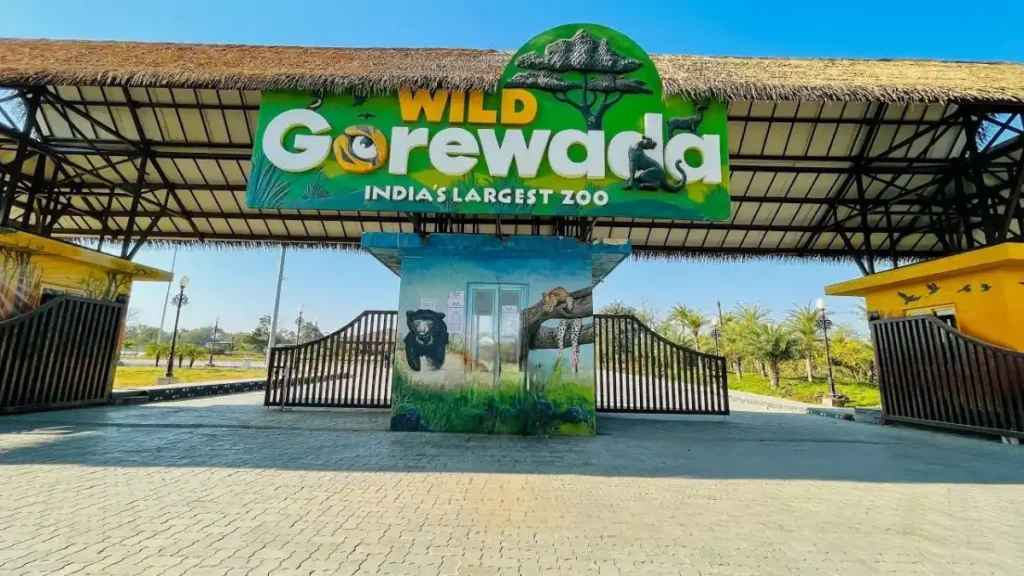
Gorewada Zoo Tigers Update: Nagpur’s pride, the Gorewada International Zoo, is all set to witness a majestic expansion in its big cat family. Yes, you heard that right! Two more tigers—a male and a female—will soon be joining the zoo, bringing the total tiger count to four. If you’re a wildlife enthusiast or someone who simply enjoys nature in all its glory, this news is bound to excite you.

The Central Zoo Authority (CZA) has recently granted approval for this relocation, and the preparations are already underway. But there’s more to this story than just new arrivals. Let’s dive into what makes this update so special and what it means for the zoo, the tigers, and all of us.


Why Gorewada Zoo Matters

A Symbol of Conservation

Gorewada International Zoo isn’t just another tourist spot—it’s a crucial center for wildlife conservation and education. Situated on the outskirts of Nagpur, the zoo spans over a vast natural landscape, making it an ideal haven for exotic and native species alike.

What Makes It “International”?

It’s called an international zoo for good reason. Designed to meet global standards, it incorporates safari zones, rescue centers, and extensive research and breeding facilities. The inclusion of international practices in animal care and conservation elevates its status beyond a local wildlife park.


The Tale of the Two Tigers

Rescued from the Wild

The newest members of the zoo were orphaned and rescued from different locations—Brahmapuri (male) and Bhandara (female). They’ve been under the care of a rescue center since 2021, learning to adapt and thrive in a captive environment.

Not Just Any Transfer

This isn’t your everyday relocation. It’s a carefully supervised operation approved by the Central Zoo Authority (CZA). The focus is not just on housing them but preparing them for a new social environment where they can safely coexist.


Training and Acclimatization: Patience is Key

Behind Closed Doors—for Now

Currently, the tigers are housed in a closed enclosure, away from public view. Why the secrecy? Well, they’re undergoing an essential acclimatization period.

Getting to Know Each Other

Much like new roommates, the two tigers need time to get comfortable around one another. As per Shatanik Bhagwat, Divisional Manager of the Gorewada Project, they’re being gradually introduced to each other to ensure harmony before being moved to the open enclosure.

When Can We See Them?

You’ll have to wait just a little bit longer. If all goes well, they’ll make their public debut in about two months. Exciting times ahead!


Tiger Territory: The Layout of the Zoo

Four Closed Enclosures

The zoo is equipped with four secure, closed spaces where animals like tigers are kept during their training and quarantine periods.

One Open Enclosure

This large enclosure mimics the tigers’ natural habitat and is where they’ll eventually roam freely. It has a carrying capacity of six tigers—meaning there’s room for even more future additions!


Current Wildlife at Gorewada Zoo

Existing Tigers

The zoo currently houses one male and one female tiger, making the total four once the new pair is introduced.

Leopards and More

Apart from tigers, the zoo is home to ten leopards, sloth bears, various deer species, birds, and reptiles.

Rare Attractions

One of the biggest crowd-pullers? The Thamin or brow-antlered deer—an endangered species that adds significant ecological value to the zoo’s collection.


The Star Attractions

The Sloth Bear with a Surprise

Imagine watching a sloth bear stroll through the park with her cub perched comfortably on her back. It’s not just adorable—it’s a rare and endearing sight that’s currently stealing hearts.

Brow-Antlered Deer: A Conservation Marvel

Known scientifically as Rucervus eldii, this rare deer species is critically endangered. Its presence at the zoo underscores the institution’s serious commitment to conservation.


What This Means for Conservation

A Safe Haven for Rescued Animals

The addition of these tigers highlights the zoo’s role in offering a sanctuary for rescued and rehabilitated animals, turning their stories of survival into symbols of hope.

Educational Opportunities

Every new animal provides another layer of educational experience for visitors. From signage to guided tours, each exhibit helps foster awareness and love for wildlife.


A Boost for Eco-Tourism

Why It Matters for Nagpur

Nagpur is already known as the Tiger Capital of India. Adding more tigers to Gorewada boosts its eco-tourism credentials and gives the city another feather in its cap.

A Unique Weekend Getaway

If you’re planning a family outing or a school trip, this zoo should definitely be on your list. With the new additions, the experience becomes even more enriching.


Safety Measures and Animal Welfare

Not Just for Show

Every animal at Gorewada Zoo is kept under close supervision. From diet to health checks, the staff ensures that the animals receive top-notch care.

Stress-Free Living

Spacious enclosures, plenty of green cover, and natural water sources contribute to a more relaxed environment for the animals.


The Bigger Picture: India’s Wildlife Future

Building a Sustainable Wildlife Model

Gorewada isn’t just a zoo—it’s a part of India’s broader vision for sustainable wildlife tourism and conservation.

A Role Model for Other Zoos

By incorporating training, acclimatization, and species-specific habitats, the zoo sets a benchmark for others to follow.


How You Can Help

Be a Responsible Visitor

When you visit, follow all guidelines. Respect the animals, avoid littering, and encourage others to do the same.

Spread the Word

The more people know about the efforts being made, the more support the zoo and its mission will receive. Share this article, bring your friends, and make a day of it!


Roaring Towards a Better Future

The arrival of two new tigers at Gorewada International Zoo is more than just a headcount increase—it’s a step forward for wildlife conservation, public education, and ecological tourism. These rescued tigers, nurtured and prepared with care, symbolize a second chance at life. As they gradually become part of the zoo’s dynamic, they not only add beauty but also deepen the zoo’s commitment to India’s conservation story.

Whether you’re in Nagpur or planning a visit, the Gorewada Zoo is a destination worth exploring—not just for the sights, but for the stories it tells and the futures it shapes.

1. When will the new tigers be available for public viewing?

The two new tigers are expected to be visible to the public in approximately two months after they complete their training and acclimatization.

2. How many tigers will Gorewada Zoo have in total?

After the new arrivals are introduced, the zoo will house a total of four tigers.

3. Is Gorewada Zoo open every day?

Yes, the zoo is generally open all week, but it’s best to check the official timings and holidays before planning your visit.

4. Can visitors see the brow-antlered deer at the zoo?

Absolutely! The endangered thamin or brow-antlered deer is one of the prime attractions at the zoo.

5. What other animals are at Gorewada Zoo?

Besides tigers, the zoo houses leopards, sloth bears, various deer species, reptiles, and a wide range of birds.

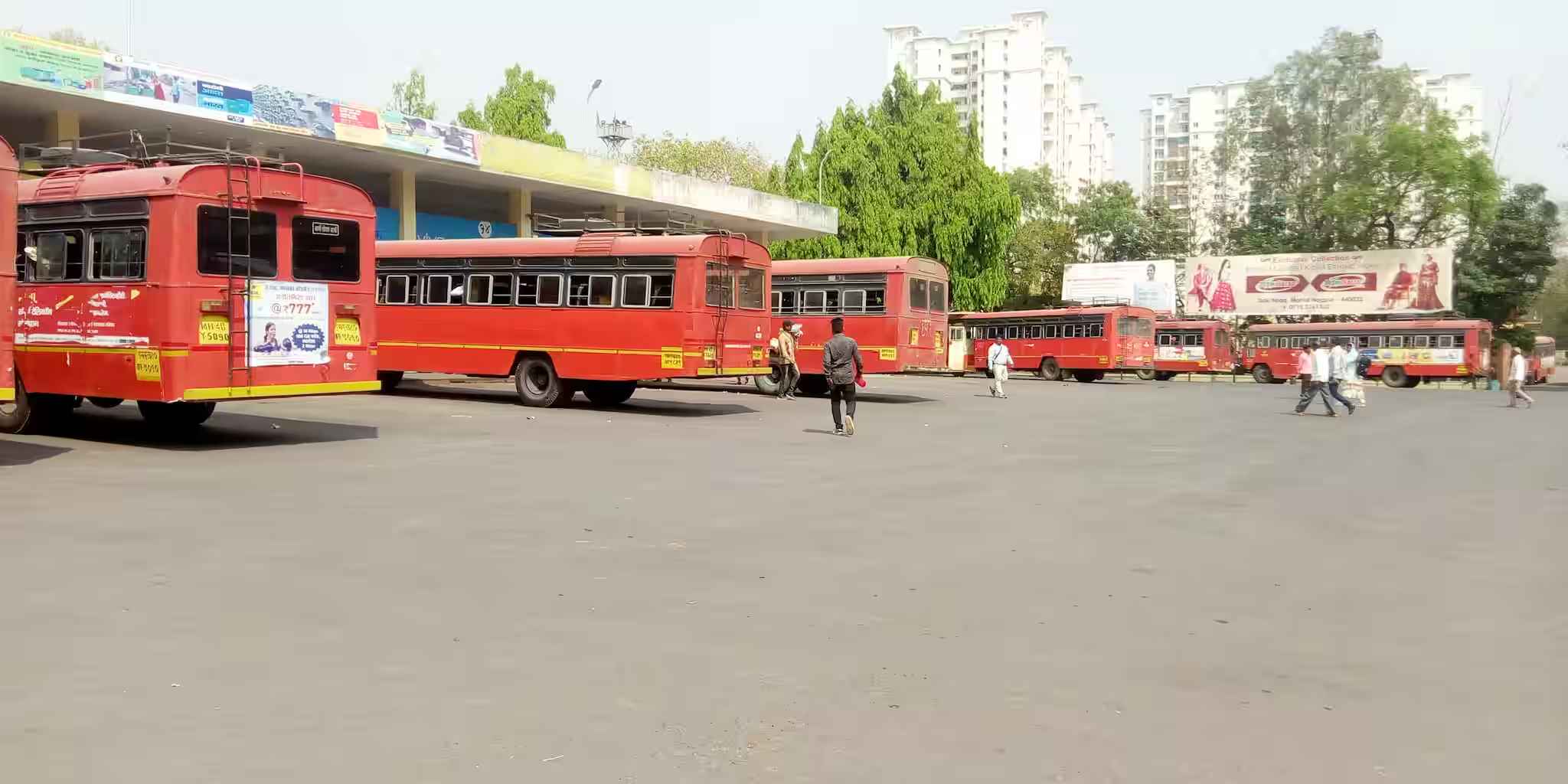
Mor Bhavan, Ganeshpeth Bus Stands to Get Five-Star Makeover in Nagpur

Mor Bhavan Ganeshpeth Redevelopment: Nagpur is on the cusp of a major transformation. The city, already known as the Orange City, is about to shine even brighter as plans are underway to revamp two of its most bustling transit hubs — Mor Bhavan and Ganeshpeth bus stands — into five-star standard stations. But that’s not all. Along with this exciting development, the long-awaited relocation of Nagpur Central Jail is finally moving forward, and a series of urban development projects are also on the horizon.

Let’s dive deep into what’s unfolding in Nagpur and how these developments are set to redefine the cityscape.


🚏 What’s Cooking in Nagpur? A Snapshot

  • Mor Bhavan and Ganeshpeth bus stations to be transformed into five-star level transit hubs

  • Nagpur Central Jail to be shifted to Koradi Naka

  • Construction of performing arts gallery and convention center

  • Zilla Parishad land to be utilized for community-centric development

  • Labour Department reforms to benefit workers


🔁 Revamping Public Transport: A Game Changer | Mor Bhavan Ganeshpeth Redevelopment

🚌 Why Mor Bhavan and Ganeshpeth Deserve a Makeover

Let’s be honest — both Mor Bhavan and Ganeshpeth have served their purpose over decades but have long cried out for modernization. Commuters often grapple with:

  • Congested waiting areas

  • Limited seating

  • Poor sanitation

  • Outdated ticketing systems

Turning them into five-star stations isn’t just a cosmetic change — it’s about improving the day-to-day experience for thousands of passengers.


🏗️ Who’s Driving the Transformation?

The Maharashtra State Infrastructure Development Corporation (MSIDC) has been entrusted with executing this ambitious plan. The goal? Deliver world-class infrastructure and state-of-the-art commuter facilities that set new benchmarks for public transport.


✨ What Will the New Bus Stands Look Like?

Here’s what you can expect once the redevelopment is complete:

  • Modern architectural design

  • Digital ticketing kiosks

  • Real-time bus tracking screens

  • Air-conditioned waiting lounges

  • Food courts and retail zones

  • Smart security and surveillance

Sounds fancy, right? It’s not just a facelift — it’s a complete overhaul.


🚧 Central Jail Relocation: Clearing the Way for Progress

⛓️ Why Move the Jail?

Located in the heart of Nagpur, the Central Jail has been a barrier to urban planning and development for years. The prison’s presence has stifled nearby real estate and commercial potential.

Relocating it to Koradi Naka, a more peripheral area, opens up possibilities for:

  • Urban beautification

  • Mixed-use development

  • Enhanced civic infrastructure


📍 New Site Details at Koradi Naka

The new location is on Koradi Naka Road, and a 2,000-inmate capacity prison complex is being planned. The NMRDA has inspected the site and given it a green light. Next up:

  • A detailed plan by expert architects

  • A joint inspection report from the Town Planning Department and Jail authorities

  • Final blueprint presentation to the district jail committee


🎭 Art & Culture: London Street Project in the Spotlight

🎨 Performing Art Gallery and Convention Center

Another highlight from the review meeting: plans to build a performing art gallery and convention center near London Street, under the Orange City State Project. This venue will cater to:

  • Cultural performances

  • Conferences and seminars

  • Tourism and city branding

Imagine Nagpur hosting international events and theatre productions. It’s not a dream — it’s a vision in the making.


🌱 Grassroots Development: Empowering Through Land Projects

📌 Zilla Parishad Land to Spark Local Entrepreneurship

Development isn’t just about megaprojects. It’s also about uplifting communities. That’s why the government is utilizing Zilla Parishad lands at:

  1. Mouza Ajni

  2. Zingabai Takli

  3. Badkas Chowk (Mahal)

These areas will be hubs for:

  • Women’s self-help groups

  • Skill development centers

  • Cottage industries

The aim is simple — create business opportunities while generating sustainable income.


👷 Labour Reforms: Speeding Up Welfare Access

🔧 Faster, Easier Worker Registration

Labour minister Ashish Jaiswal is pushing to simplify the registration and renewal processes for construction workers. Why does this matter?

  • Many workers struggle to access welfare benefits due to red tape.

  • Village-level resolution of registration issues will cut delays.

This means more timely help, less paperwork, and greater transparency for lakhs of workers in the city and surrounding rural areas.


🏛️ Who’s Involved: Decision-Makers at the Helm

A number of key officials participated in this transformative planning, including:

  • Chandrashekhar Bawankule – Revenue & Guardian Minister

  • Abhijit Chaudhari – NMC Commissioner

  • Vinayak Mahamuni – ZP CEO

  • Brijesh Dixit – MSIDC MD

  • Ajay Charthankar, Milind Meshram, Leena Upadhyay, and other top department heads

With such a strong team steering the ship, the execution is in safe hands.


🏙️ Impact on Urban Planning and Lifestyle

🌆 Changing the Face of Nagpur

This entire initiative isn’t just about isolated projects — it’s a cohesive urban development strategy that promises to:

  • Improve livability

  • Enhance connectivity

  • Boost economic activity

  • Create a more aesthetically pleasing urban environment

Soon, Nagpur could join the league of model Tier-2 cities leading India’s smart city movement.


🔮 Looking Ahead: The Road to Completion | Mor Bhavan Ganeshpeth Redevelopment

📅 What’s the Timeline?

Though no fixed dates have been announced, things are moving fast:

  • Site inspections are underway.

  • Blueprint plans are being drafted.

  • Multiple government departments are already aligned.

We’re talking months, not years, before some of these upgrades become visible.


A New Era for Nagpur Begins | Mor Bhavan Ganeshpeth Redevelopment

Change is never easy, but it’s always worth it. Nagpur’s transformation — from shifting the Central Jail to redesigning transit hubs and investing in art and culture — is a bold step toward a better, brighter future.

This isn’t just city planning. It’s visionary leadership in action. It’s about reimagining a city where transport is smooth, communities are empowered, and growth is sustainable.

1. Why are Mor Bhavan and Ganeshpeth bus stands being redeveloped?

They are being upgraded to five-star level to improve passenger comfort, safety, and efficiency, as part of a broader city modernization plan.

2. Where is the Central Jail being relocated to?

The new location for Nagpur Central Jail is at Koradi Naka, which allows for better planning and expansion of city infrastructure.

3. Who is handling the redevelopment of the bus stations?

The Maharashtra State Infrastructure Development Corporation (MSIDC) is responsible for executing the redevelopment projects.

4. What other development projects are planned in Nagpur?

Plans include a performing art gallery near London Street, new community development projects on ZP lands, and streamlined welfare systems for workers.

5. When will these projects be completed?

Though timelines are not officially declared, site inspections and planning are in progress. Expect visible developments in the coming months.

Exit mobile version