Repair Plan Finalized for Butibori Flyover After 2-Month Delay

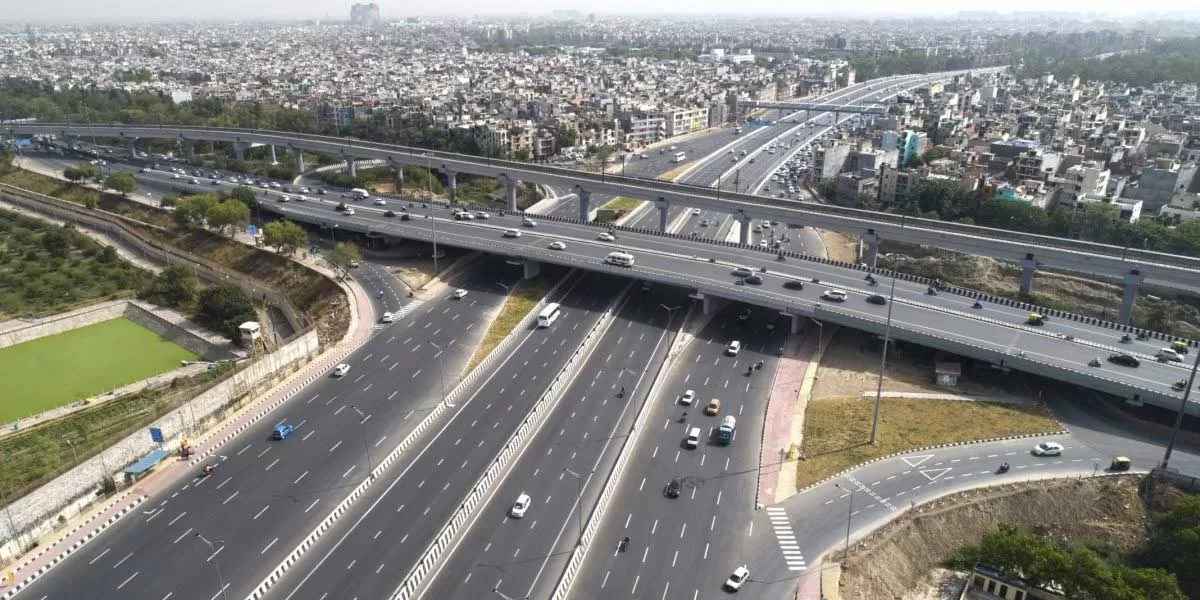
Butibori Flyover Repair Plan: More than two months after the partial collapse of the Butibori flyover, authorities have finally agreed on a detailed repair strategy. The flyover’s weight-bearing capacity will be reinforced using advanced construction techniques to ensure long-term safety.

Background of the Butibori Flyover Collapse

The Butibori flyover, constructed just 3.5 years ago, recently showed alarming structural weaknesses. Cracks, misalignment, and instability led to a detailed review of its design and construction quality.

Structural Weaknesses Identified

Experts have identified multiple flaws in the flyover, including:

  • Faulty Cantilever Support: The previous structure suffered from inadequate reinforcement.
  • Weak Load-Bearing Capacity: Insufficient materials contributed to premature wear.
  • Poor Maintenance: Delayed inspections led to unnoticed structural damage.

Recent Repairs and Strengthening Measures

Last week, repair crews focused on the cantilever sections, reinforcing studs and applying additional support layers. However, the exact post-repair load capacity remains undisclosed by the National Highways Authority of India (NHAI).

NHAI Under Pressure to Deliver Results

NHAI has been under immense scrutiny due to repeated infrastructure failures. With public frustration mounting, authorities are expediting solutions while ensuring compliance with safety standards.

Meeting at VNIT: Key Decisions Taken

A crucial meeting at Visvesvaraya National Institute of Technology (VNIT) finalized the repair plan, including:

  • Material Selection: High-strength concrete and reinforced steel will be used.
  • Repair Timeline: Estimated completion within 45 days, but the start date remains unclear.
  • Structural Reinforcement Plan: Additional layers will be applied to improve weight distribution.

Appointment of a Specialist Agency

Given the complexity of the repairs, a specialist agency will oversee the project. Currently, three firms are being considered, with a final decision expected within the next few days.

Expected Timeline for Repairs

  • Agency Appointment: Within 3 days
  • Start Date Confirmation: Pending NHAI approval
  • Estimated Completion: By the end of April

Traffic Disruptions and Public Frustration

The delay in repairs has caused major congestion under the flyover. Commuters face extended travel times, increased fuel costs, and frustration due to unclear timelines.

Why Was the Flyover Damaged So Soon?

Infrastructure experts have raised concerns over:

  1. Inferior Construction Materials
  2. Lack of Quality Inspections
  3. Flawed Engineering Design

Impact on Commuters and Businesses

  • Increased Travel Time: Daily commutes have extended by 20–30 minutes.
  • Economic Losses: Businesses suffer due to transportation delays.
  • Environmental Impact: Higher emissions due to traffic congestion.

Public Reactions and Concerns

  • Commuters demand a quicker resolution.
  • Local businesses report declining sales.
  • Citizens call for stricter quality checks on new infrastructure projects.

NHAI’s Next Steps

  • Implement stricter quality control measures.
  • Ensure timely inspections of existing flyovers.
  • Increase transparency regarding repair updates.

The repair of the Butibori flyover is long overdue. While the finalized plan offers hope, the lack of a clear start date leaves commuters uncertain. Authorities must ensure that this repair process is swift, effective, and prevents similar failures in the future.

1. When will the Butibori flyover repairs begin?

The exact start date remains unconfirmed, but officials estimate the work to be completed by April.

2. What caused the damage to the Butibori flyover?

The damage was primarily due to weak construction materials, flawed engineering design, and inadequate maintenance.

3. How will the repairs strengthen the flyover?

Repairs will include reinforced layers, additional support structures, and upgraded materials to improve load-bearing capacity.

4. Will traffic be diverted during repairs?

Authorities have not announced diversions yet, but significant congestion is expected.

5. What measures are being taken to prevent future flyover failures?

NHAI plans to enforce stricter quality control, conduct regular inspections, and enhance structural safety standards.


Nagpur’s Historic Cotton Market Set for a Smart, Eco-Friendly Makeover

Nagpur Cotton Market Makeover: Nagpur’s historic Cotton Market in Sitabuldi is undergoing a major transformation. The Nagpur Municipal Corporation (NMC), in partnership with the Maharashtra State Infrastructure Development Corporation Limited (MSIDC), has unveiled a redevelopment plan that promises a modern, sustainable, and eco-friendly commercial hub. This initiative aims to preserve the market’s rich heritage while incorporating state-of-the-art infrastructure and green technology.

A Vision for Sustainable Urban Renewal

The redevelopment project, known as the Sustainable & Holistic Urban Renewal and Transformation of NMC’s Cotton Market Site (Phase-1), aims to breathe new life into this historic trading hub.

Key Highlights of the Project | Nagpur Cotton Market Makeover

  • Project Area: 9,875 square meters
  • Two High-Rise Towers:
    • 24-floor tower – Residential units and serviced apartments
    • 20-floor tower – Commercial office spaces and retail outlets
  • Connectivity: The two towers will be linked by a banquet hall on the 4th floor
  • Facilities:
    • 500 retail units
    • 200 office spaces
    • 50 hotel rooms
    • 80 serviced apartments
    • Multi-level parking for 304 vehicles
    • Modern public toilets
    • Landscaped green areas

Revamping Commercial and Retail Spaces

One of the primary goals of the project is to restructure the existing commercial and retail spaces while ensuring that existing shop owners and hawkers retain their businesses.

Rehabilitation of Shop Owners and Hawkers

  • 2,200 square meters have been reserved for shopkeepers
  • Spaces will be provided at construction cost rates
  • A designated hawker zone with specially designed ottas for street vendors

This ensures that the transformation is inclusive, allowing traditional traders and small vendors to continue their operations in an organized, well-planned environment.

Eco-Friendly and Smart Infrastructure

The project integrates cutting-edge sustainable technologies to promote environmental conservation and energy efficiency.

Green Building Certifications

The redevelopment will adhere to:

  • IGBC Platinum Certification
  • GRIHA 5-Star Green Building Standards

Renewable Energy Integration

  • Solar and wind energy systems to power commercial and residential spaces
  • Rainwater harvesting to conserve water
  • Green roofs and energy-efficient HVAC systems
  • Smart lighting and waste management systems

Advanced Waste Management Solutions

A comprehensive waste management system will be implemented, featuring:

  • On-site composting units for organic waste
  • Segregated waste collection for efficient recycling
  • Sustainable sewage and drainage systems

Boosting Nagpur’s Commercial Landscape

This project is set to elevate Nagpur’s urban appeal by:

  • Attracting new businesses and investors
  • Providing modern office and retail spaces
  • Enhancing urban living with state-of-the-art residential facilities

Economic Impact

  • Increased employment opportunities through retail, hospitality, and office spaces
  • Higher property values due to modern infrastructure
  • Greater tourism appeal with improved aesthetics and public amenities

Budget and Timeline

The redevelopment comes with an estimated budget of ₹376 crore, ensuring that the transformation is well-funded and strategically executed.

Nagpur’s Cotton Market redevelopment is more than just an infrastructure upgrade—it is a blueprint for a sustainable urban future. By blending modernization with heritage conservation, the project ensures that this historic marketplace remains relevant, vibrant, and eco-friendly for generations to come.

1. What is the main objective of Nagpur’s Cotton Market redevelopment?

The project aims to modernize the market with sustainable infrastructure while preserving its historical significance and supporting local traders.

2. How will shop owners and hawkers be accommodated?

A dedicated space of 2,200 square meters has been allocated for shopkeepers at construction cost rates, along with a designated hawker zone.

3. What green technologies are being used in the redevelopment?

The project incorporates solar and wind energy, rainwater harvesting, green roofs, and efficient waste management systems to meet IGBC Platinum and GRIHA 5-Star certifications.

4. What types of facilities will be available in the new Cotton Market?

The market will feature retail units, office spaces, hotel rooms, serviced apartments, banquet halls, multi-level parking, and modern public amenities.

5. When is the project expected to be completed?

The exact timeline is yet to be announced, but the project is estimated to be completed within the next few years as per government planning.

Nagpur Tops in Rooftop Solar Installation, Helps MSEDCL Achieve 100-Day Target in 82 Days

Nagpur Solar Panel: Nagpur has emerged as a leader in rooftop solar installations, playing a crucial role in helping Maharashtra State Electricity Distribution Company Ltd (MSEDCL) achieve its ambitious 100-day target in just 82 days. With over 1.5 lakh beneficiaries opting for the Pradhan Mantri Suryaghar Muft Bijli Yojana (PMSMBY), the city’s contribution has been remarkable in increasing the total solar power generation capacity to 500 MW.

The Initiative Behind the Success

What is PMSMBY?

The Pradhan Mantri Suryaghar Muft Bijli Yojana is a government initiative aimed at promoting the adoption of solar energy by providing subsidies for rooftop solar installations. The scheme enables homeowners to generate their own electricity, significantly reducing dependency on conventional energy sources.

MSEDCL’s 100-Day Target

After Chief Minister Devendra Fadnavis took oath on December 5, 2024, the government set ambitious 100-day goals for various departments. One of these goals was to expand solar energy adoption across Maharashtra.

Nagpur’s Contribution to the Solar Energy Revolution

Leading the State in Solar Installations

Nagpur has topped the list of districts benefiting from PMSMBY, with 21,027 households adopting rooftop solar installations. The city’s proactive approach and awareness campaigns have played a significant role in this achievement.

Comparison with Other Districts

Nagpur’s impressive numbers put it ahead of other districts such as:

  • Pune: 9,875 houses
  • Jalgaon: 9,489 houses
  • Chhatrapati Sambhajinagar: 8,814 houses
  • Nashik: 8,558 houses
  • Amravati: 7,119 houses

Impact of the PMSMBY Scheme | Nagpur Solar Panel

Reduction in Electricity Bills

By adopting rooftop solar panels, homeowners in Nagpur and other parts of Maharashtra have significantly reduced their electricity bills. In many cases, surplus energy generated is sold back to MSEDCL, making electricity bills virtually zero.

Environmental Benefits

The increased adoption of solar energy contributes to reducing the carbon footprint and lessening dependency on fossil fuels, promoting a cleaner, greener future.

Financial Incentives and Subsidies

Government Subsidies for Solar Installations

The central government provides financial assistance under PMSMBY:

  • Rs. 30,000 for a 1 kW system
  • Rs. 60,000 for a 2 kW system
  • Rs. 78,000 for a 3 kW system

Additional Benefits from MSEDCL

MSEDCL offers free net meters to beneficiaries, ensuring a seamless integration of solar energy into the grid.

The Road Ahead for Solar Energy in Maharashtra

With Nagpur setting an example, other districts are expected to ramp up efforts to adopt solar energy. The government continues to promote policies that encourage individuals and businesses to invest in solar technology.

Nagpur’s leadership in rooftop solar installations is a testament to the city’s commitment to sustainable energy. By surpassing the 100-day target in just 82 days, it has set a benchmark for other cities to follow. With continued support from the government and citizens, Maharashtra is well on its way to a cleaner and more energy-efficient future.

1. What is the benefit of PMSMBY?

PMSMBY provides subsidies for rooftop solar installations, reducing electricity bills and allowing homeowners to sell excess energy to the grid.

2. How much subsidy can I get under PMSMBY?

Homeowners can receive up to Rs. 78,000 in subsidies depending on the capacity of their rooftop solar installation.

3. How did Nagpur achieve the top position in rooftop solar adoption?

Nagpur led the state due to proactive government policies, awareness campaigns, and a high number of interested homeowners adopting solar energy.

4. Can excess solar power be sold to MSEDCL?

Yes, surplus solar power generated can be sold back to MSEDCL, further reducing electricity costs.

5. What is the total solar power capacity achieved in Maharashtra under PMSMBY?

As of February 26, 2025, Maharashtra reached a total solar power capacity of 500 MW under the scheme.

Nagpur Airport Set to Launch New Flights to Noida, Jaipur, and Kolhapur Starting March 30

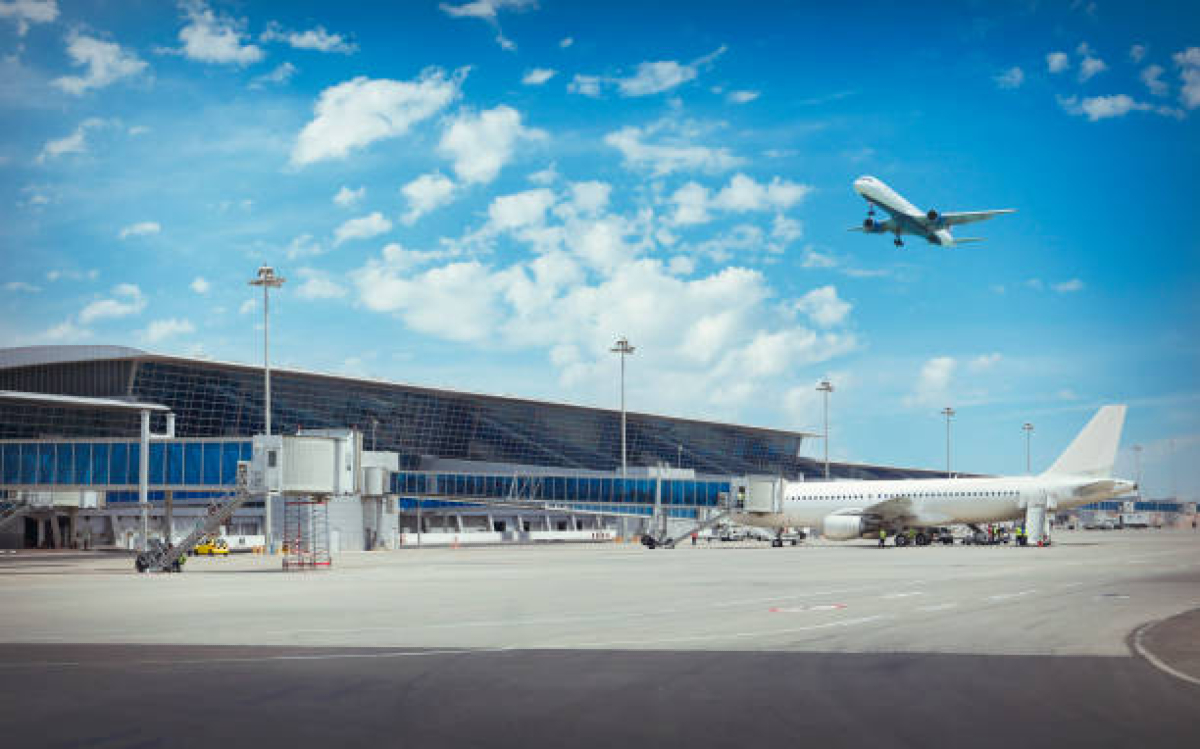
Nagpur Airport is gearing up for an exciting expansion, with new flights to Noida, Jaipur, and Kolhapur commencing from March 30. This development is part of a broader initiative to enhance connectivity and cater to the growing demand for air travel in the region.

Overview of the Expansion

The upcoming expansion at Nagpur Airport is poised to significantly boost regional connectivity. With the introduction of new flights to Noida, Jaipur, and Kolhapur, passengers will have more options and flexibility in their travel plans. This move aligns with the airport’s commitment to meeting the evolving needs of travelers.

Completion of Runway Recarpeting

A key factor facilitating this expansion is the completion of the runway recarpeting project. Previously, flight operations were restricted between 10 AM and 6 PM due to ongoing maintenance. The successful completion of this project allows for extended operational hours, paving the way for the introduction of new routes.

Role of the Slot Coordination Committee

The Slot Coordination Committee, comprising officials from the Directorate General of Civil Aviation (DGCA), Airports Authority of India (AAI), and Mihan India Limited (MIL), played a pivotal role in this expansion. Their collaborative efforts ensured that the new flight schedules were seamlessly integrated into the airport’s operations.

Details of New Flights

1. Jaipur Flight (IndiGo Airlines)

  • Start Date: March 30
  • Arrival in Nagpur: 11:05 PM
  • Departure from Nagpur: 7:20 AM

2. Kolhapur Flight (Star Air)

  • Start Date: April 1
  • Arrival in Nagpur: 3:45 PM
  • Departure from Nagpur: 4:15 PM

3. Noida Flight (IndiGo Airlines)

  • Start Date: April 30
    • Departure from Nagpur: 4:30 PM

Additional Services to Major Cities

In addition to the new routes, Nagpur Airport is enhancing services to several major cities:

  • Pune
  • Bangalore
  • Delhi
  • Indore
  • Kolkata

These enhancements aim to provide passengers with more options and improved connectivity to key destinations across the country.

Impact on Regional Connectivity

The introduction of these new flights is expected to have a positive impact on regional connectivity. By offering direct flights to Noida, Jaipur, and Kolhapur, Nagpur Airport is facilitating easier and more efficient travel for both business and leisure passengers.

Benefits for Passengers

Passengers stand to gain several benefits from these new flights:

  • Increased Travel Options: More destinations and flight times to choose from.
  • Convenience: Direct flights reduce travel time and eliminate the need for layovers.
  • Economic Opportunities: Enhanced connectivity can lead to increased business and tourism activities.

Airlines Involved

The new routes will be operated by reputable airlines:

  • IndiGo Airlines: Serving Jaipur and Noida.
  • Star Air: Serving Kolhapur.

Both airlines are known for their commitment to safety and customer satisfaction.

Flight Schedules and Timings

The flight schedules have been designed to cater to the needs of passengers:

  • Jaipur Flight: Late-night arrival and early-morning departure.
  • Kolhapur Flight: Afternoon arrival and departure.
  • Noida Flight: Evening departure.

These timings offer flexibility for travelers planning their itineraries.

Booking and Reservations

Passengers can book tickets for these new flights through the respective airline websites, travel agencies, or at the airport ticket counters. It’s advisable to book in advance to secure preferred travel dates and times.

Travel Guidelines

Travelers are encouraged to stay updated on the latest travel guidelines and protocols. This includes adhering to safety measures, carrying necessary documentation, and arriving at the airport well in advance of the scheduled departure time.

The launch of new flights from Nagpur Airport to Noida, Jaipur, and Kolhapur marks a significant milestone in enhancing regional connectivity. With the support of IndiGo Airlines and Star Air, passengers can look forward to more travel options, convenience, and opportunities. As the airport continues to expand its services, it reaffirms its commitment to meeting the evolving needs of travelers.

1. When will the new flights from Nagpur to Noida, Jaipur, and Kolhapur start?

  • The flights to Jaipur and Kolhapur will commence on March 30 and April 1, respectively. The flight to Noida is scheduled to start on April 30.

2. Which airlines are operating these new routes?

  • IndiGo Airlines will operate flights to Jaipur and Noida, while Star Air will operate the flight to Kolhapur.

3. How can I book tickets for these new flights?

  • Tickets can be booked through the respective airline websites, authorized travel agencies, or at the airport ticket counters.

4. What are the departure and arrival times for these flights?

  • The Jaipur flight arrives in Nagpur at 11:05 PM and departs at 7:20 AM. The Kolhapur flight arrives at 3:45 PM and departs at 4:15 PM. The Noida flight departs Nagpur at 4:30 PM.

5. Are there any additional services being introduced at Nagpur Airport?

  • Yes, additional services to Pune, Bangalore, Delhi, Indore, and Kolkata are also being introduced to enhance connectivity.

Nagpur Airport to Operate 24×7: New Summer Flight Slots Approved

Nagpur Airport 24×7 Operations: Dr. Babasaheb Ambedkar International Airport in Nagpur is set to operate round the clock starting April 1, 2025. This expansion follows approvals granted during the slot coordination meeting held in Delhi from February 18 to 21, 2025. The finalized slots cover the summer schedule from March 30 to October 25, 2025, bringing increased connectivity and better passenger convenience.

Why the 24×7 Operation Matters

With continuous flight operations, travelers can expect improved accessibility, reduced layovers, and better flight options. This move aims to establish Nagpur as a major transit hub in Maharashtra.

New Flight Slots to Enhance Connectivity

The approval of new afternoon flight slots and additional departures and arrivals between 10 AM and 6 PM will provide passengers with more travel choices and flexibility.

Key Flight Additions

  • Indigo 6416: Arrives from Jaipur at 11:05 PM
  • Indigo 6411: Departs for Jaipur at 7:20 AM

New Afternoon Flights (April 1 – October 25, 2025)

  • Star Air 250: Arrives from Kolhapur at 3:45 PM
  • Star Air 251: Departs for Kolhapur at 4:15 PM
  • Indigo 2518: Arrives from Noida at 4:00 PM (from April 30)
  • Indigo 2519: Departs for Noida at 4:30 PM (from April 30)

Additional Flights Between 10 AM – 6 PM

  • Indigo 7336: Arrives from Indore at 12:10 PM (July 26 – October 25)
  • Indigo 7337: Departs for Indore at 12:35 PM (July 26 – October 25)
  • Indigo 6139: Arrives from Kolkata at 12:15 PM (Wednesdays only, July 30 – October 22)
  • Indigo 2380: Departs for Delhi at 12:45 PM (Wednesdays only, July 30 – October 22)
  • Star Air 2455: Arrives from Pune at 1:05 PM
  • Star Air 246: Departs for Kishangarh at 1:30 PM
  • Indigo 6455: Arrives from Bangalore at 2:20 PM
  • Indigo 6456: Departs for Bangalore at 2:55 PM
  • Indigo 2481: Arrives from Pune at 3:10 PM (except Saturdays)
  • Indigo 202: Departs for Pune at 3:45 PM (except Saturdays)

How This Benefits Nagpur’s Aviation Scene

1. Increased Passenger Convenience

Passengers will enjoy seamless connectivity to major cities with reduced waiting times.

2. Strengthening Nagpur as a Key Aviation Hub

This expansion makes Nagpur more attractive for airlines and businesses looking to establish operations in Central India.

3. Boost to Tourism and Economy

With better connectivity, tourism and business opportunities in Nagpur are expected to rise significantly.

4. Improved Cargo Operations

24×7 operations will facilitate better cargo handling, benefiting local industries and exporters.

Final Thoughts

The expansion of Nagpur Airport’s operational hours and the addition of new flight slots mark a significant milestone in the city’s aviation growth. With better connectivity, passengers will have more flexibility and options for travel, positioning Nagpur as a crucial transit point in Maharashtra.

1. When will Nagpur Airport start operating 24×7?
Nagpur Airport will begin 24×7 operations on April 1, 2025.

2. What are the benefits of 24×7 flight operations?
Passengers will have more flight options, better connectivity, and reduced layover times.

3. Which new flights have been added to Nagpur’s schedule?
New afternoon flights and additional slots between 10 AM – 6 PM have been introduced, improving connectivity to cities like Noida, Jaipur, and Bangalore.

4. Will there be an increase in international flights?
While this expansion primarily focuses on domestic routes, it may pave the way for more international connections in the future.

5. How will this impact Nagpur’s economy?
With increased flights, tourism, business opportunities, and cargo operations are expected to see significant growth.

Nagpur Collectorate Leads Maharashtra in Transparent Governance

Nagpur collector | Dr. Vipin Itankar: In a remarkable achievement, the Nagpur district collectorate has clinched the top spot in Maharashtra for its people-centric, dynamic, and transparent administration. This accolade comes as part of the state government’s ambitious 100-day office reform campaign, aimed at overhauling governmental operations to better serve the public.

The 100-Day Office Reform Campaign: A Brief Overview

Launched with the vision of enhancing governmental efficiency and transparency, the 100-day office reform campaign sought to revamp administrative processes across Maharashtra. The initiative encouraged district collectorates to showcase their reforms through detailed presentations, emphasizing improvements in public dealings and administrative transparency.

Nagpur’s Path to Excellence

Strategic Planning and Execution

Under the astute leadership of Collector Dr. Vipin Itankar, the Nagpur district administration embarked on a mission to redefine governance. By identifying bottlenecks and implementing innovative solutions, the team ensured that public services were not only efficient but also transparent.

Embracing Technology

Recognizing the pivotal role of technology in modern governance, the collectorate (Dr. Vipin Itankar | Nagpur collector) integrated advanced digital tools to streamline operations. This digital transformation facilitated real-time tracking of public grievances, expedited service delivery, and fostered a culture of accountability.

Community Engagement Initiatives

Understanding that governance is most effective when inclusive, the administration prioritized community engagement. Regular interactions with citizens, feedback mechanisms, and participatory decision-making processes ensured that the public remained at the heart of administrative reforms.

Recognition from the State

The culmination of these efforts was evident when Chief Minister Devendra Fadnavis felicitated Collector Dr. Vipin Itankar (Nagpur collector) in Mumbai. The chief minister lauded the collective endeavors of the Nagpur district administration, highlighting their commitment to making governance more accessible and effective.

Key Developmental Initiatives in Nagpur

Beyond administrative reforms, Nagpur district has witnessed a slew of developmental projects aimed at holistic growth.

Advancements in Medical Infrastructure

The district has seen significant investments in healthcare, with new hospitals and clinics being established to cater to the growing population. These facilities are equipped with state-of-the-art medical equipment, ensuring residents have access to quality healthcare services.

Agricultural Innovations through Agristack

To bolster the agricultural sector, the introduction of Agristack has been a game-changer. This digital repository provides farmers with vital information, from weather forecasts to crop management techniques, empowering them to make informed decisions and enhance productivity.

MIHAN Project: A Global Hub in the Making

The Multi-modal International Cargo Hub and Airport at Nagpur (MIHAN) project is poised to transform the district into an international hub for passenger and cargo transport. This initiative promises to boost economic activities, create job opportunities, and position Nagpur prominently on the global map.

Mining Development

The district’s rich mineral resources have been harnessed responsibly, with sustainable mining practices ensuring environmental conservation while contributing to economic growth.

Tourism and Hospitality Growth

Nagpur’s cultural heritage and natural beauty have been promoted through various tourism initiatives. The growth of the hotel industry complements this, offering visitors world-class amenities and boosting local employment.

Skill Development Programs

Recognizing the importance of a skilled workforce, numerous training programs have been launched. These initiatives equip residents with the necessary skills to thrive in various industries, from IT to manufacturing.

Animal Husbandry Enhancements

Efforts to improve animal husbandry practices have led to increased productivity and better livelihoods for those involved in this sector. Training sessions and resource availability have been pivotal in this transformation.

The Role of Guardian Minister Chandrashekhar Bawankule

Guardian Minister Chandrashekhar Bawankule has been instrumental in guiding the district’s administrative and developmental trajectory. His insights and directives have ensured that projects align with the broader vision of sustainable and inclusive growth.

A Model for Other Districts

Nagpur’s success story serves as an inspiring blueprint for other districts aiming to revamp their administrative frameworks. The blend of strategic planning, technological adoption, and community involvement underscores the potential of collaborative governance.

The Nagpur district collectorate’s ascent to the top position in Maharashtra for transparent administration is a testament to what visionary leadership and collective effort can achieve. As the district continues to implement various developmental schemes, it stands as a beacon of effective governance, illuminating the path for others to follow.

1. What was the primary objective of Maharashtra’s 100-day office reform campaign?

The campaign aimed to enhance governmental efficiency and transparency, ensuring that public dealings are conducted effectively and openly.

2. How did the Nagpur collectorate achieve the top rank in the state?

Through strategic planning, embracing technology, and prioritizing community engagement, the Nagpur collectorate redefined its administrative processes, leading to this recognition.

3. What is the MIHAN project, and how does it benefit Nagpur?

The MIHAN (Multi-modal International Cargo Hub and Airport at Nagpur) project aims to establish Nagpur as an international hub for passenger and cargo transport, boosting economic activities and creating job opportunities.

4. How has technology improved governance in Nagpur?

The integration of digital tools has streamlined operations, enabled real-time tracking of public grievances, expedited service delivery, and fostered accountability within the administration.

5. What role did community engagement play in Nagpur’s administrative reforms?

By involving citizens through regular interactions and feedback mechanisms, the administration ensured that governance remained inclusive, addressing the genuine needs and concerns of the public.

South Korean Company HS Hoysung Signs MoU for Rs1,740 Crore Plant in Butibori

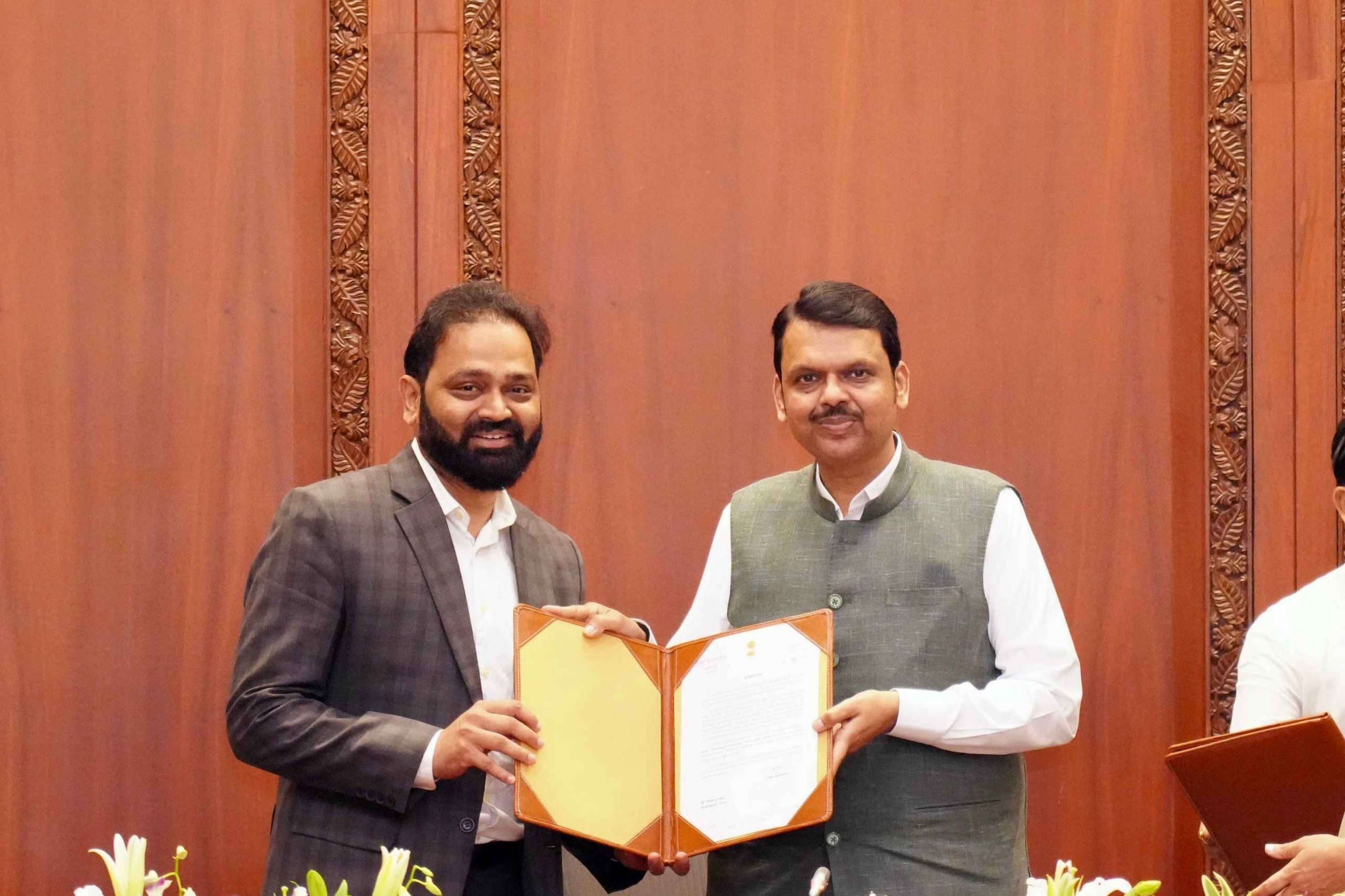
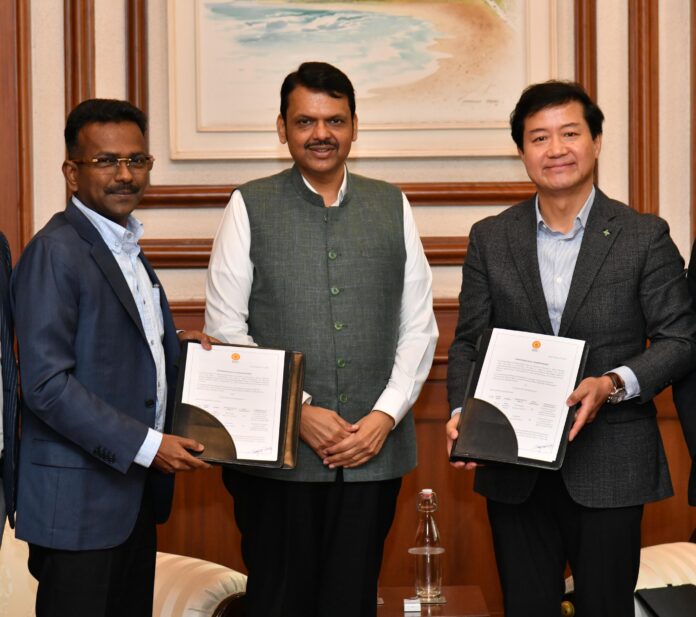
South Korea | HS Hoysung Butibori Investment: A major industrial development is on the horizon for Nagpur as South Korean conglomerate HS Hoysung Advance Materials has signed a Memorandum of Understanding (MoU) with the Maharashtra state government. The deal, worth Rs1,740 crore, will see the establishment of a greenfield polymer fabric plant at Butibori’s industrial estate, significantly boosting the region’s industrial landscape.

What is HS Hoysung (South Korea) Advance Materials?

HS Hoysung is a multinational conglomerate with operations spanning textiles, chemicals, heavy industries, and information technology. It is widely recognized for producing carbon fiber, aramid fiber, industrial yarn, and automotive seat belt yarn, making it a significant player in the automobile and industrial sectors.

Details of the Investment

  • Investment Amount: Rs1,740 crore
  • Location: Additional Butibori Industrial Estate, Maharashtra
  • Land Area: 70 to 100 acres
  • Purpose: Production of polymer fabric for tyre reinforcement and other industrial applications
  • Employment Opportunities: 400 direct jobs expected
  • Expansion Potential: Further investments in Pune and Chhatrapati Shambhaji Nagar facilities

Significance of Butibori Industrial Estate

Butibori Industrial Estate is one of Maharashtra’s largest MIDC-developed industrial zones, offering excellent infrastructure and connectivity. The availability of skilled labor, robust transportation networks, and business-friendly policies make it an attractive investment destination.

Economic Impact on Nagpur

The establishment of this plant will have several positive effects:

  1. Job Creation – Direct employment for 400 individuals.
  2. Boost to Local Economy – Increased demand for local services and industries.
  3. Technology Transfer – Exposure to advanced South Korean manufacturing technologies.
  4. Infrastructure Development – Growth of industrial and transportation infrastructure.

Government Support and Strategic Vision

Maharashtra’s Chief Minister Devendra Fadnavis has expressed strong support for this investment, highlighting its role in industrial expansion and economic growth. The government is keen to facilitate quick land allocation and necessary approvals to accelerate the project’s commencement.

HS Hoysung’s Existing Presence in India

HS Hoysung has already established successful operations in India, including:

  • Pune Unit: Operational since 2015, employing 350 workers and generating Rs845 crore in revenue.
  • Chhatrapati Shambhaji Nagar Unit: Started in 2018, employing 500 workers with an annual revenue of Rs1,650 crore.

Industrial Growth in Maharashtra

Maharashtra has been actively attracting investments. Recent MoUs signed at the World Economic Forum in Davos (South Korea) include agreements with:

  • JSW Group – Investments in lithium battery projects.
  • Waaree Energy – Solar panel manufacturing.
  • Vardaan Lithium – Development of lithium-ion technology.

Future Outlook

HS Hoysung’s new investment aligns with India’s Make in India and Atmanirbhar Bharat initiatives. With Maharashtra’s growing reputation as a hub for automobile and polymer industries, this project is expected to fuel further industrial development.

The Rs1,740 crore investment by HS Hoysung Advance Materials in Butibori marks a significant milestone in Maharashtra’s industrial expansion. This move will generate employment, strengthen the regional economy, and position Nagpur as a key player in the polymer and automobile sectors.

1. What will the new HS Hoysung plant in Butibori produce?

The plant will manufacture polymer fabric primarily for tyre reinforcement and other industrial applications.

2. How many jobs will this project create?

It is expected to create 400 direct employment opportunities, along with additional indirect job prospects in the region.

3. Why is HS Hoysung investing in Butibori?

Butibori’s strategic location, excellent infrastructure, and business-friendly policies make it an ideal investment destination for the company.

4. What other projects has HS Hoysung set up in India?

The company already operates two units in Pune and Chhatrapati Shambhaji Nagar, generating a combined annual revenue of over Rs2,495 crore.

5. How will this investment impact Maharashtra’s industrial sector?

The investment will boost local manufacturing, drive employment, and strengthen Maharashtra’s position as a hub for industrial innovation.

NHAI’s Complex Rs998 Crore Indora to Dighori Project Gains Momentum

Indora to Dighori Flyover: Nagpur is witnessing a transformative infrastructure development with the Rs998 crore Indora to Dighori flyovers project. Spearheaded by the National Highway Authority of India (NHAI), this ambitious initiative is set to decongest North and South Nagpur. Once completed, the travel time from Indora to Dighori will be reduced from nearly an hour during peak hours to just 15 minutes. The project includes two strategically designed flyovers to enhance traffic flow, and NHAI aims to complete the work by December 2025, ahead of the official June 2026 deadline.


Project Overview |Indora to Dighori Flyover

What is the Indora to Dighori Project?

The Indora to Dighori project is a high-priority infrastructure plan designed to alleviate traffic congestion in Nagpur. This initiative involves the construction of two flyovers spanning crucial intersections and roadways, significantly improving traffic movement and connectivity.

Project Cost and Funding

With an investment of Rs998 crore, this project is among the largest undertaken by NHAI in Nagpur. The funding covers construction, utility shifting, and overcoming various logistical challenges.


Key Features of the Project

Two Major Flyovers

The project consists of two flyovers to facilitate seamless travel:

  • First Flyover: A 4km stretch from Kamal Chowk to Reshimbagh Square.
  • Second Flyover: A 2.2km stretch from Bhande Plot Square to Dighori Square.

Road Under Bridges (RuBs)

Two RuBs will be constructed at level crossings 571 and 572 under the existing Pachpaoli Flyover, eliminating traffic halts at railway crossings.

No Land Acquisition Required

Remarkably, NHAI has ensured that the project proceeds without acquiring any additional land, optimizing existing road space.


Detailed Breakdown of Flyovers

First Flyover: Kamal Chowk to Reshimbagh Square

  • Starts before Kamal Square.
  • Passes through Golibar Square, Lal Imli Square, Agrasen Square, Gandhi Gate, and Ashok Square.
  • Features three landing points at Ashok Square for Nandanvan, Bus Stand, and GMCH.
  • Two down ramps near Daga Hospital for easy access.
  • Replaces the existing Pachpaoli Flyover.
  • Lands just before the Sakkardara Flyover.

Second Flyover: Bhande Plot Square to Dighori Square

  • Starts after the Sakkardara Flyover.
  • Passes over Bhande Plot Square, Shitlamata Square, and Dighori Square.
  • Includes an up-and-down ramp at Taj Bagh.
  • Overpasses the existing Dighori Chowk Flyover.
  • Ends a short distance ahead towards Umred Road.

Project Benefits Indora to Dighori Flyover

Massive Reduction in Travel Time

Motorists will experience an uninterrupted, signal-free commute from Kamal Chowk to Dighori, cutting down travel time significantly.

Improved Traffic Flow

By elevating vehicle movement above congested streets, the flyovers will prevent traffic snarls and improve road safety.

Enhanced Commuter Convenience

With strategically placed ramps and access points, daily commuters, emergency vehicles, and public transport will benefit immensely.


Challenges Faced in Implementation

Encroachments and Congested Areas

Implementing such a large-scale project in densely populated zones is a major challenge.

Utility Shifting

Relocation of underground utilities, power lines, and water pipelines is crucial to ensure seamless construction.

Minimizing Traffic Disruptions

Maintaining smooth traffic flow while construction is underway is a priority for NHAI.


Timeline and Completion Goals

Project Timeline

  • 2022: Tender awarded.
  • June 2026: Official deadline.
  • December 2025: Targeted early completion.

NHAI is expediting construction efforts to complete the project well ahead of schedule.


The Indora to Dighori flyovers project is set to redefine Nagpur’s road infrastructure. With efficient planning and execution, NHAI aims to ease congestion, improve commute times, and enhance overall road safety. As the project progresses, Nagpur residents can look forward to a faster, smoother, and hassle-free travel experience.


1. When is the Indora to Dighori Flyover project expected to be completed?

The official deadline is June 2026, but NHAI is aiming for an early completion by December 2025.

2. What is the total cost of the project?

The project is estimated to cost Rs998 crore.

3. How many flyovers are being built?

Two flyovers are being constructed: a 4km stretch from Kamal Chowk to Reshimbagh Square and a 2.2km stretch from Bhande Plot Square to Dighori Square.

4. Will there be any traffic signals on the flyovers?

No, vehicles traveling from Kamal Chowk to Dighori will experience a signal-free journey.

5. Is land acquisition required for this project?

No, NHAI has designed the project to utilize existing road space without requiring additional land.

Wathoda Police Register Case in Pardi Incident, Issue Notice to NHAI

Wathoda Police Station | Pardi Flyover Incident Nagpur: The recent incident at Nagpur’s newly inaugurated Pardi flyover has raised significant concerns about infrastructure safety. On Friday, a concrete chunk fell on a moving car, shattering its roof and windshield. The Wathoda police Station have since registered a case and are set to issue a notice to the National Highway Authority of India (NHAI) for accountability. This article delves into the incident, the authorities’ response, and the broader implications of such infrastructure failures.

Incident Overview

Concrete Chunk Falls on Moving SUV

On Friday afternoon, Vishesh Shrivastav was driving his SUV when an 8kg concrete chunk fell from the Pardi flyover, completely shattering his car’s windshield and roof. Fortunately, no casualties were reported, but the incident raised alarms about the structural integrity of the newly opened flyover.

Immediate Response by Authorities

Following the mishap, NHAI officials swiftly closed the Manewada and Central Avenue arms of the Pardi flyover. They also removed the loose concrete from the expansion joint to prevent further occurrences. However, concerns regarding the safety of the flyover continue to mount.

Legal Action Taken

Case Registered Under Bharatiya Nyaya Sanhita (BNS)

Wathoda police, led by Senior PI Harish Borade, have filed a case under section 324(5) of the BNS. While no specific individual has been held responsible yet, an investigation is underway to determine accountability.

Notice to NHAI for Accountability

The police will soon issue a notice to NHAI officials, demanding answers regarding the incident. If negligence is found, legal action may be taken against those responsible.

Another Incident on Pardi Flyover

Heavy Vehicle Accident on Central Avenue Arm

On Saturday, just a day after the concrete mishap, a heavy vehicle accident led to further traffic chaos. A truck carrying soil lost control after its front tire burst, causing it to cross the divider and ram into the side wall. The accident blocked one side of the flyover for several hours until a crane was brought in to remove the vehicle.

Police Response and Traffic Management

Senior PI Vinayak Koli of Nandanvan police station confirmed that no case had been registered yet for the truck accident. However, the mishap led to major traffic disruptions in the area.

Structural Concerns and Expert Opinions

Is the Pardi Flyover Structurally Safe?

NHAI sources insist that the flyover is structurally sound and that the falling concrete was an isolated issue. However, given the series of incidents within days of its opening, concerns remain high.

Expert Views on Flyover Construction

Infrastructure experts have pointed out that premature failures like falling concrete often result from rushed construction, substandard materials, or improper expansion joint maintenance. A thorough inspection of the flyover’s structural integrity is now essential.

Public Reactions and Concerns

Citizens Demand Accountability

Residents of Nagpur have voiced their concerns over social media, questioning how a newly constructed flyover could already be facing such critical issues. Many are demanding a comprehensive safety audit.

Impact on Daily Commuters

The recent mishaps have significantly impacted daily commuters, leading to delays, detours, and overall inconvenience. The trust in newly constructed infrastructure has taken a hit.

Government and NHAI’s Next Steps

Planned Inspections and Repairs

In response to public pressure, authorities are likely to conduct further inspections and maintenance work to ensure the flyover’s safety.

Policy Changes for Future Projects

The incident may lead to stricter quality checks and monitoring of ongoing infrastructure projects to prevent such failures in the future.

The Pardi flyover incidents have sparked serious concerns regarding infrastructure safety and accountability. With a police investigation underway and NHAI under scrutiny, it remains to be seen what measures will be implemented to prevent such occurrences in the future. Public demand for safer roads and stricter regulations on construction quality has never been louder.

1. What action has Wathoda police Station taken in the Pardi flyover incident?

The police have registered a case under section 324(5) of the Bharatiya Nyaya Sanhita and are set to issue a notice to NHAI officials.

2. Why did the concrete chunk fall from the flyover?

The exact cause is still under investigation, but experts suspect poor construction quality or maintenance issues.

3. Has NHAI admitted any fault?

NHAI maintains that the bridge is structurally strong and claims the incident was an isolated case.

4. How did the truck accident on the flyover occur?

A truck carrying soil lost control after its front tire burst, crossed the divider, and crashed into the side wall, blocking one side of the flyover.

5. What steps are being taken to ensure safety?

Authorities are expected to conduct inspections, remove weak structural elements, and implement stricter quality controls for future projects.

First Tehsil in District Saoner to Get CCTV Surveillance System

Saoner is set to make history as the first tehsil in Nagpur district to implement a state-of-the-art CCTV surveillance system. This project aims to enhance policing efforts and improve overall security. With 25 key locations identified, the installation of cameras will help monitor activities, curb crime, and ensure better law enforcement response times.

Why Saoner Was Chosen First

According to Dr. Harrsh Poddar, Superintendent of Police, Nagpur Rural, Saoner was selected due to its status as the biggest town in the district. The presence of coal mines and a diverse population also contributed to making it a priority for this technological upgrade.

Strategic Camera Installation

The cameras will be placed at:

  • Main roads to monitor traffic and movement.
  • Marketplaces to prevent theft and unlawful activities.
  • Intersections and bridges for tracking vehicle and pedestrian movement.
  • Busy streets and recreational areas to ensure public safety.

24/7 Monitoring Through a Centralized System

The CCTV footage will be relayed to a centralized control room at Saoner Police Station. This will allow law enforcement to respond promptly to any emerging threats and suspicious activities.

Benefits of the CCTV Project

1. Enhanced Crime Prevention

The surveillance system will help:

  • Identify and track criminals.
  • Provide real-time data for quick police response.
  • Serve as evidence in criminal investigations.

2. Improved Traffic Management

The district police are integrating Automatic Number Plate Recognition (ANPR) technology to capture vehicle registration numbers. This will:

  • Aid in tracking stolen vehicles.
  • Help enforce traffic laws.
  • Ensure better traffic discipline.

3. AI-Powered Surveillance for Quick Analysis

With artificial intelligence, massive data sets can be analyzed swiftly, helping predict potential threats and criminal patterns. This will make law enforcement more proactive rather than reactive.

4. Faster Law Enforcement Response

Senior officers will have constant access to CCTV footage. This will allow:

  • Faster deployment of personnel in case of emergencies.
  • Immediate intervention in volatile situations.
  • Efficient coordination between different law enforcement agencies.

Technology Behind the Project

  • Fiber and Wi-Fi Connectivity ensures smooth transmission of video feeds.
  • PTZ (Pan-Tilt-Zoom) Cameras allow officers to adjust focus and zoom in on specific areas.
  • AI-based Data Analysis helps in quick identification of threats.

Proposed Locations for CCTV Installation

Key Intersections and Public Spaces:

  1. Gandhi Square
  2. Rajkamal Square
  3. Bus Stand
  4. Dr. Babasaheb Ambedkar Statue (Near Bus Stand)
  5. Balaji Celebration T-Point
  6. Bharat Petrol Pump
  7. Nag Mandir Waghoda Turning
  8. Gujarkhedi T-Point
  9. Borujwada Bridge
  10. Khapa T-Point
  11. Shivaji Square
  12. Near Mangal Bar
  13. Gadkari Square
  14. Near ITI
  15. Near Ambika Restaurant
  16. Telkamptee Mohpa By-Pass Square
  17. Heti Mohpa By-Pass T-Point
  18. Jaistambh Square
  19. Opp. Murlidhar Mandir
  20. Hodi Square
  21. Satwa Mata Mandir
  22. Sai Mandir
  23. Railway Station Road (Near Bhograde Layout)
  24. Khapa Road By-Pass Bridge

Expected Impact on Saoner

  • Safer Public Spaces: The presence of surveillance cameras will deter crime.
  • Efficient Law Enforcement: The ability to track and apprehend suspects quickly.
  • Enhanced Traffic Flow: Monitoring and managing vehicle congestion effectively.
  • Community Confidence: Residents will feel safer knowing their town is monitored.

The installation of CCTV surveillance in Saoner is a game-changer for security and policing. With cutting-edge technology and 24/7 monitoring, the initiative will help make the town safer, more organized, and better prepared to handle any security challenges.

1. How will CCTV cameras improve security in Saoner?

The cameras will help monitor public areas, prevent crime, and provide real-time data to law enforcement for immediate action.

2. Will the CCTV cameras be accessible to the public?

No, the footage will be monitored exclusively by law enforcement authorities for security and investigative purposes.

3. What type of cameras are being installed?

The project includes ANPR-enabled cameras for vehicle tracking and PTZ cameras for flexible monitoring.

4. How will the CCTV system help with traffic management?

By capturing vehicle registration details and monitoring congestion, the system will aid in better enforcement of traffic laws.

5. When will the installation be completed?

The authorities have not announced a specific timeline, but the project is being implemented on a priority basis.

Exit mobile version