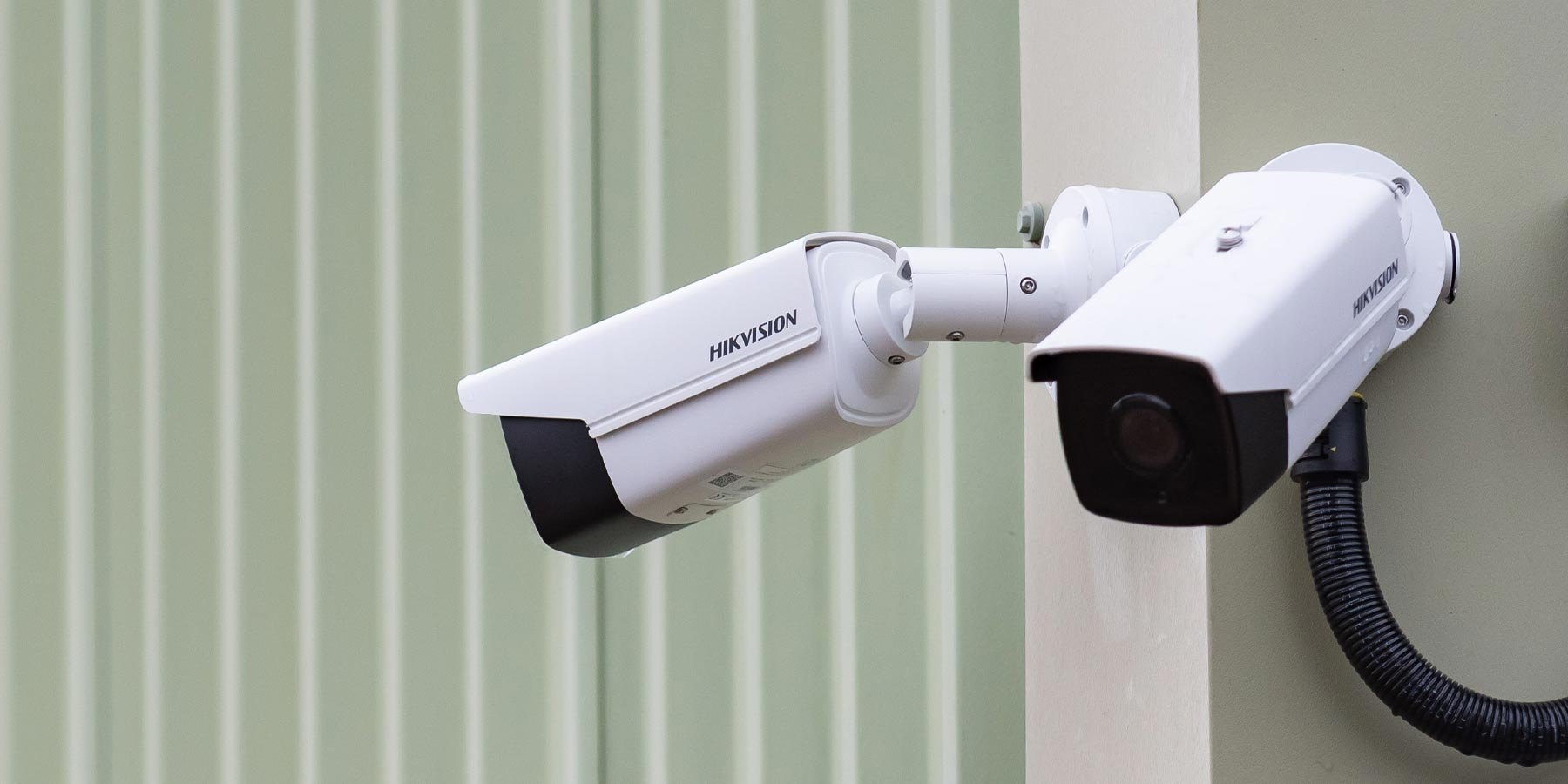
40% of Nagpur Smart City CCTV Cameras Non-Functional

Nagpur Smart City CCTV Issue: Nagpur’s ambitious smart city project is facing a serious challenge: 40% of the CCTV cameras installed for city surveillance are non-functional. The Nagpur Smart and Sustainable City Development Corporation Limited (NSSCDC) has consistently missed installation targets, and maintenance issues have led to a rapid decline in working cameras. But why is this happening, and what does it mean for the city’s safety and traffic management?

Nagpur Smart City CCTV Project: An Overview

The NSSCDC launched an extensive CCTV surveillance network to enhance security and improve traffic management. The goal was to install thousands of cameras across the city, yet a significant percentage remain non-operational.

Planned vs. Actual Installations

  • 2019-20 Target: 3,912 cameras
  • Cameras Installed: 3,692
  • 2023-24 Target: 3,841 cameras
  • Cameras Installed: Far below target

The trend of failing to meet targets has continued for years, with little improvement in execution.

Why Are So Many Cameras Non-Functional?

Several factors contribute to the declining functionality of Nagpur’s CCTV network.

1. Poor Maintenance

The number of operational cameras has decreased from 3,412 in 2019-20 to just 2,671 in 2023-24 due to inadequate maintenance and repairs.

2. Infrastructure Damage

Ongoing road construction, power cable installations, and pipeline projects have damaged fiber optic connections, leading to connectivity issues.

3. Budget Constraints

NSSCDC has struggled with budget allocations, delaying repairs and replacement of faulty cameras.

4. Vandalism and Theft

Some cameras have been stolen or vandalized, further reducing their effectiveness.

Importance of CCTV Cameras in Nagpur’s Smart City Initiative

CCTV cameras are not just about surveillance; they play a crucial role in:

1. Traffic Management

The Intelligent and Integrated Traffic Management System (IITMS) relies on these cameras to:

  • Synchronize traffic signals
  • Detect red-light and stop-line violations
  • Recognize number plates automatically
  • Monitor vehicle speed

2. Crime Prevention

Functioning CCTV cameras deter criminal activity and help law enforcement solve crimes.

3. Public Safety

Cameras enhance security at traffic junctions, public places, and crowded areas, ensuring a safer environment for citizens.

NSSCDC’s Next Move: Hiring a Private Agency

With persistent issues in installation and maintenance, NSSCDC has decided to outsource CCTV network management to a private agency. This step aims to:

  • Ensure better maintenance and repairs
  • Improve uptime of existing cameras
  • Enhance real-time monitoring and efficiency

Challenges in Outsourcing CCTV Maintenance | Nagpur Smart City CCTV Issue

While hiring a private firm sounds promising, there are concerns:

  • Costly contracts: Will taxpayers bear the extra cost?
  • Efficiency concerns: Will the private agency deliver better results than NSSCDC?
  • Accountability issues: Who will be responsible for system failures?

How Can Nagpur Improve Its CCTV Network?

Here are some steps that can help fix the city’s CCTV issues:

1. Regular Maintenance Checks

Implementing scheduled maintenance will ensure that cameras remain functional.

2. Improved Infrastructure Planning

Coordinating with city planners can prevent fiber optic damage during road and cable projects.

3. Increased Budget Allocation

More funds should be dedicated to maintaining and upgrading the CCTV network.

4. Stronger Security Measures

Preventing vandalism and theft with protective enclosures and security patrols will help safeguard camera installations.

Nagpur’s smart city vision is heavily dependent on a robust surveillance network. However, the non-functionality of 40% of its CCTV cameras is a major setback. By outsourcing maintenance, improving infrastructure coordination, and increasing security measures, the city can regain control over its surveillance system. But the real question remains—will these steps be enough to turn things around?

1. Why are so many CCTV cameras in Nagpur not working?

Poor maintenance, fiber optic damage from infrastructure work, budget constraints, and vandalism are the primary reasons.

2. How does this issue affect Nagpur’s traffic management?

Dysfunctional cameras hinder IITMS operations, leading to inefficient traffic signal synchronization and poor enforcement of traffic rules.

3. What steps is NSSCDC taking to fix the problem?

The organization is outsourcing CCTV network management to a private agency to improve maintenance and functionality.

4. Can a private company ensure better CCTV maintenance?

It depends on the contract’s execution, accountability measures, and funding allocation. If managed well, a private firm can improve uptime and monitoring.

5. How can citizens help improve Nagpur’s CCTV network?

Citizens can report damaged or stolen cameras, support security initiatives, and push for better governance in surveillance system management.


3-in-1 Flyover to Decongest Inner Ring Road Stretch from Manewada Square to Mhalgi Nagar Square

Nagpur Inner Ring Road flyover: Nagpur’s Inner Ring Road has long been a bottleneck, especially between Manewada Square and Mhalgi Nagar Square. To tackle this persistent issue, the state Public Works Department (PWD) has greenlit an ambitious project: a 3-in-1 flyover designed to streamline traffic flow and enhance road safety.

The Vision Behind the 3-in-1 Flyover

The concept is straightforward yet innovative. By connecting two proposed flyovers at Manewada and Mhalgi Nagar Squares with a third, the PWD aims to create a seamless 2.80-kilometer elevated corridor. This continuous stretch will start just before Manewada Square and descend beyond Mhalgi Nagar Square, effectively bypassing the congested intersections below.

Breaking Down the Project Components | Nagpur Inner Ring Road flyover

  1. Manewada Square Flyover: Approved in 2023 with a budget of ₹73.14 crore, this flyover addresses the frequent traffic snarls and accidents at this busy junction.
  2. Mhalgi Nagar Square Flyover: Similarly budgeted at ₹73.14 crore, this structure aims to alleviate congestion at Mhalgi Nagar Square.
  3. Connecting Flyover: The linchpin of the project, this 1.43-kilometer stretch, comes with an administrative approval of ₹185 crore. Once completed, it will link the two flyovers, forming a unified elevated route.

Project Genesis and Leadership Insights

The groundwork for this initiative was laid during the bhoomipuja (groundbreaking ceremony) in August 2024. Union Minister Nitin Gadkari emphasized the importance of connecting the two flyovers to optimize traffic flow on the Inner Ring Road. Taking this recommendation to heart, the PWD devised the plan for the third connecting flyover.

Current Progress and Design Adjustments | Nagpur Inner Ring Road flyover

Construction has already commenced on the Mhalgi Nagar flyover, with foundational work underway. However, integrating the third flyover necessitated design modifications for the initial two structures. Specifically, the landing of the Manewada Square flyover and the ascending ramp of the Mhalgi Nagar Square flyover were redesigned to ensure a cohesive connection.

Anticipated Benefits of the Unified Flyover

Upon completion, this 2.80-kilometer flyover is expected to:

  • Reduce Travel Time: Motorists can bypass two major intersections, leading to quicker commutes.
  • Enhance Safety: Elevating heavy vehicle traffic will minimize the risk of accidents on the road below.
  • Improve Traffic Flow: The Inner Ring Road will experience reduced congestion, benefiting daily commuters.

Addressing Construction Challenges

While the project promises significant benefits, the construction phase has introduced temporary challenges. Excavation and barricading have narrowed road widths, leading to traffic disruptions. Local motorists have reported increased congestion due to these ongoing works.

Community Concerns and Feedback

Some residents question the necessity of the flyovers, citing existing wide roads and suggesting that better traffic management could suffice. They advocate for enhanced traffic policing and stricter adherence to traffic rules as alternative solutions.

Comparative Analysis: Flyovers in Urban Planning

Urban centers worldwide have utilized flyovers to address traffic congestion. While effective in many scenarios, it’s crucial to consider local contexts. In some cases, flyovers have led to increased traffic beneath them or shifted congestion to adjacent areas. Therefore, comprehensive planning and community engagement are essential.

Future Outlook: Beyond the Flyover

Infrastructure projects like this are part of a broader strategy to modernize urban transportation in Nagpur. Complementary measures, such as public transportation enhancements, smart traffic management systems, and non-motorized transport infrastructure, will play pivotal roles in creating a holistic solution.

Environmental and Social Considerations

Large-scale construction projects inevitably impact the environment and local communities. It’s imperative to conduct thorough environmental assessments, implement mitigation strategies, and engage with affected communities to ensure sustainable and inclusive development.

The 3-in-1 flyover project represents a significant investment in Nagpur’s infrastructure, aiming to alleviate longstanding traffic issues on the Inner Ring Road. While challenges and differing opinions exist, the project’s success will hinge on effective execution, continuous stakeholder engagement, and adaptive planning to meet the city’s evolving needs.

  1. What is the total cost of the 3-in-1 flyover project?

    The combined budget for the project is approximately ₹331.28 crore, encompassing all three flyovers.

  2. When is the expected completion date for the flyovers?

    Each flyover has a projected completion timeline of 24 months from the start of construction.

  3. How will the flyovers impact daily commuters during construction?

    Temporary traffic disruptions are anticipated due to construction activities. Commuters are advised to plan for potential delays and stay updated on traffic advisories.

  4. Are there alternative solutions to building flyovers for traffic decongestion?

    Some community members suggest that improved traffic management and enforcement could address congestion without the need for flyovers.

  5. How can residents voice their concerns or suggestions about the project?

    Residents can participate in public consultations or reach out to the PWD through official channels to share their feedback.

Nagpur to Receive Advanced ‘Made in India’ X-Band Doppler Radar Soon

In response to recent weather challenges, the India Meteorological Department (IMD) is installing a state-of-the-art X-band dual-polarized Doppler Weather Radar (DWR) in Nagpur. This initiative aims to enhance the city’s weather monitoring capabilities, especially during the monsoon season.

Current Weather Monitoring in Nagpur

Nagpur currently relies on an S-Band DWR located at Dr. Babasaheb Ambedkar International Airport, managed by the Regional Meteorological Centre (RMC). This radar covers a range of up to 500 km, providing essential data for weather forecasting.

Need for the New X-Band Radar

In recent years, Nagpur has experienced several cloudbursts during the monsoon, leading to technical challenges with the existing S-Band radar. To address potential breakdowns and ensure continuous monitoring, the IMD has decided to introduce an additional DWR in the city.

Advantages of the ‘Made in India’ X-Band Radar

The upcoming X-Band DWR offers several benefits:

  • Enhanced Efficiency: Being indigenously developed, it promises better performance and easier maintenance compared to the existing Chinese-made S-Band radar.
  • Dual Polarization: This feature allows the radar to transmit and receive both horizontal and vertical polarizations simultaneously, providing clearer and more accurate data.
  • High Resolution: While its range is between 100 to 150 km, the X-Band radar delivers high-resolution data, making it ideal for detailed local weather analysis.

Technical Specifications

The new radar operates within a frequency range of 9300 to 9500 MHz and is capable of detecting and estimating meteorological parameters associated with severe weather phenomena. It will also integrate with a Radar Calibration Station situated 25-30 km away, ensuring data accuracy.

Operational Advantages

Unlike the single polarization capability of the existing S-Band radar, the new X-Band radar’s dual polarization will enhance its ability to analyze precipitation types and improve overall weather prediction accuracy. Additionally, the system will be fully computer-controlled and remotely manageable, with data processing completed within eight minutes.

The installation of the advanced ‘Made in India’ X-Band Doppler Weather Radar in Nagpur marks a significant step forward in the city’s meteorological infrastructure. This development will bolster the IMD’s ability to monitor and predict severe weather events, ensuring better preparedness and response for Nagpur’s residents.

  1. What is the primary purpose of the new X-Band Doppler Weather Radar in Nagpur?

    The new radar aims to enhance weather monitoring and forecasting capabilities, especially during severe weather events like cloudbursts.

  2. How does the X-Band radar differ from the existing S-Band radar in Nagpur?

    The X-Band radar offers dual polarization and higher resolution data, covering a range of 100-150 km, whereas the S-Band radar has a longer range of up to 500 km but with single polarization.

  3. Why is dual polarization important in weather radars?

    Dual polarization allows the radar to transmit and receive both horizontal and vertical signals, providing more detailed information about precipitation types and improving forecast accuracy.

  4. Will the new radar replace the existing S-Band radar?

    No, the new X-Band radar will complement the existing S-Band radar, ensuring continuous monitoring even if one system encounters technical issues.

  5. When is the new X-Band radar expected to be operational in Nagpur?

    The IMD has already placed the order for the radar, and it is expected to be installed and operational soon, although specific timelines have not been disclosed.

Nagpur Traffic Department’s Strategic Planning Ensures Smooth Vehicle Flow During Cricket Match

Nagpur Traffic Management | DCP Traffic Archit Chandak:  When it comes to cricket in Nagpur, the excitement is palpable. But let’s be honest: Navigating traffic to Jamtha Stadium can be daunting. However, during the recent India-England ODI on February 6, 2025, the Nagpur Traffic Department turned the tide, ensuring fans could focus on the game rather than the gridlock.

A New Dawn in Traffic Management Nagpur | Archit Chandak

Gone are the days when attending a match meant bracing for hours-long traffic snarls. This time, the city’s traffic maestros orchestrated a plan that was nothing short of a symphony. Over 550 personnel were deployed, each playing their part to perfection. Fans who arrived early found themselves breezing through, reaching the stadium in just 45 to 60 minutes—a stark contrast to the 1.5 to 2-hour ordeal of previous matches.

The Morning Rush: A Minor Hiccup

Between 11:30 AM and 1:30 PM, Wardha Road did experience bumper-to-bumper traffic. But here’s the kicker: once the match began, the congestion melted away like ice on a summer day. One fan quipped, “I was stuck in traffic just before the stadium for around 15 minutes; otherwise, the traffic was moving smoothly. My friends and I were already prepared about being stuck in jams for hours, but it did not happen.”

Behind the Scenes: The Mastermind

Deputy Commissioner of Police (Traffic) Archit Chandak, a Nagpur native, knew the city’s traffic woes all too well. Drawing from his personal experiences, he crafted a comprehensive plan that included disciplined parking arrangements, strategic traffic diversions, and personnel stationed at key junctions. His hands-on approach—being present from dawn till the final whistle—ensured everything ran like clockwork.

Heavy Vehicles: Rerouted for Relief

To keep the main arteries clear, heavy vehicles were diverted via the Samruddhi Expressway. While this led to some confusion among truck drivers and queues on internal roads, it was a small price to pay for the overall fluidity experienced by match-goers.

Parking: Plenty of Room at the Inn

The department arranged parking for approximately 10,000 vehicles, promoting these facilities widely. Yet, many fans chose to park along Wardha Road—a practice permitted as long as it didn’t obstruct traffic. For those who missed the memo, five towing vans were on standby to clear any disruptions.

The Post-Match Exodus: A Pleasant Surprise

Historically, the journey home after a match was a test of patience, with fans often stranded for 3-4 hours. This time, vehicles reached Nagpur within half an hour. Spectators couldn’t help but applaud the traffic department’s efforts in preventing the usual chaotic gridlocks. One fan shared, “I parked my car in the designated parking lot, but I was able to take out my car and reach Chinchbhuvan within 15 minutes. I left the stadium during the final over and even had dinner at a dhaba but did not witness a traffic jam.”

Innovations in Traffic Management

For the first time, drones were deployed to monitor traffic flow towards the stadium. This aerial perspective allowed for real-time adjustments, ensuring any potential bottlenecks were addressed promptly.

Green Corridors: VIP Treatment for All

A green corridor was established from Jamtha to Rahate Colony Square, facilitating the swift exit of vehicles post-match. This initiative ensured that the usual bottlenecks were averted, allowing fans to head home without unnecessary delays.

Public Transport: A Viable Alternative

Spectators were encouraged to utilize public transport, with continuous shuttle services connecting parking areas to the stadium. This move not only reduced the number of vehicles on the road but also offered fans a hassle-free commute.

Community Feedback: A Resounding Success

The positive feedback from the public was overwhelming. Many expressed their appreciation for the meticulous planning and execution, noting the stark improvement from previous experiences. The absence of severe parking issues and the smooth traffic flow marked a significant achievement for the traffic department.

Lessons Learned and the Road Ahead

While the day’s success was commendable, it also offered insights for future events. The importance of clear communication regarding parking facilities became evident, as did the need for better guidance for heavy vehicle drivers on diverted routes.

The Nagpur Traffic Department’s (Archit Chandak) strategic planning and effective execution transformed what was once a dreaded ordeal into a seamless experience. Their efforts ensured that the focus remained on the thrill of the game, rather than the trials of the commute.

  1. What measures were taken to improve traffic flow during the match?

    The department deployed over 550 personnel, established green corridors, utilized drones for monitoring, and rerouted heavy vehicles to ensure smooth traffic flow.

  2. Were there sufficient parking facilities available?

    Yes, approximately 10,000 parking spaces were arranged, and fans were encouraged to use these designated areas to prevent roadside congestion.

  3. How effective were the drone deployments?

    The drones provided real-time aerial views, allowing authorities to promptly address and manage any emerging traffic issues.

  4. What was the public’s reaction to the new traffic management strategies?

    Spectators widely appreciated the efforts, noting a significant improvement from previous events and expressing relief at the absence of severe traffic jams.

  5. Will these traffic management strategies be used for future events?

    Given the success of these measures, it’s likely that similar strategies will be implemented and refined for future large-scale events in Nagpur.

‘Pay Rs 99,000 Now And Enjoy Unlimited Golgappas For Life’: Nagpur Bhaiyya’s Offer Goes Viral

Nagpur | Unlimited Panipuri Lifetime Offer: Golgappas, also known as pani puri, puchka, or phuchka, are an all-time favorite street food in India. Their tantalizing crunch, spicy-sour water, and delightful fillings make them irresistible. But what if you could enjoy unlimited golgappas for life by paying a one-time fee? Sounds too good to be true, right? Well, a golgappa vendor in Nagpur has made this dream a reality with his viral Rs 99,000 lifetime offer!

The Viral Golgappa Deal: What’s the Buzz About?

According to a social media post that took the internet by storm, a street food vendor in Nagpur has announced a unique deal—pay Rs 99,000 once, and enjoy free golgappas for a lifetime! Yes, you read that right. The offer states that once a customer pays the lump sum amount, they can visit the stall anytime and eat unlimited golgappas without spending another rupee.

Why Is This Offer So Popular?

  • Golgappa Lovers’ Dream Come True – Who wouldn’t want unlimited access to their favorite snack?
  • Social Media Hype – The offer quickly spread across platforms, fueling curiosity.
  • Unbelievable Value – A one-time payment versus years of enjoying golgappas for free sounds like a deal worth considering.

Breaking Down the Math: Is It Worth It?

How Many Golgappas Would You Need to Eat?

Let’s assume the average price of a plate of golgappas is Rs 30, and each plate contains 6 golgappas.

  • If you eat one plate per day, you spend about Rs 900 per month.
  • In one year, that’s approximately Rs 10,800.
  • In 10 years, you’d spend Rs 1,08,000, meaning you’d already save money with the Rs 99,000 deal.

For someone who indulges frequently, the deal could be a steal!

Reactions from Social Media

Public Opinion: Excitement or Skepticism?

Social media is divided. Some call it a genius marketing move, while others are skeptical.

  • Excited Foodies: “Best deal ever! Where do I sign up?”
  • Cautious Customers: “What if the vendor shuts shop after a few years?”
  • Finance Gurus: “Better invest that Rs 99,000 elsewhere!”

Risks and Considerations Before Buying | Unlimited Panipuri Lifetime Offer

Before jumping into this deal, here are a few things to consider:

  • Business Stability: Will the vendor be around in 10-20 years?
  • Health Considerations: Can your stomach handle unlimited pani puri for life?
  • Terms & Conditions: Are there any hidden clauses?

Is This a Marketing Stunt?

Some believe this is just a clever marketing trick to attract customers. Whether or not people actually buy into the offer, the vendor has already gained massive publicity.

Similar Offers in the Food Industry

This isn’t the first time a business has offered a lifetime deal:

  • A pizza chain once offered unlimited pizza for life for a fixed price.
  • Some restaurants have loyalty programs that offer lifetime benefits.

How to Find Such Unique Offers?

If you love deals like these, keep an eye on social media and foodie forums. Many vendors introduce limited-time offers to attract customers.

Would You Take the Deal?

The big question remains—would you pay Rs 99,000 for lifetime golgappas? While it’s an exciting prospect, it’s essential to evaluate the long-term value before making a decision.

Nagpur’s golgappa vendor has sparked an interesting debate with his lifetime offer. Whether it’s a marketing strategy or a real deal, one thing is certain—it has captured everyone’s attention! If you’re a die-hard golgappa lover, this might just be your golden ticket to unlimited pani puri indulgence.

1. Is the Rs 99,000 unlimited golgappa deal real?

It appears to be a genuine offer by a vendor in Nagpur, but customers should verify the terms before investing.

2. Can I transfer my unlimited golgappa membership to someone else?

There is no official statement about transferability. It’s best to check with the vendor.

3. Are there any health risks to eating too many golgappas?

Excessive consumption of street food can lead to digestive issues, so moderation is key.

4. What happens if the vendor closes his shop?

This is a significant risk. If the vendor shuts down, the offer becomes null and void.

5. Are similar offers available in other cities?

Not commonly, but some restaurants and food chains offer lifetime deals occasionally.

Garoba Maidan Police Station: Enhancing Safety in Nagpur

The establishment of the Garoba Maidan Station marks a significant development in Nagpur‘s law enforcement landscape. By reorganizing the jurisdictions of the Nandanvan and Lakadganj police stations, this new facility is set to serve approximately 150,000 residents, becoming the 35th police station under the Nagpur Police Commissionerate.

The Genesis of Garoba Maidan Police Station

The decision to create the Garoba Maidan Station stemmed from the need to improve administrative efficiency and public safety in Nagpur. By dividing the extensive areas previously managed by the Nandanvan and Lakadganj police stations, authorities aim to provide more focused and effective policing services to the community.

Strategic Location and Accessibility

Situated at 44WG+P9J, Central Avenue, Garoba Maidan, Shashtri Nagar, Nagpur, Maharashtra 440008, the Garoba Maidan Station is strategically positioned to serve its jurisdiction effectively. Its proximity to key areas ensures that law enforcement can respond promptly to incidents, thereby enhancing public safety.

Operational Hours and Contact Information

The Garoba Maidan Station operates daily from 7:00 AM to 12:00 AM, ensuring that citizens have access to police services throughout the day. For assistance, individuals can visit the station during these hours or contact the Nagpur Police Control Room at 0712-2560200 for emergencies.

Impact on Nandanvan and Lakadganj Police Stations

The establishment of the Garoba Maidan Station has led to a reorganization of the jurisdictions of the Nandanvan and Lakadganj police stations. This restructuring allows these stations to focus more closely on their respective areas, improving response times and the quality of service provided to the public.

Community Engagement and Public Safety Initiatives

The Garoba Maidan Station is committed to engaging with the community through various public safety initiatives. These programs aim to foster a collaborative relationship between law enforcement and residents, promoting a safer and more secure environment for all.

The inauguration of the Garoba Maidan Station represents a proactive step towards enhancing public safety and administrative efficiency in Nagpur. By redistributing the responsibilities of existing police stations, the Nagpur Police Commissionerate demonstrates its commitment to serving the community more effectively.

  1. What areas does the Garoba Maidan Station serve?
    • The Garoba Maidan Station serves areas previously under the jurisdiction of the Nandanvan and Lakadganj police stations, covering approximately 150,000 residents.
  2. What are the operational hours of the Garoba Maidan Station?
    • The station operates daily from 7:00 AM to 12:00 AM.
  3. How can I contact the Garoba Maidan Police Station?
    • Citizens can visit the station at 44WG+P9J, Central Avenue, Garoba Maidan, Shashtri Nagar, Nagpur, Maharashtra 440008, or contact the Nagpur Police Control Room at 0712-2560200.
  4. What is the significance of the new police station?
    • The establishment of the Garoba Maidan Station aims to improve administrative efficiency and public safety by providing more focused policing services to the community.
  5. How does the new station affect the Nandanvan and Lakadganj police stations?
    • The creation of the Garoba Maidan Station allows the Nandanvan and Lakadganj police stations to concentrate more closely on their respective areas, enhancing the quality of service provided to the public.

Traffic Management Plan for the India-England Match

Jamtha Parking: DCP Traffic Archit Chandak has implemented a structured traffic control plan to minimize congestion. Additional traffic personnel will be deployed to manage the flow efficiently.

Public Transport – The Best Choice for Spectators

Why Use Public Transport?

  • Avoid getting stuck in traffic jams
  • Reduce fuel expenses and hassle
  • Contribute to an eco-friendly environment
  • Enjoy stress-free travel without worrying about parking

Metro Services for Spectators

The MIHAN Metro Station will offer continuous shuttle services to the stadium, ensuring quick and efficient transportation.

Parking Arrangements at the Stadium | Jamtha Parking

To accommodate various vehicles, designated parking zones have been allocated:

Two-Wheelers | Jamtha Parking

  • Parking Zone C – Located near Gate No. 1

Four-Wheelers

  • Zone B, D-1, and D-2 – On either side of the stadium

Overflow Parking

  • Zones E and F near Gabbar Da Dhaba
  • Free city bus service will shuttle spectators from these parking areas, approximately 1 km away, to the stadium

Strict No-Parking Policy on Highways

Key Enforcement Actions:

  • Illegally parked vehicles will be towed immediately
  • Five towing vans will be on patrol
  • Two hydra cranes will be deployed to remove large obstructing vehicles

Exit Strategy for Smooth Dispersal

A one-way system has been designed to improve traffic flow. Vehicles will exit via designated routes opposite the parking lots through a newly constructed road.

Key Travel Guidelines for Spectators

  • Arrive at least two hours before the match to avoid last-minute congestion
  • Follow police instructions and signboards for seamless movement
  • Utilize public transport for hassle-free access to the venue

Heavy Vehicle Movement Restrictions

To avoid congestion, the movement of heavy vehicles will be banned on Wardha Road from Thursday morning.

Traffic Diversions for Heavy Vehicles

  • Vehicles from Nagpur towards Wardha will turn right at Mundle School Key Cutting and proceed via Samruddhi Expressway
  • Vehicles from Jabalpur Bypass towards Wardha will use Panjri Toll Gate to Samruddhi Zero Circle via Datala road
  • Vehicles from Chandrapur, Hyderabad, and Wardha towards Nagpur will reroute via Mauli Cutting
  • Vehicles from Amravati towards Chandrapur and Hyderabad will take the Wayfal toll plaza and Datala route

Benefits of Using Public Transport for the Match

  1. Saves Time – Avoid unnecessary delays due to traffic congestion
  2. Eco-Friendly – Reduces carbon emissions and fuel consumption
  3. Affordable – Saves fuel and parking charges
  4. Safer – Minimizes the risk of vehicle theft or damage
  5. Stress-Free Experience – Allows fans to focus on the game without transportation worries

What Happens If You Park Illegally?

  • Your vehicle will be towed
  • You may have to pay a fine
  • You could experience unnecessary delays retrieving your vehicle

Police Assistance and Support | DCP Traffic Archit Chandak

Police personnel will be stationed throughout the area to assist visitors, answer queries, and ensure a seamless experience for all spectators.

Final Tips for Match-Day Travel

  • Plan your travel in advance
  • Use metro and shuttle services
  • Park only in designated areas
  • Follow traffic rules and police instructions

The India-England ODI match at Jamtha Stadium promises to be an exciting event. To ensure a hassle-free experience, spectators must utilize public transport, park in designated zones, and avoid illegal parking on highways. Following these guidelines will contribute to a smoother and more enjoyable match-day experience for all.

1. Can I park my vehicle on the highway near the stadium?

No, a strict no-parking policy is in place, and illegally parked vehicles will be towed.

2. Where should I park if the stadium lots are full?

Overflow parking is available in Zones E and F, with a free city bus shuttle service to the stadium.

3. How early should I arrive at the stadium?

It is advised to arrive at least two hours before the match to avoid traffic congestion.

4. What public transport options are available?

Spectators can use metro services from MIHAN Metro Station, which provides continuous shuttle services to the stadium.

5. Are there any restrictions for heavy vehicles?

Yes, heavy vehicle movement is banned on Wardha Road, and diversions are in place to manage traffic effectively.

Vidarbha Cricket Association Stadium, Nagpur: Pitch Report, Records and Highest Scores in ODIs Ahead of India vs England 1st ODI Match

VCA Pitch Report: India and England are all set to clash in the first ODI match of their three-match series at the Vidarbha Cricket Association (VCA) Stadium in Nagpur on Thursday, February 6. This exciting face-off comes after India’s dominant 4-1 win in the T20I series, and now, both teams gear up for a highly anticipated ODI series. The VCA Stadium has hosted some thrilling international matches over the years, and as we look forward to this match, let’s dive into the details of the stadium, its pitch report, and records in ODIs.

How Many ODIs Has the Vidarbha Cricket Association, Nagpur Hosted? | VCA Pitch Report

The Vidarbha Cricket Association Stadium, located in the city of Nagpur, has hosted a total of 9 One Day International (ODI) matches between 2009 and 2019. These matches have contributed to the stadium’s rich history in international cricket.

What is the Capacity of the Vidarbha Cricket Association, Nagpur?

The VCA Stadium in Nagpur boasts an impressive capacity of 45,000 spectators, making it one of the largest cricket stadiums in India. The atmosphere here is electric, especially during international matches, with fans from across the country flocking to witness high-intensity cricket.

Vidarbha Cricket Association, Nagpur Stadium: Pitch Report

Traditionally, the pitch at the Vidarbha Cricket Association Stadium is known to favor spin bowlers, which can make for an exciting contest. However, in the context of white-ball cricket, fans can expect a high-scoring game. The surface may have a few cracks, and while spin plays a role, the team that masters the middle overs and handles the pressure of chasing will have the upper hand.

Toss plays a critical role here, with teams that win the toss generally opting to chase a target of around 320 runs. This is because the pitch can get more challenging as the game progresses, offering opportunities for the chasing team to take advantage of any cracks or wear and tear on the surface.

Vidarbha Cricket Association, Nagpur: Average Scores and Toss Results in ODIs

In the 9 ODIs played at the venue, the average first innings score is 260. Here’s a quick breakdown of match outcomes at the VCA Stadium:

  • Matches won after batting first: 5
  • Matches won by chasing team: 4

This balance indicates that while chasing can be advantageous, teams batting first have also been successful in securing victories.

What Happened in the Previous ODI at the Vidarbha Cricket Association, Nagpur | VCA Pitch Report?

The last ODI held at the Vidarbha Cricket Association Stadium took place in 2019, during Australia’s tour of India. In a thrilling contest, Australia won the toss and asked India to bat first. India struggled early, losing wickets, but a stellar knock of 116 runs from Virat Kohli and 46 runs from Vijay Shankar took India to a total of 250 runs. Despite a solid performance by India, Pat Cummins took 4/29, and Adam Zampa claimed two wickets, which helped Australia secure a hard-fought victory.

What is the Highest Score by a Team at the Vidarbha Cricket Association, Nagpur?

The highest score ever recorded at the Vidarbha Cricket Association Stadium in ODIs came in 2009 during the second ODI of the series between India and Australia. India posted a formidable total of 354/7 in their innings. MS Dhoni was the standout performer with an explosive knock of 124 runs off 107 balls, while Suresh Raina and Gautam Gambhir supported him with valuable fifties.

What is the Lowest Score by a Team at the Vidarbha Cricket Association, Jamtha, Nagpur?

The lowest score at the VCA Stadium was posted by Canada during the 2011 ICC Cricket World Cup. In a one-sided contest against Zimbabwe, Canada was bowled out for a mere 123 runs, which remains the lowest total at the venue. Zimbabwe won the match by 175 runs, making it a memorable and disappointing game for the Canadians.

What is the Highest Individual Score at the Vidarbha Cricket Association, Jamtha, Nagpur?

The record for the highest individual score at the VCA Stadium in ODIs belongs to George Bailey, who scored a blistering 156 runs off 114 balls during the 6th ODI between India and Australia in 2013. His knock helped Australia post a competitive total, and this remains the highest individual score at the venue.

What is the Best Bowling Figure at the Vidarbha Cricket Association, Jamtha, Nagpur in ODIs?

Dale Steyn holds the record for the best bowling figures at the Vidarbha Cricket Association Stadium in ODIs. During the 2011 ICC World Cup, Steyn claimed 5 wickets for 50 runs against India in a thrilling 3-run win for South Africa. His brilliant spell helped his team secure a narrow victory in what was one of the most memorable matches at the stadium.

Which Batter Has the Most Runs at the Vidarbha Cricket Association, Jamtha, Nagpur in ODIs?

Indian batting legend Virat Kohli has been exceptional at the VCA Stadium, accumulating 325 runs in just 5 innings. His tally includes two centuries and a half-century. He averages an impressive 81.25 at the venue, with a strike rate of 105.17, and his highest score here is 116 runs against Australia.

Which Bowler Has the Most Wickets at the Vidarbha Cricket Association, Jamtha, Nagpur in ODIs?

Australian fast bowler Mitchell Johnson has claimed the most wickets at the Vidarbha Cricket Association Stadium, with 9 wickets in 3 matches. His best bowling performance at the venue is 4 wickets for 33 runs, and he has an average of 20 with a strike rate of 19.4.

This indicates a strong belief in India’s ability to win the series opener.

As the first ODI between India and England is set to unfold at the Vidarbha Cricket Association Stadium in Nagpur, all eyes will be on the pitch and the records of the venue. With a mix of spin-friendly conditions and high-scoring opportunities, the match promises to be an exciting contest. The teams will need to adapt to the conditions quickly, with the toss playing a crucial role. Fans can expect thrilling cricket, with both teams looking to secure an early advantage in the series.

  1. How many ODIs have been played at the Vidarbha Cricket Association Stadium?
    • A total of 9 ODIs have been played at the VCA Stadium in Nagpur.
  2. What is the highest score by a team at the VCA Stadium in ODIs?
    • India’s highest score at the stadium is 354/7, achieved against Australia in 2009.
  3. Who holds the record for the most runs at the VCA Stadium in ODIs?
    • Virat Kohli holds the record with 325 runs in 5 innings.
  4. What is the best bowling figure at the Vidarbha Cricket Association Stadium in ODIs?
    • Dale Steyn’s 5/50 against India in the 2011 World Cup is the best bowling figure.
  5. Which team is favored to win the first ODI between India and England?
    • India is favored to win the first ODI with odds of 1.45.

Nagpur Traffic Guidelines for India vs England ODI at Jamtha

India vs England ODI | Jamtha Stadium Parking: Cricket fever is at its peak as India takes on England in a thrilling One Day International (ODI) match at Jamtha Stadium, Nagpur. With thousands of fans expected to pour into the city, the Nagpur Traffic Police has issued detailed traffic and parking guidelines to ensure a seamless experience for spectators. If you’re attending the match, read on to avoid any last-minute confusion!

Traffic Guidelines to Follow

1. Route Directions for Spectators

  • All vehicles must take the Nagpur-Wardha Road route up to Jamtha T-point for direct access to the stadium.
  • Alternative routes are discouraged to prevent congestion.

2. Designated Parking for Four-Wheelers

  • Parking Zones:
    • Primary parking areas for four-wheelers: Parking B, D1, and D2 (near the stadium).
    • Additional spaces: Parking E and F (for overflow parking).
  • Post-match exit routes are predefined for B, D1, and D2 vehicles.

3. Two-Wheeler Parking Arrangements

  • Primary parking: Parking C (adjacent to the stadium).
  • Overflow parking: Vehicles will be directed to Parking F.

4. Overflow Parking Arrangements

  • Once Parking B, C, D1, and D2 reach 75% capacity, traffic will be rerouted to Parking E and F (1 km away).
  • Shuttle buses will ferry spectators from Parking E and F to Jamtha T-point.

5. Early Arrival is Highly Recommended

  • To avoid last-minute congestion, fans should reach the stadium at least two hours before the match starts.

6. Metro Services for Hassle-Free Commuting

  • Commuters are advised to use the Nagpur Metro up to Khapri station.
  • Shuttle buses will be available from Khapri station to the stadium.

7. Traffic Management Measures

  • Traffic personnel will be stationed along key points.
  • Directional signage will be installed throughout the route to guide spectators.

8. Heavy Vehicle Diversion | Jamtha Stadium parking

  • Heavy vehicles will be rerouted from Nagpur-Wardha Highway to Samruddhi Mahamarg to prevent unnecessary traffic buildup.

9. Strict Towing Operations in Effect

  • Five towing vans will be patrolling the stadium vicinity.
  • Illegal parking is strictly prohibited—vehicles parked on main roads will be towed immediately.

Additional Tips for Spectators

  • Carpooling is encouraged to reduce vehicle congestion.
  • Carry a valid match ticket to access parking and shuttle services.
  • Follow signboards and listen to police personnel for smooth entry and exit.
  • Stay hydrated and wear comfortable clothing for the long game.

The India vs England ODI at Jamtha Stadium is set to be an electrifying event, and a little planning can make your match-day experience stress-free. By following the Nagpur Traffic Police guidelines, you can avoid unnecessary delays and fully enjoy the game. So, gear up, reach early, and cheer for your team!

1. What are the best parking options for four-wheelers?

The best parking zones for four-wheelers are Parking B, D1, and D2, with overflow options available in Parking E and F.

2. Is there a shuttle service available from metro stations?

Yes, shuttle buses will be available from Khapri metro station to the stadium for easy access.

3. What time should spectators arrive to avoid traffic congestion?

Spectators are advised to arrive at least two hours before the match to prevent last-minute rushes.

4. Are heavy vehicles allowed near Jamtha Stadium on match day?

No, heavy vehicles will be diverted to Samruddhi Mahamarg to reduce congestion.

5. What happens if I park my vehicle in a restricted zone?

Vehicles parked in unauthorized zones will be towed by the Nagpur Traffic Police, with fines applicable.

6,116 Villages in Nagpur Division to Undergo Drone Survey

SVAMITVA scheme drone survey: The central government’s ambitious SVAMITVA scheme is set to transform land ownership and property documentation in rural areas. In a major development, 6,116 villages in the Nagpur division are scheduled to undergo drone surveys, a key step toward providing Property (PR) cards to rural landowners using geo-tagging technology. The scheme aims to streamline land records and empower farmers by ensuring they have proper documentation for their properties. This article delves into the details of the initiative and its progress in Nagpur Division.

What is the SVAMITVA Scheme?

The SVAMITVA scheme (Survey of Villages and Mapping with Improvised Technology in Village Areas) is a central government initiative that aims to provide Property (PR) cards to rural landowners. This is being achieved through the use of drone surveys and geo-tagging technology to map land ownership. It is expected to benefit rural communities by granting them clear property rights, boosting financial inclusion, and enabling landowners to access government schemes and loans.

Why is the Drone Survey So Important?

Drone technology plays a pivotal role in modernizing the way land surveys are conducted. Traditional methods of surveying were often time-consuming, costly, and prone to errors. However, with drones, surveys are more accurate, efficient, and cost-effective. Geo-tagging technology further helps in precisely mapping land ownership, making the process smoother for both landowners and authorities.

Nagpur Division’s Role in the SVAMITVA Scheme | SVAMITVA scheme drone survey

The Nagpur division is one of the primary areas targeted under this scheme. Approximately 20% of the villages in Maharashtra included in the scheme fall within this division. The Nagpur division comprises 8,780 villages, and out of these, significant progress has already been made in terms of drone surveys and data collection.

How Many Villages are Affected?

  • 6,116 villages in Nagpur division will be covered by the drone surveys.
  • As of now, 4,447 villages have completed their final review, and 5,343 villages have undergone the inquiry process.

This means that a significant portion of the division’s villages is already seeing the benefits of this scheme, with more set to be included in the coming months.

Revenue Impact and Financial Projections

The implementation of the SVAMITVA scheme has also had an impact on local revenues. The total revenue generated through the scheme so far is ₹12.96 crore from the 4,447 villages already processed. With an additional ₹20.78 crore expected from the remaining villages, the total projected revenue from the Nagpur division is set to reach ₹33.74 crore.

Nagpur District: Leading the Charge

Among the districts in Nagpur division, Nagpur district stands out in terms of both progress and the number of villages mapped.

  • 1,250 villages are in the final review stage.
  • 1,362 villages have already undergone drone surveys.

This makes Nagpur district the leader in both categories, showing its commitment to the scheme and its efficient implementation.

Other Districts Making Strides

In addition to Nagpur district, other districts in the Nagpur division are also progressing rapidly:

  • Gadchiroli: With 1,359 villages undergoing drone surveys.
  • Chandrapur: Progressing quickly with 903 villages in the final review stage.

However, some areas still need more work. 773 villages in Nagpur division are still awaiting ground truthing and inquiry completion before their property records can be finalized.

How Ground Truthing Works

Ground truthing is a crucial step in the SVAMITVA scheme. This process involves verifying the data gathered from drones and ensuring that it matches the real-world situation. It helps resolve any discrepancies and provides landowners with accurate and reliable records of their property.

The Role of Camps and Officers in Implementation

To ensure that the scheme is effectively implemented, 407 camps have been set up across the six districts of the Nagpur division. These camps are held every Thursday and on key national dates like January 26, May 1, August 15, and October 2 to encourage maximum participation.

In addition to the camps, 814 officers have been deployed to assist in the process, guiding landowners and facilitating the smooth execution of the surveys.

Benefits of the SVAMITVA Scheme

The SVAMITVA scheme promises several long-term benefits:

  • Clear property rights for rural landowners.
  • Easy access to loans and government schemes.
  • Improved land management and planning in rural areas.
  • Boost to financial inclusion by enabling rural landowners to engage in economic activities.

Challenges Faced in the Process

Despite the progress, there are challenges:

  • Technical difficulties related to mapping in hilly or dense areas.
  • The ground truthing process can sometimes take longer due to logistical issues.
  • Disputes over land ownership that need to be resolved before finalizing the property records.

Future of the SVAMITVA Scheme

Looking forward, the SVAMITVA scheme aims to cover 16,996 villages across Maharashtra. As drone technology becomes more refined and accessible, it is expected that future surveys will be even more accurate and efficient, further benefiting rural communities.

The SVAMITVA scheme in Nagpur division (SVAMITVA scheme drone survey) marks a transformative step in land record management in rural India. With drone surveys mapping properties and providing PR cards to landowners, this initiative has the potential to change the way rural communities access resources, manage their land, and engage with government schemes. While challenges remain, the progress so far is a testament to the scheme’s success, and with continued effort, the scheme will no doubt benefit millions of rural households in the near future.


What is the SVAMITVA scheme? The SVAMITVA scheme aims to provide Property (PR) cards to rural landowners using drone surveys and geo-tagging technology.

  1. How many villages are being surveyed under the SVAMITVA scheme in Nagpur division? A total of 6,116 villages in the Nagpur division are undergoing drone surveys.
  2. What is the role of ground truthing in the SVAMITVA scheme? Ground truthing involves verifying the data gathered through drones to ensure accuracy before finalizing the property records.
  3. How much revenue has been generated from the SVAMITVA scheme? The revenue generated from 4,447 villages is ₹12.96 crore, with an expected total of ₹33.74 crore from the entire Nagpur division.
  4. How can landowners benefit from the SVAMITVA scheme? The scheme helps landowners obtain clear property records, providing them access to loans and government schemes, thus boosting financial inclusion.
Exit mobile version