Air Quality in Ambazari Hits Poor Zone: What Nagpur Residents Should Know

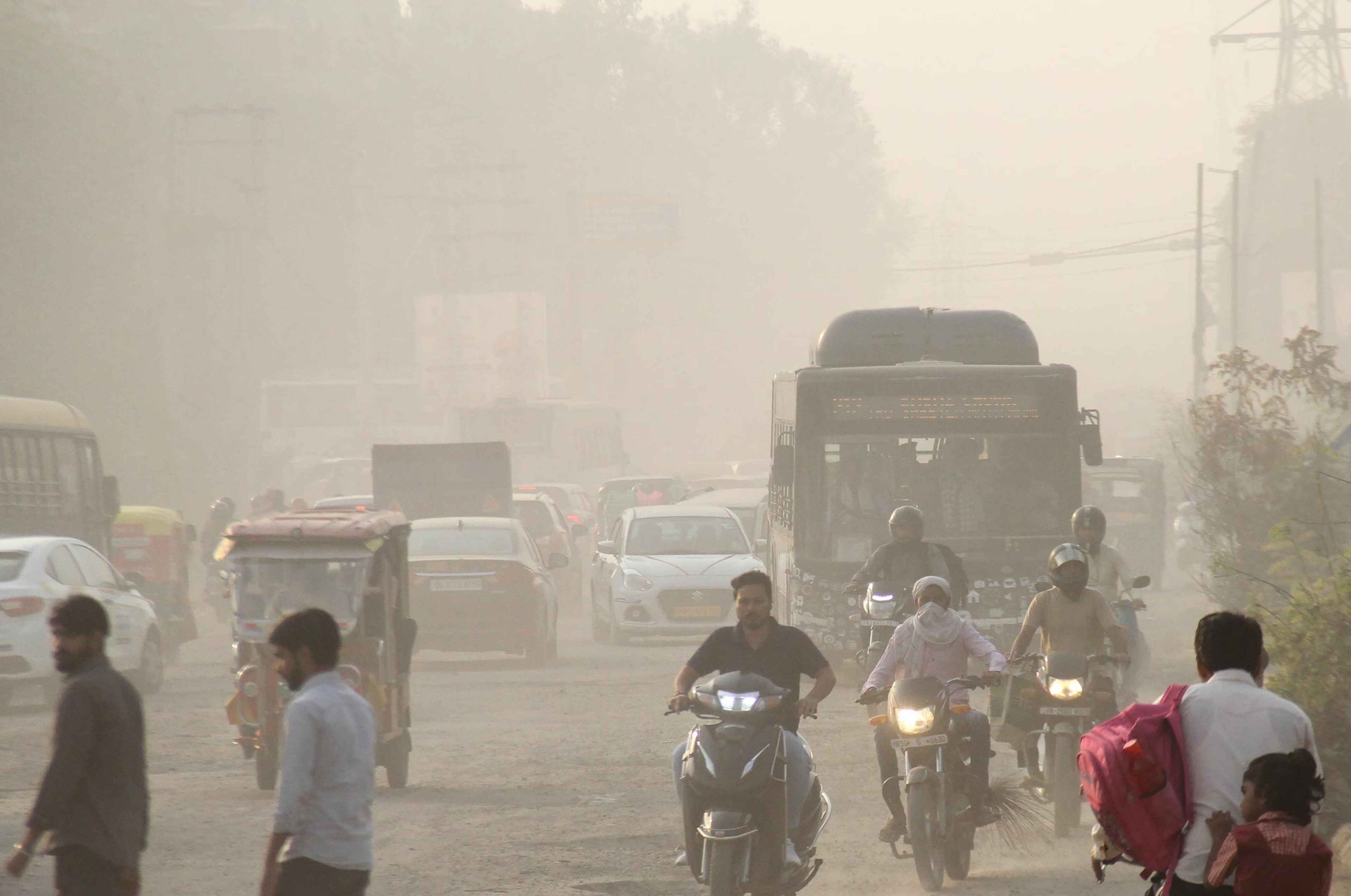
Nagpur Air Quality | AQI Ambazari: As urban centers grow, air quality becomes a critical concern. Recently, Nagpur’s Ambazari area has seen a concerning dip in air quality, registering an Air Quality Index (AQI) of 209. This places the area’s air quality in the “poor” category, posing potential health risks to residents. In this article, we’ll discuss the factors behind this decline, the impact of high particulate levels, and practical steps for mitigating exposure.

Understanding AQI: What Does It Mean for Nagpur?

The Air Quality Index (AQI) is a numerical scale used to indicate the level of pollution in the air. It helps individuals understand the risk of exposure based on real-time air quality data. Here’s how Nagpur’s recent AQI numbers break down:

  • Ambazari: AQI 209 (Poor)
  • Mahal: AQI 125 (Moderate)
  • Civil Lines: AQI 103 (Moderate)
  • Ram Nagar: AQI 136 (Moderate)

While other areas remain within moderate levels, Ambazari has shifted into a category with health implications, especially for vulnerable groups.

Why Has Ambazari’s AQI Reached Dangerous Levels?

1. Seasonal Temperature Drop

As winter approaches, cooler air traps pollutants closer to the ground, resulting in higher concentrations of harmful particles.

2. Open Burning of Waste

An increase in the open burning of waste, including yard and plastic waste, adds substantial amounts of particulate matter (PM2.5 and PM10) to the air, which are primary contributors to the AQI spike.

3. Traffic and Industrial Emissions

Urban traffic congestion and industrial emissions add to the mix, particularly in densely populated or commercial areas like Ambazari.

Breaking Down the Pollutants: PM2.5 and PM10 (Nagpur Air Quality)

PM2.5 and PM10 are the primary pollutants affecting air quality in Ambazari. Here’s a closer look:

  • PM2.5: Fine particles with a diameter of less than 2.5 micrometers, which can deeply penetrate the respiratory system.
  • PM10: Slightly larger particles that, although less invasive than PM2.5, still pose serious health risks.

Health Implications of Poor Air Quality

Poor air quality can lead to a range of health problems, including respiratory issues, aggravated asthma, and cardiovascular disease. For sensitive individuals, exposure to high AQI levels may cause immediate symptoms such as:

  • Shortness of Breath
  • Irritation in Eyes, Nose, and Throat
  • Coughing and Wheezing

Who is Most Affected by the Poor Air Quality?

1. Children and the Elderly

Young children and elderly individuals are highly susceptible to the effects of poor air quality. Their respiratory systems are either not fully developed or may have weakened defenses.

2. People with Pre-existing Conditions

Individuals with conditions like asthma or cardiovascular disease face heightened risks during high AQI periods.

3. Outdoor Workers

Those who work outdoors, including street vendors and construction workers, are at increased risk of prolonged exposure.

Comparative AQI Data Across Nagpur

  • Ambazari: AQI 209 (Poor) | PM2.5: 329 | PM10: 401
  • Mahal: AQI 125 (Moderate) | PM2.5: 287 | PM10: 325
  • Civil Lines: AQI 103 (Moderate) | PM2.5: 199 | PM10: 250
  • Ram Nagar: AQI 136 (Moderate) | PM2.5: 251 | PM10: 297

Government and Community Measures to Improve Air Quality

1. Regulating Open Waste Burning

Local authorities can implement stricter measures to prevent open burning of waste by raising awareness and providing alternative disposal options.

2. Increasing Green Cover

Trees absorb CO2 and other pollutants, acting as natural air purifiers. Increasing green cover around Ambazari and other high-pollution areas could improve air quality.

3. Reducing Vehicle Emissions

Promoting public transport, carpooling, and electric vehicles can significantly cut down vehicle emissions, a major contributor to AQI in urban centers.

Personal Steps to Reduce Exposure

1. Use Air Purifiers Indoors

Indoor air purifiers with HEPA filters can reduce PM2.5 and PM10 levels inside homes, providing a cleaner environment.

2. Wear Masks Outdoors

Masks can help reduce inhalation of fine particles, especially for those who must spend time outdoors in high AQI areas.

3. Avoid Outdoor Exercise

During high AQI periods, it’s best to avoid strenuous outdoor activities that could increase pollutant inhalation.

Nagpur, like many other growing cities, faces air quality challenges as urbanization and industrial activities increase. Ambazari’s recent AQI readings serve as a reminder of the importance of environmental responsibility and the need for both government and community action. By taking preventive steps and supporting policies aimed at reducing air pollution, residents can contribute to a healthier, more sustainable Nagpur.

1. What are the main causes of poor air quality in Ambazari? The primary causes include open waste burning, vehicular emissions, and seasonal temperature drops that trap pollutants closer to the ground.

2. How can I protect myself from poor air quality? Using air purifiers, wearing masks, and staying indoors during high AQI periods can help reduce exposure to pollutants.

3. What are PM2.5 and PM10, and why are they harmful? PM2.5 and PM10 are fine particles that, when inhaled, can penetrate deep into the lungs and bloodstream, causing health issues.

4. How does air pollution affect children and the elderly? Children and the elderly are more susceptible to respiratory issues, asthma attacks, and cardiovascular problems due to weaker immune and respiratory systems.

5. What steps can the government take to improve air quality? Measures like regulating open waste burning, promoting electric vehicles, and increasing urban green spaces can contribute to better air quality.

Nagpur Railway Station Undergoes Cleaning and Modern Upgrades

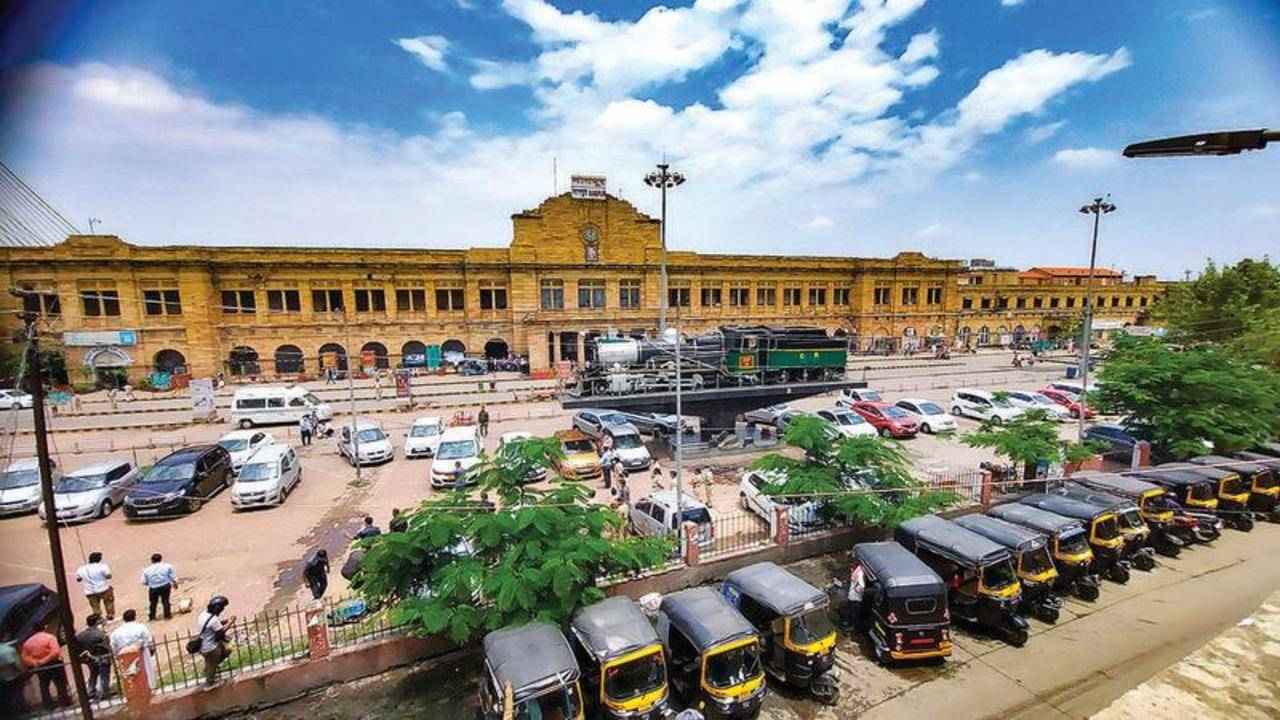
Nagpur Railway Station Modernization: The historic Nagpur Railway Station, a Grade-II heritage site, is undergoing major upgrades. From detailed cleaning to structural enhancements, every measure is aimed at balancing modern convenience with historic preservation. Here’s an inside look at the plans set forth by the Railway Land Development Authority (RLDA) and the Heritage Conservation Committee (HCC) to revamp this landmark.

Nagpur Railway Station

Nestled in the heart of Nagpur, this station stands as a testament to history and heritage. With the recent approval for renovations, the aim is to blend historical beauty with modern functionality.

Historical Significance and Architectural Beauty

Constructed from Kanhan yellow sandstone and showcasing a classical block design, this station is a cultural gem. Each element tells a story, echoing India’s rich history and architectural mastery.

Need for Upgradation

Despite its beauty, Nagpur Station needs updates to serve the modern traveler. Addressing the increasing passenger demands with high-tech facilities while preserving its heritage structure is key.

Heritage Cleaning Process

A team of experts, specializing in heritage conservation, has been hired for the cleaning. The station will undergo a specialized stone-washing process that promises gentle and effective cleaning.

Safety Measures During Cleaning

The cleaning will adhere to guidelines from the Heritage Conservation Committee (HCC), focusing on protecting the fragile sandstone structure. Only eco-friendly cleaning solutions will be used to preserve the material.

Modern Additions to Nagpur Station

Plans include adding a lift, improving signage, and enhancing connectivity. These upgrades will transform the station into a modern travel hub, catering to varied passenger needs.

Advanced Passenger Facilities

With improved waiting areas, upgraded restrooms, and digital information systems, Nagpur Station will offer a world-class travel experience.

Enhanced Accessibility Features

The new elevator will ease travel for the elderly and people with disabilities, ensuring that the station serves all passengers effectively.

Economic Benefits for Nagpur and Beyond

Modernizing Nagpur Station is expected to boost regional economic growth. Improved connectivity will promote tourism and facilitate commerce in the region.

The Role of Ajni Railway Station

Not just Nagpur, Ajni Railway Station is also undergoing parallel upgrades to ease travel across Nagpur and adjacent areas.

Timeline and Progress

The Rs. 488 crore redevelopment project, awarded to a Delhi-based firm in October 2022, is projected for completion within 36 months. The progress has been steady, with 70% of the east wing basement already completed.

Environmental and Sustainability Efforts

The project prioritizes eco-friendly practices. This includes sustainable building materials, energy-efficient lighting, and waste management systems to reduce the environmental impact.

Public Reception and Community Engagement

Public engagement remains high, with local residents and historians supporting the upgrades, as they balance heritage preservation with functional improvements.

The modernization of Nagpur Railway Station highlights a commitment to historical preservation while embracing modernity. This project symbolizes how heritage and progress can coexist, providing a model for future railway upgrades across India.

Q1: What is the significance of the Nagpur Railway Station?
Nagpur Station is a Grade-II heritage site, reflecting historic architectural styles and built with Kanhan yellow sandstone.

Q2: What cleaning process will be used for the heritage structure?
A specialized stone-washing process approved by the HCC will clean the structure without damaging the sandstone.

Q3: How will modernization affect the heritage structure?
Modern upgrades aim to enhance facilities while strictly preserving the station’s architectural essence.

Q4: What is the cost and timeline for the project?
The project costs Rs. 488 crore and is expected to complete within 36 months from October 2022.

Q5: How will the upgrades benefit passengers?
Upgrades include better accessibility, improved facilities, and enhanced passenger services, making travel more convenient.

Chinese Firecrackers Continue to Flood Nagpur Markets Despite Ban

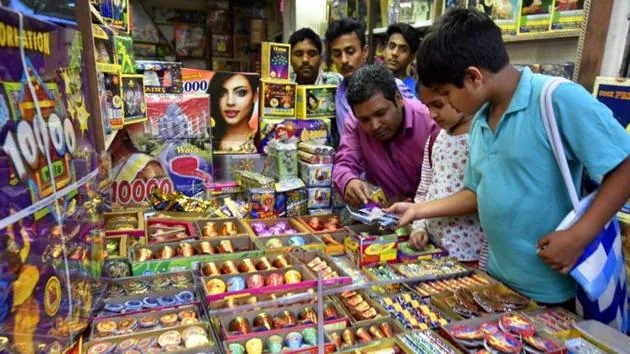
The illegal sale of Chinese firecrackers in Nagpur is raising safety and health concerns, as these products are openly available in bustling market areas despite a ban. With a high potassium perchlorate content, these firecrackers are extremely dangerous, posing significant risks for both vendors and customers. Wholesale suppliers funnel these hazardous products to retailers, who then sell them on to smaller shops, increasing the likelihood of accidents.

Illegal Firecracker Trade in Nagpur Markets

In heavily populated regions like Gandhi-bagh, Jaripatka, and Lalimli in Itwari, Chinese firecrackers are readily accessible. Vendors are even offering “firecracker guns” loaded with these banned products, intensifying the chances of accidents. Reports indicate that some shopkeepers are storing Chinese firecrackers in homes or rented spaces to elude law enforcement, potentially turning residential areas into powder kegs.

New Dangers: Larger, More Explosive Firecrackers

This year has seen the introduction of even more dangerous Chinese firecrackers in the market. While previous products like “Poppop” were relatively small, newer versions have grown in both size and risk factor. These firecrackers detonate upon impact with a hard surface, and some, referred to as “missiles,” can be launched from toy guns. The most alarming addition is a firecracker resembling a “hand grenade,” complete with a pullable hook. When triggered, it emits smoke before exploding within seconds, imitating the mechanism of a real grenade. These products escalate the risk of severe injuries and property damage, making the crackdown on such items an urgent priority.

Banned Chemicals: What Makes Chinese Firecrackers So Hazardous?

Chinese firecrackers commonly contain potassium chlorate, which is inexpensive but highly dangerous. This powder costs roughly ₹50 per kilogram, compared to the safer compounds used in Indian-made firecrackers, which are priced at around ₹300 per kilogram. The cost differential pushes demand for these cheaper yet illegal products, despite the dangers they pose. Potassium perchlorate, one of the ingredients in Chinese firecrackers, is explicitly banned in India due to its explosive properties and health risks.

Health Hazards of Chinese Firecrackers

Beyond the threat of explosions, Chinese firecrackers pose serious health risks. The chemicals used in these products release toxic smoke that can impact respiratory health, especially in children and the elderly. Exposure to the fumes may lead to headaches, nausea, and respiratory issues, worsening air quality during peak festival seasons. These health risks underline the urgent need to restrict and monitor the sale of these harmful firecrackers.

Prioritising Safety Over Dangerous Shortcuts

The sale of Chinese firecrackers in Nagpur continues to endanger both public safety and health, despite the existing ban. It is crucial for authorities to intensify monitoring and enforcement efforts to prevent these dangerous products from entering local markets. Public awareness about the risks posed by these firecrackers, from their chemical makeup to the harm they cause, can further aid in reducing demand and keeping communities safe.

Girish Pandav to Contest from Nagpur South as Congress Announces 2nd, 3rd Lists

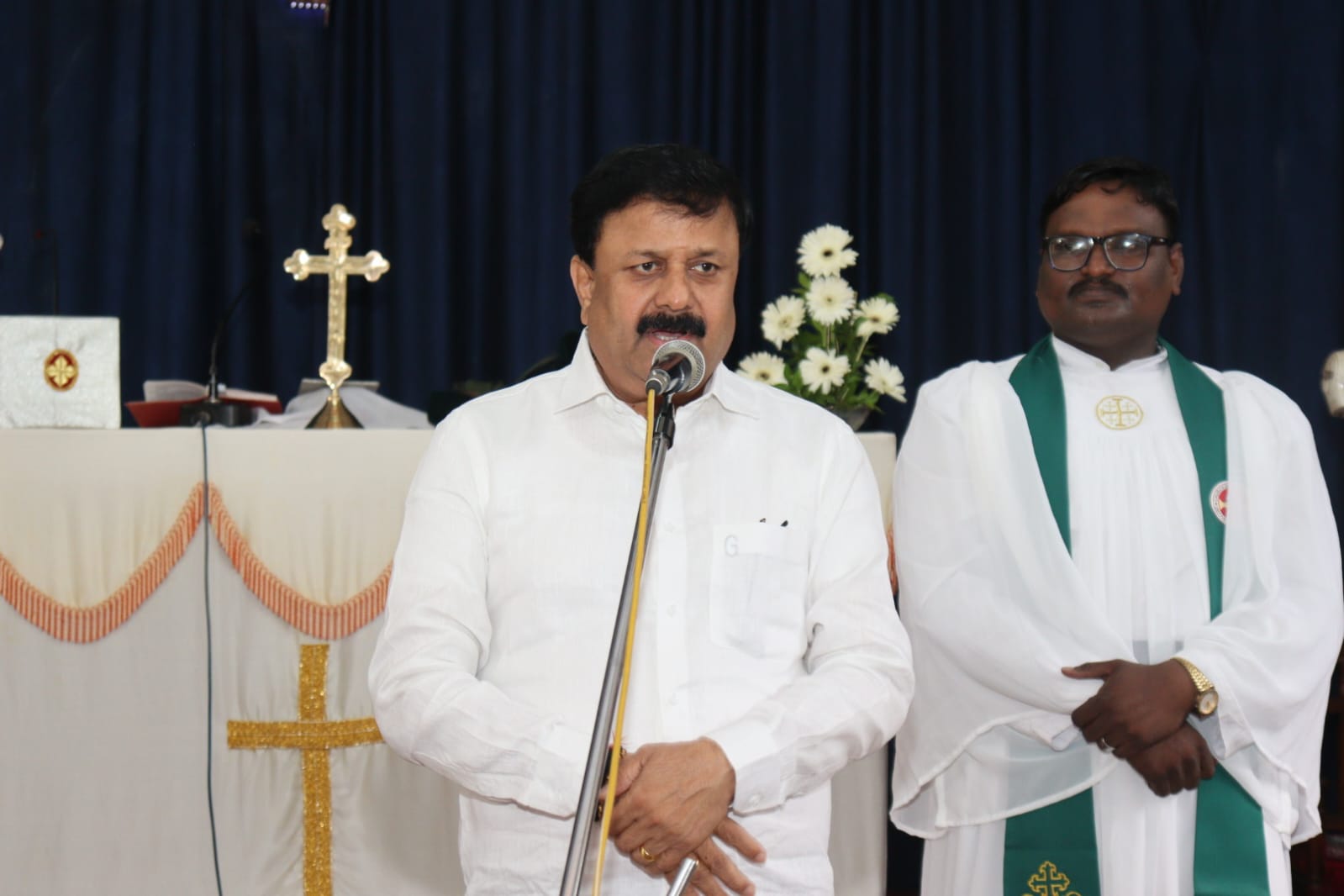
Girish Pandav Nagpur South: The recent announcement by Congress of its second and third lists of candidates for the State Assembly elections has stirred the political waters, especially in Maharashtra’s Vidarbha region. Among the various candidates, Girish Pandav’s candidacy from Nagpur South marks a notable decision. Following discussions within the Maha Vikas Aghadi coalition, which comprises the Congress, Shiv Sena (UBT), and NCP factions, an understanding was reached to allow Congress to field its candidate in the Nagpur South constituency.

Congress’ Decision on Nagpur South

In a highly competitive atmosphere, the decision to field Girish Pandav from Nagpur South was arrived at after consultations within the Congress and other Maha Vikas Aghadi (MVA) allies. This choice followed several speculations around prominent figures, including Vishal Muttemwar and Nitin Kumbhalkar.

Background of the Nagpur South Seat

Nagpur South, historically a battleground constituency, has seen its share of intense political contests. It is particularly influential, not just locally but also on a state level due to its location in Nagpur city—one of Maharashtra’s major urban centres.

Who is Girish Pandav?

A well-known face in the region, Girish Pandav has actively participated in local and regional politics, making a name for himself within Congress as a dynamic leader dedicated to addressing the needs of his constituents. His nomination signifies Congress’ confidence in his leadership for Nagpur South.

The Role of Maha Vikas Aghadi

The Maha Vikas Aghadi coalition has been crucial in coordinating seat allocations across Maharashtra. Although Shiv Sena (UBT) initially eyed Nagpur South, Congress’ persistence eventually saw the party secure the seat for Pandav’s candidacy.

Other Major Candidates

In addition to Pandav, the list of Congress candidates released includes Vasant Purke, contesting from Ralegaon, and Jitendra Moghe from Arni (ST). These figures bring with them both experience and a loyal voter base.

Congress’ Electoral Strategy in Vidarbha

Out of the 41 candidates announced, 17 are from the Vidarbha region, indicating Congress’ intent to solidify its influence here. Vidarbha, known for its unique political landscape, represents an opportunity for Congress to make a significant comeback.

Highlights from Congress’ Second and Third Lists

The lists feature a mix of seasoned politicians and fresh faces. Notably, Sunil Kedar’s wife, Anuja, is listed as a candidate for Saoner, highlighting Congress’ willingness to introduce family members of prominent leaders where legal hurdles prevent the leaders themselves from contesting.

Spotlight on New Faces

Several first-time candidates are featured, demonstrating Congress’ strategy to connect with younger voters. This approach aligns with the party’s vision of rejuvenating its presence in Maharashtra, particularly in Vidarbha.

Shiv Sena (UBT)’s Demand for Nagpur South

Initially, Shiv Sena (UBT) had shown strong interest in fielding a candidate from Nagpur South. However, Congress’ persistence, coupled with MVA’s strategic discussions, eventually resulted in the seat remaining with Congress.

Significance of Nagpur South for Congress

Securing the Nagpur South seat holds symbolic importance for Congress, representing its commitment to reclaiming lost ground in Maharashtra’s urban constituencies.

Implications for Vidarbha Politics

The success of Congress in Vidarbha, an agriculturally focused region with diverse concerns, could indicate a shift in the political winds. The Vidarbha region’s support could be vital in future elections.

Challenges Facing Congress in the Region

Congress faces the challenge of overcoming the deep-rooted presence of rival parties in Vidarbha. Strategic candidate selections, such as that of Pandav, aim to rejuvenate the party’s base.

Sunil Kedar and Anuja Kedar’s Role

Sunil Kedar’s wife, Anuja, will contest from Saoner. Given Sunil Kedar’s conviction, his Assembly membership was invalidated, making Anuja Kedar a strategic choice to retain influence in the constituency.

Historical Context of Key Candidates

Veteran leaders like Vasant Purke and Suresh Bhoyar bring with them a wealth of political experience. Despite his previous loss, Bhoyar retains Congress’ trust, going head-to-head with BJP’s Chandrashekhar Bawankule.

 What’s Next for Nagpur South?

With Girish Pandav now officially in the running for Nagpur South, the region can expect a fiercely competitive election. Congress’ strategic choices reflect a well-planned effort to regain prominence in Vidarbha. As the campaigns kick off, eyes will be on how Congress executes its vision for Nagpur South and the broader Vidarbha region.

NMC Partners with Hotels to Boost Voter Turnout Through Discounts

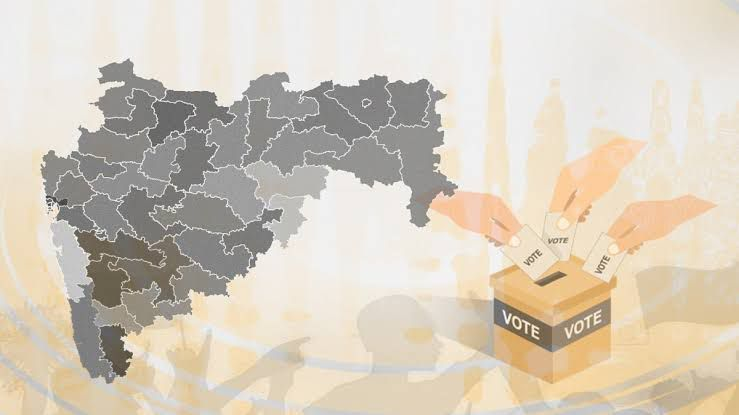
Nagpur voter turnout drive: In a concerted effort to increase voter turnout for the upcoming assembly elections, the Nagpur Municipal Corporation (NMC) has initiated an engaging campaign that brings together the city’s hospitality sector and senior citizen groups to encourage voting. Led by NMC commissioner Abhijeet Chaudhari and additional commissioner Ajay Charathankar, the campaign calls on hotel and restaurant owners to provide discounts to patrons who cast their ballots on election day, November 20, and the two following days.

During a recent meeting, Chaudhari highlighted the significance of the Systematic Voters’ Education and Electoral Participation (SVEEP) campaign (Nagpur voter turnout drive), requesting hotel associations to participate by displaying voter awareness messages and offering discounts as a reward for voting. This move is anticipated to help the NMC reach its goal of surpassing the previous Lok Sabha election turnout of 54.3%.

To further amplify the campaign’s impact, NMC also engaged senior citizen organizations, encouraging members to dedicate an hour to voter outreach, organizing rallies, and displaying banners in public spaces. Charathankar motivated senior citizens to lead by example, assisting with voter education in parks, community centers, and other common gathering areas. Meanwhile, the NMC recommended all citizens utilize resources such as the voter helpline app to plan their voting and avoid last-minute rushes. Additionally, NMC has set up selfie points around the city where voters can share their voting pride, fostering a community spirit around this democratic celebration. With full support from Deputy Commissioner Ranjana Lade and Assistant Superintendent Rajkumar Meshram, the initiative is aimed at invigorating voter participation in Nagpur.

Nagpur Police Restrict Use of Beam Lights Near Airport to Ensure Air Safety

Nagpur Airport Beam Light Ban: In a significant stride toward enhancing air safety, the Nagpur Police, under the leadership of Joint Commissioner Nisar Tamboli, have enforced a restriction on the use of high-intensity beam lights around Dr. Babasaheb Ambedkar International Airport. This order, activated under Section 163 of the Indian Civil Protection Code, 2023, aims to minimize risks to aircraft operations, particularly during the critical landing and take-off phases. Covering a 15-kilometre radius, the regulation is set to be in effect from October 29, 2024, to December 27, 2024, between 6:00 PM and 6:00 AM daily.

Let’s explore how this preventive measure works to secure air safety and what implications it holds for nearby residents and event organizers.

Understanding the Necessity of Beam Light Restrictions

The Impact of High-Intensity Lights on Aviation

High-intensity beam lights directed toward the sky can temporarily blind pilots, impacting visibility and orientation, especially during nighttime operations. Pilots have reported issues due to bright lights from events around airports, which can interfere with their ability to make crucial decisions. This has necessitated the restriction on using beam lights, especially in close proximity to airports.

Key Safety Concerns and Pilot Feedback

Navigational Challenges at Night

At night, the role of runway and ATC (Air Traffic Control) tower lights becomes indispensable in assisting aircraft to land or take off safely. High-intensity lights from surrounding areas could compromise this carefully regulated lighting environment, posing a direct threat to aviation safety.

Reports of Temporary Blindness

The growing trend of nighttime events using beam lights has led pilots to report instances of temporary blindness, which could be dangerous during critical phases like landing and take-off. Temporary visual impairment, even for a few seconds, can significantly raise the risk of accidents.

Details of the Beam Light Ban

Legal Framework: Section 163 of the Indian Civil Protection Code

The preventive order is enforced under Section 163 of the Indian Civil Protection Code, 2023. This regulation not only prohibits the use of certain lights but also mandates a fine and potential legal consequences for violations, enhancing the safety measures for all involved parties.

15-Kilometre Safety Radius Around Nagpur Airport

The order strictly applies to a 15-kilometre radius around the airport to ensure that aircraft in the vicinity are not affected by the light interference. This is a strategic decision to protect the direct airspace zone that aircraft frequently pass through.

Restrictions for Event Organizers and Individuals

Timing of the Restriction

The prohibition on high-intensity beam lights is enforced between 6:00 PM and 6:00 AM. This time frame considers peak operational hours for night flights, ensuring minimal disruption for pilots operating in low-light conditions.

Penalties for Non-Compliance

Violators of this regulation face penalties under Section 223 of the Indian Justice Code, 2023. Additionally, organizers may incur further legal repercussions depending on the severity of the violation, deterring individuals from disregarding these safety guidelines.

Why This Move is Essential for Air Safety in Nagpur

Supporting Pilots and Aviation Authorities

The police directive supports pilots’ safety and aligns with guidelines set by aviation authorities, ensuring that air navigation remains unhindered and that pilots feel secure, particularly when flying in or out of Nagpur at night.

Prioritizing the Well-Being of Local Communities

By reducing potential aviation accidents, these restrictions also protect the local communities surrounding the airport. A safe landing and take-off environment benefit everyone in the vicinity by ensuring that both air and ground safety standards are met.

How This Ban Affects Event Planners (Nagpur Airport Beam Light Ban)

Guidelines for Safe Event Lighting

Event planners are encouraged to consider alternative lighting solutions that do not interfere with air navigation, such as ground-based lighting or enclosed spaces, to comply with the restrictions without compromising the atmosphere of their events.

Seeking Prior Permissions

For events close to the airport, organizers should consider seeking permissions or consulting local authorities to confirm their lighting setup adheres to the new regulations, ensuring a hassle-free experience.

  1. What areas are affected by the beam light restriction? The restriction applies within a 15-kilometre radius of Dr. Babasaheb Ambedkar International Airport, Nagpur.
  2. What are the hours during which the restriction is enforced? Beam lights are prohibited between 6:00 PM and 6:00 AM during the specified period.
  3. What penalties exist for violating this restriction? Violators may face penalties under Section 223 of the Indian Justice Code, 2023, which could include fines and legal action.
  4. Can events use alternative lighting options? Yes, organizers can explore alternative lighting solutions that do not pose risks to aviation, such as ground-focused lights.
  5. How long will the restriction be in effect? The restriction is in place from October 29, 2024, to December 27, 2024.

Chef Vishnu Manohar’s 24-Hour Dosa Marathon: A Culinary Record Attempt Like No Other

 Vishnu Manohar’s Record-Breaking Dosa Challenge

Chef Vishnu Manohar, one of India’s beloved culinary personalities, is about to take on an extraordinary feat – cooking dosas for 24 hours straight. This unique event, starting on October 27, will see Chef Vishnu attempting to break not one but two world records, right in the heart of Nagpur.

Who is Chef Vishnu Manohar?

With a career dedicated to celebrating and modernizing Indian cuisine, Chef Vishnu Manohar has become a household name, known for his unique recipes and vibrant personality. From television appearances to his culinary ventures, Vishnuji Ki Rasoi, he’s made his mark in the Indian food scene. Now, he’s ready to go one step further.

The Dosa Challenge: Aiming for 24-Hour Non-Stop Cooking

Imagine making dosas non-stop for 24 hours! That’s exactly what Chef Vishnu is set out to do. His goal is ambitious: to break two records—cooking dosas for the longest continuous duration and making the maximum number of dosas within 24 hours.

Venue and Date: Where to Witness the Magic

This incredible challenge will unfold at the Girish Gandhi Khule Rang Manch, part of Vishnuji Ki Rasoi in Bajaj Nagar, Nagpur. The event will kick off at 8 AM on October 27, with entry open to the public and free of charge.

World Record Goals and Preparation

Chef Vishnu’s team has spared no effort in preparing for this event, setting up a strategic plan to keep the dosas coming for 24 hours. By doing so, they aim to set records for both duration and quantity.

The Setup: Three Bhattas and 24 Tavas

To manage such a colossal task, Chef Vishnu will be using three traditional dosa-making stoves, or “bhattas,” each equipped with eight tavas (dosa pans). This unique arrangement will allow him to make 24 dosas simultaneously!

Creating 6,000 Dosas: How It’s Done

With a target of making around 6,000 dosas by the end of 24 hours, the event is set to be a culinary marvel. Each dosa will be expertly crafted, ensuring quality and taste with every bite.

A Mountain of Chutney: 1,000 kg to Serve

What’s a dosa without chutney? Chef Vishnu’s team has prepared up to 1,000 kg of chutney to ensure every dosa is served with a generous helping of this essential accompaniment.

24 Hours of Entertainment and Celebration

The event promises more than just dosas! For a full 24 hours, attendees can enjoy live performances, including Hindi and Marathi songs, ghazals, bhajans, monologues, and stand-up comedy.

Late Night Dosas: Midnight Treats for All

Hungry for a midnight snack? Chef Vishnu’s dosa marathon has you covered. The event will run through the night, with dosas served on a first-come, first-served basis – even during the late hours!

Diwali Pahat: A Joyful Conclusion

To wrap up the festivities, a special Diwali Pahat program will bring in the dawn on October 28, adding a festive touch to this record-breaking culinary event.

Dosas for Orphanages and Old Age Homes

True to his generous spirit, Chef Vishnu plans to donate a portion of the dosas to orphanages, special schools, and old age homes, ensuring that his record-breaking feat also serves the community.

Event Highlights: What Not to Miss

From Chef Vishnu’s skillful dosa-making to the live entertainment, the event is packed with experiences. Be sure to catch the traditional songs, comedy acts, and, of course, the countless dosas!

The Team Behind the Scenes

Making dosas for 24 hours straight is no easy task, and Chef Vishnu will be supported by a dedicated team. From sous chefs to volunteers, every member plays a crucial role.

Be Part of History

Don’t miss the chance to witness a unique culinary event! Join Chef Vishnu and his team as they strive to make history with this 24-hour dosa marathon. It’s a celebration of food, community, and culture that promises to be unforgettable.

1. What records is Chef Vishnu trying to break?
Chef Vishnu aims to break the records for the longest continuous dosa-making session and the maximum number of dosas made in 24 hours.

2. Where is the event taking place?
The event will be held at Girish Gandhi Khule Rang Manch, Vishnuji Ki Rasoi, Bajaj Nagar, Nagpur.

3. What time does the event start?
The event starts at 8 AM on October 27 and will continue until 8 AM on October 28.

4. Is there an entry fee?
No, entry is free for all attendees.

5. Will food be donated to the community?
Yes, a portion of the dosas will be shared with orphanages, special schools, and old age homes

462 Aspirants Collect Nomination Forms on Day 1

Nagpur assembly elections nominations: The excitement in Nagpur is palpable as assembly elections approach, and the first day of filing nomination forms has already seen significant activity. A total of 462 applications were collected by aspiring candidates across 12 constituencies in Nagpur district alone. With the election slated for November 20, this rush to collect forms signals the beginning of a fierce electoral battle.

Nagpur’s Political Aspirants Begin Nomination Collection

On the opening day, aspirants displayed enthusiasm by securing their nomination forms, although no formal nominations were filed. These forms (Nagpur assembly elections nominations) are the first step toward participating in the election, and collecting them is essential for the candidates to take part in the race.

Most Collected Forms by Constituency

In terms of numbers, the Nagpur Central constituency saw the highest interest, with 99 forms collected. This was followed closely by Nagpur North, with 52 forms, and Nagpur East, where 47 forms were taken by eager aspirants. Here’s a breakdown of form collection in other constituencies:

  • South-West Nagpur: 41 forms
  • Nagpur South: 38 forms
  • Umred: 35 forms
  • Nagpur West: 33 forms
  • Kamptee: 29 forms
  • Katol: 28 forms
  • Hingna: 24 forms
  • Saoner: 18 forms
  • Ramtek: 18 forms

With such high engagement on the first day alone, the political atmosphere in Nagpur is heating up, setting the stage for an intense electoral contest.

No Formal Nominations on Day 1

Interestingly, while there was a significant collection of nomination forms (Nagpur assembly elections nominations), no formal nominations were submitted on the first day. Aspirants have until October 29 to submit their forms, and we can expect the submission pace to increase as the deadline approaches. The scrutiny of nominations will take place on October 30, with November 4 being the final day for candidates to withdraw their nominations.

Bhandara District: Day 1 Form Collection

Meanwhile, in the neighboring Bhandara district, the nomination process for three constituencies also commenced. A total of 96 applications were collected across the constituencies of Bhandara, Sakoli, and Tumsar. Here’s the breakdown:

  • Bhandara: 58 forms
  • Sakoli: 22 forms
  • Tumsar: 16 forms

Just like Nagpur, the form collection process in Bhandara district is expected to gain momentum in the coming days.

What This Means for the Elections

The high number of aspirants collecting forms on day one demonstrates the intensity of the political landscape in both Nagpur and Bhandara districts. With over 462 aspirants vying for 12 seats in Nagpur, the stakes are incredibly high. This form collection is just the start of what is expected to be a heated election campaign filled with rallies, debates, and public appearances.

Key Dates to Remember for the Upcoming Election

  • Last Day for Nomination Submissions: October 29
  • Scrutiny of Nominations: October 30
  • Final Day for Nomination Withdrawal: November 4
  • Election Date: November 20

Why Form Collection Is Crucial

Candidates collecting their nomination forms early signal their seriousness and intent to contest. Collecting forms gives them time to finalize their paperwork, strategize their campaigns, and prepare for a rigorous election period. The filing process itself is often a strategic move, with candidates waiting to gauge the political landscape and their competitors before officially entering the race.

Will the Pace of Form Collection Increase?

As we get closer to the October 29 deadline, it’s highly likely that more forms will be collected, and candidates will begin filing their nominations. Political parties will also push their candidates to formalize their entries, especially in constituencies where competition is fierce. Expect to see increased political activity, including rallies, campaign speeches, and more active engagement from both independent candidates and party-backed aspirants.

Nagpur’s Political Climate

Nagpur is known for its dynamic political landscape, with major parties often battling it out for control of key constituencies. The large number of forms collected on day one suggests that this year’s election will be highly competitive, with new faces and seasoned politicians alike aiming for a seat in the assembly.

Bhandara District: A Smaller but Equally Important Election

Though smaller than Nagpur, Bhandara district’s election will also be closely watched. With 96 applications already collected, political analysts are predicting tight races in this region as well. The contest here may not be as large in scale, but it is just as important for the political parties involved.

What Happens Next?

Candidates will now begin to focus on submitting their forms before the October 29 deadline. Following that, the scrutiny of applications will determine if all candidates meet the eligibility requirements to run in the election. Political observers will keep a close eye on the number of nominations that are formally submitted over the next few days.

A High-Stakes Election Begins

The excitement and activity around the first day of nomination form collection is a strong indicator of what lies ahead. With over 462 applications already taken in Nagpur and 96 in Bhandara, the race is on, and the electoral contest is set to intensify. As we move closer to the election date of November 20, we can expect more developments and political maneuvers from aspirants and parties alike.

  1. What is the last date to file nominations?
    • The last date for filing nominations is October 29.
  2. How many forms were collected on the first day in Nagpur?
    • A total of 462 forms were collected across 12 constituencies in Nagpur on the first day.
  3. When will the scrutiny of nominations take place?
    • The scrutiny of nominations is scheduled for October 30.
  4. How many forms were collected in Bhandara district on day one?
    • 96 forms were collected across the three constituencies in Bhandara district on the first day.
  5. When is the election scheduled?
    • The election will be held on November 20.

Lifts and Escalators for 15 Railway Stations in Nagpur Division: Enhancing Passenger Convenience

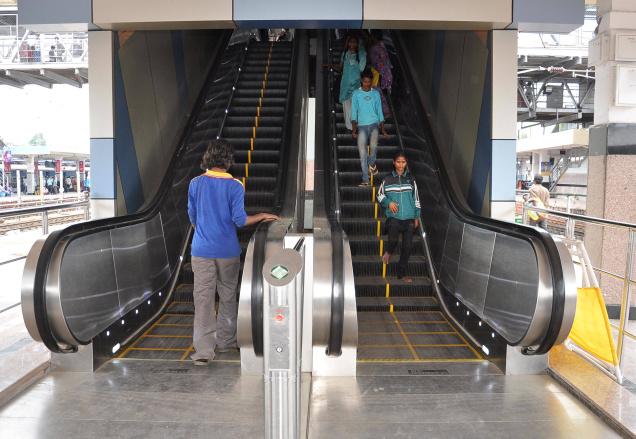
The Nagpur Division of the South East Central Railway (SECR) is undergoing significant development, thanks to the Amrit Bharat Scheme. The Railway Ministry has rolled out plans to improve infrastructure across 15 railway stations in this division, with a strong focus on making passenger movement smoother, safer, and more convenient. A key component of these improvements involves the installation of lifts and escalators, which will greatly benefit senior citizens, differently-abled individuals, and other passengers with mobility challenges.

Let’s dive into how this development is unfolding and what it means for the future of railway travel in the Nagpur Division.

 Overview of the Amrit Bharat Scheme

The Amrit Bharat Scheme is a visionary initiative by the Railway Ministry aimed at upgrading railway infrastructure across the nation. Under this scheme, 15 railway stations in the Nagpur Division will see a comprehensive transformation, with particular emphasis on improving passenger amenities. These changes are designed to make travel more convenient, especially for vulnerable groups like the elderly and the differently-abled.

 Budget Allocation for the Nagpur Division’s Upgrades

A hefty budget of ₹223 crore has been allocated to the development of the Nagpur Division’s railway stations. This funding will be used for several key projects, including the installation of lifts and escalators, circulation area upgrades, waiting hall improvements, and the installation of eco-friendly designs. All these initiatives are expected to significantly elevate the passenger experience.

 The Importance of Lifts and Escalators in Modern Railway Stations

Lifts and escalators are no longer luxury features—they are essential for ensuring that all passengers, regardless of their physical ability, can navigate railway stations with ease. These features are especially helpful for:

  • Elderly passengers
  • People with mobility issues or disabilities
  • Families traveling with young children or heavy luggage

By installing these amenities, the Nagpur Division is setting new standards in accessibility and convenience for passengers.

 List of Railway Stations Getting Lifts and Escalators

The 15 railway stations undergoing these developments include:

  1. Kamptee
  2. Bhandara Road
  3. Tumsar Road
  4. Gondia
  5. Wadsa
  6. Chanda Fort
  7. Chhindwara
  8. Dongargarh
  9. Seoni
  10. Nainpur
  11. Mandla Fort
  12. Rajnandgaon

Each of these stations will have improved facilities tailored to better accommodate passenger needs.

 Number of Lifts and Escalators Being Installed

A total of 29 lifts and 14 escalators are being installed across these stations. Here’s a breakdown of their distribution:

 Lifts

  • Kamptee, Bhandara Road, Tumsar Road, Wadsa, Mandla Fort, Chanda Fort: 2 lifts each
  • Gondia, Dongargarh: 4 lifts each
  • Chhindwara, Seoni: 3 lifts each

 Escalators

  • Gondia, Rajnandgaon, Chanda Fort: 4 escalators each
  • Dongargarh: 2 escalators

These installations are well-planned, ensuring easy access to platforms and station areas for all travelers.

 Circulating Area Upgrades

Alongside lifts and escalators, the circulating areas at these stations are being revamped. These upgrades aim to improve the overall flow of passenger traffic, making it easier for people to move between different parts of the station.

 Features of the Circulating Area Improvements

  • Wider pathways
  • Better signage
  • More seating options
  • Designated zones for taxis and auto-rickshaws

These changes will ensure that passengers experience minimal delays and congestion when entering or leaving the station.

 Eco-Friendly Designs in Station Renovations

Sustainability is at the heart of the station renovation efforts. The designs for the upgraded stations prioritize the use of natural sunlight and ventilation. This not only reduces energy consumption but also creates a more pleasant environment for passengers.

 Benefits of Eco-Friendly Station Designs

  • Reduced energy costs
  • Improved air quality and comfort
  • A cleaner, greener railway environment

These features align with India’s broader goals of reducing carbon footprints and promoting environmentally friendly infrastructure.

 Additional Facilities for Passenger Comfort

In addition to the core infrastructure upgrades, several other passenger amenities are being introduced or enhanced. These include:

 Waiting Halls

  • Comfortable seating
  • Modern lighting
  • Charging points for devices

 Eateries and ATMs

Passengers will have access to a wider range of eateries offering fresh food and beverages, as well as ATMs for added convenience.

 Washrooms

All stations will have upgraded washrooms, designed to be more hygienic and accessible to all.

 Internet Access

High-speed Wi-Fi is being installed at each station, making it easier for passengers to stay connected while they wait for their trains.

 How These Developments Will Impact Passengers

The upgrades being implemented at these 15 stations are designed to enhance the overall travel experience. Lifts and escalators will drastically improve mobility for elderly passengers, the differently-abled, and those with heavy luggage. The circulating area improvements will help reduce overcrowding and make it easier for passengers to move through the station efficiently. Additionally, the eco-friendly designs will create a more pleasant environment for everyone.

 Future-Proofing India’s Railway Infrastructure

The Nagpur Division’s upgrades are part of a larger effort to modernize India’s railway system, making it more accessible, sustainable, and passenger-friendly. As railway travel becomes increasingly popular, it is essential that infrastructure keeps pace with the growing demand.

The installation of lifts and escalators at 15 railway stations in the Nagpur Division marks a significant step forward in improving passenger accessibility and convenience. These developments, backed by a budget of ₹223 crore, will make a lasting impact on how passengers experience railway travel. The addition of eco-friendly designs, upgraded waiting halls, and circulating area improvements ensures that the future of railway stations is brighter, more comfortable, and more sustainable.

  1. Which stations in the Nagpur Division are getting lifts and escalators?
    • Kamptee, Bhandara Road, Tumsar Road, Gondia, Wadsa, Chanda Fort, Chhindwara, Dongargarh, Seoni, Nainpur, Mandla Fort, and Rajnandgaon.
  2. How many lifts are being installed at these stations?
    • A total of 29 lifts are being installed, with specific numbers at each station.
  3. Why are eco-friendly designs being implemented in the renovations?
    • Eco-friendly designs help reduce energy consumption and create a more comfortable environment for passengers.
  4. What other amenities are being improved at these stations?
    • Waiting halls, washrooms, eateries, ATMs, and internet access are all being upgraded.
  5. How will these upgrades benefit elderly and differently-abled passengers?
    • Lifts and escalators will make it much easier for them to move through the stations, especially when navigating platforms.

Road from Akashvani Chowk to VCA Closed from Oct 22 to Nov 4: Everything You Need to Know

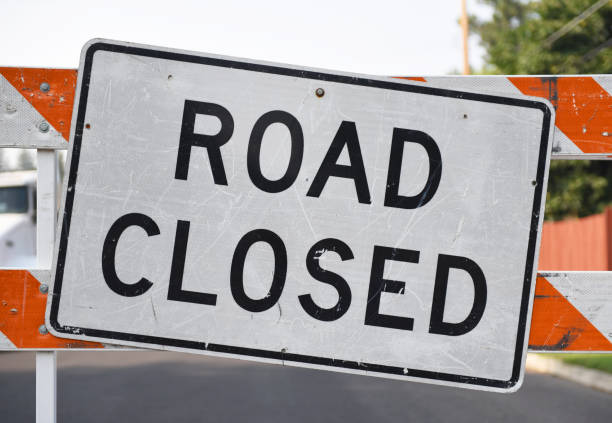
Akashvani Chowk to VCA Square: The road from Akashvani Chowk to VCA (Vidarbha Cricket Association) (VCA Square) in Nagpur will be closed from October 22 to November 4. This closure is being implemented to ensure a smooth nomination process for the upcoming Assembly elections. During this period, the submission of nomination forms will take place at the District Collector’s Office. The news might cause inconvenience, but with proper planning, we can navigate around the closure with minimal disruption. Let’s dive into the details to better understand what’s happening and how you can plan accordingly.

What is the Reason for the Road Closure?

The road closure is due to the nomination process for the Assembly elections. From October 22 to November 4, the District Collector’s Office in Nagpur will handle all nomination submissions from 9 AM to 3 PM. Political candidates, along with their supporters, will crowd the area, necessitating this measure for smoother traffic management and safety.

Which Roads Are Affected?

  • The road from Akashvani Chowk to VCA (VCA Square) will be completely closed for the mentioned duration.
  • The road from St. Ursula School to Akashvani Chowk will remain open for two-way traffic, but only from one side.

This specific road closure will cause diversions, but alternative routes will be available.

How Will the Nomination Process Take Place?

At the District Collector’s Office, there will be six returning officers designated for the six assembly constituencies in Nagpur. They will oversee the submission of nomination forms by candidates from different political parties. Due to the expected large gatherings of supporters accompanying these candidates, security and traffic management have been heightened.

Why Is This Road Closure Necessary?

The main reason behind this road closure is to maintain order. With so many people, including party workers and candidates, expected to converge at the District Collector’s Office, keeping the road open would lead to massive congestion. This move by the Deputy Commissioner of Traffic Police, Archit Chandak, is meant to ease the flow of traffic and ensure public safety.

What Are the Operating Hours for Submission?

Nomination forms can be submitted between 9 AM and 3 PM daily from October 22 until November 4. If you plan on traveling during these hours, it’s important to factor in the road closure and potential detours to avoid delays.

Are There Alternative Routes?

Yes, even though the road from Akashvani Chowk to VCA is closed, there are alternative routes available. Traffic authorities have ensured that other roads around the area will accommodate two-way traffic to minimize inconvenience.

  • For travelers heading from St. Ursula School to Akashvani Chowk, two-way traffic will be allowed, though only from one side of the road.
  • Signs and roadblocks will be placed strategically to guide motorists to alternative routes.

How Can Residents and Commuters Prepare?

To avoid frustration during this period, here are some helpful tips:

  1. Plan your route ahead of time using GPS or local maps to find the best alternative routes.
  2. Leave earlier than usual if you have to travel in this area, especially during rush hours.
  3. Carpool or use public transportation where possible to minimize traffic congestion.
  4. Stay updated by following news from local authorities and traffic police for real-time updates.

How Will It Affect Businesses and Daily Life?

For the two weeks that the road will be closed, it may affect local businesses, schools, and residents in the area. Deliveries could be delayed, and traffic congestion may spill into nearby neighborhoods. However, this temporary inconvenience is essential to maintain a smooth and safe nomination process for the elections.

What is the Role of the Deputy Commissioner of Traffic Police?

The Deputy Commissioner of Traffic Police, Archit Chandak, is the key authority behind the road closure. His team is responsible for:

  • Implementing and enforcing the road closures
  • Ensuring proper signage and traffic control measures
  • Coordinating with local authorities to manage the heavy flow of people and vehicles

Impact on Local Events and Activities

The road closure could impact certain events happening in the area. If you have any appointments or events planned near Akashvani Chowk or VCA (VCA Square), it’s best to contact the event organizers to check if any changes have been made to accommodate the closure.

How Long Will the Road Closure Last?

The closure will remain in effect for 13 days, starting from October 22 and ending on November 4. Once the nomination process concludes, the road will be reopened for normal traffic flow.

What Will Happen After the Road Reopens?

After November 4, the road will reopen, and normal traffic operations will resume. However, drivers should be cautious as residual delays may occur as the area transitions back to its regular flow.

How to Stay Updated During the Road Closure?

To stay informed:

  • Follow local news channels
  • Keep an eye on Nagpur Traffic Police updates via social media
  • Sign up for traffic alerts through apps like Google Maps or local alert systems

Will the Closure Affect Election Day?

The road closure is in preparation for the elections, but it is expected to end before Election Day. Traffic may still be heavier than usual as political rallies and gatherings increase, so it’s important to remain prepared for potential delays even after the road reopens.

In conclusion, the closure of the road from Akashvani Chowk to VCA is an essential step in ensuring a smooth and secure nomination process for the Assembly elections in Nagpur. Though it may cause temporary inconvenience, alternative routes are available, and local authorities are working hard to minimize disruptions. By planning ahead, staying informed, and being flexible, residents and commuters can manage this period with minimal difficulty.

  1. Why is the road from Akashvani Chowk to VCA closed?
    The road is closed to facilitate the nomination process for the upcoming Assembly elections and ensure public safety.
  2. Which roads are open during this period?
    The road from St. Ursula School to Akashvani Chowk will be open for two-way traffic on one side.
  3. What is the alternative route to avoid the closure?
    Commuters can use alternative roads surrounding the area and follow traffic police directions for detours.
  4. How long will the road remain closed?
    The road will be closed from October 22 to November 4.
  5. Will public transport be affected?
    Public transport routes may be diverted, but services will remain operational.
Exit mobile version