Eichhornia in Ambazari Lake: Wadi STP to be Operational in Six Months

Ambazari Lake, a serene water body in Nagpur, has been struggling with an invasive problem—Eichhornia, or water hyacinth. Over the last one-and-a-half years, the rapid spread of this weed has significantly disrupted aquatic life in the lake. The primary culprit? Sewage intrusion, which has enriched the lake with nutrients, creating the perfect environment for Eichhornia to thrive.

In a proactive move, the Wadi Municipal Council (WMC) is constructing an 11 MLD Sewage Treatment Plant (STP) to address this issue. The project, slated for completion in six months, is a step toward reclaiming the lake’s health.


Understanding the Eichhornia Issue

What is Eichhornia?

Eichhornia, commonly known as water hyacinth, is an invasive aquatic plant that grows rapidly in nutrient-rich water. While it can be aesthetically pleasing, it poses severe ecological threats, such as:

  • Depleting oxygen levels in water.
  • Hindering sunlight penetration.
  • Disrupting aquatic ecosystems.

How Eichhornia is Spreading in Ambazari Lake

The unchecked release of untreated sewage into Ambazari Lake has led to an excess of nutrients, particularly nitrogen and phosphorus, fueling the growth of Eichhornia. The problem has persisted despite efforts by the Nagpur Municipal Corporation (NMC) to clean the lake during the past two monsoon seasons.


Role of the Wadi STP Project

Why Was the STP Proposed?

NMC’s inspection of areas surrounding the lake revealed a nullah near Amravati Road releasing untreated sewage into the lake. This finding prompted NMC to urge WMC to construct an STP.

Project Overview

The STP, funded with ₹105 crore under the Maharashtra Suvarna Jayanti Nagarotthan Abhiyan, will:

  • Treat 11 million liters of sewage daily.
  • Release treated water back into the lake.
  • Generate fertilizer from sewage sludge.

Progress and Timeline

As of now:

  • Construction near Ambedkar Nagar is ongoing.
  • Over 25 km of a planned 72-km sewer network has been completed.
  • The project is expected to be operational within six months.

Environmental and Economic Benefits

1. Reducing Pollution in Ambazari Lake

The STP will drastically cut down the direct release of untreated sewage, reducing nutrient inflow and inhibiting Eichhornia growth.

2. Supporting Aquatic Life

By curbing the spread of Eichhornia, the project aims to restore oxygen levels and sunlight penetration, enabling aquatic flora and fauna to thrive.

3. Revenue Generation

The project includes plans to:

  • Sell treated water to Hingna MIDC.
  • Manufacture fertilizer from sludge, creating a sustainable revenue stream.

Challenges and Concerns

Industrial Pollution

While WMC’s efforts are commendable, industrial waste entering the lake remains a concern. Authorities like the Maharashtra Pollution Control Board (MPCB) must address this issue comprehensively.

Community Participation

Cleaning Ambazari Lake is a collective responsibility. Raising public awareness about the effects of sewage and industrial waste on water bodies is crucial.


Long-Term Impact of the STP

A Healthier Ecosystem

The reduction of Eichhornia will lead to improved water quality, benefiting local biodiversity and the surrounding community.

Flood Management

In September 2023, Eichhornia blocked culverts near the lake’s overflow point, exacerbating floods in Nagpur. By addressing the weed problem, the STP can help mitigate future flooding risks.

Replicability

This initiative could serve as a model for addressing similar issues in other water bodies across India.

The construction of the Wadi STP is a ray of hope for Ambazari Lake. Once operational, it promises to curb Eichhornia growth, restore the lake’s ecological balance, and improve the lives of Nagpur’s residents. However, addressing industrial waste and fostering community involvement are equally vital for long-term success.

1. What is the primary cause of Eichhornia growth in Ambazari Lake?
The main cause is nutrient-rich sewage entering the lake, which provides an ideal environment for Eichhornia to thrive.

2. How will the STP help in controlling Eichhornia?
The STP will treat 11 million liters of sewage daily, reducing the nutrient inflow that fuels Eichhornia growth.

3. When will the STP be operational?
The STP is expected to be fully operational in six months.

4. Can treated sewage water be reused?
Yes, WMC plans to supply treated water to Hingna MIDC, contributing to water conservation efforts.

5. Who is responsible for industrial pollution in Ambazari Lake?
While industrial pollution is a concern, authorities like MPCB must investigate and address this issue.

Gandhi Sagar Lake’s Rs 35 Crore Makeover: A Step Towards Rejuvenation

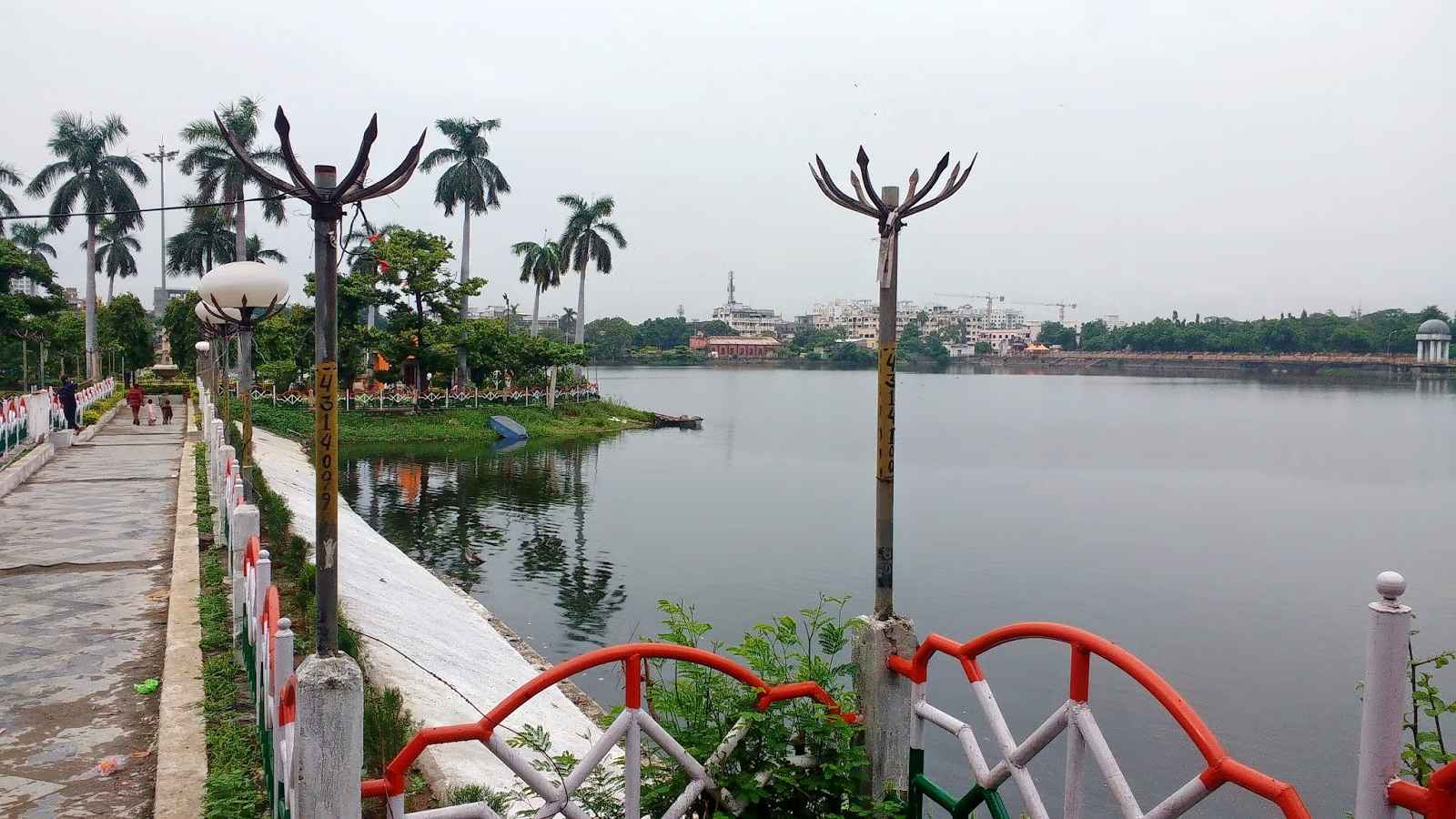
Gandhi Sagar Lake Makeover: Nagpur’s historic Gandhi Sagar Lake and the adjacent Bhauji Pagey Udyan have undergone a stunning Rs 35 crore redevelopment, aiming to restore their charm and ecological balance. Spearheaded by the Nagpur Municipal Corporation (NMC), this project is a testament to urban revitalization. Let’s dive into the fascinating details of this transformation.


 The Vision Behind the Redevelopment

 Breathing New Life into Gandhi Sagar Lake (Gandhi Sagar Lake Makeover)

What was once a neglected water body has now become a centerpiece of modern recreation and cultural engagement. The NMC’s goal? To offer Nagpur a serene yet vibrant public space.

 A Sustainable Approach

The redevelopment wasn’t just about beautification. A strong focus was placed on ecological preservation, ensuring that this rejuvenation stood the test of time.


 Key Highlights of the Renovation

 Bhauji Pagey Udyan: A Green Paradise

The garden, once forlorn, now boasts:

  • Lush Greenery: Verdant landscapes perfect for relaxation.
  • Paved Walkways: A haven for morning walkers and joggers.
  • Floral Displays: Vibrant flowers that captivate the senses.
  • Ambient Lighting: A nighttime spectacle, transforming the space into a magical retreat.

 Infrastructure Upgrades at the Lake

The enhancements to the lake include:

  1. Desilting Efforts: Removal of 2,79,000 cubic meters of silt to improve water retention.
  2. Decorative Arches: Adding a historical touch with 29 intricately designed arches.
  3. Foot Overbridge: A 75-meter pedestrian bridge offering picturesque views.
  4. Jetty Construction: A 165-square-meter jetty for boating and leisure.

 Focus on Safety and Sustainability

 Strengthening the Lake’s Perimeter

The installation of 2,325 square meters of MS grills ensures safety while maintaining visual appeal. Additionally, 3,778 square meters of stone pitching and 526 cubic meters of filter media prevent erosion, protecting the lake’s ecosystem.

 Advanced Sewage Treatment

A 650-kilolitre-per-day Sewage Treatment Plant (STP) using MBBR technology ensures that only clean water flows into the lake.


 Challenges in Opening to the Public

Despite the garden being ready, delays caused by the enforcement of the Model Code of Conduct during the recent state assembly elections have pushed the formal opening by several months. For now, it remains underutilized, save for morning yoga enthusiasts.


 What’s Next? Phase II of the Project

 Future Enhancements

The second phase promises even more attractions:

  • Multipurpose Hall: Ideal for cultural events and gatherings.
  • Musical Fountain: A dazzling display of water and lights.
  • 4D Theatre and Museum: A technological marvel bringing history and culture to life.

 Why Gandhi Sagar Lake Matters

 A Cultural Hub

Once operational, Gandhi Sagar is expected to host a myriad of cultural and recreational activities, strengthening its identity as a city hotspot.

 A Place for Everyone

Be it morning walks, family picnics, or cultural events, this revamped space offers something for everyone.

Gandhi Sagar Lake’s transformation is more than just a facelift; it’s a commitment to preserving Nagpur’s heritage while embracing modernity. As we await its official reopening, this rejuvenated space promises to be a cornerstone of the city’s cultural and ecological landscape.

 1. When will Gandhi Sagar Lake open to the public?

The official opening is expected in a few months, once formalities are completed.

 2. What new attractions are planned in Phase II?

Phase II will include a multipurpose hall, a musical fountain, and a 4D theatre museum.

 3. How was the lake’s water quality improved?

A state-of-the-art sewage treatment plant ensures clean water flows into the lake.

 4. Can the public access the garden now?

Currently, the garden is accessible for morning yoga but remains closed for other activities.

5. What is the significance of the redevelopment?

This project aims to blend heritage preservation with modern amenities, making it a hub for recreation and cultural engagement.

NMC Extends Property Tax Payment Deadline to Dec 31

NMC Property Tax Deadline: Managing your property taxes might not top your list of fun activities, but avoiding late fees and penalties sure sounds appealing, doesn’t it? In a recent development, the Nagpur Municipal Corporation (NMC) has decided to extend the deadline for paying pending property taxes for the financial year 2024-25 to December 31, giving citizens one last chance to settle their dues and even enjoy a generous discount.


Why Is This Extension a Big Deal?

Let’s face it: deadlines can be overwhelming, especially when juggling work, family, and finances. By extending the deadline, NMC is giving property owners some breathing space and encouraging them to act quickly before it’s too late.


 The Numbers Tell a Story

The statistics around property tax payments in Nagpur are eye-opening:

  • Total Pending Taxes: ₹900 crore.
  • Property Owners in Nagpur: 6.67 lakh.
  • Dues Cleared (as of June): Only 2.60 lakh property owners.
  • Remaining Defaulters: 4.08 lakh property owners.

 Who Benefits from This Extension?

If you’re among the 4.08 lakh defaulters, this extension is your golden ticket. Not only can you avoid hefty penalties, but you can also grab a 10% discount by settling your taxes promptly.


How to Pay Your Property Taxes

Paying property taxes is easier than ever. Here’s a simple guide:

  1. Online Payment: Visit the NMC Website and follow the payment instructions.
  2. Offline Payment: Head to your respective zone office with the necessary documents and make the payment in person.

 The Rise of Online Payments

This year, over one lakh citizens chose online payment methods, collectively paying ₹60 crore and receiving a whopping ₹5.40 crore in discounts. Clearly, online payment is becoming the preferred choice for many.


What Happens if You Miss the Deadline?

Procrastinators, beware! NMC has made it clear: if you fail to pay your dues by December 31, you’ll face a 2% penalty per month on the outstanding amount. That’s like throwing money down the drain for no good reason.


Benefits of Paying Your Taxes On Time

Let’s break down the perks of timely payments:

  • Financial Relief: No penalties or late fees.
  • Discounts: Save 10% on your dues.
  • Peace of Mind: No more worrying about accumulating fines.

 The Domino Effect on Civic Infrastructure

When property taxes are paid on time, the funds contribute directly to improving civic amenities like roads, sanitation, and public parks. So, by paying your taxes, you’re investing in a better Nagpur.


Why Online Payment is a Game-Changer

The shift to online payment methods is a win-win for both the NMC and property owners. Here’s why:

  • Convenience: Pay anytime, anywhere.
  • Transparency: Get instant receipts and updates.
  • Faster Processing: Avoid long queues and delays.

Steps to Pay Online

  1. Visit the NMC website.
  2. Log in using your credentials.
  3. Enter your property details.
  4. Review the due amount and discounts.
  5. Make the payment using a secure gateway.

 Tips for First-Time Online Payers

  • Keep your property ID handy.
  • Double-check your payment details before confirming.
  • Save a copy of your payment receipt for future reference.

Key Dates to Remember

  • Extended Deadline: December 31, 2024.
  • Penalty Implementation: From January 1, 2025.

 Make the Most of the Extension

Why wait until the last minute? Avoid the rush and settle your taxes today to enjoy the 10% discount and steer clear of penalties.

The extended deadline is a lifeline for thousands of property owners in Nagpur. Whether you’re a seasoned taxpayer or a first-timer, this is your chance to clear your dues, save money, and contribute to your city’s development. Let’s make Nagpur a model city by fulfilling our responsibilities on time.

1. What is the new deadline for paying NMC property taxes?

The deadline has been extended to December 31, 2024.

2. Can I still get a discount on my pending taxes?

Yes, you can avail a 10% discount if you pay before the deadline.

3. How do I pay my property taxes online?

You can visit the NMC Website and follow the simple steps outlined above.

4. What happens if I miss the deadline?

A 2% penalty per month will be levied on the outstanding amount.

5. Is it safe to pay taxes online?

Yes, the NMC website uses secure payment gateways to ensure your transactions are safe.

Security Tightened: Over 5,000 Cops Deployed Across Nagpur

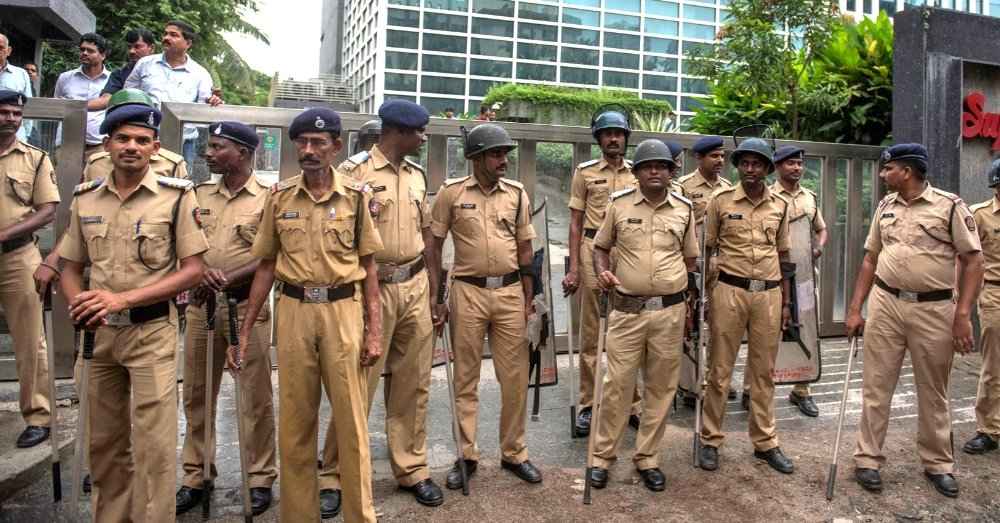
Nagpur Election: In an effort to ensure free and fair elections, Nagpur police have implemented robust security measures, deploying over 5,000 police personnel across the city. With 2,864 polling booths spread across 886 buildings, the city’s law enforcement agencies are leaving no stone unturned. This comprehensive security plan includes targeted surveillance, armed pickets, and active coordination with state and central intelligence agencies.


 Key Objectives of the Security Measures (Nagpur Election)

 Ensuring Fair Elections

The primary focus of this massive deployment is to maintain peace and ensure unbiased polling. Officials are emphasizing fairness across all constituencies, particularly in sensitive areas.

 Managing Sensitive Locations

With 34 critical locations identified as hotspots, the police have ramped up surveillance. Armed pickets have been stationed at criminally sensitive points to prevent disturbances.


 Deployment Details Across Nagpur

 Breakdown of Deployed Forces

The security setup includes:

  • 4 companies of State Reserve Police Force (SRPF)
  • 3 companies of Central Armed Police Forces (CAPF)
  • 1,400 home guards

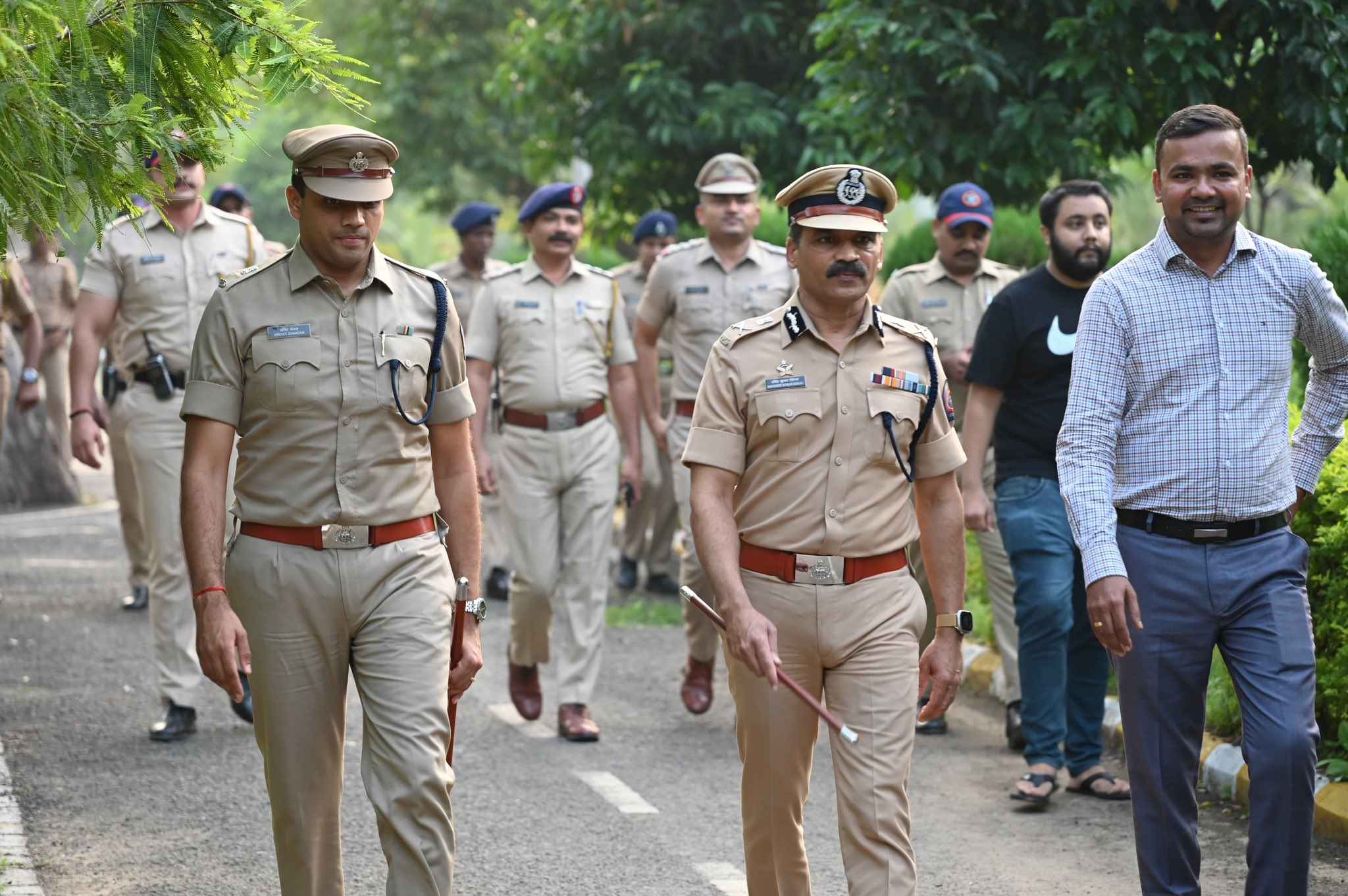
Senior officers like Commissioner Ravinder Singal and Joint CP Nisar Tamboli have meticulously planned this deployment to address every security concern.

 Role of Sector Officers

Around 90 sector officers, including Assistant Police Inspectors (APIs) and Sub-Inspectors, are monitoring clusters of polling booths to ensure smooth functioning.


 Pre-Election Challenges and Actions Taken

 Managing Political Tensions

Recent clashes between party supporters during a rally by AICC General Secretary Priyanka Gandhi highlighted the intensity of the political scenario. The police acted swiftly to de-escalate tensions.

 Area Domination Exercises

Police teams conducted over 50 area domination drills, including route marches, to establish their presence and deter potential offenders.


 Seizures and Preemptive Measures

Confiscation of Weapons and Cash

Ongoing drives have led to the seizure of:

  • Over 7 firearms
  • Around 450 sharp weapons
  • Substantial amounts of unaccounted cash

 Criminal Actions and Externment

Nearly 130 criminals have been externed, ensuring they are unable to disrupt the electoral process.


 Vigilance at Entry and Exit Points

 Monitoring Inflows and Outflows

Enhanced surveillance at city borders aims to prevent the movement of illegal cash, drugs, or unauthorized personnel. This step is crucial in maintaining election integrity.

 Special Crime Branch Operations

Dedicated crime branch teams are targeting narcotics, illicit weapons, and cash transfers, reinforcing the city’s security blanket.


 Coordination with Intelligence Agencies

 Input-Driven Strategy

Nagpur police are closely collaborating with state and central intelligence agencies. Their insights play a pivotal role in identifying potential threats and neutralizing risks.

 Real-Time Adaptation

Officers are actively adapting strategies based on intelligence inputs, ensuring that the security measures remain proactive and dynamic.


 Election Day Preparations (Nagpur Election)

Enhanced Booth Monitoring

Each polling booth is equipped with surveillance systems and security personnel. This ensures that voters can cast their ballots without fear or intimidation.

 Nakabandis and Random Checks

Approximately 75 nakabandis or random security checks have been conducted across the city. These involve joint teams of security forces and revenue officials.


 Building Public Confidence

 Transparent Communication

Police authorities have reassured citizens about the robust security measures in place. This transparency helps build trust and encourages voter participation.

 Encouraging Voter Turnout

By ensuring a safe environment, authorities aim to boost voter confidence and encourage higher participation in the democratic process.

Nagpur’s extensive security measures reflect a well-coordinated effort to ensure free and fair elections. From deploying over 5,000 personnel to conducting proactive drives, the city’s police are leaving no gaps in their preparation. Their focus on sensitive areas, intelligence collaboration, and public reassurance underscores their commitment to a seamless electoral process.

1. What measures are being taken in sensitive areas?
Police have deployed armed pickets and increased surveillance to address potential threats in sensitive zones.

2. How are intelligence agencies involved?
State and central intelligence agencies provide critical inputs to identify and mitigate risks proactively.

3. What steps are being taken against illegal activities?
The police have seized firearms, sharp weapons, and cash while also targeting narcotics and illegal cash transfers.

4. Who oversees the polling booth security?
Sector officers, along with joint teams of security and revenue officials, monitor polling booths and conduct random checks.

5. How does this impact voter turnout?
By ensuring a safe and transparent environment, these measures aim to encourage higher voter participation.

Wathoda Depot Ready to Charge 150 E-Buses

Wathoda depot e-buses: The city of Nagpur is taking a giant leap toward eco-friendly public transport. The Wathoda depot has been transformed into a state-of-the-art facility, ready to support the charging needs of 150 electric buses. This step is a significant milestone in making the city’s transportation system greener and more efficient.


 A Modern Hub for Electric Buses in Nagpur

 What is the Wathoda Depot?

The Wathoda depot, located in Nagpur, is now fully equipped to serve as the backbone of the city’s electric bus fleet under the ‘Aapli Bus’ service. Spanning a sprawling 10.6 acres, this depot is designed with cutting-edge infrastructure and facilities to support the growing fleet of electric vehicles.


 Why is the Depot Crucial for Nagpur’s Transit?

Electric buses are the future, and Nagpur is leading the charge (pun intended). This depot ensures that the buses are charged, maintained, and ready to serve the city’s growing transportation needs.


 The Vision Behind the Development

 A Collaborative Effort

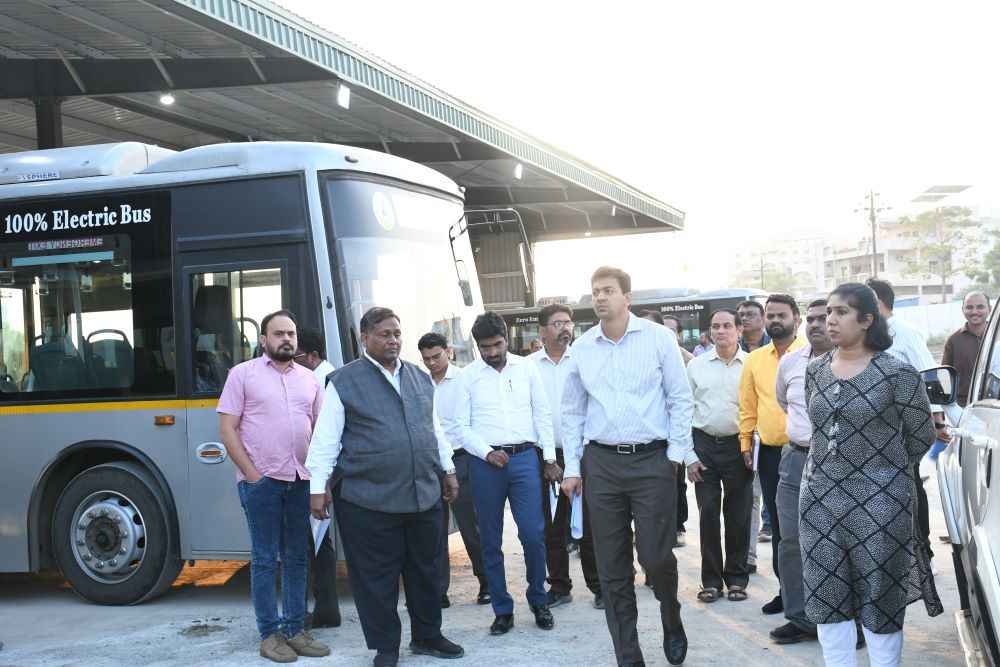
During a recent inspection, Nagpur Municipal Corporation (NMC) Commissioner Abhijeet Chaudhari evaluated the readiness of the depot. Alongside him were key figures like transport manager Vijay Jadhav and PMI Electro Mobility Solutions chairman CK Goyal. PMI Electro Mobility Solutions is responsible for managing the depot’s operations and maintenance.


 Central Government’s Push for Green Mobility

Under the 15th Finance Commission, the central government has allocated 144 new electric buses to Nagpur. Of these, 86 buses have already joined the fleet, with more expected soon.


 Key Features of the Wathoda Depot

 Charging Capacity

  •  Infrastructure Built to Last
    The depot boasts 22 charging stations that can charge up to 44 buses at once. This ensures minimal downtime and maximum efficiency.
  •  Future-Ready Facilities
    With a capacity to handle 150 buses, the depot is poised to meet the demands of Nagpur’s growing fleet.

 Safety and Convenience

  •  Advanced Lighting
    The depot is equipped with robust lighting systems, ensuring safety and ease of operation, even at night.
  •  Essential Amenities
    The facility includes driver shelters, drinking water provisions, and bus servicing areas, ensuring the welfare of the personnel involved.

 The Role of PMI Electro Mobility Solutions

 Efficient Management

PMI Electro Mobility has played a pivotal role in setting up and managing the depot. Their expertise ensures smooth operations and effective maintenance of the facility.


 Commitment to Green Transportation

The collaboration between NMC and PMI is a testament to the city’s dedication to a sustainable future.


 The Impact on Nagpur’s Transportation

 Reduced Carbon Footprint

Electric buses significantly reduce emissions, helping Nagpur combat pollution and improve air quality.


 Enhanced Commuter Experience

These buses promise a quieter, smoother, and more eco-friendly commute for the city’s residents.


 Looking Ahead

 Future Plans for Expansion

With ongoing construction projects for additional amenities, the depot is set to become a benchmark for sustainable transportation hubs across India.


 A Model for Other Cities

Nagpur’s initiative serves as an inspiration for other urban centers to adopt green transit solutions.

The Wathoda depot stands as a shining example of what a city can achieve with vision, collaboration, and a commitment to sustainability. As Nagpur embraces green technology, it sets a precedent for cities worldwide to follow suit.

Q1: How many electric buses can the Wathoda depot charge simultaneously?
The depot can charge up to 44 buses at the same time using its 22 charging stations.

Q2: Who manages the Wathoda depot’s operations?
PMI Electro Mobility Solutions Pvt Ltd is responsible for the operation and maintenance of the depot.

Q3: How large is the Wathoda depot?
The depot spans an impressive 10.6 acres.

Q4: What are the key benefits of this facility?
It reduces downtime for buses, promotes eco-friendly transport, and provides essential amenities for drivers and staff.

Q5: How does the Wathoda depot support sustainability?
By facilitating the use of electric buses, it reduces the city’s carbon footprint and promotes green mobility.

Nagpur Police Seizes Four Firearms in 24-Hour Pre-Poll Drive

Nagpur police: Nagpur’s pre-election anti-crime drive has made headlines with significant breakthroughs in curbing criminal activities. Over a span of 24 hours, city police successfully seized four firearms, 127 sharp weapons, and registered several cases against notorious criminals. These actions are part of an extensive operation aimed at ensuring law and order before the polls.


The Anti-Crime Drive: An Overview

Why Is This Drive Critical?

Pre-election periods often witness a surge in unlawful activities, and Nagpur’s law enforcement is leaving no stone unturned to maintain peace. With a focus on disarming criminals, their proactive measures aim to deter violence and secure a safe environment for citizens.


Major Breakthroughs in 24 Hours

Seizure of Firearms

In a commendable effort, four firearms were confiscated within a single day. The meticulous operations involved swift actions based on reliable intelligence.

  • Key Locations of Seizure:
    • Pachpaoli
    • Itwari railway station
    • Khalasi Line
    • Bhandewadi

Action Against Goons

Preventive measures were taken against 1,700 individuals with criminal records. Additionally, 100 notorious offenders were externed, setting a benchmark for crime control.


Unveiling the Details: Key Arrests

Rehan Montoo

Rehan Montoo, wanted in multiple cases, was apprehended following a tip-off. The police handed him over to the Pachpaoli police station, where pending charges include murder and attempted murder.

Faizan Khan

Faizan Khan, known for his criminal history, was nabbed near Itwari railway station. A firearm and live cartridge were recovered during the operation.

Milan Suryavanshi and Accomplices

The crime branch also arrested Milan Suryavanshi, recovering a Mauser firearm. However, his accomplice Dominic Alexander remains at large.


Social Media: A Double-Edged Sword

Nikhil Wahane’s Instagram Post

In a surprising twist, Nikhil Wahane, who shared photos of firearms on Instagram, was taken into custody. His interrogation led to the arrest of Rahul Gharad and the seizure of an additional firearm.


Combating Sharp Weapon Possession

Seizure of Swords

The Kalamna police, under Inspector Praveen Kale, seized six swords from a gang, including two minors. Social media again played a role, as the culprits had posted images of these weapons.


Financial Seizures and Narcotics Crackdown

Cash and Narcotics

In the past few weeks, Nagpur police seized ₹2 crores in unaccounted cash and arrested 42 individuals for drug-related offenses.


Legal Measures and Stringent Actions (Nagpur police)

Maharashtra Prevention of Dangerous Activities Act

The Maharashtra Prevention of Dangerous Activities (MPDA) Act proved to be a powerful tool, leading to the arrest of eight hardened criminals.

Serving Warrants

Over 520 non-bailable warrants were executed, demonstrating the police’s commitment to enforcing the law.


Ensuring a Secure Pre-Poll Environment

Role of Leadership

Senior officers like CP Ravinder Singal and Joint CP Nisar Tamboli played pivotal roles in strategizing and overseeing the success of these operations.

Collaborative Efforts

The coordinated efforts of crime branch teams and local police stations highlight the importance of teamwork in achieving remarkable results.

Nagpur’s pre-poll anti-crime drive is a testament to the dedication of the city’s law enforcement agencies. Their swift and decisive actions have not only curtailed criminal activities but also instilled a sense of security among citizens. As the city gears up for the elections, such measures ensure that peace and democracy prevail.

  1. Why was this anti-crime drive conducted?
    It aims to ensure law and order during the pre-election period by cracking down on criminal activities.
  2. What were the major achievements of the drive?
    The drive led to the seizure of four firearms, 127 sharp weapons, and legal action against 1,700 criminals.
  3. How does social media impact crime investigations?
    Social media helps law enforcement identify offenders, as seen in cases where culprits posted incriminating content.
  4. What is the MPDA Act?
    The Maharashtra Prevention of Dangerous Activities Act allows authorities to detain hardened criminals and maintain public safety.
  5. What measures are being taken for the elections?
    Seizing weapons, arresting offenders, and executing warrants are key steps to secure the electoral process.

NMC Launches Citywide Playground Cleanliness Drive

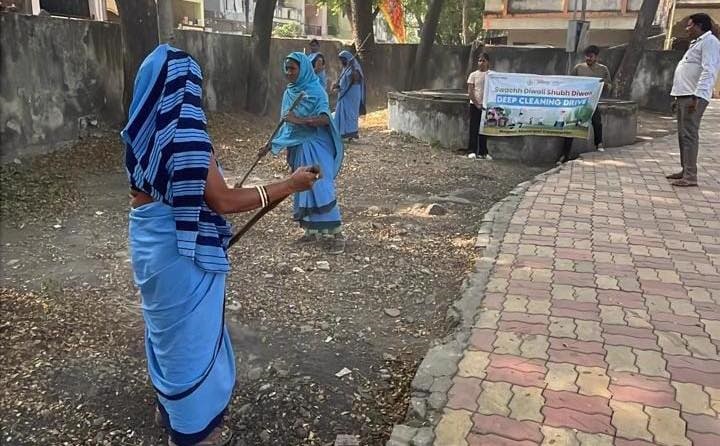
Playground Cleanliness Drive Nagpur: The Nagpur Municipal Corporation (NMC) has launched a proactive playground cleanliness campaign across the city’s playgrounds, aiming to transform these open spaces into safe, clean, and inviting areas for the community. Covering all ten city zones, this drive is set to run until November 16, focusing on meticulous cleaning, weed removal, and maintenance work.

After the heavy monsoon season, weeds and unwanted vegetation have spread across many playgrounds, not only spoiling the visual appeal of these open spaces but also creating breeding sites for mosquitoes. The NMC’s efforts in prioritizing playgrounds signify its commitment to enhancing the quality of life for the citizens by ensuring that these areas remain accessible and enjoyable for everyone.

The Purpose Behind the Playground Cleanliness Drive

NMC’s playground cleanliness drive aims to address a few key community concerns: (Playground Cleanliness Drive Nagpur)

  • Public Safety: Overgrown vegetation and debris can become dangerous and limit visibility.
  • Health Concerns: Weeds, puddles, and damp ground serve as breeding sites for mosquitoes, raising the risk of diseases.
  • Aesthetic Enhancement: By removing unwanted vegetation, the campaign makes playgrounds more visually appealing and welcoming.

Through this focused effort, the NMC hopes to maintain a healthier environment across neighborhoods, allowing residents to make the best use of these community spaces.

First Day Success: 42 Playgrounds Cleaned

In just the first day, the NMC made significant strides by cleaning 42 playgrounds across Nagpur. Teams removed weeds, cut overgrown grass, and cleared debris. This initial success is a promising start, and the drive’s momentum is expected to continue throughout the campaign.

How the Clean-Up Works: Team Effort Across Zones

Each zone’s Zonal Officers, along with Cleanliness Inspectors, are leading the clean-up efforts. The systematic approach to cleaning includes:

  1. Ground Preparation: Inspecting each playground to identify major problem areas.
  2. Weed Removal: Cutting down overgrown grass and removing weeds to create a more organized space.
  3. Trash Collection: Clearing playgrounds of litter, debris, and vegetation waste.

The NMC’s structured plan ensures that playgrounds in all ten zones receive attention.

Spotlight on Laxmi Nagar Zone’s Playgrounds

In the Laxmi Nagar Zone, playgrounds in notable areas like West Samarth Nagar, Hanuman Temple Ground in Ujjwal Nagar, Indian Gymkhana, Dhantoli, and the basketball ground in Bajaj Nagar were cleaned thoroughly on the first day. Residents of this zone can already see a significant difference in their local playgrounds, and community feedback has been highly positive.

Additional Playgrounds Covered Across Nagpur

Beyond Laxmi Nagar, the NMC has also extended its efforts to other significant playgrounds:

  • Sita Nagar Dhawad College
  • Hanuman Mandir-Pande Layout
  • Futala Lake Ground at Dharampeth Layout
  • Priyadarshani Colony and Civil Lines
  • The garden at Gandhi Square, Sadar
  • The ground behind Sule School, Dhantoli
  • Yoga Bhavan and Mahalaxmi Nagar Square Ground

This extensive reach across Nagpur’s various neighborhoods ensures that every community benefits from the drive.

Key Benefits of the Playground Cleanliness Drive

The cleanliness drive is not just about tidying up—it has broader benefits for the community as a whole:

1. Safer Play Areas for Kids and Families

With the removal of overgrown weeds and unwanted debris, playgrounds are safer for children to play in, minimizing hazards from hidden sharp objects or pests.

2. Community Health Benefits

By reducing mosquito breeding grounds, the NMC is actively combating potential health risks like malaria and dengue, which can spread rapidly through stagnant water and unkempt vegetation.

3. Enhanced Community Spirit

Clean and well-maintained playgrounds invite more community activities, from sports and exercise to social gatherings, fostering a sense of community and shared responsibility.

Public Feedback: How Citizens Are Responding

Residents have voiced their appreciation for NMC’s proactive approach to cleaning up playgrounds. Community members feel more encouraged to spend time outdoors, engage in recreational activities, and participate in maintaining these spaces.

Some Resident Testimonials

  • Amit P.: “It’s refreshing to see the playground near my home finally cleaned up. My kids love playing there, and now I don’t have to worry about weeds and trash.”
  • Meena R.: “The NMC’s clean-up campaign is a wonderful initiative! It’s encouraging to see our taxes being put to good use.”
  • Kiran S.: “I’ve noticed fewer mosquitoes around the playground in my area, and it’s making a real difference for my family.”

Challenges Faced by the NMC

While the drive has been successful, it has not been without challenges:

  • Monsoon Aftermath: The heavy rains left behind waterlogged and muddy areas, making weed and grass removal difficult.
  • Limited Resources: Mobilizing resources and manpower for such an extensive drive across all ten zones has been demanding.
  • Community Awareness: While feedback has been positive, encouraging long-term maintenance by the community remains a challenge.

What’s Next for NMC? Maintaining Cleanliness in Playgrounds

The NMC plans to sustain these cleanliness efforts beyond the November 16 end date. They have proposed:

  • Regular Clean-Up Days: Designating specific days each month for cleaning up playgrounds.
  • Community Involvement Initiatives: Encouraging residents to actively participate in playground maintenance.
  • Educational Campaigns: Raising awareness on the importance of keeping public spaces clean and free of litter.

The NMC’s citywide playground cleanliness drive is an inspiring initiative that shows the impact of prioritizing community health, safety, and well-being. Through their comprehensive cleaning and maintenance efforts, playgrounds across Nagpur have been transformed into safe, welcoming spaces that encourage outdoor activities and strengthen community ties. With continued public support and participation, these playgrounds can remain well-maintained for the long term.

1. Why did the NMC launch the playground cleanliness drive?
The drive aims to enhance playground safety, reduce mosquito breeding grounds, and improve the visual appeal of community spaces following the monsoon season.

2. How long will the cleanliness drive last?
The drive is scheduled to run until November 16, covering playgrounds in all ten zones of Nagpur.

3. How many playgrounds has the NMC cleaned so far?
As of the first day, the NMC cleaned 42 playgrounds, with plans to continue until all playgrounds are addressed.

4. What are the benefits of this initiative?
The drive makes playgrounds safer for children, reduces health risks from mosquitoes, and enhances the appearance of community spaces.

5. How can the community support this initiative?
Community members can support the initiative by keeping playgrounds clean, avoiding littering, and participating in clean-up efforts organized by the NMC.

Festive Rush: Nagpur Railway Station Managing Over 1 Lakh Passengers Daily

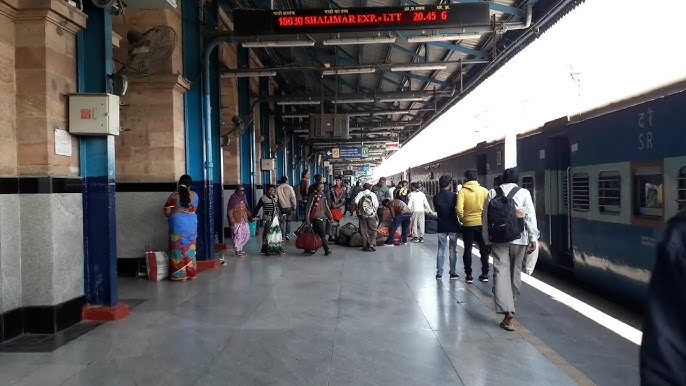
Nagpur Railway Station: Festive seasons bring a whirlwind of excitement, but at Nagpur Railway Station, it’s a storm of people. Imagine handling over 1 lakh passengers per day with trains running back-to-back. Let’s explore how this bustling hub is managing such a massive footfall, the strategies implemented, and what it means for the passengers.


Rising Footfalls at Nagpur Railway Station

A 67% Increase in Footfall

The usual 60,000 daily passengers have shot up to over 1 lakh. With about 140 trains, including 40 special ones for Diwali and Chhath Puja, this spike represents a whopping 67% increase. Have you ever been caught in a sea of people during the holidays? That’s what Nagpur station is dealing with every day.

How Many Trains Pass Through Daily?

Around 140 trains pass through Nagpur Railway Station daily. That’s equivalent to a train almost every 10 minutes! This includes regular services and special festive trains to accommodate the festive crowd.


Managing the Festive Rush: What’s Being Done?

Restricted Platform Entry Times

To manage the influx, passengers cannot access the platforms more than four hours before their departure. This restriction aims to reduce overcrowding, ensuring the station doesn’t become a chaotic mess. It’s like being in a busy airport with controlled boarding areas.

‘Cloning’ of Long-Distance Trains

What’s this all about? The Nagpur division has cloned 15 long-distance trains, replicating routes of popular ones like the Sanghamitra Express and Secunderabad-Danapur Express. Essentially, they’ve created backup plans for the masses, like adding more lanes on a highway during rush hour.

Special Holding Areas for Passengers

Remember the tragic stampede at Vandre station in Mumbai? Nagpur’s administration has learned from past events. Makeshift holding areas on the western side of the station offer a safer, more organized waiting experience. It’s a thoughtful move to prevent overcrowding.


Enhanced Security Measures

Deployment of Railway Protection Force (RPF)

Managing over 1 lakh people requires a security army. The RPF has deployed 80 additional personnel, ensuring everyone’s safety. These officers are stationed across the entire platform to maintain order.

Round-the-Clock Surveillance

The security efforts go beyond just manpower. A robust monitoring system is in place, with officials keeping a close watch over passengers, especially in reserved coaches. This approach ensures that passengers without reserved tickets don’t sneak into these areas.

Anti-Tout Drives

The Central Railway has cracked down hard on ticket touts. Anti-tout drives are in full swing, and special vigilance has been set up at Tatkal ticket counters to ensure fairness. If you’ve ever felt cheated while buying a ticket, know that this year, things are different.


Ticketing and Waiting Area Enhancements

Nine Ticket Windows for Reserved Passengers

Buying a ticket isn’t a nightmare anymore. With nine windows dedicated to reserved tickets, waiting times are significantly reduced. This move has eased the chaos at the booking counters.

Seven Unreserved Ticket Windows

Not everyone books in advance, right? For those buying unreserved tickets, there are seven windows operating efficiently. Special attention is being paid to these areas to streamline the process.

Tatkal Window Vigilance

Tatkal bookings can be a frenzy. With stringent checks and constant monitoring, the station is making sure these bookings are done fairly and transparently. It’s like having a lifeguard for the booking pool.


Crowd Control and Complaint Management

Comprehensive Crowd Management Plan

The crowd management strategy, led by DRM Manish Agrawal, is meticulous. From maintaining crowd flow to ensuring emergency services are on standby, every detail is covered. Think of it as a well-oiled machine working day and night to keep passengers safe.

Reduced Complaint Calls

A great indicator of success? Fewer complaints. The redressal system now receives only 30 calls daily, down from the usual 100. It shows how effective the measures have been.

Additional Support from NGOs

Non-Governmental Organizations have stepped in, offering services like water distribution and general assistance. It’s a community effort, with volunteers ensuring everyone is cared for.


Passenger Experience Enhancements

Additional Inquiry Booths and ‘May I Help You’ Kiosks

For those who easily get lost or confused, extra help is available. More inquiry booths and “May I Help You” kiosks have been set up. These additions make navigating the station a breeze.

No Sleeping Policy on Platforms

In a move to keep platforms clear, sleeping is strictly prohibited. It ensures better crowd flow and keeps the station safe and organized.

Encroachment Clearance Drives

Removing encroachments from station premises is crucial for managing foot traffic. The RPF and commercial department have jointly taken action, freeing up space for better passenger movement.


The Role of Technology in Crowd Management

Digital Monitoring Systems

Advanced digital surveillance ensures that every inch of the station is under watch. This high-tech system allows authorities to act swiftly in case of emergencies.

Automated Announcements and Alerts

Passengers are constantly updated through automated announcements, reducing confusion. From train timings to safety protocols, everything is broadcasted efficiently.


Looking Ahead: Plans for Future Festive Seasons

Expanding Infrastructure

Future plans may include expanding the station’s infrastructure to handle even more passengers. With Nagpur being a key junction, investment in growth is inevitable.

Learning from Experiences

Every festive season provides a learning opportunity. Authorities are continuously fine-tuning strategies to improve year after year.

Navigating through Nagpur Railway Station during the festive rush is no less than an adventure. But thanks to effective crowd management, safety measures, and enhanced passenger services, it’s a more organized chaos than one might imagine. With careful planning and community support, the station stands as a testament to resilience and efficiency.

  1. Why are passengers restricted to entering only four hours before their train?
    • This helps reduce overcrowding on platforms, ensuring a safer and more manageable environment.
  2. What are ‘cloned’ trains, and how do they help?
    • Cloned trains mimic popular routes, adding extra capacity to manage the massive passenger load.
  3. How is the Railway Protection Force contributing to security?
    • The RPF has increased personnel and conducts continuous surveillance to maintain order.
  4. Are Tatkal ticket counters being monitored?
    • Yes, special vigilance and anti-tout drives ensure fair and transparent booking at Tatkal windows.
  5. Can passengers sleep at Nagpur Railway Station?
    • No, sleeping is prohibited on platforms to maintain safety and crowd flow.

RTO Issues Permits to Over 80 Campaign Vehicles in Nagpur District

Campaign vehicle permits Nagpur: Election season in Nagpur is heating up! With the assembly election scheduled for November 20, the Regional Transport Offices (RTOs) in both Nagpur city and the rural areas have been bustling with activity. Political parties are in a frenzy to secure permits for their campaign vehicles, ensuring they can reach every corner of their constituencies and boost voter engagement. Let’s dive deeper into how the RTOs are managing this process and the significance of these permits for local campaigning.

Why Are Campaign Vehicles Important?

Campaign vehicles play a critical role in political outreach. Imagine trying to cover an entire constituency without vehicles—it’s like trying to catch up to a sprinting runner while walking. These vehicles amplify visibility, deliver messages quickly, and engage communities on a personal level.

The RTO’s Role in the Election Process

The Regional Transport Offices ensure the smooth functioning of all campaign activities involving vehicles. Their primary task is to issue temporary permits (Campaign vehicle permits Nagpur) that align with the Election Commission of India’s (ECI) guidelines. Here’s how the RTOs in Nagpur are handling the situation.

Nagpur City RTO: Handling Urban Constituencies

Nagpur city’s RTO, located on Amravati Road, has issued permits to 32 campaign vehicles so far. These vehicles, mainly four-wheelers equipped with sound systems and decorated with banners and posters, are geared up to roam the city’s assembly constituencies. Wondering why these vehicles are so decked out? Because visibility is the name of the game during campaign season.

Permit Details for Urban Vehicles (Campaign vehicle permits Nagpur)

  • Vehicle Type: Primarily four-wheelers
  • Permit Validity: Until November 29, a few days after the election results
  • Fees: Rs2,000 per four-wheeler, Rs500 per autorickshaw

The focus in urban areas is to ensure that permits are processed swiftly, and all guidelines are followed to avoid penalties or disruptions.

Rural RTO: Streamlining Permits Across Rural Nagpur

Rural areas come with their own set of challenges. Nagpur’s rural RTO has gone the extra mile, setting up six temporary offices to facilitate the permit process in rural constituencies, including:

  • Saoner
  • Katol
  • Umred
  • Ramtek
  • Hingna
  • Kamptee

Temporary Permits: How Are They Issued?

So far, the rural RTO has granted permits to 55 vehicles spread across five of the six mentioned constituencies. Kamptee has yet to see any permit requests. To ensure a streamlined process, dedicated counters have been established in each constituency.

Quote from the Officials

One official mentioned, “The process is running smoothly, with vehicles securing permission through dedicated counters in each constituency. The goal is to ensure all applications are processed on time to support campaigning activities.”

Why Temporary Permits Are Necessary

Temporary permits aren’t just formalities—they’re crucial. The Election Commission of India mandates these permits to keep track of campaign activities and ensure compliance with the election code. Without a valid permit, vehicles could face fines or be detained, disrupting campaign efforts.

What Happens If Vehicles Violate Permit Rules?

  • Consequences: Vehicles used without permits face detainment and fines.
  • Compliance: The RTOs are working hard to ensure everyone follows the rules, keeping the playing field fair.

Fees for Campaign Permits

Curious about the costs? Here’s a breakdown:

  • Four-Wheelers: Rs2,000
  • Autorickshaws: Rs500

These fees may seem minor, but when multiplied by the number of vehicles a party needs, they can add up quickly. It’s an investment in political visibility.

Election Dates and Permit Validity

The big day—November 20—is rapidly approaching. With vote counting set for November 23, the permits will remain valid until November 29. This ensures that all campaign activities, including post-election analysis and follow-ups, can be carried out smoothly.

Campaign Vehicles: Amplifying Political Outreach

The vehicles are more than just transportation; they’re moving billboards, carrying candidates’ images, slogans, and messages. The rural and urban strategies may differ, but the end goal is the same: voter engagement.

Urban vs. Rural Campaigning Strategies

  • Urban Areas: Focus on dense neighborhoods, malls, and city centers.
  • Rural Areas: Target villages, marketplaces, and community gatherings.

Each area has its unique demands, and campaign managers must tailor their approach accordingly.

Setting Up for a Smooth Campaign Season

The RTOs in Nagpur have left no stone unturned. With dedicated counters and multiple temporary offices, they are ensuring that all campaign vehicles have the necessary permits in time. This proactive approach is crucial for the seamless operation of campaign activities.

How Political Parties Are Reacting

As the election draws closer, political parties are pulling out all the stops. Additional vehicles are expected to join the campaign fleets, and the RTOs anticipate a further surge in permit applications. The pressure is on, but the officials remain confident that they can handle the load.

A Look at the Numbers

  • Total Vehicles Permitted So Far: Over 80
  • Urban Permits: 32
  • Rural Permits: 55 and counting

The numbers are expected to rise as the election fever grips Nagpur.

Challenges Faced by the RTOs

Managing this influx of permit requests is no small feat. The RTOs must balance efficiency with strict adherence to the ECI’s regulations. Any slip-up could have consequences not just for the campaigners but also for the RTO officials.

Common Obstacles

  • High Volume of Applications: Processing so many permits quickly is a logistical challenge.
  • Ensuring Compliance: Verifying that each vehicle adheres to the guidelines takes time and effort.

The Regional Transport Offices in Nagpur are working tirelessly to keep up with the demand for campaign vehicle permits. With the assembly election just around the corner, every permit issued is a step toward a successful, well-regulated campaign. Whether you’re in the bustling streets of Nagpur city or the quieter rural areas, these vehicles will be hard to miss. As voters, let’s stay informed and engaged as we witness this democratic exercise unfold.

  1. What is the purpose of campaign vehicle permits? Temporary permits ensure that all campaign vehicles comply with the Election Commission of India’s guidelines, maintaining fair and regulated campaigning.
  2. How much does it cost to get a permit for a campaign vehicle? A four-wheeler permit costs Rs2,000, while an autorickshaw permit costs Rs500.
  3. When will the campaign vehicle permits expire? The permits are valid until November 29, after the election and vote counting are completed.
  4. How many campaign vehicles have been permitted so far? Over 80 vehicles have received permits, with 32 in urban areas and 55 in rural regions.
  5. What happens if a campaign vehicle doesn’t have a permit? Vehicles used without a valid permit will be detained, and fines will be imposed as per ECI regulations.

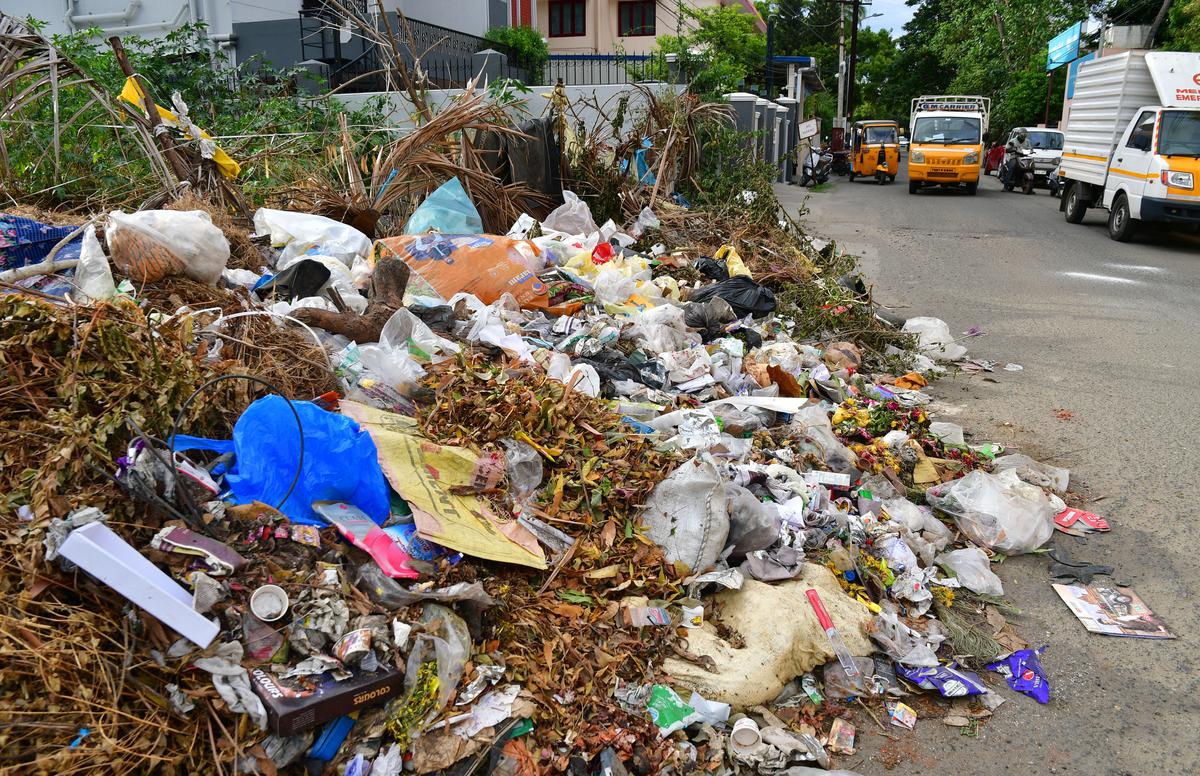
Pre-Diwali Clean-Up Sees Nagpur Spewing 200MT More Garbage Daily

Diwali Garbage Surge Nagpur: As Diwali nears, Nagpur’s vibrant festival preparations come with an unintended consequence – a massive surge in garbage production. In the weeks leading up to this festive season, households declutter, clean, and organize, contributing to a noticeable increase in waste. The Nagpur Municipal Corporation (NMC) has reported nearly 200 metric tonnes (MT) more garbage collected per day compared to early October, highlighting the need for swift action to manage the city’s waste efficiently.

Nagpur’s streets are buzzing with excitement as Diwali approaches. But alongside the decorations and shopping sprees, the city faces a challenging uptick in waste. With waste collection figures spiking nearly 15% above average, handling this volume becomes a monumental task for the NMC.

Why the Surge in Garbage During Diwali Season?

The pre-Diwali cleaning tradition across households sees a substantial purging of unused items, old furniture, and general clutter. Families prepare their homes to welcome prosperity, inadvertently leading to the massive rise in waste levels.

Understanding Nagpur’s Pre-Diwali Waste Management Stats

NMC has observed an average daily waste collection of about 1,400MT, up from 1,260MT in early October. AG Enviro and BVG Enviro, the companies responsible for garbage collection, report collecting between 690MT and 720MT in different city zones, revealing the need for extra resources to manage this increase.

How Does NMC Handle This Surge?

To combat the increase in garbage, NMC works closely with AG Enviro and BVG Enviro to deploy additional resources and workers. This strategy ensures the waste accumulation is manageable, allowing residents to enjoy cleaner surroundings during Diwali.

Waste Management Zones: Who Collects What?

Nagpur’s waste collection is split across zones, with AG Enviro covering Laxmi Nagar, Dharampeth, Hanuman Nagar, Dhantoli, and Nehru Nagar. BVG Enviro handles Gandhibagh, Satranjipura, Lakadganj, Ashi Nagar, and Mangalwari. The division allows for efficient, zone-specific waste handling.

Challenges of Increasing Waste

Nagpur’s increasing garbage puts stress on existing infrastructure, causing concerns around waste processing, transportation, and disposal. With more waste comes the challenge of maintaining sanitation standards citywide.

Pre-Diwali Clean-Up: A Tradition Rooted in Culture

The Diwali clean-up is more than a household chore – it’s a cherished ritual. This yearly activity symbolizes new beginnings, positivity, and inviting luck into the home. However, it also brings with it challenges for city waste management systems.

Potential Solutions to Manage Seasonal Waste

To manage the waste spike, NMC and waste management firms are exploring solutions like additional collection shifts and waste segregation initiatives. By educating citizens on responsible disposal practices, the city can tackle waste management more effectively.

Sustainability Tips for a Cleaner Diwali

  1. Minimize Waste: Reduce decorations and use eco-friendly alternatives.
  2. Segregate Waste: Separate recyclable items from general waste.
  3. DIY Decorations: Opt for homemade decorations instead of disposables.
  4. Reuse Items: Consider donating or repurposing items instead of discarding.

Role of Citizens in Reducing Festive Waste

Citizens play a critical role in managing waste. By adopting sustainable practices, reducing household waste, and following responsible disposal guidelines, Nagpur’s residents can contribute significantly to the city’s cleanliness.

Future of Waste Management in Nagpur

Nagpur’s waste management is evolving to accommodate the seasonal demands that festivals bring. With better planning and community involvement, the city can achieve an efficient waste management model that benefits everyone.

As Diwali festivities bring families together, the city faces the challenge of increased waste. With NMC and its waste management partners working diligently, citizens can do their part to reduce the strain on the system by adopting eco-friendly practices and reducing waste. This Diwali, let’s celebrate with a clean, sustainable approach that preserves Nagpur’s beauty.

  1. Why does waste increase before Diwali?
    • The pre-Diwali clean-up sees households decluttering, leading to more waste.
  2. How is Nagpur managing this surge in garbage?
    • NMC, with the help of AG Enviro and BVG Enviro, deploys extra resources to handle the waste spike.
  3. What can I do to reduce Diwali waste?
    • Reduce, reuse, and recycle! Opt for eco-friendly decor and avoid disposables.
  4. Why are some zones seeing more waste than others?
    • High-density and commercial areas tend to generate more waste due to higher activity levels.
  5. Is Nagpur taking steps toward sustainable waste management?
    • Yes, the city is implementing strategies to handle seasonal waste and encourage sustainable practices.
Exit mobile version