Maharashtra: Wanted Drug Smuggler Arrested During Pushpa 2 Movie Screening in Nagpur

Maharashtra drug smuggler arrest: Imagine watching an action-packed movie like Pushpa 2: The Rule and suddenly witnessing real-life drama unfold. This is precisely what happened in Nagpur, Maharashtra, when police arrested a notorious drug smuggler and gangster, Vishal Meshram, during the screening of the much-anticipated film. This unexpected turn of events left the audience both shocked and intrigued.


The Dramatic Arrest: A Scene to Remember

When Entertainment Met Reality

The arrest took place just after midnight, causing a brief interruption in the screening. However, the police ensured minimal disruption by promptly apprehending Meshram and allowing moviegoers to continue enjoying the film. The situation was handled so seamlessly that it almost felt like an extension of the movie’s storyline.

Who Is Vishal Meshram?

Meshram is no ordinary criminal. With a staggering 27 cases against him, his record includes two murders, drug trafficking, and attacks on law enforcement. For nearly ten months, this gangster managed to evade capture, making his arrest a significant achievement for the authorities.


How Pushpa 2 Played a Role in the Arrest

A Tip-Off Sparks a Chase

Authorities had been closely monitoring Meshram’s movements, receiving intelligence that he planned to attend the screening of Pushpa 2. The movie’s release served as the perfect bait to corner this elusive criminal.

Cyber Surveillance in Action (Maharashtra drug smuggler arrest)

Using advanced cyber surveillance techniques, the police pinpointed Meshram’s location to a sports utility vehicle (SUV) parked outside the cinema. To ensure he wouldn’t escape, officers deflated the tyres of his vehicle before moving in.


The Arrest Execution: Precision and Planning

The Element of Surprise

As the movie reached its climax, police officers quietly entered the cinema hall. Meshram, engrossed in the film, was entirely unaware of their presence. This element of surprise ensured a smooth arrest without resistance.

A Coordinated Effort

The operation was a testament to meticulous planning and coordination. Officers worked together seamlessly to ensure Meshram’s capture without endangering the audience.


Reactions from Moviegoers and Authorities

Audience Shock and Awe

For the audience, it was a surreal experience. One moment they were immersed in the fictional world of Pushpa, and the next, they witnessed real-life law enforcement action.

Police Statements

The police reassured the public about their safety and highlighted the importance of such operations in maintaining law and order. “We acted swiftly to apprehend the suspect without causing panic,” stated a senior officer.


Meshram’s Criminal History: A Closer Look

A Life of Crime

Meshram’s criminal activities span over a decade, including:

  • Murder: He is accused of committing two homicides.
  • Drug Trafficking: A major player in the illegal drug trade.
  • Violence Against Police: Known for his audacious attacks on law enforcement.

Evading Capture

Despite numerous attempts to apprehend him, Meshram managed to remain at large, leveraging his network and resources to evade justice.


The Importance of Cyber Surveillance in Modern Policing

A Game-Changer in Law Enforcement

Cyber surveillance has revolutionized policing, enabling authorities to track suspects with precision. In Meshram’s case, digital tools were instrumental in narrowing down his location.

Future Implications

The successful use of technology in this operation underscores its potential in tackling organized crime and ensuring public safety.


Lessons Learned from the Operation

Preparedness Is Key

This arrest highlights the importance of thorough planning and preparation in law enforcement operations.

Community Safety Comes First

By prioritizing the safety of moviegoers, the police demonstrated their commitment to protecting the public while executing high-risk operations.


The arrest of Vishal Meshram during the screening of Pushpa 2 was a dramatic yet effective operation that showcased the capabilities of modern policing. It served as a reminder that even the most elusive criminals cannot escape justice forever. For the moviegoers, it was an unforgettable night where fiction met reality in the most unexpected way.


1. Who is Vishal Meshram?

Vishal Meshram is a notorious gangster with a criminal record that includes 27 cases, ranging from murder to drug trafficking.

2. How was Meshram caught?

He was apprehended during a movie screening in Nagpur, thanks to advanced cyber surveillance and meticulous planning by the police.

3. Did the arrest disrupt the movie screening?

The arrest caused a brief interruption, but the police quickly reassured the audience and allowed the screening to continue.

4. What role did Pushpa 2 play in the arrest?

Authorities used the movie screening as a lead to locate Meshram, who was a fan of the film.

5. What does this arrest signify for law enforcement?

The successful operation highlights the effectiveness of modern policing techniques like cyber surveillance and precise planning.


DGP Shukla Commends Simba App During Command Control Centre Visit

DGP Rashmi Shukla: Imagine having a tool that provides instant access to crucial criminal data with just a single click. Sounds futuristic, doesn’t it? But in Nagpur, the future is already here! Maharashtra’s Director General of Police (DGP), Rashmi Shukla, recently visited the Command-and-Control Centre (CCC) to witness firsthand how cutting-edge technology is revolutionizing policing in the city. From the highly effective Simba App to advanced CCTV surveillance systems, let’s dive into the details of this groundbreaking visit.


H1: The Significance of DGP Rashmi Shukla’s Visit

H2: Understanding the Command-and-Control Centre (CCC)

The CCC isn’t just another facility; it’s the nerve center of Nagpur’s modern policing strategy. Equipped with a robust CCTV network, this center monitors activities across the city, ensuring public safety and effective crime management.

H2: Rashmi Shukla’s Leadership in Action

During her visit, DGP Rashmi Shukla emphasized the importance of technology in creating a safer environment. Accompanied by Commissioner of Police Ravinder Singal and other top officials, her engagement highlighted the state’s commitment to leveraging innovation in law enforcement.


H1: Exploring the Simba App

H2: What is the Simba App?

The Simba App is a game-changer for the police force. Imagine having a comprehensive database of criminal records accessible at your fingertips. That’s exactly what this app offers!

H3: Key Features of the Simba App

  • Instant Access to Data: Provides cumulative criminal data within seconds.
  • Personalized IDs: Undergoing a software upgrade to assign unique IDs to criminals.
  • Ease of Use: Intuitive interface for quick navigation.

H3: Benefits of the Simba App

  • Enhanced operational efficiency.
  • Streamlined criminal tracking.
  • Reduced manual workload for officers.

H1: Advanced CCTV Monitoring Mechanism

H2: How CCTV Cameras Improve Policing

With over 2,000 personnel relying on real-time data from these cameras, the system is a cornerstone of Nagpur’s security framework.

H3: Traffic Management

The cameras aid in regulating traffic flow and identifying violations through vehicle registration numbers.

H3: Crime Prevention

Suspicious activities in crowded areas are flagged using a state-of-the-art facial recognition system. Think of it as having a thousand eyes ensuring safety!


H1: Online Traffic Challan System

H2: Revolutionizing Traffic Violations

Gone are the days of manual challans. The online traffic challan system ensures that violations are detected and penalized seamlessly.

H3: Key Highlights

  • Automatic Detection: Cameras identify violations instantly.
  • Transparency: Eliminates human error and biases.
  • Convenience: Citizens can settle fines online, avoiding lengthy queues.

H1: The Role of Technology in Modern Policing

H2: Why Technology Matters

Technology bridges the gap between limited manpower and growing urban challenges. Tools like the Simba App and CCTV systems empower the police to stay one step ahead of criminals.

H2: Future Upgrades

With continuous software updates, the systems are evolving to meet emerging challenges. Personalized IDs for criminals, for instance, are set to revolutionize tracking and database management.


H1: DGP Shukla’s Vision for Safer Cities

H2: Collaboration and Innovation

Shukla’s visit underscored the importance of teamwork and cutting-edge tools. By fostering collaboration between departments, the state aims to create a cohesive security network.

H2: Public Awareness and Trust

Technology not only improves policing but also builds trust among citizens. When people see systems like Simba and advanced CCTV in action, their confidence in law enforcement soars.


Conclusion

DGP Rashmi Shukla’s visit to the CCC in Nagpur was more than just an inspection; it was a testament to Maharashtra’s commitment to innovation in public safety. Tools like the Simba App and advanced CCTV monitoring are paving the way for a smarter, safer city. With continuous upgrades and a vision for the future, Nagpur is setting an example for the entire nation.


1. What is the Simba App?

The Simba App is a technological tool that provides instant access to a comprehensive database of criminal records, enhancing police efficiency.

2. How does the CCTV network assist the police?

The CCTV network monitors city activities, aids in traffic management, and identifies suspicious movements using facial recognition technology.

3. What are the benefits of the online traffic challan system?

This system ensures seamless detection and penalty for traffic violations, offering convenience and transparency.

4. How does technology improve public safety?

Tools like the Simba App and advanced CCTV systems streamline operations, enhance efficiency, and build public trust in law enforcement.

5. What was the focus of DGP Rashmi Shukla’s visit?

Her visit highlighted the role of technology in modern policing and emphasized continuous upgrades for better public safety.

Indora Square’s Metro Station To Open Today

Nagpur commuters, rejoice! The long wait for the Indora Square Metro Station is finally over. Starting from 6 PM on Friday, December 20, the station will officially begin its passenger services. With this addition, Nagpur Metro’s Phase-I project, encompassing all 38 stations, will be fully operational. Let’s dive into the details and explore why this station’s opening is such a significant milestone.

The Big Day: December 20

The excitement surrounding Indora Square Metro Station’s inauguration is palpable. The first trains from Automotive Square and Khapri stations will arrive at 6:05 PM and 6:02 PM, respectively. Located on the Orange Line, this station bridges the gap between residential and commercial hubs in the city.

A Journey Marked by Delays

The Land Acquisition Hurdle

Construction for Indora Square began in November 2022, shortly after land acquisition was finalized in October 2022. Compared to other Phase-I stations, where land acquisition wrapped up by 2016, Indora Square faced significant delays.

Missed Deadlines

Initially slated to open in April 2024, the station’s inauguration was postponed multiple times—to June, August, and then November. Each delay brought frustration and protests from commuters and local organizations.

Awaiting Certification

Even after the station was declared ready, it awaited inspection and approval from the Commissioner of Metro Rail Safety (CMRS). The CMRS’s inspection on November 26 highlighted minor compliances, which were promptly addressed. With certification now in hand, the station is set to welcome the public.

Why Indora Square Metro Station Matters

Boosting Connectivity

The station is strategically located to serve areas like Pachpaoli, Jaripatka, Kamal Chowk, and Mecosabagh. These are bustling zones with a mix of residential and commercial activities.

Easing Commuter Struggles

Before its opening, nearby stations like Kadbi Chowk and Nari Road catered to over 2,000 passengers daily. Approximately 500-700 commuters were inconvenienced due to Indora Square’s inaccessibility. This new station will undoubtedly alleviate pressure on surrounding hubs.

Catalyst for Economic Growth

By improving connectivity, the station is expected to boost local businesses and make daily commutes smoother for thousands of residents.

Features of Indora Square Metro Station

Modern Amenities

  • Elevators and Escalators: Seamless access to platforms.
  • Parking Facilities: Adequate space for two-wheelers and cars.
  • Digital Displays: Real-time train schedules and updates.

Safety Measures

  • CCTV Surveillance: 24/7 monitoring for passenger safety.
  • Fire Safety Systems: Comprehensive measures to handle emergencies.

Sustainability Focus

The station integrates eco-friendly features such as energy-efficient lighting and water-saving systems.

Impact on Nagpur’s Metro Network

Phase-I Completion

With Indora Square operational, all 38 stations under Phase-I are now active. This milestone marks a significant achievement in Nagpur Metro’s journey.

Enhanced Orange Line Services

The Orange Line’s connectivity from Khapri to Automotive Square is now more robust, making travel across the city faster and more efficient.

What Commuters Can Expect

Smooth Operations

The station’s advanced systems ensure punctual train arrivals and departures. Say goodbye to long waits!

Affordable Travel

Nagpur Metro’s cost-effective ticketing system makes it a budget-friendly choice for daily commuters.

Improved Accessibility

With features like wheelchair-friendly access and tactile pathways, the station is inclusive for all.

Challenges Faced During Construction

Land Disputes

Negotiations for land acquisition took longer than expected, delaying the project’s timeline.

Resource Allocation

Redirecting manpower and materials from other projects to expedite Indora Square’s construction was a logistical challenge.

Public Backlash

Prolonged delays sparked protests, highlighting the urgency of completing the station.

Looking Ahead: Future Metro Expansions

Nagpur Metro’s success story doesn’t end here. Plans for Phase-II are already in motion, promising even greater connectivity for the city.

The opening of Indora Square Metro Station is a landmark moment for Nagpur. It’s not just about a new station; it’s about enhancing lives, boosting the economy, and fulfilling long-awaited promises. So, if you’re in Nagpur, why not take a ride and experience this new chapter in the city’s transportation history?

1. What time will the Indora Square Metro Station open?

The station will begin passenger services at 6 PM on December 20.

2. Why was the station’s opening delayed?

Delays were primarily due to land acquisition issues and pending certification from the CMRS.

3. How will the station benefit commuters?

It will improve connectivity, ease congestion at nearby stations, and make daily travel more convenient.

4. What are the station’s key features?

Modern amenities, robust safety measures, and eco-friendly systems make it a standout facility.

5. What’s next for Nagpur Metro?

Phase-II expansions are in progress, aiming to further enhance the city’s metro network.

Nagpur Railway Station Main Booking Office Temporarily Relocated to Platform No.1

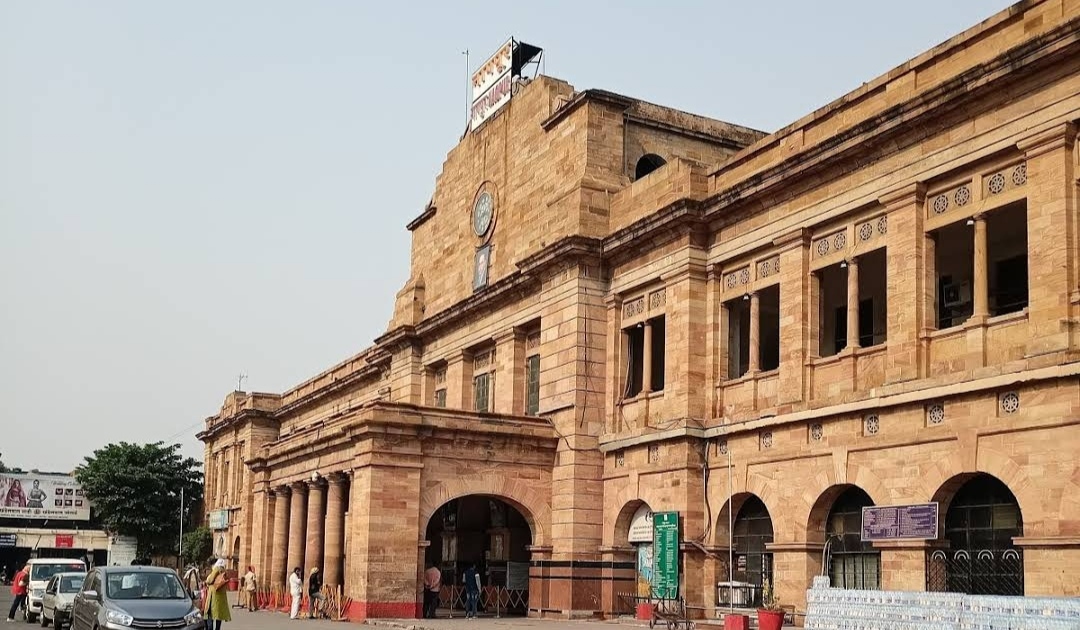
Nagpur’s railway station, a crucial transport hub in India, is undergoing significant redevelopment as part of the Central Railway’s modernization initiative. As part of this ongoing process, the main booking-cum-PRS (Passenger Reservation System) office on the west side of the station will be temporarily relocated. This move, effective from December 18, 12 midnight, ensures that ticketing services continue smoothly without disrupting the daily flow of passengers. Let’s explore the details of this change, what it means for travelers, and how the redevelopment is set to improve Nagpur railway station for years to come.

Why Is the Booking Office Being Relocated?

The relocation is a temporary measure in line with the larger redevelopment project aimed at upgrading the infrastructure of Nagpur railway station. As one of the busiest stations in the region, Nagpur is seeing an influx of passengers, and the goal of this redevelopment is to offer a better and more modern experience.

While the construction of new facilities progresses, certain services need to be temporarily adjusted. The relocation of the main booking office is one such adjustment, designed to keep everything running smoothly during the upgrades.

Details of the Temporary Relocation

The main booking-cum-PRS office will be moved to the dome area located within the second-class waiting hall. This area is conveniently situated near the escalator and the foot over bridge (FOB) landing on Platform No.1, specifically at the Mumbai end of the station.

Key Points:

  • Location: Dome area in the second-class waiting hall, near escalator and FOB landing on Platform No.1.
  • Distance from Original Office: Approximately 200 meters towards the Mumbai end.
  • Effective Date: Starting from 12 midnight on December 18.
  • Duration: Temporary, until further notice as per the station’s redevelopment timeline.

Passengers seeking both unreserved and reservation ticketing services can continue to access them from this temporary location without any interruption. Central Railway has assured that the relocation will not affect the quality or availability of services.

Smooth Transition for Passengers

Central Railway has taken steps to ensure the transition is as smooth as possible for passengers. Key measures include:

  1. Signage: Clear, easy-to-follow signs have been placed at prominent locations around the station to guide passengers to the new booking office.
  2. Help Desk: A dedicated help desk has been established to assist passengers with any queries regarding directions or other station-related information.

These measures are in place to ensure that passengers don’t experience any inconvenience while the transition takes place.

What to Expect from the Redevelopment Project

The ongoing redevelopment of Nagpur railway station is expected to significantly improve passenger amenities and overall infrastructure. The project aims to modernize the station, increase capacity, and provide better facilities for travelers. Some of the key goals of the redevelopment include:

  • Upgraded Facilities: Improved waiting areas, restrooms, and waiting lounges.
  • Enhanced Ticketing Systems: Introduction of advanced ticketing technologies and self-service kiosks.
  • Better Accessibility: Improved signage and accessibility features for differently-abled passengers.
  • Increased Capacity: Expansion of platforms and other infrastructure to handle higher volumes of passengers.

With the addition of modern amenities and better infrastructure, the redevelopment will position Nagpur railway station as a world-class transit hub.

How Will the Relocation Impact Daily Commuters?

For daily commuters and occasional travelers, this temporary relocation may seem like an inconvenience at first. However, given the clear signage and help desk support, most passengers will find the transition easy. Those familiar with the station layout may need to adjust their usual routes to reach the new booking office, but the process should remain straightforward.

Temporary Disruption with Long-Term Benefits

While passengers may experience temporary changes, the long-term benefits of the redevelopment far outweigh the brief inconvenience. With modernized facilities, better services, and improved infrastructure, Nagpur railway station is set to become a more comfortable and efficient place for both local and outstation travelers.

Central Railway’s Commitment to Passenger Comfort

Central Railway’s efforts to keep services running smoothly during this period reflect its commitment to ensuring passenger comfort and convenience. The relocation of the booking office is part of the broader goal to enhance the travel experience, ensuring that passengers are never left behind as development moves forward.

How to Access Ticketing Services During the Transition

Passengers can continue to book tickets for both unreserved and reserved trains at the temporary booking office on Platform No.1. The system will operate as usual, so travelers need not worry about ticketing disruptions.

If you’re unsure about where to go, simply follow the signs, or head to the help desk for guidance.

Essential Tips for Passengers

  • Keep an eye out for clear signage that will direct you to the temporary booking office.
  • If you have any questions, visit the help desk for assistance.
  • Allow a little extra time for your ticket purchase, as you may need to walk a few extra meters to reach the new office.

A Positive Change in the Making

Though the relocation of the main booking office may seem like a disruption in the short term, it is actually part of a much larger initiative to improve the infrastructure of Nagpur railway station. The temporary relocation ensures that ticketing services continue without interruption, while the station’s redevelopment moves forward. Passengers can look forward to a modernized, efficient, and more comfortable travel experience at Nagpur railway station once the project is completed.

With careful planning and passenger-centric strategies in place, Central Railway is ensuring that commuters’ needs are met while the station undergoes transformation.

1. Why is the booking office being relocated temporarily?

The relocation is part of the ongoing redevelopment project at Nagpur railway station, aimed at modernizing infrastructure and improving passenger amenities.

2. Where is the temporary booking office located?

The temporary office will be in the dome area within the second-class waiting hall, near the escalator and foot over bridge (FOB) landing on Platform No.1.

3. When will the relocation take place?

The booking office will be relocated starting from 12 midnight on December 18.

4. Will ticketing services be disrupted during this period?

No, ticketing services will continue without interruption. Passengers can access both unreserved and reservation ticketing services at the new location.

5. How can I find the new booking office?

Clear signage will guide you to the temporary office, and a help desk is available for any assistance you may need.

Fusion Cafe in Dharampeth Raided for Hookah Parlor Operations

Fusion Cafe in Dharampeth: Nagpur witnessed yet another decisive action by law enforcement as Fusion Cafe in Dharampeth was raided for operating an illegal hookah parlor. The raid, conducted on December 10, 2024, unveiled the covert activities of supplying prohibited tobacco-based hookah products. Let’s dive into the details of this incident and understand its implications.


The Raid at Fusion Cafe: What Happened?

How It Unfolded

Acting on credible information, the Anti-Human Trafficking Unit of the Crime Branch stormed into Fusion Cafe. The operation revealed illegal hookah activities concealed behind the guise of a regular cafe. The meticulous planning and swift execution by the police left no room for the offenders to evade.

Who Was Caught?

The key accused, Mayank Gaurishankar Agarwal, aged 40 and a resident of Khapripura, Itwari, Nagpur, was detained on the spot. Agarwal’s involvement in the illicit business has brought him under the radar of strict legal scrutiny.

What Was Seized?

Authorities confiscated hookah-related materials valued at ₹58,502. The seized items included:

  • Tobacco-based hookah flavors
  • Hookah apparatus
  • Accessories used in the illegal operations

Legal Implications of the Raid

Charges Filed

A case has been registered under the following provisions:

  1. Cigarettes and Other Tobacco Products Act, 2003 (COTPA) – Sections 4 and 5(1)(2), addressing the prohibition of tobacco advertising and public smoking.
  2. Maharashtra Prohibition Act, 2018 – Enforcing a strict ban on hookah parlors and related activities.

Police Custody and Further Action

The accused and confiscated items are currently in police custody. Further investigations aim to uncover additional networks involved in such illegal operations.


Why Are Hookah Parlors Targeted?

Health Hazards

Hookah smoking poses serious health risks, often perceived as a safer alternative to cigarettes. However, studies show that a one-hour session exposes users to toxic chemicals equivalent to smoking 100 cigarettes.

Youth Attraction and Public Safety

Illegal hookah parlors attract younger crowds, contributing to addiction and disrupting public safety. Such establishments often operate in violation of city regulations.


Police Vigilance: A Step Towards Safer Communities

Previous Raids in Nagpur

This isn’t an isolated case. Recent crackdowns across Nagpur have revealed an extensive network of illegal hookah parlors. These actions underscore the police’s commitment to maintaining law and order.

Impact on Local Businesses

While legitimate cafes thrive, illegal operations tarnish the city’s reputation. Strict enforcement ensures a level playing field for honest entrepreneurs.


Community Reactions

Residents’ Concerns

Locals have applauded the police’s efforts but express concerns over the recurrence of such activities. “We need sustained action,” says a Dharampeth resident.

Call for Awareness

Public awareness campaigns highlighting the dangers of hookah smoking can help curb its demand. Schools, colleges, and community centers must actively participate in these initiatives.


What’s Next for Fusion Cafe?

Possible Penalties

If proven guilty, the accused could face:

  • Hefty fines
  • Imprisonment
  • Revocation of business licenses

Rehabilitation of Offenders

Programs aimed at educating offenders about legal compliance and public health responsibilities are crucial for long-term change.

1. What is the COTPA Act, and why is it significant?

The Cigarettes and Other Tobacco Products Act, 2003, aims to regulate the production, supply, and distribution of tobacco products to protect public health.

2. Why are hookah parlors illegal in Maharashtra?

The Maharashtra Prohibition Act, 2018, bans hookah parlors due to their health risks and potential misuse for unlawful activities.

3. How can citizens report illegal hookah parlors?

Residents can contact their local police stations or use online portals to report suspicious activities anonymously.

4. What are the penalties for running an illegal hookah parlor?

Penalties include fines, imprisonment, and cancellation of business licenses, depending on the severity of the offense.

5. How can businesses ensure compliance with tobacco laws?

Businesses should regularly consult legal experts, avoid selling prohibited products, and conduct operations transparently.

The raid at Fusion Cafe (Dharampeth) serves as a wake-up call for businesses operating illegally. It emphasizes the need for adherence to laws and prioritizing public health over short-term gains. As citizens, let’s support such actions and contribute to a safer, healthier Nagpur.

Nagpur Police Busted Sex Racket at Heaven Spa in Bajaj Nagar

Nagpur Police Sex Racket Bust: In a major breakthrough, the Social Security Branch (SSB) of the Nagpur Crime Branch dismantled a sex racket operating under the guise of a massage parlour in Bajaj Nagar. This operation not only sheds light on the growing menace of human trafficking but also raises important questions about vigilance and societal responsibility.

The Raid That Unveiled the Truth (Nagpur Police Sex Racket Bust)

Acting on a Tip-Off

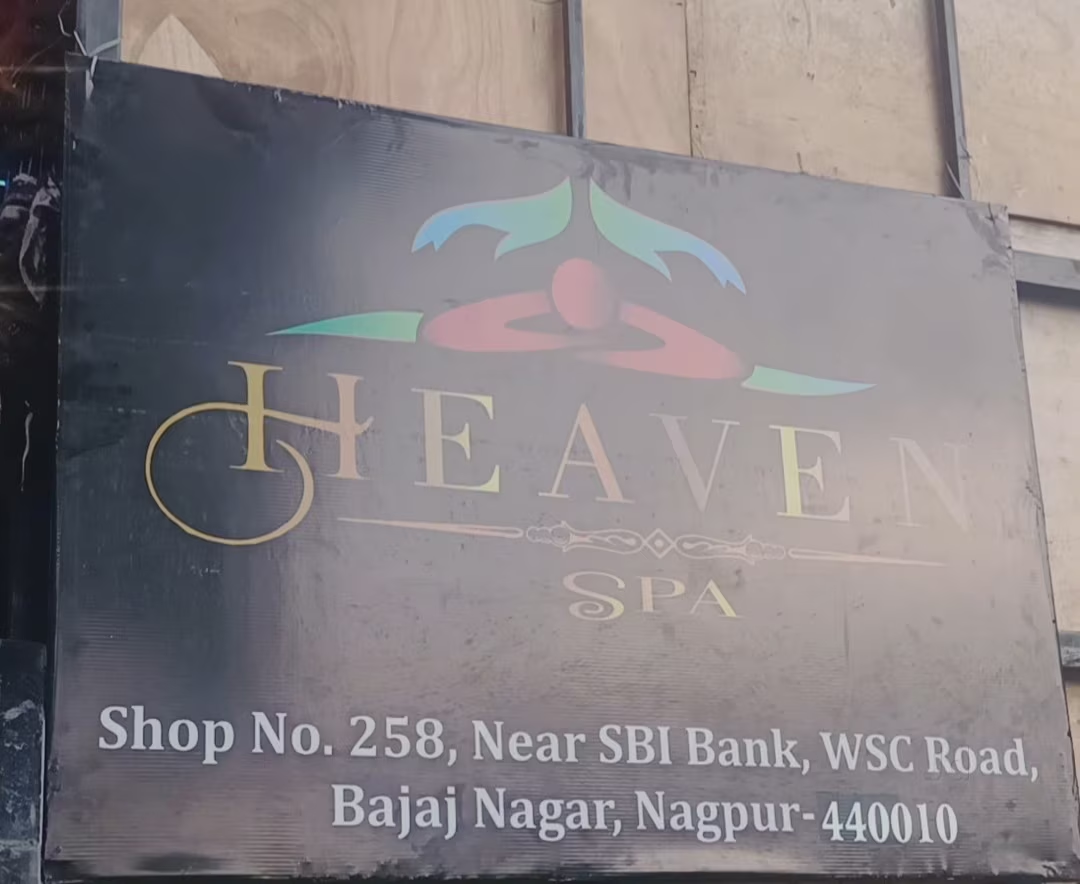
On December 10, the SSB, acting on a well-coordinated tip-off, raided Heaven Spa located above The Hair Club Salon near SBI Bank in Bajaj Nagar. This meticulous operation revealed the dark underbelly of a business that was exploiting innocent individuals under the pretense of offering spa services.

Arrest of the Accused

The mastermind behind the racket, 36-year-old Seema Anshul Bawangade, was apprehended during the raid. A resident of Buddha Nagar near Kamal Chowk, Bawangade had been luring women and young girls with promises of financial stability before coercing them into prostitution.

Rescue and Evidence Collection

Victim Rescue Efforts

During the raid, three victims were successfully rescued from the spa. The timely intervention not only saved them from further exploitation but also provided a glimmer of hope for rehabilitation and justice.

Seizure of Cash and Evidence

Authorities seized cash amounting to ₹37,385, alongside other incriminating evidence. These materials are expected to play a pivotal role in the ongoing investigations.

Legal Proceedings

Charges Filed

The police have charged Seema Bawangade under Section 143 of the BNS Act and Sections 4, 5, and 7 of the Immoral Traffic (Prevention) Act, 1956. These sections highlight the gravity of her offenses, emphasizing her involvement in human trafficking and exploitation.

Previous Criminal Record

This isn’t Bawangade’s first brush with the law. A prior case under the Immoral Traffic Act had already been filed against her at the Gittikhadan Police Station, pointing to a recurring pattern of criminal behavior.

The Team Behind the Operation

Leadership and Execution

The operation was led by SSB Police Inspector Kavita Isarkar, who orchestrated the raid with precision and determination. Her team included officers Laxman Chaure, Ajay Paunikar, Sameer Shaikh, Kunal Masram, Nitin Vasne, Lata Gawai, and driver Poonam Shende.

Supervisory Oversight

The raid was conducted under the supervision of senior police officials, including Police Commissioner Ravinder Singhal, Joint Police Commissioner Nisar Tamboli, Additional CP (Crime) Sanjay Patil, DCP (Crime) Rahul Makanikar, and ACP (Crime) Abhijit Patil.

Implications of the Raid (Heaven Spa)

Highlighting Human Trafficking

This raid underscores the pervasive issue of human trafficking and the urgent need for stricter vigilance and public awareness. It’s a stark reminder that such heinous crimes often operate under the radar in seemingly ordinary establishments.

Role of Law Enforcement

The operation highlights the dedication and efficiency of Nagpur’s law enforcement agencies. Their proactive approach serves as an example for other regions grappling with similar issues.

Community Responsibility

Need for Vigilance

Communities play a vital role in curbing such activities. Increased awareness and prompt reporting of suspicious establishments can significantly aid law enforcement efforts.

Supporting Victims

Beyond legal action, there’s a pressing need for societal support for the rescued victims. Rehabilitation programs and counseling can help them rebuild their lives.

The Bigger Picture

Addressing Root Causes

Human trafficking thrives on poverty, lack of education, and societal apathy. Addressing these root causes through education, economic opportunities, and social reforms is essential to eradicating this menace.

Legislative Strengthening

While existing laws provide a framework to tackle human trafficking, continuous updates and stricter enforcement are crucial to staying ahead of evolving criminal tactics.

The busting of the sex racket at Heaven Spa is a testament to the vigilance and commitment of Nagpur’s police force. It serves as a wake-up call for society to address the underlying issues that allow such crimes to persist. Only through collective effort—combining law enforcement, societal responsibility, and systemic reforms—can we hope to eradicate human trafficking and ensure justice for its victims.

  1. What is the significance of this raid? This raid highlights the growing issue of human trafficking and underscores the importance of vigilance and prompt action by law enforcement.
  2. What charges were filed against the accused? Seema Bawangade was charged under Section 143 of the BNS Act and Sections 4, 5, and 7 of the Immoral Traffic (Prevention) Act, 1956.
  3. How can the community help in preventing such crimes? By staying vigilant, reporting suspicious activities, and supporting awareness campaigns, communities can play a pivotal role in prevention.
  4. What support is available for the rescued victims? Rehabilitation programs, counseling, and financial aid are critical for helping victims rebuild their lives.
  5. What measures can be taken to prevent human trafficking? Addressing root causes like poverty and lack of education, along with stricter law enforcement and public awareness, can help prevent such crimes.

Atmospheric Water Generator Installed at Ajni Coaching Complex

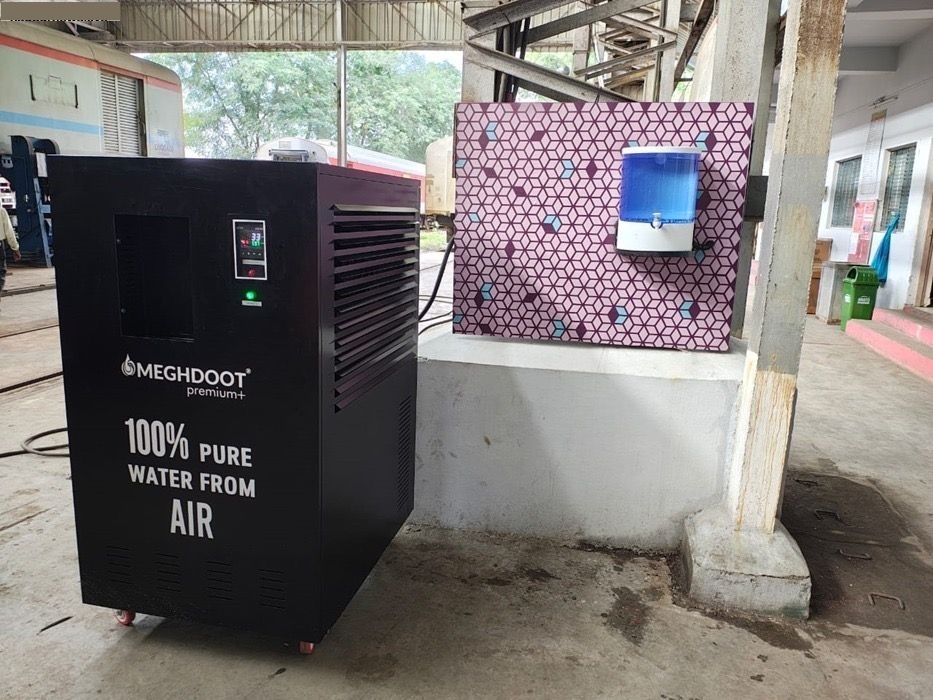
Atmospheric Water Generator Installation: Sustainability is no longer a buzzword—it’s a necessity. Embracing this ethos, Central Railway’s Nagpur Division has made a groundbreaking leap by installing an Atmospheric Water Generator (AWG) at the Ajni Coaching Complex. This innovative solution not only champions eco-friendly practices but also ensures a reliable water source with a minimal environmental footprint.

What is an Atmospheric Water Generator (AWG)?

Imagine pulling water out of thin air—literally! That’s the magic of an AWG. This advanced device extracts water vapor from the atmosphere, condenses it, and transforms it into potable water. It’s an ingenious way to tackle water scarcity without depleting natural water bodies.

Key Features of the AWG at Ajni Coaching Complex

1. High Capacity

  • The AWG boasts a daily capacity of 250 liters, meeting the diverse water needs of the coaching complex efficiently.

2. Advanced Technology

  • Equipped with cutting-edge mechanisms, this device ensures the harvested water is pure, safe, and ready for use.

3. Environmentally Friendly

  • By relying on atmospheric moisture, the AWG eliminates dependence on traditional water sources, promoting resource conservation.

Why This Installation Matters

1. A Step Toward Sustainability

Central Railway’s initiative reflects its commitment to green practices. With water scarcity becoming a global concern, AWGs provide a practical solution to conserve and manage this precious resource.

2. Operational Efficiency

The installation addresses the water requirements of the Ajni Coaching Complex, ensuring smooth operations while maintaining eco-consciousness.

3. Setting a Benchmark

This project aligns with Indian Railways’ broader vision of integrating sustainable technologies across its network. By adopting innovations like AWGs, Nagpur Division sets an example for others to follow.

How Does the AWG Work?

1. Air Intake

The AWG draws in ambient air, capturing moisture-laden particles.

2. Filtration and Condensation

Advanced filters remove impurities while the air is cooled to condense the moisture into liquid form.

3. Water Purification

The condensed water undergoes rigorous purification to ensure it meets potable standards.

4. Storage and Distribution

Finally, the purified water is stored in a tank, ready for consumption or operational use.

Benefits of Atmospheric Water Generators

1. Tackling Water Scarcity

AWGs tap into an inexhaustible resource—the atmosphere. They are especially beneficial in regions facing water shortages.

2. Reducing Carbon Footprint

With no need for extensive plumbing or water transportation, AWGs contribute to a significant reduction in carbon emissions.

3. Promoting Self-Sufficiency

Organizations like Indian Railways can become less reliant on external water supplies, ensuring uninterrupted operations.

4. Cost-Effectiveness

While the initial investment might be substantial, AWGs prove economical in the long run by cutting water procurement costs.

Installation Timeline and Process

  • November 2024 marked the commissioning of the AWG at Ajni Coaching Complex. The installation involved thorough planning, ensuring seamless integration with existing infrastructure.
  • Expert technicians oversaw the setup, guaranteeing the system’s optimal performance from day one.

Future Prospects for Indian Railways

The AWG at Ajni is just the beginning. Indian Railways plans to expand the adoption of green technologies, reinforcing its position as a pioneer in sustainable practices. The focus remains on:

  1. Water Conservation: Scaling AWG installations across key locations.
  2. Energy Efficiency: Incorporating solar-powered AWGs to enhance sustainability.
  3. Community Impact: Supporting local water needs through surplus water distribution.

The installation of an Atmospheric Water Generator at Ajni Coaching Complex is more than a technological advancement—it’s a testament to the power of innovation in addressing environmental challenges. As Nagpur Division leads the way, we’re reminded that small steps can drive significant change. Imagine a future where every drop of water is sourced responsibly and used wisely. With initiatives like this, that future is well within reach.

1. What is the capacity of the AWG installed at Ajni Coaching Complex?

The AWG has a capacity of 250 liters per day, sufficient to meet the complex’s needs.

2. How does the AWG contribute to sustainability?

By harvesting water from the atmosphere, the AWG reduces reliance on traditional water sources and minimizes environmental impact.

3. Is the water from the AWG safe for consumption?

Yes, the water undergoes thorough purification, making it safe for drinking and other uses.

4. Are there plans to install more AWGs across Indian Railways?

Yes, Indian Railways aims to scale the adoption of AWGs and other sustainable technologies.

5. What are the long-term benefits of using AWGs?

AWGs promote water conservation, reduce carbon footprints, and ensure a steady water supply, proving cost-effective in the long run.

Dance Bar Near MIDC Police Station Busted

A Shocking Late-Night Raid Exposes Illegal Activities

Dance Bar Near MIDC Police |Nagpur: In a dramatic midnight raid, Deputy Commissioner of Police (Zone 1), Lohit Matani, and his team uncovered unlawful activities in a dance bar located just 500 meters from the MIDC Police Station in Nagpur. The operation, executed at around 1:45 am on a quiet Sunday, sent shockwaves across the community.

Women were found performing explicit dances while patrons threw currency notes at them, shattering the pretense of the bar’s legal operations.


Why Was the Raid Conducted?

Directives from Top Authorities

Under the instructions of Commissioner of Police Ravinder Singal and Joint Commissioner of Police Nisar Tamboli, DCP Matani intensified efforts to clean up his jurisdiction. The raid targeted not only the dance bar but also a hookah parlour in Dharampeth and two dhabas in Bajaj Nagar and Hingna.

Breaking the Law

The dance bar had a license solely for orchestra performances. However, the discovery of obscene dances revealed violations of:

  • Section 8(4) of the Maharashtra Prohibition of Obscene Dance Act
  • The Protection of Dignity of Women Act, 2016
  • Section 79 of the Bharatiya Nyaya Sanhita for insulting women’s modesty.

Key Findings During the Raid

The Scene Inside the Bar

  • Rs 37,500 in currency notes scattered on the floor.
  • Customized music played through laptops at patrons’ requests.
  • Pink disco lights enhancing the ambiance of unlawful performances.

Stealthy Execution

Plainclothes officers documented the scene before the raid, ensuring evidence was airtight. Patrons and staff alike were caught off guard when police stormed the establishment.


Who Were the Accused?

Individuals Involved

The operation led to the booking of 21 individuals, including:

  1. Bar Owner: Jai Baldeo Hirani (42)
  2. Manager: Raju Lalchand Zamba (59)
  3. Cashier: Devendra Ramkrushna Shende (38)

Four women performers were also issued notices, one hailing from Navi Mumbai. They have been summoned for further investigation.


The Role of Notorious Figures

Connections with Gangsters

Reports suggest the bar had ties with key underworld figures, including a gangster named Maroti. A shadowy figure, Vicky, suspected of connections with both law enforcement and criminals, is believed to be the bar’s backer.

Exclusive Access

The bar operated on a strict entry policy, accessible only to a select clientele. Guests reportedly enjoyed premium entertainment behind locked doors.


Impact on Law Enforcement Integrity

Proximity to the Police Station

The bar’s location near the MIDC Police Station (Nagpur) has raised eyebrows. Did local law enforcement turn a blind eye? This raid has reignited debates on accountability and transparency in policing.

DCP Matani’s Broader Crackdown

This operation is part of a wider campaign. Just days before, another raid uncovered evidence destruction at a hookah parlour in Dharampeth. The consistent action signals a zero-tolerance policy against illegal establishments.


Legal and Social Ramifications

Legal Actions Taken

The charges brought against the accused are severe and aim to deter similar operations. The focus is on protecting women’s dignity and ensuring public safety.

Community Response

Residents have lauded the police’s efforts but remain concerned about how such activities thrived for so long.

This raid stands as a stark reminder of the challenges law enforcement faces in curbing organized crime and ensuring the safety and dignity of citizens. While the immediate culprits have been apprehended, the investigation into deeper connections continues.

The community now waits to see if this momentum will bring long-lasting change.


1. What laws were violated in this case?

The dance bar breached the Maharashtra Prohibition of Obscene Dance Act, the Protection of Dignity of Women Act, 2016, and Section 79 of the Bharatiya Nyaya Sanhita.

2. How much money was seized during the raid?

Police seized Rs 37,500, which patrons had thrown at the dancers.

3. Who led the operation?

Deputy Commissioner of Police Lohit Matani (Nagpur) spearheaded the raid under directives from senior police officials.

4. Were there any arrests made?

Yes, 21 individuals, including the bar owner, manager, cashier, and four women performers, were booked.

5. What steps are being taken to prevent similar incidents?

Police have intensified their crackdown on illegal activities in Nagpur, targeting dance bars, hookah parlours, and other establishments violating laws.

NMC’s Push for 18-Storey Sokhta Bhavan Complex Endangers Gandhibagh Garden

Nagpur: The Nagpur Municipal Corporation’s (NMC) ambitious plan to build an 18-storey commercial complex at Sokhta Bhavan land in Gandhibagh has sparked controversy. The project, while promising significant revenue and urban development, threatens to encroach upon Gandhibagh garden, one of the city’s few remaining green spaces. Let’s dive into the details and implications of this proposed venture.


What is the Sokhta Bhavan Project?

NMC has unveiled plans to transform the Sokhta Bhavan plot into a state-of-the-art commercial complex. The site, spanning 35,785.47 square meters, is strategically located in Nagpur’s bustling wholesale market area near Central Avenue. The proposed structure will include 18 floors and a terrace, with facilities like a shopping mall, multiplex, gym, and even a rooftop pool.


Revenue Generation Goals

The project aims to generate revenue exceeding ₹224 crore for the civic body. This is part of NMC’s broader strategy to monetize its land assets. The construction cost is estimated at ₹141.69 crore, with developers set to receive a Floor Space Index (FSI) of 4 under the Transit-Oriented Development (ToD) policy.


The PPP Model Explained

NMC plans to execute this project through a Public-Private Partnership (PPP) model. Under this model, the developer will be responsible for designing, constructing, selling, and maintaining the complex. The construction timeline is capped at 36 months, with no extensions allowed.


Features of the New Complex

1. State-of-the-Art Facilities

  • Rooftop Pool & Gym: The terrace will feature a swimming pool, gymnasium, and gaming zone.
  • Food Court & Clubhouse: A food court and clubhouse will enhance the recreational experience.

2. Parking Infrastructure

Three basement floors will accommodate parking for 183 cars, 500 scooters, and 366 bicycles. Developers may also opt for mechanized or stacked parking solutions.

3. Multipurpose Floors

  • 17th Floor: Citizen Facilitation Centre, small auditorium, and NMC office.
  • Other Floors: Dedicated to shopping malls, theatres, and commercial spaces.

Environmental Concerns: The Threat to Gandhibagh Garden

Gandhibagh garden is a vital green lung for the city, providing much-needed open space in the dense wholesale market area. However, locals allege that the project encroaches upon the garden, despite NMC’s assurances to the contrary.

Broken Promises?

Earlier, NMC pledged not to include any part of the garden in the project. Yet, maps reveal that portions of the garden are marked for development. This contradiction has fueled protests from local citizens and environmental activists.


Public Backlash: Citizens Speak Up

Raman Paigwar, founder of the Gandhibagh Garden Bachao Samiti, is leading efforts to protect the garden. According to him, the city already lacks sufficient open spaces, and the project prioritizes revenue over public welfare.


Urban Development vs. Environmental Sustainability

While the Sokhta Bhavan project promises economic growth, it raises critical questions about the balance between urbanization and ecological preservation. Can Nagpur afford to sacrifice its green spaces for commercial gains?


The Developer’s Responsibilities

Developers must secure environmental clearances and complete the project within the stipulated timeline. Unsold units after the eight-year mark will attract additional stamp duty charges, emphasizing the need for swift execution and sales.


 A Controversial Trade-Off

The Sokhta Bhavan project highlights the growing tension between urban development and environmental conservation. While NMC’s vision could transform the area into a commercial hub, it risks losing a valuable green space that serves as a lifeline for the community. Striking a balance between these competing interests is crucial for sustainable urban planning in Nagpur.

1. What is the proposed height of the Sokhta Bhavan complex?
The complex will be 18 stories tall, with a terrace featuring recreational facilities.

2. How much revenue is the project expected to generate?
NMC estimates revenue upwards of ₹224 crore from this venture.

3. Will Gandhibagh garden be affected?
Despite assurances, maps suggest portions of the garden may be included in the development.

4. What facilities will the complex offer?
The complex will include a shopping mall, multiplex, gym, rooftop pool, and parking infrastructure.

5. What is the timeline for the project’s completion?
The developer must complete construction within 36 months.

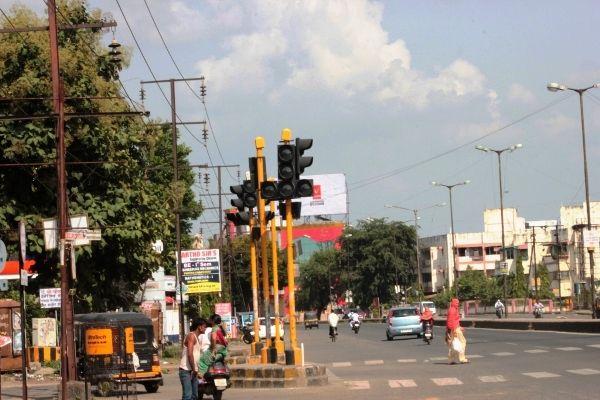
Nagpur Traffic Police Adjust Signals to Optimize Traffic Flow and Fuel Usage

Nagpur Traffic Signals: Nagpur’s traffic management is undergoing a smart transformation! With an innovative approach to streamline traffic and conserve fuel, the Nagpur Traffic Police Department has adjusted signal operations at key intersections. By targeting off-peak hours and prioritizing efficiency, this initiative not only reduces delays but also contributes to a greener environment. But what’s the buzz all about? Let’s dive in!


Why Adjust Signal Operations?

Ever felt stuck at a red light when there’s no other vehicle in sight? Frustrating, isn’t it? The Nagpur Traffic Police recognized this pain point and sought to provide a solution. By modifying signals during low-traffic periods, they aim to ensure smoother commutes while minimizing fuel wastage.

Key Objectives

  • Streamline Traffic Flow: Reduce unnecessary halts and delays.
  • Enhance Fuel Efficiency: Save fuel by minimizing idle time.
  • Improve Commuter Experience: Make travel more convenient and less stressful.
  • Promote Safety: Maintain order with adjusted speed limits.

What’s New in Signal Operations?

Blinker Mode for Low-Traffic Periods

Between 1:00 PM and 4:00 PM, signals at select intersections will operate in blinker mode, displaying a flashing yellow light. This mode allows drivers to proceed cautiously without unnecessary halts, ensuring safety and efficiency.

Speed Limit Enforcement (Nagpur Traffic Signals)

To complement the blinker mode, a 20 km/h speed limit has been imposed at these intersections, ensuring vehicles navigate safely during these hours.


Key Intersections in Blinker Mode

Here are the main intersections where the new system is in place:

  1. NIT T-Point
  2. Bajaj Nagar Square
  3. Gajanan School T-Point
  4. Trisharan Square
  5. Awari Square
  6. Vijay Talkies T-Point
  7. Kannanwar Square
  8. Ahimsa Square
  9. Raja Rani Square
  10. Dharampeth Y-Point
  11. Ajit Bakery T-Point
  12. GPO Square
  13. Moh. Rafi Square
  14. 10-Number Pulia

Benefits of the Initiative

1. Reduced Fuel Consumption

With fewer stops, vehicles consume less fuel, directly benefiting drivers’ pockets and the environment.

2. Shorter Commute Times

By eliminating unnecessary delays, commuters can reach their destinations faster.

3. Enhanced Safety

The combination of blinker mode and speed restrictions ensures cautious driving, reducing the risk of accidents.

4. Environmental Impact

Lower fuel usage means reduced emissions, contributing to cleaner air in Nagpur.


How Does It Work?

Traffic Analysis

Traffic data was meticulously analyzed to identify intersections with minimal vehicular movement during off-peak hours.

Adaptive Signal Programming

Signals at these intersections were reprogrammed to switch to blinker mode between 1:00 PM and 4:00 PM.

Public Awareness

The Traffic Police launched awareness campaigns to educate citizens about the new system and encourage compliance.


What Commuters Should Know

  1. Drive at 20 km/h: Safety first! Maintain the speed limit during blinker hours.
  2. Yield When Necessary: Use caution and give way to other vehicles if needed.
  3. Follow Traffic Rules: Blinker mode is not a free pass—stay vigilant and drive responsibly.

Frequently Asked Questions

1. Will this system be expanded to other areas?

The Traffic Police are monitoring the success of this initiative and may expand it to additional intersections based on results.

2. What happens during peak hours?

Signal operations remain unchanged during peak hours to manage high traffic volumes effectively.

3. How are violations monitored?

Traffic cameras and patrol officers are actively ensuring compliance with speed limits and other rules.

4. Is blinker mode safe for pedestrians?

Yes, the reduced speed limit ensures pedestrian safety at these intersections.

5. Can this system reduce traffic congestion long-term?

While primarily designed for off-peak hours, smoother traffic flow can contribute to overall congestion reduction.

Nagpur Traffic Police’s innovative signal adjustments are a step toward smarter, more efficient city traffic management. By addressing off-peak inefficiencies, this initiative is paving the way for smoother commutes, reduced fuel usage, and a cleaner environment. Together, let’s embrace these changes and make Nagpur’s roads safer and greener for everyone!

Exit mobile version