Monthly Billing OCW – Simplified Water Payments for Consumer Convenience

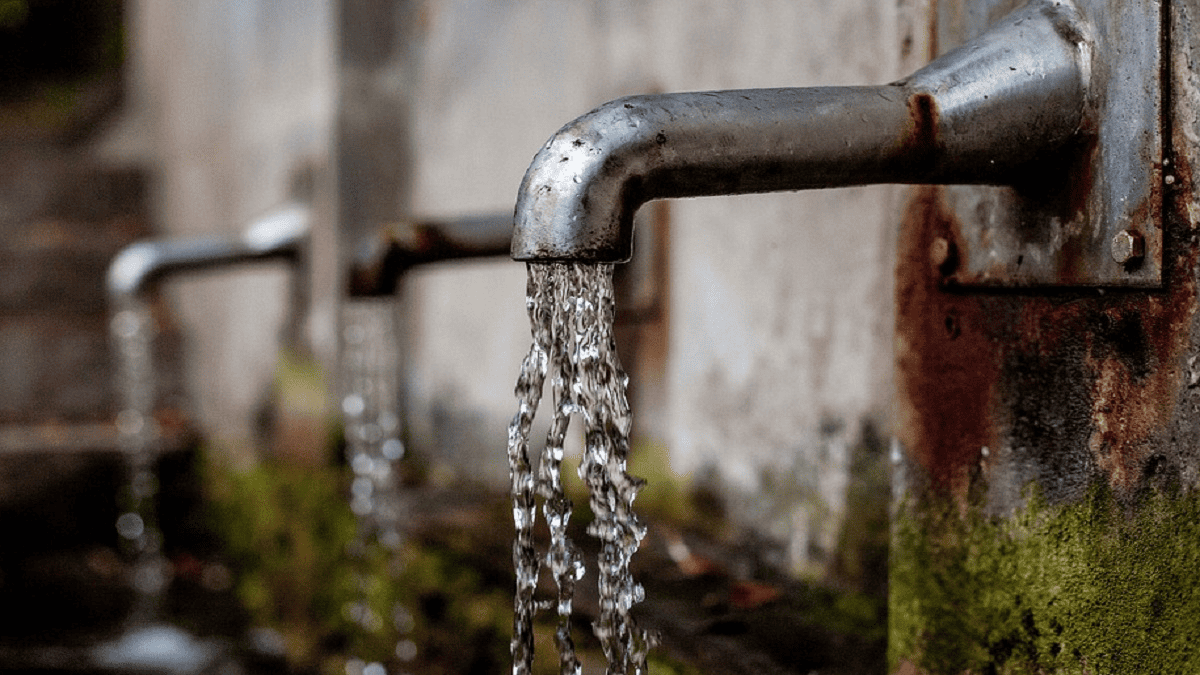
OCW water billing | Water bill payment OCW: In a significant move aimed at enhancing consumer convenience, OCW (Orange City Water) has announced the introduction of monthly billing for its customers. This shift from a quarterly billing system to a monthly one promises to offer a more streamlined and manageable payment process, making it easier for consumers to stay on top of their water usage expenses. The gradual rollout has already begun, with full implementation expected by the end of the year.

This change reflects OCW’s commitment to offering more consumer-friendly services. It is designed to simplify bill payments, improve customer satisfaction, and reduce the chances of overdue bills, thereby aligning with modern consumer expectations.

Why the Shift from Quarterly to Monthly Billing?

For years, OCW (Water bill payment OCW) consumers have been accustomed to receiving bills every three months. While this system worked, it often led to larger lump-sum payments, which could sometimes be challenging for some households to manage. By moving to monthly billing, OCW is looking to ease these burdens, providing a smoother experience.

More Manageable Payments (OCW water billing)

A quarterly bill can often be a significant amount, potentially leading to budgeting challenges for consumers. By breaking down this payment into smaller monthly increments, households can better manage their finances. It’s a little like switching from paying for groceries once every three months to a more regular, weekly routine – much easier to handle.

Improved Consumer Convenience

Monthly billing (Water bill payment OCW) fits well with how modern consumers budget. Today, many services—like electricity, phone, and internet—are billed monthly, making water payments align with other household utilities. This predictability enhances convenience and ensures that there are no unexpected, large bills cropping up every few months.

The Gradual Rollout of Monthly Billing

OCW has committed to gradually rolling out monthly billing to ensure a smooth transition for its customers. This phased implementation allows time for any adjustments or technical updates, ensuring that the change is seamless for all parties involved.

How Will the Rollout Happen?

OCW is rolling out monthly billing in stages, starting with select areas and customer groups. By the end of the year, all customers who are currently receiving quarterly bills will transition to the new system.

Communication is Key

OCW is actively keeping consumers informed about the transition through email notifications, press releases, and on-site announcements. If you haven’t yet received any communication, it’s essential to stay updated by checking their official website or contacting their helpline.

How Monthly Billing Benefits Consumers

The benefits of moving to a monthly billing cycle go beyond just convenience. Here are some key advantages:

  • Smaller, Manageable Payments: Instead of dealing with one large bill every three months, you can expect smaller, more digestible payments each month.
  • Better Budgeting: Monthly billing allows households to budget more effectively, avoiding the shock of large quarterly bills.
  • More Frequent Usage Insights: Consumers will now have access to more regular insights into their water usage, helping them manage consumption better.
  • Lower Risk of Late Payments: With smaller, more frequent bills, the likelihood of forgetting a payment or falling behind is reduced.

How to Prepare for the Shift

As OCW prepares to roll out monthly billing across the board, it’s important for consumers to be ready for the transition. Here’s what you can do to make the switch smooth:

Check Your Contact Information

Make sure that OCW has your up-to-date email address and contact information. This ensures that you receive important notifications about billing changes, due dates, and water usage reports.

Review Your Current Bills

Look at your past quarterly bills to understand your average water usage and expenses. This will give you a good idea of what to expect in terms of monthly payments under the new system.

Set Up Automatic Payments

To avoid missing a payment, consider setting up automatic bill payments through your bank. This is particularly helpful with the new monthly billing schedule.

Budget Accordingly

With monthly bills, you’ll need to adjust your household budget to reflect the new payment cycle. It might be a smaller amount, but it’s still essential to plan ahead.

Key Takeaways for Consumers

The introduction of monthly billing by OCW is a major shift aimed at enhancing consumer convenience. It offers multiple benefits, from smaller and more manageable payments to improved water usage insights. As the rollout continues, consumers are encouraged to stay informed and prepare for the transition.

1. When will monthly billing be fully implemented?
Monthly billing is expected to be fully implemented for all consumers by the end of this year.

2. Will my bill amount change with the new monthly cycle?
No, your total bill will not change. However, it will be divided into smaller, more frequent payments.

3. How will I know when I’ve transitioned to monthly billing?
OCW will notify you via email or phone when your account has been transitioned to monthly billing. You can also check by logging into your account on their website.

4. What if I prefer the quarterly billing system?
Currently, OCW is transitioning all customers to monthly billing to enhance convenience, so opting for the quarterly system may not be available.

5. Who can I contact for more information?
You can contact OCW’s helpline at 1800 266 9899 or email them at contact@ocwindia.com for any questions or concerns.
Fadnavis Lays Foundation for Rs150 Crore Projects in Hudkeshwar-Narsala

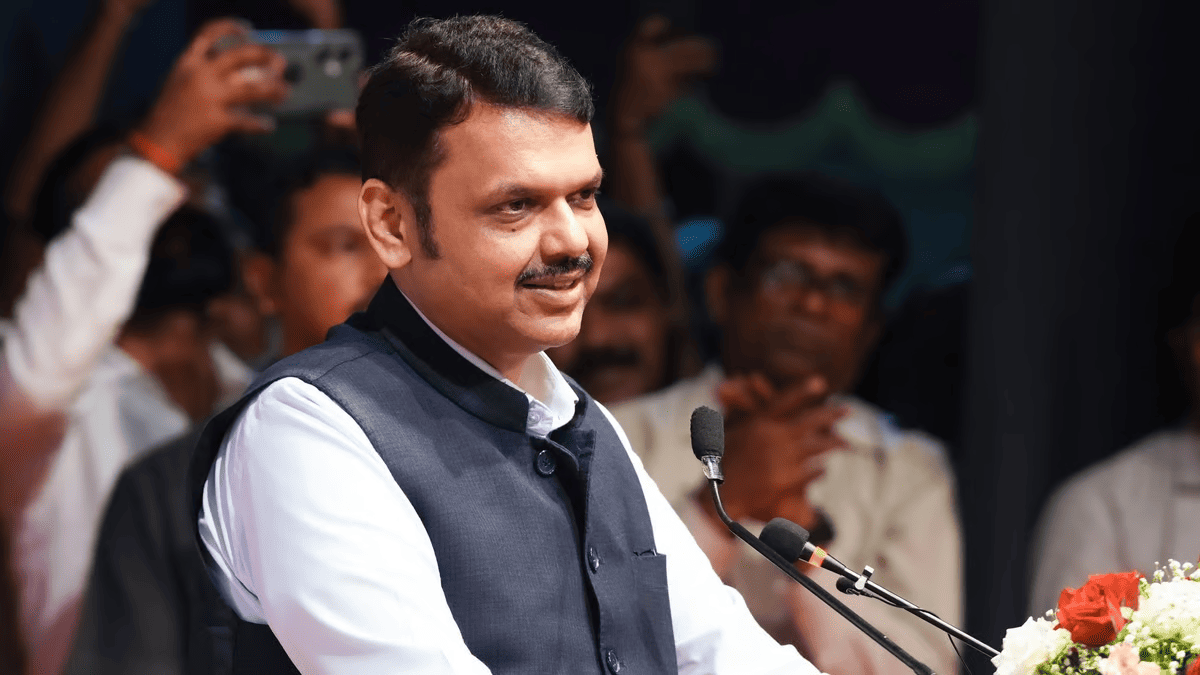
Hudkeshwar Narsala sewage projects: The Deputy Chief Minister of Maharashtra, Devendra Fadnavis, recently laid the foundation for a significant infrastructure development project in the Hudkeshwar-Narsala area of Nagpur. This massive Rs150 crore initiative includes a sewage line, a sewage treatment plant, and road developments. Fadnavis, who had initiated various projects during his tenure as Chief Minister, reiterated the importance of these new projects, which aim to modernize and uplift the region’s infrastructure, enhancing the quality of life for residents.

The Need for New Infrastructure in Hudkeshwar-Narsala

Urban Growth and Its Challenges

Nagpur, like many cities, has experienced a rapid expansion in urban settlements over the past decade. Areas such as Hudkeshwar-Narsala have seen significant population growth, which has put immense pressure on the existing infrastructure. Roads, water supply, and waste management systems have struggled to keep up with the growing demands.

Fadnavis’ Vision for Nagpur’s Development

During his previous term as Chief Minister, Fadnavis prioritized addressing essential infrastructure needs, particularly in the Hudkeshwar-Narsala area. He resolved the water supply issues in this region and is now focused on strengthening the sewage and road networks. These efforts are critical to managing the growth of this rapidly urbanizing area and improving residents’ quality of life.

Details of the Rs150 Crore Projects (Hudkeshwar Narsala sewage projects)

Sewage Line and Treatment Plant

The cornerstone of this project is the construction of a 164.9-kilometer sewage line, replacing the old, deteriorated infrastructure. Alongside this, a sewage treatment plant worth Rs115.46 crore will be built under the Centre’s Amrit Yojana 2.0 scheme. This initiative is crucial to addressing environmental concerns, reducing health risks, and improving hygiene in the Hudkeshwar-Narsala area.

Why a Sewage System?

Without a modern sewage system, waste can easily contaminate local water bodies, creating serious environmental and health problems. Fadnavis emphasized that this new system will help solve these issues by properly managing waste disposal.

Pohra River Clean-Up

One of the most significant environmental benefits of this project is the clean-up of the Pohra River. Years of neglect have turned this river into little more than a drain. The completion of the sewage treatment plant will stop pollution from entering the river, allowing it to recover and once again become a source of clean water for the community.

Road Development Projects

In addition to the sewage system, Fadnavis announced a Rs35 crore road project aimed at improving transportation within the Hudkeshwar-Narsala area. Better roads will ease traffic congestion, enhance safety, and provide smoother connectivity between Nagpur and its surrounding areas.

Roads as Lifelines

Road infrastructure is the backbone of any developing urban area. Fadnavis stressed that improving the road network is essential to ensuring the continued economic growth of the region.

Government Funding and Support

Amrit Yojana 2.0

The central and state governments, along with the Nagpur Municipal Corporation (NMC), are working together to fund this project. The financial breakdown includes 25% contributions from both the state and central governments, while the NMC is covering the remaining 50%. The total grant amounts to Rs957 crore, which includes the cost of developing the sewage network.

NMC’s Role in the Project

NMC has played a crucial role in securing funds and ensuring that the projects stay on track. The administration has also highlighted that the sewerage network will cover the entire South Sewerage Zone of Nagpur, providing significant relief to the citizens in terms of better sanitation and environmental conditions.

Health and Environmental Benefits

Cleaner Waterways

Once completed, the project will have a lasting impact on the Pohra River. By preventing sewage from entering the river, the water quality will improve, benefiting both the local ecosystem and the residents who depend on this water source.

Improved Hygiene

The new sewage treatment facilities will drastically reduce the risk of waterborne diseases in the area. Fadnavis stressed that proper sanitation is essential for maintaining public health, and this project is a critical step toward achieving that goal.

Sustainable Development

This initiative is not just about immediate improvements but about building a sustainable future for Hudkeshwar-Narsala. By modernizing essential services, the government is ensuring that the area can continue to grow without compromising on health or environmental standards.

Fadnavis’ Criticism of Previous Administration

During his address, Fadnavis took the opportunity to criticize the previous government, particularly the Uddhav Thackeray administration, for neglecting such critical infrastructure projects. He noted that no funds were allocated for these kinds of initiatives during their tenure, and only after his government came into power did the projects gain the necessary support and momentum.

Fast-Tracking Development

Fadnavis made it clear that his government is committed to fast-tracking these developments, ensuring that the time lost under previous administrations is made up for. By prioritizing these projects, he aims to deliver tangible improvements for the people of Nagpur and surrounding areas.

Project Timeline and Expectations

Completion Timeline

The NMC has stated that the entire sewage network project is expected to be completed within the next two years. The 164.9 km-long sewage line is being constructed with the utmost urgency, with the aim of replacing the aging and failing infrastructure as quickly as possible.

Long-Term Vision

Fadnavis envisions these developments as part of a broader plan to transform Nagpur into a modern, livable city. By focusing on infrastructure improvements, he aims to make the city a better place to live and work, with cleaner water, better roads, and improved sanitation.

The foundation laid by Devendra Fadnavis for the Rs150 crore worth of projects in Hudkeshwar-Narsala marks a significant step forward for the region. From improving sanitation through a new sewage system to revitalizing the Pohra River and upgrading road networks, these projects are designed to address both immediate needs and future growth. With proper government support and the involvement of local agencies like the NMC, these initiatives promise to create a cleaner, healthier, and more connected community for years to come.

  1. What is the total cost of the sewage and road projects in Hudkeshwar-Narsala?
    • The total cost is Rs150 crore, which includes Rs115.46 crore for the sewage treatment plant and Rs35 crore for road development.
  2. What are the environmental benefits of the sewage project?
    • The project will prevent sewage from polluting the Pohra River, improving local water quality and reducing health risks.
  3. How long will it take to complete the sewage system?
    • The entire sewage network is expected to be completed within two years.
  4. Who is funding the Hudkeshwar-Narsala projects?
    • The funding is shared between the central government, state government, and NMC, with each contributing a portion.
  5. What are the main objectives of these infrastructure projects?
    • The projects aim to improve sanitation, reduce environmental pollution, and enhance road connectivity in the region.

8 ‘Apla Davakhana’ Clinics Open in Nagpur: Enhancing Accessible Healthcare

The city of Nagpur has taken a significant leap forward in healthcare accessibility with the opening of eight clinics under the state government’s flagship initiative, the ‘Hindu Hriday Samrat Balasaheb Thackeray Apla Dawakhana’ scheme. These health check-up and diagnostic clinics are now functional in various localities of the city, providing free healthcare services to citizens. The initiative is aimed at easing the burden on existing healthcare facilities and offering affordable healthcare options to those in need.

What is the Apla Dawakhana Scheme?

The ‘Apla Dawakhana’ initiative is part of the Maharashtra government’s larger effort to make healthcare more accessible and affordable for the common man. Through this scheme, the government has established clinics in key areas to provide essential medical services to underserved populations. These clinics are designed to offer a range of medical services, including medication, diagnostics, and teleconsultation, free of charge.

The 8 New Clinics in Nagpur

As of now, eight clinics have become operational in various zones across Nagpur. These clinics are located at:

  1. MIG Colony, Nandanvan (Nehru Nagar zone)
  2. Railway Colony and Baba Diwan Housing Society, Wanjra (Lakadganj zone)
  3. Teachers Colony, Jafar Nagar (Mangalwari zone)
  4. Behind Veterinary College, Manav Seva Nagar (Dharampeth zone)
  5. Sambhaji Nagar, New Narsala (Hanuman Nagar zone)
  6. Old Bhandara Road (Satranjipura zone)
  7. Gorley Layout, Jaitala (Laxmi Nagar zone)

These clinics operate from 2 PM to 10 PM daily, excluding government holidays. They are equipped with essential services to address various healthcare needs, making them a crucial resource for the city’s residents.

Services Offered at Apla Dawakhana Clinics

The Apla Dawakhana clinics are more than just primary healthcare centers. They offer a wide range of services, including:

1. Medication

Residents can receive essential medications for common illnesses, all free of charge, at these clinics.

2. Laboratory Tests

The clinics offer basic diagnostic services, allowing citizens to get necessary tests done without having to visit expensive diagnostic centers.

3. Teleconsultation

In addition to in-person doctor visits, the clinics also provide teleconsultation services, where patients can consult with specialists virtually.

4. Check-ups for Expectant Mothers

A key focus of the clinics is on maternal health, providing prenatal check-ups and care for expectant mothers.

5. General Vaccination

To ensure community health, the clinics offer general vaccination services, including for children and adults.

Why Are These Clinics Important?

Healthcare can be expensive, and many individuals and families struggle to afford basic medical services. The Apla Dawakhana clinics aim to bridge this gap by offering quality healthcare at no cost. This initiative not only relieves the pressure on large hospitals but also brings essential medical services closer to communities, especially in underserved areas.

The Role of Dr. Nivrutti Rathod

Civil surgeon Dr. Nivrutti Rathod has been instrumental in the implementation of this scheme in Nagpur. He urges citizens to take advantage of the free services available at these clinics. Under his guidance, the state government plans to open a total of 20 clinics in the city, with more set to become operational soon.

Future Expansion Plans

Nagpur has been allocated a total of 20 clinics under the Apla Dawakhana scheme. The additional 12 clinics are expected to open shortly, further expanding the reach of this vital healthcare program. As these new clinics open, more residents will have access to free healthcare, which is a step forward in improving public health outcomes across the city.

How Can Residents Benefit from These Clinics?

Nagpur’s residents can easily access these clinics by visiting the one closest to their locality. The clinics are open during convenient evening hours, making it easy for working individuals to access medical care without taking time off from work. With services ranging from medication and diagnostics to specialized teleconsultation, the clinics are a one-stop solution for many basic healthcare needs.

Clinic Locations and Accessibility

The strategic placement of these clinics across different zones ensures that residents from various parts of the city have access to medical services. The clinics are easily accessible and well-staffed, making it convenient for people to get the care they need without having to travel far or spend money on transportation.

Impact on Public Health

The establishment of these clinics is expected to have a profound impact on the overall public health of Nagpur. By offering preventive care services such as vaccinations and check-ups, the clinics play a vital role in early detection and management of diseases. This could lead to a decrease in hospital admissions and an improvement in the overall health of the population.

Encouraging Preventive Healthcare

One of the major goals of the Apla Dawakhana initiative is to encourage preventive healthcare. By providing easy access to vaccines, maternal care, and regular check-ups, these clinics are promoting a culture of health consciousness among the city’s residents.

Government Holidays and Clinic Hours

Although the clinics are open daily, they remain closed on government holidays. The operating hours from 2 PM to 10 PM have been selected to accommodate the needs of most working individuals, ensuring that healthcare is accessible even after regular work hours.

Free Services vs. Private Healthcare Costs

Private healthcare can often be a financial burden for families, especially when regular check-ups or tests are required. The Apla Dawakhana clinics remove this burden by offering similar services at no cost, thereby easing the financial strain on low-income households.

Teleconsultation: A Game-Changer in Healthcare Access

The introduction of teleconsultation services at the clinics is a significant advancement in making healthcare more accessible. For those who may not be able to physically visit the clinic, teleconsultation provides a convenient alternative, allowing patients to receive medical advice from the comfort of their homes.

The opening of eight ‘Apla Davakhana’ clinics in Nagpur marks a new chapter in accessible healthcare for the city. With free services that range from medications to vaccinations and teleconsultations, these clinics are poised to make a lasting impact on the health and well-being of the community. As more clinics open, the reach of this initiative will only expand, ensuring that quality healthcare is within everyone’s reach.

1. Who can avail services at Apla Dawakhana clinics?

Anyone can visit the clinics and access the free healthcare services offered.

2. Are the services truly free at Apla Dawakhana clinics?

Yes, all services provided at the clinics, including medication and diagnostics, are free of charge.

3. What are the clinic timings?

The clinics are open daily from 2 PM to 10 PM, except on government holidays.

4. Can I consult a doctor virtually at these clinics?

Yes, teleconsultation services are available, allowing you to consult with a specialist remotely.

5. How many Apla Dawakhana clinics will Nagpur have?

Nagpur will have a total of 20 Apla Dawakhana clinics, with 8 already operational and more set to open soon.

Nagpur Metro Achieves Ridership Milestone of 1.44 Lakh on Saturday

Riding high on extended train timings and a festive mood, the Nagpur Metro witnessed a remarkable milestone last Saturday with an impressive ridership of 1,44,059. This significant surge in passengers came amidst celebrations of Dhamma Chakra Pravartan Din, Dussehra, and Ravan Dahan on October 12th. The combination of these major events drew disciples, citizens, and visitors from across the state and country, helping Maha Metro Nagpur set a new ridership record for the year.

A Festive Day That Boosted Nagpur Metro Ridership

The key to this achievement was the synergy between celebratory events and the well-timed measures taken by Maha Metro Nagpur. On this festive day, the city was bustling with activity, and the extended operational hours of the Metro trains proved to be a masterstroke in ensuring commuters could travel comfortably and efficiently.

Extended Train Timings: A Vital Move

In anticipation of the crowds expected to gather for the celebrations, Nagpur Metro extended its train services to operate until midnight. Commuters from the four main terminal stations – Khapri, Automotive Square, Lokmanya Nagar, and Prajapati Nagar – were able to travel late into the night, ensuring no one missed out on the festive spirit. This extension was crucial for Nagpurians and visitors alike, enabling them to participate in the city’s rich cultural traditions without worrying about their return journey.

Celebratory Events and Their Impact on Ridership

Dhamma Chakra Pravartan Din: A Gathering of Thousands

Dhamma Chakra Pravartan Din is a significant occasion for thousands of disciples who flock to Deeksha Bhoomi each year to commemorate the event. This year, with activities organized across the city, disciples found the Metro to be a convenient and reliable mode of transportation. The seamless travel experience contributed to the Metro’s record-breaking ridership, as commuters moved easily between key city locations.

Dussehra and Ravan Dahan: Festive Celebrations in Full Swing

On the same day, the city also marked the end of the nine-day Navratri Utsav with the celebration of Dussehra and Ravan Dahan. These events saw families and individuals come out in large numbers to take part in the festivities, many of whom relied on the Metro to commute to various venues. The extended train timings allowed them to enjoy the celebrations without worrying about transportation.

Maha Metro Nagpur’s Efficient Planning

Maha Metro’s foresight and planning were essential to managing the increased passenger load effectively. Along with the extended timings, they deployed additional manpower across key Metro stations. This extra support was pivotal in maintaining the smooth flow of operations, from ticket counters to platform management.

Staff Deployment for a Hassle-Free Experience

To ensure that passengers had an enjoyable and hassle-free journey, Nagpur Metro staffed its stations with extra ticket counter staff, security personnel, and housekeeping teams. This not only enhanced the passenger experience but also minimized any disruptions or delays. The well-organized operations reflected the Metro’s commitment to providing top-notch service, even during peak hours.

Impact of Cultural Festivities on Nagpur Metro

Festivals like Dussehra and Dhamma Chakra Pravartan Din are not just cultural celebrations; they are deeply rooted in the city’s identity. For many, these events are as much about the journey as they are about the destination, and this year’s ridership numbers prove that Nagpur Metro has become an integral part of how the city moves during these occasions.

Meeting the Needs of Modern Commuters

The Metro has quickly become a preferred mode of transport for Nagpurians, offering a reliable alternative to road traffic. On days like October 12th, when the city is alive with festivities, the Metro stands out as an efficient way to traverse the city, especially when time is of the essence.

Dhamma Chakra Pravartan Din and Its Importance

For disciples who observe Dhamma Chakra Pravartan Din, the Metro provided a reliable option for moving around the city. With multiple events happening simultaneously across different locations, the ease of intra-city commuting via the Metro was a huge advantage. Thousands of disciples used the Metro, ensuring that they could attend all the planned events.

Nagpur Metro: The City’s Backbone During Festivals

On days of such significance, transportation is key, and Maha Metro Nagpur proved its mettle. The Metro’s ability to accommodate the surge in ridership on this festive Saturday stands as a testament to its crucial role in the city’s transport infrastructure.

A Growing Dependence on Public Transit

Nagpur is evolving, and so are the commuting needs of its residents. The Metro, with its punctual services and citywide reach, is increasingly being relied upon for quick, safe, and comfortable transport. It’s clear that the Metro is not just a convenience but a necessity during large-scale events like these.

Final Thoughts: Nagpur Metro’s Impressive Milestone

The ridership milestone achieved by Nagpur Metro on October 12th is not just a number; it’s a reflection of the city’s growing reliance on efficient public transportation, especially during major events. By anticipating the surge and making smart decisions like extending train timings and deploying extra staff, Maha Metro Nagpur has shown its commitment to serving the people of Nagpur and beyond.

As the city continues to grow and develop, the Metro’s role in facilitating smooth and reliable transit will only become more vital. Saturday’s record-breaking ridership is just one chapter in what promises to be a bright future for public transport in Nagpur.

1. What is the significance of the ridership milestone achieved by Nagpur Metro?

The ridership milestone of 1.44 lakh on October 12th highlights the success of the extended train timings and the city’s dependence on the Metro during festive events like Dhamma Chakra Pravartan Din and Dussehra.

2. Why were the train timings extended by Nagpur Metro on October 12th?

The train timings were extended until midnight to accommodate the increased number of passengers attending multiple city-wide celebrations, ensuring smooth transit.

3. How did Nagpur Metro prepare for the increased ridership during these events?

Maha Metro Nagpur extended its train timings, deployed additional staff at stations, and ensured that extra security and housekeeping services were available to manage the high volume of commuters.

4. What role did cultural events play in boosting Nagpur Metro ridership?

Events like Dhamma Chakra Pravartan Din and Dussehra attracted large crowds, many of whom relied on the Metro for intra-city travel, significantly contributing to the ridership numbers.

5. How is Nagpur Metro evolving to meet the city’s transportation needs?

Nagpur Metro is expanding its services to ensure that it remains a reliable and efficient mode of transport, particularly during busy and festive periods when the city sees a surge in commuters.

Industrial Court Orders Rs3,000 Interim Hike for Aapli Bus Workers Amid Prolonged Strike

Aapli Bus strike Nagpur: The recent strike by Aapli Bus workers, which began on October 3, has created a major disruption in public transportation across Nagpur. The standoff between the Nagpur Municipal Corporation (NMC) and the private bus operators continues to escalate. In response to the long-standing wage stagnation faced by the workers, the Industrial Court Judge JP Zapate issued an order on Friday, granting an interim Rs3,000 salary hike for the protesting workers. However, the NMC has not yet officially received the court order, further delaying any action.

Background of the Aapli Bus Strike Nagpur

The strike began due to the workers’ dissatisfaction with their wages, which have remained stagnant for the past 15 years. Most workers have been earning between Rs10,000 and Rs12,000 per month, an amount they argue is insufficient to meet the rising cost of living. Their demand for a salary hike was met with resistance from the private operators, who manage the Aapli Bus service on behalf of the NMC. As a result, the workers chose to go on strike, disrupting bus services and creating chaos for commuters.

Impact on Nagpur’s Public Transportation

Before the strike, Nagpur had around 400 buses in service. However, with the strike, this number has dwindled to just 130 buses on the road, causing significant inconvenience for the city’s daily commuters. The strike has impacted those who rely on public transportation, particularly students, office workers, and individuals who do not have access to private vehicles.

The Role of NMC and Private Operators

The Nagpur Municipal Corporation, while technically overseeing the bus services, has maintained that it is not the principal employer of the Aapli Bus workers. The actual responsibility for paying the workers lies with private bus operators, such as Hansa, Travel Time, PMI, and Chalo Mobility Pvt Ltd. However, these operators claim they are following a government resolution (GR) from 2010, which they believe exempts them from paying higher wages. This has created a deadlock, as the workers continue to demand higher pay, while the operators argue they are already complying with the law.

Minimum Wages Act vs. Government Resolutions

The NMC has issued several penalty notices to the private operators, instructing them to comply with the Minimum Wages Act. However, the operators have pushed back, stating that the 2015 government resolution cited by the NMC does not apply to Aapli Bus workers. This legal dispute has added another layer of complexity to the ongoing standoff, making it difficult to reach a resolution.

Court’s Intervention and Rs3,000 Interim Salary Hike (Aapli Bus strike Nagpur)

In light of the strike, the Industrial Court Judge JP Zapate ordered an interim salary hike of Rs3,000 per month for the workers. This temporary raise is meant to address the immediate concerns of the workers, many of whom are struggling financially due to the long-standing wage stagnation. However, it remains to be seen how quickly this order will be implemented, as the NMC has not yet received the official court directive.

Formation of a Committee

In addition to the interim salary hike, the court has directed the formation of a committee. This committee will consist of representatives from the NMC, the private bus operators, and unions such as the Nagpur NMC Aapli Bus Kantrati Kamgar Sangh and Vanchit Bahujan Mathadi. The goal of the committee is to ensure that the salary hike is implemented swiftly and fairly. However, NMC officials have reported that both unions rejected the initial proposal.

Unions’ Response to the Court Order

The unions representing the Aapli Bus workers have expressed frustration with the court’s order, arguing that the Rs3,000 interim hike is not enough to address the workers’ financial concerns. They have also voiced their discontent with the NMC’s handling of the situation, accusing the corporation of shifting responsibility onto the private operators. Despite the court’s directive, the unions are standing firm in their demands for a more significant wage increase.

Further Court Hearings Scheduled

The court has summoned all parties to appear again on October 16 for further discussions. This hearing will provide an opportunity for the NMC, private operators, and unions to present their cases and hopefully move closer to a resolution. In the meantime, the strike continues, and the workers remain determined to secure better wages and working conditions.

Escalating Protests and Public Impact

As the strike drags on, tensions have continued to rise. On October 8, the workers moved their protest to Samvidhan Square, a prominent location in Nagpur. This escalation has garnered more public attention, but it has also heightened frustrations among commuters who are struggling to find alternative transportation options.

Partial Bus Service Resumption

Although some buses resumed operations on October 4 after termination notices were issued to certain workers, the service remains far below full capacity. The ongoing strike has crippled the public transport system, leaving many Nagpurians without reliable options for commuting.

Municipal Commissioner’s Stance

Municipal Commissioner Abhijeet Chaudhari has been clear in his stance that the NMC is not the principal employer of the Aapli Bus workers. This has led to a shifting of responsibility to the private operators, who are expected to meet the workers’ demands. However, with both sides standing firm, there appears to be no immediate end in sight for the strike.

Rejection of Rs1,000 Pay Hike Offer

In a meeting held on October 7, the NMC’s transport department offered the workers a Rs1,000 pay hike. This offer was immediately rejected by the unions, who deemed it insufficient in light of the workers’ 15-year wage stagnation. The unions are demanding a more substantial increase, further complicating the negotiation process.

Looking Ahead: October 13 and Beyond

While the workers have agreed to pause their protest during the Dussehra and Dhammachakra Pravartan Day events on Saturday, they have made it clear that the strike will resume on October 13. The future of Nagpur’s public transportation system remains uncertain, with no clear resolution on the horizon. All eyes are now on the upcoming court hearing, where further discussions may provide a path forward.

A City in Waiting

The Aapli Bus strike has left Nagpur’s public transportation in a state of disarray. With no resolution in sight and the court hearing scheduled for October 16, the city’s commuters are left waiting for a solution that will restore bus services to full capacity. The Rs3,000 interim salary hike is a step in the right direction, but until all parties can come to an agreement, the strike is likely to continue.

  1. What is the Aapli Bus strike about? The strike was initiated by workers demanding a salary hike after 15 years of wage stagnation.
  2. How many buses are currently operational in Nagpur? Due to the strike, only about 130 buses out of 400 are currently in service.
  3. Who is responsible for paying the Aapli Bus workers? Private bus operators, not the NMC, are responsible for the workers’ wages.
  4. What is the Rs3,000 interim hike? The court-ordered Rs3,000 interim salary hike is meant to temporarily address workers’ financial concerns.
  5. When is the next court hearing? The next court hearing is scheduled for October 16, 2024, to further discuss the issue.

5 More Hospitals Added Under Ayushman Scheme in Nagpur

Healthcare is a fundamental need, and access to quality healthcare has been a challenge for many in India. The Ayushman Bharat scheme was introduced to bridge this gap by providing free treatment to millions of underprivileged citizens. Recently, Nagpur saw a significant addition to its healthcare services as five more hospitals were added under the Ayushman Bharat scheme, bringing the total number of participating hospitals to 52. This development aims to ensure that more people in Nagpur, particularly those in need, can avail themselves of crucial healthcare services without financial constraints.

What is the Ayushman Bharat Scheme?

The Ayushman Bharat Pradhan Mantri Jan Arogya Yojana (PM-JAY), also known as the Ayushman Bharat scheme, is one of the largest government healthcare initiatives globally. It aims to provide free treatment up to ₹5 lakh per family per year for secondary and tertiary hospitalization to over 10 crore poor families across India.

Nagpur’s Healthcare Landscape Under Ayushman Bharat

Nagpur’s inclusion in the Ayushman Bharat scheme has significantly boosted healthcare access for its residents. Initially, Nagpur had 47 hospitals under the scheme, consisting of 9 government and 38 private hospitals. With the addition of five more hospitals, the total number now stands at 52, further broadening the scope of medical treatment available to beneficiaries in the region.

New Hospitals Added to the Scheme

The recent announcement of the inclusion of five new hospitals under the scheme highlights the government’s commitment to expanding healthcare facilities. These hospitals are equipped to offer various treatments, ensuring that patients in need of both secondary and tertiary care can receive prompt medical attention.

Free Treatment for Ration Card Holders

During a press conference, Dr. Omprakash Shete, the head of the Ayushman Bharat Mission Maharashtra Committee, shared key insights into the benefits of the scheme. One of the most significant aspects is that ration card holders can avail free treatment up to ₹5 lakh under the Ayushman Bharat scheme. This makes it easier for economically weaker sections to access necessary medical procedures without worrying about the cost.

How Does it Work?

If you are a ration card holder in Nagpur, all you need to do is present your card at any of the 52 listed hospitals to receive treatment. There’s no need for additional documentation or proof of income. This simple process ensures that even the most vulnerable sections of society can access the healthcare they deserve.

Financial Support for Hospitals

By April 1, ₹1 crore had already been distributed to hospitals under the scheme in Nagpur. This funding has allowed hospitals to treat a large number of patients without compromising the quality of care. The financial backing from the Ayushman Bharat scheme ensures that hospitals are not burdened by the influx of patients seeking free treatment.

CSR Initiatives for Healthcare Improvement

Nagpur’s healthcare system has further benefited from corporate social responsibility (CSR) initiatives. Deputy Chief Minister Devendra Fadnavis played a crucial role in facilitating the introduction of digital dispensaries and mobile van services in the district. These services bring healthcare closer to those in rural and underserved areas, ensuring that no one is left behind.

Encouraging Beneficiaries to Generate Ayushman Cards

Currently, 47 lakh people are registered as beneficiaries of the Ayushman Bharat scheme in Maharashtra, but only 15 lakh have generated their Ayushman cards. Deputy CM Fadnavis urged beneficiaries to generate their cards to avail themselves of the full benefits of the scheme. The remaining 32 lakh beneficiaries are being encouraged to take advantage of this life-saving initiative.

What Happens If You Don’t Have an Ayushman Card?

Even if you haven’t generated your Ayushman card, you can still receive treatment under the scheme. As long as your ration card is up to date, you can access the benefits without any issues. This flexibility is critical in ensuring that everyone, regardless of their circumstances, can receive medical care when they need it most.

Impact on the People of Nagpur

The inclusion of five more hospitals under the Ayushman Bharat scheme has had a positive impact on the people of Nagpur. Patients who once struggled to afford treatment are now able to access necessary medical procedures without the financial burden. This expansion is a testament to the success of the Ayushman Bharat scheme in providing healthcare to the needy.

Benefits of the Expansion

  1. Increased Hospital Availability: More hospitals mean shorter wait times and faster access to treatment.
  2. Comprehensive Medical Services: With a broader network of hospitals, patients can access a wider range of medical services, from surgeries to long-term treatments.
  3. Economic Relief: Families struggling with medical bills can now breathe easier, knowing that their treatment costs are covered under the scheme.

The addition of five more hospitals to the Ayushman Bharat scheme in Nagpur is a crucial step towards improving healthcare accessibility for the city’s underprivileged population. With the increased number of hospitals, enhanced CSR initiatives, and the simple process for beneficiaries to access care, the people of Nagpur can now receive timely and quality medical treatment without the financial strain. The Ayushman Bharat scheme continues to be a beacon of hope for millions, and this recent expansion further cements its role in shaping the future of healthcare in India.

  1. What is the Ayushman Bharat scheme?
    The Ayushman Bharat scheme is a government initiative that provides free healthcare up to ₹5 lakh per year for economically weaker sections of society.
  2. How many hospitals in Nagpur are now part of the Ayushman Bharat scheme?
    Nagpur now has 52 hospitals under the scheme, an increase from the previous 47.
  3. Can I get treatment under Ayushman Bharat without an Ayushman card?
    Yes, you can still avail treatment with a valid ration card, even if you haven’t generated your Ayushman card.
  4. What types of treatments are covered under the scheme?
    The scheme covers a wide range of treatments, including secondary and tertiary care, surgeries, and more.
  5. Who is eligible for free treatment under the scheme?
    Ration card holders and registered beneficiaries of the Ayushman Bharat scheme are eligible for free treatment.

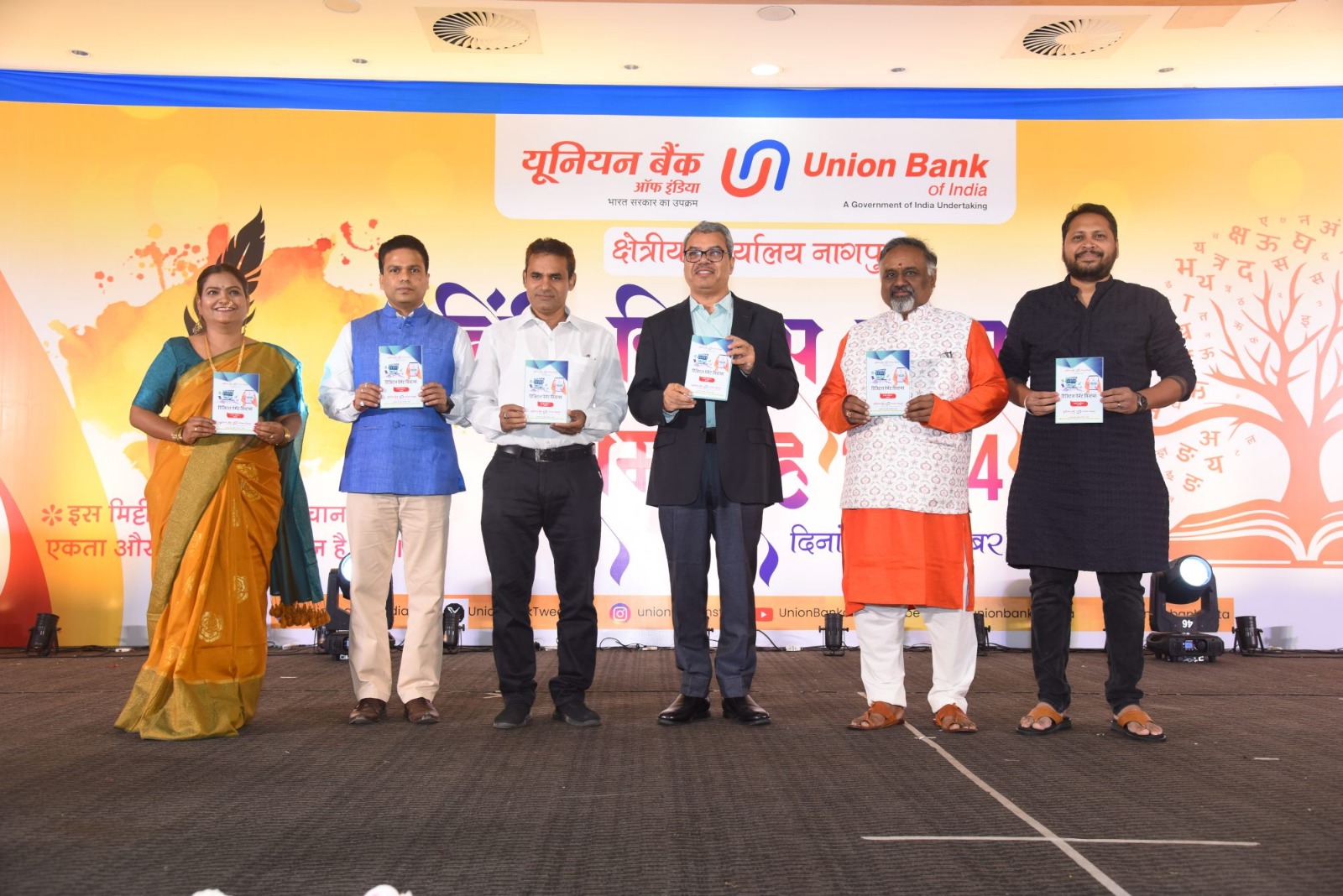
यूनियन बैंक ऑफ़ इंडिया में हिंदी पखवाड़े का समापन समारोह

यूनियन बैंक ऑफ़ इंडिया ने हिंदी पखवाड़ा समापन समारोह एवं पुरस्कार वितरण समारोह का आयोजन दिनांक 6 अक्टूबर 2024 को परवाना भवन, किंग्सवे परिसर, नागपुर में किया। इस अवसर पर क्षेत्रीय कार्यालय नागपुर के क्षेत्र प्रमुख श्री एम वी एन रवि शंकर, उप क्षेत्र प्रमुख श्री राजेश यादव एवं श्री एस शिवकुमारन, नराकास (बैंक) सदस्य सचिव श्री राजीव कुमार सहित स्थानीय शाखों एवं बाहरी शाखाओ के स्टाफ सदस्यों एवं उनके परिवार के लोग उपस्थित रहे।
पखवाड़ा समापन समारोह पर आयोजित कार्यक्रम में सुश्री कुमुद ने बताया कि हिंदी पखवाड़े के अंतर्गत विभिन्न हिंदी प्रतियोगिताओं का आयोजन किया गया। इन सभी प्रतियोगिताओं में स्टाफ सदस्यों ने चढ़कर हिस्सा लिया। प्रतियोगिताओं में जीतने वाले स्टाफ सदस्यों के साथ स्थानीय शाखों ने भी बेहतरीन कार्य निष्पादन के लिए राजभाषा शिल्ड प्रदान की गई। प्रतियोगिताओं में जीतने वाले स्टाफ सदस्यों के साथ क्षेत्र की चार शाखाओं को बेहतरीन कार्य निष्पादन के लिए राजभाषा शील्ड प्रदान किया गया । कुल 10 स्टाफ सदस्यों को वर्ष के दौरान अच्छे कार्य करने के लिए नकद पुरस्कार एवं प्रमाण पत्र से सम्मानित किया गया। आयोजित कुल 6 प्रतियोगिताओं में कई विजेताओं को शील्ड, पुरस्कार एवं गिफ्ट से पुरस्कृत किया गया ।

इस अवसर पर क्षेत्रीय कार्यालय के क्षेत्र प्रमुख श्री एम वी एन रवि शंकर जी ने सभी स्टाफ सदस्यों को राजभाषा हिंदी में कार्य करने के लिए प्रोत्साहित किया। उन्होंने यह भी बताया कि क्षेत्रीय कार्यालय नागपुर को नराकास (बैंक) एवं केंद्रीय कार्यालय मुंबई से तृतीय पुरस्कार प्राप्त हुआ है। उन्होंने राजभाषा विभाग में होने वाली गतिविधियों की सराहना की।
इस अवसर पर आयोजित विभिन्न सांस्कृतिक कार्यक्रम में स्टाफ सदस्य एवं उनके परिवार जनों द्वारा रंगारंग सांस्कृतिक प्रस्तुत किया गया।

A Bouquet of Projects Worth ₹500 Cr for Nagpurians Ahead of Assembly Polls

As the assembly elections approach in Nagpur, the city is witnessing a surge of developmental activities. The Bharatiya Janata Party (BJP), spearheaded by Union Minister Nitin Gadkari, has been inaugurating and laying the foundation stones for multiple high-value projects. These projects, worth a staggering ₹500 crore, are primarily focused on East Nagpur—Gadkari’s political stronghold.

With the election code of conduct expected to come into effect soon, the city is brimming with newly inaugurated facilities and upcoming projects. Let’s take a deep dive into what these projects entail and their significance for Nagpur.

 A Look at East Nagpur’s Transformation

East Nagpur has always been at the forefront of Nitin Gadkari’s developmental agenda. Over the last decade, this part of the city has seen massive improvements in its infrastructure, healthcare, transportation, and more. Gadkari’s strong political presence in this region ensures that it remains a priority in terms of public investments and project implementations.

 Inaugurations Worth ₹500 Cr: What’s New?

In a series of events, Gadkari recently inaugurated multiple projects in East Nagpur, covering diverse sectors such as education, healthcare, transportation, and public utilities. The overall investment of ₹500 crore is aimed at transforming the city and offering better amenities to its residents.

 Improved Healthcare Facilities

One of the most notable projects is the inauguration of healthcare facilities. Gadkari laid the foundation stone for Devadia Sootikagriha in Quetta Colony. This facility is aimed at improving maternal health in the region, with funds provided by the central and state governments. In addition, several Ayushman Health Mandirs have been established, including four in East Nagpur at Lakadganj, Bahubali Nagar, Vaishnodevi Nagar, and Shaheed Chowk. These centers will offer enhanced healthcare services to Nagpur’s citizens, especially in underserved areas.

 Smart City Projects

Nagpur’s ambitious Smart City Project is another area seeing rapid progress. The inauguration of the New Pardi police station, which will cater to Pardi, Bharatwada, Poonapur, Bhandewadi, and nearby areas, is a significant step towards improving law and order. Additionally, a G+2 fire station has been set up in Poonapur, along with staff accommodations. The fire station will address the growing safety needs of East Nagpur residents.

 Water Supply Enhancements

Under the Amrut Yojana, two water tanks with a capacity of 20 lakh liters each have been constructed in Nandanvan and near Symbiosis College in Wathoda. Another tank with a 15-lakh-liter capacity has also been inaugurated. These water tanks aim to provide a tanker-free water supply to the citizens of Nagpur, ensuring reliable access to clean drinking water.

 Infrastructure Developments for a Growing City

 Railway Overbridge (ROB)

Nagpur’s growing population demands robust infrastructure, and the newly inaugurated 525-meter-long Railway Overbridge (ROB) at Bhandewadi is a significant contribution in this regard. Constructed at a cost of ₹50.88 crore by Maharail, this ROB will reduce traffic congestion and provide smoother connectivity for residents in East Nagpur.

 Multi-Skill Development Centre

Addressing unemployment is another key focus of the Smart City Project. The newly established Multi-Skill Development Centre at Poonapur aims to train unemployed and educated youth in various job-ready skills, empowering them to secure employment in emerging sectors.

 Trolley Bus Service – A First for India

A trolley bus service on Nagpur’s Ring Road is another exciting initiative, expected to be the first of its kind in the country. Once operational, this will offer a new, eco-friendly public transportation option for the city’s residents.

 Making Nagpur Smart and Beautiful

While government initiatives have paved the way for large-scale development, Gadkari emphasizes that private developers must also play a crucial role. He urged them to step up and contribute to making the city smarter and more beautiful by investing in essential infrastructure and enhancing the aesthetic appeal of urban areas.

 Beautifying Ambazari Garden

A significant addition to the city’s cultural landscape is the newly inaugurated light and sound show on the life of Swami Vivekananda at Ambazari Garden. This project, which cost ₹21.73 crore, features a multimedia film on Vivekananda’s life, directed by actress-turned-director Revathy and scored by Oscar-winning sound designer Resul Pookutty. Gadkari hopes that the project will inspire the youth of Nagpur and foster a sense of cultural pride.

 Enhancing Public Amenities

 C&D Waste Project

In alignment with the Swachh Bharat Mission, a ₹7.51 crore Construction and Demolition (C&D) Waste Project has been initiated. The project focuses on the collection, transportation, and processing of C&D waste, which will help keep Nagpur cleaner and contribute to better waste management practices.

 Nandgram: A Haven for Stray Animals

Addressing the issue of stray animals on city roads, the Nandgram project at Wathoda, approved with a budget of ₹104 crore for 2023-24, aims to provide a safe space for stray animals, reducing road accidents and promoting animal welfare.

 New Swimming Pool for Public Recreation

For fitness and recreation, a new swimming pool has been planned at the Old Bagadganj Layout. This facility will be managed by Nagpur Improvement Trust (NIT) and is set to become a popular spot for both fitness enthusiasts and families looking for leisure activities.

 Nagpur on the Path to Transformation

The wave of new projects in Nagpur, especially in East Nagpur, is transforming the city. From better healthcare facilities to infrastructure improvements and enhanced public amenities, Nagpur is moving toward becoming a smart, efficient, and vibrant city. These projects are not only improving the lives of the current residents but also laying the foundation for future generations.

As the assembly elections approach, these developmental initiatives reflect the city’s commitment to progress and serve as a testament to Gadkari’s influence and leadership in Nagpur.

Q1: What is the significance of the ₹500 crore projects in Nagpur?
The ₹500 crore projects aim to improve infrastructure, healthcare, and public utilities in Nagpur, particularly in East Nagpur.

Q2: What role does Nitin Gadkari play in these developments?
Nitin Gadkari has been instrumental in initiating and inaugurating these projects as part of his commitment to the development of Nagpur.

Q3: What is the Swami Vivekananda light and sound show?
The light and sound show at Ambazari Garden, featuring a multimedia film on Swami Vivekananda’s life, aims to inspire youth and promote cultural pride.

Q4: What is the significance of the Railway Overbridge at Bhandewadi?
The ROB, constructed at a cost of ₹50.88 crore, will reduce traffic congestion and improve connectivity in East Nagpur.

Q5: What does the Nandgram project aim to achieve?
The Nandgram project aims to provide a safe space for stray animals, reducing their presence on roads and promoting animal welfare.

Tomatoes Strikes a Ton Again Due to Unseasonal Rain, Virus Attack

Tomatoes Price Hike: Tomatoes have once again become a hot topic as prices soar in the market. The humble vegetable, which often faces significant fluctuations in prices, has once again struck a ton. This time, the reasons behind the sudden price hike are unseasonal rains and a virus attack in Nashik, Maharashtra, one of India’s largest tomato-producing regions. Farmers and traders have been caught in a whirlwind of price surges and decreased supply, affecting markets across the country.

 Unseasonal Rains and Virus Attack Impact Tomato Prices

Nashik, known for its large-scale tomato production, has been hit by unseasonal rains that have destroyed crops. Along with the rains, a virus attack has further devastated the produce. The combination of these two factors has led to a sharp decline in tomato supply, resulting in a price surge that has affected both farmers and consumers.

 Rising Prices Across Markets

The price of tomatoes has skyrocketed in less than a week. Farmers are now fetching Rs 1,500 to Rs 1,600 for a crate of 20 kg in the farm (Tomatoes Price Hike) produce markets of Nashik. At the retail end, consumers in Nagpur are paying Rs 100 to Rs 120 per kg for tomatoes. Even the lowest grade of tomatoes is being sold at Rs 70 to Rs 80 per kg in markets like Gokulpeth and Cotton Market in Nagpur.

 Temporary Phenomenon or Long-Term Impact?

Market sources believe that this spike in prices is only temporary. The current shortage may ease within a fortnight or a month once fresh supplies begin to arrive. However, concerns remain about the lower yield from the fresh crops, especially in the Western parts of Nashik. Lower yields could mean that prices may continue to stay high, even after the fresh crop arrives.

 Damage to Crops in Nashik

According to Shankar Dikhale, a tomato farmer from Nashik, the heavy rains have damaged nearly one-fourth of the tomato crop. This damage has led to a supply shortage and driven prices up. Dikhale also noted that many farmers had reduced the area under tomato cultivation this year due to the poor prices they received last season, further exacerbating the current shortage.

 A Mixed Impact on Farmers

For some farmers, the current spike in prices has come as a blessing. With a smaller crop to manage, farmers are incurring lower labor costs, and the higher prices have allowed them to make up for their crop losses. On the other hand, others have suffered significant losses due to the heavy damage caused by the rains and virus attack.

 Supply Challenges in Other States

It’s not just Nashik that’s facing problems. Tomato supplies from Madanapalle in Andhra Pradesh, Chintamani in Karnataka, and Chhindwara in Madhya Pradesh have also dwindled. The combination of reduced supplies from multiple states has led to a nationwide shortage of tomatoes.

 Nagpur’s Tomato Market

Traders in Nagpur, such as those in the Cotton Market, are feeling the pinch of the reduced supplies. In a normal season, Nagpur receives around 2,000 truckloads of tomatoes daily. However, this has dropped to just 100 truckloads due to the unseasonal rains and virus attack. The shortage is causing significant disruption in the market, pushing prices higher.

 Forecast for Tomato Prices

Vilas Shinde, the president of Sahyadri Farms, one of the largest buyers of tomatoes, believes that prices will stabilize once fresh crops arrive. However, reports of lower yields in other areas are creating uncertainty. Even with the expected new harvest, prices may not drop as significantly as consumers hope.

 A Month of High Prices?

With the fresh supply from Nashik expected in a month, there’s hope that the current high prices are only temporary. However, traders warn that the lower yield may prevent prices from falling to their previous levels. The ongoing impact of weather conditions and reduced cultivation areas could keep prices elevated for some time.

 Other Crop Challenges: Soybean and Cotton

While tomatoes are grabbing headlines, soybean farmers in Vidarbha are also facing difficulties. Soybean is being sold below the Minimum Support Price (MSP), with market rates ranging from Rs 3,800 to Rs 4,300 per quintal, compared to the MSP of Rs 4,892 per quintal. Farmers are urging the government to open procurement centers to help them get better rates during the festival season.

 Delayed Cotton Harvest

Meanwhile, cotton farmers are dealing with delays in harvesting. The cotton crop, which is usually harvested around this time, has been delayed by a week due to the weather. This has added to the challenges faced by farmers in the region.

A Tough Time for Farmers and Consumers

The combination of unseasonal rains and a virus attack has pushed tomato prices to alarming levels. While some farmers are benefiting from the higher prices, many others are struggling with crop damage and reduced yields. For consumers, the current price spike is likely to persist for at least another month, if not longer, depending on the success of the upcoming harvests.

Despite the challenges, it’s hoped that fresh supplies from Nashik and other regions will eventually bring relief to both farmers and consumers. In the meantime, the vegetable markets remain a volatile place, with tomatoes continuing to be a prized commodity.

Q1: Why are tomato prices so high right now?
A: Tomato prices have surged due to unseasonal rains and a virus attack in key tomato-growing regions, particularly Nashik.

Q2: When will tomato prices go down?
A: Prices are expected to ease within a month as fresh crops begin to arrive, though lower yields may keep prices elevated.

Q3: Which regions are affected by the tomato shortage?
A: Nashik is the most affected region, but other states like Andhra Pradesh, Karnataka, and Madhya Pradesh are also facing supply shortages(Tomatoes Price).

Q4: Are any other crops affected by unseasonal weather?
A: Yes, soybean and cotton crops have also been impacted, with soybean selling below the Minimum Support Price and cotton harvests delayed.

Q5: Will the tomato price hike benefit all farmers?
A: No, while some farmers are profiting from higher prices, others have suffered significant losses due to crop damage.

{finish}

NMC Urges Women to Apply for Pink e-Rickshaw Scheme

The Nagpur Municipal Corporation (NMC) has rolled out an exciting opportunity for women residents through the Pink e-Rickshaw Scheme. Designed with the dual purpose of empowering women and offering safe, female-only transportation, this initiative can be a game-changer. The scheme aims to provide self-employment avenues while ensuring a safe mode of commute for women passengers. In this article, we’ll delve into the specifics of the scheme and explain why it’s a fantastic opportunity for women in Nagpur.

What is the Pink e-Rickshaw Scheme?

The Pink e-Rickshaw Scheme is an initiative by the Maharashtra State Government, launched under the supervision of the Nagpur Municipal Corporation (NMC). It is aimed at encouraging women to become self-reliant by providing them with the resources to operate their own e-rickshaws. The program is unique because it offers female-only drivers to ensure safe and secure transport for women commuters.

Who is Eligible for the Scheme?

To qualify for the Pink e-Rickshaw Scheme, there are a few important criteria to consider:

  • Women residents of Maharashtra.
  • Family income must be below ₹3 lakh annually.
  • Applicants must be between 18 and 35 years old.
  • Women should hold a valid driving license.

In addition, the scheme gives priority to widows and women holding orphan certificates, offering them a better chance to secure a spot in the program.

Benefits of the Pink e-Rickshaw Scheme

Women who are selected for the scheme will receive several key benefits, including:

  1. Financial Assistance: The scheme provides 70% financial assistance for the purchase of the e-rickshaw. The remaining 30% will be repaid over a period of five years.
  2. Training: Selected applicants will receive formal training to operate the e-rickshaw, which includes earning a PSVA (Public Service Vehicle Authorization) badge.
  3. Self-employment: This scheme offers women an opportunity to become self-employed, allowing them to take control of their financial future.

Why Should Women Apply?

Applying for the Pink e-Rickshaw Scheme can open doors for personal and financial independence. It is especially beneficial for women who have struggled to find stable employment. Moreover, this initiative ensures that women in Nagpur have access to a safe and reliable mode of transportation exclusively run by women drivers. This initiative is about empowerment, safety, and inclusivity.

How to Apply for the Scheme

If you’re interested in applying for this scheme, you’ll need to gather several important documents:

  • Aadhaar card
  • PAN card
  • Domicile certificate
  • Income certificate
  • Driving license
  • Bank details

Having these documents ready will streamline your application process.

NMC’s Role in the Pink e-Rickshaw Scheme

The NMC is actively involved in the implementation of this initiative. Dr. Abhijeet Chaudhari, the Municipal Commissioner, has been vocal about the benefits of the scheme and urges eligible women to apply. Additional Municipal Commissioner Anchal Goyal is serving as the Nodal Officer for the scheme and is responsible for overseeing its rollout. The Women and Child Welfare Department of NMC is playing a pivotal role in ensuring smooth execution.

Empowering Women Through Financial Independence

One of the key objectives of the scheme is to make women self-reliant. With financial assistance covering 70% of the cost of the e-rickshaw, women can start their own business with minimal upfront investment. This leads to a sustainable form of employment that empowers women economically and socially.

Safe Transportation for Women, By Women

Safety is a top priority in the Pink e-Rickshaw Scheme. Women passengers often face challenges when it comes to finding reliable and secure transport. With this scheme, they can feel reassured knowing that their driver is a fellow woman, ensuring a comfortable and safe commute.

Training and Support: What to Expect

Once accepted into the program, women will receive comprehensive training. This includes learning how to operate the e-rickshaw safely, understanding the rules of the road, and earning the required PSVA badge. This badge is mandatory for anyone operating a public service vehicle and will be provided as part of the scheme’s training program.

Financial Flexibility

One of the standout features of the Pink e-Rickshaw Scheme is the financial flexibility it offers. With 70% of the vehicle’s cost being covered upfront, participants have the ease of repaying the remaining amount over five years, allowing them to focus on earning and expanding their business without financial stress.

Impact on the Community

The benefits of the Pink e-Rickshaw Scheme go beyond the individual; it impacts the entire community. By offering women the chance to become entrepreneurs, the scheme helps to lift families out of poverty, create a safer public transport environment, and contribute to the overall economic development of the region.

Success Stories: Women Leading the Way

There are already numerous success stories of women who have benefitted from similar schemes in other parts of India. These women have managed to turn their lives around by using government-backed schemes to start their own small businesses. The Pink e-Rickshaw Scheme has the potential to replicate these successes in Nagpur.

Why This Scheme is a Step Forward for Women in Maharashtra

This initiative is more than just a government program—it’s a step toward creating a more inclusive and equitable society. By offering women a chance to be financially independent and providing them with the tools to ensure their safety, the Pink e-Rickshaw Scheme is a progressive step forward for women in Maharashtra.

The Pink e-Rickshaw Scheme is a transformative initiative that aims to empower women in Nagpur by providing them with financial independence and safe transportation options. Whether you’re a young woman looking to start your career or someone in need of stable employment, this scheme is a great opportunity. With 70% financial assistance, comprehensive training, and community support, there has never been a better time to apply.

1. Can women outside of Nagpur apply for the scheme?

No, the scheme is currently targeted at women residing in Nagpur.

2. What happens if I don’t have a driving license yet?

You need to have a valid driving license to apply. If you don’t have one, it’s recommended to obtain it before applying for the scheme.

3. Is the financial assistance a loan or a grant?

The financial assistance covers 70% of the vehicle cost, which is a form of support, but you will need to repay the remaining 30% over five years.

4. How long does the training program last?

The length of the training will depend on the schedule provided by the NMC, but it is designed to prepare women thoroughly for driving and managing the e-rickshaw.

5. Is there any age relaxation for widows or women with orphan certificates?

No, the age criteria remain the same for all applicants, which is between 18 and 35 years.

Exit mobile version