


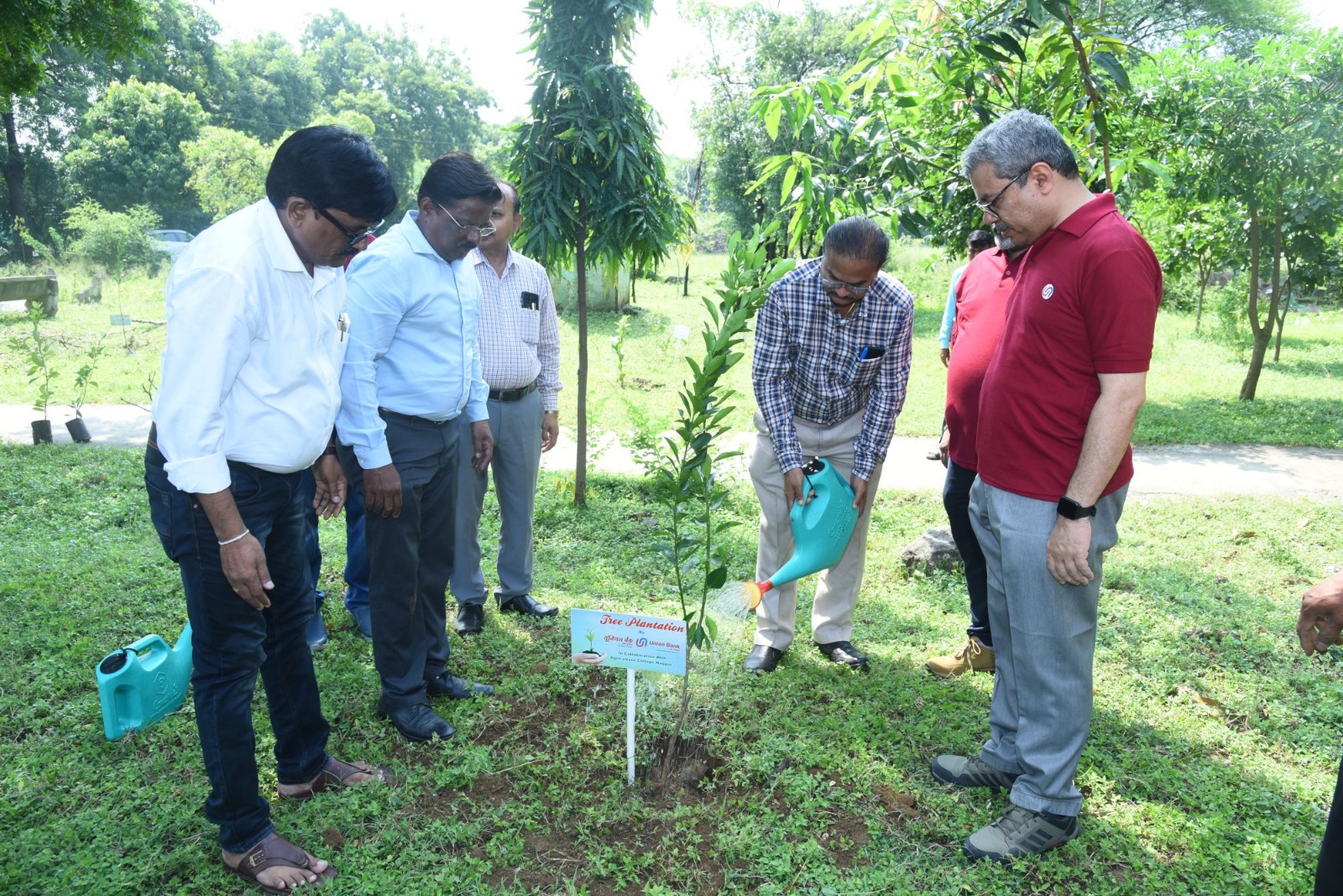
भारत सरकार द्वारा प्राप्त दिशानिर्देशों के अनुसार दिनांक 17 सितंबर से 20 अक्टूबर तक स्वच्छता अभियान को मनाया जाना है। इसी अंतर्गत यूनियन बैंक ऑफ़ इंडिया ने 2 अक्टूबर 2024 को स्वच्छता अभियान के अंतर्गत कृषि वसतिगृह नागपुर में श्रमदान दिया। गांधी जयंती के उपलक्ष में वसतीगृह के परिसर की साफ सफाई की गई एवं वहां पर विविध पौधों का वृक्षारोपण किया गया। इस अवसर पर मुख्य रूप से कृषि विद्यालय के डीन श्री इलूरकर जी जी उपस्थित थे साथ ही यूनियन बैंक ऑफ़ इंडिया के क्षेत्रीय कार्यालय नागपुर के क्षेत्र प्रमुख श्री एम वी एन रवि शंकर, उप क्षेत्र प्रमुख राजेश कुमार यादव एवं शिवकुमारन, सहायक महाप्रबंधक श्री अजीत लगजोमजी, यूनियन बैंक ऑफ इंडिया के स्टाफ सदस्य एवं वसतिगृह के विद्यार्थी भी उपस्थित रहे। सभी ने मिलकर स्वच्छता पखवाड़ा मनाया और स्वच्छता ही सेवा इस घोष वाक्य को सार्थक बनाया।
Category: Nagpur Local

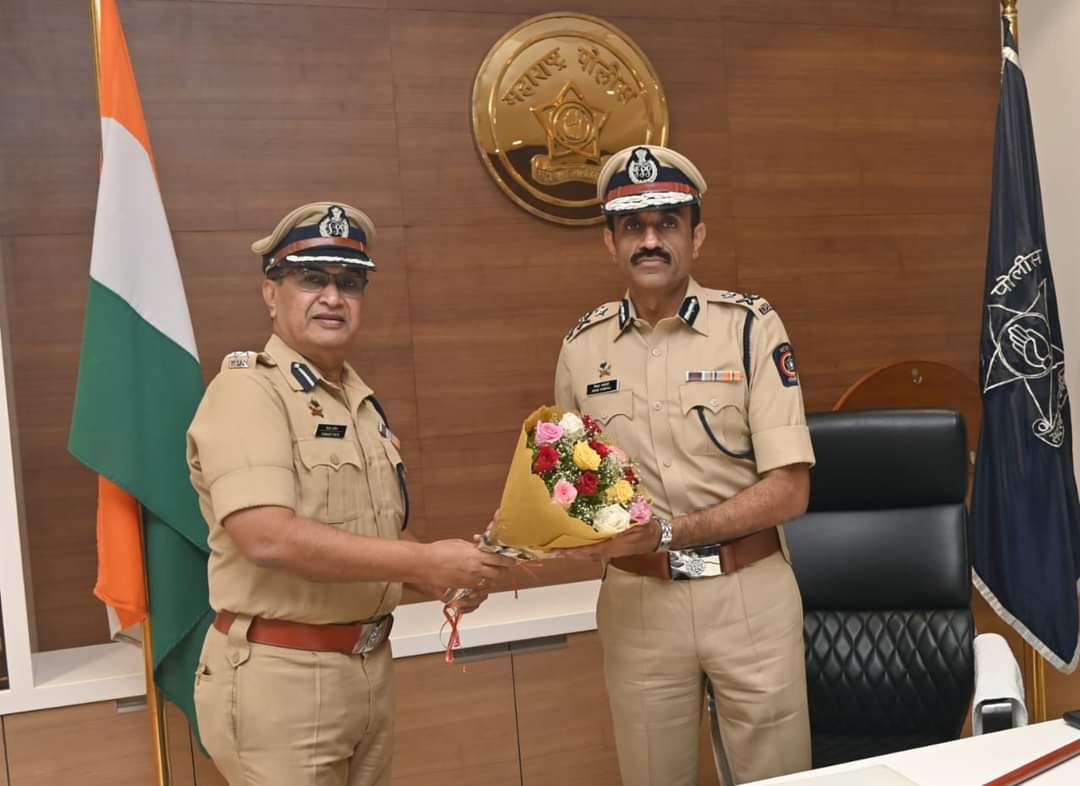
Nisar Tamboli Takes Charge as Joint Commissioner of Police in Nagpur
In a major leadership change in the Nagpur City Police Department, Nisar Tamboli has officially taken the role of Joint Commissioner of Police (Jt CP). An officer from the 2005 Maharashtra batch, Tamboli is known for his extensive experience in law enforcement and intelligence. His appointment comes after the temporary supervision of the post by Additional CP Sanjay Patil, who filled the role after Aswati Dorje was transferred.
Who is Nisar Tamboli?
Tamboli, a dynamic officer with years of experience, previously served as Assistant Commissioner in the State Intelligence Department (SID) in Mumbai. His expertise, particularly in handling sensitive and high-profile cases, makes him a well-suited candidate to lead law enforcement in Nagpur.
A Shift in Leadership
The city’s law enforcement has seen significant transitions, with Tamboli’s predecessor, Aswati Dorje, now taking on the role of Special Inspector General of Police in the Women and Child Atrocities Prevention Department. Dorje’s tenure marked several progressive initiatives, and expectations are high for Tamboli to continue the trend of dynamic leadership.
Tamboli’s Impressive Track Record
From SID to Nagpur Police
Prior to taking charge in Nagpur, Tamboli was actively involved with Mumbai’s State Intelligence Department, which allowed him to gain significant experience in matters of national security and intelligence-gathering. This deep-rooted involvement in the SID plays a key role in shaping his leadership style, as it will enable him to deal effectively with both urban crime and broader security threats.
A Career Built on Integrity
Tamboli’s rise through the ranks is a testament to his commitment to serving the public. His work has consistently reflected a dedication to upholding the law, and his leadership is expected to bring fresh energy to the police force in Nagpur. Officers who have worked under Tamboli often speak highly of his ability to balance discipline with approachability, fostering an environment of respect and collaboration.
Nagpur’s Crime Landscape: A Fresh Perspective
The Challenges Awaiting Nisar Tamboli
Nagpur is a rapidly growing urban area, which presents several law enforcement challenges. With rising cybercrime, traffic management issues, and public safety concerns, Tamboli will need to take an aggressive yet strategic approach. His experience in the intelligence department will be invaluable, particularly in understanding and addressing the root causes of organized crime and other high-stakes offenses.
Public Safety and Crime Reduction
With Tamboli at the helm, there’s optimism about tackling the ongoing challenges related to public safety. His data-driven approach combined with community engagement could be the key to reducing crime rates and making Nagpur a safer city.
What to Expect from Nisar Tamboli’s Leadership
1. Focus on Technology-Driven Policing
One of Tamboli’s strengths is his belief in technology’s role in modern policing. In his previous roles, he promoted digitization and the use of intelligence-based policing. Under his leadership, Nagpur’s police department might witness the integration of cutting-edge tools, such as predictive policing software and crime-mapping technologies, which will help officers anticipate and prevent criminal activities.
2. Strengthening Community Relations
Tamboli has a reputation for being community-focused. He values public engagement as a core aspect of effective policing. In a city like Nagpur, where the police department plays a crucial role in maintaining public order, fostering strong ties between law enforcement and the community will likely be a top priority.
3. Combating Organized Crime
Nagpur, like many other major cities, faces the issue of organized crime syndicates operating in the area. Given Tamboli’s experience with intelligence, he is well-positioned to lead covert operations aimed at dismantling such networks. This will not only enhance safety but also reduce long-standing criminal activities that have plagued the city.
4. Gender-Sensitive Policing
With Tamboli’s predecessor, Aswati Dorje, being transferred to head the Women and Child Atrocities Prevention Department, it is expected that Tamboli will continue the focus on gender-sensitive policing. Ensuring safety for women and vulnerable populations will likely remain a cornerstone of his agenda, with the potential for setting up more women-centric police initiatives.
The Future of Law Enforcement in Nagpur
Building on Past Successes
Tamboli inherits a police department that has seen significant improvements over the years. His goal will be to build upon those successes while addressing new challenges. Under his leadership, officers may be encouraged to adopt more proactive policing methods, such as increasing the number of patrol units and collaborating more closely with local communities.
A Collaborative Approach
Tamboli is known for his team-oriented approach to leadership. He believes that true success comes when all levels of the police department work together toward common goals. His leadership style is expected to emphasize collaboration not just within the police department but also with external agencies, including local government bodies, civic organizations, and private stakeholders.
Nisar Tamboli’s appointment as the Joint Commissioner of Police in Nagpur marks a significant moment for the city’s law enforcement community. With his rich background in intelligence and law enforcement, he is well-equipped to handle the complex challenges of policing a large urban area. His emphasis on technology, community relations, and organized crime prevention signals a forward-thinking approach that will likely shape the future of policing in Nagpur. As Tamboli steps into this role, the city can expect innovative strategies and a focus on public safety and trust.
- What is Nisar Tamboli’s background?
Nisar Tamboli is an IPS officer from the 2005 Maharashtra batch, previously serving in the State Intelligence Department in Mumbai. - Who did Nisar Tamboli replace as Jt CP of Nagpur?
Tamboli succeeded Additional CP Sanjay Patil, who was temporarily overseeing the position after Aswati Dorje’s transfer. - What can we expect from Tamboli’s leadership in Nagpur?
Tamboli is expected to focus on technology-driven policing, strengthening community ties, and addressing organized crime. - How will Tamboli handle gender-sensitive policing?
Building on the work of his predecessor, Tamboli is likely to emphasize gender-sensitive initiatives, ensuring the safety of women and vulnerable populations. - What are the biggest challenges Tamboli will face in Nagpur?
Key challenges include combating organized crime, managing cybercrime, and enhancing public safety through proactive strategies.


NMC Blueprint for Jam-Free Roads: AI to Manage Traffic and Spruced Up Public Transport
NMC Road Blueprint: Nagpur’s traffic congestion is a growing challenge, with more vehicles hitting the roads each year. However, the Nagpur Municipal Corporation (NMC) has laid out an ambitious plan to tackle this issue head-on. With a comprehensive approach involving AI-powered traffic management and an overhaul of public transport infrastructure, NMC is setting the stage for smoother, more efficient commutes. Here’s a detailed look at how Nagpur is transforming its roadways and public transport systems to ensure a jam-free city experience.
The Nagpur Municipal Corporation (NMC) is actively rolling out solutions to combat road congestion while improving the overall commuter experience. These measures include public transport enhancements, AI-based traffic management, and a holistic approach to infrastructure development. This article explores the comprehensive blueprint NMC has created to revolutionize city traffic management and transportation.
Traffic Congestion in Nagpur: A Growing Concern
Nagpur’s strategic location, combined with its reputation for having some of the best educational and medical institutions in central India, has drawn large numbers of people from neighboring states like Madhya Pradesh and Chhattisgarh. This rapid population influx has also led to a significant increase in the number of vehicles on the road, creating heavy traffic, particularly during peak hours. The city’s road network covers over 3,500 km, of which NMC is responsible for 2,500 km.
The Rising Vehicle Count
Increased vehicular traffic in Nagpur has led to long commutes, especially during the day. With limited road space, managing traffic efficiently has become crucial to avoiding gridlocks.
Daytime Congestion: A Major Bottleneck
Most of the congestion is experienced during the daytime, exacerbating delays for commuters. The introduction of new traffic management technologies (NMC Road Blueprint) seeks to directly address this problem.
The Role of AI in Traffic Management
One of the most innovative components of NMC’s traffic solution is the incorporation of Artificial Intelligence (AI)(NMC Road Blueprint). By employing AI to monitor and regulate traffic flow, NMC aims to significantly reduce delays, improve road safety, and optimize travel times.
Intelligent and Integrated Traffic Management System (IITMS)
The Rs. 197 crore Intelligent and Integrated Traffic Management System (IITMS) is one of the flagship projects set to revolutionize traffic in Nagpur. This system, funded by the state government, is expected to cut down travel time by 28% to 48% and increase average traffic speed by up to 62%(NMC Road Blueprint).
Key Features of IITMS
The IITMS will feature an adaptive traffic control system, which uses real-time data to adjust traffic signals. It also incorporates automatic violation detection, issuing e-challans for infractions such as speeding and running red lights.
Collaboration with Key Officials
Collaboration between NMC, Union Minister Nitin Gadkari, and Deputy Chief Minister Devendra Fadnavis has played a pivotal role in executing this plan. These efforts are already yielding significant results in terms of infrastructure improvements.
Enhancing City Infrastructure
In tandem with improving traffic management, NMC is working to revamp city infrastructure. This includes converting tar roads to cement-concrete surfaces, which are more durable and pothole-resistant. Additionally, NMC is intensifying its anti-encroachment efforts to ensure roadways are kept clear for both pedestrians and vehicles.
Pothole-Free Roads
The civic body is prioritizing the repair of potholes across the city, addressing complaints in a timely manner to ensure a smoother ride for all.
Road Encroachment Drives
To free up road space and improve pedestrian safety, NMC has launched anti-encroachment drives, which are essential for removing roadside obstructions.
Revamping Public Transport with Aapli Bus
Another key pillar of NMC’s plan is enhancing public transportation. The Aapli Bus service, which operates over 400 buses across 100 routes, is the backbone of the city’s public transport system. In the coming years, NMC aims to expand this service, particularly with a focus on electric buses.
Going Green with Electric Buses
The current Aapli Bus fleet includes 260 electric buses, with plans to introduce 400 air-conditioned e-buses. This expansion is supported by funding from both the central and state governments under schemes like the Pradhan Mantri e-bus scheme.
Cleaner, Quieter Commutes
Electric buses not only reduce pollution but also provide a quieter and smoother commuting experience. NMC’s green initiative is crucial for fostering a sustainable future for the city.
Seamless Commuting with Mobility App and Common Mobility Card
To make public transport more accessible and efficient, NMC is introducing a Mobility App and Common Mobility Card, integrating services of both Aapli Bus and the Metro Rail. This step will enable commuters to locate buses on different routes and pay for their trips seamlessly across both modes of transport.
Strengthening Enforcement and Parking Management
NMC has revamped its enforcement department, establishing five central teams to ensure vigilance against roadside encroachments. Furthermore, the civic body has introduced designated hawkers’ zones and 60 on-street parking zones for two-wheelers and four-wheelers.
Addressing Encroachments
Effective enforcement will ensure that roadways remain clear for use, balancing the needs of businesses and motorists alike.
Streamlined Parking Solutions
By creating designated parking zones, NMC is making sure that roads remain free of parked vehicles, allowing for smoother traffic flow.
Other Key Initiatives by NMC
Beyond traffic management and public transport, NMC provides essential urban services like water supply, waste management, sewerage, and land use planning. By working in coordination with various government agencies, the civic body ensures that all necessary services are delivered efficiently to Nagpur’s residents.
Urban Service Coordination
The collaboration between NMC and government agencies such as NIT, MahaMetro, and MSRTC ensures that the city’s urban infrastructure is well-managed and sustainable.
A Call for Citizen Participation
While NMC’s efforts are transformative, citizen cooperation is key to making these initiatives successful. By following civic rules, opting for public transport, and reducing the use of private vehicles, residents can contribute to reducing congestion and fostering a more organized urban environment.
Nagpur is on the cusp of a transportation revolution, with the NMC leading the way in both traffic management and public transport improvements. By embracing AI technology, expanding public transport, and addressing road encroachments, the city is taking the necessary steps to provide its residents with a smoother and more efficient commuting experience. As the NMC continues its efforts to modernize the city’s infrastructure, it’s up to the citizens to support these changes by making conscious choices like opting for public transport over private vehicles.
- What is the IITMS? The Intelligent and Integrated Traffic Management System (IITMS) is an AI-powered traffic management solution designed to reduce congestion and improve traffic flow in Nagpur.
- How will the Mobility App help commuters? The Mobility App will allow commuters to locate Aapli buses and use a Common Mobility Card for seamless travel on both the city bus service and Metro Rail.
- What is NMC doing about potholes? NMC is actively repairing potholes and converting tar roads to cement-concrete surfaces to ensure smoother rides.
- How many electric buses will be introduced? NMC plans to introduce 400 new air-conditioned electric buses to its Aapli Bus fleet.
- How can citizens contribute to reducing congestion? Citizens can contribute by following traffic rules, opting for public transport, and minimizing their reliance on private vehicles.

Seven Police Stations in Nagpur Get New Senior Inspectors in Major Reshuffle
In a recent and noteworthy move, the Nagpur Police Department has undergone a significant reshuffling of senior personnel across seven of its key police stations. This transfer of responsibilities is part of a broader strategy aimed at boosting law enforcement effectiveness in crucial areas of the city. With elections looming on the horizon, the timing of these changes is particularly important, as they signal a renewed focus on crime control and public safety.
Why the Reshuffle?
The reshuffle is primarily aimed at improving crime management in specific regions where criminal activities had been on the rise. The move, ordered by Nagpur Police Commissioner Dr. Ravinder Kumar Singhal, affected 12 officers, including some high-profile inspectors, in a bid to realign resources and strengthen local policing efforts.
New Leadership in Key Police Stations
One of the most significant aspects of this reshuffle is the appointment of new senior inspectors to seven police stations in the city. These stations are vital for maintaining law and order in their respective regions, and the changes are expected to bring fresh perspectives and approaches to tackling local crime.
Prashant Thaware Moves to Mankapur
In one of the key changes, Prashant Thaware, who was previously heading Hingna Police Station, has now been transferred to lead Mankapur Police Station. His previous experience in dealing with law enforcement in Hingna is expected to bring a much-needed boost to crime control in Mankapur.
Jitendra Bobade Takes Charge of Hingna
Jitendra Bobade, who served as the inspector of crime at Gittikhadan, has been appointed as the new officer-in-charge of Hingna Police Station. Bobade’s track record in handling complex criminal cases makes him a strong fit for the station.
Smita Jadhav Reassigned to the Economic Offenses Wing
Smita Jadhav, the former senior inspector at Mankapur, has been moved to the Economic Offenses Wing. This transfer is seen as an elevation, considering the critical nature of the work handled by this unit, including cases involving financial fraud and other white-collar crimes.
Vinayak Koli Heads Nandanvan Police Station
Vinayak Koli, formerly the officer-in-charge of Dhantoli Police Station, has been reassigned to lead Nandanvan Police Station. His experience and leadership skills are anticipated to enhance the police station’s ability to address its local crime challenges effectively.
Anamika Mirzapure Appointed to Dhantoli Police Station
Anamika Mirzapure, who was previously serving as the crime inspector at Sitabuldi Police Station, has taken over as the new senior inspector of Dhantoli. Her investigative expertise in crime-related matters is expected to aid in the station’s efforts to tackle rising criminal activities in the area.
A Focus on Specialized Roles
In addition to these station leadership changes, several officers have been reassigned to specialized units within the Nagpur Police Department.
Popat Dhaytunde Joins Special Branch
Popat Dhaytunde, who was leading Nandanvan Police Station, has now been transferred to the Special Branch. His shift to this more specialized department reflects the ongoing strategic planning to improve intelligence-gathering and specialized law enforcement operations.
Kamalakar Gaddime Moves to Crime Branch Unit 4
Previously in charge of Imamwada Police Station, Kamalakar Gaddime has been moved to Unit 4 of the Crime Branch. His new role will place him at the center of some of the department’s most critical criminal investigations.
Ramesh Tale Takes Over Imamwada Police Station
Ramesh Tale has now assumed responsibility as the senior inspector of Imamwada Police Station. Given the station’s strategic importance, his experience will be crucial in dealing with the issues that have historically challenged this area.
Vitthalsingh Rajput Joins Economic Offenses Wing
Vitthalsingh Rajput, who was formerly leading Bajaj Nagar Police Station, has been transferred to the Economic Offenses Wing. His expertise will contribute significantly to handling complex financial crime cases.
Surendra Aherkar Leads Bajaj Nagar Police Station
Surendra Aherkar, who was previously with the Crime Branch, has been appointed as the officer-in-charge of Bajaj Nagar Police Station. His background in crime prevention and investigation will be an asset to the area’s policing.
Strategic Timing for Enhanced Crime Control
This reshuffle comes at a crucial time, with elections approaching in Nagpur. The political climate often brings a shift in criminal activities, making it essential for the police department to have strong leadership in place. By reassigning key personnel to different areas, the Nagpur Police Department aims to optimize its resources and ensure that law enforcement is proactive in addressing any potential spikes in crime.
Impact on Local Communities
Local communities are likely to see an immediate impact from these changes. With fresh leadership comes a new approach to dealing with crime. The officers who have been reassigned are expected to collaborate more effectively with local residents, leading to better community-policing relationships and quicker responses to crime-related concerns.
Long-Term Benefits of the Reshuffle
In the long term, this reshuffle will likely contribute to improved crime statistics across Nagpur. The officers who have been appointed to new stations bring a wealth of experience and a proven track record in crime management. By leveraging their skills in new areas, the police department is positioning itself to be more effective in reducing crime rates across the city.
Election Preparations and Further Transfers
While this reshuffle is significant, it is only the beginning. As elections draw closer, further transfers within the Nagpur Police Department are expected. These additional changes will likely focus on reinforcing law enforcement in areas with higher crime rates, ensuring that the city remains safe and secure during the election period.
The recent reshuffling of senior inspectors across seven police stations in Nagpur marks an essential step in enhancing the city’s law enforcement capabilities. With experienced officers taking charge in new areas, the Nagpur Police Department is set to tackle crime more effectively, ensuring safer neighborhoods and improved relations between the police and local communities. As the city prepares for elections, this strategic reshuffle serves as a foundation for further strengthening law and order.
- Why was there a reshuffle in the Nagpur Police Department? The reshuffle was aimed at improving crime control and enhancing law enforcement efficiency in specific areas where criminal activity had increased.
- Who is the new officer-in-charge of Mankapur Police Station? Prashant Thaware has been appointed as the new senior inspector of Mankapur Police Station.
- Which officer was transferred to the Economic Offenses Wing? Both Smita Jadhav and Vitthalsingh Rajput were reassigned to the Economic Offenses Wing.
- How does this reshuffle impact local crime control? The reshuffle brings experienced officers to new areas, which is expected to lead to more effective crime control and community engagement.
- Will there be more transfers in the near future? Yes, additional transfers are expected as the city prepares for upcoming elections.

Mukesh Ambani to Launch Rice Straw-Based CNG Project in Mauda
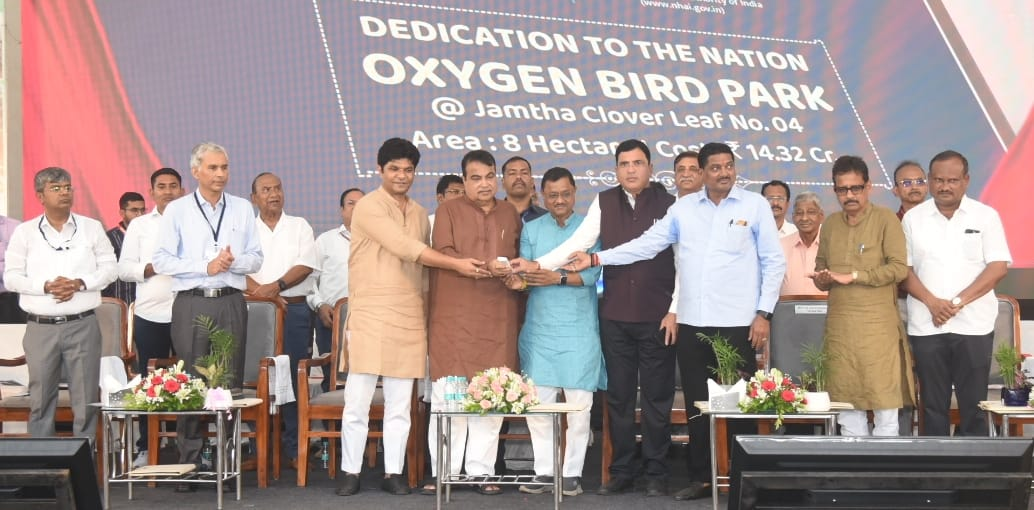
Mukesh Ambani rice straw CNG project: In a visionary move set to transform India’s energy sector, Mukesh Ambani, the Chairman of Reliance Industries, is planning to launch a rice straw-based compressed natural gas (CNG) project in Mauda. This eco-friendly initiative is part of his broader strategy to establish 600 CNG projects throughout India, utilizing rice straw, a commonly found agricultural byproduct. The announcement came during the inauguration of India’s first Oxygen Bird Park by Union Minister of Road Transport and Highways, Nitin Gadkari.
The Vision Behind Rice Straw-Based CNG Projects
Mukesh Ambani’s plan to harness rice straw for CNG production comes at a crucial time for India’s energy sector. Traditionally, rice straw is considered waste, often burned by farmers, contributing to severe air pollution. By converting this byproduct into CNG, Ambani is proposing a dual solution—providing clean energy while mitigating environmental hazards.
Why Rice Straw?
Rice straw is an abundant byproduct of rice farming in India. When left unused, it is often burned in fields, causing a spike in harmful particulate matter in the atmosphere, especially in northern India. Converting rice straw into CNG not only reduces pollution but also provides an additional income stream for farmers, making this initiative a win-win.
The Mauda Project: A Key Step in India’s Clean Energy Future
One of the first projects under Ambani’s rice straw-based CNG initiative will be established in Mauda, a town in Vidarbha, Maharashtra. This area, known for its agricultural activities, is an ideal location to test the efficacy and scalability of this project.
The Role of Technology in Mauda’s CNG Project
The conversion of rice straw to CNG will involve cutting-edge technology that can process large volumes of biomass. The plant will likely employ advanced anaerobic digestion processes, which break down organic matter to produce methane-rich biogas. This can then be purified and compressed into CNG for commercial use.
India’s First Oxygen Bird Park Inaugurated by Nitin Gadkari
While the rice straw-based CNG project was a key highlight, the event also marked the inauguration of India’s first Oxygen Bird Park in Nagpur. Conceptualized by Nitin Gadkari, the park is designed to be a sanctuary for local and migratory birds, offering them a safe habitat while also serving as a recreational space for citizens.
What Makes the Oxygen Bird Park Unique?
The Oxygen Bird Park stands out for its focus on environmental sustainability. The park has a wide variety of fruit-bearing trees that not only beautify the landscape but also provide food for birds. Gadkari emphasized that trees like Arjun, Java Plum, and Banyan are known for their high oxygen-producing capabilities, hence the park’s name.
Key Features of the Park:
- Varied Tree Species: Trees like Mango, Jujube, Guava, and Tamarind are planted to ensure the park remains green year-round.
- Recreational Areas: The park offers jogging and cycling tracks, watchtowers, food courts, and children’s play areas.
- A Dedicated Nursery: To ensure the continued greening of the region, a nursery within the park will provide saplings for National Highways Authority of India (NHAI) projects.
Environmental Benefits of the Park
This bird park is much more than just a recreational area. It plays a crucial role in maintaining ecological balance in the region by providing a habitat for birds and contributing to the local oxygen levels. Gadkari’s initiative is an important reminder of the need for green spaces in urban settings to combat pollution and improve air quality.
Collaboration Between Government and Industry for a Greener Future
Both the rice straw-based CNG project and the Oxygen Bird Park exemplify the importance of collaboration between the government and industry to drive eco-friendly initiatives. Nitin Gadkari’s Ministry of Road Transport and Highways has been a key player in launching several such projects aimed at reducing carbon footprints and improving infrastructure.
NHAI’s Role in Promoting Green Initiatives
The NHAI has not only supported the development of the Oxygen Bird Park but has also planted over 1 lakh saplings under its ‘Ek Ped Ma Ke Naam’ initiative. This large-scale tree plantation program reflects the government’s commitment to greening India’s highways and reducing air pollution.
Future Prospects for Rice Straw-Based CNG in India
Mukesh Ambani’s vision for 600 CNG projects across India signals a massive transformation in the country’s approach to clean energy. With rice straw as a raw material, these projects have the potential to revolutionize both the energy and agricultural sectors. Farmers will no longer need to burn rice straw, and the CNG produced can provide an alternative to fossil fuels.
Scalability and Impact on Rural Economies
The success of the Mauda project could serve as a model for other agricultural regions in India. By promoting decentralized energy production, rural communities could become energy self-sufficient, reducing their dependence on grid power and boosting local economies.
Mukesh Ambani’s initiative to launch rice straw-based CNG projects across India, starting with Mauda, is a groundbreaking step toward sustainable energy. Combined with Nitin Gadkari’s vision for green spaces like the Oxygen Bird Park, these projects underscore the importance of innovation in addressing environmental challenges. Together, they represent a hopeful future where India not only meets its energy needs but also protects its natural environment.
- What is rice straw-based CNG? Rice straw-based CNG is compressed natural gas produced by converting rice straw, a common agricultural waste, into a clean energy source.
- Why is the Mauda project important? The Mauda project is one of the first to utilize rice straw for CNG production, setting a precedent for 600 similar projects across India.
- What are the environmental benefits of the Oxygen Bird Park? The Oxygen Bird Park increases local oxygen levels and provides a safe habitat for both local and migratory birds.
- How will rice straw-based CNG benefit farmers? Farmers will have an additional income stream by selling rice straw for CNG production, rather than burning it.
- What is the ‘Ek Ped Ma Ke Naam’ initiative? It is a tree plantation initiative led by the NHAI, with over 1 lakh saplings planted to date.
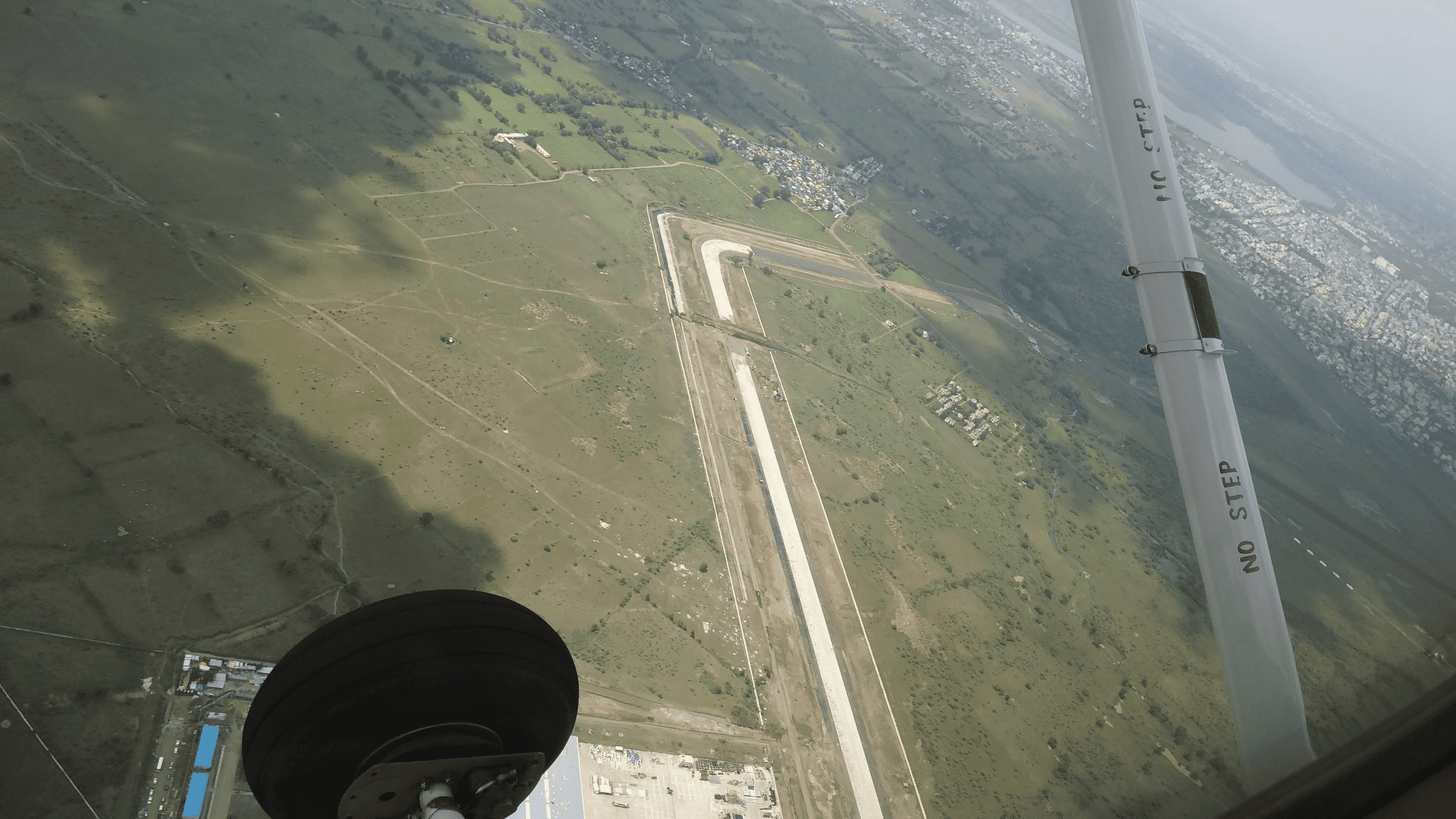
Fasten Seatbelts: Vidarbha Economy Set To Fly High With Nagpur Airport Upgrade
The Vidarbha region is on the brink of a transformative journey with the redevelopment of Nagpur Airport. Thanks to a recent Supreme Court ruling, the city is poised to become a key player in India’s economic and logistical landscape. This redevelopment is more than just an infrastructure project—it’s a catalyst that could accelerate growth in various sectors, including aviation, tourism, logistics, and healthcare. With GMR now managing the airport, a wave of optimism is sweeping through the city, and industry leaders are excited about what lies ahead.
Nagpur Airport Redevelopment: A Game-Changer for Vidarbha
Nagpur has long been a pivotal city in Maharashtra’s Vidarbha region, but its true potential has been constrained by limited infrastructure. The airport’s redevelopment is now being viewed as a major turning point that could open doors for new opportunities across multiple sectors. Shivkumar Rao, a logistics expert, summed it up best when he described the project as a “game-changer” for the local economy.
GMR Takes Charge: A New Dawn for Nagpur Airport
One of the most exciting aspects of this redevelopment is the involvement of GMR, an industry leader in airport management. GMR is expected to bring a wealth of expertise to the project, which will include expanding the airport’s capacity and introducing more international flights. The addition of an air cargo complex is a major component of the plan, and this will likely boost the import-export sector, which currently relies on limited international airlines.
Expanding International and Domestic Connectivity
The current airport infrastructure in Nagpur has limited international connectivity, forcing businesses and tourists to rely on Mumbai or Delhi as transit hubs. With the airport’s redevelopment, new international carriers are expected to come on board, making Nagpur a direct destination for global visitors and cargo alike. The air cargo complex will further cement Nagpur’s role as a logistics hub, especially for businesses looking for more efficient export routes.
The Impact on Local Businesses
Local businesses are excited about the prospect of increased air traffic. Rao, a former president of Vidarbha Economic Development Council (VED), emphasized the significance of GMR’s involvement. “For air traffic to grow, airlines, airport owners, and cargo users need to work together,” he noted, adding that better marketing and branding of Nagpur will naturally attract more air traffic.
Wildlife Tourism to Soar
Nagpur is not only a business hub but also a gateway to some of India’s most famous wildlife sanctuaries. The redevelopment of the airport will make it easier for foreign tourists to visit these natural attractions directly.
Wildlife Tourism: A Major Growth Area
Tourism professionals are particularly excited about the impact the airport redevelopment will have on wildlife tourism. MS Tuli, a veteran in the hospitality industry, believes that with the introduction of more international flights, the influx of foreign tourists will rise dramatically. The ease of direct international access will make Nagpur a prime destination for nature lovers and adventure seekers from across the globe.
Boosting Domestic Tourism
The benefits of the airport upgrade won’t just be felt internationally. Improved domestic connectivity will make it easier for travelers from other Indian cities to visit Nagpur. The city is surrounded by several national parks and wildlife sanctuaries, and with better flight options, more domestic tourists are likely to explore the region.
Branding Nagpur: A Gateway to the City’s Future
An airport is more than just a place where planes take off and land—it’s often the first impression a visitor gets of a city. According to Sanjay Arora, a branding expert, the Nagpur airport redevelopment presents an opportunity to rebrand the city. A state-of-the-art airport will not only improve logistics but also elevate Nagpur’s image in the eyes of the world.
Enhancing the City’s Appeal
A modern airport is a critical part of a city’s infrastructure, and its quality can make or break a city’s brand. Arora highlighted how a well-functioning airport can significantly influence visitors’ perceptions. He argued that the first impression begins as soon as travelers land and that Nagpur’s image will receive a significant boost from the redevelopment.
Medical Tourism: The Next Big Thing for Nagpur
The healthcare sector is another area poised for growth thanks to the airport redevelopment. Nagpur is already a popular destination for medical tourism, with patients from across the globe seeking treatment at its top-tier healthcare facilities. The new airport will only make it easier for international patients to travel to the city for medical care.
Global Access to World-Class Healthcare
Dr. Sushrut Babhulkar, a leading surgeon, believes that better connectivity will enhance Nagpur’s appeal to medical tourists. “We already attract international patients, but direct flights will make it even more convenient,” he said. With the airport redevelopment, Nagpur’s healthcare sector could see a substantial boost, positioning the city as a top destination for medical tourism.
Outbound and Inbound Travel to Double
Rajesh Agrawal, a veteran in the travel industry, has a bold prediction: outbound travel from Nagpur is set to double in the next five years. With more international and domestic flights, more people will be traveling from Nagpur to explore new destinations. Additionally, inbound tourism is expected to rise, especially with the growing interest in wildlife tourism.
Why the Upgrade Matters for Travelers
For travelers, the redevelopment of Nagpur airport means better connectivity, more flight options, and less reliance on major hubs like Mumbai or Delhi. This will make both domestic and international travel far more convenient for people living in Nagpur and the surrounding regions.
Logistics: The Lifeblood of Nagpur’s Economy
Logistics is another critical sector set to benefit from the redevelopment. Nagpur’s strategic location already makes it a natural logistics hub, and the upgraded airport will only enhance this advantage. The new air cargo complex is a much-anticipated addition that could make Nagpur a go-to destination for freight and cargo services.
The Future of Nagpur as a Logistics Hub
With better air traffic management and improved facilities, Nagpur is likely to attract more logistics companies. This will not only create jobs but also streamline the import-export process for businesses in the region.
The Sky’s the Limit for Nagpur
The redevelopment of Nagpur Airport is set to usher in a new era for the Vidarbha region. With improved infrastructure, better connectivity, and enhanced facilities, Nagpur is poised to become a major player in aviation, tourism, logistics, and healthcare. As GMR takes the helm, the city can look forward to sustained economic growth and new opportunities across a variety of sectors. The future of Nagpur is indeed looking bright—so fasten your seatbelts and get ready for takeoff!
- How will the Nagpur airport redevelopment impact tourism? The redevelopment will improve both domestic and international connectivity, making it easier for tourists to visit Nagpur, especially for wildlife tourism.
- What sectors are expected to benefit the most from the airport upgrade? The aviation, logistics, healthcare, and tourism sectors are expected to see significant growth.
- How will the new air cargo complex benefit Nagpur’s economy? The air cargo complex will streamline the import-export process, attracting more international airlines and boosting the logistics industry.
- What role will GMR play in the airport’s redevelopment? GMR will manage the project and focus on expanding the airport’s capacity, introducing new flights, and improving overall infrastructure.
- Is medical tourism expected to grow after the redevelopment? Yes, with better connectivity and direct international flights, Nagpur’s medical tourism sector is likely to see substantial growth.

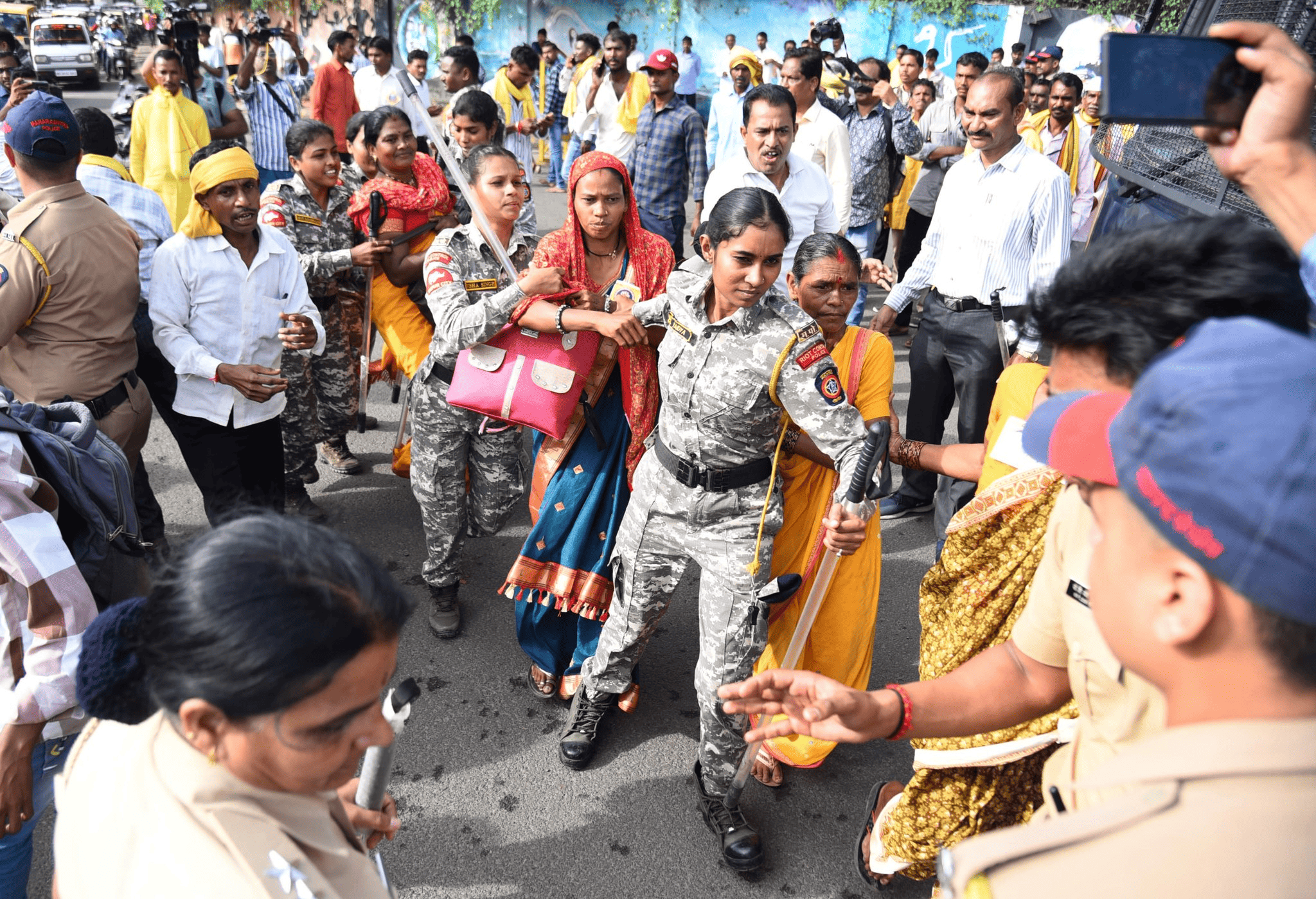
Gond Gowari Community Protests in Nagpur, Demand Scrapping of ‘Erroneous’ 1985 GR
Gond Gowari protests: The Gond Gowari community in Maharashtra has been fighting an uphill battle for decades, seeking justice and recognition within the Scheduled Tribe (ST) category. Their grievances, particularly against a 1985 Government Resolution (GR), culminated in a massive protest on September 27, 2024, in Nagpur. Thousands took to the streets under the banner of the Adivasi Gond Gowari Jamat Sanvaidhanik Haq Sangharsh Kruti Samiti, demanding that the government rescind this ‘erroneous’ resolution, which has severely impacted their access to reservations and other social benefits.
The History Behind the 1985 GR
What is the 1985 GR?
The 1985 Government Resolution was a pivotal document that, according to the Gond Gowari community, contains factual inaccuracies about their identity and status. The resolution inadvertently classified them in a way that disqualified them from receiving crucial quota benefits under the Scheduled Tribe (ST) category.
Why Is This GR Considered Problematic?
The Gond Gowari claim that the 1985 GR misrepresented their community by including misleading information, which has created a cascade of problems over the years. Many feel that this classification has led to unjust exclusion from ST status, which in turn blocks access to reservations in education, jobs, and political representation.
How Did This Happen?
The origins of the misclassification seem to stem from the bureaucratic hurdles and insufficient understanding of the community’s unique socio-cultural identity. Despite their status as an indigenous group, the GR inaccurately categorized them, leading to years of socio-economic marginalization.
The Growing Discontent: Protests Across Maharashtra
Yeshwant Stadium to Ganesh Tekdi: The Protest Route
On September 27, 2024, thousands of Gond Gowari community members gathered in Nagpur, marching from Yeshwant Stadium to Ganesh Tekdi. This protest was a continuation of the community’s long-standing efforts to draw attention to their plight and demand the scrapping of the 1985 GR.
A Timeline of Protests
This protest was not an isolated incident. The Gond Gowari community has been voicing their discontent for years. Earlier, on February 5, 2024, a similar protest was held, where the state government had promised to submit a report within six months. However, this deadline was later extended by an additional two months, leading to further frustration among the community.
Who Leads the Movement?
The protests were organized by the Adivasi Gond Gowari Jamat Sanvaidhanik Haq Sangharsh Kruti Samiti, a body formed to represent the constitutional rights of the community. The Samiti, led by convener Gajanan Kohale, has been at the forefront of the agitation, demanding justice and urging the state government to act swiftly.
What Are the Community’s Key Demands?
Cancellation of the 1985 GR
At the heart of the protest is the demand for the complete cancellation of the 1985 GR. According to the protesters, this government resolution has proven to be unconstitutional and has perpetuated misinformation about the community.
Recognition as a Scheduled Tribe (ST)
The community seeks recognition as a Scheduled Tribe, a status they believe they rightfully deserve. Without this recognition, they miss out on crucial reservations that would help uplift the socio-economic conditions of their people.
Fair Representation and Access to Quotas
One of the community’s biggest challenges has been the inability to access reserved quotas in education and government jobs. Protesters claim that without proper representation, their voices are continually sidelined in important policy decisions.
Political Reactions to the Protests
Government’s Response
The Maharashtra state government has been slow to act on the community’s demands. After the February protest, they requested six months to investigate the issue, only to extend it by another two months. The delay has led to skepticism among the Gond Gowari people about the government’s willingness to rectify the situation.
Devendra Fadnavis on the Gond Gowari Protests
Devendra Fadnavis, former Chief Minister of Maharashtra, weighed in on the situation, stating that reservations must stand up to legal scrutiny. However, his remarks seemed to sidestep the immediate concerns of the Gond Gowari, further intensifying the community’s dissatisfaction.
Amid the Maratha Quota Row
The protests by the Gond Gowari community have unfolded against the backdrop of another significant reservation issue in Maharashtra: the Maratha quota row. With both communities seeking inclusion in the ST or reserved categories, the political landscape in the state has become increasingly charged.
The Socio-Economic Impact of the 1985 GR
Lost Opportunities in Education
The misclassification has led to lost opportunities for the Gond Gowari in educational institutions where reserved seats are a critical pathway for socio-economic mobility.
Barriers to Employment
Without access to reserved government jobs, many in the community struggle to find stable employment, exacerbating poverty and underrepresentation in various sectors.
Struggling to Maintain Cultural Identity
The fight for ST recognition is also about preserving the community’s cultural identity. Many Gond Gowari feel that the 1985 GR, by misrepresenting them, has not only excluded them from socio-economic benefits but also from the recognition of their rich cultural heritage.
What Happens Next?
Amendments to the 1985 GR: A Possible Solution?
While the protesters are demanding the complete cancellation of the 1985 GR, some believe that amendments to the resolution could be a more practical solution. However, whether the government will take this step remains uncertain.
Continued Protests Likely
Given the slow response from the state government, it seems likely that the Gond Gowari community will continue their protests. As long as the 1985 GR remains unaddressed, their fight for justice and recognition will persist.
The Gond Gowari community’s demand for the scrapping of the 1985 GR is not just about a bureaucratic error—it’s about a long-standing fight for equality, recognition, and justice. As the protests in Nagpur have shown, this community will not back down until their voices are heard, and their rightful place in the ST category is secured. Only time will tell if the Maharashtra government will meet their demands or continue to prolong the issue, leaving the community to struggle for the justice they deserve.
- Why is the 1985 GR considered erroneous by the Gond Gowari community?
- The community believes that the 1985 GR contains incorrect information about their identity, which has prevented them from being recognized as a Scheduled Tribe.
- What is the Adivasi Gond Gowari Jamat Sanvaidhanik Haq Sangharsh Kruti Samiti?
- It is an organization formed to advocate for the constitutional rights of the Gond Gowari community.
- What was the government’s response to the protests?
- The government requested time to investigate the community’s demands, but their delay has caused frustration among protesters.
- How does the 1985 GR affect the Gond Gowari community?
- The resolution has led to the community’s exclusion from reservations in education, jobs, and political representation.
- What are the key demands of the Gond Gowari community?
- They seek the cancellation of the 1985 GR, recognition as a Scheduled Tribe, and access to quotas in education and employment.


Metro Stalled for 2 Hours, 15 Services Affected: What Went Wrong?
The Nagpur Metro, which has been a lifeline for thousands of daily commuters, faced an unexpected two-hour service disruption on Tuesday. A technical snag paralyzed operations on the Lokmanya Nagar to Shankar Nagar metro section, leaving many stranded and questioning the reliability of the system. Let’s dive into what happened and how it affected the commuters.
The Incident Breakdown
When and Where Did It Happen?
On a regular Tuesday afternoon, around 2:25 PM, the metro services on the Lokmanya Nagar to Shankar Nagar section halted abruptly. The disruption impacted both UP and DN routes, bringing travel to a complete standstill for two hours until 4:25 PM.
What Caused the Technical Snag?
Metro officials have yet to determine the exact reason behind the technical glitch. However, sources report that this isn’t the first time the metro has experienced such an issue. Frequent interruptions in this particular section have raised concerns, as previous problems near Freedom Park had similarly caused havoc for commuters.
Impact on Commuters: What Happened Next?
Commuters Left Stranded
When the metro stopped just before Shankar Nagar station, it wasn’t a simple case of waiting for the issue to be resolved. Passengers were deboarded from the train and instructed to walk a short distance along the tracks to reach the station.
Alternative Arrangements Were Made
After reaching Shankar Nagar station on foot, passengers boarded another metro to continue their journey. While some commuters expressed frustration at the inconvenience, the metro staff acted quickly to ensure their safety and guide them to the next available service.
Which Services Were Affected?
The two-hour delay impacted a total of 15 services. Nine trips in the UP direction, from Sitabuldi to Lokmanya Station, and six trips in the DN direction, from Lokmanya to Sitabuldi, were halted as the route remained closed during this time. For many regular commuters, this meant significant delays and frustration as their daily travel plans were thrown off track.
Behind the Scenes: The Technical Response
The Technical Team’s Swift Action
Immediately after the snag occurred, the technical team rushed to the site. Working meticulously for two hours, they identified the cause of the issue and resolved it. Metro officials have since assured the public that normalcy has been restored, but concerns remain over the frequency of these disruptions.
What Was Done to Fix It?
The exact nature of the problem has not been disclosed, but the technical team worked laboriously to troubleshoot the error. Once the glitch was resolved, the metro resumed operations, much to the relief of stranded passengers.
The Bigger Picture: Why Does This Keep Happening?
Recurring Issues: Not a One-Off Event
The technical snag that occurred on Tuesday was not an isolated incident. Earlier this year, metro services near the Freedom Park station were also affected by a similar malfunction, putting commuters in difficult situations. With multiple occurrences of these snags, one has to wonder: is the metro system struggling with underlying maintenance issues?
Public Concerns About Metro Reliability
Many commuters have voiced their concerns about the metro’s reliability. While the system generally functions smoothly, recurring breakdowns have shaken public confidence. Frequent delays or disruptions can be particularly stressful for those who rely on the metro for daily commuting, especially during peak hours.
Metro’s Response to the Incident
Statements from Metro Officials
Metro officials have acknowledged the inconvenience caused to commuters. While they have promised a full investigation into the root cause of the glitch, there is still uncertainty about whether such issues will persist in the future.
Steps to Prevent Future Disruptions
To address these concerns, officials have stated that they are working to identify the recurring faults and will be taking preventive maintenance measures. However, details on how the metro system plans to address these technical flaws remain vague.
Effects on Daily Commuters: Frustration Mounts
How Are Commuters Affected by These Issues?
For daily metro users, disruptions like these are more than just a minor inconvenience. With the metro being one of the most efficient ways to navigate the city, having it stall for hours during crucial times can lead to delays at work, missed appointments, and general dissatisfaction.
Is the Metro Still the Best Option for City Travel?
Despite these hiccups, the metro remains one of the most reliable and fastest ways to travel across Nagpur. However, with recurring technical issues, many are left wondering whether the system is equipped to handle the growing number of passengers relying on it daily.
Moving Forward: What Needs to Change?
Better Maintenance Protocols Needed
To avoid future disruptions, the Nagpur Metro system must enforce stricter maintenance protocols. Regular inspections and proactive repairs are crucial to ensure that such glitches don’t occur during peak hours.
Clear Communication During Disruptions
One common complaint from passengers during the two-hour halt was the lack of clear communication from metro officials. In any public transportation system, timely and accurate information can help mitigate frustration. Metro authorities need to improve communication during such situations, providing real-time updates and alternative travel solutions for stranded passengers.
The Path to a More Reliable Metro System
While technical snags are sometimes unavoidable, they shouldn’t become a recurring feature of a public transit system. The Nagpur Metro needs to take decisive action to improve its infrastructure and instill confidence in its passengers. With better maintenance, clearer communication, and a focus on reliability, the metro can regain the trust of its commuters and continue to be a key part of Nagpur’s public transportation network.
1. Why did the Nagpur Metro stop for two hours?
The metro stopped due to a technical snag on the Lokmanya Nagar to Shankar Nagar section, disrupting services for two hours.
2. How many metro services were affected by the snag?
A total of 15 services were affected—nine in the UP direction and six in the DN direction.
3. Were passengers stranded inside the metro during the disruption?
Yes, passengers had to deboard the train and walk a short distance on the track to the nearest station.
4. Has this kind of technical issue happened before?
Yes, similar issues have occurred, including a previous breakdown near Freedom Park metro station.
5. What are metro officials doing to prevent future disruptions?
Metro officials are investigating the root cause and are planning to implement stricter maintenance protocols to avoid future glitches.

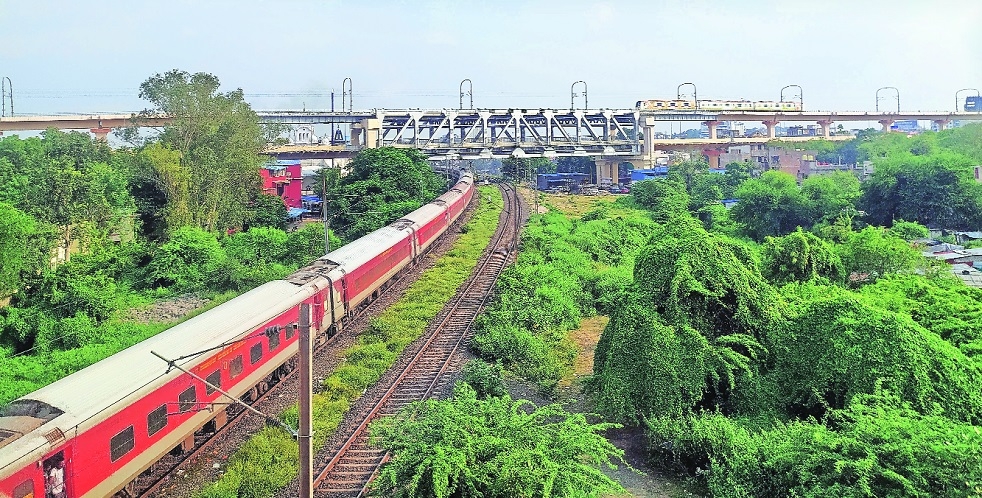
Kamptee Road Flyover Ready for Traffic: NHAI to Decide on Inauguration
The much-awaited Kamptee Road Flyover, one of the most ambitious and challenging construction projects in the city, is nearing its completion. Located in Nagpur, this double-decker viaduct is a marvel of modern engineering, set to relieve the city’s traffic congestion significantly. With final touches being applied to the ramp at LIC Square, the project, touted as Asia’s longest double-decker viaduct, is poised to be a game-changer for the city’s commuters.
The Landmark Project: A Brief Overview
Asia’s Longest Double-Decker Viaduct
At 5.4 kilometers in length, the Kamptee Road flyover stretches from LIC Square to Automotive Square. This impressive structure combines a flyover and a metro route, creating a multi-layer transport system. The flyover is one of a kind due to its four-layer transport arrangement at Gaddigodam, which features:
- National Highway at the lowest deck.
- Delhi Train Line on the first deck.
- Flyover on the third deck.
- Metro Viaduct at the topmost level.
This multi-layered structure adds a unique complexity to its design and construction, making it one of the most challenging projects ever undertaken in the region.
Delays and Design Modifications
The project experienced significant delays, largely due to changes in the design mid-way through the construction. Initially, the flyover ramp was planned to start just before Gaddigodam Square, but a representation citing the presence of a school, religious institutions, a hospital, and a bank led to a redesign. The landing was then pushed towards LIC Square, requiring additional land acquisition for smooth vehicular movement.
This land was finally acquired by Maha Metro in July 2024, allowing them to move towards completing the project.
Who Benefits from the Kamptee Road Flyover?
The new flyover is expected to provide much-needed relief to commuters traveling along the Nagpur-Jabalpur highway. Here’s how:
Ease of Movement for Commuters
Once inaugurated, the flyover will enable uninterrupted and dedicated vehicular movement, primarily benefiting commuters heading toward Kamptee. It will help avoid the long queues at traffic signals, significantly reducing travel time along this busy route. However, the flyover will still leave some intersections—such as Kadbi Square—where traffic might still experience a bottleneck.
Reduction in Traffic Chaos
Kamptee Road is a densely populated area, which means the highway below the flyover experiences constant heavy traffic, particularly during peak hours. The flyover is expected to alleviate some of this congestion, allowing for smoother and more efficient movement.
Challenges During Construction
Gaddigodam Railway Bridge: A Daunting Task
One of the most complicated aspects of this construction was navigating the live railway line at Gaddigodam. Here, two decks were constructed above the Gaddigodam railway bridge, presenting enormous challenges. The team had to carefully plan and execute the placement of an 85-meter-long, 1,600-tonne girder, ensuring the safety of the live railway line below.
Prolonged Delays Due to the Pandemic
Like many other projects worldwide, the Kamptee Road flyover construction was significantly delayed by the COVID-19 pandemic. With a two-year halt in the middle of construction, the timeline stretched longer than anticipated. However, with the recent acquisition of land at the LIC Square end, the project is now finally ready to open for traffic.
The NHAI’s Role in the Inauguration
Although Maha Metro was responsible for executing the project, the National Highway Authority of India (NHAI) will decide the final date for its inauguration. As per Deputy General Manager Akhilesh Halve, Maha Metro is in the final stages of completing minor works and will soon hand over the flyover to NHAI.
The public eagerly awaits the official opening, which could happen soon after NHAI’s decision.
The Problem of Access: A Puzzle Yet to be Solved
While the flyover is complete, one significant problem remains unresolved: access to the flyover. Currently, the administration has blocked vehicular movement from RBI towards LIC Square. As a result, commuters wanting to travel from Samvidhan Square to Kamptee will still have to navigate heavy traffic and gridlock at Bishop Cotton Square and Liberty Talkies T-point.
This issue arises from the landing of the Residency Road flyover opposite Kasturchand Park, which has created a major bottleneck. Commuters have to take a roundabout route, passing the Residency Road flyover and Liberty Talkies T-point, before reaching LIC Square—a detour of about 1.5 kilometers. During peak hours, this route is jammed, as the space is barely adequate for the volume of traffic, exacerbating the gridlock.
Addressing the Kasturchand Park Gridlock
One of the critical points of concern is the Kasturchand Park gridlock, where heavy traffic already causes jams, worsened by the new flyover’s opening. The authorities need to come up with a solution quickly, or the LIC Square ramp could worsen traffic conditions rather than alleviate them.
Possible solutions include expanding the road network near Kasturchand Park, rerouting bus stops, and enhancing traffic management systems to ensure smoother movement of vehicles.
The completion of the Kamptee Road flyover marks a significant milestone for Nagpur’s infrastructure, promising a much-needed reprieve from the city’s infamous traffic jams. However, unresolved access issues and bottlenecks at key intersections like Residency Road and Liberty Talkies T-point mean that the benefits may be limited unless the authorities act quickly to address these challenges. As the NHAI prepares to finalize the date of inauguration, all eyes are on whether this engineering marvel will live up to its potential as a traffic reliever or face criticism due to unresolved access issues.
1. When will the Kamptee Road flyover be inaugurated?
The exact date is yet to be decided by the National Highway Authority of India (NHAI).
2. What is the length of the Kamptee Road flyover?
The flyover stretches 5.4 kilometers from LIC Square to Automotive Square.
3. What makes this flyover unique?
It is Asia’s longest double-decker viaduct, featuring a four-layer transport system at Gaddigodam.
4. What are the challenges associated with the flyover’s construction?
The biggest challenge was constructing two decks above the Gaddigodam railway bridge while maintaining a live railway line.
5. How will the flyover help reduce traffic congestion?
The flyover will provide an uninterrupted route for commuters, reducing traffic bottlenecks on the busy Kamptee Road.

Nagpur Traffic Police Crack Down on 2,947 Motorists, Collect Rs. 4.06 Lakh in Fines on Sunday
On Sunday, the Nagpur Traffic Police took firm action against a massive number of motorists, conducting a drive that resulted in penalizing 2,947 individuals for violating traffic rules. This effort was part of a larger citywide campaign aimed at ensuring road safety and adherence to traffic laws. The fines collected from these violations amounted to Rs. 4,06,800. This initiative highlights the increasing focus of the authorities on traffic discipline, with many similar operations expected to follow.
Why the Drive Was Conducted
The Nagpur Police, under various sections of the Motor Vehicles Act, have ramped up their efforts to curb traffic violations across the city. With rising concerns about road safety, traffic congestion, and accidents, the police are determined to crack down on motorists who disregard basic traffic rules. The primary aim of the Sunday drive was not just to penalize but to educate motorists on the importance of following traffic regulations.
Motorists Targeted: What Violations Were Penalized?
During the drive, a wide range of traffic violations were penalized, including:
- Driving without a valid license
- Failure to wear seatbelts
- Jumping red lights
- Driving without a helmet
- Using mobile phones while driving
- Overloading vehicles
Each of these offenses is not just a legal violation but also a risk to the safety of both the driver and others on the road.
Rs. 4.06 Lakh in Fines: A Wake-Up Call for Motorists
Collecting Rs. 4.06 lakh in fines over a single day is a significant figure. It’s a testament to the intensity of the operation and a clear message to motorists that violating traffic rules will have consequences. The substantial amount collected indicates that a large number of motorists are either unaware or simply disregarding the laws that are put in place for their own safety.
The Importance of Traffic Rules for Road Safety
Why do we have traffic rules in the first place? Simple: to prevent accidents and ensure a smooth flow of traffic. When even one person disregards these rules, it creates chaos, often resulting in accidents or traffic jams. Motorists who violate basic safety measures like wearing seatbelts or helmets are putting not only their own lives at risk but also the lives of others.
What Happens if You Get Caught?
If you’re caught violating traffic rules, the fines can vary depending on the severity of the offense. Common penalties include:
- Rs. 500 for not wearing a helmet or seatbelt
- Rs. 1,000 for using a mobile phone while driving
- Rs. 2,000 for driving without a valid license
Apart from these financial penalties, repeat offenders can face more severe actions, including vehicle impoundment or even legal action in extreme cases.
Repeat Drives: A Commitment to Long-Term Safety
The Nagpur Traffic Police have stated that this was just one of many drives planned to ensure that traffic discipline is maintained. These operations will continue as part of a broader effort to reduce road accidents and promote responsible driving habits. Motorists can expect more frequent checks, especially during weekends and peak traffic hours.
How to Avoid Penalties: Simple Steps for Motorists
Here’s a quick guide to help you avoid penalties during such drives:
- Always Carry Your Documents: Ensure you have your driving license, vehicle registration, and insurance papers with you at all times.
- Follow Basic Traffic Rules: Obey traffic signals, stop at red lights, and adhere to speed limits.
- Wear Safety Gear: Helmets for two-wheeler riders and seatbelts for all car passengers are mandatory.
- Stay Off Your Phone: Using a mobile phone while driving is not only dangerous but also a punishable offense.
- Regularly Check Vehicle Fitness: Ensure that your vehicle is in good working condition, including lights, brakes, and mirrors.
Nagpur Police’s Message to the Public
The Nagpur Police have made it clear that their primary goal is not to issue fines but to promote a culture of safe and responsible driving. They have urged all motorists to follow traffic rules diligently and to be mindful of the dangers associated with reckless driving.
Road Safety Awareness: A Shared Responsibility
The responsibility of road safety doesn’t lie solely with the police. As citizens and motorists, we must also do our part. Whether it’s wearing helmets, ensuring our vehicles are roadworthy, or simply being mindful of pedestrians, each small action contributes to a safer and more efficient traffic system.
The Ripple Effect of Following Traffic Rules
When even a small percentage of motorists follow the rules, the overall traffic flow improves, accidents reduce, and roads become safer. It’s like a chain reaction – one person’s good behavior influences others, leading to a positive shift in how traffic functions in the city.
The recent drive by the Nagpur Traffic Police serves as a stark reminder to all motorists about the importance of adhering to traffic laws. With nearly 3,000 motorists penalized in just one day, it’s clear that there is still much work to be done in terms of traffic discipline. However, with continuous efforts from both the authorities and the public, there’s hope for safer roads and more responsible driving practices in Nagpur.
- Why were so many motorists fined in Nagpur on Sunday?
The Nagpur Traffic Police conducted a citywide drive to penalize traffic violations under various sections of the Motor Vehicles Act. - What was the total amount collected in fines during the drive?
The authorities collected Rs. 4,06,800 in fines from 2,947 motorists. - What were the most common violations penalized?
Common violations included driving without a valid license, not wearing helmets or seatbelts, using mobile phones while driving, and jumping red lights. - Will similar drives be conducted in the future?
Yes, the Nagpur Traffic Police have stated that they plan to conduct more drives to ensure traffic discipline is maintained. - How can I avoid being fined during such drives?
To avoid penalties, ensure you follow all traffic rules, carry necessary documents, and wear appropriate safety gear while driving.