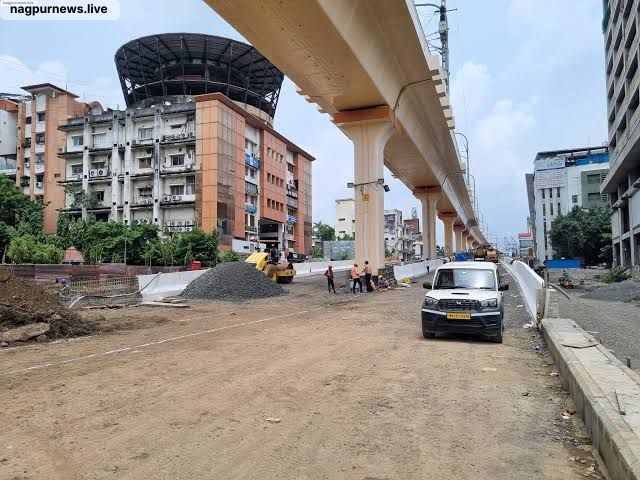
Kamptee Road Double-Decker Flyover Set to Open After Seven Years

The long-awaited Kamptee Road Double-Decker Flyover is finally nearing completion after a seven-year journey filled with delays and challenges. This major infrastructure project in Nagpur is designed to reduce the traffic load in the city. However, despite its intended purpose, concerns remain that the flyover might contribute to further congestion in some key areas.

The Seven-Year Wait: Why the Delays?

The construction of the Kamptee Road Double-Decker Flyover faced multiple setbacks over the years. The initial design plan was promising, but unforeseen issues such as land acquisition problems, a three-year halt, and the complexity of building a double-decker structure significantly delayed the project.

Land Acquisition Troubles

One of the major reasons behind the delay was the failure to secure essential land at LIC Square. Without this crucial space for the landing ramp, construction couldn’t progress. Fortunately, Maha Metro recently acquired 2,383.36 square meters of land, expediting the final phase of the project.

A Flyover Too Many? Traffic Concerns in Nagpur

Although the Kamptee Road flyover aims to ease traffic congestion, experts are concerned about its placement. The flyover joins two other existing structures: the Sadar-Mankapur-Katol Road Flyover and the Ramjhula Flyover. With all three converging near LIC Square and Samvidhan Square, this area is already notorious for bottlenecks.

Existing Traffic Woes Around LIC Square

The Sadar flyover has already worsened traffic in this part of Nagpur. Vehicles landing near LIC Square frequently cause bottlenecks, requiring traffic police to implement diversions to ease the flow. The situation is expected to become even more chaotic once the Kamptee flyover is operational.

A Hazardous Junction: The Y-Shaped Convergence

One of the most problematic areas is the Y-shaped junction where the Sadar flyover meets. It has become an accident-prone zone due to drivers taking dangerous U-turns to access Kamptee Road. Even though traffic police are present in the area, many drivers evade the diversions to save time and fuel.

Will the Flyover Solve or Exacerbate Nagpur’s Traffic?

The double-decker flyover is meant to be a solution, but its placement next to two other flyovers complicates things. With vehicles landing from both the Ramjhula and Kamptee flyovers near LIC Square, experts worry that the infrastructure will struggle to handle the influx of vehicles.

Traffic Diversions and Their Impact

To manage this anticipated surge in traffic, the city’s traffic police have already implemented diversions. Vehicles are now redirected through Liberty Cinema Junction and Residency Road to help ease the burden on LIC Square. However, these changes have met mixed reactions from motorists.

Key Features of the Kamptee Road Double-Decker Flyover

The Kamptee Road flyover stands out not just because of its double-decker structure but also due to the strategic aim of splitting traffic. Here’s a closer look at its design:

Two-Tiered Traffic Distribution

  • Top Tier: Designed for long-distance travelers, this lane will help vehicles bypass congested areas.
  • Bottom Tier: Aimed at local traffic, easing movement between nearby destinations like LIC Square and Kamptee Road.

Improved Safety Measures

Given the accident-prone zones created by existing flyovers, the new Kamptee flyover includes additional safety features:

  • Wider lanes to accommodate more vehicles.
  • Improved lighting for better visibility at night.
  • Dedicated signage to guide motorists effectively.

Traffic Flow After the Opening: What to Expect

Traffic flow in Nagpur may see some initial chaos as drivers get used to the new flyover. However, experts predict that over time, the new infrastructure will ease the bottlenecks if paired with effective traffic management strategies.

Possible Scenarios

  1. Best-Case Scenario: If the flyover is properly managed, it could drastically reduce congestion on the Residency Road and around LIC Square.
  2. Worst-Case Scenario: Without robust traffic policing, the convergence of multiple flyovers may create more problems than it solves, turning Nagpur’s core into a traffic nightmare.

Potential Long-Term Benefits

Despite the immediate concerns, the double-decker flyover is expected to provide long-term benefits:

  • Reduced travel time for commuters heading toward Kamptee.
  • Decongested side streets, allowing smoother travel for local motorists.
  • Boost to commerce as improved infrastructure often encourages local businesses to flourish.

Public Opinion: What Nagpur Residents Think

Excitement Mixed with Concern

Local residents and commuters have mixed feelings about the project. Some are excited about the reduced travel time, while others worry about increased chaos at key junctions like LIC Square and Samvidhan Square.

Call for Better Traffic Management

Many in the community are urging the authorities to step up traffic management efforts. Without careful planning, the flyover could turn into yet another congested stretch in an already busy city.

The Kamptee Road Double-Decker Flyover is a monumental project for Nagpur, promising to ease the city’s infamous traffic. However, with multiple flyovers converging at the same location, it’s clear that traffic management will play a pivotal role in determining the success of this new infrastructure. While the flyover is a step forward, its true impact will only be felt once it’s fully operational.

1. When will the Kamptee Road Double-Decker Flyover open?
The flyover is expected to open soon, but an exact date has not been confirmed.

2. Will the flyover reduce traffic congestion?
While the flyover aims to reduce congestion, concerns persist that it may worsen traffic around LIC Square and Samvidhan Square.

3. What is the primary purpose of the flyover?
The flyover was designed to ease traffic flow on one of Nagpur’s busiest roads, particularly for long-distance commuters.

4. Why did construction take so long?
Construction delays were due to land acquisition issues and a three-year halt in the project.

5. Are there any safety concerns with the new flyover?
Yes, experts are concerned about potential accidents at the junctions where multiple flyovers converge.

Trial Traffic Restrictions Set on Wardha Road in Nagpur from September 23 to 28, Says DCP Archit Chandak

DCP Archit Chandak: In response to growing traffic congestion on Wardha Road, especially during peak hours, Nagpur’s Deputy Commissioner of Police (Traffic), Archit Chandak, announced the introduction of traffic restrictions on a trial basis. These restrictions will be in place from September 23 to September 28, during the evening rush hours of 5:30 p.m. to 8:30 p.m. The goal is to ease traffic flow, reduce jams, and improve overall road safety.

Why Are These Restrictions Necessary?

Traffic jams on Wardha Road have become a daily challenge for commuters. The areas near Rahate Colony, Kripalani Chowk, and the Gowari Flyover are particularly notorious for their congestion. To address this, the traffic police have observed that allowing uninterrupted straight-flow traffic between Nagpur and Wardha while limiting right turns could alleviate bottlenecks.

Key Traffic Restrictions Announced

Under these new orders, several specific restrictions have been implemented to streamline traffic flow. Here’s a breakdown:

1. No Right Turns from Rahate to Ajni Chowk

  • Vehicles moving from Morris to Ajni via Rahate and Kripalani Chowks will no longer be able to take any right turns along this route.

2. Straight-Only Traffic from Ajni Chowk to Morris T-Point

  • Traffic traveling from Ajni Chowk toward Morris T-Point must proceed straight, with no right turns allowed.

3. Matakacheri to Kripalani Chowk Diversions

  • Traffic coming from Matakacheri towards Kripalani Chowk will now be diverted via Niri T-Point and Ajni Naka. Vehicles will make a U-turn at the Manish Nagar Flyover, with an option for a left turn towards Kachipura.

4. U-Turn Adjustments for Ajni Flyover and Congress Nagar T-Point

  • Vehicles coming from Ajni Flyover and Congress Nagar T-Point will be required to make a U-turn at Kripalani to return to Ajni Naka.

5. Signal Adjustments between Rahate Chowk and Ajni Naka

  • Signals along the Rahate Chowk-Ajni Naka route will be set to blink mode, allowing traffic to flow straight without any right turns.

Duration and Implementation (DCP Archit Chandak)

These restrictions will be enforced from September 23 to September 28, between 5:30 p.m. and 8:30 p.m. daily. The trial phase is meant to gauge the effectiveness of these measures. Should the results be positive in terms of smoother traffic flow and reduced congestion, it’s likely that these restrictions could be extended or even made permanent.

Additional Support Measures

To ensure proper implementation, additional traffic personnel will be stationed at key points like Lokmat Chowk and Ajni Chowk. Their role will be to guide traffic, enforce the new restrictions, and manage any potential disruptions that may arise.

What Can Commuters Expect?

If you’re commuting along Wardha Road during this trial period, you may notice quicker travel times during peak hours. However, with new restrictions in place, some routes might require slight detours or adjustments to your usual journey. For instance, the elimination of right turns at specific junctions might mean taking a longer U-turn or using alternate routes.

Impact on Local Businesses and Residents

Local businesses and residents in areas affected by the new traffic rules may also experience some changes. Fewer right turns could mean less accessibility to certain businesses during peak hours. However, the goal is to reduce overall congestion, which in the long term should benefit both commuters and local commerce.

Safety Considerations

By limiting right turns and simplifying traffic flow, the new restrictions aim to reduce the risk of accidents, particularly at busy intersections. The blinking signals and additional traffic personnel should further enhance safety and minimize confusion for drivers during the trial period.

Public Feedback

The success of these measures will heavily depend on public cooperation and feedback. Authorities have emphasized that these restrictions are on a trial basis, meaning they’re open to adjustments based on how well they work in practice. If you’re a commuter affected by these changes, consider providing feedback to local authorities about your experience.

What Happens Next?

After the trial period concludes on September 28, Nagpur’s traffic department will assess the effectiveness of the restrictions. This evaluation will include a review of traffic flow data, accident reports, and feedback from both commuters and traffic officers.

If the trial proves successful, these restrictions could be extended beyond September 28, with potential tweaks based on public input. On the other hand, if they fail to achieve the desired improvements, the traffic department may explore alternative measures to tackle congestion.

Preparing for Future Changes

This trial could set a precedent for future traffic management strategies in Nagpur. If successful, similar restrictions might be introduced on other busy roads, particularly during peak hours. With growing traffic demands in the city, authorities are keen to explore all possible solutions to keep traffic moving smoothly and safely.

Nagpur’s traffic authorities have taken a bold step by imposing trial traffic restrictions on Wardha Road. By simplifying traffic flow and eliminating right turns during peak hours, they aim to ease congestion and reduce the risk of accidents. The trial phase will be critical in determining whether these measures will be extended or modified.

Public cooperation and feedback will play a vital role in shaping the future of these restrictions. Whether you’re a commuter, resident, or business owner, staying informed and adapting to these changes can help make the trial period a success.

1. What are the main restrictions during the trial period?

  • The primary restrictions include no right turns at key intersections and streamlined traffic flow between Rahate Chowk and Ajni Chowk.

2. When will the restrictions be enforced?

  • The restrictions will be enforced from September 23 to September 28, between 5:30 p.m. and 8:30 p.m. each day. (DCP Archit Chandak)

3. Will additional traffic personnel be deployed?

  • Yes, additional traffic officers will be stationed at Lokmat Chowk and Ajni Chowk to ensure smooth implementation.

4. Can these restrictions become permanent?

  • If the trial period shows positive results in reducing congestion and improving safety, the restrictions could be extended or even made permanent.

5. How can I provide feedback on the new traffic rules?

  • You can share your experience and feedback with Nagpur’s traffic authorities, who will consider public input when evaluating the trial.

Beware! Reels on Wheels May Get Your Bike Seized

Nagpur traffic rules: Nagpur’s roads have seen a sharp rise in traffic violations lately, with many riders performing dangerous stunts or recording reels on their vehicles for social media. However, this might soon come to a halt, as the newly appointed Deputy Commissioner of Police (DCP) for Traffic, Archit Chandak, has vowed to crack down on these offenders. Here’s a deep dive into this new traffic policy and what it means for motorcyclists and motorists.

Who is DCP Archit Chandak?

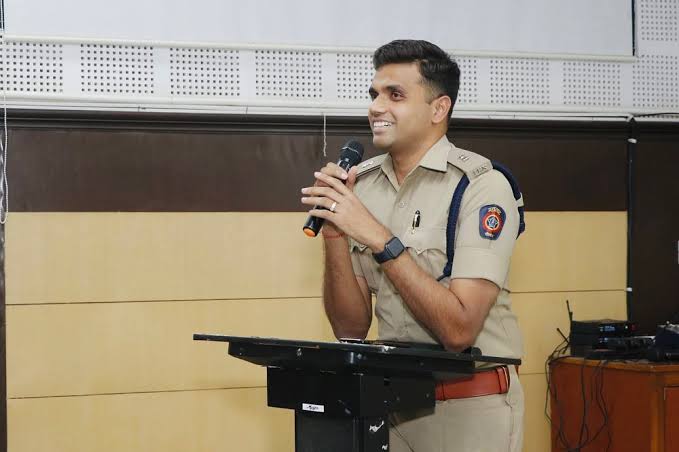
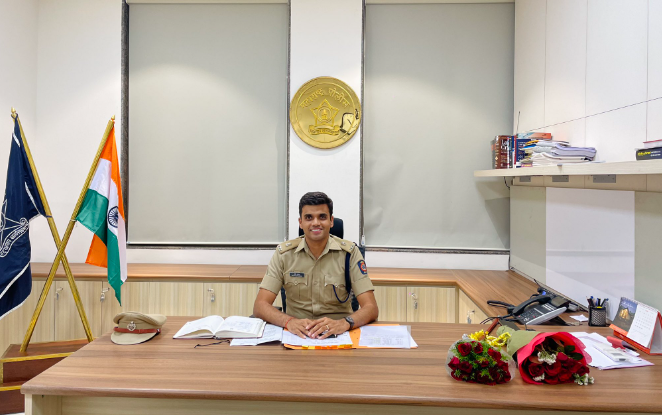
Archit Chandak is the newly appointed DCP (Traffic) of Nagpur. Taking charge recently, he has already made waves with his tough stance on traffic offenders, especially those engaging in illegal activities such as creating video content while riding.

First Day, First Strike: Zero Tolerance for Stunts

On his very first day in office, Chandak made it clear that his tenure would mark a new chapter in road safety for the city. He announced a policy of zero tolerance for those making reels on wheels, along with motorists performing stunts. The DCP has instructed the traffic police to register offenses against violators and seize their vehicles. The consequences for these actions are not limited to fines; the full weight of the law will be applied, including vehicle seizures.

The Problem with Reels on Wheels

The rise of social media has led to a growing trend where people risk their lives to make entertaining videos. While these stunts may seem harmless to those involved, they pose a serious danger to others on the road. What might start as a fun reel can quickly turn into a tragic accident.

Stunt Culture on the Roads (Nagpur traffic rules)

It’s not just reels that are a concern; the broader culture of performing stunts while riding motorcycles or driving has proliferated. Riders performing wheelies or standing on their bikes not only endanger themselves but also the pedestrians and vehicles around them.

New Traffic Measures Under DCP Chandak

1. Crackdown on Drunken Driving

In addition to his strict stance on reels and stunts, DCP Chandak has vowed to tackle another persistent problem—drunken driving (Nagpur traffic rules). Focused checks will be carried out from 6 pm until late at night, particularly around pubs and bars, to nab motorists driving under the influence.

Surveillance Near Bars and Pubs

This targeted surveillance near nightlife hubs will help to reduce the number of accidents caused by impaired driving. DCP Chandak has highlighted that the anti-accident cell, which analyzes the causes of road crashes and fatalities, will be more active than ever.

2. Parking Violations: Corner Parking Ban

Parking illegally on road corners causes major traffic disruptions. Chandak has stated that corner parking is now strictly illegal under the Motor Vehicle Act and the traffic department will actively penalize violators.

Streamlining Traffic in Busy Areas

Key congested areas such as bus stands, railway stations, and crowded market places will see more stringent traffic management to ensure smoother movement of both vehicles and pedestrians.

Public Participation: Vigilantism on Social Media

DCP Chandak has urged citizens to assist the police by submitting evidence of traffic violations through social media platforms. This initiative is expected to create a community-driven approach to road safety, where individuals can report incidents they witness.

Visible Surveillance During Peak Hours

In addition to public participation, the traffic department will increase visible surveillance during peak traffic hours to curb violations. Officers will be stationed at busy intersections to monitor the traffic and ensure compliance.

How Can You Avoid Getting Your Bike Seized?

1. Avoid Making Reels While Riding

It might be tempting to grab that perfect shot while riding, but doing so puts you and others in danger. Always avoid using your phone while driving, and if you must record, do it in a safe, controlled environment.

2. Obey Traffic Laws

Basic compliance with the Motor Vehicle Act can save you from legal trouble. Avoid corner parking, follow the speed limits, and never perform stunts on public roads.

3. Don’t Drink and Drive

The consequences of drunk driving are severe, and DCP Chandak has made it clear that violators will be caught and punished. Always arrange for a designated driver or use a taxi service if you plan to consume alcohol.

The appointment of DCP Archit Chandak marks a turning point for Nagpur’s traffic management. His strong focus on law enforcement, from curbing social media reels on the road to cracking down on drunken driving and illegal parking, promises to create a safer environment for all. As citizens, it’s essential that we do our part, not only by obeying traffic rules but by helping report violators to keep the roads safe.

Union Bank of India organized U-Genius- A school level Quiz Competition on General Awareness

Union bank of India is organizing U-Genius-2024, a national level quiz competition on General Awareness for students across 48 cities. Nagpur leg of the competition was held on 18th of September 2024 at Kavivarya Suresh Bhatt Auditorium. City level competitions were held in 2 stages in the morning session commencing at 0830 AM. The first round was pen and paper round where students were quizzed on 20 interesting questions. Out of all the participants the 6 Teams comprising of 2 students each selected for the City Final rounds were Bhavan’s Civil Lines, Narayana School, Bhavan’s Trimurti Nagar, Modern School, Center Point school Amravati Road and Bhavan’sShrikrishna Nagar. Team Centrepoint school Amravati Road were the winners of the City Finals and qualified for Zonal Finals.

The Zonal Finals was conducted in the afternoon session at the same venue where the winners of city finals from various cities of Maharashtra and Goa competed against each other. The two winning teams in the zonal finals which qualified for the Nationals were the Team MushtifundAryaan School Goa and KV School IIT Powai, Mumbai.

All the Participants in the U-Genius quiz contest were awarded with a participation certificate. The participants of the City Finals were also awarded with a certificate and Trophies. The Winners Centrepoint school, Amravati Road were awarded with a Rolling trophy as well.

National Finals will be held at Mumbai in the month of November where the various zonal finalists will compete for the coveted U-Genius trophy. All the expenses for the participation in the National Finals by the students and Parents will be borne by Union Bank of India.
The winners of the U-Genius National Finals will be awarded with a cash prize of Rs. 2 Lakh, 1st runner-up and 2nd runner-up will be awarded with a cash prize of Rs. 1 Lakh and 50 thousand respectively.
The Chief Guest at the U-Genius contest was Shri RavindraKatolkar, Joint Secretary, Maharahstra state Higher Education board. The Special Guest at the event was Shri Naveen Jain, Field General Manager, Union Bank of India, Zonal office Pune. The special dignitaries from Union Bank of India present at the event were shriSubhash Kumar Keshav, Deputy Zonal Head, Shri MVN Ravishankar, Regional Head, Nagpur, Shri PramodParhate, Regional Head Amravati, Shri Rajesh Yadav and Shri S Sivakumaran Deputy Regional Head, Nagpur, Shri AkashShrivastava, Deputy Regional Head Amravati. Approximately 1000 students from various schools along with their teachers and parents participated in the event. The event was also well attended by the staff members from Nagpur and Amravati regions of Union Bank of India.

Nagpur’s Traffic Woes Addressed as DCP Archit Chandak Takes Charge of Traffic Branch

Nagpur’s traffic problems have been a longstanding issue for the city. From overcrowded roads to erratic traffic signals, these challenges have become a source of constant frustration for both residents and authorities alike. However, a new chapter in the city’s traffic management has begun, as Deputy Commissioner of Police (DCP) Archit Chandak steps in to head the Traffic Branch. With his background in the Economic Offence Wing (EOW), many are hopeful that DCP Chandak will bring about the much-needed changes.

A Fresh Start Under DCP Archit Chandak

In a reshuffling decision by Police Commissioner Dr. Ravindra Singal, DCP Chandak was appointed to the Traffic Branch of Nagpur, and the public is optimistic that his leadership could bring significant improvements to the city’s roads. The reshuffling also saw DCP Shashikant Satav, previously in charge of the Traffic Branch, being transferred to the EOW. Alongside Chandak, Lohit Matani, another key officer recently transferred to Nagpur, has assumed charge of Zone 1.

The History of Nagpur’s Traffic Troubles

Nagpur’s traffic system has been a major point of contention for years. Despite numerous initiatives, the city has seen little progress in streamlining its traffic. Congestion, non-compliance with traffic rules, and inadequate infrastructure have only worsened the situation. The city’s rapid growth, coupled with an increase in vehicular population, has strained the current infrastructure, making day-to-day commutes a hassle for residents.

Previous Initiatives That Fell Short

Efforts to improve Nagpur’s traffic were made by DCP Satav, but these changes often yielded limited results. The public’s discontent continued to grow as long-term solutions remained out of reach. Police Commissioner Dr. Ravindra Singal, fully aware of these shortcomings, decided to take decisive action, reshuffling key positions in the Traffic Branch in hopes of seeing better results.

DCP Chandak’s Background: An Asset for the Traffic Branch

DCP Chandak comes with a wealth of experience from his previous post at the Economic Offence Wing. His experience with complex investigations and organizational skills are expected to play a critical role in his new leadership position. During his temporary tenure over the Traffic Branch during the winter session, Chandak was able to implement several successful measures that saw a noticeable improvement in traffic conditions. It’s this prior success that prompted his full-time appointment.

Chandak’s Achievements During the Winter Session

During his interim role, DCP Chandak introduced stricter enforcement of traffic rules, leading to a reduction in traffic violations. Public awareness campaigns were also ramped up, with increased visibility of traffic police and more frequent traffic drives to address issues in real-time. As a result, Nagpur saw reduced congestion, improved compliance, and a smoother traffic flow in certain key areas.

Challenges Ahead for DCP Chandak

Despite his previous successes, DCP Chandak faces several challenges ahead. The biggest hurdle will be addressing the deeply ingrained traffic problems, including:

1. Infrastructure Limitations

Nagpur’s current road network is not equipped to handle the growing number of vehicles. Expanding roadways and improving traffic signals will be a priority.

2. Traffic Violations

Despite the crackdown, traffic violations such as speeding, illegal parking, and non-compliance with signals remain rampant. More rigorous enforcement and higher penalties may be on the horizon.

3. Public Awareness

Another key challenge will be educating the public on traffic rules and ensuring compliance. Awareness drives and community engagement will play a pivotal role in long-term success.

Matani Takes Charge of Zone 1

While DCP Chandak tackles the city’s traffic woes, Lohit Matani has been entrusted with Zone 1, a critical area in Nagpur, especially with elections on the horizon. Matani, who had previously served in Zone 1 before his transfer to Bhandara, brings a wealth of experience and familiarity with the region’s unique challenges.

Zone 1: A Crucial Area for Nagpur

Zone 1 is a key jurisdiction in Nagpur, not only due to its strategic importance but also because of its role in upcoming political events. With the impending elections, Matani’s leadership is expected to ensure peace, stability, and effective law enforcement.

The Road Ahead for Nagpur’s Traffic Branch

While leadership changes offer hope for Nagpur’s traffic management, the real work begins now. DCP Chandak’s strategy will likely involve a mix of infrastructure improvements, stricter law enforcement, and public education. With the right approach, Nagpur’s traffic system can potentially see the transformation it desperately needs.

1. Collaboration with City Planners

One of the key steps in DCP Chandak’s plan will be collaborating with city planners to redesign and improve Nagpur’s road network. Better road designs, improved signals, and the creation of dedicated lanes for different types of vehicles could help alleviate congestion.

2. Technology-Driven Solutions

Smart traffic management systems could also play a role. Implementing advanced traffic monitoring tools, automated signals, and real-time traffic updates could help streamline vehicle flow in the city’s busiest areas.

3. Community Engagement

Public cooperation is crucial for the success of any traffic management plan. DCP Chandak’s leadership will likely include initiatives aimed at fostering a sense of responsibility among drivers and pedestrians alike.

4. Accountability within the Traffic Branch

Another key component will be holding the Traffic Branch accountable for its actions. Regular evaluations and transparency in decision-making will be vital to ensuring that the branch remains proactive in tackling the city’s traffic challenges.

Nagpur’s traffic situation has long been a problem, but with the leadership of DCP Archit Chandak, there is hope that the city’s traffic woes may finally be addressed. His proven track record and innovative approach could be the key to overcoming Nagpur’s traffic challenges. Alongside him, Lohit Matani’s leadership in Zone 1 will ensure that this critical area remains well-managed, particularly with elections drawing near. Nagpur’s road to a better traffic system might just have begun.

1. Who is DCP Archit Chandak?

DCP Archit Chandak is the newly appointed Deputy Commissioner of Police for Nagpur’s Traffic Branch. He previously served in the Economic Offence Wing (EOW) and has taken charge to address the city’s traffic challenges.

2. What are Nagpur’s main traffic issues?

Nagpur’s traffic issues include road congestion, traffic signal malfunctions, and rampant traffic violations. These challenges have persisted despite previous efforts to address them.

3. What changes did DCP Chandak implement during the winter session?

During the winter session, DCP Chandak introduced stricter enforcement of traffic laws and launched public awareness campaigns, leading to noticeable improvements in traffic flow.

4. Who is Lohit Matani, and what is his role in Nagpur?

Lohit Matani is the officer in charge of Zone 1 in Nagpur. His role is particularly important as this area is crucial for law enforcement, especially with upcoming elections.

5. What steps will be taken to improve Nagpur’s traffic system?

The plan includes upgrading infrastructure, enforcing traffic laws more strictly, raising public awareness, and incorporating technology-driven solutions like smart traffic management systems.

Film City to Come Up on 100 Acres in Nagpur District: Maharashtra Culture Minister’s Vision

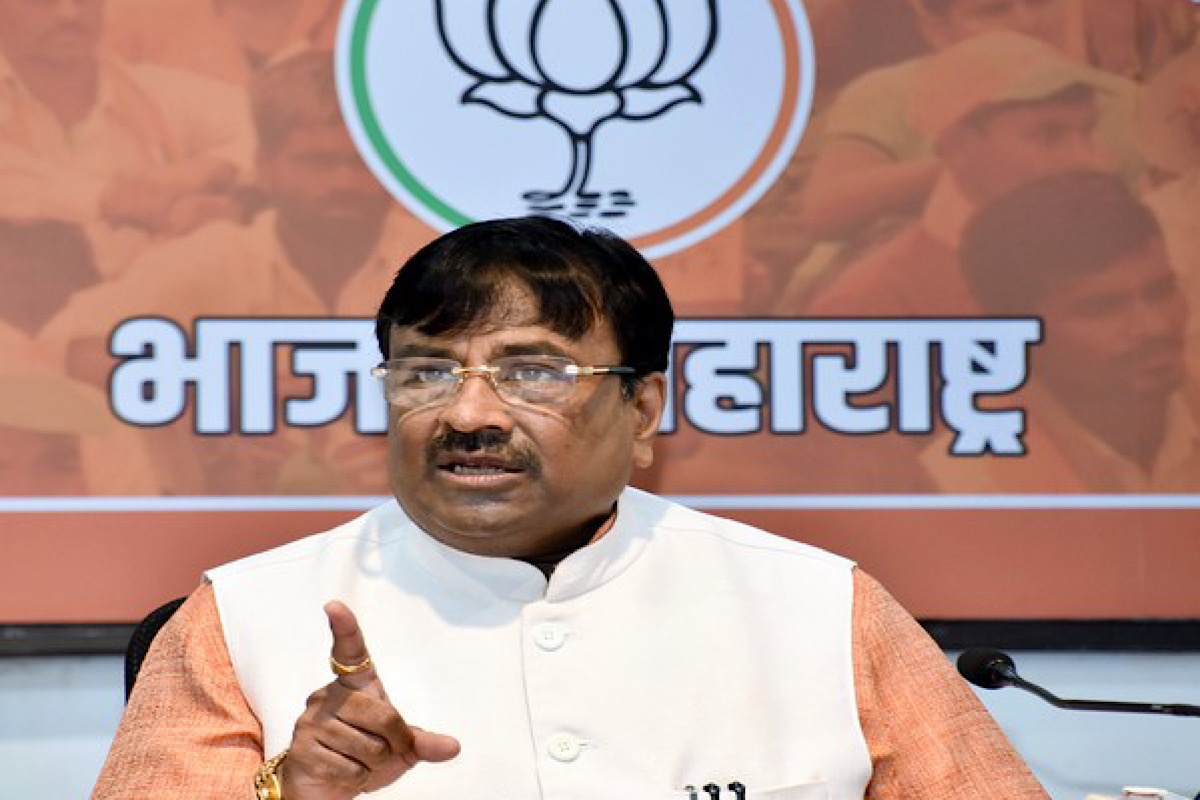
Vidarbha Film City | Sudhir Mungantiwar: In a major development for Maharashtra’s Vidarbha region, the state government, led by Culture Minister Sudhir Mungantiwar, has announced the establishment of a 100-acre film city in Nagpur district. This exciting news brings hope for local talent, as well as a boost to the regional economy through film and television productions. But what does this mean for the community, and how will it shape the future of entertainment in India? Let’s dive deeper into this groundbreaking project.

What is the Nagpur Film City? (Vidarbha Film City)

The proposed film city in Nagpur is set to become a central hub for shooting films, television series, and other creative productions. The idea is to create a world-class facility that will serve as a catalyst for the development of Vidarbha’s cultural and economic landscape (Sudhir Mungantiwar).

Why Nagpur?

Nagpur, often referred to as the “Orange City,” is a growing urban center with excellent connectivity and a developing infrastructure. Its central location makes it an ideal spot for such a significant project. With less congestion compared to Mumbai and Pune, Nagpur provides a more accessible and cost-effective environment for filmmakers.

Location and Size

The film city will be spread over 100 acres in Nagpur district, offering ample space for the construction of studios, sound stages, post-production facilities, and much more. The availability of land in Vidarbha makes this project feasible and opens up opportunities for further expansion.

What to Expect in the Film City?

The facilities planned for the film city include:

  1. State-of-the-art film studios for large-scale productions.
  2. Sound stages equipped with the latest technology.
  3. Post-production facilities for editing, sound design, and special effects.
  4. Accommodation for actors, directors, and crew members.
  5. Event spaces for film festivals, screenings, and award ceremonies.

Impact on Vidarbha’s Economy

Employment Opportunities

One of the biggest benefits of setting up this film city is the creation of numerous employment opportunities for local residents. From technicians to artists, Nagpur’s film city will likely generate thousands of jobs, directly and indirectly.

Boost to Local Businesses

Apart from providing employment, the influx of filmmakers and crew will stimulate local businesses, including hotels, restaurants, transport services, and tourism, which will see a significant uptick in revenue.

Supporting Local Talent

The establishment of a film city in Nagpur will also provide a platform for emerging local talent. Aspiring actors, directors, and other professionals from the Vidarbha region will no longer need to move to Mumbai or other metropolitan cities for work. This will encourage local artists and technicians to pursue their passion right at home.

Training Centers and Workshops

It is expected that training centers for film-related courses will be established in the film city. Workshops for scriptwriting, direction, acting, and technical skills could be part of the ecosystem, helping nurture new talent.

A New Cultural Hub in Maharashtra

How This Impacts Maharashtra’s Film Industry

While Mumbai has long been the heart of India’s film industry, the establishment of another major hub in Nagpur will decentralize some of the activities, easing the burden on Mumbai’s infrastructure. Filmmakers will have more options for shooting and production, which could lead to an increase in the number of films produced annually in Maharashtra.

Attracting International Productions

With its modern facilities and well-connected location, the Nagpur film city has the potential to attract international film productions as well. This will enhance the city’s global standing and contribute to making Maharashtra a focal point for worldwide film production.

Challenges and Concerns

Infrastructure Development

A project of this scale requires extensive infrastructure, including roads, power supply, and water management. Ensuring that these are up to par will be crucial for the success of the film city.

Environmental Impact

One must also consider the environmental implications of constructing such a large-scale project. Authorities will need to implement sustainable practices to ensure the surrounding areas remain unharmed.

The Role of the State Government

The Maharashtra government has shown a strong commitment to this project, with Culture Minister Sudhir Mungantiwar spearheading the initiative. The support from the government will be essential for securing investments, attracting filmmakers, and ensuring the timely completion of the project.

A Boost for Tourism in Vidarbha

Film Tourism

The film city is expected to become a major tourist attraction, drawing visitors from all over India and beyond. Film buffs, aspiring filmmakers, and tourists interested in cinema will likely flock to the location, making it a significant landmark in Maharashtra.

Complementing Vidarbha’s Natural Beauty

Vidarbha is known for its lush forests and natural beauty. The film city could integrate the region’s natural attractions into its identity, creating a unique blend of culture and environment that would attract not only filmmakers but also tourists.

Long-term Vision

The film city in Nagpur is not just a short-term investment. It is a long-term cultural and economic strategy that will pay dividends for decades to come. As the industry grows, the potential for expansion, international partnerships, and educational institutions focused on film and media studies will increase.

Government Initiatives for Support

The Maharashtra government will likely introduce initiatives like subsidies, tax benefits, and other incentives for filmmakers to shoot their projects in Nagpur. This will further solidify its position as a desirable destination for film production.

The announcement of a film city on 100 acres in Nagpur district by the Maharashtra government marks an exciting new chapter for the Vidarbha region. With its potential to provide jobs, promote local talent, boost the economy, and position Maharashtra as a global hub for film production, this project is one to watch. The Nagpur film city promises to transform not just the entertainment landscape, but also the lives of those who live and work in the area.

  1. What is the expected timeline for the film city’s completion?
    • The timeline has yet to be confirmed, but construction is expected to start soon.
  2. How will this benefit local filmmakers?
    • Local filmmakers will have access to world-class facilities without having to relocate to Mumbai.
  3. Will the film city host film festivals?
    • Yes, the film city is expected to have event spaces for film festivals and screenings.
  4. Is the government offering any incentives for filmmakers?
    • The Maharashtra government is likely to introduce tax benefits and subsidies for filmmakers shooting in Nagpur.
  5. How can local talent get involved in the film city?
    • Training centers and workshops will be set up, offering opportunities for local actors, directors, and technicians to develop their skills.

Construction of 52-Ft Tall Statue of Chhatrapati Shivaji Maharaj to Start Next Week

52-foot statue Nagpur | Nagpur university statue: The grandeur of Chhatrapati Shivaji Maharaj, the legendary Maratha King, will soon take monumental form in the heart of Nagpur. With the Rashtrasant Tukadoji Maharaj Nagpur University (RTMNU) receiving the final approval to proceed, the construction of a towering 52-foot statue is set to commence next week. This magnificent tribute will depict the Maratha King seated on a throne, embodying his strength, vision, and leadership.

A Year in the Making: Groundbreaking to Now

In June last year, the Nagpur University campus witnessed a grand groundbreaking ceremony attended by key political figures, including Union Minister for Road Transport and Highways, Nitin Gadkari. The original plan was to unveil the statue a year from the ceremony, but due to delays in securing necessary approvals, the timeline was extended.

Clearance for Tree Removal: The Final Hurdle (52-foot statue Nagpur)

According to Mangesh Duke, Secretary of Shiv Smarak Samiti, the NGO spearheading the project, one of the last major approvals needed was for the removal of four trees from the construction site. “We recently secured the clearance and are set to deposit Rs 1.93 lakh with the NMC to move forward with the work,” Duke shared. The Samiti had been cautious to only proceed after all necessary permissions were obtained to avoid any further delays.

Design and Dimensions: A Monumental Vision

The statue, towering at 52 feet, will feature Chhatrapati Shivaji Maharaj seated regally on a throne. Of this total height, the statue of the King alone will be around 40 feet. This design has been approved by the government, with strict adherence to safety norms, especially in light of recent incidents in other construction projects.

Earthquake-Resistant and Safe Design

Safety is paramount in a project of this scale. Gaurav Dubewar, principal designer from M/s Team 360 Designs, highlighted that the statue would weigh approximately 10 tonnes—comparable in height to a ground plus four-story building. The team has ensured the statue will be earthquake-resistant, an essential feature given the region’s seismic activity.

Load-Bearing Capacity Tested

The load-bearing capacity of the soil was a crucial factor in determining the materials used for construction. “In terms of weight, 10 tonnes isn’t particularly heavy. For context, a typical five-story building weighs more,” Dubewar added. This level of detailed planning ensures the stability and longevity of the structure.

A Lengthy Approval Process

The Shiv Smarak Samiti has undergone a meticulous approval process to ensure that every aspect of the project, from design to execution, adheres to stringent regulations. In addition to structural approvals, the project received the nod from the State’s Directorate of Arts. This approval was essential for finalizing the facial features of the statue, a process currently underway in Kolhapur.

The Role of the State’s Directorate of Arts

The involvement of the State’s Directorate of Arts ensures that the statue’s aesthetics stay true to historical records and artistic traditions. The facial features, clothing details, and overall design were approved after careful review, ensuring an accurate representation of the Maratha King.

Timeline for Completion

Once construction begins next week, the project is expected to take approximately nine months to complete. While there have been delays, the team is confident in their ability to meet the new deadlines, barring any unforeseen challenges.

Why the Delay?

The Samiti’s decision to wait for all approvals (52-foot statue Nagpur) before moving forward was deliberate. They wanted to avoid any potential setbacks, which could have occurred if they had started construction without securing all necessary permissions. Their patience ensures that the project will proceed smoothly from here on out.

The Symbolism Behind the Statue

This statue of Chhatrapati Shivaji Maharaj represents more than just a tribute to a historical figure; it stands as a symbol of strength, leadership, and pride for the people of Maharashtra. The Maratha King is revered for his military strategies, administrative skills, and his dedication to Swarajya (self-rule). This statue will be a constant reminder of his contributions to Indian history and his enduring legacy.

What the Statue Represents

The decision to have the King seated on a throne is deliberate—it reflects his status as a ruler who brought unity and strength to the Maratha Empire. The regal posture symbolizes his role not just as a warrior but as a wise leader who cared deeply for his people.

A Cultural Landmark for Nagpur

Upon completion, the statue will not only be a symbol of pride for Maharashtra but also a major cultural landmark for Nagpur. Expected to attract visitors from across the state and beyond, it will be a significant addition to the city’s cultural landscape.

Tourism and Local Economy

The statue is anticipated to become a popular tourist attraction, bringing in visitors from all over India. This will, in turn, have a positive impact on the local economy, boosting tourism-related businesses such as hotels, restaurants, and shops.

The construction of the 52-foot tall statue of Chhatrapati Shivaji Maharaj is a monumental project that carries immense cultural and historical significance. Set to begin next week, the statue will be a towering symbol of the Maratha King’s enduring legacy. With all necessary approvals now secured, the project is set to move forward, bringing to life a tribute that has been long-awaited by the people of Maharashtra.

  1. What is the height of the statue? The statue will stand 52 feet tall, with Chhatrapati Shivaji Maharaj depicted seated on a throne.
  2. When will the construction of the statue begin? Construction is set to begin next week, following the final approval for tree removal.
  3. How long will it take to complete the statue? The project is expected to be completed in approximately nine months.
  4. Where is the statue being constructed? The statue is being constructed on the Rashtrasant Tukadoji Maharaj Nagpur University campus.
  5. What safety measures are being taken during construction? The statue is designed to be earthquake-resistant, and all safety norms are being strictly followed.

Nagpur: City Police Brace for a Marathon of Festivals Amidst Political and Social Tensions

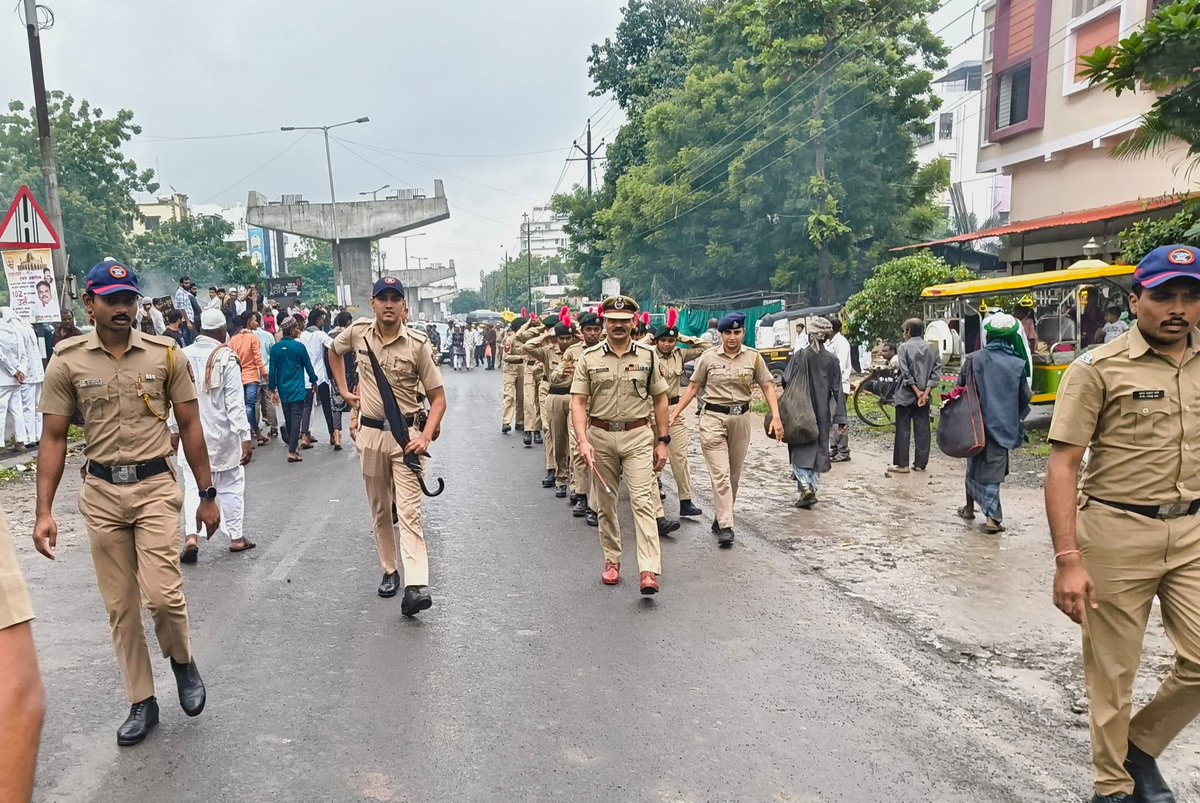
Nagpur City Police: Nagpur, a vibrant city known for its rich cultural heritage and bustling streets, is gearing up for a series of significant festivals. The city police are preparing for a round-the-clock grind as events like Pola, Marbat, and Ganeshotsav approach. While these festivals bring joy and celebration to the people, they also present a unique challenge to the law enforcement agencies responsible for maintaining peace and order.

 The Festive Marathon Begins (Nagpur City Police)

 Pola Festival: Tradition and Turbulence

Pola, a festival that celebrates the bond between farmers and their cattle, is the first in the lineup. While this festival is rooted in tradition and reverence, it has also been associated with a spike in criminal activities, particularly group clashes and revenge attacks. The city police, aware of the potential for unrest, have already initiated a crackdown on known offenders to prevent any untoward incidents.

 Marbat: A Symbol of Social Unity and Division

Following Pola is the Marbat festival, known for its unique processions featuring effigies representing evil forces. Central Nagpur, the heart of the city, becomes a focal point during this festival, drawing large crowds. However, the influx of people also leads to massive traffic congestion, which the police must manage alongside the procession’s security. The challenge is further compounded by ongoing development work in the area, making the task of traffic management even more daunting.

 Ganeshotsav: The Grand Finale

Ganeshotsav, one of the most widely celebrated festivals in Maharashtra, marks the final event in this marathon. Starting from September 7, the 10-day festival sees devotees flocking to various pandals across the city. The police force must ensure the safety and smooth conduct of events from idol purchases to immersion days, making this period one of the busiest for law enforcement.

 The Backdrop of Political and Social Turmoil

 Communal Strife and Violence

The festivals are occurring against a backdrop of ongoing communal strife and violence, particularly in Bangladesh. Such tensions have a ripple effect, heightening the potential for unrest in Nagpur. The city police, therefore, have the additional responsibility of maintaining communal harmony during these sensitive times.

 Women’s Security and Ongoing Agitations

Women’s security has become a central issue in Nagpur, with ongoing agitations demanding better protection and stricter laws. The police, already stretched thin due to festival duties, must also address these concerns, adding another layer of complexity to their operations.

 Political Rivalry and Upcoming State Assembly Elections

The upcoming state assembly elections, scheduled towards the end of this year, have further intensified the political atmosphere in Nagpur. Political rallies and events are expected to increase as the election date nears, requiring the police to manage not just festival crowds but also politically charged gatherings.

 The Police Force: A Struggle for Resources

 Leadership Changes and Vacant Positions

Nagpur’s police force (Nagpur City Police) is currently undergoing a period of transition, with newly appointed joint Commissioner of Police (CP) Nisar Tamboli yet to assume office. Meanwhile, Commissioner of Police Ravinder Singal is tasked with preparing the security and traffic plans for the upcoming events. The situation is further complicated by the transfer of two Zonal Deputy Commissioners of Police (DCPs), leaving key positions vacant.

 The Role of Outgoing and Incoming Officers

Despite the challenges, outgoing joint CP Aswati Dorje, DCP special branch Shweta Khedkar, and traffic DCP Shashikant Satav have been instrumental in fine-tuning the security arrangements. The arrival of Tamboli is eagerly awaited, as his experience and leadership will be crucial in executing the planned operations smoothly.

 The Resource Crunch and Its Implications

The shortage of top officers is not the only issue. Several inspector and assistant inspector positions remain unfilled, despite repeated requests to the state police head office. This resource crunch puts additional pressure on the existing force, who must manage their duties with limited manpower.

 Managing Mega Political Events

 Mukyamantri Mazi Ladki Bahin Yojana Launch

In addition to the festival preparations, the police are also tasked with managing the launch of the Mukyamantri Mazi Ladki Bahin Yojana, a significant political event. This initiative adds to the already heavy security responsibilities of the police, who must ensure the safety and success of the launch amidst the ongoing festivities.

 Coordination with State Authorities

Commissioner Ravinder Singal has been actively coordinating with state authorities to ensure that all security arrangements are in place. The absence of key officers has made this task more challenging, but Singal’s experience and dedication are expected to bridge the gap.

 Traffic Management: A Herculean Task

 Central Nagpur: The Epicenter of Traffic Challenges

The heart of Nagpur, particularly the central area, is expected to witness severe traffic disruptions due to the Marbat processions and ongoing development projects. The police are preparing a comprehensive traffic management plan to mitigate these challenges, but the sheer volume of vehicles and pedestrians makes this a daunting task.

 The Impact of Development Works

Ongoing development works in central Nagpur, initiated before the onset of the model code of conduct, have already congested the roads. The addition of festival processions will likely paralyze vehicular movement, making effective traffic management crucial for maintaining order.

 Public Cooperation: A Key Factor

The success of the police’s efforts will largely depend on public cooperation. Authorities are urging citizens to follow traffic rules, avoid unnecessary travel during peak times, and report any suspicious activities. Public awareness campaigns are also being planned to ensure that the general public understands the importance of supporting the police during these challenging times.

As Nagpur prepares for a series of major festivals, the city police are facing an unprecedented challenge. The combination of cultural celebrations, political events, and social tensions has created a perfect storm, requiring the police to be on high alert. With limited resources and key positions still vacant, the police force must rely on their experience, coordination, and public cooperation to navigate the coming weeks successfully. The outcome of their efforts will not only determine the safety and security of the city during this festive season but will also set the tone for the upcoming state assembly elections.

Q1: What are the main challenges for Nagpur police during the festival season?
The main challenges include managing large crowds, ensuring traffic flow, maintaining communal harmony, and dealing with the resource crunch due to vacant positions in the police force.

Q2: How is the police force preparing for the upcoming festivals in Nagpur?
The police are implementing a comprehensive security plan, conducting crackdowns on known offenders, coordinating with state authorities, and planning extensive traffic management strategies.

Q3: What is the significance of the Marbat festival in Nagpur?
The Marbat festival involves processions with effigies representing evil forces and is known for drawing large crowds, which can lead to traffic congestion and other challenges for the police.

Q4: How will the ongoing political and social issues impact the police’s duties during the festivals?
The ongoing communal strife, women’s security agitations, and the approaching state elections add to the police’s responsibilities, requiring them to be vigilant on multiple fronts.

Q5: What role does public cooperation play in ensuring a peaceful festival season in Nagpur?
Public cooperation is crucial for the success of the police’s efforts. Citizens are encouraged to follow traffic rules, report suspicious activities, and avoid unnecessary travel during peak times.

Nagpur@2025: Empowering Students to Build a Greener Future with Eco-Bricks

Nagpur@2025: A Visionary Initiative

Nagpur is on the verge of a transformative journey, thanks to the ambitious Nagpur@2025 initiative. Spearheaded by the Vidarbha Economic Development Council, Nagpur Municipal Corporation (NMC), and Nagpur City Police, this project is a bold step toward addressing key urban challenges. These challenges include waste management, traffic congestion, public sanitation, lake rejuvenation, and the conservation of heritage sites. However, beyond these objectives, Nagpur@2025 is about fostering a collective sense of pride and ownership among citizens, NGOs, administrators, and corporations.

The Plastic Waste Challenge in Nagpur

The Growing Problem of Single-Use Plastic (SUP)

Nagpur, like many other urban centers, faces a daunting challenge: the disposal of single-use plastic (SUP). SUP is a major environmental hazard, often ending up in landfills, clogging drain pipes, and polluting water bodies. The city’s limited recycling facilities exacerbate the problem, making the need for a sustainable solution more urgent than ever.

The Environmental Impact of Plastic Waste

Plastic waste is not just an eyesore; it poses significant threats to the environment. It contaminates soil, endangers wildlife, and contributes to the degradation of natural resources. The long-term damage caused by plastic waste necessitates innovative solutions that can mitigate its impact on the environment.

Eco-Bricks: A Sustainable Solution

What Are Eco-Bricks?

Eco-bricks are an innovative and sustainable solution to the plastic waste problem. Developed by the Paryavaran Sanrakshan Gatividhi organization, eco-bricks are made by tightly packing clean, dry, non-biodegradable plastic waste into plastic bottles. This simple yet effective method diverts plastic from landfills and waterways, prevents it from being burned, and reduces overall pollution.

The Benefits of Eco-Bricks

Eco-bricks offer a practical use for plastic waste, transforming it into valuable building materials. These bricks can be used in a variety of construction projects, including creating tree guards, benches, and tables. By turning waste into something useful, eco-bricks not only address the plastic problem but also contribute to the development of the city’s infrastructure.

Nagpur@2025 and the Eco-Brick Initiative

The Launch of the Eco-Brick Initiative

The eco-brick initiative is one of the most impactful projects under the Nagpur@2025 umbrella. Since its launch in the 2023 academic year, the initiative has gained significant traction. Schools under the NMC and other educational institutions have been actively involved in spreading awareness about eco-bricks and encouraging their production.

Student Participation and Impact

The initiative’s success is evident in the enthusiastic participation of students. In the first phase, 756 students from classes 5th, 6th, and 7th across 10 schools produced 3,581 eco-bricks. These bricks have already been put to practical use in an educational installation at NMC Nullah in Civil Lines, showcasing their potential in real-world applications.

Expanding the Initiative in the 2024-25 Academic Session

Building on its initial success, Nagpur@2025 aims to expand the eco-brick movement in the 2024-25 academic session. The goal is to engage even more schools and communities, encouraging widespread participation in this sustainable initiative.

The Role of Volunteers and Environmental Advocates

Guiding the Next Generation

The success of the eco-brick initiative is largely attributed to the dedication of volunteers and environmental advocates. Individuals like Aarti Deshpande (Paryavaran Sanrakshan Gatividhi), Ashish Deshpande (Saving Dreamz Foundation), Nisha Thakur (CMCA/Chitnavis Trust), Naresh Baldwa (Rotary Club of Nagpur Ishanya), and Suraj Shrivastav (Nagpur Ploggers) have played pivotal roles in educating students and communities about sustainable waste management.

Educating and Empowering Communities

These volunteers not only guide students in making eco-bricks but also educate them about the broader implications of their actions. By empowering students with knowledge and practical skills, they are fostering a generation of environmentally conscious citizens.

How to Get Involved in the Eco-Brick Movement

Creating Your Own Eco-Brick

Creating an eco-brick is a simple process that anyone can do. All it takes is a clean, dry plastic bottle and some non-biodegradable plastic waste. By filling a 1-liter bottle with SUP, you can save approximately 100 square feet of land from plastic contamination.

Joining the Nagpur@2025 Initiative

Nagpur@2025 is an inclusive movement that welcomes participation from individuals, NGOs, and schools. Whether you’re a student, a teacher, or a concerned citizen, you can contribute to this cause by making eco-bricks, spreading awareness, or volunteering your time.

Contact Information for Participation

To get involved, you can reach out to Nagpur@2025 via WhatsApp at 8380002025. By participating, you’ll be playing a crucial role in creating a cleaner, greener Nagpur and leaving a legacy of environmental stewardship.

The Future of Nagpur: A Cleaner, Greener City

Long-Term Goals of Nagpur@2025

The Nagpur@2025 initiative is more than just a short-term project; it’s a long-term vision for the city’s future. By addressing urban challenges like waste management and promoting sustainable practices, the initiative aims to create a cleaner, greener Nagpur by the year 2025.

The Role of Citizens in Shaping Nagpur’s Future

The success of Nagpur@2025 depends on the active participation of its citizens. By taking ownership of their city and contributing to initiatives like the eco-brick movement, Nagpur’s residents can help shape a brighter future for generations to come.

A Call to Action for a Cleaner Nagpur

Nagpur@2025 is more than just an initiative; it’s a call to action for every citizen. By turning plastic waste into eco-bricks, students are not only contributing to a cleaner city but also learning valuable lessons in environmental stewardship. As the initiative continues to grow, it offers a powerful example of how collective action can lead to meaningful change. Let’s all join hands and work towards making Nagpur a model city for sustainability and innovation.

1. What are eco-bricks, and how are they made?

Eco-bricks are building materials made by tightly packing clean, dry, non-biodegradable plastic waste into plastic bottles. The process is simple and can be done by anyone.

2. How can I contribute to the eco-brick initiative in Nagpur?

You can contribute by making eco-bricks, spreading awareness, or volunteering with Nagpur@2025. Contact the initiative via WhatsApp at 8380002025 to get involved.

3. What impact do eco-bricks have on the environment?

Eco-bricks help divert plastic waste from landfills and waterways, reducing pollution and contributing to a cleaner environment.

4. Who is leading the eco-brick initiative in Nagpur?

The initiative is led by volunteers and environmental advocates, including Aarti Deshpande, Ashish Deshpande, Nisha Thakur, Naresh Baldwa, and Suraj Shrivastav.

5. What are the long-term goals of Nagpur@2025?

The long-term goals of Nagpur@2025 include addressing urban challenges, promoting sustainable practices, and creating a cleaner, greener city by the year 2025.

AIIMS Nagpur: A Crucial Testing Lab for Mpox in the State

The World Health Organization (WHO) has recently sounded the alarm on the spread of Monkeypox (Mpox), urging countries worldwide to take preventive measures. In India, although no cases have been officially reported, preparations are well underway to combat this potential threat. The Virology Lab at AIIMS Nagpur has been designated as a testing center for Mpox, highlighting its importance in the state’s healthcare infrastructure. This article delves into the significance of this development, the nature of the disease, and the precautions being taken.

Understanding Monkeypox (Mpox)

What is Monkeypox?

Monkeypox, often referred to as Mpox, is a viral zoonotic disease that resembles smallpox. It is caused by the Monkeypox virus, a member of the Orthopoxvirus genus. The disease is primarily transmitted from animals to humans but can also spread between humans through close contact.

Symptoms and Transmission

The symptoms of Mpox include fever, intense headache, muscle aches, and a rash that typically starts on the face and spreads to other parts of the body. The virus spreads through direct contact with the blood, bodily fluids, or skin lesions of infected animals or humans. Human-to-human transmission can also occur via respiratory droplets or contaminated objects.

Global Concern and WHO’s Warning

The WHO has expressed concerns about the potential spread of Mpox, particularly in regions where the disease is not endemic. The global organization has emphasized the importance of vigilance and preparedness to prevent a widespread outbreak.

AIIMS Nagpur’s Role in Mpox Testing

Why AIIMS Nagpur?

AIIMS Nagpur has been selected as a testing lab for Mpox due to its state-of-the-art facilities and expertise in virology. The institution’s Virology Lab is equipped with the latest technology, enabling accurate and rapid testing of suspected Mpox cases. This strategic move ensures that the state is well-prepared to identify and respond to any potential outbreaks.

Approval and Preparations

The approval of AIIMS Nagpur as a testing center is a proactive step by the health authorities in India. The lab has undergone rigorous assessments to ensure it meets the necessary standards for handling and testing the Mpox virus. This includes strict biosafety protocols to protect the staff and prevent contamination.

Testing Process at AIIMS Nagpur

At AIIMS Nagpur, the testing process for Mpox involves collecting samples from suspected patients and analyzing them using advanced molecular techniques. The lab is capable of detecting the virus even in its early stages, which is crucial for effective containment and treatment.

Precautionary Measures in India

Government Initiatives

In response to WHO’s warning, the Indian government has implemented several precautionary measures to prevent the spread of Mpox. These include heightened surveillance, public awareness campaigns, and the establishment of testing facilities like AIIMS Nagpur.

Public Awareness and Education

Educating the public about Mpox is a key component of the preventive strategy. Information is being disseminated through various channels, including social media, to ensure that people are aware of the symptoms, modes of transmission, and necessary precautions.

Healthcare Readiness

Healthcare facilities across the country are being equipped with the necessary tools and training to manage potential Mpox cases. This includes the availability of personal protective equipment (PPE) for healthcare workers and the establishment of isolation wards.

The Future of Mpox Testing in India

Expanding Testing Capabilities

As the situation evolves, there may be a need to expand testing capabilities beyond AIIMS Nagpur to other regions of the country. This will ensure a more robust response to any potential outbreaks.

Research and Development

Ongoing research is essential to better understand Mpox and develop effective treatments and vaccines. AIIMS Nagpur is expected to play a significant role in this research, contributing to global efforts to combat the disease.

Collaborations and Partnerships

Collaborations between AIIMS Nagpur, the Indian government, and international health organizations like WHO will be crucial in ensuring a coordinated response to Mpox. These partnerships will facilitate the sharing of information, resources, and expertise.

The designation of AIIMS Nagpur as a testing lab for Mpox is a significant step in India’s efforts to prepare for a potential outbreak. With its advanced facilities and skilled personnel, AIIMS Nagpur is well-equipped to handle the challenges posed by this emerging threat. As the world remains on high alert, continued vigilance and proactive measures will be essential in preventing the spread of Mpox.

1. What makes AIIMS Nagpur a suitable testing lab for Mpox?

AIIMS Nagpur has advanced virology facilities and a highly trained team, making it well-equipped to test for Mpox accurately and efficiently.

2. How does Monkeypox differ from smallpox?

While both diseases are caused by viruses from the Orthopoxvirus genus, Monkeypox is less contagious and generally less severe than smallpox.

3. Can Monkeypox be treated?

There is no specific treatment for Monkeypox, but the symptoms can be managed with supportive care. Vaccines for smallpox may offer some protection against Monkeypox.

4. What should I do if I suspect I have Monkeypox?

If you suspect you have been exposed to Monkeypox, seek medical attention immediately and avoid close contact with others to prevent the spread of the virus.

5. How can I protect myself from Monkeypox?

To protect yourself, avoid contact with animals that could harbor the virus, practice good hygiene, and stay informed about the latest health advisories.

Exit mobile version